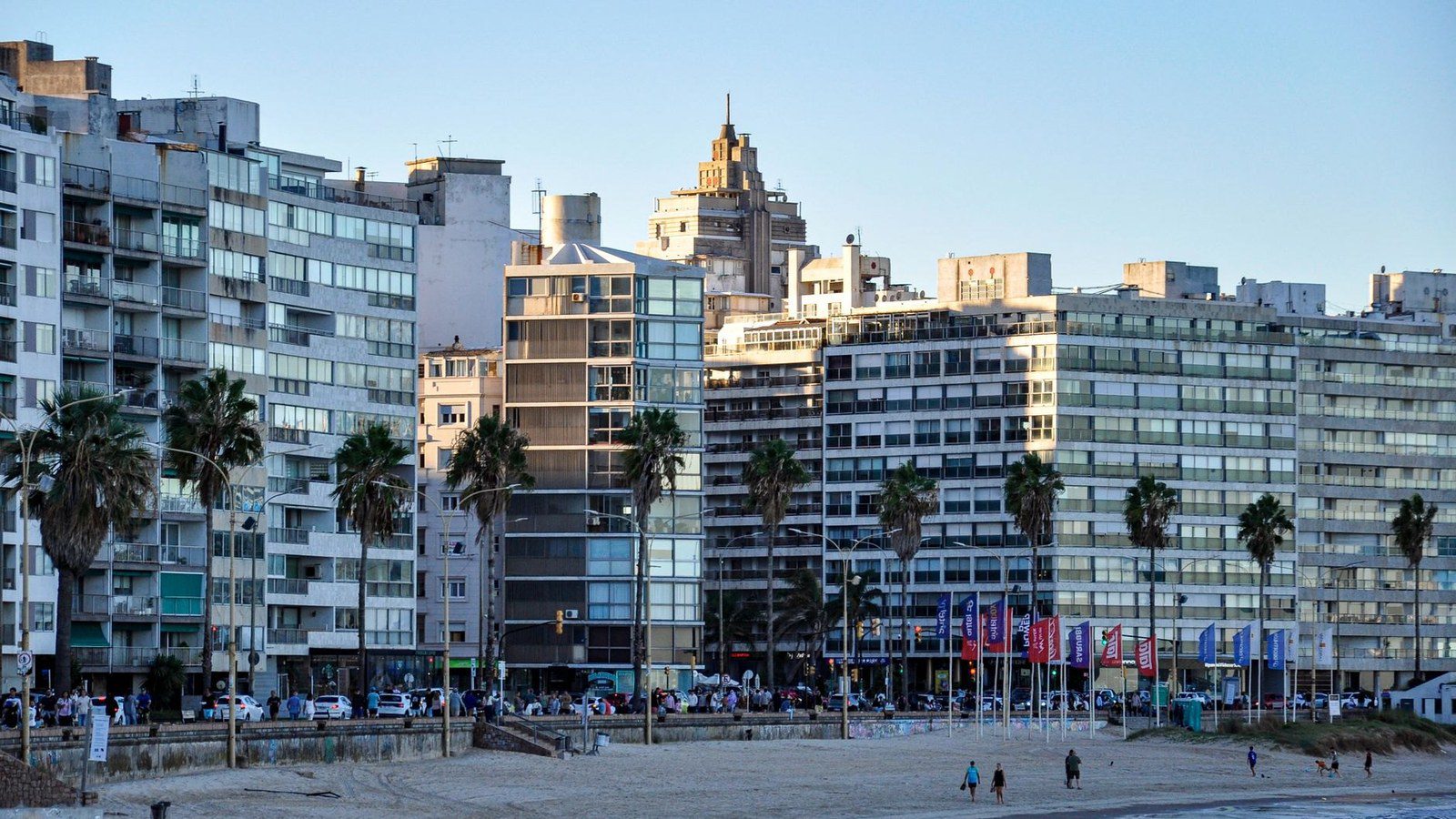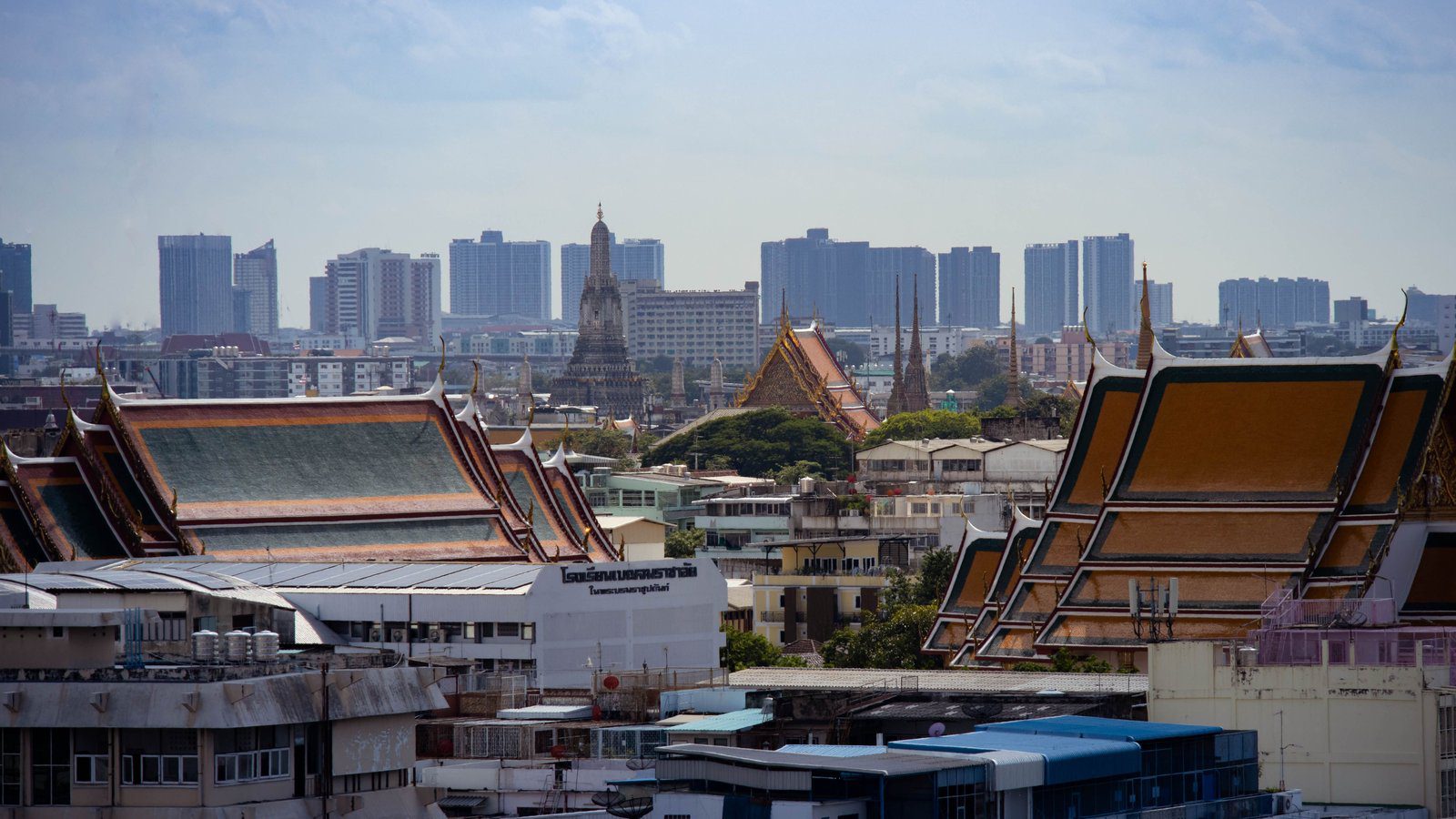
From exploring the vibrant street food markets and glittering temples of Bangkok to riding long-tail boats in Krabi and cruising Phuket’s Andaman coast, mobile connectivity in Thailand is essential. Digital services like Grab ride-hailing, Bolt, and Google Maps make independent navigation effortless.
Thailand’s telecommunications infrastructure, led by AIS and True Move H, provides world-class 4G and 5G coverage across urban hubs and island resort areas. Cellular fading occurs primarily during open-sea island speedboat transfers and remote jungle national parks in northern Chiang Mai.
Thailand Mobile Data Estimates for 3, 7 and 14 Days
These planning ranges represent modelled travel styles. Background cloud synchronisation, video resolution choices, and accommodation Wi-Fi habits will shift your actual consumption within these brackets.
| Trip Length | Light Use (Navigation, Chat, Tickets) | Typical Use (+ Social, Music, Browsing) | Heavy Use (+ Video, Hotspot, Work) |
|---|---|---|---|
| 3 Days (City Break) | 0.5 – 1.0 GB | 1.0 – 2.0 GB | 3.0 – 5.0+ GB |
| 7 Days (One Week) | 1.0 – 3.0 GB | 3.0 – 5.0 GB | 6.0 – 10.0+ GB |
| 14 Days (Two Weeks) | 2.0 – 5.0 GB | 5.0 – 10.0 GB | 12.0 – 25.0+ GB |
Light Use
A light data profile treats the smartphone primarily as an on-the-go utility:
- Walking directions and public transport schedules on Google Maps or Apple Maps.
- Transit routing and station departure checks on official apps (Grab Thailand, BTS Skytrain Bangkok).
- Text messaging over WhatsApp, iMessage, or Signal.
- Scanning digital attraction passes, museum tickets, and boarding QR codes.
- Occasional restaurant lookups, opening hours checks, and menu translations.
A light traveller who downloads offline maps and reserves video streaming for accommodation Wi-Fi rarely exceeds 300–400 MB daily. A 1–2 GB allowance easily covers a 3- to 4-day city break.
Typical Use
Typical use represents standard holiday behaviour. In addition to navigation and tickets, this includes:
- Daily social media browsing (Instagram, Facebook) and sharing photos with friends.
- Looking up restaurant reviews, booking dining tables, and hailing local rides.
- Streaming background music, podcasts, or audio walking tours during city strolls.
- Checking web guides, museum audio tours, and local weather forecasts.
For a seven-day holiday, 3–5 GB provides a comfortable planning allowance without paying for an oversized bundle that expires unused.
Heavy Use
Heavy use involves high-bandwidth activities that consume data rapidly:
- Scrolling TikTok, Instagram Reels, or YouTube Shorts away from Wi-Fi.
- Streaming high-definition video during intercity transit.
- Automated background photo and 4K video synchronisation to iCloud or Google Photos.
- Video calls over FaceTime, Zoom, or WhatsApp.
- Hotspot tethering for a laptop or tablet without Low Data Mode enabled.
Under heavy use, 10 GB can disappear in days—particularly if a connected laptop downloads background operating system updates. Heavy users should monitor usage daily and restrict cloud synchronisation to Wi-Fi.
What Uses the Most Data While Travelling in Thailand?
The primary source of unexpected data drain is rarely Google Maps or messaging. The true drivers of rapid consumption are video pre-buffering, unmetered laptop tethering, and automated cloud backups.
| Activity | Typical Data Consumption | Practical Impact on a 7-Day Trip |
|---|---|---|
| Google Maps / Apple Maps Navigation | 15–30 MB per hour | Very low. 2–3 hours of daily routing uses only 300–600 MB across an entire week. Pre-downloading offline maps reduces this further. |
| Messaging & Voice Notes (WhatsApp/Signal) | 5–15 MB per day | Negligible. Text messages and compressed voice notes consume minimal bandwidth. Video calls should be reserved for Wi-Fi. |
| Transit & Ride-Hailing Apps | 10–25 MB per day | Minimal. Booking tickets and hailing rides consumes very little data once the app’s interface is cached. |
| Web Browsing & Travel Research | 40–80 MB per hour | Moderate. Mobile-optimised websites are efficient, but image-heavy blogs and booking platforms accumulate over time. |
| Audio Streaming (Spotify, Podcasts) | 40–120 MB per hour | Moderate. Standard quality uses ~50 MB/hour; downloading playlists offline eliminates mobile cellular usage entirely. |
| Social Media Scrolling (Instagram/TikTok) | 100–250 MB per 20 mins | High. Autoplaying video feeds pre-buffer high-definition media, consuming 300–700 MB in an hour of casual browsing. |
| Cloud Photo & Video Backup | 200 MB – 2+ GB per day | Very High. Syncing 50 photos and several 4K clips can quietly consume multiple gigabytes in the background. |
| Laptop / Tablet Hotspot Tethering | 500 MB – 2+ GB per hour | Critical. Laptops treat mobile hotspots as unmetered Wi-Fi unless configured with data-saving safeguards. |

*Planning estimates based on typical travel usage (navigation, chat, ride-hailing & light browsing). Actual consumption varies based on background synchronization, video streaming resolution, and accommodation Wi-Fi habits.
3 Practical Travel Scenarios in Thailand
Scenario 1: 4-Day Bangkok Urban & Temple Stay
Travel Profile: City traveller exploring the Grand Palace, Chatuchak Market, BTS Skytrain, and hailing Grab rides.
Modelled Usage: 550 MB/day | Recommended Allowance: 2.2 GB (Plan for 2–3 GB)
Connectivity Realities: Navigating Skytrain and MRT lines, hailing Grab rides in heavy traffic, translating Thai menus, and mobile banking payments. Dense high-rise buildings in Sukhumvit have excellent 5G coverage.
Scenario 2: 10-Day Island Hopping in the South: Phuket & Krabi
Travel Profile: Beach lover taking island speedboats, touring Maya Bay, and relaxing at beach clubs.
Modelled Usage: 580 MB/day | Recommended Allowance: 5.8 GB (Plan for 6–7 GB)
Connectivity Realities: Using mapping apps on scooter rentals, booking scuba diving excursions, and streaming beachside playlists. Open-water speedboat trips between Phuket, Phi Phi, and Krabi have brief dead spots between island masts.
Scenario 3: 14-Day Northern Cultural & Trekking: Chiang Mai & Pai
Travel Profile: Adventurer visiting elephant sanctuaries, mountain temples, and scooter loops in Mae Hong Son.
Modelled Usage: 520 MB/day | Recommended Allowance: 7.3 GB (Plan for 8–10 GB)
Connectivity Realities: Continuous GPS navigation along mountainous switchback roads, finding remote coffee farms, and uploading mountain sunrise photos. Deep jungle valleys and high mountain passes experience intermittent reception.
Worked Example: A 7-Day Vacation Data Budget
Here is a transparent breakdown of a standard 7-day trip (7-Day Bangkok & Island Holiday):
- Grab car hailing, BTS routing & pedestrian mapping (2 hrs/day): ~130 MB/day
- WhatsApp messaging, island photos & video sharing: ~85 MB/day
- Digital attraction tickets, Google Translate & dining research: ~55 MB/day
- Social feeds, Instagram stories & evening browsing (45 mins/day): ~210 MB/day
- Background sync, email alerts & tropical weather alerts: ~110 MB/day
Daily Subtotal: ~590 MB per day
7-Day Subtotal: 590 MB × 7 days = 4130 MB (~4.1 GB)
10% Safety Buffer: +413 MB
Total Planned Consumption: 4543 MB (~4.5 GB) — Recommended allowance: 5 GB
Verified NXTL Usage Costs in Thailand
NXTL operates on a transparent pay-as-you-go model. When you purchase an NXTL Global eSIM starter package in EUR, checkout is $11.99 and includes $10.00 in usable prepaid balance (the effective profile access component is $1.99). You are charged strictly for the data you consume at the destination’s published per-gigabyte rate, with unused balance remaining on your account for subsequent international travel.
Published starting rate in Thailand: $1.12 / GB ($1.12/GB) on DTAC Thailand.
| Data Consumed | Calculated Cost | Balance Accounting from $10.00 Credit |
|---|---|---|
| 1 GB | $1.12 | Covered by starting credit; leaves $8.88 remaining balance |
| 2 GB | $2.25 | Covered by starting credit; leaves $7.75 remaining balance |
| 3 GB | $3.37 | Covered by starting credit; leaves $6.63 remaining balance |
| 5 GB | $5.62 | Covered by starting credit; leaves $4.38 remaining balance |
| 10 GB | $11.23 | Requires $1.23 additional credit (top-up $2.26 suggested) |
| 20 GB | $22.47 | Requires $12.47 additional credit (top-up $13.56 suggested) |
Note: Starter purchase includes $10.00 usable data credit. Self-service balance top-ups start from $2.26. Unused balance never expires while the account remains active and transfers automatically to any of NXTL’s 180+ supported destinations.
Local Connectivity Realities in Thailand
Official Regulatory Landscape
Telecommunications in Thailand are overseen by NBTC (National Broadcasting and Telecommunications Commission), ensuring high standards of spectrum allocation and network resilience. National operators (DTAC Thailand, DTAC (5G), AIS (5G), True (5G)) provide extensive 4G LTE and rapidly expanding 5G coverage across urban areas and transport routes.
Population Coverage vs. Geographical Land Area
While operators advertise population coverage exceeding 98–99%, this refers strictly to where residents live, not total land area. When travelling through rural national parks, mountain passes, deep valleys, or coastal cliff roads, expect periodic cellular dead zones.
Underground & Transit Challenges
Subterranean transit stations, metro tunnels, and historic buildings with thick masonry or stone walls naturally dampen radio signals. Furthermore, high-speed rail travel causes rapid cell tower handovers that can briefly interrupt continuous data streams.
Recommended Offline Precautions
- Download Google Maps offline areas for Bangkok and Phuket; bookmark Grab pickup points and download island ferry tickets to your mobile wallet before boarding longtail speedboats. Note that Google Maps offline mode provides driving directions only, and does not support walking, cycling, or public transit routing.
- Keep essential booking reference numbers and emergency contacts stored in an offline note.
Roaming Eligibility: Do You Actually Need an eSIM?
Before buying an international data package, check your home mobile plan:
Thailand is outside the EU. International roaming passes from US, UK, or European providers typically cost $10–$15/day. Purchasing physical tourist SIMs at Bangkok Suvarnabhumi Airport often involves long passport scanning queues, whereas NXTL eSIM is ready on arrival.
If your home provider imposes high roaming surcharges, a travel eSIM provides an affordable, instant, and transparent alternative without changing your physical SIM card.
8 Practical Tips to Reduce Mobile Data Consumption
- Download Offline Maps: Pre-cache city and regional maps on Google Maps or Apple Maps before departing your hotel. Note that Google Maps offline mode provides driving directions and cached map viewing only; walking directions, live transit routing, and live traffic require active cellular data.
- Enable Low Data Mode: Turn on Low Data Mode in your iPhone (Settings > Cellular > Cellular Data Options) or Data Saver on Android (Settings > Network & internet).
- Disable Cloud Backup Over Cellular: Set Google Photos, iCloud Photos, and Dropbox to backup only over Wi-Fi.
- Download Media Offline: Pre-download Spotify playlists, podcast episodes, and Netflix episodes over hotel Wi-Fi.
- Switch Off Video Autoplay: In Instagram, TikTok, and Facebook, configure video autoplay to Wi-Fi only.
- Toggle Off Unnecessary Cellular App Access: Restrict cellular permissions for background apps that don’t need real-time connectivity.
- Configure Hotspots Carefully: If tethering a laptop, mark the connection as a metered network and pause background software updates.
- Monitor Daily Usage: Check your device’s built-in cellular data counter at the end of each day to catch unexpected background drains early.
10-Step Departure Checklist
- Confirm your smartphone is carrier-unlocked and eSIM-compatible (Check compatible devices).
- Purchase your NXTL eSIM starter balance for Thailand.
- Install the eSIM profile before departure using the QR code or manual activation code (View setup guide).
- Pre-download offline Google Maps for your destinations.
- Download transit and ticketing apps (Grab Thailand, BTS Skytrain Bangkok).
- Save digital boarding passes, train e-tickets, and hotel confirmations to Apple Wallet or Google Wallet.
- Turn off automated cellular photo and video cloud syncing.
- Download travel playlists, audio guides, and podcasts over home Wi-Fi.
- Set your primary home SIM to avoid expensive roaming surcharges if necessary.
- Enable the NXTL eSIM data line upon arrival and ensure Data Roaming is toggled ON for the eSIM profile.
Frequently Asked Questions
How much data is enough for a week in Thailand?
A 3 to 5 GB data allowance is typically ideal for a one-week holiday in Thailand, easily handling Grab ride hailing, Google Maps navigation, social sharing, and messaging.
Does mobile internet work well on Thai islands?
Major tourist islands like Phuket, Koh Samui, Koh Phangan, and Koh Tao have strong 4G and 5G coverage from AIS and True. Smaller, remote islets may have slower speeds.
Which networks does NXTL connect to in Thailand?
NXTL connects directly to Thailand’s tier-one networks: AIS, True, and DTAC with multi-network coverage from $1.12/GB.
Can I use ride apps like Grab and Bolt with this eSIM?
Yes, high-speed mobile data ensures smooth ride hailing, driver messaging, and food deliveries across all major Thai cities.
Do I need to submit a passport photo to activate?
No, NXTL eSIM operates without local Thai biometric registration, bypassing the crowded passport registration desks at Suvarnabhumi and Don Mueang airports.
What happens if I need more data while in Thailand?
You can add balance online in seconds from $2.26 upwards. Your balance never expires, and unused funds remain valid for future travel.
Practical Recommendation: Choosing Your Starting Balance
Plan for 3–5 GB for a 7-day vacation in Thailand. This easily accommodates Grab ride bookings, Google Translate camera scans, and Instagram stories. At $1.12/GB, 5 GB costs approximately $5.62, leaving $4.38 in usable credit on your NXTL profile.
Review live network rates and calculate your custom data budget before departure on the Thailand eSIM destination page or check worldwide rates in the NXTL global pricing directory.
Public Methodology & Source Note
This data planning guide is produced using authoritative telecommunications data, official transport authority documentation, and verifiable rate snapshots.
- Pricing Reference Date: 2 October 2026.
- NXTL Catalog Snapshot: Verified via https://nxtlsim.com/esim/thailand/. Starter purchase: $11.99 including $10.00 usable prepaid balance; Thailand starting rate from $1.12 / GB on DTAC Thailand. Global pricing hub: https://nxtlsim.com/pricing/.
- Telecom Authority: NBTC (National Broadcasting and Telecommunications Commission).
- Transit Documentation: Direct references from Grab Thailand, BTS Skytrain Bangkok.
- Activity Modelling: Daily bandwidth budgets represent labelled editorial modelling assumptions based on typical smartphone travel behavior. Actual consumption depends on individual device settings and Wi-Fi habits.