Australia is a continent of staggering, sun-drenched proportions. For first-time international visitors, the most frequent planning blunder is attempting to conquer the entire nation—Sydney, Melbourne, Uluru, the Great Barrier Reef, and the Daintree Rainforest—in a chaotic two-week sprint. You end up spending more time in airport departure lounges and rental car return queues than standing before ancient red cliffs or swimming in emerald oceans.
A vastly superior, deeply rewarding strategy is to anchor your first Australian trip in New South Wales. By pairing the cosmopolitan coastal dynamism of Sydney with the ancient, eucalyptus-scented wilderness of the Blue Mountains, you experience Australia at its absolute best without constant flight fatigue. From gliding across Sydney Harbour on heritage ferries to hiking misty canyon rims and savoring flat whites in sunlit beachside cafes, this guide delivers an executable route, essential surf and bush safety tips, public transport hacks, and reliable global connectivity.
Sydney Harbour: Circular Quay and the Architectural Wonder of Utzon
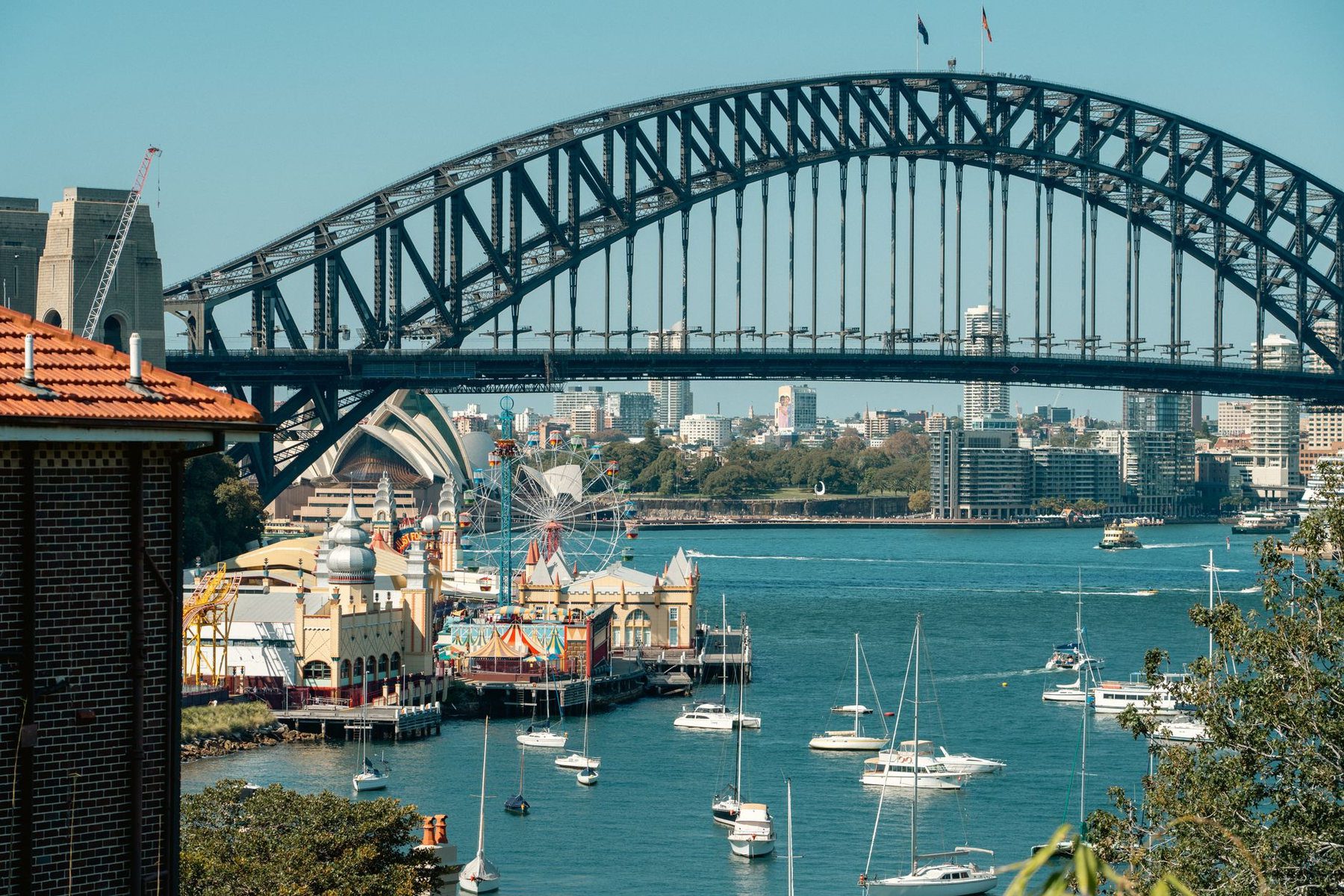
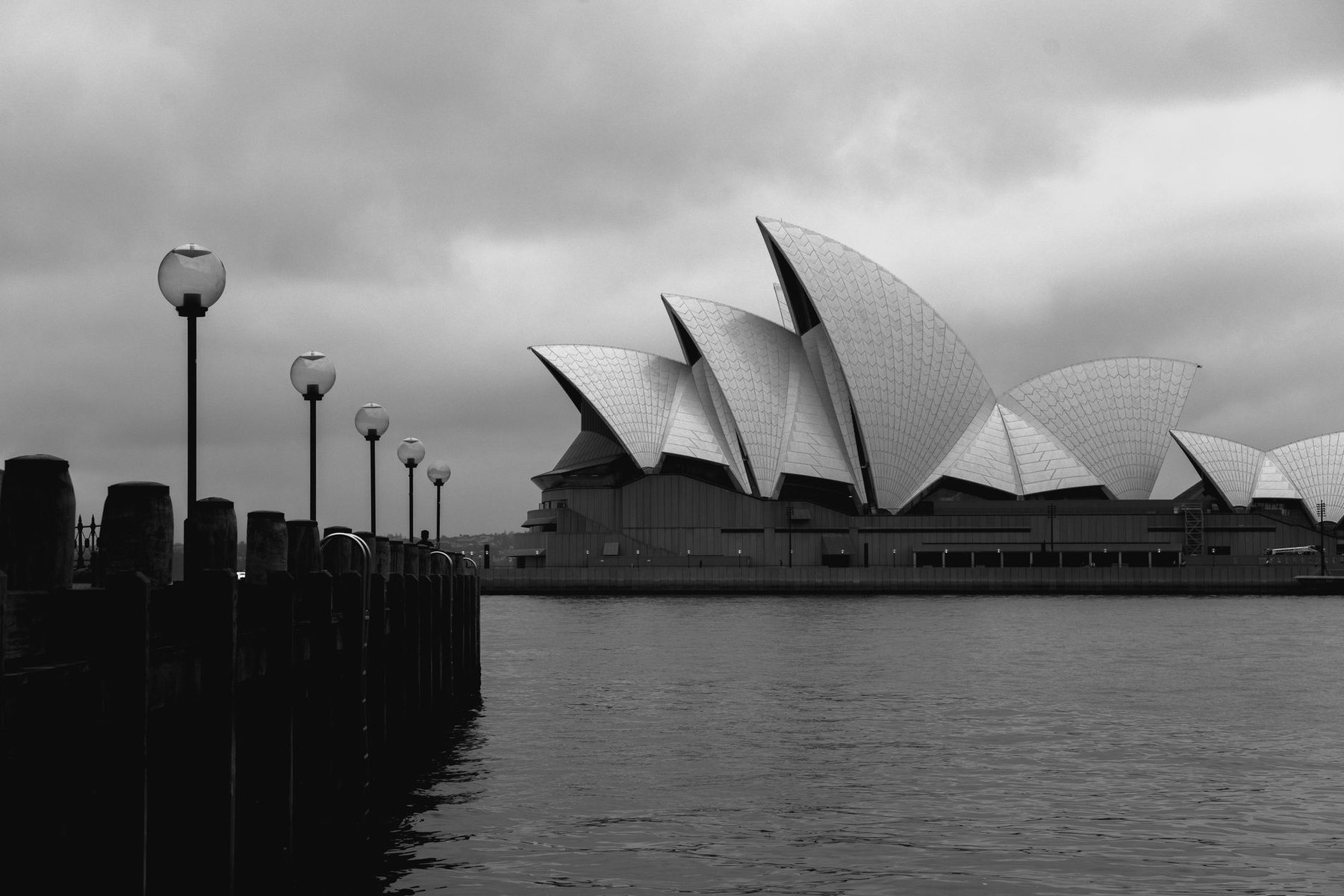
There is no finer introduction to the Antipodes than standing on the granite foreshore of Circular Quay at dawn. Bennelong Point is crowned by the Sydney Opera House, designed by Danish visionary Jørn Utzon. Its soaring, interlocking vaulted shells gleam with over a million self-cleaning Swedish ceramic tiles, catching the morning light like billowing sails frozen above the deep blue water.
Walk the broad harbor boardwalk toward the Opera Bar, where you can sip a chilled Hunter Valley Semillon as the iconic iron arch of the Sydney Harbour Bridge looms majestically across the water. For an unforgettable perspective, book an architectural backstage tour or an evening performance in the Joan Sutherland Theatre, where the acoustics and timber interiors offer a masterclass in modern structural design.
The Royal Botanic Garden and the Historic Cobblestones of The Rocks
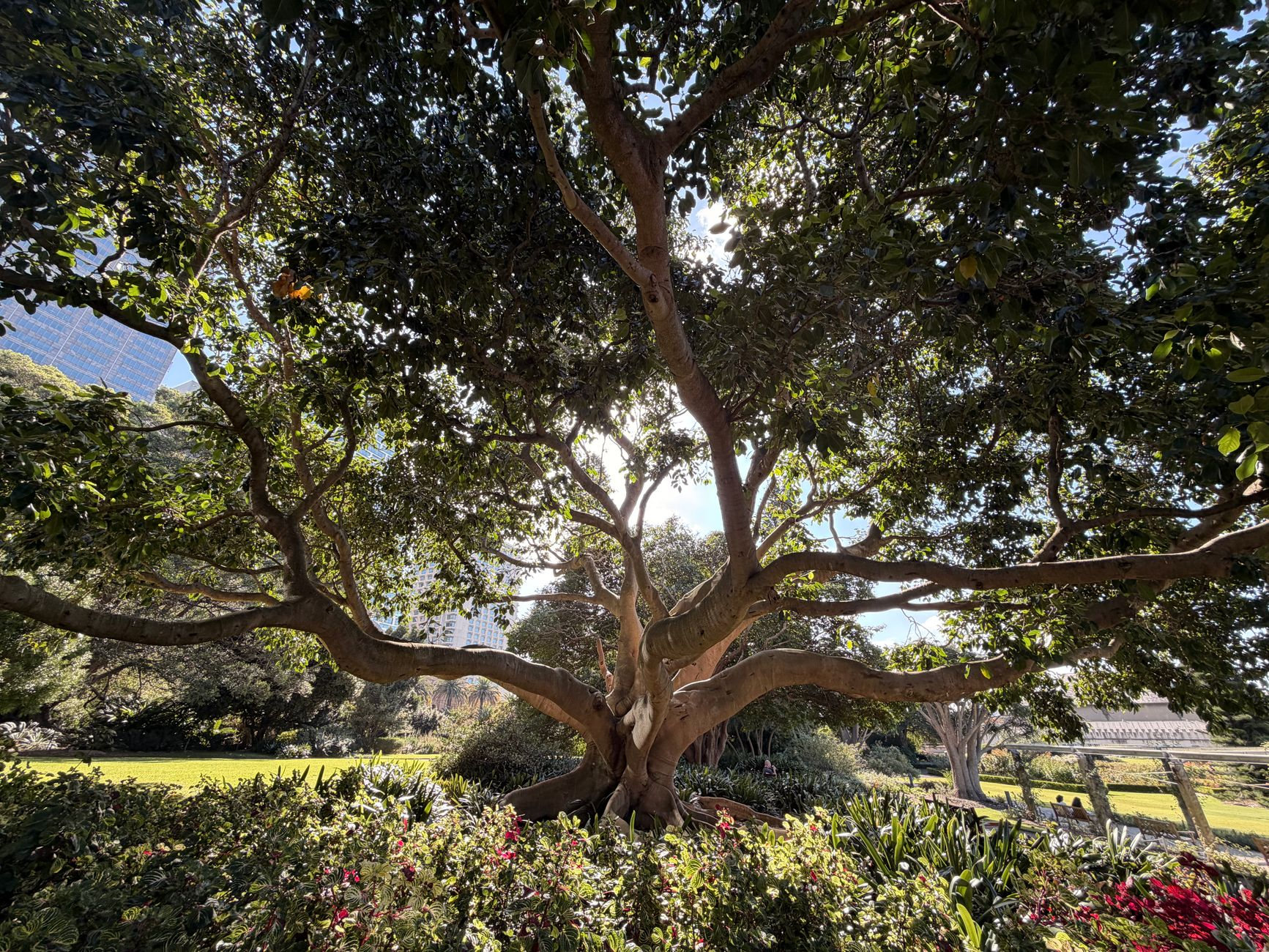
Directly flanking the Opera House is the Royal Botanic Garden, a peaceful 30-hectare oasis wrapping gracefully around the curve of Farm Cove. Stroll beneath the colossal, sculptural buttress roots of Moreton Bay fig trees and walk out to Mrs Macquarie’s Chair—a bench carved into an exposed sandstone rock ledge in 1810 by convicts for the governor’s wife. It remains the premier panoramic vantage point in the city, aligning the Opera House and Harbour Bridge in a single frame.
Directly westward across Circular Quay lies The Rocks, the birthplace of modern Sydney. Wander down narrow gas-lit alleyways, explore restored 19th-century sandstone warehouses, and stop for a pint at historic watering holes like the Fortune of War (Sydney’s oldest continuously licensed pub, operating since 1828) or the Hero of Waterloo, where folk musicians play acoustic ballads in candlelit taprooms.
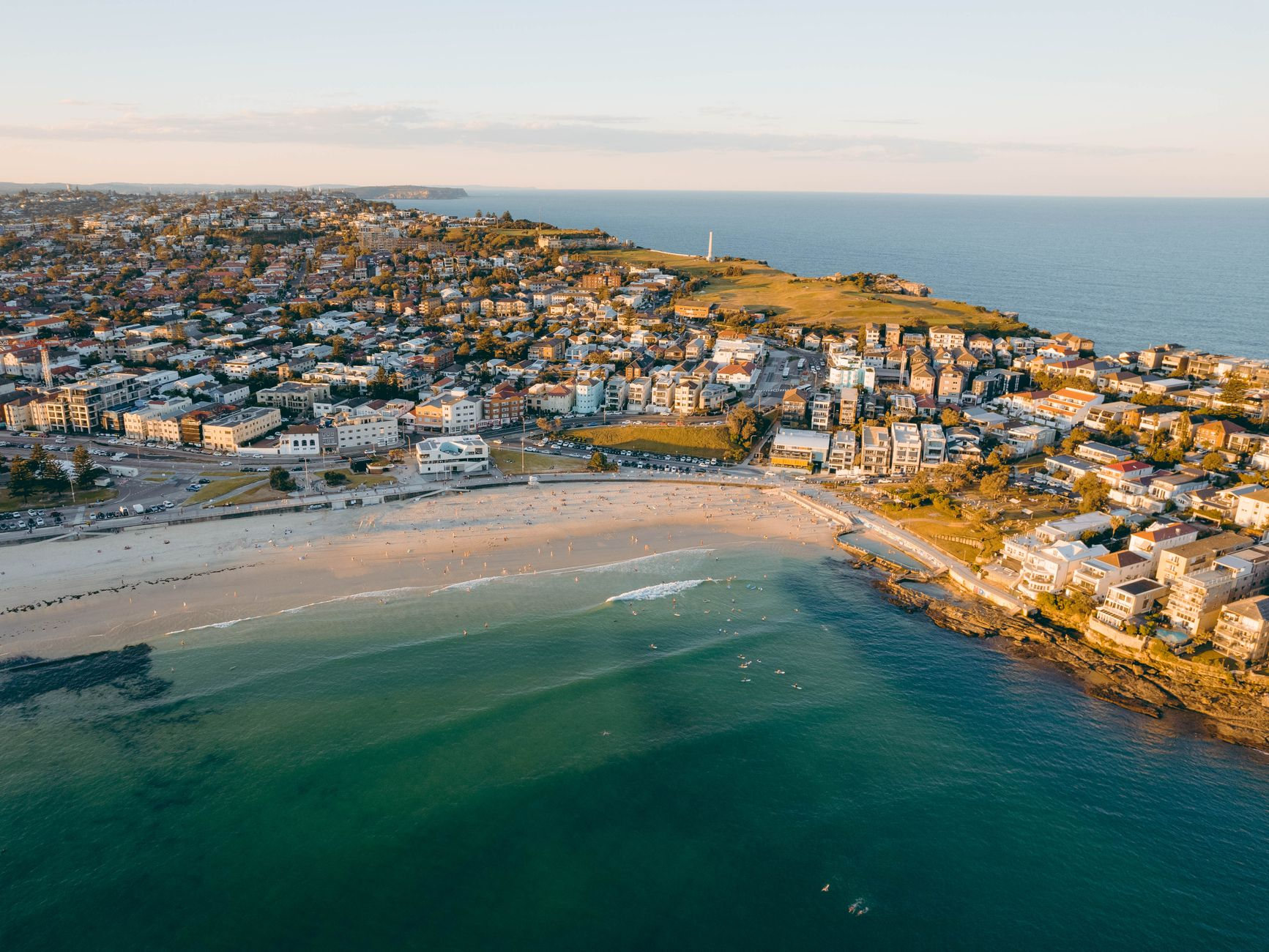
Bondi Beach: Golden Arc Sands and World-Famous Surf Culture
No trip to Sydney is complete without immersing yourself in Australia’s passionate outdoor coastal lifestyle. Hop on the 333 express bus from the city center to Bondi Beach, a sweeping crescent of fine golden sand framed by rolling South Pacific swells. Watch experienced local boardriders carve peeling waves at South Bondi, or take a swim in the historic Bondi Icebergs ocean rockpool, where turquoise saltwater waves break dramatically over the concrete barrier as you swim laps.
Along Campbell Parade and Hall Street, dive headfirst into Australian cafe culture: order an artisanal flat white with sourdough toast topped with smashed avocado, heirloom tomatoes, Danish feta, and za’atar. It is relaxed, healthy, and deeply quintessentially Australian.
The Bondi to Coogee Coastal Walk: Sweeping Ocean Cliffs
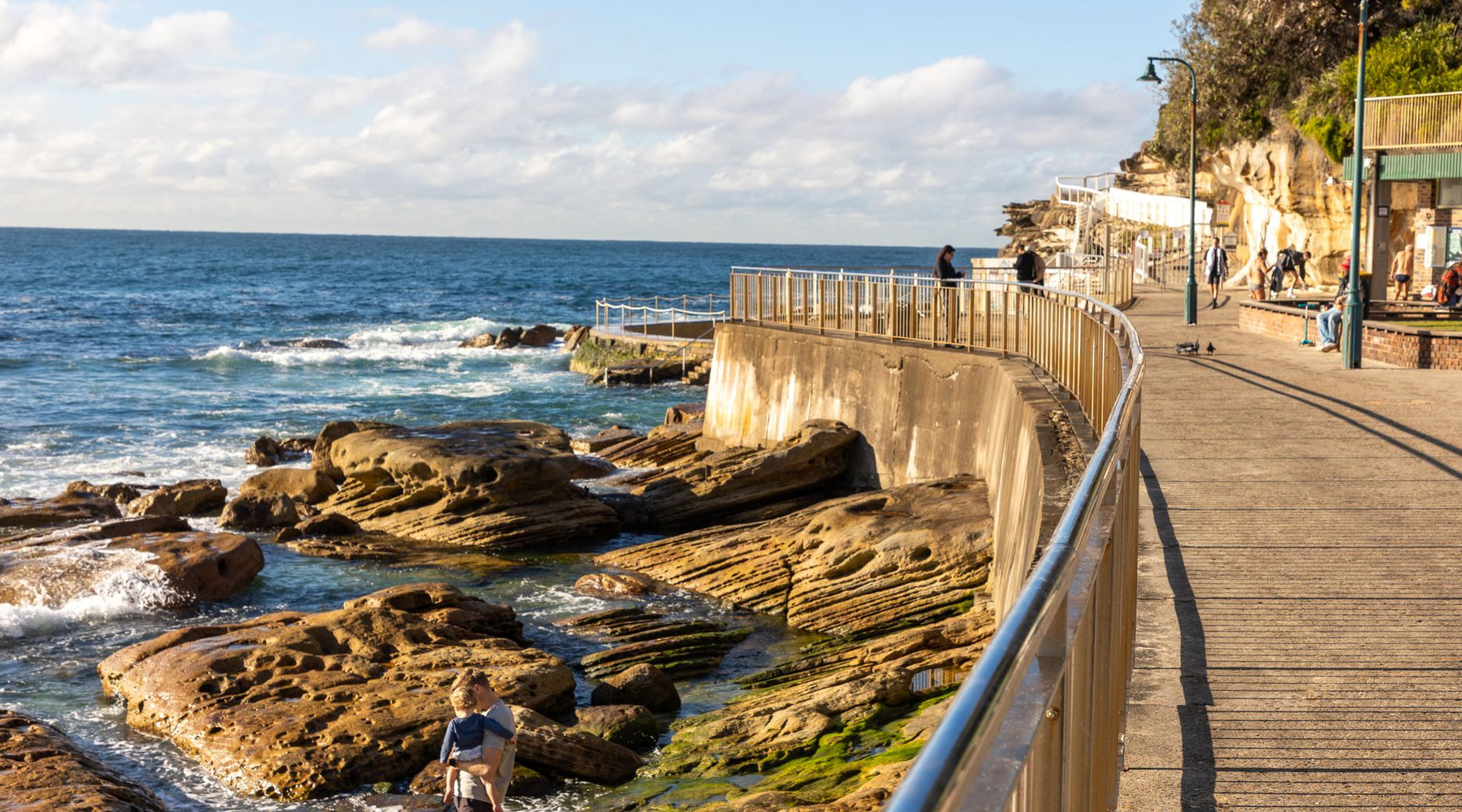
From the southern cliffs of Bondi, embark on the legendary Bondi to Coogee Coastal Walk. This 6-kilometer paved clifftop path meanders along dramatic yellow sandstone escarpments sculpted by thousands of years of Pacific wind and wave action.
The trail winds past a string of picturesque coastal bays: the secluded cove of Tamarama Beach (affectionately nicknamed ‘Glamarama’), the sheltered family-friendly waters of Bronte Beach with its saltwater ocean bath, the narrow rocky inlet of Clovelly, and the poignant cliffside Waverley Cemetery where historic monuments overlook the ocean. Finish your trek at Coogee Beach with fresh battered flathead and chips from a seaside takeaway, followed by a swim in the calm, protected surf.
The Manly Ferry: Sydney Harbour's Premier Scenic Cruise
For what locals rightly consider the greatest budget harbor cruise in the world, board the green-and-yellow F1 Manly Ferry at Circular Quay Wharf 3. For under $10 AUD, the 30-minute journey takes you right past the Sydney Harbour heads, slicing through rolling ocean swells as you glide past secluded harbor beaches, historic lighthouses, and waterfront homes.
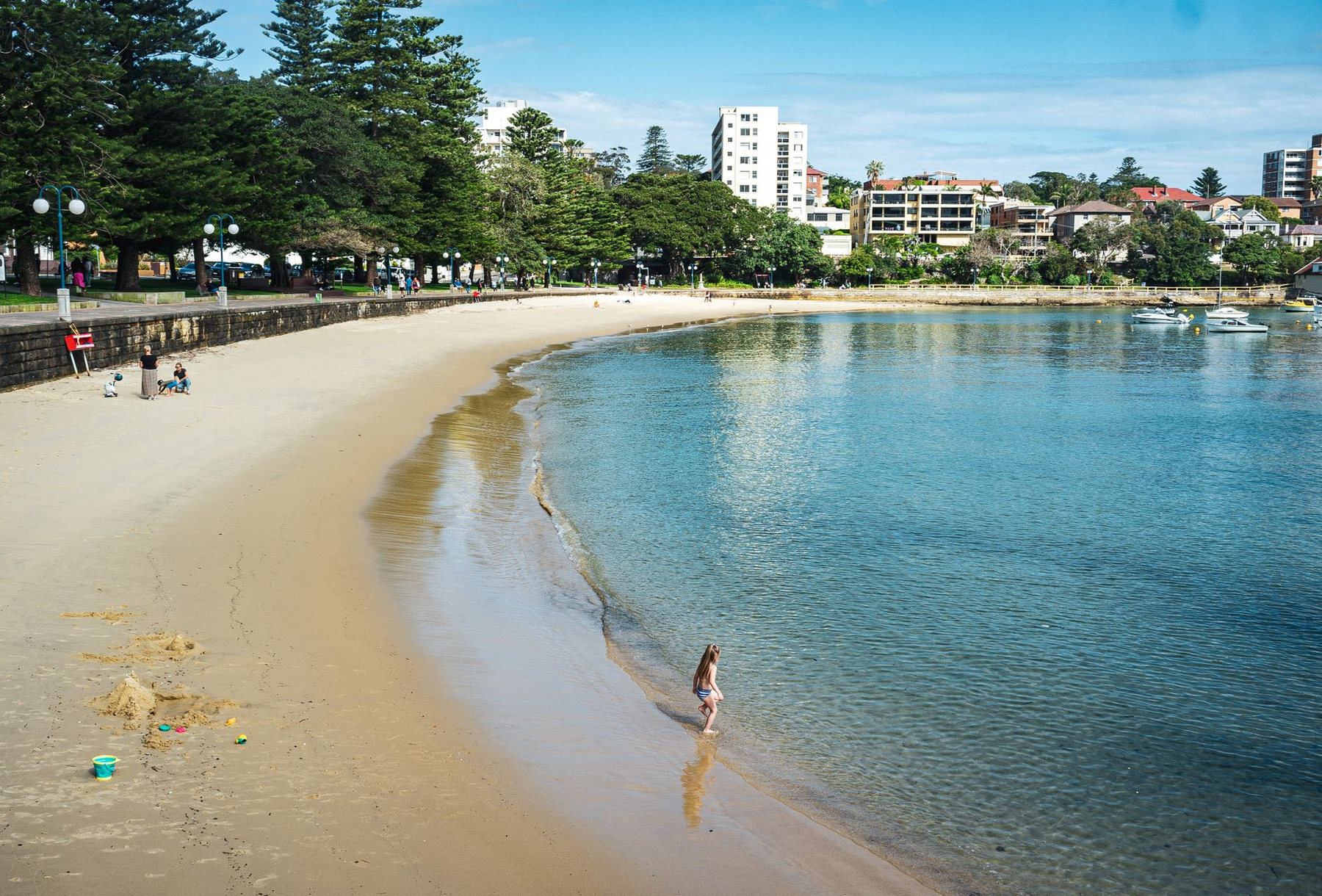
Disembarking at Manly Wharf, stroll down The Corso—a pedestrian promenade shaded by giant Norfolk Island pines—to reach the golden expanse of Manly Beach. For tranquil snorkeling, take the short walkway to Shelly Beach, a marine protected aquatic reserve where you can spot docile wobbegong sharks, giant blue groupers, and colorful fiddler rays in shallow, crystal-clear water.
The Blue Mountains: Escarpments and The Three Sisters
Trade the salty ocean breezes for crisp mountain air by boarding an intercity train from Sydney Central Station to the UNESCO World Heritage-listed Blue Mountains. The region gets its name from the distinctive blue atmospheric haze created by vast forests of eucalyptus trees releasing microscopic droplets of terpene oil that scatter blue sunlight rays.
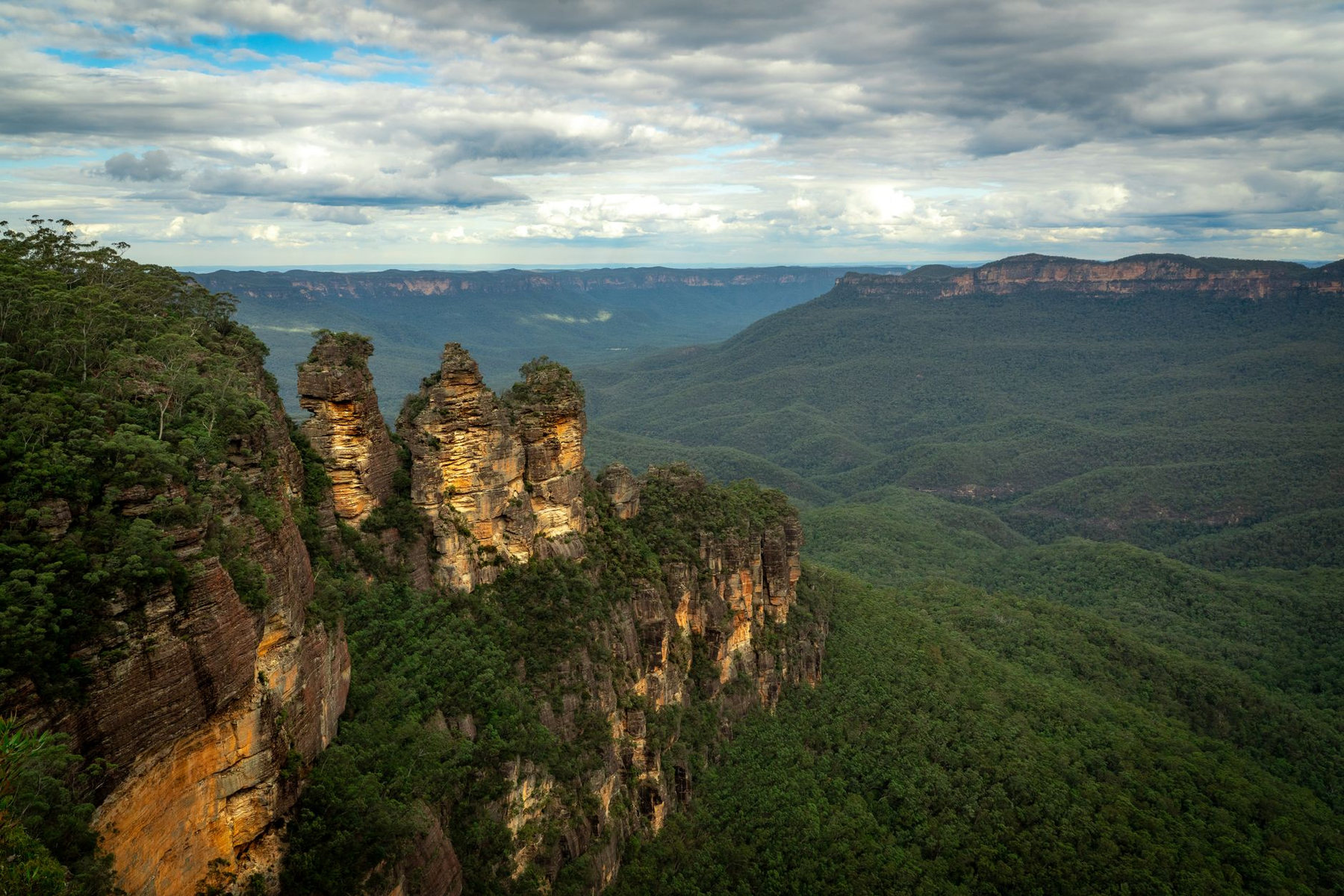
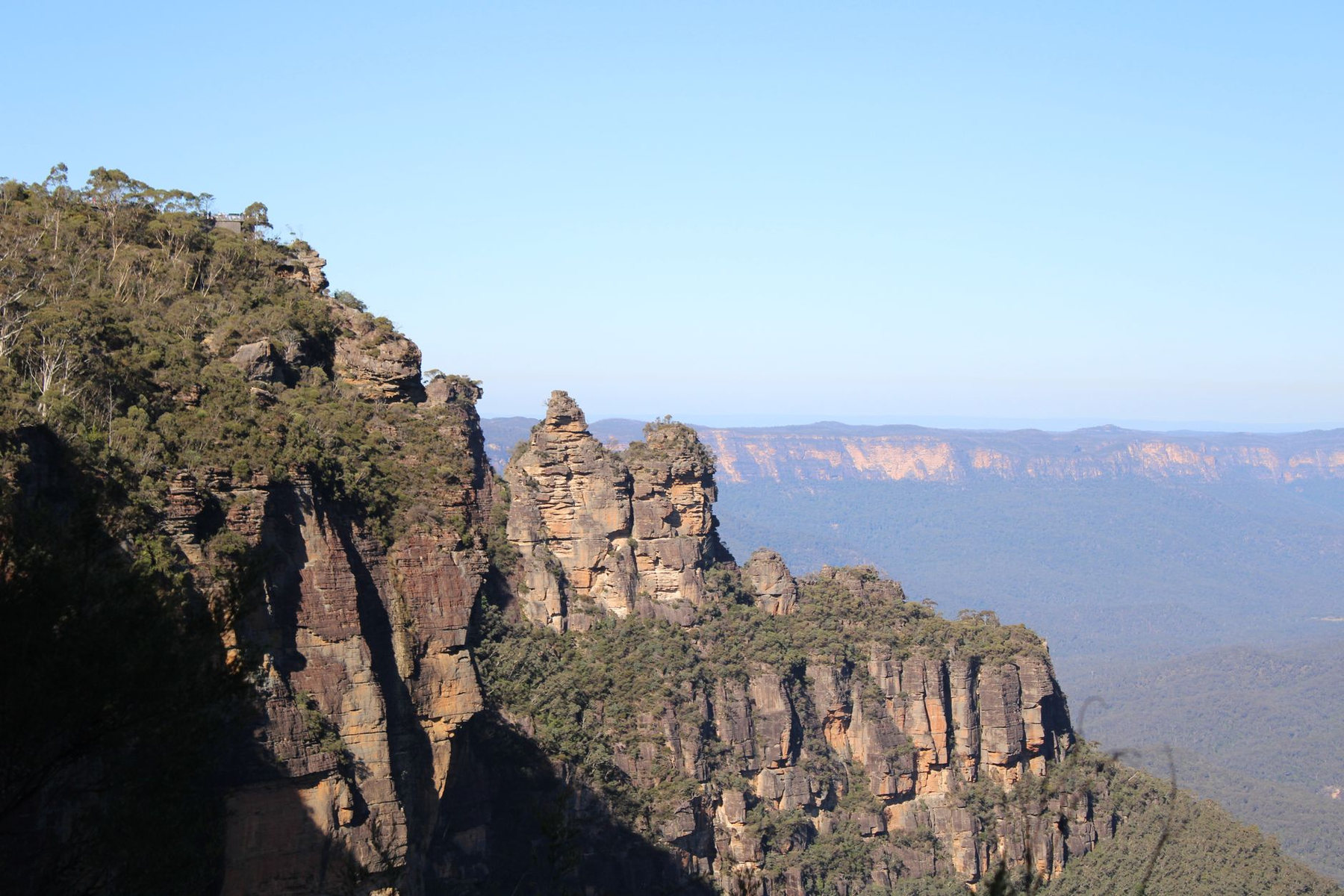
Disembark in the historic mountain hub of Katoomba and walk or catch a local bus to Echo Point lookout. Standing before you are the Three Sisters—a monumental sandstone rock formation rising over 900 meters above the dense green carpet of the Jamison Valley. According to Gundungurra and Darug Aboriginal Dreamtime legends, three sisters named Meehni, Wimlah, and Gunnedoo were turned to stone by a tribal elder to protect them during a fierce battle, immortalizing them forever on the valley rim.
Hiking Ancient Canyons, Rainforest Tracks, and Hidden Waterfalls
The Blue Mountains offer some of the most spectacular, pristine bushwalking on Earth. From Echo Point, descend the steep Giant Stairway—over 900 steps carved directly into the vertical cliff edge—to enter the temperate rainforest canopy of the Federal Pass trail, where ancient tree ferns flourish and the mimicry calls of lyrebirds echo through the trees.
Hike to Katoomba Falls, where tiered mountain torrents plunge into rocky chasms. Before setting foot on any trail, always verify live track conditions, fire danger ratings, and safety alerts on the NSW National Parks Blue Mountains portal. Afterwards, relax in the nearby mountain hamlet of Leura, strolling down cherry-blossom-lined streets and enjoying traditional afternoon Devonshire tea with warm, buttery scones, strawberry jam, and clotted cream.
Transport Logistics: Contactless Payments on Transport for NSW
Getting around Sydney and the surrounding region is extraordinarily convenient thanks to Transport for NSW public transport essentials. You do not need to buy a physical plastic Opal transit card; simply tap your contactless credit or debit card, or your smartphone wallet (Apple Pay / Google Pay), at the tap-on gates on all trains, metro services, light rail, buses, and public harbor ferries.
Fares automatically cap daily and weekly, with discounted travel on weekends. The 2-hour intercity train ride from Sydney Central to Katoomba accepts the exact same contactless tap, costing under $10 AUD each way. The only exception: Sydney Airport rail stations have a privately operated station gate access fee added to the standard train fare. If you are traveling on a strict budget, take local bus 350 or 420 from the airport terminal to a nearby suburban station like Mascot to bypass the surcharge.
Staying Connected: The NXTL Global eSIM for Effortless Australian Data
Reliable mobile connectivity in Australia is a fundamental travel utility. You need real-time data to check live ferry departures, track your bus arrival via the TripView app, navigate hiking trails on AllTrails, check rip current warnings on Beachsafe, and hail an Uber or DiDi at the end of a long day of walking.
Rather than buying throwaway single-country tourist SIM cards that expire after a week, modern travelers use the reusable NXTL Global eSIM. NXTL operates on a revolutionary One Global eSIM model that works seamlessly across 180+ countries and 460+ local carrier networks with one single profile.
The second your flight touches down at Sydney Kingsford Smith Airport, your phone automatically latches onto Australia’s premier tier-1 telecom networks—Optus and Vodafone—giving you blistering 5G and 4G coverage from Circular Quay and Bondi to the rugged canyons of the Blue Mountains.
Best of all, your balance never expires, and there are no wasteful fixed-day bundles. You get started for just $11.99 with $10 usable balance included. If you only use $4 of data during a week in Sydney, the remaining $6 stays in your account indefinitely, ready to work automatically whether your next trip is to New Zealand, Japan, or Europe. With dual-SIM capability, your domestic physical SIM stays safely active for two-factor bank security texts and family calls without paying expensive daily international carrier roaming fees.
Realistic Daily Data Budget for Traveling in Australia:
• Live Navigation & Public Transit Tracking (TripView, Google Maps): ~70–100 MB per day.
• Trail Maps & Coastal Safety Checks (AllTrails, Beachsafe): ~40–60 MB per day.
• Messaging & Voice Calls (WhatsApp, FaceTime): ~60–90 MB per day.
• Beach Photography, Ocean Sunsets & Social Sharing: ~250–350 MB per day.
A data allocation of 5 GB to 8 GB will comfortably cover a 7 to 10-day trip, with instant top-ups available inside your NXTL dashboard anytime.
Scams, ATM Traps, Surf Safety, and Essential Travel Hacks
Australia is exceptionally safe, but international visitors frequently stumble into costly administrative traps or natural hazards. Keep these critical guidelines in mind:
• Always Swim Between the Red and Yellow Flags: Australian ocean surf is powerful, and rip currents are the country’s single biggest natural danger. Professional lifeguards patrol designated areas marked strictly by red-and-yellow flags. If you get caught in a rip, do not panic or fight the current; float calmly, raise one arm to signal the lifeguards, and swim parallel to the beach to escape the pull.
• Beware Dynamic Currency Conversion (DCC) at ATMs: Australia is virtually cashless, but if you do need cash, avoid standalone third-party ATMs in bars, convenience stores, or convenience kiosks (such as ATMx or Cashcard) which charge high operator fees. Use official bank branches (Commonwealth Bank, ANZ, NAB, Westpac). When a card terminal or ATM asks whether you want to be billed in your home currency or AUD, always select AUD to avoid a sneaky 6%–10% conversion markup!
• Remember to Tap On AND Tap Off: With Sydney’s contactless transit system, failing to tap off when exiting a bus, ferry, or train causes the system to bill you the maximum default fare for that route. Always tap off with the exact same card or device you used to tap on.
• Australian Sun is Serious: Due to thin atmospheric ozone, UV levels in Australia reach dangerous levels even on overcast days. Follow the local golden rule: slip on UV-protective clothing, slop on SPF 50+ broad-spectrum sunscreen every two hours, slap on a wide-brimmed hat, and slide on sunglasses.
• Mandatory Electronic Travel Authority (ETA): Nearly all passport holders must obtain a visa or Electronic Travel Authority before boarding a flight to Australia. Check entry criteria on the official Australian visa finder and submit your application well in advance via the official Australian ETA mobile app.