Travel to Chad represents one of the most formidable, rewarding, and logistically rigorous undertakings on the African continent. Spanning more than 1.2 million square kilometers from the arid dunes of the central Sahara to the fertile river savannahs of the south, Chad is a nation of immense geographic contrast. Yet it remains among the least visited countries on Earth. International travel advisories from Western foreign ministries—including the British Foreign Office and the United States Department of State—maintain strict warnings against non-essential travel due to regional insurgencies along the Lake Chad basin, spillover conflict from neighboring Sudan, and remote northern border instability.
Nevertheless, purposeful journeys take place continuously. Conservation biologists, documentary researchers, visiting diaspora families, humanitarian personnel, and seasoned Sahara expeditioners navigate Chad under strict logistical and administrative frameworks. For these travelers, success demands meticulous preparation: securing bureaucratic travel authorizations, traveling in self-sufficient multi-vehicle four-wheel-drive convoys, maintaining satellite communication redundancy, and respecting local tribal authority across remote desert landscapes.
This operational guide delivers grounded planning intelligence for authorized and essential travel to Chad. It details the administrative requirements for leaving N’Djamena, the remarkable conservation turnaround of Zakouma National Park, the expedition logistics of the UNESCO-listed Ennedi Plateau, the cash-only economy, and mobile connectivity realities on the ground.
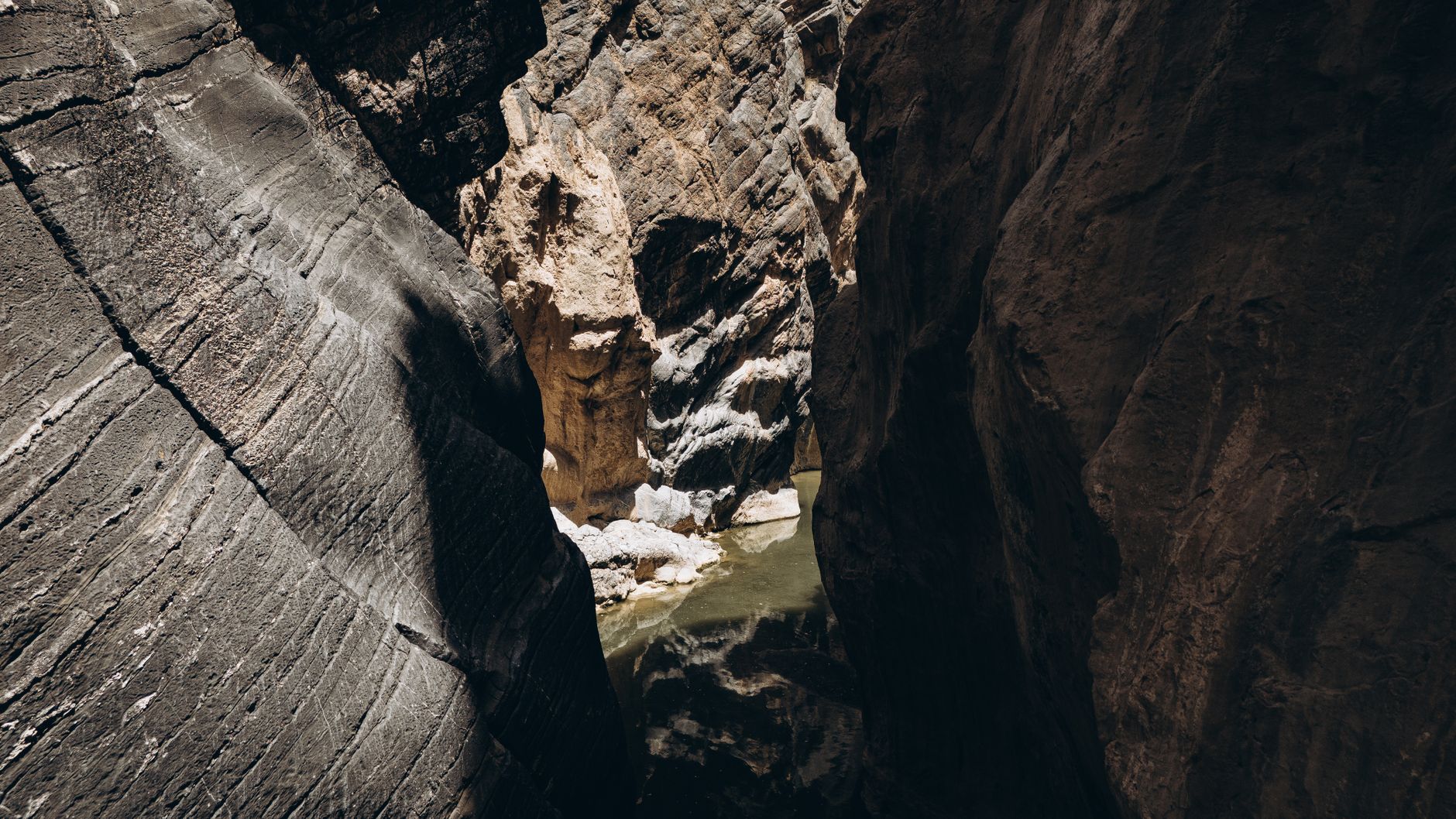
Travelers must understand that travel in Chad is sharply divided between the administrative capital of N’Djamena, structured conservation operations in the south, and remote desert expeditions in the north. Attempting to travel independently without local fixers, accredited guides, and official permits is impossible.
Administrative Formalities: Visas, Police Registration & Travel Authorizations
Entering Chad requires obtaining an official consular visa well in advance from an accredited Chadian embassy abroad. Visas on arrival are not issued to commercial travelers. Visa applications generally require an official letter of invitation certified by Chadian authorities, confirmed hotel reservations, and a certified copy of your round-trip flight itinerary.
Upon arrival in N’Djamena, bureaucratic formalities begin immediately. Chadian immigration regulations mandate that all foreign passport holders register with the Immigration Police (*Commissariat de Police*) within seventy-two hours of arrival. Your sponsoring organization, tour operator, or hotel concierge can assist in facilitating this process, which requires presenting your passport, two passport-sized photographs, and a registration fee. Failure to register can lead to heavy fines or detention upon departure.
Crucially, leaving the capital requires specific administrative clearance. Any journey outside N’Djamena requires an official travel authorization letter (*Autorisation de Circuler*) issued by the Ministry of Territorial Administration or Ministry of Public Security. This document details your travel route, vehicle license plates, passenger names, and permitted dates. Gendarmerie checkpoints (*barrages*) positioned along all regional highways inspect this document rigorously. Ensure your driver carries multiple certified paper copies of the *Autorisation de Circuler*, as checkpoints frequently retain physical copies.
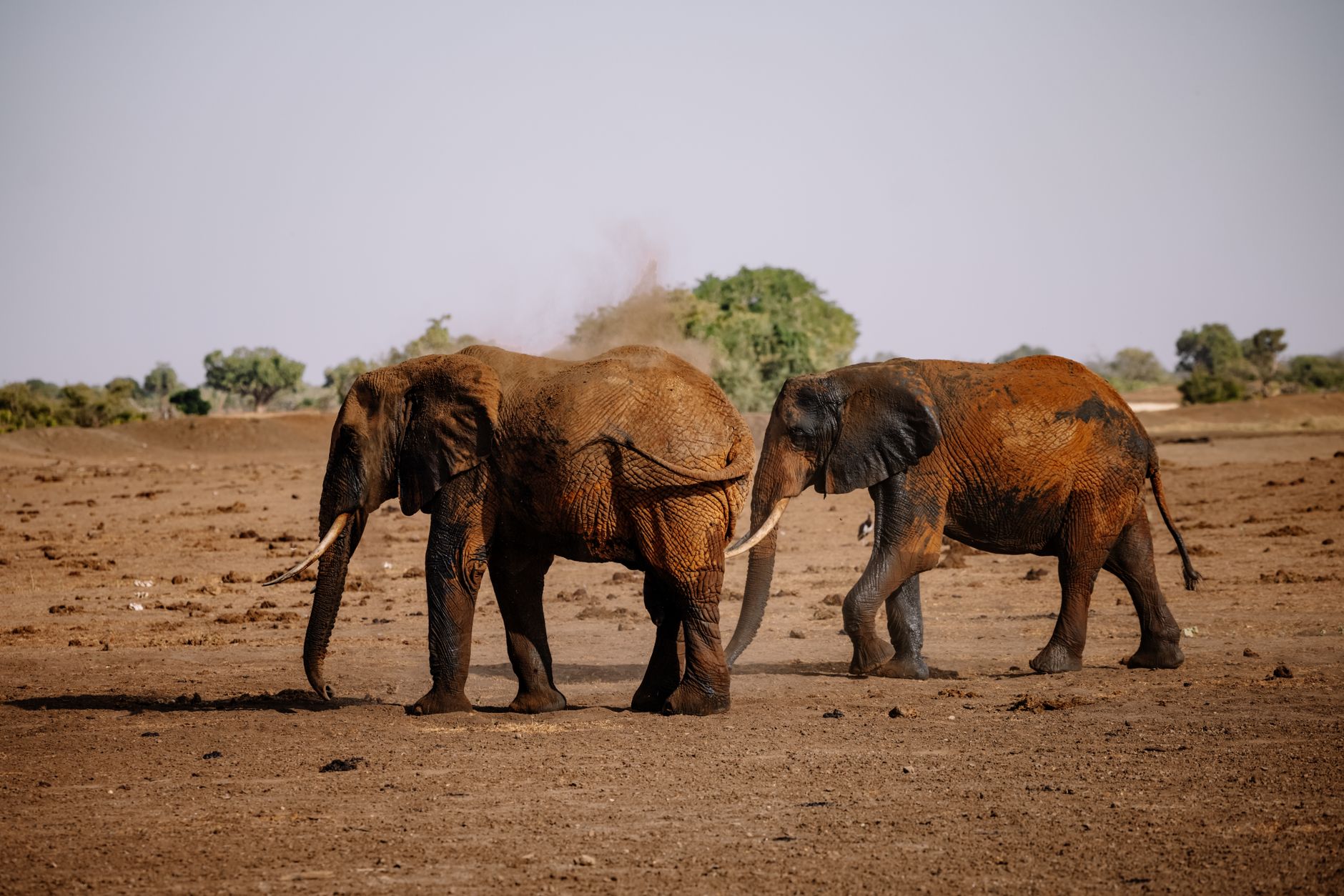
In addition, travelers planning to use cameras must obtain an official photography permit (*Autorisation de Photographier*) from the Ministry of Tourism and Culture in N’Djamena. Pointing a camera or smartphone at military installations, police personnel, government buildings, bridges, or airports is treated as an act of espionage. Even with a permit, always request verbal permission before photographing local residents or open-air market stalls.
N’Djamena: Gateway on the Chari River
Situated on the eastern bank of the Chari River directly opposite the Cameroonian border town of Kousséri, N’Djamena serves as Chad’s political, economic, and transport gateway. Established as Fort-Lamy by French colonial authorities in 1900, the capital is a low-rise Sahelian city where dust-blown avenues are shaded by massive neem trees.
Begin your cultural orientation at the National Museum of Chad (Musée National du Tchad) located near Place de la Nation. The museum’s preeminent treasure is the cast of Toumaï (*Sahelanthropus tchadensis*), a seven-million-year-old hominid skull discovered in northern Chad’s Djurab Desert by paleoanthropologist Michel Brunet in 2001, representing one of the earliest known human ancestors. The museum also displays extraordinary artifacts from the ancient Sao civilization, including intricate terracotta funerary urns, bronze figurines, and traditional musical instruments.
The Grand Mosque of N’Djamena, constructed in 1978 with its distinctive minarets and expansive domed prayer hall, dominates the central skyline. Nearby, the sprawling Grand Marché functions as the commercial engine of the city, offering handwoven textiles, camel-leather goods, traditional brass ornaments, and aromatic spices from across the Sahel. Secure lodging is concentrated in established international properties like the Radisson Blu and Ledger Plaza, both of which provide private security, satellite internet, and power backup.
Movement within N’Djamena requires common-sense security precautions. Avoid walking alone after dark, use private hotel drivers or trusted local contacts rather than hailing street taxis, and maintain awareness around major administrative compounds.
Zakouma National Park: The Central African Wildlife Miracle
Located in south-central Chad across the Salamat and Guéra provinces, Zakouma National Park represents one of the greatest ecological conservation triumphs in modern African history. Spanning three thousand square kilometers of semi-arid Sahelian savannah and seasonally flooded river plains, Zakouma was once decimated by armed poachers who slaughtered over four thousand elephants between 2002 and 2010.
In 2010, the Chadian government partnered with the non-profit conservation organization African Parks to assume full management of the reserve. Through disciplined anti-poaching law enforcement, community engagement, and aerial surveillance, poaching was halted. Today, Zakouma’s elephant population has rebounded to over five hundred and fifty individuals, forming massive cohesive herds that traverse the open plains. In addition, the park shelters more than fifty percent of the global population of Kordofan giraffes, massive herds of Lelwel hartebeest, Central African buffalo, roan antelope, lions, leopards, and over four hundred bird species.
Visiting Zakouma is highly seasonal. The park is accessible only during the dry season from December through April, with peak wildlife viewing occurring between February and April when seasonal watering holes shrink, forcing tens of thousands of animals and aquatic birds into dense concentrations around permanent water pans. Luxury accommodation is available at Camp Nomade, while Tinga Camp provides comfortable, rustic permanent chalets situated along the Tinga River.
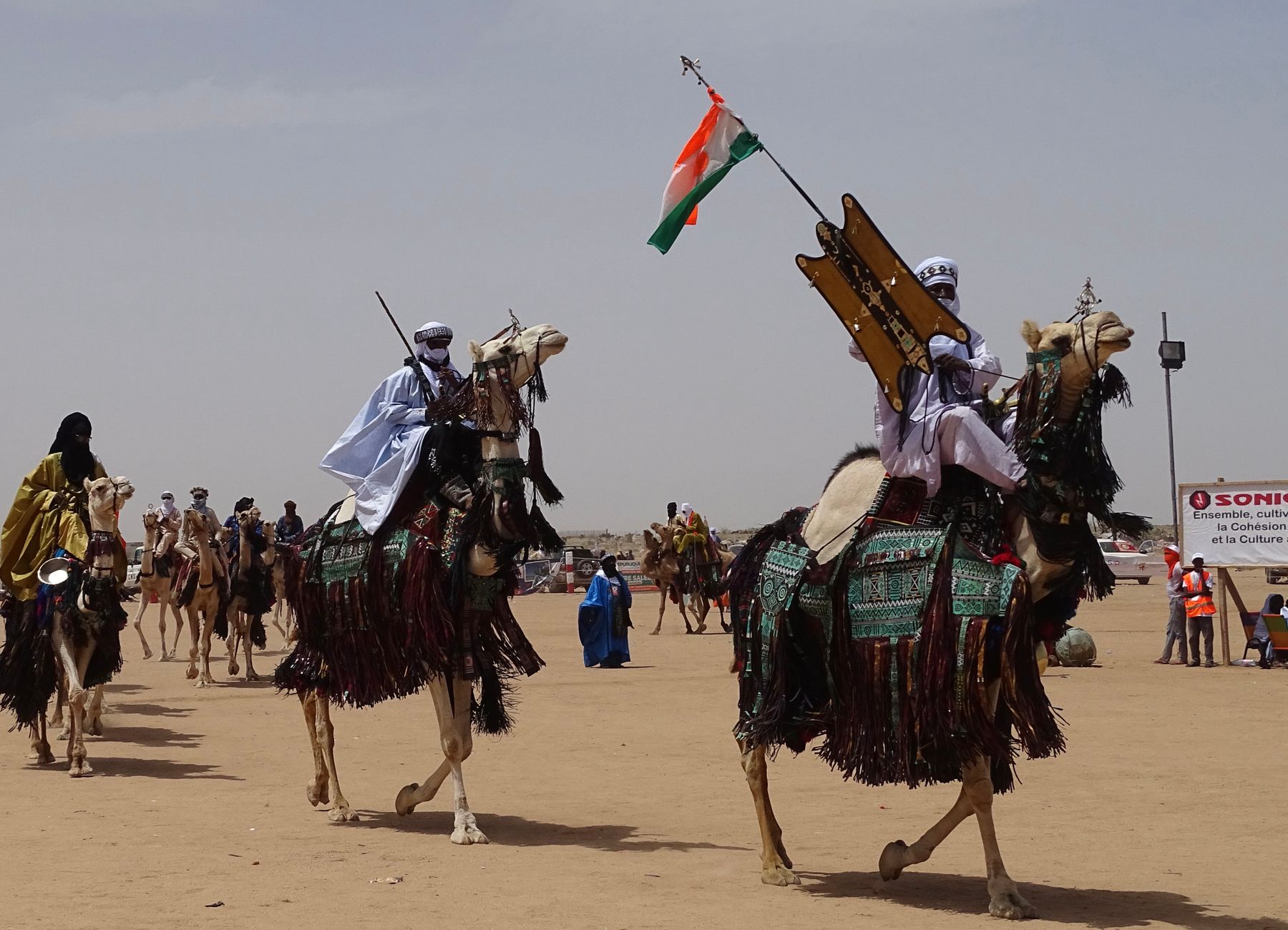
Access to Zakouma is achieved either via private charter aircraft arranged through African Parks or Mission Aviation Fellowship (MAF) from N’Djamena (approximately two hours’ flight time) or by an arduous two-day overland journey across seven hundred kilometers of paved and unpaved roads passing through Mongo and the spectacular granite inselbergs of the Guéra region.
The Ennedi Plateau: Sandstone Arches, Canyons & Guelta d’Archei
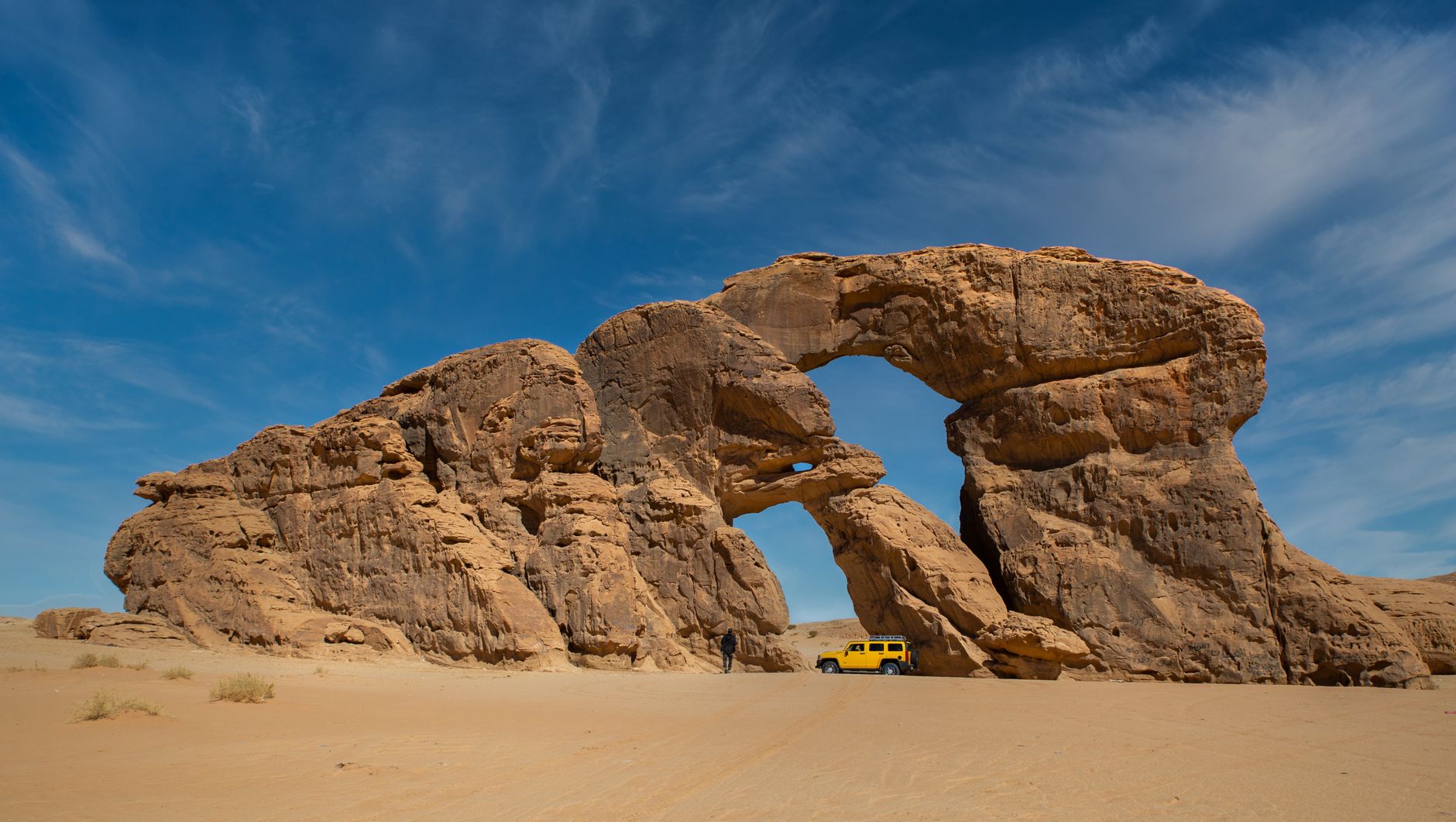
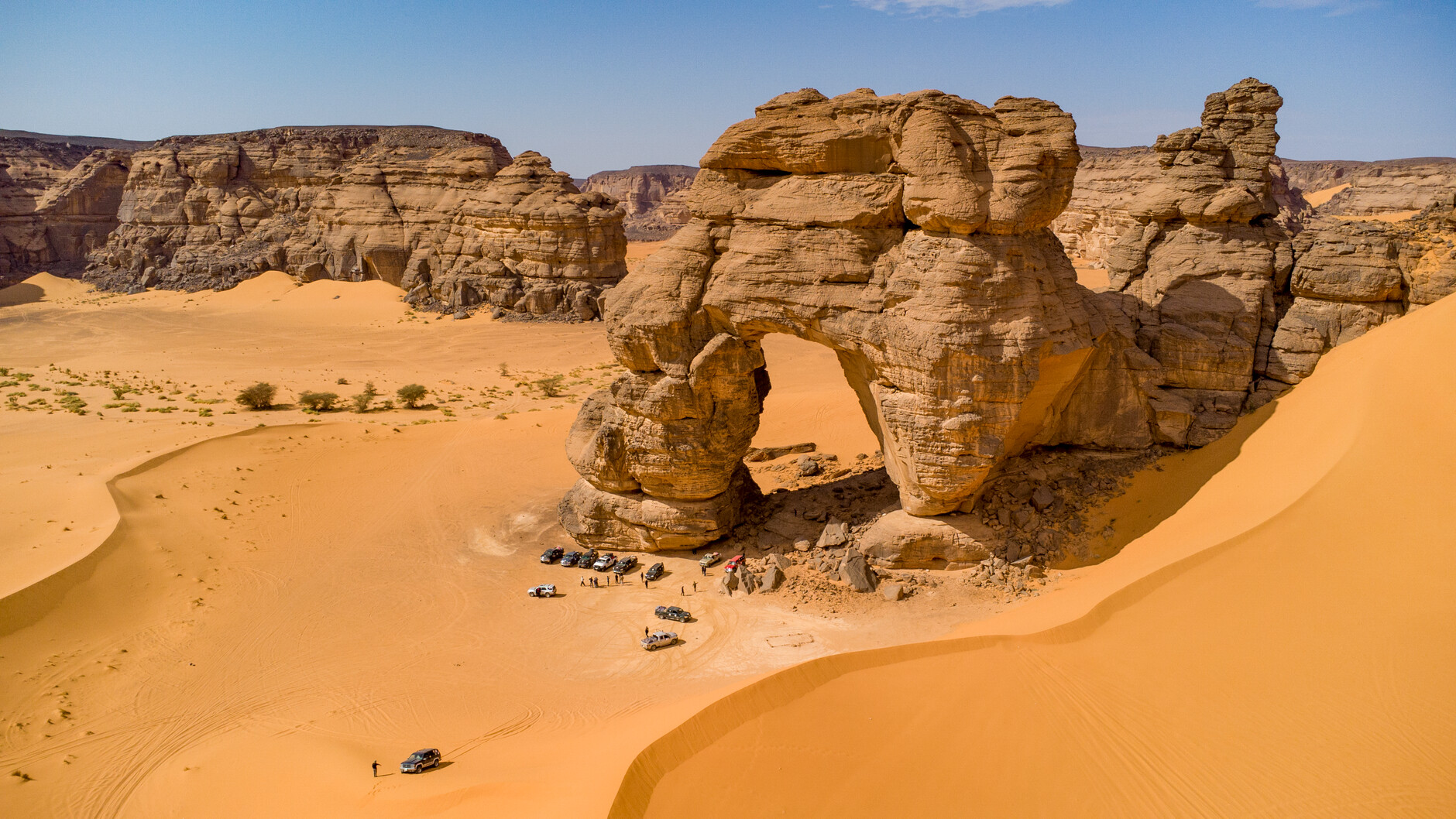
In the far northeast of Chad rises the Ennedi Natural and Cultural Reserve, inscribed as a UNESCO World Heritage site in 2016. Covering forty thousand square kilometers of sculpted sandstone plateau, Ennedi is an open-air geological wonder where water, wind, and time have carved labyrinths of monumental canyons, soaring spires, and colossal rock arches.
The iconic centerpiece of Ennedi is the Aloba Arch, one of the largest natural stone arches on Earth, spanning seventy-seven meters across and rising one hundred and twenty meters high. Nearby stands the delicate Julia Arch and the Five Arches formation. Deep within the sandstone canyons lies Guelta d’Archei, a legendary natural water basin fed by subterranean springs and enclosed by towering vertical rock walls over one hundred meters high.
Every morning, hundreds of nomadic Toubou herders lead large herds of dromedary camels into the narrow gorge to drink, their deep bellows echoing off the canyon walls. Remarkably, the permanent waters of Guelta d’Archei harbor one of the last remaining populations of dwarf West African desert crocodiles (*Crocodylus suchus*), relict survivors from when the Sahara was a humid savannah ecosystem thousands of years ago.
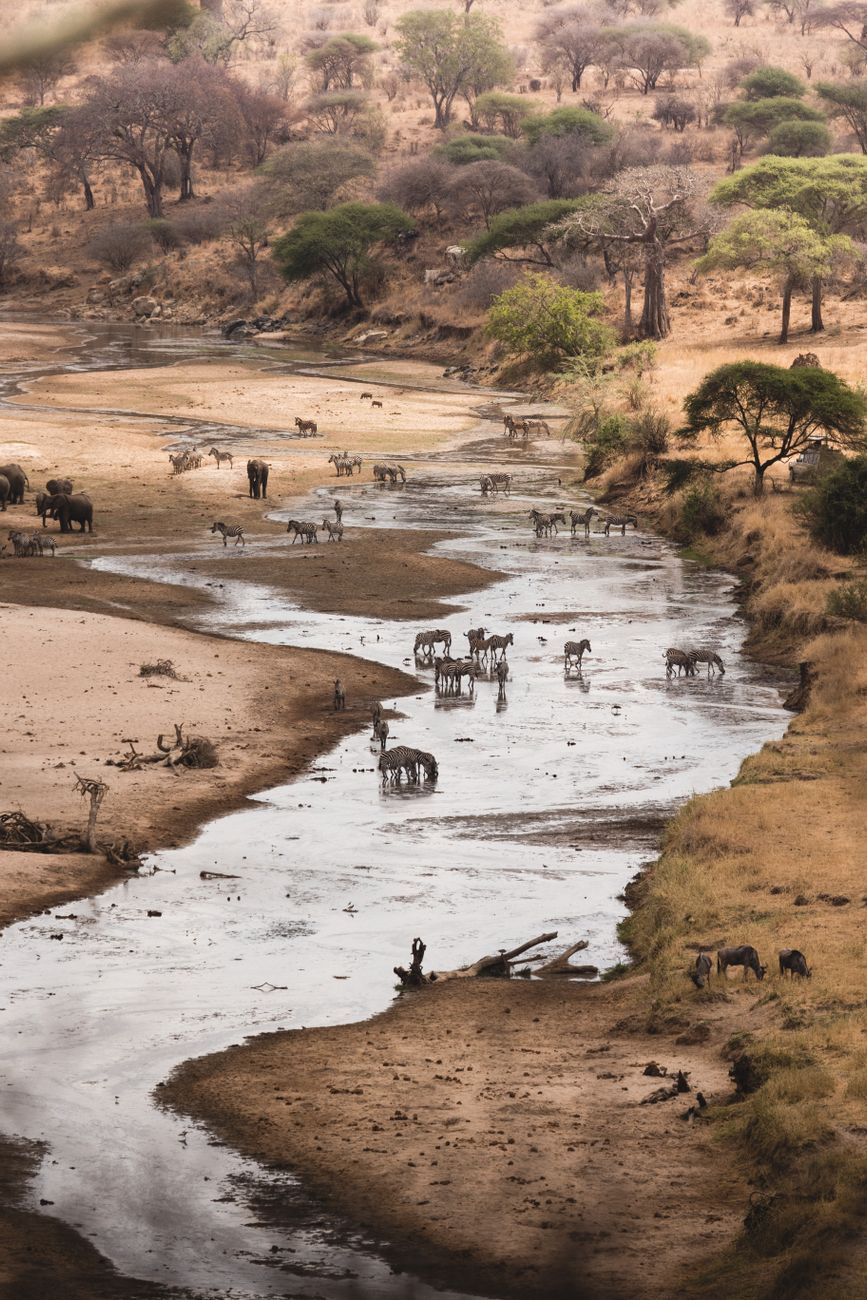
Ennedi is also an extraordinary repository of prehistoric rock art. Across thousands of rock shelters and cave walls, petroglyphs and painted murals dating from 5000 BCE to modern times depict elephants, giraffes, rhinoceroses, and human figures, reflecting the changing ecological eras of the Green Sahara. At Niola Doa (“The Place of the Girls”), monumental engraved human figures with intricate geometric body markings represent some of the most remarkable prehistoric rock engravings in the world.
Mounting an expedition to Ennedi requires complete self-sufficiency. Expeditions require at least two four-wheel-drive Toyota Land Cruisers equipped with sand tracks, winches, extra fuel tanks, satellite communicators, and food supplies for two weeks, accompanied by a professional Chadian expedition leader and local Toubou desert guides.
Core Geographic Corridors and Administrative Checklist
| Stage / Expedition Hub | Administrative Base | Accessible Cultural Focus | Recommended Transport | Realistic Transit Window | Security & Verification Mandate |
|---|---|---|---|---|---|
| N’Djamena Urban | N’Djamena Capital Base | National Museum (Toumaï skull), Grand Mosque, Grand Marché, Chari River | Private vehicle with driver | Full-day municipal touring | Mandatory police registration within 72 hours of arrival |
| Guéra Granite Inselbergs | Mongo Town / En Route | Pic de Guéra granite spires, Dadjo cultural heritage, central savannah | Private 4WD vehicle | 6–8 hours drive from N’Djamena | Inspection of Autorisation de Circuler at regional barrages |
| Zakouma National Park | Camp Nomade / Tinga Camp | Rebounding elephant herds, Kordofan giraffes, Central African wildlife | Charter flight or 2-day 4WD | 2 hr flight / 12 hr overland | African Parks reservation and conservation entry permits |
| Ennedi Plateau | Fada Town / Bush Camps | Aloba Arch, Guelta d’Archei desert crocodiles, Niola Doa rock art | Two 4WD vehicles minimum | 3–4 days drive from N’Djamena | Ministry travel permit, local Toubou guides, satellite tracker |
| Ounianga Lakes | Ounianga Kebir Oasis | Eighteen interconnected Saharan desert lakes, palm oases, salt cliffs | Multi-vehicle 4WD convoy | 5–6 days desert expedition | Prefecture clearance in Fada; self-sufficient water/fuel |
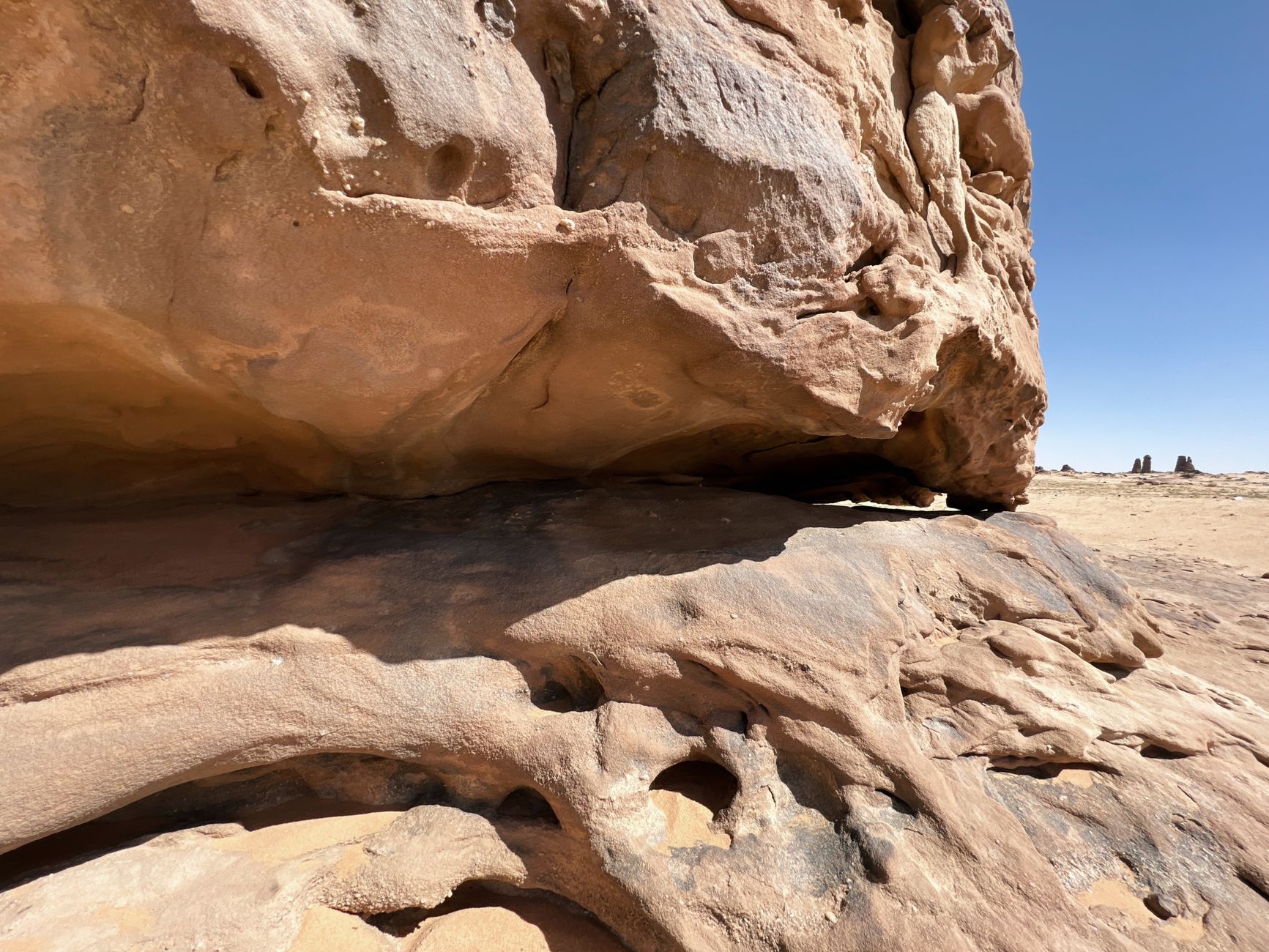
Every expedition departing N’Djamena must carry verified documentation. Keeping hard copies of ministerial travel authorizations, vehicle registrations, and passport photocopies organized in clear waterproof pouches eliminates unnecessary delays at roadside military posts.
Financial Realities: Cash Economy & Central African CFA Franc
Financial management in Chad requires preparing for an entirely cash-based society. Outside two luxury international hotels in N’Djamena, electronic payment terminals and credit cards are non-existent. You cannot pay for fuel, guide services, meals, national park fees, or local transport with foreign credit or debit cards.
The national currency is the Central African CFA Franc (XAF), issued by the Bank of Central African States (BEAC). The currency is shared with Cameroon, the Central African Republic, the Republic of the Congo, Equatorial Guinea, and Gabon, and is pegged to the Euro at a fixed parity of 655.957 XAF per Euro. Due to this fixed rate, bringing physical cash in Euros is vastly superior to US Dollars, as Euros are accepted without foreign exchange volatility at banks and currency exchange offices.
Automated Teller Machines (ATMs) exist exclusively in N’Djamena at commercial banks such as Ecobank, Société Générale Tchad, and Commercial Bank Tchad. These machines reliably accept foreign Visa cards, though Mastercard acceptance is rare. ATMs frequently experience cash shortages or technical outages, so travelers must not rely on them as their primary funding source. Carry your entire expedition budget in clean, crisp Euro banknotes (fifty and one hundred-euro notes).
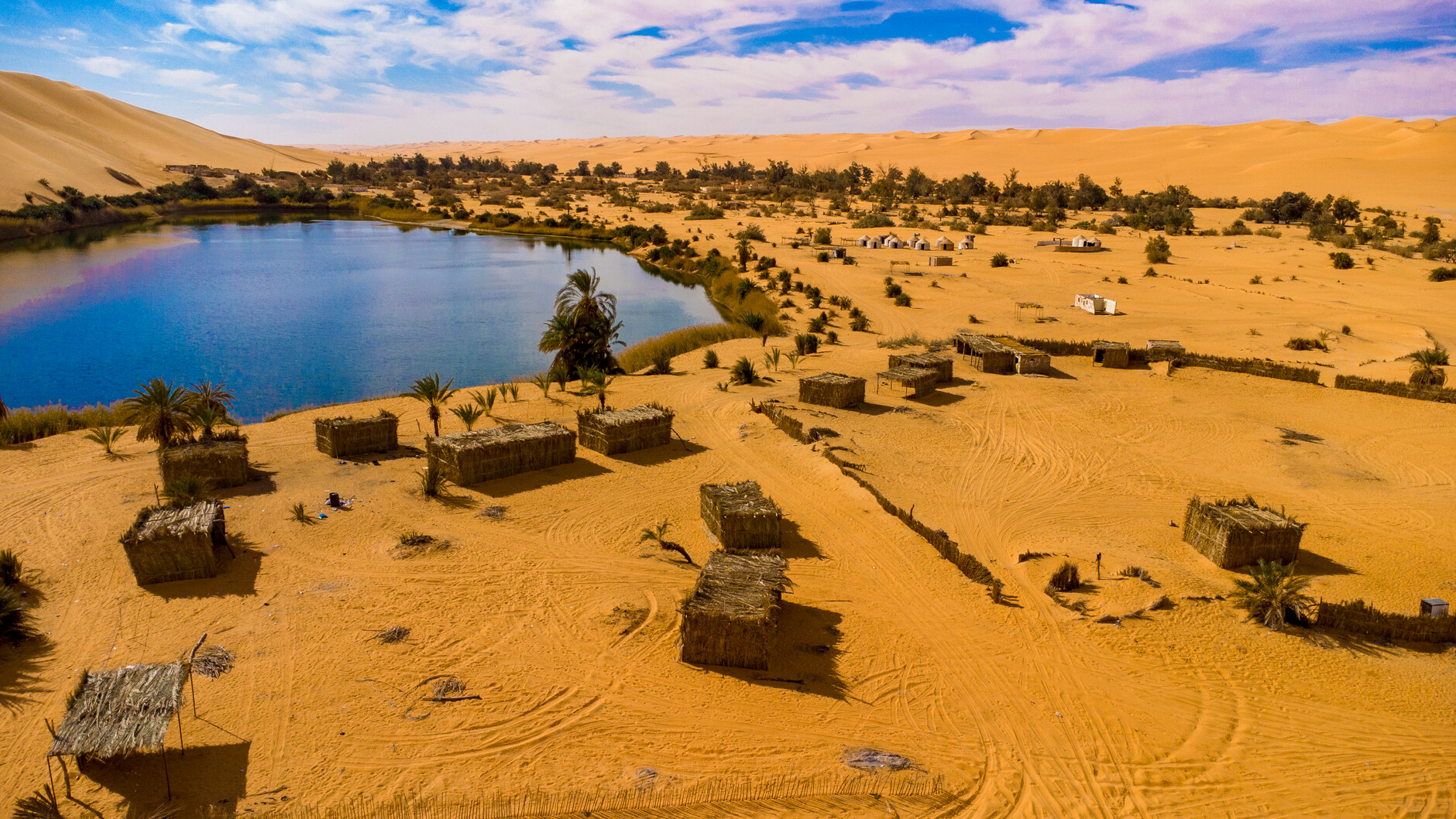
Mobile money, particularly Airtel Money and Moov Money, is widely utilized by Chadian residents for domestic transfers and retail payments. However, setting up a mobile wallet requires a local SIM registered with personal identification. Carry substantial reserves of small CFA notes (one thousand, two thousand, and five thousand francs) when traveling outside N’Djamena, as rural merchants and fuel stations cannot make change for ten-thousand-franc bills.
Health, Water & Field Expedition Logistics
Operating in Chad demands strict medical and environmental discipline. Healthcare infrastructure outside N’Djamena is extremely limited, and medical evacuation insurance with emergency air rescue coverage is mandatory for all visitors.
Proof of Yellow Fever vaccination is an absolute entry requirement. Immigration authorities at N’Djamena International Airport (NDJ) inspect the International Certificate of Vaccination (yellow card) for all arriving passengers. Without a valid certificate, travelers face refusal of entry or compulsory on-site vaccination. Ensure vaccinations for hepatitis A and B, typhoid, meningitis (A, C, W, Y), and rabies are completed well before departure.
Malaria risk is high throughout the southern and central regions, including N’Djamena and Zakouma. Take a daily or weekly prescription antimalarial (such as atovaquone-proguanil or doxycycline), sleep under treated mosquito nets, and apply DEET-based insect repellent. In desert regions like Ennedi, heat management is critical. During expeditions, consume at least five liters of safe drinking water per day, carry electrolyte rehydration salts, and protect skin from intense ultraviolet exposure with wide-brimmed hats and breathable long clothing.
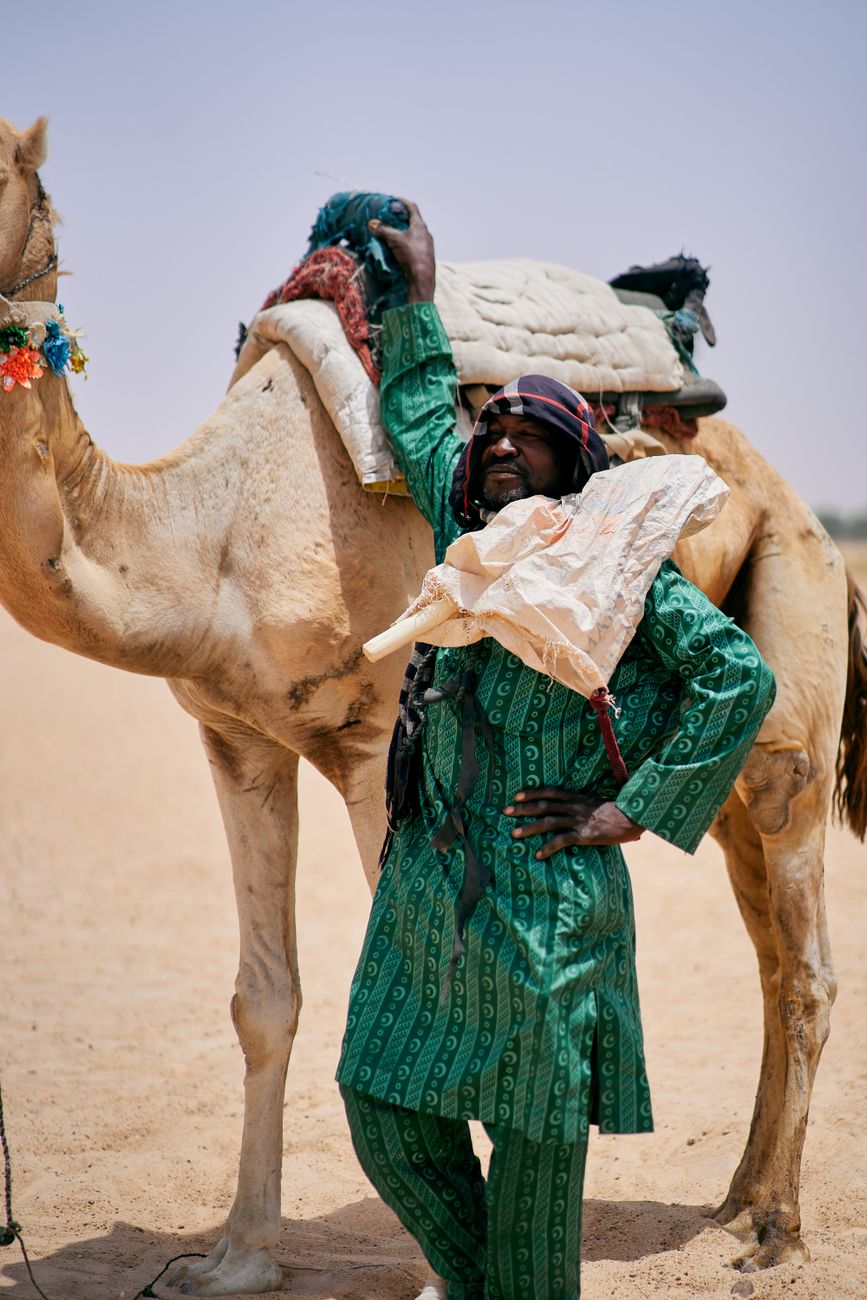
Vehicle preparation is a matter of survival in the Sahara. Expeditions must never travel with fewer than two four-wheel-drive vehicles. Every vehicle must carry sand ladders, hydraulic jacks, tire repair kits, two spare tires, heavy-duty tow ropes, extra engine oil, and emergency rations. A reliable satellite communicator (such as a Garmin inReach or Thuraya satellite phone) is indispensable for remote distress signaling.
Field Connectivity: Zain LTE & Communications Realities
Maintaining cellular connectivity in Chad requires realistic expectations regarding network coverage across vast desert expanses. Cellular broadband is robust in major urban centers but non-existent across remote wilderness corridors.
Chad’s mobile telecommunications sector is anchored by Zain Chad and Moov Africa Chad. Zain operates extensive LTE and 3G infrastructure across N’Djamena, Moundou, Sarh, Abéché, and along key southern transit routes. However, once you travel beyond regional municipal hubs into the Ennedi Plateau, the Tibesti Mountains, or deep within Zakouma National Park, cellular signals cease entirely.
Purchasing a physical SIM card locally involves in-person biometric registration. Chadian telecommunications law mandates that all physical SIM purchases undergo fingerprint recording, facial photography, and passport verification at official carrier branches, which can take considerable time upon arrival.
Travelers can establish instant, dependable mobile data through Zain LTE mobile data in Chad via NXTL at $6.32 per gigabyte. Connecting via an active digital profile allows your smartphone to register automatically on the local Zain network upon touching down at N’Djamena International Airport. Unused credit stays available for later trips across more than 180 countries. Having immediate cellular data ensures you can coordinate airport transfers, access online navigation, and confirm hotel reservations without searching for local SIM kiosks.
For desert expeditions, treat mobile data as an urban and transit-corridor tool. Complement cellular access with comprehensive offline mapping (via Maps.me or offline satellite topography) and a dedicated satellite communicator. Store digital copies of your passport, visa, police registration, *Autorisation de Circuler*, and medical evacuation policies in encrypted offline storage on your device.
Five Critical Pitfalls and Security Realities to Navigate in Chad
Traveling in Chad permits zero margin for planning mistakes. Avoid these five major pitfalls:
- Departing N’Djamena Without an Official Autorisation de Circuler: Attempting to travel into the interior without a stamped ministerial travel permit results in immediate stoppage and detention at military checkpoints. Always secure your *Autorisation de Circuler* through authorized channels and carry multiple paper copies.
- Attempting Solo Single-Vehicle Expeditions into the Sahara or Ennedi: Venturing into deep desert terrain in a single vehicle is extremely hazardous. Mechanical breakdowns, sand entrapment, or navigation errors in extreme heat can prove fatal. Desert expeditions require at least two fully equipped 4WD vehicles and certified local guides.
- Photographing People, Checkpoints, or Official Buildings Without Permits: Taking photos without an official Ministry of Tourism photography permit invites immediate arrest, interrogation, and confiscation of camera gear. Never point a camera at armed personnel, gendarme posts, government buildings, or infrastructure.
- Relying on Foreign Credit Cards or Expecting Functional ATMs in the Interior: Credit cards are useless outside two luxury hotels in N’Djamena, and ATMs do not exist across the interior. Arriving without sufficient physical cash in Euro banknotes will leave you unable to purchase fuel, food, or lodging.
- Ignoring Mandatory Yellow Fever Documentation and Medical Evacuation Insurance: Arriving without a valid Yellow Fever vaccination card leads to refusal of entry or compulsory vaccination. Operating in remote desert or savannah regions without comprehensive emergency medical evacuation insurance exposes travelers to catastrophic risk.
By respecting administrative regulations, traveling in self-sufficient convoys with vetted local guides, carrying adequate physical Euro cash, and maintaining disciplined communication protocols, essential travelers can navigate Chad with situational awareness, cultural appreciation, and operational security.