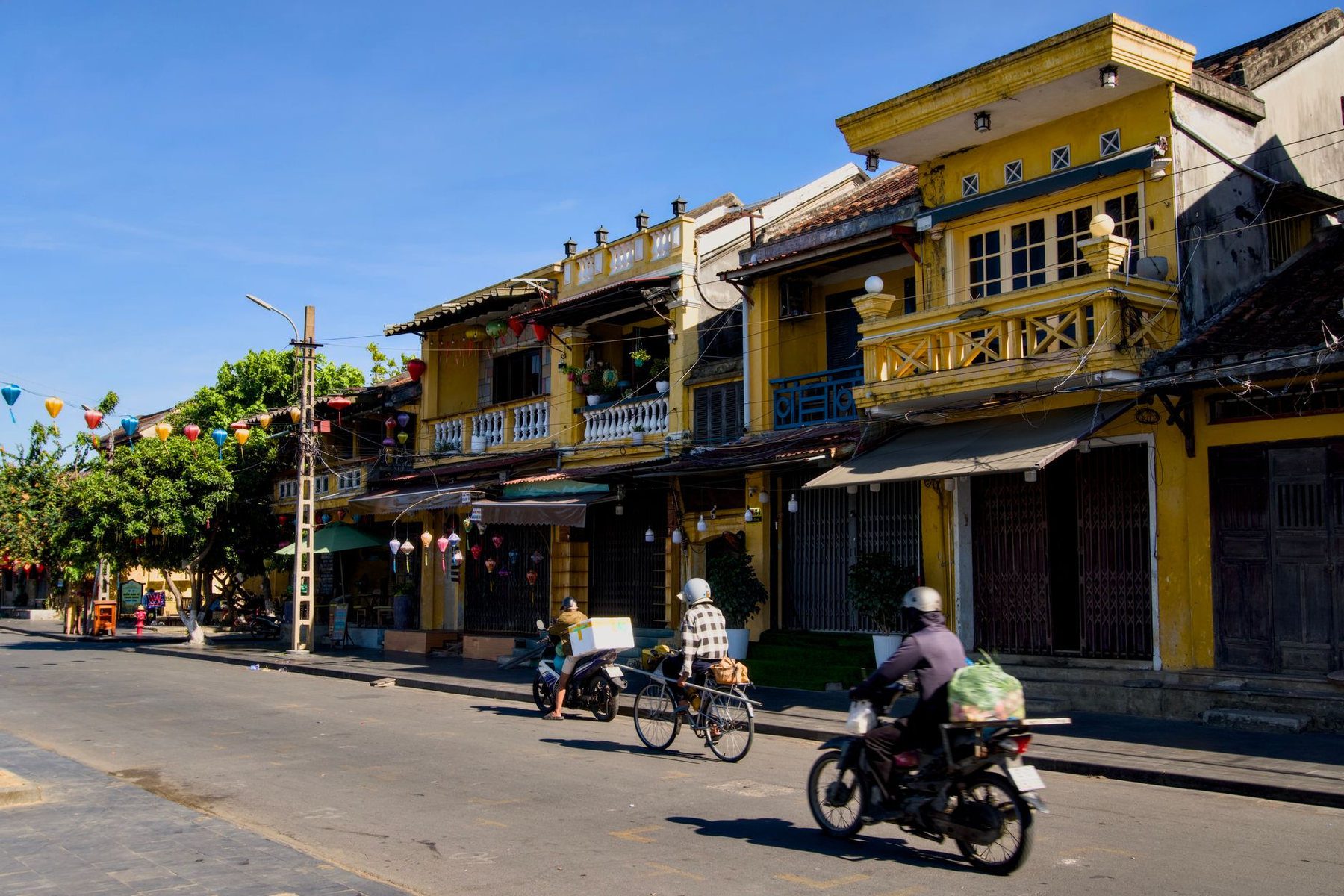
Vietnam is a country of breathtaking, cinematic intensity, where ancient traditions pulse vibrantly alongside breakneck modern momentum. In Hanoi, fragrant steam billows from giant pots of simmering star anise and beef marrow broth as a relentless tide of motorbikes navigates leafy French boulevards; in central Vietnam, golden lanterns cast shimmering reflections across the canals of Hoi An; and in the south, the sprawling waterways of the Mekong Delta weave through verdant mangrove forests.
Yet Vietnam’s geography—stretching over 1,650 kilometers along the eastern rim of the Indochina peninsula—creates three distinct climate zones that rarely align. Traveling to the wrong region during monsoon season can mean muddy mountain trails in the north or waist-deep street flooding in central towns. This guide provides a battle-tested seasonal strategy: curated multi-region routes, iconic street food, common tourist traps and scams to avoid, and dependable global eSIM connectivity to explore Vietnam with total peace of mind.
Decoding Vietnam's Three Climate Zones for a Weather-Smart Trip
As detailed by the Vietnam National Authority of Tourism climate guidance, understanding regional weather dynamics is the cornerstone of planning an unforgettable itinerary:
• Northern Vietnam (Hanoi, Ha Long Bay, Ninh Binh, Sapa): Features four seasons. Autumn (September to November) brings dry, sunny skies and gentle breezes—the golden window for city walks and bay cruising. Winter (December to February) can be damp, chilly, and misty, while summer brings tropical heat and occasional heavy downpours.
• Central Vietnam (Hue, Da Nang, Hoi An): Enjoys sun-soaked beach weather from February through August. However, autumn (October and November) brings heavy monsoonal rain, typhoons, and localized flooding in low-lying Hoi An. If traveling during these months, build flexibility into your plans and keep track of regional river forecasts.
• Southern Vietnam (Ho Chi Minh City, Mekong Delta, Phu Quoc): Stays tropical year-round, divided into a dry season (November to April) with continuous blue skies and a green wet season (May to October) characterized by short, torrential afternoon rains that cool the city before clearing up quickly.
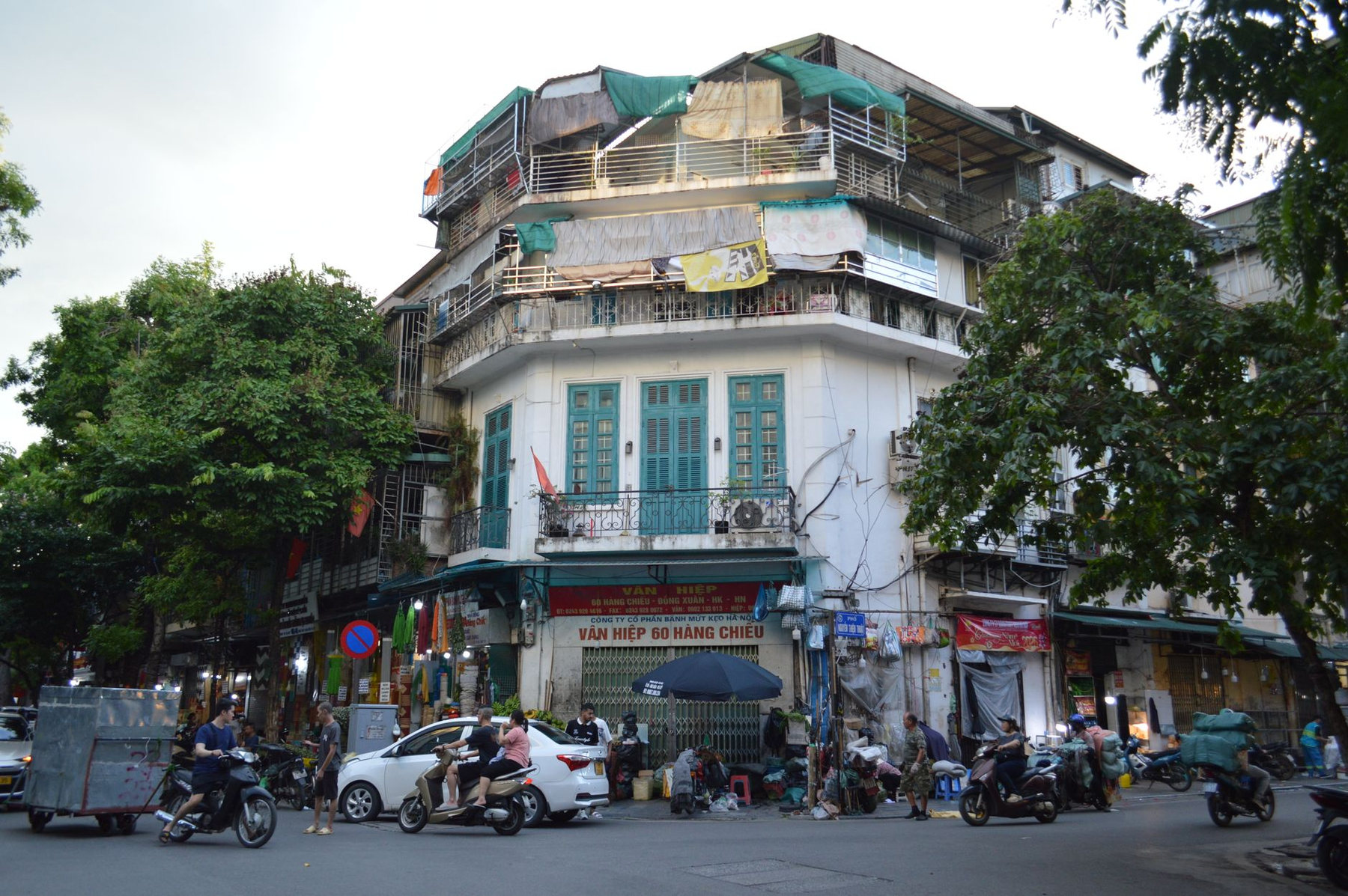
Hanoi: The Vibrant Pulse of the 36 Guild Streets and Hoàn Kiếm Lake
Vietnam’s thousand-year-old capital is an intoxicating sensory feast. The emotional heart is the Old Quarter, a maze of 36 ancient guild streets where commerce has thrived for centuries. Each lane historically focused on a single trade—Hang Bac for silversmiths, Hang Gai for shimmering silks, and Hang Chieu for woven mats. Narrow ‘tube houses’ press against towering banyan trees, while sidewalk vendors in conical hats expertly prepare sizzling dishes over small charcoal braziers.
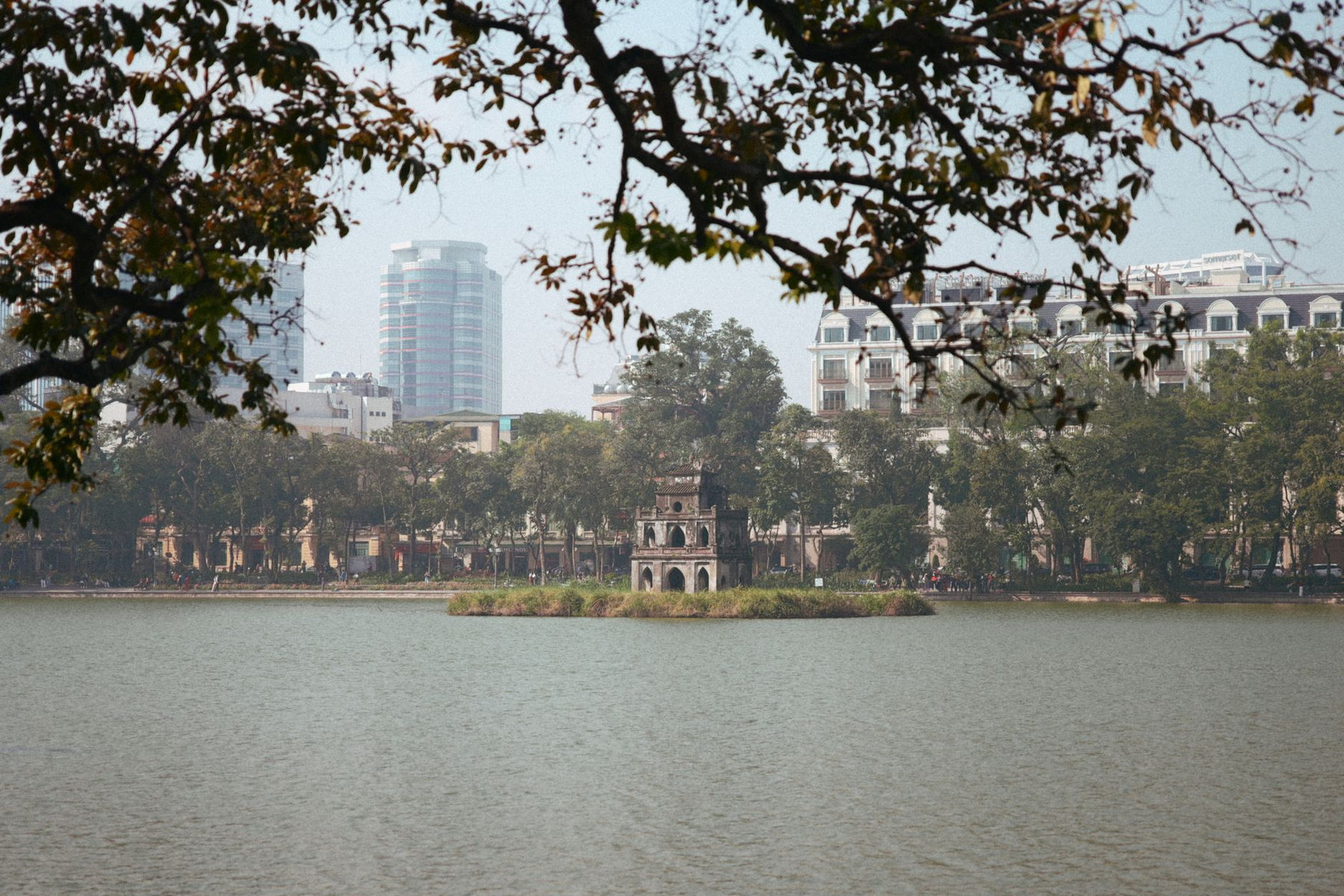
Just south of the labyrinth lies Hoàn Kiếm Lake (Lake of the Restored Sword), an oasis of willow trees and jade waters. Cross the scarlet-lacquered Huc Bridge to visit Ngoc Son Temple, perched on an islet in the lake. At dawn, join hundreds of local residents practicing Tai Chi, badminton, and ballroom dancing along the water’s edge before ducking into an alley for a rich, velvety ca phe trung (Hanoi egg coffee whipped with sweetened condensed milk).
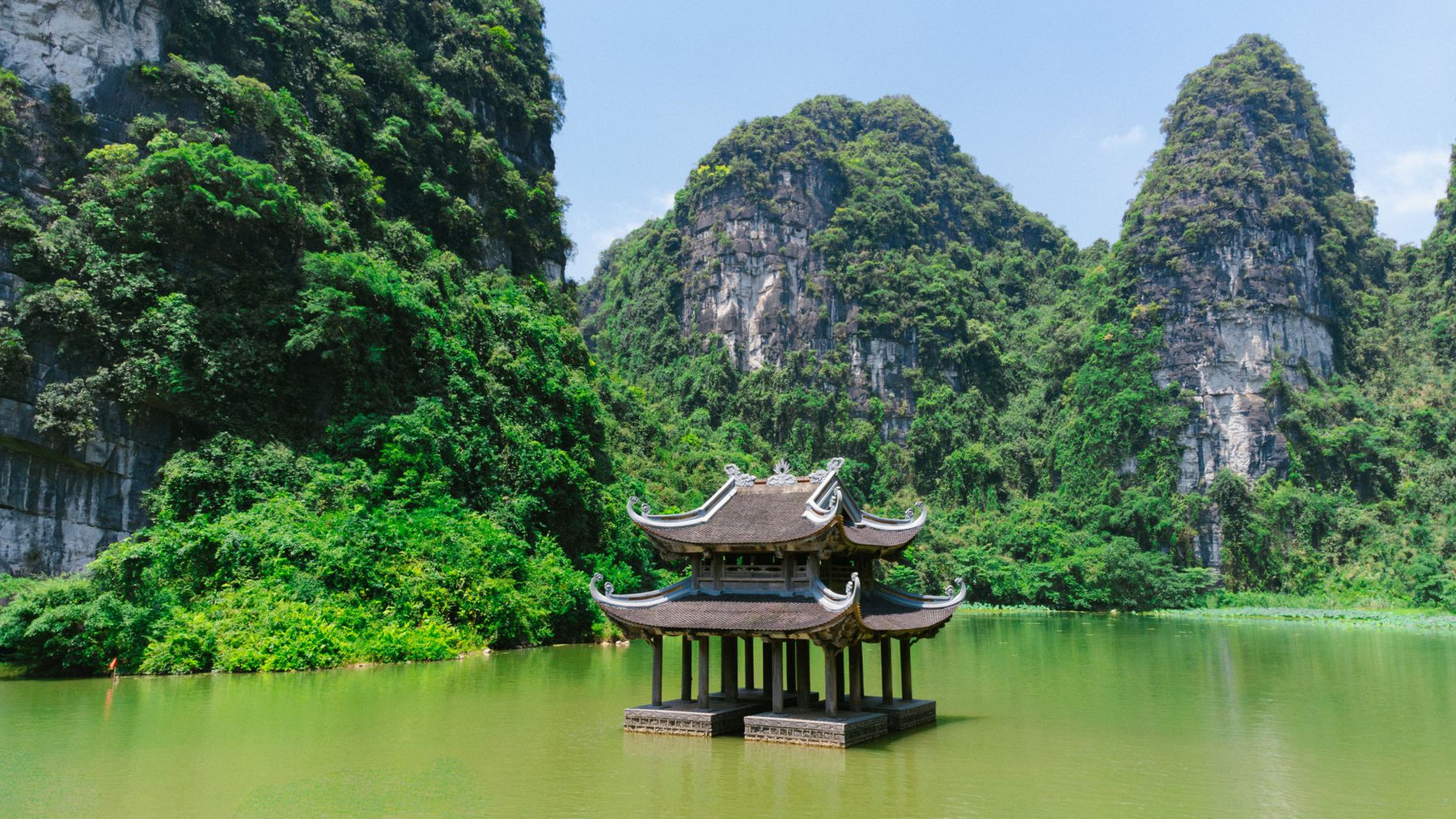
Ninh Bình: Towering Karsts and Emerald River Valleys
A comfortable 90-minute limousine van ride south of Hanoi brings you to Ninh Binh, universally acclaimed as ‘Ha Long Bay on land.’ Here, monumental limestone karst pinnacles erupt straight out of brilliant green rice paddies and winding river tributaries.
At Trang An or Tam Coc, step into a small flat-bottomed wooden sampan rowed gracefully by local boatwomen—who often row using their feet with astonishing rhythm and ease—to glide through subterranean river caves beneath dripping stalactites. Climb the 500 stone steps of Hang Mua (Mua Cave) to reach the dragon shrine atop the mountain, rewarding you with an unforgettable 360-degree panorama over the Tam Coc valley.
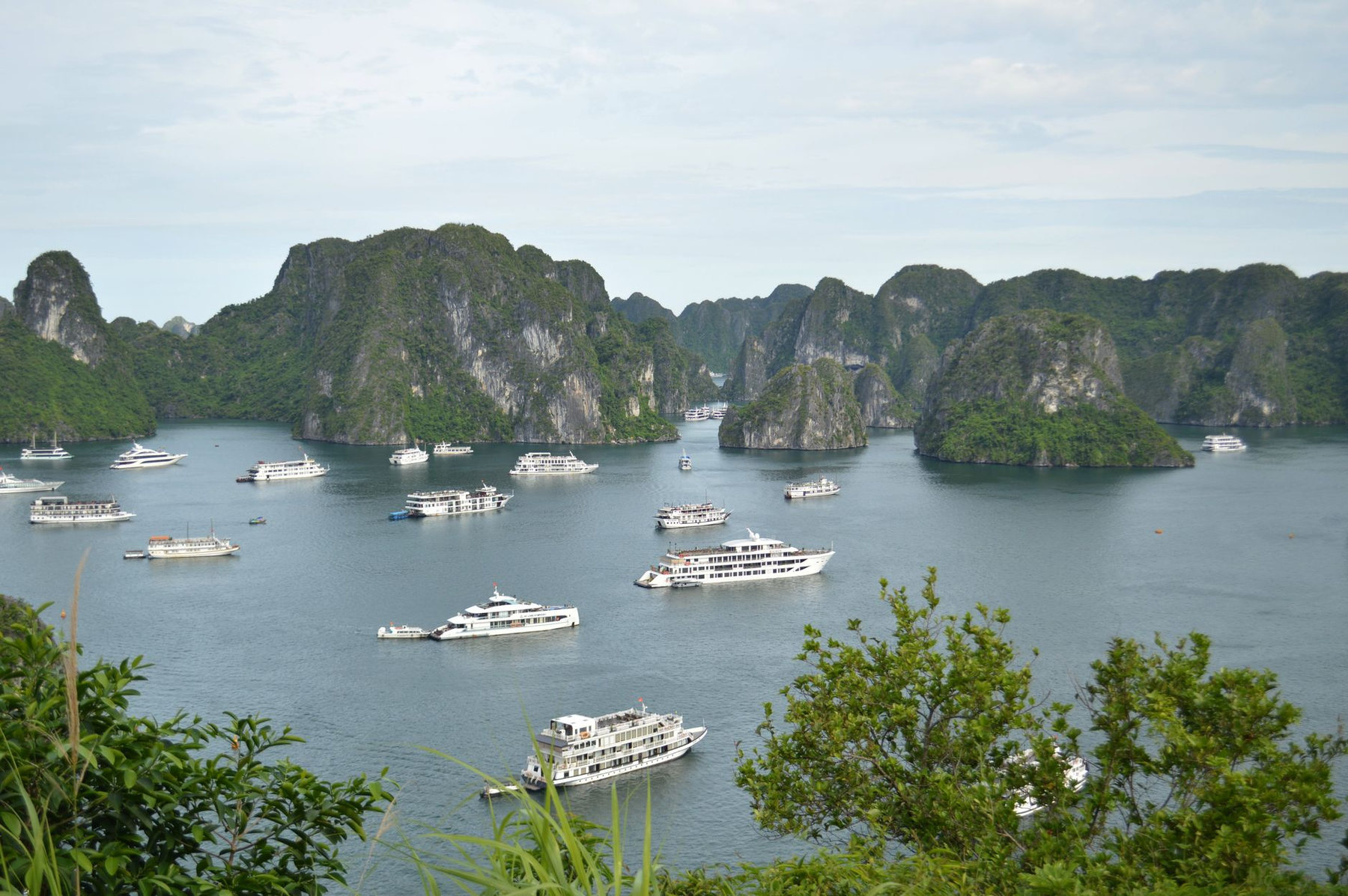
Hạ Long Bay: Sailing Emerald Waters and Ancient Limestone Caverns
Ha Long Bay, a UNESCO World Heritage site, is one of Southeast Asia’s greatest natural spectacles: nearly two thousand sheer limestone islets emerging from the emerald waters of the Gulf of Tonkin. Board an overnight wooden or steel junk cruise to navigate deep into the archipelago, sailing past iconic sculpted islets like Fighting Cocks and Dinh Huong.
Paddle a kayak through peaceful enclosed sea lagoons, explore vast caverns like Sung Sot (Surprise Cave) adorned with ancient stalagmites, and watch dramatic sunset hues ignite the limestone cliffs from the cruise ship’s top deck before enjoying a fresh grilled seafood banquet. For fewer cruise crowds, choose itineraries exploring neighboring Bai Tu Long Bay or Lan Ha Bay.
Huế: The Regal Citadel and Dynastic Tombs of the Perfume River
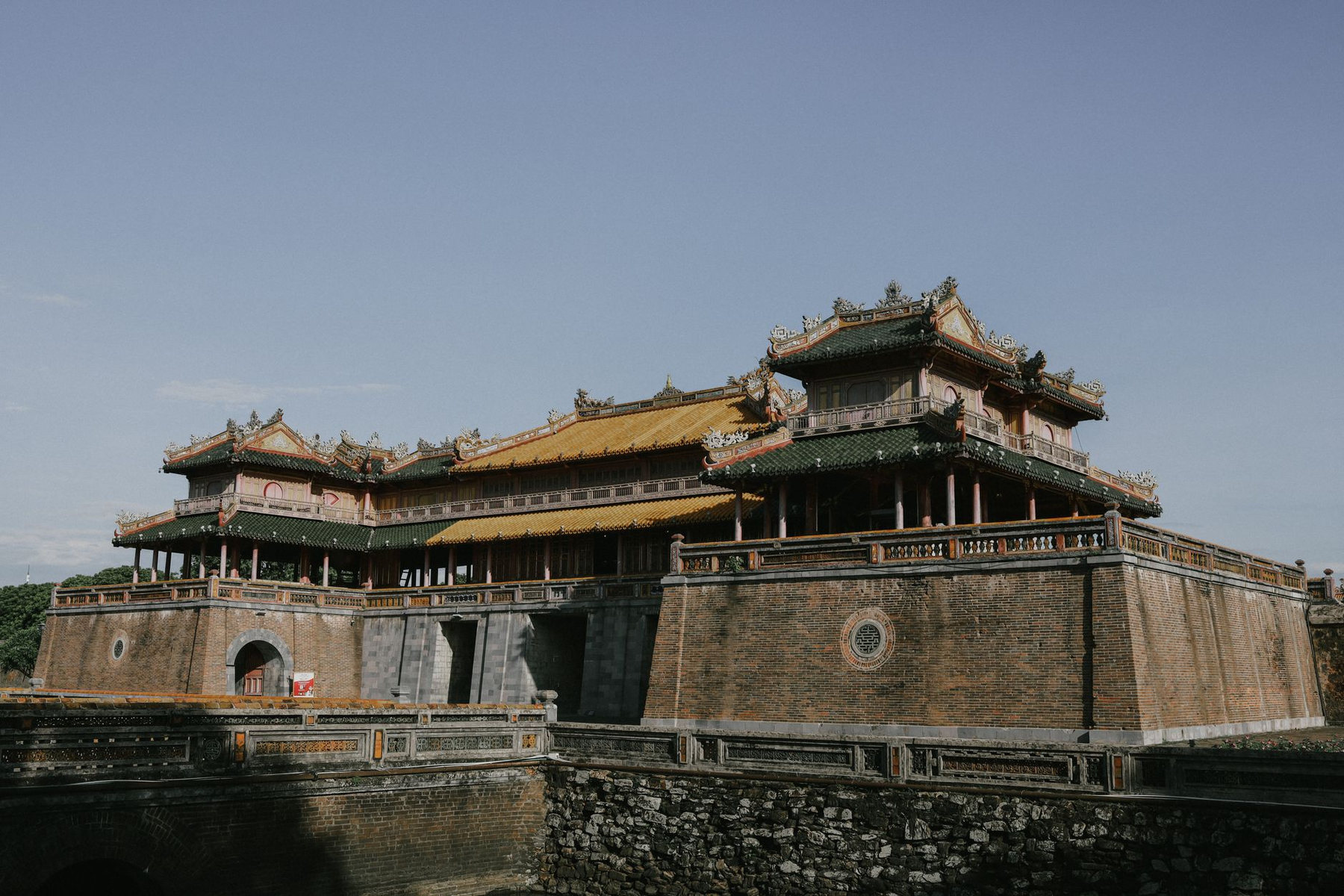
Crossing south into central Vietnam leads to Hue, the royal capital of the Nguyen Dynasty from 1802 to 1945. Set along the tranquil Perfume River, Hue’s crown jewel is the monumental Imperial Citadel, surrounded by massive stone bastions, defensive moats, and lotus ponds.
Pass through the monumental Ngo Mon Gate into the Forbidden Purple City, once the private domain of the emperor and his court. In the verdant hills surrounding the city, explore the extraordinary royal tombs: the classical, contemplative lakeside pavilions of Emperor Tu Duc, and the dramatic, Gothic-influenced concrete and porcelain mosaic tomb of Emperor Khai Dinh perched high on Chau Chu mountain.
Ho Chi Minh City: French Colonial Grandeur and Bustling Modern Energy
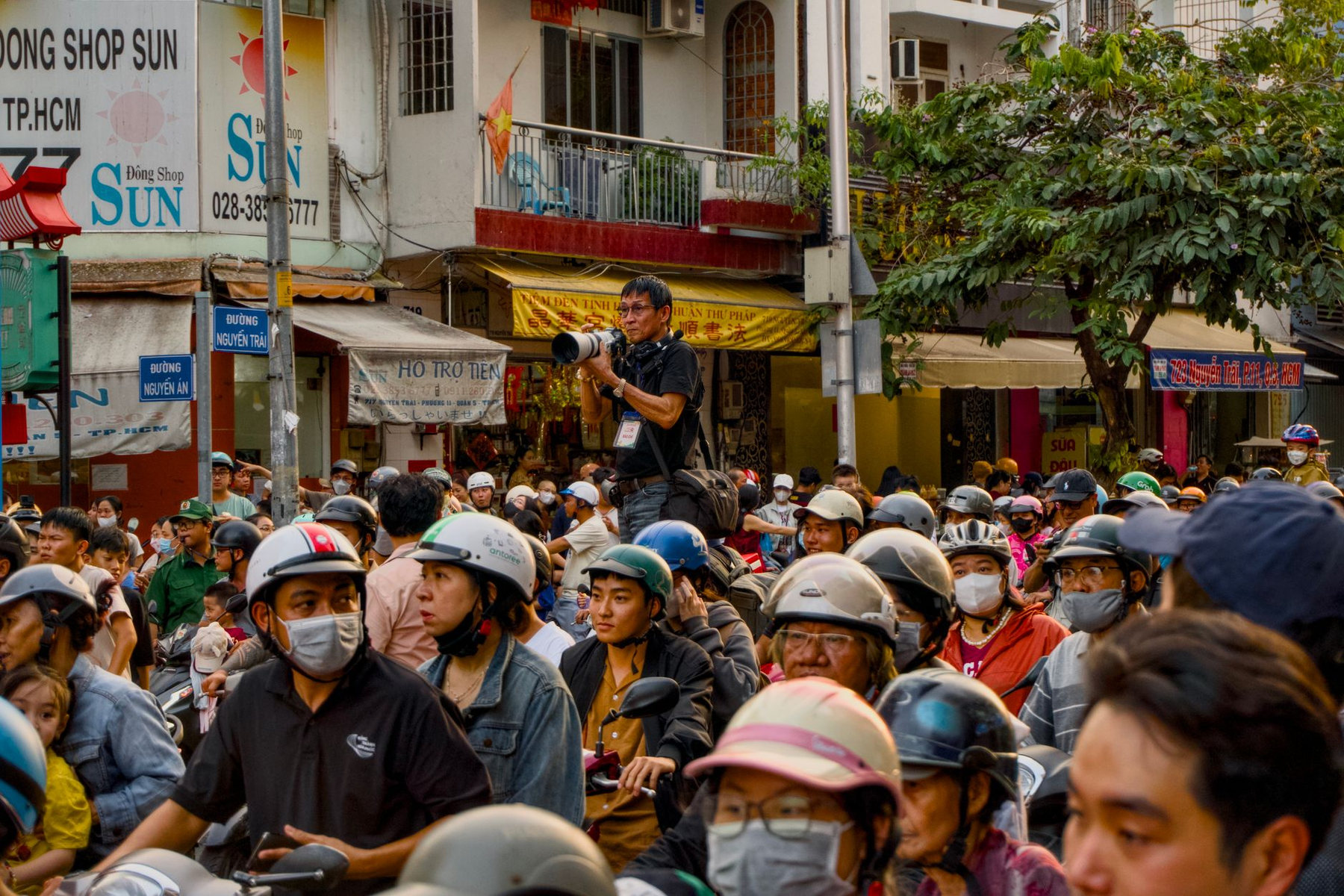
In southern Vietnam, Ho Chi Minh City (still fondly called Saigon by locals) is an electrifying metropolis of nine million people. It is a city of vivid contrasts, where gleaming glass skyscrapers and rooftop cocktail lounges overlook tree-lined French colonial avenues and traditional street markets.
Admire the red-brick facade of Notre-Dame Cathedral and step inside the Central Post Office, designed by Gustave Eiffel with vaulted arched iron ceilings and vintage hand-painted wall maps. Visit the War Remnants Museum for an intensely moving, sobering look at the war through journalistic photography and military artifacts. When evening arrives, stroll down the bustling pedestrian promenade of Nguyen Hue Boulevard as fountains dance under brilliant LED displays.
The Mekong Delta: Winding Canals and Floating Market Life
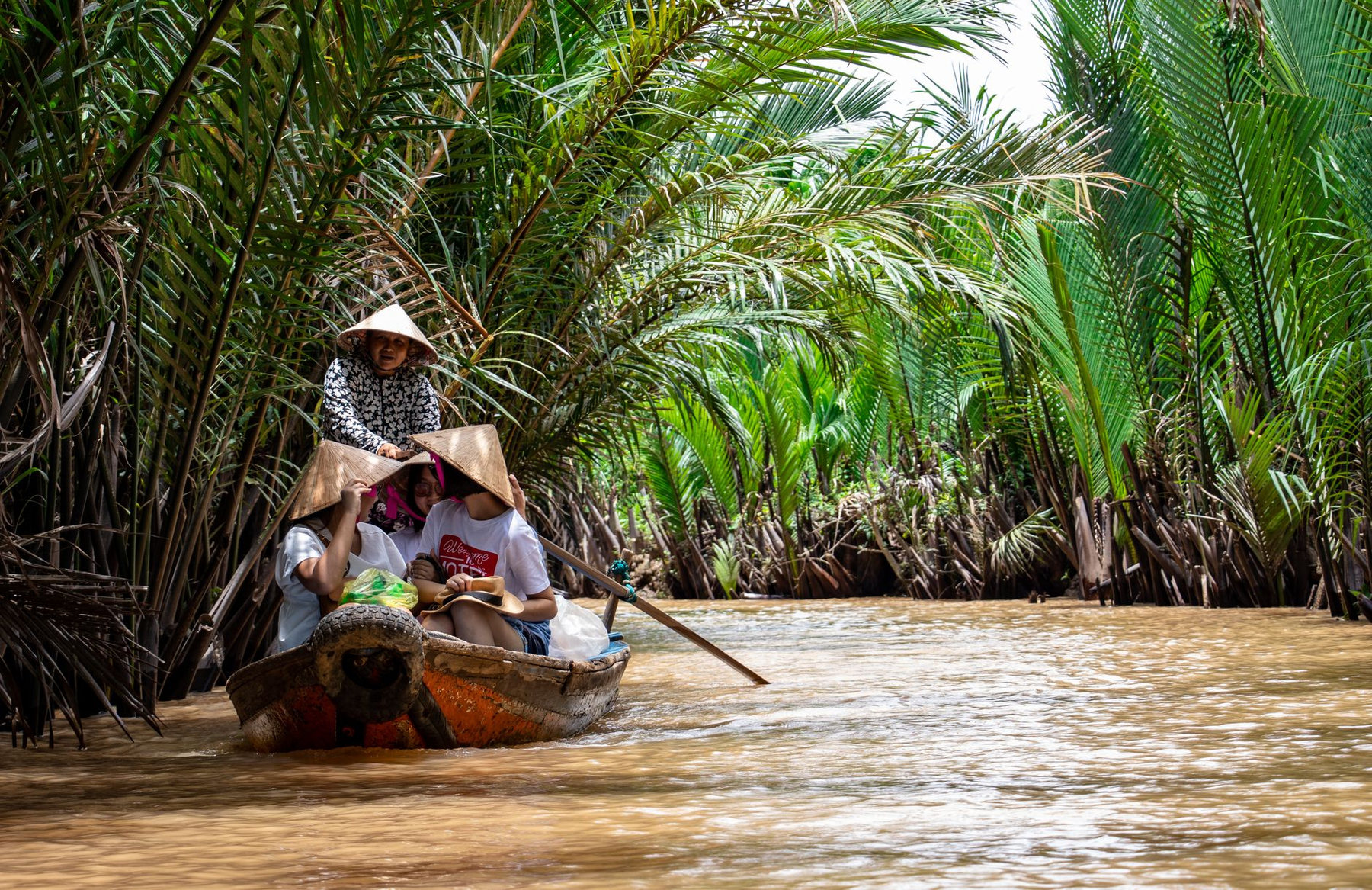
A two-hour drive southwest of Saigon brings you into the lush labyrinth of the Mekong Delta, known as Vietnam’s ‘Rice Bowl.’ Here, the mighty Mekong River divides into nine sprawling distributaries (‘The Nine Dragons’) and thousands of tranquil palm-shaded canals.
Board a traditional wooden motorized sampan to navigate narrow tributaries shaded by arching water coconut palms. Stop at family-run cottage workshops to taste warm coconut candy fresh from copper cauldrons and sip honey tea while listening to traditional Don Ca Tai Tu folk music. Early risers can visit the Cai Rang floating market in Can Tho, where vendors advertise their produce by tying pineapples, dragon fruits, and pumpkins to the tops of tall bamboo poles.
Culinary Masterclass: Authentic Street Food Culture
Vietnamese cuisine is celebrated worldwide for its clean, fresh balance of sweet, sour, salty, bitter, and umami. The most authentic meals are found sitting on tiny blue or red plastic stools on sidewalk curbs:
• Pho: In Hanoi, pho bac features a pure, deeply aromatic beef marrow broth, delicate flat rice noodles, paper-thin beef slices, and fresh green scallions, eaten with crunchy dough crullers (quay). In the south, the broth is sweeter, served with Thai basil, culantro, crunchy bean sprouts, and lime.
• Banh Mi: A warm, crackly French baguette loaded with rich liver pate, pork cha lua, pickled carrots and daikon, fresh cucumber spears, cilantro, and a dash of spicy chili sauce.
• Bun Cha: Smoky, flame-grilled pork patties and pork belly swimming in a warm, tangy fish sauce broth with green papaya, served with a mountain of fresh herbs and rice vermicelli noodles.
• Street Food Tip: Look for sidewalk stalls bustling with local Vietnamese families and office workers; high turnover means meat and vegetables are fresh, and soups are boiling hot.
Staying Connected: The NXTL Global eSIM for Effortless Vietnam Travel
In Vietnam, fast and reliable mobile data is not merely convenient—it is an indispensable safety and navigation tool. You need data to hail Grab cars and motorbikes (the Southeast Asian equivalent of Uber, preventing taxi meter scams), use Google Translate to read street stall menus, check live Google Maps navigation through winding alleys, and verify ferry schedules.
Skip the crowded airport counters, confusing passport photocopies, and disposable tourist SIMs that expire after a few days. The smart, reusable choice is the NXTL Global eSIM. Built around a single, reusable global profile, NXTL covers you across 180+ countries and 460+ local partner networks worldwide.
The instant your flight touches down at Hanoi Noi Bai or Ho Chi Minh City Tan Son Nhat airport, your phone connects automatically to Vietnam’s premier national mobile carriers—Viettel and Vinaphone—providing robust, high-speed 5G and 4G LTE coverage across the entire country.
Crucially, your balance never expires, and you are never locked into restrictive day bundles. You start for only $11.99, which includes $10 usable balance right away. If you spend just $4 worth of data during your ten days in Vietnam, the remaining $6 balance stays securely in your account, ready for your next trip to Thailand, Europe, or beyond. Because it operates alongside your home physical SIM, you will never miss crucial two-factor bank security SMS codes or urgent calls.
Realistic Daily Data Budget for Traveling Across Vietnam:
• Ride-Hailing & Live Navigation (Grab, Google Maps): ~80–120 MB per day (essential for city transit).
• Instant Camera & Menu Translation (Google Translate): ~35–55 MB per day.
• Messaging & Homestay Coordination (WhatsApp, Zalo): ~50–80 MB per day.
• Travel Photos & Ha Long Bay Cruising Updates: ~250–360 MB per day.
A data plan of 5 GB to 8 GB will comfortably cover a 10 to 12-day cross-country tour, with instant top-ups available inside your NXTL dashboard whenever needed.
Scams, Taxi Traps, Street Crossing, and Money Rules
While Vietnam is one of the most welcoming countries in Asia, first-timers should be prepared for common street hustles and logistics traps:
• Fake Taxis & Rigged Meters: At international airports and tourist spots, rogue drivers will approach you claiming to be ‘official airport taxis’ or even pretend to be your Grab driver. Others operate fake cabs painted to mimic trusted brands (like ‘Mai Linh’ spelled ‘Mai Lin’ or ‘Vinasun’ with fake logos) with accelerated rigged meters. Always book rides directly through the Grab smartphone app, or have your hotel reception call an official Mai Linh (green) or Vinasun (white/red/green) taxi.
• The Shoe Shine and Fruit Photo Hustles: In Hanoi’s Old Quarter near Hoàn Kiếm Lake, aggressive shoe shiners may point at your sandals, claim they are broken, squirt glue or start brushing without asking, then demand a cash payment. Firmly pull your foot away, say ‘Khong’ (No), and keep walking. Similarly, street fruit vendors may balance their conical hat and bamboo basket pole on your shoulder for a photo, then demand exorbitant prices for bruised bananas.
• Cyclo (Rickshaw) Price Traps: If you decide to take a scenic pedicab ride, write down the agreed price in VND on your phone and confirm: ‘Is this for one person or both, and for the whole trip?’ Otherwise, a low quoted fare can turn into an aggressive demand for many times that price at the destination.
• Crossing the Street Like a Local: Vietnam’s traffic looks overwhelming, but motorbikes flow around pedestrians like water around a stone. The secret: step off the curb with confidence, walk at a slow, steady, predictable pace, make eye contact with oncoming riders, and never run, hesitate, or step backward.
• Currency Zeroes & ATM DCC: Vietnamese Dong has lots of zeroes: 500,000 VND notes look very similar in color to 20,000 VND notes in dim lighting, and 100,000 VND can be confused with 10,000 VND. Take your time when paying cash. At ATMs (VPBank, TPBank, and BIDV are recommended for lower fees), always decline Dynamic Currency Conversion (DCC) to avoid hefty exchange markups.
• Official e-Visa Portal: Obtain your visa exclusively through the official Vietnam e-Visa portal at least two weeks before your flight. Avoid third-party commercial visa agency websites that charge steep middleman markups.