Costa Rica protects more than a quarter of its territory within national parks, private biological reserves, and wildlife refuges—concentrating nearly 6 percent of the planet’s biodiversity into a peaceful Central American nation smaller than West Virginia. In a single journey, you can hike across lava fields beneath an active volcano, traverse suspension bridges through mist-veiled cloud forests, and share white Pacific beaches with three-toed sloths and capuchin monkeys.
However, first-time trip planners frequently underestimate driving times on mountainous gravel roads or get caught out by mandatory online park booking systems. Trying to see Tortuguero on the Caribbean, Arenal, Monteverde, and Manuel Antonio in eight days leads to driving burnout. This guide lays out a battle-tested 10 to 12-day Central Highlands to Pacific circuit (San José to La Fortuna, Monteverde, and Manuel Antonio), complete with 4×4 rental realities, authentic local sodas, and dependable mobile data.
The 10 to 12-Day Costa Rica Route at a Glance
This 10 to 12-day road trip pairs volcanic thermal rivers, high-altitude cloud forests, and protected Pacific beaches:
| Days | Overnight Base | Key Experiences | Transit & Travel Time | Advance Booking |
|---|---|---|---|---|
| Day 1 | Alajuela / San José Airport | Arrive at SJO airport, pick up 4×4 rental car, sleep near airport to avoid city traffic | Airport taxi to Alajuela hotel: 10–15 minutes | Book rental car with transparent SLI insurance |
| Days 2–4 | La Fortuna & Arenal (3 nights) | Arenal 1968 lava flow hike, Mistico Hanging Bridges canopy walk, La Fortuna waterfall, natural hot springs at El Chollín | Drive from SJO to La Fortuna: 3 hours (130 km via Route 702 or Route 1) | Book Mistico early morning guided tour ahead |
| Days 5–6 | Monteverde (2 nights) | Drive around Lake Arenal, Santa Elena Cloud Forest reserve, high-altitude suspension bridges, night wildlife tour | Drive La Fortuna to Monteverde: 3.5 hours (110 km on unpaved gravel Route 145/606) | Book night walking tour (Valle Escondido or Refugio) |
| Days 7–9 | Manuel Antonio / Quepos (3 nights) | Manuel Antonio National Park wildlife trails, sloth spotting, Playa Espadilla surf, sunset catamaran cruise | Drive Monteverde to Manuel Antonio: 3.5–4 hours (185 km via Route 606 & Route 34) | Crucial: Book SINAC park entry tickets 2–3 weeks ahead |
| Day 10 | Central Valley / SJO & Departure | Morning swim on Pacific beach, drive back across Route 27 to SJO airport for afternoon flight | Drive Manuel Antonio to SJO: 2.5–3 hours (160 km via Route 34 & Route 27) | Allow 3 hours before flight for car return |
Short-Trip Option (7–8 Days): If you only have one week, drop Monteverde. Drive directly from SJO to La Fortuna (3 nights), then down to Manuel Antonio (3 nights), and back to the airport. This cuts out the roughest mountain gravel driving.
Long-Trip Extension (14–16 Days): Continue south from Manuel Antonio along the Costanera Sur highway to Uvita (Marino Ballena National Park) to see the whale tail sandbar, or take a boat into the wild Osa Peninsula (Corcovado National Park) for deep jungle expeditions.
4×4 Car Rental Realities & The Mandatory Insurance Trap
Exploring Costa Rica by rental car gives you total freedom, but you must understand local vehicle and insurance rules:
- Why You Need a 4×4 or AWD SUV: While major highways (Route 1, Route 27, Route 34) are smoothly paved, secondary mountain roads—particularly Route 145 and Route 606 connecting Arenal to Monteverde, and access roads to rural waterfalls—consist of steep, unpaved gravel with deep potholes and river washouts. A high-clearance 4×4 vehicle is essential to prevent bottoming out.
- The Mandatory Third-Party Insurance (SLI / TPL) Trap: By Costa Rican law, all rental vehicles must carry government-mandated Third-Party Liability insurance ($15–$30 USD per day). Budget online travel agencies (OTAs) routinely omit this mandatory insurance to show deceptively cheap headline rates like "$5/day." When you arrive at the counter, the agency will demand an extra $300 to $500 USD before handing over the keys. Book directly with reputable local agencies (such as Adobe, Vamos, or Alamo Costa Rica) that provide transparent, all-inclusive upfront pricing.
- Why Waze Beats Google Maps: In Costa Rica, local drivers update Waze constantly with real-time reports of landslide detours, sudden river swells, fallen trees, and police checkpoints. Running Waze is far more dependable than Google Maps on rural routes.
La Fortuna & Arenal Volcano: Rainforests and Geothermal Springs (Days 2–4)
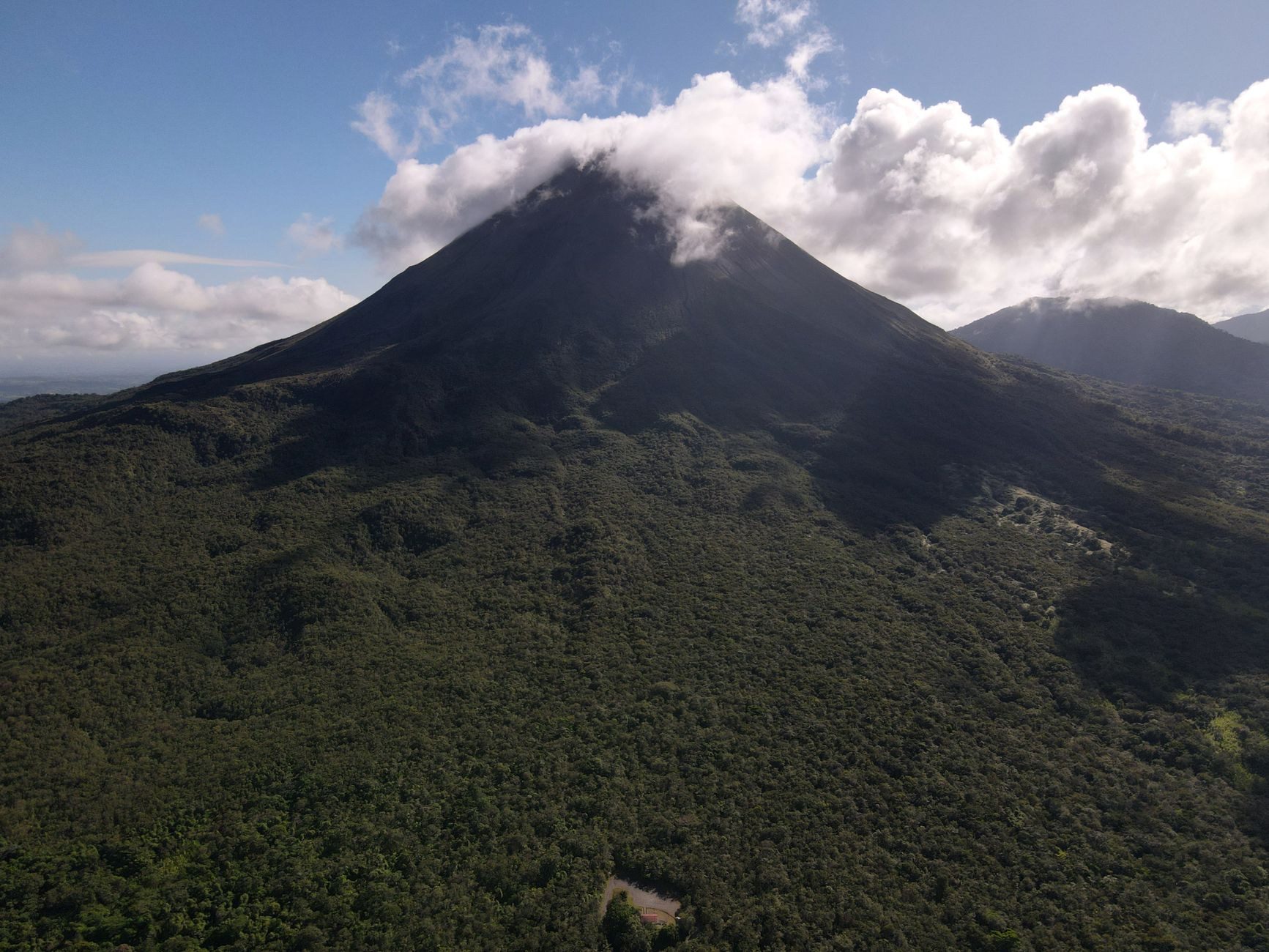
Base yourself in La Fortuna for three nights. The towering 1,670-meter conical silhouette of Arenal Volcano dominates the skyline. While Arenal ceased spewing molten lava in 2010, the surrounding geothermal basin remains alive with thermal activity.
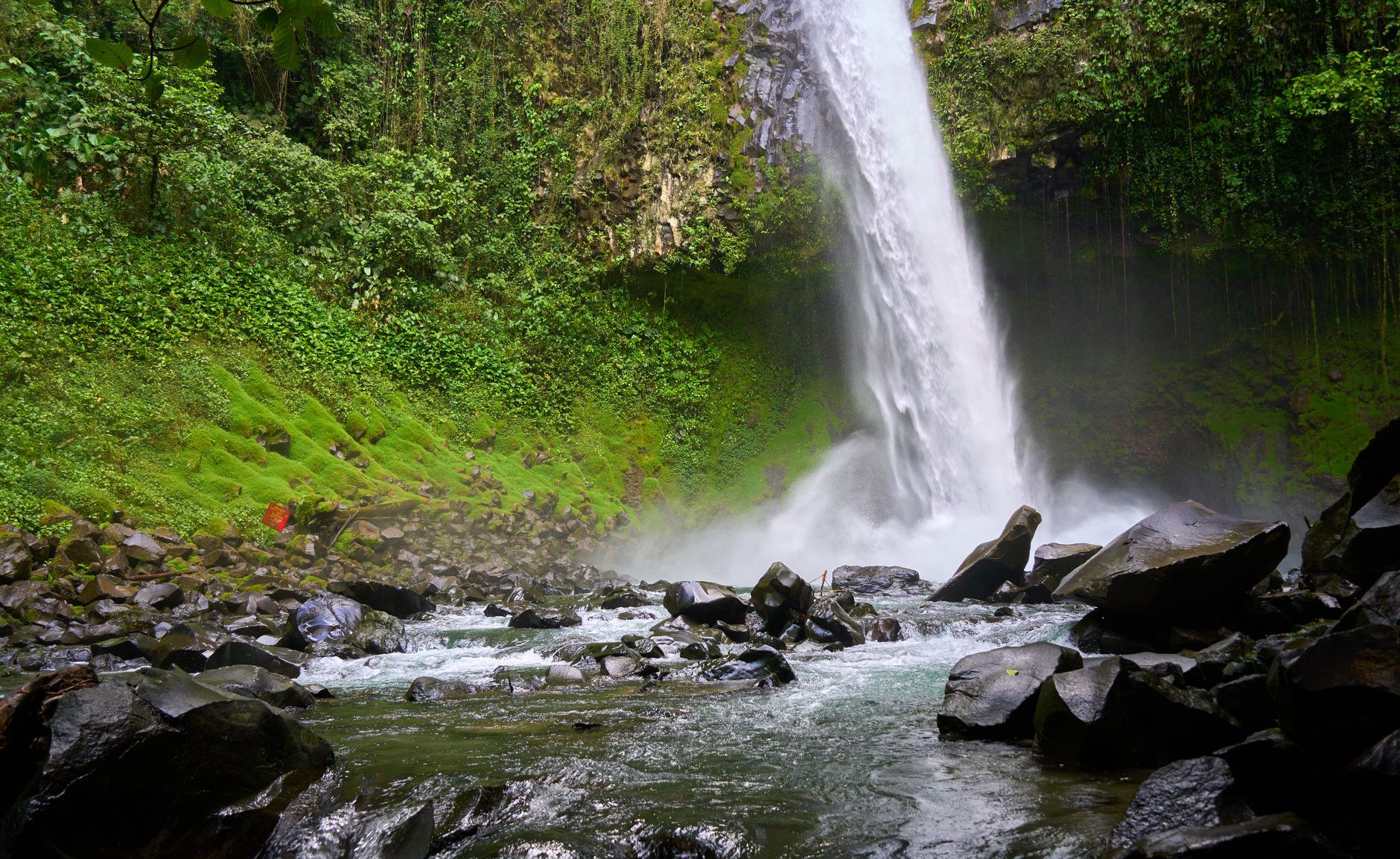
La Fortuna Waterfall: Descend 500 steep concrete steps into a lush rainforest canyon where an icy 70-meter cascade plunges into a jade-green natural swimming pool. The climb back up is a strenuous workout in tropical humidity; pace yourself and carry water.
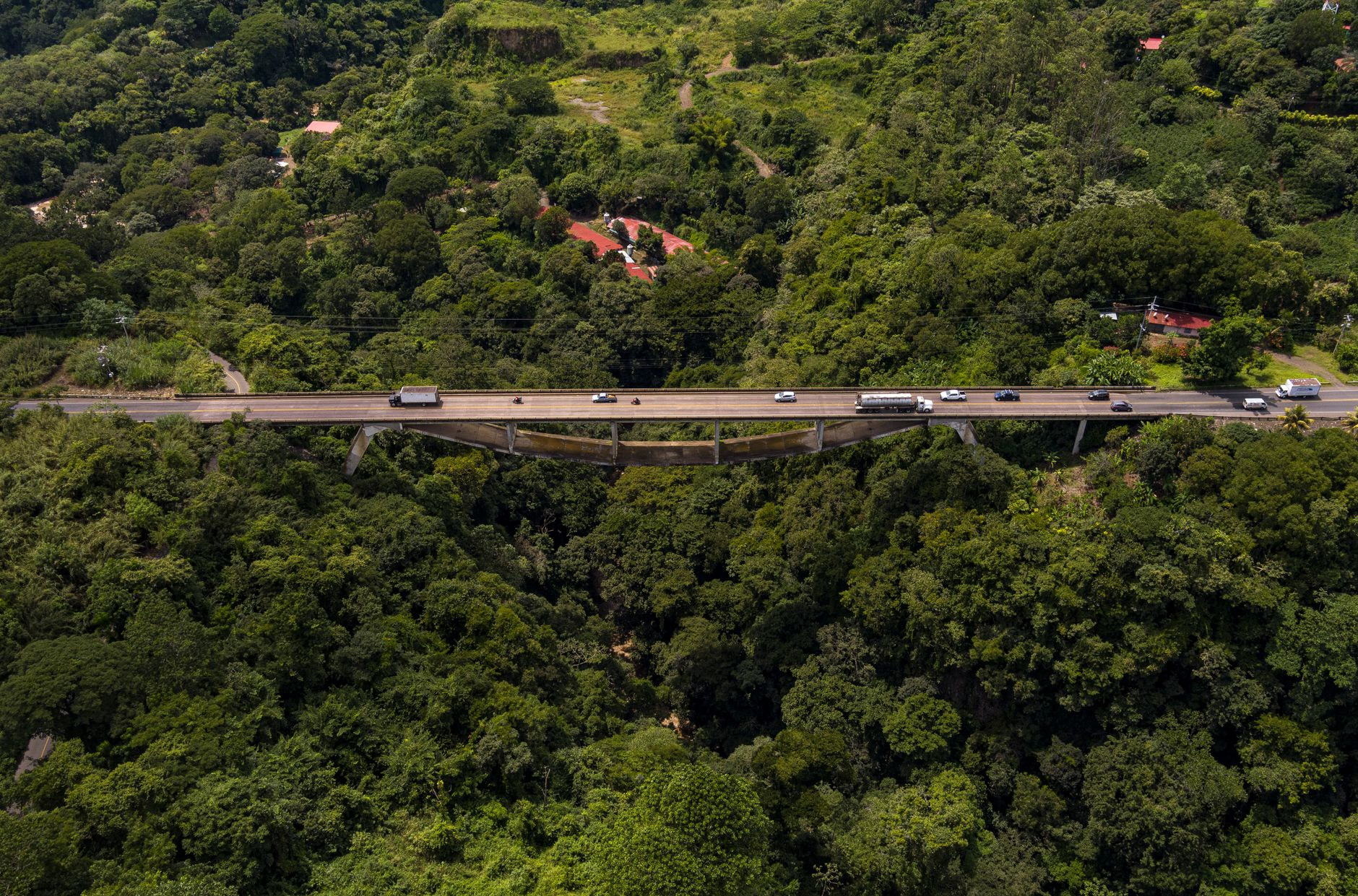
Mistico Hanging Bridges: Walk the 3.2-kilometer trail incorporating 16 bridges, including six suspension bridges hanging up to 45 meters above the forest canopy.
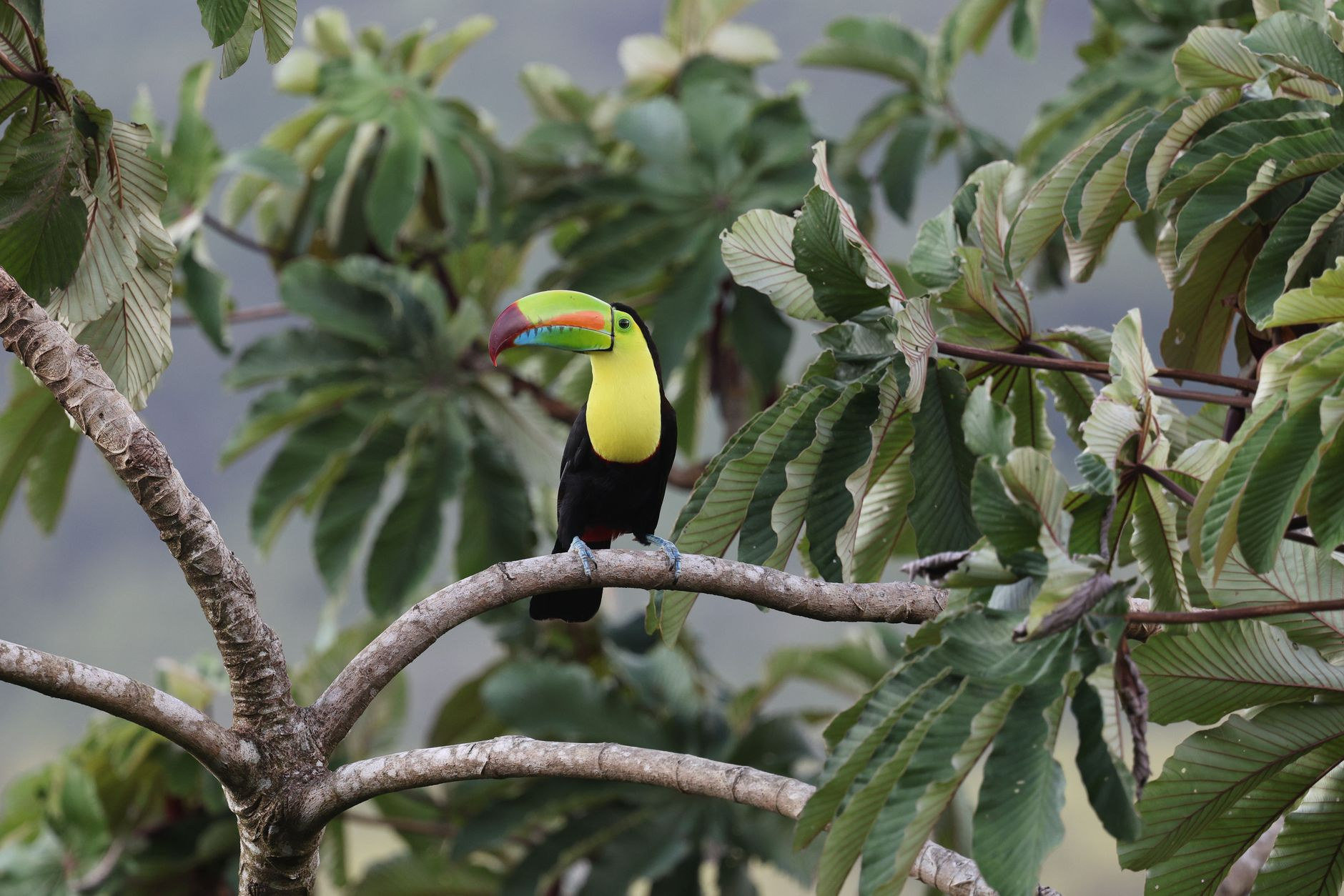
Exploring with a naturalist guide reveals vibrant wildlife hidden in the canopy layers, including bright-billed toucans feeding on figs, sleeping three-toed sloths, and iridescent hummingbirds.
Free Thermal Springs at El Chollín: While luxury thermal resorts like Tabacón charge upwards of $85 USD per person, budget travelers can enjoy the free, natural hot spring river at El Chollín (located just past the Tabacón resort entrance). Locals soak in naturally warm volcanic pools beneath the stars with flashlights and lanterns.
Monteverde: High-Altitude Cloud Forests and Night Treks (Days 5–6)
The drive around Lake Arenal and up into the Titiwangsa-like peaks of Monteverde climbs to 1,400 meters. The tropical heat gives way to brisk mountain air and perpetual horizontal mist.
Explore the Monteverde Cloud Forest Biological Reserve or neighboring Santa Elena Reserve. Ancient oak trees are draped in thick hanging mosses, epiphytes, and over 500 species of wild orchids. It is also prime habitat for the elusive Resplendent Quetzal, revered by the ancient Maya for its iridescent emerald tail feathers.
After dark, join a guided night hike at Refugio de Vida Silvestre or Valle Escondido. Over 80 percent of rainforest animals are nocturnal; a guided flashlight walk reveals iconic red-eyed tree frogs (Agalychnis callidryas), glass frogs, tarantulas, sleeping toucans, and kinkajous.

Manuel Antonio National Park: Jungle Trails & Pacific Beaches (Days 7–9)
Descending from the highlands to the Central Pacific brings you to Manuel Antonio. Despite being Costa Rica’s smallest national park, it is the most famous, combining dense primary jungle with sweeping crescent-shaped white sand beaches.
Advance SINAC Ticket Requirement: You cannot buy tickets at the gate. You must create an account and purchase timed entry passes online via the official SINAC online booking portal weeks in advance. The park is closed on Tuesdays for environmental recovery.
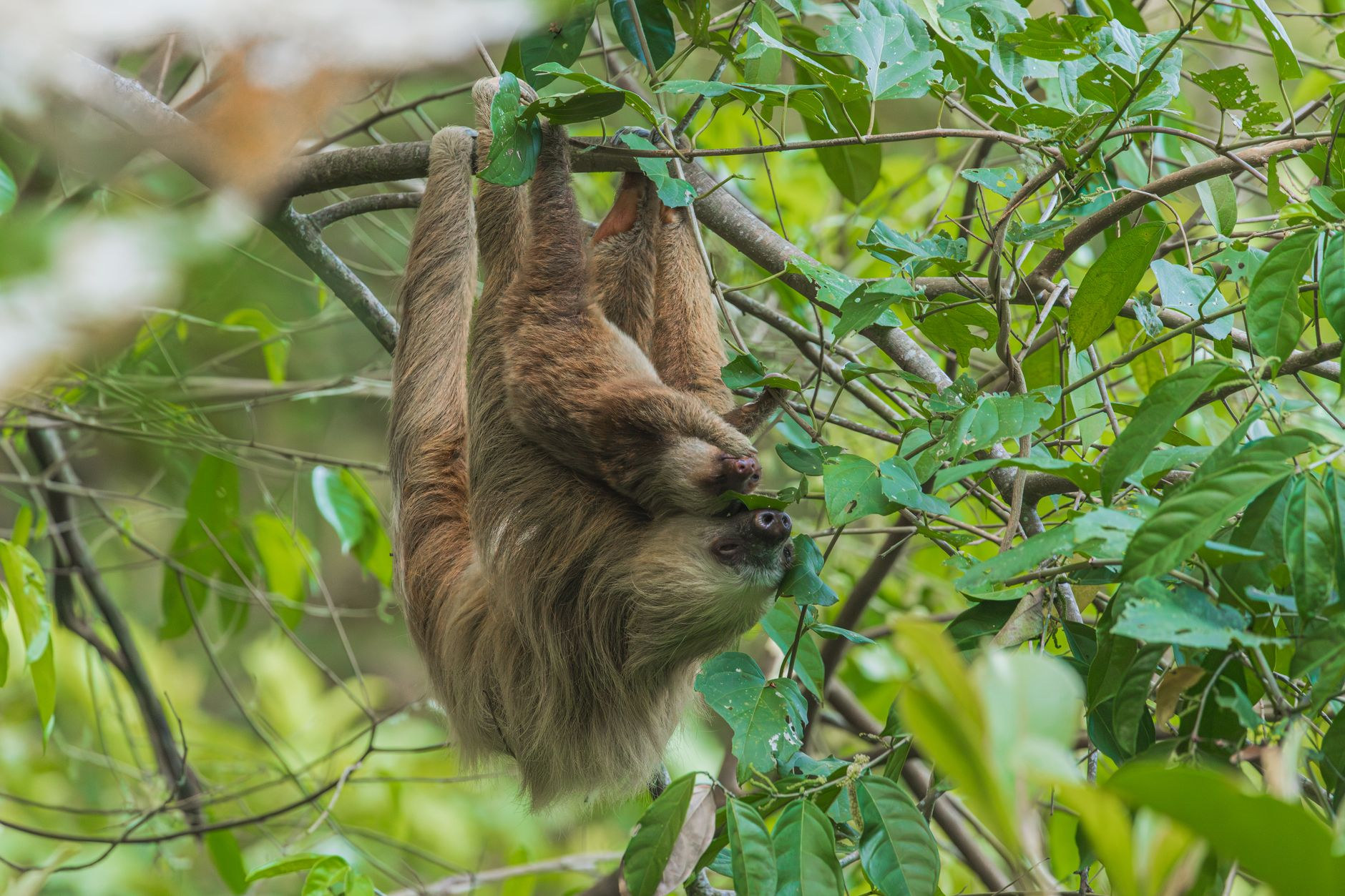
Wander the flat wooden boardwalks of the Sloth Trail to spot both two-toed and three-toed sloths resting in the crooks of cecropia trees.
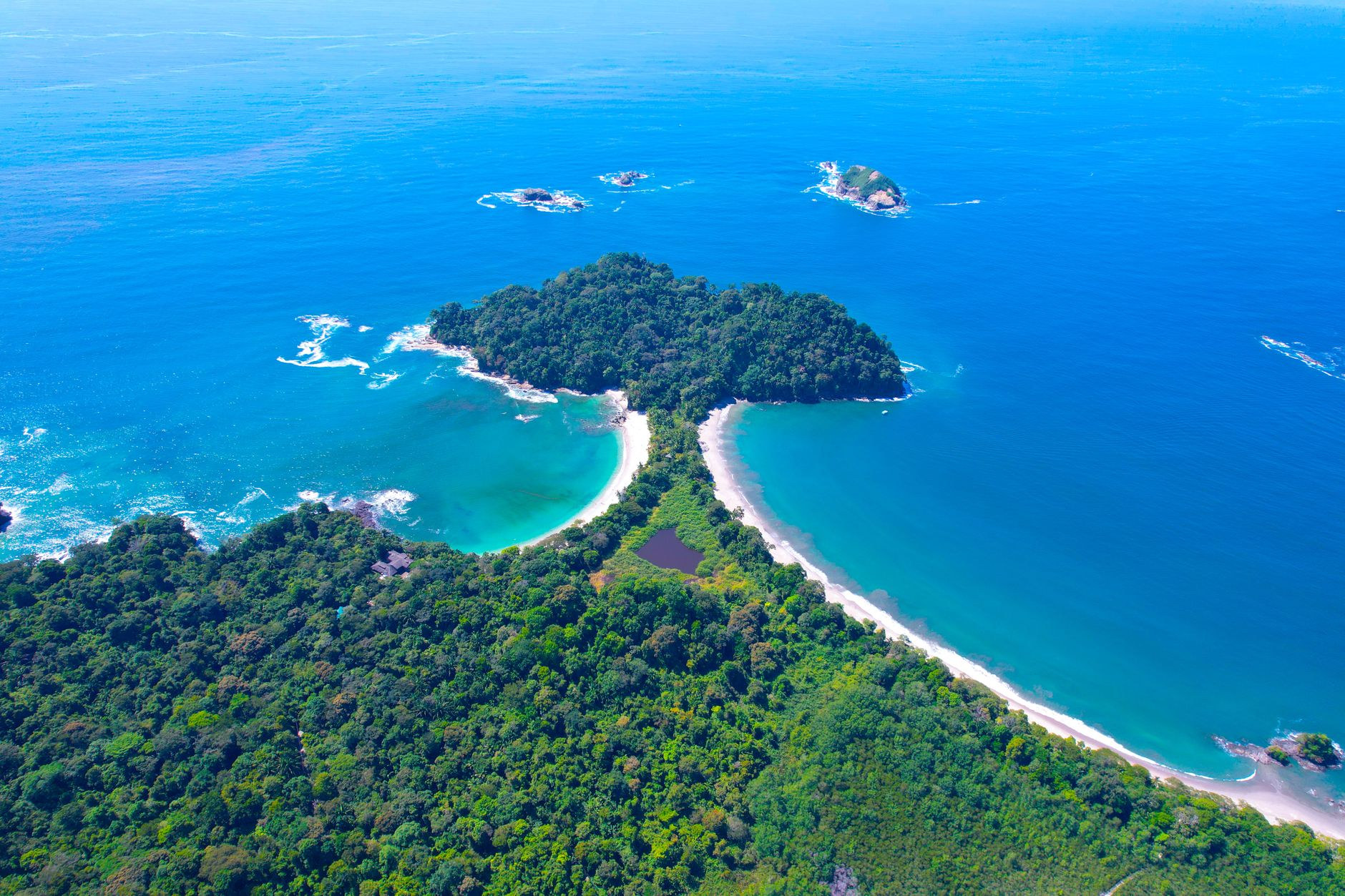
Emerge onto Playa Manuel Antonio and Playa Espadilla Sur, protected by a rocky tombolo landbridge that keeps ocean surf calm and safe for swimming. Warning: resident white-faced capuchin monkeys and raccoons patrol the sand looking for unguarded bags; never leave backpacks open or unattended on the beach.
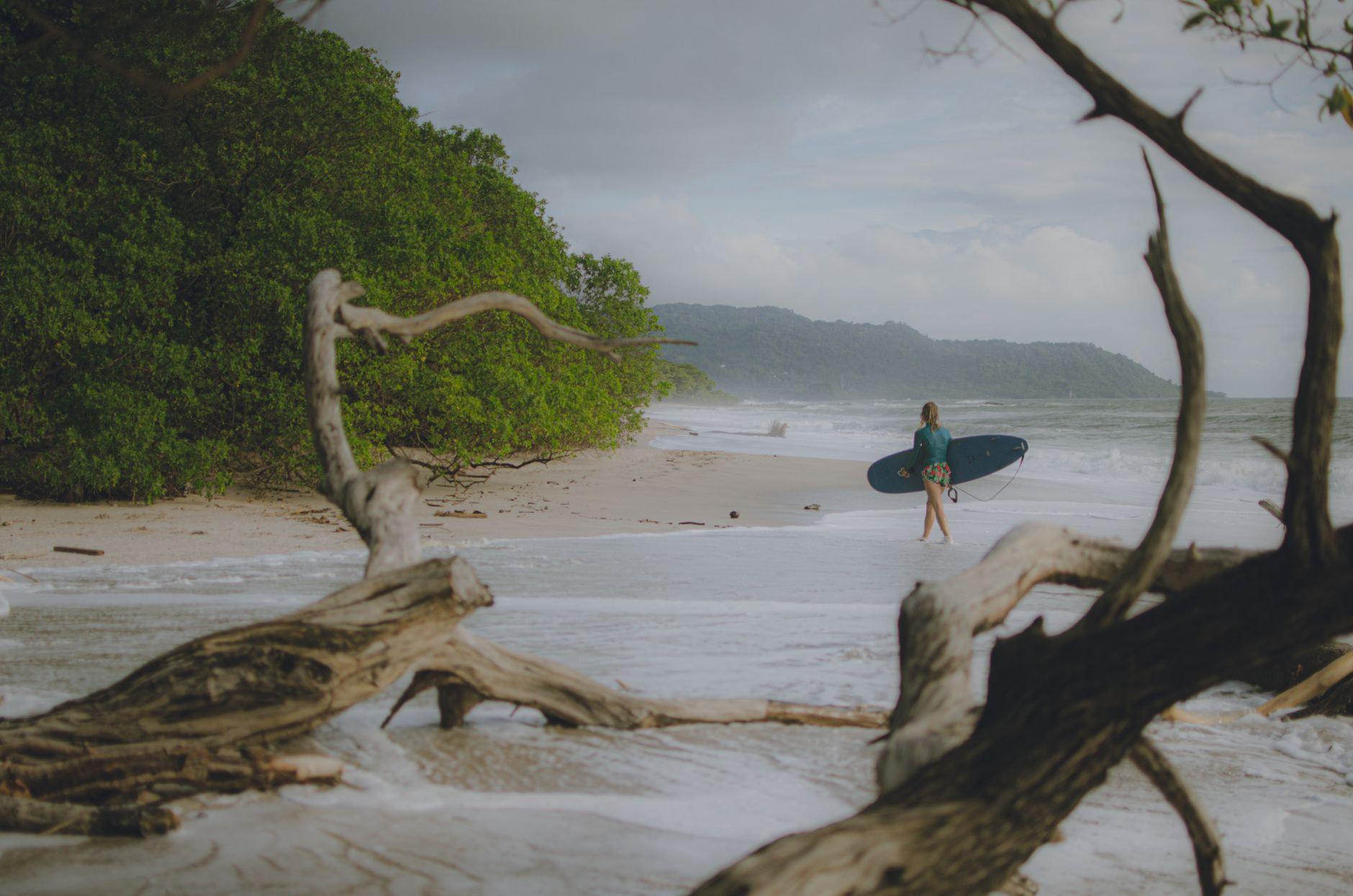
Outside the national park, Playa Espadilla Norte offers mellow, rolling waves ideal for beginner surf lessons, with surfboard rentals available along the beach road.
Eating at Traditional Sodas: Wholesome, Affordable Dining
Dining in Costa Rica can quickly become expensive if you eat exclusively at tourist-oriented restaurants. To eat authentic, wholesome food while supporting local families, dine at traditional sodas—small, family-run open-air diners found in every town and village.
The staple meal is the Casado ("married man’s plate"), a generous plate featuring steamed white rice, seasoned black beans, fried sweet plantains (maduros), fresh cabbage-and-tomato salad, and your choice of grilled fish, stewed beef, or rotisserie chicken, often accompanied by a fried egg or homemade corn tortilla. Paired with a freshly blended natural (tropical fruit juice blended with water or milk, such as maracuyá passionfruit or guanábana soursop), a filling meal costs just $5 to $8 USD.
Tour Touts, Beach Safety, and Practical Travel Advice
Keep these practical rules in mind across Costa Rica:
- The Manuel Antonio "Park Ranger" Scam: On the final two kilometers approaching the Manuel Antonio park entrance, aggressive men wearing khaki vests and badges will whistle, wave stop signs, and flag your car down, claiming the official parking lot is closed. They will direct you into private dirt lots charging $15–$20 USD and attempt to sell fake guided tours. Ignore them completely and drive straight to the official public parking areas near the beach.
- Pacific Rip Currents: Pacific beaches (like Dominical, Jacó, and Playa Hermosa) have powerful rip currents. Only swim in sheltered coves (like Playa Manuel Antonio) or where lifeguards are on duty. If caught in a rip, do not swim against the current; swim parallel to the shore until free, then angle back to land.
- Cash & Currency Conversion: Both Costa Rican Colón (CRC) and US Dollars (USD) are widely accepted. However, vendors will give change in colones at their own exchange rate. Withdraw cash from state bank ATMs (Banco Nacional or Banco de Costa Rica) and always select "Continue Without Conversion" to avoid predatory bank exchange markups.
- Dry vs Green Season: The dry season runs from December to April (sunny, peak crowds). The "green season" runs from May to November, bringing sunny mornings followed by short, heavy afternoon rains that cool the jungle and turn the landscapes intensely green, with lower accommodation rates.
Real-Time Road Navigation & Mobile Connectivity with NXTL
Driving through Costa Rica requires active mobile data. You need continuous connectivity to run Waze for real-time alerts on sudden landslide detours, fallen trees, and police checkpoints between La Fortuna and Monteverde. Real-time data is equally vital for displaying digital SINAC park reservation QR codes at the gate and messaging rural eco-lodge hosts via WhatsApp when navigating unmarked gravel driveways.
Skip the expensive mobile rental add-ons at car counters and avoid hunting for prepaid plastic SIM cards in San José. By installing the NXTL Costa Rica eSIM prior to boarding your flight, your phone connects automatically upon arrival to Costa Rica’s premier carrier networks—Telefonica (5G/LTE) and Claro (5G/LTE)—with rates starting from just $3.01/GB.
Because NXTL operates on a flexible, non-expiring balance model, your data never disappears at the end of the week. If you only consume a portion of your balance navigating your road trip, the remaining credit stays safely in your account for your next journey abroad. Your primary physical SIM stays active simultaneously, allowing you to receive credit card transaction SMS alerts and family calls without incurring expensive international carrier roaming fees.