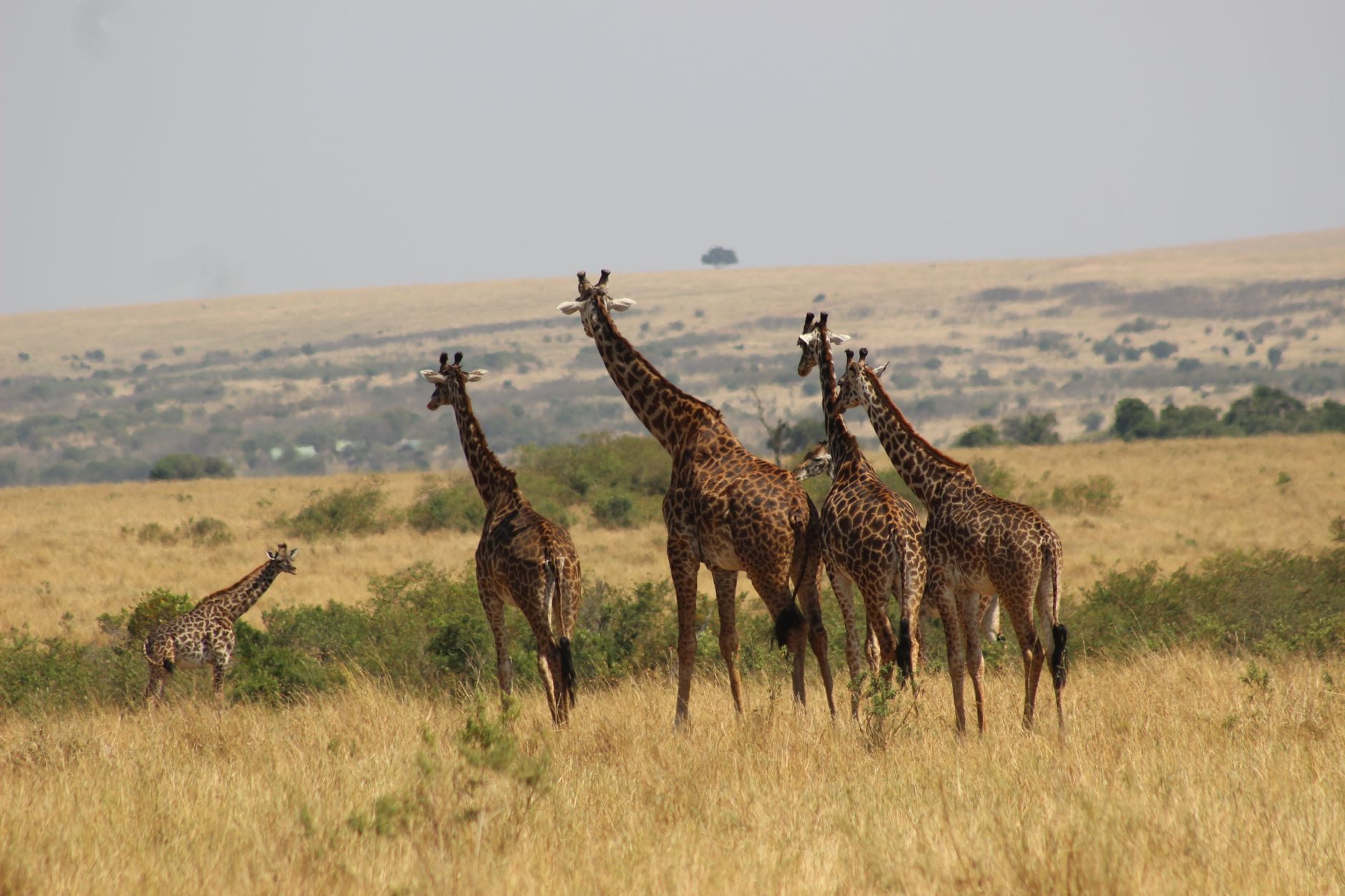
Kenya is the historic birthplace of modern safari travel, offering open savannah horizons where millions of blue wildebeest thunder across crocodile-infested rivers, cheetahs survey rolling grasslands from termite mounds, and snow-capped Mount Kilimanjaro looms behind great herds of tusked elephants. Yet first-time visitors often fall into common itinerary traps: either cramming five distant national reserves into a frantic week of grueling washboard-road transfers, or getting stranded at park gates by strict cashless payment mandates.
A far more rewarding and sustainable approach is the classic 10 to 12-day Bush-to-Beach circuit. By combining Nairobi’s conservation institutions with the dramatic gorges of the Great Rift Valley, three full days inside the premier wildlife ecosystem of the Masai Mara, and the modern Madaraka Express train to the powder-white sands of Diani Beach, you experience the best of East Africa without travel exhaustion.
The 10 to 12-Day Bush-to-Beach Route at a Glance
This 10 to 12-day safari and coastal itinerary balances world-class game drives, Great Rift Valley active adventures, and turquoise Indian Ocean relaxation:
| Days | Overnight Base | Key Experiences | Transit & Travel Time | Advance Booking |
|---|---|---|---|---|
| Days 1–2 | Nairobi (2 nights) | Sheldrick Elephant Orphanage foster visit, Giraffe Centre feeding, Nairobi National Park dawn drive, Karen Blixen Museum | Airport taxi to Karen/Westlands: 30–60 mins depending on traffic | Book Sheldrick Trust visiting slot months ahead |
| Days 3–4 | Lake Naivasha or Nakuru (2 nights) | Bicycle safari past zebras in Hell’s Gate gorge, boat safari past hippos on Lake Naivasha, rhino sanctuary in Lake Nakuru | Drive Nairobi to Naivasha: 2–2.5 hours (90 km via A104) | Reserve Hell’s Gate mountain bikes at gate |
| Days 5–7 | Masai Mara National Reserve (3 nights) | Dawn and dusk 4×4 game drives, tracking lion prides, cheetah hunts, Mara River crossing points, optional hot-air balloon | Drive Naivasha to Mara (Narok): 4.5–5 hours (220 km, rough gravel) | Book licensed safari camp 3–6 months ahead |
| Day 8 | Amboseli or Nairobi Transit (1 night) | Amboseli observation hill, massive free-ranging elephant herds with Mount Kilimanjaro views | Drive Mara to Amboseli: 6 hours, or bush flight to Wilson (WIL): 45 mins | Book national park permits via eCitizen portal |
| Days 9–11 | Diani Beach / South Coast (3 nights) | Madaraka Express (SGR) scenic train to Mombasa, Diani coral reef snorkeling, dhow sailing, fresh Swahili seafood | SGR train Nairobi to Mombasa: 4.5 hours; road transfer to Diani: 1.5 hours | Crucial: Reserve SGR 1st or 2nd class train tickets 60 days ahead |
| Day 12 | Moi Airport (MBA) / Nairobi Departure | Morning swim in turquoise lagoon, transfer to Moi International Airport (MBA) or flight back to NBO | Diani to MBA airport: 1.5 hours; flight to NBO: 50 mins | Allow 3 hours before international departures |
Short-Trip Option (7–8 Days): Omit the coast. Spend 1 night in Nairobi, 1 night in Lake Naivasha, 3 nights in the Masai Mara, and 2 nights in Amboseli, flying directly between reserves via Wilson Airport bush charters to maximize wildlife tracking.
Long-Trip Extension (14–16 Days): Add northern Kenya’s Samburu National Reserve to encounter the "Samburu Special Five" (Gerenuk, Grevy’s zebra, Somali ostrich, reticulated giraffe, and beisa oryx) or hike the dramatic alpine moorlands of Mount Kenya.
Nairobi: Conservation Gateways & Urban Wildlife (Days 1–2)
Most international flights arrive at Jomo Kenyatta International Airport (NBO). Rather than battling congested commercial traffic in central Nairobi, base yourself in the leafy southwestern suburb of Karen or the bustling dining hub of Westlands.
Nairobi is the world’s only capital city bordering a free-roaming wild game reserve. At Nairobi National Park, endangered black rhinos, lions, and towering giraffes graze against a startling backdrop of glass skyscrapers. Arrive at the East Gate by 6:00 AM for the most active predator sightings before morning heat settles over the plains.
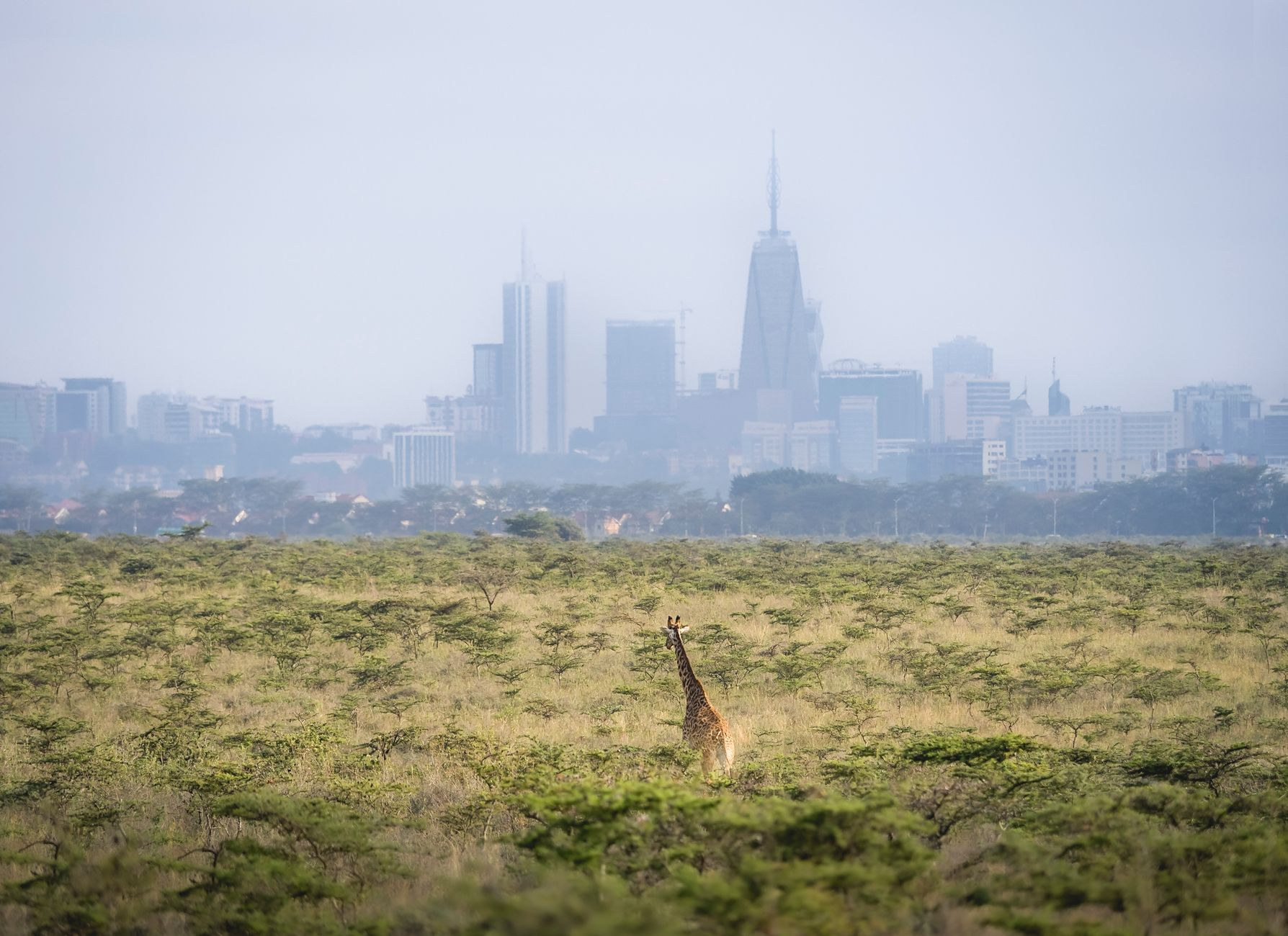
Spend your afternoon in Karen visiting two renowned wildlife rehabilitation centers. The Sheldrick Wildlife Trust rehabilitates orphaned baby elephants rescued from poaching and drought across Kenya. Public visits occur strictly between 11:00 AM and noon; slots must be reserved online months in advance. Nearby, the Giraffe Centre allows you to hand-feed endangered Rothschild’s giraffes from elevated wooden viewing platforms.
The Great Rift Valley: Hell’s Gate & Lake Naivasha (Days 3–4)
Leaving Nairobi, State Highway A104 descends the eastern escarpment of the Great Rift Valley, offering panoramic pull-offs looking across the ancient tectonic trench. Your destination is Lake Naivasha, a high-altitude freshwater lake ringed by yellow-barked fever tree forests.
Directly south of the lake lies Hell’s Gate National Park, one of Kenya’s few wildlife reserves where visitors can hike and mountain bike without a motorized safari vehicle. Rent a rugged bicycle at the park gate and pedal through sheer red volcanic canyons where warthogs, elands, and plains zebras graze undisturbed beside geothermal steam vents.
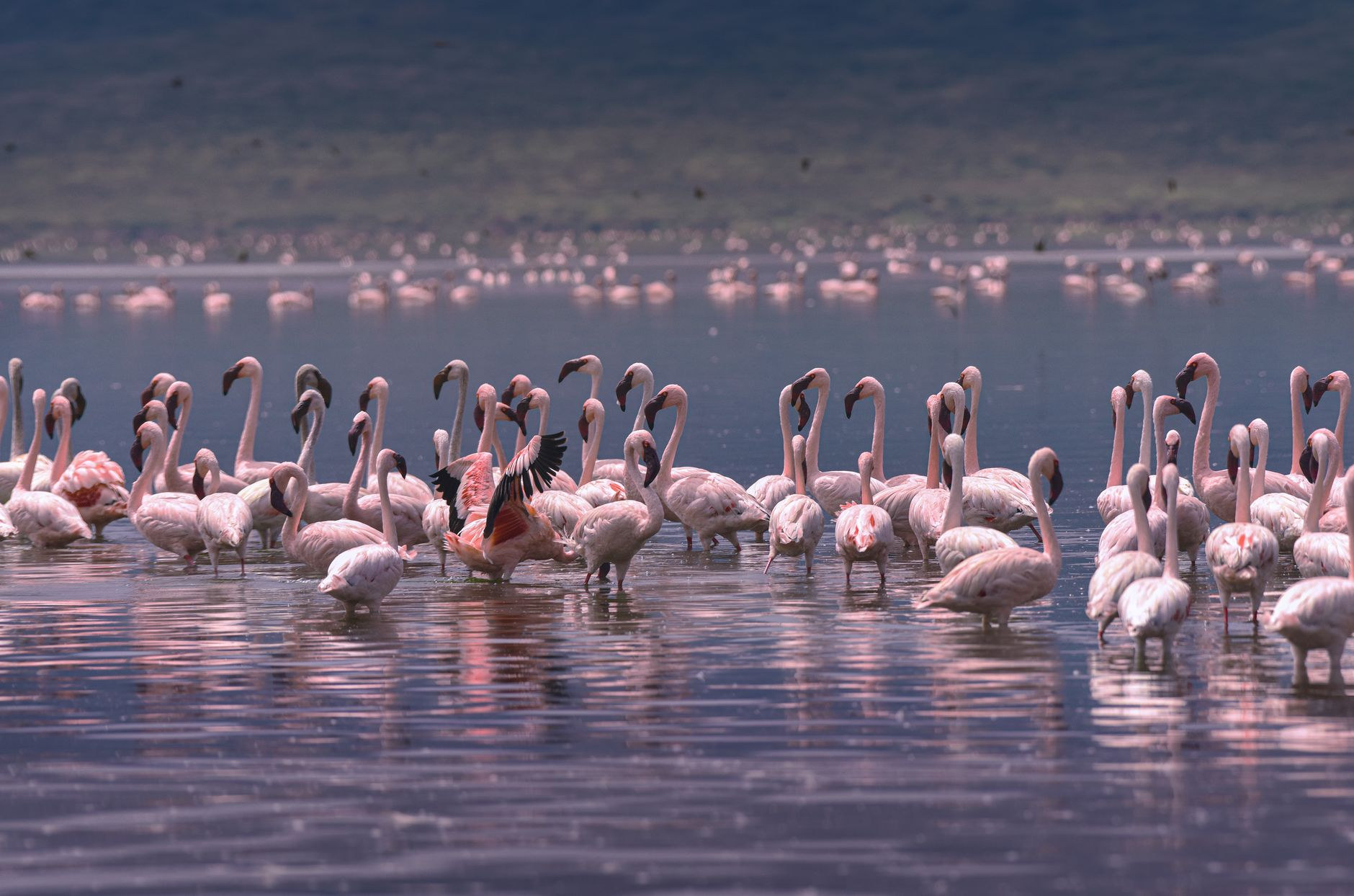
In the late afternoon, take a motorized boat safari on Lake Naivasha to spot resident pods of over 1,500 hippopotamuses wallowing in shallow waters, while African fish eagles hunt catfish from overhead acacia perches. Travelers seeking rhino tracking can take a 90-minute side excursion to nearby Lake Nakuru National Park, renowned for its protected sanctuary protecting both white and endangered black rhinos alongside flocks of feeding pink flamingos.
Masai Mara: The Apex Wildlife Arena (Days 5–7)
The journey from Naivasha to the Masai Mara National Reserve crosses the Maasai trading hub of Narok before descending onto unpaved black-cotton soil tracks. The Mara represents the northern extension of the greater Serengeti ecosystem, home to the densest concentration of large mammals on earth.
Base yourself for at least three nights in either the central Talek/Sekenani sectors or the private wildlife conservancies bordering the Mara River (such as Mara North or Olare Motorogi). Conservancies limit vehicle numbers at animal sightings, allow off-road tracking, and conduct thrilling after-dark night game drives.
Early morning game drives reveal resident predator activity before midday temperatures rise. The Mara’s short-grass plains offer unmatched opportunities to witness coalition cheetahs stalking Thomson’s gazelles, large lion prides resting on rocky kopjes, and elusive leopards draped over the branches of sausage trees.
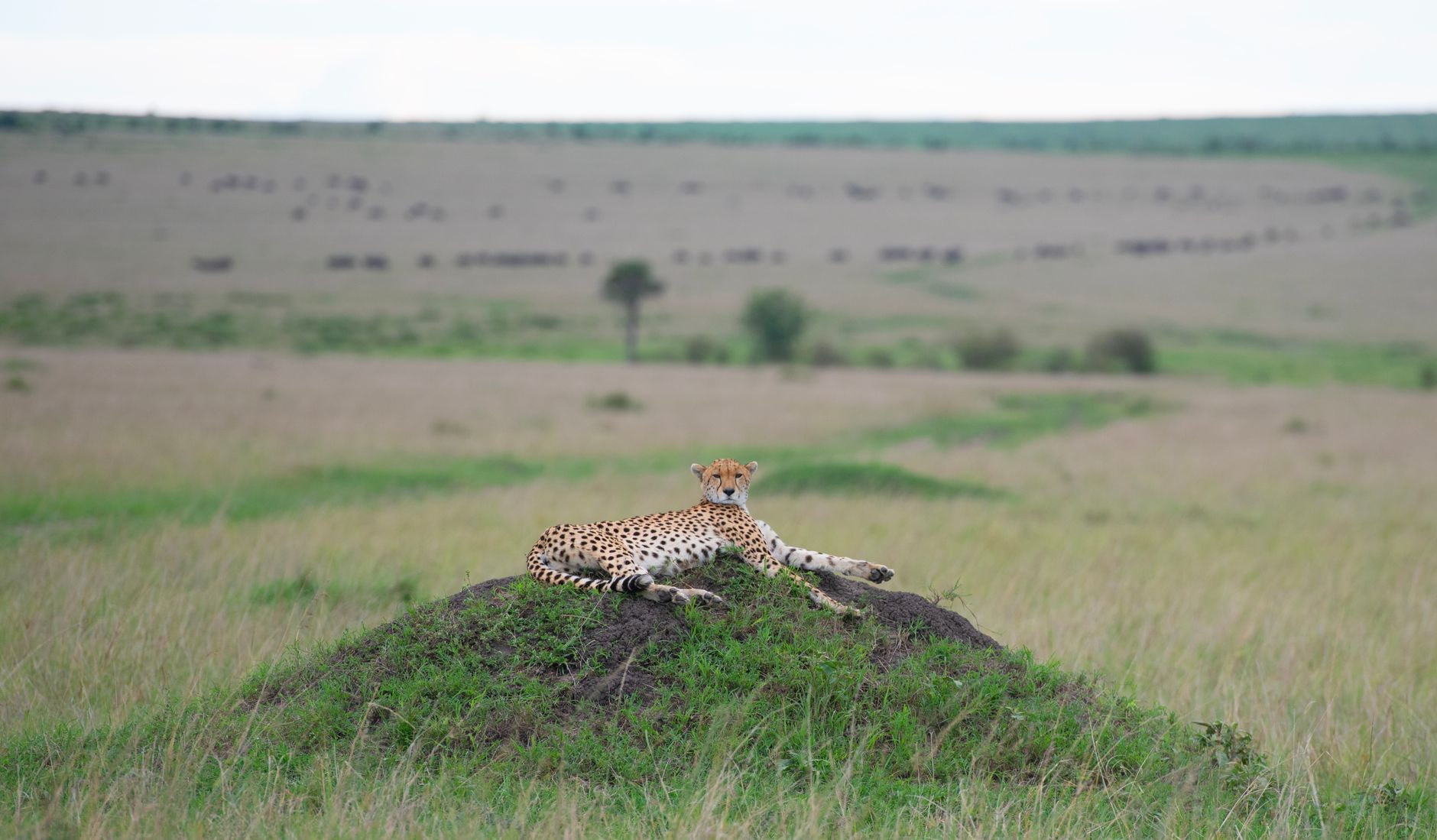
Between July and October, the reserve hosts the epic Great Migration, where over 1.5 million wildebeest and zebras traverse crocodile-infested waters at historic crossing points along the Mara and Sand Rivers. Even outside migration months, the sheer resident wildlife density delivers world-class sightings every single day.
Safari Vehicles & Booking Rules: 4×4 Land Cruiser vs Minivan
How you book your safari determines your comfort and wildlife access:
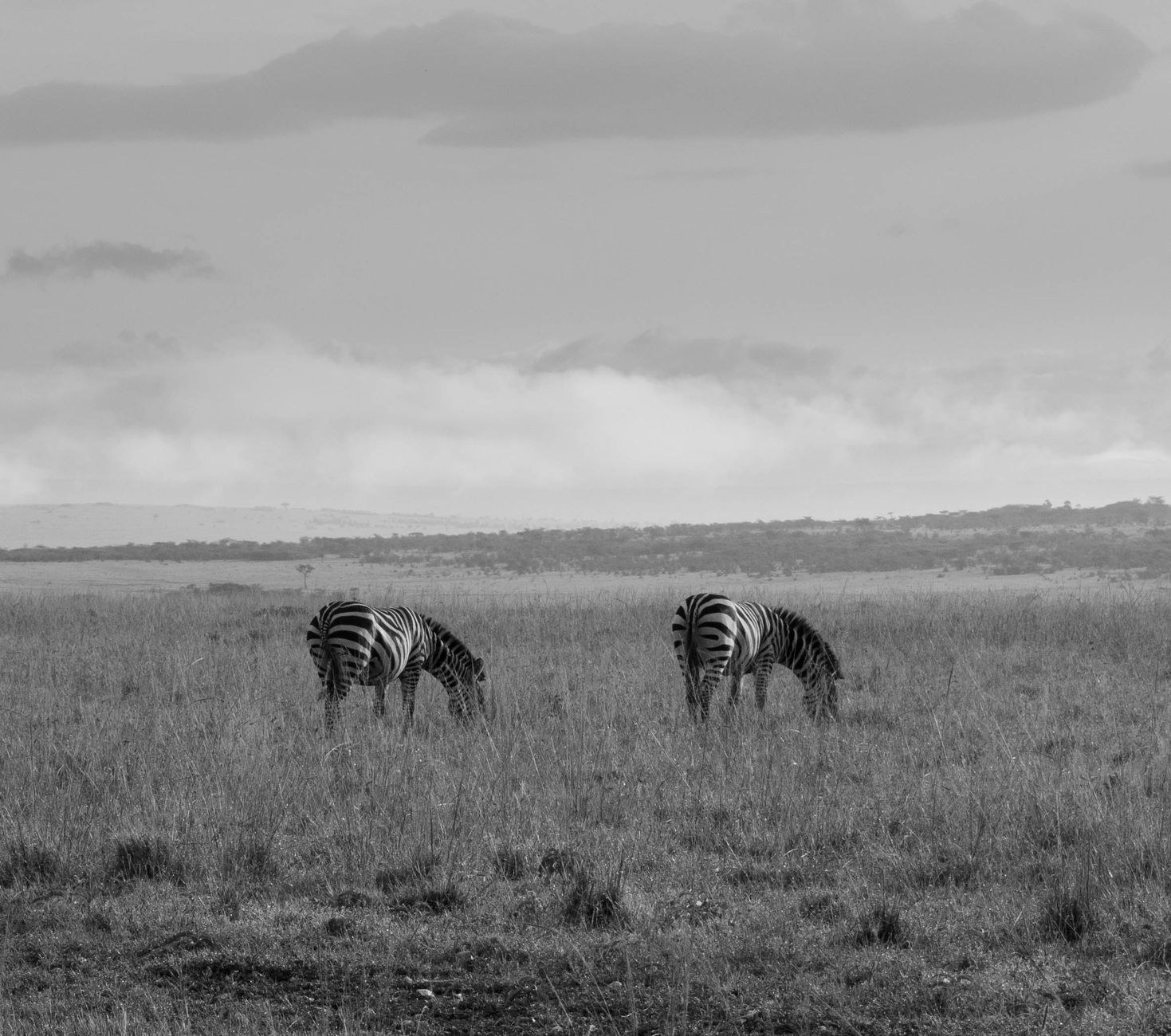
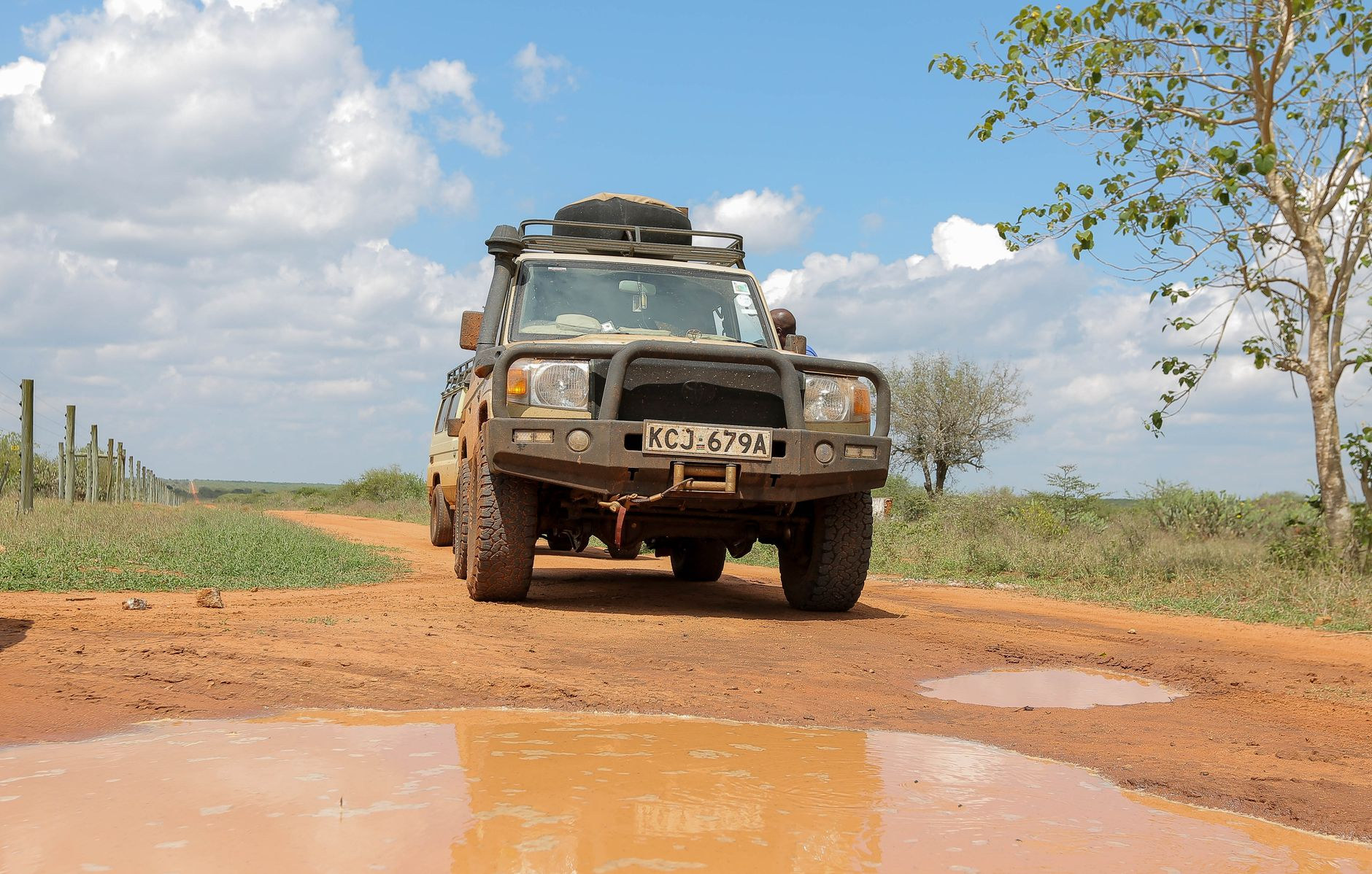
- Always Choose a 4×4 Toyota Land Cruiser: Budget tour operators cut costs by using 2WD or AWD converted Toyota HiAce minivans ("safari vans"). Minivans have low ground clearance, narrow tires, and stiff suspensions that struggle on rutted Mara dirt tracks, frequently becoming stuck in deep mud during sudden downpours. A purpose-built 4×4 safari Land Cruiser with heavy-duty off-road suspension, large pop-up roof hatches, and individual window seats gives you superior viewing height and reliable traction across rough terrain.
- Vetting Tour Operators (KATO Membership): Always confirm that your safari company is an active, accredited member of the Kenya Association of Tour Operators (KATO). KATO members adhere to strict ethical operating codes, carry required passenger liability insurance, and provide recourse through a bonded guarantee scheme. Avoid unauthorized street brokers soliciting around downtown Nairobi.
- Park Entry Regulations: The Kenya Wildlife Service (KWS) enforces a strict 12-hour or 24-hour park ticket validity system depending on where you stay. Confirm whether your lodge rate includes park entry fees or if you must pay independently.
Amboseli: Giant Tuskers Beneath Mount Kilimanjaro (Day 8)
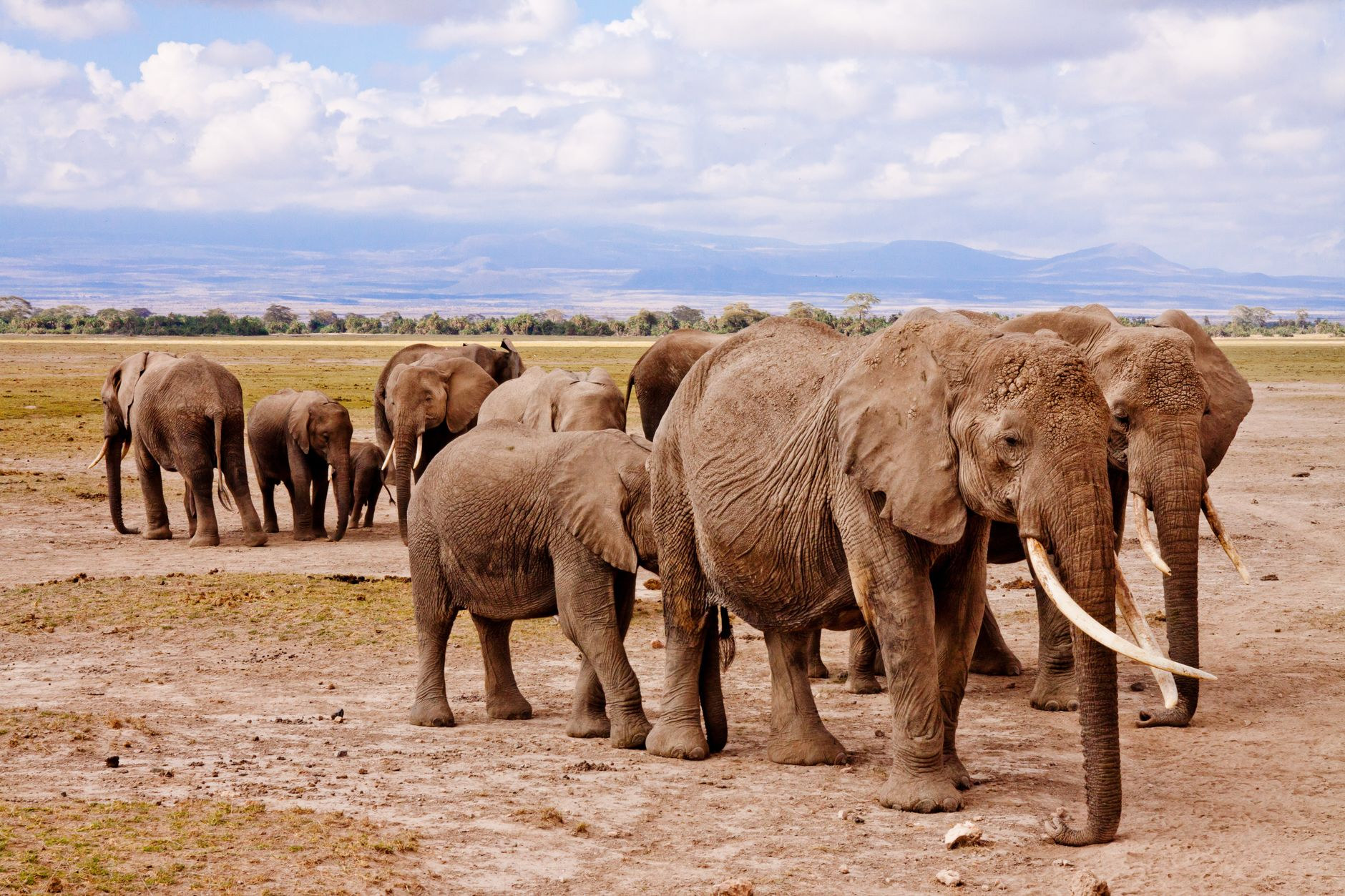
Southeast of Nairobi, near the Tanzanian border, Amboseli National Park offers one of Africa’s most recognizable landscapes. Fed by subterranean meltwater springs flowing from Mount Kilimanjaro, Amboseli’s lush marshlands attract massive herds of African elephants.
Amboseli is world-renowned for its long-term elephant research programs, allowing you to observe multi-generational families led by grand matriarchs with enormous ivory tusks walking across alkaline dust pans. Dawn is the prime time to photograph these magnificent herds, when cloud cover clears to reveal the towering snow-covered summit of Kilimanjaro rising 5,895 meters behind the savannah.
The Madaraka Express (SGR) & Diani Beach (Days 9–11)
Transferring from safari wilderness to the Indian Ocean was historically an agonizing 10-hour drive on the congested Mombasa Highway. Today, Kenya’s modern Madaraka Express Standard Gauge Railway (SGR) connects Nairobi and Mombasa in just 4.5 hours on the passenger express train.
The train glides through Tsavo National Park on elevated tracks, offering passenger window views of wild giraffes, elephants, and ostriches grazing beside the line. Booking Tip: Train tickets open exactly 60 days in advance via the official Kenya Railways online booking portal and sell out rapidly during holiday periods; book your First Class or Second Class seats the moment sales open.
From Mombasa Terminus, take an authorized transfer south across the Likoni bridge/ferry bypass to Diani Beach. Consistently voted among Africa’s premier coastal destinations, Diani boasts 17 kilometers of dazzling, powder-soft white coral sand fringed by swaying coconut palms and warm, calm turquoise waters sheltered by an offshore barrier reef.
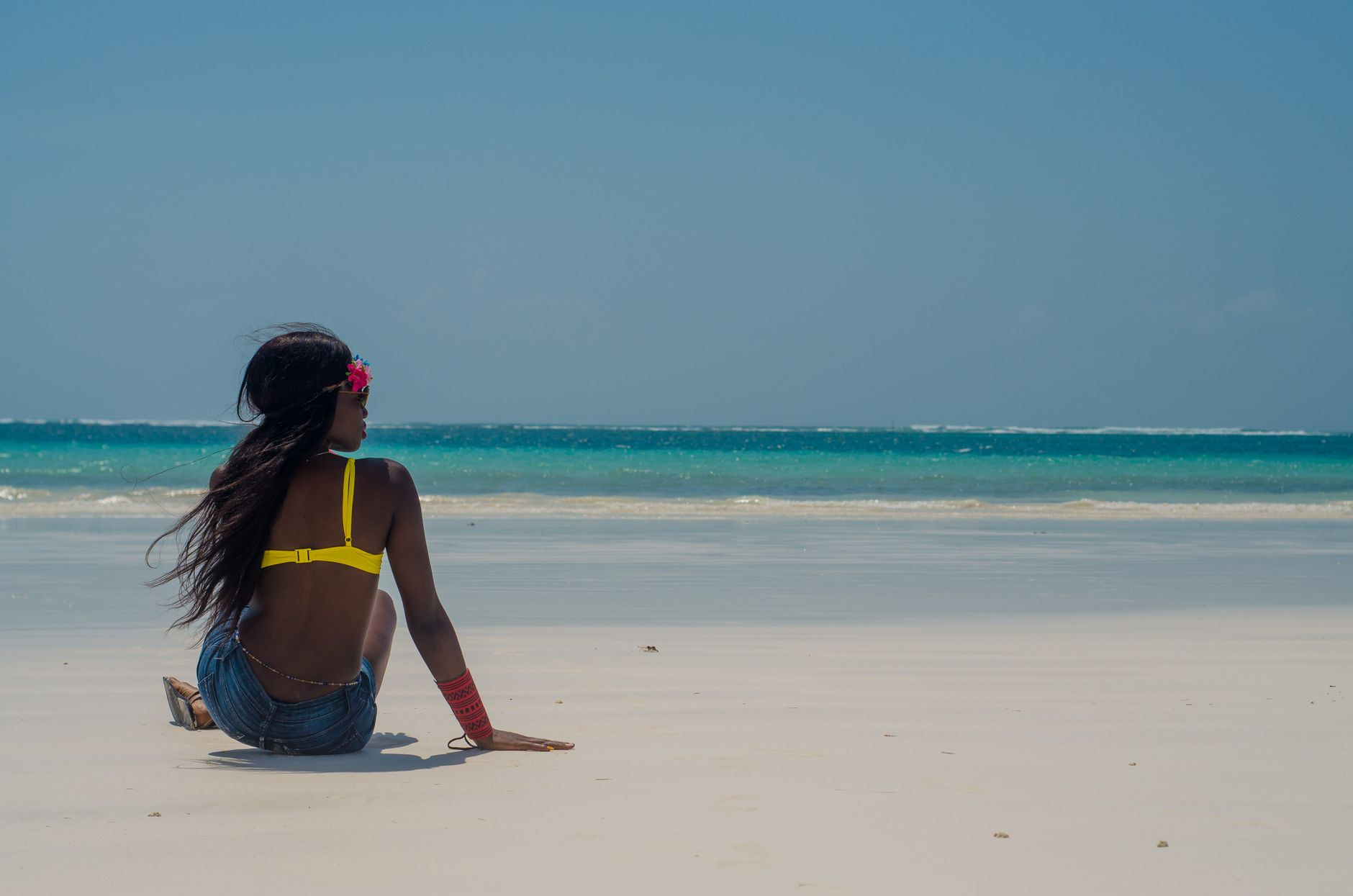
Spend your days snorkeling the coral gardens of Kisite-Mpunguti Marine National Park, taking traditional wooden dhow sailing excursions to Wasini Island, and sampling fresh coastal Swahili cuisine—including freshly caught grilled red snapper in spiced coconut curry (samaki wa kupaka) served with fragrant saffron rice.
Cashless Park Gates, M-Pesa & Practical Kenya Travel Advice
Navigating Kenya smoothly requires understanding local commercial and health systems:
- Mandatory Cashless Gates: The Kenya Wildlife Service (KWS) and county governments enforce a 100% cashless payment policy at all national park gates (including Nairobi, Lake Nakuru, Amboseli, and Hell’s Gate). Park gates refuse paper cash. You must pay using an international credit card (Visa or Mastercard) or M-Pesa mobile money via the government eCitizen portal.
- Electronic Travel Authorisation (eTA): Kenya has replaced traditional visas with an online Electronic Travel Authorisation (eTA). All foreign visitors must apply online via the official official Kenya eTA portal at least three days prior to travel. Have your flight confirmation, passport photo, and hotel vouchers ready to upload.
- Tipping Etiquette on Safari: Professional safari guides and camp staff work tirelessly to deliver unforgettable wildlife encounters. Customary tips are $10–$15 USD per guest per day for your private safari driver-guide, and $5–$10 USD per guest per day placed in the general camp staff tip box to support cooks, room stewards, and trackers. Tips are welcomed in Kenyan Shillings (KES) or clean, un-torn US Dollar notes.
- Malaria and Health Precautions: Nairobi and high-altitude areas of the Rift Valley have low malaria transmission, but the Masai Mara, Amboseli, and the coastal coast around Diani are active malaria zones. Consult your travel clinic regarding prescription prophylactic medications (such as Atovaquone/Proguanil or Doxycycline), pack DEET-based insect repellent, and sleep beneath treated mosquito netting.
Mobile Connectivity Across Safari Tracks & Coastlines with NXTL
Traveling through Kenya demands dependable mobile internet from the moment you touchdown in Nairobi. Real-time data is essential for booking vetted rides on Uber from Jomo Kenyatta Airport, displaying digital park entry permits and eTA QR codes at conservation gates, paying local vendors via mobile channels, and coordinating game drive meetup points with safari lodge staff.
Avoid high-stress airport kiosk queues and complex passport photocopy requirements in Nairobi. By setting up the NXTL Kenya eSIM before boarding your departure flight, your device links automatically upon arrival to Kenya’s leading telecom carrier—Airtel Kenya (5G/LTE)—with affordable rates starting from just $5.41/GB.
You enjoy high-speed data coverage through Nairobi’s urban corridors, across Great Rift Valley transit routes, within coverage-enabled safari sectors in the Masai Mara, along the SGR railway route, and across the tropical beach communities of Diani and Mombasa. With NXTL’s reusable, non-expiring balance model, your purchased credit remains valid indefinitely for future international journeys. Your primary home SIM stays active simultaneously, ensuring you never miss important banking two-factor verification texts or urgent phone calls from home.