Jordan packs an astounding density of human civilization and geological wonder into a peaceful desert kingdom roughly the size of Portugal. In little more than a week, you can stand beneath the soaring colonnades of one of Rome’s best-preserved provincial cities, float weightlessly on hyper-saline waters at the lowest point on earth, emerge through a narrow sandstone slot canyon to confront Petra’s rock-carved Treasury, and fall asleep beneath a canopy of desert stars in the crimson valley of Wadi Rum.
Yet self-driving through Jordan requires practical route foresight. Many travelers inadvertently overpay by buying standard visas at Queen Alia Airport instead of utilizing the government Jordan Pass, fall victim to persistent animal touts at the gates of Petra, or underestimate driving times on twisting mountain highways. This guide outlines a battle-tested 8 to 10-day self-drive route, complete with money-saving visa hacks, driving precautions, cultural etiquette, and dependable mobile connectivity.
The 8 to 10-Day Jordan Self-Drive Route at a Glance
This 8 to 10-day self-drive route connects ancient Greco-Roman ruins, therapeutic mineral waters, Nabataean rock tombs, and Mars-like desert wilderness:
| Days | Overnight Base | Key Experiences | Transit & Travel Time | Advance Booking |
|---|---|---|---|---|
| Days 1–2 | Amman (2 nights) | Amman Citadel (Jabal al-Qal’a), Roman Theatre, downtown souks, Hashem falafel, day trip to Roman Jerash | Airport taxi to Amman: 40 mins (35 km); Amman to Jerash: 50 mins (50 km) | Crucial: Buy Jordan Pass online prior to flight |
| Day 3 | Dead Sea (1 night) | Descend to -430m elevation, float on hyper-saline waters, mineral mud soak, sunset over Judaean hills | Drive Amman to Dead Sea: 1 hour (60 km down Route 40) | Book resort with private beach/showers |
| Days 4–6 | Wadi Musa / Petra (2 nights) | Walk the Siq at 6:00 AM, Al-Khazneh (Treasury), Royal Tombs, hike 850 steps to the colossal Monastery (Ad-Deir) | Drive Dead Sea to Wadi Musa via Kings Highway: 3.5–4 hours (200 km) | Reserve 2-day Jordan Pass entry |
| Days 7–8 | Wadi Rum Protected Area (2 nights) | 4×4 open-bed desert truck tour, Lawrence’s Spring, Um Fruth rock bridge, traditional Bedouin Zarbi barbecue, stargazing | Drive Wadi Musa to Wadi Rum Visitor Center: 1 hour 45 mins (115 km) | Book authentic Bedouin-run desert camp |
| Day 9 | Queen Alia Airport (AMM) / Departure | Camel sunrise walk in dunes, Desert Highway (Route 15) drive north back to AMM airport | Drive Wadi Rum to AMM airport: 3.5–4 hours (300 km via Route 15) | Allow 3 hours before international departure |
Short-Trip Option (5–6 Days): If time is constrained, omit the northern Jerash day trip and one night in Wadi Rum: Amman (1 night) → Dead Sea (1 night) → Petra (2 nights) → Wadi Rum (1 night) → Airport.
Long-Trip Extension (12–14 Days): Continue south from Wadi Rum to the Red Sea port of Aqaba for world-class fringing reef diving and snorkeling, or hike the rugged canyon trails of the Dana Biosphere Reserve en route to Petra.
The Jordan Pass: How to Save 40 JOD Before You Fly
The single most valuable planning decision for any traveler visiting Jordan is purchasing the Jordan Pass online via the official government portal before arriving in the country.
A standard single-entry tourist visa purchased upon arrival at Queen Alia International Airport (AMM) costs 40 JOD (roughly $56 USD). A one-day entry ticket to Petra purchased at the gate costs 50 JOD ($70 USD). The official Jordan Pass (Jordan Wanderer tier, 70 JOD) combines entry to Petra with access to over 40 attractions across the kingdom (including Jerash, Amman Citadel, and Wadi Rum) and completely waives the 40 JOD airport visa fee provided you stay at least three consecutive nights in Jordan. Purchasing the pass saves every traveler a minimum of 20 to 30 JOD while allowing you to bypass ticket queues across the country.
Amman & Jerash: Roman Colonnades and Hilltop Citadels (Days 1–2)
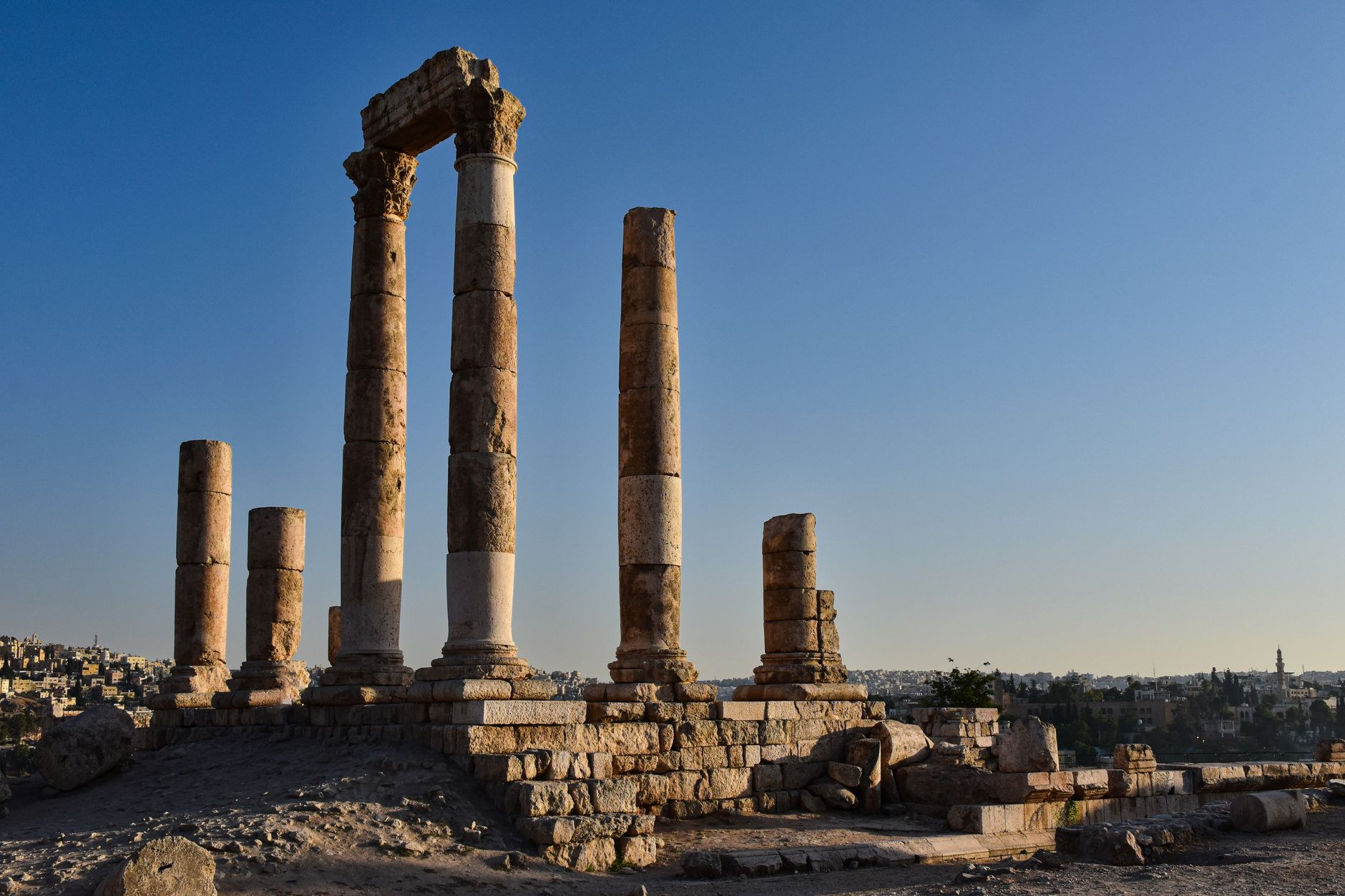
Begin your journey in Jordan’s hilly capital. Ascend to the Amman Citadel, perched atop Jabal al-Qal’a. Ancient Roman ruins, including the monumental Corinthian columns of the Temple of Hercules and the 8th-century Umayyad Palace, overlook sweeping vistas of whitewashed limestone houses stretching across the seven historic hills of Amman.
In the bustling downtown basin (Al-Balad), sit down at the iconic open-air Hashem Restaurant for freshly fried falafel, silky hummus topped with olive oil and sumac, and warm pita bread, followed by knafeh (stretching warm goat cheese topped with crunchy semolina and orange blossom syrup) at historic Habibah Sweets.
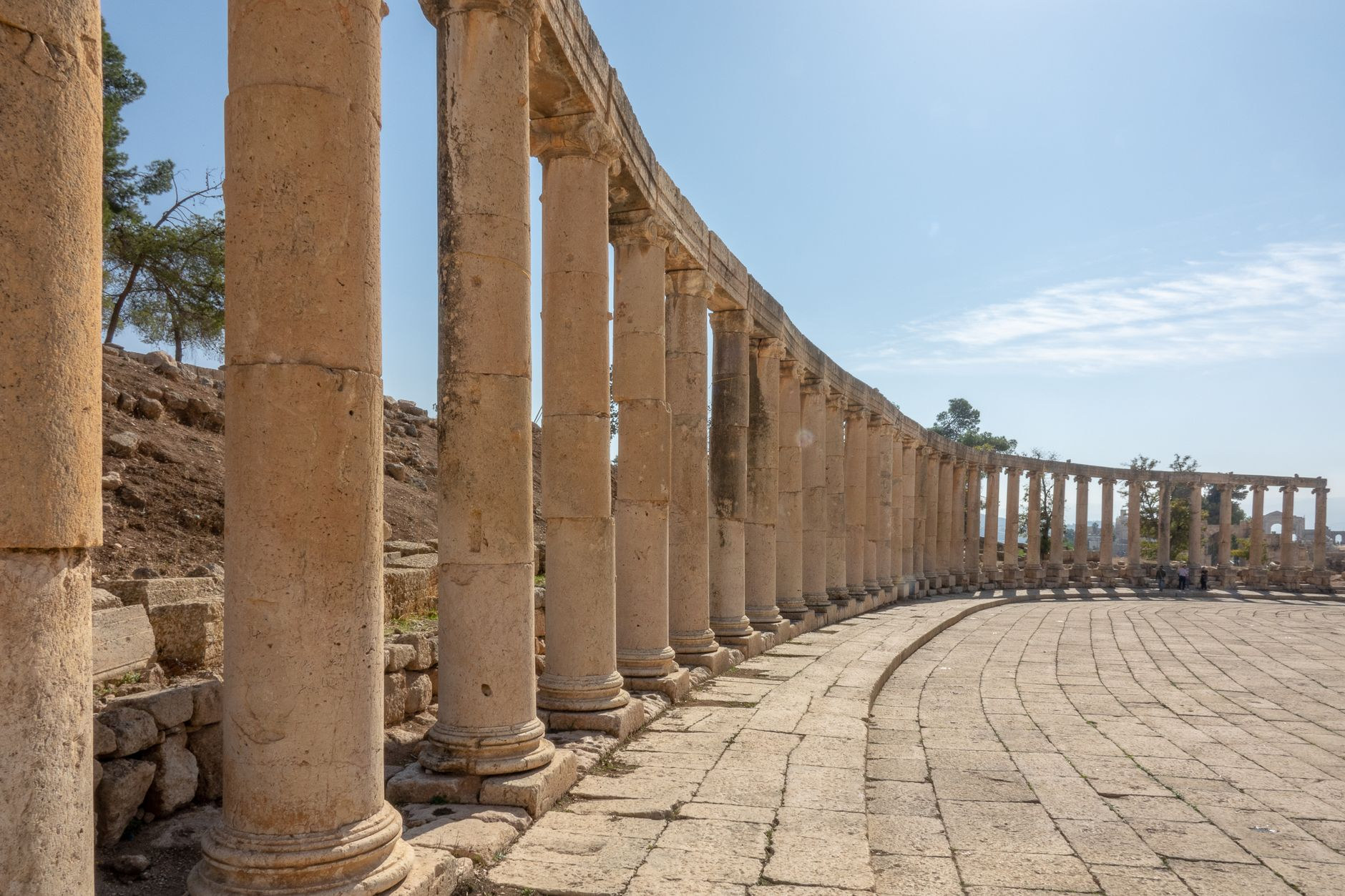
On Day 2, drive 50 minutes north to Jerash (Gerasa). Known as the "Pompeii of the Middle East," Jerash is considered one of the largest and best-preserved Greco-Roman provincial cities on earth. Walk through Hadrian’s Arch, marvel at the vast cobblestone Oval Plaza ringed by Ionic columns, and stroll down the 800-meter Cardo Maximus where chariot wheel ruts are still visible in the ancient flagstones.
The Dead Sea: Floating at Earth’s Lowest Point (Day 3)
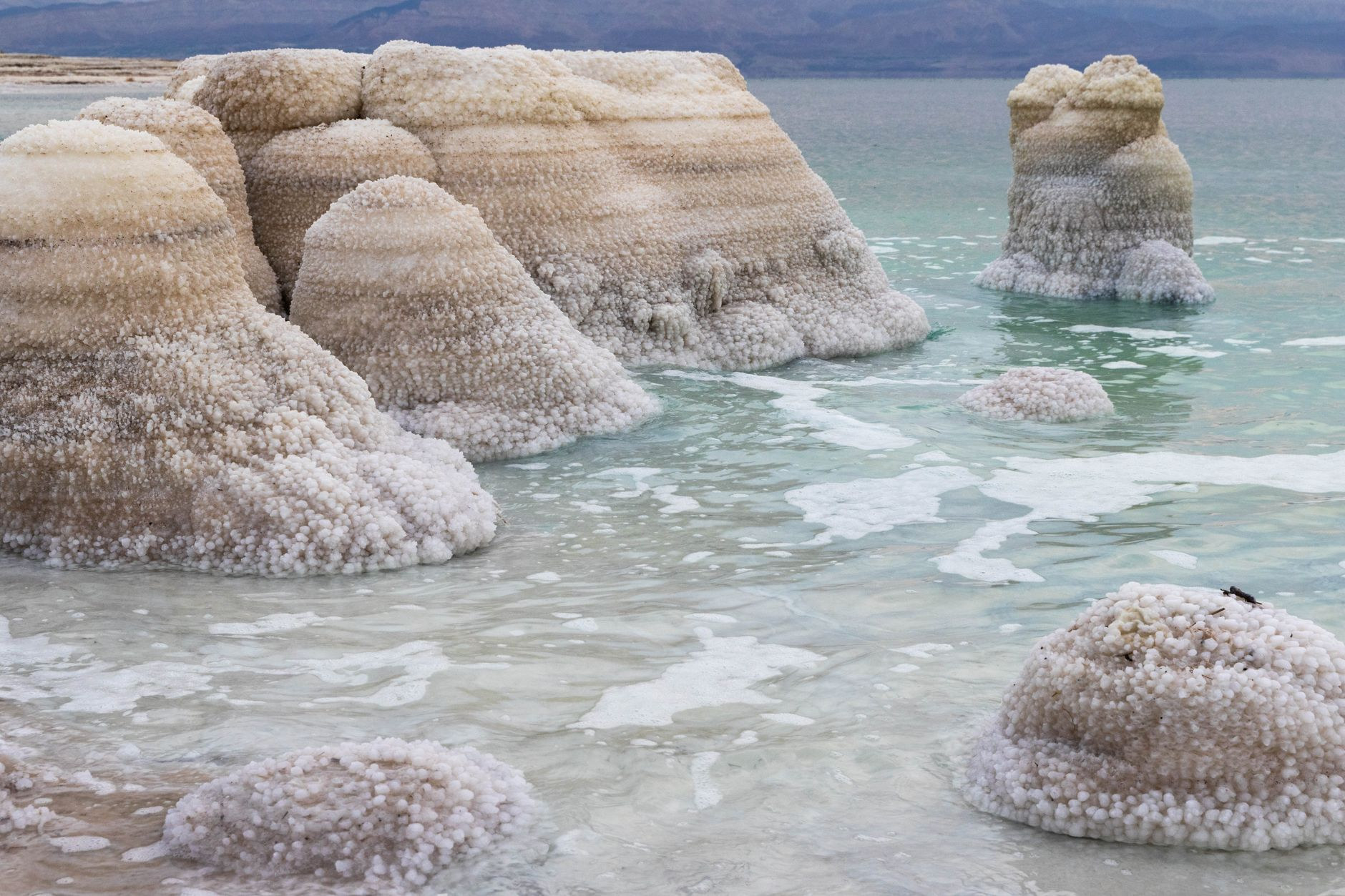
From Amman, Route 40 descends dramatically toward the Jordan Rift Valley, dropping to 430 meters below sea level—the lowest exposed land elevation on the planet.
The Dead Sea’s extreme 34 percent salinity creates a surreal natural buoyancy, allowing swimmers to float effortlessly on the surface like corks. Vital Safety Guidelines: Never splash or submerge your head; getting hyper-saline water in your eyes causes excruciating stinging. Do not shave within 24 hours prior to swimming, as microscopic cuts burn intensely. Limit your soak to 15 or 20 minutes, coat yourself in rich mineral mud from shoreline pots, and immediately rinse off under fresh-water showers.
Petra: Walking the Siq and Rock-Cut Tombs (Days 4–6)
Drive south along the King’s Highway to Wadi Musa, the gateway town to the ancient Nabataean capital of Petra. Carved directly into vibrant rose-red sandstone cliffs over 2,000 years ago, Petra was lost to Western knowledge for centuries until rediscovered in 1812.
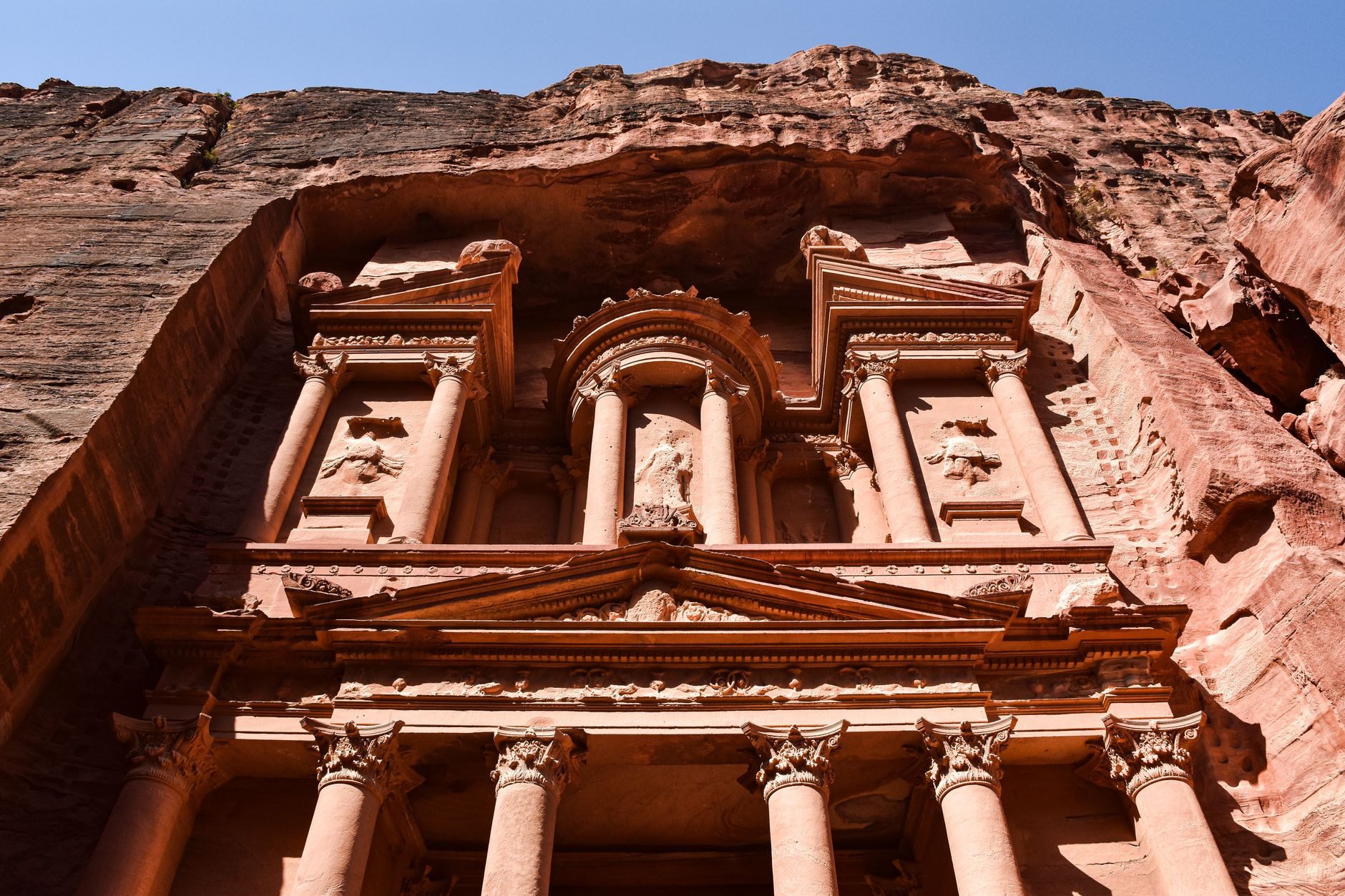
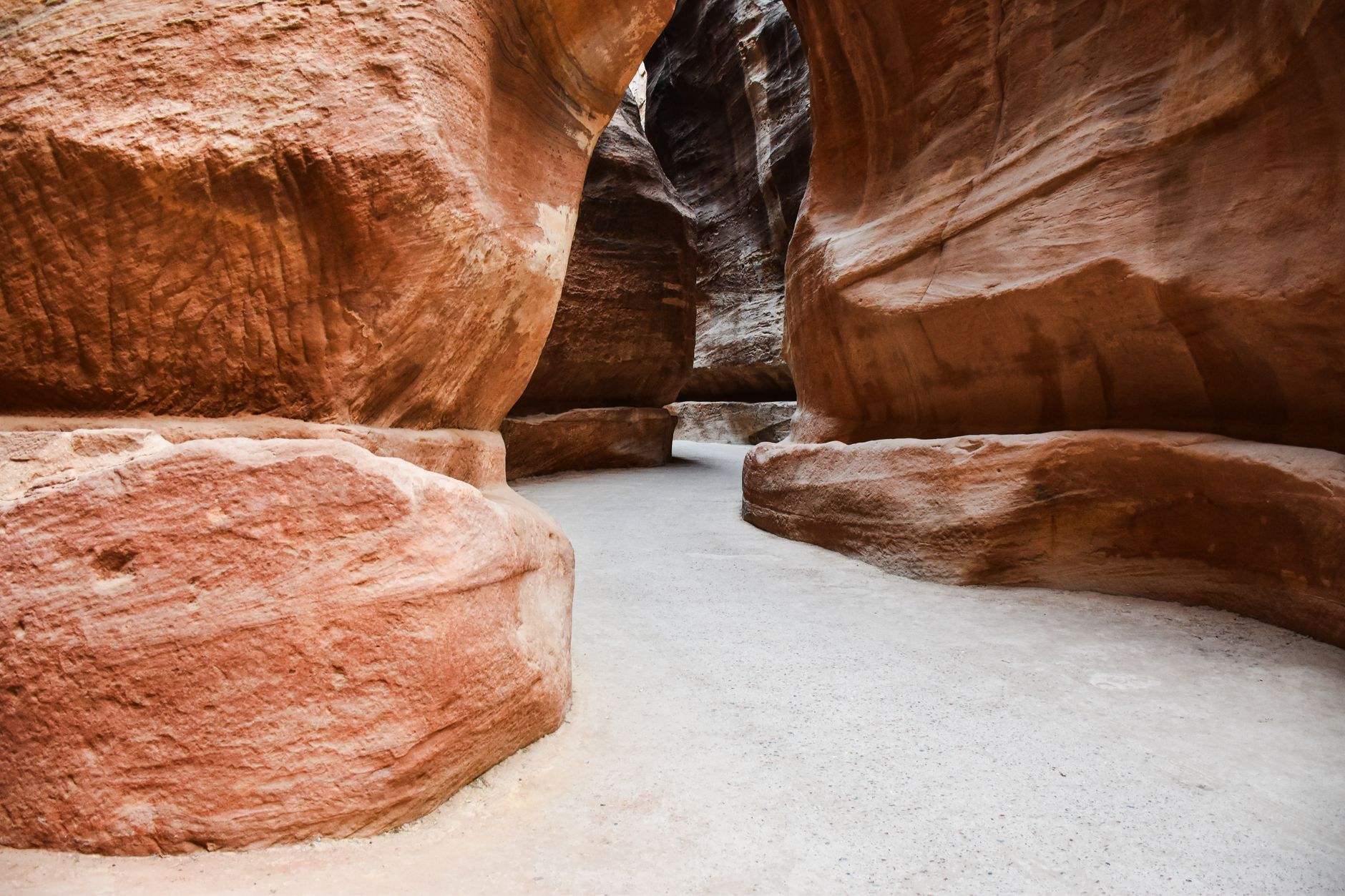
The Early Entry Strategy: Arrive at the visitor center when gates open at 6:00 AM. Walking the 1.2-kilometer Siq—a towering, serpentine slot canyon with sheer 80-meter rock walls—in early morning solitude is unforgettable. As the narrow gorge terminates, the magnificent rose-red rock-cut facade of Al-Khazneh (The Treasury) emerges dramatically in the golden morning light, completely free of crowds.
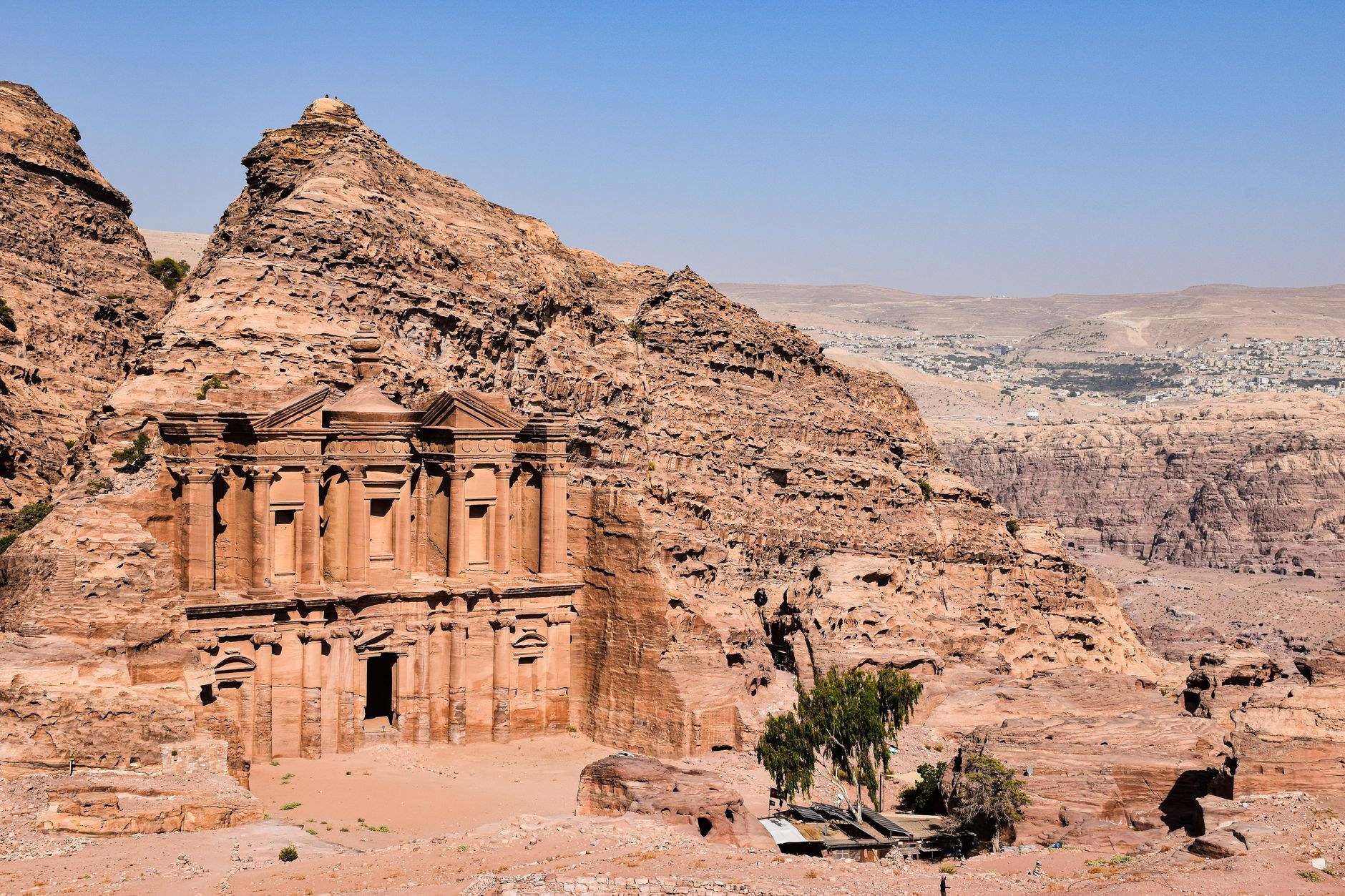
Beyond the Treasury, continue past the Street of Facades and the Roman Amphitheatre to begin the rigorous 850-step mountain climb up to Ad-Deir (The Monastery). Larger and even more imposing than the Treasury, the Monastery perches high on a remote mountain plateau overlooking the rugged canyons of the Wadi Araba desert.
The Petra Horse Ride "Included" Scam
When entering Petra through the main visitor gates, local horse handlers will aggressively approach you insisting that a horseback ride down to the entrance of the Siq is "free and included in your ticket."
While the ticket wording technically notes that horse transport is covered by the Petra Development and Tourism Region Authority, the handlers will demand an aggressive, mandatory "tip" of 20 to 30 JOD ($28–$42 USD) upon dismounting. If you refuse, handlers frequently become confrontational. The walk from the visitor center to the start of the Siq is a pleasant, gentle 800-meter downhill stroll on a wide gravel path. Politely decline with a firm "La, Shukran" ("No, thank you") and walk on your own feet.
Wadi Rum: Mars Landscapes & Bedouin Hospitality (Days 7–8)
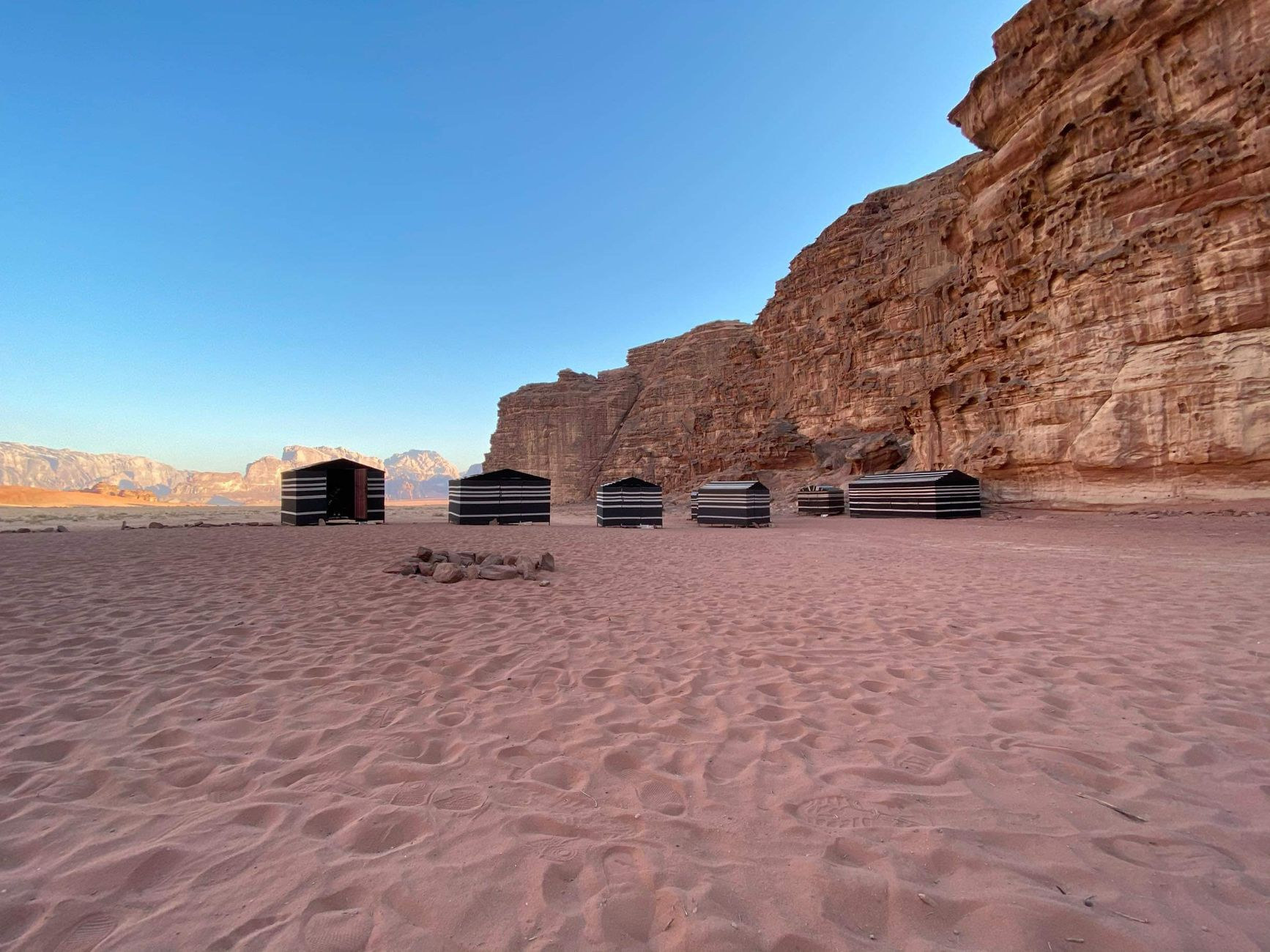
A 100-kilometer drive south brings you into the protected desert wilderness of Wadi Rum, immortalized by T.E. Lawrence and Hollywood films depicting Mars. Towering red sandstone monoliths (inselbergs) rise dramatically out of vast expanses of blood-red sand dunes.
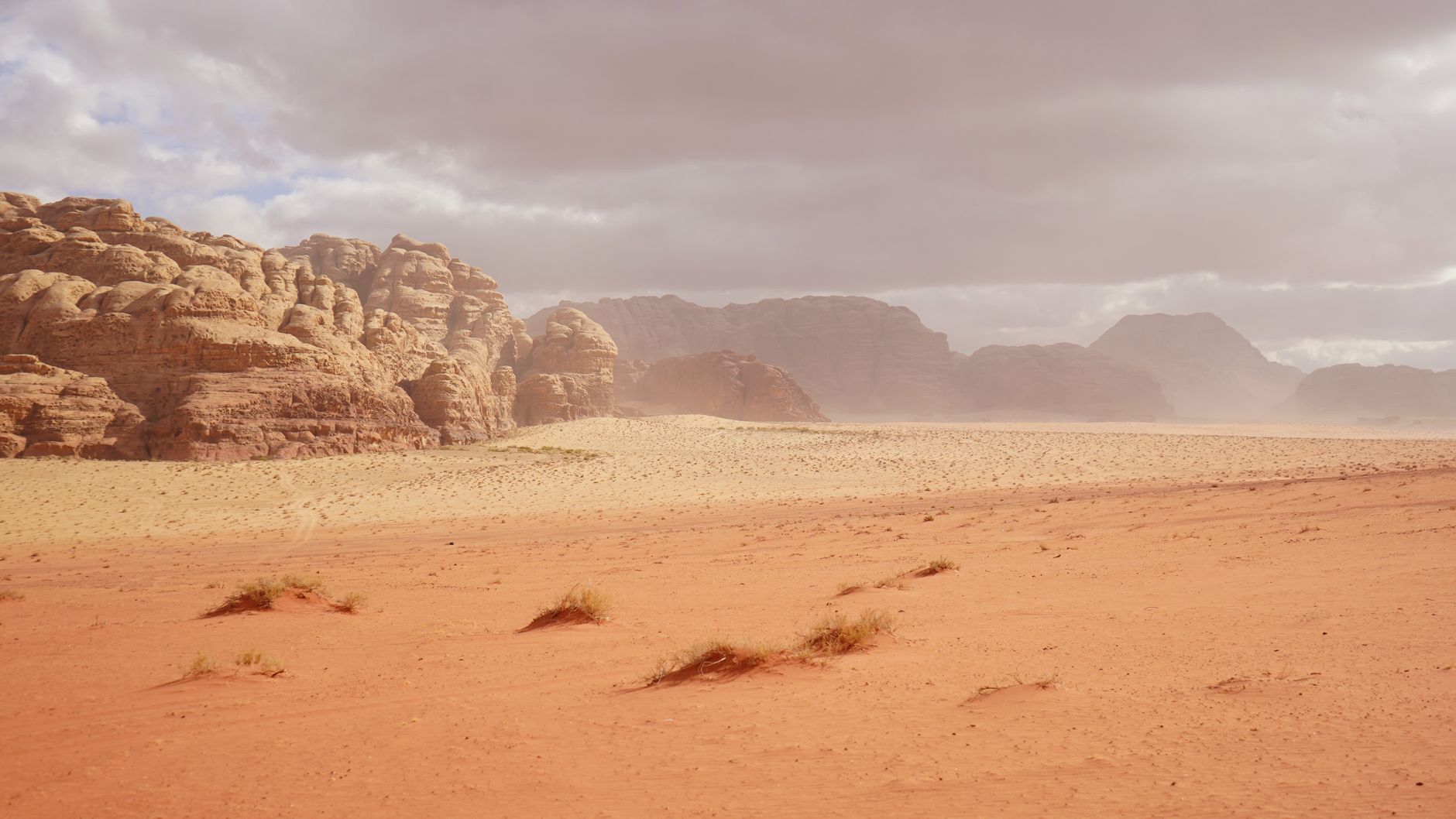
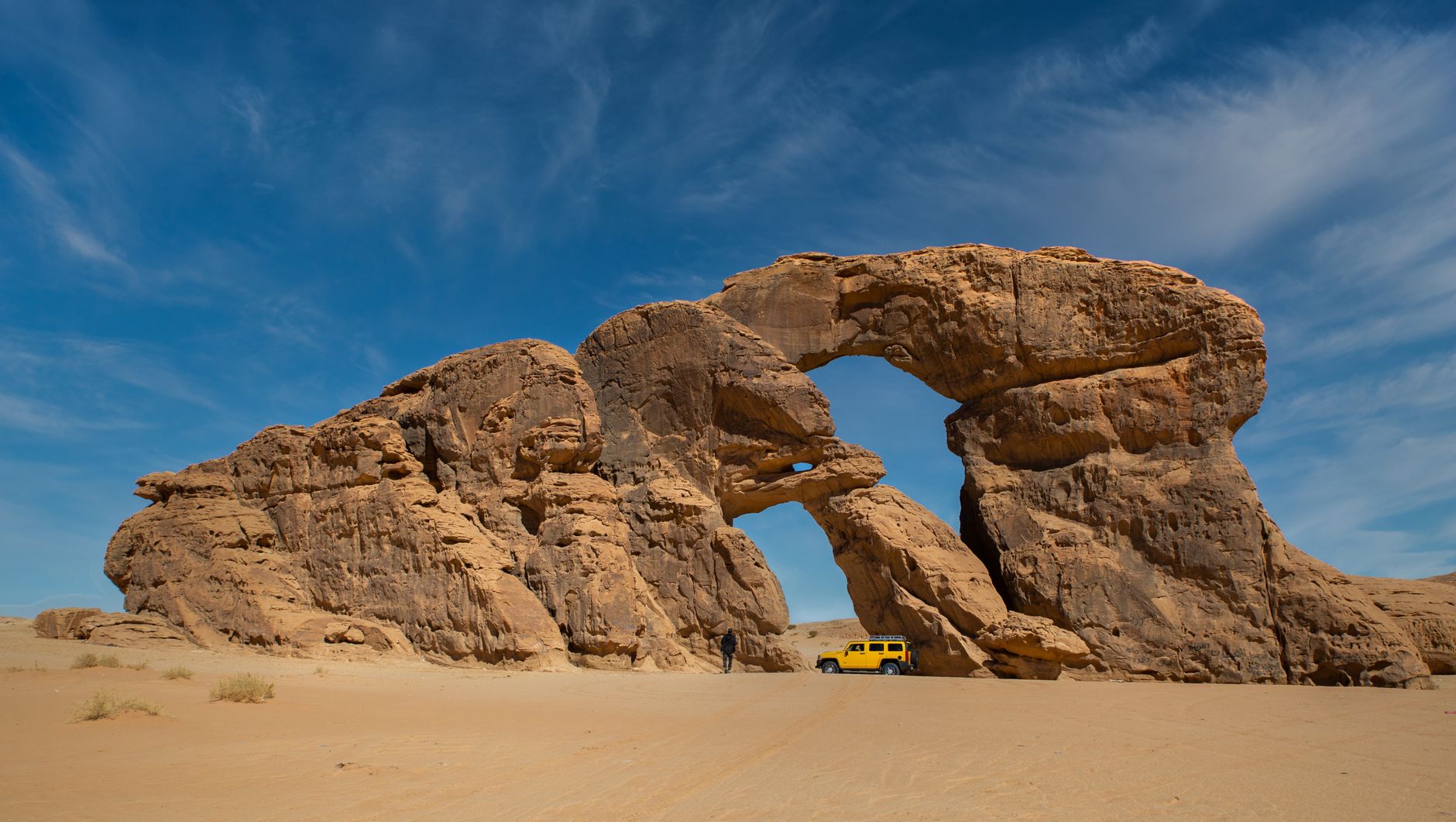
Arrange an authentic 4×4 open-bed safari truck tour with a licensed local Bedouin guide. You will explore prehistoric petroglyphs carved into Khazali Canyon, scramble up red sand dunes, and walk across natural sandstone arches like the Um Fruth Rock Bridge.
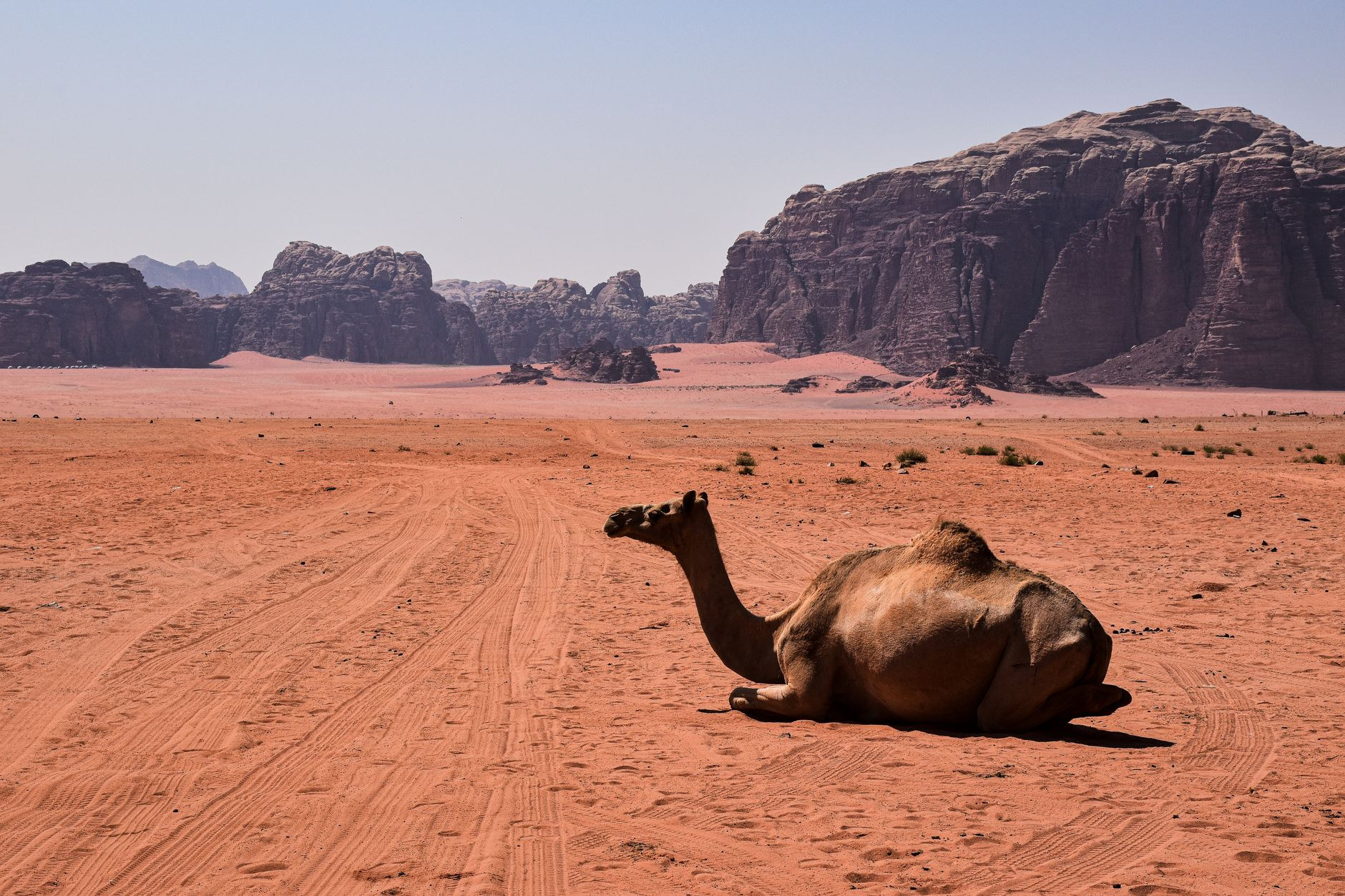
Spend your nights in an authentic Bedouin desert camp nestled beneath towering cliffs. At sunset, your hosts unearth the Zarbi—a traditional Bedouin barbecue where marinated lamb, chicken, and vegetables are slow-cooked for hours on three-tiered metal racks buried beneath sand and burning desert coals. After dinner, sip sweet sage tea around the campfire and gaze at millions of stars in the ink-black desert sky.
Driving Realities: King’s Highway vs Desert Highway
Renting a car in Jordan offers ultimate flexibility, but you must choose your north-south corridors wisely:
- The King’s Highway (Route 35): The historic, scenic mountain route passing through Madaba, Mount Nebo, and the monumental 1,000-meter canyon of Wadi Mujib ("Jordan’s Grand Canyon"). It features steep hairpin turns, slow truck traffic, and breathtaking vistas. Use this route when driving from the Dead Sea to Petra, allowing a relaxed 4 to 5 hours.
- The Desert Highway (Route 15): A multi-lane expressway cutting through the flat eastern desert. While much faster for long distances, it is heavily used by freight trucks traveling from Aqaba port to Amman. Critical Driving Hazard: Route 15 has massive, unmarked asphalt speed bumps placed without warning near town intersections. Drive with extreme vigilance and keep to daylight hours.
- Police Checkpoints: Jordanian tourist police and army units operate routine roadside checkpoints. Officers are welcoming, professional, and friendly toward tourists; have your passport and rental contract ready, and greet them with a polite "Marhaba."
Desert Navigation & Mobile Connectivity with NXTL
Self-driving through Jordan requires reliable mobile data. You need continuous internet to run Google Maps navigation through twisting mountain passes on the King’s Highway, display digital Jordan Pass QR codes at ticket checkpoints in Jerash and Petra, summon vetted Uber drivers in downtown Amman, and communicate arrival times via WhatsApp with your Bedouin desert camp host in Wadi Rum.
Avoid crowded airport mobile carrier counters at Queen Alia International. By installing the NXTL Jordan eSIM before departure, your phone connects immediately upon landing to Jordan’s premier carrier networks—ZAIN (5G/LTE) and Umniah (LTE)—with pay-as-you-go rates starting from just $6.71/GB.
You maintain high-speed connectivity across the capital, down along the Dead Sea shoreline, throughout the mountain towns around Petra, and within coverage sectors of the desert highway. Because NXTL operates on a flexible, non-expiring balance model, your purchased data remains active for subsequent international trips. Your physical home SIM stays active simultaneously, allowing you to receive credit card fraud-alert SMS messages without paying steep international carrier roaming fees.