Great Britain packs millennia of dramatic history, world-class free cultural collections, and starkly contrasting regional landscapes into an island easily navigated without setting foot inside a car. In little more than a week, you can stand beneath the soaring Gothic vaulting of Westminster Abbey, soak in natural geothermal waters once enjoyed by Roman legionaries in Bath, walk along intact medieval city walls in York, and gaze down from the crags of Edinburgh Castle over an extinct volcanic peak.
Yet international travelers regularly run into costly British transport traps: buying exorbitant walk-up train tickets at station ticket windows, purchasing redundant plastic Oyster cards at Heathrow, or attempting to squeeze four different countries into a grueling eight-day road trip. This 10 to 12-day classic rail circuit connects London, Bath, York, and Edinburgh with exact train booking tactics, contactless transit mechanics, authentic pub etiquette, and seamless mobile connectivity.
The 10 to 12-Day Britain by Rail Itinerary at a Glance
This 10 to 12-day rail route links England’s historic capital, Georgian thermal architecture, Viking and medieval northern strongholds, and the dramatic Scottish capital:
| Days | Overnight Base | Key Experiences | Transit & Travel Time | Advance Booking |
|---|---|---|---|---|
| Days 1–4 | London (4 nights) | Westminster Abbey, Tower of London crown jewels, Borough Market culinary stalls, British Museum treasures, South Bank stroll, West End theatre | Heathrow Express or Elizabeth Line into central London: 15–35 mins; Tube across town: 10–20 mins | Book Tower of London and Westminster Abbey morning entry |
| Days 5–6 | Bath Spa (2 nights) | Roman Baths mineral spring, Royal Crescent Georgian architecture, Pulteney Bridge, day excursion into honey-stone Cotswold villages | GWR intercity train London (Paddington) to Bath Spa: 1 hour 20 mins | Book Roman Baths entry slot online |
| Days 7–8 | York (2 nights) | York Minster cathedral tower climb, walking the medieval city walls, The Shambles timbered lane, National Railway Museum | CrossCountry or LNER train Bath Spa to York: 3.5–4 hours via Bristol or London | Book Advance single rail tickets 8–12 weeks ahead |
| Days 9–11 | Edinburgh (3 nights) | Edinburgh Castle on Castle Rock, Royal Mile walk, Palace of Holyroodhouse, hiking Arthur’s Seat, New Town Georgian pubs | LNER East Coast Main Line York to Edinburgh Waverley: 2.5 hours (scenic coastal cliffs) | Crucial: Reserve Edinburgh Castle morning entry weeks ahead |
| Day 12 | Edinburgh / London Departure | Morning walk down Victoria Street, Edinburgh Airport tram (30 mins) or LNER express train back to London Kings Cross (4.5 hours) | Edinburgh Tram to EDI airport: 30 mins; LNER to London: 4.5 hours | Allow 3 hours before international departure flights |
Short-Trip Option (7–8 Days): If you only have one week, drop the Bath detour and travel the direct high-speed East Coast Main Line: 4 nights in London and 3 nights in Edinburgh, connected by a fast 4.5-hour direct train with an optional 3-hour afternoon stopover in York.
Long-Trip Extension (14–16 Days): From Edinburgh, continue north into the Scottish Highlands by ScotRail train to Inverness, taking boat cruises on Loch Ness and exploring the dramatic mountain landscapes of the Isle of Skye or Glencoe.
British Rail Realities: Advance Tickets, Off-Peak & Split Ticketing
Great Britain boasts one of the densest passenger rail networks in the world, but its dynamic yield-management ticketing can shock unprepared travelers:
- The Walk-Up Ticket Trap: Buying an "Anytime" ticket at a station counter on the day of travel between London and Edinburgh can cost upwards of $238.21 to $277.91 GBP per person. In contrast, Advance Single tickets released by operators (such as LNER and GWR) 8 to 12 weeks ahead cost as little as $46.32 to $72.79 GBP. Always book specific timed trains well in advance via National Rail Enquiries or the LNER app.
- Peak vs Off-Peak Hours: Standard intercity tickets are divided into Peak (typically trains arriving into major cities before 9:30 AM or departing between 4:00 PM and 7:00 PM on weekdays) and Off-Peak. Traveling outside rush hours slashes ticket prices dramatically.
- Split Ticketing Mechanics: Because of Britain’s privatized fare structure, buying two consecutive tickets for the exact same journey (for example, London to Peterborough and Peterborough to York on the very same physical train without changing seats) is often 30% to 50% cheaper than a single direct ticket. Free tools like Trainline or Split My Fare calculate these savings automatically.
London: Westminster, Royal Landmarks & River Walks (Days 1–4)
Arrive into London and take the modern Elizabeth Line directly from Heathrow into central London (Paddington, Tottenham Court Road, or Liverpool Street) in under 35 minutes for just $17.60 GBP, bypassing expensive airport express taxis.
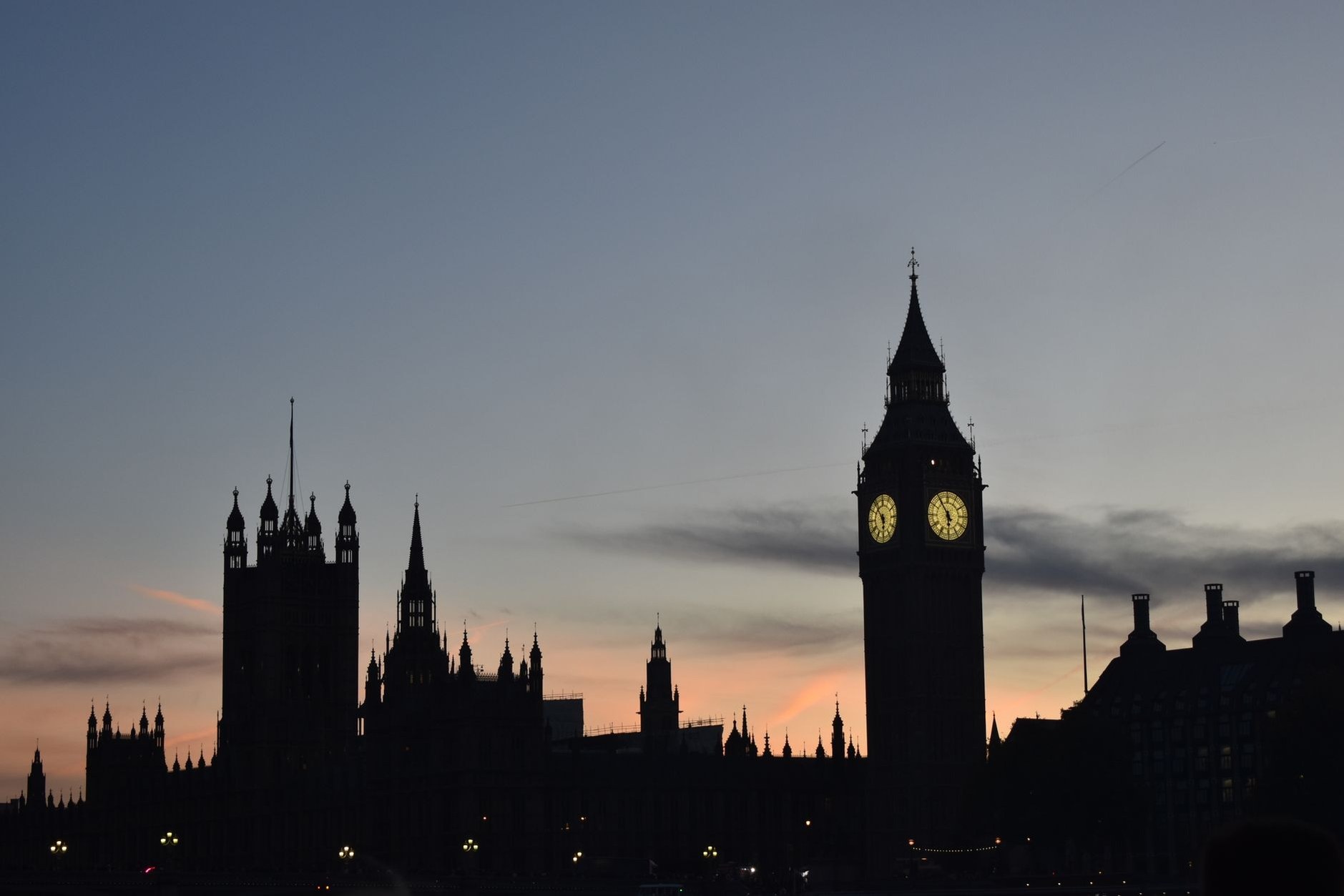
Base yourself in Bloomsbury, Southwark, or Kensington for convenient access to transit lines. On Day 2, start at Westminster Abbey to walk among royal coronation thrones and poet memorials, then cross Westminster Bridge for iconic views of Big Ben and the Houses of Parliament.
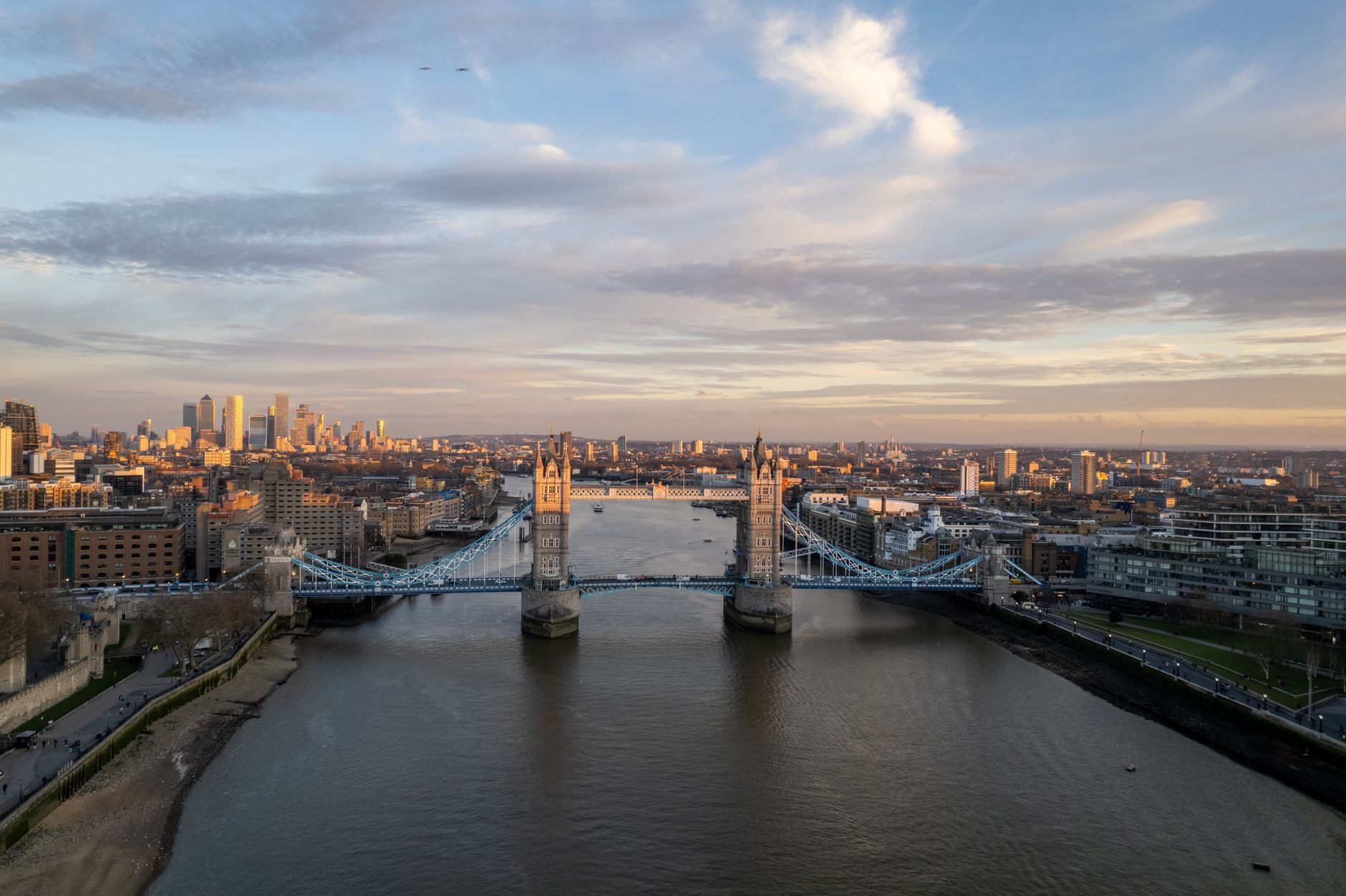
On Day 3, explore the Tower of London right at 9:00 AM opening to view the 23,000 gemstones of the Crown Jewels before crowds arrive. Emerge onto the riverfront to cross Victorian Gothic Tower Bridge, then walk along the pedestrian South Bank path past Shakespeare’s Globe to Borough Market for warm artisan sausage rolls and freshly shucked oysters.
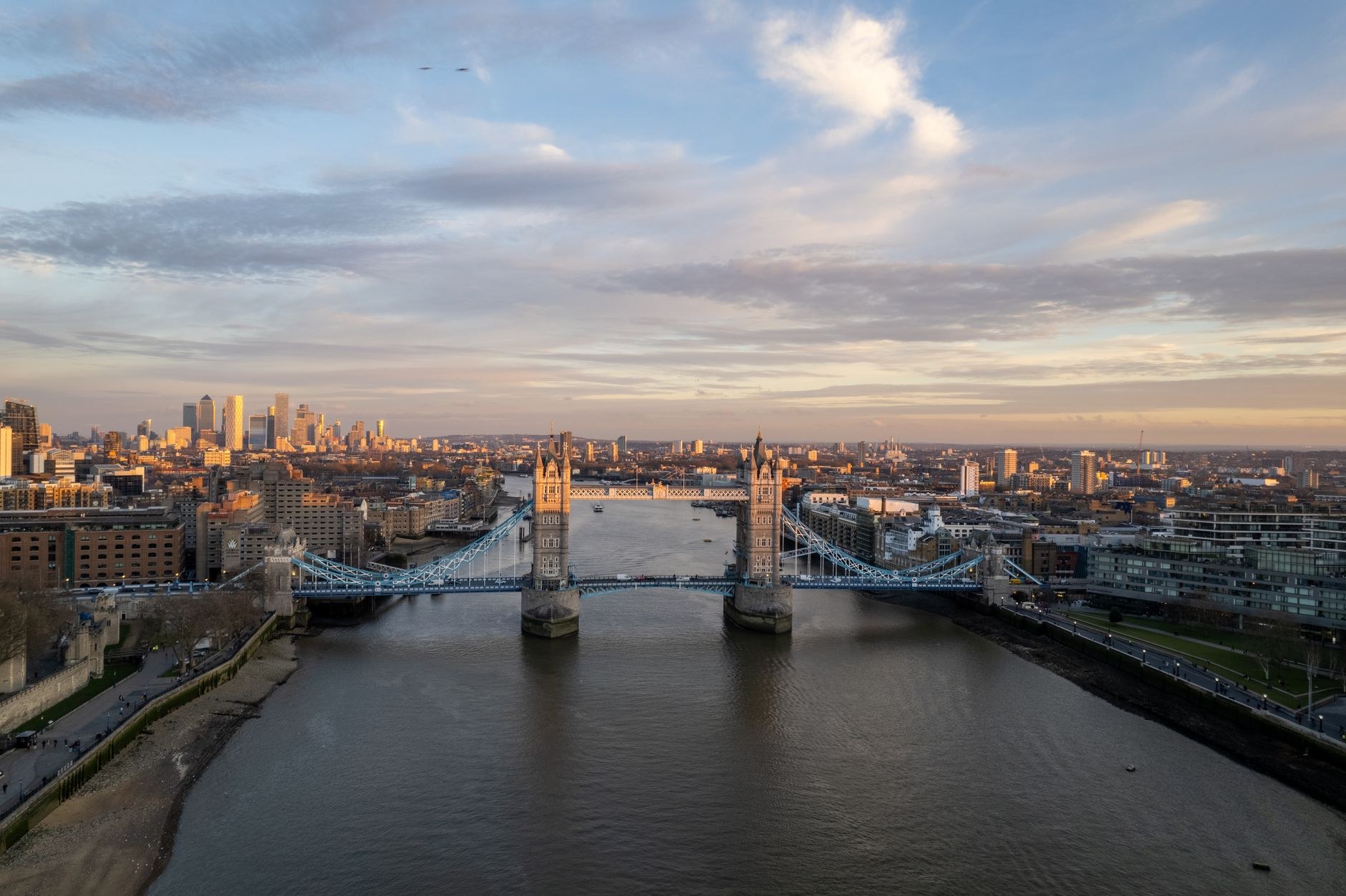
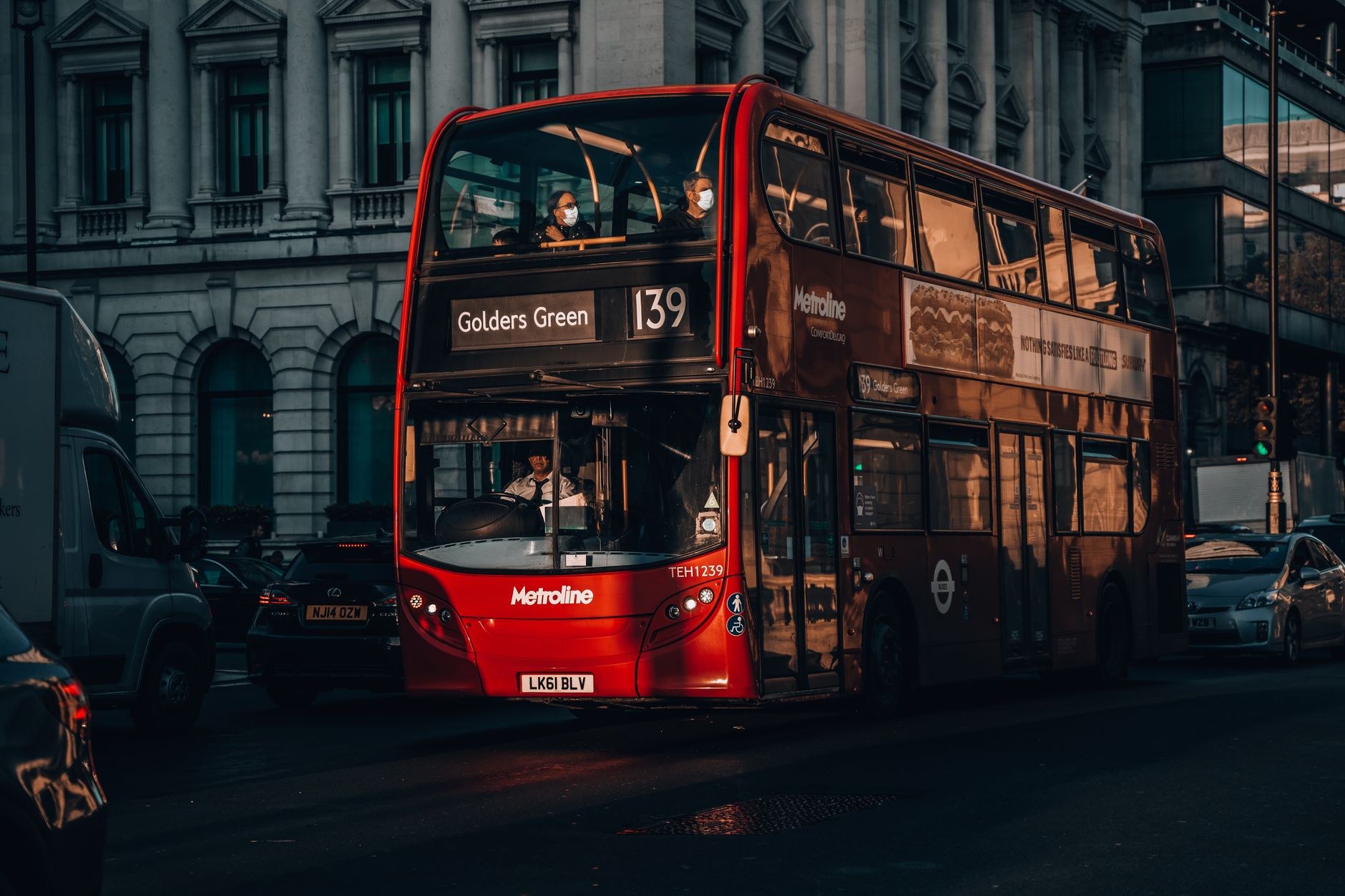
TfL Contactless Transit: Never purchase a paper Tube ticket or pay a deposit for a plastic Visitor Oyster card. London’s public transit network (Underground, buses, Elizabeth line, and Overground) accepts contactless bank cards and smartphone digital wallets (Apple/Google Pay) at every turnstile. Tap in and tap out with the same device; Transport for London automatically applies daily and weekly fare caps ($11.25 daily cap for Zones 1–2).
Bath & The Cotswolds: Georgian Splendor & Honey Stone (Days 5–6)
Board a Great Western Railway (GWR) high-speed train at London Paddington; in just 80 minutes, you arrive at Bath Spa in the rolling green hills of Somerset.
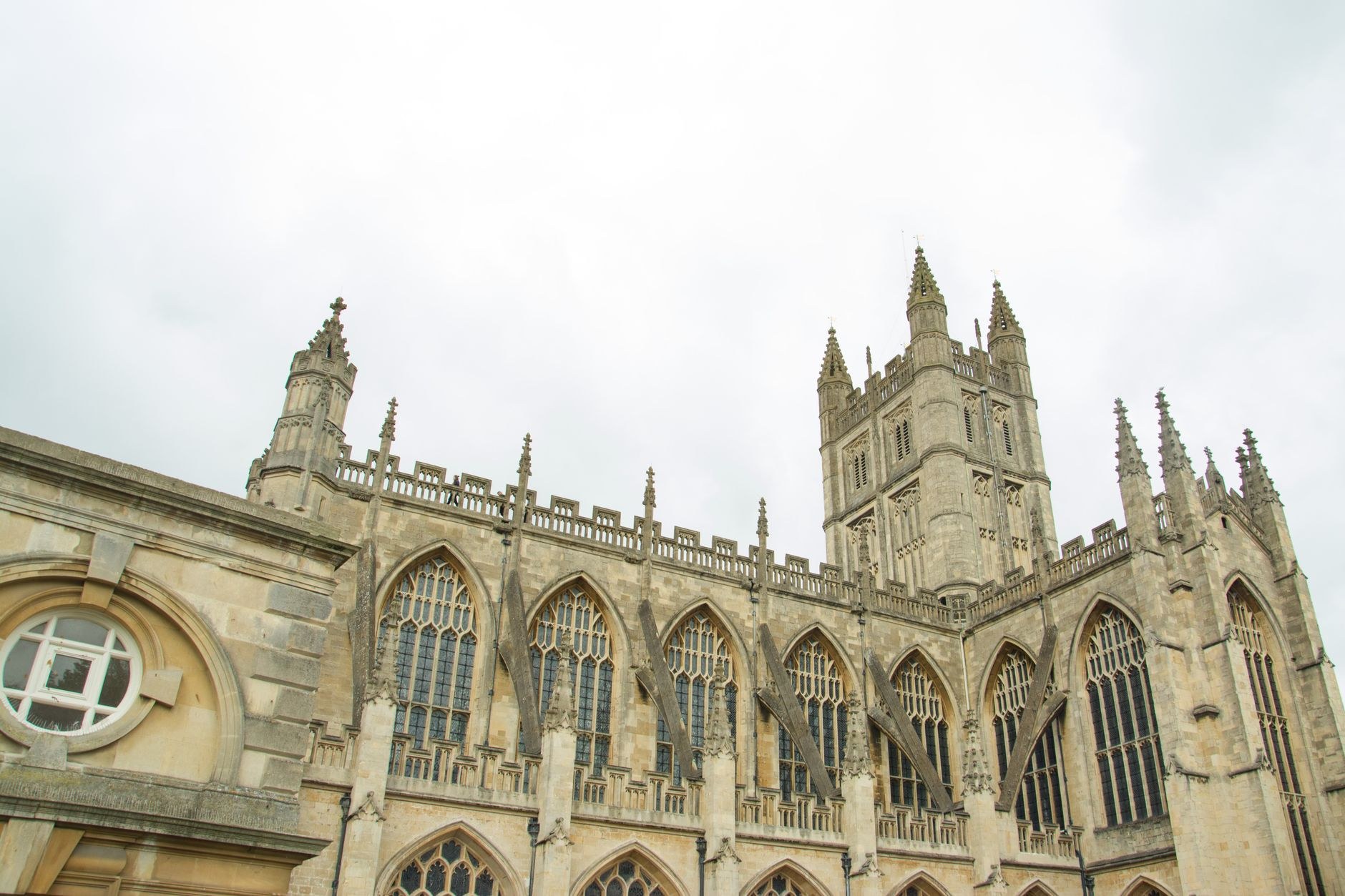
Built entirely from warm, honey-colored local oolitic limestone, Bath is a UNESCO World Heritage city renowned for its neoclassical 18th-century Palladian architecture. Tour the ancient Roman Baths, where natural geothermal water heated deep within the earth still bubbles to the surface at 46°C (115°F) into a lead-lined great pool. Afterward, walk up the hill to admire the sweeping curved facade of the Royal Crescent and the circular Circus designed by John Wood.
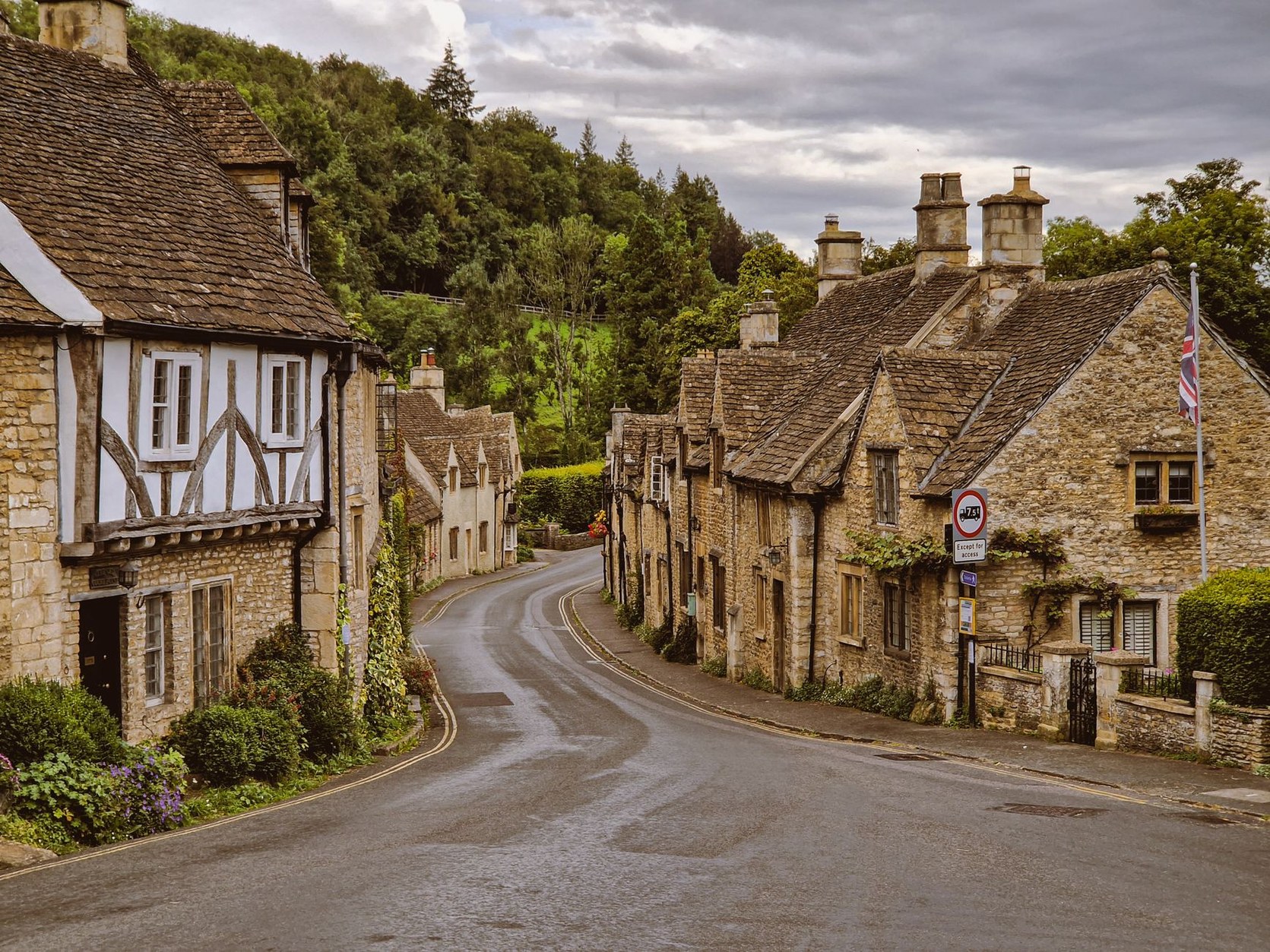
On your second day, book a small-group day tour into the neighboring Cotswolds Area of Outstanding Natural Beauty. Narrow single-lane country roads wind through idyllic valleys past 14th-century stone weavers’ cottages in Castle Combe, grazing sheep pastures, and historic babbling stream bridges in Lacock.
York: Medieval Walls & Viking Footsteps (Days 7–8)
Travel north by train to York, where Roman legionaries, Anglo-Saxon kings, and Viking invaders each left their physical mark on the landscape.
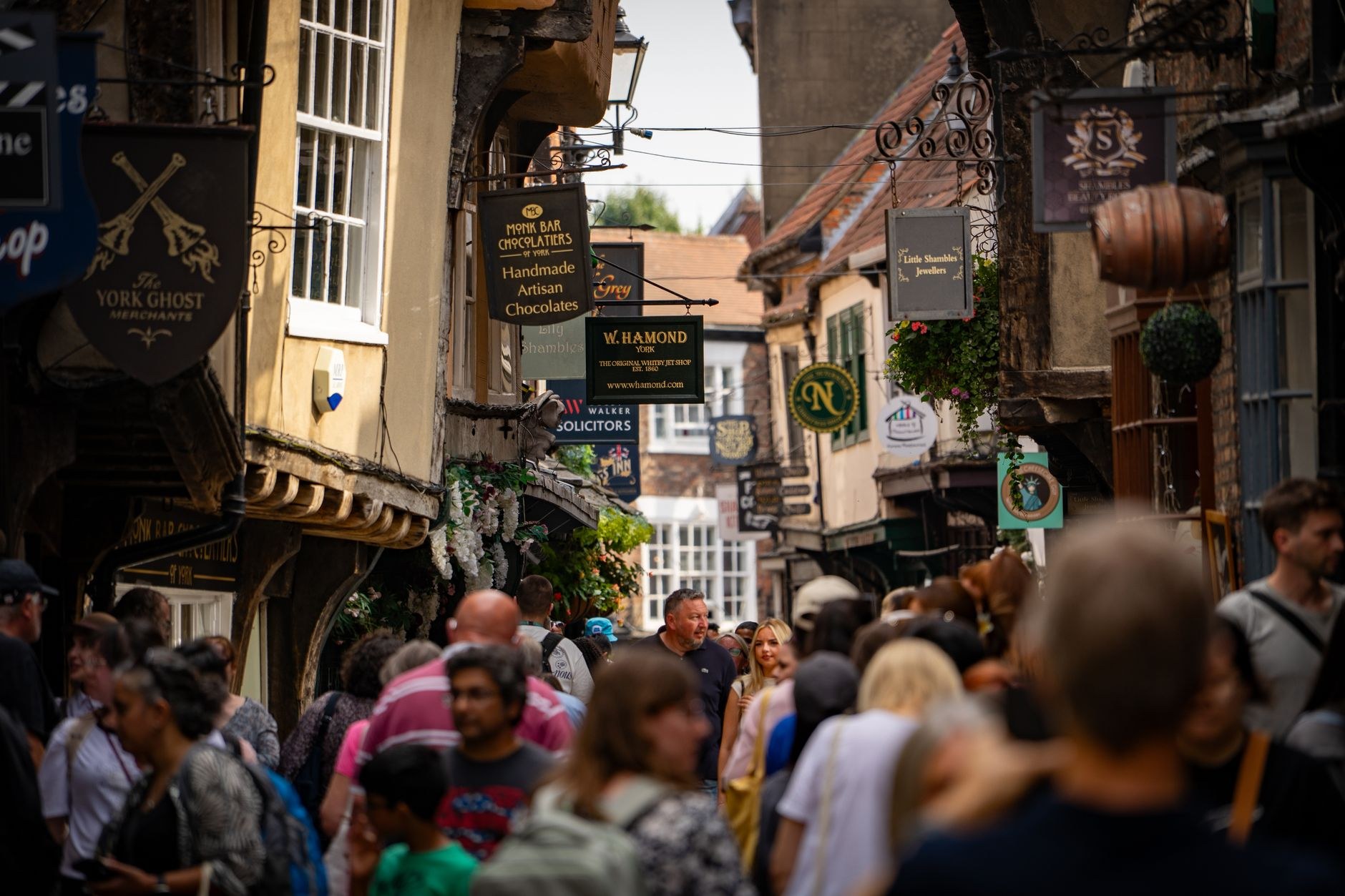
Begin by walking the 3.4-kilometer loop atop the York City Walls, the longest and best-preserved medieval town ramparts in England, offering panoramic vistas of the colossal Gothic cathedral of York Minster. Dive into the heart of the medieval city along The Shambles, a narrow 14th-century cobblestone street where overhanging timber-framed butcher shops lean so close together they nearly touch across the alleyway.
Edinburgh: Volcanic Crags & Scottish Heritage (Days 9–11)
Board the LNER East Coast Main Line north from York. The 2.5-hour train glides past Newcastle and crosses the dramatic border cliffs of Berwick-upon-Tweed, offering breathtaking panoramas of the crashing North Sea directly outside your window before terminating at Edinburgh Waverley in the city center.
Edinburgh is divided between its dramatic medieval Old Town clinging to a volcanic ridge and its rational 18th-century neoclassical Georgian New Town. Ascend Castlehill to explore Edinburgh Castle, home to the ancient Honours of Scotland (the Scottish crown jewels) and St Margaret’s Chapel, dating to 1130.

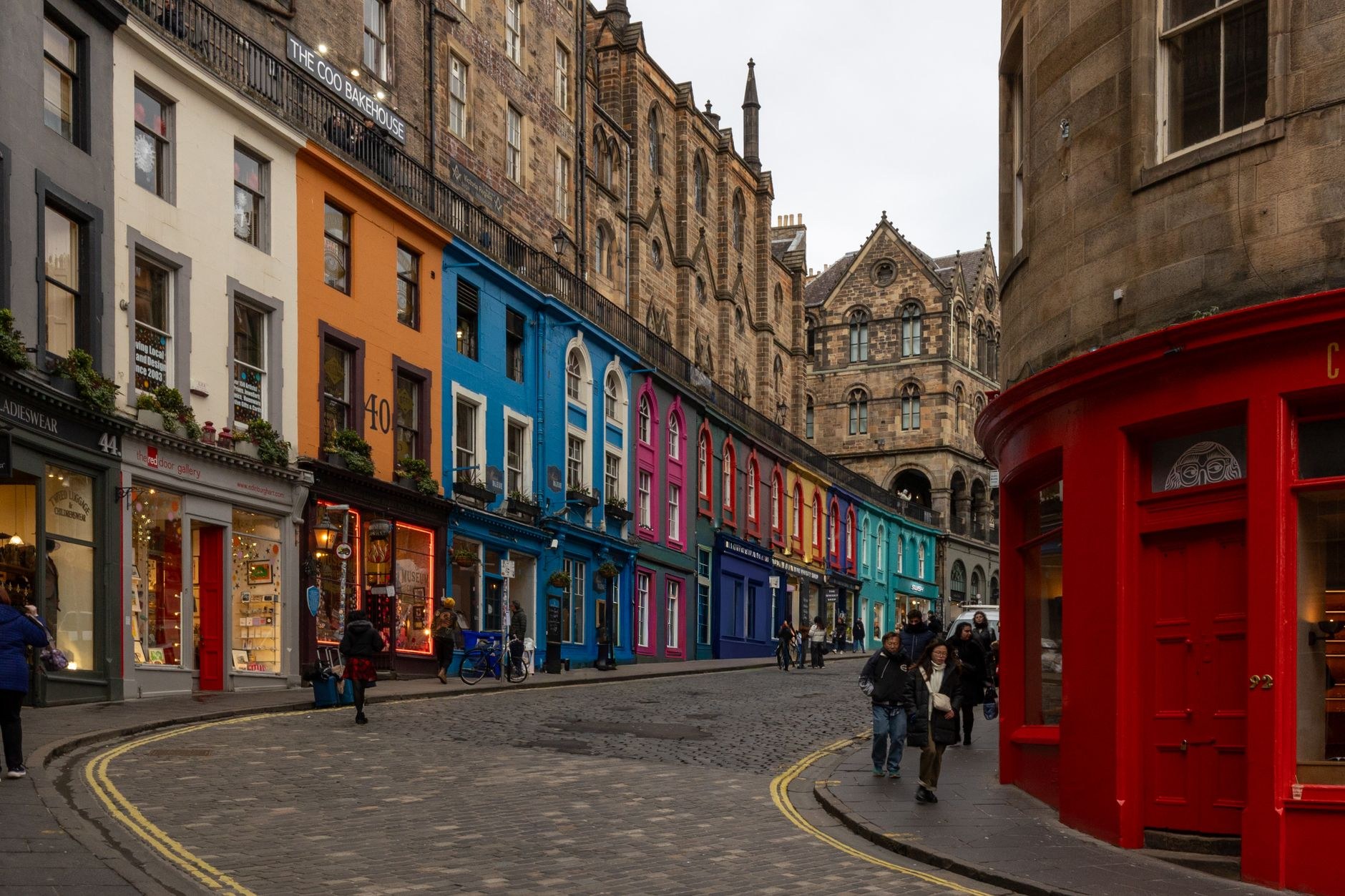
Walk down the historic Royal Mile, exploring narrow cobblestone closes (alleyways) leading into hidden courtyards. Descend the picturesque, brightly colored curve of Victoria Street into the bustling Grassmarket basin, lined with traditional Scottish ale houses.
For unmatched panoramic views, hike up the grassy slopes of Arthur’s Seat, an extinct 251-meter volcanic peak rising directly within Holyrood Park, looking across the Firth of Forth and the city spires below.
Pub Etiquette, Free National Museums, and Practical Rules
Understanding local cultural customs makes traveling across Britain effortless:
- Traditional British Pub Etiquette: In traditional pubs, there is no table service. When you enter, find an open table, take note of your table number, walk directly to the wooden bar counter to order drinks and food with the bartender, and pay immediately by card. Tip jars on the bar are optional; tipping 10% to 12.5% is customary only in formal sit-down restaurants with table service.
- World-Class Free Museums: By national policy, permanent collections at major national museums in England and Scotland are 100% free of charge. This includes the British Museum, National Gallery, Victoria and Albert (V&A) Museum, Natural History Museum, Science Museum in London, and the National Museum of Scotland in Edinburgh. Only special temporary exhibitions require paid admission.
- The Edinburgh August Festival Surcharge: If traveling in August, be aware that Edinburgh hosts the world’s largest arts festival (The Edinburgh Festival Fringe). While the city is electric with street performers and comedy shows, accommodation prices quadruple, central streets are shoulder-to-shoulder, and bookings must be made 6 to 9 months in advance. For peaceful sightseeing, May, June, September, or October are far superior months.
- Right-Hand Drive and Escalator Etiquette: If crossing streets on foot, always look right first; London roads paint helpful "LOOK RIGHT" reminders on pedestrian crossings. On London Underground escalators, strictly stand on the right to allow commuters to walk on the left.
Street Safety, Pickpocket Hotspots & British Travel Traps
While Britain is generally safe, traveling through busy tourist corridors requires navigating several modern urban hazards and transit technicalities:
- London Phone-Snatching E-Bikes and Mopeds: In central London—especially around Soho, Covent Garden, Westminster, and outside busy Tube stations like Oxford Circus and Leicester Square—thieves on electric bikes and mopeds mount the pavement from behind, snatch smartphones straight from pedestrians’ hands, and accelerate into traffic. Always step away from the street curb before checking maps, hold your device with two hands, and keep your phone stored securely in zipped pockets when walking near roadway edges.
- Central London Pedicab Extortion: Unregulated cycle rickshaws (pedicabs) blast loud pop music outside West End theaters and Leicester Square. Drivers frequently promise “cheap rides” without stating a total, then demand $66.17 to $132.34 for a five-minute pedal across Piccadilly Circus, sometimes intimidating tourists into paying. Avoid pedicabs entirely; London’s Tube, red double-decker buses, and black licensed cabs are cheaper, safer, and regulated.
- The Westminster Bridge Shell Game: Outside the Houses of Parliament and on Millennium Bridge, organized gangs operate three-cup pea games (three-card monte). Accomplices planted in the crowd pretend to win $66.17 notes to lure curious tourists into playing. The game is entirely rigged, and while spectators gather around to watch, pickpocket accomplices work through the crowd dipping into unzipped backpacks. Walk straight past.
- The Advance Train Ticket Strictness Trap: If you buy a heavily discounted “Advance Single” train ticket from London to York or Edinburgh, it is valid only on that precise train service at that scheduled minute. Boarding a train 15 minutes earlier or later—even if empty seats are available—invalidates your ticket completely. On-board conductors will charge you a full Anytime Single fare (often exceeding $198.50) plus an administrative penalty. If you need travel flexibility, purchase an “Off-Peak” ticket instead.
- Scottish Banknotes in England: ATMs in Edinburgh issue Scottish banknotes printed by the Bank of Scotland, Royal Bank of Scotland, or Clydesdale Bank. While they are legal currency throughout the entire United Kingdom, small English shopkeepers and taxi drivers in London or York often hesitate to accept them out of unfamiliarity. Spend your Scottish paper notes before crossing the border south, or ask any high-street bank branch to exchange them for Bank of England notes.
Intercity Rail Navigation & Mobile Connectivity with NXTL
Navigating Great Britain’s fast-paced public transit network requires constant real-time data. You need cellular internet to monitor sudden train platform changes on the National Rail or LNER apps before station crowds surge, tap through Tube turnstiles with Apple/Google Pay, book Uber or black cabs via Gett on rainy evenings, and display digital entry QR codes for Edinburgh Castle and the Roman Baths.
Skip high-cost airport SIM stalls at Heathrow or Gatwick that lock travelers into overpriced 30-day tourist bundles. By activating the NXTL United Kingdom eSIM prior to boarding your flight, your phone connects immediately upon landing to the UK’s premier tier-1 telecom networks—including Vodafone UK (5G/LTE), O2 UK (5G/LTE), and EE UK (5G/LTE)—with pay-as-you-go rates starting from just $0.73/GB.
You enjoy high-speed 5G mobile data through central London, along scenic high-speed rail corridors, across the historic streets of Bath and York, and throughout Edinburgh. Because NXTL operates on a reusable balance model that never expires, any unused data remains in your account for your next international journey across Europe. Dual-SIM functionality keeps your primary domestic physical SIM active in the background, ensuring you receive vital two-factor SMS bank notifications without incurring steep international carrier roaming charges.