Greece captures the imagination with an intoxicating blend of deep Classical antiquity, sun-drenched marble ruins, and whitewashed island villages perched high above the cobalt Aegean Sea. Yet first-time visitors frequently sabotage their holiday through over-ambitious island hopping: attempting to pack five different islands into nine days, losing entire afternoons waiting at windswept ferry docks, or getting trapped in congested tourist bottlenecks during peak cruise ship arrivals.
A far more rewarding and restorative approach is the Athens plus two-island blueprint. By pairing the historic capital of Athens with Naxos—the fertile, authentic agricultural queen of the Cyclades—and the iconic volcanic caldera of Santorini, you experience the full spectrum of Greek island life: world-class ancient archaeological sites, uncrowded golden sand beaches, traditional mountain stone villages, and dramatic Aegean sunsets without travel burnout.
The 9 to 11-Day Athens & Cyclades Route at a Glance
This 9 to 11-day itinerary balances ancient Classical wonders, quiet authentic island villages, and iconic volcanic scenery:
| Days | Overnight Base | Key Experiences | Transit & Travel Time | Advance Booking |
|---|---|---|---|---|
| Days 1–3 | Athens (3 nights) | Acropolis & Parthenon at 8:00 AM, Acropolis Museum, Plaka & Anafiotika whitewashed quarter, Monastiraki flea market, sunset on Mount Lycabettus | Metro Line 3 from Athens Airport (ATH) to Syntagma: 40 mins; walking in city: 10–20 mins | Crucial: Reserve Acropolis 8:00 AM entry slot online weeks ahead |
| Days 4–7 | Naxos (4 nights) | Blue Star ferry from Piraeus, Portara Temple of Apollo sunset, Naxos Chora Venetian Kastro, mountain stone villages (Apiranthos, Chalki), Plaka beach relaxation | Ferry Piraeus to Naxos: 5 hours (Blue Star conventional) or 3.5 hours (catamaran) | Book Blue Star ferry tickets 4–8 weeks ahead |
| Days 8–10 | Santorini (3 nights) | Ferry Naxos to Santorini, Fira to Oia cliffside caldera hike, volcanic Assyrtiko wine tasting, prehistoric Akrotiri ruins, quiet Imerovigli sunset | Ferry Naxos to Santorini (Athinios port): 1.5–2 hours | Reserve Oia caldera view dinner or wine tour |
| Day 11 | Santorini / Departure | Morning swim or coffee in Megalochori, domestic flight from Santorini Airport (JTR) back to ATH or direct onward flight | Taxi/bus to Santorini Airport (JTR): 20 mins; flight to ATH: 45 mins | Allow 2.5 hours before flight at JTR airport |
Short-Trip Option (7 Days): If you only have one week, drop Naxos and split your time cleanly: 3 nights in Athens and 3 nights in Santorini, connected by a quick 45-minute domestic flight or express ferry.
Long-Trip Extension (14–16 Days): Add Crete (Chania and the Samaria Gorge, 3–4 nights via fast ferry south from Santorini) or the sacred island of Delos and quiet, dramatic Folegandros.
Ferry Realities: Blue Star Ferries vs High-Speed Catamarans
Inter-island transit is the backbone of Greek island travel, but understanding vessel types is critical:
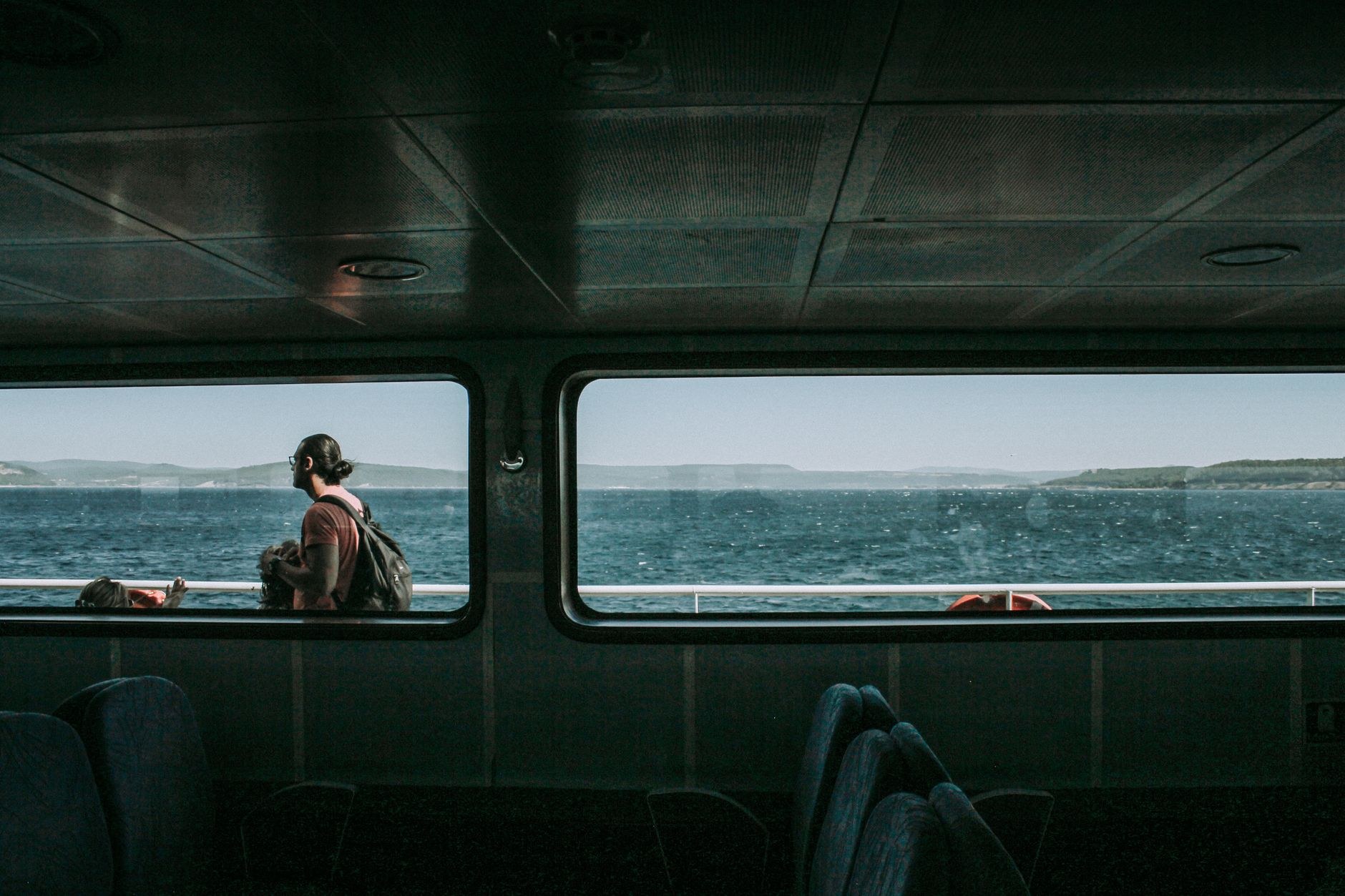
- Conventional Ferries (Blue Star): These massive passenger-and-car ships are the workhorses of the Aegean. While slower than catamarans (5 hours from Piraeus to Naxos), they are exceptionally stable, rarely cause seasickness, feature open-air passenger decks where you can watch the islands glide by, and continue sailing even during heavy summer winds.
- High-Speed Catamarans (Seajets / Hellenic Seaways): Catamarans shave 30% to 40% off travel times, but passengers are strictly enclosed inside airline-style seating with no open deck access. During July and August when the seasonal northern Meltemi winds blow at gale force (Force 7–8), high-speed catamarans experience rough, rolling rides and are frequently delayed or cancelled by the Hellenic Coast Guard.
- Physical Ticket Collection: While e-tickets with QR codes on mobile apps (such as Ferryhopper) are accepted on Blue Star and Seajets vessels, smaller regional ferry lines sometimes require passengers to exchange digital booking vouchers for physical cardboard tickets at harbor kiosks before boarding. Arrive at Piraeus or island ports at least 45 minutes prior to departure.
Athens: Ancient Citadels & Island Vibe in Plaka (Days 1–3)
Arriving at Athens International Airport (ATH), board Metro Line 3 directly to Syntagma or Monastiraki in 40 minutes. Base yourself in Koukaki, Plaka, or Thissio for walkable access to archaeological sites.
The Early Acropolis Strategy: Ascend the Acropolis at precisely 8:00 AM when the gates open. In the cool morning light, the monumental Doric columns of the Parthenon and the delicate Caryatid maidens of the Erechtheion stand out against clear blue skies before mid-morning tour groups arrive.
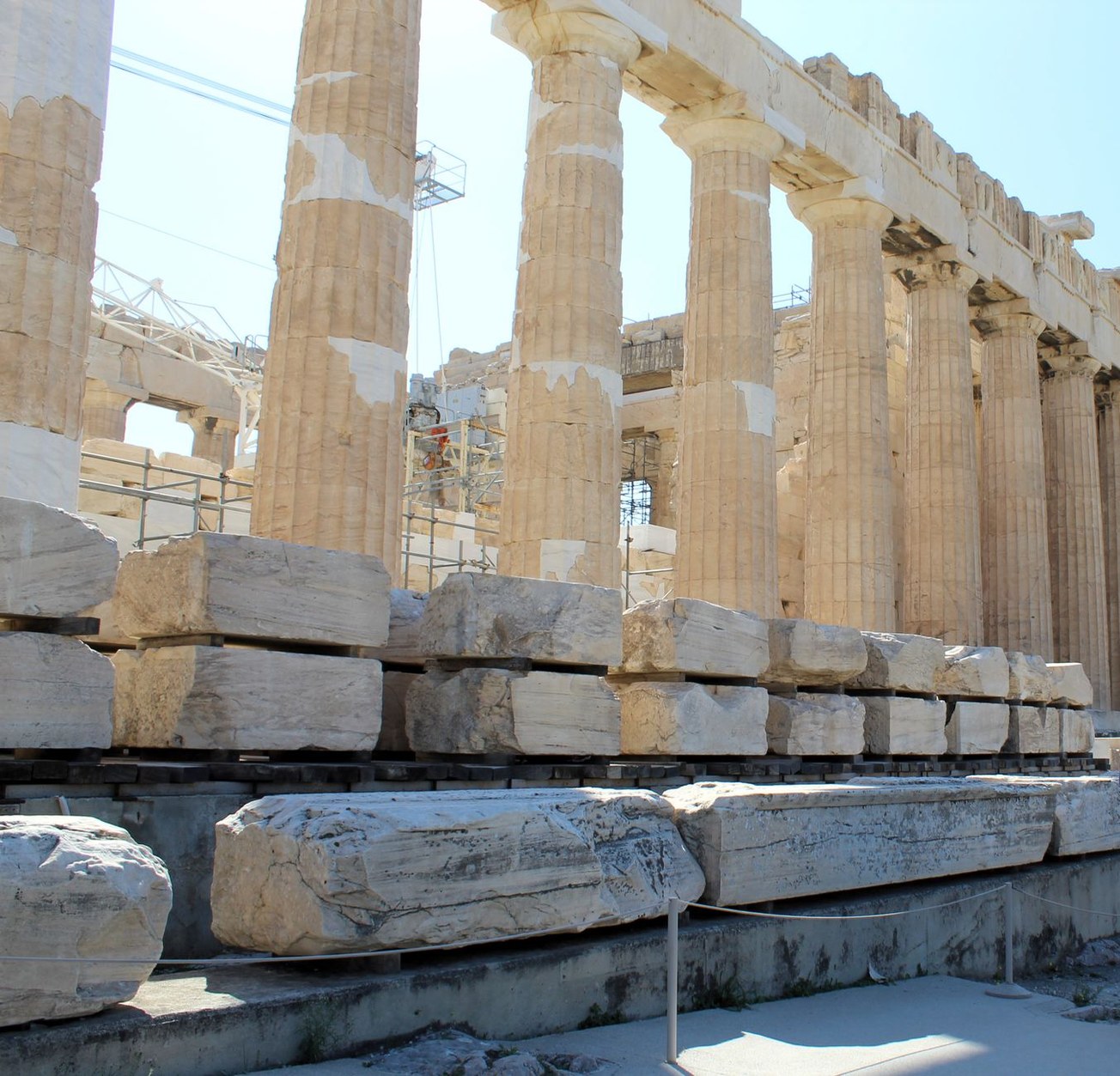
Descending the south slope, tour the Acropolis Museum to view the original Parthenon marble friezes through floor-to-ceiling glass windows aligned with the ancient temple above. Wander into Anafiotika, a hidden enclave tucked directly beneath the Acropolis rock, built in the 19th century by stonemasons from the island of Anafi who recreated their island home with whitewashed cubic houses, blue shutters, and narrow winding stairways draped in bougainvillea.

Naxos: Authentic Island Life, Marble Villages & Golden Sands (Days 4–7)
Board a morning ferry from Piraeus to Naxos. As your ship enters the harbor, the iconic Portara (Temple of Apollo)—a colossal 2,500-year-old marble portal standing on an islet connected by a narrow causeway—welcomes you to the island.

Unlike arid neighboring islands, Naxos is blessed with fertile agricultural valleys, producing renowned Naxian potatoes, citrus liqueurs, and artisan cheeses (such as Graviera Naxou). Rent a small car for two days to explore the interior mountains. Drive up to Chalki to sample sweet kitron liqueur at the historic 1896 Vallindras Distillery, and continue to Apiranthos, a village constructed almost entirely of polished white marble, where pedestrian alleys wind between medieval stone towers.

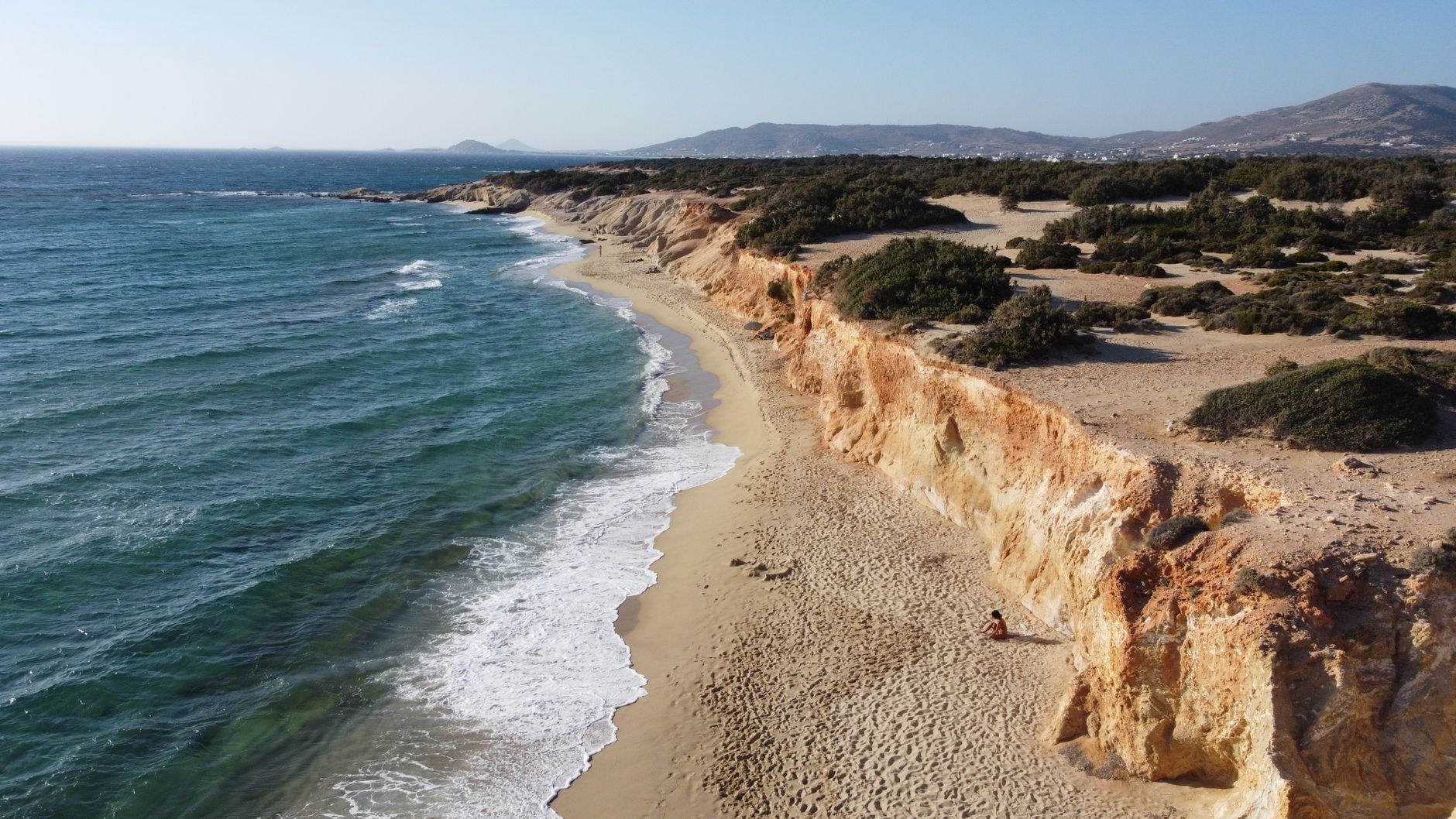
Spend your afternoons along the southwest coast. The beaches of Agios Prokopios and Plaka feature kilometers of powdery golden sand lapped by calm, shallow turquoise water, backed by natural sand dunes and relaxed beachfront tavernas.
Santorini: Volcanic Caldera & Dramatic Clifftops (Days 8–10)
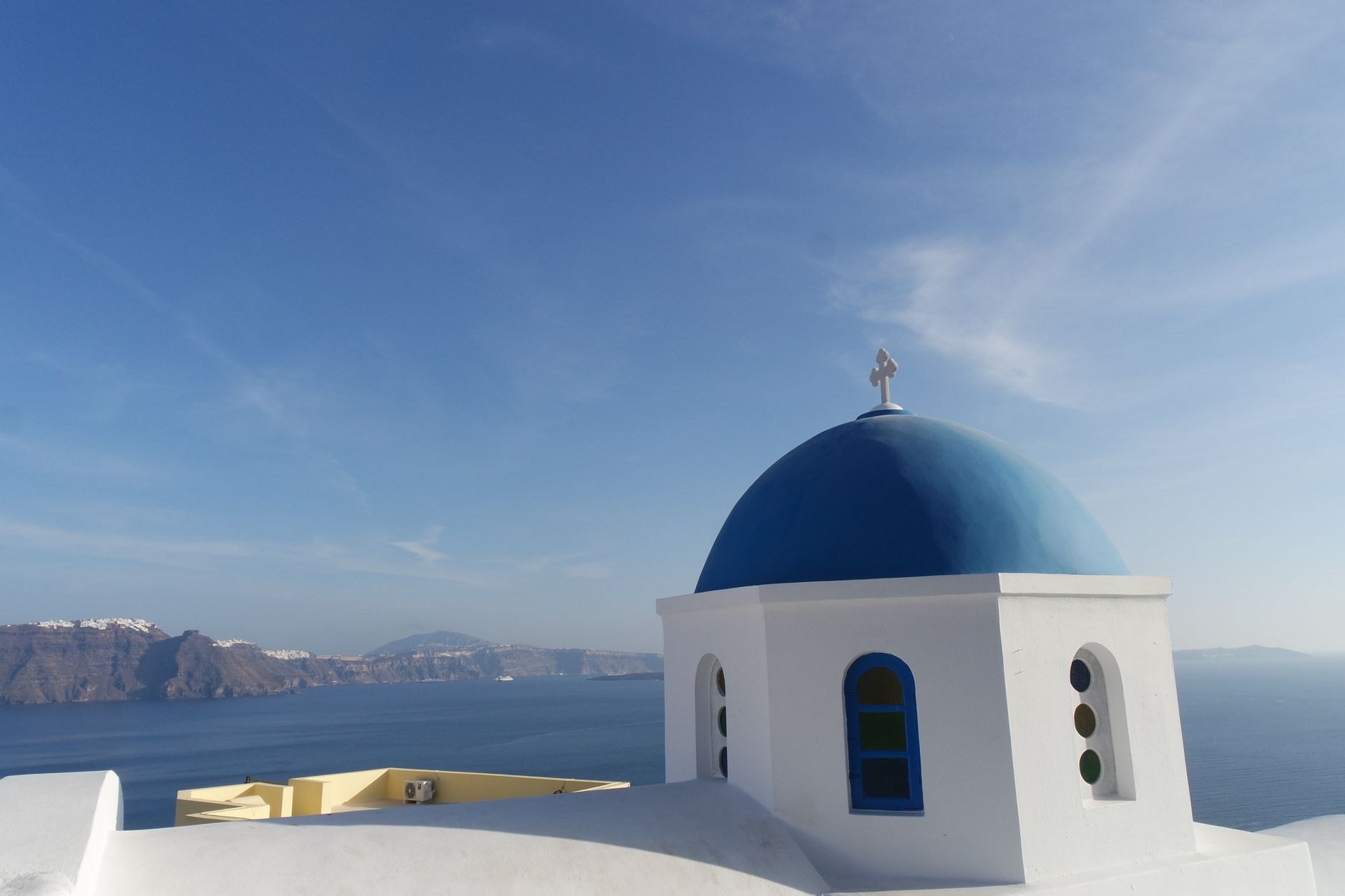
A short two-hour ferry south brings you to Santorini (Thira), the drowned caldera of a catastrophic Bronze Age volcanic eruption that destroyed the Minoan civilization around 1600 BC.
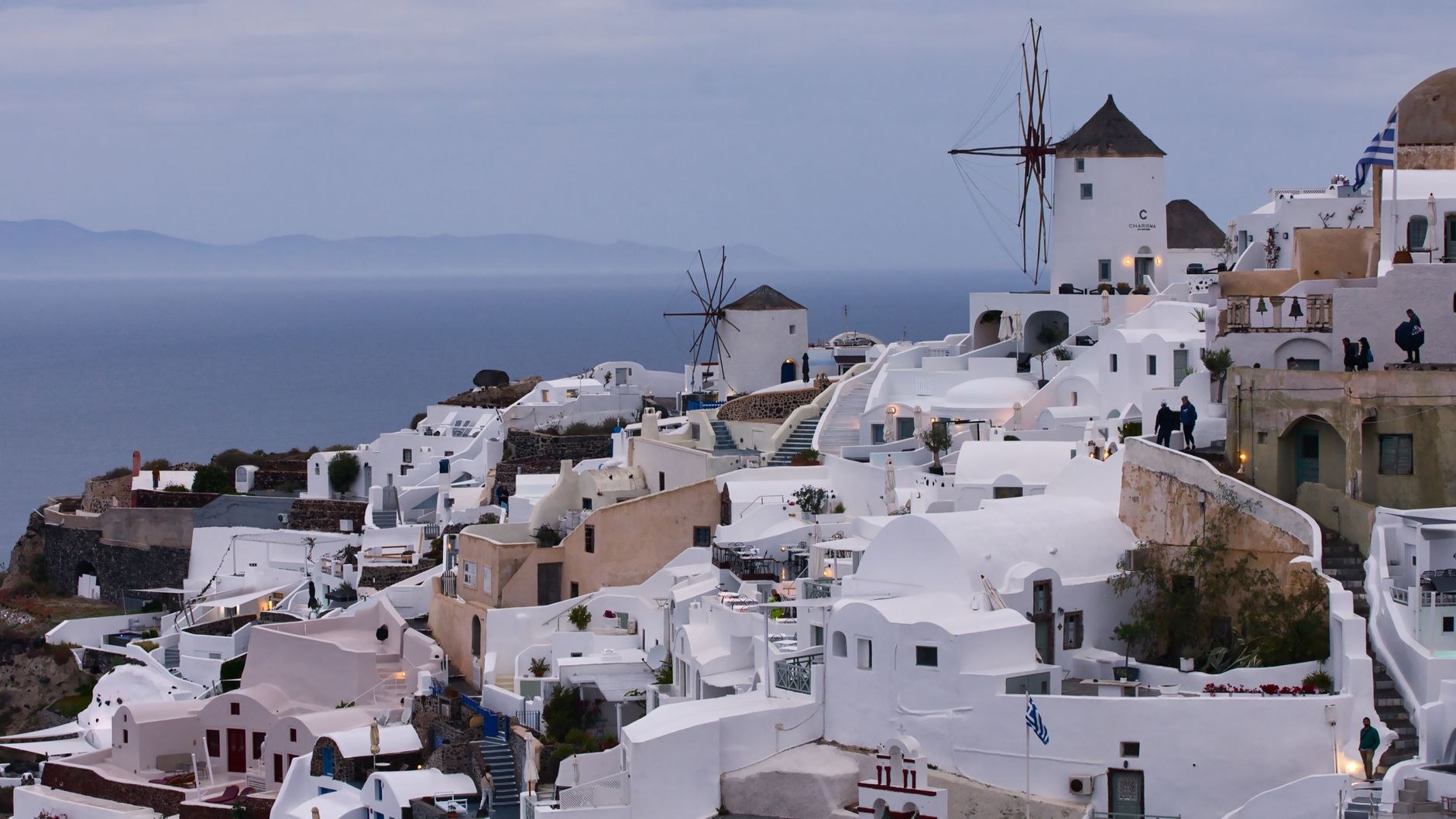
Arrive at the chaotic port of Athinios and take an authorized pre-booked shuttle up the towering multi-colored switchback cliffs to your hotel. Base yourself in Firostefani or Imerovigli—perched high on the caldera rim, offering sweeping volcanic vistas and breathtaking sunsets with far fewer crowd bottlenecks than congested Oia.

The Fira to Oia Caldera Hike: On Day 9, wake early to hike the 10-kilometer cliffside trail connecting Fira to Oia. The 3-hour trek follows the rugged lip of the volcanic rim across black lava pumice, passing tiny whitewashed chapels before descending into Oia. Reward yourself with a tour of an estate winery (such as Santo Wines or Venetsanos) to sample crisp, mineral-rich Assyrtiko white wine cultivated in ancient woven basket-shaped vines (kouloura) designed to shield grapes from howling sea winds.
Conclude your island stay at the prehistoric ruins of Akrotiri. Dubbed the "Minoan Pompeii," this sophisticated ancient city was buried beneath volcanic ash 3,600 years ago, preserving multi-story stone villas, indoor ceramic plumbing systems, and vivid wall frescoes.
Greek Taverna Customs, Summer Wind & Practical Advice
Embrace authentic Greek rhythms with these practical rules:
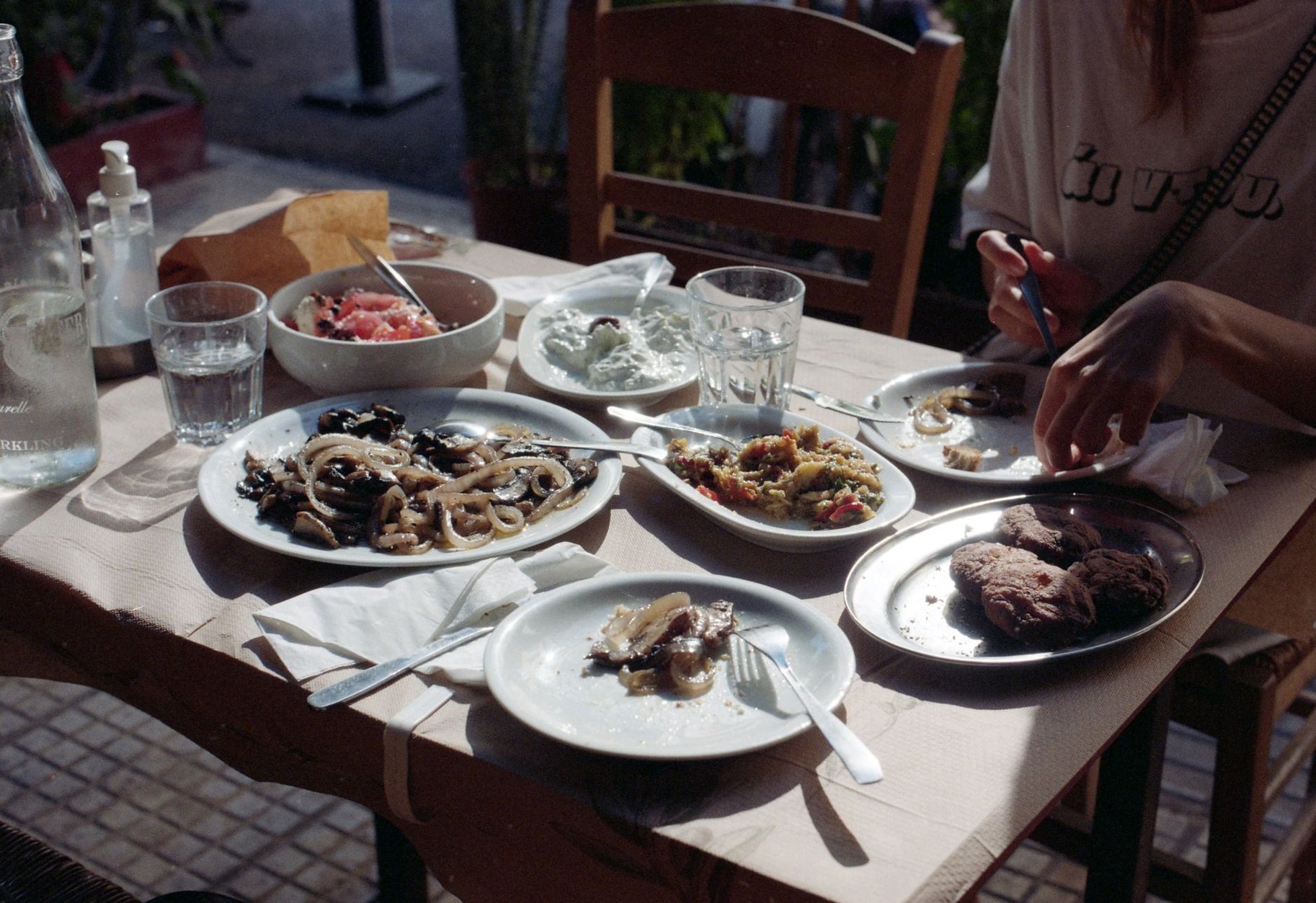
- Taverna Dining Etiquette: Traditional Greek taverna meals are unhurried, social affairs. You will be brought bread and bottled water as a standard table charge (couvert, $1.69–$3.39 EUR). Order multiple small dishes to share in the center of the table (mezedes): tzatziki, grilled octopus, fava purée, and a classic Greek salad (choriatiki) topped with a thick slab of barrel-aged feta. Fresh whole fish is priced by the kilogram; always inspect the fish and confirm its weight at the refrigerated counter before ordering.
- Handling the Meltemi Wind: In July and August, the dry, powerful northern Meltemi winds sweep across the Cyclades. While it keeps sweltering summer temperatures manageable, it causes choppy seas and sandstorms on northern beaches. Choose southern-facing beaches (like Plaka on Naxos or Perivolos on Santorini) for sheltered, calm swimming.
- Plumbing Realities: Due to narrow 19th-century drainage pipes, you cannot flush toilet paper anywhere in Greece (including luxury island hotels). Always place used toilet paper in the designated waste bins next to the toilet.
- Cash vs Cards: Contactless credit cards are legally required to be accepted at all businesses across Greece, including taxis and beach bars. However, keep $22.60–$33.89 EUR in small cash notes for rural village bakeries, island bus fares, and modest tip jars.
Island Traps, Sea Safety & Greek Practicalities
A Greek holiday should be relaxing, but unfamiliarity with local restaurant billing customs, port transit, and maritime conditions can create unexpected stress:
- The Overpriced Seafood-by-Weight Trap: In tourist-heavy seaside ports—especially in Santorini (Ammoudi Bay) and Mykonos—menu boards often advertise fresh sea bass or calamari at tempting prices like “$10.17.” Look closely: that price is almost always per 100 grams, not for the dish. Unsuspecting diners order a platter of grilled prawns and fish and are stunned by a bill for $395.43 to $564.90. Always ask the waiter to bring the fresh catch to your table, weigh it on a kitchen scale in front of you, and state the exact total price in Euros before it goes on the grill.
- The Athens “Friendly Local” Bar Bill Scam: In central Athens around Monastiraki Square and Syntagma, a seemingly friendly, well-dressed local man will strike up a conversation with solo travelers or pairs, asking where you are from and offering to show you an authentic, non-tourist bar for a drink. You arrive at a dim basement venue, women join the table, and drinks are ordered. After one round, you are presented with an exorbitant bill of $338.94 to $903.84, with muscular bouncers blocking the doorway until you pay. Never accompany friendly strangers on the street to private bars.
- Piraeus Port Taxi Refusal & Meter Tampering: Stepping off a ferry at Piraeus Port with heavy luggage, you will be met by drivers demanding $45.19 to $67.79 cash for a ride into central Athens that should cost $16.95 to $20.34 on the meter. Drivers will claim their meter is broken or that traffic is too heavy. Always insist on the meter (“Parakalo valte to taximetro”) or, better yet, use the FreeNow app or Uber, which books official licensed yellow taxis at fixed, transparent digital rates.
- Strict Greek Plumbing Laws: Greek sewer pipes are exceptionally narrow (typically only 50mm in diameter, compared to 100mm in Western Europe) and will instantly clog if paper is flushed. In every hotel, private rental, restaurant, and airport across Greece, you must never flush toilet paper down the toilet. Always dispose of toilet paper and sanitary products in the lidded waste bin placed directly beside the toilet.
- Meltemi Wind Disruptions: From late June through August, strong northern Aegean winds known as the Meltemi can reach gale force (Beaufort 7–8). While large conventional car ferries (Blue Star) plow through rough seas with minimal disruption, lightweight high-speed catamarans (Seajets) become severely nauseating rollercoasters and are frequently cancelled for safety. If booking island transfers on windy days, choose the larger, heavier conventional ferry.
Island Ferry Tracking & Mobile Connectivity with NXTL
Island hopping through the Cyclades requires uninterrupted mobile data. You need cellular connectivity to track real-time ferry departures and delayed arrival updates on the MarineTraffic or Ferryhopper apps, navigate winding mountain roads across Naxos via Google Maps, display digital boarding QR passes at crowded port gangways, and book local taxis upon arrival.
Avoid airport mobile kiosks in Athens that charge inflated prices for short-term tourist packages. By setting up the NXTL Greece eSIM before departure, your phone connects immediately upon landing to Greece’s premier tier-1 telecom networks—including Vodafone Greece (5G/LTE), Cosmote (5G/LTE), and Nova (5G/LTE)—with pay-as-you-go rates starting from just $0.75/GB.
You enjoy high-speed 5G coverage across Athens, on high-elevation island hiking trails, throughout rural stone villages, and along coastal beach strips. For deeper trip preparation, consult our guide to Greece mobile data and connectivity to plan your data usage across island navigation and photo sharing. Because NXTL operates on a flexible balance model that never expires, any unused credit remains safely in your account for future journeys. Dual-SIM functionality keeps your domestic home SIM active simultaneously, ensuring you receive vital two-factor SMS bank notifications without incurring steep international carrier roaming charges.