India’s Golden Triangle—encompassing Delhi, Agra, and Jaipur—is one of the most intense, historically dense, and visually rewarding travel circuits in Asia. Within a compact 720-kilometer loop, travelers experience the contrast between Mughal imperial grandeur, British colonial geometry, and the desert fortresses of Rajasthan. Yet traveling through northern India without a clear logistical plan can quickly overwhelm first-time visitors with sensory overload, aggressive street touts, and conflicting transport advice.
This 9-day Golden Triangle travel guide provides a realistic, tested itinerary designed to help you navigate between cities with confidence. It addresses the critical choices that make or break this journey: whether to take high-speed express trains or hire a private air-conditioned car, how to execute the sunrise entry at the Taj Mahal, how to avoid common street scams, and how to protect your digestion while enjoying authentic North Indian cuisine.
The 9-Day Golden Triangle Route Plan
The Golden Triangle is geographically compact, but surface transit times in northern India are heavily dictated by highway congestion and railway scheduling. This itinerary is paced to give you two full recovery days in Delhi before setting out, ensuring you never face more than 4 to 5 hours of travel on any single transit day.
| Day Range | Base Location | Key Highlights & Monuments | Transit Mode & Travel Time | Advance Bookings Required | What to Skip if Pressed for Time |
|---|---|---|---|---|---|
| Days 1–3 | Delhi | Humayun’s Tomb, Qutub Minar, Old Delhi cycle rickshaw through Chandni Chowk, Jama Masjid | Airport Express Metro (20 min) / Delhi Metro & Uber | None needed; ASI monument tickets online via QR code | Skip Red Fort interior (it is largely empty barracks); prioritize Humayun’s Tomb and Qutub Minar |
| Days 4–5 | Agra | Taj Mahal sunrise entry, Agra Fort, sunset view across the Yamuna from Mehtab Bagh | Gatimaan Express train from Hazrat Nizamuddin (1 hr 40 min) or Yamuna Expressway car (3.5 hrs) | Mandatory ASI Taj Mahal ticket online; train seats 2–4 weeks ahead | Never schedule Agra on a Friday: the Taj Mahal is closed to tourists every Friday |
| Days 6–8 | Jaipur | Amber Fort (8:00 AM), City Palace, Jantar Mantar observatory, Hawa Mahal facade, Nahargarh sunset | Private AC car via Fatehpur Sikri & Chand Baori stepwell (5–6 hrs) or Shatabdi train (4.5 hrs) | Composite Jaipur monument pass at Amber Fort gate | Skip Jaigarh Fort if exhausted; Amber Fort’s interior courtyards cover the architectural highlights |
| Day 9 | Departure | Morning artisan block-printing workshop in Jaipur; transit back to Delhi IGI Airport | Domestic flight from Jaipur (JAI) to Delhi (DEL) (55 min) or Ajmer Shatabdi Express train (4 hrs 45 min) | Flight or Shatabdi train reservation | Book an evening international departure from Delhi to allow a comfortable buffer for road or rail delays |
A non-negotiable rule when planning your dates: The Taj Mahal is closed to all visitors every Friday for congregational prayers. If your itinerary lands you in Agra on a Thursday evening and departs Saturday morning, you will miss the monument entirely. Always verify that your Agra sightseeing days fall between Saturday and Thursday.
Transport Mechanics: Express Trains vs. Private Car & Driver
The central logistical dilemma for the Golden Triangle is choosing between Indian Railways and hiring a dedicated private car with a driver. Both options have clear advantages:
- The Express Train Advantage: Indian Railways operates excellent dedicated premium trains on this circuit. The Gatimaan Express (Train #12050) departs Delhi’s Hazrat Nizamuddin station at 08:10 AM and reaches Agra Cantt in just 1 hour and 40 minutes at speeds up to 160 km/h, including an onboard hot breakfast. It completely bypasses Delhi’s suburban gridlock. Booking tickets in Executive Chair Car (EC) or AC Chair Car (CC) ensures clean, air-conditioned comfort. However, booking train tickets on the official IRCTC portal from outside India requires registering an international mobile number, paying an OTP verification fee (₹122), and navigating payment gateway failures. Many foreign travelers find it easier to book train segments through reputable travel agents or aggregators.
- The Private Car & Driver Advantage: Hiring a government-licensed car and driver for the entire Delhi–Agra–Jaipur circuit (typically ₹3,500 to ₹4,500 / $42 to $54 per day all-inclusive for an air-conditioned Toyota Innova) provides door-to-door flexibility. The driver picks you up from your Delhi hotel, handles all highway tolls and parking fees, stores your luggage securely while you tour monuments, and allows you to stop at intermediate historical sites that trains bypass: specifically the deserted Mughal red-sandstone city of Fatehpur Sikri and the ancient geometric stepwell of Chand Baori in Abhaneri.
The Ideal Hybrid Strategy: Take the fast Gatimaan Express train from Delhi to Agra for speed and novelty. Have a pre-arranged private driver meet you on the platform at Agra Cantt station, handle your Agra touring, drive you to Jaipur via Fatehpur Sikri and Abhaneri, manage your Jaipur excursions, and drive you back to Delhi Airport on Day 9.
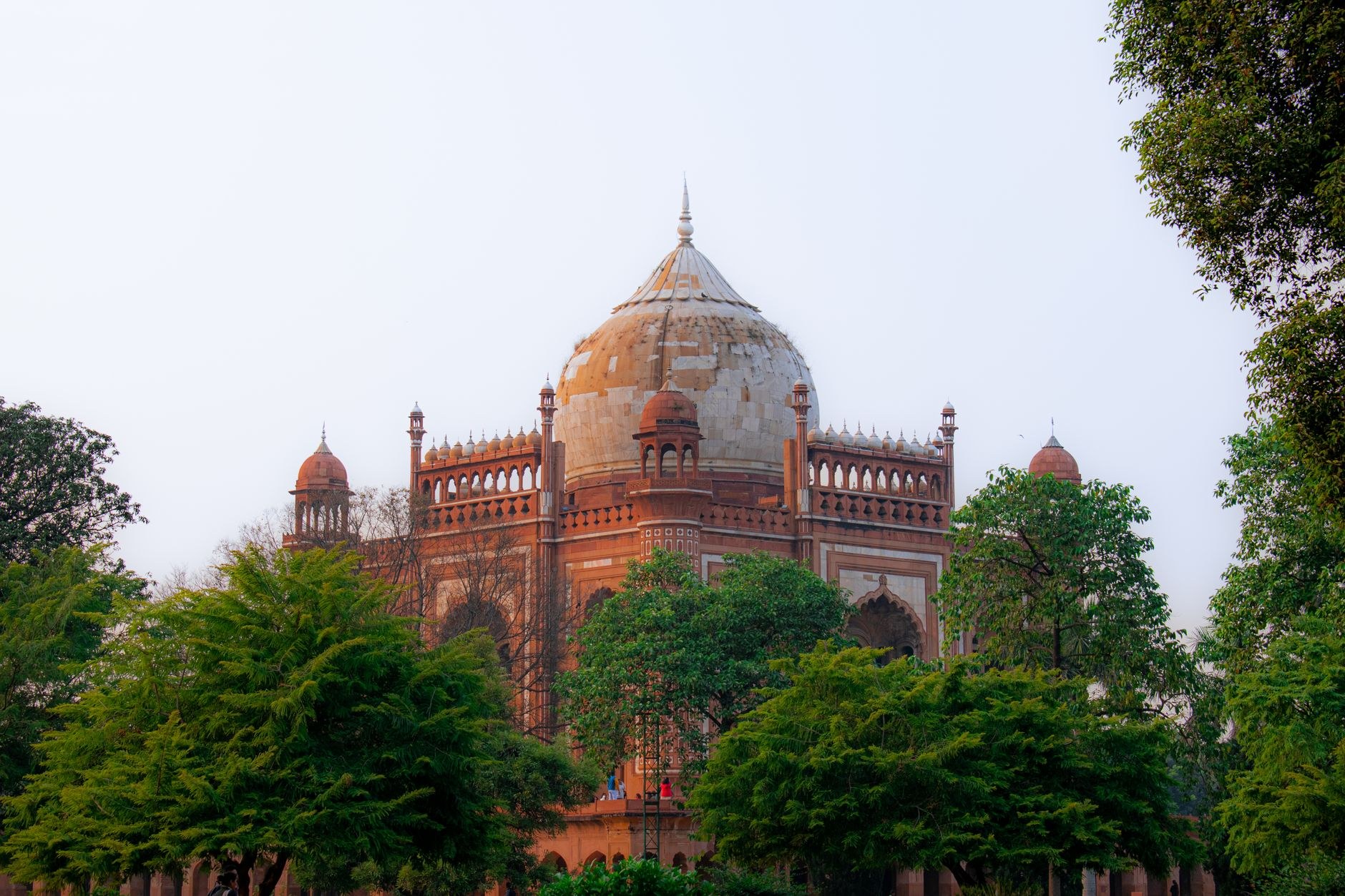
Days 1–3: Delhi (Old Delhi vs. New Delhi)
Delhi is not one uniform metropolis; it is a layered palimpsest of eight historical cities. To avoid exhaustion, divide your exploration cleanly between historic Old Delhi (Shahjahanabad) and the leafy avenues of New Delhi.
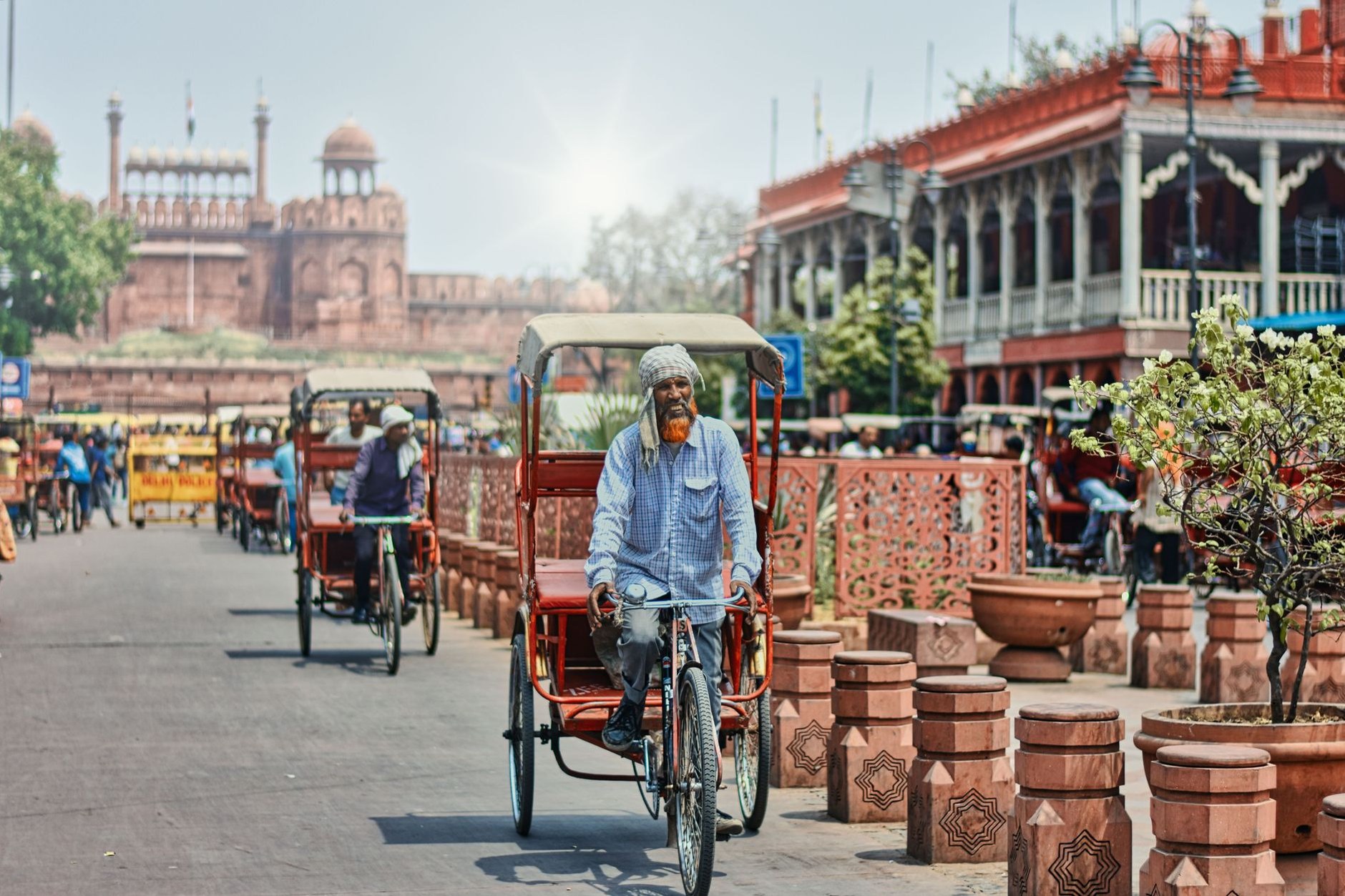
Begin Day 2 early in Old Delhi. Take the Delhi Metro Yellow Line to Chandni Chowk station. From there, hire an authorized cycle rickshaw (negotiate ₹150 to ₹200 for an hour) to navigate the sensory labyrinth of Chandni Chowk, stopping at Khari Baoli, Asia’s largest wholesale spice market. The air here is pungent with dried red chilies, cardamom, and turmeric—locals and travelers alike frequently cough from the chili dust. Continue to Jama Masjid, India’s largest historic mosque, built by Mughal Emperor Shah Jahan in 1656. Climb the southern minaret (139 narrow steps) for an unbroken view across the chaotic rooftops of Old Delhi toward the distant modern skyline.
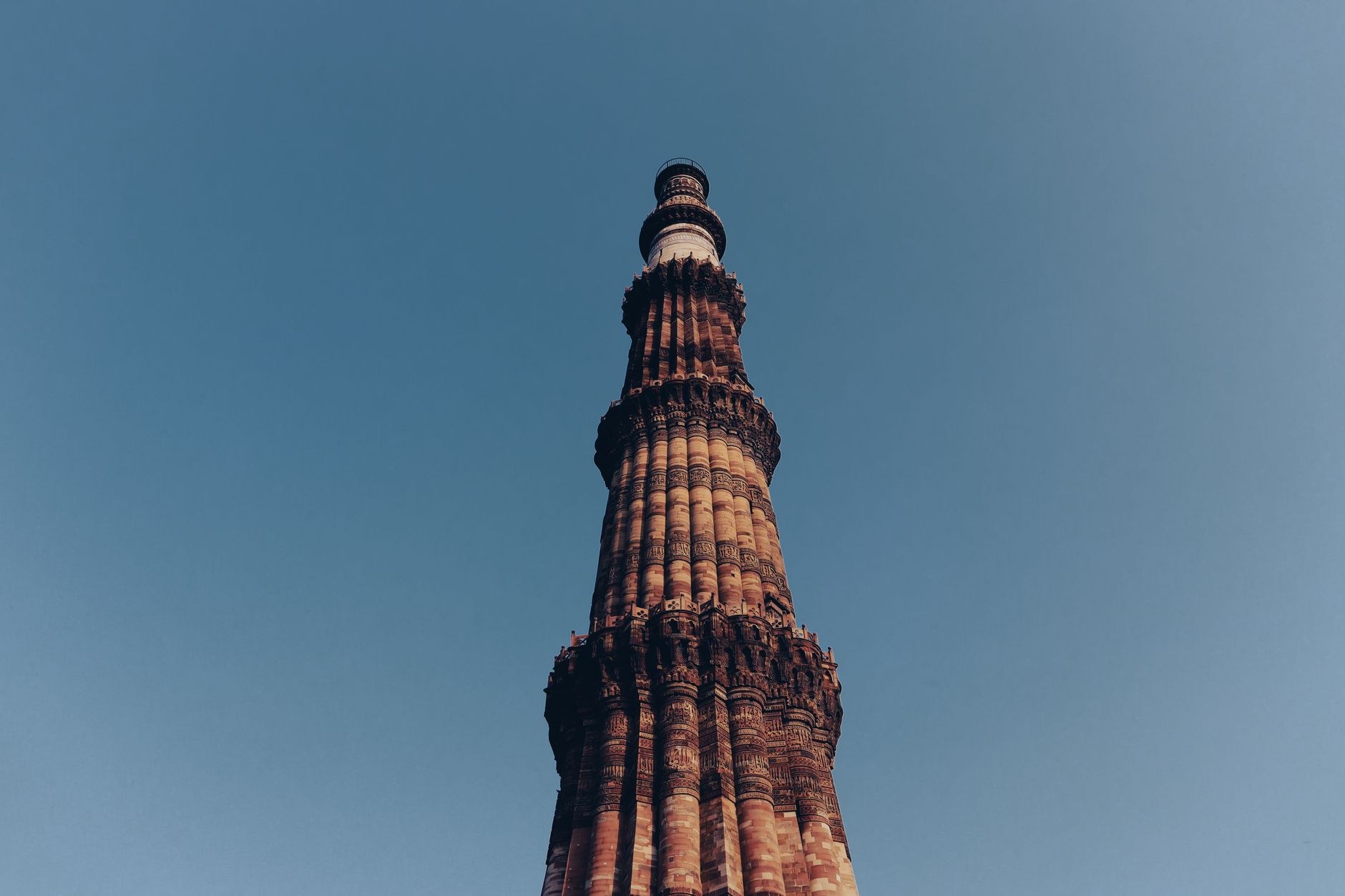
On Day 3, explore the tranquil, landscaped Mughal and British imperial monuments in South Delhi. Visit Humayun’s Tomb, a UNESCO World Heritage site completed in 1572. Constructed of red sandstone inlaid with white marble, its symmetrical Persian charbagh (four-quadrant) garden directly inspired the architectural design of the Taj Mahal 70 years later. In the afternoon, head further south to Qutub Minar, a soaring 73-meter fluted minaret built in 1192 from red sandstone and marble, surrounded by early Islamic carved arcades and the famous 4th-century rust-resistant Iron Pillar of Delhi.
Days 4–5: Agra & The Sunrise Taj Mahal Strategy
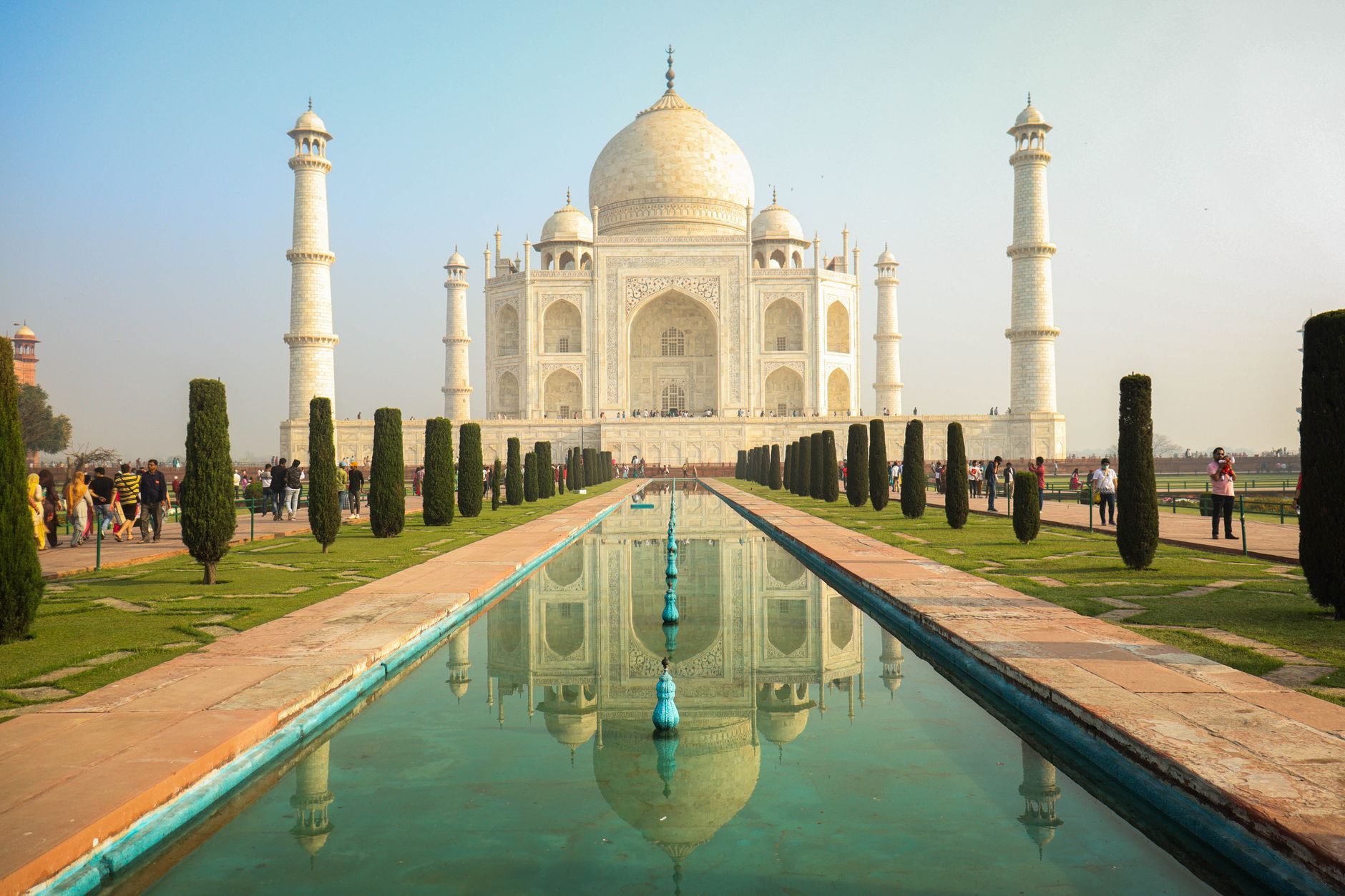
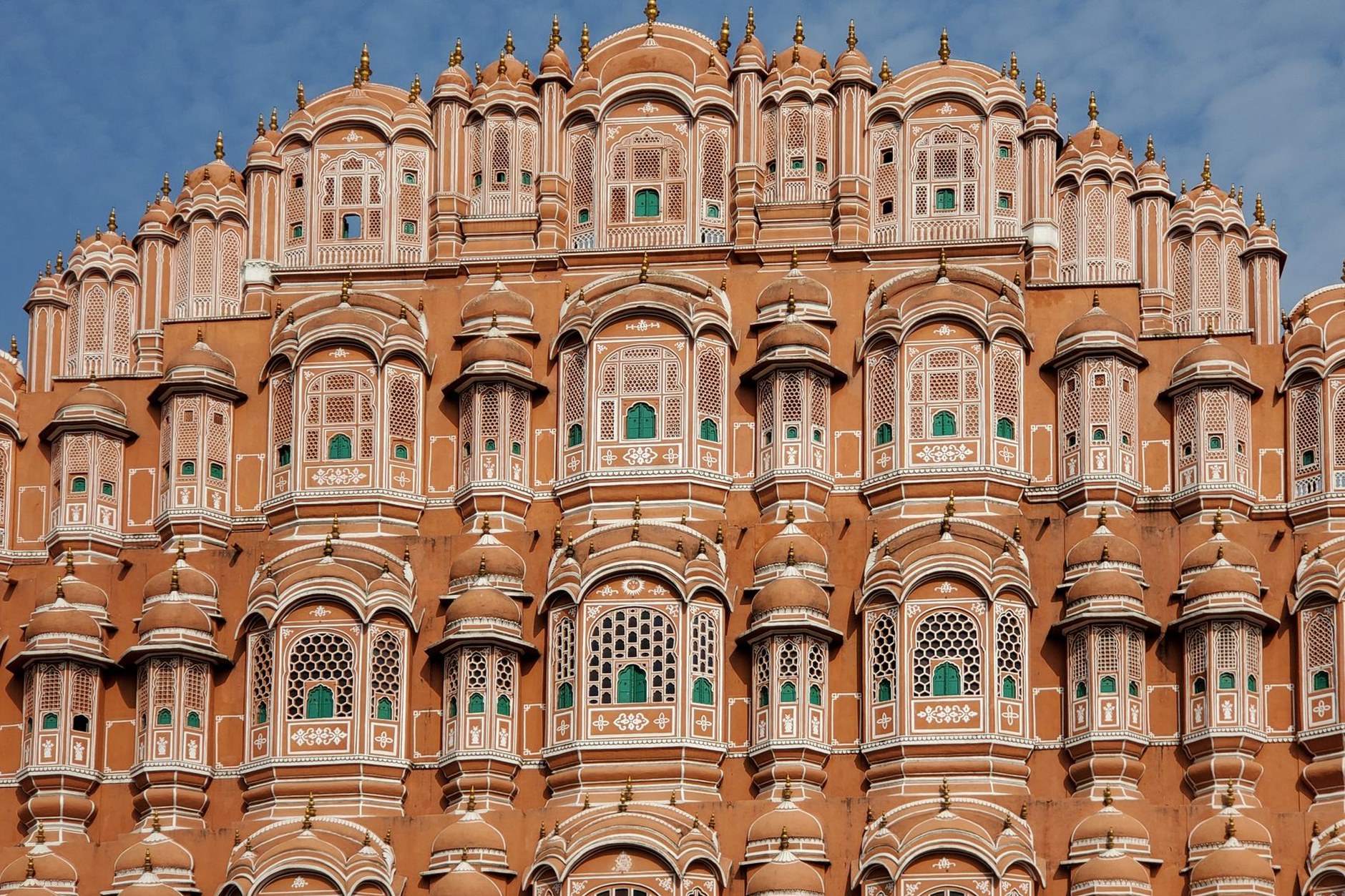
Seeing the Taj Mahal for the first time is one of travel’s truly magical moments, but enjoying it peacefully requires strict operational discipline. Built by Emperor Shah Jahan between 1631 and 1648 as a mausoleum for his beloved wife Mumtaz Mahal, the monument draws up to 50,000 visitors per day.
Follow these rules for an effortless visit:
- Arrive at the East Gate by 05:30 AM: The ticket gates open approximately 30 minutes before sunrise. Arriving in the cool predawn darkness places you at the front of the security line. As the sun rises, the translucent Makrana white marble shifts through delicate shades of soft pink, warm gold, and brilliant white. By 09:00 AM, the morning light becomes harsh, temperatures rise, and tour bus crowds fill the grounds.
- Buy Tickets Online in Advance: Purchase your official ticket on the Archaeological Survey of India (ASI) website before arriving. The high-value foreign tourist ticket (₹1,100 + ₹200 for entry into the main mausoleum chamber) includes shoe covers, a 500ml water bottle, and access to a dedicated fast-track security queue that bypasses the domestic line.
- Strict Security Restrictions: Travel light. Backpacks, camera tripods, external phone power banks, tobacco, lighters, chewing gum, food, and books are strictly confiscated at the security metal detectors. Bring only your phone, passport, wallet, and camera with a single lens to breeze through security.
After your morning visit and breakfast, explore Agra Fort, the colossal red sandstone citadel where Shah Jahan was later imprisoned by his ambitious son Aurangzeb, gazing out from the Octagonal Tower (Musamman Burj) across the river at the Taj Mahal. In the late afternoon, head to Mehtab Bagh (The Moonlight Garden) on the northern bank of the Yamuna River. This park provides a tranquil view of the Taj Mahal’s rear facade reflecting in the river water at sunset, completely free of crowds.
Days 6–8: Jaipur & The Splendors of Rajasthan
Driving west into Rajasthan brings you to Jaipur, the “Pink City,” painted in terracotta-pink wash in 1876 to welcome the Prince of Wales. The city offers a vibrant contrast to Mughal Delhi and Agra, showcasing Rajput warrior architecture, royal palaces, and gemstone bazaars.
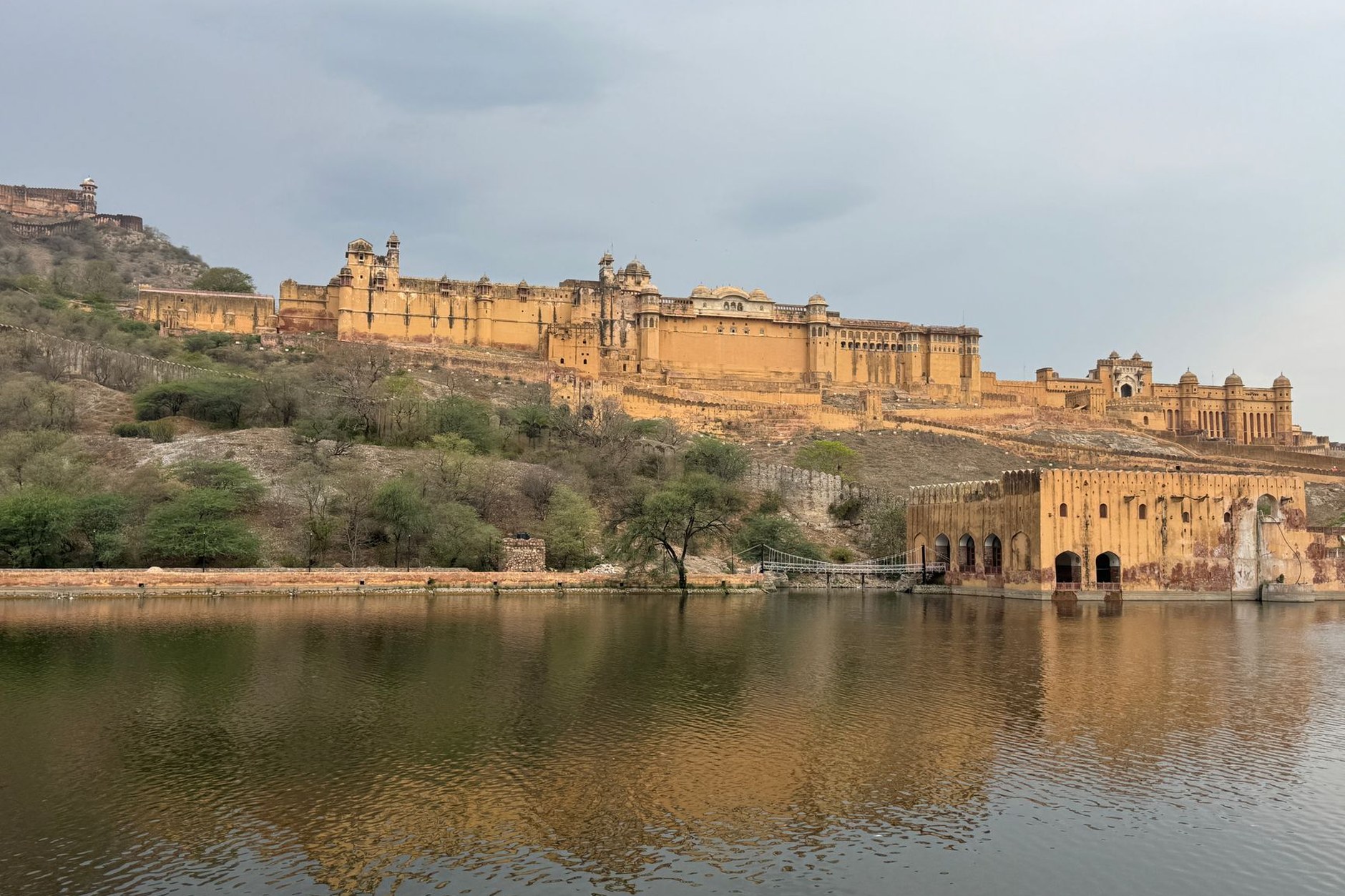
On Day 7, head straight to Amber Fort (Amer Fort), arriving right at 08:00 AM when the complex opens. Located 11 km north of Jaipur on a rocky ridge, this fortified palace features courtyards of yellow and pink sandstone, the mirror-inlaid Sheesh Mahal (Palace of Mirrors), and panoramic views over Maota Lake. Skip the controversial elephant rides up the ramparts; walk the gentle 10-minute cobblestone path up to the Suraj Pol (Sun Gate) or have your driver take you directly to the rear vehicle entrance.
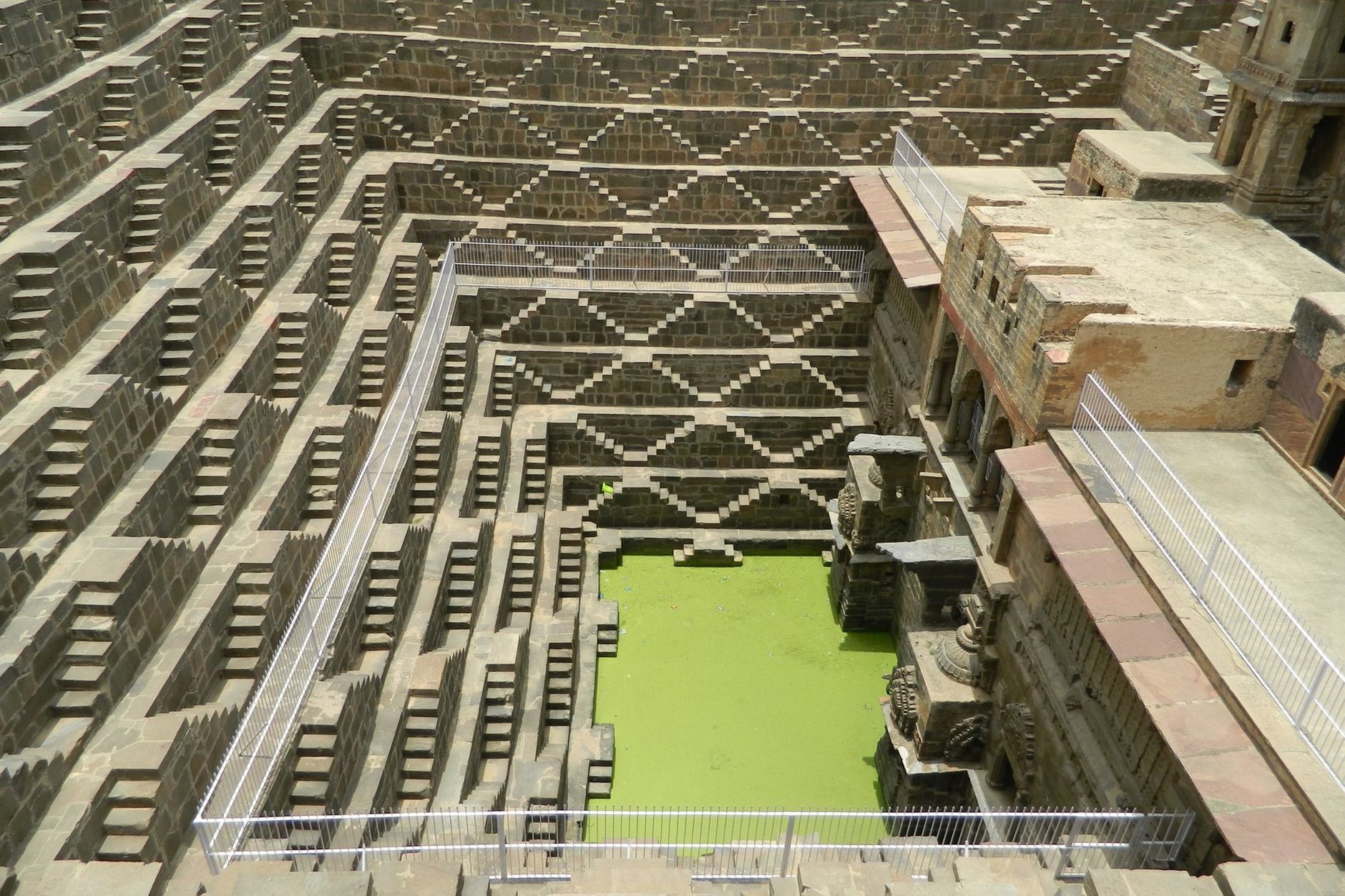
In the afternoon, explore the old walled city. Stop outside the iconic Hawa Mahal (Palace of Winds), a five-story pink sandstone facade featuring 953 intricately carved latticed windows (jharokhas). Built in 1799, it was engineered like an air-cooled honeycomb to allow royal court women to observe street festivals below without being seen. Continue to the City Palace, still the residence of the titular Maharaja of Jaipur, and the adjacent Jantar Mantar, an extraordinary 18th-century open-air astronomical observatory containing the world’s largest stone sundial (accurate to within two seconds).
For sunset, have your driver take you up the winding mountain road to Nahargarh Fort (Tiger Fort). Perched along the edge of the Aravalli hills, its ramparts provide sweeping panoramic views across the sprawling grid of the Pink City as evening lights flicker on below.
Food Safety & Avoiding “Delhi Belly”
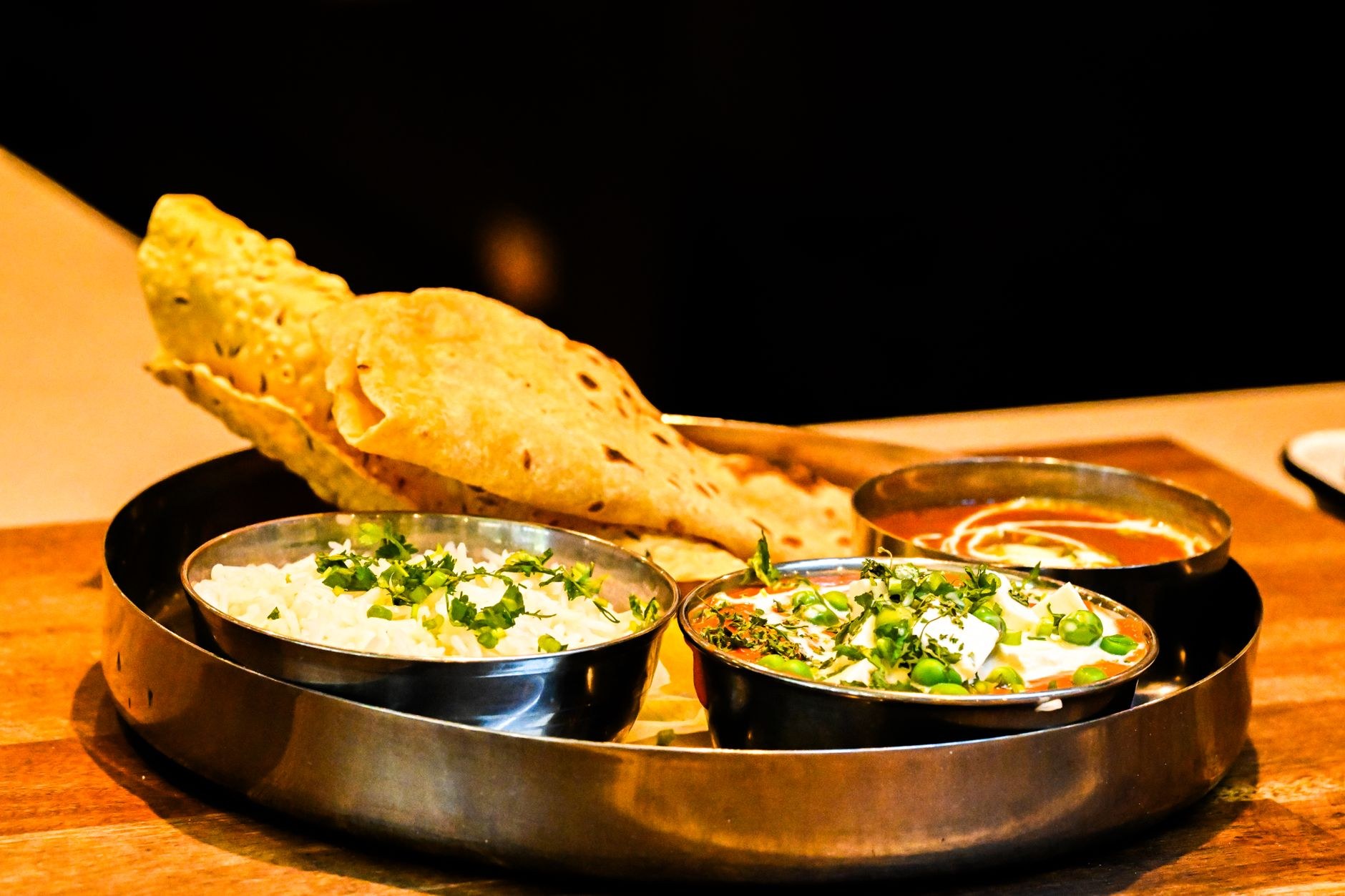
Indian cuisine is among the world’s most sophisticated and flavorful traditions, but traveler digestive distress (“Delhi Belly”) is a genuine concern for unacclimated visitors. You do not need to restrict yourself to bland hotel buffets; you simply need to follow pragmatic food safety principles:
- Water Discipline: Never drink municipal tap water, even in 5-star hotels. Use sealed, commercially bottled water (reputable national brands include Bisleri, Kinley, and Aquafina) or hotel-provided Reverse Osmosis (RO) filtered water for drinking and brushing teeth. Always check that the plastic seal on bottled water caps is intact and unbroken before accepting it. Avoid ice cubes in street stalls or budget cafes.
- The Street Food Rule (Hot and Fresh): Enjoying street food in Delhi is a culinary highlight if chosen wisely. Follow the crowds: patronize stalls with massive turnover where dishes are freshly prepared over high heat. Fried snacks like samosas, kachoris, and piping-hot jalebis straight from boiling oil are safe because extreme heat kills bacteria. Avoid cold uncooked chutneys, sliced raw fruits exposed to flies, and raw vegetable salads from roadside carts.
- Probiotics and Hydration: Carry a supply of oral rehydration salts (such as Electral packets, readily available at any local Indian chemist for ₹20) and broad-spectrum probiotics in your daypack. Staying hydrated in northern India’s dry climate is essential.
Local Transit, Common Scams & Street Smarts
Traveling comfortably in India requires knowing how to sidestep persistent street touts, unauthorized commissions, and well-known tourist tricks:
- The New Delhi Railway Station Scam: If you take a train from New Delhi station, aggressive men in official-looking lanyards will approach you outside the station entrance claiming that “your train is cancelled,” “the platform has burned down,” or “the foreign tourist ticket office has moved.” They will attempt to steer you into an auto-rickshaw to a private travel agency in Connaught Place to sell you overpriced private cars. Ignore them completely. Walk straight past them through the security metal detectors onto the platform; your train is running.
- The Temple Shoe Storage Shakedown: At major religious monuments like Delhi’s Jama Masjid, Gurudwara Bangla Sahib, and Agra’s Taj Mahal, shoes must be removed before entering. Unauthorized touts hanging around the perimeter will aggressively claim you must pay ₹200 to ₹500 to “guard your shoes.” Official shoe storage counters run by the temple or monument are free; leaving a voluntary token tip of ₹10 to ₹20 to the attendant when collecting your shoes is standard.
- Fake “Prepaid Taxi” Counters at Delhi Airport: As you exit the customs hall at Indira Gandhi International Airport (DEL), touts standing outside the terminal doors will point toward booths claiming to be the “official prepaid taxi service.” These are unlicensed private operators who charge triple the standard rate. The authentic, government-regulated prepaid taxi counter run by the Delhi Traffic Police is located inside the terminal arrivals hall before you step out to the curb. Better yet, bypass the confusion entirely by booking through the Uber app using the dedicated airport pickup zones.
- The “Student Art Exhibition” Emporium Trap: In Delhi’s Connaught Place and near Jaipur’s City Palace, well-dressed, polite young men speaking fluent English will strike up conversations claiming they are fine arts students holding a “one-day cultural exhibition” of Rajasthani miniature paintings or silk carpets. They invite you to look at the artwork “without any pressure to buy.” Once inside the back room, high-pressure salesmen descend, offering spiced chai while attempting to sell low-quality mass-produced prints for thousands of rupees. Politely decline and walk away.
- The Gem and Pashmina Commission Traps: In Agra and Jaipur, drivers or independent guides will frequently offer to take you to a “government-approved emporium” to see marble inlay or hand-blocked textiles. These shops pay drivers a 30% to 50% kickback on everything you purchase. If you do not want to shop, firmly tell your driver: “No shopping stops today, monuments only.”
- Counterfeit Bottled Water & Seal Inspection: Unscrupulous roadside vendors sometimes collect discarded empty plastic water bottles, refill them with contaminated tap water, and glue the plastic cap back on. Whenever purchasing bottled water (Bisleri, Kinley, or Aquafina), always inspect the plastic seal collar around the cap to ensure the factory tamper-evident ring is intact and snaps crisply when opened. If the seal looks melted or loose, reject the bottle immediately.
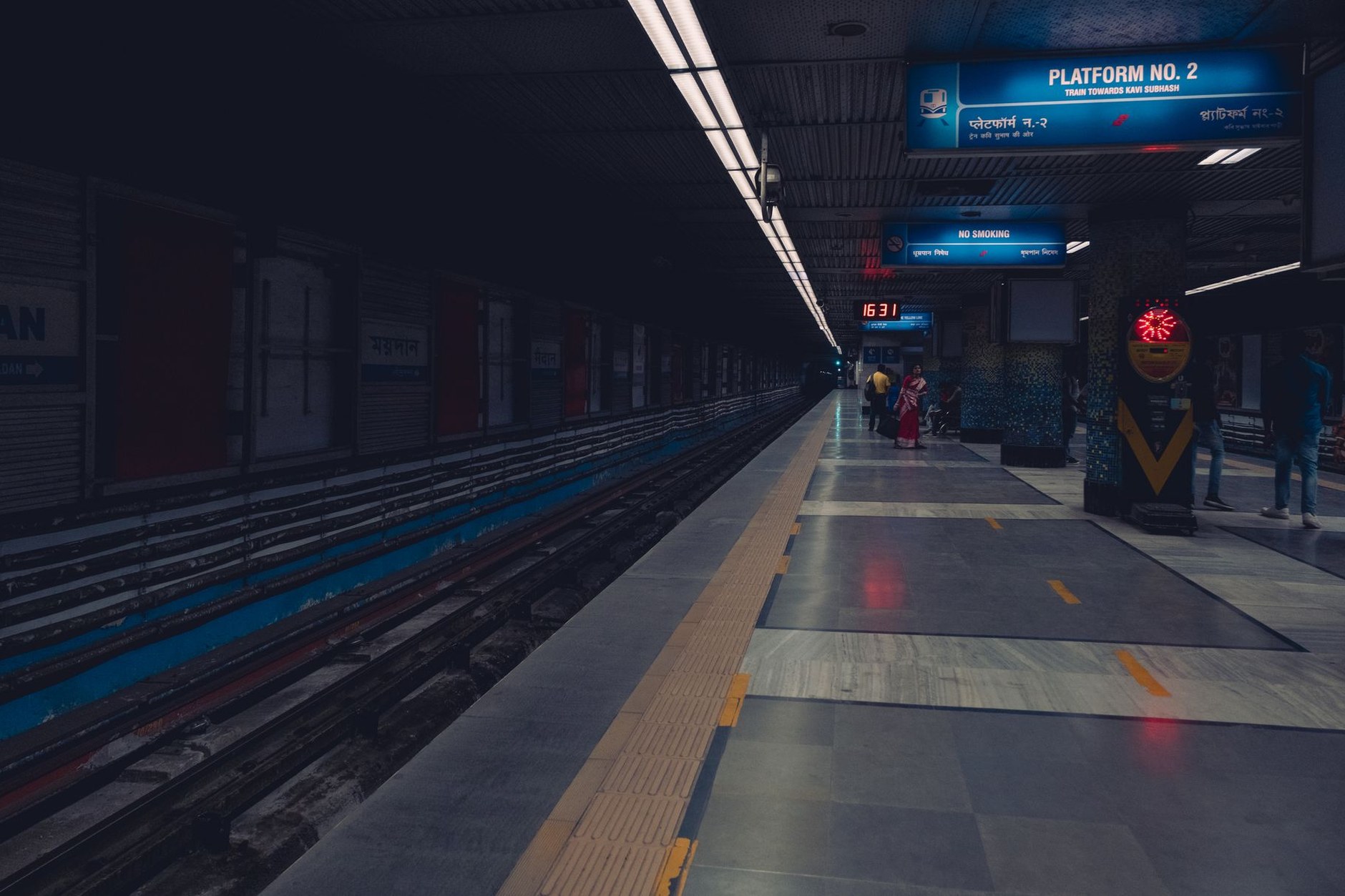
- App-Based Transport (Uber & Ola): Avoid haggling with airport taxi touts or street auto-rickshaws by using the Uber or Ola ride-hailing apps. Prices are fixed, routes are tracked on GPS, and payments process seamlessly without cash disputes. Within Delhi, the Delhi Metro is clean, air-conditioned, punctual, and equipped with a dedicated women-only coach at the front of every train.
Staying Connected Across Northern India
Having reliable mobile data is arguably more essential in India than in almost any other destination. From booking Uber rides to bypass chaotic airport taxi lines, to displaying digital ASI monument entry QR codes, checking live train running statuses on the NTES app, and using Google Maps to track your auto-rickshaw’s route, continuous internet connectivity is your best travel defense.
Purchasing a physical prepaid SIM card upon arrival at Delhi Indira Gandhi International Airport (DEL) can be a frustrating, bureaucratic ordeal. Indian telecom regulations require foreign visitors to undergo strict Know Your Customer (KYC) documentation: submitting physical passport photocopies, Indian visa copies, passport-sized photographs, and local residential references. Even after completing the paperwork, physical SIM cards often take 12 to 24 hours to activate following tele-verification.
Activating an NXTL India eSIM eliminates this paperwork entirely. Your data connection activates automatically the second your plane touches down at Delhi Airport. NXTL connects you seamlessly across India’s major telecommunications networks—including Vi (Vodafone Idea) and Bharti Airtel—providing high-speed 5G and 4G LTE coverage starting at just $1.82 per GB. With a reliable local connection already active on your device, you can order an Uber, message your hotel, and navigate the Golden Triangle from your first hour in the country.
Frequently Asked Questions
When is the best time of year to visit the Golden Triangle?
The optimal travel window is from October through March, when northern India experiences mild, sunny days with daytime temperatures between 20°C and 28°C (68°F to 82°F). Avoid April, May, and June, when pre-monsoon heat regularly exceeds 42°C (108°F), making outdoor monument exploration punishing. Note that in late December and January, dense morning fog can occasionally cause delays for early morning trains like the Gatimaan Express.
What should I wear when visiting temples and mosques?
Dress modestly throughout the Golden Triangle. Both men and women should keep shoulders and knees covered when entering holy sites like Delhi’s Jama Masjid, Gurudwara Bangla Sahib (Sikh temple), and royal palace courtyards. Wear slip-on shoes: footwear must be removed before entering temples, mosques, and the upper plinth of the Taj Mahal. Carrying a pair of thick cotton socks protects your feet from stone paving that can become searingly hot by midday.
Is India safe for solo and female travelers?
The Golden Triangle receives millions of foreign travelers annually and is generally safe, but women traveling solo will encounter unwanted staring and persistent vendor attention. Taking basic precautions transforms the experience: use the dedicated women-only coach on the Delhi Metro, book pre-screened Uber rides or pre-arranged hotel drivers rather than hailing random street taxis at night, stay in well-reviewed boutique hotels or heritage havelis, and dress conservatively in loose, lightweight linen clothing.
How much cash should I carry in India?
While India has rapidly adopted digital QR payments (UPI) for locals, foreign tourists without Indian bank accounts cannot easily use local merchant UPI apps. Major international credit cards (Visa and Mastercard) are accepted at hotels, modern restaurants, and upscale boutiques in Delhi and Jaipur. However, cash (Indian Rupees, ₹) is essential for street snacks, auto-rickshaws, monument shoe storage, and tips. Carry ₹2,000 to ₹3,000 in small denominations (₹50, ₹100, and ₹200 notes) in your daypack, withdrawing from bank ATMs attached directly to branches of State Bank of India (SBI) or HDFC Bank.