Most foreign visitors treat the Netherlands as if it begins and ends at Amsterdam Centraal station. They spend four days dodging dense tourist crowds in the Red Light District, paying inflated hotel rates along the Singel canal, and assuming that experiencing Dutch culture requires enduring overtourism. That assumption misses the fundamental genius of the country’s geography: the Netherlands possesses Europe’s most punctual, compact, and interconnected passenger rail network. In the time it takes to cross London or Paris by subway, a Dutch Intercity train can carry you from Amsterdam to the medieval split-level canals of Utrecht, the experimental architectural skyline of Rotterdam, or the quiet brick alleyways of Delft.
This 7-day hub-and-spoke itinerary eliminates the exhausting routine of checking into a new hotel every night. Instead of dragging heavy rolling suitcases across cobblestone bridges each morning, you establish just two comfortable bases: three nights in Amsterdam to absorb world-renowned art collections and canal ring history, followed by three nights in central Utrecht. Positioned dead-center on the national rail grid, Utrecht lets you reach Rotterdam, The Hague, and Delft in 25 to 40 minutes via departures that run every 10 to 15 minutes without advance seat reservations.
| Day / Stage | Overnight Base | Key Highlights | Transit & Travel Time | Essential Advance Bookings | What to Skip / Save |
|---|---|---|---|---|---|
| Days 1–3: Stage 1 | Amsterdam (Jordaan or De Pijp) | Rijksmuseum, Van Gogh Museum, canal ring walk, Anne Frank House, Zaanse Schans windmills | Schiphol to Amsterdam Centraal: 14 min via NS train; Day trip to Zaanse Schans: 17 min via local train | Rijksmuseum and Van Gogh Museum time slots (3–6 weeks ahead); Anne Frank House (released 6 weeks ahead on Tuesdays) | Skip motorized canal cruise touts in front of Centraal; rent an electric whisper boat or take public ferries |
| Day 4: Stage 2 | Utrecht (Oudegracht / Museumkwartier) | Oudegracht split-level wharves, Dom Tower (Domtoren), medieval cellar cafes, Rietveld Schröder House | Amsterdam Centraal to Utrecht Centraal: 26 min via direct NS Intercity (departures every 10 min) | Dom Tower climb tickets (reserve 1–2 weeks ahead to ensure clear afternoon visibility) | Skip packing and moving hotels; make Utrecht your launchpad for the rest of the week |
| Days 5–6: Stage 3 | Utrecht (Excursions to Rotterdam, Delft & The Hague) | Rotterdam Cube Houses, Markthal food market, Royal Delft pottery workshops, Peace Palace in The Hague | Utrecht to Rotterdam: 38 min via direct Intercity; Rotterdam to Delft: 14 min; Delft to The Hague: 12 min | Kunsthal Rotterdam special exhibits; Royal Delft factory tour time slots | Skip pricey sit-down tourist lunches in Markthal; sample fresh street herring (haring) and warm stroopwafels |
| Day 7: Departure | Utrecht to Schiphol Airport | Utrecht flower market at Janskerkhof, canal-side brunch at wharf level, direct train to Schiphol | Utrecht Centraal to Schiphol Airport: 29 min via direct direct NS Intercity sprint | Schiphol security time-slot reservation via the free official Schiphol airport app | Skip airport taxi rides costing $101.68+; the direct train drops you directly beneath the departure terminal |
Audience, Timing, and the OVpay Revolution
This 7-day journey is tailored for culture lovers, architecture enthusiasts, and independent travelers who prioritize effortless mobility and authentic urban living over rushed checklist tourism. The Netherlands is exceptionally compact, completely flat, and organized with peerless civic efficiency. Visiting between mid-April and mid-May offers the spectacle of blooming tulip fields in the Bollenstreek alongside comfortable spring cycling temperatures (14°C to 19°C). June through September brings pleasant summer weather with outdoor terrace dining along canal wharves, while autumn brings quiet museum halls and golden foliage reflecting on the water.
The single greatest logistical upgrade in modern European travel is the Dutch OVpay system. Foreign travelers no longer need to purchase disposable plastic OV-chipkaart transit cards or calculate fare zones. Across the entire national network—encompassing NS national trains, Amsterdam’s GVB trams, Rotterdam’s RET metro, and local regional buses—you simply tap in at the station barrier turnstile with your contactless credit card, debit card, or smartphone wallet, and tap out at your destination station.
The OVpay system automatically calculates the exact distance-based fare and debits your bank account at midnight with zero ticket counter surcharges. Download the indispensable 9292 smartphone app alongside the official NS (Nederlandse Spoorwegen) app. The 9292 app functions as the gold-standard multimodal routing engine across all public transit operators in the country, providing door-to-door transit schedules down to the exact platform number and minute of departure.
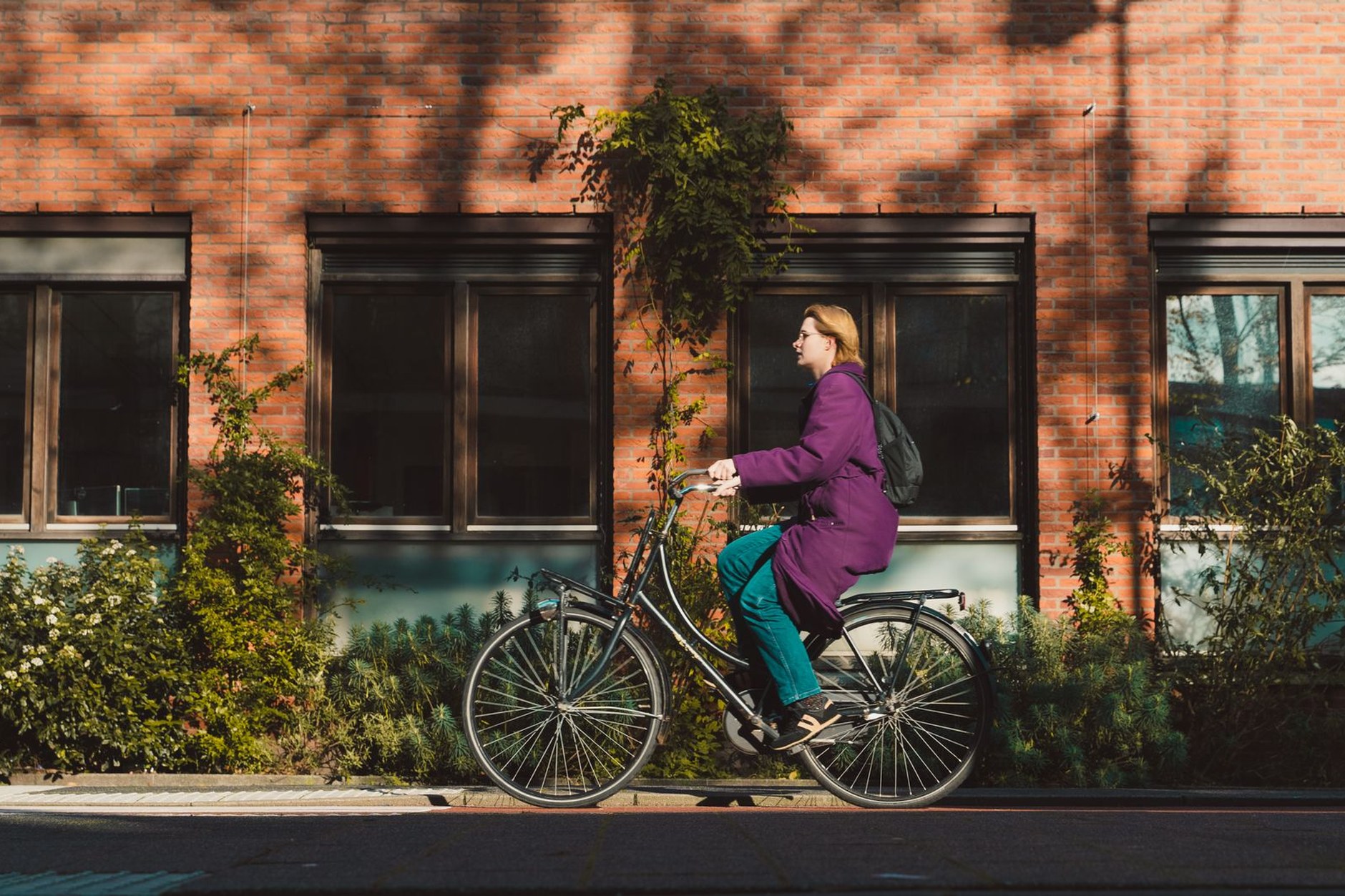
Cycling is not merely a leisure pursuit in the Netherlands; it is the dominant mode of everyday transit. Cities feature dedicated, smooth red-asphalt bike paths (fietspaden) with their own traffic signals, grade-separated bridges, and priority right-of-way over motorized traffic. Renting a city bike for $13.56 to $16.95 per day in Utrecht or Amsterdam allows you to navigate the canals just like a local, provided you strictly observe right-of-way conventions and signal hand turns clearly.
Stage 1: Amsterdam’s Canal Rings and Golden Age Art (Days 1–3)
Arriving at Amsterdam Airport Schiphol (AMS), bypass the taxi ranks and head directly down the escalators beneath the central terminal plaza to the railway platforms. Direct NS Intercity trains whisk you to Amsterdam Centraal in just 14 minutes. Base yourself in the picturesque, residential quarter of The Jordaan—characterized by narrow 17th-century canal houses, independent boutiques, and quiet courtyard gardens (hofjes)—or in the vibrant southern neighborhood of De Pijp, just steps from the Museumplein cultural sanctuary.
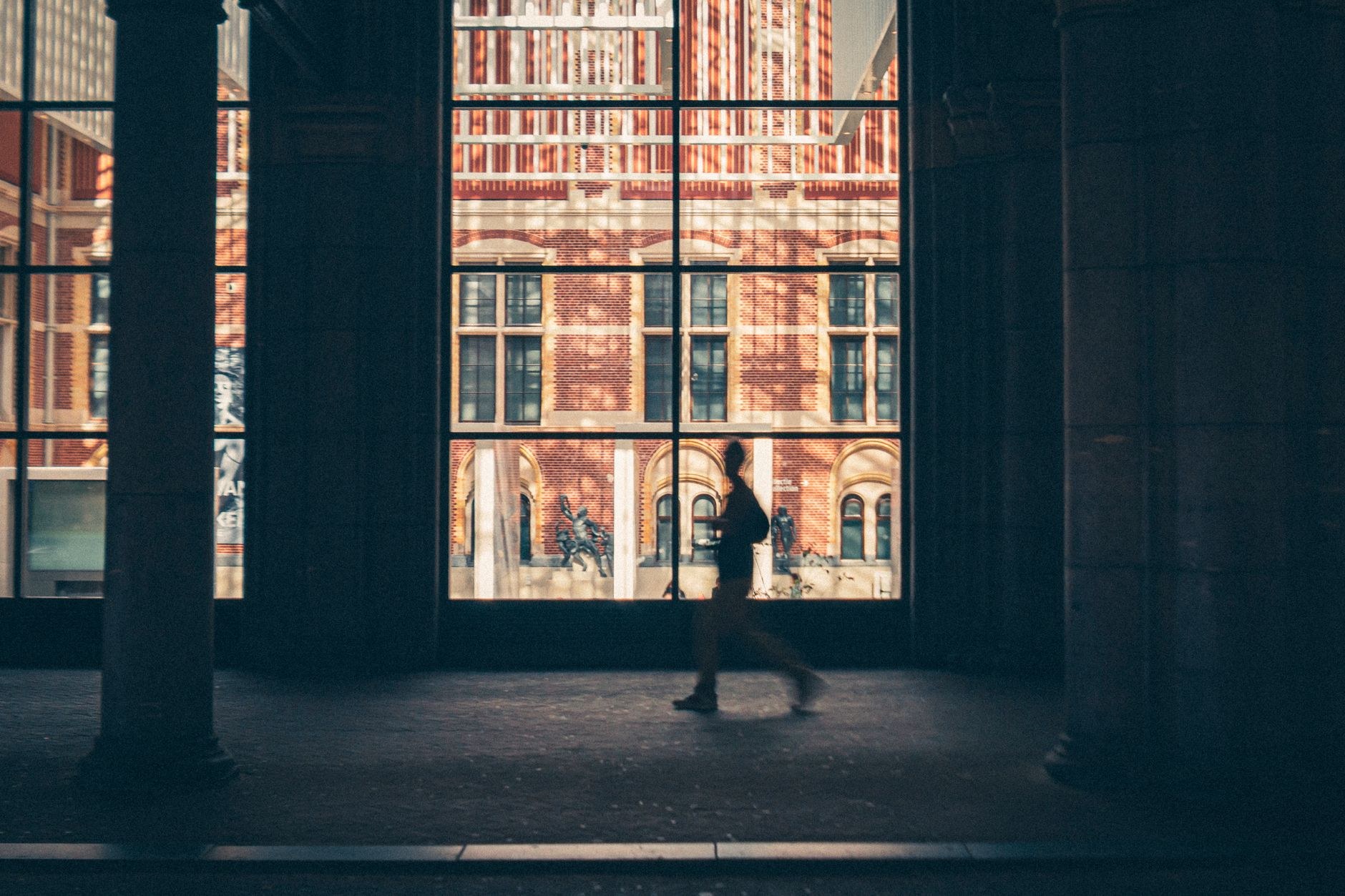
Dedicate Day 2 to world-class art and historical heritage. Begin early at the monumental Rijksmuseum, marveling at the colossal scale and dramatic chiaroscuro of Rembrandt’s The Night Watch in the Gallery of Honour, along with Johannes Vermeer’s intimate domestic portraits like The Milkmaid. Cross Museumplein to the nearby Van Gogh Museum to trace the painter’s dramatic artistic evolution through 200 paintings and 500 drawings, from dark early peasant studies to vivid Arles sunbursts. In the late afternoon, walk along the tranquil tree-lined waters of the Prinsengracht to visit the secret annex of the Anne Frank House, an unforgettable encounter with wartime resilience that requires booking several weeks in advance.
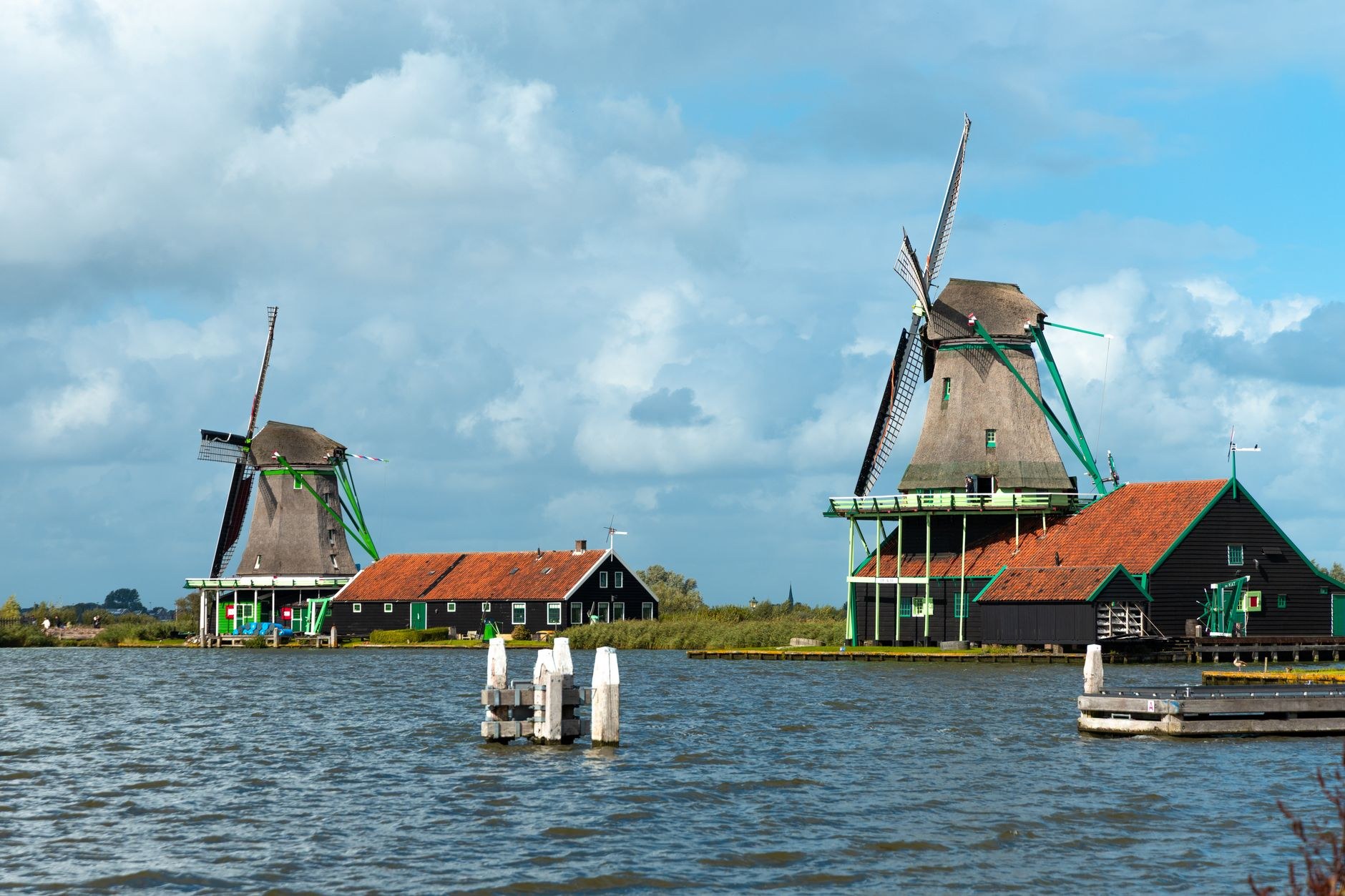
On Day 3, take a swift 17-minute regional train north to Zaanse Schans. This open-air conservation area along the Zaan River preserves an authentic slice of 18th- and 19th-century industrial Dutch life. Walk along the riverbank path past historic wooden windmills that still crush oilseeds, grind natural pigments, and saw timber using wind power alone. Visit an active clogmaker’s workshop to watch craftsman carve traditional wooden shoes from raw willow blocks in minutes, and sample aged farmer’s cheeses before boarding the return train to Amsterdam.
In the evening, take the free municipal GVB ferry from behind Centraal Station across the IJ River to Amsterdam-Noord. Dine at one of the repurposed industrial warehouses in the NDSM Wharf district, watching the maritime cargo traffic cruise past before packing your bags for the short train hop to Utrecht.
Stage 2: Utrecht Base & The Grand Split-Level Wharves (Day 4)
On Day 4, roll your luggage to Amsterdam Centraal and board any direct NS Intercity train heading south. In just 26 minutes, you arrive at Utrecht Centraal, the modern transportation hub of the Netherlands. Step out into Utrecht’s historic core, which offers all the picturesque charm of Amsterdam’s 17th-century canal architecture with a fraction of the commercial tourist congestion and a youthful, creative energy driven by its historic university.
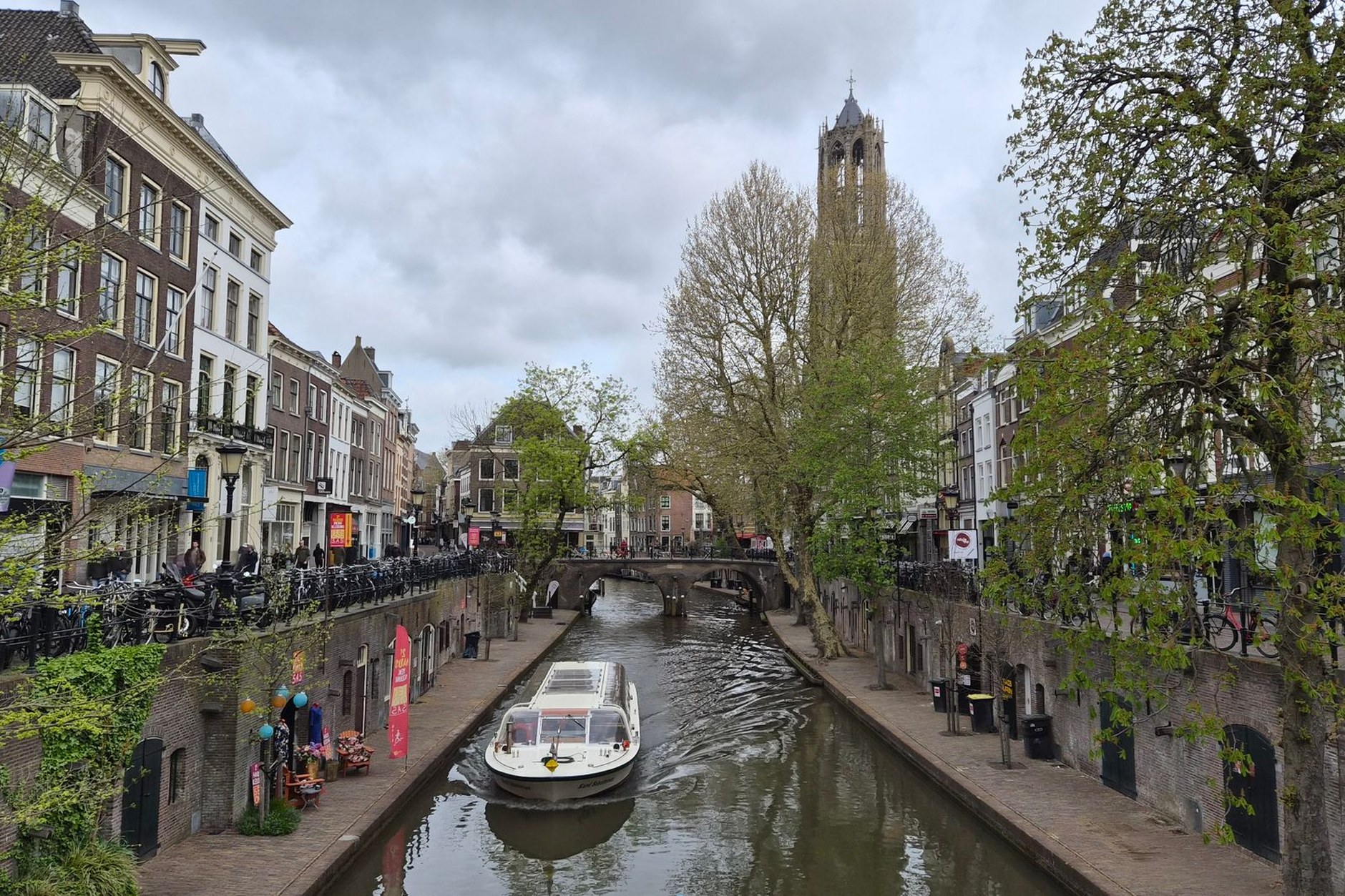
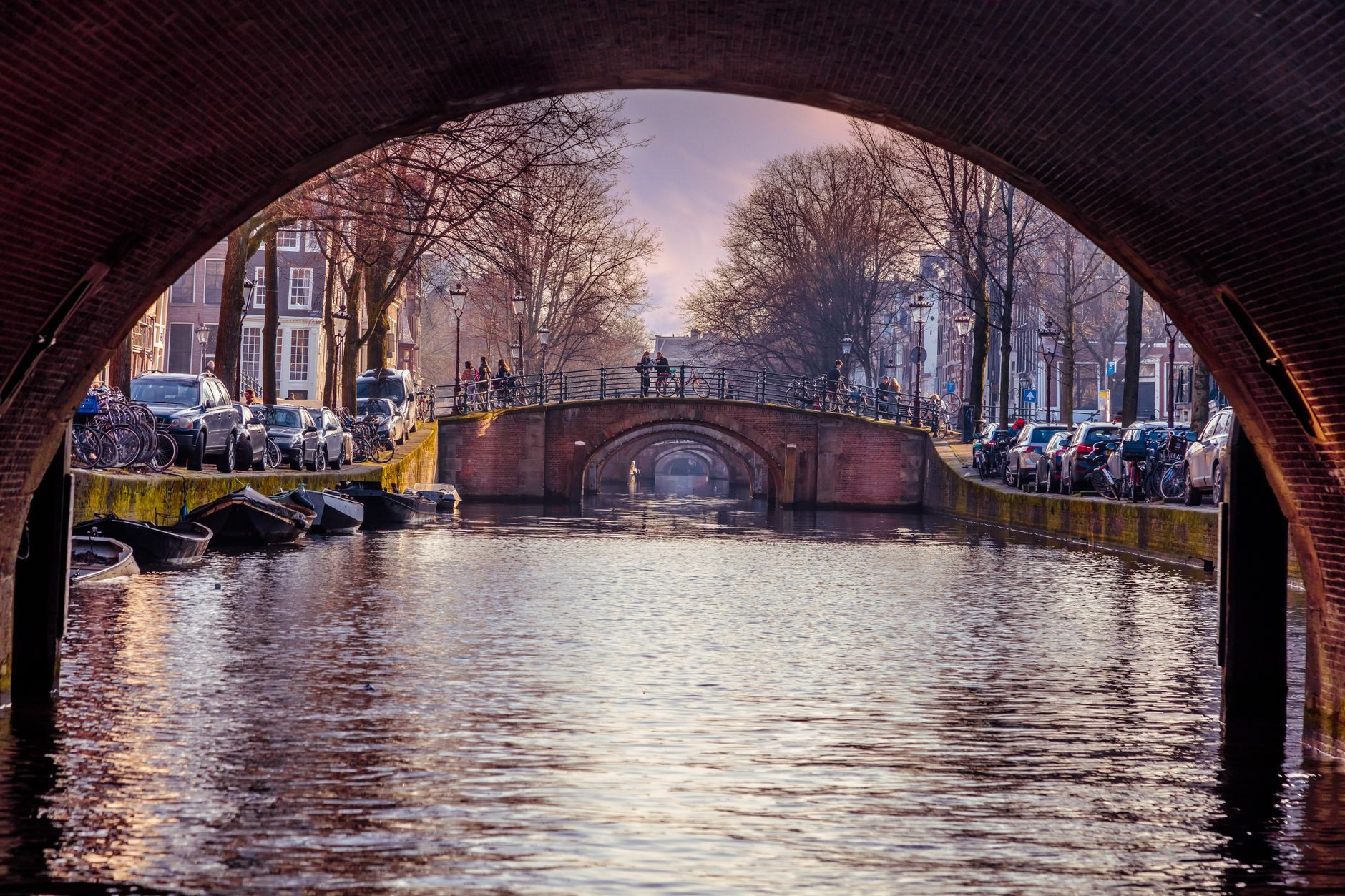
Check into a boutique hotel along the Oudegracht (Old Canal). Utrecht’s defining architectural glory is its unique two-tiered canal system: built during the 13th century, vaulted storage cellars were carved below street level to allow cargo boats to unload goods directly into merchant warehouses. Today, these cobblestone lower wharves have transformed into sun-drenched outdoor cafe terraces, craft beer pubs, and tapas cellars sitting right at the water’s edge.
Climb the 465 stone spiral steps of the Dom Tower (Domtoren), the tallest medieval church tower in the Netherlands (112 meters). On a clear day, the summit observation balcony delivers vistas stretching across the low country all the way to Amsterdam and Rotterdam. In the afternoon, rent an electric whisper-boat or kayak to paddle around the historic city moat (Stadsbuitengracht), or visit the UNESCO-listed Rietveld Schröder House, a radical 1924 architectural masterwork of primary colors and sliding interior walls that gave birth to the modern De Stijl movement.
Spend your evening dining at wharf level along the Oudegracht. Watch rowing sculls glide silently past as candle lanterns illuminate the medieval brick vaults, enjoying craft Dutch cider and locally brewed beers without the persistent crowds that characterize Amsterdam dining.
Stage 3: Rotterdam Modernism & Royal Delft (Days 5–7)
Because you are based in Utrecht, Day 5 begins with a stress-free 38-minute Intercity rail sprint into Rotterdam Centraal. Obliterated by wartime aerial bombardment in May 1940, Rotterdam made the audacious decision not to rebuild a replica of its past, but to reinvent itself as Europe’s boldest architectural laboratory. Step out into a dynamic metropolis of glass towers, innovative bridges, and cutting-edge public spaces that contrasts completely with the historic canal towns to the north.
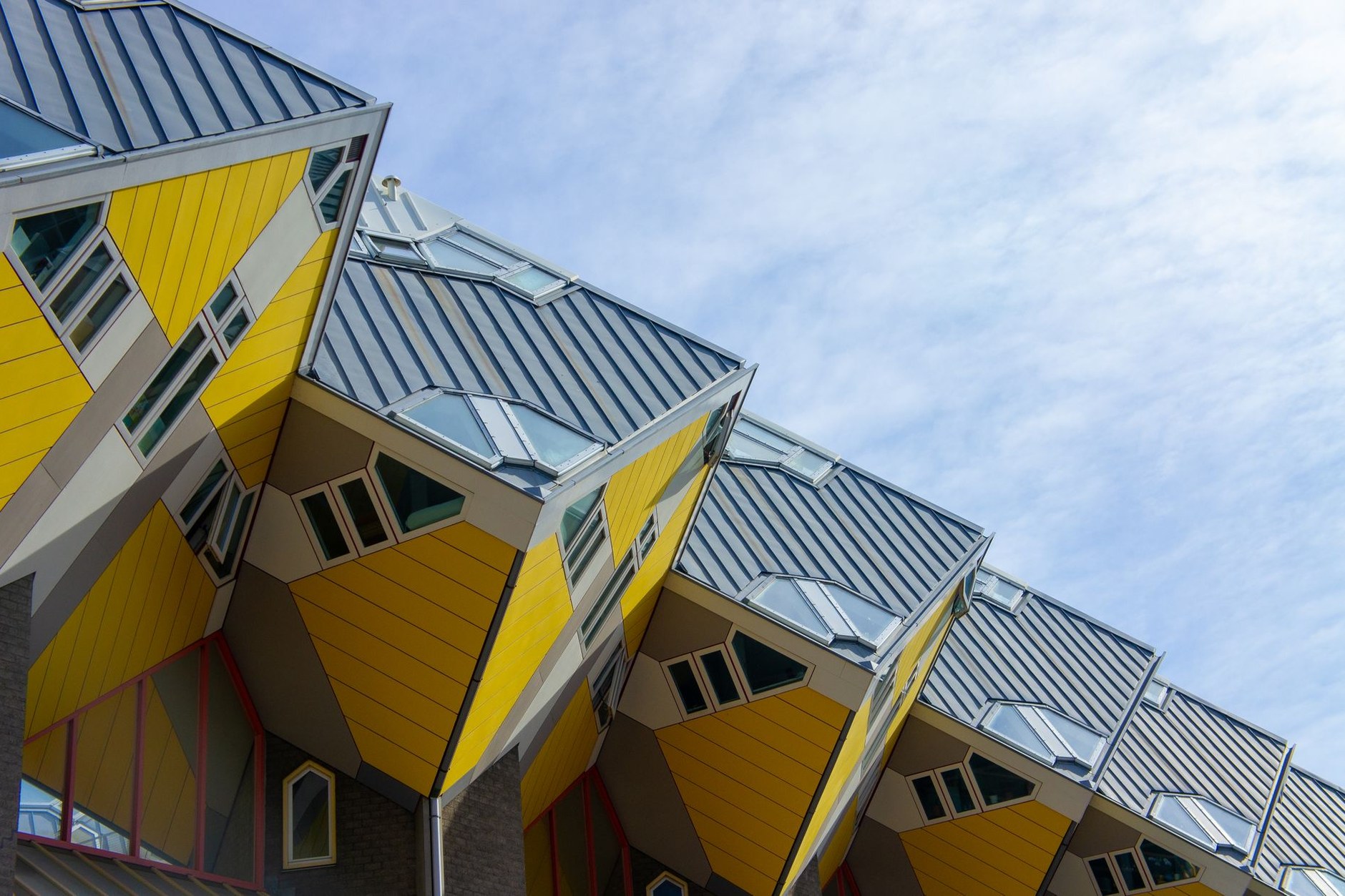
Walk through architect Piet Blom’s surreal Cube Houses (Kubuswoningen), where forty bright yellow residential cubes tilt precariously at 45-degree angles on concrete pylons. Step next door into the colossal Markthal, an arched residential and market hall whose interior ceiling features an 11,000-square-meter digital mural titled The Horn of Plenty, filled with vibrant fruits and flowers. Stroll across the soaring cable-stayed Erasmus Bridge, nicknamed “The Swan” by locals, to tour the converted warehouse docks of the Kop van Zuid maritime quarter.
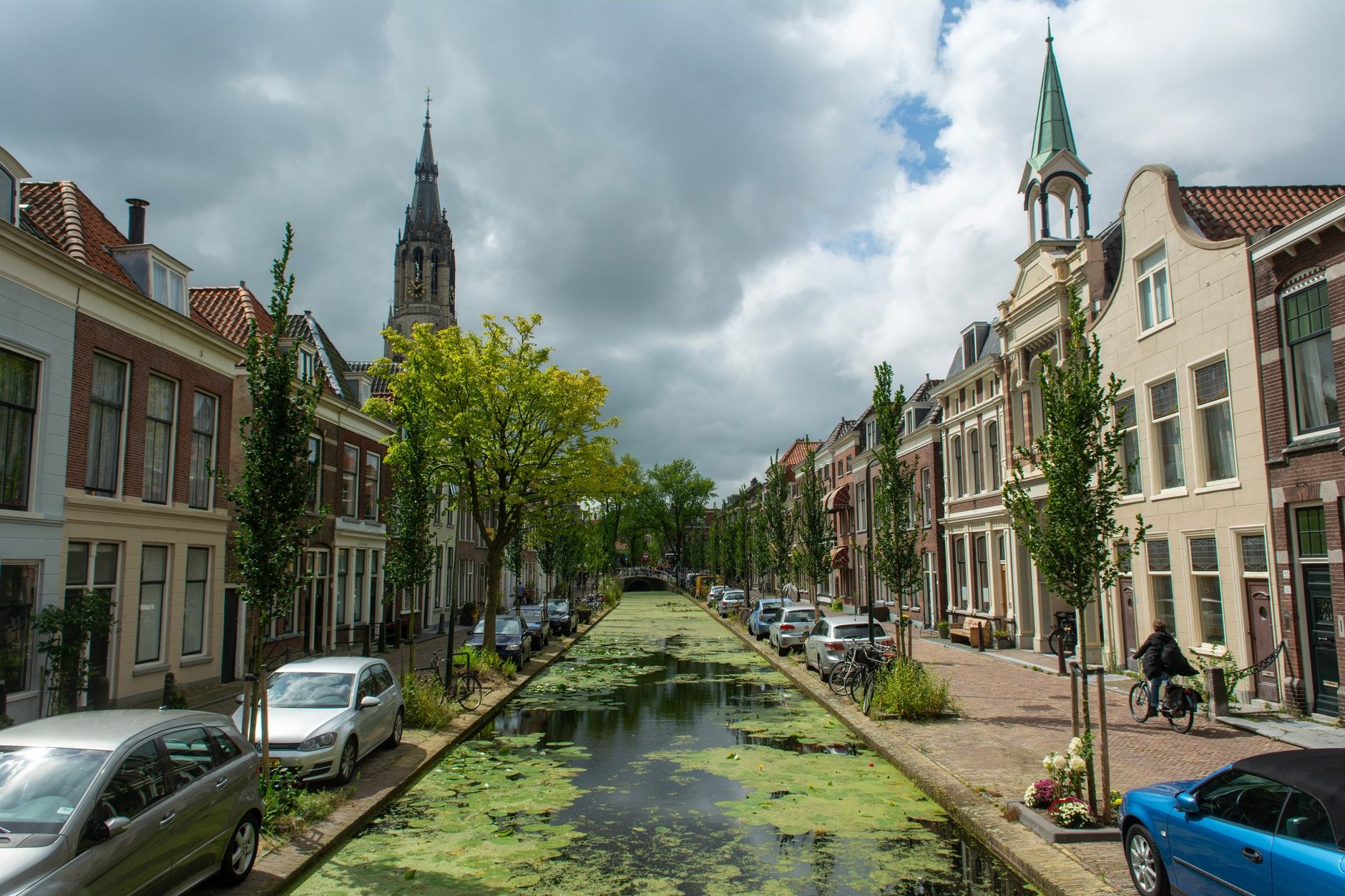
On Day 6, take a swift 14-minute train from Rotterdam to Delft, the serene, brick-paved hometown of painter Johannes Vermeer. Stroll past quiet leafy canals lined with weeping willows to visit the Royal Delft (Koninklijke Porceleyne Fles) factory, the sole surviving 17th-century manufacturer of world-famous handmade Delft Blue earthenware. Afterward, hop back on the train for an easy 12-minute hop into The Hague (Den Haag), the seat of the Dutch parliament and royal family.
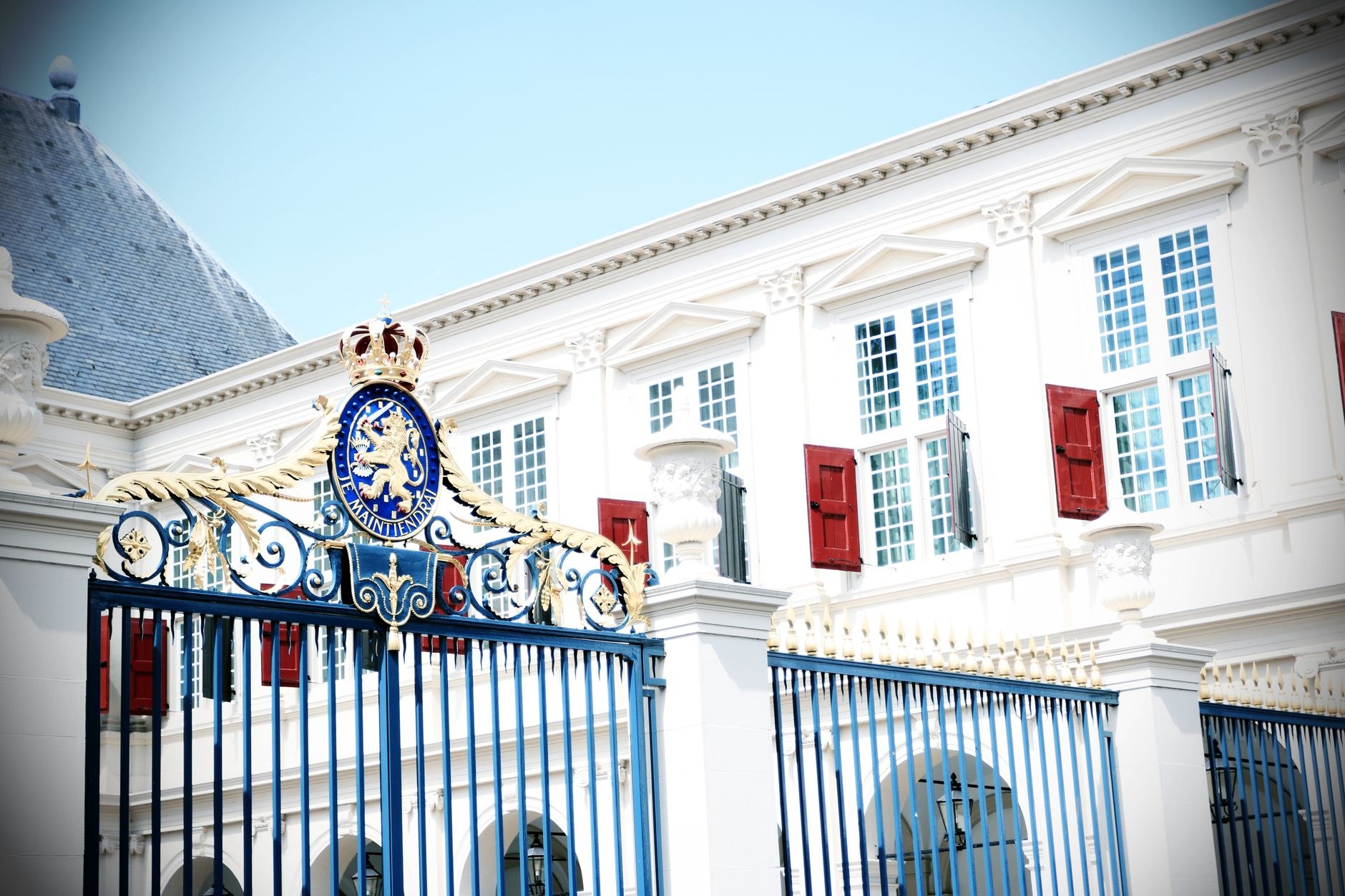
In The Hague, tour the historic Binnenhof, the oldest parliament building in the world still in active use, and admire Vermeer’s mesmerizing Girl with a Pearl Earring at the Mauritshuis royal art gallery. Continue via tram to the stately Peace Palace (Vredespaleis), the neoclassical seat of the United Nations International Court of Justice.
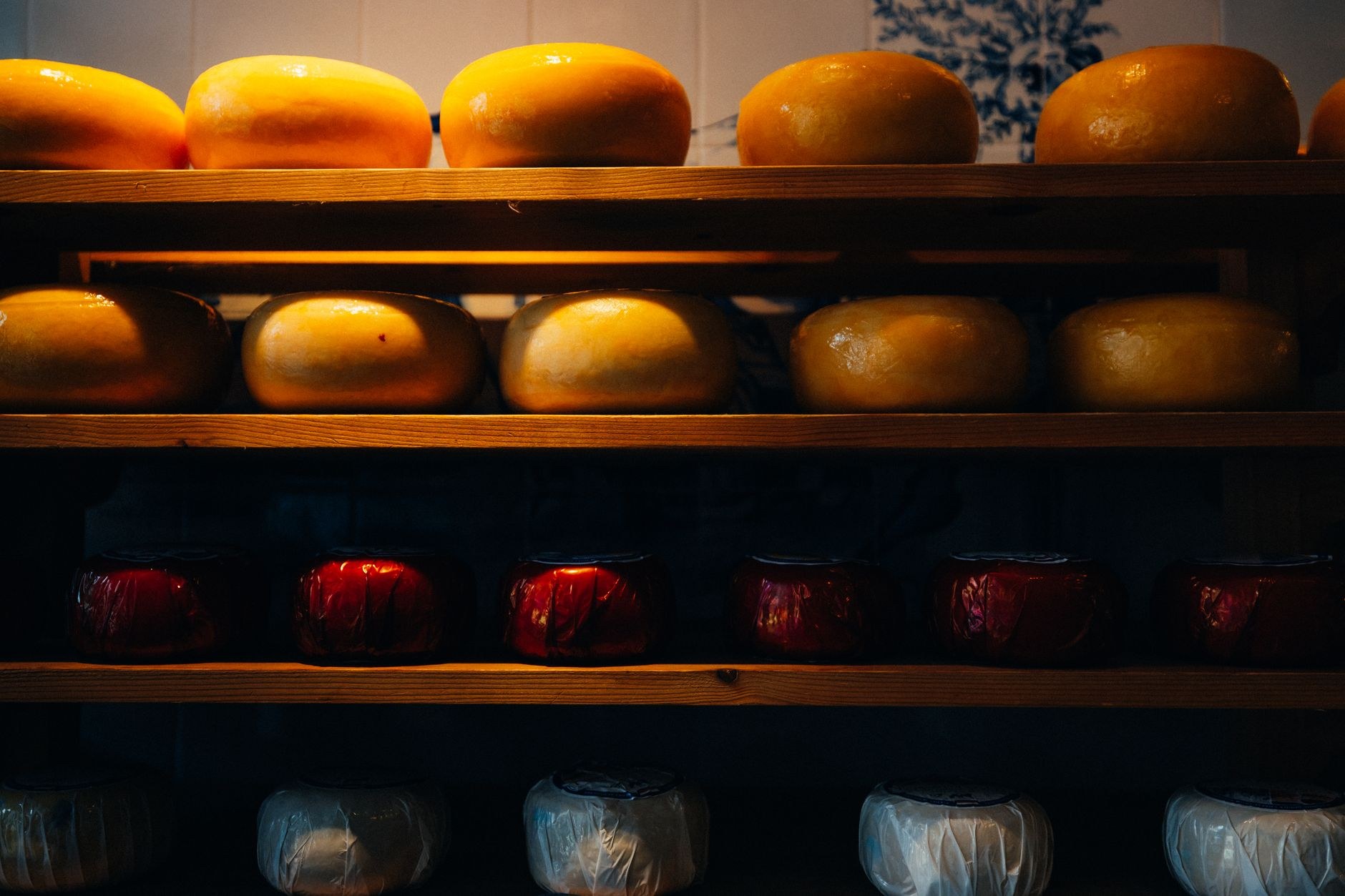
On your final morning in Utrecht, explore the lively outdoor market at Vredenburg. Watch artisan bakers roll and press warm, cinnamon-spiced stroopwafels on cast-iron irons, sandwiching rich dark caramel between thin waffle wafers, and sample sharp farmhouse Gouda cheeses before boarding your direct 29-minute Intercity train back to Schiphol Airport for your homeward flight.
The beauty of this rail-connected hub strategy is its utter reliability. Because Dutch trains operate with subway-like frequency from early morning until past midnight, you never experience the anxiety of missing a once-a-day regional bus connection or being trapped in highway congestion.
Street Smarts: Tourist Scams, Red Light Bans & Cashless Realities in the Netherlands
While the Netherlands is one of the safest countries in the world, strict urban cycling conventions, municipal nuisance ordinances, and unique digital payment rules catch thousands of unsuspecting visitors out every week. Protect your travel budget and personal safety with these verified practical rules:
- The Dedicated Bike Lane Collision Trap (Fietspad Priority): In Dutch cities, red-asphalt bicycle lanes (fietspaden) are not leisurely pedestrian footpaths; they are high-speed commuter highways. Commuter cyclists and electric cargo bikes travel at 25 to 35 km/h and will not stop for tourists stepping backwards into the lane to take photos. If you hear a sharp bicycle bell ring (ting-ting!), do not freeze or jump; immediately step sideways onto the sidewalk pavement. Wandering into bicycle corridors is the number one cause of tourist injuries in Amsterdam.
- The Fake Train Ticket Inspector at Amsterdam Centraal & Schiphol: Around ticket vending machines and station platforms at Amsterdam Centraal and Schiphol Airport, neatly dressed individuals wearing lanyard badges approach confused foreign travelers offering to “help validate” tickets or claiming their OVpay tap failed. Once they inspect your card or phone, they attempt to divert your attention while an accomplice lifts personal belongings, or claim you owe an immediate “cash administrative fee.” Legitimate NS train conductors wear official blue uniforms with gold insignias and conduct fare checks exclusively inside train carriages, never hovering at platform gates demanding cash.
- The Non-Flowering Wooden Tulip Bulb Souvenir Scam (Customs Confiscation): Shops around Amsterdam’s floating flower market (Bloemenmarkt) and tourist souvenir alleys sell colorful mesh bags of tulip bulbs claiming they are “certified for export.” Many of these packaged bulbs are either diseased, dead rejects, or lack the genuine phytosanitary customs seal required by international agricultural authorities. If you pack uncertified bulbs into your luggage, customs officers at US, Canadian, and Australian borders will confiscate and incinerate them, and may levy agricultural fines. Buy bulbs exclusively from licensed growers with a verified, stamped certificate for export.
- The Completely Cashless Reality (Pinnen Alleen): The Netherlands has rapidly transitioned into an almost entirely cashless economy. Hundreds of supermarkets (such as Albert Heijn), tram ticket windows, bakeries, cafes, and museum ticket counters display prominent signs reading “Pinnen Alleen” (Card/PIN Only) and legally refuse physical paper euros or coins. Furthermore, smaller shops frequently accept only Maestro or V-Pay debit cards and reject foreign Visa or Mastercard credit cards without an offline 4-digit PIN. Always have a contactless smartphone payment method or a physical debit card with a 4-digit PIN ready. Never use yellow Euronet ATMs on Amsterdam shopping streets, which charge 15%+ currency exchange markups; use ATMs inside ABN AMRO or ING bank lobbies.
- The Overpriced Canal Tour Touts & “Free” Walking Tour Hustles: Touts stationed on Damrak in front of Centraal Station aggressively push $28.25 to $39.54 motorized canal tours that pack 80 passengers onto enclosed diesel canal boats with poor sightlines and generic automated audio guides. Instead, book an open-air electric boat tour through independent eco-operators, or rent an electric whisper-boat in Utrecht to pilot yourself along the wharves for less than the cost of two commercial tickets. On walking tours advertised as “free,” guides will aggressively guilt-trip participants at the conclusion for mandatory $16.95 to $22.60 tips per person.
- The Red Light District Photography Penalties ($158.17 Fines) & Street Drug Hustlers: Under Amsterdam municipal regulations, it is strictly prohibited to photograph or film sex workers in their windows in De Wallen (Red Light District). Doing so will result in immediate verbal confrontation, camera confiscation by local security, or an on-the-spot police citation of $158.17. Furthermore, aggressive street dealers operating along Oudezijds Achterburgwal and Dam Square approach tourists whispering “Coke, ecstasy, weed.” The substances they sell are uniformly fake—often crushed paracetamol, baking soda, or dangerous laundry detergent—designed to rip off gullible travelers. Ignore them completely; police regularly monitor these corners.
Adhering to these practical conventions guarantees that you will be treated with warmth by Dutch locals, who deeply value mutual respect, orderly civic flow, and responsible cultural behavior.
Staying Connected Across the Netherlands
Seamless cellular connectivity is indispensable when navigating the Dutch rail network. The official 9292 multimodal transit app, NS train monitor, and OVpay digital card trackers all require continuous mobile data to display live platform transfers, unexpected track alterations, and real-time transit charges. Having high-speed data allows you to navigate Utrecht’s split-level wharf alleys, summon Uber rides when cycling in rain, and book last-minute museum entry passes with complete convenience.
The Netherlands possesses one of the world’s most advanced telecommunications networks, anchored by premier tier-one carriers: KPN and Vodafone Netherlands. KPN and Vodafone deliver ultra-fast 5G connectivity across the entire Randstad megalopolis—from Amsterdam through Utrecht, Rotterdam, and The Hague—with zero dead zones along the Intercity rail arteries. While purchasing a physical plastic SIM card requires waiting in line at Schiphol retail counters and swapping out your domestic card, an instant digital eSIM provides instant connectivity the moment you step off your flight.
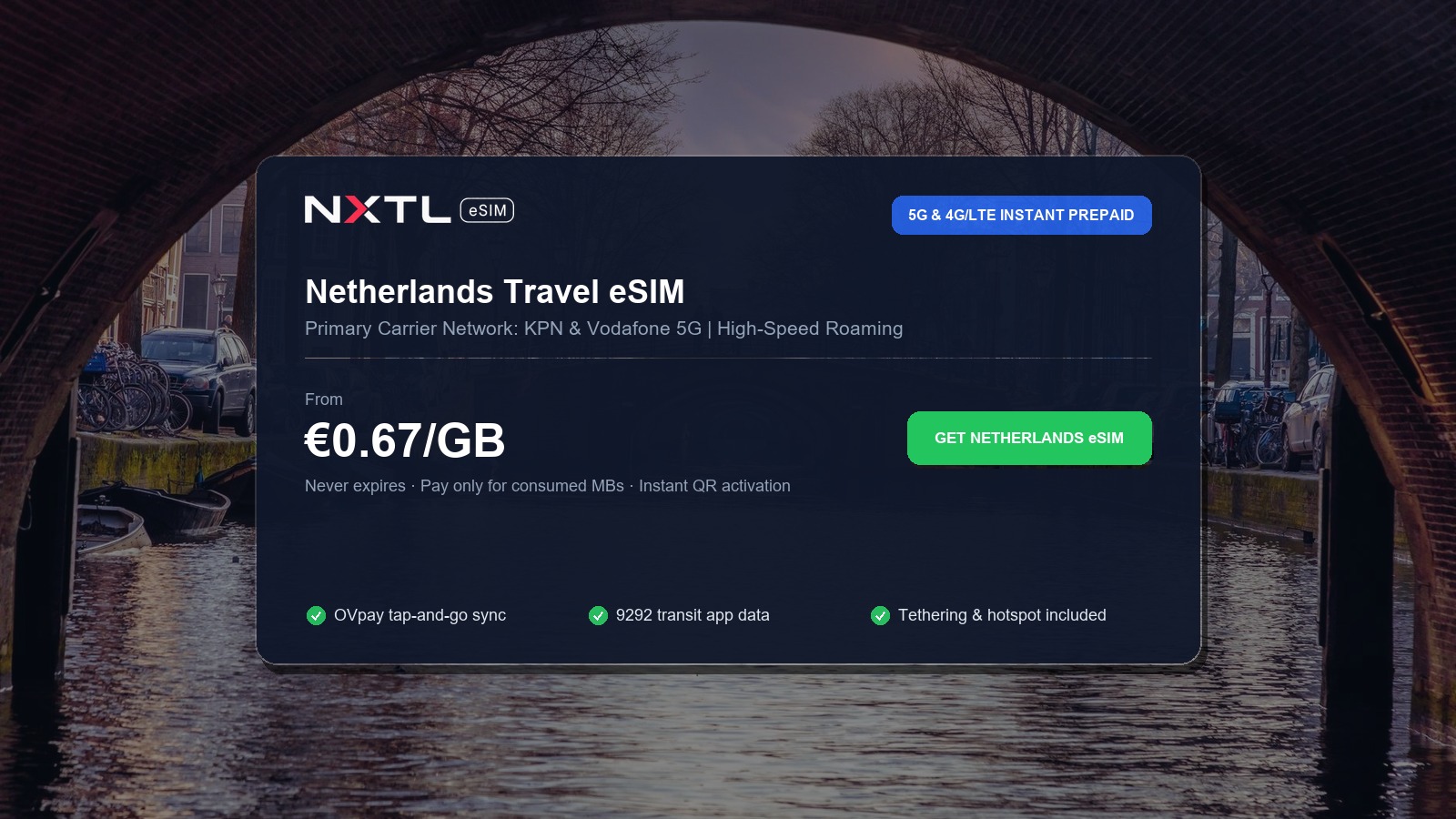
The most flexible and economical solution is an NXTL Netherlands travel eSIM. You connect directly to tier-one KPN and Vodafone networks at verified, transparent prepaid rates starting from just $0.76 per gigabyte. There is no physical SIM card swap, no contracts, and your balance never expires: you pay only for the exact megabytes you consume. Here is an estimated breakdown of mobile data needs for a 7-day Dutch itinerary:
| Travel Style & Usage Profile | Daily Online Activities | 7-Day Total Bandwidth | Estimated Data Cost (@ $0.76/GB) |
|---|---|---|---|
| Light Navigator (Transit schedules & maps) |
9292 transit routing, NS train tracking, OVpay contactless expense verification, Google Maps pedestrian directions | 2 GB – 4 GB | $1.51 – $3.03 |
| Balanced Explorer (Social sharing & reservations) |
All navigation, museum audio streaming, social media uploads, restaurant bookings, WhatsApp audio calls | 5 GB – 8 GB | $3.78 – $6.06 |
| Heavy Digital Nomad (Remote work & tethering) |
Laptop tethering on Intercity trains, high-definition video calls, cloud photo backups, YouTube/Spotify streaming | 10 GB – 15 GB | $7.57 – $11.35 |
Install your NXTL eSIM profile on your phone prior to boarding your flight. When your plane touches down on the runway at Amsterdam Airport Schiphol, activate your data line to check live train departures to Amsterdam or Utrecht before you even retrieve your bags from the carousel.
Trip Variations: Adjusting for Time and Interests
If You Have Only 4 or 5 Days
If you have less than a week, simplify the itinerary by basing yourself entirely in Amsterdam for two nights and Utrecht for two nights. Cut the day trips to Rotterdam and The Hague, and spend your time exploring the Jordaan canals, the Rijksmuseum, and Utrecht’s split-level Oudegracht wharves. This preserves an unhurried, rich cultural rhythm without overloading your travel days.
If You Have 10 to 12 Days
With an extra four to five days, you can expand this journey beyond the western urban corridor. Add two nights in Groningen, the vibrant, bicycle-dominated cultural capital of the north, and spend a day cycling across the windswept coastal dunes of Texel Island in the Wadden Sea. Alternatively, head east to Hoge Veluwe National Park to ride free white bicycles through heather moors and visit the Kröller-Müller Museum, home to the world’s second-largest collection of Van Gogh masterworks.
Best Times to Visit
Spring (mid-April to mid-May) is peak season for tulip blooms in Lisse and Keukenhof, with vibrant green countryside and moderate crowds. Summer (June to August) brings long daylight until 22:00, lively outdoor terrace dining along canal wharves, and open-air festival culture. Autumn (September to October) is ideal for art aficionados, offering quiet museum galleries, crisp weather, and golden canal reflections without long ticket queues.