Taiwan packs more cultural diversity, culinary genius, and dramatic mountain geography into a compact island than almost anywhere in East Asia. Yet first-time visitors frequently make the mistake of attempting an exhausting clockwise highway loop around the entire island in seven days. Rushing across steep eastern coastal mountains to combine Taipei, Taroko Gorge, Taitung, Kenting, and Sun Moon Lake leaves you trapped on long bus rides and vulnerable to severe mountain road landslides triggered by earthquakes and heavy subtropical rains.
The vastly superior, highly efficient strategy is to anchor your first trip to Taiwan’s world-class Western Rail Corridor. Powered by the Japanese Shinkansen-derived Taiwan High Speed Rail (THSR) cruising at 300 km/h (186 mph), you can travel from Taipei at the northern tip of the island to Kaohsiung on the southern tropical coast in just 94 minutes. This realistic 8-day itinerary connects three distinct cultural worlds: four nights in the futuristic metropolis of Taipei, two nights in the ancient temple and culinary heartland of Tainan, and two nights in the vibrant maritime art capital of Kaohsiung. Every transit leg is effortless, freeing you to focus entirely on legendary night markets, tea culture, and historic architecture.
| Day / Stage | Overnight Base | Key Highlights | Transit & Travel Time | Essential Advance Bookings | What to Skip / Save |
|---|---|---|---|---|---|
| Days 1–4: Stage 1 | Taipei (Zhongzheng or Da’an) | Chiang Kai-shek Memorial Hall, Longshan Temple, Elephant Mountain sunset over Taipei 101, National Palace Museum, Jiufen Old Street lantern alleys | Taoyuan Airport to Taipei Main Station: 35 min via Airport MRT Express; City transit via Metro Taipei (MRT) | Physical EasyCard (Yo-Yo Card) purchase at airport MRT; Taipei 101 Observatory timed ticket; Jiufen 965 bus time slots | Skip unmetered yellow street taxis during rush hour; the Taipei MRT is exceptionally fast, pristine, and cheap |
| Days 5–6: Stage 2 | Tainan (West Central District) | Chihkan Tower (Fort Provintia), Confucius Temple, Anping Old Fort, Shennong Street heritage lanterns, legendary street food stalls | Taipei Main Station to Tainan HSR: 1 hr 45 min via direct THSR train + 20 min local Shalun rail connection to downtown | THSR Early Bird ticket (book up to 28 days ahead for up to 35% discount); boutique heritage guesthouse in Tainan | Skip sit-down luxury dining; Tainan’s culinary glory lives at open-air morning stalls (beef soup, danzai noodles) |
| Days 7–8: Stage 3 | Kaohsiung (Yancheng or Cianjin) | Pier-2 Art Center industrial docks, Dragon and Tiger Pagodas at Lotus Pond, Cijin Island ferry and lighthouse, Liuhe Night Market | Tainan Station to Kaohsiung Station: 32 min via local TRA express train (no HSR needed for this short hop) | Cijin Island public ferry (tap EasyCard directly at turnstile); Great Harbor Bridge swing viewing schedule | Skip expensive private taxis in Kaohsiung; the city’s modern Light Rail (LRT) loops directly along the harbor |
Why the Western Rail Corridor Is the Superior First-Time Route
This 8-day journey is designed for independent travelers, food lovers, and cultural explorers who want to experience the authentic pulse of Taiwan with effortless transit. Taiwan is one of the most welcoming and civilized societies on earth, boasting virtually zero street crime, world-renowned hospitality, and public transit systems operating with flawless Japanese-style punctuality. Visiting between October and April offers ideal conditions: pleasant subtropical weather (20°C to 26°C), lower humidity, and minimal rainfall. Summer (June to August) brings intense tropical heat and typhoon season, which can disrupt coastal rail services.
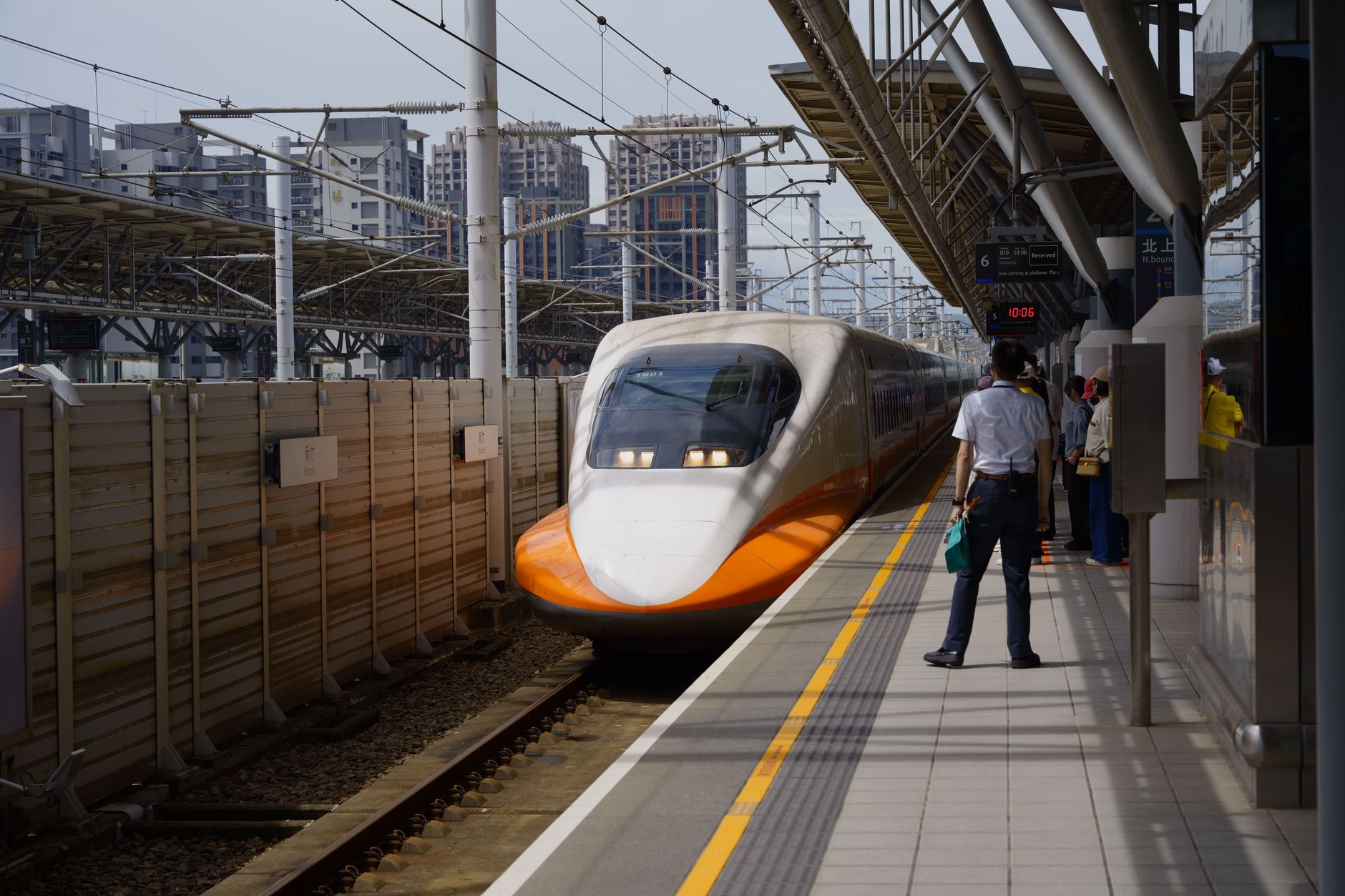
The technological backbone of this journey is the Taiwan High Speed Rail (THSR), which operates sleek 700T series bullet trains based on the Japanese Shinkansen. Departing from Taipei Main Station, trains run up to every 10 to 15 minutes during peak hours, slicing through the central fertile plains of the island at 300 km/h. Booking tickets up to 28 days in advance through the official THSR app or website secures “Early Bird” discounts of up to 35% off standard fares.
Upon landing at Taoyuan International Airport (TPE), buy a physical EasyCard (悠遊卡 – Yoyo Card) at the Airport MRT service counter. This contactless IC card serves as the master key to Taiwanese transit: it pays for all metro lines (Taipei MRT, Kaohsiung MRT), regional TRA commuter trains, city buses, harbor ferries, YouBike bicycle rentals, and can even be tapped for purchases at over 10,000 convenience stores across the island.
Download two indispensable navigation apps before your trip: Google Maps (which has peerless transit data across Taiwan, including bus arrival times down to the minute) and Taiwan HSR for digital bullet train ticketing and seat selection.
Stage 1: Taipei’s Urban Energy, Temples, and Green Ridges (Days 1–4)
Arriving at Taoyuan Airport, follow signs to the Taoyuan Airport MRT. Board the purple Express Train, which whisks you directly into Taipei Main Station in just 35 minutes. Base yourself in the central district of Zhongzheng near the main transport hub, or in the relaxed, leafy university district of Da’an, steps from Da’an Forest Park and the original Din Tai Fung dumpling shop on Xinyi Road.
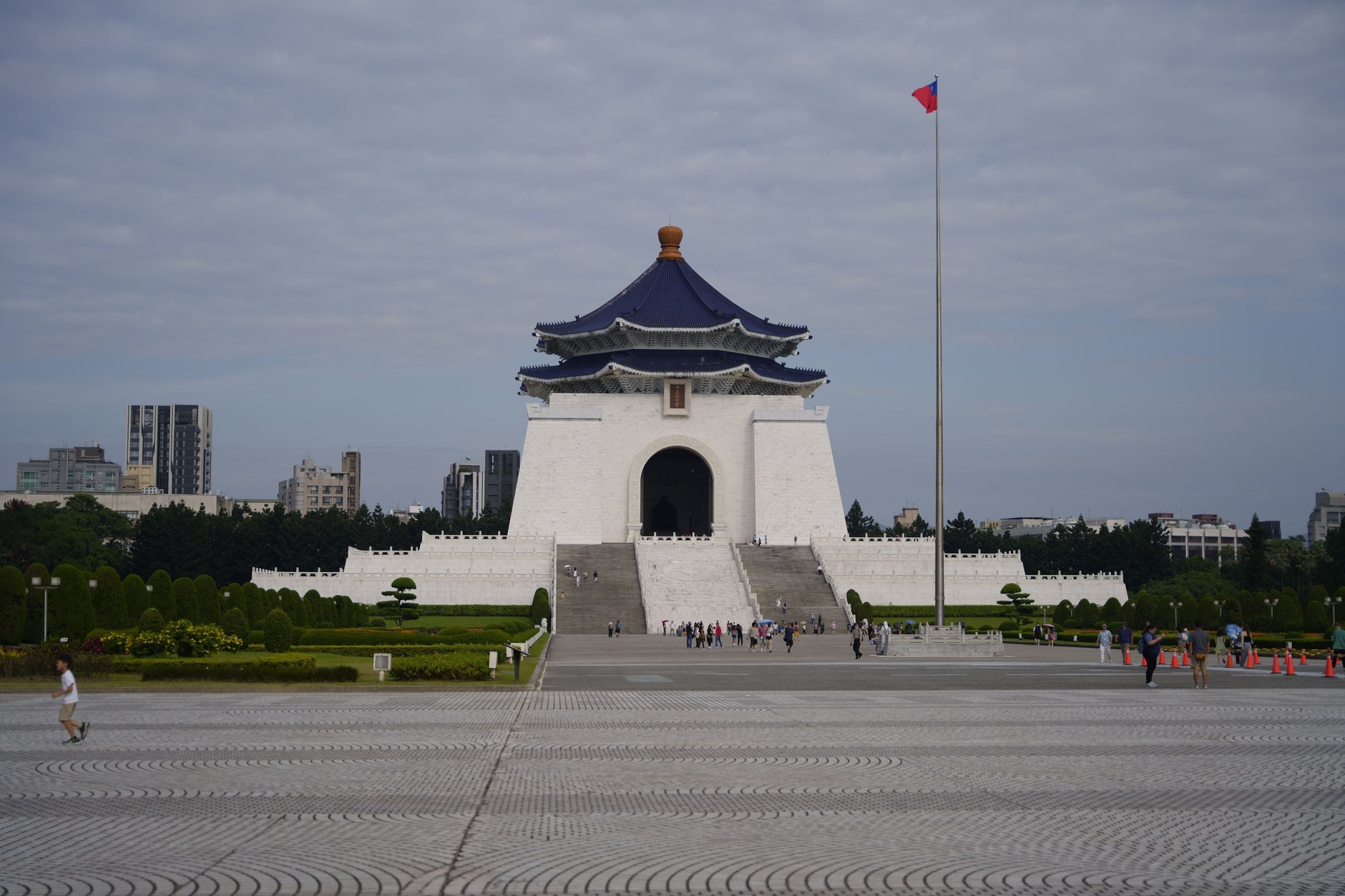
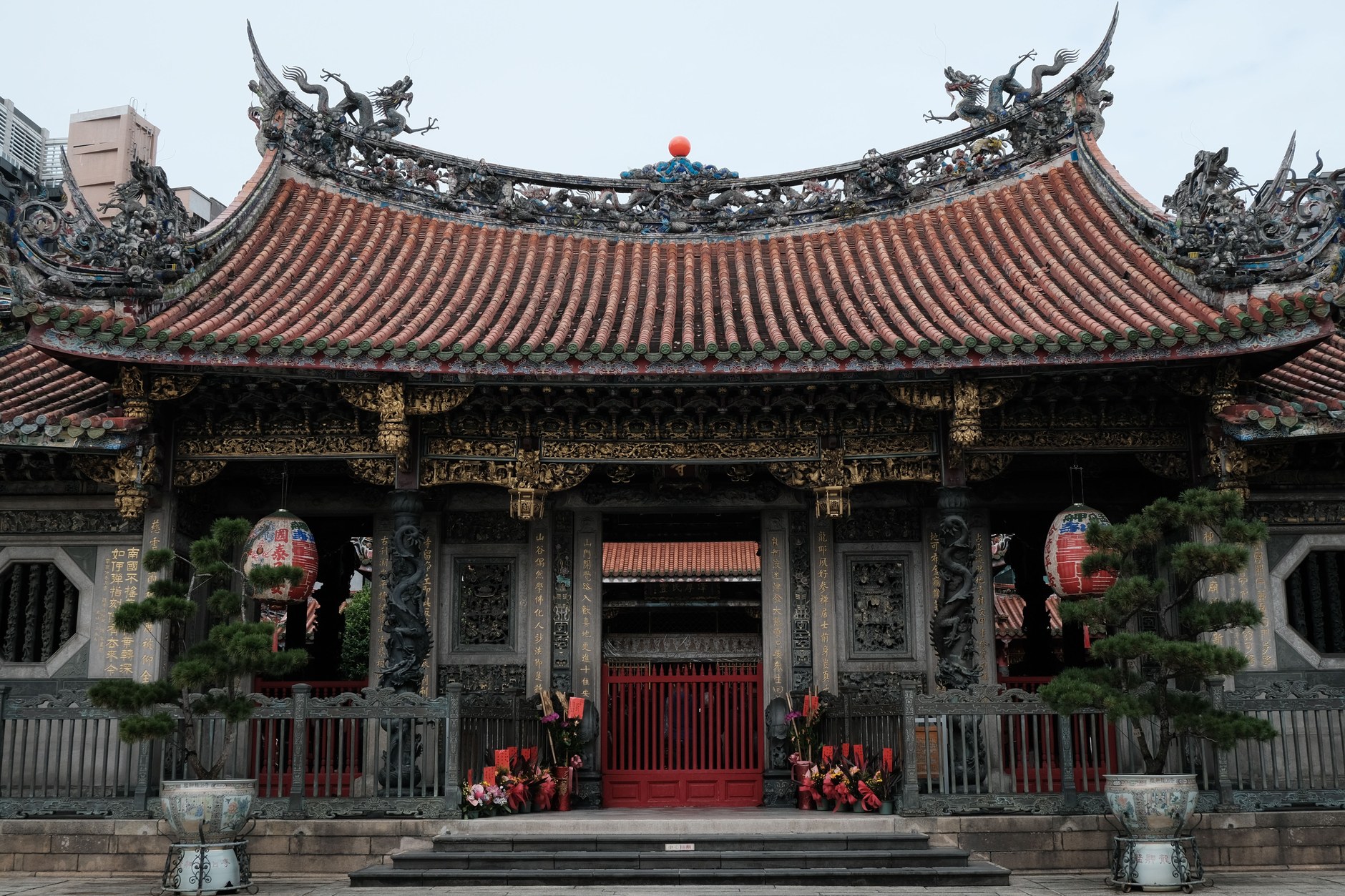
Dedicate Day 2 to Taipei’s defining historical and religious sanctuaries. Begin at the monumental Chiang Kai-shek Memorial Hall on Liberty Square, watching the ceremonial changing of the honor guard beneath the octagonal blue-tile roof. Stroll to Longshan Temple (龍山寺) in the historic Wanhua district. Built in 1738, this vibrant center of folk religion blends Buddhist, Taoist, and local deity worship; watch devotees light incense sticks, toss crescent-shaped wooden divination blocks (jiaobei), and chant prayers under ornate roofs carved with soaring ceramic dragons.
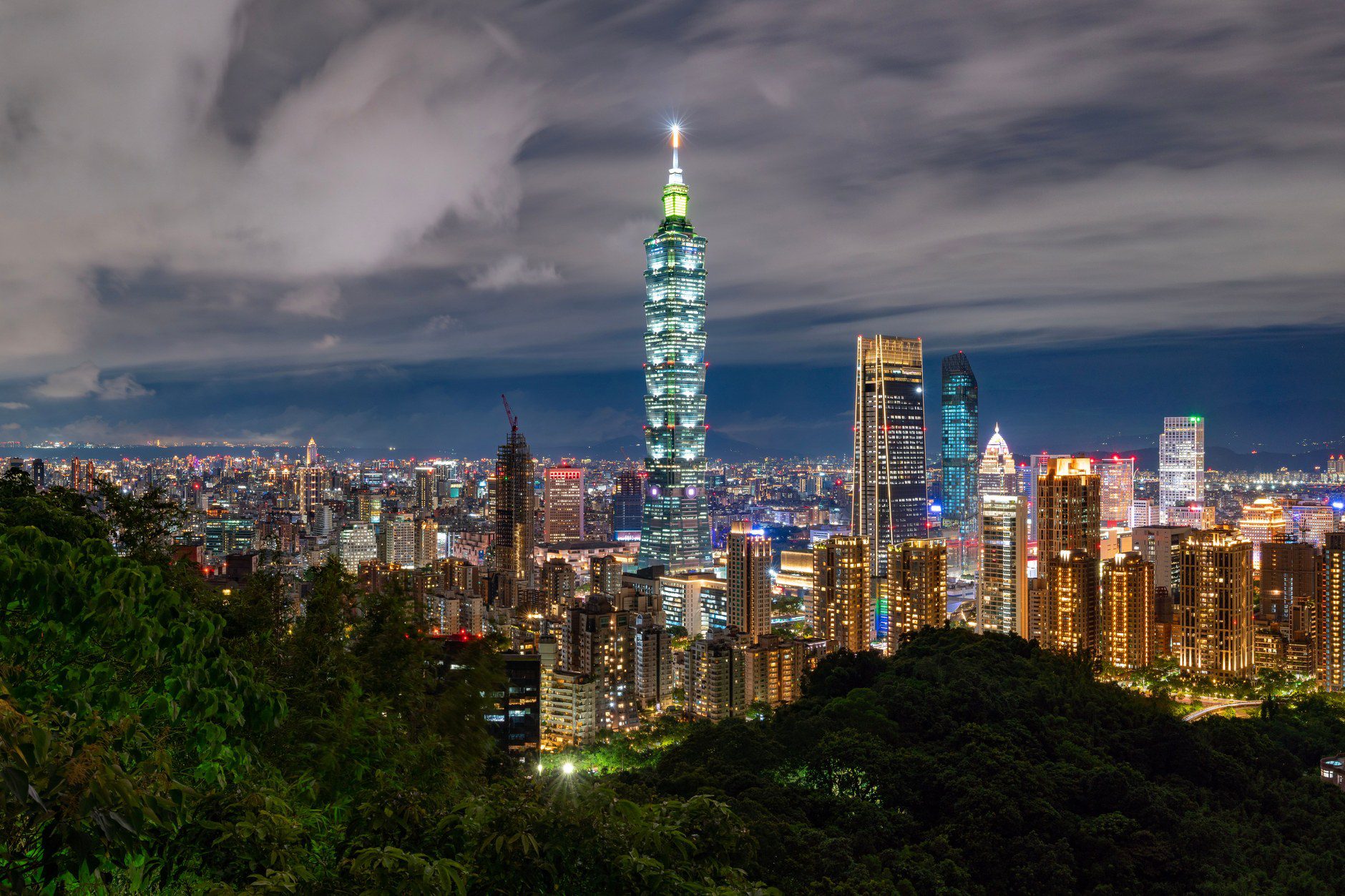
In the late afternoon, ride the Red MRT line south to Xiangshan station to hike the stone steps of the Elephant Mountain (Xiangshan) Trail. The 20-minute stair climb rewards you with the quintessential sunset vista over the Taipei basin: the bamboo-stalk silhouette of the 508-metre Taipei 101 skyscraper glowing against the darkening evening sky.
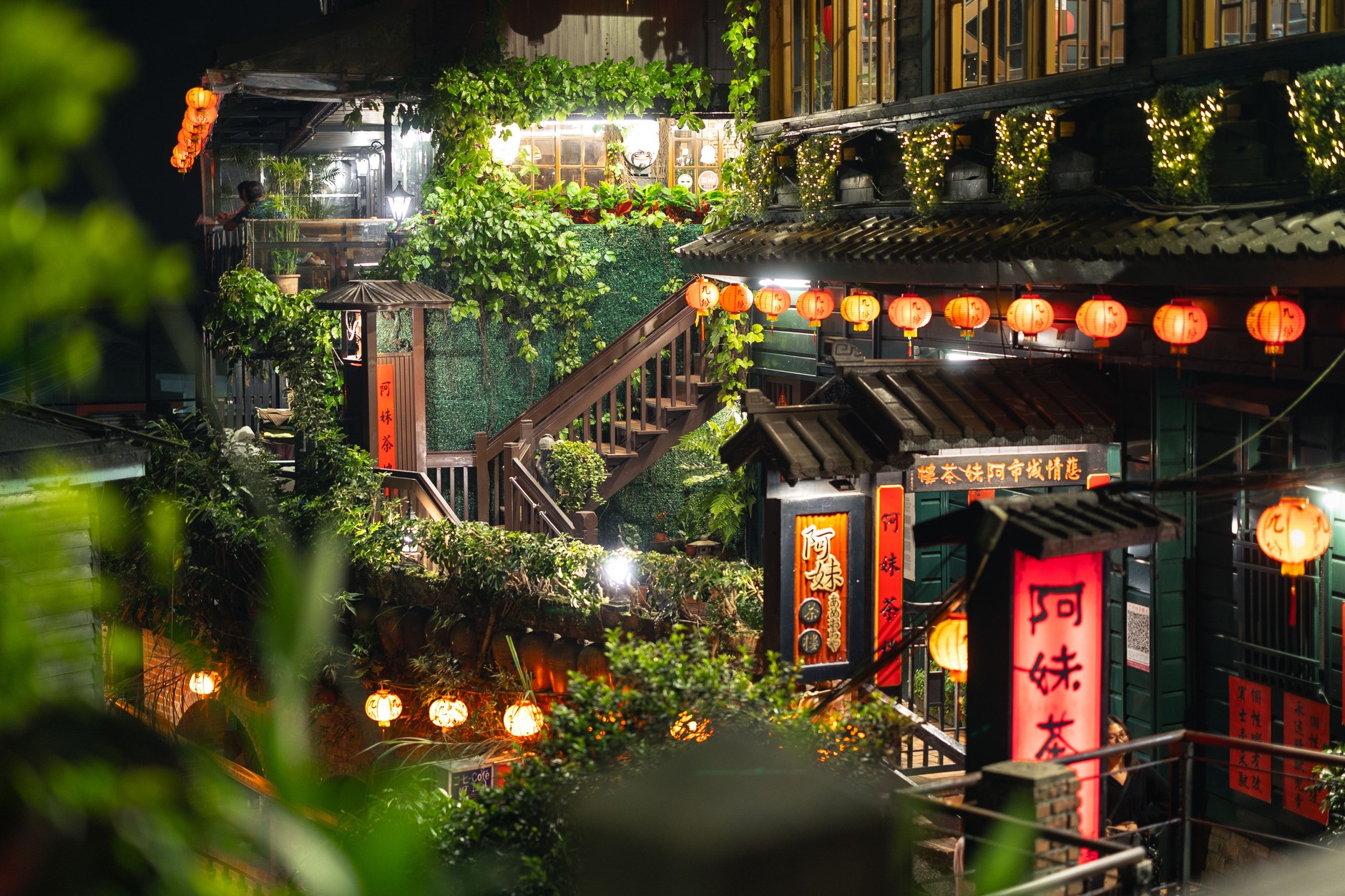
On Day 3, explore the National Palace Museum in Shilin, home to nearly 700,000 artifacts spanning 8,000 years of imperial Chinese history, including the famous jadeite cabbage and meat-shaped stone. In the afternoon, take direct Bus 965 from central Taipei to the former gold-mining mountain village of Jiufen (九份). Clinging to steep coastal mountains overlooking the Pacific, its narrow cobblestone alleys are illuminated by hanging red paper lanterns and lined with traditional wooden tea houses serving fragrant high-mountain oolong tea.
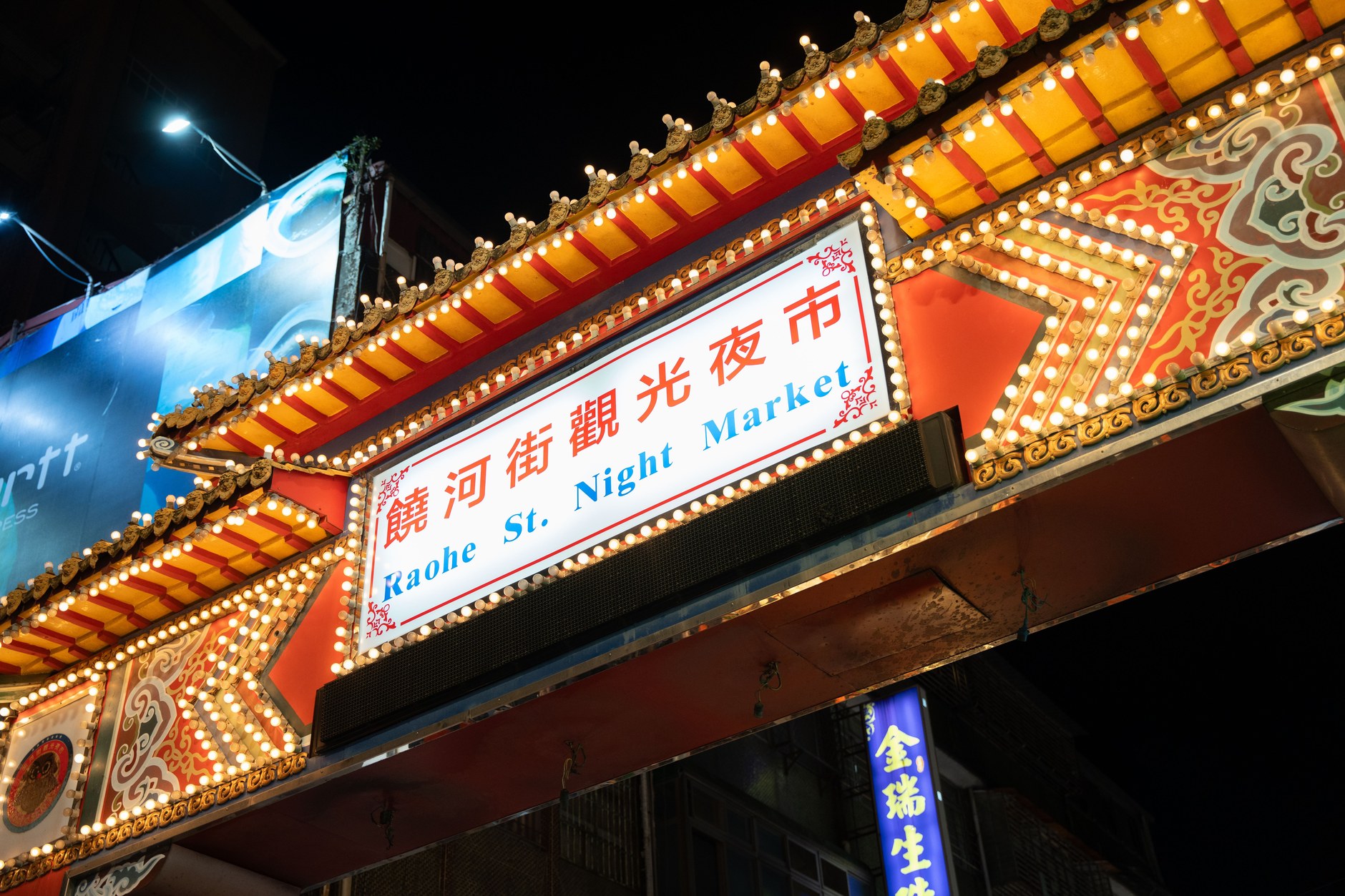
Return to Taipei in the evening to explore the food paradise of Raohe Night Market. Line up for freshly baked black pepper pork buns (hujiao bing) pulled straight from clay tandoor-style ovens, savor crispy scallion pancakes, and sample sweet mango shaved ice before turning in.
Stage 2: Ancient Tainan, the Culinary Capital (Days 5–6)
On Day 5, check out of your Taipei hotel and board a morning THSR bullet train from Taipei Main Station. In just 105 minutes, the train delivers you to Tainan HSR station. Transfer to the local TRA Shalun line for an easy 20-minute commuter hop directly into downtown Tainan, the oldest city on the island and Taiwan’s imperial capital for over two centuries under the Qing Dynasty.
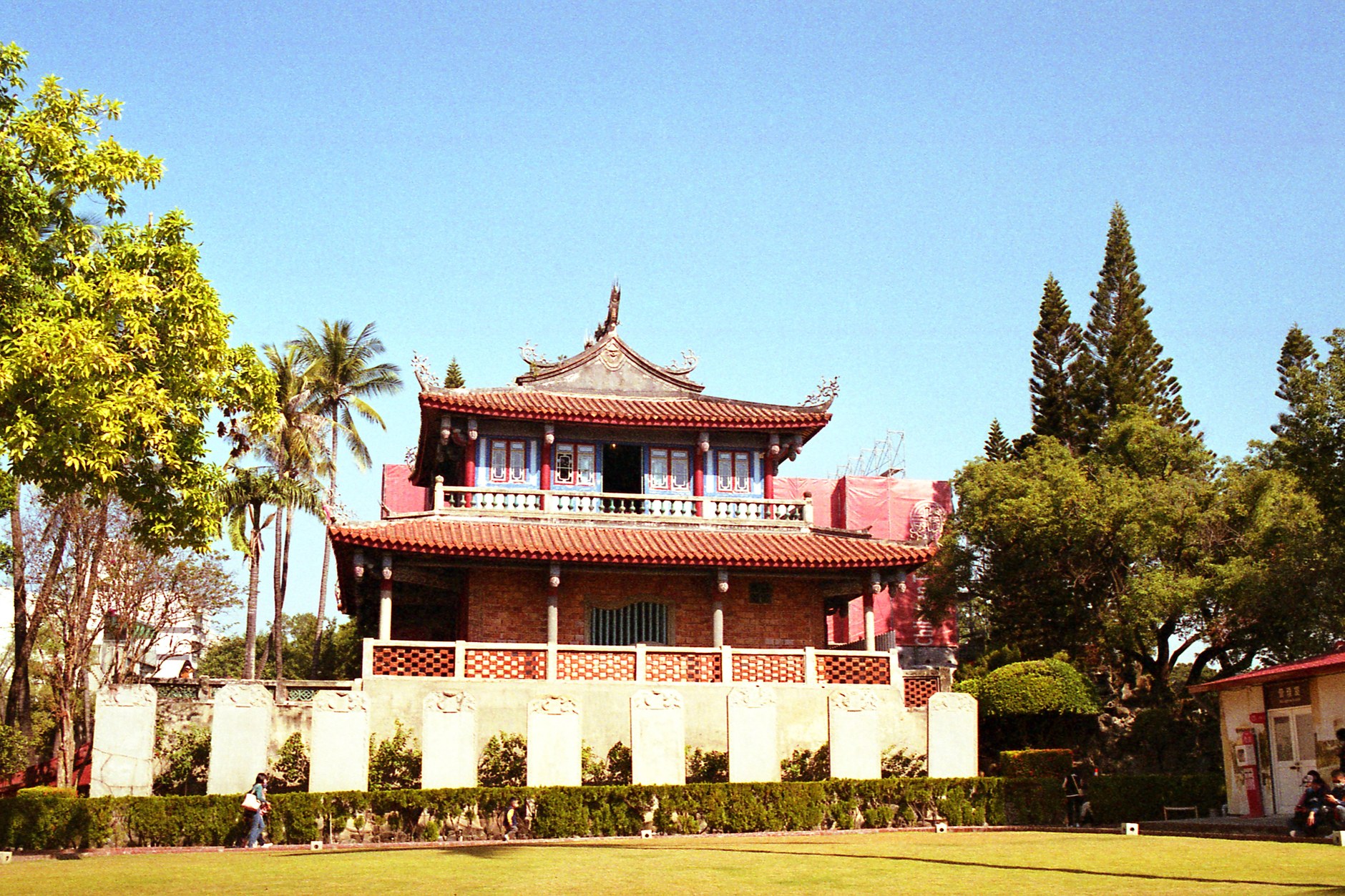
Check into a boutique guesthouse in the West Central District. Tainan is widely revered by Taiwanese as the island’s culinary soul. Begin at Chihkan Tower (赤崁樓), built in 1653 as Fort Provintia by the Dutch East India Company and later transformed into a classical Chinese academy with elegant red pavilions and koi ponds. Walk to the 1665 Tainan Confucius Temple, Taiwan’s earliest Confucian school, characterized by stately banyan trees and serene stone courtyards.
Dedicate your afternoon to exploring Tainan’s legendary street gastronomy. Wander down the 200-year-old preserved brick lane of Shennong Street, where heritage shophouses have transformed into artisan teahouses and leather workshops. Stop at local family stalls to sample Tainan’s culinary hallmarks: piping-hot fresh beef soup (tainan niuroutang) made with morning-sliced local beef scalded with bone broth, savory shrimp rolls (xiajuan), and rich minced pork rice (luroufan).
On Day 6, take a local bus to the coastal quarter of Anping. Explore the brick ramparts and ancient banyan roots engulfing Anping Old Fort (Fort Zeelandia), the seat of 17th-century Dutch colonial rule in Taiwan, and wander through Anping Old Street sampling sweet almond jelly and candied fruits before boarding the short train south to Kaohsiung.
Stage 3: Kaohsiung’s Maritime Renaissance (Days 7–8)
On Day 7, take a swift 32-minute local TRA express train south to Kaohsiung, Taiwan’s vibrant southern port metropolis. Once an industrial manufacturing hub, Kaohsiung has engineered one of Asia’s most stunning urban renewals, transforming its heavy maritime harbor into a world-class arts and recreational district connected by sleek, green-track light rail transit.
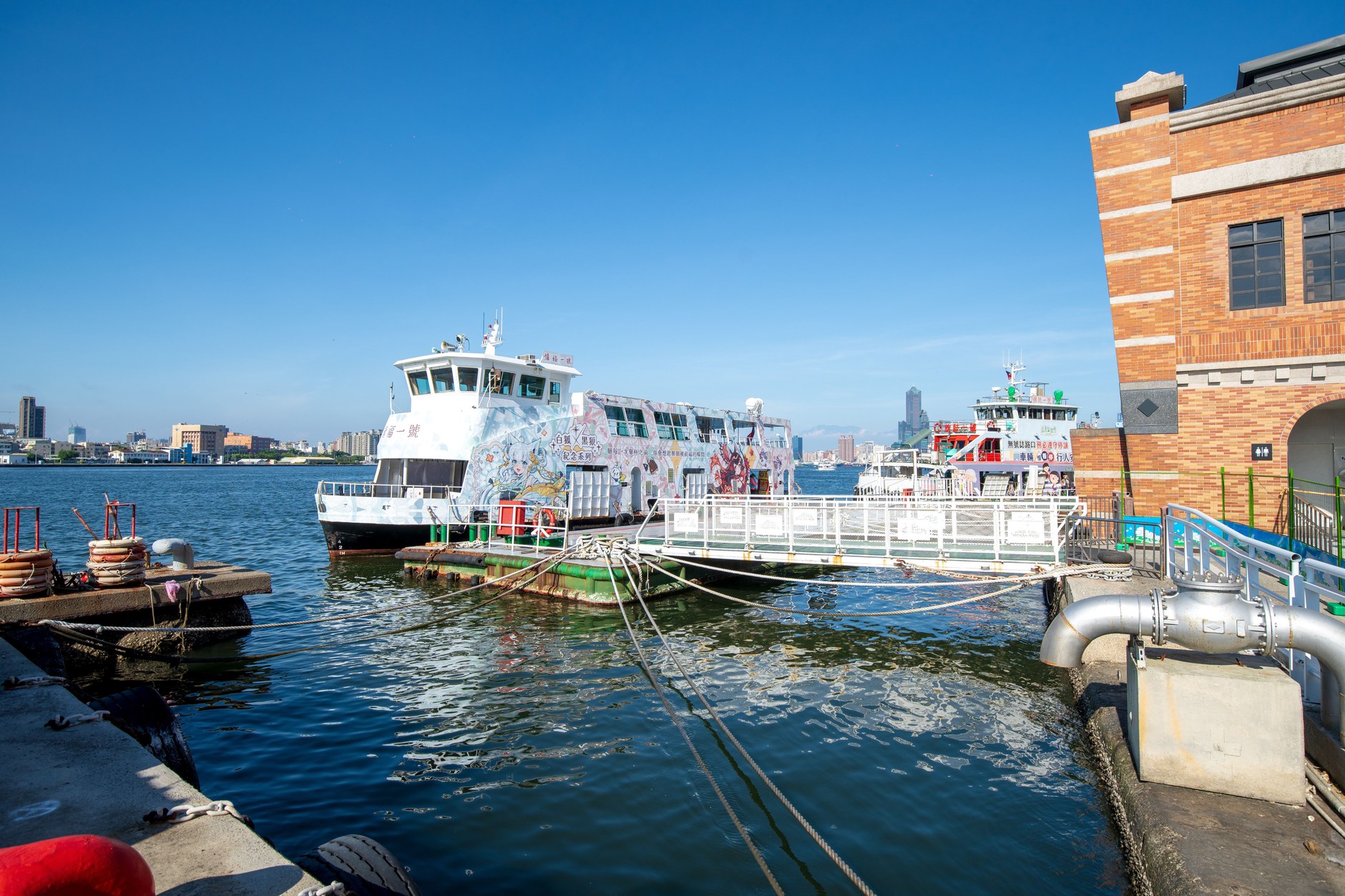
Base yourself in the creative harbor district of Yancheng. Explore the sprawling Pier-2 Art Center, where dozens of abandoned 1970s shipping and sugar warehouses have been repurposed into contemporary art galleries, indie craft boutiques, and microbreweries. Stroll across the Great Harbor Bridge, a pedestrian swing bridge that rotates horizontally to let cargo ships pass through the channel.
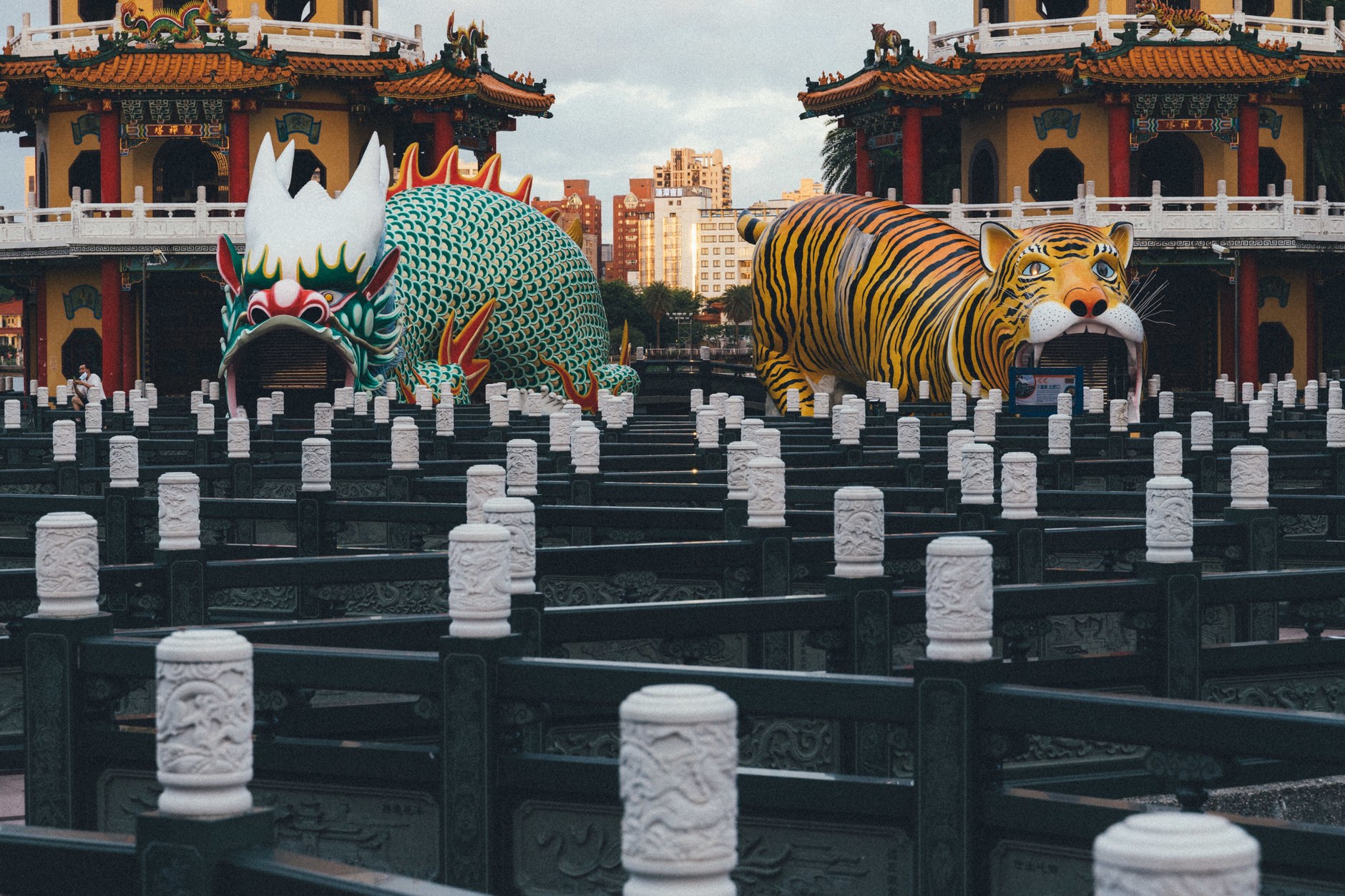
In the afternoon, ride the Kaohsiung MRT Red line north to Zuoying to explore the iconic Dragon and Tiger Pagodas at Lotus Pond. Walk into the mouth of the dragon and exit through the mouth of the tiger: according to Taoist belief, this auspicious ritual cleanses bad fortune and invites prosperity for the coming year. Gaze out across the water at dozens of ornate Taoist pavilions and colossal statues of the warrior god Guanyin rising above the blooming lotus pads.
On Day 8, take the five-minute public ferry from Gushan pier across to Cijin Island. Rent a tandem bicycle to cycle past Cihou Fort and the historic white lighthouse, dining on fresh grilled squid and stir-fried clams at the bustling seaside market. In the afternoon, board the THSR bullet train from Zuoying station, gliding back to Taoyuan Airport Station in just 90 minutes for your evening homeward flight.
Street Smarts: Transit Rules, Night Market Traps & Typhoon Hazards in Taiwan
Taiwan is among the safest societies in the world, with virtually non-existent violent street crime and remarkably high civic honesty. However, strict municipal transportation fines, specific night market pricing tricks, and unique regional weather patterns catch unprepared visitors off guard. Keep these verified street smarts and practical rules at the front of your itinerary:
- The Strict MRT Chewing Gum & Drinking Fine: Inside the Taipei and Kaohsiung Metro (MRT) networks, eating, drinking, or chewing gum is strictly prohibited by law once you cross the bright yellow line on the floor in front of the ticket barriers. This is not an empty suggestion; undercover transit officers actively patrol platforms and train carriages, issuing non-negotiable fines ranging from a cash sum on the spot. Even taking a sip of plain bottled water or chewing mint gum will trigger an immediate fine. Wait until you have completely exited the station turnstiles before eating or drinking.
- Night Market Sliced Fruit Stall Overcharging: While 99% of night market stalls offer honest, fixed prices, cut-fruit vendors operating around major tourist markets (especially Shilin and Raohe in Taipei) frequently target foreigners. They display exotic fruits like wax apples, custard apples, and mangoes without clear price labels, or display small signs reading “a cash sum per 100 grams.” Once you point to fruit, they bag a generous portion and demand a cash payment for a single plastic cup. Defense: Buy whole fruit at local fruit shops or supermarkets, or patronize only night market stalls with clear, prominent, per-bag pricing (typically a cash sum per bag).
- THSR Reserved vs. Non-Reserved Car Regulations: Taiwan High Speed Rail trains are strictly divided: Cars 1 through 9 are reserved seats (requiring a specific carriage and seat number printed on your ticket), while Cars 10 through 12 (or 9–12) are unreserved seating (ziyouzuo). If you hold an unreserved ticket, you are legally prohibited from sitting or standing in Cars 1–9. During Friday evening and Sunday afternoon weekend rush hours, unreserved cars fill completely; purchase a reserved ticket in advance via the THSR app to avoid standing for 90 minutes.
- The Cash-Only Reality at Traditional Eateries & Markets: Despite Taiwan’s high-tech semiconductor reputation, cash remains king at traditional noodle shops, breakfast counters, and night market stalls. Foreign credit cards are widely declined outside modern shopping malls and chain hotels. Defense: Carry a cash sum in physical cash daily. Foreign ATM cards with 4-digit PINs and Cirrus/Plus networks work reliably at ATM machines inside every 7-Eleven and FamilyMart store, which operate 24 hours a day on virtually every urban street corner.
- Taxi Communication Hurdles & The Chinese Address Requirement: Yellow taxi drivers in Taiwan are courteous and metered, but rarely speak or read English. Attempting to show a driver an English hotel name or Google Maps location on your phone frequently leads to confusion or wrong drop-offs. Defense: Always have your hotel’s business card with the full Chinese address and traditional Chinese characters (繁體中文), or screenshot your destination’s Chinese name to show the driver before entering the vehicle. Alternatively, use the Uber app, which handles address translation and payment automatically.
- Mountain Highway Landslide & Seismic Hazards: Taiwan is located on the seismically active Pacific Rim of Fire and is prone to intense subtropical typhoons between July and October. Following any significant earthquake (magnitude 5.0+) or heavy typhoon rainfall, mountain highways—including the Central Cross-Island Highway and routes leading into Taroko Gorge—suffer catastrophic rockfalls and landslides. Never travel into mountain gorge roads immediately after seismic events or severe rainfall; monitor official road advisories via the Highway Bureau.
By observing local civic conventions and carrying small denominations of New Taiwan Dollars, you will experience what makes Taiwan one of the world’s most genuinely welcoming and rewarding travel destinations.
Data Connectivity Across Taiwan’s High-Speed Rail Corridor
Continuous mobile internet connectivity is indispensable when navigating Taiwan. Real-time train schedules on the Taiwan HSR app, Google Maps public transit navigation, Google Translate camera OCR for traditional Chinese menu deciphering, and digital EasyCard balance tracking all depend on a stable, high-speed cellular connection.
Taiwan boasts some of the world’s fastest and most reliable mobile telecommunications networks, anchored by primary tier-one carrier Chunghwa Telecom (中華電信), alongside Taiwan Mobile and FarEasTone. Chunghwa Telecom provides blazing 5G speeds across metropolitan Taipei, Tainan, and Kaohsiung, with seamless high-speed cellular coverage maintained even as THSR bullet trains race through concrete mountain tunnels at 300 km/h. While purchasing a physical plastic SIM card upon landing at Taoyuan Airport requires standing in terminal queues and presenting two forms of government identification, an instant digital eSIM connects your smartphone the moment your flight lands.
The modern, convenient choice is an NXTL Taiwan travel eSIM. You connect directly to tier-one Chunghwa Telecom networks at transparent prepaid rates starting from just $2.30 per gigabyte. There is no physical SIM card swap, no contracts, and your balance never expires: you pay only for the exact bandwidth you consume. Here is an estimated data usage breakdown for an 8-day Taiwan itinerary:
| Travel Style & Usage Profile | Daily Online Activities | 8-Day Total Bandwidth | Estimated Data Cost (@ $2.30/GB) |
|---|---|---|---|
| Light Navigator (Transit & translation) |
THSR digital ticketing, Google Maps MRT navigation, Google Translate menu OCR, WhatsApp messaging | 3 GB – 5 GB | $6.91 – $11.52 |
| Balanced Explorer (Food search & social sharing) |
All navigation, Instagram food photo uploads, night market stall reviews, YouTube walking guides, web browsing | 6 GB – 9 GB | $13.83 – $20.74 |
| Heavy Digital Nomad (Remote work & tethering) |
Laptop tethering on THSR bullet trains, high-definition video calls, cloud photo backups, video streaming | 12 GB – 16 GB | $27.66 – $36.88 |
Install your NXTL eSIM profile on your phone prior to boarding your flight to Taiwan. When your plane touches down at Taoyuan International Airport, activate your data line to open Google Maps and check live Airport MRT departures before you even collect your checked luggage.
Trip Variations: Adjusting for Time and Interests
If You Have Only 5 or 6 Days
If you have less than a week, focus strictly on Taipei and Tainan. Spend three nights in Taipei exploring the historic temples, Elephant Mountain, and Jiufen, then take the 105-minute THSR bullet train south to Tainan for two nights to immerse yourself in the culinary street food stalls and Qing Dynasty alleys. Skip Kaohsiung for a future journey when you have more time to explore the southern maritime coast.
If You Have 10 to 12 Days
With an extra four days, you can expand this journey into a loop around the island. From Kaohsiung, continue east via the scenic South Link Railway to Taitung on the rugged Pacific coast, cycling through the rice paddies of Chishang along Mr. Brown Avenue. Take the coastal railway north to Hualien, and spend two nights exploring the turquoise alpine waters and tea plantations of the East Rift Valley before taking the express train back to Taipei.
Best Times to Visit
Autumn (October to December) offers Taiwan’s most delightful travel weather, with clear skies, mild temperatures (22°C to 26°C), and low humidity. Spring (March to April) brings blooming cherry blossoms in Yangmingshan National Park, though occasional spring showers occur. Summer (June to August) is hot, humid, and subject to tropical typhoons; if traveling in summer, carry an umbrella, stay hydrated with fresh watermelon juice, and take advantage of Taiwan’s air-conditioned metro networks and subterranean underground shopping malls.