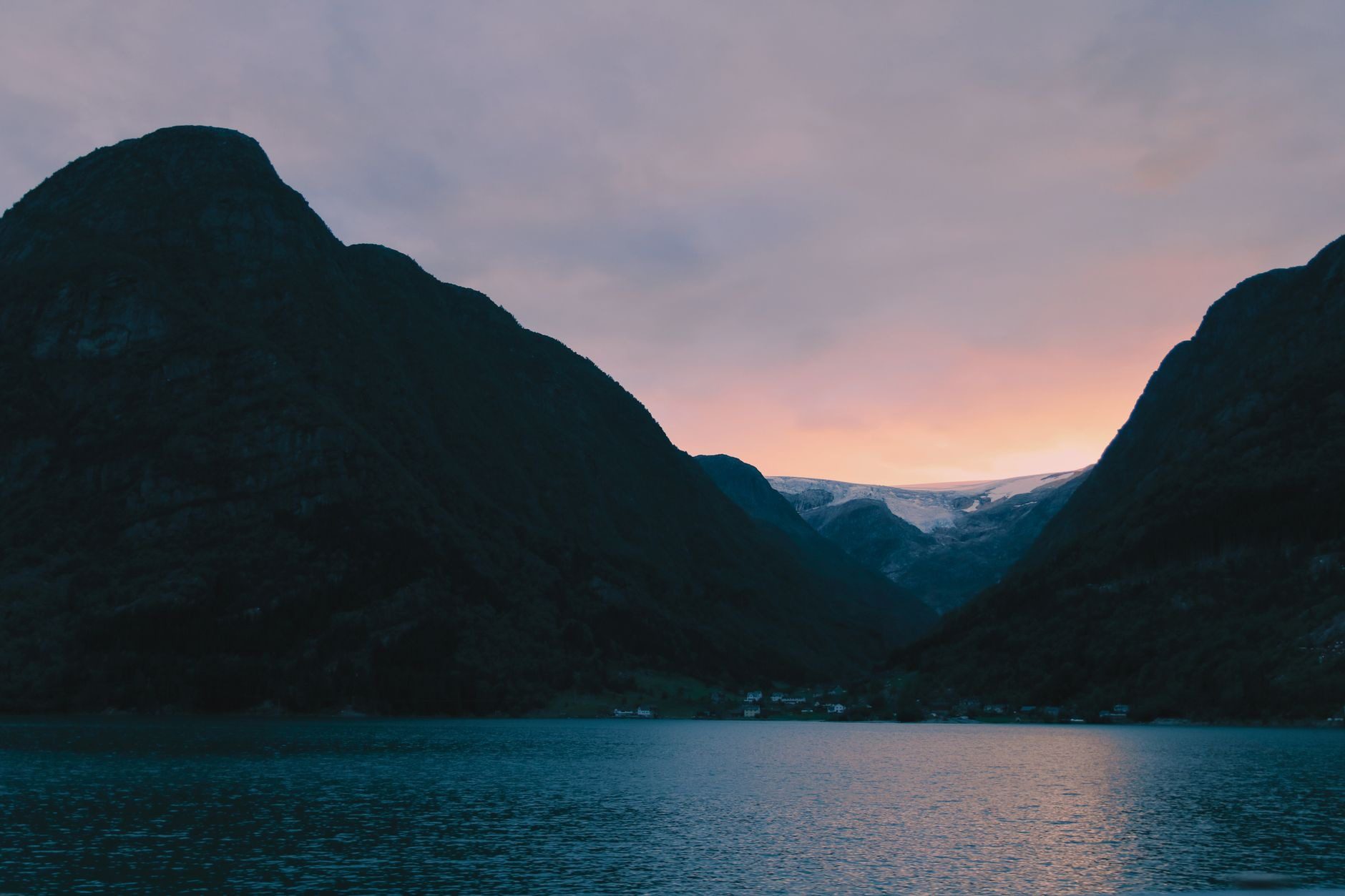
Norway’s western fjords rank among the most spectacular geological formations on earth, yet first-time travelers frequently make the mistake of attempting an exhausting, continent-spanning road trip. They rent a car at Oslo Gardermoen Airport, plan an ambitious circuit connecting Geirangerfjord, the Atlantic Ocean Road, the Lofoten Islands, and Bergen in seven days, and find themselves trapped behind slow-moving campervans on winding single-lane mountain passes, paying hundreds of dollars in automated tunnel tolls, and spending more time staring at asphalt than experiencing the fjords.
The vastly smarter, deeply rewarding alternative is a carefully paced 8-day journey from Oslo to Bergen utilizing Norway’s peerless public transportation network. Connected by the engineering marvel of the Bergen Railway (Bergensbanen) across the sub-arctic Hardangervidda plateau, the historic corkscrew descent of the Flåm Railway (Flåmsbana), and a whisper-quiet electric catamaran ferry slicing through the vertical sea cliffs of the UNESCO-protected Nærøyfjord, this route eliminates driving fatigue completely. You trade highway stress for panoramic observation cars, arrive in city centers without parking anxiety, and experience the fjords exactly as they should be seen: from the water and the rails.
| Day / Stage | Overnight Base | Key Highlights | Transit & Modes | Essential Advance Bookings | What to Skip / Save |
|---|---|---|---|---|---|
| Days 1–2: Stage 1 | Oslo (Sentrum or Grünerløkka) | Oslo Opera House marble roof walk, Munch Museum, Vigeland Sculpture Park, Fram Polar Ship Museum | Gardermoen Airport (OSL) to Oslo S: 23 min via Vy regional train (124 NOK); City transit via Ruter app | Munch Museum timed entry ticket; National Museum general pass | Skip the expensive Flytoget airport express (240 NOK); standard Vy regional trains depart the exact same platform for half the price |
| Day 3: Stage 2 | Flåm or Aurland | Bergensbanen high-altitude crossing of Hardangervidda, Finse alpine junction, Flåmsbana 866-metre descent past Kjosfossen waterfall | Oslo S to Myrdal: 4 hr 45 min via scenic mainline train; Myrdal to Flåm: 55 min via Flåmsbana mountain railway | Bergensbanen reserved seat ticket via Vy.no (book 60–90 days ahead); Flåmsbana connection ticket | Skip buying packaged commercial “Norway in a Nutshell” reseller tours; booking direct on Vy.no saves 35% on the identical train |
| Day 4: Stage 3 | Bergen (Bryggen or Sentrum) | Zero-emission electric catamaran through Nærøyfjord, Gudvangen Viking village, shuttle bus to Voss, regional train to Bergen | Flåm to Gudvangen: 2 hr electric ferry; Gudvangen to Voss: 45 min connecting bus; Voss to Bergen: 1 hr 15 min local train | Future of the Fjords electric catamaran ticket via Norwaysbest.com; connecting bus 950 to Voss | Skip diesel tourist boats with loud engines; the whisper-quiet electric catamaran lets you hear waterfalls tumbling into the sea |
| Days 5–6: Stage 4 | Bergen (Historic Core) | Bryggen Hanseatic timber wharf, Fløibanen funicular to Mount Fløyen, Bergen Fish Market, KODE art museums | Walkable historic center; Fløibanen funicular: 6 min to summit; Local transit via Skyss app | Fløibanen round-trip pass (book on a clear morning); Troldhaugen Edvard Grieg home visit | Skip overpriced sit-down dining at the indoor tourist Fish Market stalls; eat fresh fish cakes at classic local bakeries (Søstrene Hagelin) |
| Days 7–8: Stage 5 | Bergen (Excursion & Departure) | Mount Ulriken cable car hike, Hardangerfjord day excursion or coastal islands cruise, international departure from Flesland (BGO) | Bergen Sentrum to Flesland Airport: 45 min via Bybanen light rail Line 1 (standard 47 NOK local ticket) | Bybanen tram ticket via Skyss app; airport departure scheduled after 12:00 | Skip private airport taxis costing 600+ NOK; the clean Bybanen light rail tram departs directly from Bergen city center to the terminal |
Audience, Seasonality, and Rail Strategy
This 8-day itinerary is crafted for independent travelers, active couples, and cultural explorers who want to experience the majesty of the Scandinavian fjords without renting a vehicle. Visiting between June and August offers the classic summer experience: nineteen to twenty hours of daylight, blooming mountain meadows, active outdoor hiking trails, and full ferry schedules. May and September provide crisp air, snow-capped peaks contrasting with deep blue waters, and significantly fewer crowds at major rail junctions.
The crown jewel of Norwegian transportation is the Bergen Line (Bergensbanen), operated by national railway provider Vy. Frequently voted among the world’s most scenic rail journeys, the train climbs from sea level in Oslo through lush pine forests, ascending past the tree line onto the wind-swept granite expanse of the Hardangervidda mountain plateau. At Finse station (1,222 meters / 4,009 feet), travelers look out over the ancient blue ice walls of the Hardangerjøkulen glacier, an otherworldly sub-arctic wilderness inaccessible by public roads.
Advance booking is essential for Norwegian rail travel. Vy releases long-distance train tickets up to 90 days in advance. Scoring an advance Lowfare ticket can cost as little as 399 NOK to 599 NOK ($39.54 to $58.75), whereas purchasing a standard walk-up ticket on the morning of departure at Oslo Sentralstasjon can easily exceed 1,150 NOK ($112.98) per passenger. Always reserve a window seat on the southern side of the train (seats marked A and B on westbound trains) to enjoy unobstructed views over Hallingdal valley lakes and alpine summits.
Download two essential digital transit apps before stepping onto Norwegian soil: the Vy app for national trains and long-distance seat reservations, and the Entur app, which serves as the official national multimodal journey planner integrating all municipal ferries, trams, and regional buses across every county in Norway.
Stage 1: Oslo’s Modern Waterfront and Cultural Renaissance (Days 1–2)
Arriving at Oslo Airport Gardermoen (OSL), ignore the aggressive marketing booths for the private Flytoget airport express. Instead, walk thirty meters to the standard Vy national railway ticket machines and board any regional train heading toward Oslo Sentralstasjon (Oslo S). The Vy train takes 23 minutes—just four minutes longer than Flytoget—for half the price. Base yourself in the lively waterfront neighborhood of Bjørvika, steps from the harbor, or in the bohemian district of Grünerløkka, filled with independent coffee roasters, vintage boutiques, and leafy parks.
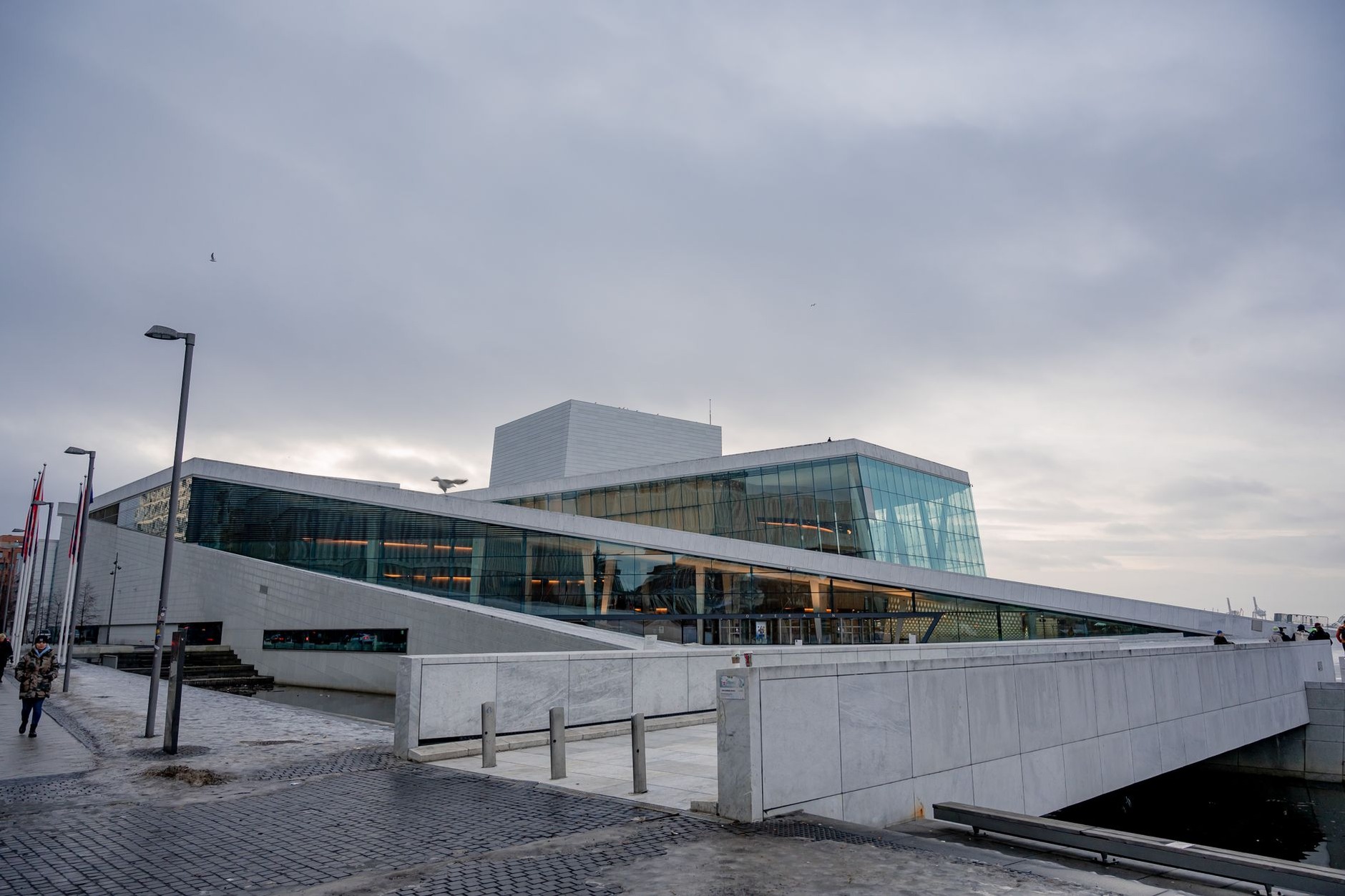
Begin Day 1 by walking up the sloping white Italian carrara marble roof of the Oslo Opera House, designed by architectural firm Snøhetta to resemble an iceberg emerging from the waters of the Oslofjord. Continue next door to the 13-story vertical glass tower of the Munch Museum (MUNCH), exploring Edvard Munch’s haunting expressionist masterworks, including multiple versions of The Scream and Madonna. In the evening, stroll through the vibrant culinary food hall at Vippa on the edge of the harbor pier, sampling Nordic street foods while watching ferries cruise past the medieval battlements of Akershus Fortress.

Dedicate Day 2 to Oslo’s extraordinary open-air cultural sanctuaries. Take tram line 12 west to Vigeland Sculpture Park in Frogner, the world’s largest sculpture park created by a single artist. Stroll past 212 bronze and granite figures capturing the full cycle of human emotion and mortality, culminating in the 14-metre-tall Monolith carved from a single colossal granite block. In the afternoon, board the municipal ferry from Rådhusbrygge 3 to the Bygdøy peninsula to tour the Fram Museum, boarding the legendary timber polar exploration ship that carried Fridtjof Nansen and Roald Amundsen through the Arctic ice and to the South Pole.
Conclude your Oslo stay with an early evening dinner of fresh Skrei cod or brown goat cheese waffles (brunost) along the tree-lined pedestrian avenue of Karl Johans gate, before resting early for the mountain train journey across Norway’s rooftop.
Stage 2: Across the Roof of Norway to the Aurlandsfjord (Day 3)
On Day 3, board the 08:25 Bergensbanen morning departure from Oslo Sentralstasjon. As the electric train leaves suburban Oslo behind, it traces the forested shores of Lake Tyrifjorden before beginning its steady, rhythmic climb into the high mountains of Hallingdal. By midday, trees disappear, replaced by lichen-crusted granite boulders, snowbanks that persist through mid-summer, and crystal-clear glacial tarns reflecting the sub-arctic sky.
At the remote mountain junction of Myrdal (866 meters), step across the wooden platform to board the vintage green carriages of the world-famous Flåm Railway (Flåmsbana). Over the next twenty kilometers, this masterpiece of railway engineering descends 863 vertical meters down to sea level, making it one of the steepest standard-gauge adhesion railway lines on earth. The train negotiates twenty tunnels carved by hand through sheer rock, corkscrewing through the narrow Flåm valley.
Halfway down the gorge, the train pauses for five minutes beside the roaring cascade of Kjosfossen waterfall. Step out onto the timber observation deck to feel the thunderous vibration of glacial meltwater plunging 225 meters down the cliff face, throwing up clouds of cooling mist. The train glides down into the quiet village of Flåm, nestled at the inner tip of the emerald Aurlandsfjord.
Check into a traditional fjord-side hotel in Flåm or take a local bus ten minutes along the shoreline to the peaceful village of Aurland. Spend your evening savoring a pint of artisanal craft beer at the viking-themed Ægir Microbrewery, watching the evening shadows stretch across the still fjord waters beneath 1,000-metre vertical cliffs.
Stage 3: The Silent Electric Nærøyfjord Cruise to Bergen (Day 4)
Day 4 delivers the definitive fjord encounter. Walk down to the Flåm boat dock and board the futuristic, carbon-fiber electric catamaran Future of the Fjords. Designed with sweeping exterior ramps inspired by mountain trails, this award-winning vessel operates on 100% pure electric battery power, slicing through the water in near-total silence without engine vibration, diesel fumes, or wake erosion.
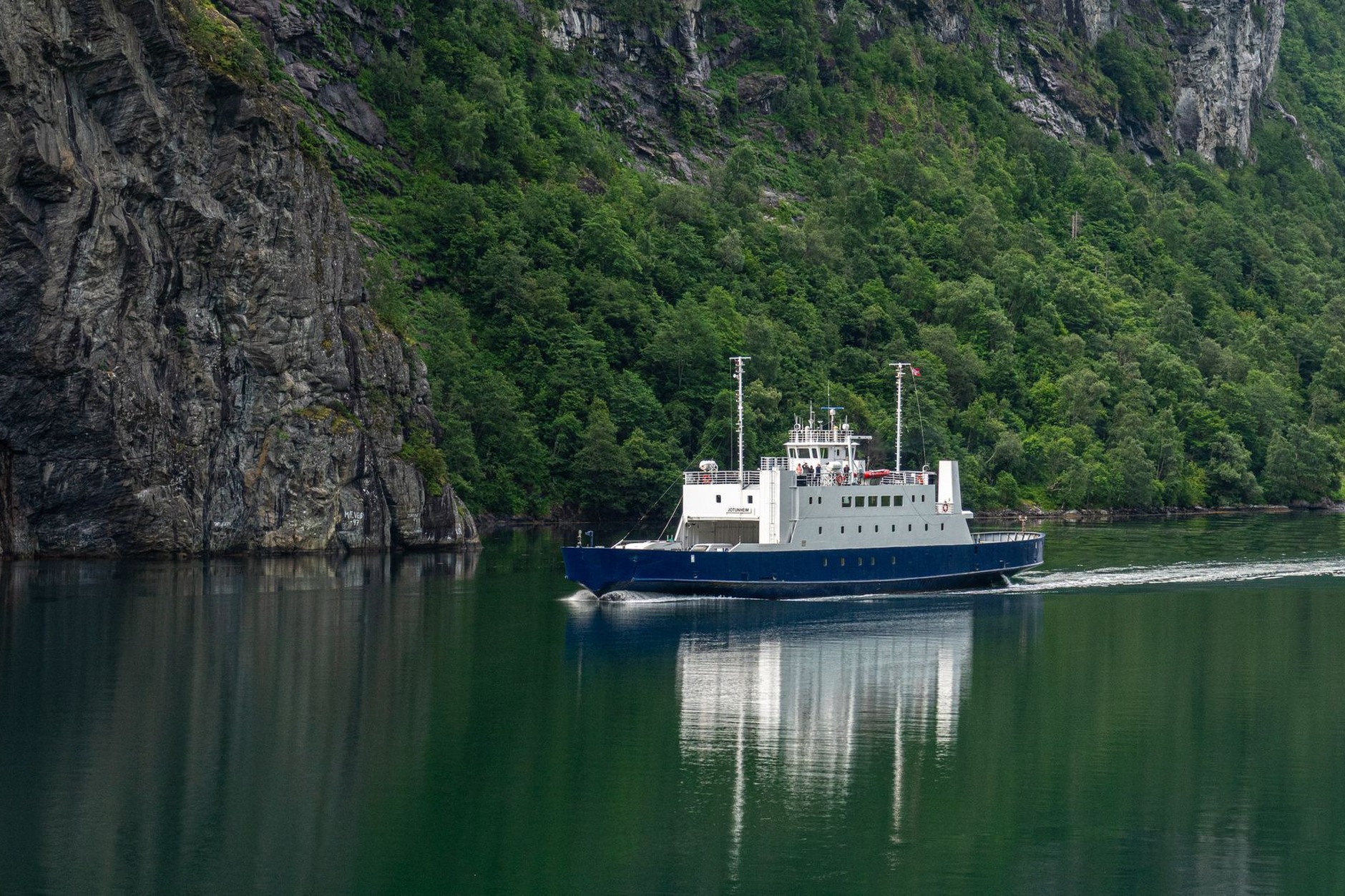
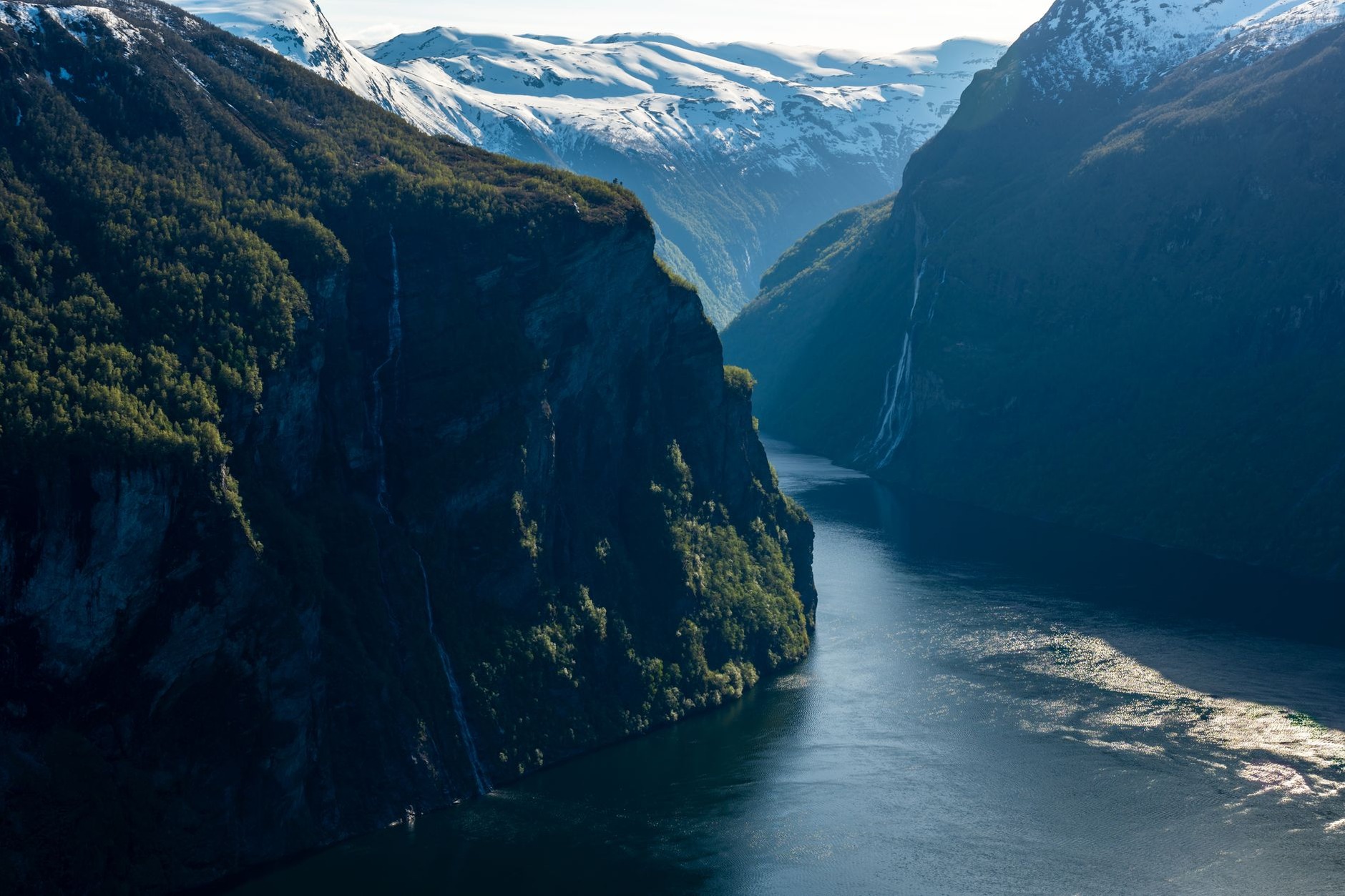
As the boat turns from Aurlandsfjord into the narrow channel of Nærøyfjord, the landscape becomes intensely dramatic. A UNESCO World Heritage site, Nærøyfjord narrows to just 250 meters wide at Bakka, flanked by vertical granite precipices soaring over 1,200 meters into the sky. Because the boat is completely silent, you can hear the rustle of mountain breezes, seabirds calling from cliff ledges, and ribbons of waterfall meltwater crashing hundreds of meters directly into the salt water.
Disembark at the inner fjord hamlet of Gudvangen. Board connecting Bus 950 for the scenic climb through the Stalheim canyon to the outdoor adventure hub of Voss. From Voss station, connect directly to an hourly local train that carries you through the scenic mountain gorges into Bergen, the historic coastal capital of the fjords, by late afternoon.
Check into a boutique hotel in the cobblestoned neighborhood of Nordnes or near the old harbor basin, stepping out for an evening walk as maritime lanterns illuminate the historic harbor.
Stage 4: Bergen’s Hanseatic Wharf and Coastal Heights (Days 5–6)
Known as the “Gateway to the Fjords,” Bergen is one of Europe’s most atmospheric maritime cities. Founded in 1070 AD by King Olav Kyrre, it served for centuries as a vital northern trading post of the German Hanseatic League. Begin Day 5 walking through the timbered alleys of Bryggen, a UNESCO World Heritage site comprising 62 historic wooden merchant tenements painted in traditional ochre, vermilion, and cream.
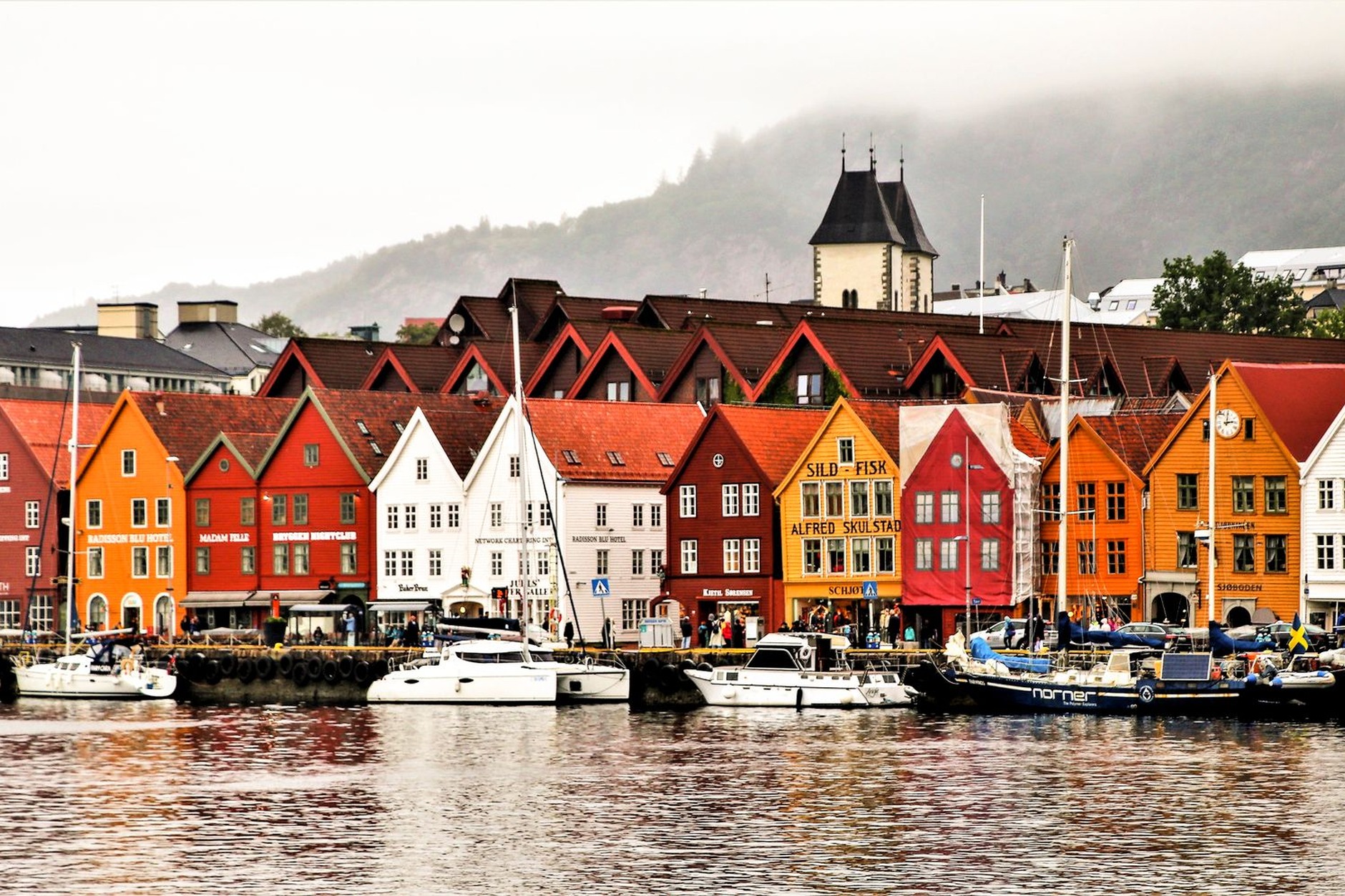
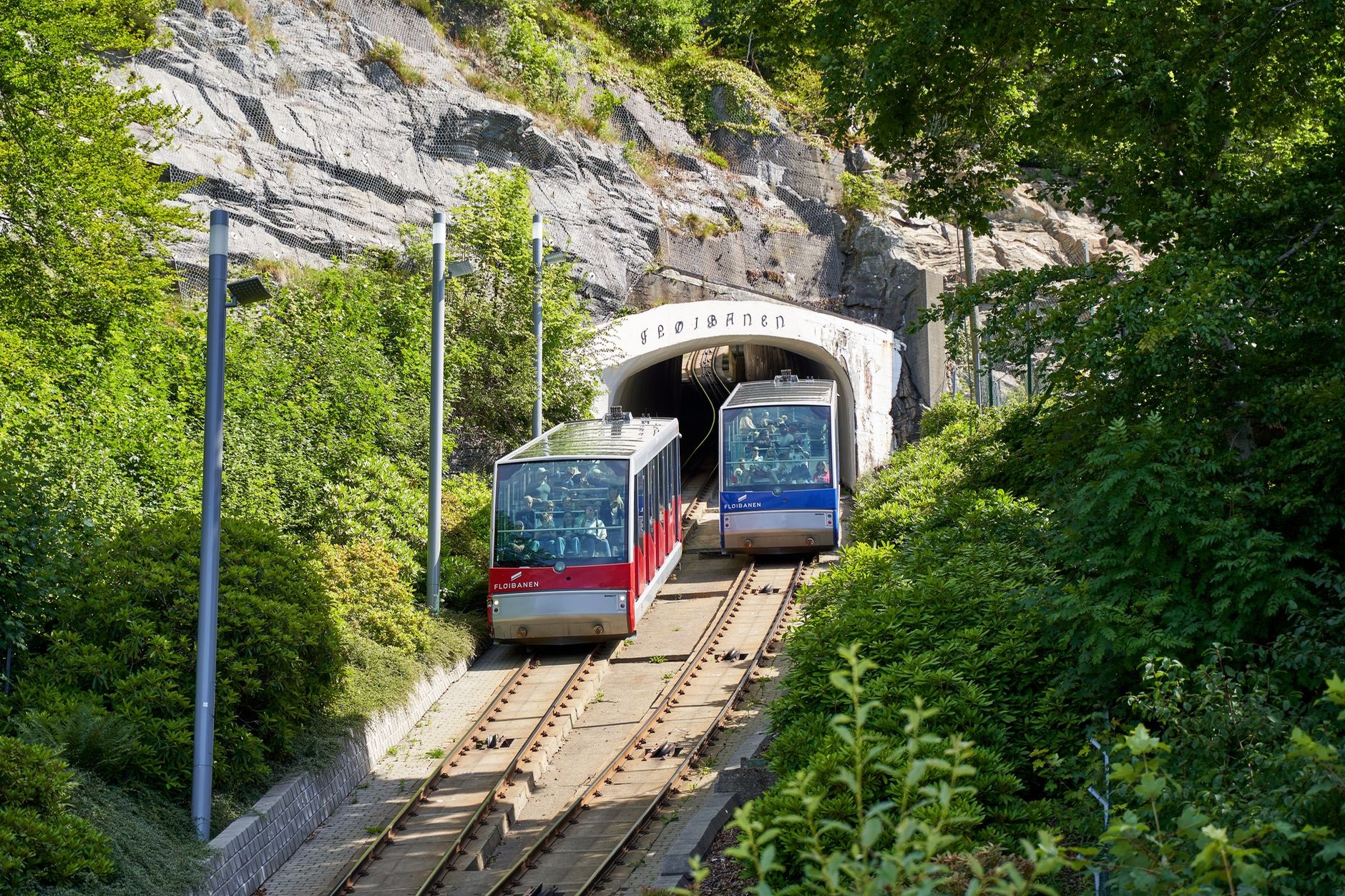
Step inside the narrow, covered wooden passageways of Bryggen, where the aroma of aged pine pitch and salt cod lingers in the timber joists. Visit the Hanseatic Museum and the Schøtstue assembly halls to discover how young German apprentices lived under monastic discipline, trading dried Arctic stockfish from northern Norway for Baltic rye and wheat. Walk five minutes along the harbor to board the Fløibanen funicular, which whisks you up the steep mountainside to the summit of Mount Fløyen (320 meters) in just six minutes.
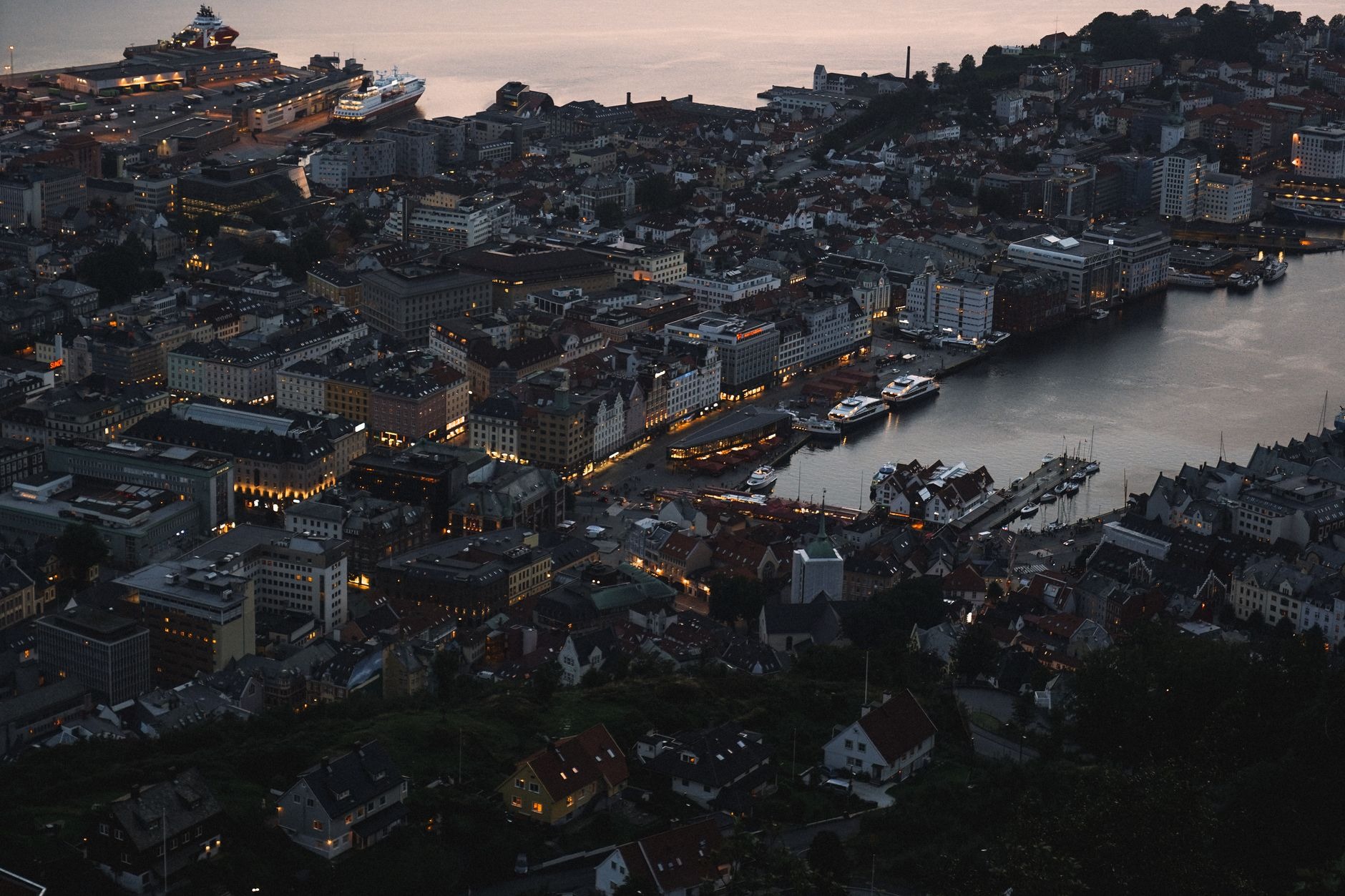
From the viewing terrace atop Mount Fløyen, enjoy panoramic vistas over Bergen’s peninsula, coastal islands, and the deep blue waters of Byfjorden. Hike the peaceful, moss-carpeted forest trails winding around Lake Skomakerdiket, watching for mythical wooden troll carvings nestled among spruce groves. Walk back down the zig-zagging cobblestone footpaths past charming white-painted 19th-century wooden homes to the city center.
Dedicate Day 6 to the four waterfront galleries of the KODE Art Museums, housing the world’s third-largest collection of works by Edvard Munch alongside decorative arts. In the afternoon, take an easy 20-minute light rail trip south to Troldhaugen, the picturesque lakeside villa where Norway’s celebrated composer Edvard Grieg lived and composed for 22 years, surrounded by birch trees and quiet fjord waters.
Stage 5: Hardangerfjord Orchards & Departure (Days 7–8)
On Day 7, take an optional day excursion east into the pastoral beauty of Hardangerfjord, celebrated as the “Orchard of Norway.” Unlike the sheer, narrow drama of Nærøyfjord, Hardangerfjord is wide, serene, and lined with rolling hillsides blanketed in over half a million apple, plum, and cherry trees. Visit local family cider farms to sample traditional fermented sparkling apple cider, and marvel at the roar of Steinsdalsfossen, a dramatic waterfall where a paved trail allows you to walk safely behind the rushing torrent without getting wet.
Return to Bergen in the late afternoon for a memorable farewell dinner. Avoid tourist-trap restaurants at the harbor market and reserve a table at an authentic local seafood institution (such as Cornelius Sjømatrestaurant, reached by coastal boat, or Enhjørningen in Bryggen). Feast on freshly grilled wild Norwegian salmon, Arctic king crab, and tender mountain lamb paired with crisp lingonberry preserves.

On Day 8, check out of your hotel and roll your luggage to the Byparken light rail terminal. Board Bybanen Line 1, which glides directly to Bergen Airport Flesland (BGO) in 45 minutes for a standard local transit fare of just 47 NOK ($4.52), ready for your international flight home or connection back to Oslo.
Street Smarts: Tourist Scams, Toll Traps & Mountain Hazards in Norway
Norway is one of the safest nations on earth with virtually non-existent violent street crime, but rigid regulatory frameworks, automated toll systems, and extreme mountain weather can catch foreign visitors off-guard. Keep these verified street smarts and practical rules at the front of your itinerary:
- The “Norway in a Nutshell” Packaged Tour Markup: Commercial tour agencies aggressively market “Norway in a Nutshell” as an exclusive guided tour at a high packaged price per person. In reality, it is simply a bundle of ordinary public transit tickets: the standard Vy train, Flåmsbana railway, public ferry, and local bus. There is no private tour guide or special carriage. Defense: Book the exact same segments yourself directly via the official Vy.no website and Norwaysbest.com; you will follow the identical scenic route while saving 30% to 40% per person.
- AutoPASS Toll Traps & Rental Car Surcharges: If you decide to drive, be aware that Norwegian motorways, fjord tunnels, and car ferries operate entirely via automated overhead number-plate cameras (AutoPASS). Rental car agencies frequently charge an administrative processing surcharge for every single automated toll booth or ferry crossing you pass. A week of driving can rack up hundreds of dollars in hidden agency fees. If renting a car, register your rental vehicle plate directly with EPASS24 online to bypass car rental agency administrative markups.
- The Alcohol Monopoly & Supermarket Weekend Sales Ban: In Norway, alcoholic beverages above 4.7% ABV (wine, spirits, and strong craft beers) can only be legally purchased at state-run Vinmonopolet stores, which have limited operating hours (closing strictly at 18:00 on weekdays, 15:00 or 16:00 on Saturdays, and closed completely on Sundays). Supermarkets sell only light beer, and alcohol sales legally end at 20:00 on weekdays and 18:00 on Saturdays. Defense: Plan wine purchases in advance during weekday afternoons.
- Mountain Trail Weather Reversals & Cotton Clothing Dangers: When hiking trails around Flåm, Mount Fløyen, or the high plateau at Finse, temperatures can plunge from 18°C down to 4°C within twenty minutes as North Atlantic coastal fronts sweep inland. Never hike in cotton jeans or light sneakers; wet cotton loses all thermal insulation, leading to rapid hypothermia. Always pack a wool base layer (merino), a windproof/waterproof breathable shell jacket, and sturdy waterproof hiking boots with Vibram soles for slick granite surfaces.
- The Completely Cashless Society (Kort / Tæpp Reality): Norway has transitioned into an almost 100% cashless economy. Physical Norwegian kroner paper banknotes and coins are flatly refused on municipal city buses, light rail trams, museum ticket counters, and most cafes. Furthermore, unstaffed fuel pumps and transit vending machines require a chip-and-4-digit-PIN debit or credit card or contactless mobile wallet (Apple Pay / Google Pay). Never withdraw hundreds of kroner from airport ATMs; carry only a little cash for emergencies and rely entirely on contactless digital payments.
- The Airport Express (Flytoget) Surcharge Trap at Gardermoen: Arriving at Oslo Airport, prominent orange “Flytoget Airport Express” signage directs travelers to ticket barriers charging a fee for a 19-minute trip to Oslo Sentralstasjon. However, standard national Vy regional trains (lines R12, RE10, RE11) run on the exact same high-speed rail tracks, take 23 minutes (a negligible 4-minute difference), and cost just a cash sum. Board the Vy train to save 50% on your arrival transfer.
Following these practical conventions ensures you navigate Norway with total financial confidence, avoiding bureaucratic markups and tourist-center pitfalls.
Staying Connected Across Western Norway’s Fjord Network
Continuous mobile internet connectivity is indispensable when navigating Norway’s fjord corridor. Tracking real-time train connections and platform assignments on the Vy app, verifying digital ferry boarding QR codes, checking live mountain weather radars on Yr.no, and validating local transit tickets on the Ruter and Skyss apps all require dependable cellular data.
Norway boasts one of the most technologically advanced cellular telecommunications infrastructures in the world, anchored by primary tier-one network operators: Telenor Norge, Telia Norge, and ICE. Telenor and Telia provide blazing 5G speeds across metropolitan Oslo and Bergen, alongside astonishing 4G/LTE coverage deep inside narrow fjord canyons and throughout the high-altitude mountain tunnels of the Bergensbanen. While purchasing a physical plastic SIM card upon landing requires waiting at convenience stores and undergoing complex identity validation under Norwegian telecommunications regulations, an instant travel eSIM connects your smartphone the moment your aircraft touches down.
The modern, frictionless choice is an NXTL Norway travel eSIM. You connect directly to tier-one national networks at transparent prepaid rates starting from just $0.72 per gigabyte. There is no physical SIM card swap, no monthly contracts, and your balance never expires: you pay only for the exact bandwidth you consume. Here is an estimated data usage breakdown for an 8-day Norway fjord journey:
| Travel Style & Usage Profile | Daily Online Activities | 8-Day Total Bandwidth | Estimated Data Cost (@ $0.72/GB) |
|---|---|---|---|
| Light Navigator (Train apps & maps) |
Vy train real-time tracking, Ruter/Skyss transit validation, Google Maps pedestrian directions, Yr.no weather radar | 2 GB – 4 GB | $1.45 – $2.89 |
| Balanced Fjord Explorer (Photo uploads & ferries) |
All navigation, high-res fjord photo uploads, ferry QR ticket scanning, restaurant research, WhatsApp audio calls | 5 GB – 8 GB | $3.62 – $5.78 |
| Heavy Digital Nomad (Remote work & tethering) |
Laptop tethering on Bergensbanen trains, video calls from fjord hotels, cloud photo backups, YouTube streaming | 10 GB – 15 GB | $7.23 – $10.85 |
Install your NXTL eSIM profile on your phone prior to departing for Scandinavia. When your plane touches down at Oslo Gardermoen Airport, enable your data line to open the Vy app and purchase your regional train ticket into Oslo Sentralstasjon before you even reach the platform.
Trip Variations: Adjusting for Time and Interests
If You Have Only 5 or 6 Days
If you have less than a week, compress the itinerary into a focused 5-day route: spend one night in Oslo, take the morning Bergensbanen to Myrdal and the Flåmsbana down to Flåm for one night, cruise through Nærøyfjord to Gudvangen on Day 3, and spend two nights in Bergen exploring Bryggen and Mount Fløyen before flying home. This preserves the iconic rail and fjord experience without feeling rushed.
If You Have 12 to 14 Days
With an extra four to six days, you can expand this journey into a grand Scandinavian fjord expedition. From Bergen, board the Hurtigruten or Havila coastal passenger express ship heading north along the craggy western coast, cruising through the dramatic, UNESCO-listed Geirangerfjord to the Art Nouveau city of Ålesund. Alternatively, take an express domestic flight north to the Lofoten Islands to hike jagged razorback peaks, stay in traditional red fishermen’s cabins (rorbuer), and witness the midnight sun.
Best Times to Visit
Summer (June to August) brings the warmest weather (18°C to 24°C), lush greenery, full waterfall volumes from melting snow, and nearly 24 hours of daylight. Spring (May) offers blooming fruit orchards in Hardanger, dramatic snowcaps on mountain ridges, and fewer tourists. Autumn (September to October) features striking golden birch foliage and crisp hiking air, though days become shorter and mountain passes experience early snow flurries.