Traveling to mainland China for the first time is an exhilarating, mind-bending encounter with both deep antiquity and hyper-modern digital civilization. Yet international visitors frequently encounter intense logistical shock if they arrive expecting standard Western travel patterns. In China, paper cash is virtually obsolete, foreign credit cards are rejected at ordinary shops and taxi stands, Google Maps and WhatsApp are blocked behind the national firewall, and train tickets cannot simply be purchased spontaneously at a station counter without advance passport registration.
Mastering a first visit requires two things: adopting China’s digital app ecosystem before departure and committing to a realistic, high-speed rail corridor. Instead of attempting an exhausting transcontinental flight marathon connecting five distant provinces in ten days, the optimal journey is the classic 9-day imperial corridor linking Beijing, Xi’an, and Shanghai. Connected by China’s world-leading Fuxing Hao high-speed bullet trains (G-trains) cruising smoothly at 350 km/h, this route delivers you from the imperial majesty of the Forbidden City and the Great Wall to the terracotta subterranean armies of the First Emperor, culminating along the neon-drenched futuristic waterfront of Shanghai—all with seamless downtown-to-downtown convenience.
| Day / Stage | Overnight Base | Key Highlights | Transit & Rail Logistics | Essential Advance Bookings | What to Skip / Save |
|---|---|---|---|---|---|
| Days 1–3: Imperial Seat | Beijing (Dongcheng or Chaoyang) | Tiananmen Square, Forbidden City (Palace Museum), Jingshan Park panoramic view, Temple of Heaven, Mutianyu Great Wall cable car & toboggan run, Summer Palace | Beijing Capital (PEK) or Daxing (PKX) via express airport metro (20–25 min, 25–35 RMB); city navigation via Beijing Subway with Alipay transit QR code | Forbidden City real-name passport reservation (essential: opens exactly 7 days ahead at 20:00 Beijing time; sells out in minutes); Mutianyu entrance & cable car ticket | Skip the commercial tourist trap of Badaling Great Wall; Mutianyu is 70 km away, offers breathtaking mountain ridgelines, and avoids dense tour bus throngs |
| Days 4–5: Ancient Silk Road Capital | Xi’an (Within Ancient City Walls) | Board 350 km/h Fuxing G-train from Beijing West to Xi’an North, Terracotta Army Pit 1–3 excavation vaults, cycling the 14 km Ancient City Wall, sensory street food in the Muslim Quarter | Beijing West to Xi’an North via G-train (4 hr 15 min, 515 RMB 2nd class); Xi’an North station to Bell Tower via Metro Line 2 (30 min, 4 RMB) | 12306 high-speed rail ticket (booking opens 14 days ahead); Emperor Qinshihuang Mausoleum Site Museum timed slot | Skip domestic flights between Beijing and Xi’an; when airport transfers, security checks, and runway delays are tallied, the high-speed bullet train is faster, cheaper, and vastly more reliable |
| Days 6–7: Futuristic Metropolis | Shanghai (Huangpu or Jing’an) | Fuxing G-train or morning flight to Shanghai, historic European architecture of The Bund, Yu Garden & Old Town, panoramic view from Shanghai Tower 118th-floor observation deck, French Concession sycamore alleys | Xi’an North to Shanghai Hongqiao via daytime G-train (5 hr 45 min, 669 RMB) or 2 hr flight; city transit via Shanghai Metro Line 2/10 | Shanghai Tower observation deck ticket; Yu Garden historic garden timed entry pass | Skip the overpriced Bund Sightseeing Tunnel tourist tram; take the historic municipal Huangpu River ferry from Dongchang Road to Jinling East for just 2 RMB |
| Days 8–9: Water Towns & Departure | Shanghai (or day trip to Suzhou) | Morning high-speed rail excursion to the UNESCO Classical Gardens of Suzhou (Humble Administrator’s Garden) or Zhujiajiao ancient canal town, farewell dinner at a riverside Bund bistro, Maglev train to Pudong Airport (PVG) | Shanghai Hongqiao to Suzhou via bullet train (25 min, 40 RMB); Longyang Road to Pudong Airport via 430 km/h Maglev train (7 min, 40 RMB with boarding pass) | Suzhou bullet train tickets; return airport Maglev transfer pass | Skip taking a highway taxi to Pudong Airport during weekday rush hour; the Maglev train eliminates all traffic jams and delivers you directly into the terminal at 430 km/h |
Audience, Seasonality, and the Rail Spine
Structuring your route around China’s high-speed rail spine eliminates the unpredictability of domestic air traffic delays while giving you front-row seats to the country’s astonishing engineering transformation. You move effortlessly from ancient Ming Dynasty stone walls directly into gleaming 21st-century architectural marvels.
Days 1–3: Imperial Seat
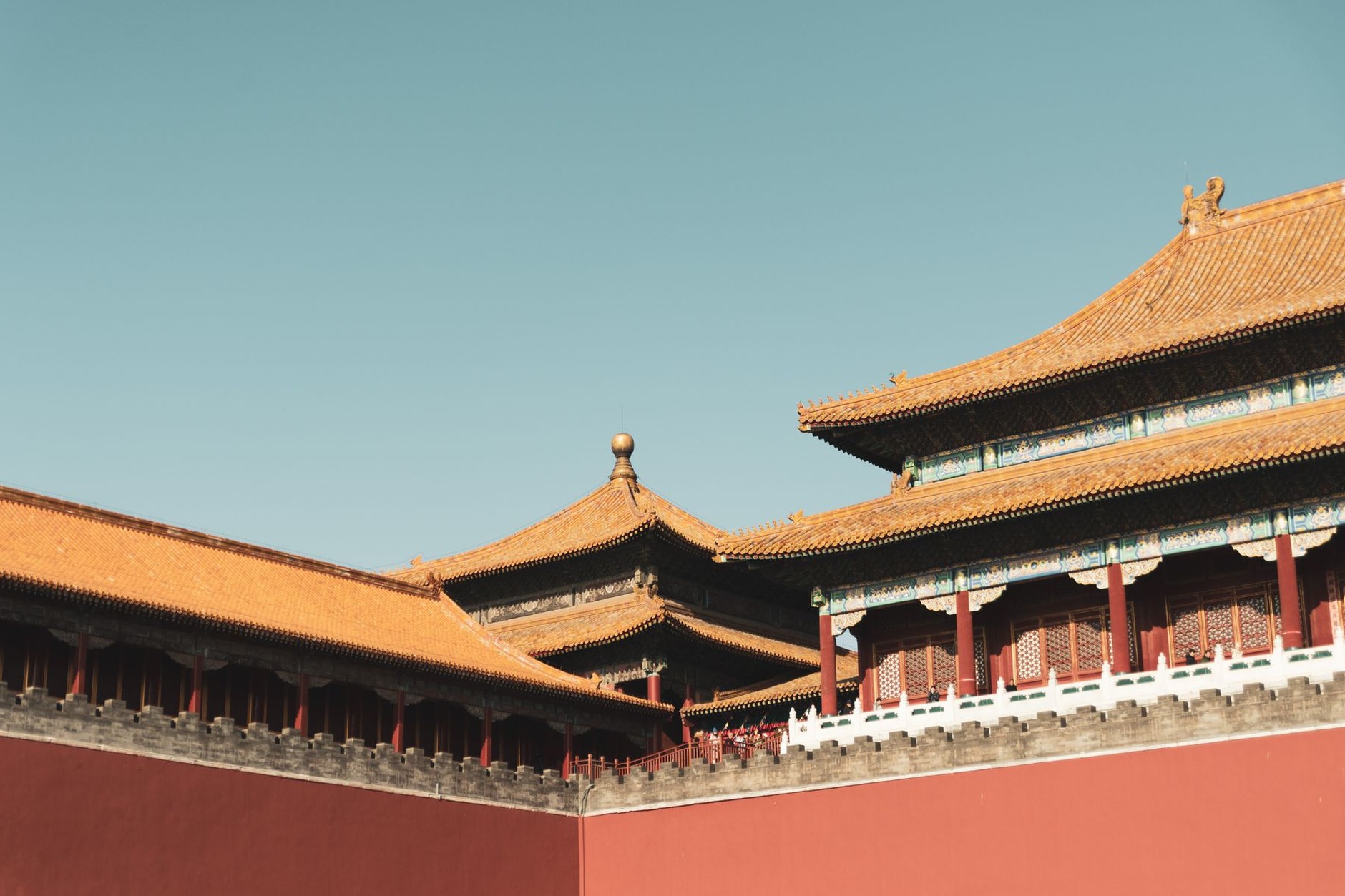
Your journey begins in Beijing, China’s political and cultural epicenter for more than eight centuries. The architectural climax of imperial China is the Forbidden City (Palace Museum), an enclosed precinct of 980 surviving timber buildings spanning 72 hectares. Walking south to north along the central imperial meridian from the Meridian Gate to the Gate of Divine Prowess, you pass through colossal courtyards paved with specially fired “golden bricks,” crossing white marble bridges above the Golden Stream to reach the soaring Hall of Supreme Harmony.
After exiting the northern gate, immediately climb the artificial pavilion hill of Jingshan Park. Constructed entirely from the earth excavated to dig the palace moats, this summit provides an unforgettable panoramic vista looking down across the vast sea of yellow glazed terracotta roofs that form the imperial palace, set against Beijing’s modern high-rise skyline. In the late afternoon, explore the nearby hutongs—narrow historic residential alleyways around the Drum and Bell Towers—where grey-brick courtyard homes (siheyuan) house tea houses, craft microbreweries, and neighborhood dumpling shops.
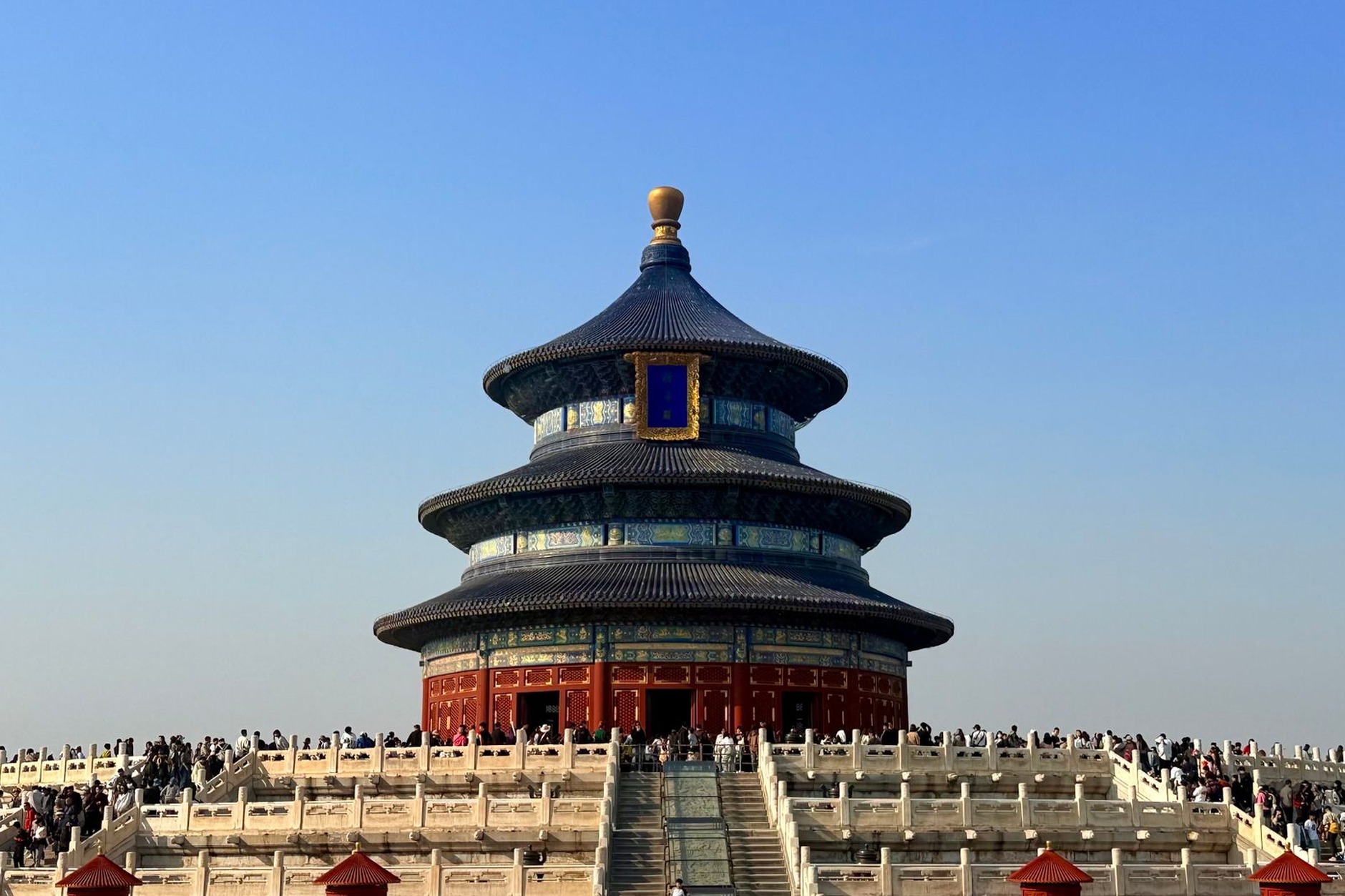
On Day 2, visit the Temple of Heaven (Tiantan), an imperial sacrificial complex four times the size of the Forbidden City. Here, Ming and Qing emperors performed solemn winter solstice rituals to pray for bountiful national grain harvests. The complex’s crown jewel, the circular Hall of Prayer for Good Harvests, is an architectural marvel of interlocking timber bracket sets built entirely without nails or concrete, its triple-tiered deep blue glazed roof tiles symbolizing the celestial heavens. In the surrounding cedar parklands, thousands of local retirees gather each morning to practice Tai Chi, play Chinese chess (xiangqi), and rehearse classical Peking opera.
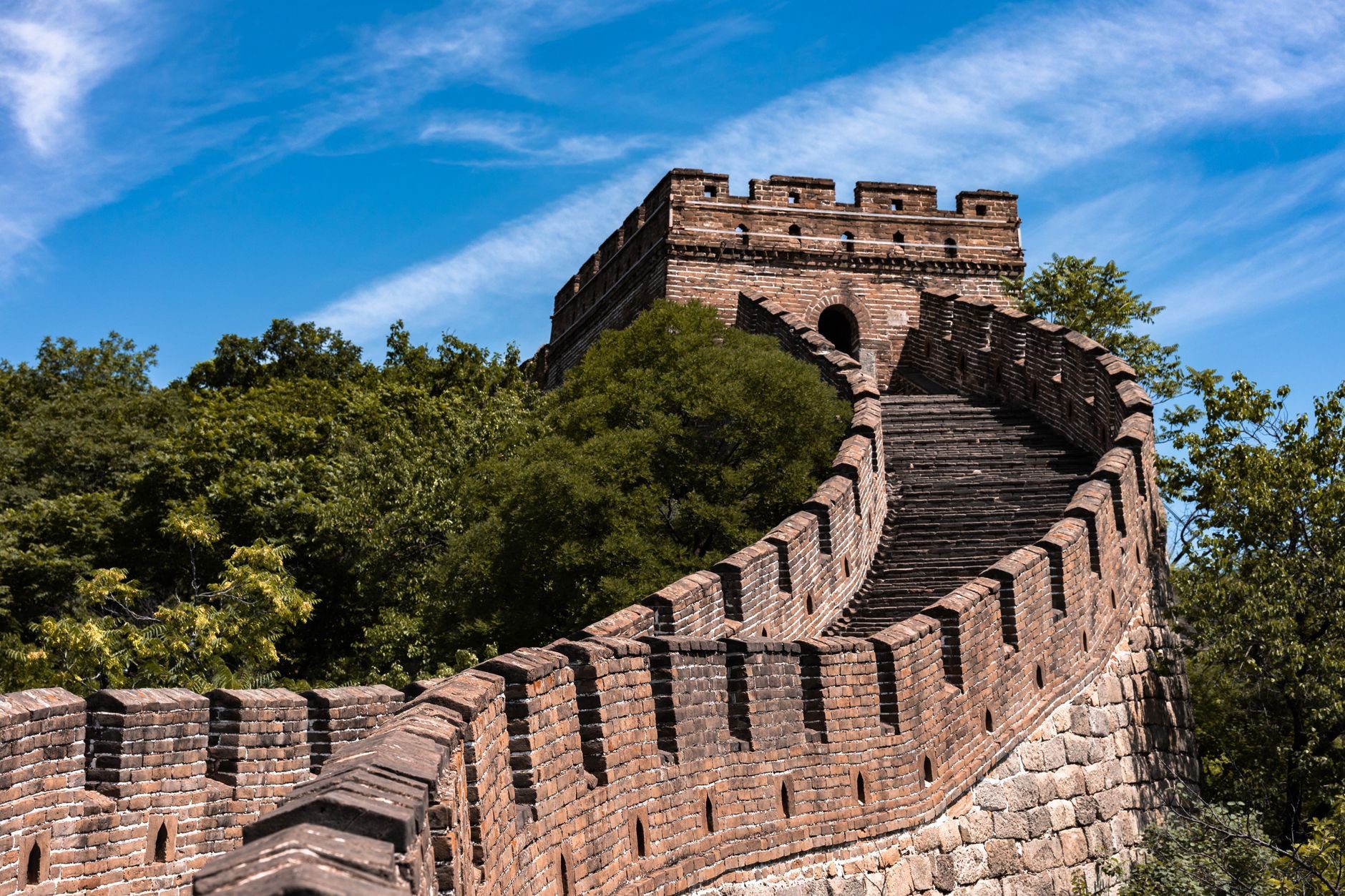
Day 3 takes you into the rugged mountains northeast of the capital to the Mutianyu Great Wall. While millions of tourists are funneled onto the hyper-commercialized Badaling section, Mutianyu offers a dramatically superior experience. Built of granite in the 6th century and rebuilt under the Ming Dynasty, this 5.4-kilometer restored section features 23 defensive watchtowers straddling jagged alpine ridgelines dense with pine and chestnut forests. Ascend via a cable car to Watchtower 14, hike along the stone battlements to the high pass of Watchtower 20, and descend the mountain on a thrilling stainless-steel wheeled toboggan run winding through the forest.
Days 4–5: Ancient Silk Road Capital
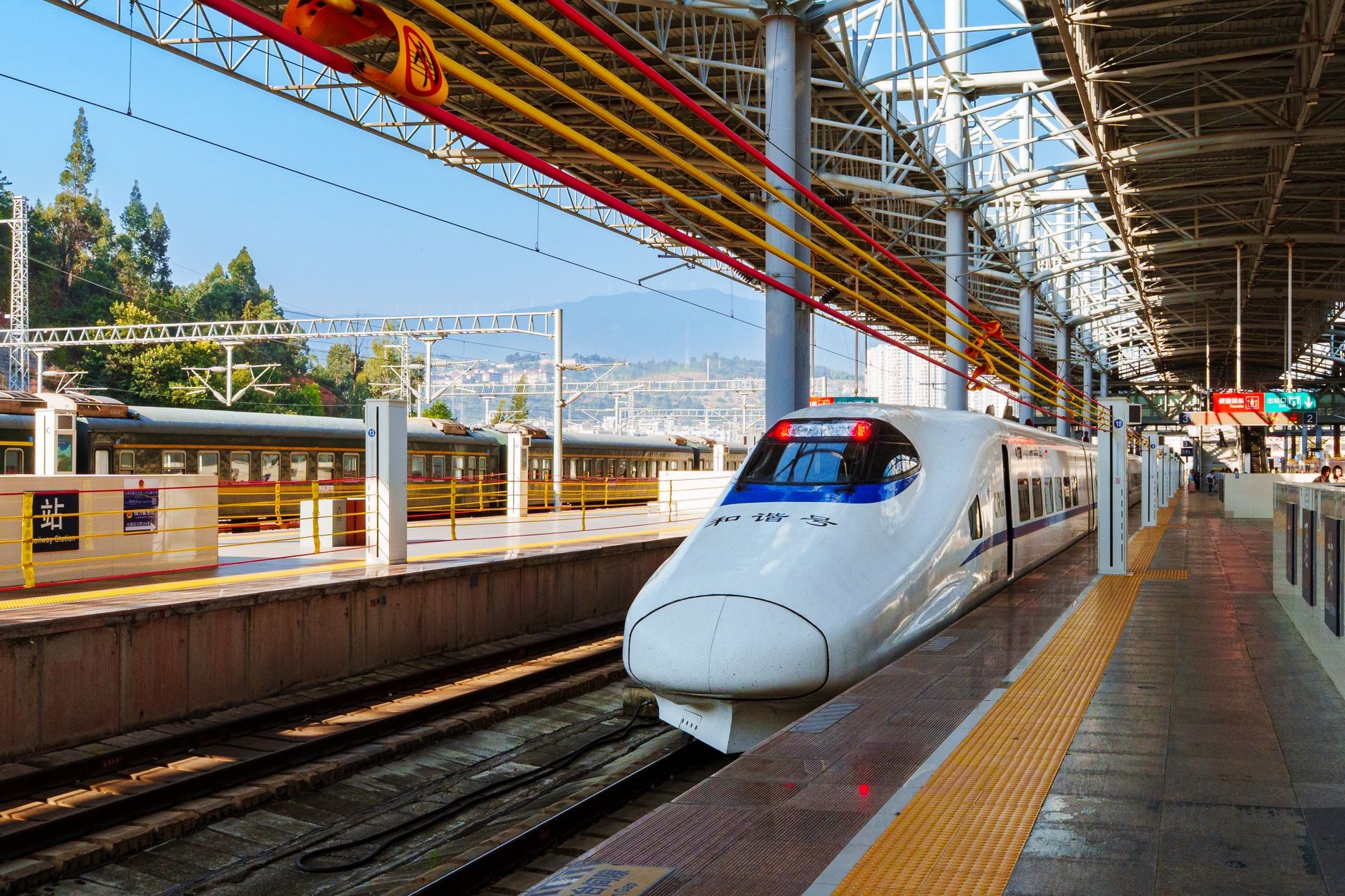
On the morning of Day 4, head to Beijing West Railway Station to board the Fuxing Hao high-speed G-train bound for Xi’an. China operates the world’s largest high-speed rail network, spanning over 45,000 kilometers of dedicated tracks. Slicing through the North China Plain and crossing the Yellow River at speeds reaching 350 km/h, the 1,200-kilometer journey takes just 4 hours and 15 minutes. The trains are whisper-quiet, impeccably clean, and equipped with electrical outlets, hot drinking water dispensers, and wide reclining seats.
Boarding high-speed trains in China requires your physical passport; the digital ticketing system (China Railway 12306) links your seat reservation directly to your passport number, allowing you to pass through automated station turnstiles by scanning your passport at the manual attendant gates. Arriving at Xi’an North, a direct 30-minute subway ride delivers you inside the ancient rectangular defensive walls of the city center.
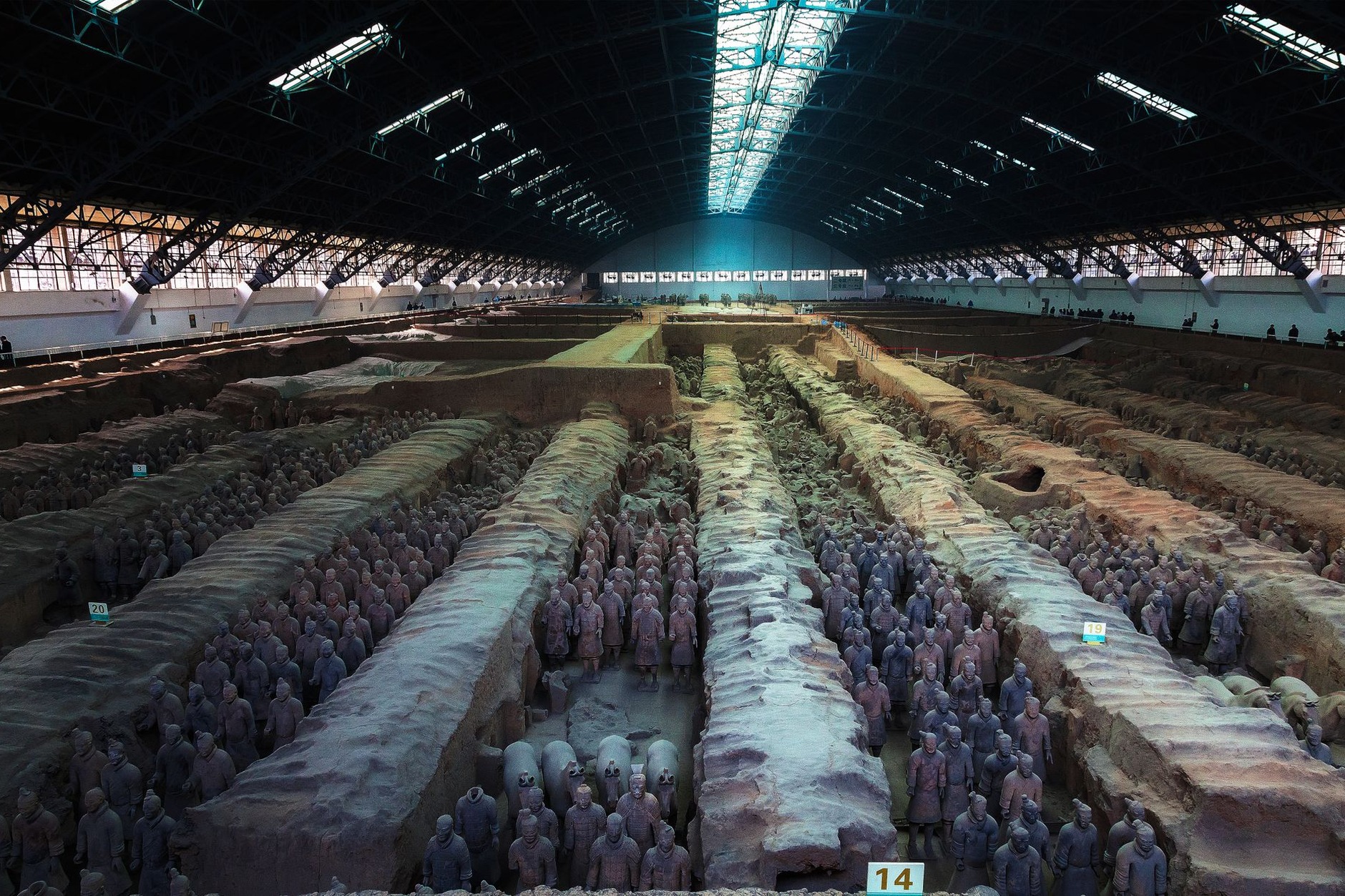
As the eastern terminus of the ancient Silk Road and the capital of 13 imperial dynasties, Xi’an (Chang’an) ranks among the world’s greatest historical treasures. Day 5 is dedicated to the Terracotta Army (Emperor Qinshihuang’s Mausoleum Site Museum), located 40 kilometers east of the city. Discovered accidentally by local farmers digging a water well in 1974, this staggering subterranean necropolis contains an estimated 8,000 life-sized terracotta warriors, cavalry horses, and wooden chariots buried in 210 BCE to protect China’s first unifier, Qin Shi Huang, in the afterlife.
Standing in the cavernous airplane-hangar structure of Pit 1, gazing across 11 subterranean battle corridors filled with thousands of reconstructed infantry soldiers, is an awe-inspiring experience. Each warrior possesses uniquely sculpted facial features, hairstyles, armor plates, and hand gestures indicating rank and military specialization. Spend time exploring the smaller, specialized command pits (Pit 2 and Pit 3), and admire the two exquisite miniature bronze chariots unearthed adjacent to the emperor’s burial mound, showcasing ancient metallurgy of breathtaking sophistication.
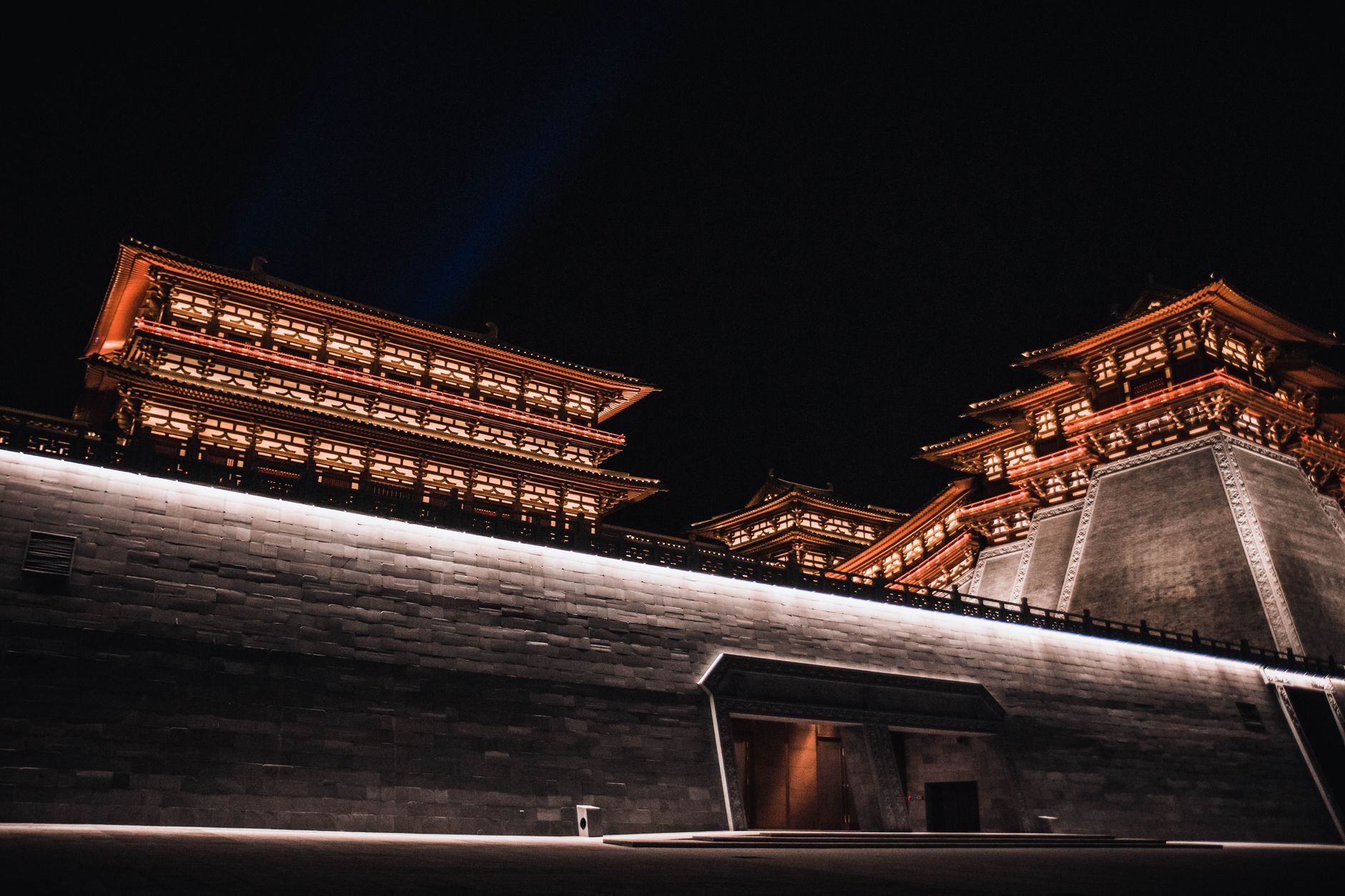
Returning to Xi’an in the afternoon, ascend the Ancient City Wall. Built in 1370 under the first Ming Emperor Zhu Yuanzhang, this massive 12-meter-tall, 14-kilometer-long rectangular fortification is the most complete surviving ancient city wall on earth. Rent a bicycle near the South Gate (Yongningmen) and cycle the broad brick ramparts at sunset. As you glide along the wide roadway, illuminated gate towers and defensive watchtowers glow with red lanterns, offering views of ancient tiled temple roofs on one side and gleaming modern avenues on the other.
As dusk transitions into night, dive into the bustling labyrinth of the Muslim Quarter (Huimin Jie) behind the historic Drum Tower. Home to Xi’an’s Hui Muslim community for over a millennium, this pedestrian quarter is an intoxicating sensory explosion of steam, sizzling woks, and calls from market vendors. Walk beneath rows of glowing red lanterns and sample iconic Shaanxi street specialties: roujiamo (spiced braised pork or beef stuffed into crispy flatbread), biangbiang noodles (hand-pulled broad noodles tossed with chili oil and garlic), and yangrou paomo (steaming lamb broth poured over crumbled unleavened bread).
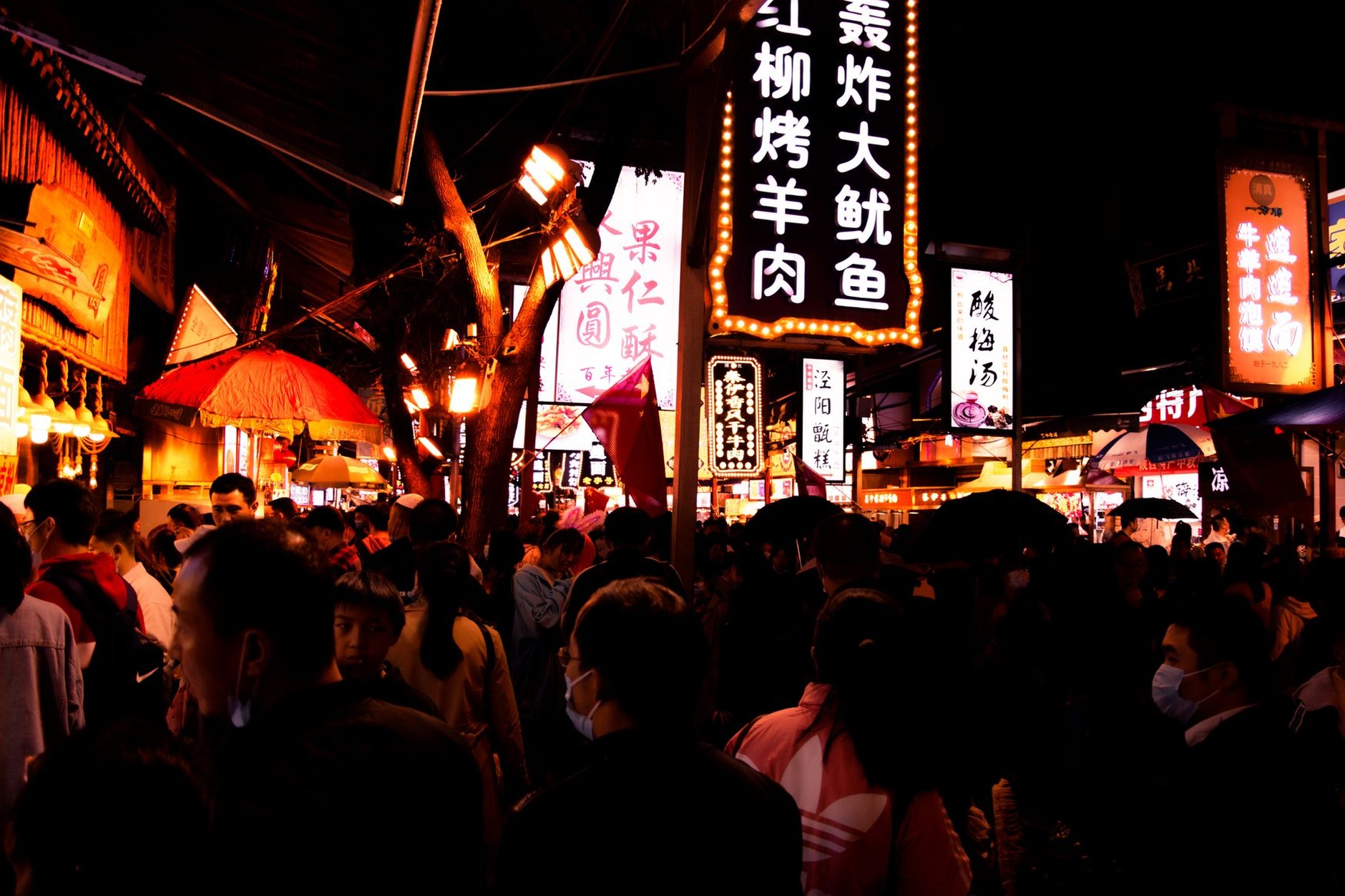
The aromas of roasted cumin, crushed sesame candy, and freshly baked flatbreads make the Muslim Quarter one of the most unforgettable culinary encounters in northern China. Take time to step into the tranquil courtyard of the Great Mosque of Xi’an, hidden within quiet residential alleys just steps away from the bustling main food avenue.
Days 6–7: Futuristic Metropolis
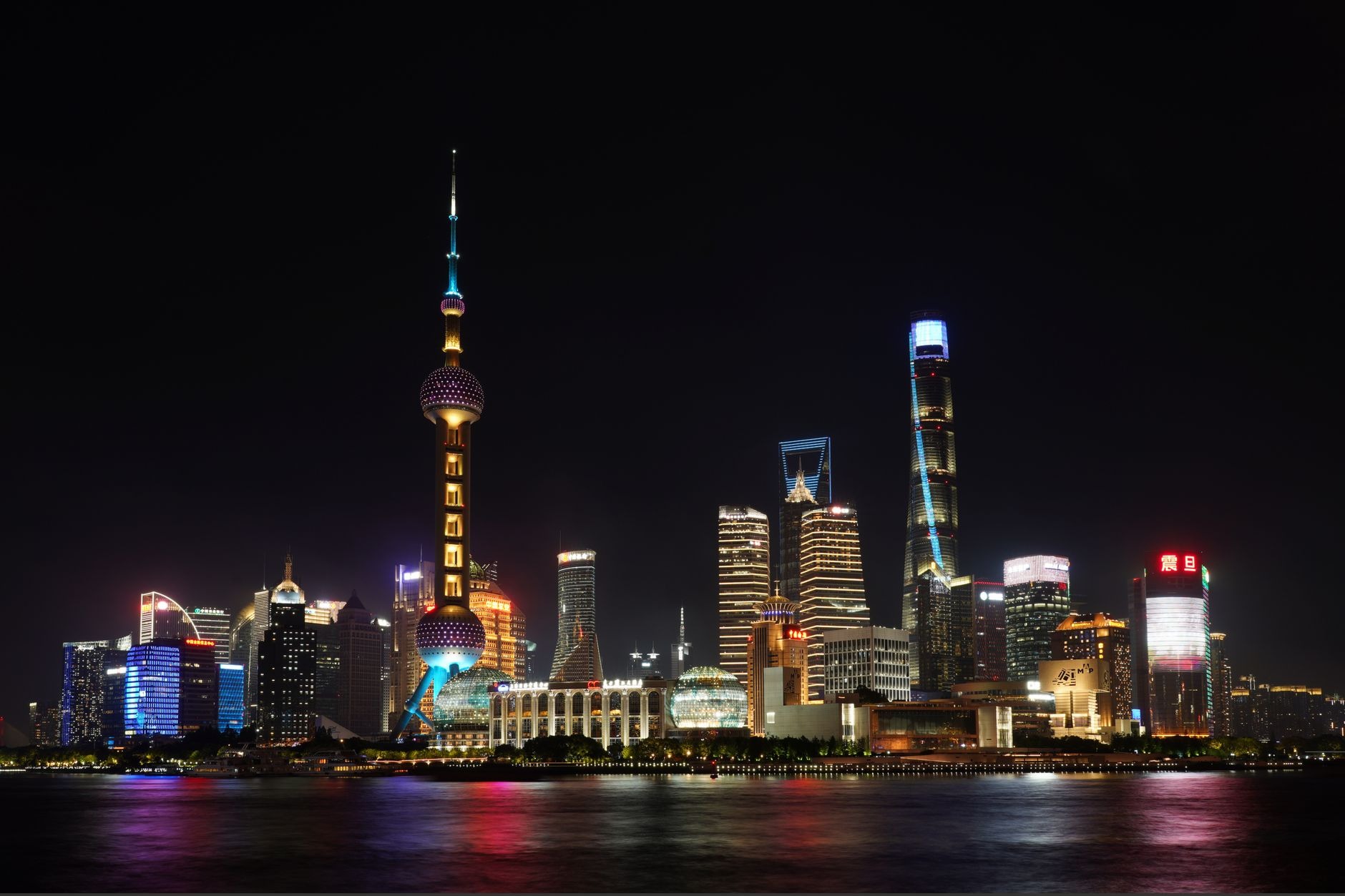
On Day 6, board another high-speed G-train or take a swift morning flight eastward to Shanghai, China’s dazzling commercial engine and global financial capital. Where Beijing and Xi’an reflect thousands of years of dynastic heritage, Shanghai is a kinetic monument to the future. Begin your exploration along The Bund (Waitan), the historic riverfront promenade along the Huangpu River lined with dozens of grandiose 1920s neoclassical, Gothic, and Art Deco bank headquarters, trading houses, and luxury hotels from the treaty-port concession era.
Gazing across the river from The Bund reveals the futuristic skyline of Lujiazui in Pudong. Just three decades ago a flat expanse of agricultural marshland, Pudong now boasts one of the most iconic high-rise ensembles on the planet: the 468-meter Oriental Pearl TV Tower with its space-age spheres, the 492-meter Shanghai World Financial Center, the 420-meter Jin Mao Tower, and the spiraling 632-meter Shanghai Tower—the third-tallest building in the world. Ascend to Shanghai Tower’s 118th-floor observation deck on one of the world’s fastest elevators (traveling at 20.5 meters per second) for a bird’s-eye view through the clouds across the sprawling Yangtze River delta.
Days 8–9: Water Towns & Departure
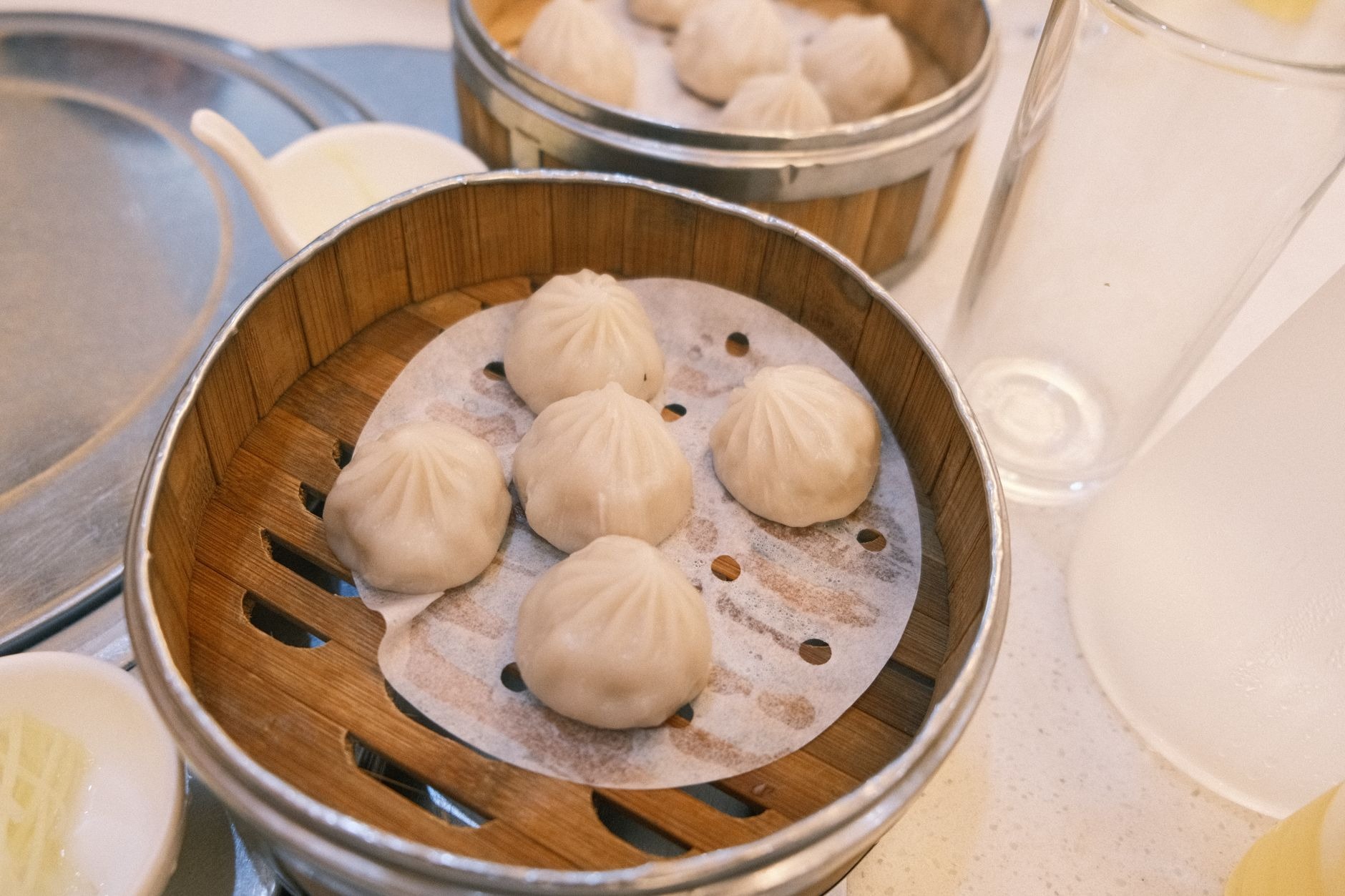
On Day 7 and 8, explore Shanghai’s charming historic neighborhoods. Wander through the 16th-century Ming Dynasty rockeries, koi ponds, and dragon-crested walls of Yu Garden (Yuyuan), stopping at the adjoining Old Town bazaar to savor authentic xiaolongbao (steamed soup dumplings) bursting with hot savory broth and minced pork. In the afternoon, stroll through the tree-lined avenues of the former French Concession, where historic 1930s villas and shikumen stone-gate alleyways now host indie fashion boutiques, specialty coffee roasters, and leafy outdoor bistros.
On Day 9, conclude your journey with a ride on the futuristic Shanghai Maglev Train from Longyang Road station to Pudong International Airport (PVG). Levitating on a magnetic cushion and accelerating to speeds of 430 km/h, the train covers the 30-kilometer distance in just 7 minutes and 20 seconds. Looking out the window as the suburban landscape blurs past provides the ultimate farewell to a nation that bridges deep dynastic roots with breathtaking modern ambition.
Street Smarts & Avoiding Costly Travel Traps in China
Mainland China is extraordinarily safe, with virtually non-existent violent street crime and ubiquitous security surveillance across all public transit hubs. However, the country’s unique digital payment ecosystem, closed internet architecture, and high tourist volumes create distinct traps for foreign visitors. Master these six crucial street-smart realities:
- The Infamous “Tea Ceremony” / English Student Extortion: In high-traffic tourist pedestrian hubs—especially near Tiananmen Square, Wangfujing, and the Forbidden City exit in Beijing, and around People’s Square and East Nanjing Road in Shanghai—clean-cut, friendly university students will approach you asking to practice English or take a photo. They quickly suggest visiting a nearby “traditional tea house” or art gallery. Once inside private upstairs booths, you are served small cups of tea and snacks, followed by an aggressive, inflated bill. Muscular bouncers block the door and escort victims to nearby ATMs to withdraw cash. Alternative: Politely decline invitations from overly friendly strangers on the street. Never follow anyone into second-floor tea rooms, unmarked alleys, or private tasting venues.
- The Cashless Society & Foreign Credit Card Rejection Trap: Mainland China has transitioned almost completely into a cashless society powered by QR-code digital wallets. Street vendors, taxi drivers, fast-food outlets, and metro ticket machines do not accept physical cash, carry no change, and cannot process foreign Visa, Mastercard, or American Express cards. Arriving without mobile digital payment capabilities will leave you unable to buy a bottle of water or ride a bus. Alternative: Download the Alipay and WeChat mobile apps onto your smartphone weeks before departure. Both apps now allow international tourists to bind foreign credit and debit cards directly without needing a Chinese domestic bank account. Practice scanning merchant QR codes and displaying your personal payment code.
- The Unregulated Airport & Railway Station “Black Taxi” (Hei Che) Scam: When exiting arrival halls at Beijing Capital (PEK), Beijing Daxing (PKX), or Shanghai Pudong (PVG), aggressive touts holding laminated signs murmur “Official taxi, cheaper rate.” These unregulated pirate drivers (hei che) lead tourists to remote parking garages and demand exorbitant flat fares for rides that cost far less on an official taximeter, or they tamper with meter devices to inflate charges tenfold. Alternative: Walk directly past all terminal touts to the official, clearly marked airport taxi queue operated by municipal dispatchers, or use the Didi ride-hailing mini-program embedded directly inside the Alipay app, which locks in official upfront digital pricing.
- The Badaling Great Wall Tourist Trap vs. Mutianyu: Commercial bus tour promoters around Tiananmen Square aggressively market cheap day trips to the Great Wall. These buses take visitors exclusively to the Badaling section, which is notoriously overcrowded with massive tour groups, surrounded by souvenir shops, and involves long forced stops at state-run jade factories and silk showrooms where tourists are pressured into buying overpriced jewelry. Alternative: Visit the Mutianyu Great Wall independently. Book an official direct tourist shuttle bus (such as Mubus or Beijing Hub of Tour Dispatch) from Dongzhimen station directly to Mutianyu, or hire a licensed private driver through your hotel. Mutianyu is far more scenic, spacious, and preserved.
- Forbidden City & National Museum Real-Name Ticketing Quotas: To protect historic structures, the Palace Museum enforces a strict daily visitor cap. Paper tickets at the entrance were abolished years ago; all visitors must book digital real-name tickets linked to their exact passport number. Tickets open exactly seven days in advance at 20:00 Beijing time and frequently sell out within minutes during peak travel seasons. Desperate travelers often buy fake ticket vouchers from unauthorized street scalpers outside the gate, only to be rejected at the security passport scanners. Alternative: Create an account on the official Palace Museum WeChat mini-program or website beforehand, set a phone alarm for 19:58 Beijing time seven days before your planned visit, and book your tickets the second they go live.
- The Fake Banknote & Counterfeit Swapping Con: While cash transactions are increasingly rare, if you do use large banknotes at small souvenir stalls or with private taxi drivers, dishonest merchants may execute a sleight-of-hand swap. The vendor inspects your genuine banknote, secretly slides it under the counter, and hands back a counterfeit banknote claiming: “This bill is torn, wrinkled, or fake—give me another one.” The tourist unknowingly gives a second genuine bill, losing that banknote in the process. Alternative: Strictly utilize Alipay or WeChat Pay for all transactions, completely eliminating the need to handle physical paper currency and avoiding counterfeit note circulation.
Staying Connected Behind the Great Firewall
China operates the world’s most sophisticated internet censorship apparatus, known as the Great Firewall. Crucial global digital tools—including Google Maps, Gmail, Google Search, WhatsApp, Instagram, Facebook, YouTube, The New York Times, and Slack—are completely blocked when connected to standard Chinese domestic Wi-Fi networks or local Chinese mainland SIM cards purchased at domestic telecommunications kiosks.
Furthermore, relying on local hotel Wi-Fi requires tedious SMS code verifications that often fail on foreign phone numbers, and standard VPN software apps downloaded from overseas frequently suffer sudden blocks, connection throttling, and severe battery drain while traveling in China.
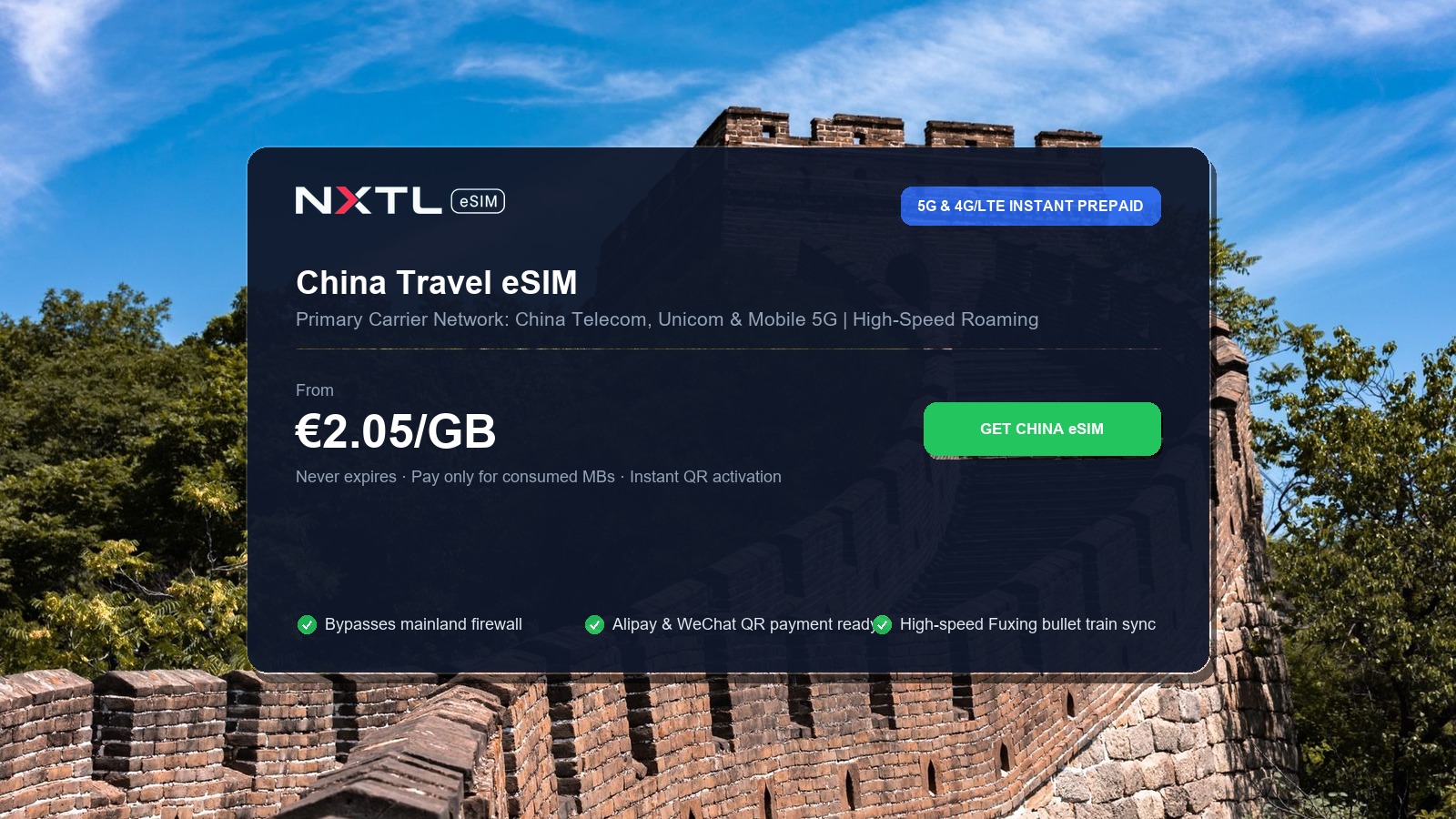
The premier solution is an international travel eSIM. Because international roaming traffic is routed back through global telecom servers outside mainland China, an NXTL China travel eSIM automatically bypasses the Great Firewall without requiring any third-party VPN software. You enjoy instant, unrestricted access to Google, WhatsApp, and social platforms, while connecting natively to top-tier China Telecom, China Unicom, and China Mobile 5G networks across the country.
Starting at just $2.32 per gigabyte with no expiration dates, NXTL ensures you can run Alipay payments, navigate complex subway systems, check 12306 bullet train timetables, and stay in touch with family back home without interruption.
| Traveler Data Profile | Estimated Data Usage | Primary Trip Applications | Recommended NXTL Plan |
|---|---|---|---|
| Digital City Navigator | 1 GB – 3 GB | Alipay & WeChat QR payments, Apple Maps walking navigation, 12306 train timetable lookups, WhatsApp texting | 1 GB – 3 GB Pay-As-You-Go ($2.32/GB) |
| Active Golden Triangle Explorer | 5 GB – 10 GB | Live video sharing, social media posting, photo uploads, live translation of Mandarin street signage and restaurant menus | 5 GB – 10 GB High-Speed Package |
| Unrestricted Digital Professional | 15 GB – 20 GB+ | Laptop hotspot tethering on G-trains, remote cloud syncing, Zoom video conferencing, continuous media streaming | 20 GB High-Volume Bundle |
By preparing your digital payment apps before departure, securing verified monument reservations, and maintaining unrestricted cellular connectivity with an NXTL travel eSIM, your journey through China will be a seamless, jaw-dropping exploration of one of the world’s most fascinating civilizations.