For decades, traveling through the landlocked mountainous heart of Laos required immense physical stamina. Adventurous backpackers endured grueling, motion-sickness-inducing journeys aboard cramped public minivans navigating the cratered potholes, landslides, and dizzying hairpin bends of National Route 13. Traversing the 180 kilometers between Luang Prabang and Vang Vieng routinely devoured six to eight exhausting hours. Because transport was so punishing, many travelers rushed through hurried itineraries or bypassed inland Laos entirely in favor of Thailand or Vietnam.
Today, Southeast Asia’s most serene country has undergone a quiet infrastructural transformation. The opening of the electrified Laos-China Railway (LCR) has revolutionized domestic travel, slicing through jungle-clad limestone mountains at 160 km/h and reducing that once-agonizing six-hour mountain ordeal to an effortless 50-minute glide. By pairing the smooth speed of modern rail travel with the timeless, meditative cadence of the Mekong River, this 7-day slower Laos itinerary connects the royal spiritual sanctuary of Luang Prabang, the dramatic karst riverscapes of Vang Vieng, and the laid-back capital of Vientiane—allowing you to experience authentic Indochinese tranquility without transit exhaustion.
| Day / Stage | Overnight Base | Key Highlights | Transit & Route Logistics | Essential Advance Bookings | What to Skip / Save |
|---|---|---|---|---|---|
| Days 1–3: Royal Sanctuary | Luang Prabang (UNESCO Peninsula) | Wat Xieng Thong golden sweep, silent morning alms (Sai Bat) observation, Mount Phousi sunset panorama, Kuang Si multi-tier turquoise waterfalls, Pak Ou Caves Mekong river cruise | Luang Prabang Airport (LPQ) to town via official shared taxi counter (15 min, 100,000 LAK); walkable peninsula, bicycles, and local electric songthaews | Shared minivan transfer to Kuang Si Falls; traditional wooden boat to Pak Ou Caves (departs main pier 08:30) | Skip purchasing stale rice from aggressive street touts during the morning alms; observe respectfully from across the street without flash photography or interference |
| Days 4–5: Karst Valleys & Rivers | Vang Vieng (Nam Song Riverfront) | Board morning LCR express train to Vang Vieng, Nam Song river kayaking past towering limestone spires, hiking Nam Xay viewpoint, Tham Chang stalactite cave exploration | Luang Prabang to Luang Prabang Railway Station: 25 min via shared minivan (40,000 LAK); LCR train C81/C83 to Vang Vieng (50 min, 170,000 LAK 2nd class) | LCR train ticket via official LCR Ticket app (booking opens strictly 3 days in advance; passport details required) | Skip renting noisy gas buggies that churn up choking dust and disrupt rural villages; explore the karst valley on a silent electric mountain bicycle or via river kayak |
| Days 6–7: Serene Capital & Departure | Vientiane (Mekong Riverside) | Board LCR afternoon train to Vientiane, Pha That Luang golden stupa, Patuxai Victory Gate climb, serene cloister of Wat Si Saket, Mekong night market street food, Wattay Airport (VTE) departure | Vang Vieng to Vientiane via LCR train (55 min, 180,000 LAK); Vientiane Railway Station to city center: 35 min via City Bus 28 or shared van (30,000–50,000 LAK) | LCR train ticket Vang Vieng to Vientiane; airport transfer via Loca ride-hailing app | Skip hiring unmetered private tuk-tuks at Vientiane railway station; use the official municipal green bus or book transparent rides on the local Loca app |
Audience, Seasonality, and the Railway
By using the railway as your backbone between overnight hubs, you reclaim full days of your vacation. Instead of spending your mornings recovering from bruised tailbones on bumpy unpaved mountain roads, you wake up refreshed, listen to the distant strike of monastery gongs, and sip organic Lao Arabica coffee along the tranquil banks of the Mekong.
Days 1–3: Royal Sanctuary
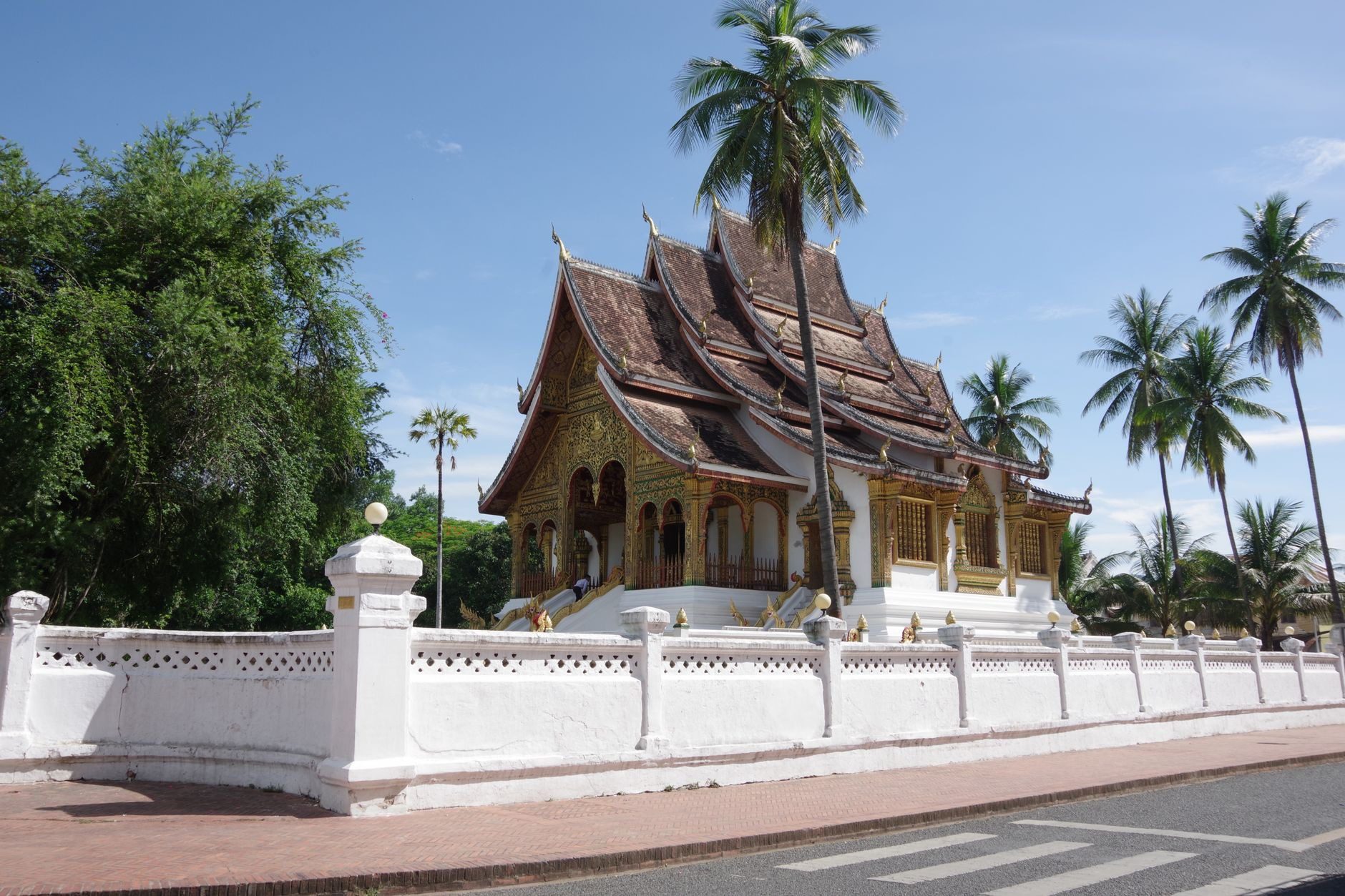
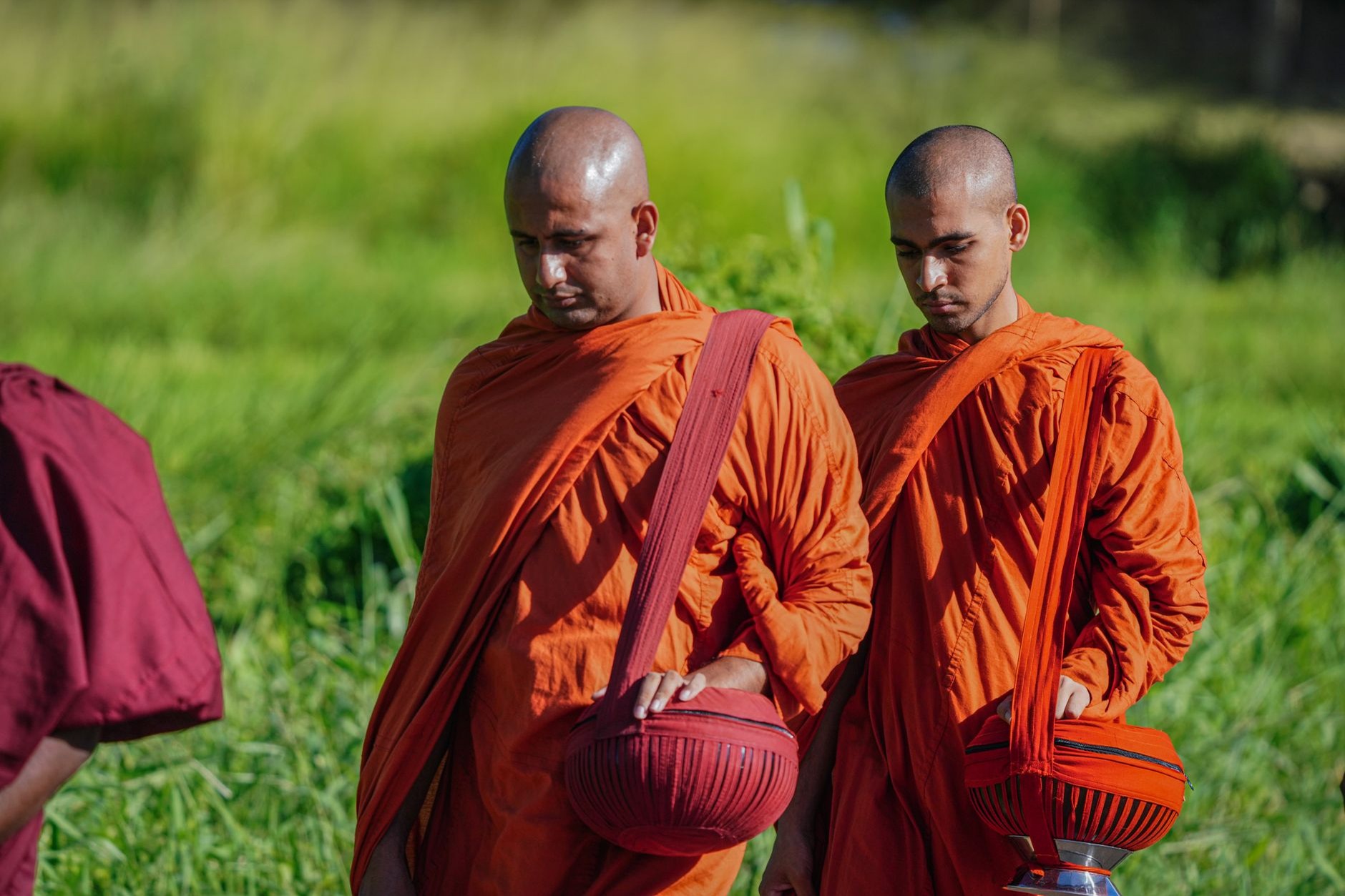
Your journey begins in Luang Prabang, the former royal capital nestled at the sacred confluence of the Mekong and Nam Khan rivers. Inscribed as a UNESCO World Heritage site in 1995, the town is a masterclass in architectural harmony, where gilded Buddhist temple spires blend seamlessly with French colonial timber villas draped in purple bougainvillea. At dawn, witness the centuries-old ritual of Sai Bat (alms giving), where hundreds of barefoot monks in vibrant saffron robes walk in quiet procession through misty morning streets, receiving offerings of freshly steamed sticky rice from devout kneeling townspeople.
Spend your morning visiting Wat Xieng Thong (Temple of the Golden City), the pinnacle of classical Luang Prabang temple architecture built in 1560 by King Setthathirath. Its sweeping low roof sweeps dramatically toward the ground like the wings of a protective bird. On the exterior rear wall, admire the dazzling “Tree of Life” mosaic—a shimmering masterwork composed of colored glass tesserae set into deep crimson lacquer depicting sacred Buddhist legends and village forest life. In the afternoon, climb the 328 stone steps of Mount Phousi, crowned by the golden That Chomsi stupa, taking in a breathtaking 360-degree panorama of forested peaks and glittering river bends as the sun dips below the mountains.
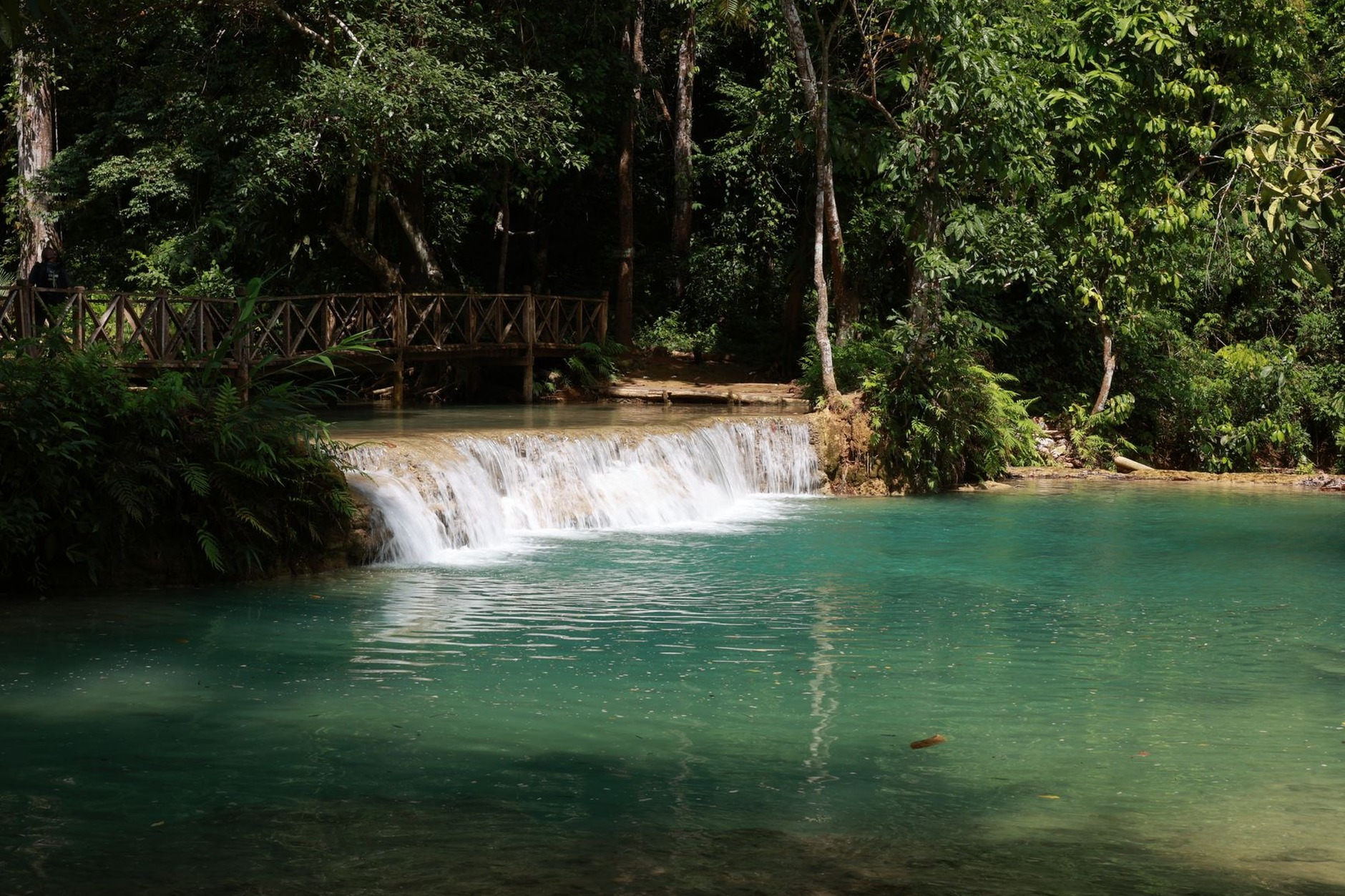
On Day 2, travel 30 kilometers south of the peninsula through rural Hmong and Khmu villages to the magical cascades of Kuang Si Falls. Here, cool spring water rich in dissolved calcium carbonate flows down a steep jungle mountainside, tumbling over a colossal 60-meter main waterfall before spilling into a series of stepped, milky-turquoise travertine pools. The mineral content gives the water an astonishing, gem-like luminescence that contrasts brilliantly against the dense tropical canopy. Take a refreshing swim in the designated lower pools, followed by a visit to the adjacent Tat Kuang Si Bear Rescue Centre, which provides a protected sanctuary for endangered Asiatic black bears (moon bears) rescued from illegal bile farms.
In the late afternoon, return to town and board a traditional narrow wooden longtail boat for a peaceful sunset cruise along the Mekong River. As the boat engines throttle down, the water turns to liquid copper, reflecting the silhouettes of fishermen casting throw-nets from slender dugout canoes. Sip a chilled can of Beerlao and watch the daily life of riverbank farmers tending hillside vegetable patches of riverweed, lemongrass, and chili peppers.
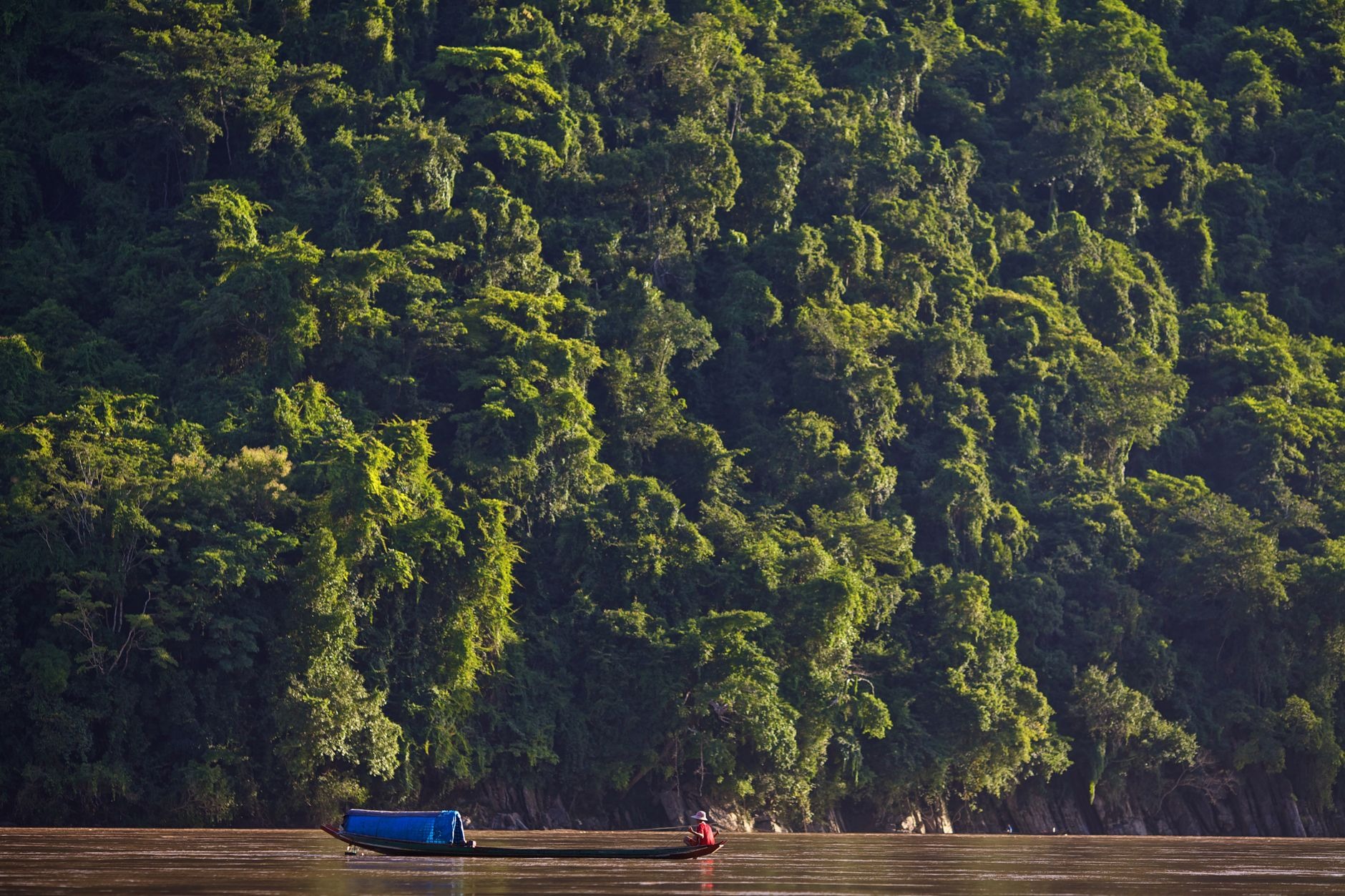
Day 3 offers a cultural pilgrimage upriver to the sacred Pak Ou Caves (Tham Ting and Tham Theung). Carved high into sheer vertical limestone cliffs overlooking the Mekong, these twin caverns have served as places of worship for over six centuries. When ancient kings and local pilgrims visited during Lao New Year (Pi Mai Lao), they brought carved wooden Buddha statues as offerings. Today, thousands of lacquered, gilded Buddha figures of every size—ranging from tiny pocket amulets to human-height sculptures—stand packed together on dusty rock ledges in the cool, shadowy depths of the cave chambers.
Returning to Luang Prabang, dedicate your evening to wandering through the nightly Handicraft Market along Sisavangvong Road. Under red canopies illuminated by lanterns, local artisans—predominantly ethnic Hmong women—sell intricate hand-woven indigo textiles, mulberry paper lamps, hand-carved teakwood utensils, and silver jewelry crafted in nearby mountain villages, offering an intimate window into regional craftsmanship.
Days 4–5: Karst Valleys & Rivers
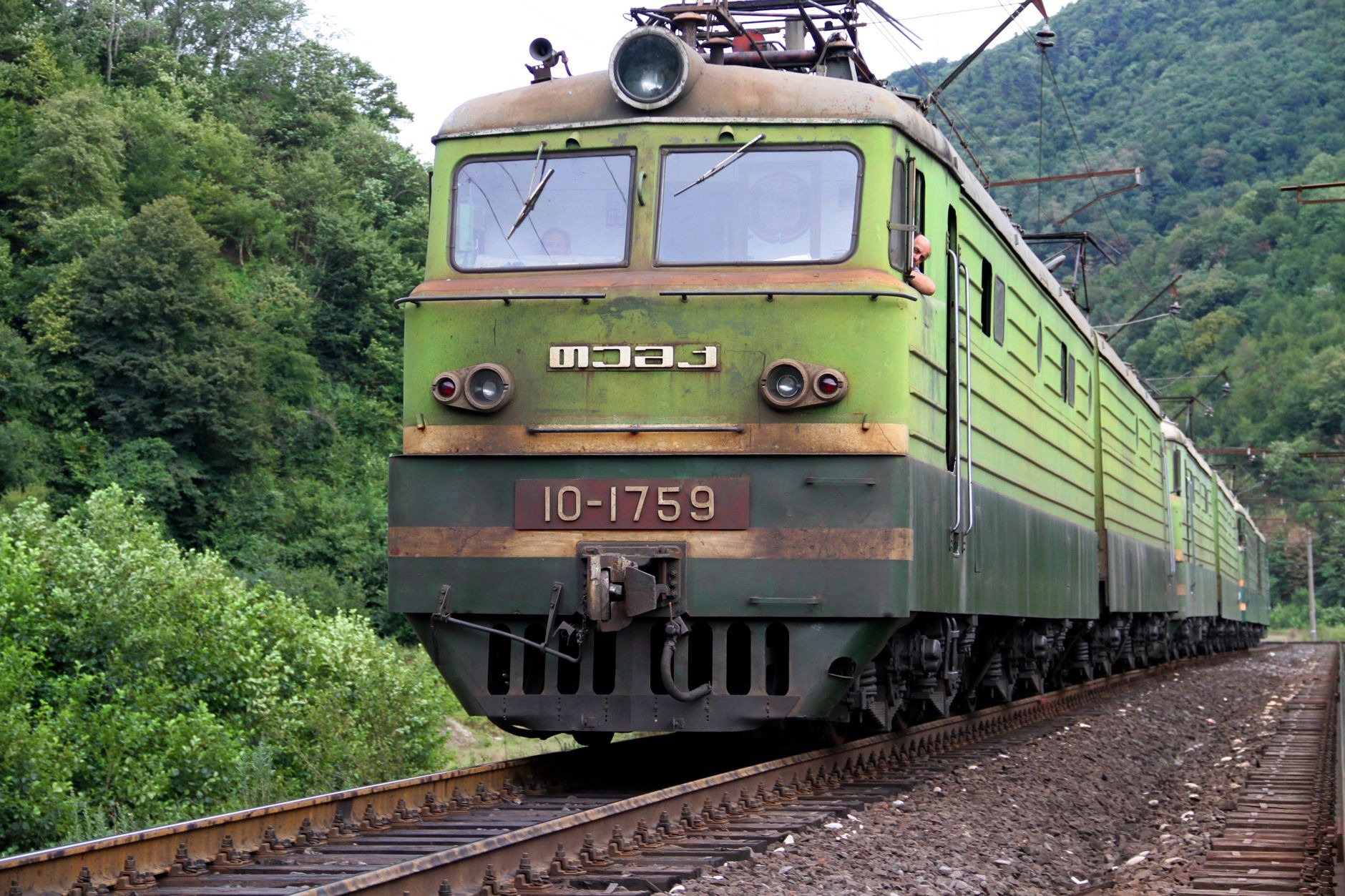
On the morning of Day 4, board a shared minivan for the 25-minute transfer to the colossal new Luang Prabang Railway Station. Stepping onto the platform to board the Lane Xang EMU high-speed train feels like stepping across a temporal threshold. Painted in the red, blue, and white colors of the Lao national flag, these sleek Chinese-engineered trainsets offer quiet, air-conditioned comfort, broad windows, electrical outlets, and pristine restrooms. As the train accelerates to 160 km/h, it plunges smoothly through dozens of tunnels drilled deep beneath the jagged Annamite mountain chains, crossing elevated viaducts spanning jungle rivers that once blocked passage for weeks during monsoon floods.
In just 50 effortless minutes, you arrive at Vang Vieng. Once infamous as a rowdy backpacker party outpost dominated by river tubing bars, Vang Vieng has undergone a dramatic transformation into Southeast Asia’s premier eco-adventure and nature destination. The town sits in a flat, emerald green valley surrounded by colossal, vertical limestone karst towers that erupt abruptly from surrounding rice paddies, looking like a traditional Chinese landscape painting brought to vivid three-dimensional life.
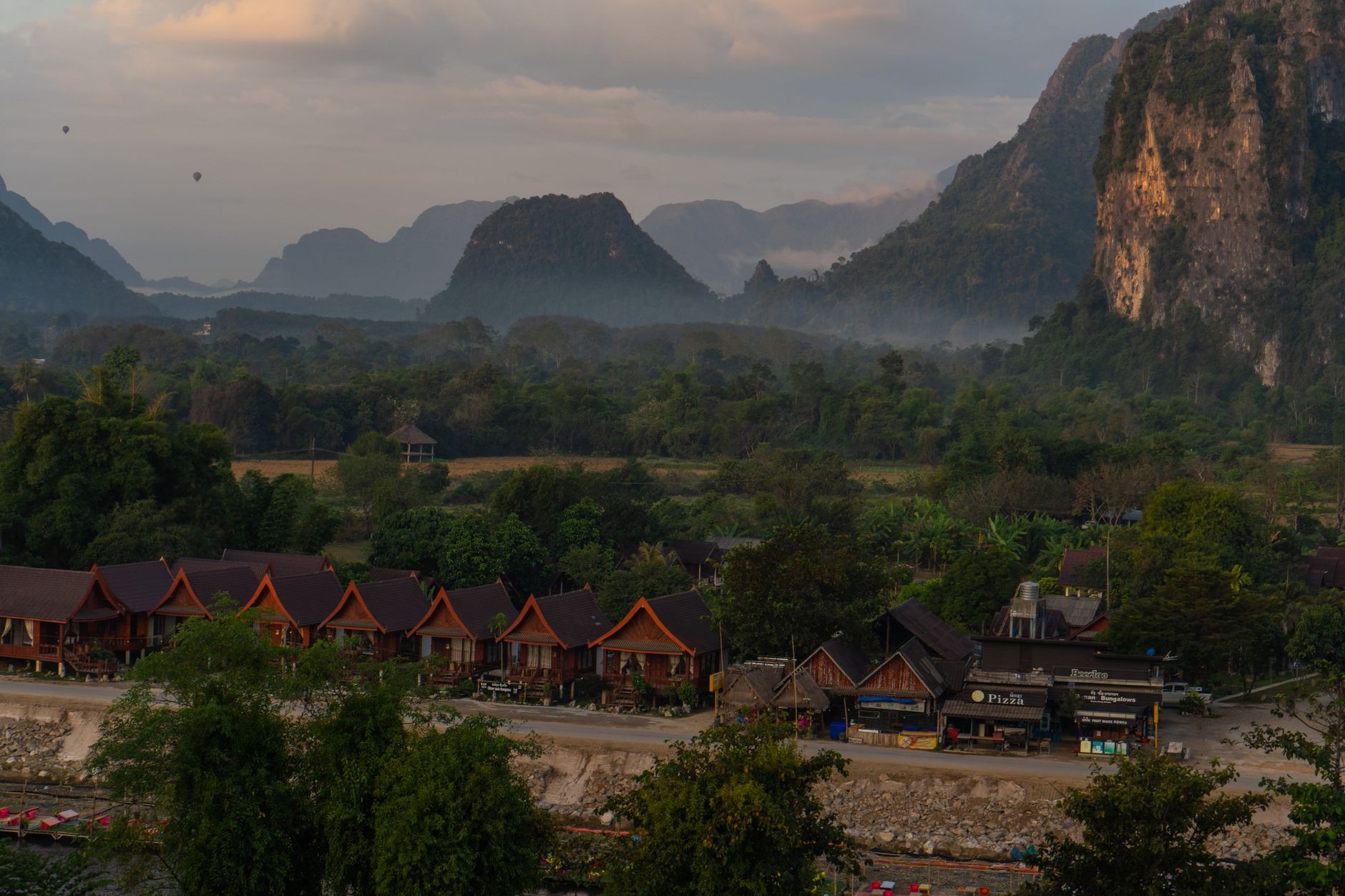
Base yourself at a quiet riverside eco-lodge on the west bank of the Nam Song River. Spend your afternoon kayaking downstream along the river, paddling through gentle rapids flanked by towering limestone cliffs, bamboo water wheels, and grazing water buffalo. As twilight falls, watch dozens of colorful hot air balloons drift silently over the razor-sharp karst peaks against purple and amber skies, before crossing the orange suspension footbridge to dine on fresh grilled river fish and spicy green papaya salad (tam mak hoong) at open-air wooden river decks.
On Day 5, lace up your hiking boots for the exhilarating ascent of the Nam Xay Viewpoint. The trail is steep, rugged, and requires pulling yourself up rough limestone rock steps and bamboo ladders through dense jungle for 35 to 45 minutes. At the razor-sharp summit ridge, a surreal surprise awaits: a motorcycle mounted securely to the bare rock ledge by local villagers. Standing beside the bike with the Lao flag snapping in the mountain wind, you gaze out across a breathtaking 360-degree panorama of jagged karst spires, emerald green rice fields, and mist-veiled mountain valleys extending as far as the eye can see.
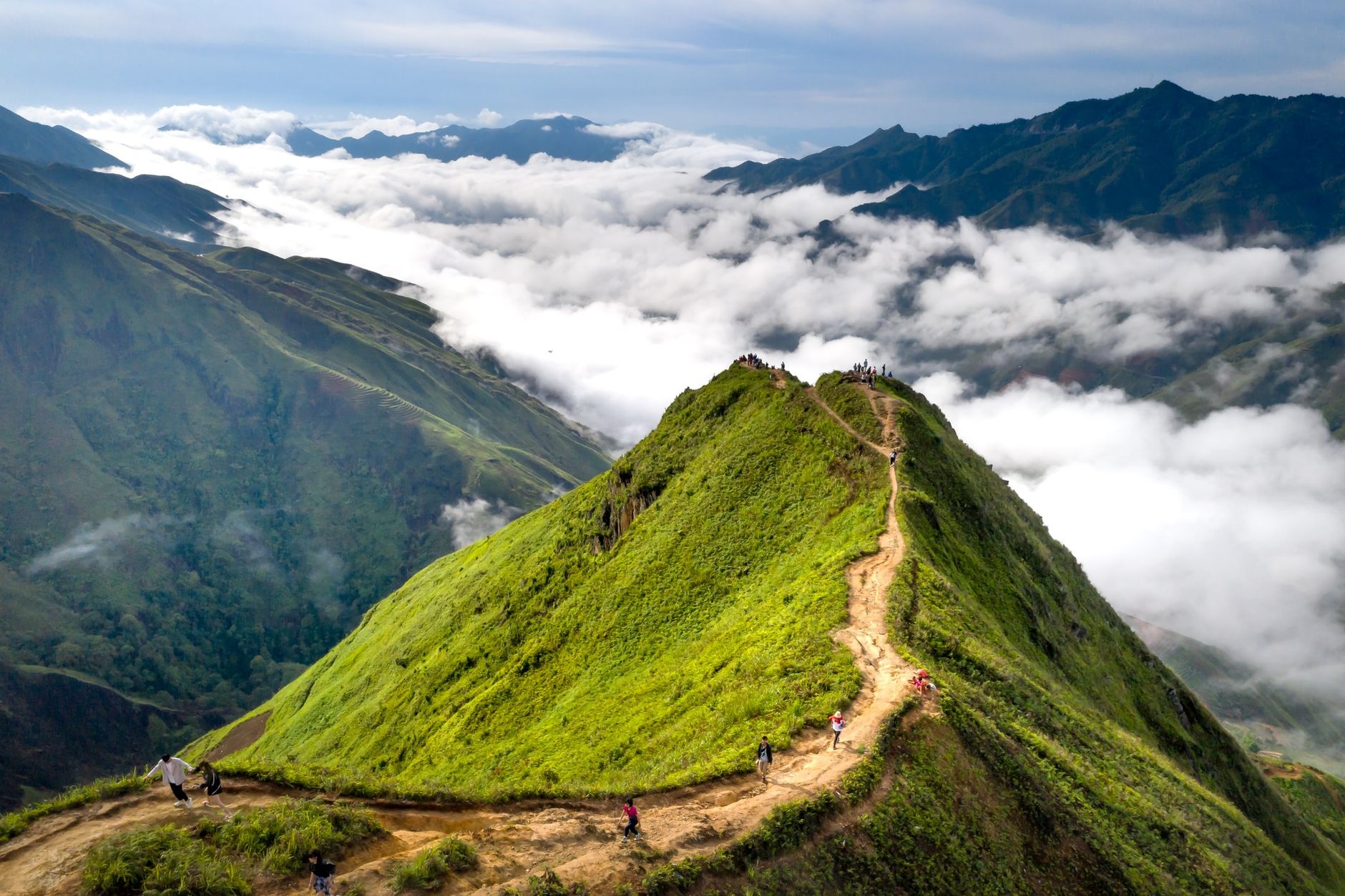
After descending the peak, cool off in the crystal-clear waters of Blue Lagoon 4 or explore the vast subterranean caverns of Tham Chang, a historical cave fortress where 19th-century villagers took refuge during marauding Haw pirate invasions. The cave features dramatic illuminated stalactites, cool limestone chambers, and a high natural window opening onto panoramic valley views.
Days 6–7: Serene Capital & Departure
On the morning of Day 6, take another swift 55-minute LCR train ride south to Vientiane, the sleepy, charming capital of Laos. Unlike the frantic, traffic-choked capitals of neighboring Bangkok or Hanoi, Vientiane retains a delightfully gentle, human-scale atmosphere. Tree-lined French boulevards are punctuated by saffron-robed monks cycling past yellow colonial mansions, roadside baguette carts selling khao jee sandwiches, and tranquil monastic courtyards.
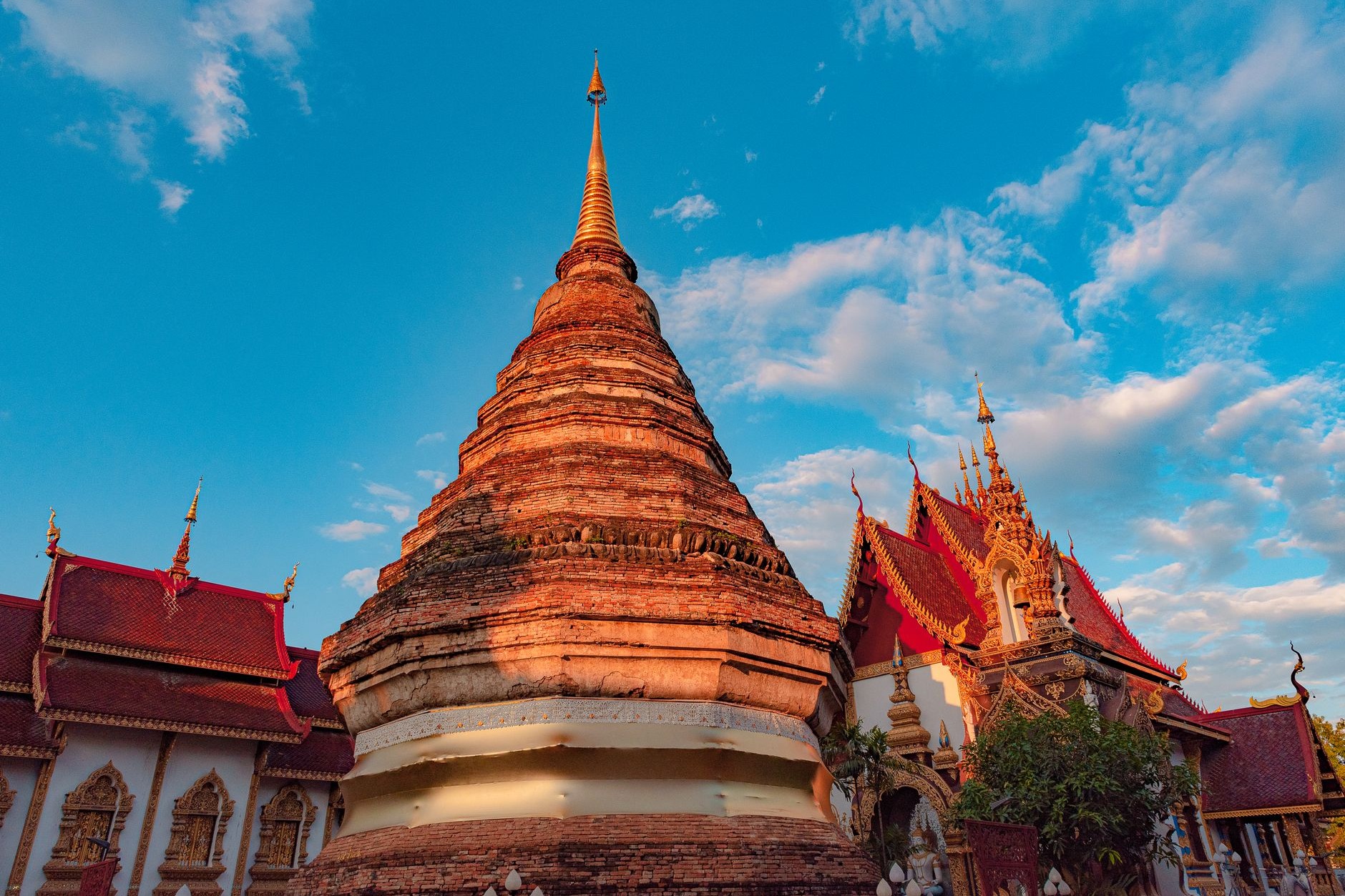
Begin your capital exploration at Pha That Luang (The Great Sacred Stupa), the foremost national symbol of Laos and an architectural masterpiece dating back to the 16th century. Covered in genuine gold leaf, this 44-meter-tall pyramid of tiered terraces and lotus spires is believed to enshrine a sacred breastbone relic of the Buddha. Continue to Patuxai (Victory Gate), Laos’s unique response to Paris’s Arc de Triomphe, built in the 1960s using American concrete originally intended for a new military airport runway. Climb the interior spiral staircases to the rooftop observation terrace for a commanding view down the broad boulevard of Lane Xang Avenue toward the presidential palace.
In the late afternoon, step into the ancient cloister of Wat Si Saket, the oldest surviving temple in Vientiane, which miraculously escaped destruction during the Siamese sack of 1828. Its shaded perimeter cloisters contain over 6,800 miniature silver and ceramic Buddha statues nestled inside tiny wall niches. As dusk falls, walk along the wide Mekong riverside promenade, browsing through the vibrant night market and watching the sunset cast long golden reflections across the river toward the distant banks of Thailand.
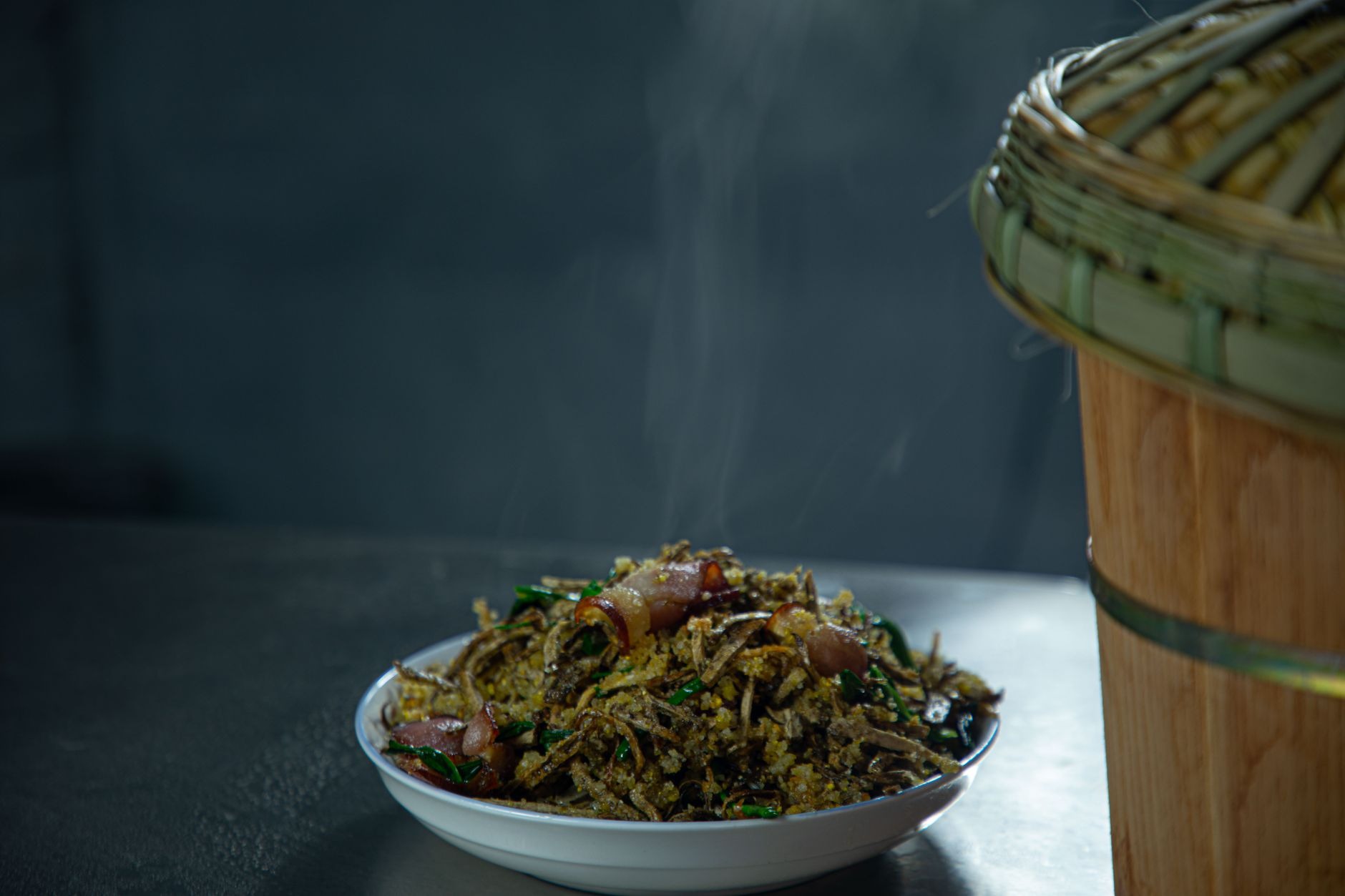
On Day 7, conclude your journey with a traditional Lao breakfast of steaming khao piak sen (handmade tapioca noodle soup in savory chicken broth) or a strong Lao iced coffee brewed through a cloth sock filter with condensed milk. Take a convenient 15-minute transfer to Wattay International Airport (VTE) for your homeward flight, carrying indelible memories of mist-veiled karst peaks, tranquil Mekong dawns, and the gentle, unhurried warmth of the Lao people.
Street Smarts & Avoiding Costly Traps in Laos
Laos is remarkably peaceful, with deep Buddhist cultural traditions fostering exceptional hospitality and safety. However, the country’s recent rapid economic shifts, high inflation, and newly built railway infrastructure have created distinct logistical pitfalls. Keep these six essential street-smart realities in mind:
- Laos-China Railway (LCR) Station Transfer Shakedowns & Security Confiscations: Because of topographical constraints, LCR train stations are located 10 to 15 kilometers outside town centers (e.g., Luang Prabang station is 12 km out; Vientiane station is 14 km out). Unofficial van drivers waiting outside stations aggressively demand a cash payment per person for short transfers. Furthermore, LCR security checkpoints enforce draconian carry-on restrictions identical to Chinese domestic rail standards: all aerosol spray cans (deodorant, hairspray, shaving foam), pressurized insect repellents, and pocket knives or scissors of any size are immediately confiscated without recourse. Alternative: Book shared minivan transfers through your hotel or via the official station transit counters (fixed at a cash sum per person). Never pack aerosol cans or utility knives in your luggage when taking the train; purchase liquid insect repellent and pump-spray toiletries locally.
- Currency Instability & The “Triple Currency” Calculation Trick: The Lao Kip (LAK) has experienced extreme currency volatility and depreciation in recent years. Many tourist businesses, restaurants, and hotels quote prices interchangeably in Thai Baht (THB), US Dollars (USD), or Lao Kip. Dishonest vendors frequently use manipulative, heavily outdated parallel exchange rates when converting bills, resulting in stealth surcharges of 20% to 35% if you pay in Kip for a Baht-quoted price or vice versa. Alternative: Always clarify the currency denomination before ordering food or agreeing to a service. Check live official exchange rates on mobile currency apps (like XE), and carry a mix of clean, uncreased US Dollar banknotes (for visa fees and larger hotel bills), Thai Baht, and local Kip for daily market transactions.
- The Morning Alms (Sai Bat) Commercial Vendor Harassment: In Luang Prabang, predatory street vendors along Sisavangvong Road target foreign tourists, pushing them onto low plastic stools and thrusting wicker baskets of “alms rice” into their hands for a cash sum. This rice is frequently low-grade, stale, or improperly cooked, which can make the monks sick. Furthermore, crowds of tourists often shove cameras directly into monks’ faces and block their walking paths, causing immense cultural offense. Alternative: If you wish to genuinely participate, arrange freshly cooked sticky rice through your hotel kitchen beforehand, dress conservatively with shoulders and knees covered, and remove your shoes. Otherwise, stand quietly across the street without flash photography to observe this sacred spiritual ritual respectfully from a distance.
- Tuk-Tuk & Songthaew “No Change” & Unauthorized Detour Traps: When hiring a three-wheeled motorized tuk-tuk or shared songthaew on the street in Vientiane or Luang Prabang, drivers frequently agree to a fair fare, but upon arrival at your destination, claim they have “no change” for a large note, forcing passengers to surrender the entire note. In other instances, drivers offer suspiciously cheap city tours, only to make unrequested detours to silk factories, gem shops, and herbal medicine dealers where they earn commissions. Alternative: Always carry small denominations of Kip banknotes (10,000, 20,000, and a cash sum) for transport. In Vientiane, download the Loca app—the local licensed equivalent of Uber/Grab—which provides upfront metered pricing, route tracking, and digital credit card payment.
- Vang Vieng Motorbike & Buggy Pre-Existing Damage Extortion: Rental shops in Vang Vieng rent out 125cc motorbikes and off-road four-wheeled buggies to tourists exploring the dusty dirt tracks to Blue Lagoons. Nearly all shops demand your physical original passport as a rental deposit. Upon return, mechanics will inspect the vehicle with a flashlight, claiming that minor preexisting scratches, scuffed mudguards, or bent footpegs are new damage caused by the renter, demanding a cash payment while holding your passport hostage. Alternative: Never surrender your original physical passport as collateral; find a reputable shop that accepts a cash deposit (usually a cash sum) alongside a passport photocopy. Before driving away, record a continuous, detailed high-definition video of the entire vehicle, focusing closely on existing scratches, tire tread, and body panels in front of the rental agent.
- The Fake Pak Ou Caves “Private Boat Only” Scam: Walking down to the Mekong boat pier in Luang Prabang in the morning, tourists are approached by smooth-talking touts claiming: “The public boat to Pak Ou Caves is full today, broken down, or cancelled due to river currents—you must hire my private longtail boat for a cash sum.” In reality, the official cooperative boat association operates a daily public passenger longtail boat departing the main pier at 08:30 for a standardized fixed price of a cash sum per person round-trip. Alternative: Bypass freelance street touts entirely and walk directly to the official wooden ticket booth at the top of the boat stairs behind the Royal Palace, purchasing your official stamped ticket directly from the cooperative dispatcher.
Staying Connected Across Northern Laos
Traveling between mountainous river valleys, verifying dynamic train ticket availability on the LCR mobile application, and booking transparent transportation requires continuous, reliable cellular connectivity. Having high-speed mobile data enables you to monitor fluctuating exchange rates, navigate winding village alleys using digital maps, translate Lao script menus, and stay in touch effortlessly across remote terrain.
Rather than waiting in line at Luang Prabang Airport arrivals to buy local physical plastic SIM cards that require complicated passport registration and cash top-up scratch cards, activating an eSIM prior to departure guarantees instant network access the second your aircraft lands on the runway.
With an NXTL Laos travel eSIM, travelers connect directly to the country’s most reliable cellular infrastructure, including ETL Mobile and Unitel 4G/LTE networks. Starting from just $2.95 per gigabyte with no expiration dates, you enjoy reliable data speeds, full personal hotspot tethering, and transparent pay-as-you-go pricing across all your mobile devices.
| Traveler Data Profile | Estimated Data Usage | Primary Trip Applications | Recommended NXTL Plan |
|---|---|---|---|
| Valley Navigator | 1 GB – 3 GB | LCR train app scheduling, Loca ride-hailing in Vientiane, XE currency exchange checks, WhatsApp messaging | 1 GB – 3 GB Pay-As-You-Go ($2.95/GB) |
| Active Slower Explorer | 5 GB – 10 GB | Google Maps walking navigation, social media photo uploads, live translation of temple placards, video sharing | 5 GB – 10 GB High-Speed Package |
| Remote Digital Nomad | 15 GB – 20 GB+ | Hotspot tethering across riverside eco-lodges, video calls, cloud photo backups, evening high-definition entertainment | 20 GB High-Volume Bundle |
By relying on the modern high-speed railway to conquer mountainous distances, honoring local spiritual customs, and securing reliable mobile data before you arrive, your slower journey through Laos will deliver an unhurried, deeply soul-stirring exploration of Southeast Asia’s most peaceful paradise.