Colombia is one of the most geographically diverse and culturally intoxicating nations on earth, yet international travelers frequently run into severe logistical pitfalls when planning their first route. Seduced by the map, visitors underestimate the country’s colossal Andean topography, where three towering mountain cordilleras—the Occidental, Central, and Oriental—divide the major regions. Attempting to navigate between Bogotá, Medellín, the Coffee Axis, and the Caribbean coast by long-distance intercity buses (flotas) traps unsuspecting travelers in grueling 10-to-14-hour journeys along winding, two-lane mountain passes vulnerable to heavy truck congestion and seasonal landslides.
The definitive formula for an effortless first Colombian adventure is pairing efficient, low-cost domestic flights with dedicated regional hubs. By taking 45-minute hops between major centers, you preserve your energy for experiencing Colombia’s three defining wonders: the high-altitude Andean cultural sophistication of Bogotá, the cloud-forested wax palm valleys and artisanal fincas of the Coffee Triangle (Eje Cafetero), and the sun-drenched Caribbean history and bougainvillea-draped stone ramparts of Cartagena de Indias. This 8-day discovery route delivers an extraordinary cross-section of Colombian life while minimizing transit fatigue.
| Day / Stage | Overnight Base | Key Highlights | Flight & Ground Logistics | Essential Advance Bookings | What to Skip / Save |
|---|---|---|---|---|---|
| Days 1–2: Andean Cultural Capital | Bogotá (Chapinero or Candelaria) | Cerro de Monserrate funicular summit panorama (3,152 m), Museo del Oro pre-Columbian gold vaults, Museo Botero, historic La Candelaria colonial alleys, gourmet dining in Zona G | El Dorado Airport (BOG) to city center via official yellow taxi counter with printed tariff slip or Cabify (35–50 min); city transit via ride-hailing apps or TransMilenio BRT | Museo del Oro timed ticket; Monserrate funicular weekend morning pass | Skip hailing unmetered yellow street taxis on the curb at night; strictly use ride-hailing apps (Cabify, Uber) to guarantee GPS tracking and transparent digital fares |
| Days 3–5: Emerald Coffee Valleys | Salento or Filandia (Quindío) | Fly Bogotá to Armenia (AXM) or Pereira (PEI), traditional Willys Jeep ride to the Cocora Valley, hiking among 60-meter Quindío wax palms, specialty coffee bean harvest & tasting at Finca El Ocaso | Bogotá (BOG) to Armenia (AXM): 55 min direct flight on Avianca/LATAM; airport to Salento via private transfer (45 min, 120,000 COP); local transport via shared open-air Willys Jeeps | Domestic flight tickets (book 30–60 days ahead for lowest fares); Finca El Ocaso premium coffee tour reservation | Skip long-distance buses between Bogotá and the Coffee Region; crossing the notorious mountain pass of La Línea by bus takes 8–10 punishing hours, while flying takes 50 minutes |
| Days 6–7: Caribbean Colonial Fortress | Cartagena (San Diego or Getsemaní) | Fly Pereira to Cartagena de Indias, UNESCO Walled City (Ciudad Amurallada) ramparts walk, Castillo San Felipe de Barajas fortress tunnels, vibrant street art & live champeta music in Getsemaní | Pereira (PEI) to Cartagena (CTG): 1 hr 20 min direct flight; Rafael Núñez Airport to Old Town via official taxi counter (15 min, 18,000 COP fixed rate) | Castillo San Felipe admission pass; sunset drinks table reservation at Café del Mar atop the historic sea ramparts | Skip taking spontaneous unnegotiated boat tours to Playa Blanca at Barú; commercial beaches are notorious for aggressive vendor harassment and price gouging |
| Day 8: Maritime Flavors & Departure | Cartagena or Departure | Morning artisan shopping at Las Bóvedas former military vaults, fresh ceviche tasting at Plaza de San Diego, transfer to Rafael Núñez International Airport (CTG) for departure | Historic Old Town to CTG airport: 15 min via registered yellow taxi or Cabify (20,000 COP); airport check-in 3 hours before international flights | Airport departure scheduled after 14:00 to accommodate relaxed morning colonial stroll | Skip exchanging currency at street-side kiosks; use official bank ATMs (Bancolombia, Davivienda) inside secured malls or airport concourses |
Audience, Seasonality, and the Aerial Triangle
Following this aerial triangle eliminates grueling mountain road travel, leaving you refreshed and ready to hike lush Andean ridges in the morning, savor world-class coffee in the afternoon, and dance to Caribbean salsa beneath warm tropical breezes at night.
Days 1–2: Andean Cultural Capital
Your journey begins in Bogotá, Colombia’s sprawling high-altitude capital resting on a fertile Andean plateau 2,640 meters above sea level. Crisp mountain air and dramatic cloud formations frame the city against the colossal green ridge of the Cerros Orientales. Begin your first morning by taking the steep funicular railway or cable car up to the sanctuary of Cerro de Monserrate (3,152 meters elevation). From the white church plaza at the summit, the entire vast expanse of Bogotá unfolds below you—a sea of red-brick towers stretching across the savanna.
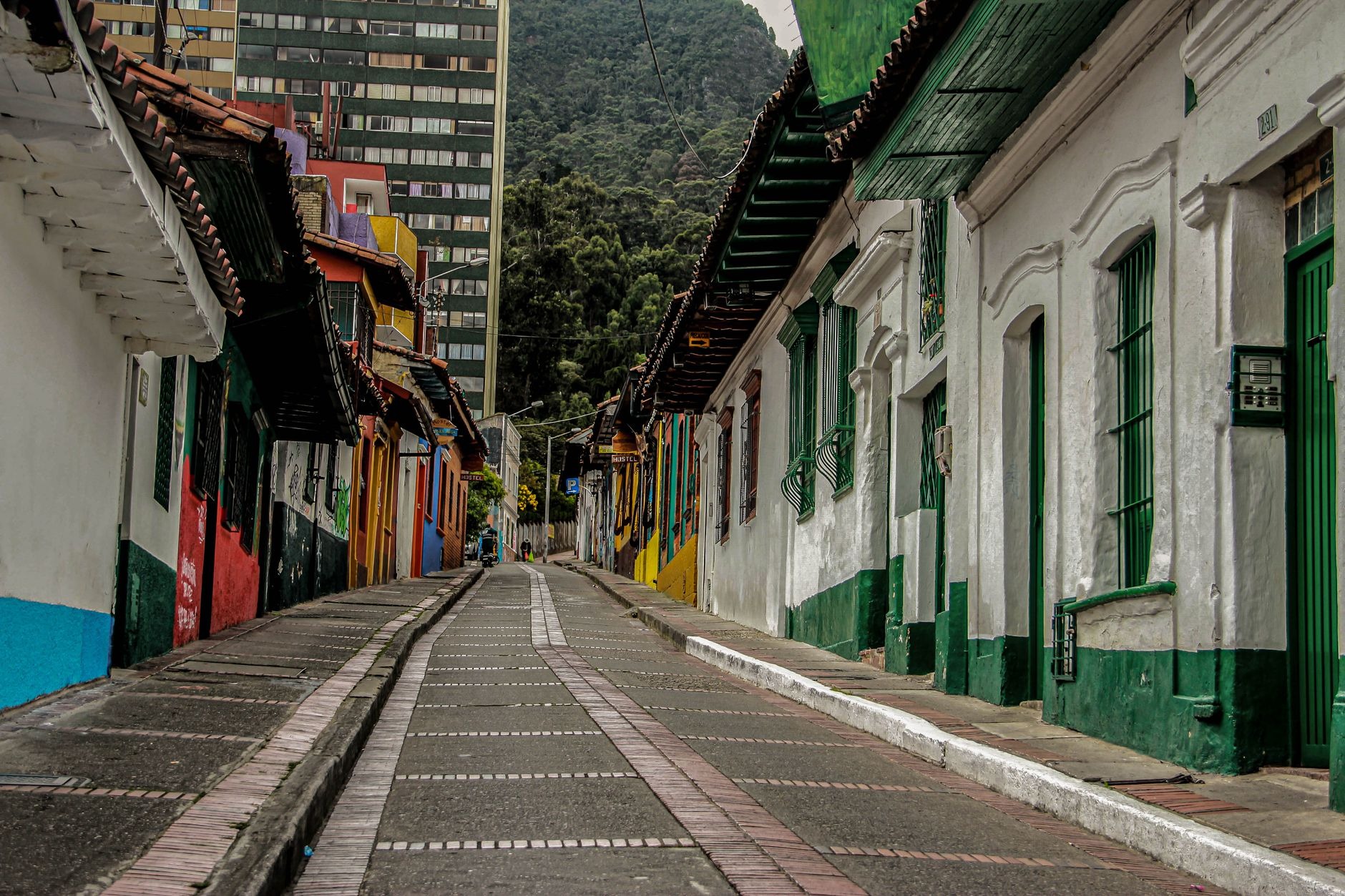
Descending back into the city, immerse yourself in the historic heart of La Candelaria. Narrow cobblestone streets are lined with 17th-century Spanish colonial mansions, carved wooden balconies, and vibrant contemporary street art murals depicting indigenous cosmologies and national history. Pause at Plaza de Bolívar, flanked by the neoclassical Cathedral of Bogotá, the National Capitol, and the Palace of Justice, where flocks of pigeons swirl past street vendors selling hot roasted corn on the cob (mazorca desgranada) and fresh-squeezed guanábana juice.
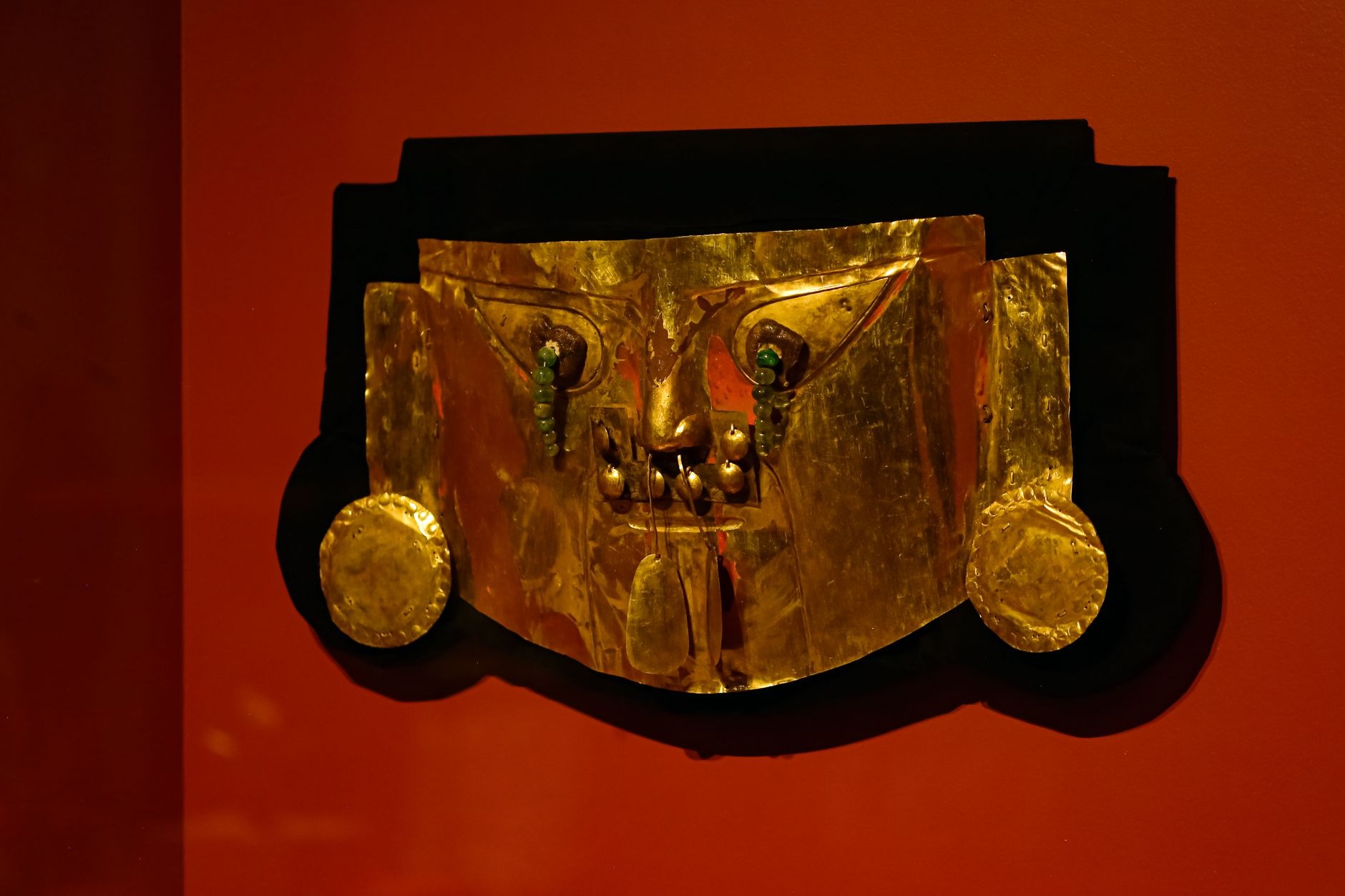
In the afternoon, visit two of South America’s most celebrated cultural institutions. The Museo del Oro (Gold Museum) houses the world’s largest collection of pre-Columbian gold artifacts, displaying over 55,000 masterfully cast pectorals, nose ornaments, and votive figures crafted by the Calima, Quimbaya, and Muisca civilizations. The museum’s undisputed masterpiece is the tiny, intricate Muisca Golden Raft (Balsa Muisca), depicting the sacred ritual of the zipa chieftain covered in gold dust diving into Lake Guatavita—the historical origin of the El Dorado legend.
Just a few blocks away, step into the peaceful courtyard of the Museo Botero, housed in a restored colonial mansion. Here, Colombia’s most famous artist, Fernando Botero, donated over 200 of his own volumetric sculptures and paintings alongside his private collection of international masterworks by Picasso, Renoir, Dalí, and Monet. In the evening, explore the cosmopolitan culinary scene of Chapinero Alto and the Zona G, where avant-garde chefs craft inventive tasting menus utilizing Amazonian fruits, Andean tubers, and Pacific seafood.
Days 3–5: Emerald Coffee Valleys
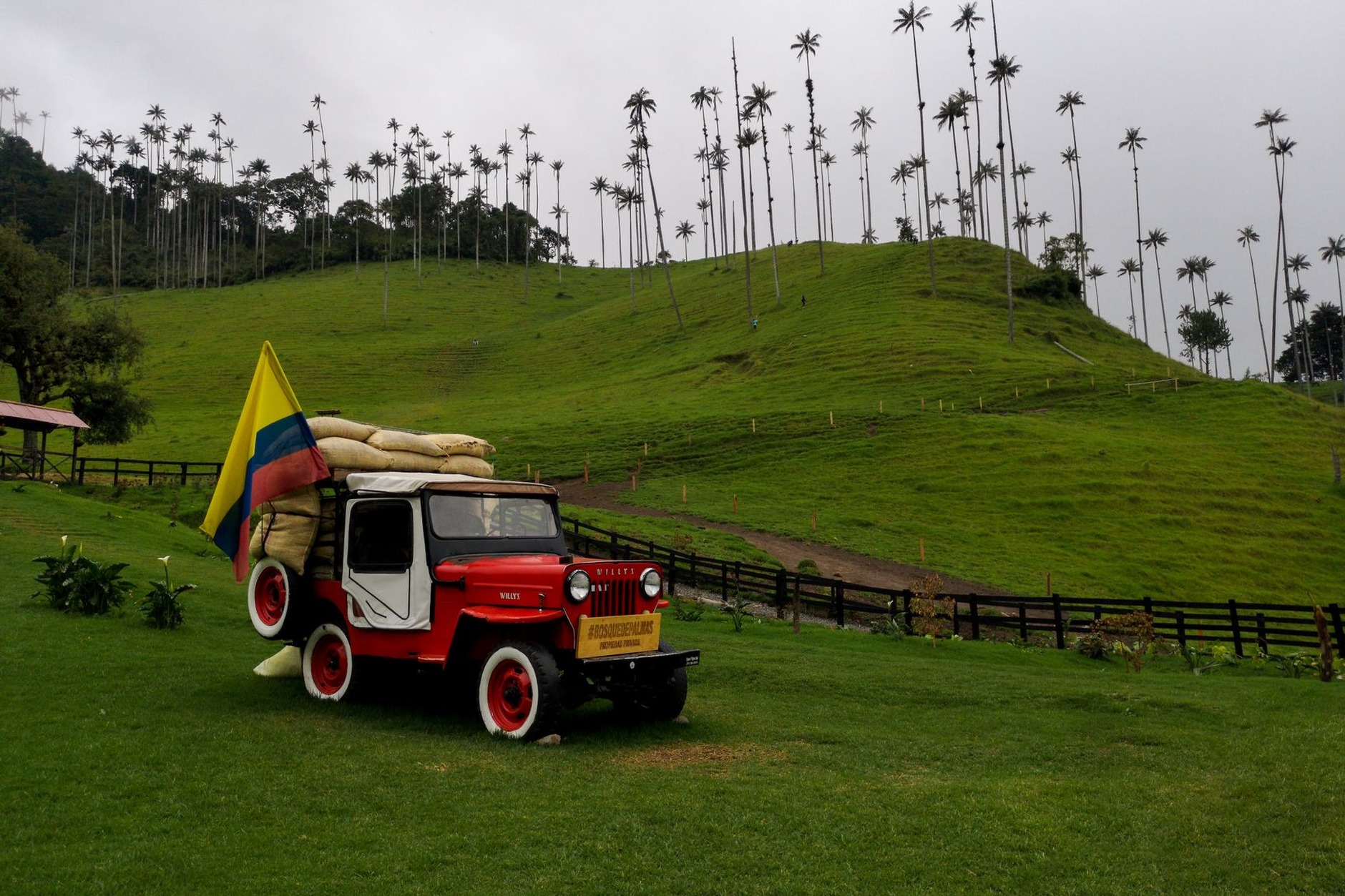
On Day 3, take a short 50-minute domestic flight from Bogotá across the Central Cordillera to Armenia or Pereira, stepping into the lush, emerald paradise of the Eje Cafetero (Coffee Triangle). Nestled within rolling green hills blanketed by coffee shrubs, bamboo forests, and banana palms, the heritage town of Salento greets visitors with its cheerful bahareque architecture—two-story whitewashed bamboo-and-clay houses painted in radiant shades of turquoise, yellow, and scarlet. In the central plaza, rows of brightly colored vintage American Willys MB Jeeps—originally imported after World War II and affectionately nicknamed mulas mecánicas (mechanical mules)—stand ready to ferry passengers up rugged mountain trails.
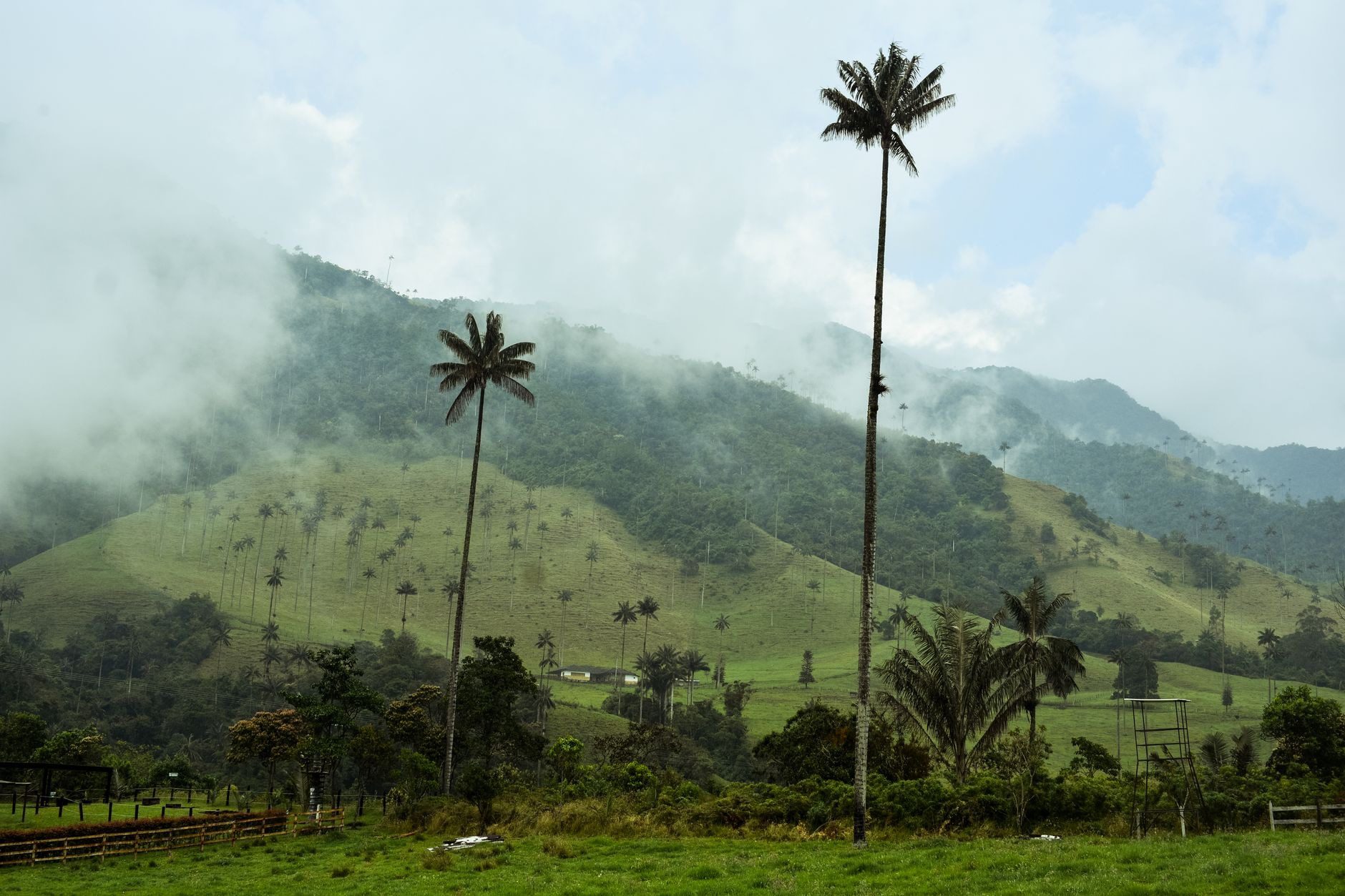
Board an open-air Willys Jeep on Day 4 for the scenic 25-minute rumble into the spellbinding Cocora Valley (Valle de Cocora). Part of Los Nevados National Natural Park, this mist-shrouded mountain amphitheater is the primary sanctuary of the Quindío wax palm (Ceroxylon quindiuense), Colombia’s national tree. Soaring up to 60 meters (200 feet) in height—making them the tallest palm trees on earth—these surreal, slender trunks pierce through drifting mountain clouds against a backdrop of deep emerald pastures and dense cloud forest.
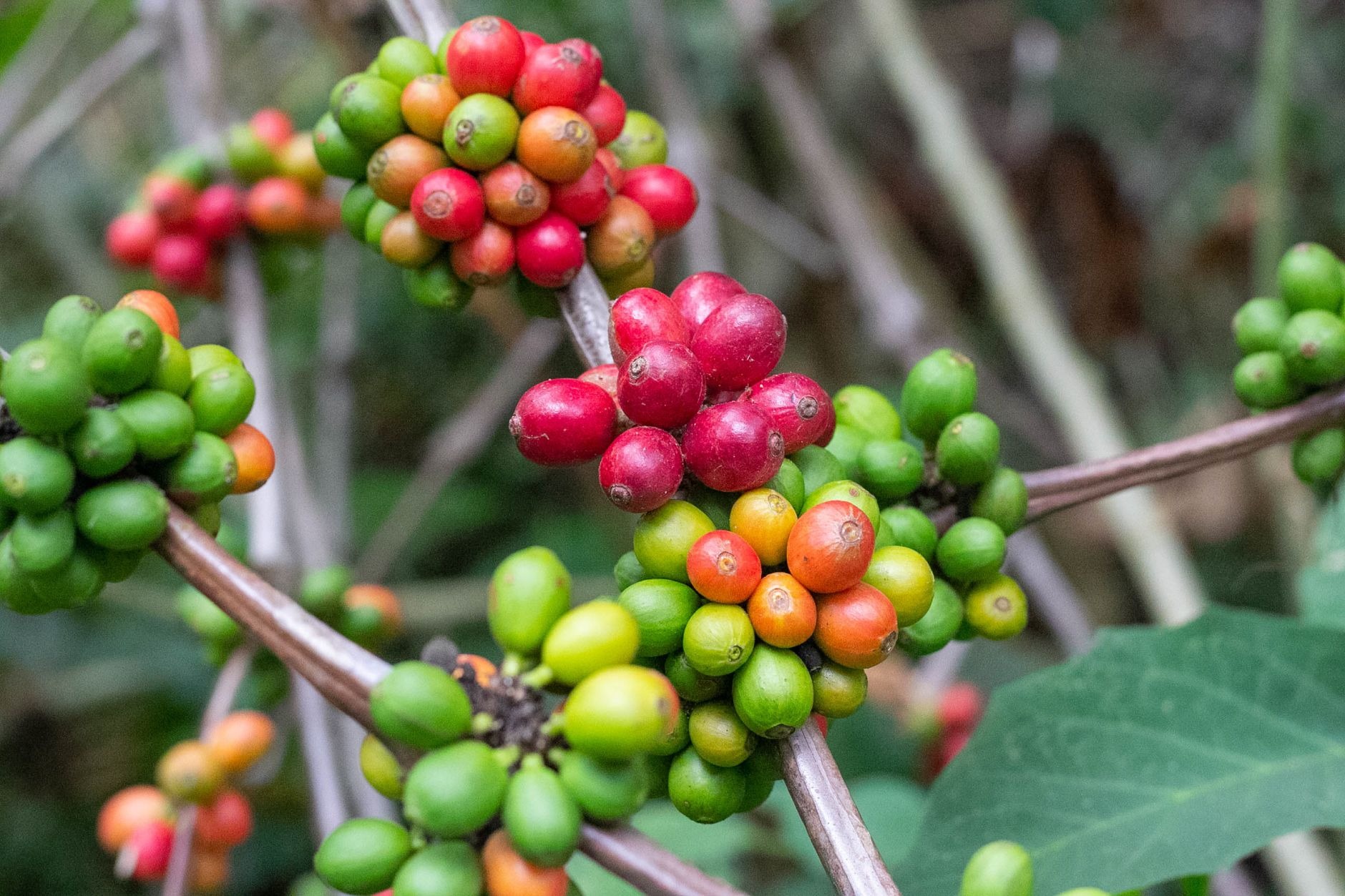
Hike the classic five-hour loop trail, ascending past mountain streams and wooden suspension footbridges into the cloud forest to the Acaime hummingbird sanctuary, where dozens of iridescent sword-billed and buff-tailed hummingbirds buzz around sugar feeders. On Day 5, visit an authentic working specialty coffee finca, such as Finca El Ocaso or Don Elias. Walk the steep hillside terraces alongside local pickers to harvest ripe crimson coffee cherries, learn the delicate artisanal processes of washing, fermenting, and sun-drying, and conclude with a professional cupping session revealing the bright citrus notes, caramel sweetness, and velvety body that make Colombian specialty coffee famous across the globe.
Days 6–7: Caribbean Colonial Fortress
On Day 6, board another swift domestic flight northward to the Caribbean shores of Cartagena de Indias. Founded in 1533 by Pedro de Heredia, Cartagena served as the primary treasure port of the Spanish Empire, where silver from Potosí and emeralds from the Andes were stockpiled before the annual Spanish treasure fleets sailed for Seville. The entire historic core—enclosed within 11 kilometers of colossal stone ramparts—is a UNESCO World Heritage site of breathtaking colonial preservation.
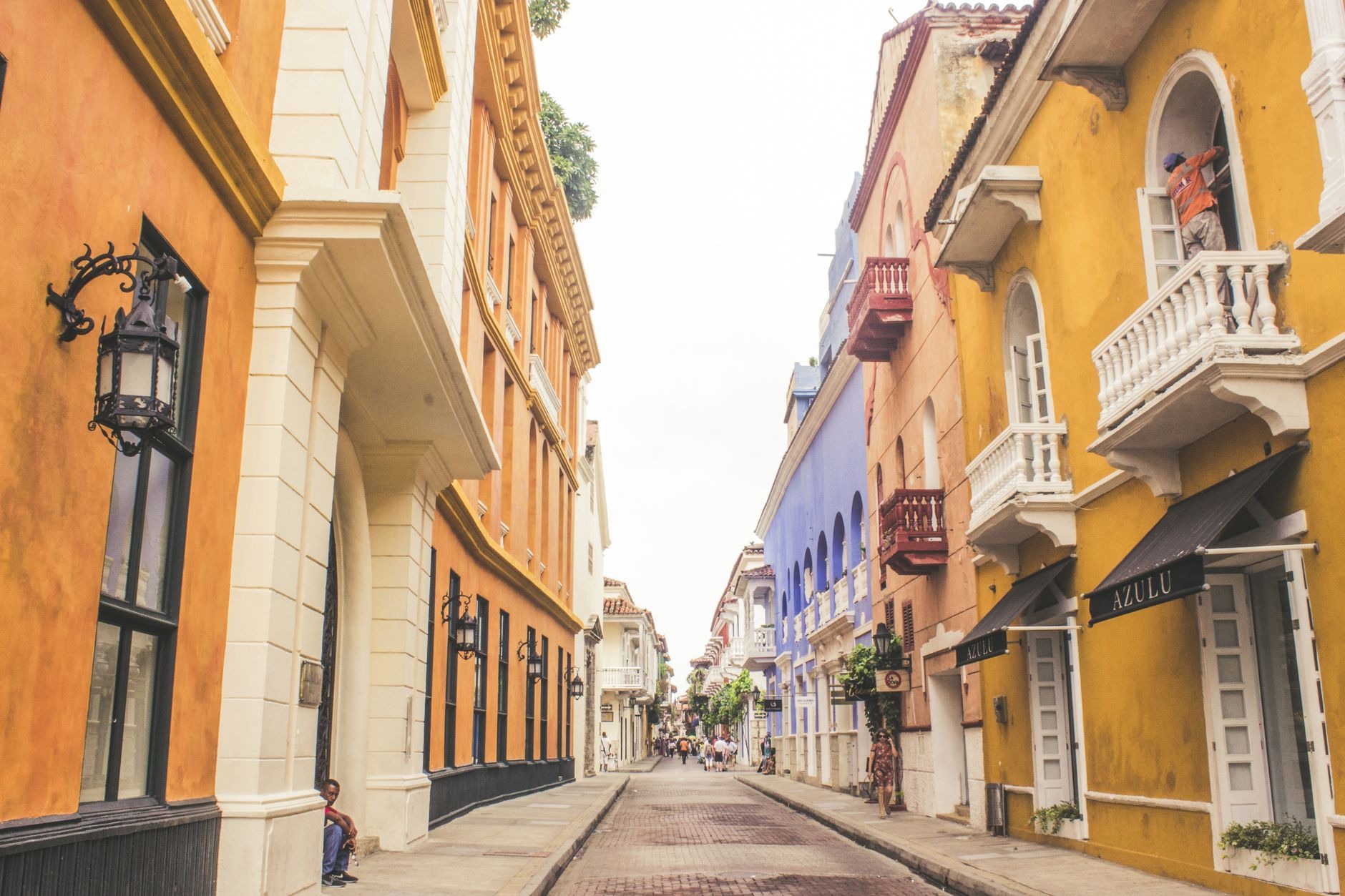
Spend your afternoon wandering through the cobblestone alleys of the historic districts of Centro and San Diego. Gaze up at carved wooden balconies cascading with fuchsia bougainvillea, admire massive studded oak doorways designed to withstand battering rams, and relax in shaded plazas where palenquera fruit vendors in traditional colorful dresses balance wide silver bowls of tropical papaya, mango, and watermelon on their heads.
Cross the pedestrian bridge on Day 7 to explore the colossal fortress of Castillo San Felipe de Barajas, the greatest military fortification built by Spain in the Americas. Constructed between 1657 and 1769 atop the hill of San Lázaro, its massive angled stone bastions repelled pirate sieges and a colossal British invasion force in 1741. Descend into the complex subterranean network of dark underground tunnels, designed with brilliant acoustic properties that allowed Spanish garrison soldiers to hear the muffled footsteps of approaching attackers hundreds of yards away.
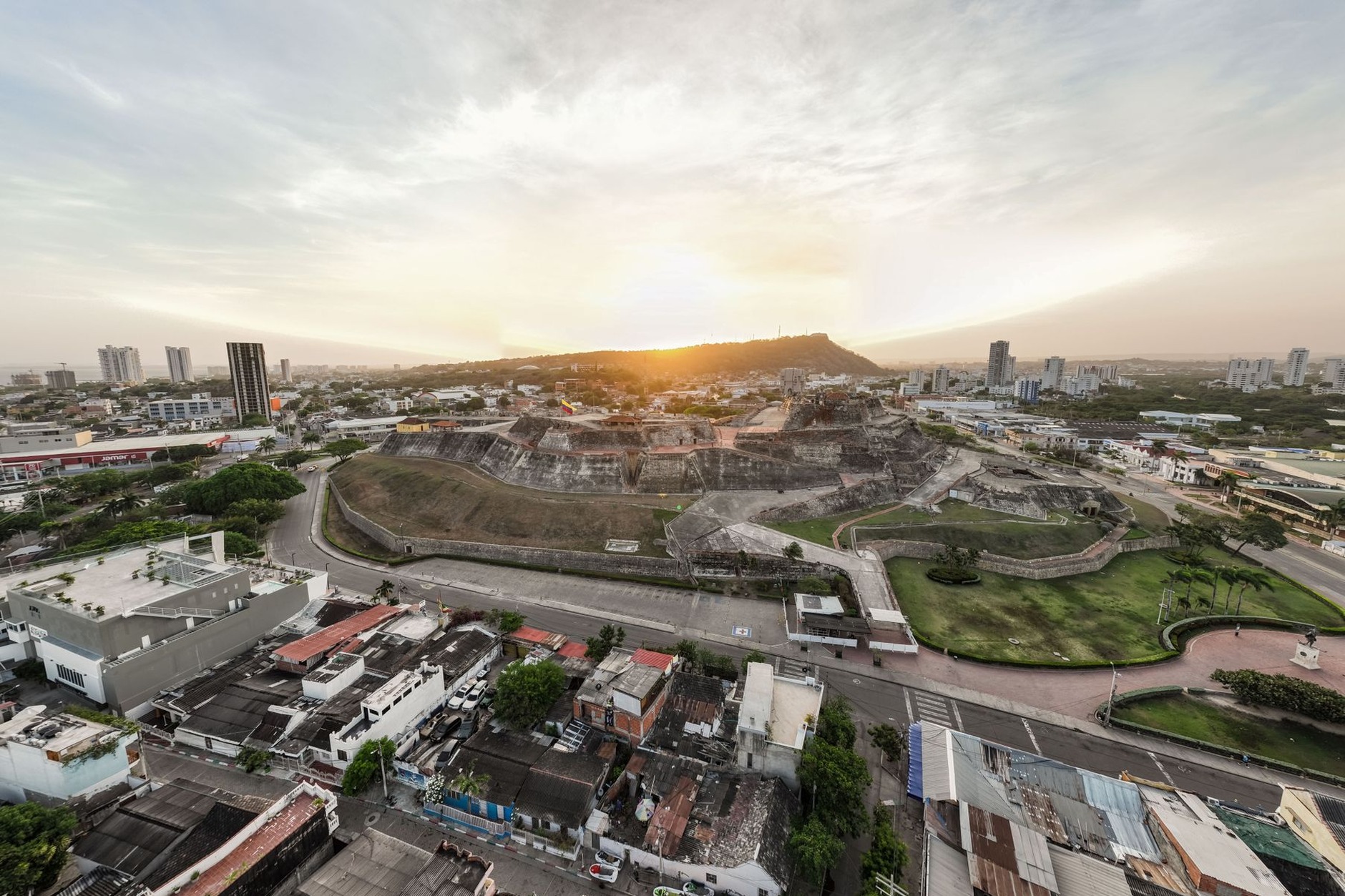
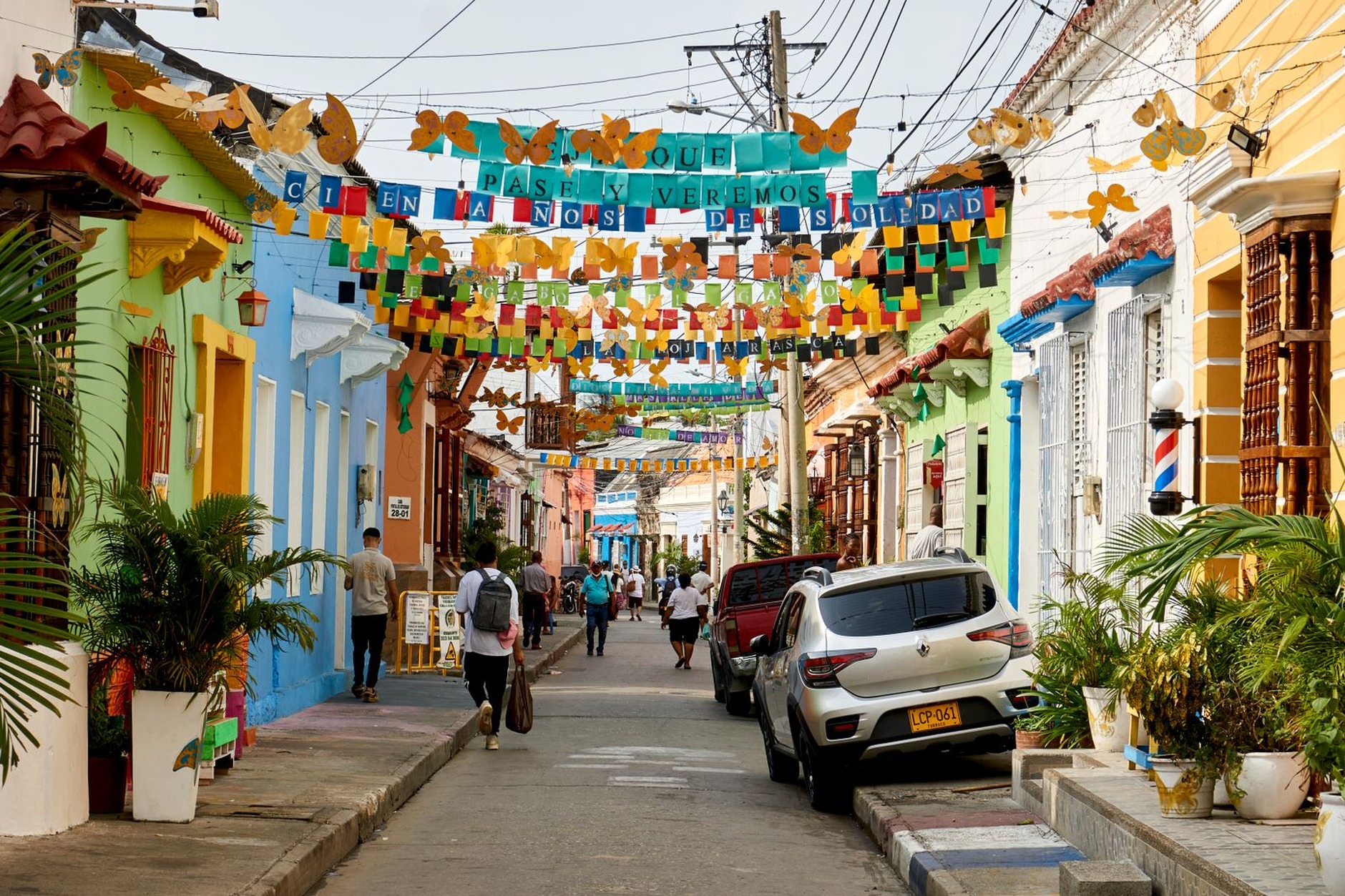
As afternoon heat mellows into Caribbean evening, dive into the electric energy of Getsemaní, the vibrant former working-class neighborhood just outside the main walled perimeter. Once a gritty district, Getsemaní has blossomed into Cartagena’s cultural heart, where Calle de la Sierpe and Calle San Juan are covered in striking political murals, street art graffiti, and overhead canopies of colorful decorative umbrellas. At Plaza de la Trinidad, locals, buskers, and travelers congregate on the church steps to drink cold Club Colombia beers, eat grilled chorizo skewers, and watch spontaneous street breakdancers and afro-Caribbean champeta performances.
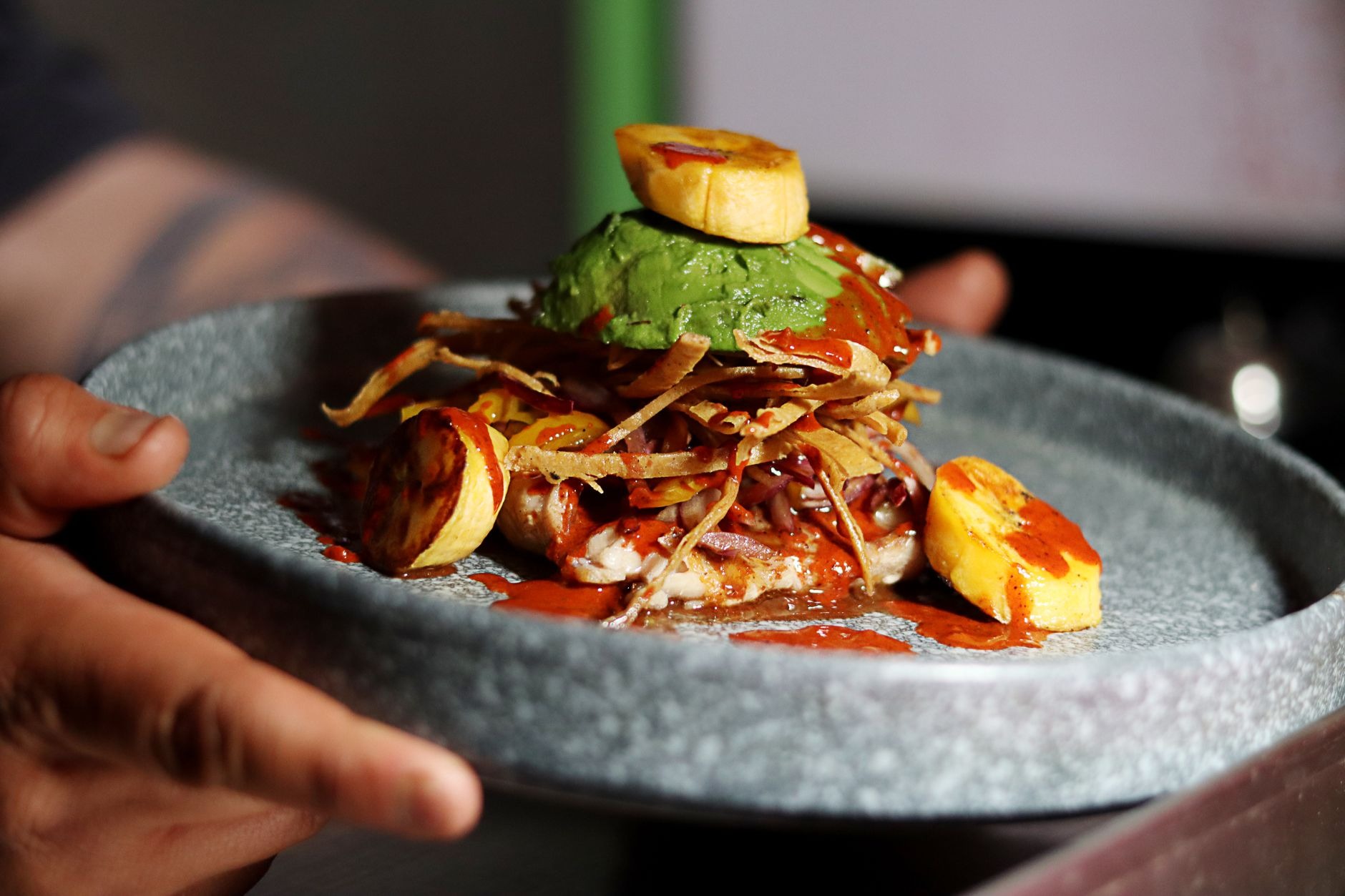
Conclude your evening atop the historic sea walls at Café del Mar or Baluarte San Francisco Javier, watching the sun sink into the Caribbean Sea as waves crash against centuries-old coral limestone ramparts. Dine on fresh lime-marinated red snapper ceviche, coconut rice, and crispy fried plantains (patacones), toasting the end of an extraordinary journey across Andean peaks, emerald valleys, and historic Caribbean seas.
Throughout your travels, verifying flight status between mountain airports, hailing digital rides safely after dark, and navigating winding colonial alleys requires dependable mobile data. Reliable connectivity ensures you travel with complete confidence across every stage of your Colombian itinerary.
Street Smarts & Avoiding Costly Traps in Colombia
Colombia has undergone an incredible security transformation over the past two decades, welcoming millions of international tourists each year. However, everyday urban safety requires specific, disciplined cultural awareness. Master these six vital street-smart rules to keep your trip safe and trouble-free:
- The Golden Rule of “No Dar Papaya” (Never Flash Temptation): The most famous idiom in Colombian Spanish is “no dar papaya”—literally “don’t give papaya,” meaning don’t make yourself an easy target by openly flaunting wealth. Holding an expensive smartphone loosely in your hand on a street corner, wearing gold jewelry, or leaving an expensive DSLR camera resting on an outdoor cafe table invites opportunistic snatch-and-grab motorcycle thieves (motoladrones). Alternative: Keep your phone zipped securely inside a front pocket or cross-body bag. When checking maps, step inside a store, hotel lobby, or cafe. Blend in with local dress: Colombians in Bogotá dress stylishly in long pants, jackets, and closed shoes rather than beach shorts and flip-flops.
- The Street Taxi “Paseo Millonario” (Express Kidnapping) Hazard: Flagging unverified, hailed yellow taxis off the street at night in major cities—especially in Bogotá and Medellín—remains a serious security risk. Dishonest drivers collude with armed accomplices who jump into the car at a red light, forcing the passenger at gunpoint or knifepoint on a “millionaire’s tour” to empty multiple ATMs of their daily withdrawal limits. Alternative: Never hail random yellow taxis on the street after dark. Strictly use licensed digital ride-hailing apps like Cabify, InDrive, or Uber, which track your GPS coordinates and log driver identification. At airports, use the official taxi dispatch booths inside the arrivals hall to obtain a printed voucher showing the fixed tariff and license plate.
- The Scopolamine (“Burundanga”) Nightlife Chemical Spiking Scam: In vibrant nightlife districts—such as Parque Lleras in Medellín, Zona Rosa in Bogotá, or late-night clubs in Cartagena—predatory criminals target solo travelers using scopolamine (locally known as burundanga), an odorless, tasteless chemical extract that induces a state of passive compliance and anterograde amnesia. It is slipped into alcoholic drinks or blown onto victims via flyers. Under its influence, victims willingly hand over credit cards, PINs, and hotel room keys with zero physical resistance. Alternative: Never leave your drink unattended or accept sips, cigarettes, or pamphlets from attractive strangers who approach you in bars. Stick to reputable, crowded venues and drink only from sealed bottles opened directly in front of you.
- Cartagena Beach Vendor “Free Massage & Oyster Sample” Extortion: On the beaches of Cartagena and nearby Playa Blanca on Isla Barú, aggressive vendors target tourists relentlessly. Women offering massages will rub lotion onto your neck or arms while insisting: “Just a free sample, my friend!” Similarly, seafood vendors will crack open an oyster and thrust it into your mouth claiming it is a complimentary gift. The moment you accept, they aggressively demand a cash payment for the “service,” surrounded by intimidating touts. Alternative: Give a firm, direct “No, gracias” while avoiding eye contact and continuing to walk. If you visit Barú or the Rosario Islands, book an all-inclusive private day pass at a reputable eco-hotel with a private beach rather than sitting on chaotic public sands.
- The Cocora Valley “Mud Trail Impassable” Horse Rental Hustle: Arriving at the Cocora Valley trailhead in the morning, tourists are aggressively intercepted by local wranglers who claim: “The hiking trail to the wax palms is completely flooded with knee-deep mud and impassable on foot today—you must hire my horses for a cash sum.” In reality, the main wax palm gravel loop is perfectly walkable year-round, and the wranglers simply want to rent their horses, which are often over-worked and slip dangerously on wet rocky switchbacks. Alternative: Rent a pair of tall rubber boots (botas de caucho) for a small fare from the small gear stalls near the Willys Jeep parking lot in Salento. This allows you to hike the entire trail independently, comfortably, and ethically without animal exploitation.
- Bogotá Taxi Meter “Unidades” Tariff Manipulation Trap: Yellow taxis in Bogotá do not display monetary fares on their dashboard meters. Instead, the meter ticks upward in arbitrary mathematical “units” (unidades). When you reach your destination, the driver looks up the unit count on a printed cardboard conversion sheet hung on the back of the passenger seat to calculate the final fare in Colombian pesos. Dishonest cabbies use obsolete, manipulated tariff cards or invent arbitrary airport surcharges, billing foreign passengers double or triple the statutory rate. Alternative: Verify that the dashboard meter starts at the legal base unit (usually 25 to 30 units), consult the official tariff sheet yourself, or completely avoid cash confusion by booking rides through Cabify, where exact prices are calculated digitally and charged to your card.
Staying Connected Across Colombia’s Regions
Traveling between the high-altitude savanna of Bogotá, the steep cloud forest ridges of the Coffee Triangle, and the historic Caribbean coastline requires reliable mobile data. Having instant cellular access allows you to call verified Cabify rides safely after dusk, track changing mountain flight departure gates, translate Colombian Spanish vernacular, and run offline GPS mapping on remote Cocora Valley trails.
Rather than standing in long lines at local telecom shops in Bogotá, navigating complex passport and biometric registration requirements for local physical SIM cards, or enduring astronomical international roaming bills from your home provider, setting up an eSIM before you leave ensures instant data access the moment your plane lands at El Dorado.
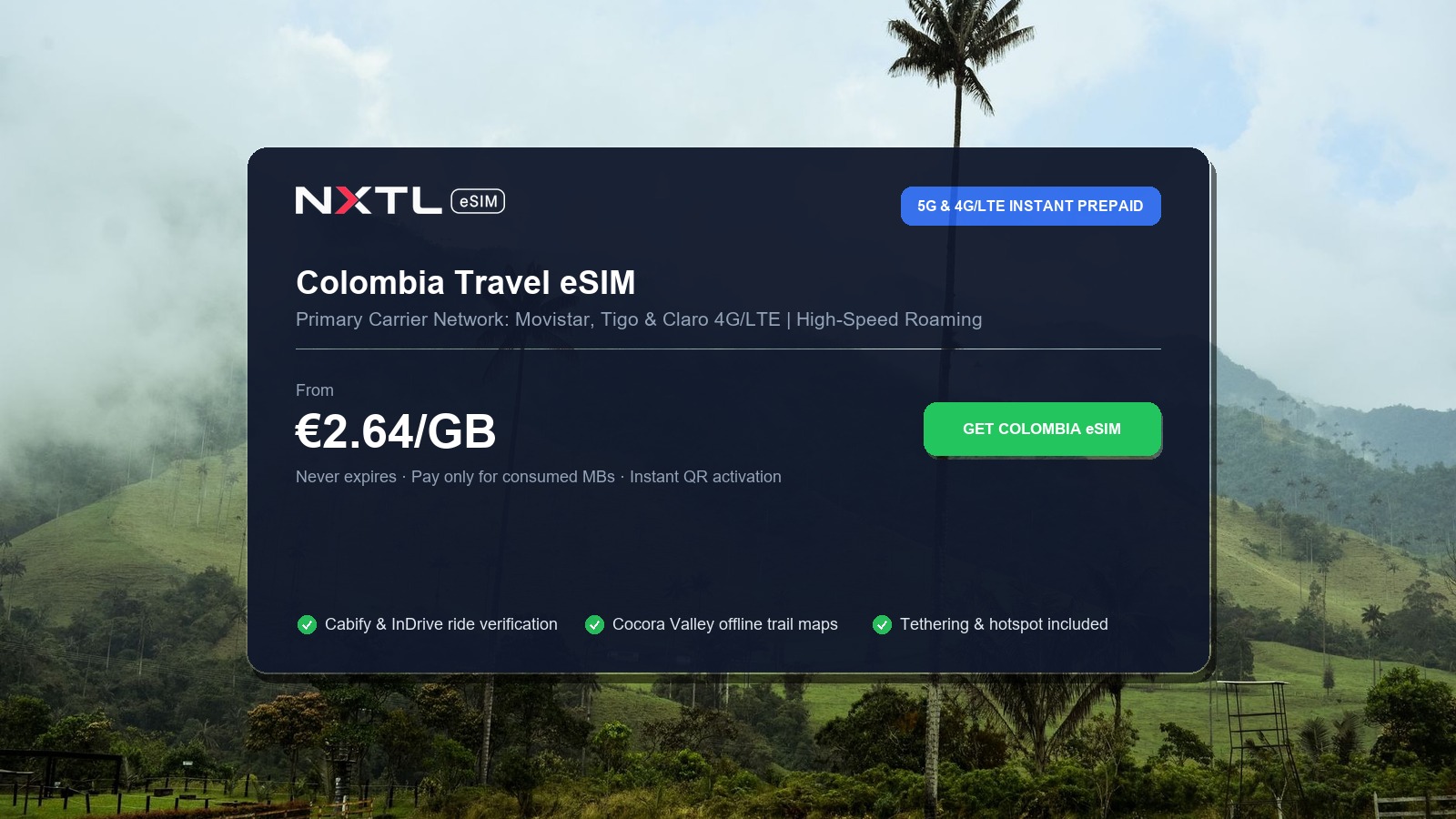
With an NXTL Colombia travel eSIM, travelers connect directly to the nation’s premier cellular networks, including Movistar, Tigo, and Claro 4G/LTE. Starting from just $2.98 per gigabyte with no expiration dates, you enjoy fast connection speeds, full personal hotspot tethering, and transparent pay-as-you-go data across all your devices.
| Traveler Data Profile | Estimated Data Usage | Primary Trip Applications | Recommended NXTL Plan |
|---|---|---|---|
| City & Transit Navigator | 1 GB – 3 GB | Cabify & Uber ride booking, Google Maps walking navigation, WhatsApp messaging, currency conversion | 1 GB – 3 GB Pay-As-You-Go ($2.98/GB) |
| Active Golden Triangle Explorer | 5 GB – 10 GB | Live video sharing, social media photo uploads, Cocora Valley trail mapping, domestic flight status monitoring | 5 GB – 10 GB High-Speed Package |
| Remote Digital Professional | 15 GB – 20 GB+ | Hotspot tethering across boutique fincas, remote cloud productivity, video conferencing, continuous media streaming | 20 GB High-Volume Bundle |
By connecting your route with swift domestic flights, following the timeless wisdom of no dar papaya, and securing dependable cellular data before departure, your journey through Colombia will be an extraordinary, richly authentic immersion into a country of warmth, music, and staggering natural beauty.