Too many international travelers fly thousands of miles to Mauritius only to commit the ultimate island vacation mistake: total resort confinement. Lured by glossy brochures of luxury beach properties along Belle Mare or Flic-en-Flac, visitors spend an entire week enclosed behind private gates, eating bland hotel buffet food, paying triple prices for commercial bus excursions, and treating this culturally vibrant nation like a generic pool deck. They leave having never tasted street-side dholl puri in Port Louis, never inhaled the scent of crushed sugar cane at an artisanal rum distillery, and never stood above the misty volcanic ridges of Black River Gorges.
Mauritius is far more than a beach retreat—it is a dazzling crossroads of Indian, African Creole, French, and Chinese cultures set amidst dramatic volcanic geology. The secret to an extraordinary stay is balancing coastal relaxation with independent mobility. By renting a car for a portion of your stay and dividing your nights between the sheltered, vibrant beaches of the North Coast and the dramatic volcanic peaks and coral lagoons of the Southwest, this 7-day essential island guide breaks you out of the resort bubble to deliver an authentic, deeply rewarding tropical expedition.
| Day / Stage | Overnight Base | Key Highlights | Driving & Transit Logistics | Essential Advance Bookings | What to Skip / Save |
|---|---|---|---|---|---|
| Days 1–2: Northern Lagoons & Creole Heritage | Trou aux Biches or Grand Baie (North) | Arrival, tranquil swimming at Trou aux Biches beach, Port Louis historic Central Market & street food tour, UNESCO Aapravasi Ghat, Sir Seewoosagur Ramgoolam Botanical Garden giant water lilies | SSR International Airport (MRU) to Grand Baie via pre-booked licensed airport transfer (1 hr 10 min, 2,000 MUR); local taxis or express coastal buses | Port Louis guided heritage street food walk; botanical garden golf cart or certified docent guide | Skip hailing unmetered curbside taxis outside luxury resorts; hotel taxis charge 2x to 3x standard rates with high-pressure commission factory detours |
| Days 3–4: Volcanic Gorges & Seven Earths | Chamarel or Le Morne (Southwest) | Pick up rental car, scenic coastal drive along the West Coast, Chamarel 100 m Waterfall, Seven Coloured Earths volcanic dunes, Rhumerie de Chamarel tasting, Black River Gorges National Park viewpoints | Drive Grand Baie to Chamarel via coastal highway (75 km, 1 hr 45 min); smooth asphalt, left-hand drive (British legacy); self-drive freedom | Chamarel Seven Coloured Earths entry ticket; Rhumerie de Chamarel distillery tour & lunch table | Skip booking commercial 50-passenger bus tours to Chamarel; self-driving lets you arrive at the Seven Coloured Earths at 09:00 before the tour coach rush |
| Day 5: Sacred Lakes & The Wild South | Le Morne or Bel Ombre | Dawn hike of UNESCO Le Morne Brabant basalt monolith (optical illusion “Underwater Waterfall” lagoon view), sacred Hindu crater lake of Ganga Talao (Grand Bassin), dramatic wave-battered cliffs of Gris Gris in Souillac | Chamarel to Le Morne trailhead (15 min); Le Morne to Grand Bassin via B88 (40 min); Grand Bassin to Souillac (30 min); total driving: 85 km | Certified mountain guide for Le Morne upper tier summit scramble (essential for safety and historical runaway slave heritage context) | Skip swimming at Gris Gris or La Roche Qui Pleure; this southern coastline has no protective coral reef, producing lethal rip currents and massive ocean swells |
| Days 6–7: Coral Lagoons & Maritime Departure | Blue Bay or Pointe d’Esny (Southeast) | Full-day sailing catamaran cruise to Île aux Cerfs or Benitiers Island (snorkeling coral reefs, fresh grilled fish barbecue lunch), historic Mahebourg waterfront, Blue Bay Marine Park glass-bottom boat, airport departure | Drive to Blue Bay/Mahebourg (45 min); return rental car directly at SSR Airport terminal (MRU) | Catamaran day cruise voucher; Blue Bay Marine Park snorkeling boat permit | Skip purchasing synthetic “saffron” or factory-produced vanilla tea at tourist craft stalls; buy genuine local Bois Chéri tea and spices at local supermarkets (Super U) |
Audience, Seasonality, and the Two Coasts
Splitting your stay between the north and southwest allows you to enjoy two completely distinct island personalities. The north provides sheltered, crystal-clear swimming bays and vibrant evening dining, while the southwest reveals dramatic volcanic peaks, wild ocean bluffs, and tranquil native rainforests.
Days 1–2: Northern Lagoons & Creole Heritage
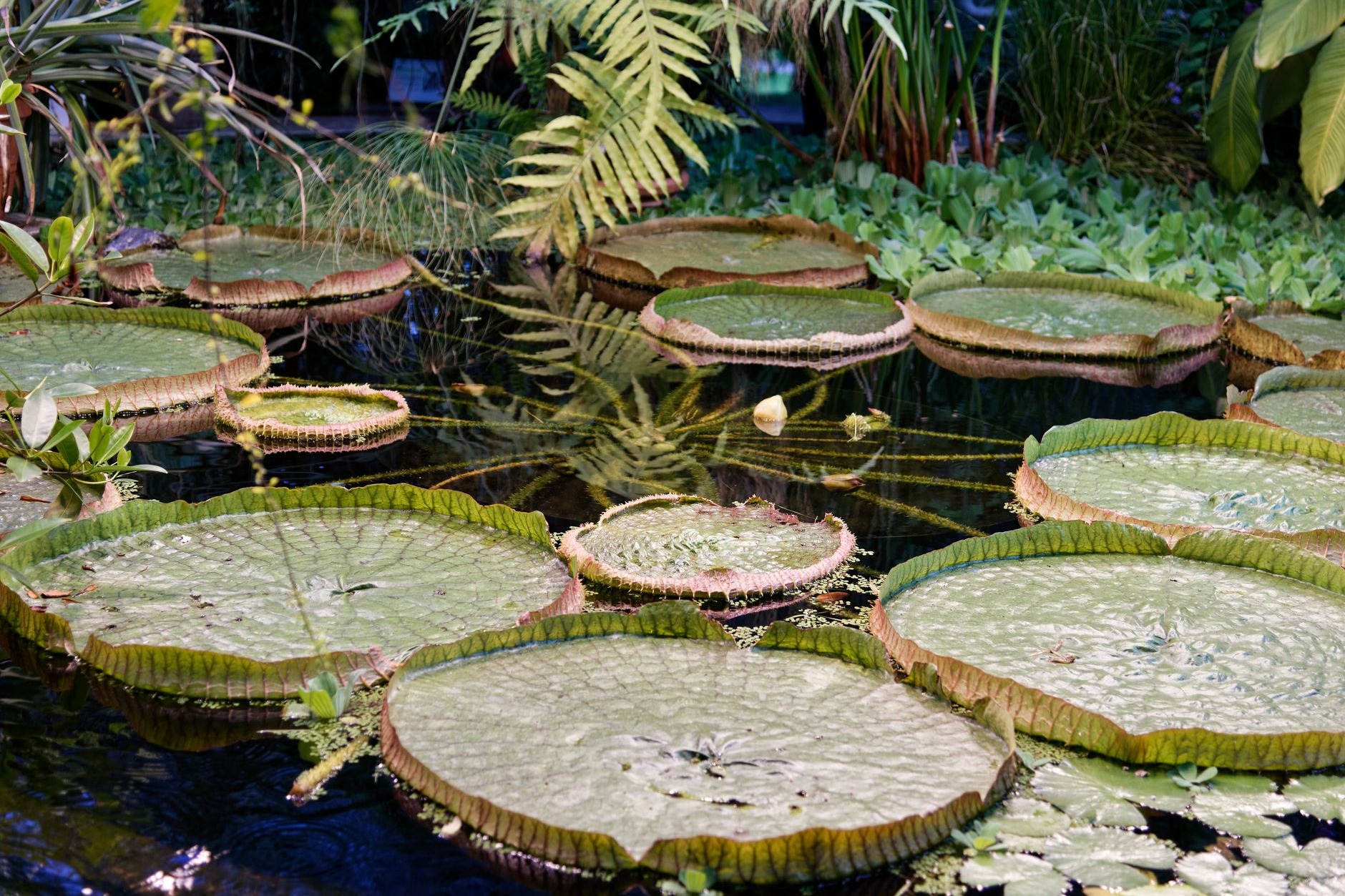
Your journey begins along the tranquil northwest coast, anchored around the sheltered bays of Trou aux Biches and Grand Baie. Protected by an offshore barrier reef, the calm turquoise lagoons here are ideal for swimming, snorkeling, and paddleboarding in bath-warm waters. On Day 2, take a morning excursion to the Sir Seewoosagur Ramgoolam Botanical Garden in Pamplemousses. Established in 1770 by French horticulturist Pierre Poivre, this 37-hectare sanctuary is the oldest botanical garden in the Southern Hemisphere. Its centerpiece is an elongated rectangular pond covered with colossal circular leaves of the Victoria amazonica giant water lily, measuring up to three meters across, alongside royal palms, medicinal spice groves, and ancient baobab trees.
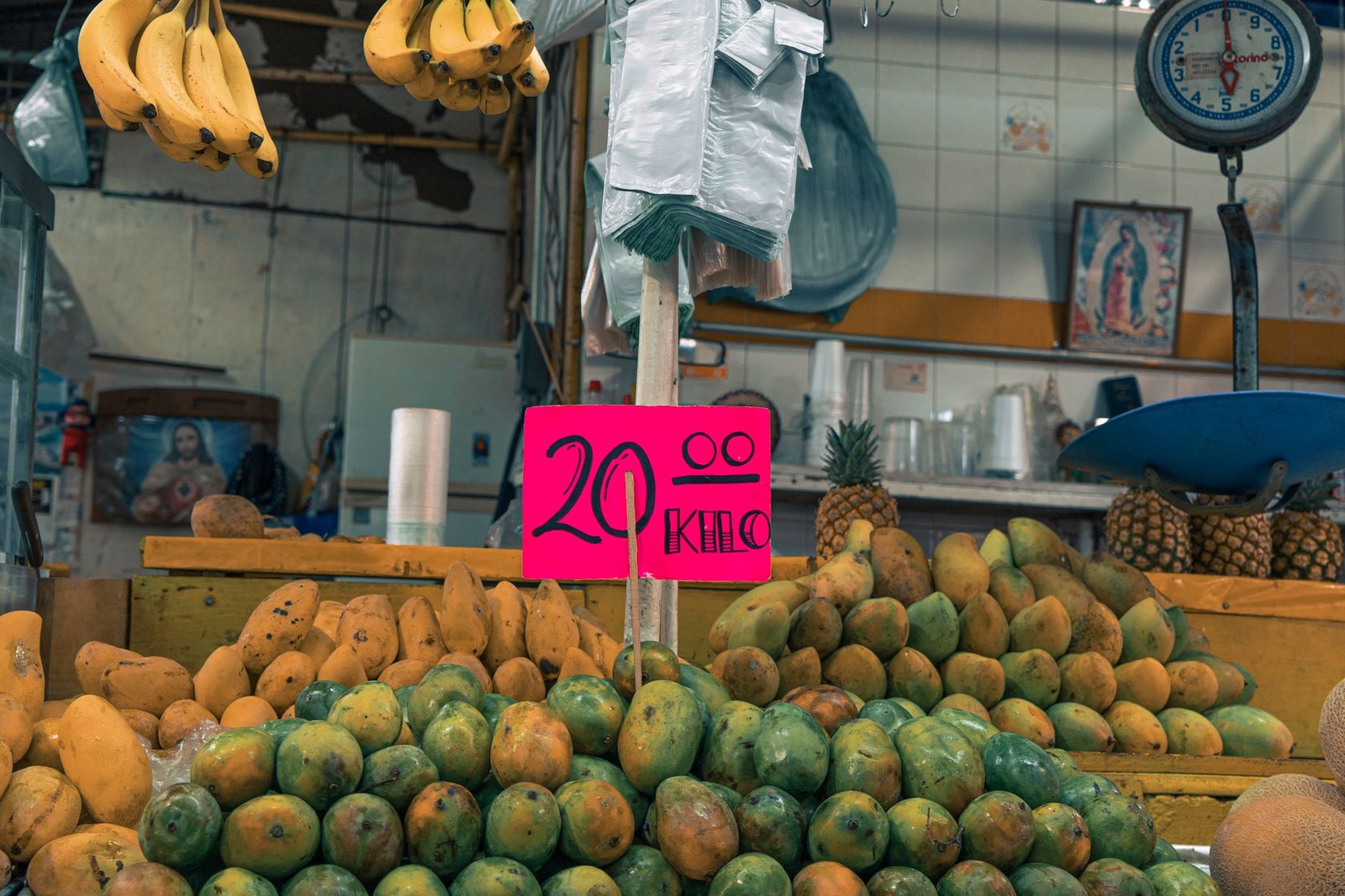
In the afternoon, travel into the bustling capital of Port Louis. Head directly to the lively Central Market (Bazar Central) on Queen Street, an intoxicating sensory spectacle where vendors call out in Creole, French, and Bhojpuri, displaying towers of sweet Victoria pineapples, lychees, and bitter melons. Line up at the famed street food stalls to order dholl puri—warm, paper-thin griddled wheat flatbreads stuffed with ground yellow split peas, rolled up with spicy butter bean curry (gros pois), tangy tomato rougaille, and fiery pickled green chilies for less than 20 MUR ($0.45). Afterward, walk to nearby Aapravasi Ghat, a UNESCO World Heritage site where nearly half a million indentured laborers from India landed between 1834 and 1920 to work on the island’s sugar plantations.
Days 3–4: Volcanic Gorges & Seven Earths
On Day 3, pick up your rental car and head south along the west coast. Driving in Mauritius is straightforward: roads are well-paved, signage is in English and French, and traffic moves on the left (a legacy of British colonial administration). Ascending into the southwestern highlands, the humid coastal air gives way to cool mountain breezes as you enter the forested volcanic ridge of Chamarel.
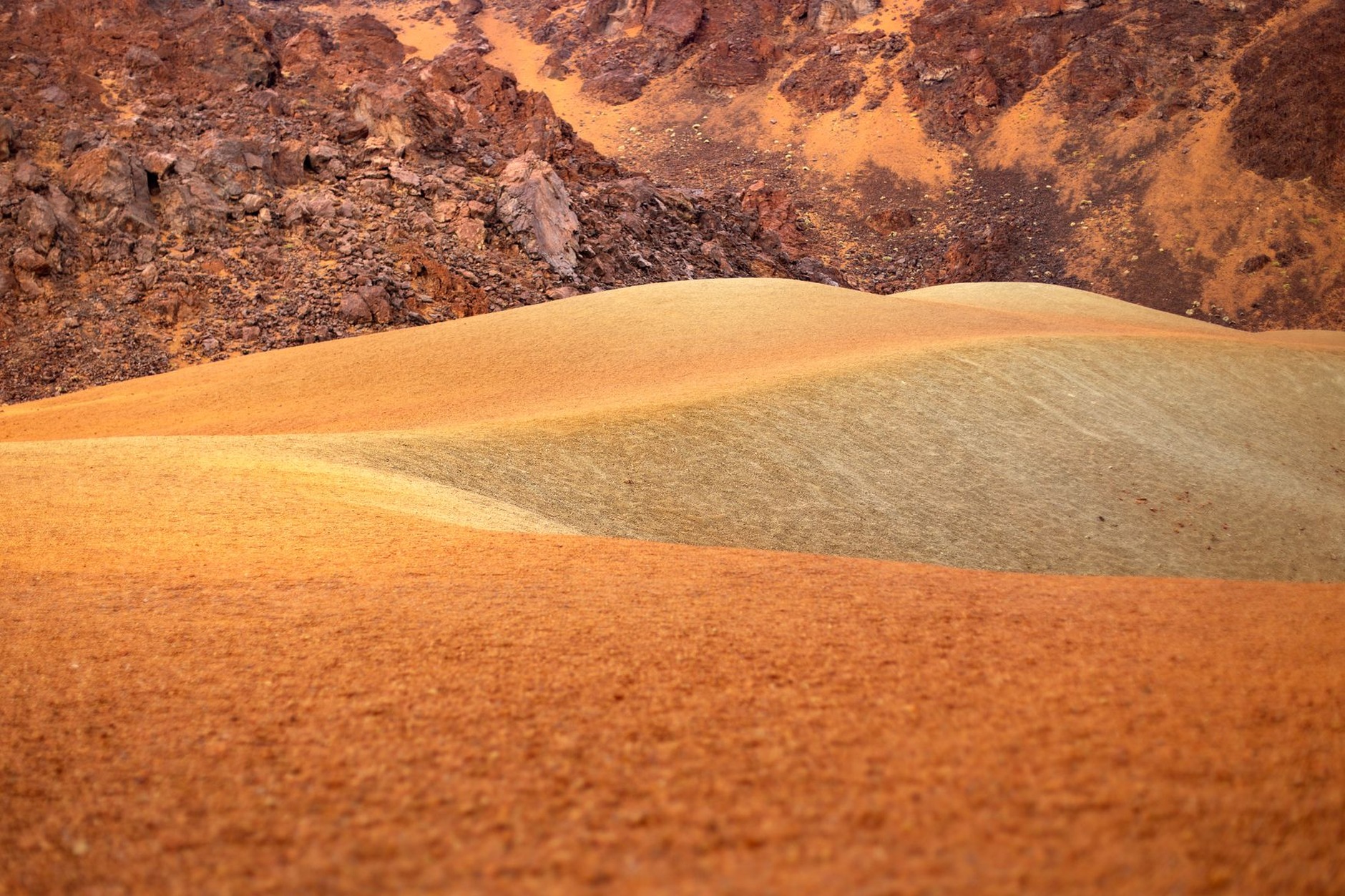
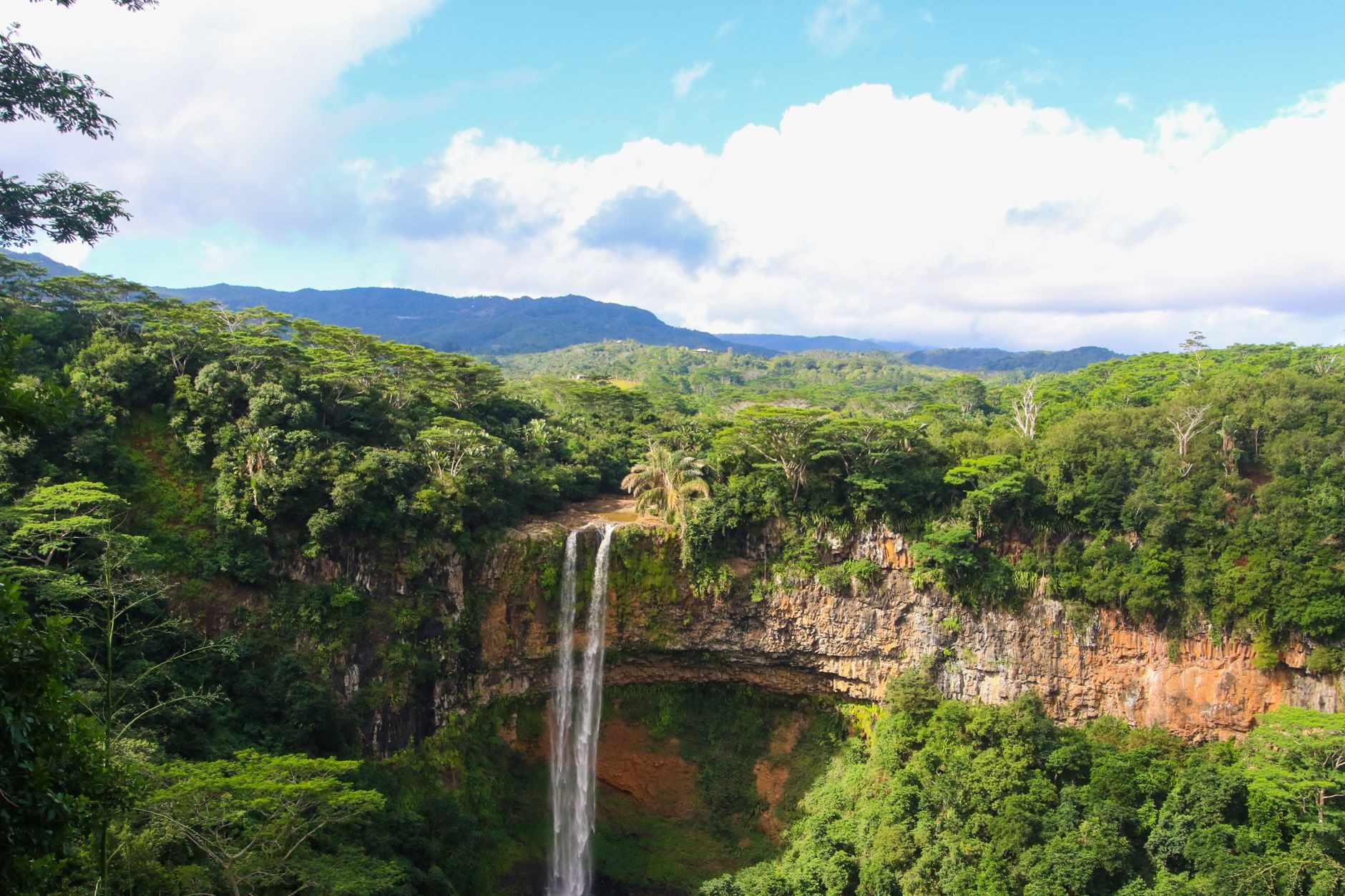
Your first stop is the spectacular Chamarel Waterfall, where the Saint Denis River plunges an uninterrupted 100 meters down a sheer volcanic basalt cliff into a dense jungle amphitheater framed by wild tree ferns. Just two kilometers beyond lies the geological wonder of the Seven Coloured Earths (Terres des Sept Couleurs). Here, intense tropical weathering has decomposed basaltic lava into distinct mineral-rich clay oxides, creating undulating sand dunes that glow in surreal, striated bands of purple, violet, magenta, red, and ochre. Remarkably, even when torrential monsoon rains blend the sands together, they naturally separate back into their distinct color layers upon drying.
After admiring the dunes, visit the nearby Rhumerie de Chamarel, one of the few working estate distilleries in the world that produces pure rhum agricole exclusively from freshly crushed, estate-grown sugar cane juice rather than industrial molasses. Take a guided walking tour through the copper alembic pot stills, followed by a tasting of vanilla-infused, oak-aged, and spiced rums, concluding with lunch at the estate’s open-air L’Alchimiste restaurant featuring local venison carpaccio and palm heart salad.
Dedicate Day 4 to the untamed wilderness of Black River Gorges National Park. Spanning 67 square kilometers of rugged volcanic terrain, this park protects the last remaining native upland rainforest of Mauritius, home to rare endemic bird species including the Mauritius kestrel, pink pigeon, and echo parakeet. Stop at the Black River Gorges Viewpoint for a panoramic look down the colossal forested canyon carved by glacial rivers toward the distant western coastline, then hike the gentle forested trail to Alexandra Falls, where twin cascades tumble over dark basalt boulders into a deep fern-lined gorge.
Day 5: Sacred Lakes & The Wild South
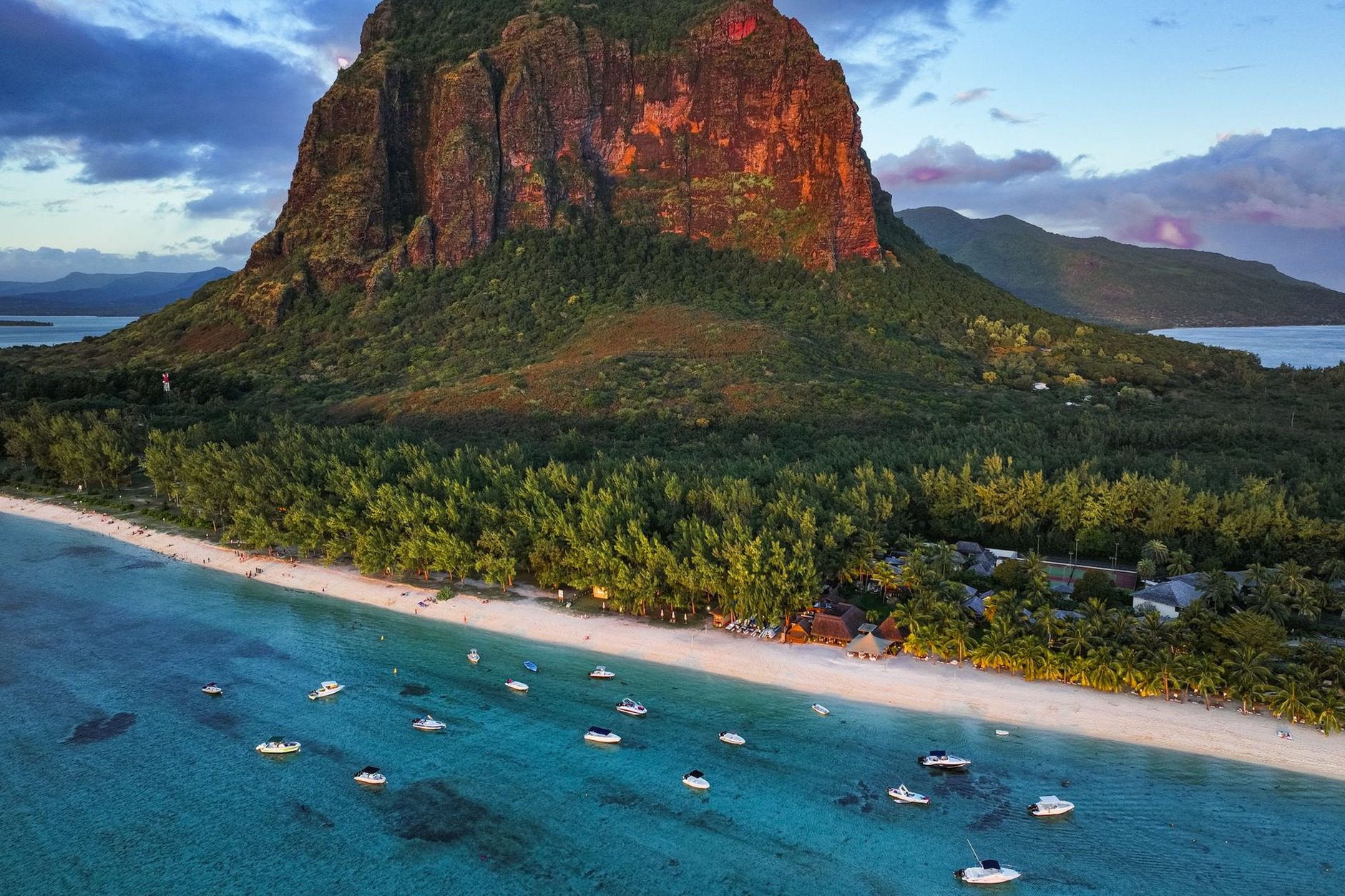
Day 5 begins at dawn at the foot of Le Morne Brabant, a monumental 556-meter basalt mountain rising abruptly from the southwestern peninsula. Inscribed as a UNESCO World Heritage site, Le Morne holds deep cultural and spiritual significance: in the 18th and early 19th centuries, runaway enslaved people (maroons) fled to the mountain’s near-impassable summit cliffs to form autonomous free communities. Ascend the trail with a certified guide in the cool morning air. The first two tiers wind gently through indigenous forest, while the upper tier involves an exhilarating rocky scramble assisted by fixed ropes.
Standing on the summit plateau beneath the memorial cross, you are rewarded with one of the most famous aerial vistas on earth. Looking out across the southwestern lagoon, oceanic sand and silt runoff creates a mesmerizing optical illusion resembling a colossal, swirling “Underwater Waterfall” plunging into the deep ocean trenches. The turquoise lagoon fades into cobalt blue depths in a visual phenomenon unique to the Indian Ocean.
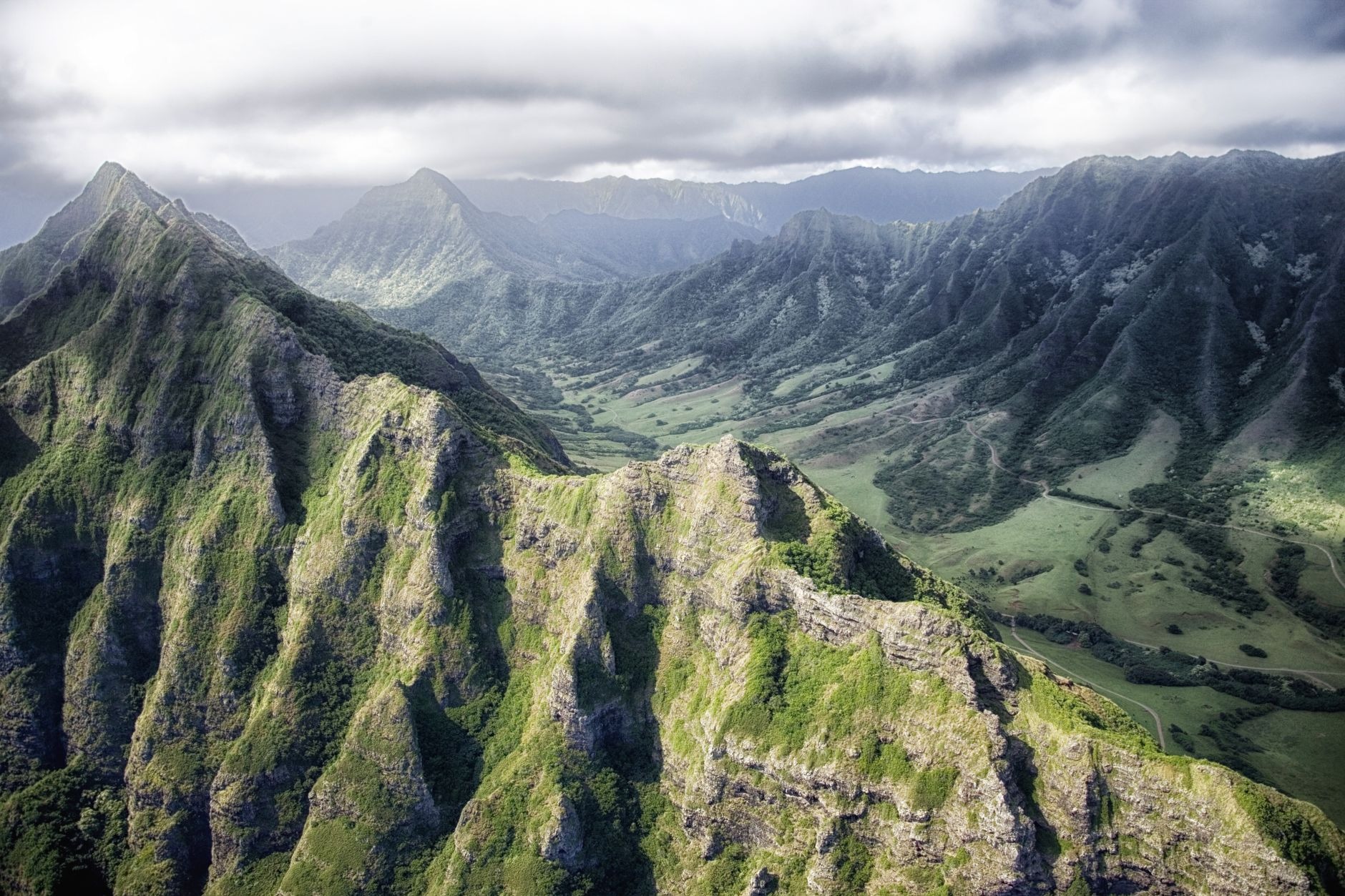
In the afternoon, drive northeast into the central volcanic highlands to visit Ganga Talao (Grand Bassin), a sacred crater lake resting 550 meters above sea level. Guarded by two colossal 33-meter bronze statues of Lord Shiva and Goddess Durga, Ganga Talao is the most sacred Hindu pilgrimage site outside India. Walk along the lakeside promenade adorned with colorful shrines, watching devout families place offerings of flowers, incense, and coconuts onto floating banana leaf trays, enveloped by cool mountain mist and sacred chanting.
Descend to the rugged southern coast at Souillac and Gris Gris. Unlike the sheltered northern and western lagoons, the southern extremity of Mauritius lacks a protective barrier coral reef. Here, the full, untamed fury of the Indian Ocean crashes directly against dramatic black basalt cliffs at La Roche Qui Pleure (The Weeping Rock), sending violent explosions of white foam into the air—a stark reminder of the island’s raw volcanic origin.
Days 6–7: Coral Lagoons & Maritime Departure
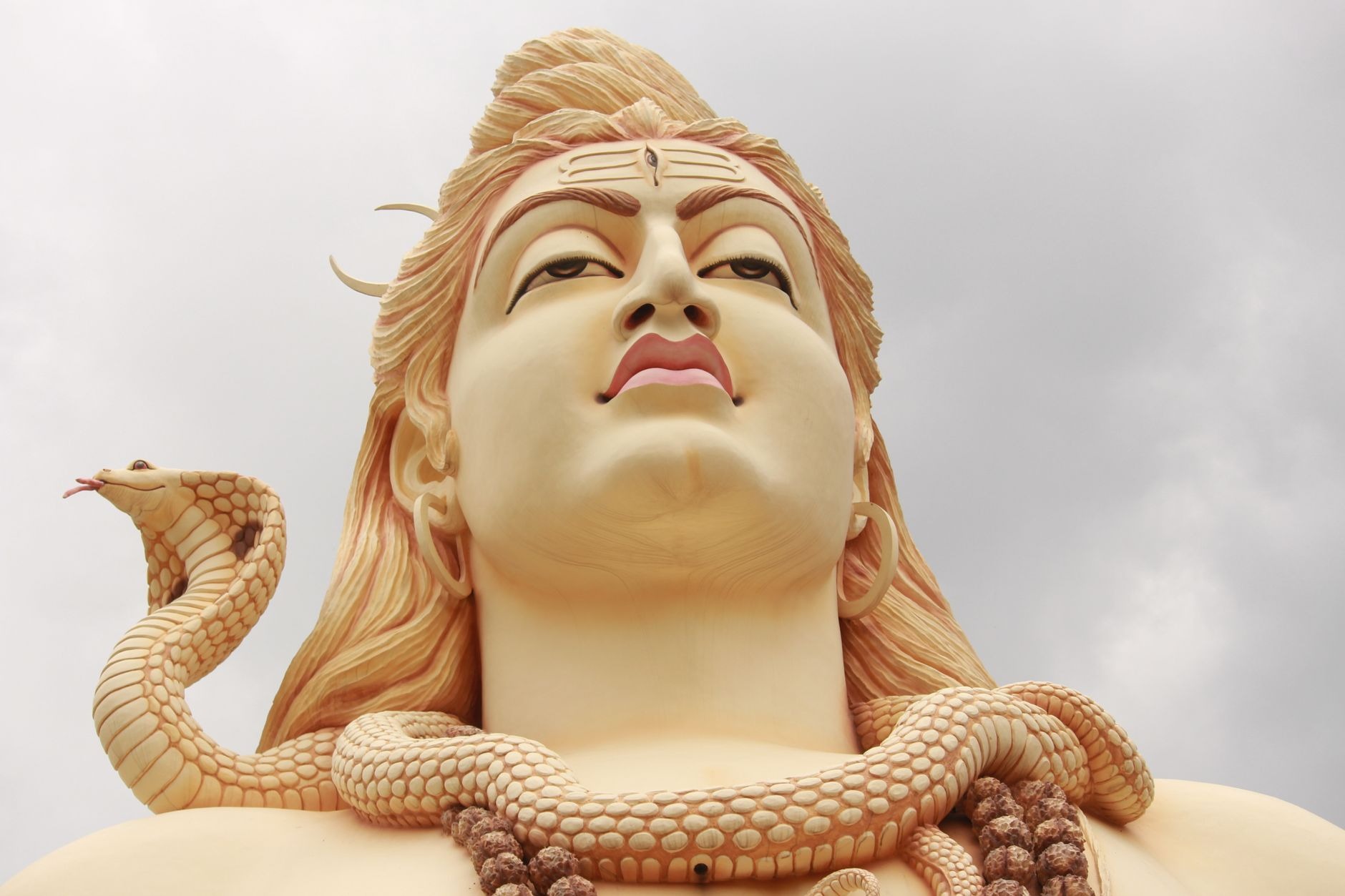
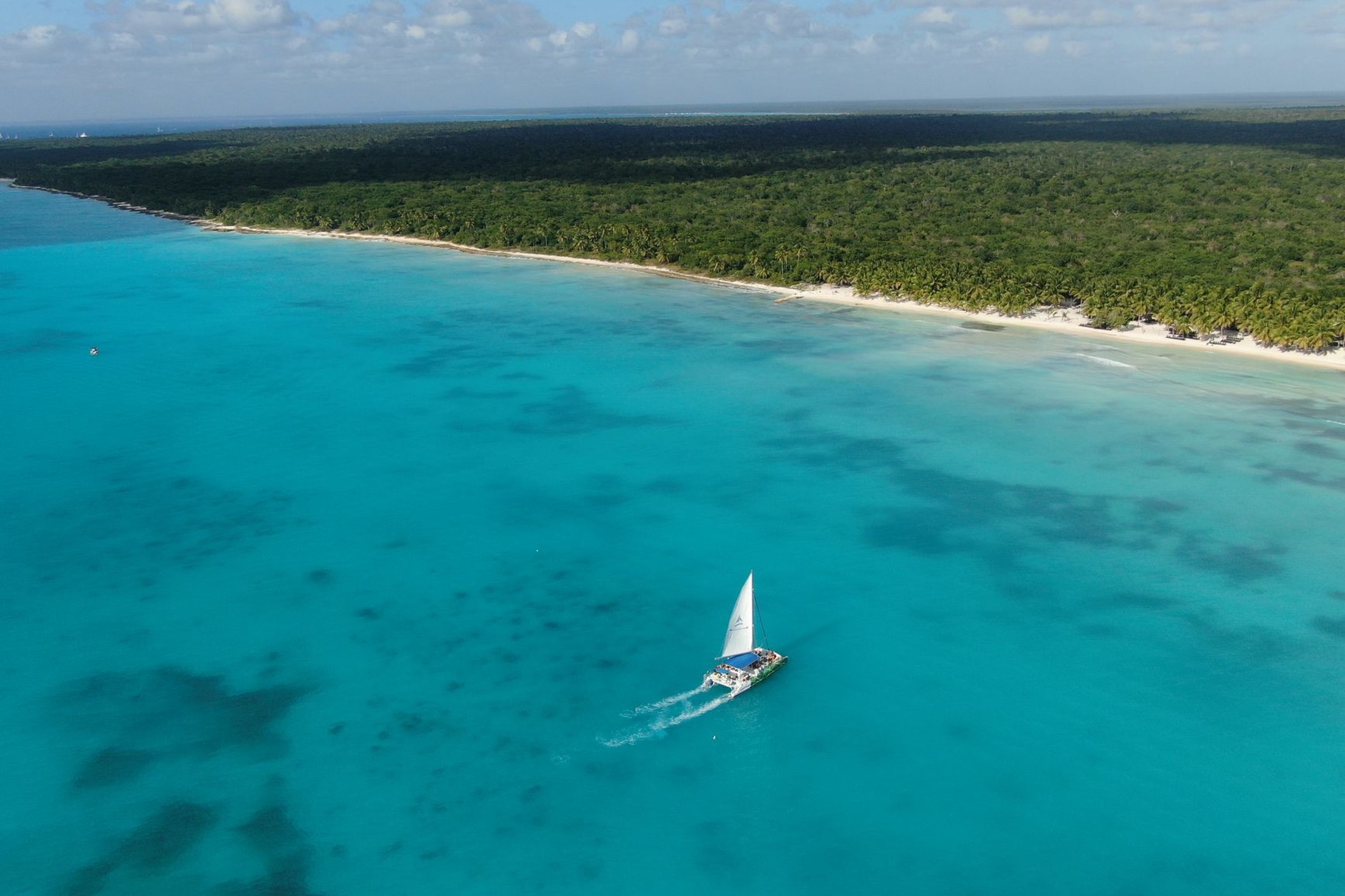
On Day 6, indulge in the quintessential Indian Ocean nautical experience by boarding a sailing catamaran from Trou d’Eau Douce or Pointe Jérôme. Glide smoothly across vast turquoise lagoons toward Île aux Cerfs or Île aux Bénitiers, dropping anchor beside untouched barrier coral reefs. Slip on a snorkel mask to swim through forests of brain and staghorn corals teeming with butterflyfish, parrotfish, and hawksbill sea turtles. Afterward, the catamaran crew drops sails and fires up the onboard barbecue, grilling fresh mahi-mahi and chicken skewers, served with cold Phoenix beer and rum punch.
Conclude Day 7 in the historic southeastern town of Mahebourg. Stroll along the seaside promenade overlooking Grand Port bay, where French and British naval fleets clashed in 1810 during the Napoleonic Wars. Settle into a rustic Creole seaside restaurant to savor a farewell feast of rougaille poisson (fresh fish simmered in rich spiced tomato, ginger, garlic, and thyme sauce) or octopus vindaye (pickled octopus with mustard seeds, turmeric, and garlic), toasting a vacation that unlocked the true soul, wild peaks, and multi-cultural warmth of Mauritius.
Throughout your island travels, navigating winding mountain switchbacks in the southwest, checking live tide charts for catamaran excursions, and paying for local market meals requires dependable mobile connectivity. Having reliable cellular data ensures you explore independently with complete confidence.
Reliable mobile access enables seamless navigation across remote sugarcane fields and ensures you are never dependent on overpriced hotel concierge recommendations.
Street Smarts & Avoiding Costly Traps in Mauritius
Mauritius is exceptionally peaceful, welcoming, and safe, boasting one of the highest standards of living in Africa. However, the island’s luxury tourist economy has created distinct commercial traps and commission schemes designed to extract maximum cash from hotel guests. Keep these six essential street-smart rules in mind:
- The Resort “Taxi Monopoly” & Commission Factory Shakedown: Taxis parked permanently outside high-end international beach resorts operate as an informal cartel, charging exorbitant rates (often $90.38–$158.17 per day). Furthermore, drivers will insist on making unrequested stops at diamond showrooms, cashmere textile outlets, or model ship workshops, where they receive aggressive 20% to 30% cash kickbacks on anything you purchase. Alternative: Rent a compact car independently from reputable local providers (such as Maki Car Rental or Pingouin Car) for a cash sum per day, giving you total freedom to explore at your own pace without commercial detours.
- The Port Louis Market “Fake Kashmiri Saffron” Hustle: In the tourist section of the Central Market in Port Louis, smooth-talking spice merchants target foreign visitors, displaying large glass jars of vibrant orange-red threads labeled as “pure Kashmiri or Persian saffron.” They offer it at what seems like a bargain: a cash sum for a small tin. In reality, the product is almost universally dried safflower (Carthamus tinctorius) or shredded corn silk dyed with artificial food coloring, possessing zero culinary value. Alternative: Purchase genuine Mauritian spices, pure vanilla pods, and regional Bois Chéri vanilla tea at standard local supermarkets like Super U or Carrefour, where products are sealed, authentic, and priced at local consumer rates.
- The Le Morne Brabant “Mandatory Paid Guide” Bluff: Arriving at the Le Morne hiking trailhead car park, visitors are frequently intercepted by local freelance guides claiming: “It is strictly illegal to hike Le Morne without paying a cash sum for a private licensed guide.” In reality, the first two tiers of the hiking trail up to the Plateau (approx. 250 meters elevation) are public state land and completely free to hike independently. Alternative: Anyone in reasonable physical shape can hike the lower two tiers independently for breathtaking lagoon views. If you wish to tackle the steep third tier scramble to the summit cross, hiring an officially accredited guide is genuinely recommended for physical safety and rope assistance, but always book through an established eco-operator rather than curbside touts.
- The Tamarin Bay “Dolphin Chase” Speedboat Harassment: Many unregulated tour operators in Tamarin Bay and Black River sell cheap morning “Swim with Wild Dolphins” speedboat excursions. In practice, dozens of high-powered speedboats aggressively pursue resident pods of spinner and bottlenose dolphins, boxing them in and dropping dozens of splashing tourists directly on top of exhausted pods trying to rest in the shallows. Alternative: Only book marine excursions with eco-certified tour operators (such as Dolswim or those affiliated with the Mauritius Marine Conservation Society) who adhere to strict marine ethical guidelines: maintaining a minimum 50-meter distance, cutting outboard engines, and never encircling pods.
- Lagoon Stonefish & Sea Urchin Footwear Hazards: While Mauritian coral lagoons look like soft swimming pools, the shallow sandy bottoms—particularly around Flic-en-Flac, Le Morne, and Trou d’Eau Douce—harbor highly venomous synanceia verrucosa (reef stonefish) and black long-spined sea urchins. Stonefish camouflage themselves perfectly as encrusted rocks or bury in sand; stepping on their dorsal spines injects neurotoxins causing excruciating pain and requiring immediate emergency medical hospitalization. Alternative: Never walk barefoot in shallow coral lagoons, especially near seagrass beds or rock outcrops. Always wear durable, thick-soled rubber water shoes (chaussures de plage), and shuffle your feet when wading rather than stepping down forcefully.
- Dynamic Currency Conversion (DCC) at Resort Payment Desks: When settling final hotel bills, spa treatments, or restaurant tabs at resort properties using international credit cards, the credit card terminal will automatically recognize a foreign card and prompt: “Pay in your home currency (USD/EUR/GBP)?” Accepting this option triggers Dynamic Currency Conversion, allowing the local merchant processing bank to apply a hidden markup of 8% to 12% above interbank foreign exchange rates. Alternative: Always select “Pay in Local Currency (Mauritian Rupees / MUR).” Your home bank will process the conversion at standard wholesale interbank exchange rates, saving you substantial fees on large hotel and car rental transactions.
Staying Connected Across Mauritius
Navigating the winding coastal bypasses, checking live catamaran weather radar off Île aux Cerfs, and following offline GPS trail maps through Black River Gorges requires reliable cellular connectivity. Having continuous mobile data ensures you explore independently, verify currency conversions in local markets, and stay in touch effortlessly across every corner of the island.
Rather than waiting in line at SSR International Airport arrival halls to buy physical SIM cards that require complicated passport scanning and cash top-up vouchers, activating an eSIM prior to boarding guarantees immediate data access the second your wheels touch the runway in Plaine Magnien.
With an NXTL Mauritius travel eSIM, travelers connect directly to the island’s premier telecommunications infrastructure, including Chili, my.t, and Emtel 4G/LTE networks. Starting from $5.64 per gigabyte with no expiration dates, you enjoy fast data speeds, full personal hotspot tethering, and transparent pay-as-you-go pricing across all your mobile devices.
| Traveler Data Profile | Estimated Data Usage | Primary Trip Applications | Recommended NXTL Plan |
|---|---|---|---|
| Island Navigator | 1 GB – 3 GB | Google Maps coastal road routing, WhatsApp messaging, restaurant reviews, currency exchange checks | 1 GB – 3 GB Pay-As-You-Go ($5.64/GB) |
| Active Lagoon Explorer | 5 GB – 10 GB | Social media video sharing, photo uploads, marine weather radar, live translation of Creole signage | 5 GB – 10 GB High-Speed Package |
| Remote Island Nomad | 15 GB – 20 GB+ | Hotspot tethering across coastal villas, remote video conferencing, cloud file syncing, evening 4K streaming | 20 GB High-Volume Bundle |
By venturing beyond resort confinement, securing an independent rental car for the wild southwest, and maintaining continuous cellular data, your journey through Mauritius will be an extraordinary, richly authentic immersion into one of the Indian Ocean’s greatest island treasures.