Belgium is one of the most densely connected and rewarding travel destinations in Europe, yet many first-time visitors plan it inefficiently. The most common mistake is booking separate hotels in Brussels, Bruges, Ghent, and Antwerp on consecutive nights. That approach turns a relaxing cultural trip into an exhausting cycle of checking out of rooms, rolling luggage over rough cobblestone streets, and searching for left-luggage lockers at crowded railway stations.
The definitive solution is establishing a single, strategic base in Ghent. Positioned in the geographical heart of Flanders, Ghent sits at the junction of Belgium’s mainline railways. From Ghent’s Gent-Sint-Pieters station, frequent Intercity trains reach Bruges in 22 minutes, Brussels in 35 minutes, and Antwerp in 50 minutes. This 6-day rail-based itinerary allows you to explore Flanders’ Gothic masterpieces, world-class art collections, and canal-side beauty while unpacking your suitcase just once.
The 6-Day Belgium Rail Itinerary at a Glance
| Day / Stage | Overnight Base | Key Highlights | Transit & Route Logistics | Essential Advance Bookings | What to Cut / Save |
|---|---|---|---|---|---|
| Day 1: Arrival & Capital Grandeur | Ghent (Korenmarkt or Patershol) | Brussels Grand-Place gilded guildhalls, Mont des Arts panoramic view, Magritte Museum, evening train to Ghent base | Brussels Airport (BRU) to Brussels-Central via SNCB airport train (17 min); evening IC train to Gent-Sint-Pieters (35 min) | Magritte Museum admission; SNCB train ticket via smartphone app | Skip dragging luggage across Brussels all day; store bags at Brussels-Central lockers or head straight to your Ghent hotel before sightseeing |
| Days 2–3: The Ghent Core | Ghent | Gravensteen castle ramparts, Van Eyck’s Adoration of the Mystic Lamb altarpiece, illuminated Graslei & Korenlei quays, Patershol dining | Explore on foot; De Lijn tram 1 connects Gent-Sint-Pieters railway station to the historic center in 10 minutes | Saint Bavo’s Cathedral augmented reality crypt tour & Van Eyck altarpiece timed pass; Gravensteen castle ticket | Skip generic tourist-trap canal cruise packages; Ghent’s canal banks are completely pedestrianized and best enjoyed by foot at dusk |
| Day 4: The Bruges Medieval Loop | Ghent | Rozenhoedkaai canal view, Belfry tower climb, Groeningemuseum Flemish Primitives, peaceful Begijnhof courtyards | Gent-Sint-Pieters to Brugge via direct SNCB Intercity train (22 min, departs every 15–20 min); explore on foot | Bruges Belfry tower timed ticket; Groeningemuseum ticket | Skip horse-drawn carriage tours in Bruges ($67.79+ for a brief ride); the medieval core is compact and easily walked on cobblestones |
| Day 5: Antwerp Diamond & Art Hub | Ghent | Antwerp Central monumental railway cathedral, Cathedral of Our Lady Rubens altarpieces, KMSKA fine arts museum, Diamond Quarter | Gent-Sint-Pieters to Antwerpen-Centraal via direct SNCB Intercity train (50 min); city transit via De Lijn contactless tap | KMSKA museum pass; Rubens House / Cathedral admission | Skip expensive private taxi rides from Antwerp station; Antwerp Central connects directly to the pedestrian Meir shopping street |
| Day 6: Flemish Culinary Art & Departure | Departure from Ghent / Brussels | Traditional Brussels vs Liège waffle tasting, independent bean-to-bar chocolatier visits, departure via Brussels Airport | Gent-Sint-Pieters to Brussels Airport (BRU) via direct train (55 min) or connection at Brussels-Midi | Airport train ticket with Diabolo surcharge included | Skip buying mass-market souvenir chocolate boxes at tourist shops; patronize independent chocolatiers displaying the Belgian Chocolate Code |
With Belgian Intercity trains running every 15 to 30 minutes between these historic hubs, you have complete flexibility. If rain sweeps in or you want to spend extra time admiring paintings in Ghent, you can adjust your plans without worrying about missing fixed reservations.
Brussels: Grand-Place Guildhalls & Lower Town Art (Day 1)
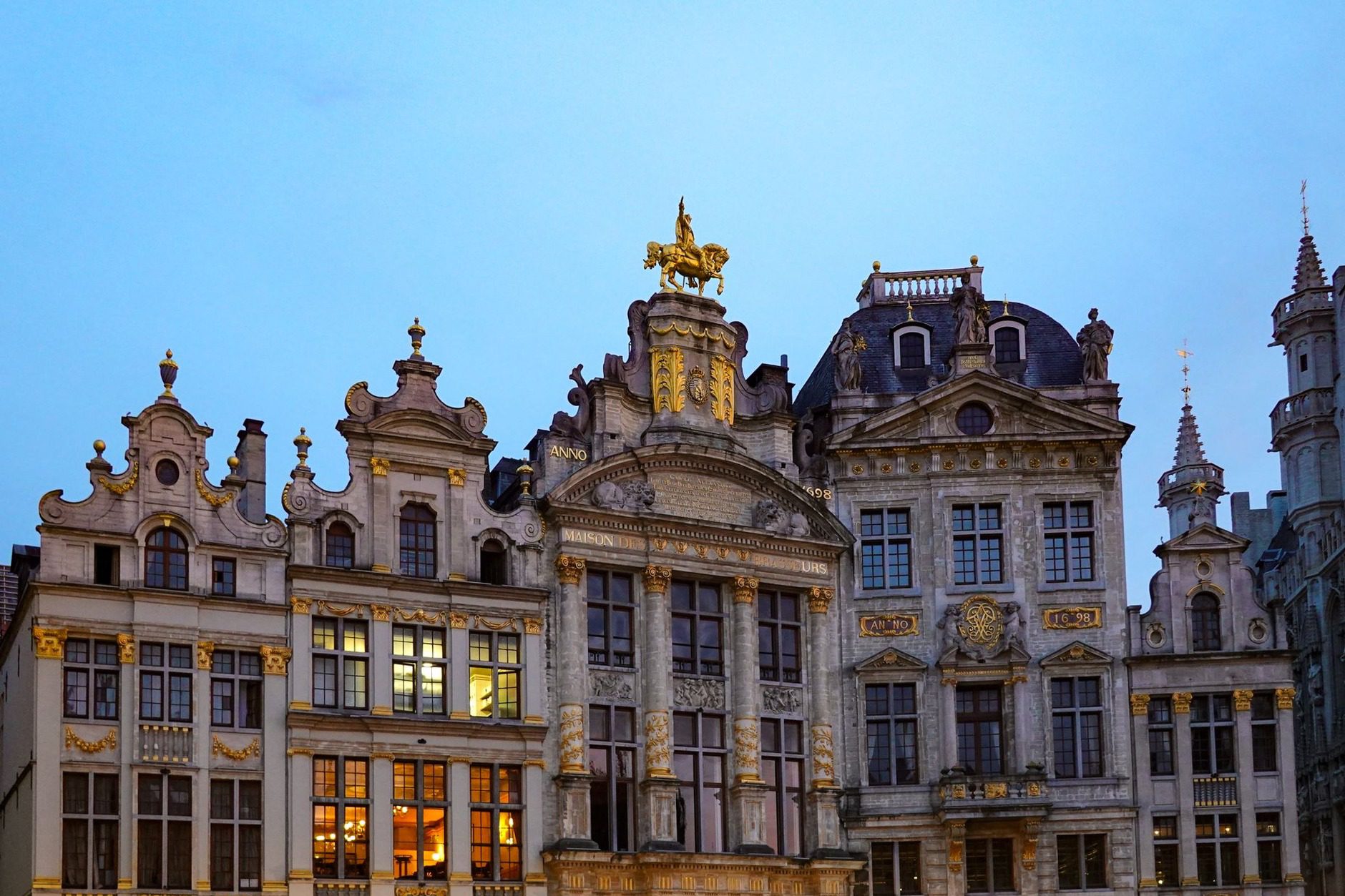
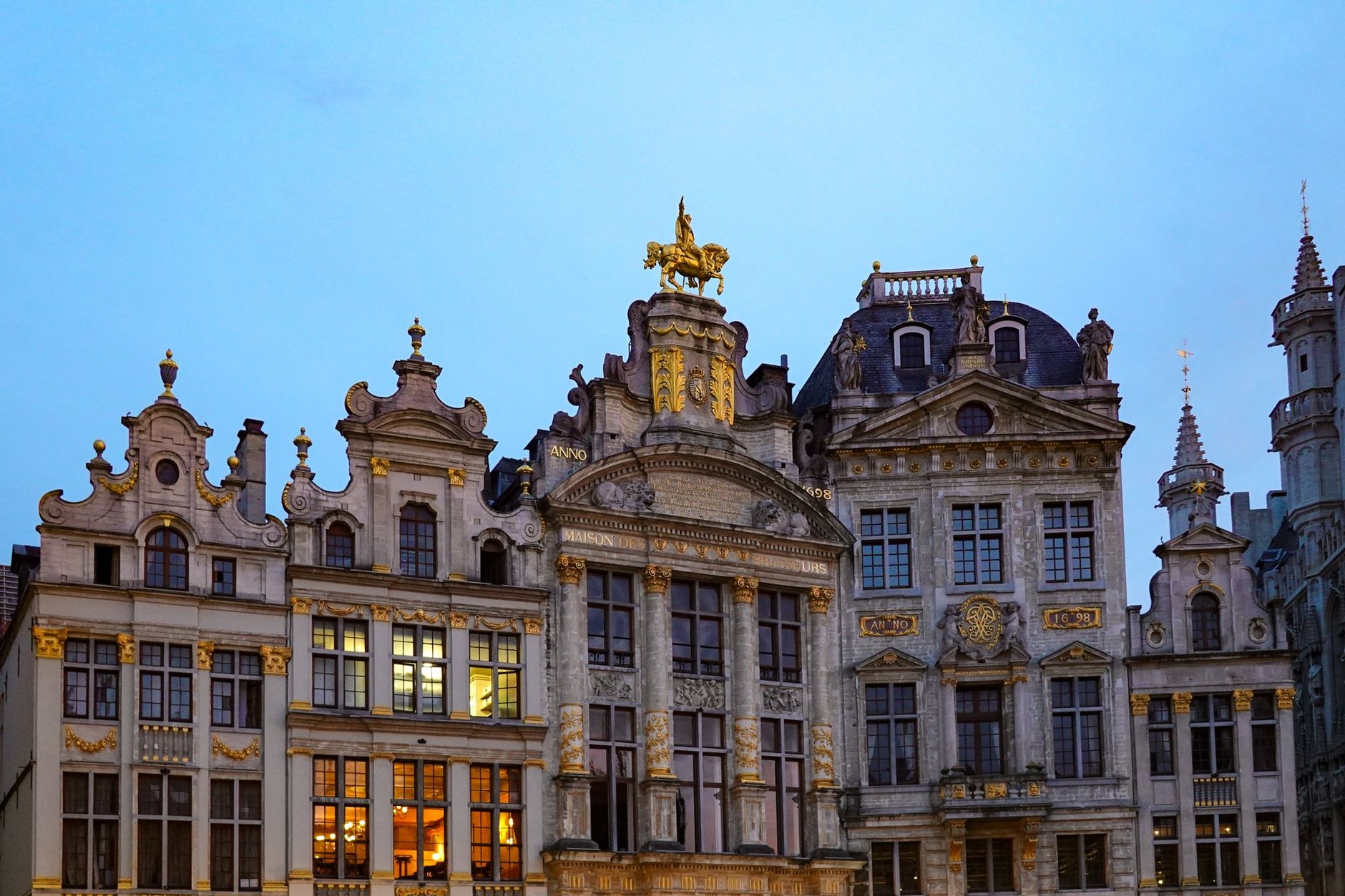
Your journey begins in Brussels, the political capital of the European Union and a city of dramatic architectural contrasts. Arriving at Brussels Airport (BRU), take the direct underground railway link into Brussels-Central station. Step out into the Grand-Place (Grote Markt), widely regarded as one of the most magnificent town squares in Europe. The plaza is encircled by 17th-century Baroque guildhalls adorned with gold leaf, dominated by the soaring 96-meter Gothic spires of the Town Hall.
Stroll through the Royal Saint-Hubert Galleries, an elegant 1847 glazed shopping arcade lined with historic tea salons and luxury chocolate boutiques. Walk uphill to the Mont des Arts gardens for an elevated view across the Brussels skyline, then visit the Magritte Museum to see the surrealist masterworks of René Magritte. In the late afternoon, board a direct train from Brussels-Central to Gent-Sint-Pieters to check into your permanent accommodation in Ghent.
Ghent: The Strategic Base, Gravensteen & Illuminated Quays (Days 2–3)
Ghent balances remarkable medieval architecture with the youthful energy of a university city. In the 13th century, Ghent was an economic superpower—the second-largest city in northern Europe after Paris, with over 65,000 residents whose wealthy wool and cloth guilds routinely defied both French and English monarchs. Check into your hotel near the Korenmarkt or the historic Patershol quarter. Start Day 2 by touring Gravensteen (Castle of the Counts), a massive moated fortress built in 1180 by Count Philip of Alsace as a symbol of feudal power to keep rebellious burghers in check.
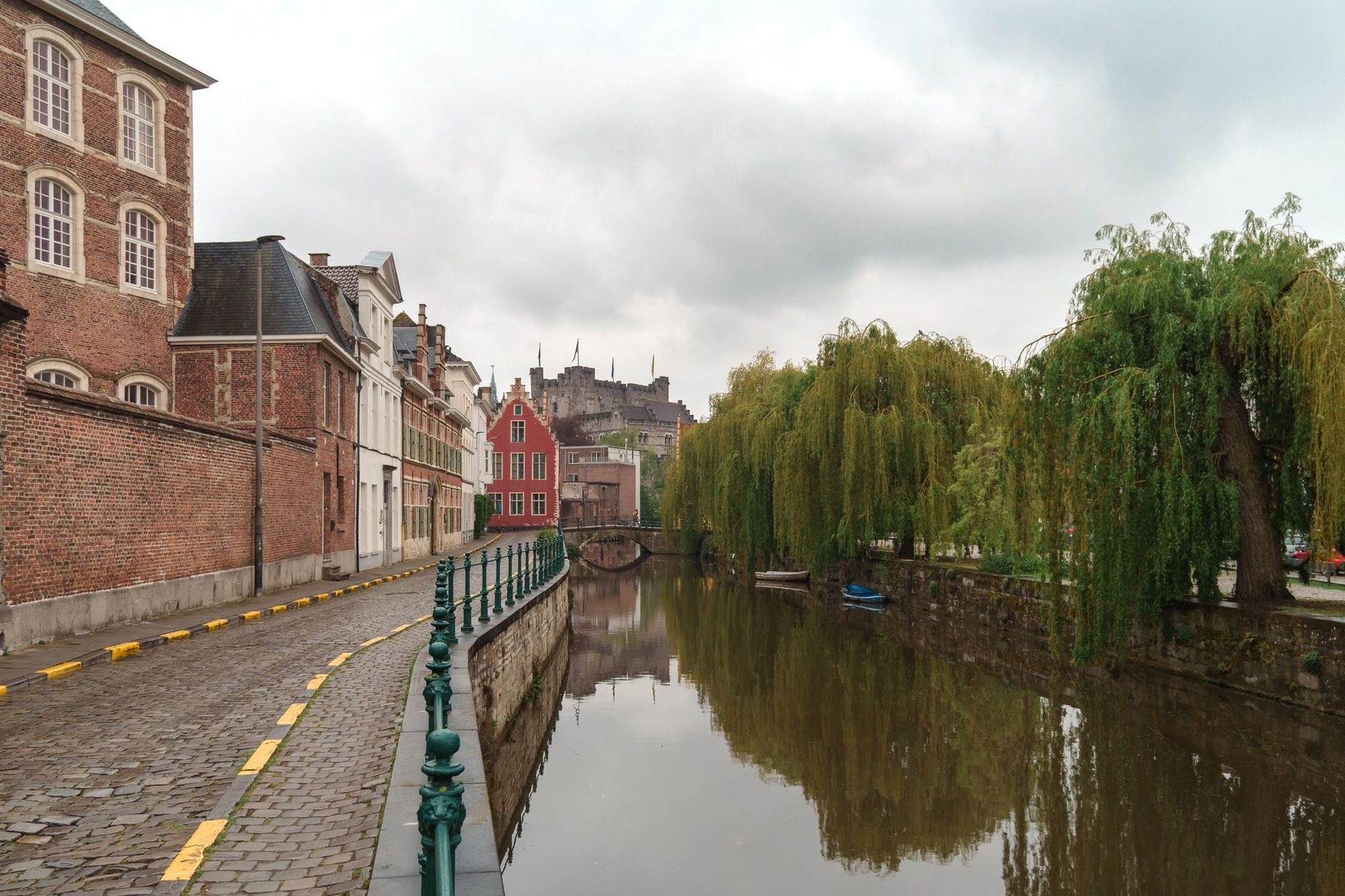
Next, visit Saint Bavo’s Cathedral to view one of the most celebrated and turbulent works in Western art history: the Adoration of the Mystic Lamb (the Ghent Altarpiece), completed by Jan and Hubert van Eyck in 1432. Celebrated for pioneering revolutionary oil glazing techniques, it is also the most frequently stolen artwork in history—looted by Napoleon’s troops, seized by Nazis and hidden in an Austrian salt mine before being recovered by the Monuments Men, and surviving seven separate thefts. One lower panel, The Just Judges, stolen in 1934, remains missing to this day.
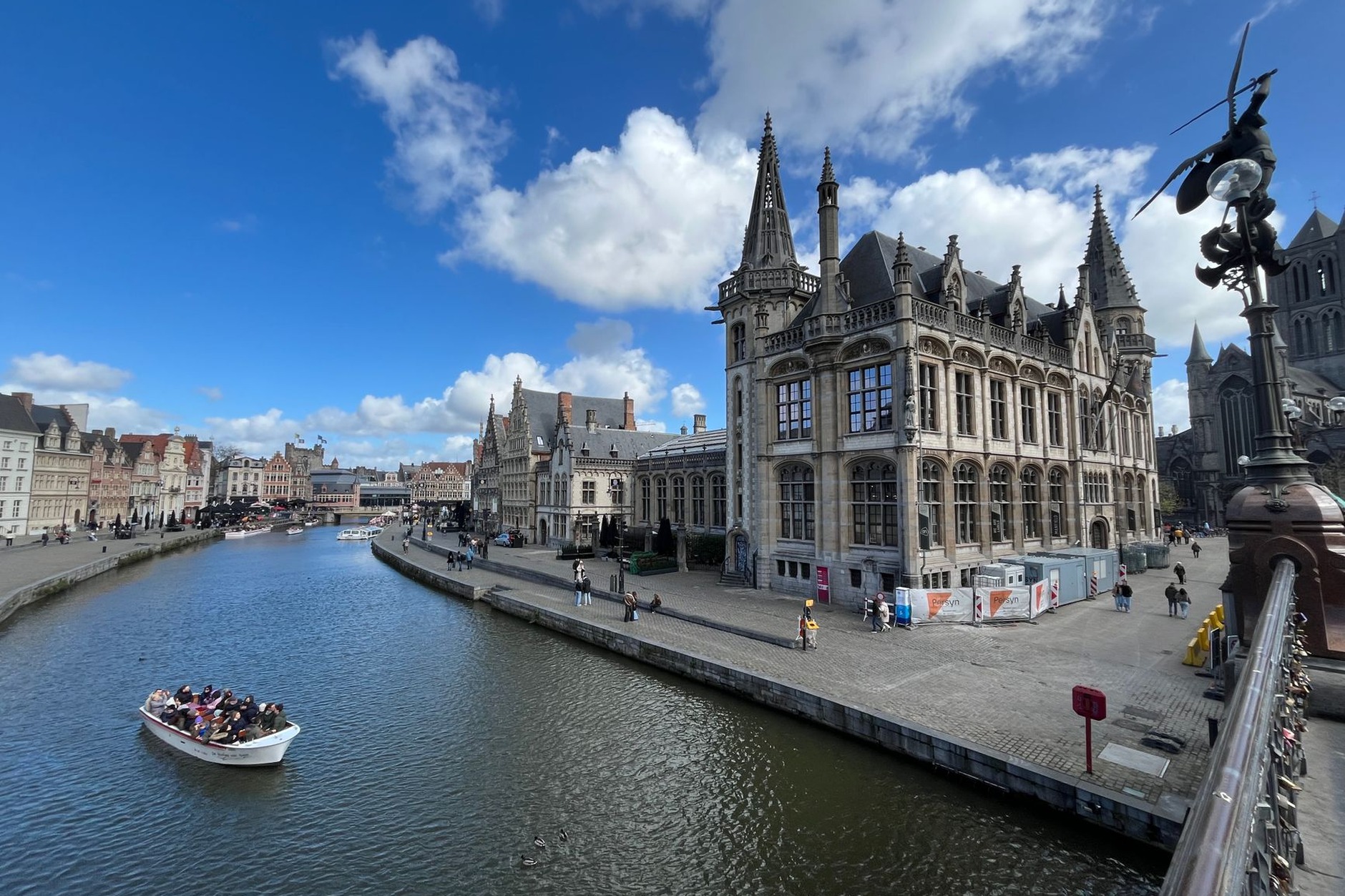
As dusk settles over Ghent, the quays of Graslei and Korenlei become the city’s communal gathering point. Ghent’s award-winning municipal lighting scheme gently illuminates the Gothic and Renaissance guildhouses against the dark waters of the Lys River. Enjoy an outdoor dinner along the water, savoring regional specialties like Gentse waterzooi (a creamy chicken and leek broth) or slow-cooked Flemish beef stew.
Bruges: Medieval Canals, Belfry Panorama & Flemish Masters (Day 4)
On Day 4, a swift 22-minute train ride from Ghent brings you to Bruges (Brugge). Because the city’s economic expansion slowed after its maritime inlet silted up in the late Middle Ages, its historic core remained exceptionally well preserved. Take an early train arriving before 9:00 AM to walk through the peaceful Minnewater park and the whitewashed courtyards of the Begijnhof before day-trip tour groups arrive.
Head to the Rozenhoedkaai (Quay of the Rosary), where weeping willows dip toward the water below the silhouette of the 83-meter Belfry tower. Climb the 366 winding steps of the Belfry for sweeping vistas across the tiled roofs of West Flanders. In the afternoon, visit the Groeningemuseum to see early Netherlandish paintings by Hans Memling and Jan van Eyck.
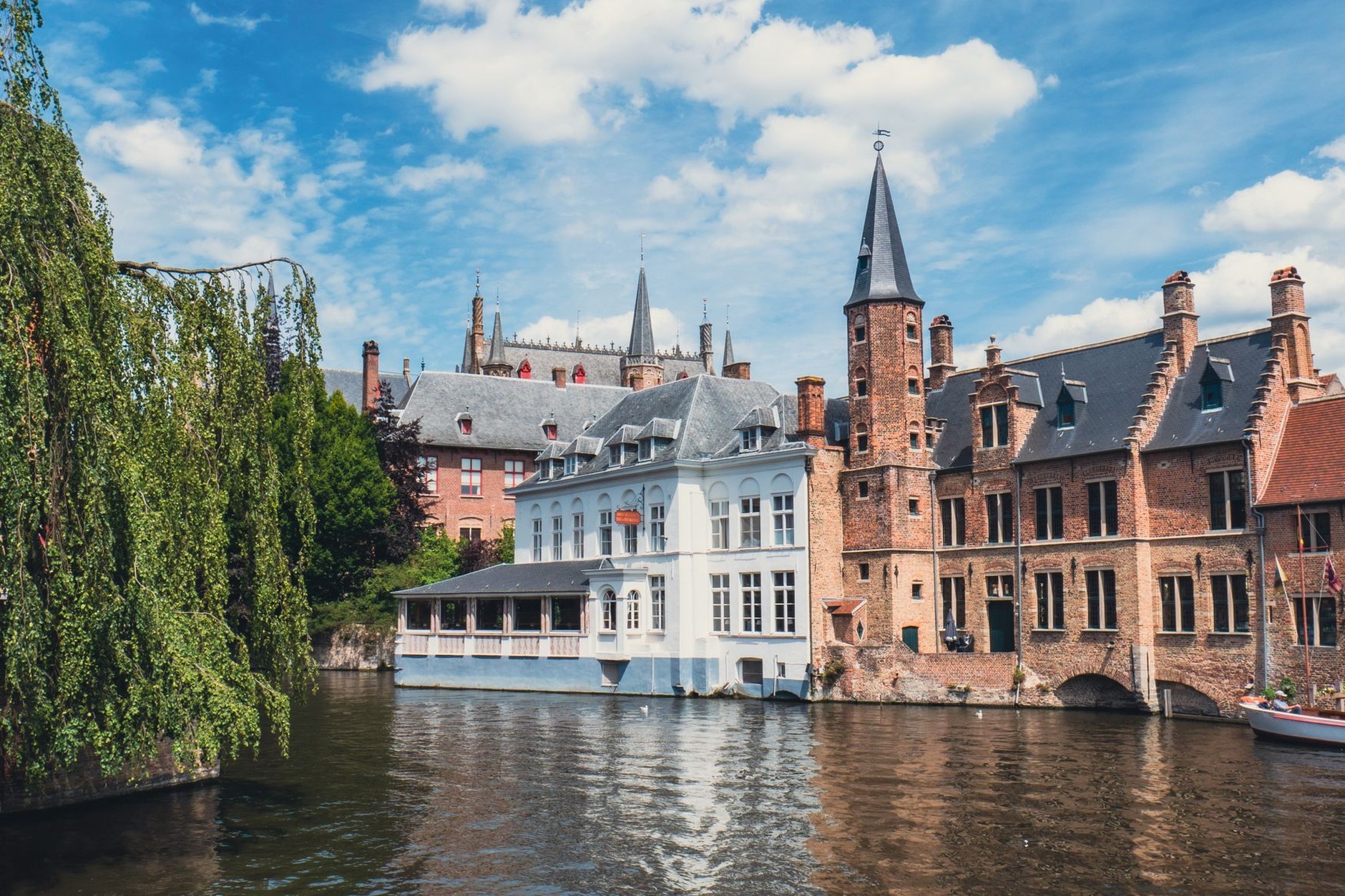
When crowds concentrate around the central Markt in the afternoon, escape into the quiet Saint Anna residential district. Stop at Café Vlissinghe, which has served local ales continuously since 1515, before taking the short evening train back to your base in Ghent.
Antwerp: Railway Cathedral, Diamond Quarter & Rubens (Day 5)
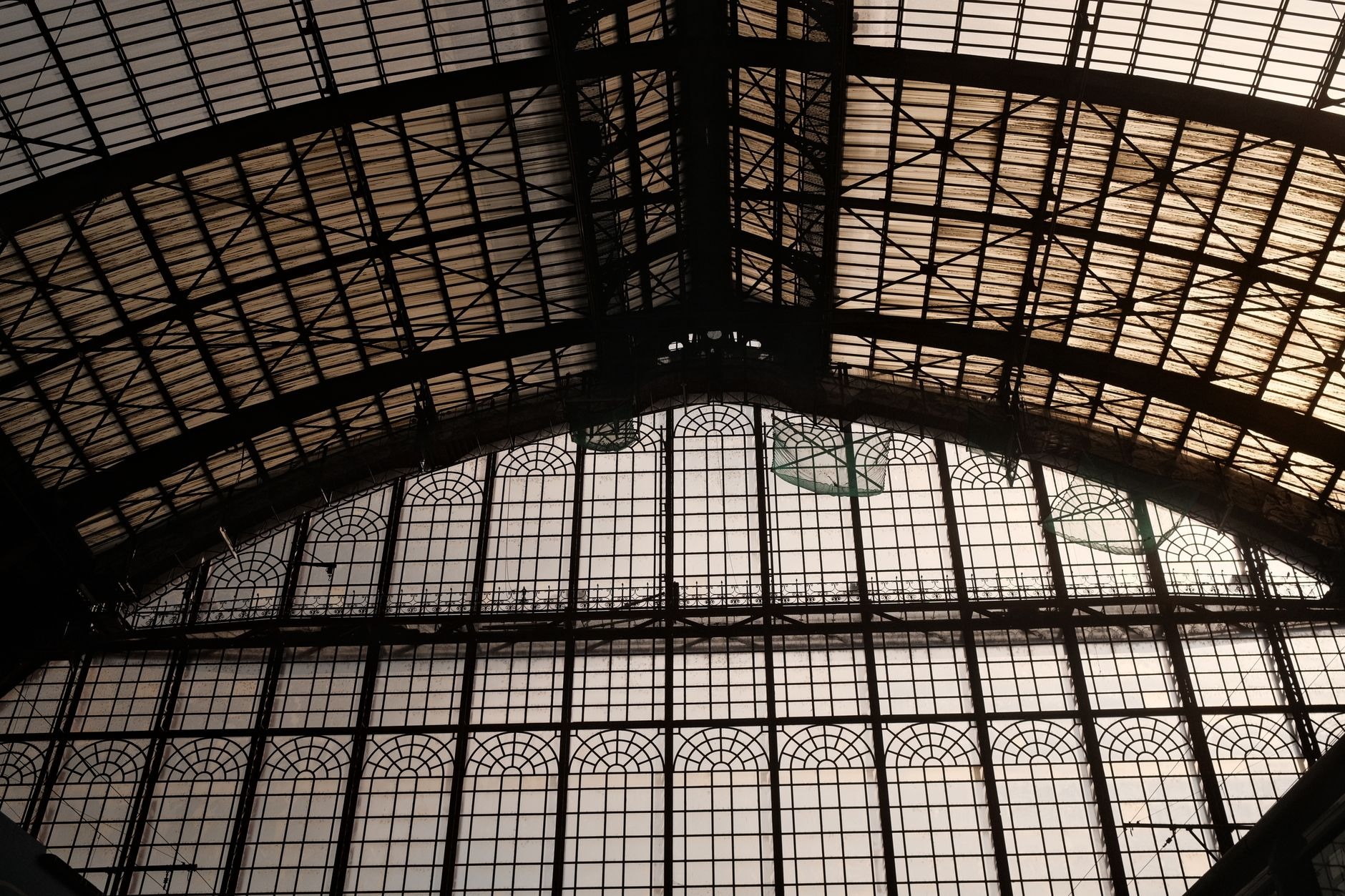
Day 5 brings you north to Antwerp (Antwerpen), Belgium’s economic engine and a world leader in fashion and diamonds. Arriving at Antwerpen-Centraal is a sightseeing highlight on its own. Built in 1905, the station features a monumental 75-meter glass and stone dome, multi-level marble staircases, and soaring iron train sheds that have earned it the nickname “Railway Cathedral.”
Immediately adjacent to the railway terminus lies the Diamond Quarter, where over 84 percent of the world’s rough diamonds are traded and cut. This diamond monopoly dates back to 1476, when local Flemish craftsman Lodewyk van Bercken invented the scaif, an olive-oil-and-diamond-dust coated polishing wheel that revolutionized symmetrical diamond faceting. Walk west along the pedestrianized Meir to the Cathedral of Our Lady, a towering Gothic structure housing four dramatic altarpieces by Baroque master Peter Paul Rubens.
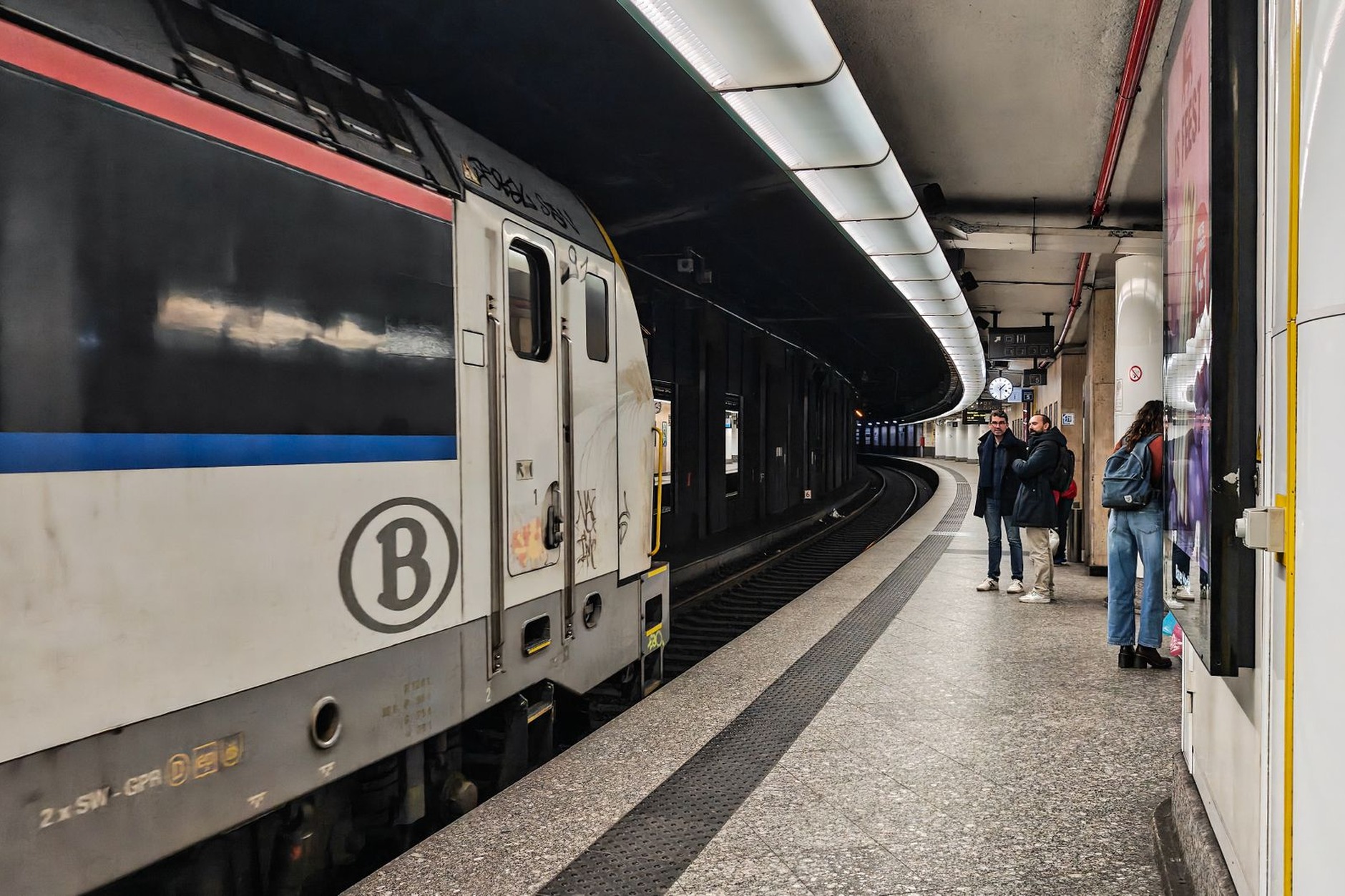
National rail operator SNCB/NMBS makes regional transit exceptionally easy. Tickets do not require seat reservations; an open ticket purchased via your smartphone allows you to board any scheduled train on that route during the day. Traveling over a weekend automatically unlocks a 50% discount on standard return fares from Friday evening through Sunday night.
Belgian Gastronomy: Waffles, Double-Fried Frites & Trappist Ales
Belgian dining culture is rooted in craftsmanship. Avoid the generic “Belgian waffle” served at souvenir stalls. In authentic bakeries, you choose between two distinct styles: the Brussels waffle, which is light, airy, rectangular, and dusted simply with powdered sugar; or the Liège waffle, made from a dense brioche dough embedded with pearl sugar chunks that caramelize in the iron.

Belgium’s famous fries (frites / frieten) have their own folk origin: along the River Meuse near Namur, peasants traditionally fried small fish caught in the river. During freezing winters when the waterways iced over, they carved potatoes into fish shapes and fried them instead. Authentic friteries double-fry fresh bintje potatoes in pure beef tallow (blanc de bœuf), creating a crisp crust and a velvety interior.
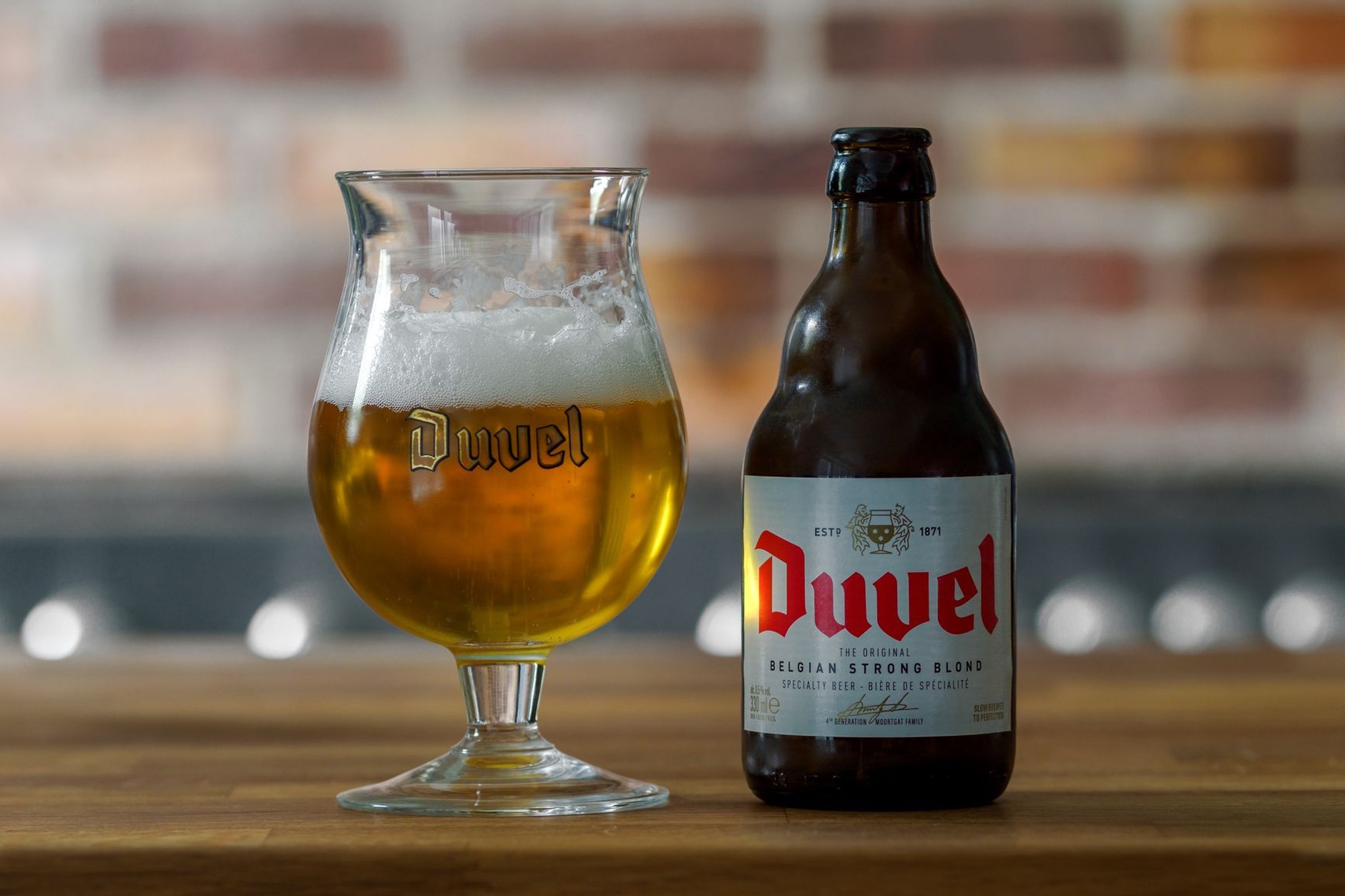
Belgian beer heritage is recognized on UNESCO’s Intangible Cultural Heritage list, with over 1,500 distinct brews. Authentic monastic Trappist beers (from abbeys like Westmalle, Chimay, and Rochefort) are served in designated chalices. This glassware is engineered for sensory physics: wide bowls let carbonation release complex malt esters, while curved rims concentrate aromatic aromas, and laser-etched nucleation marks at the base maintain a steady chimney of fine carbonation bubbles.
Street Smarts: Tourist Scams, Taxi Traps & Station Hustles in Belgium
While Belgium has low violent crime and excellent civic infrastructure, busy transit hubs and crowded tourist centers require practical awareness. Keep these verified street smarts and travel precautions in mind:
- The Brussels-Midi Station Pickpocket & Luggage Distraction: Brussels-Midi (Zuid) is Belgium’s international rail gateway for Eurostar and ICE trains, but its concourses are known for organized pickpocket teams. A common tactic involves someone dropping coins or bumping into you with a folded jacket, while an accomplice quietly lifts a wallet from your pocket or takes a bag off your rolling suitcase. Defense: Keep wallets in zipped front pockets, hold bags in front of you on crowded escalators, and never leave luggage unattended while reading departure boards.
- The Brussels Airport “Diabolo” Surcharge Penalty: When purchasing standard train tickets to Brussels Airport (Zaventem), tickets must include the mandatory national airport supplement known as the “Diabolo fee” ($7.57). If you purchase an ordinary standard domestic train ticket to the airport without this supplement, automated station exit gates will not open, and transit personnel will issue an on-the-spot penalty fare. Defense: Always specify “Brussels Airport” as your destination in the SNCB app; the system automatically includes the supplement in your digital barcode.
- The Brussels Grand-Place “Rue des Bouchers” Restaurant Trap: The narrow pedestrian alleys immediately north of the Grand-Place, especially Rue des Bouchers, are lined with restaurants displaying fresh seafood on ice. Aggressive touts stand outside pushing laminated multilingual menus, offering “free wine” or cheap seafood platters. Diners often find extra service charges, $13.56 bread baskets, and frozen fish added to exorbitant final bills. Defense: Walk past these tourist alleys and dine at established local brasseries in the Sainte-Catherine neighborhood or along Place du Grand Sablon.
- Unlicensed Private Taxis at Brussels Rail Terminals: Outside Brussels-Central and Brussels-Midi stations, rogue drivers approach passengers inside the concourses claiming to be “official taxis.” They lack certified meters and charge $67.79 to $90.38 for short inner-city journeys that normally cost $16.95. Defense: Ignore touts inside terminal halls. Follow official airport/station signs to the official taxi rank with yellow-and-blue roof lights, or use regulated ride-hail apps like Uber and Bolt.
- The Fake Train Conductor / Lost Ticket Hustle: On regional trains between Brussels, Ghent, and Bruges, con artists wearing dark suits or generic badges occasionally approach tourists right after the train leaves the platform, asking to “inspect tickets” and claiming the pass is invalid, demanding immediate cash fines. Defense: Official SNCB conductors always wear blue uniforms with official nameplates, carry handheld electronic ticket scanners (IBIS devices), and never demand immediate cash payments without providing an official printed administrative citation.
- The Tourist Chocolate Gift Pack Trap: Souvenir shops near tourist landmarks sell colorful boxes labeled “Belgian Chocolates” at steep discounts (e.g., 5 boxes for $11.30). These products are often mass-manufactured with palm oil and artificial flavorings rather than authentic cocoa butter. Defense: Buy chocolates from independent chocolatiers who display the Belgian Chocolate Code, guaranteeing pure cocoa butter and local production.
Keeping these practical safeguards in mind ensures your journey through Belgium remains relaxing, rewarding, and free from unexpected costs.
Dense Rail Navigation & Mobile Connectivity with NXTL
Traveling across Flanders and Wallonia by train requires active mobile data. You need continuous internet to check live platform shifts and track assignments on the SNCB app, validate digital tram passes in Ghent and Antwerp via the De Lijn app, follow walking routes through historic cobblestone quarters, and translate menus and museum descriptions on the go.
Belgium possesses advanced telecommunications infrastructure, anchored by tier-one network operators including Proximus, Base, and Orange 5G. With an NXTL Belgium travel eSIM, your phone connects directly to these high-speed national networks at transparent prepaid rates starting from just $0.76 per gigabyte. There is no physical SIM card swap, no identity registration paperwork, and no expiring monthly contracts.
| Traveler Usage Profile | Daily Online Activities | 6-Day Total Bandwidth | Estimated Data Cost (@ $0.76/GB) |
|---|---|---|---|
| Light Navigator (Transit apps & maps) |
SNCB train platform tracking, De Lijn transit validation, Google Maps walking navigation, WhatsApp messaging | 2 GB – 3 GB | $1.51 – $2.27 |
| Balanced Explorer (Social sharing & research) |
All navigation, museum audio guides, photo uploads, craft beer lookup apps (Untappd), restaurant research | 4 GB – 6 GB | $3.03 – $4.54 |
| Heavy Digital Nomad (Remote work & tethering) |
Laptop tethering on trains, video conferencing, cloud photo backups, continuous media streaming | 8 GB – 12 GB | $6.06 – $9.08 |
What sets NXTL apart is its reusable global data eSIM model. Instead of buying a disposable local SIM card that only functions inside Belgium and expires in a week, NXTL operates across 180+ supported countries and 460+ carrier networks. You purchase the eSIM profile once for just $11.99, which includes $10.00 in preloaded travel balance ready for immediate use. Your balance never expires as long as your account remains active.
If you take an afternoon train north into the Netherlands, cross the French border into Lille or Paris, or travel into Germany, the exact same eSIM profile connects automatically in the next country. You never have to re-register or buy another data bundle. Full mobile hotspot tethering is permitted across all destinations, and dual-SIM functionality allows your primary home SIM to stay active for bank two-factor SMS alerts with zero unexpected roaming fees.
Set up your NXTL eSIM profile before boarding your flight to Brussels. When your plane lands at Zaventem Airport, turn on your data roaming line to confirm your train connection into the city, purchase your rail ticket, and begin your journey through Flanders with total confidence.