Chile stretches more than 4,300 kilometers along the Pacific rim, spanning from the driest non-polar desert on earth to the sub-Antarctic glaciers of Tierra del Fuego. When first planning a trip, travelers frequently make the mistake of attempting to cover both the Atacama Desert in the far north and Patagonia’s Torres del Paine in the deep south inside an eight- or nine-day window. That ambitious plan forces you into three separate internal flights, entire days lost in transit terminals, and leaves zero margin for unpredictable Patagonian gale-force winds.
The smartest approach for an 8-day first visit is pairing the cultural and culinary energy of central Chile—Santiago and bohemian Valparaíso—with the otherworldly volcanic geology, salt flats, and pristine night skies of the Atacama Desert. By focusing on this pairing, you minimize transit fatigue, acclimatize progressively to high desert elevations, and immerse yourself deeply in two of South America’s most contrasting environments.
The 8-Day Focused Chile Itinerary at a Glance
| Day / Stage | Overnight Base | Key Highlights | Transit & Route Logistics | Essential Advance Bookings | What to Cut / Save |
|---|---|---|---|---|---|
| Days 1–2: Andean Capital | Santiago (Lastarria or Providencia) | Plaza de Armas, Cerro Santa Lucía panoramic views, La Chascona (Pablo Neruda house), modern culinary scene | Santiago Airport (SCL) to center via Centropuerto bus or official Transvip shuttle (35 min); city transit via Bip! card | La Chascona admission pass; dinner reservation at Boragó or Liguria | Skip unmetered street taxis outside the airport; book official prepaid Transvip transfers inside the arrivals hall |
| Day 3: Pacific Art & Funiculars | Valparaíso (Cerro Alegre or Concepción) | Day trip to Valparaíso: vibrant hillside murals, historic wooden funiculars (ascensores), Pacific oceanfront seafood | Santiago Turbus/Pullman bus terminal to Valparaíso (1 hr 30 min, departs every 15 min); explore on foot | Ascensor Concepción ticket (paid in cash); seafood lunch reservation at Café Turri | Skip staying overnight in Valparaíso if you prefer not to repack luggage; convenient express buses return to Santiago every evening |
| Days 4–5: Lunar Landscapes | San Pedro de Atacama | Domestic flight to Calama, transfer to San Pedro, sunset over Valle de la Luna (Moon Valley) sculpted dunes, adobe oasis streets | Flight SCL to Calama (CJC) (2 hr 10 min) + shared Licancabur shuttle to San Pedro (1 hr 15 min, 100 km) | Valle de la Luna national reserve timed entry pass (purchase online via official portal); evening astronomical stargazing tour | Skip renting a 2WD compact car for desert driving; local guided tours handle high-clearance roads and altitude permits safely |
| Days 6–7: High Altiplano & Geysers | San Pedro de Atacama | Dawn expedition to El Tatio Geysers (4,320m fumaroles), high-altitude Miscanti and Miñiques alpine lagoons, flamingo salt flats | Organized morning minibus excursion with professional driver (departures 4:30 AM); afternoon local walking | El Tatio Geysers entrance pass; Laguna Chaxa flamingo reserve entry | Skip attempting El Tatio on your first morning in the desert; spend two days at 2,400m first to properly acclimatize to the altitude |
| Day 8: Desert Farewell & Departure | Santiago Departure | Morning market shopping in San Pedro (alpaca wool textiles), afternoon shuttle to Calama Airport, flight to Santiago for international connection | Calama (CJC) to Santiago (SCL) via LATAM or SKY Airline (2 hr 10 min); transfer to international departures | Schedule international flight connection at least 4 hours after Calama arrival | Skip buying cheap counterfeit “alpaca” souvenirs at street stalls; visit certified artisan cooperatives in San Pedro’s craft market |
This route balances urban ease with high-desert adventure. You explore historic Pacific seaports and sophisticated capital neighborhoods, then ascend into the clearest skies on the planet for unforgettable stargazing.
Santiago & Valparaíso: Andean Skyline & Bohemian Hillside Art (Days 1–3)
Your journey begins in Santiago, set in a fertile central basin guarded by the soaring, snow-capped wall of the Andes Mountains. Start in the historic center around Plaza de Armas, visiting the Metropolitan Cathedral and the Chilean Museum of Pre-Columbian Art, home to an extraordinary collection of ancient Andean textiles, ceramics, and gold jewelry.
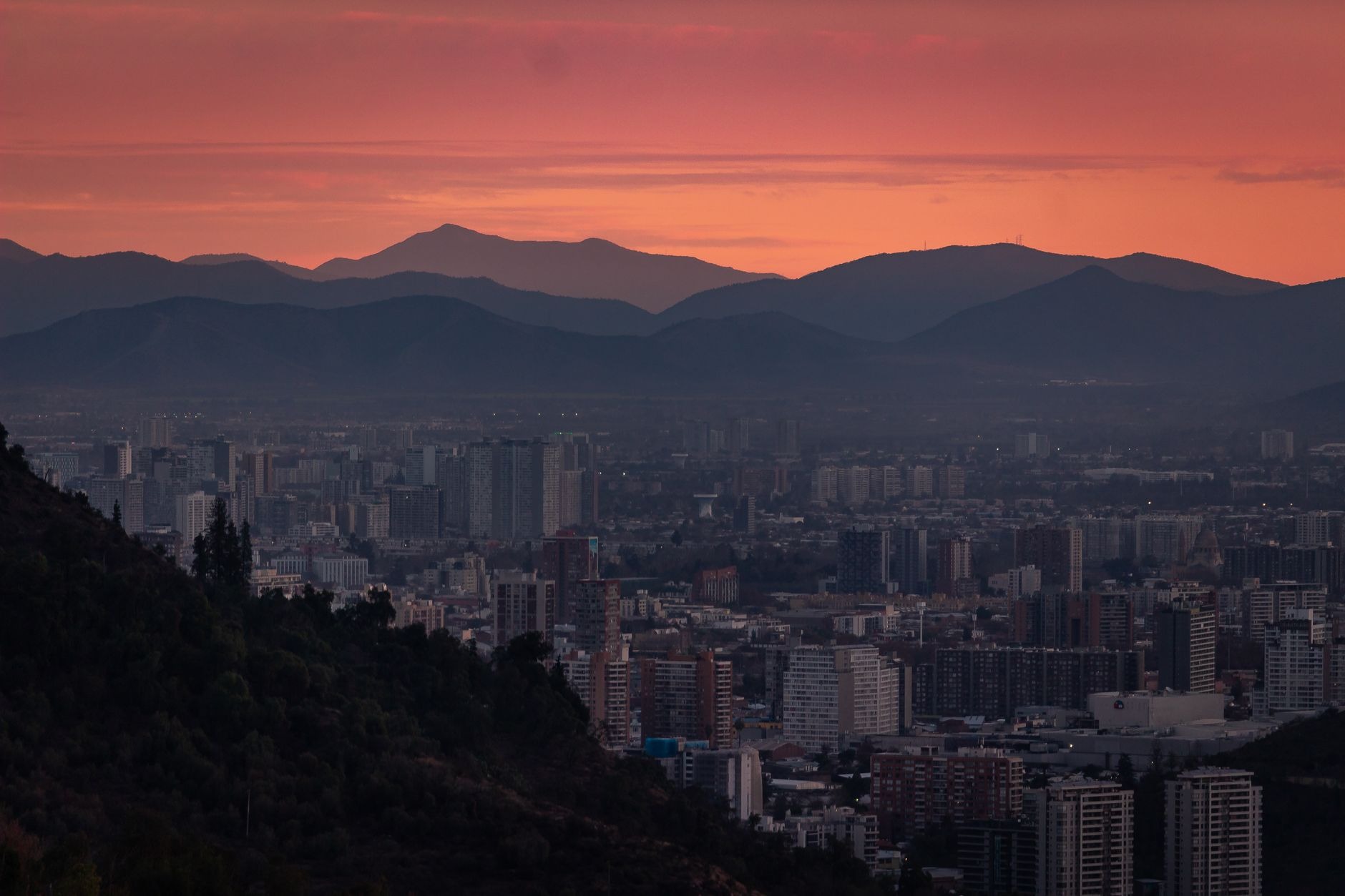
Climb the winding stone stairways of Cerro Santa Lucía, a manicured hilltop park featuring neo-Gothic fountains and panoramic terraces looking out over the metropolitan basin. In the bohemian neighborhood of Bellavista, tour La Chascona, the whimsical home built by Nobel laureate poet Pablo Neruda for his secret love Matilde Urrutia, packed with maritime memorabilia and colorful folk art.
Chile also holds a unique biological title: it is the world’s preeminent sanctuary against phylloxera, the microscopic aphid that decimated European viticulture in the late 19th century. Guarded by the hyper-arid Atacama to the north, the frozen Andes to the east, the vast Pacific to the west, and Antarctic ice to the south, Chile remained untouched. Today, it is the only major wine-producing country where classic European vines grow on their original ungrafted rootstocks. In fact, Carménère, an ancient Bordeaux grape thought completely extinct following the European blight, was miraculously rediscovered thriving in the vineyards of the Maipo Valley in 1994, having been mistaken for Merlot for over a century.
On Day 3, take a comfortable 90-minute express coach west through coastal vineyards to Valparaíso. Built across more than forty steep hills overlooking the Pacific Ocean, this UNESCO-listed port was known as the “Jewel of the Pacific” during the 19th century, when every steamship rounding Cape Horn docked here for coal and provisions before the opening of the Panama Canal in 1914.
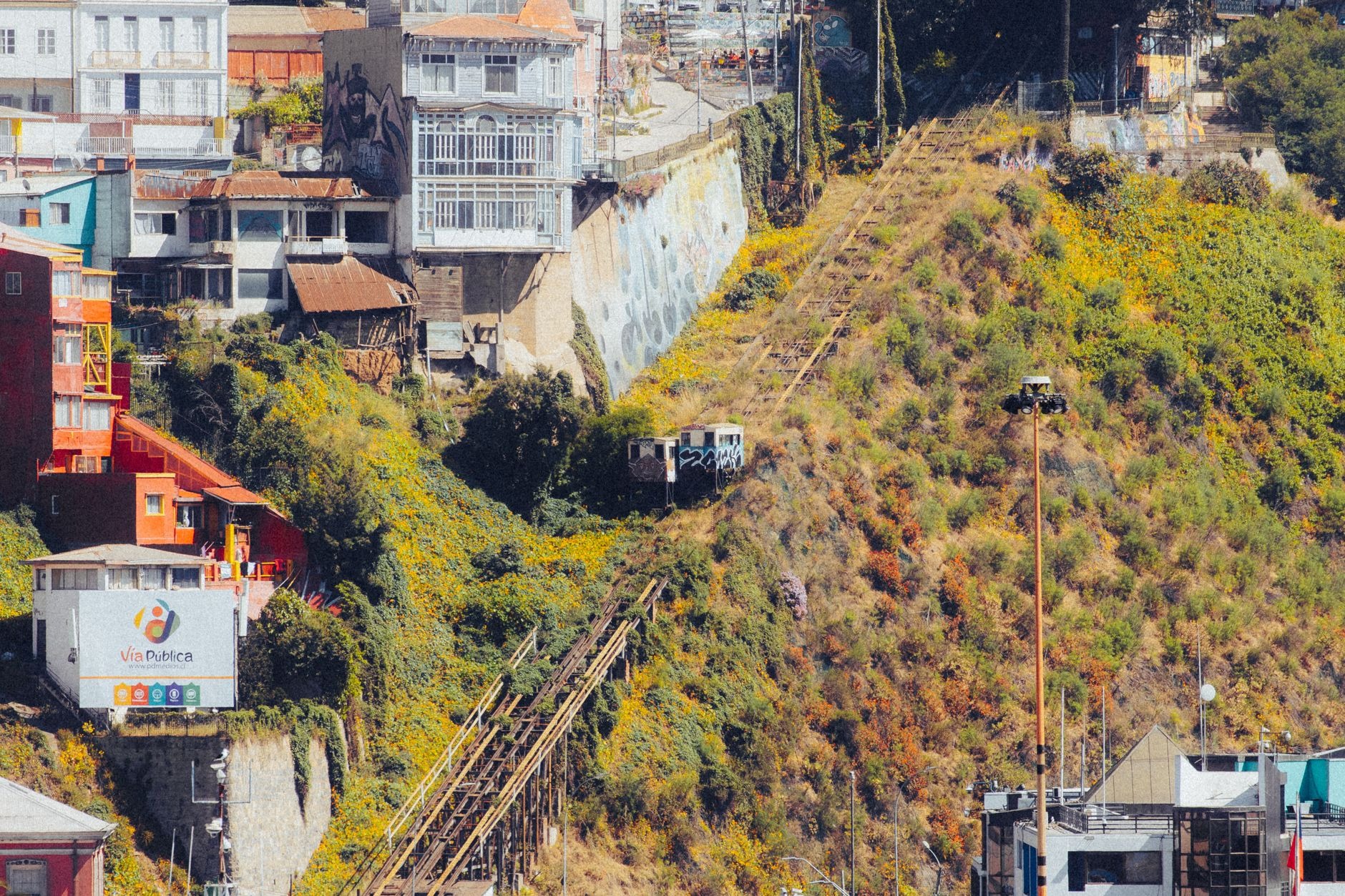
To haul residents up the sheer coastal bluffs, engineers built sixteen wooden funicular elevators (ascensores) powered by steam and counterbalance water tanks. Ride the historic 1883 Ascensor Concepción up into Cerro Alegre and Cerro Concepción. Walk past brightly painted corrugated-iron houses, discovering intricate murals around every corner. Stop at a terrace overlooking the working container harbor to feast on fresh Chilean sea bass, razor clams (machas a la parmesana), and chilled Sauvignon Blanc from the nearby Casablanca Valley.
San Pedro de Atacama: Adobe Oases & Moon Valley Dunes (Days 4–5)
On Day 4, take a morning flight from Santiago north to Calama, then transfer across the desert plateau to San Pedro de Atacama (elevation 2,400 meters). San Pedro is an ancient adobe oasis town of dusty dirt lanes, white-washed mud-brick buildings, and quiet pepper trees.
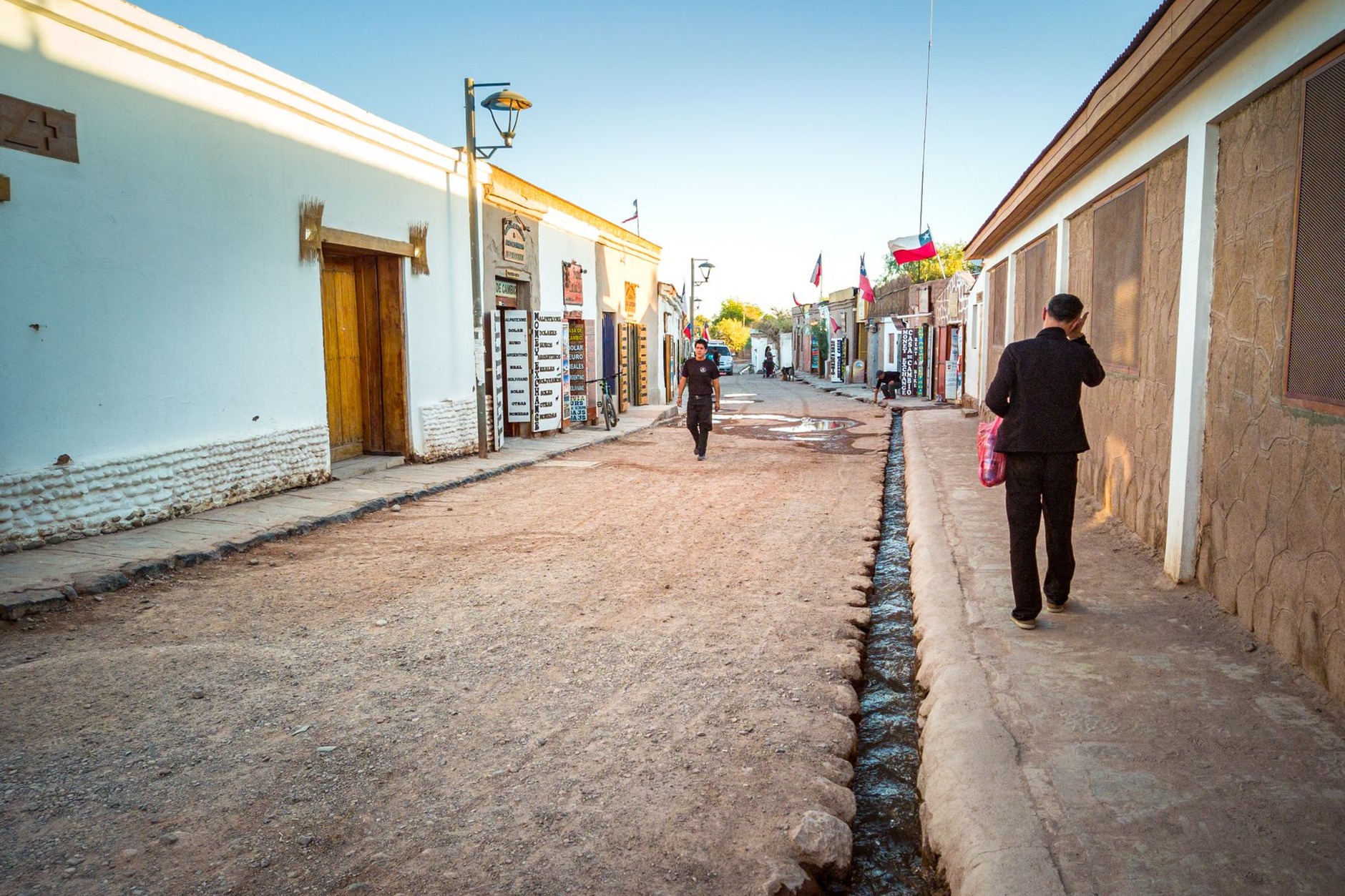
Visit the 17th-century Church of San Pedro, whose whitewashed adobe walls support ceiling beams carved from native cardón cactus wood and tied together with llama leather thongs. The extreme aridity of the Atacama Desert is a geological marvel caused by a double rain shadow: the towering 6,000-meter Andes block all moisture-laden winds from the Amazon basin to the east, while the coastal Chilean Coast Range blocks Pacific clouds. Furthermore, the frigid offshore Humboldt Current creates a permanent temperature inversion that prevents storm clouds from forming. In some riverbeds, rain has not fallen in over four centuries, creating hyper-arid soil so sterile that NASA uses it to test Mars rovers.
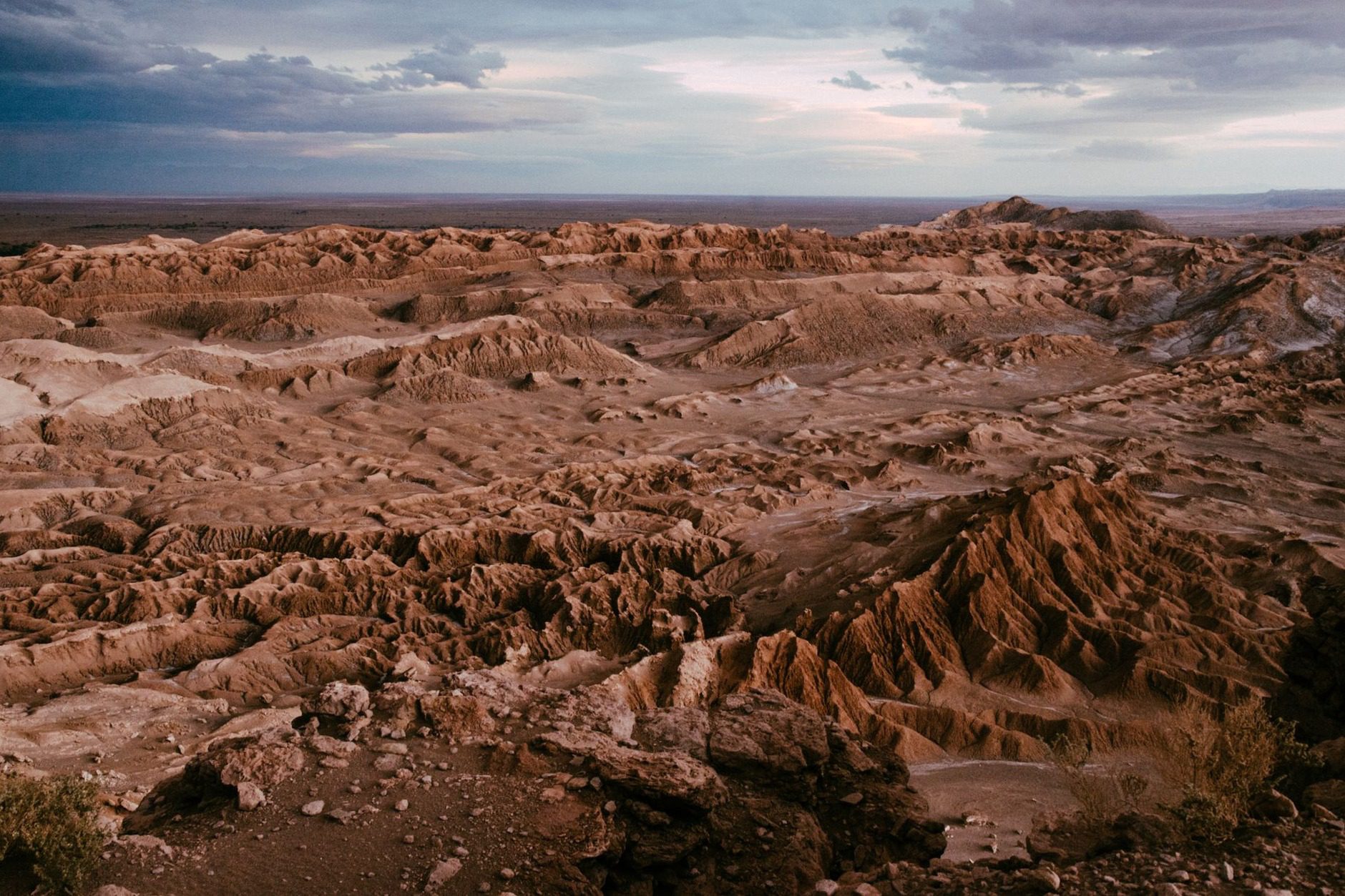
In the late afternoon, head into the Valle de la Luna (Moon Valley) in the Salt Mountain Range. Millions of years of wind erosion and sudden flash floods have carved towering sand dunes, jagged gypsum cliffs, and white salt-encrusted canyons that resemble a lunar landscape.

Climb the Duna Mayor to watch the sunset paint the distant Licancabur volcano in glowing shades of ochre, pink, and violet as twilight settles over the desert.
The High Altiplano: El Tatio Geysers & Miscanti Lagoons (Days 6–7)
Having acclimatized for two days, depart before dawn on Day 6 for the high altiplano to tour the El Tatio Geysers. Situated at 4,320 meters above sea level, El Tatio is the highest geothermal geyser field in the Southern Hemisphere and the third-largest on Earth.
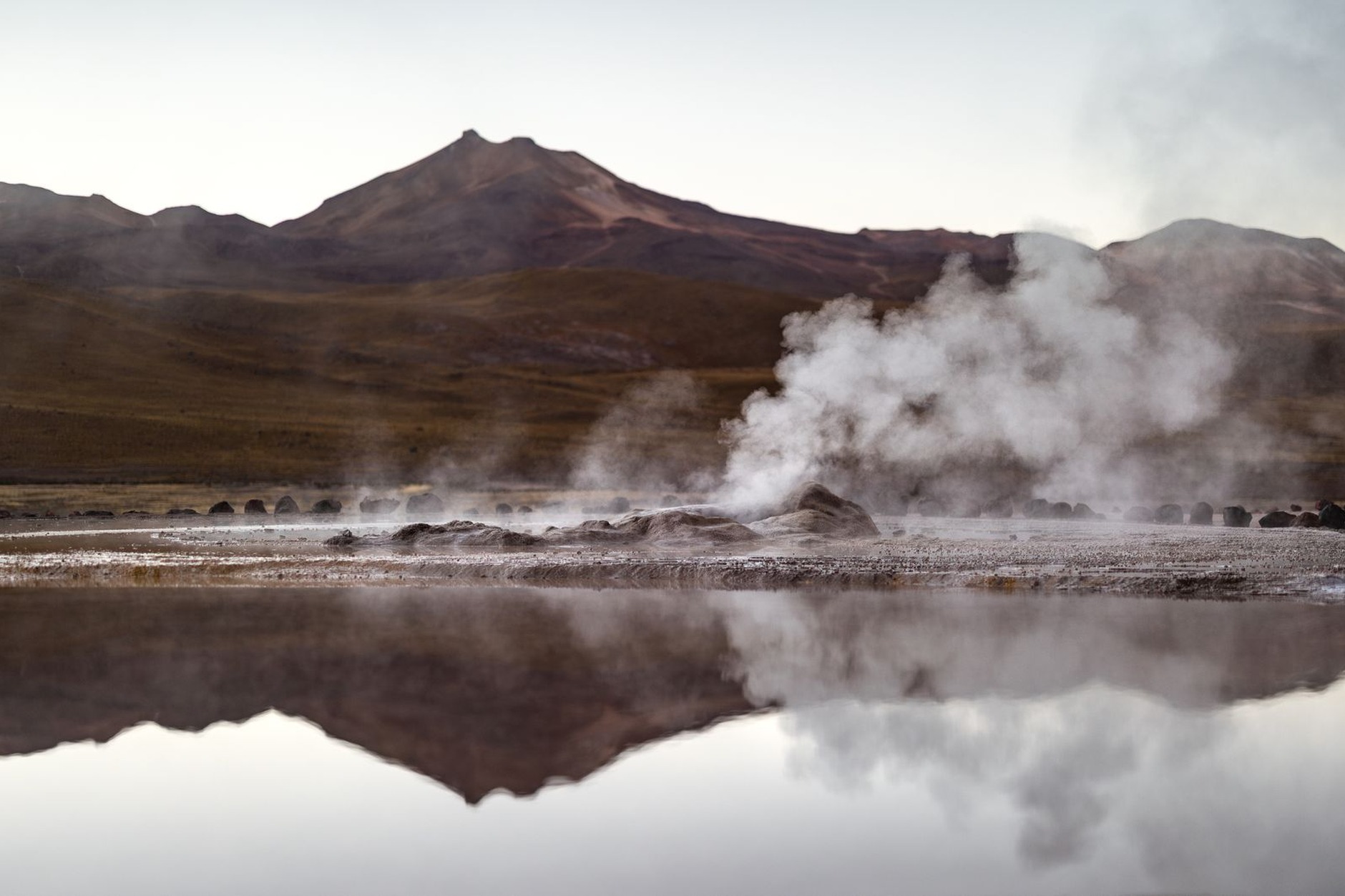
The geysers exhibit fascinating thermodynamic physics: at 4,320 meters, atmospheric pressure drops to roughly 60 kPa, which lowers the boiling point of water from 100°C to just 86°C (187°F). As subterranean volcanic chambers heat groundwater, it flashes into steam far more rapidly than at sea level. More than eighty active fumaroles erupt into towering columns of boiling steam against the freezing -10°C dawn air. On the return drive, watch for wild vicuñas grazing on golden pajonal grasses and viscachas resting on sunny granite boulders.
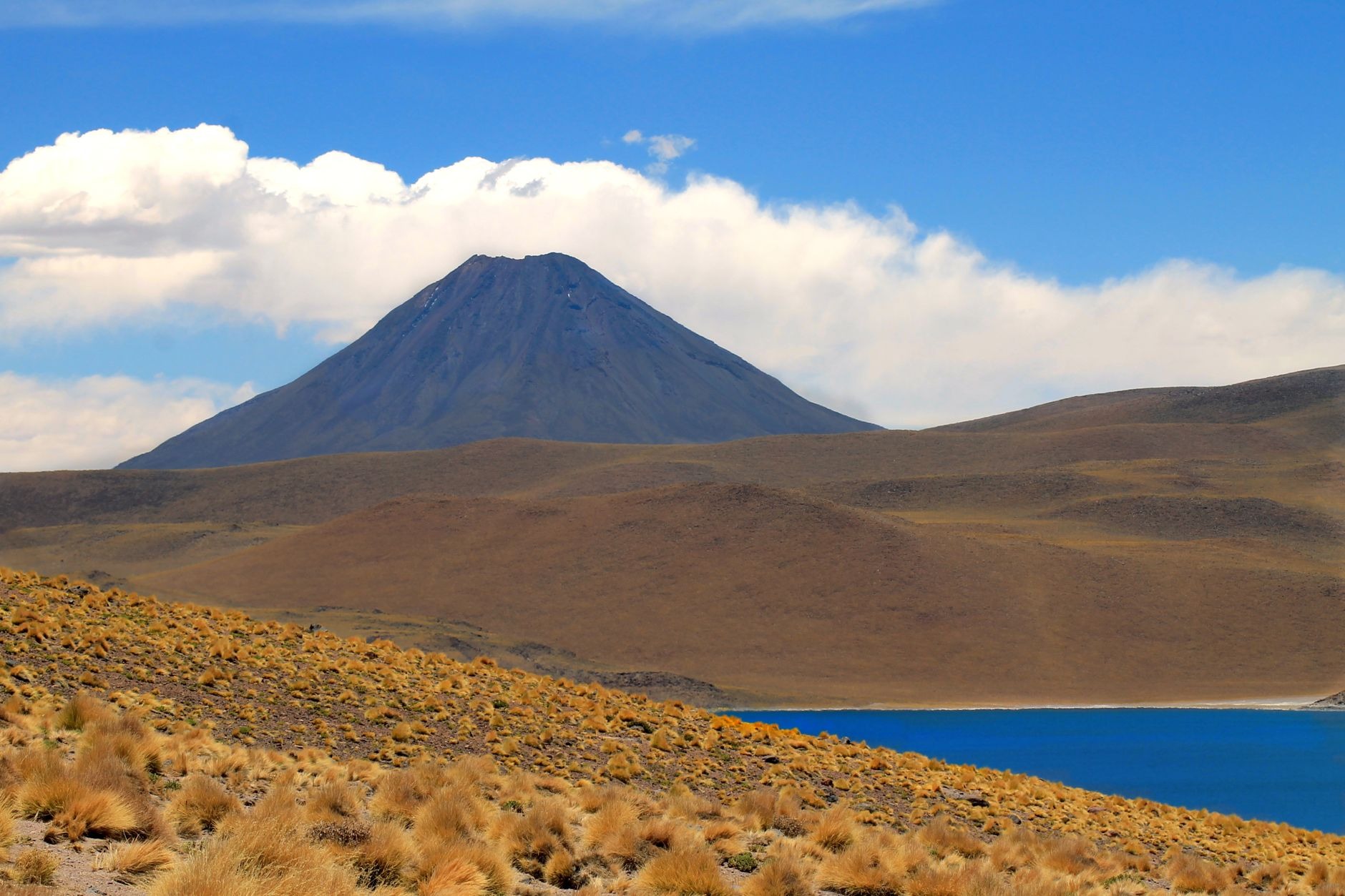
On Day 7, journey south toward the Altiplanic Lagoons of Miscanti and Miñiques. Nestled at 4,140 meters, these twin sapphire lakes sit beneath dormant volcanic cones, framed by yellow mountain grasses and white salt rings. Continue down to the Salar de Talar (Piedras Rojas) to admire turquoise shallow lagoons set against oxidized red volcanic rocks.
Stargazing Expeditions & Chilean Gastronomic Culture (Days 7–8)
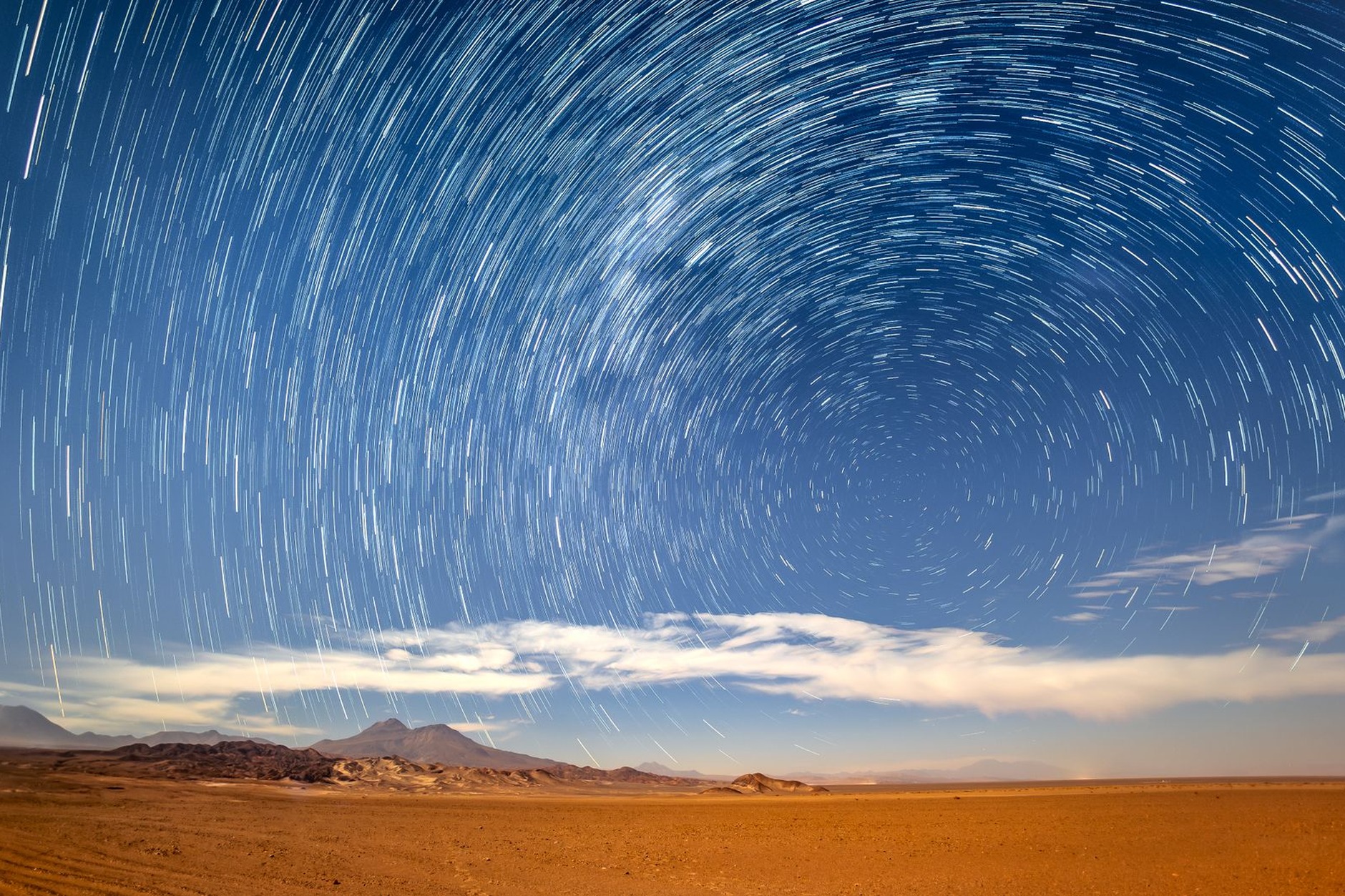
The Atacama Desert offers the clearest night skies on the planet, thanks to zero light pollution, high elevation, and virtually non-existent humidity. On your final night, join an expert-led astronomical tour. Using high-powered optical telescopes, gaze into the core of the Milky Way, observing Saturn’s rings, the Magellanic Clouds, and sparkling globular star clusters.
Chilean gastronomy celebrates comforting home cooking alongside world-class Pacific seafood. In Valparaíso and coastal tavernas, taste caldillo de congrio, a rich conger eel stew simmered with tomatoes, garlic, white wine, and fresh cream, famously immortalized by Pablo Neruda in his lyrical ode. In central Chile and San Pedro, savor pastel de choclo, a hearty casserole of spiced ground beef, onions, black olives, hard-boiled eggs, and tender chicken baked under a sweet, golden crust of pureed fresh sweetcorn dusted with sugar.

Other culinary staples include giant oven-baked empanadas de pino, hot completo hot dogs topped with creamy mashed avocado and diced tomatoes, and refreshing mote con huesillo (a traditional drink of sun-dried peaches and boiled wheat berries).
Street Smarts: Tour Operator Shortcuts, Altitude Traps & Taxi Hustles in Chile
Chile is one of South America’s most stable and orderly nations, but high-altitude desert environments and metropolitan transit hubs present specific hazards. Keep these practical street smarts in mind:
- The Calama Airport Unlicensed Taxi & Transfer Hustle: Calama Airport (CJC) is the transit hub for the Atacama Desert. Aggressive touts in the baggage claim area offer “cheap private taxis” to San Pedro for about $55, often abandoning passengers or transferring them to slow shared vans. Defense: Pre-book official airport transfers inside the terminal hall with certified shuttle companies like Transvip or Licancabur (approx. $15 per person for door-to-door hotel delivery).
- The High-Altitude Sickness (Soroche) Rushed Itinerary Trap: El Tatio geysers sit at 4,320 meters and Miscanti lagoons at 4,140 meters. Budget tour agencies in San Pedro often push day-one arrivals directly onto pre-dawn geyser tours. Ascending from sea level to over 4,000 meters in 24 hours frequently causes acute mountain sickness (soroche), severe vomiting, and ruinous migraines. Defense: Always spend at least two full days at San Pedro’s lower altitude (2,400m) doing lower-elevation tours (Valle de la Luna and Laguna Chaxa) before ascending above 4,000 meters. Drink three liters of water daily and avoid heavy alcohol.
- Uncertified “Budget” Desert Tour Operators in San Pedro: The streets of Caracoles and Toconao in San Pedro are packed with budget tour agencies advertising rock-bottom prices. Many lack official SERNATUR registration, operate vans with bald tires, or rush through national parks, cutting tour times in half to save fuel. Defense: Book excursions with agencies that display official SERNATUR certification decals. Verify that vehicles carry oxygen tanks and first-aid gear for high-altitude routes.
- Santiago Airport “Taxímetro Trucado” (Rigged Meter) Scam: Outside Santiago Airport and around central metro stations (Plaza de Armas, Bellas Artes), rogue yellow-and-black taxi drivers use modified meters with hidden accelerator buttons that tick up twice as fast. They may also swap high-value banknotes with counterfeit bills during change handovers. Defense: Never hail taxis on the street outside transit hubs. Use digital ride-hail apps like Uber and Cabify, which are widely available in Santiago with upfront locked fares.
- Valparaíso Hillside Street Mugging Hazards: While Cerro Alegre and Cerro Concepción are generally safe, walking down narrow, unlit stairways between hills or straying into adjacent non-tourist hills (such as Cerro Cordillera or the port outskirts after dark) exposes travelers to opportunistic snatch-and-grab robberies. Defense: Stick to well-traveled, lit pedestrian paths on Alegre and Concepción. Take licensed radio taxis or Uber between distant hills after dark, and keep smartphones and cameras zipped in cross-body bags.
- The Restaurant “Propina” (Tip) Confusion: In Chilean restaurants, waiters present the card terminal and ask “¿Desea agregar la propina?” (Do you wish to add the tip?). By law, a standard 10% tip is voluntary. Some tourist venues secretly add 15% to 20% or add both a service fee and tip line. Defense: Check your itemized paper receipt before tapping your card; confirm that the tip is set to the standard 10%.
Observing these precautions allows you to navigate Chile’s dynamic cities and extreme desert landscapes with complete confidence.
High-Altitude Desert Navigation & Mobile Connectivity with NXTL
Traveling across Chile requires dependable mobile connectivity. You need active cellular data to hail rides on Uber or Cabify in Santiago, check domestic flight alerts with LATAM, verify digital park entry QR vouchers in the Atacama Desert, and navigate desert roads and mountain trails with offline-backed GPS.
Chile possesses the most advanced telecommunications market in South America, supported by primary tier-one operators Entel, Movistar, and Claro. Entel in particular provides remarkable 4G/LTE coverage across vast expanses of the northern desert and along Andean highway corridors. With an NXTL Chile travel eSIM, your smartphone connects immediately to these leading national networks at transparent prepaid rates starting from just $2.54 per gigabyte. There is no physical SIM card swap, no Chilean RUT identity registration bureaucracy, and no expiring monthly contracts.
| Traveler Usage Profile | Daily Online Activities | 8-Day Total Bandwidth | Estimated Data Cost (@ $2.54/GB) |
|---|---|---|---|
| Light Navigator (Maps & flight alerts) |
Uber ride hailing in Santiago, Google Maps walking navigation, flight tracking, WhatsApp messaging | 2 GB – 4 GB | $5.08 – $10.17 |
| Balanced Explorer (Social sharing & research) |
All navigation, high-res desert photo uploads, stargazing app data (SkyView), restaurant research | 5 GB – 8 GB | $12.71 – $20.34 |
| Heavy Digital Nomad (Remote work & tethering) |
Laptop tethering on buses, video conferencing from desert lodges, cloud photo backups, media streaming | 10 GB – 15 GB | $25.42 – $38.13 |
What sets NXTL apart is its reusable global data eSIM model. Instead of buying a disposable local SIM card that only works within Chile and expires after your holiday, NXTL operates across 180+ supported countries and 460+ carrier networks. You purchase the eSIM profile once for just $11.99, which includes $10.00 in preloaded travel balance ready for immediate use. Your balance never expires as long as your account remains active.
If your South American journey continues across the Andes into Argentina, up into Peru or Bolivia, or onward worldwide, the exact same eSIM profile connects automatically in the next destination. You never have to re-register or buy another data bundle. Full mobile hotspot tethering is permitted across all destinations, and dual-SIM functionality allows your primary home SIM to stay active for bank two-factor SMS alerts with zero unexpected roaming fees.
Install your NXTL eSIM profile on your phone before boarding your flight to Santiago. When your plane touches down at Arturo Merino Benítez Airport, enable your data roaming line to order a verified ride into the city, check your hotel reservation, and start exploring Chile with total peace of mind.