The Dominican Republic is far more than the manicured lawns of gated all-inclusive resorts in Punta Cana. Beyond the resort compounds lies the oldest European colonial city in the Americas, lush tropical rainforests with thundering waterfalls, pine-covered mountain peaks rising over 3,000 meters, and wild Atlantic beaches where humpback whales nurse their newborn calves. Confining your trip to a beach lounger misses the vibrant culture, indigenous Taíno roots, and biological wealth that define this Caribbean nation.
The definitive first independent trip is a focused 7-day road trip linking the capital’s historic core with the pristine wilderness of the Samaná Peninsula and the cool mountain trails of Jarabacoa. You explore the 16th-century coral-limestone streets of Santo Domingo’s Zona Colonial, cross the subterranean cenotes of Los Tres Ojos, drive north to the golden coconut shores and jungle cascades of Samaná, and ascend into the pine forests of the Cordillera Central. This route delivers an authentic balance of history, nature, and Caribbean freedom at a sensible pace.
The 7-Day Dominican Republic Road Trip Itinerary at a Glance
| Day / Stage | Overnight Base | Key Highlights | Transit & Route Logistics | Essential Advance Bookings | What to Cut / Save |
|---|---|---|---|---|---|
| Days 1–2: The New World’s First City | Santo Domingo (Zona Colonial) | Calle Las Damas, Catedral Primada de América, Alcázar de Colón palace, Los Tres Ojos subterranean cenotes | Las Américas Airport (SDQ) to Colonial Zone via official taxi (30 min, $35) or Uber; zone explored on foot | Alcázar de Colón entry ticket; pick up rental car on morning of Day 3 to avoid city parking congestion | Skip unmetered street taxis outside historic gates; Uber is reliable, cheap, and tracks routes digitally in Santo Domingo |
| Days 3–4: Tropical Rainforests & Samaná Shores | Las Terrenas (Samaná) | Drive north via Juan Pablo II toll highway, Salto El Limón 50m waterfall cascade, pristine sands of Playa Cosón | Santo Domingo to Las Terrenas via Route 7 toll highway (2 hr 15 min, 155 km, toll approx. $12); excellent tarmac | El Limón waterfall licensed guide; beachside seafood table reservation at Playa Cosón | Skip renting an underpowered compact car; small crossover SUVs handle dirt access tracks to secluded beaches far better |
| Day 5: Wild Beaches & Whale Sanctuaries | Las Terrenas or Las Galeras | Boat excursion to Playa Rincón, whale watching in Samaná Bay (Jan–Mar humpback migration), fresh fried red snapper | Las Terrenas to Las Galeras via coastal Route 5 (1 hr); boat transfers to Playa Rincón from Las Galeras beach | Samaná Bay whale watching permit (official boat operator); boat transfer to Playa Rincón | Skip overpriced resort excursion desks; hire certified local boat captains directly at the Las Galeras beach cooperative |
| Day 6: Cordillera Central & Pine Valleys | Jarabacoa | Drive into the central highlands, pine forests of Jarabacoa, Baiguate and Jimenoa waterfalls, shade-grown coffee plantation | Samaná to Jarabacoa via Route 132 past San Francisco de Macorís and Duarte Highway (3 hr, 180 km) | Coffee estate tour reservation (Café Monte Alto); riverside eco-lodge booking | Skip driving rural mountain highways after dark; daytime visibility is essential for navigating unlit curves and speed bumps |
| Day 7: Mountain Return & Departure | Santo Domingo / Departure | Morning mountain horseback ride or river walk, scenic drive south down Duarte Highway to Santo Domingo Airport | Jarabacoa to Las Américas Airport (SDQ) via Autopista Duarte and coastal Las Américas highway (2 hr 30 min, 170 km) | Schedule international departure flight after 16:00 to accommodate highway driving times | Skip exchanging Dominican Pesos (DOP) at airport gates; banks in town give standard central bank rates |
Renting a car unlocks the freedom to escape overcrowded tourist strips and reach untouched natural coves, mountain swimming holes, and roadside fruit stands. The northeastern toll highways are modern and well-paved, making independent driving straightforward with alert defensive habits.
Santo Domingo: Fossilized Coral Facades & Subterranean Cenotes (Days 1–2)
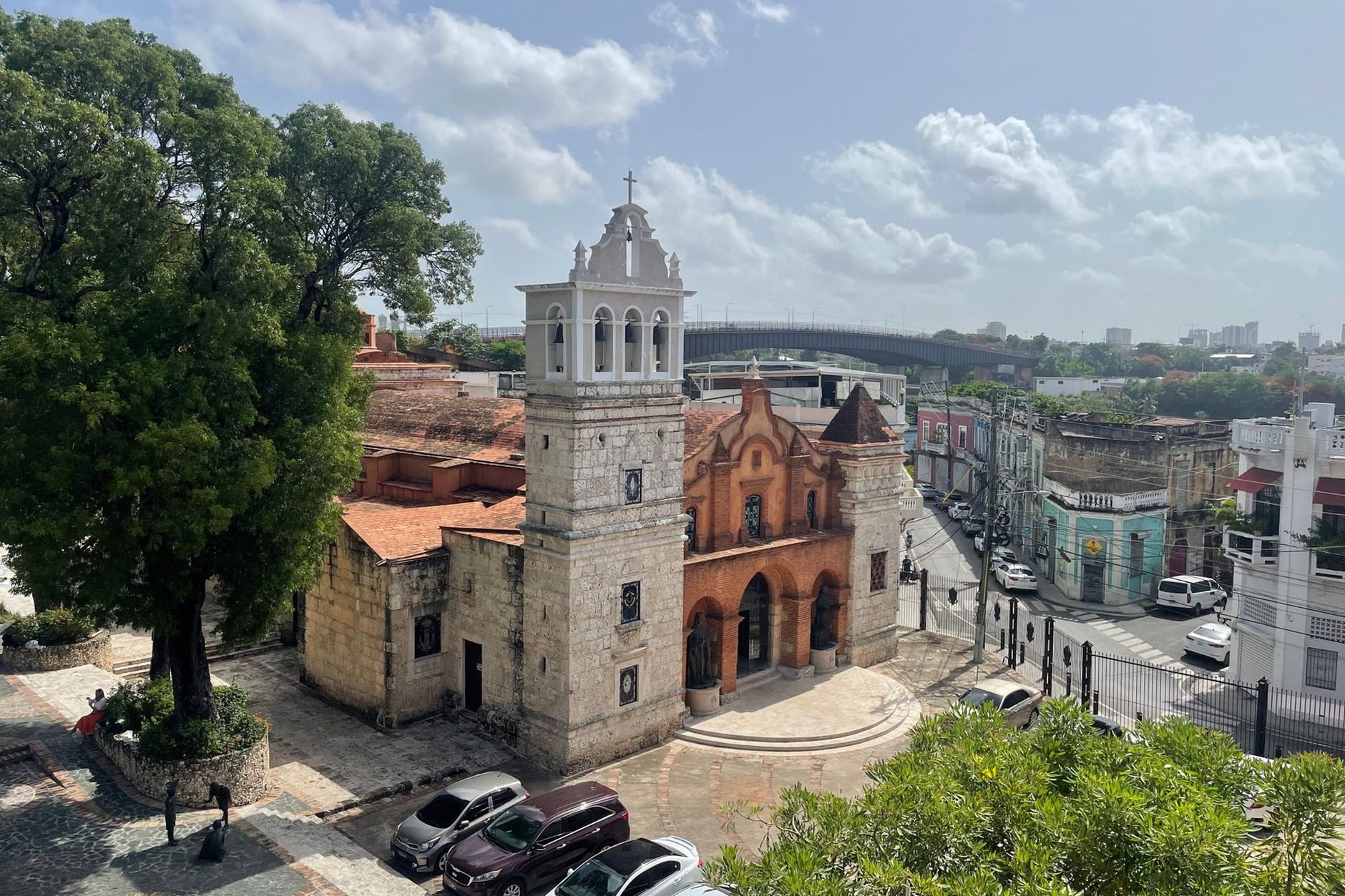
Your journey begins in Santo Domingo, the vibrant Dominican capital. Its historic heart, the Zona Colonial, was founded in 1498 and stands celebrated as the oldest continuously inhabited European settlement in the Americas.
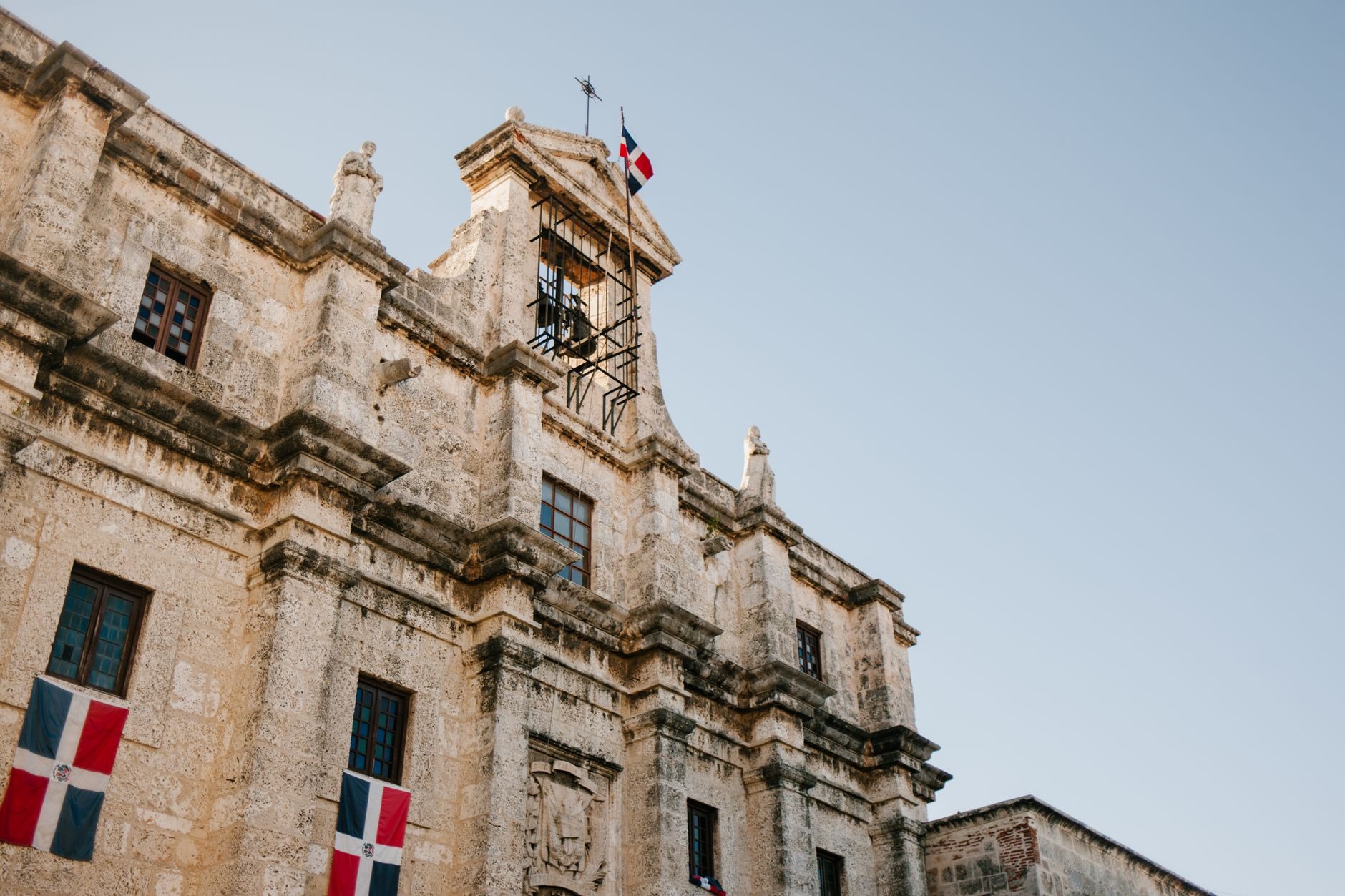
Stroll down Calle Las Damas, the New World’s first paved street, lined with 16th-century coral-limestone mansions, royal audience halls, and leafy Spanish courtyards. Visit the Catedral Primada de América (Catedral de Santa María la Menor), consecrated in 1541 as the first cathedral in the Americas.
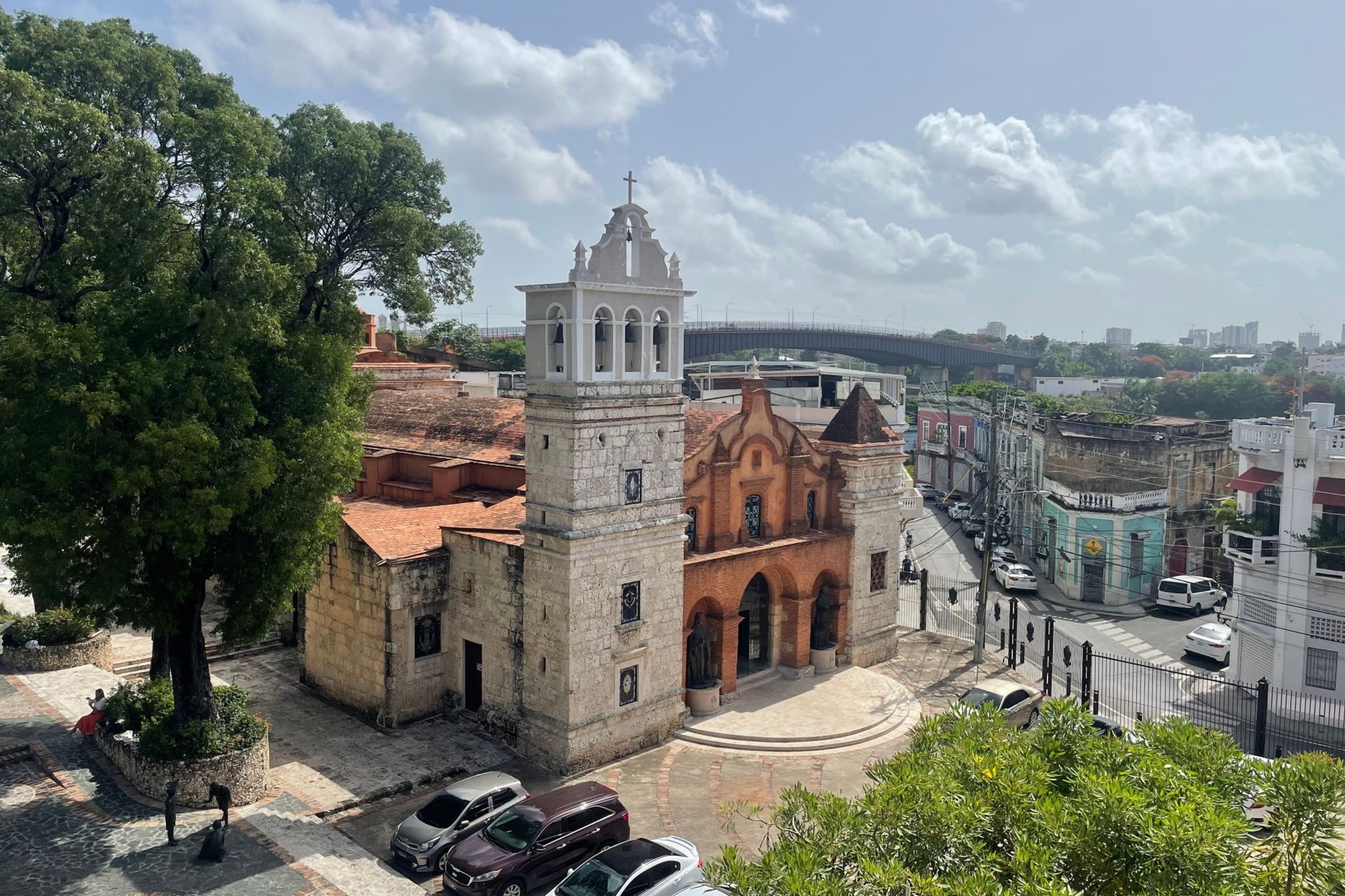
The cathedral’s golden facade reveals a fascinating geological story: it was quarried entirely from fossilized Pleistocene marine coral limestone. As you walk up to the ornate plateresque doorway, examine the stone blocks closely. You will clearly see petrified brain coral heads (*Diploria*), prehistoric sea shells, and fossilized sea fans embedded directly within the 500-year-old masonry.
At the edge of the Ozama River stands the Alcázar de Colón, the fortified viceregal palace built between 1510 and 1514 for Christopher Columbus’s son, Diego Colón. Its two-story Gothic-Mudéjar stone loggias feature seventy-five rooms that once governed Spain’s initial conquests across the Caribbean, Mexico, and South America.
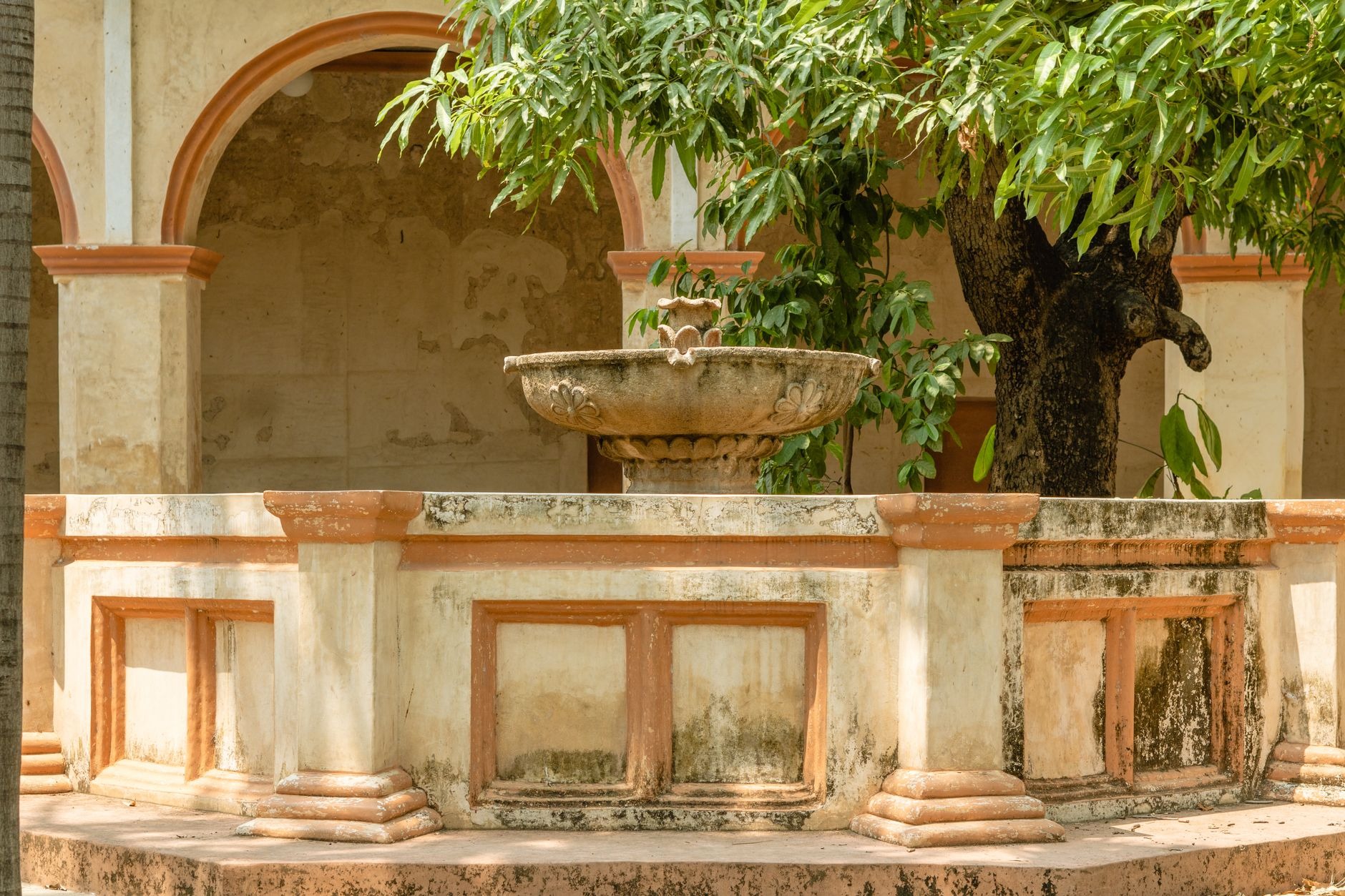
Before leaving the capital on Day 2, visit Los Tres Ojos National Park, a subterranean open-air limestone cave system containing three freshwater cenote pools. Descend damp stone stairways beneath hanging stalactites and tropical philodendrons to view the iridescent emerald and cobalt pools, which were used by indigenous Taíno priests for spiritual ceremonies centuries before Columbus landed.
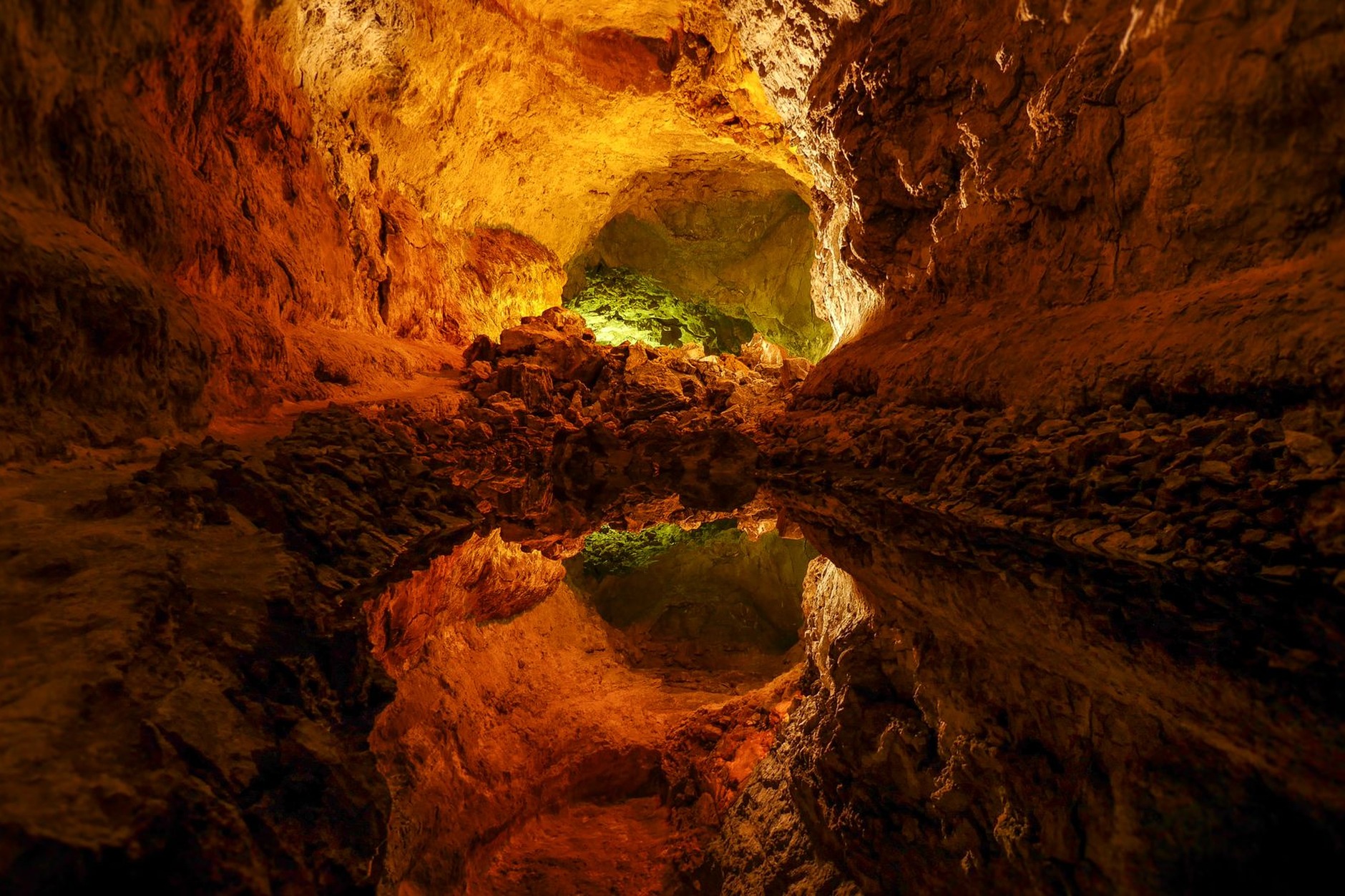
Standing beside the cool subterranean waters of Los Tres Ojos provides a serene, contemplative transition before beginning your overland journey. After marveling at these ancient geological formations, return to the sunlight of Santo Domingo to prepare for your drive north to the wild Atlantic coastline.
Samaná Peninsula: Jungle Cascades & Humpback Sanctuaries (Days 3–5)
On Day 3, pick up your rental car and head north along the Juan Pablo II Highway (Route 7). In just over two hours of driving past rolling palm-covered hills, you arrive in Las Terrenas on the Samaná Peninsula, where wild coconut groves meet the Atlantic Ocean.
On Day 4, journey inland through dense rainforest to Salto El Limón, a breathtaking 50-meter waterfall plunging into a cool emerald swimming pool. Hike or ride horseback along muddy riverbeds bordered by wild ginger, mahogany, and cocoa trees, feeling the jungle humidity drop as you approach the roaring cascade.
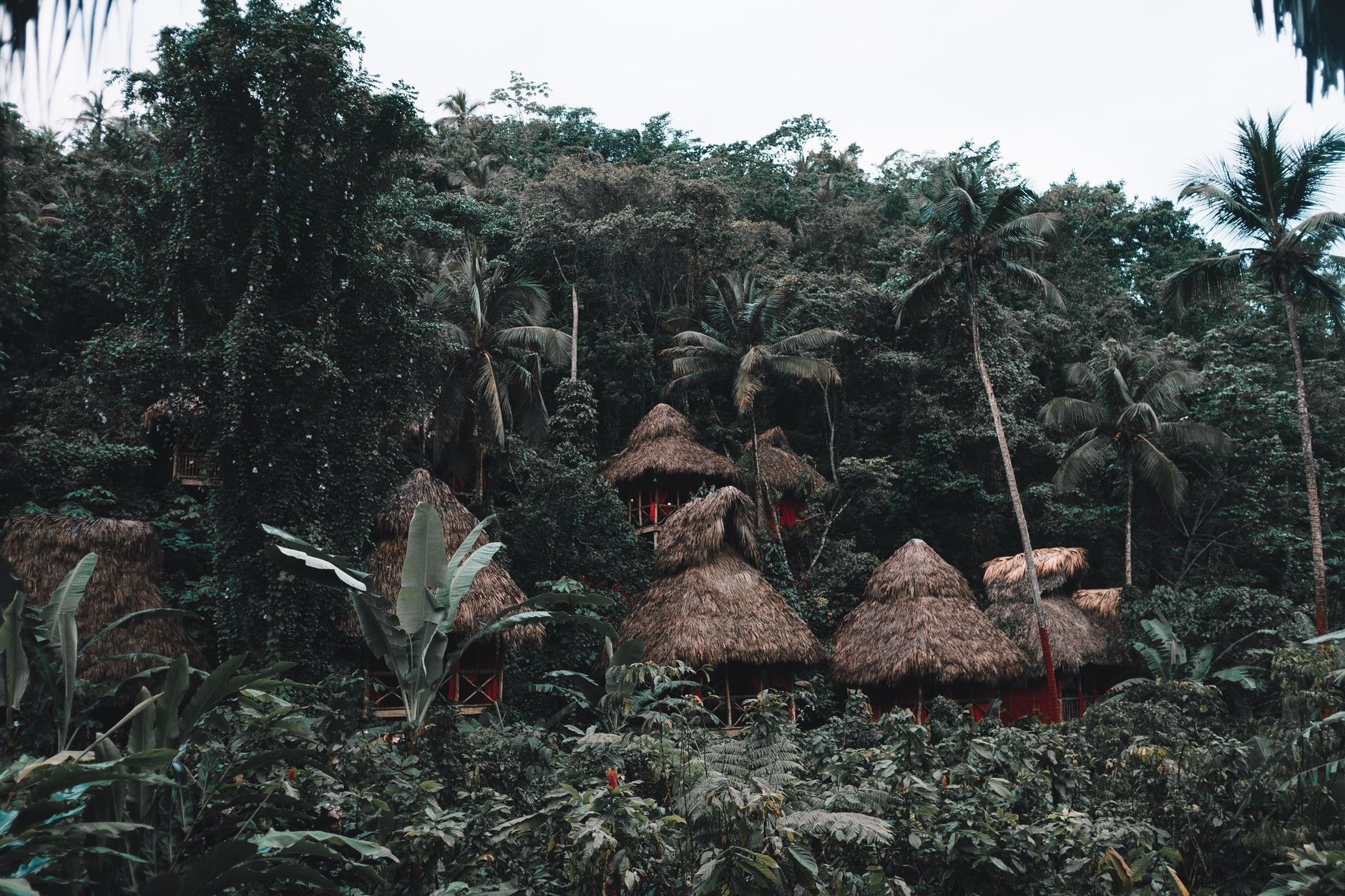
In the afternoon, relax at Playa Cosón, a sweeping four-kilometer curve of soft golden sand backed by swaying coconut palms. Feast on fresh whole red snapper fried crisp with plantains (*tostones*) at a rustic beachfront palapa.

Day 5 introduces one of the planet’s greatest wildlife migrations. Between January and March, more than 80 percent of the entire North Atlantic humpback whale population migrates 5,000 kilometers from the Arctic to the warm, shallow waters of Samaná Bay. Thousands of humpbacks congregate here to mate and give birth in the sheltered coastal nursery. Board an authorized boat from Samaná harbor to watch 40-ton mothers teach newborn calves how to breach.
The Dominican Republic is also the sole global source of Larimar, a rare pectolite gemstone celebrated for its volcanic sky-blue and sea-foam patterns. Formed millions of years ago when hot volcanic gases forced copper minerals through fractured basalt, Larimar is found nowhere else on Earth except a single mountainous square kilometer in the hills of Barahona.
The Cordillera Central: Pine Forests & Mountain Valleys (Day 6)
On Day 6, drive southwest into the Cordillera Central, the highest mountain range in the Caribbean. Arrive in Jarabacoa, celebrated as the “City of Eternal Spring” for its year-round cool mountain climate (elevation 530 meters).
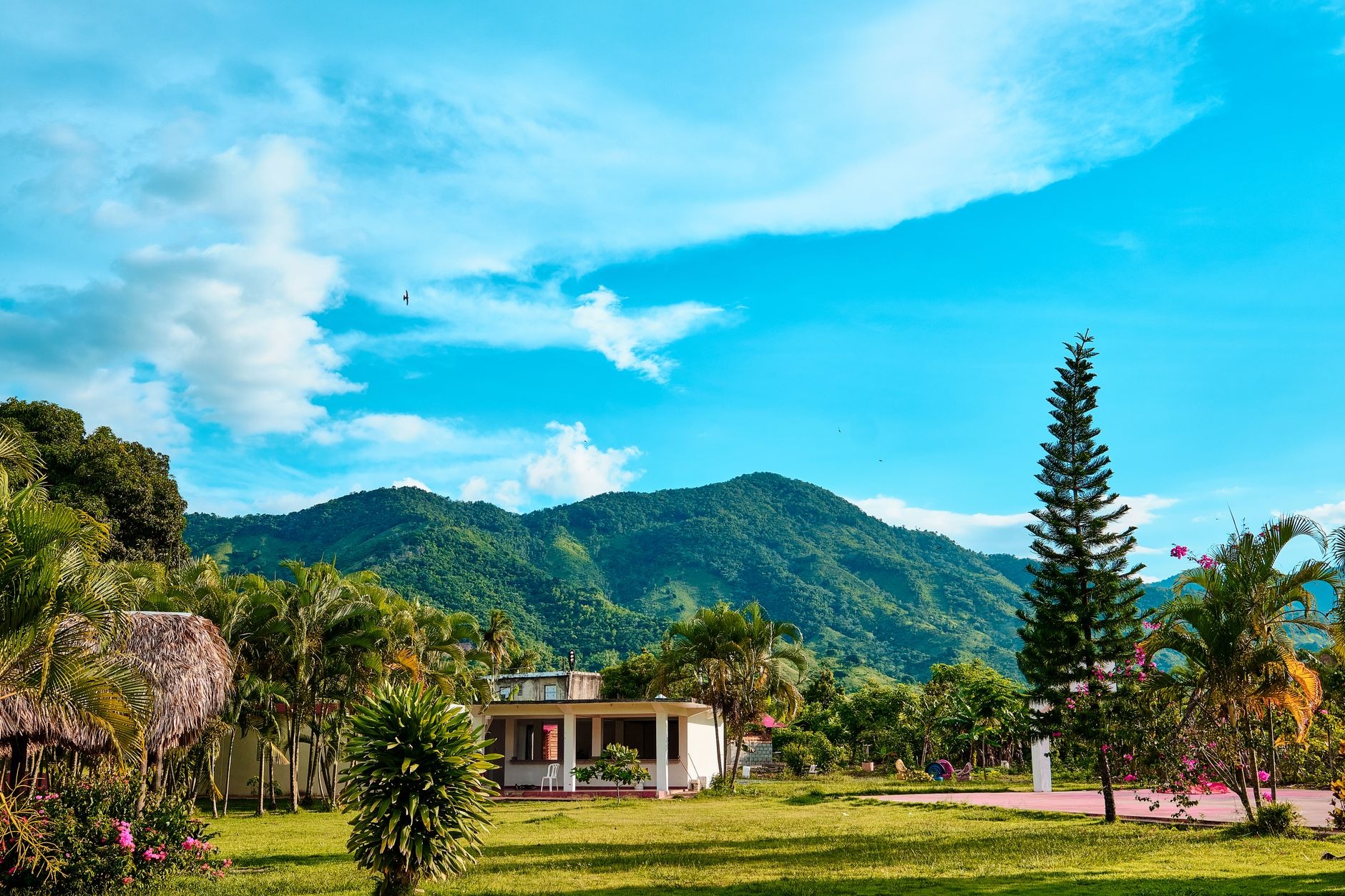
The landscape shifts dramatically from tropical palms to fragrant pine forests beneath Pico Duarte (3,098 meters), the highest peak in the West Indies. Tour a high-altitude shade-grown Arabica coffee plantation at Café Monte Alto, and hike to the Jimenoa and Baiguate waterfalls through tranquil mountain glens.
Dominican Gastronomy: Sancocho, Mangú & Indigenous Casabe (Day 7)
Dominican cuisine is rich, comforting, and deeply rooted in Taíno, Spanish, and West African culinary traditions. The national celebratory feast is Sancocho, a rich, hearty meat stew simmered slowly for hours with native root vegetables.
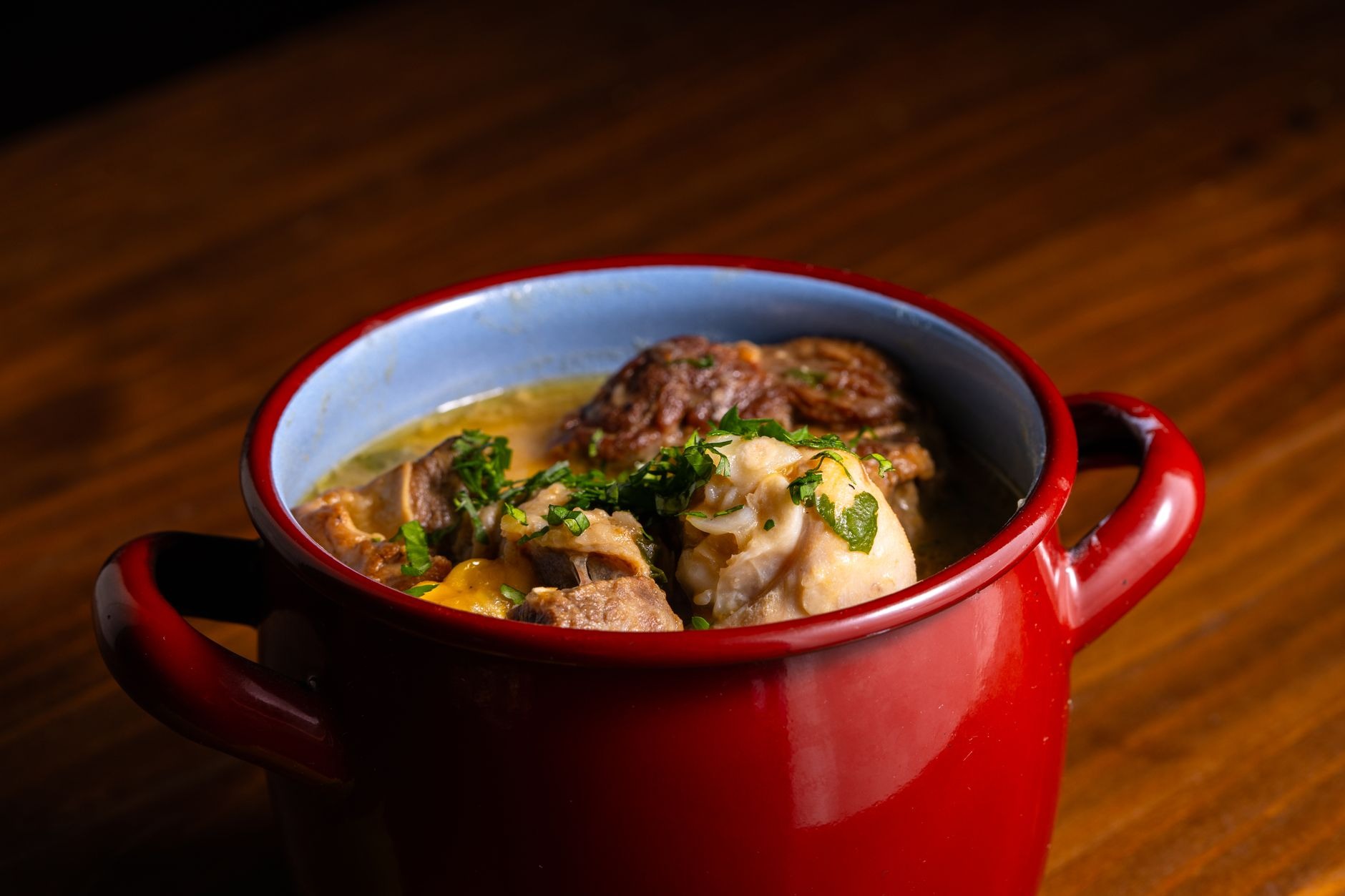
Traditional sancocho features beef, chicken, pork, sweet corn cobs, yuca (cassava), green plantains, and ñame, flavored with wild oregano, garlic, and fresh sour orange juice. For breakfast, savor mangú—mashed green plantains topped with pickled red onions, accompanied by fried Dominican salami, fried farmer’s cheese, and fried eggs (*los tres golpes*). Look out for casabe, the unleavened, gluten-free flatbread made from pressed yuca root using an ancient Taíno recipe that sustained sailors across the Atlantic for centuries.
Street Smarts: Rental Car Checkpoints, Cash Nuances & Highway Realities
The Dominican Republic is a vibrant, welcoming destination, but independent driving and local street commerce require clear, defensive habits. Keep these essential precautions in mind:
- The Rental Car Undercarriage Scrape Scam: Budget rental agencies at Santo Domingo Airport often charge high cash deposits ($500–$1,000) or refuse foreign insurance. Upon vehicle return, inspectors crawl under bumpers claiming microscopic scrapes on the lower plastic skirt. Defense: Rent from established international firms (such as Enterprise, National, or Avis). Take an extensive, timestamped 360-degree video of the car’s exterior, rims, glass, and bumper underside in bright daylight before leaving the lot.
- The Policia Nacional Traffic Stop Hustle: Highway police frequently set up roadblocks along the Duarte Highway and coastal roads. Officers may stop foreign drivers claiming vague speeding violations, unbuckled belts, or tinted windows, requesting immediate cash payments for “lunch money” (*para el refresco*). Defense: Remain courteous and calm. Present your passport, international driver’s permit, and rental contract through a cracked window. If an officer claims you committed a violation, politely ask for an official written citation (*acta de infracción*); corrupt officers will quickly wave you on.
- Unmarked Speed Bumps (“Policías Acostados”) & Night Driving Hazards: Dominican roads feature massive, unpainted concrete speed bumps (*policías acostados*) on highways entering villages. Hitting these at speed will destroy a car’s oil pan or suspension. Furthermore, unlit agricultural trucks, stray cows, and motorbikes (*motoconchos*) with no taillights operate frequently after dusk. Defense: Avoid highway driving after dark entirely. Slow down whenever entering small towns and look for brake lights of vehicles ahead.
- Overpriced Beach Touts & Unofficial Guides in Samaná: At the entrance to Salto El Limón and Playa Rincón, pushy unlicensed guides jump in front of rental cars waving badges, claiming the road is closed or that you must pay a $50 “mandatory park entry fee” to them. Defense: Keep windows closed and drive past roadside waving touts to the official, signed ranch entry points (such as Rancho Santi or Parada La Manzana). Official entry permits to El Limón cost far less.
- Counterfeit Dominican Peso Bills & Gas Station Card Skimming: Counterfeit mid-value peso notes circulate in tourist areas. At rural gas stations, rogue attendants may double-swipe foreign credit cards on skimmers or claim the card machine malfunctioned to demand cash. Defense: When fueling, step out of the car, watch the pump meter reset to zero, and pay with small cash notes or watch the portable credit card terminal closely.
- Unlicensed Taxis at Santo Domingo Airport: Aggressive greeters outside arrivals at Las Américas Airport quote a cash sum for transfers to the Colonial Zone, which officially costs far less. Defense: Ignore touts inside the terminal. Walk outside to the official Taxi SICHALA dispatcher counter, or order an Uber, which operates legally and reliably from the airport with fixed digital pricing.
Adopting these defensive driving habits and cash precautions ensures your Dominican road trip is filled with unforgettable coastal scenery and genuine Dominican warmth.
Island Road Trip Navigation & Mobile Connectivity with NXTL
Driving independently across the Dominican Republic requires continuous mobile internet. Active cellular data is vital for running Waze or Google Maps around unpredictable traffic bottlenecks, messaging guesthouse and eco-lodge hosts on WhatsApp, and checking digital weather radar during tropical afternoon showers.
The Dominican Republic’s cellular market is anchored by primary national carriers Claro and Altice. Claro in particular provides robust 4G/LTE coverage along the southern coastal highway, the Juan Pablo II toll road, throughout the Samaná Peninsula, and into the mountain valleys of Jarabacoa. With an NXTL Dominican Republic travel eSIM, your smartphone connects directly to these tier-one networks with zero physical SIM swaps, no passport registration bureaucracy, and no expiring monthly contracts.
Transparent Data Rate Notice: In the Dominican Republic, NXTL’s live cellular data rate is $9.16 per gigabyte. While higher than in Europe or Asia due to local Caribbean carrier interconnection tariffs, NXTL serves as an indispensable essential navigation lifeline and emergency backup. You use your high-speed NXTL connection for turn-by-turn road navigation on Waze, instant WhatsApp lodging communications, and banking two-factor SMS alerts, while relying on hotel and cafe Wi-Fi for video streaming and cloud photo backups.
| Traveler Usage Profile | Daily Online Activities | 7-Day Total Bandwidth | Estimated Data Cost (@ $9.16/GB) |
|---|---|---|---|
| Essential Road Navigator (GPS & critical messaging) |
Waze highway routing, WhatsApp guesthouse check-ins, banking 2FA verification | 1 GB – 2 GB | $9.16 – $18.33 |
| Balanced Explorer (Navigation & dining research) |
All road navigation, TripAdvisor dining searches, light messaging, weather radar checks | 2.5 GB – 4 GB | $22.91 – $36.65 |
| Connected Island Nomad (Emergency backup & tethering) |
Navigation, emergency laptop email sync, cloud file access, remote communication | 5 GB – 7 GB | $45.81 – $64.14 |
What sets NXTL apart is its reusable global data eSIM model. Instead of buying a disposable local SIM card that only works within the Dominican Republic and expires after your holiday, NXTL operates across 180+ supported countries and 460+ carrier networks. You purchase the eSIM profile once for just $11.99, which includes $10.00 in preloaded travel balance ready for immediate use. Your balance never expires as long as your account remains active.
If your Caribbean journey continues onward across the Americas, to Europe, or across the globe, the exact same eSIM profile connects automatically in the next country. You never have to re-register or buy another data bundle. Full mobile hotspot tethering is permitted across all destinations, and dual-SIM functionality allows your primary home SIM to stay active for bank two-factor SMS alerts with zero unexpected roaming fees.
Install your NXTL eSIM profile on your phone before departing for Santo Domingo. When your plane touches down at Las Américas Airport, enable your data roaming line to order a verified ride into the Colonial Zone, confirm your rental car reservation, and begin your journey through the Dominican Republic with complete peace of mind.