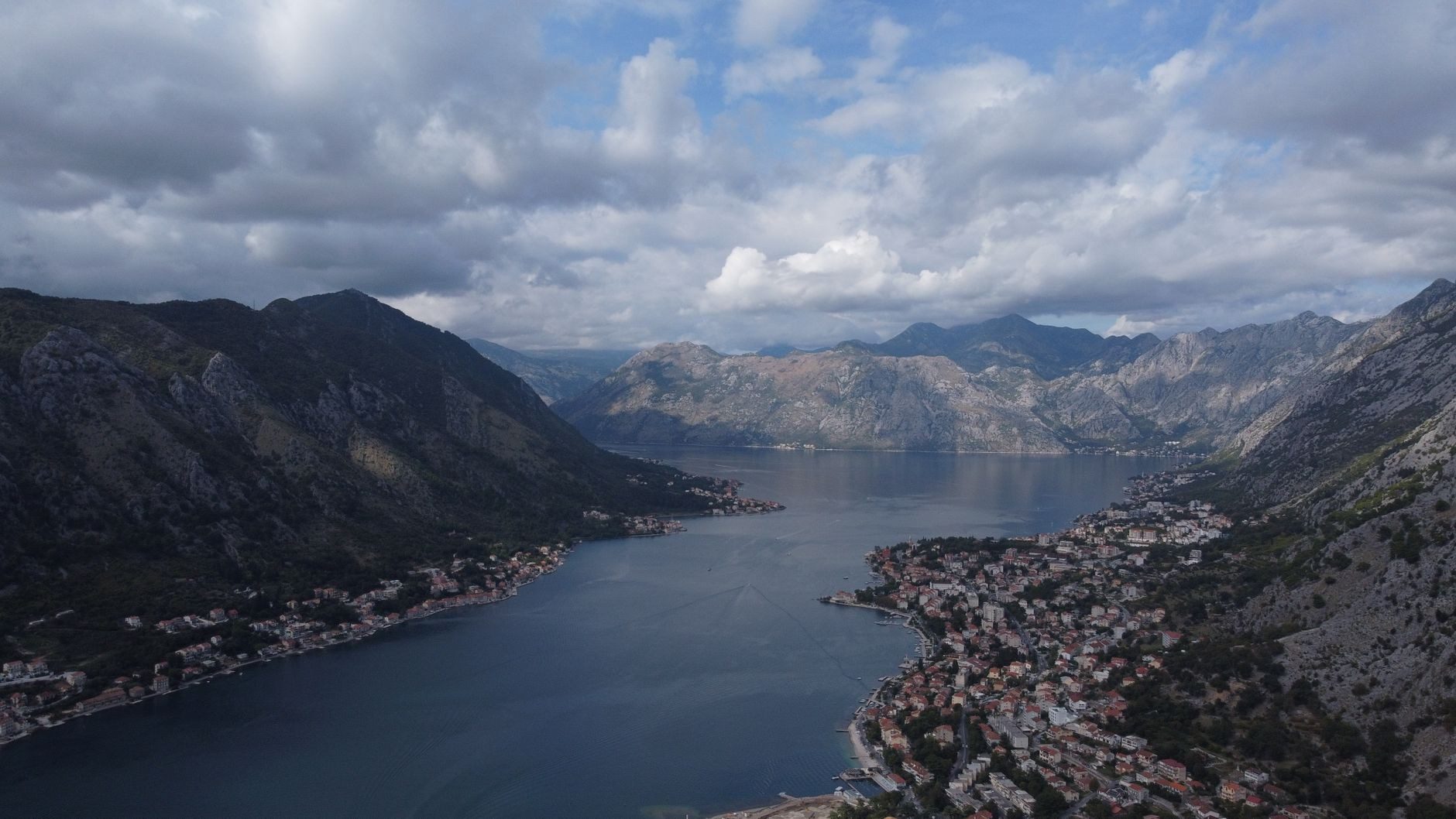
Montenegro concentrates an extraordinary collision of topography into a compact territory. Along its maritime rim, limestone massifs plunge into the Bay of Kotor, forming a drowned river canyon reminiscent of a southern fjord. Barely fifty kilometres inland, coastal palms and Venetian palaces surrender to the glacial lakes and pine forests of Durmitor National Park. The primary planning mistake is treating Montenegro as a rushed day excursion from Dubrovnik, skimming cruise ports while missing the highland interior that gave the country its name (Crna Gora, or ‘Black Mountain’).
This seven-day road and coastal itinerary is designed for independent drivers and travellers seeking architectural depth, dramatic alpine geology, and authentic Balkan mountain culture. Rather than enduring daily hotel changes, the route anchors around two complementary bases: three nights on the Bay of Kotor exploring Venetian maritime fortifications and baroque islets, followed by three nights in Žabljak to hike the glacial tarns and river canyons of the northern highlands. Navigating the legendary 25-hairpin Lovćen Serpentine turns transit into an unforgettable journey, connecting the Mediterranean coast with Montenegro’s historic royal heartland.
| Day / Stage | Overnight Base | Key Highlights | Transit & Route Logistics | Essential Advance Bookings | What to Cut / Save |
|---|---|---|---|---|---|
| Days 1–2: Venetian Fortifications & Baroque Quays | Kotor or Dobrota | Kotor Old Town stone alleys, San Giovanni fortress walls, Cathedral of Saint Tryphon, maritime museum | Walking inside pedestrian historic core; local blue municipal buses between Kotor and Dobrota | Advance morning departure for fortress hike to beat cruise ship arrivals and midday heat | Skip open-top tourist buses; explore the compact medieval alleys on foot |
| Day 3: Maritime Islets & Historic Perast | Kotor or Perast | Perast baroque palaces, boat transfer to Our Lady of the Rocks islet, Risan Roman mosaics | Local coastal bus or rental car; 10-minute return boat shuttle from Perast quay | Our Lady of the Rocks church and maritime museum entry ticket; Perast parking permit | Avoid parking along narrow Perast waterfront; use upper bypass parking lots |
| Day 4: Lovćen Serpentine to the Royal Highlands | Žabljak (Durmitor) | Ascending 25 Lovćen hairpins, Njeguši smokehouses (pršut), Njegoš Mausoleum on Jezerski Vrh, drive north | Rental car via P1 mountain road (Kotor–Njeguši–Cetinje) and E762 highway north to Žabljak (4 hr total) | Njegoš Mausoleum national park entry ticket; early morning rental vehicle pickup | Skip speeding on the serpentine; utilize designated turnout bays to yield to descending traffic |
| Days 5–6: Glacial Tarns & Europe’s Deepest Gorge | Žabljak | Crno Jezero (Black Lake) circuit hike, Đurđevića Tara Bridge, Tara River Canyon viewpoints, Sedlo Pass | Rental car for regional park roads; well-marked national park trailheads from Žabljak | Durmitor National Park multi-day conservation pass; Tara River whitewater rafting slot | Save technical alpine climbing routes for dedicated mountaineering expeditions |
| Day 7: Canyon Descent & Coastal Departure | Departure (TIV or TGD) | Morača River Canyon scenic drive, Morača Monastery frescoes, return transit to Tivat or Podgorica Airport | Scenic highway south via Kolašin and Podgorica to Tivat (TIV) or Podgorica (TGD) Airport (3 hr drive) | Airport rental vehicle drop-off inspection window; border clearance allowance if crossing to Dubrovnik | Avoid tight flight connections; mountain driving conditions require generous buffer time |
Days 1–3: The Bay of Kotor — Venetian Sea Citadels & Sacred Islets
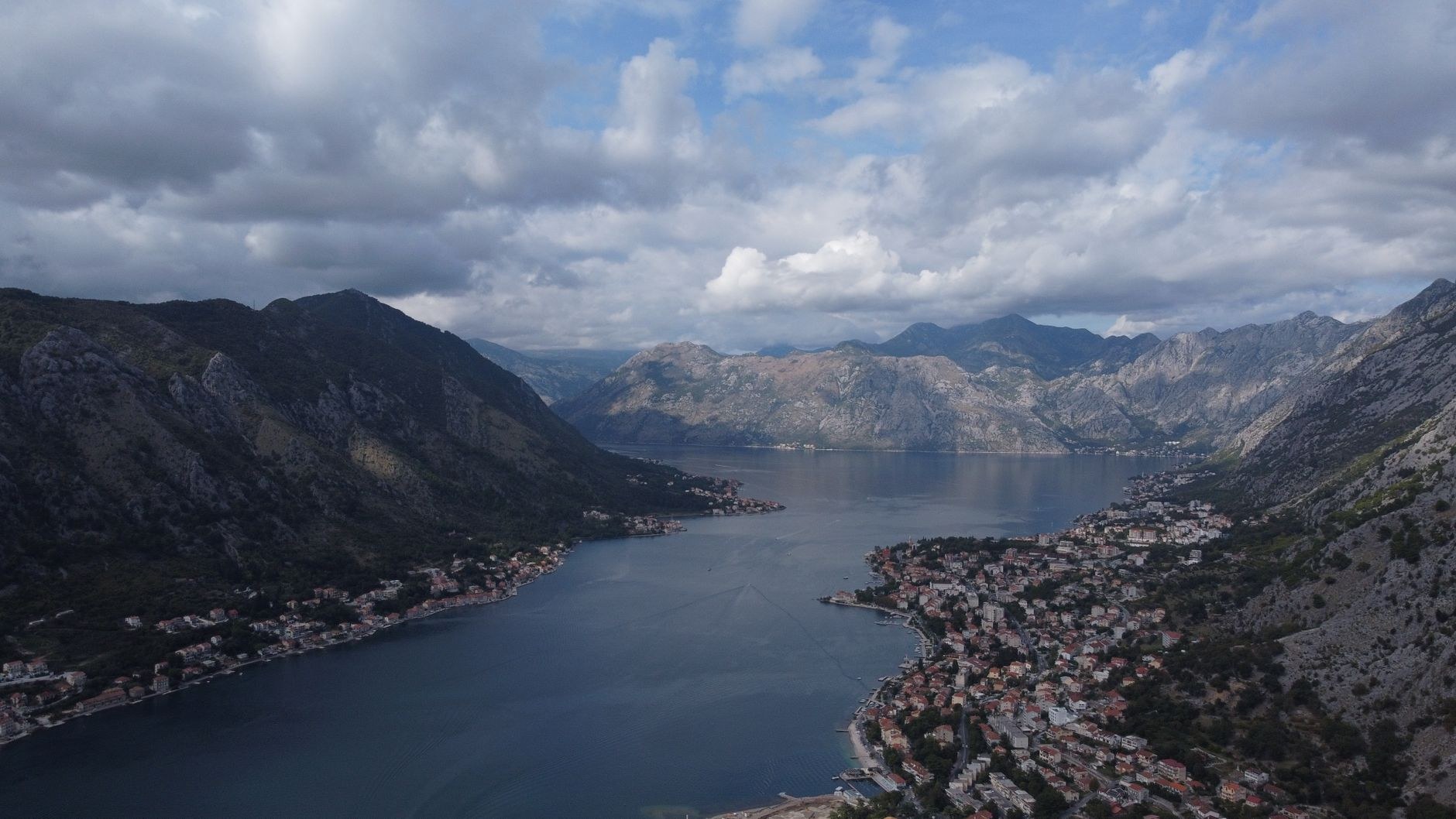
Approaching the Bay of Kotor (Boka Kotorska) from the Adriatic coastline reveals one of the Mediterranean’s most dramatic maritime landscapes. Entering through narrow marine straits, the sea branches into four interconnected inland basins enclosed by sheer grey limestone cliffs rising over one thousand metres into the sky. At the head of the innermost bay lies Kotor, a fortified maritime enclave that served as a cornerstone of the Venetian Republic’s naval defenses from 1420 to 1797. Venetian influence remains visible in every carved stone lintel, lion relief, and shuttered baroque palazzo flanking its flagstone squares.
Kotor’s defensive architecture is an engineering wonder. Instead of enclosing merely the urban core, the city’s 4.5-kilometre stone ramparts climb the near-vertical limestone cliffs of Mount Saint John (San Giovanni). Climbing the 1,350 uneven stone steps up to the ruined fortress fortress reveals sweeping panoramas over the bay’s glass-like waters and terracotta roofs. Start this climb at dawn before cruise ship tour groups congest the narrow parapets and Mediterranean heat reflects off the bare rock.
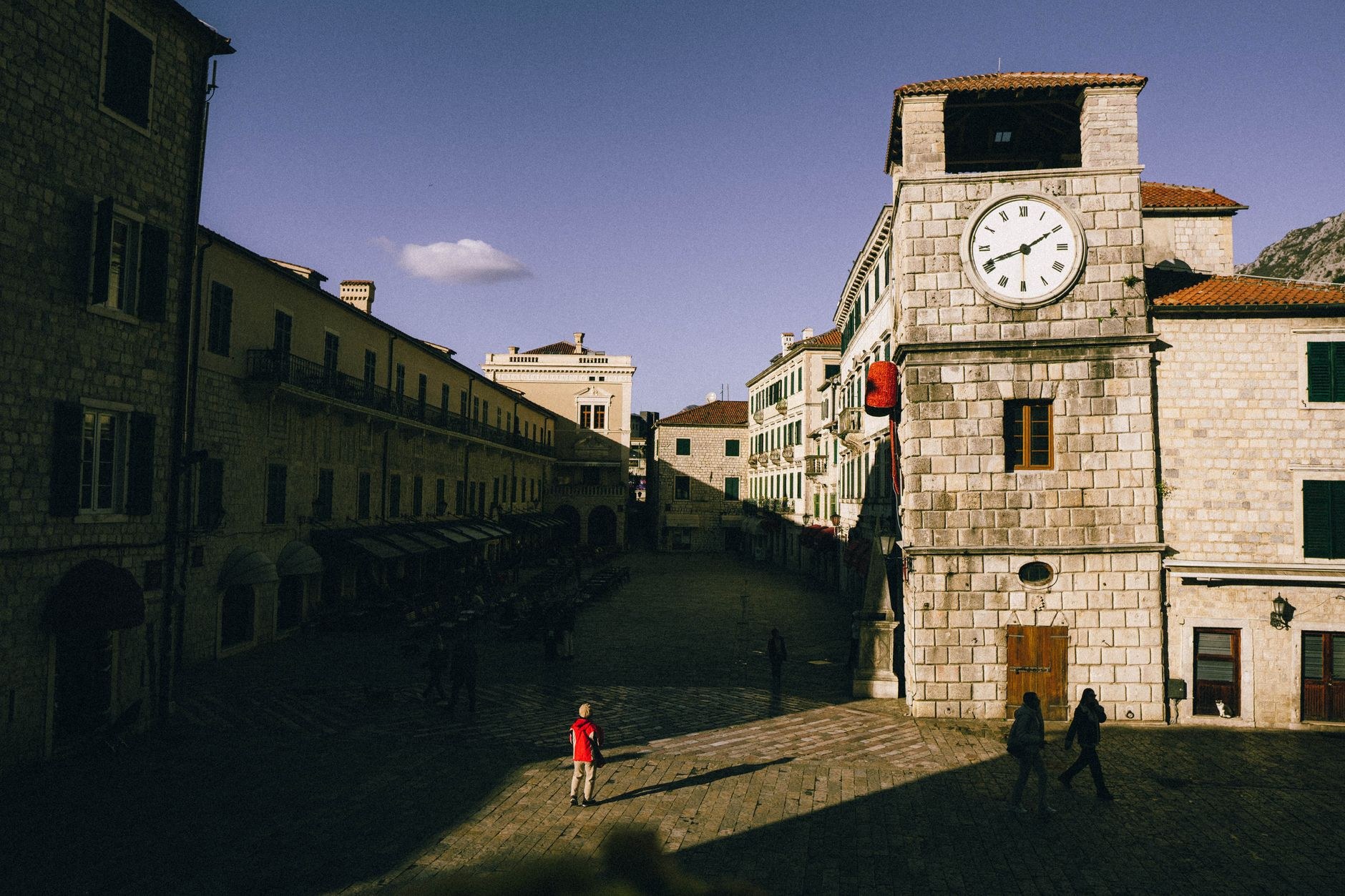
Inside the walls stands the Romanesque Cathedral of Saint Tryphon (Sveti Tripun), consecrated in 1166. It houses reliquaries of Kotor’s patron saint, brought by Venetian merchants in 809. Nearby, the Maritime Museum displays navigational charts and ship models recording how local captains commanded fleets across the Mediterranean.
On your third morning, drive twenty minutes along the curving coastal road to Perast, an aristocratic seaside village facing the Verige Strait. During the 17th and 18th centuries, Perast was home to wealthy seafaring captains who commissioned sixteen grand baroque palazzos and nineteen churches. Moored along the stone quayside, small wooden motorboats ferry visitors to the artificial island of Our Lady of the Rocks (*Gospa od Škrpjela*).
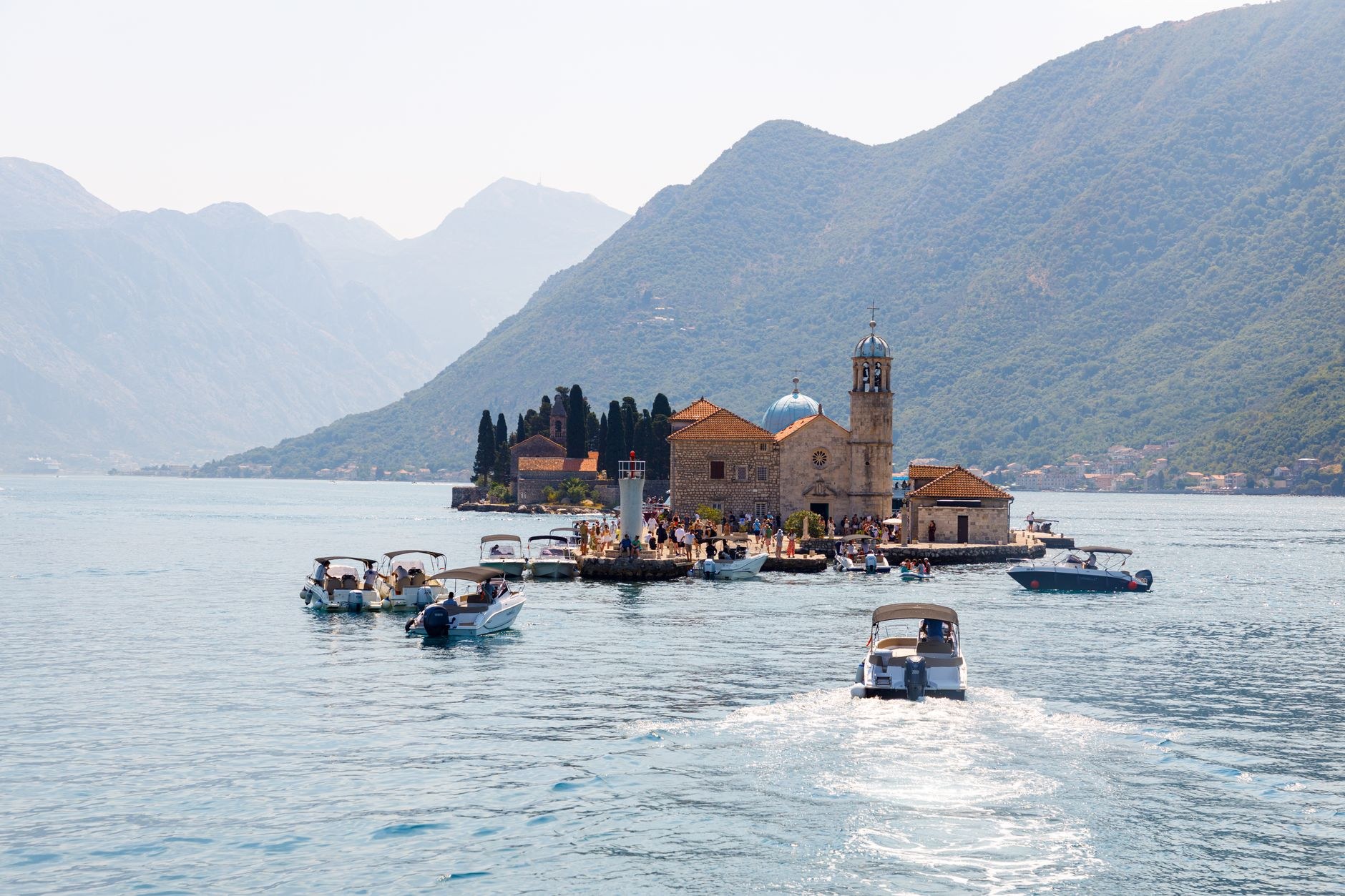
The island’s origin stems from maritime devotion. In 1452, fishermen discovered an icon of the Virgin Mary on a reef. In gratitude for safe voyages, mariners dropped stones and sank scuttled ships across two centuries, creating an artificial island. Inside the 1630 church hang sixty paintings by Tripo Kokolja and 2,000 embossed silver votive plaques donated by sailors surviving ocean storms.
Day 4: The Lovćen Serpentine & Royal Mountain Heartland
Leaving the coast, ascend the Lovćen Serpentine (Road P1). Engineered by Josip Slade in 1884 to link Austrian Kotor with independent Montenegro, this mountain road scales Mount Lovćen via twenty-five numbered hairpins, revealing sweeping panoramas over the bay with every curve.
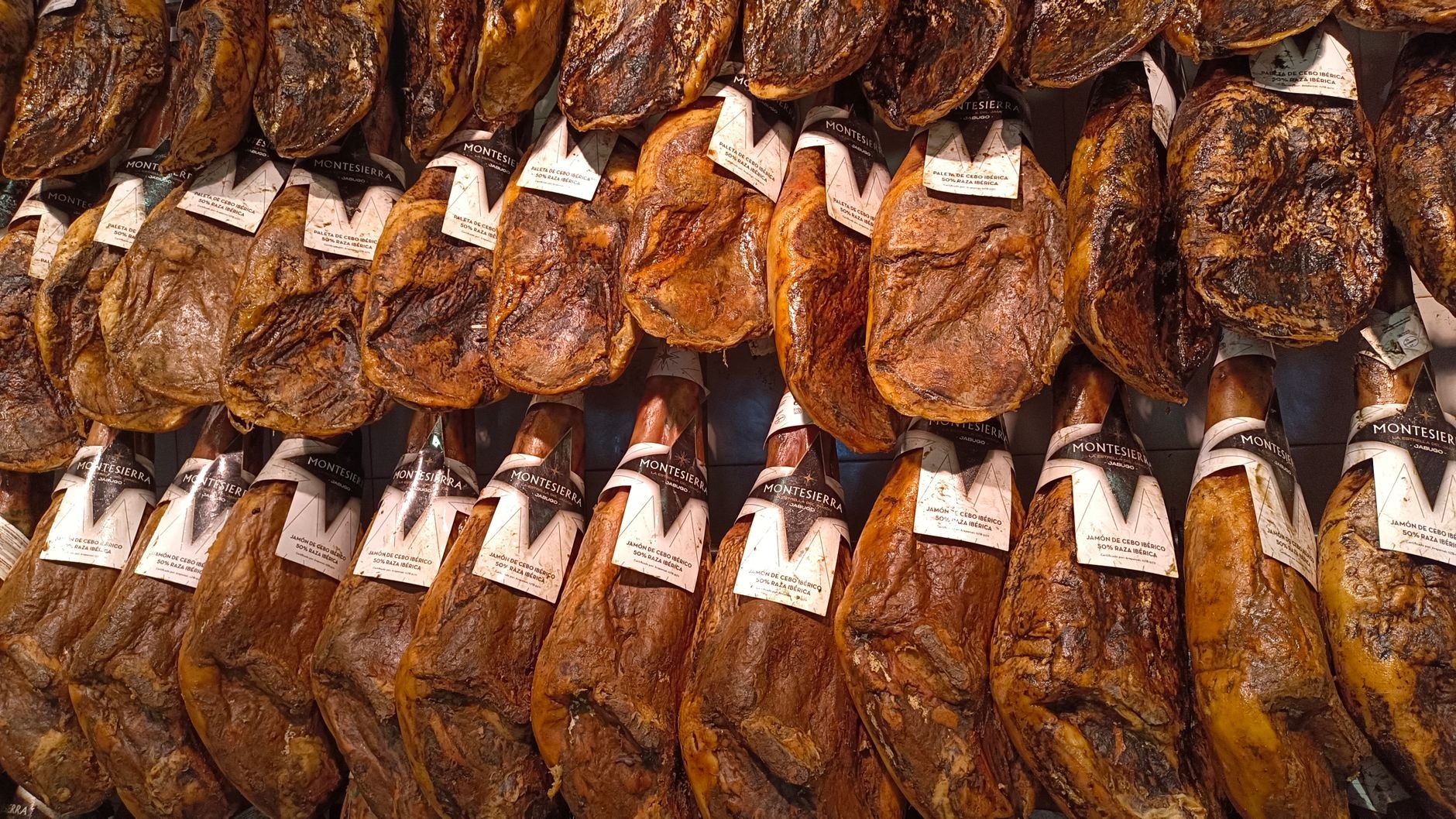
Near the ridge lies Njeguši, cradle of the Petrović-Njegoš dynasty. Mountain air mixing with Adriatic breezes creates an ideal microclimate for curing *Njeguški pršut* (smoked ham) and sheep’s cheese. Traditional stone smokehouses cure whole hams over beech wood before drying in cold winds.
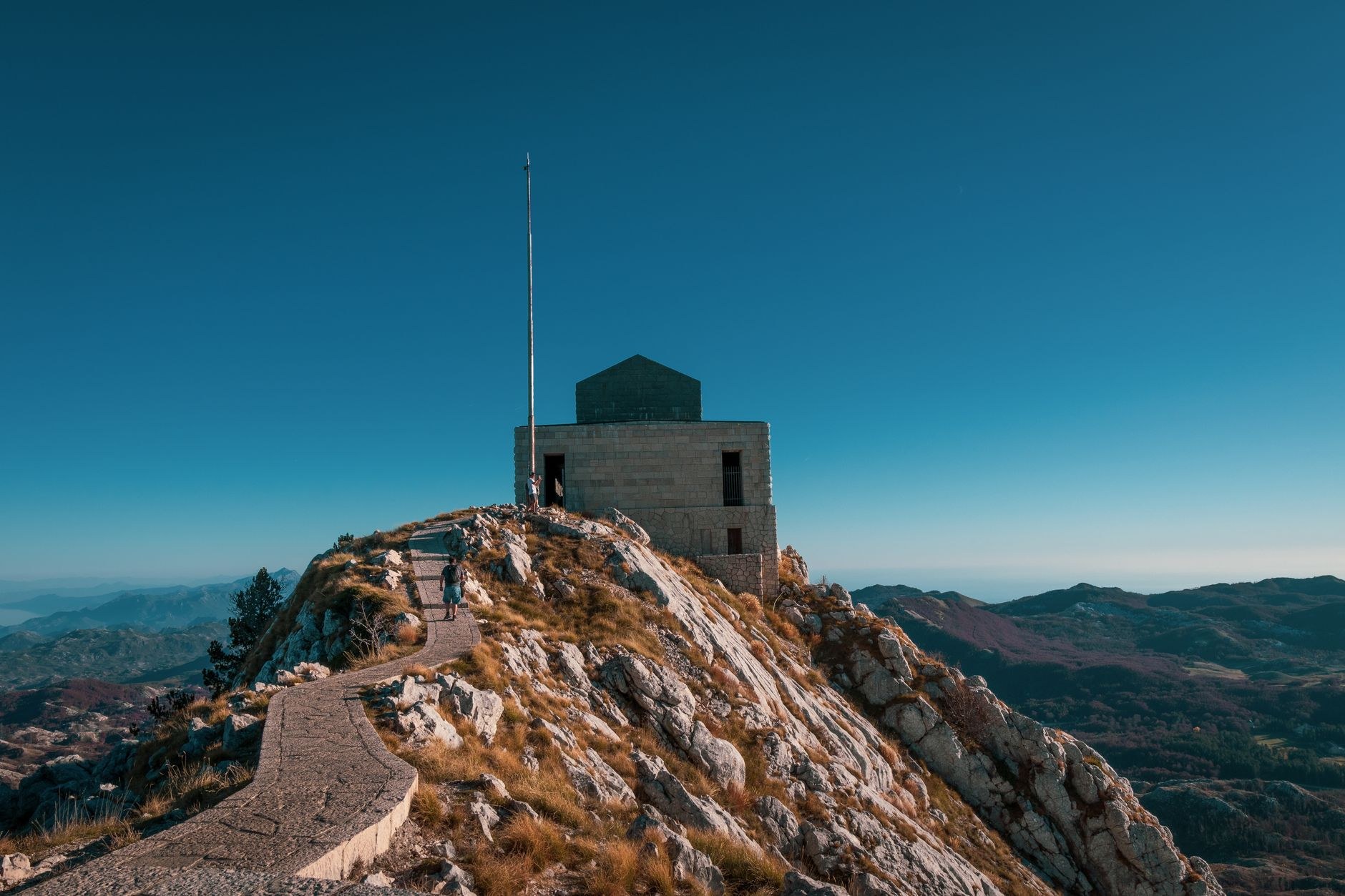
Higher in Lovćen National Park, ascend to Jezerski Vrh (1,657m). The Njegoš Mausoleum, designed by Ivan Meštrović for Prince-Bishop Petar II Petrović-Njegoš, is reached via 461 steps through a granite tunnel. Guarded by two black granite caryatids beneath a gold-mosaic ceiling, the viewing terrace gazes across limestone peaks.
After visiting the historic embassies and stone monasteries of Cetinje—Montenegro’s ancient royal capital—head northward along the modern highway toward Žabljak, the highland gateway to Durmitor National Park, watching the Mediterranean landscape give way to alpine pine forests and limestone crags.
Days 5–6: Durmitor National Park & the Tara River Canyon
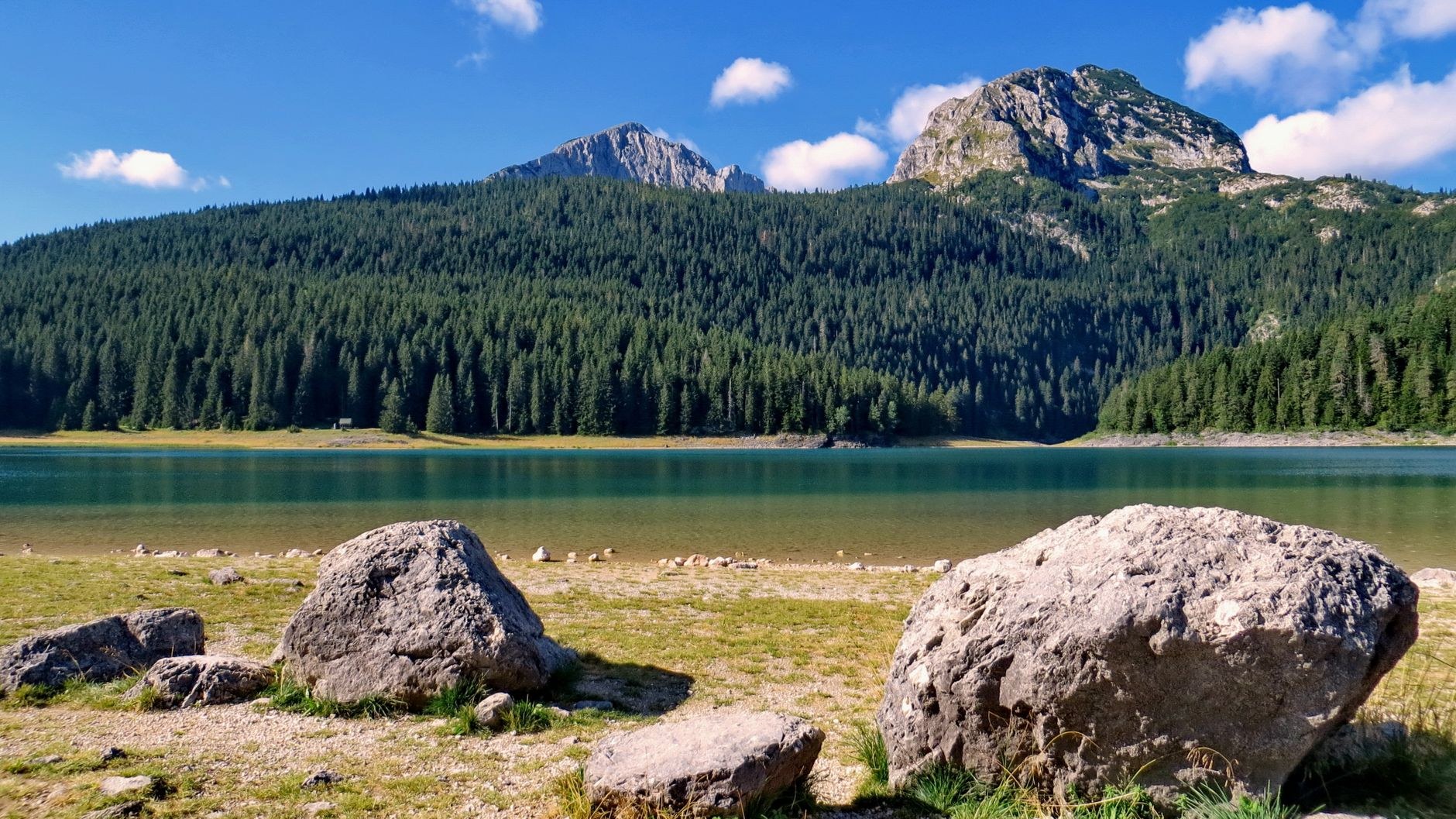
Žabljak sits at 1,456 metres, the highest town in the Balkans. Durmitor National Park preserves eighteen glacial lakes known as ‘mountain eyes’ (*gorske oči*). Most famous is Crno Jezero (Black Lake), enclosed by black pine forests below the 2,287-metre limestone face of Mount Međed.
A well-maintained 3.5-kilometre forest path circles Black Lake, passing wooden footbridges and mountain streams where brown trout dart through ice-cold currents. Take time to inhale the restorative fragrance of Scots pine and wild mint that blankets the highland forest floor.
On your sixth day, drive twenty kilometres east of Žabljak to witness one of the planet’s grandest natural chasms: the Tara River Canyon. Carving an eighty-kilometre trench through the Dinaric Alps, the canyon plunges to an astonishing depth of 1,300 metres, making it the deepest river gorge in Europe and second globally only to the Grand Canyon. The turquoise waters of the ‘Tear of Europe’ are drinkable throughout most of their course, fed by cold karst springs and melting mountain snowfields.
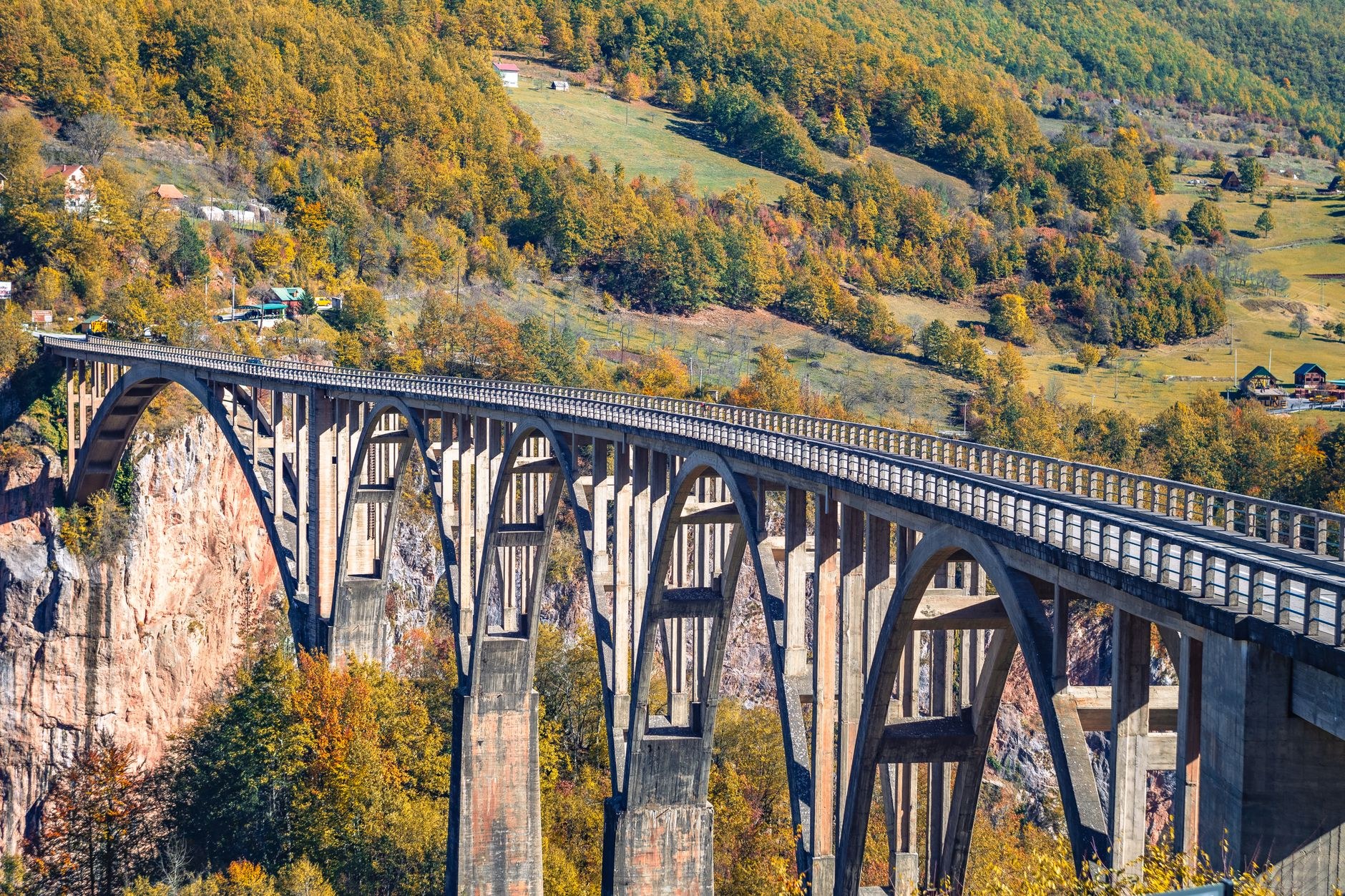
The canyon is spanned by the Đurđevića Tara Bridge, a concrete engineering marvel constructed between 1938 and 1940. Standing 172 metres above the rushing river below, its five graceful arches measure 365 metres in length. Walking across the pedestrian walkway of the bridge provides an exhilarating vantage point directly down into the emerald rapids where whitewater rafters navigate turbulent canyon narrows.
In the late afternoon, drive the western Durmitor Ring road through the dramatic Sedlo Pass (1,907m). This single-lane paved route snakes through high-altitude glacial valleys framed by the razor-sharp limestone spires of Prutaš and Bobotov Kuk (2,523m), where semi-nomadic shepherds still graze sheep flocks in traditional wooden shingle huts (*katuns*), offering a glimpse into centuries-old pastoral traditions.
Day 7: Coastal Return via Morača Canyon & Departure
On your final morning, depart Žabljak and drive south through the dramatic gorge of the Morača River. The highway descends from the alpine plateau through sheer limestone tunnels, passing the 13th-century Morača Monastery, celebrated for its Byzantine stone architecture and intricate medieval Orthodox frescoes. The scenic drive reaches Podgorica in under two hours before connecting west to the coast.
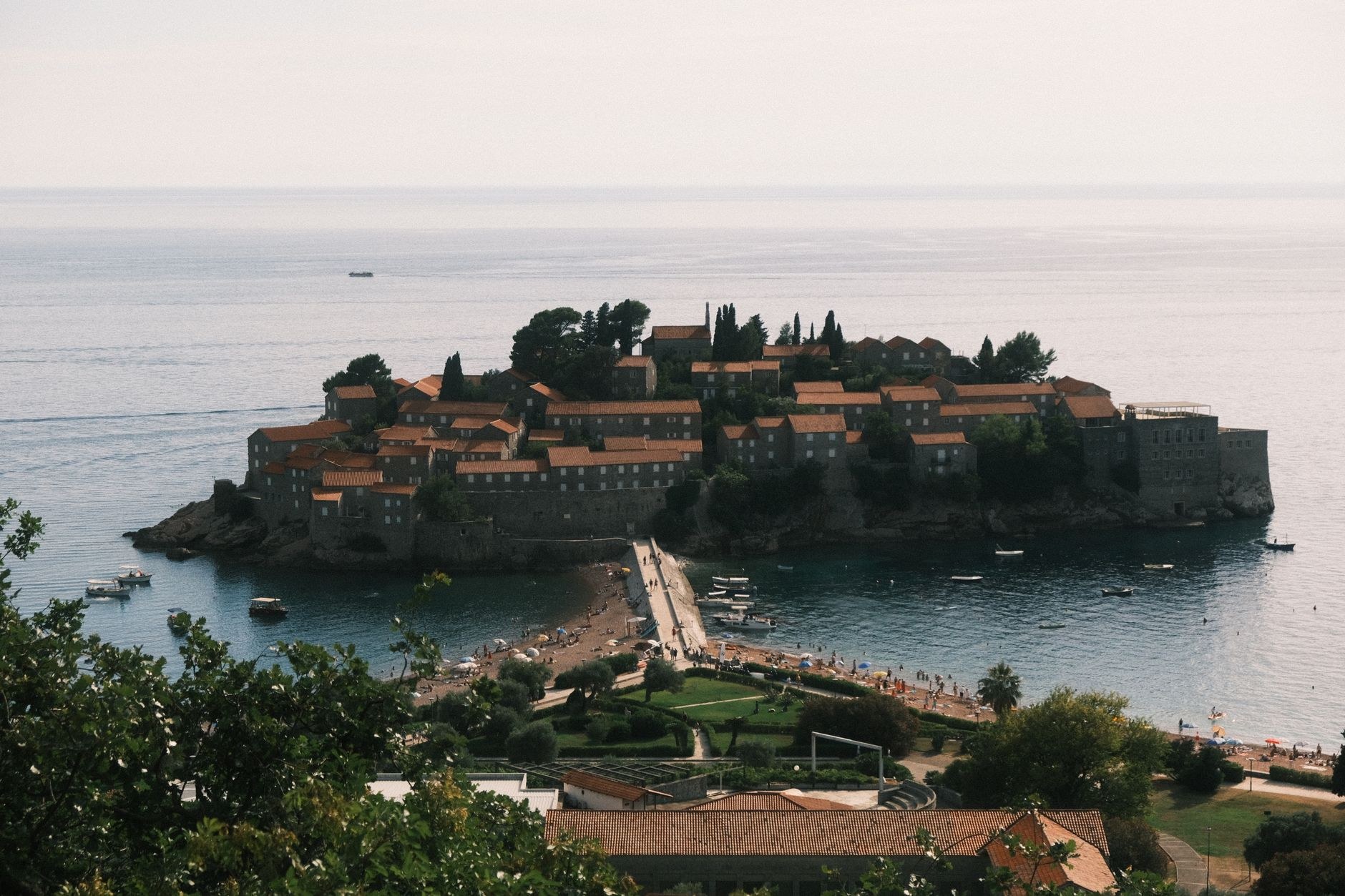
Before catching an evening flight from Tivat or Podgorica, make a final coastal stop along the Budva Riviera to admire the fortified islet of Sveti Stefan. Founded in the 15th century by the Paštrovići clan as a fortified fishing refuge against Ottoman pirate raids, its terracotta-roofed stone cottages connect to the mainland via a slender sandy tombolo, framed by pink pebble beaches and ancient cypress trees.
Savoring a final glass of deep ruby Vranac red wine overlooking the Adriatic surf rounds off a thrilling expedition across Montenegro’s dramatic landscapes.
Street Smarts: Tourist Scams, Overpriced Traps & Transit Hazards in Montenegro
While Montenegro is welcoming and generally safe, foreign drivers and independent visitors frequently encounter aggressive traffic conditions, rental car paperwork pitfalls, and tourist surcharges. Being prepared for these everyday realities guarantees a smooth, enjoyable trip.
- Bay of Kotor Single-Lane Traffic Gridlock: During peak summer months (July–August), when multiple cruise megaships dock simultaneously in Kotor port, the narrow two-lane road encircling the bay experiences paralyzing traffic jams. Driving between Kotor and Perast can stretch from fifteen minutes to over two hours. To bypass the bottleneck, depart your hotel before 08:30, or utilize the Kamenari–Lepetane car ferry (approx. 5 EUR) across the Verige Strait to shave off forty kilometres of congested coastal driving.
- Cross-Border Rental Car Green Card Surcharges: Many travellers fly into Dubrovnik Airport (Croatia) and rent a vehicle to drive into Montenegro. Some budget rental agencies fail to disclose cross-border insurance fees upfront, demanding 50 to 100 EUR cash at the desk for a ‘Green Card’ (*zeleni karton*). Furthermore, summer border crossings at Debeli Brijeg can experience queues exceeding three hours. Ensure your rental contract explicitly permits Montenegrin border transit, and use the alternative Kobila / Vitaljina border post during daytime peak hours.
- San Giovanni Fortress Entry Fees & Footwear Hazards: The municipal entrance to Kotor’s fortress walls charges 15 EUR per person. While the views are spectacular, the 1,350 limestone steps are polished smooth by centuries of foot traffic and become dangerously slick when wet or dusty. Tourists attempting the climb in flip-flops frequently suffer sprained ankles in the sweltering heat without shade. Wear sturdy hiking shoes and carry at least one litre of water per person. Alternatively, hike the historic ‘Ladder of Cattaro’ switchback trail behind the fortress for free access to the mountain pass.
- Durmitor Sedlo Pass Mountain Weather Traps: The scenic P14 road crossing Sedlo Pass (1,907m) is often blocked by heavy snowdrifts until late May or early June. Attempting this narrow, single-lane route in inclement weather or heavy fog without alpine driving experience is dangerous, as passing places on cliff edges are unpaved. Always confirm road conditions at the Žabljak tourist office before driving, and reverse cautiously into paved turnout bays when encountering oncoming vehicles.
- Unregulated Coastal Taxi Fares: In tourist hotspots like Budva, Tivat, and Kotor, independent freelance taxi drivers solicit arriving passengers outside bus stations and ferry docks. Many decline to turn on their taximeters, demanding extortionate flat rates of 40 to 60 EUR for brief ten-minute rides. Always insist on metered fares (*uključite taksimetar*) or book transparently through established dispatch services like Red Taxi Kotor or Terrae Taxi via WhatsApp.
- Tourist Registration Tax Failure (*Boravišna Taksa*): Under Montenegrin law, all foreign tourists must register with the local tourist organization (*Turistička Organizacija*) and pay a residential tax of approximately 1 EUR per day within 24 hours of arrival. Legitimate hotels and licensed guesthouses handle this automatically; however, unregistered private Airbnb hosts often neglect it. Border police periodically inspect digital registration records upon exit; failure to register can result in administrative fines of up to 200 EUR at border control. Request proof of registration from your host upon check-in.
Keeping these practical driving and administrative tips in mind ensures you navigate Montenegro with ease and confidence, allowing you to focus entirely on the country’s magnificent coastal and alpine wonders.
Mountain Road Navigation & Mobile Connectivity with NXTL
Navigating Montenegro’s hairpin mountain passes and narrow coastal roads requires continuous, reliable digital connectivity. Offline map navigation and live traffic updates are indispensable when driving the Lovćen Serpentine, dodging coastal traffic bottlenecks, or navigating unlit tunnels through the Morača River Canyon. Mobile data is equally vital for booking boat transfers to Our Lady of the Rocks, confirming guesthouse check-in times in Žabljak, and using rideshare dispatch apps in coastal towns.
Because Montenegro is not a member of the European Union, standard EU “Roam Like at Home” regulations do not apply here. Travellers relying on standard European SIM cards often face punitive data roaming fees exceeding 10 EUR per megabyte. Equipping your smartphone with an authentic NXTL Montenegro travel eSIM prevents roaming bill shock while delivering high-speed, dependable data across the country. Operating on primary tier-one carrier networks Crnogorski Telekom and One 4G/LTE, NXTL provides steady coverage from seaside Kotor to high-altitude Durmitor passes.
| Travel Profile | Primary Daily Mobile Usage | Estimated 7-Day Data | Cost at $0.96/GB |
|---|---|---|---|
| Light Navigator | Google Maps GPS driving navigation, messaging, translation, basic web lookups | 1.5 GB | $1.45 |
| Balanced Explorer | Mountain trail GPS tracking, photo uploads, restaurant research, WhatsApp taxi dispatch | 4.5 GB | $4.33 |
| Heavy Digital Nomad | Continuous 4G/LTE hotspot tethering, remote work video calls, streaming, cloud backups | 10.0 GB | $9.60 |
The NXTL travel connectivity model offers complete transparency for international road-trippers. Operating across 180+ supported countries and 460+ carrier networks, your single NXTL eSIM remains reusable across international borders without tedious reinstallation. An initial purchase of $11.99 includes $10.00 in preloaded data credit, which never expires as long as your account remains active. Because data is billed strictly on a pay-as-you-go basis, you only pay for the precise megabytes you consume, eliminating wasteful expiring daily bundles.
Furthermore, mobile hotspot and tethering are fully permitted across Montenegro, allowing you to connect your laptop or tablet in mountain chalets effortlessly. With dual-SIM technology, your physical home carrier SIM stays active in your phone for essential bank 2FA SMS and emergency voice calls, while NXTL handles all data traffic at local rates starting from just $0.96/GB. Setting up takes minutes via a simple QR code scan before you depart, ensuring that as soon as your car crosses the border or touches down at Tivat Airport, your phone connects to the local LTE grid automatically.
From the medieval stone ramparts of Kotor and the historic hams of Njeguši to the awe-inspiring depths of the Tara River Canyon and the emerald serenity of Black Lake, Montenegro offers an unforgettable Balkan adventure. Drive cautiously, respect the mountain curves, and prepare for one of Europe’s most spectacular journeys.