Panama is frequently treated as a hurried canal stopover or a rushed dash between oceans, leaving travelers caught between metropolitan traffic and disjointed regional logistics. A well-constructed seven-day journey pairs the historic quarters and maritime engineering of Panama City with the temperate cloud forests and volcanic terroir of the Chiriquí Highlands around Boquete. This approach cuts out exhausting overland journeys to distant archipelagos, trading rushed transit for focused encounters with colonial architecture, world-renowned coffee estates, and biodiverse mountain trails.
Most first-time visitors struggle because Panama’s geography is deceiving. While the isthmus appears narrow on a map, crossing between regions by road requires navigating the congested Inter-American Highway, where freight bottlenecks and mountain downpours regularly turn theoretical four-hour drives into eight-hour endurance tests. By utilizing efficient forty-five-minute domestic flights between Panama City’s Albrook Airport and David, travelers unlock the dramatic ecological shift from tropical Pacific coastlines to cloud-draped volcanic valleys without sacrificing vacation time to tarmac.
Understanding Panama requires looking past the skyscrapers of the banking district to trace the nation’s geopolitical history. From seventeenth-century pirate raids that relocated the capital to the engineering audacity that carved the Culebra Cut, Panama’s identity was forged at the crossroads of continental migration and global commerce. The itinerary outlined below balances structured logistical advice with the cultural depth needed to experience both the metropolitan Pacific corridor and the peaceful highland ridges.
Strategic Route Architecture: The 7-Day Pacific & Highland Itinerary
Seven days provides adequate time to explore Panama City’s contrasting colonial and maritime sectors before transitioning to Boquete in Chiriquí province. This route establishes two reliable overnight bases: Casco Antiguo in Panama City for three nights, and a highland lodge in Boquete for three nights, concluding with a final evening back in the capital prior to departure. This two-hub strategy keeps hotel transfers minimal while maximizing wildlife viewing and canal transit windows.
| Day | Base | Key Stops & Cultural Sightseeing | Transit Mode | Transit Time | Advance Bookings Required |
|---|---|---|---|---|---|
| Day 1 | Panama City (Casco Antiguo) | Arrival at PTY, transfer to Casco Antiguo, sunset walk along Paseo de Las Bóvedas, dinner on Plaza Herrera. | Metro taxi / Uber | 35 min | Casco boutique hotel reservation, airport transfer. |
| Day 2 | Panama City (Casco Antiguo) | Miraflores Locks observation deck, IMAX canal documentary, Frank Gehry Biomuseo on Amador Causeway. | Ride-hailing / Taxi | 45 min total | Miraflores Visitor Center timed entry ticket. |
| Day 3 | Panama City (Casco Antiguo) | Panamá Viejo ruins, San José Church Golden Altar, evening tasting at Mercado de Mariscos ceviche stalls. | Metrorail & Uber | 40 min total | Panamá Viejo historical site admission ticket. |
| Day 4 | Boquete (Chiriquí) | Morning domestic flight Albrook to David, scenic rental drive to Boquete, afternoon coffee cupping session. | Flight & 4WD car | 45m air + 50m drive | Air Panama / Copa domestic flight, 4WD rental. |
| Day 5 | Boquete (Chiriquí) | High-altitude cloud forest hike on Sendero Los Quetzales, hanging suspension bridges walk, hot springs visit. | 4WD rental / Guide | 1 hr total | Certified naturalist guide for cloud forest reserve. |
| Day 6 | Boquete (Chiriquí) | Specialty Geisha estate in-depth processing tour, Bajo Mono canyon viewpoint, farm-to-table highland dinner. | Rental car | 30 min total | Specialty Geisha private plantation tour booking. |
| Day 7 | Panama City | Morning descent to David airport, flight to Panama City, souvenir procurement at Cinta Costera, evening flight. | Drive & Flight | 50m drive + 45m air | Return domestic flight, international check-in. |
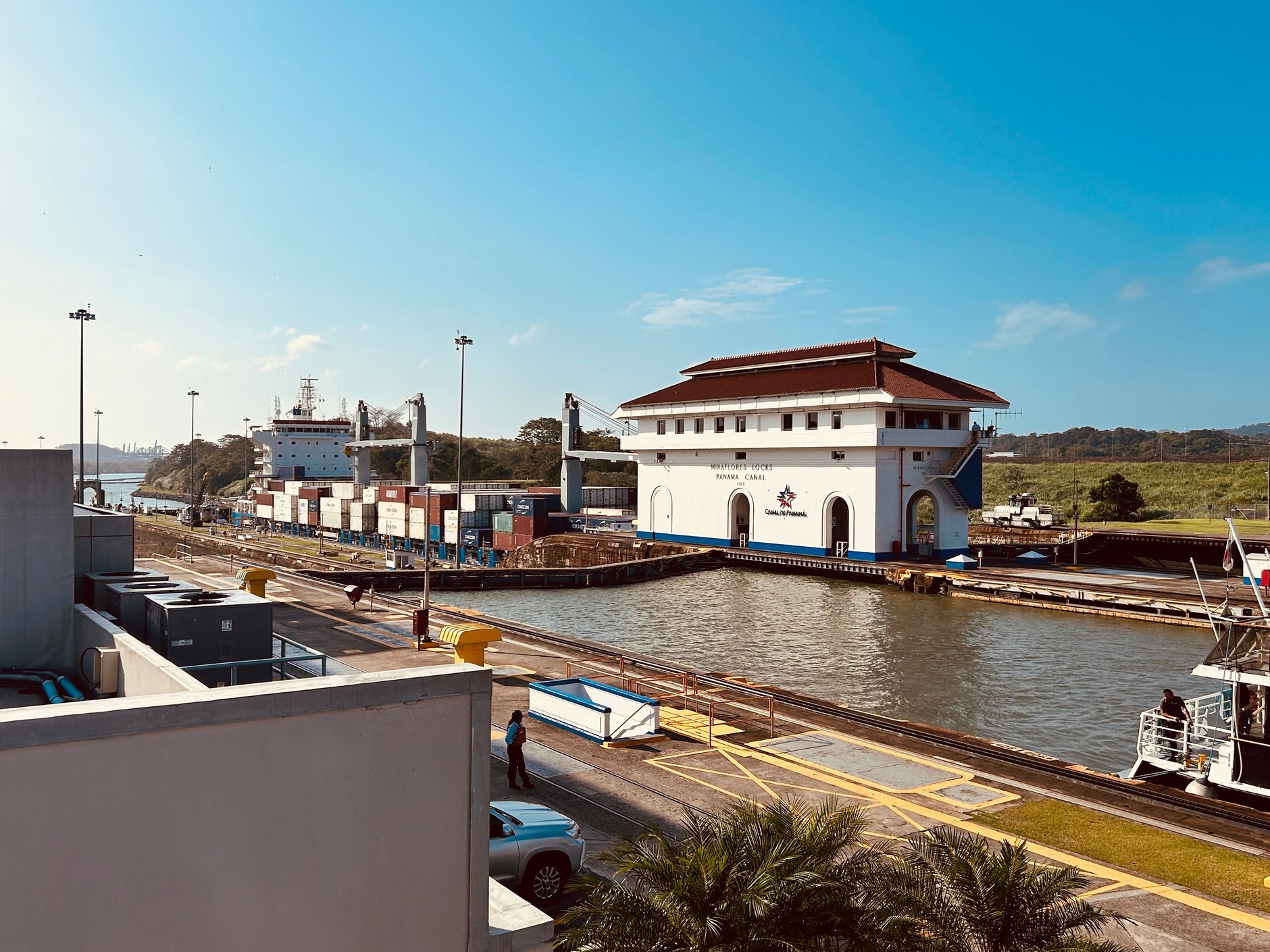
The pacing of this route places the canal transit on Day 2 during morning hours. The Panama Canal operates on strict cycles: northbound vessels typically clear Miraflores in early morning, followed by southbound transits in afternoon. Arriving between 08:30 and 10:00 ensures you observe massive container vessels filling lock chambers rather than staring into empty concrete channels during midday maintenance lulls.
Choosing Boquete over Caribbean island destinations like Bocas del Toro or San Blas provides a significantly more dependable experience for a one-week journey. While the archipelagoes are visually striking, boat transfers depend heavily on open ocean swells, and unpredictable coastal rain can ground small planes. Boquete’s paved road connections, refined dining culture, and well-maintained trail systems deliver rich encounters with nature without logistics falling victim to sudden squalls.
Panama City: Colonial Resilience and Maritime Ingenuity
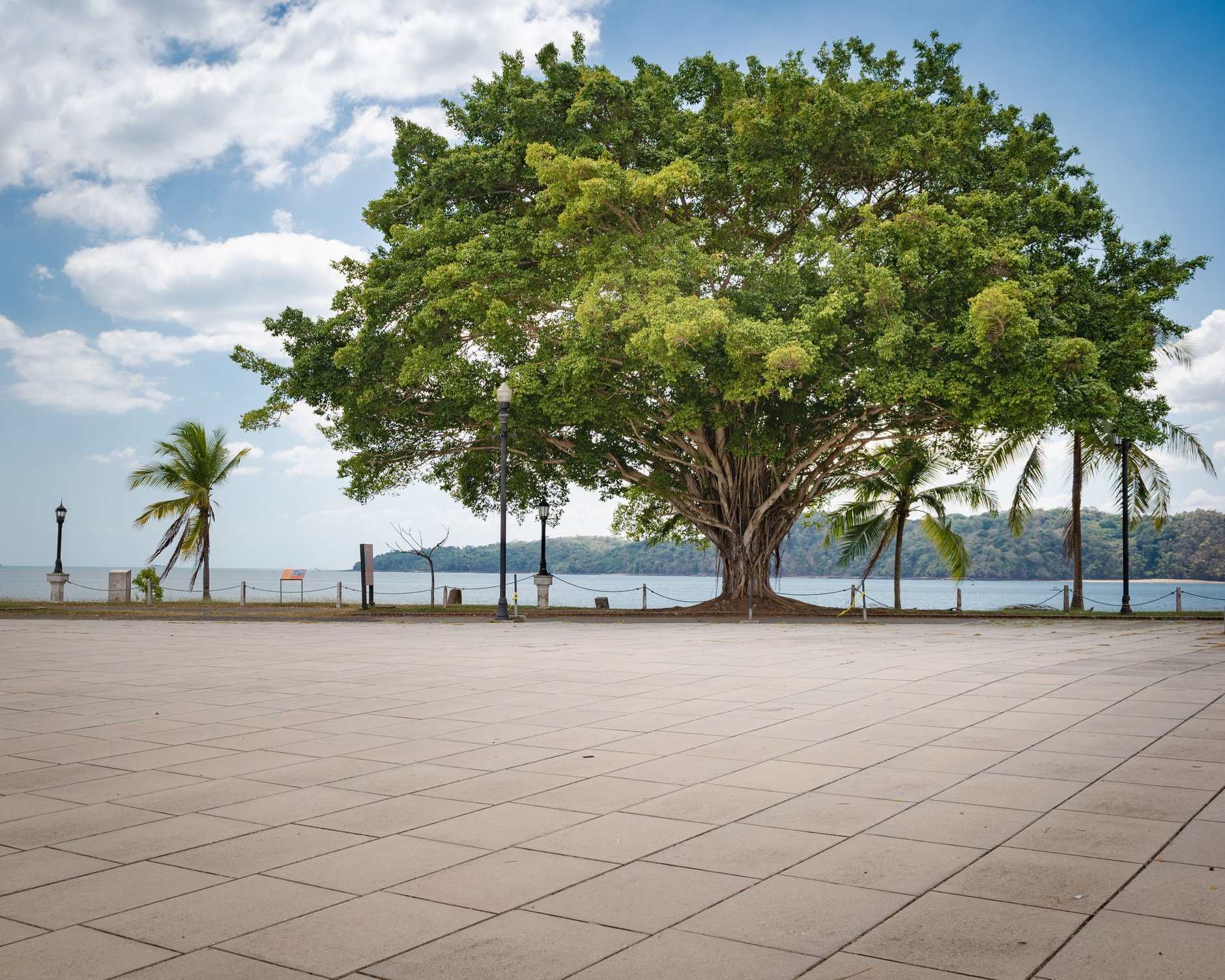
Panama City contains three distinct historical settlements: the archaeological footprint of Panamá Viejo, the fortified colonial enclave of Casco Antiguo, and the twentieth-century canal corridor. Beginning in Panamá Viejo offers crucial context. Founded in 1519 by Pedro Arias Dávila, it was the first European city on the Pacific coast of the Americas, serving as the clearinghouse through which Inca silver and gold were hauled across the isthmus by mule train to royal Spanish galleons in the Caribbean.
That lucrative trade drew Welsh privateer Henry Morgan in January 1671. Morgan marched across the jungle with over a thousand buccaneers, defeating the Spanish garrison outside the city. Rather than surrender the crown’s treasure, the colonial governor ordered the gunpowder magazines detonated, sparking an inferno that burned the wooden settlement to ash. Today, the weathered stone tower of the cathedral stands amid manicured grass, a haunting monument to the vulnerability of the Spanish empire’s Pacific frontier.
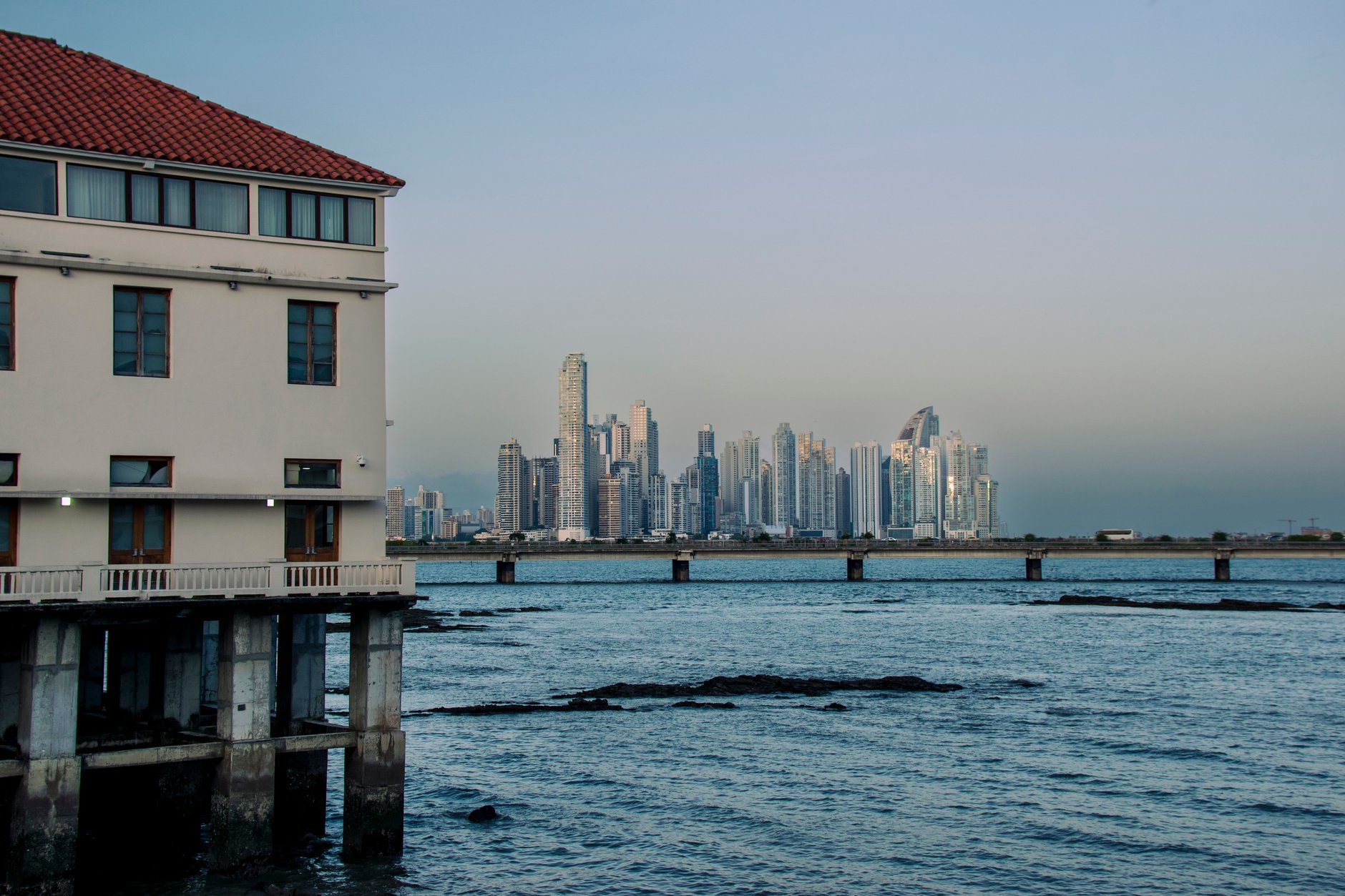
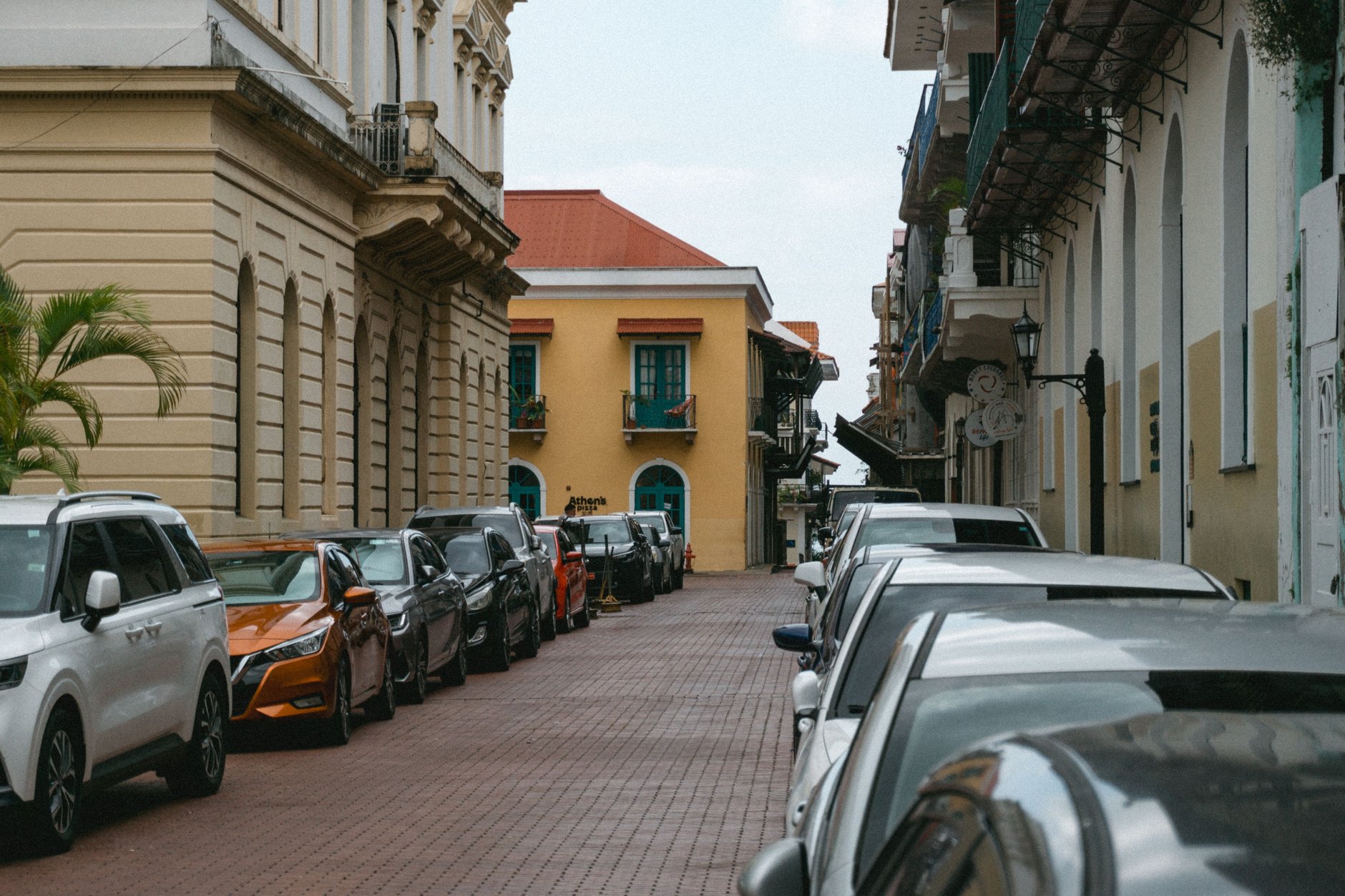
Following Morgan’s assault, royal engineers relocated the capital in 1673 five miles southwest to a defensible rocky peninsula surrounded by tidal shallows, founding Casco Antiguo. Builders erected massive stone bastions and curtain walls up to forty feet thick. Walking the streets today reveals an intricate architectural hybrid: Spanish colonial courtyards rub shoulders with French neoclassical mansions built during Ferdinand de Lesseps’ canal endeavor, decorated with wrought-iron balconies and pastel wooden shutters.
Inside the Church of San José lies the famed Golden Altar (*Altar de Oro*). Local legend recounts that as Morgan’s raiders plundered Panamá Viejo, a quick-witted priest covered the baroque mahogany altar—carved with intricate floral motifs and gilded in gold leaf—with white lime paint. Morgan judged the whitewashed retable worthless and departed. Following the raid, the undamaged altar was dismantled and reassembled inside the new church in Casco Antiguo, where it gleams today.
Just five miles northwest lies Miraflores Locks, where the modern wonder of the Panama Canal reveals its mechanics. Unlike sea-level canals, the Panama Canal relies on gravity-fed freshwater locks supplied by Lake Gatún. Each transit raises or lowers vessels eighty-five feet through three distinct lock chambers, using fifty-two million gallons of freshwater flowing purely by gravity without a single commercial pump.
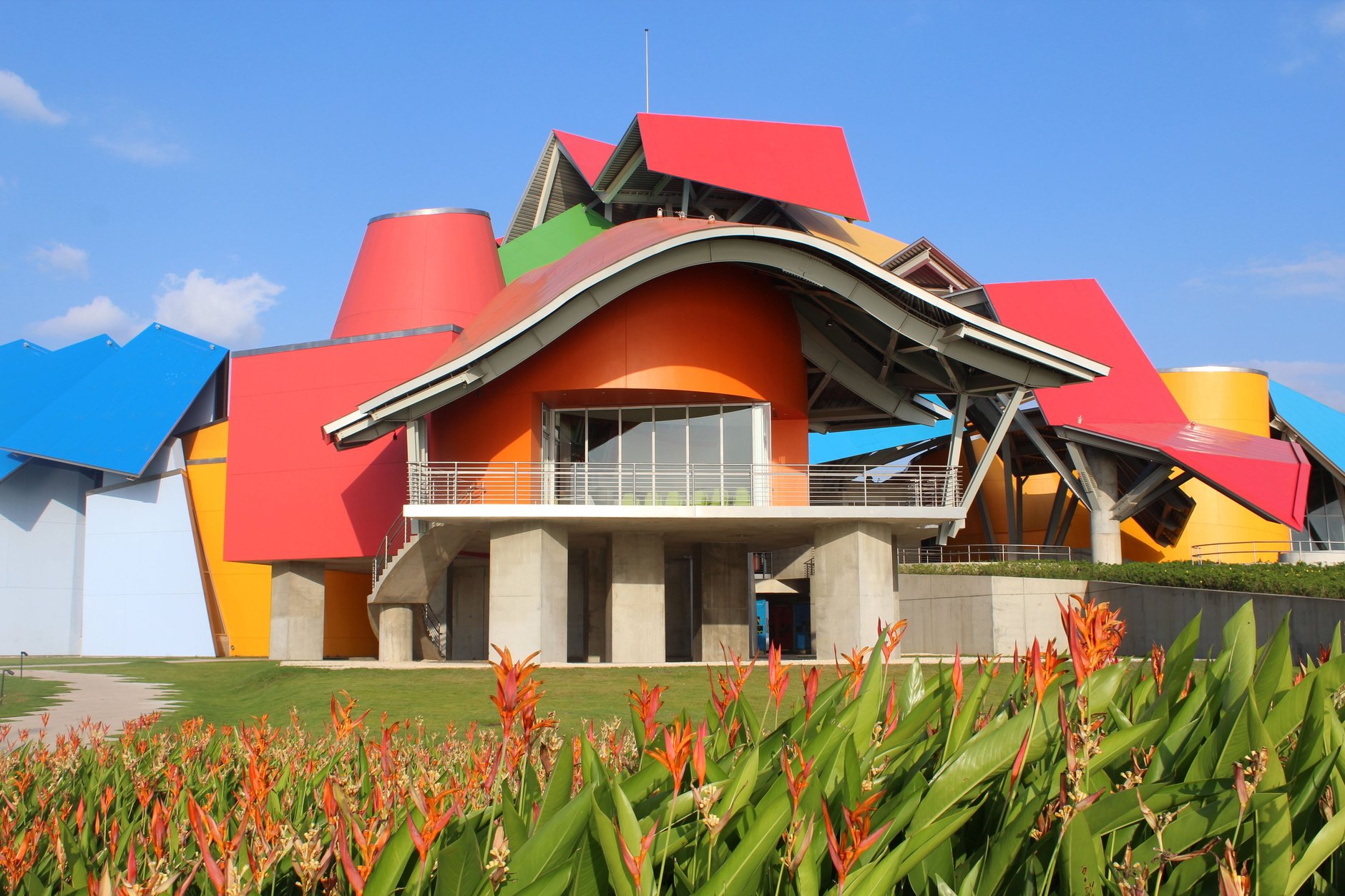
To round out your understanding of the isthmus, visit the Amador Causeway, formed by rock excavated during canal construction. At the causeway’s entrance stands the Biomuseo, designed by Frank Gehry. Its origami-like multicolored canopy houses exhibits illustrating how the emergence of the Panama Isthmus three million years ago divided oceans, redirected the Gulf Stream, and triggered the Great American Biotic Interchange.
The Chiriquí Highlands: Cloud Forests and Specialty Coffee Terroir
Leaving tropical coastal heat behind, a short flight to David followed by an uphill forty-five-minute drive brings you into the Chiriquí Highlands. Centered around Boquete at an elevation of 1,200 meters, this alpine valley sits on the volcanic flanks of Volcán Barú, Panama’s highest peak at 3,474 meters. Maritime humidity gives way to crisp mountain breezes, pine-scented mist (*bajareque*), and green hillsides of terraced farms.
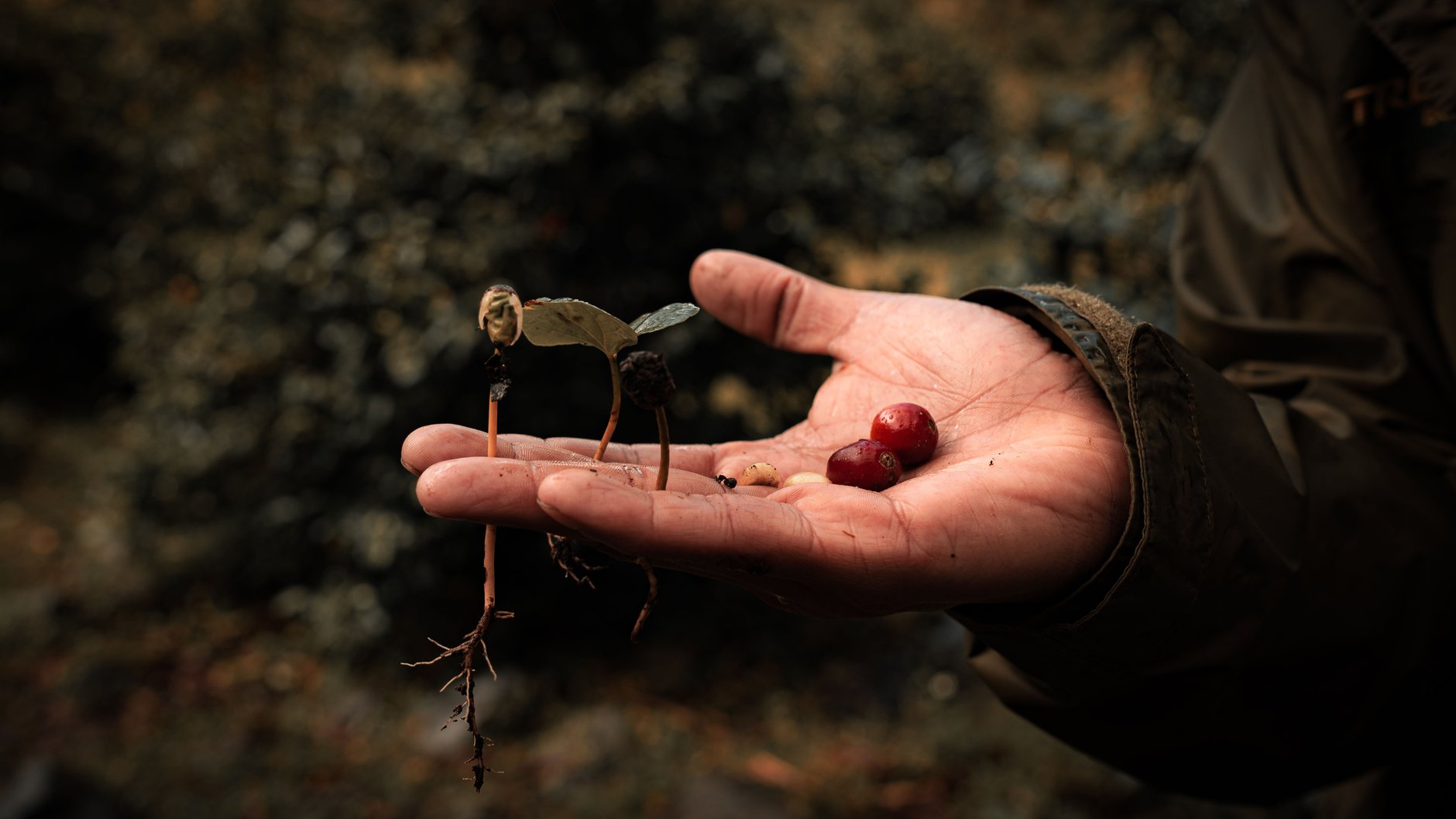
Boquete has emerged as the global epicenter of specialty coffee, largely due to the rise of the Geisha varietal. Originally brought from Ethiopia in the mid-twentieth century as a rust-resistant strain, Geisha languished until the early 2000s, when local growers at Hacienda La Esmeralda isolated its plants and discovered an intensely floral, tea-like profile with notes of jasmine, bergamot, and stone fruit. Nutrient-rich volcanic soil, sharp day-night temperature swings, and slow cherry maturation create unmatched agricultural conditions.
Coffee tours here offer serious agricultural education. High-end estates like Finca Lerida, Kotowa, and Elida Estate guide visitors through precision wet-milling, sun-drying patios, and professional cupping laboratories where single-estate micro-lots are graded using Specialty Coffee Association standards. Geisha beans harvested in these hills consistently set auction records, fetching over a thousand dollars per pound from discerning international roasters.
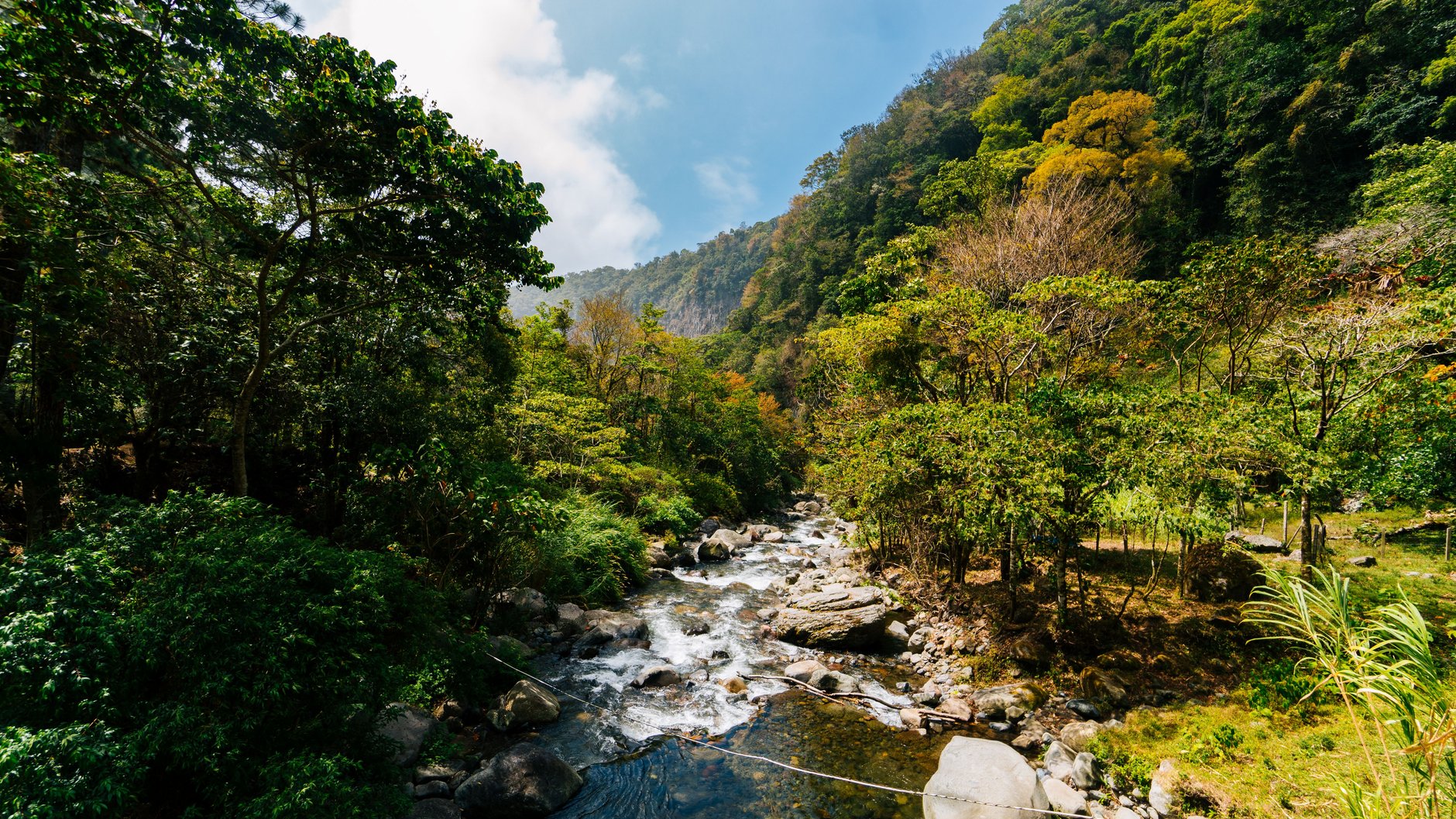
Beyond coffee, Boquete serves as the gateway to the primary cloud forests of Volcán Barú National Park and La Amistad International Park. The Sendero Los Quetzales trail, winding across the mountain ridge between Boquete and Cerro Punta, represents a premier wildlife corridor. Hiking under oak canopies draped in bromeliads and Spanish moss, observant walkers can spot the magnificent Resplendent Quetzal—especially during nesting season from January through May—as well as howler monkeys and three-wattled bellbirds.
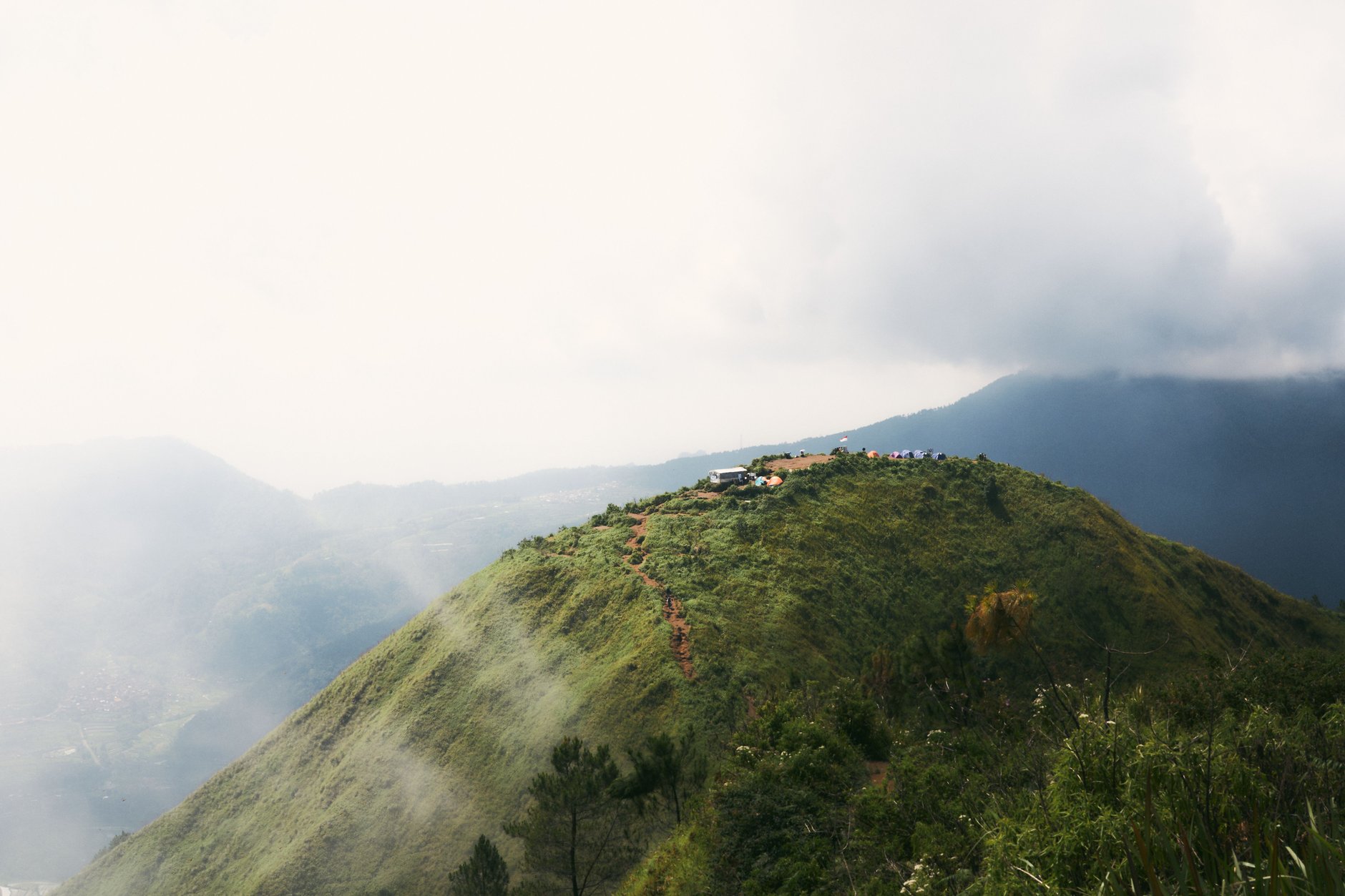
For experienced hikers in strong physical condition, ascending Volcán Barú is an unforgettable challenge. Expeditions depart Boquete around midnight in modified 4WD jeeps or on foot via an arduous uphill trek, reaching the summit shelter just before dawn. On clear mornings, the summit provides an exceptional geographical sight: the simultaneous panorama of both the Pacific Ocean and Caribbean Sea glittering in the dawn light.
After a rigorous mountain trek, travelers can unwind in the rustic Caldera hot springs located on a private ranch twenty minutes south of town, soaking in geothermal mineral pools surrounded by tropical flora. Dining in Boquete has blossomed alongside its coffee prestige, featuring imaginative farm-to-table bistros highlighting organic mountain vegetables, trout raised in cold river waters, and artisanal cheeses crafted by European and North American emigrants who settled in the valley over the last century.
Culinary Traditions: Pacific Seafood and Afro-Antillean Flavors
Panamanian gastronomy reflects maritime geography and diverse demographic heritage, fusing indigenous roots, Spanish colonial staples, and the culinary influences of Afro-Antillean canal workers who arrived from Jamaica, Barbados, and Martinique. The heart of the capital’s food culture is the Mercado de Mariscos, situated on the bay along the coastal Cinta Costera promenade. Every morning, artisanal fishing boats unload their catch directly into the market’s refrigerated stalls.
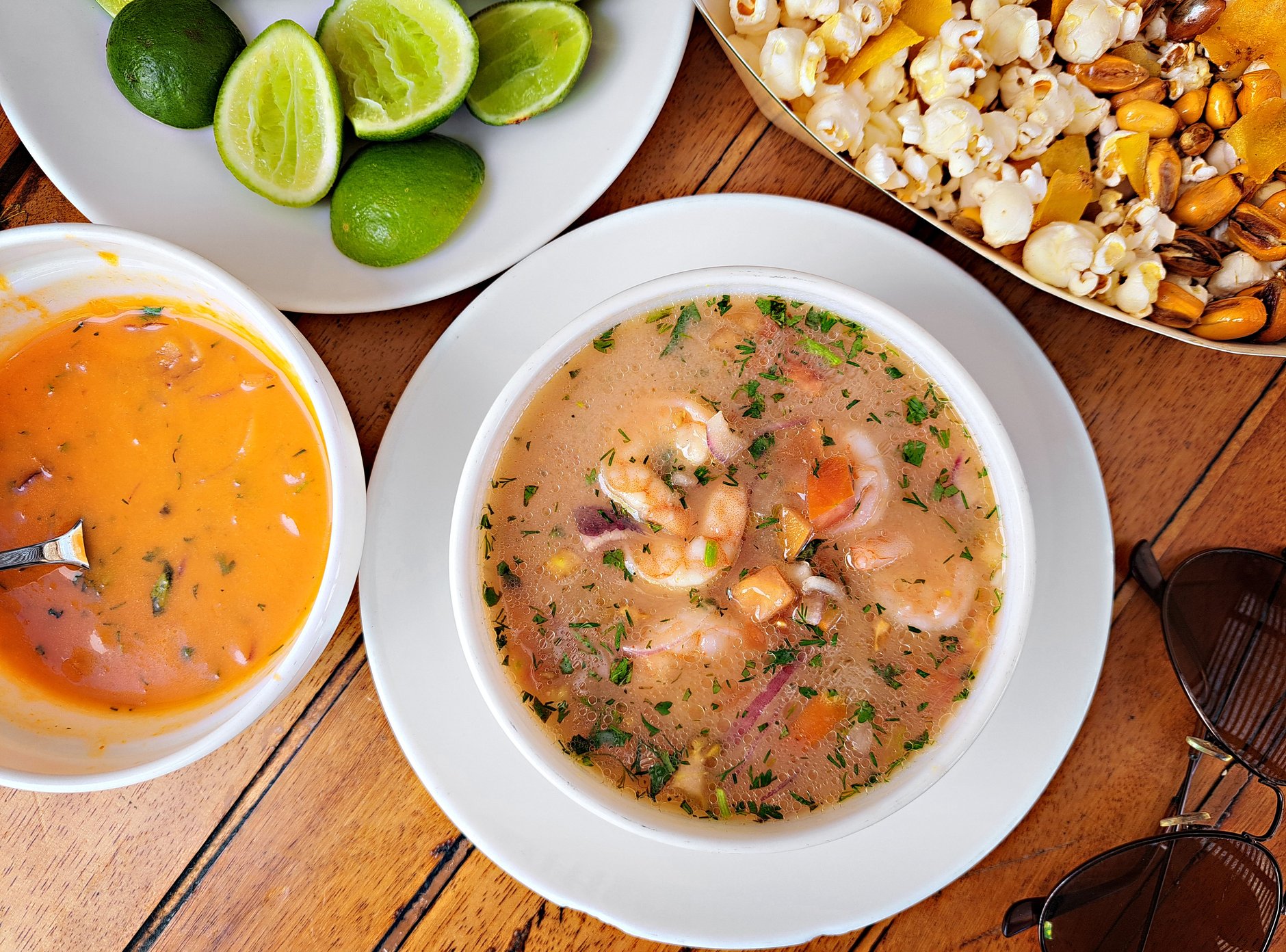
Here, small open-air counters serve overflowing cups of freshly prepared ceviche for three to five dollars, accompanied by crisp salted crackers and cold local lager. Unlike Peruvian ceviche, which is cured briefly before serving, Panamanian ceviche involves marinating freshly caught corvina (sea bass), pulpo (octopus), or camarón (shrimp) in tart lime juice, minced habanero pepper, and white onion for several hours, creating a pungent, mouth-watering delicacy that locals enjoy as an afternoon refreshment.
Beyond seafood, traditional comfort food centers around dishes like *sancocho*, a rich chicken soup simmered with local culantro herbs and *ñame* (starchy yam) that acts as the country’s national comfort dish. In coastal provinces like Colón and Bocas del Toro, Afro-Caribbean recipes take center stage: whole red snapper fried and doused in escovitch vinegar sauces, fragrant coconut rice and peas (*arroz con coco*), and *patacones* (crispy double-fried green plantain rounds) served piping hot with garlic dip.
Avoiding Common Scams, Pitfalls, and Tourist Traps
While Panama is among the safest and most politically stable nations in Central America, international visitors frequently encounter persistent logistical traps that drain cash and cause unnecessary friction. Knowing what to expect keeps your trip smooth and trouble-free.
- The Casco Antiguo “Bien Cuidao” Parking Scheme: In the historic district, informal hustlers wearing reflective vests direct drivers into public street spaces and demand five to ten dollars cash upfront to “watch over” the vehicle. If you refuse, they may scratch the rental car. Always park inside official multi-story parking garages like the underground facility at Plaza V Centenario, or use ride-hailing apps instead of driving in Casco.
- Tocumen Airport Unlicensed Pirate Taxis: Exiting customs at Tocumen International Airport (PTY), arriving passengers are approached by drivers offering “official tourist taxis” at inflated rates of fifty to eighty dollars. Official registered airport cabs have a fixed flat rate of thirty dollars to downtown, while verified Uber rides dispatched to the ground transport zone typically cost fifteen to twenty-two dollars.
- Miraflores Canal Ticket Scalpers: Near Casco Antiguo and the Cinta Costera, street touts sell unauthorized “exclusive VIP tickets” for the canal or claim to organize private boat tours through the locks. Commercial lock transits are strictly controlled by the Panama Canal Authority; visitors should only purchase tickets directly through the official Panama Canal Authority online booking portal.
- Unverified “Geisha” Coffee Farm Tours: In Boquete, informal operators offer bargain twenty-dollar coffee tours that visit common commercial plantations growing ordinary caturra beans, while falsely claiming visitors are tasting elite high-auction Geisha lots. Book your plantation cuppings directly through established, registered estates such as Finca Lerida, Kotowa, or Café Ruiz.
- Currency Confusion and Large Dollar Bills: Panama uses the US Dollar as its official currency (locally called the Balboa at an exact 1:1 exchange rate), though it mints its own silver coins (10, 25, and 50 centésimos). Counterfeit twenty- and fifty-dollar bills circulate in informal street markets, and vendors often refuse hundred-dollar bills altogether. Carry crisp one-, five-, and ten-dollar bills for street transactions.
- Bocas del Toro Unregistered Water Taxi Transfers: Travelers extending their trip to coastal archipelagos are often targeted by freelance boatmen offering late-night transfers between islands without life jackets, navigation lights, or radio gear. Never board an unauthorized water taxi after dusk; only use licensed water transport cooperatives operating out of official docks with certified safety equipment.
Remaining cautious about these petty financial nuisances ensures your travel budget goes toward genuine experiences rather than aggressive middlemen. By maintaining control over your transport bookings and understanding local currency conventions, you will avoid nearly all common tourist friction points.
Packing Essentials and Regional Seasonal Advice
Packing for Panama requires preparing for two drastically different climate zones. In Panama City and along the Pacific coastline, conditions are persistently tropical, with temperatures hovering around 30°C to 33°C (86°F–91°F) accompanied by high relative humidity. Breathable linen shirts, quick-dry shorts, UV-blocking sunglasses, and comfortable walking shoes with good traction for slick historic cobblestones are mandatory.
In contrast, the Chiriquí Highlands around Boquete sit above 1,200 meters, where daytime temperatures rarely exceed 22°C (72°F) and evening temperatures drop sharply to 12°C–14°C (54°F–57°F), accompanied by intermittent mist and mountain breezes. A lightweight waterproof shell jacket, a fleece mid-layer, long hiking pants, and sturdy trail-running or hiking boots with aggressive tread are essential for cloud forest paths.
Panama experiences two primary seasons: the dry season (*verano*), which runs from mid-December through late April, and the green rainy season (*invierno*), stretching from May through early December. The dry season brings consistent blue skies, trade winds, and optimal hiking conditions, making it the peak travel period. However, visiting during the green season offers lush highland foliage, fewer visitors at major archaeological sites, and lower accommodation rates. Even during rainy months, precipitation typically manifests as predictable afternoon downpours lasting one to two hours, leaving mornings crisp and clear for outdoor exploration.
Mobile Connectivity & Logistics: Dual-Network 4G/LTE Across Panama
Reliable mobile data is not a luxury when exploring Panama—it is an indispensable safety and navigation tool. Whether you are summoning a reliable Uber from the historic alleys of Casco Antiguo, monitoring weather radar updates before a cloud forest hike on Volcán Barú, or checking the real-time ship transit schedule at Miraflores Locks, immediate cellular access is essential.
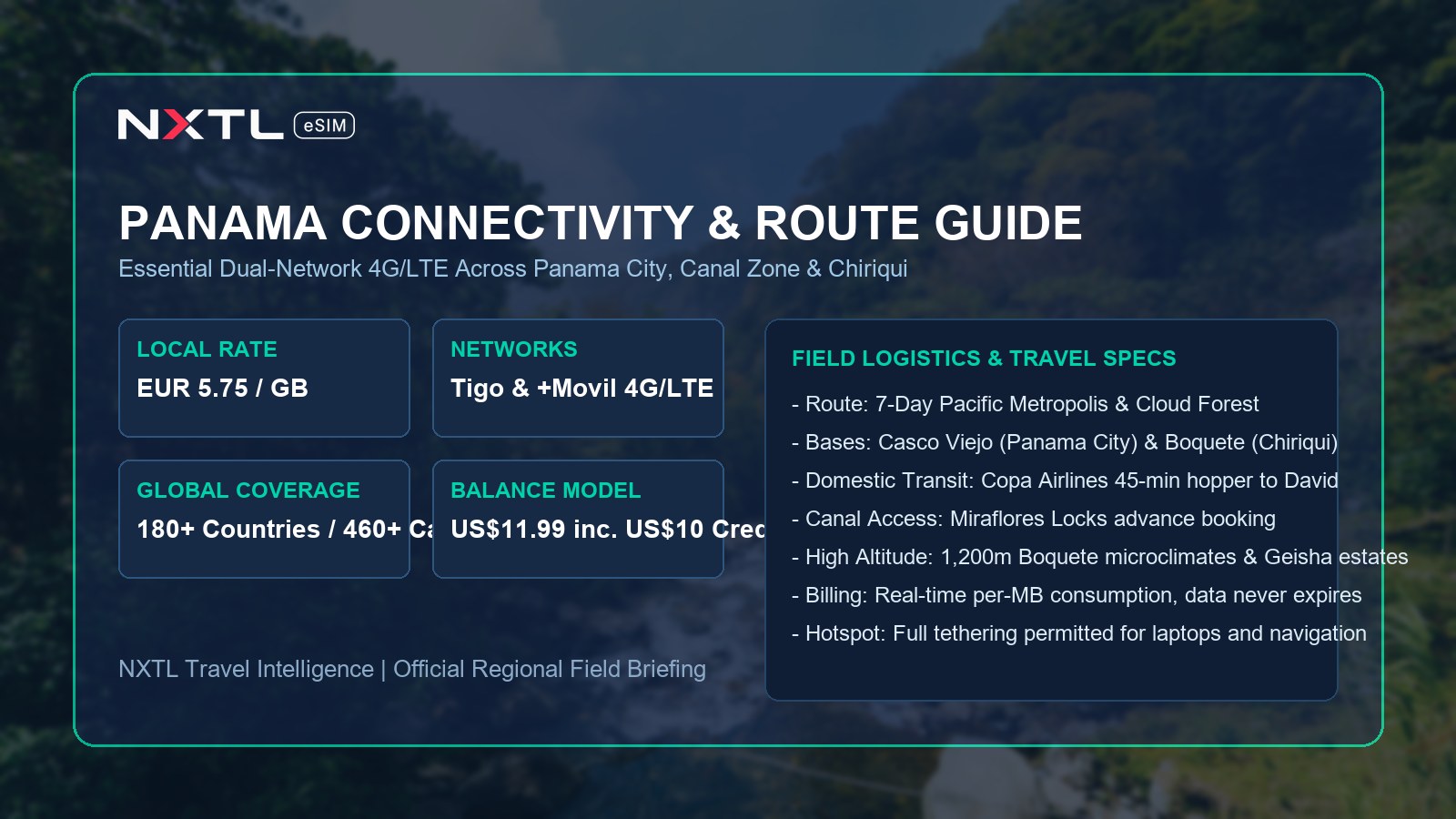
The telecommunications landscape in Panama is dominated by two primary nationwide network operators: Tigo Panama (formerly Movistar) and +Móvil (Cable & Wireless). While urban Panama City enjoys extensive high-speed cellular coverage from both operators, signal availability fragments rapidly once you ascend into the rugged folds of the Chiriquí Highlands or traverse rural mountain passes. Having access to both carrier backbones guarantees that your phone automatically jumps to whichever cellular mast has the strongest signal on the mountain.
For travelers planning this itinerary, the NXTL Panama eSIM provides direct, multi-carrier access connecting natively to both Tigo and +Móvil 4G/LTE networks at a transparent rate of $6.50 per gigabyte. While higher than flat European domestic rates, this pay-as-you-go per-megabyte model is specifically tailored for independent travelers who need an instant, rock-solid connection upon touchdown without getting trapped in airport kiosk lines or forced into short-lived local prepaid bundles that expire after seven days.
The service operates under a straightforward balance architecture: the initial profile purchase costs $11.99 and includes $10.00 of preloaded roaming balance. Because data balance never expires and consumes strictly what you use, your connection remains active indefinitely for future international journeys across NXTL’s global network covering 180+ supported countries and 460+ carrier networks. Personal hotspot tethering is permitted without restriction, allowing you to run navigation tablets, laptops, and travel companions’ phones from a single reliable mobile connection.