Jamaica is widely marketed as an all-inclusive resort enclave, yet confining your journey to private compound beaches cuts you off from the island’s profound musical heritage, mountainous interior, and fiercely independent coastal communities. An intelligent seven-day route links the cultural capital of Kingston and the mist-shrouded ridges of the Blue Mountains with the lush, laid-back paradise of Portland Parish. By bypassing congested tourist buses and utilizing scheduled intercity coaches paired with certified local drivers, travelers uncover the authentic rhythms, Maroon history, and culinary heritage of the real Jamaica.
The primary barrier for first-time visitors is navigating ground transportation. Jamaica’s mountain roads are narrow, steeply graded, and riddled with axle-breaking potholes, while traffic moves on the left following British conventions. Navigating these routes in a low-clearance rental car while dodging oncoming heavy fruit trucks is needlessly stressful. Relying on the dependable, air-conditioned Knutsford Express coach network for intercity connections and hiring registered JUTA drivers for regional excursions provides safety, local insight, and freedom from mechanical liability.
Experiencing Jamaica requires looking beyond tropical cliches to understand its complex history of resistance. From the remote mountain settlements where Queen Nanny’s Maroons repelled the British Empire to the downtown recording studios where Bob Marley and Peter Tosh turned reggae into a global anthem of liberation, the island pulses with remarkable creative energy. The seven-day route below balances urban musical history, mountain agricultural terroir, and untouched coastal lagoons.
Strategic Route Architecture: The 7-Day Cultural & Coastal Itinerary
Seven days provides adequate time to experience the distinct cultural contrasts of eastern Jamaica without spending your vacation trapped in transit. This route utilizes three strategic overnight bases: Kingston for two nights, the tranquil eco-lodges of Port Antonio in Portland Parish for three nights, and a final night in Ocho Rios on the northern coast before departing via Kingston or Montego Bay.
| Day | Base | Key Stops & Cultural Sightseeing | Transit Mode | Transit Time | Advance Bookings Required |
|---|---|---|---|---|---|
| Day 1 | Kingston | Arrive Norman Manley Airport (KIN), transfer to New Kingston, evening visit to Devon House for ice cream and colonial history. | JUTA airport taxi | 35 min | Registered JUTA airport transfer. |
| Day 2 | Kingston | Bob Marley Museum at 56 Hope Road, Trench Town Culture Yard, afternoon coffee tasting in the Blue Mountain foothills. | Private driver | 1 hr total | Bob Marley Museum guided tour slot. |
| Day 3 | Port Antonio (Portland) | Morning Knutsford Express coach from Kingston over the Junction road to Port Antonio, check-in, swim at Frenchman’s Cove. | Knutsford Express | 2 hrs 15 min | Knutsford Express reserved seat. |
| Day 4 | Port Antonio (Portland) | Morning swim in the freshwater springs of Blue Lagoon, afternoon bamboo rafting journey down the gentle Rio Grande. | Route taxi / Driver | 40 min total | Rio Grande licensed raft captain booking. |
| Day 5 | Port Antonio (Portland) | Excursion to Reach Falls in the John Crow foothills, authentic jerk lunch at Boston Bay, visit Moore Town Maroon heritage site. | Hired driver | 1 hr 15 min each way | Reach Falls entry & local guide fee. |
| Day 6 | Ocho Rios (St. Ann) | Scenic coastal drive west to Ocho Rios, early climb of Dunn’s River Falls before cruise ships arrive, evening dinner on Main Street. | Knutsford Express / Car | 1 hr 45 min | Dunn’s River Falls advance ticket. |
| Day 7 | Kingston / Departure | Morning transfer back to Kingston via Highway 2000 North-South link, craft market visit, departure from KIN airport. | Express coach / Shuttle | 1 hr 15 min | Airport transfer connection. |
The pacing of this route deliberately places the visit to Dunn’s River Falls on Day 6 early in the morning. When cruise liners dock in Ocho Rios, hundreds of tour buses flood the cascading travertine terraces between 10:30 and 14:00, turning the falls into a congested human chain. Arriving at the gates right when they open at 08:30 allows you to ascend the cool limestone tiers in peaceful natural seclusion before the mid-morning crowds descend.
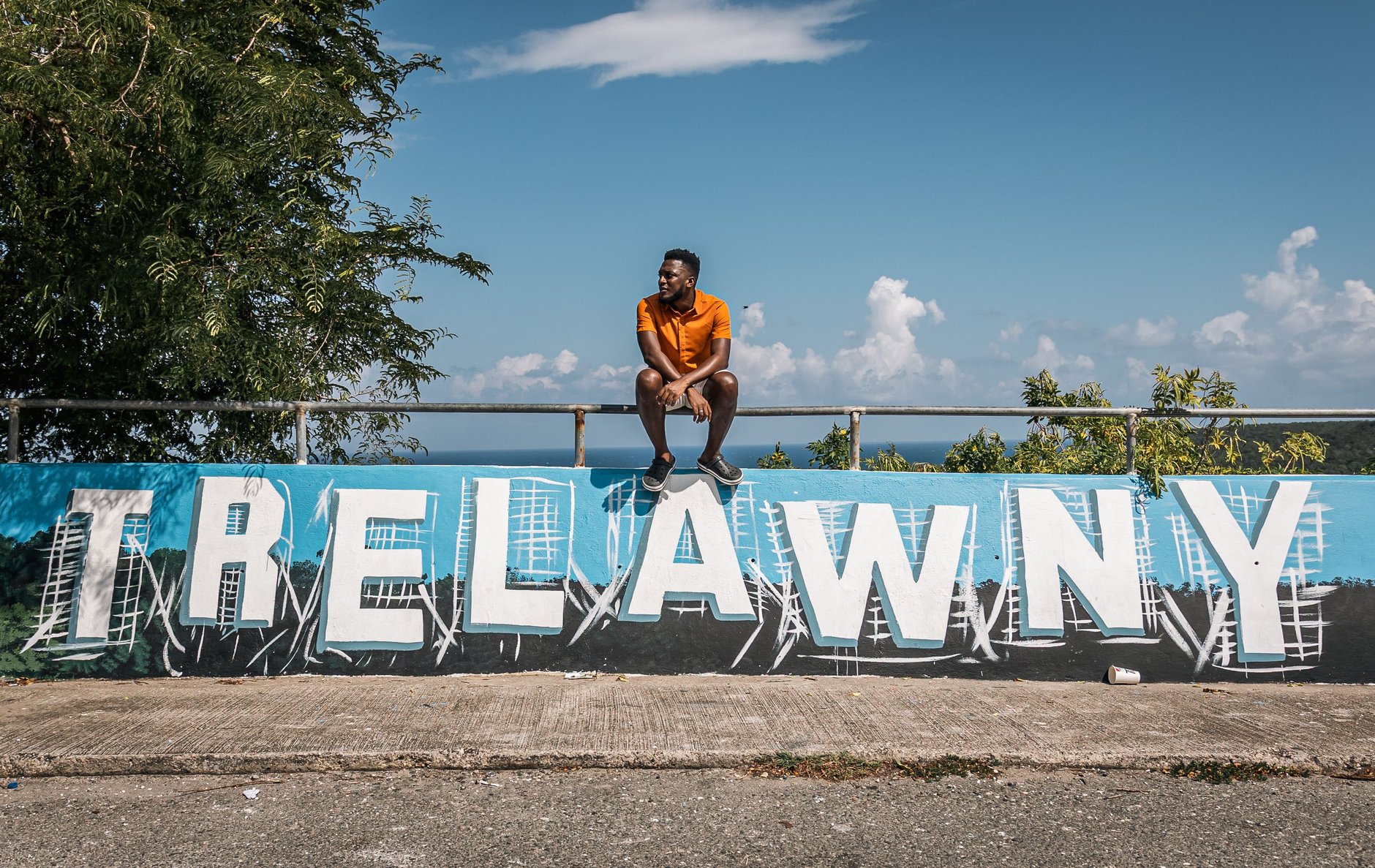
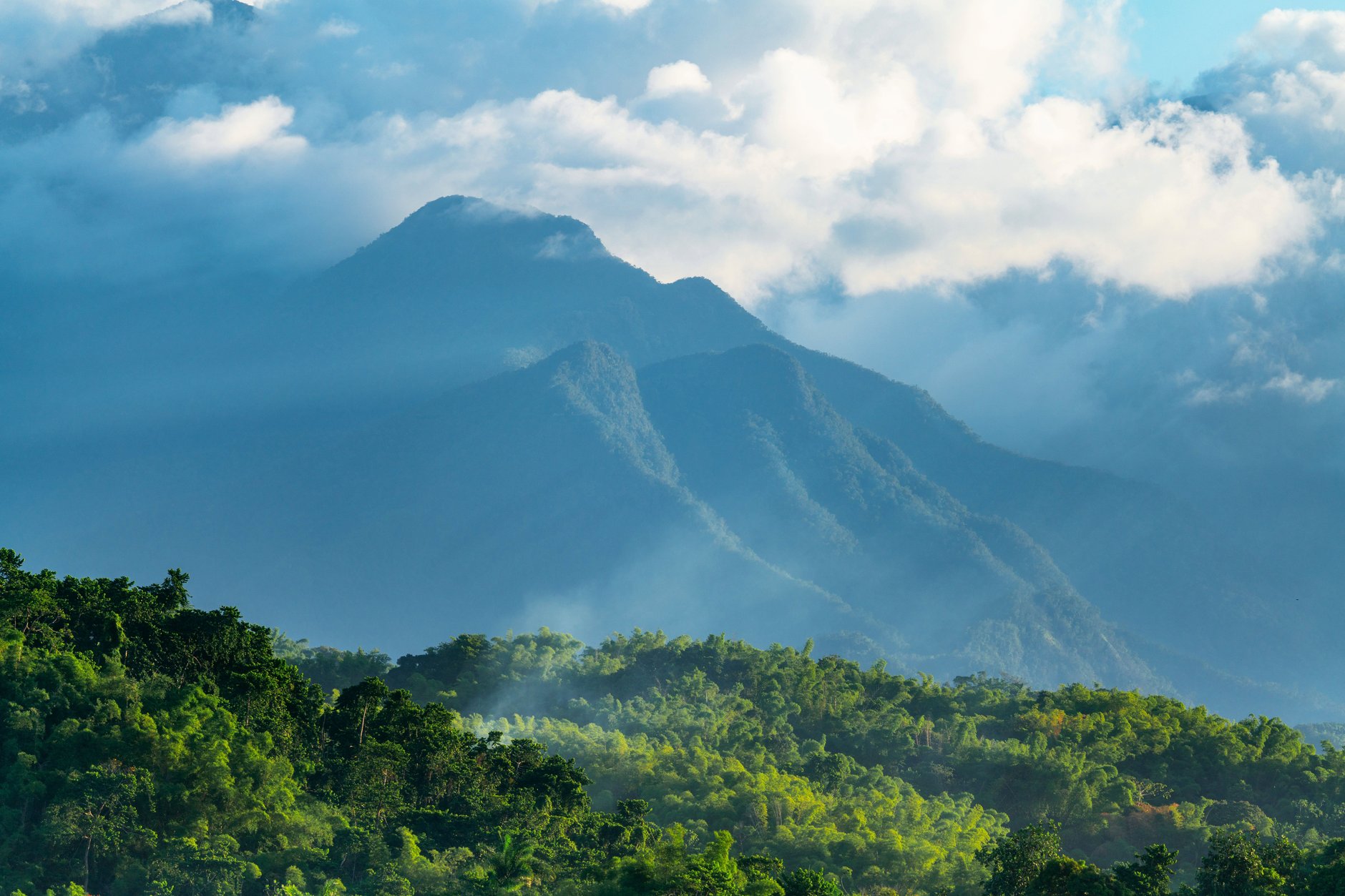
Choosing Portland Parish over heavily commercialized resort towns like Montego Bay or Negril provides a radically different Jamaican experience. Portland receives high rainfall from moisture-laden trade winds meeting the mountains, resulting in lush rainforest hillsides that tumble directly into crystalline turquoise bays. The parish has strictly avoided high-rise hotel development, preserving an intimate landscape of secluded coastal villas, organic river valleys, and family-owned seaside cookshops.
Kingston: Cultural Revolution and the Blue Mountain Ridgeline
Kingston is the political and creative engine of Jamaica, a sprawling metropolis framed by the imposing wall of the Blue Mountains to the north and the natural harbor of Palisadoes spit to the south. Rather than an obstacle to bypass, the capital is essential for understanding the intellectual and artistic forces that shaped modern Caribbean identity.
Begin your exploration at 56 Hope Road, the former residence and Tuff Gong recording studio of Bob Marley. Now preserved as the Bob Marley Museum, the colonial-era estate houses Marley’s personal recording equipment, gold records, and preserved bedroom, still bearing bullet holes in the rear walls from the December 1976 assassination attempt that occurred just days before the Smile Jamaica peace concert. Continuing down to Trench Town Culture Yard provides vital historical context: here in government housing tenement yard Number 19, Marley learned to play guitar from Vincent “Tata” Ford, composing foundational anthems like “No Woman, No Cry” amidst severe economic hardship.
Rising immediately behind Kingston are the Blue Mountains, designated a UNESCO World Heritage site for their combined ecological biodiversity and Maroon cultural significance. Ascending the twisting, precipitous mountain roads into settlements like Irish Town and Newcastle, the tropical humidity dissipates into cool, alpine mountain air. The mountains are enveloped in perpetual afternoon fog and fine drizzle known locally as *bajareque*, creating an extraordinary microclimate between 900 and 1,700 meters above sea level.
This high-altitude mist and mineral-rich volcanic soil are the secrets behind Jamaica Blue Mountain Coffee, among the most expensive and strictly regulated coffees in the world. The cool temperatures cause the coffee cherries to mature slowly over ten months—nearly double the maturation time of lowland beans—allowing sugars and complex organic acids to concentrate. Estates such as Craighton Estate and Clifton Mount guide visitors through historic timber drying decks and processing works, concluding with cupping sessions that reveal the coffee’s signature mildness, lack of bitterness, and delicate chocolate-floral notes.
Portland Parish: Secluded Coves, Rivers and Maroon Strongholds
Crossing over the island’s mountain divide via the modern Junction road brings you into Portland Parish, long considered the cradle of Jamaican tourism. In the 1940s, swashbuckling Hollywood actor Errol Flynn was blown into Port Antonio’s twin harbors aboard his schooner *Zaca* during a severe storm. Enamored with the dramatic landscape of rainforest mountains plunging into the sea, Flynn bought Navy Island and vast tracts of land, popularizing the parish among European nobility, writers, and artists seeking discreet coastal hideaways.
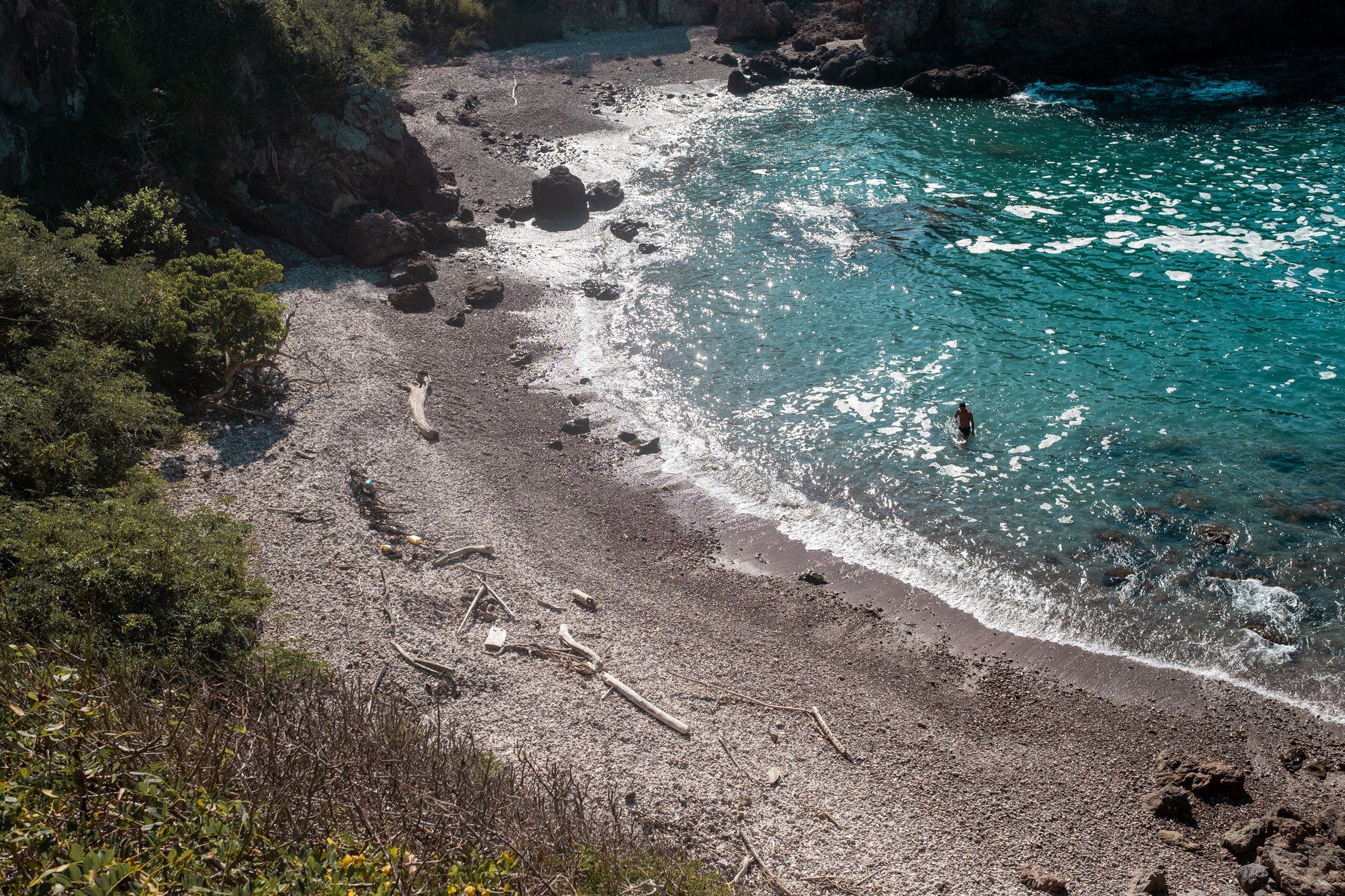
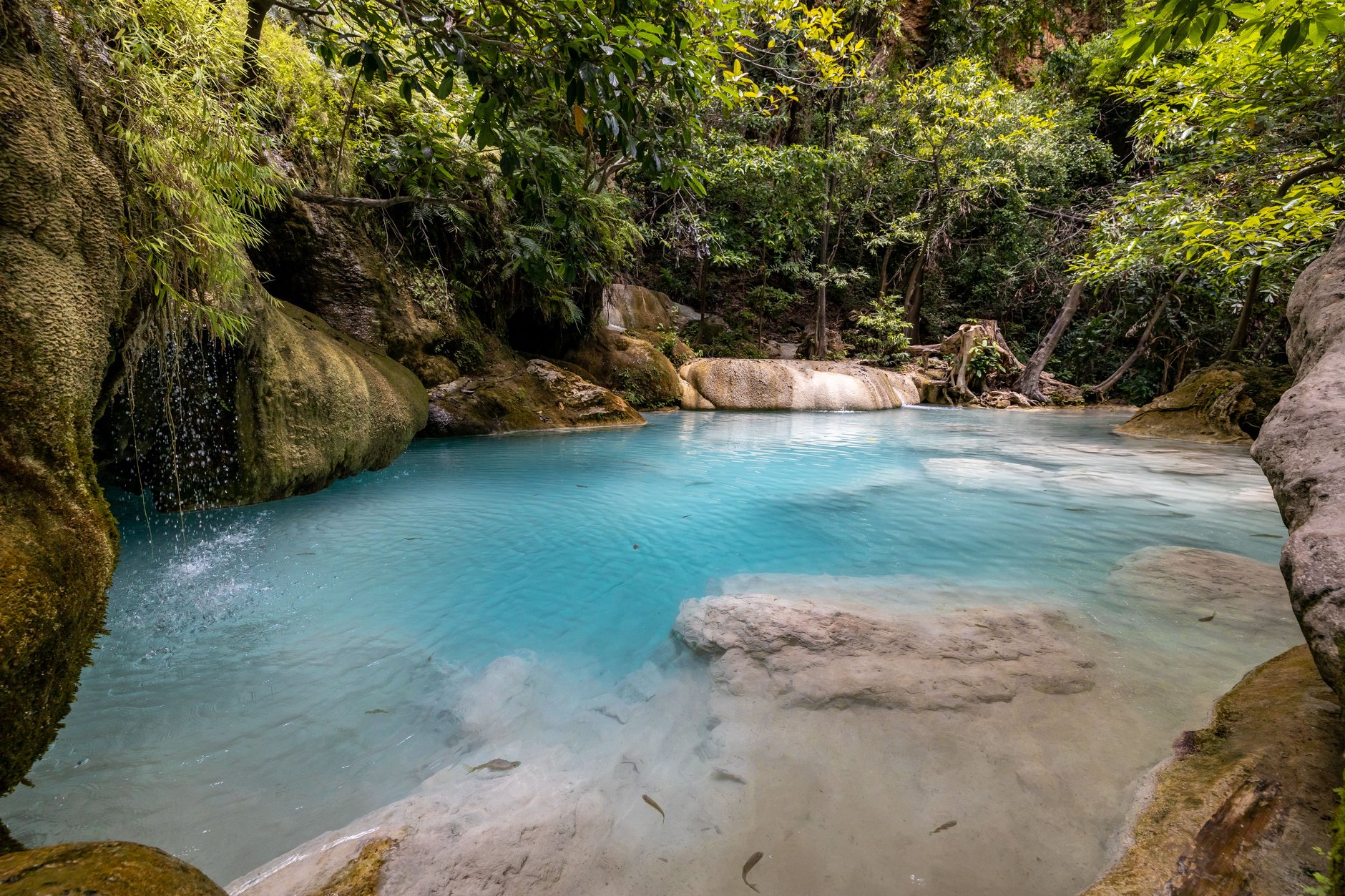
Portland’s coastline is studded with remarkable natural treasures. At Frenchman’s Cove, a crystal-clear mountain river meanders through dense tropical forest, flowing gently across a crescent of powdery white sand into the warm, turquoise waves of the open Caribbean. Bathers can alternate between refreshing sixty-eight-degree river water and eighty-two-degree sea surf in the span of three paces. A short distance east lies the Blue Lagoon, a protected coastal inlet where cold subterranean freshwater mineral springs bubble up through deep sapphire marine waters, once believed by local fishermen to be bottomless.
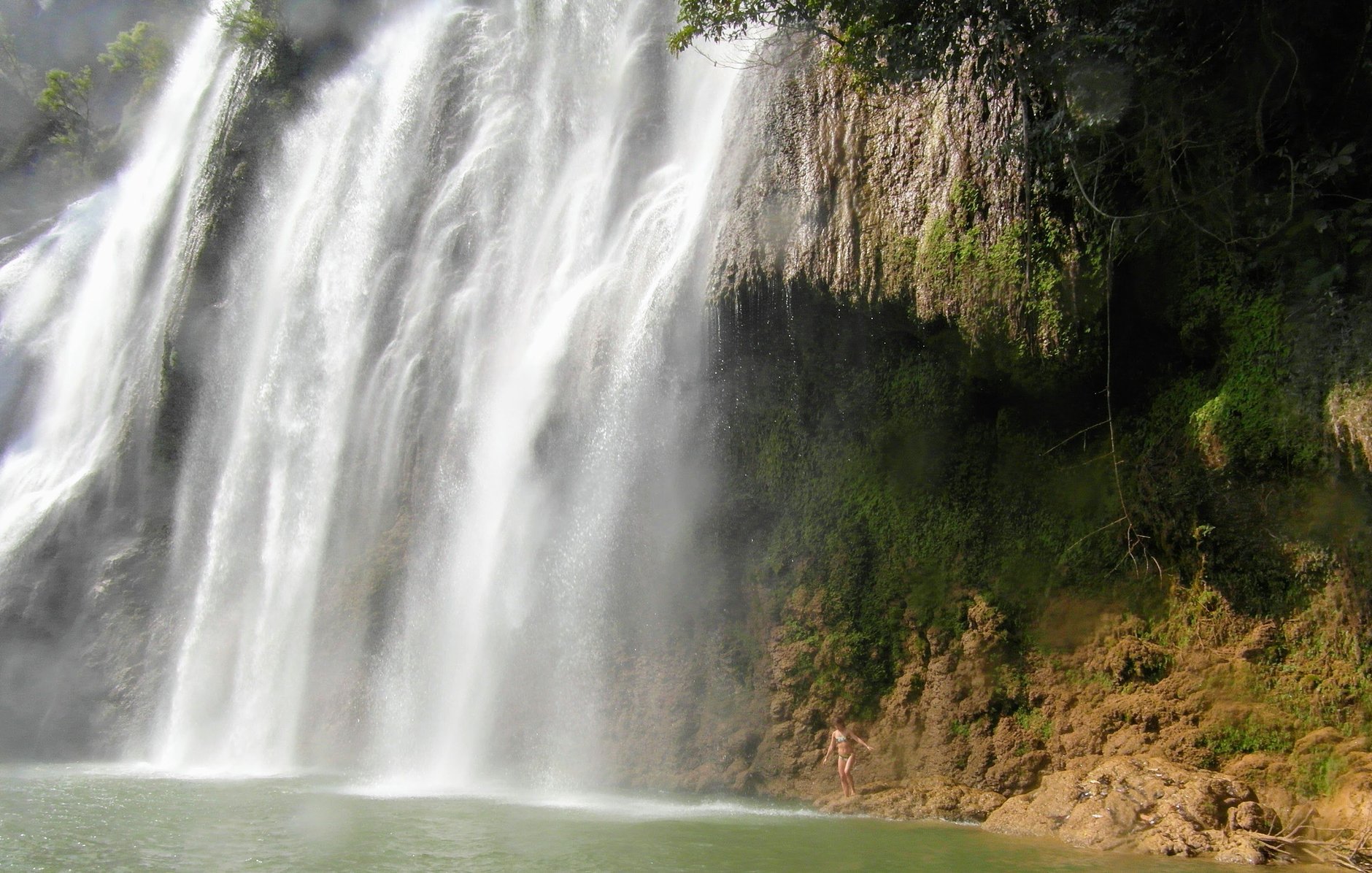
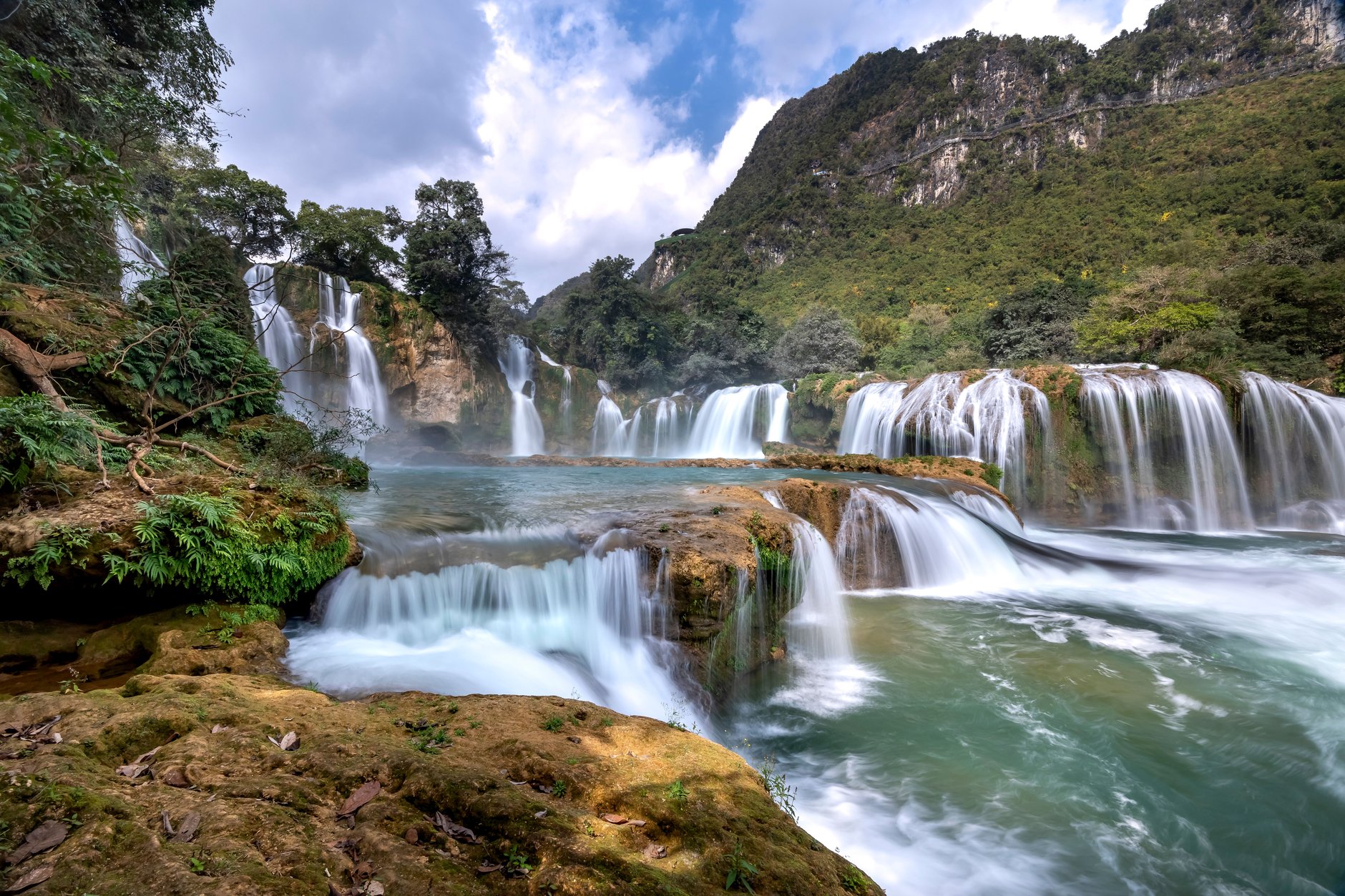
Deeper in the eastern foothills of the John Crow Mountains lies Reach Falls. Unlike the commercialized waterfalls of the western coast, Reach Falls remains an unspoiled natural sanctuary surrounded by wild ferns, bamboo stands, and towering mahogany trees. Discovered by enslaved Africans who escaped from seaside plantations into the hills, the falls feature a series of natural limestone chambers, hidden caves behind cascading water curtains, and emerald plunge pools naturally sculpted by the Driver’s River over millennia.
Portland is also the historic homeland of the Windward Maroons. In mountain bastions like Moore Town, established along the Wild Cane River, runaway Africans formed autonomous societies that successfully resisted British military colonization. Led by Queen Nanny of the Maroons—Jamaica’s only National Heroine, renowned for her brilliant camouflage tactics and guerrilla warfare—the Maroons inflicted heavy casualties on British regiments, forcing the Crown to sign a formal peace treaty in 1739 granting them perpetual sovereignty and land ownership that remains recognized today.
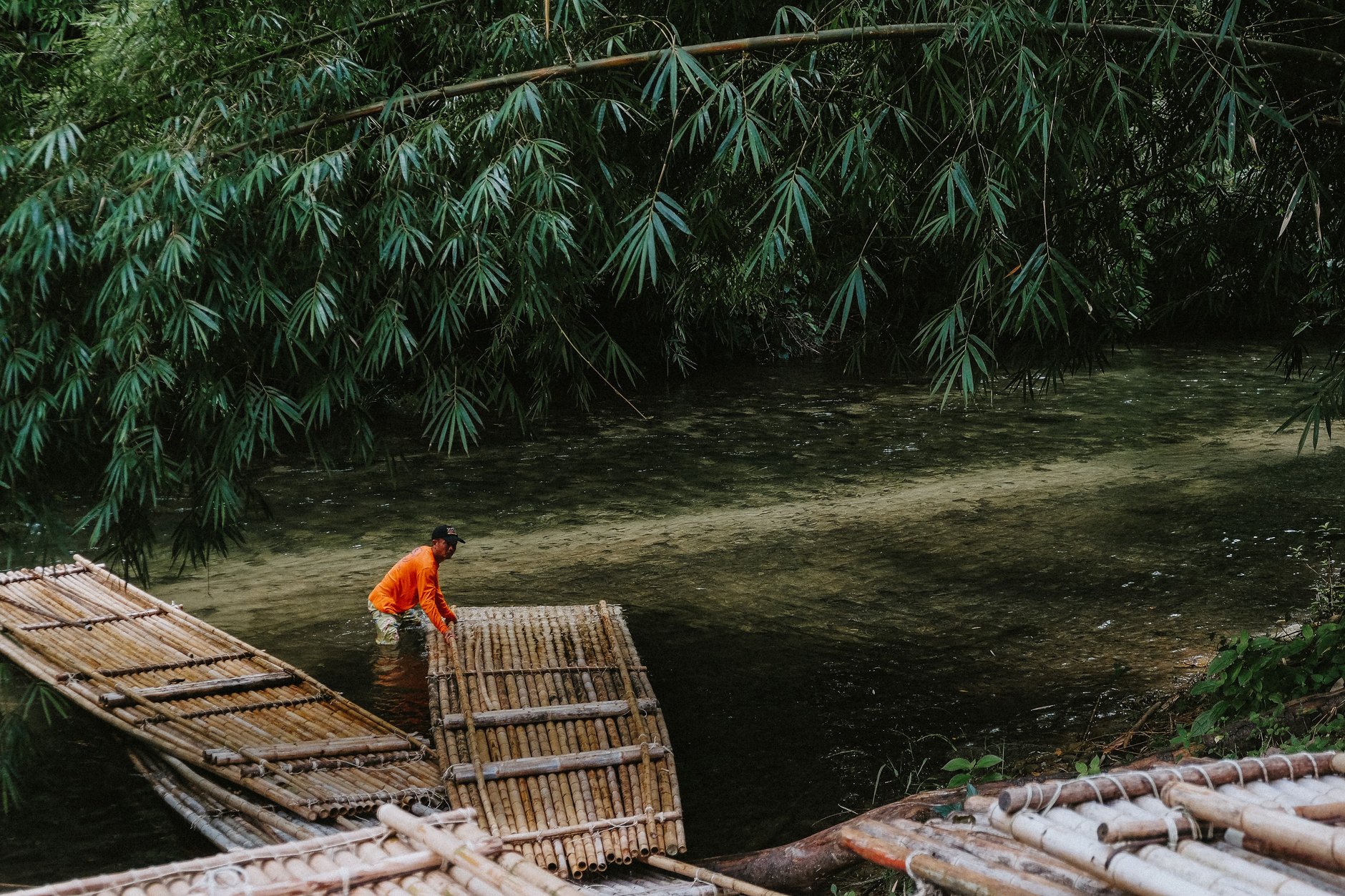
For a quintessential Portland experience, arrange a bamboo rafting excursion down the Rio Grande. Originally used by mountain farmers to float heavy bunches of bananas downriver to waiting commercial ships in Port Antonio harbor, Errol Flynn converted the practice into a leisure pursuit, challenging friends to evening river races. Today, licensed local raft captains steer thirty-foot bamboo craft through gentle rapids and serene river gorges using long bamboo poles, pointing out wild orchids, kingfishers, and medicinal river plants along the two-hour float.
The journey concludes with a night in the garden parish of St. Ann around Ocho Rios, where natural travertine springs at Dunn’s River Falls cascade directly onto golden beach sands. Rising through terraced limestone pools fed by cold subterranean waters, you experience the dramatic hydrological beauty that made Jamaica known to its indigenous Taíno inhabitants as *Xaymaca*—the Land of Wood and Water.
Culinary Heritage: The Cradle of Jerk and Island Flavors
Jamaican food is a bold, aromatic fusion reflecting Taíno indigenous heritage, African culinary traditions, and European colonial trade. The epicenter of island gastronomy is Boston Bay in Portland, universally revered as the birthplace of authentic jerk seasoning. Jerk cooking was invented in these exact hills by the Maroons, who needed a method to preserve wild boar meat in the forest without producing smoke that would betray their positions to British patrols.
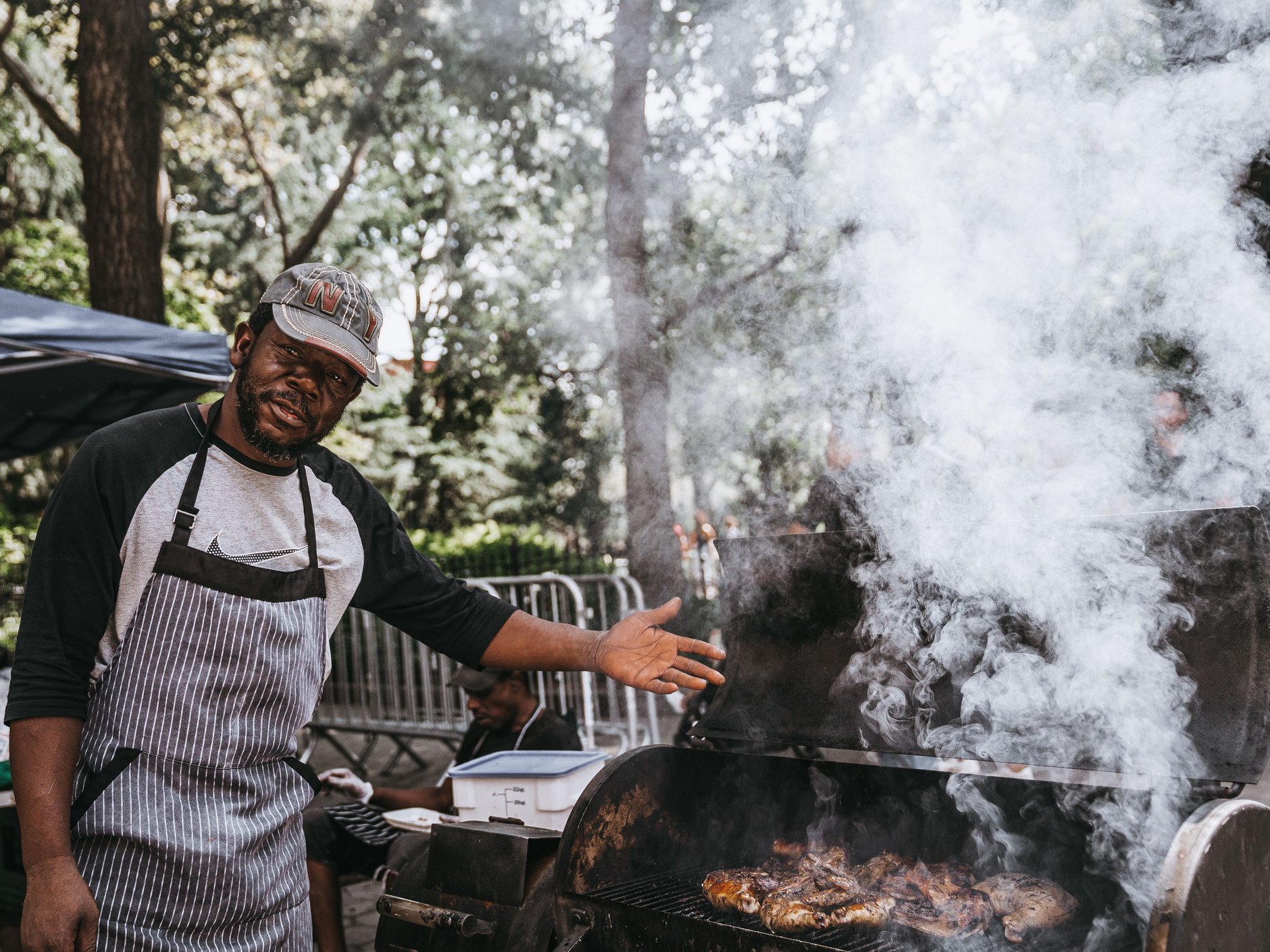
The Maroons developed a potent marinade composed of crushed Scotch bonnet peppers, allspice berries (*pimento*), fresh thyme, scallions, ginger, and nutmeg. The meat was slow-cooked inside covered pits lined with aromatic green sweetwood and pimento wood logs, smoking low and slow for hours until tender and deeply infused with essential oils. At Boston Bay’s roadside pits today, master pitmasters continue this ancestral technique, chopping steaming pork and chicken with heavy cleavers and serving it on sheets of butcher paper alongside spicy pepper sauce and fried festival dough.
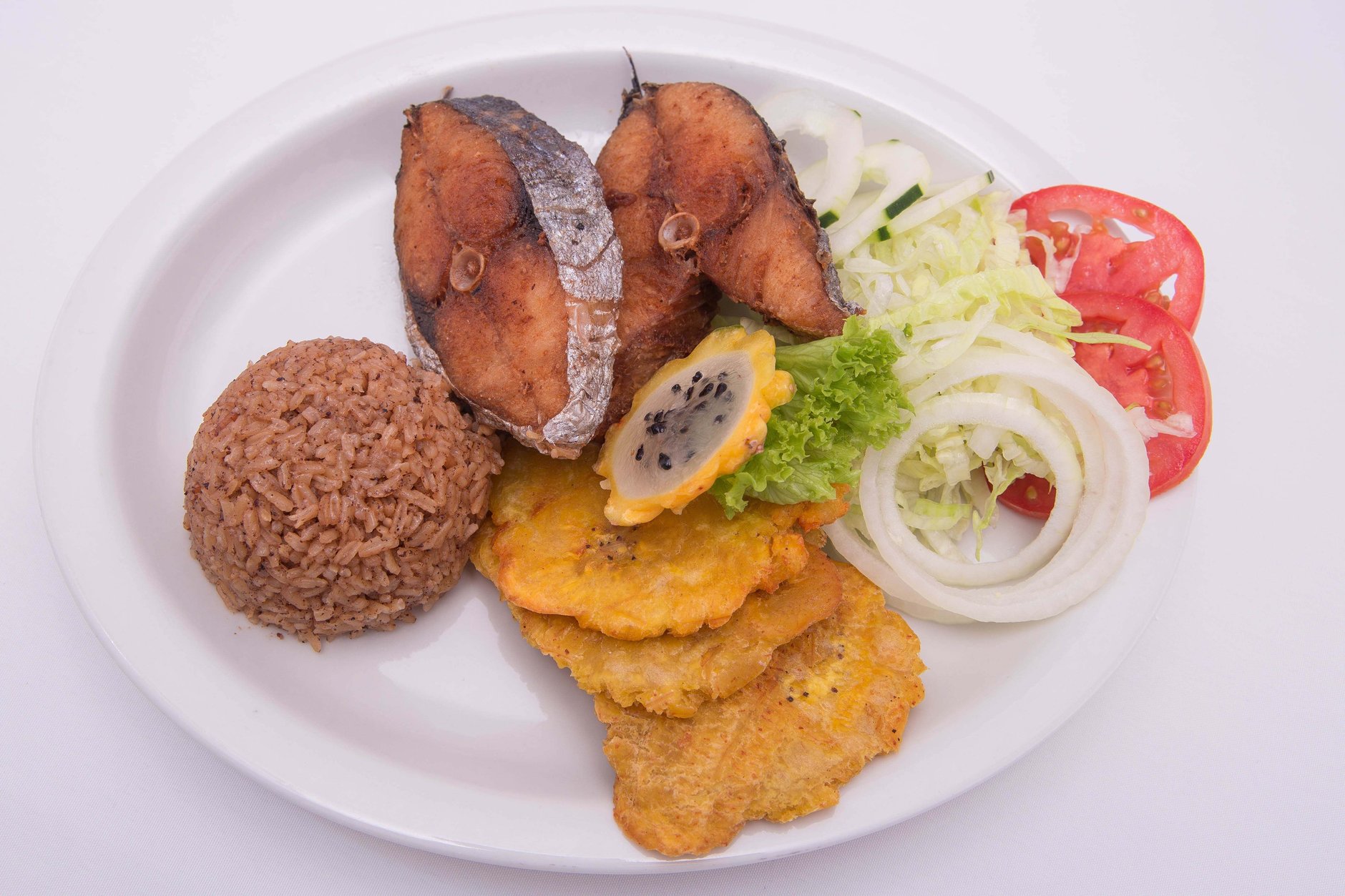
For breakfast, nothing rivals Jamaica’s national dish: ackee and saltfish. Ackee (*Blighia sapida*), originally transported from West Africa in the eighteenth century, produces bright red pods that split open when ripe to reveal creamy yellow arils. When boiled and sautéed with flaked salted cod, onions, tomatoes, and Scotch bonnet peppers, the delicate fruit takes on the velvety texture of scrambled eggs with a subtle, nutty richness. It is customarily served with *bammy* (traditional cassava flatbread inherited from the Taíno) and sweet fried plantains.
Avoiding Common Scams, Pitfalls, and Tourist Traps
While Jamaicans are warm and hospitable, independent travelers frequently encounter persistent street hustlers and transport scams, particularly around major transit junctions and public beaches. Being aware of these common traps keeps your holiday relaxed and trouble-free.
- Unlicensed “Pirate” Airport Taxi Solicitations: Stepping outside the terminal at Kingston (KIN) or Montego Bay (MBJ), passengers are aggressively approached by drivers claiming to run “official tourist cabs.” These unlicensed operators often demand exorbitant fares or alter prices mid-journey. Always pre-book your airport transfer through a verified hotel service or use licensed JUTA taxis with official red license plates.
- Aggressive Beach Waterfall “Guide” Ambush: At natural attractions like Reach Falls, Frenchman’s Cove, or Blue Lagoon, freelance hustlers often attach themselves to walking travelers, providing unsolicited commentary and later demanding twenty to fifty dollars for “guiding services.” Politely decline assistance immediately upon arrival and pay official entrance fees only at the designated cashier window.
- Counterfeit “Blue Mountain Blend” Coffee Sales: Souvenir shops and roadside stalls frequently sell bags marked “Blue Mountain Blend” containing only five to ten percent authentic Jamaican beans mixed with cheap imported robusta. Authentic hundred-percent Jamaica Blue Mountain Coffee is strictly certified by the Jamaica Agricultural Commodities Regulatory Authority (JACRA) and displays an official blue barrel certification seal with a numbered regulatory stamp.
- Aggressive Wooden Craft Market Gifting Tactics: In craft markets across Kingston and Ocho Rios, persistent carvers will quickly carve your name into a small cedar figurine or thrust a wooden bracelet into your palm as a “free gift,” subsequently demanding high payment and creating an uncomfortable scene if you attempt to return it. Keep hands in pockets and firmly decline unsolicited gifts before touching merchandise.
- Informal Ganja Street Traps: Travelers strolling through tourist entertainment districts are routinely offered marijuana (“ganja”) by street vendors. While Jamaica has decriminalized possession of small personal amounts (up to two ounces), purchasing cannabis from unlicensed street dealers remains strictly illegal and frequently involves setups where dealers collaborate with rogue accomplices to demand extortionate bribes. Purchase exclusively through licensed medical dispensaries if legally eligible.
- Rental Car Wheel and Undercarriage Damage Disputes: Driving conditions in rural parishes feature severe potholes and unmarked speed bumps that cause rim damage and punctured tires. Some rogue rental agencies charge exorbitant repair fees for pre-existing undercarriage scrape damage upon vehicle return. If renting a car, thoroughly photograph the rims, tires, and bumper undersides during pickup in the presence of rental staff.
Maintaining clear boundaries with informal vendors and utilizing established transport providers ensures that your budget supports legitimate local enterprises while protecting your peace of mind.
Packing Essentials and Regional Seasonal Advice
Packing for Jamaica requires accommodating both warm coastal shores and brisk mountain elevations. Along the Caribbean coast in Portland and Ocho Rios, temperatures remain tropical year-round, typically hovering between 28°C and 32°C (82°F–90°F) with strong ocean humidity. Lightweight cotton or linen clothing, reef-safe sunscreen, polarized sunglasses, and water shoes with sturdy rubber soles are essential for navigating slippery limestone riverbeds and rocky cove beaches.
In contrast, the high peaks of the Blue Mountains reach altitudes over 2,000 meters, where evening temperatures regularly drop to 12°C–15°C (54°F–59°F), accompanied by frequent mountain drizzle. If you plan to visit coffee estates or hike mountain trails, pack a water-resistant shell jacket, a warm fleece layer, long hiking trousers, and sturdy trail shoes with dependable grip for slick mud.
Jamaica’s climate features two distinct peak rainy seasons: May to June and September to November, with hurricane season officially spanning June through November. Portland Parish receives significantly more annual rainfall than the arid southern coast around Kingston, which is why its foliage is so lush. Visiting between December and April provides the driest, sunniest weather, making it the peak travel season. However, visiting during shoulder months like July offers warm sea temperatures, lively cultural festivals like Reggae Sumfest, and significantly lower accommodation rates.
Mobile Connectivity & Logistics: Dual-Network 4G/LTE Across Jamaica
Reliable mobile connectivity is essential when exploring Jamaica independently beyond closed resort compounds. Whether coordinating a Knutsford Express connection, calling a trusted local driver in Port Antonio, or checking real-time road conditions along the twisting mountain passes of the Blue Mountains, constant cellular access is vital for safety and navigation.
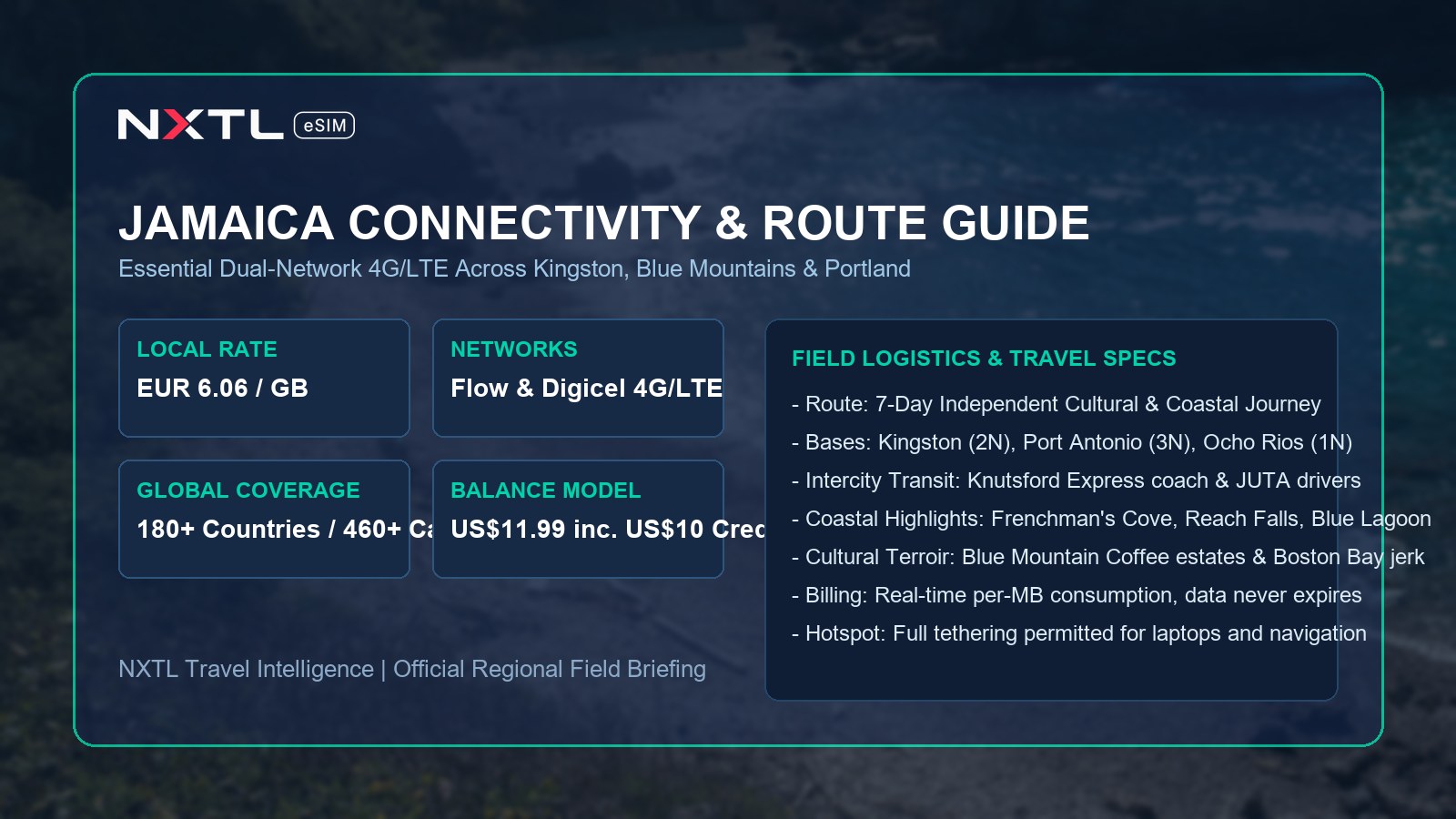
Jamaica’s cellular landscape is served by two primary nationwide network operators: Flow (Cable & Wireless) and Digicel. While both networks maintain strong high-speed coverage throughout urban Kingston, Montego Bay, and coastal highway corridors, signal availability can fluctuate dramatically as you venture into the steep river valleys of Portland Parish or ascend into the forested folds of the Blue Mountains. Flow often provides reliable coverage along historic coastal trunk routes, while Digicel maintains extensive coverage across rural mountain settlements.
For travelers following this itinerary, the NXTL Jamaica eSIM provides direct multi-carrier access connecting natively to both Flow and Digicel 4G/LTE networks at an honest pay-as-you-go rate of $6.85 per gigabyte. Rather than wasting time in airport mobile kiosks filling out paper registration forms or getting locked into rigid local prepaid bundles that expire after seven days, your connection is active the moment your plane touches down on the tarmac.
The service operates under a transparent balance model: the initial profile purchase costs $11.99 and includes $10.00 of preloaded roaming balance. Because data is billed strictly per megabyte consumed and balances never expire, your remaining funds carry over indefinitely for future international journeys across NXTL’s global network covering 180+ supported countries and 460+ carrier networks. Full personal hotspot tethering is permitted without restriction, allowing you to run laptops, GPS tablets, and travel companions’ devices from a single reliable mobile connection.