Cyprus is frequently mischaracterized as a monolithic summer beach package, leaving visitors stranded in resort strips while missing the island’s millennia of layered Mediterranean civilizations and forested mountain redoubts. A seven-day journey divides time between the sun-drenched archaeological coast of Paphos and the cooler pine-scented ridges of the Troodos Mountains. By adopting a two-base strategy, travelers experience classical Greco-Roman cliffside ruins, UNESCO-inscribed Byzantine frescoed chapels, and divided Nicosia with minimal transit stress.
The primary planning mistake in Cyprus is trying to tour the island from a single coastal resort. While southern motorways are modern and toll-free, driving from Ayia Napa in the east to the Akamas Peninsula in the west takes over two and a half hours each way. Furthermore, driving on the left—a legacy of British colonial administration—requires adjustment, especially on narrow mountain switchbacks where rental cars with red number plates signal foreign drivers. Establishing two strategic bases keeps daily drives under sixty minutes.
To grasp Cyprus’s identity, you must look past seaside loungers to its strategic maritime position at the crossroads of Europe, the Levant, and North Africa. From Bronze Age copper mining that gave the island its Latin name to the Venetian bastions built to resist Ottoman expansion, every hillside holds tangible archaeological layers. The itinerary below provides a sensible, balanced route that answers how a first-time visitor can experience beaches, ancient sites, and mountain culture without spending every waking hour behind the steering wheel.
Strategic Route Architecture: The 7-Day Two-Hub Coast & Mountain Itinerary
Seven days provides adequate time to explore Cyprus when anchored by two contrasting hubs: four nights based in the western coastal city of Paphos (giving immediate access to classical ruins, coastal trails, and the Akamas Peninsula) followed by two nights in a traditional stone mountain village in the Troodos range (such as Omodos or Platres), concluding with a day trip to Nicosia before your departure flight from Larnaca or Paphos.
| Day | Base | Key Stops & Cultural Sightseeing | Transit Mode | Transit Time | Advance Bookings Required |
|---|---|---|---|---|---|
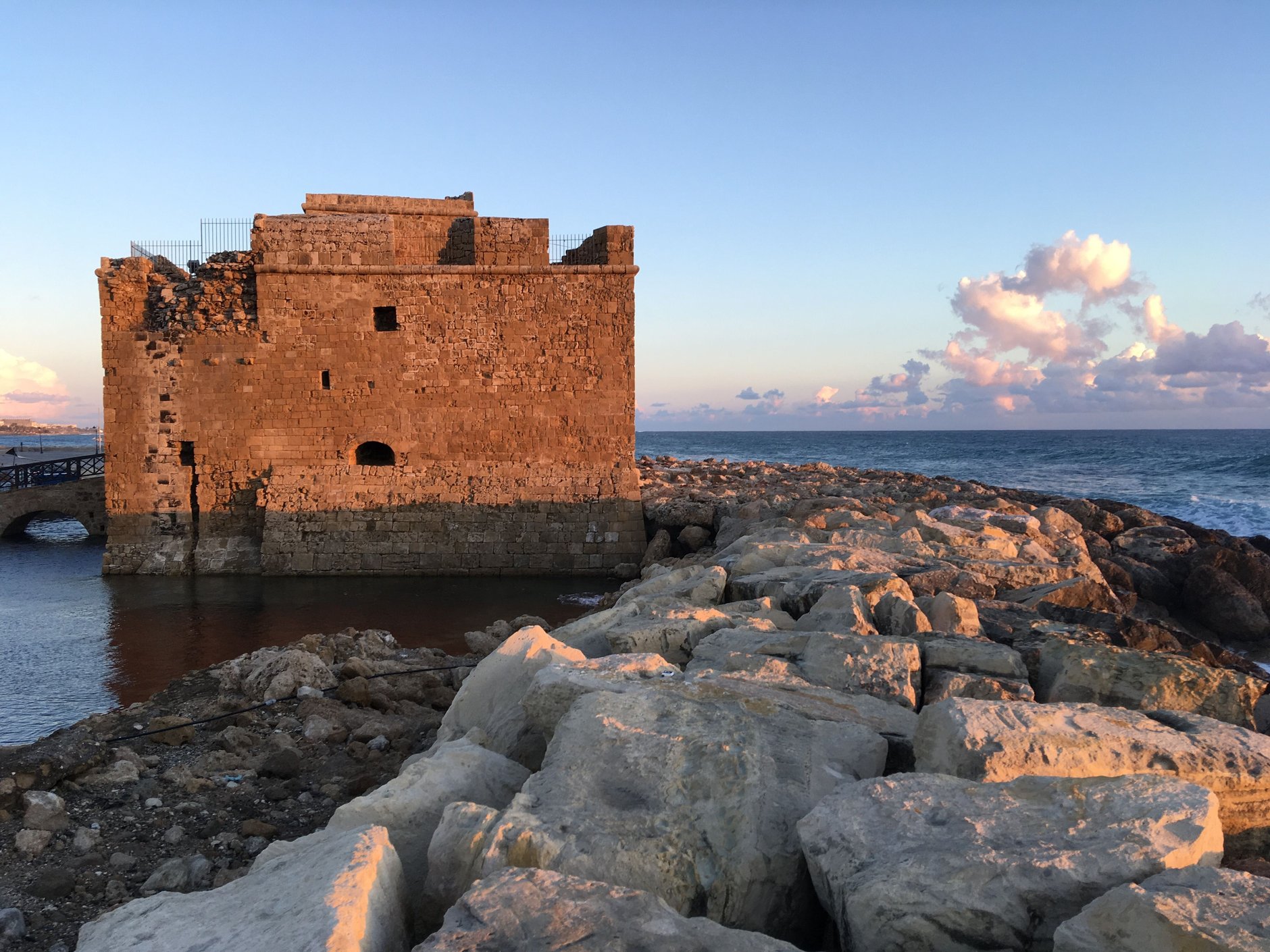
| Day 1 | Paphos | Arrive PFO/LCA airport, highway drive to Paphos base, sunset stroll around Paphos Medieval Castle and harbour. | Rental car | 20m from PFO / 1h20m from LCA | Rental car collection, harbour hotel booking. |
| Day 2 | Paphos | Nea Paphos Archaeological Park Roman mosaics, Tombs of the Kings, afternoon swim at Coral Bay. | Rental car / Local bus | 15 min between sites | Department of Antiquities museum pass. |
| Day 3 | Paphos | Day trip along coastal cliffs to Kourion Greco-Roman amphitheater, Sanctuary of Apollo Hylates, Aphrodite’s Rock. | Rental car (A6 highway) | 45 min each way | Kourion archaeological site entry ticket. |
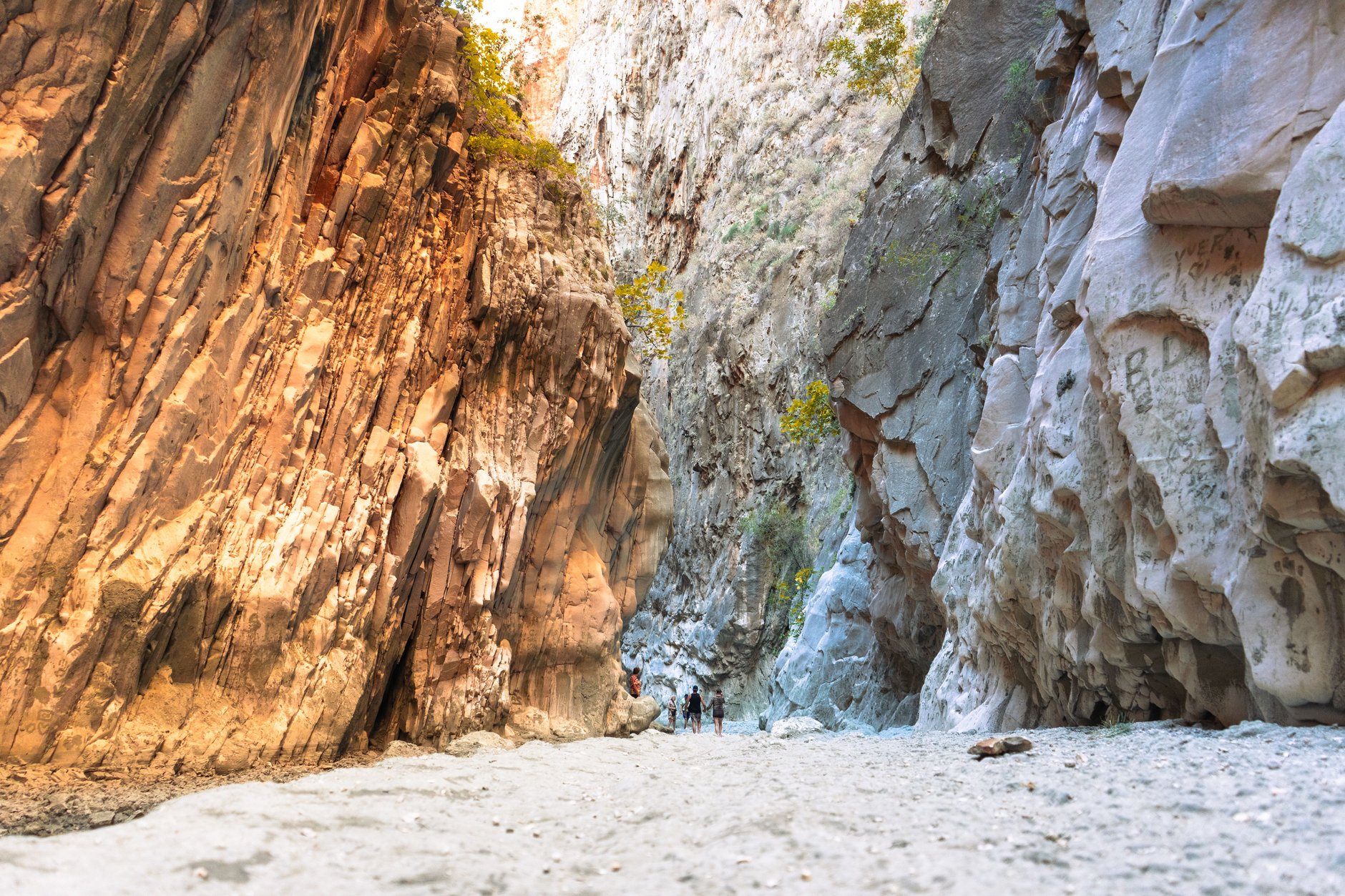
| Day 4 | Paphos | Morning hike through Avakas Gorge limestone canyon, 4WD excursion to Lara Beach turtle sanctuary in Akamas. | Rental car / 4WD tour | 50 min to trailhead | Akamas Peninsula guided safari if not driving 4WD. |
| Day 5 | Troodos (Omodos) | Scenic ascent into Troodos Mountains, wine tasting along the Commandaria route, explore cobblestone lanes of Omodos. | Rental car (E601) | 50 min drive | Mountain stone guesthouse, winery cellar tour. |
| Day 6 | Troodos (Omodos) | UNESCO painted churches of Troodos (Agios Nikolaos tis Stegis, Panagia tou Araka), Caledonia Falls pine forest hike. | Rental car | 35 min between villages | Check church caretaker opening schedules. |
| Day 7 | Larnaca / Departure | Morning drive to Nicosia, walk across Ledra Street Green Line into northern quarter, evening flight departure. | Rental car (A1 highway) | 1 hr to Nicosia + 35m to LCA | Valid passport for Green Line pedestrian crossing. |
The pacing of this route deliberately clusters road transit. By spending the first four nights in Paphos, you eliminate morning packing and enjoy early access to Nea Paphos before tour buses arrive from eastern beach hotels. Visiting the exposed ruins of Kourion on Day 3 during morning hours protects you from punishing midday Mediterranean sun, leaving the afternoon free for a swim at Episkopi or nearby Avdimou beach.
Choosing an inland mountain village like Omodos for Days 5 and 6 provides an authentic cultural contrast to the coast. At elevations above eight hundred meters, evening temperatures drop comfortably, and the pace of life slows to the rhythm of village squares where elders play backgammon (*tavli*) under grape arbors. It also positions you directly on the Commandaria wine routes, allowing you to sample indigenous Xynisteri and Mavro wines without navigating mountain hairpin bends after dark.
The Western Antiquities: Paphos, Kourion and Aphrodite’s Coast
The southwestern coast of Cyprus is an open-air museum of ancient Mediterranean history. In Paphos, designated a UNESCO World Heritage site, classical mythology and Roman wealth converge. At Nea Paphos Archaeological Park, Roman villas dating from the second to fifth centuries CE preserve exquisite mosaic floors. In the House of Dionysus, intricate polychrome tesserae depict mythological narratives with astonishing vividness, from the god of wine riding a panther-drawn chariot to the tragic story of Pyramus and Thisbe.
A short drive north brings you to the Tombs of the Kings, a subterranean necropolis carved into coastal sandstone bluffs between the third century BCE and third century CE. High-ranking Hellenistic and Roman administrative officials were buried here. Walking down rock-hewn staircases into underground peristyle atriums supported by Doric columns evokes the burial traditions of Ptolemaic Alexandria, with which ancient Paphos maintained close maritime ties.
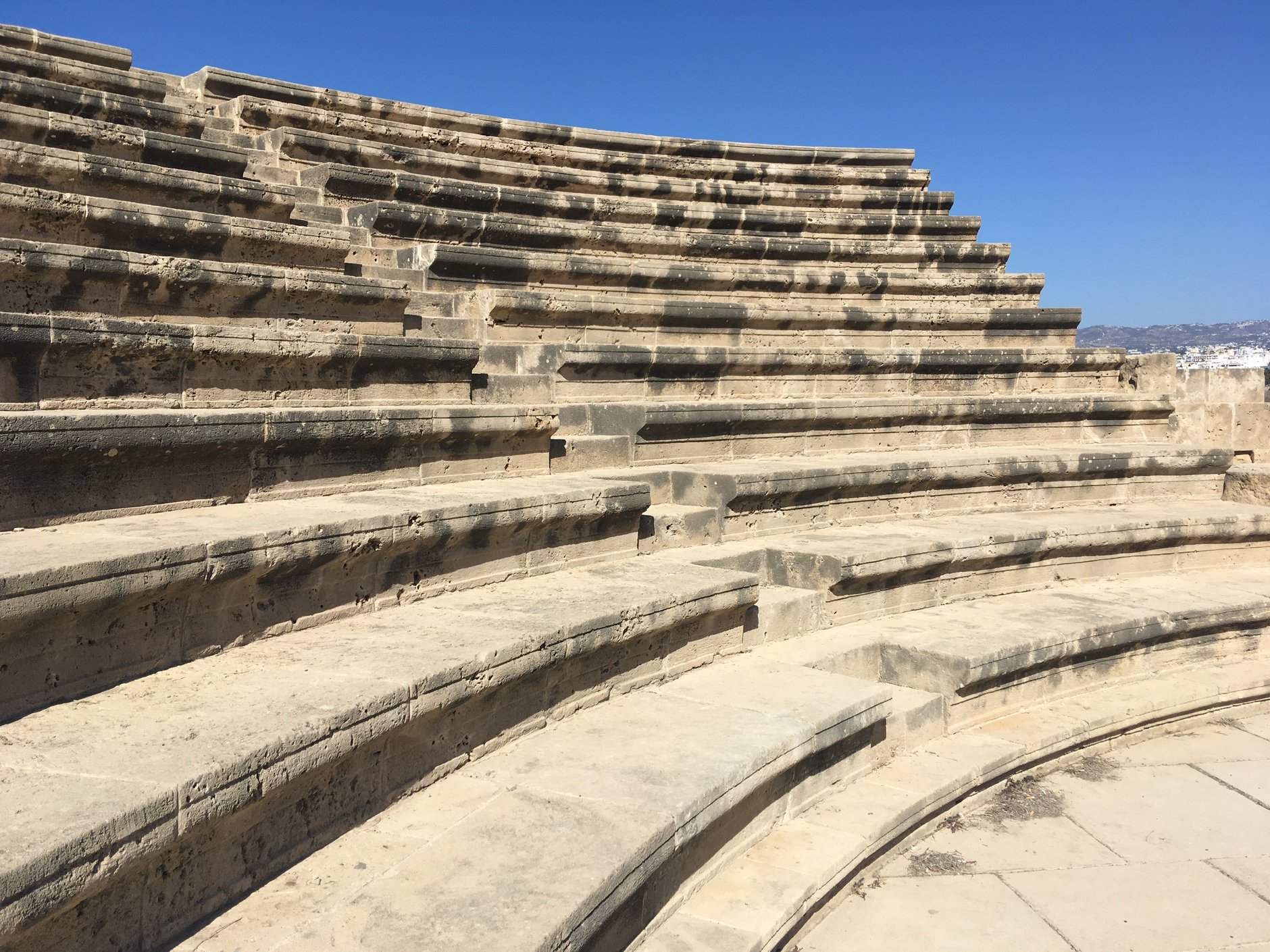
Heading east along the A6 motorway toward Limassol, the coastal cliffs rise dramatically at Kourion, one of the island’s most powerful ancient kingdoms. Perched atop a sheer limestone promontory seventy meters above Episkopi Bay, the city flourished under Roman and early Christian rule before being shattered by fourth-century earthquakes. The restored theater seats 3,500 spectators with the azure Mediterranean as its acoustic backdrop, while adjacent fifth-century basilicas display mosaic inscriptions in the House of Eustolios.
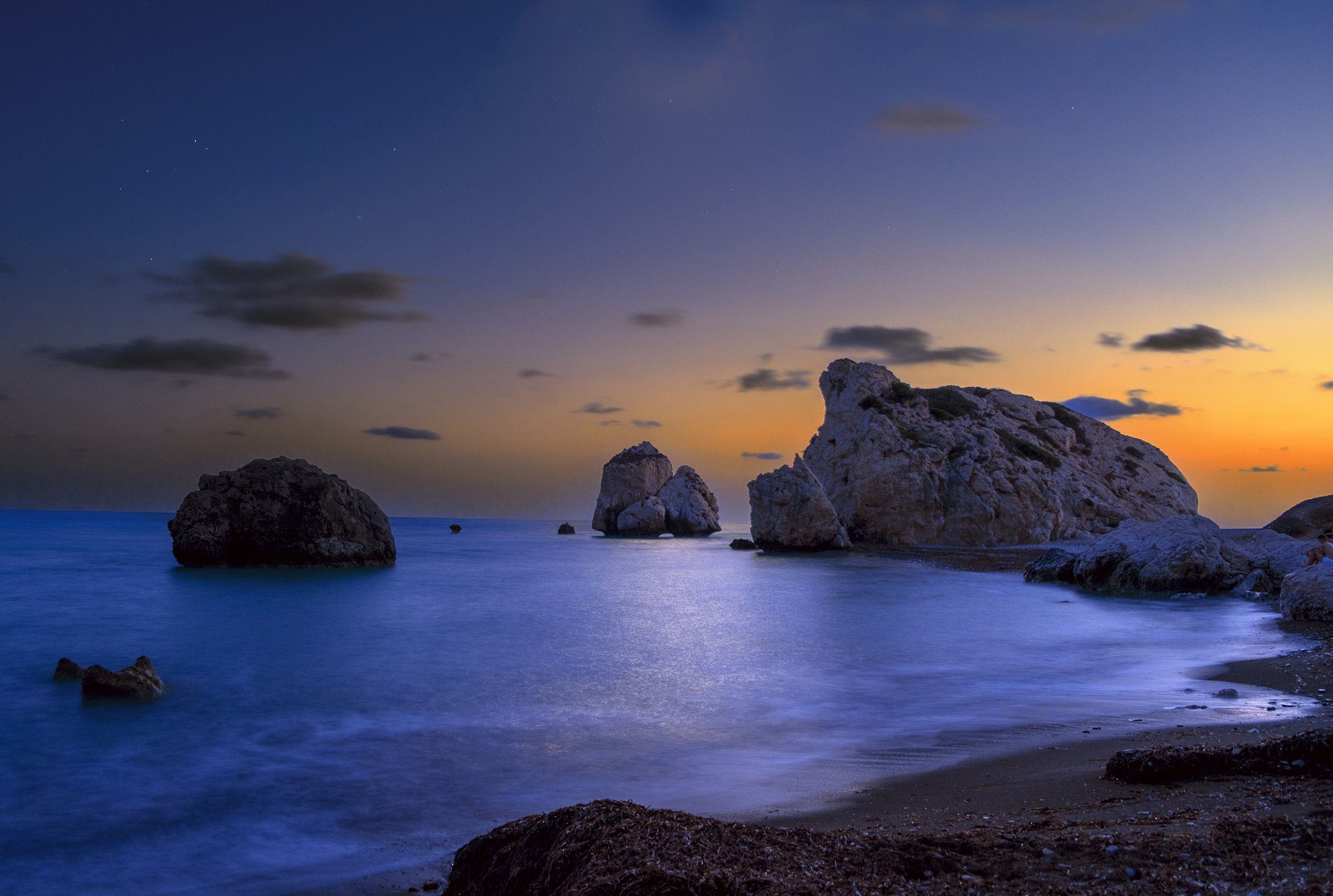
Nearby lies Petra tou Romiou, also known as Aphrodite’s Rock. Geological forces created these massive limestone sea stacks, but classical mythology immortalized the site as the birthplace of Aphrodite, who according to Hesiod emerged from sea foam. The white pebble beach and turquoise surf provide a striking coastal stop, though swimming around the rock requires caution due to strong undercurrents.
The Troodos Mountains: Byzantine Frescoes and Ancient Terroir
Ascending from the coastal plains into the Troodos mountain range, the landscape transforms rapidly. Scrubby olive groves give way to dense forests of Calabrian pine, golden oak, and wild cedar clinging to volcanic ophiolite slopes formed on the ancient Tethys ocean floor ninety million years ago. Reaching Mount Olympus at 1,952 meters, the Troodos provides a cool alpine refuge where temperatures are often ten degrees Celsius lower than the sweltering coast.
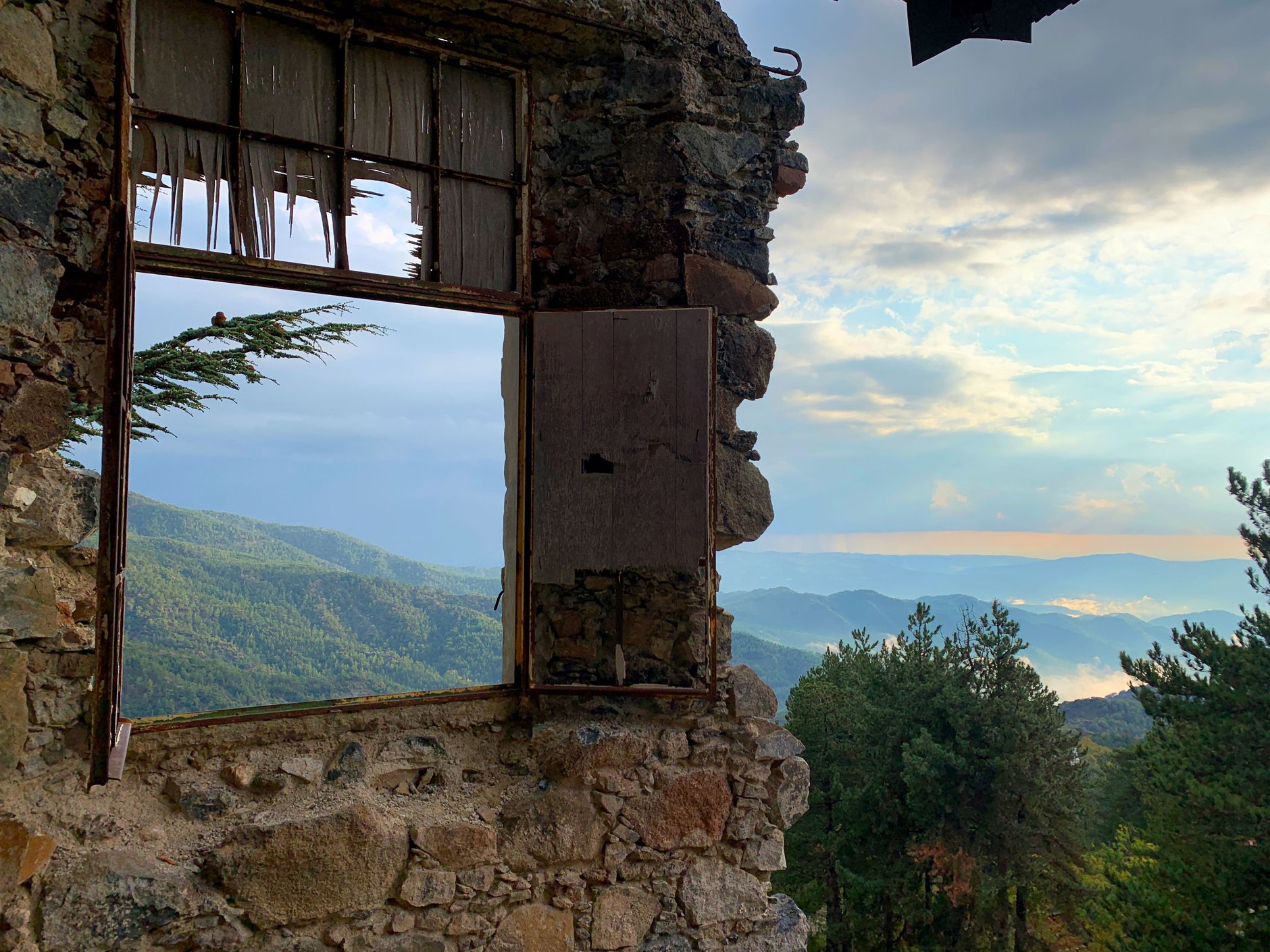
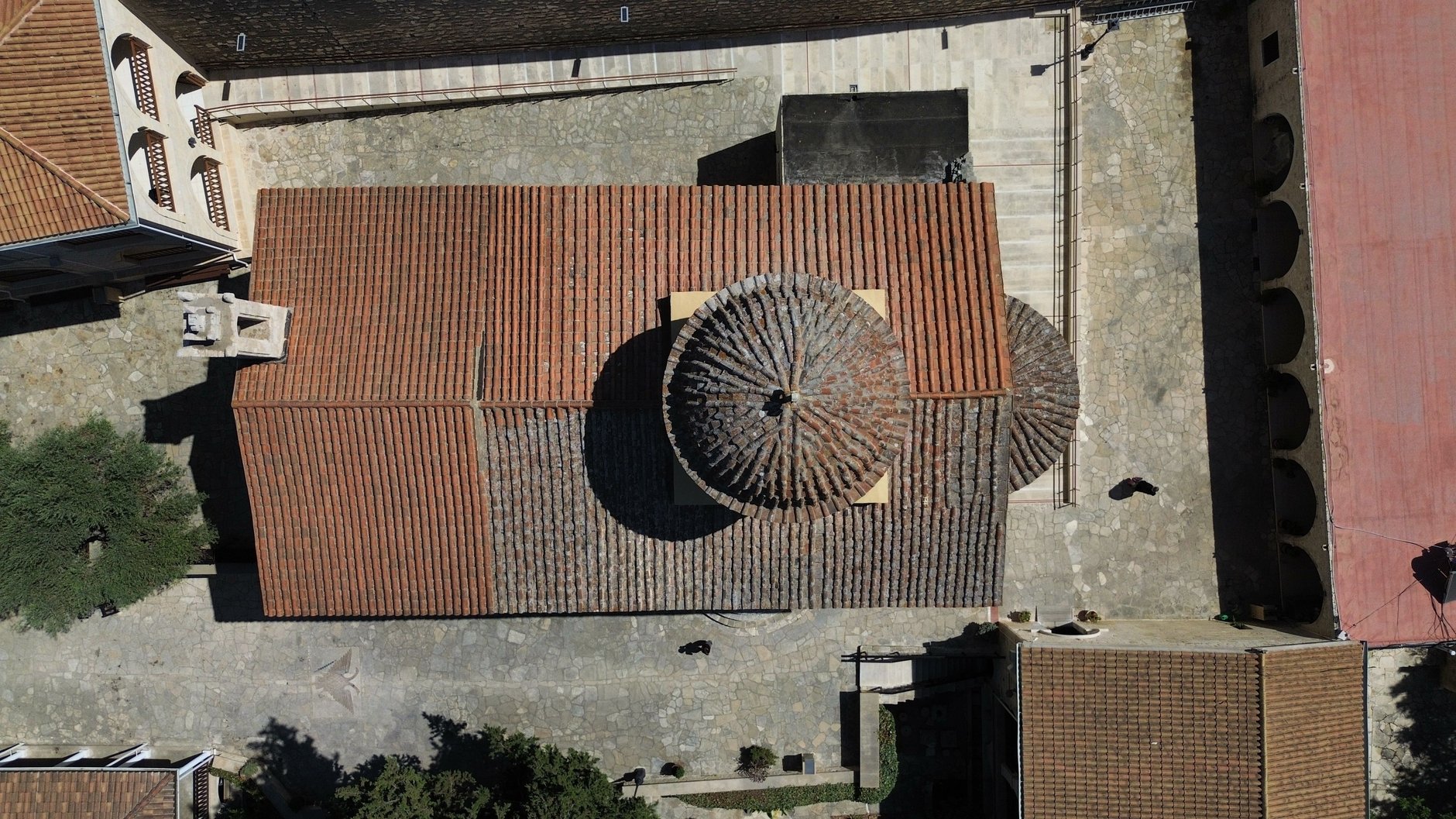
The cultural jewels of the Troodos are its UNESCO-listed painted churches. Between the eleventh and sixteenth centuries, Byzantine communities built modest stone chapels with steep-pitched timber roofs to shed winter snow. Inside, the walls reveal an astonishing treasury of Byzantine religious art. At the Church of Agios Nikolaos tis Stegis near Kakopetria, eleventh-century frescoes depict biblical scenes with intense emotional expression and luminous pigments that have survived centuries of mountain dampness.
The southern slopes of the Troodos are equally famous for viticulture. The wine villages around Omodos and Vouni produce Commandaria, recognized as the world’s oldest named wine still in production. Praised by King Richard the Lionheart as the “wine of kings,” Commandaria is an amber dessert wine made from sun-dried Xynisteri white and Mavro red grapes, aged in oak solera barrels to develop notes of dried figs, carob, and toasted walnuts.
For nature lovers, hiking the Caledonia Trail along the Kryos Potamos river near Platres leads through pine forests to a twelve-meter cascade tumbling over volcanic ledges. Further west on the Akamas Peninsula, hiking through Avakas Gorge leads between limestone walls rising thirty meters high, where rare endemic plants flourish in the shaded canyon microclimate.
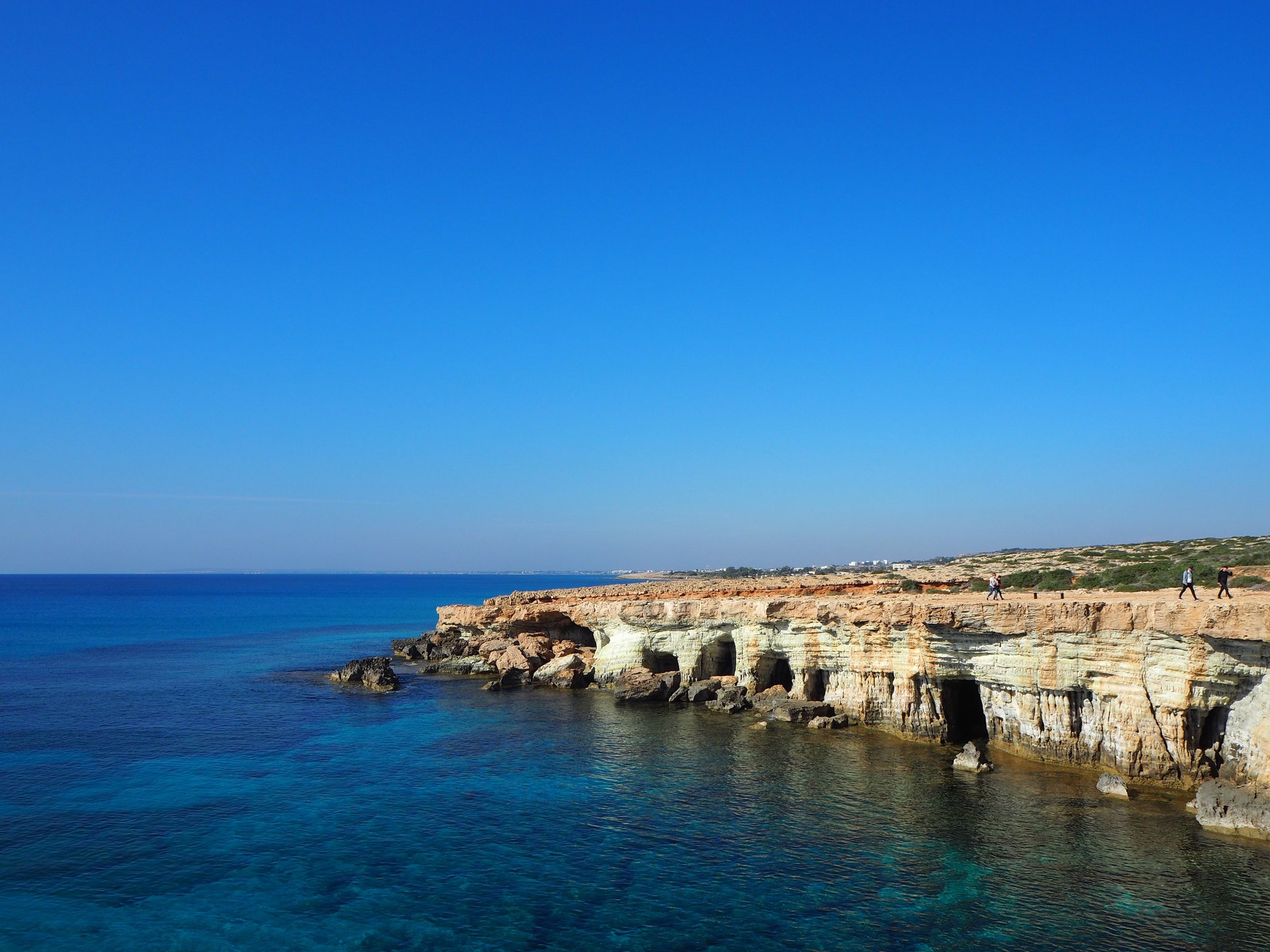
Those seeking dramatic coastal formations can also venture eastward to Cape Greko, where natural limestone bridges and sea caves frame turquoise waters, offering sea-kayaking and cliff walks across coastal scrubland.
Nicosia: Walking the World’s Last Divided Capital
No trip to Cyprus is complete without experiencing Nicosia (Lefkosia), situated in the central Mesaoria plain. Continuously inhabited for over 4,500 years, Nicosia has been the capital since the tenth century. The historic old town is encircled by circular sandstone fortifications built by Venice in 1567, featuring eleven arrow-shaped bastions designed to defend against Ottoman artillery.
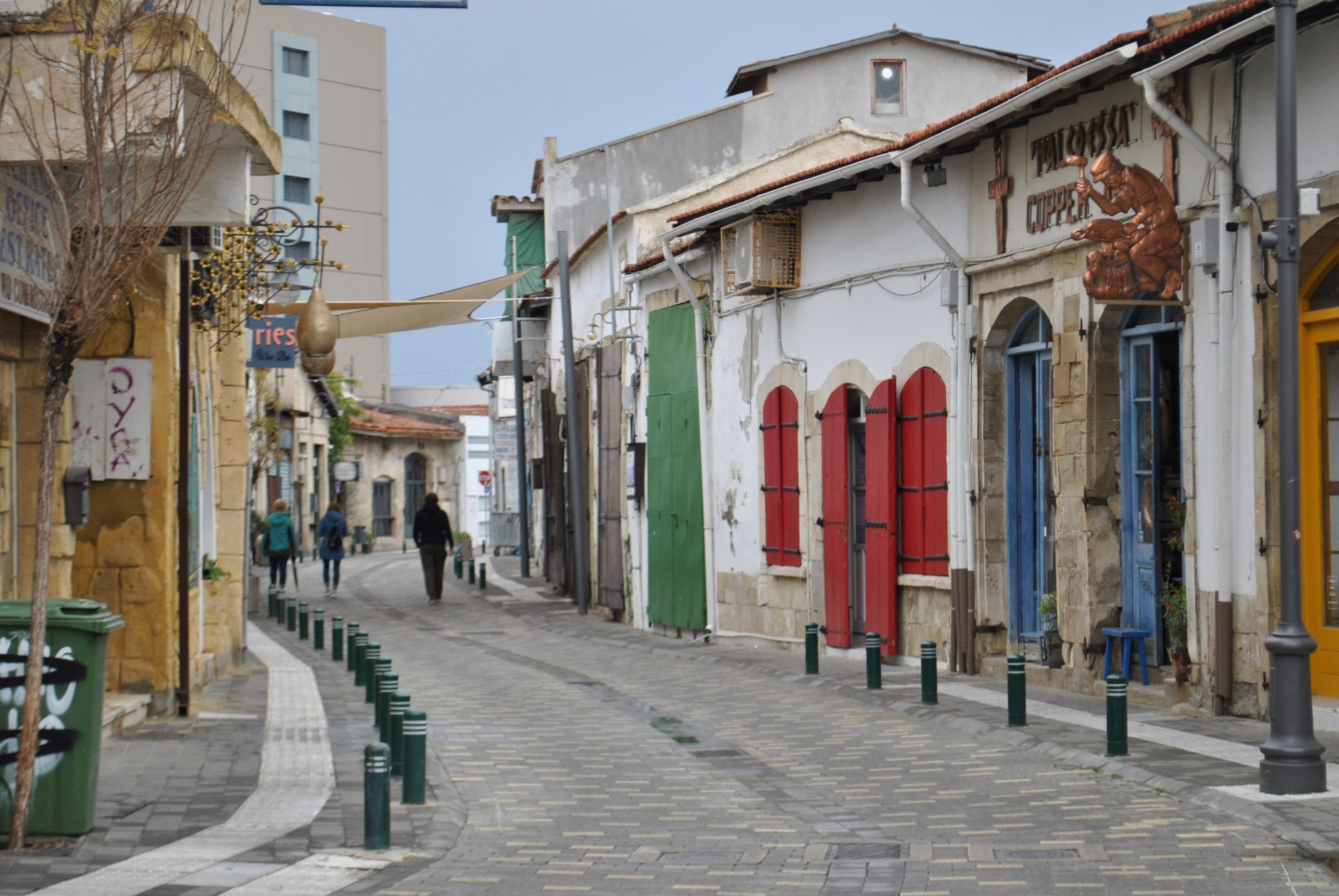
Since the conflict of 1974, Nicosia remains the only divided capital city in the world, bisected by the UN Buffer Zone, known as the Green Line. Walking down pedestrianized Ledra Street, you pass cafes and craft shops before arriving at the checkpoint. Crossing through passport control on foot takes mere minutes, bringing you immediately into North Nicosia.
The contrast across the line is palpable. Sandstone colonial facades give way to the soaring twin minarets of Selimiye Mosque, originally built as the Gothic Cathedral of Saint Sophia where Crusader kings were crowned. Nearby stands the Büyük Han, a sixteenth-century Ottoman caravanserai with an open central courtyard housing artisan workshops and cafes serving coffee brewed in hot sand.
Gastronomy: Meze Feasts, Halloumi Terroir and Slow-Cooked Kleftiko
Cypriot cuisine is an exuberant celebration of Eastern Mediterranean generosity, balancing Greek culinary sensibilities with Turkish and Levantine influences. The ultimate expression of local dining is the meze feast—not a light appetizer, but a structured banquet comprising fifteen to twenty-five consecutive dishes served across two or three leisurely hours.
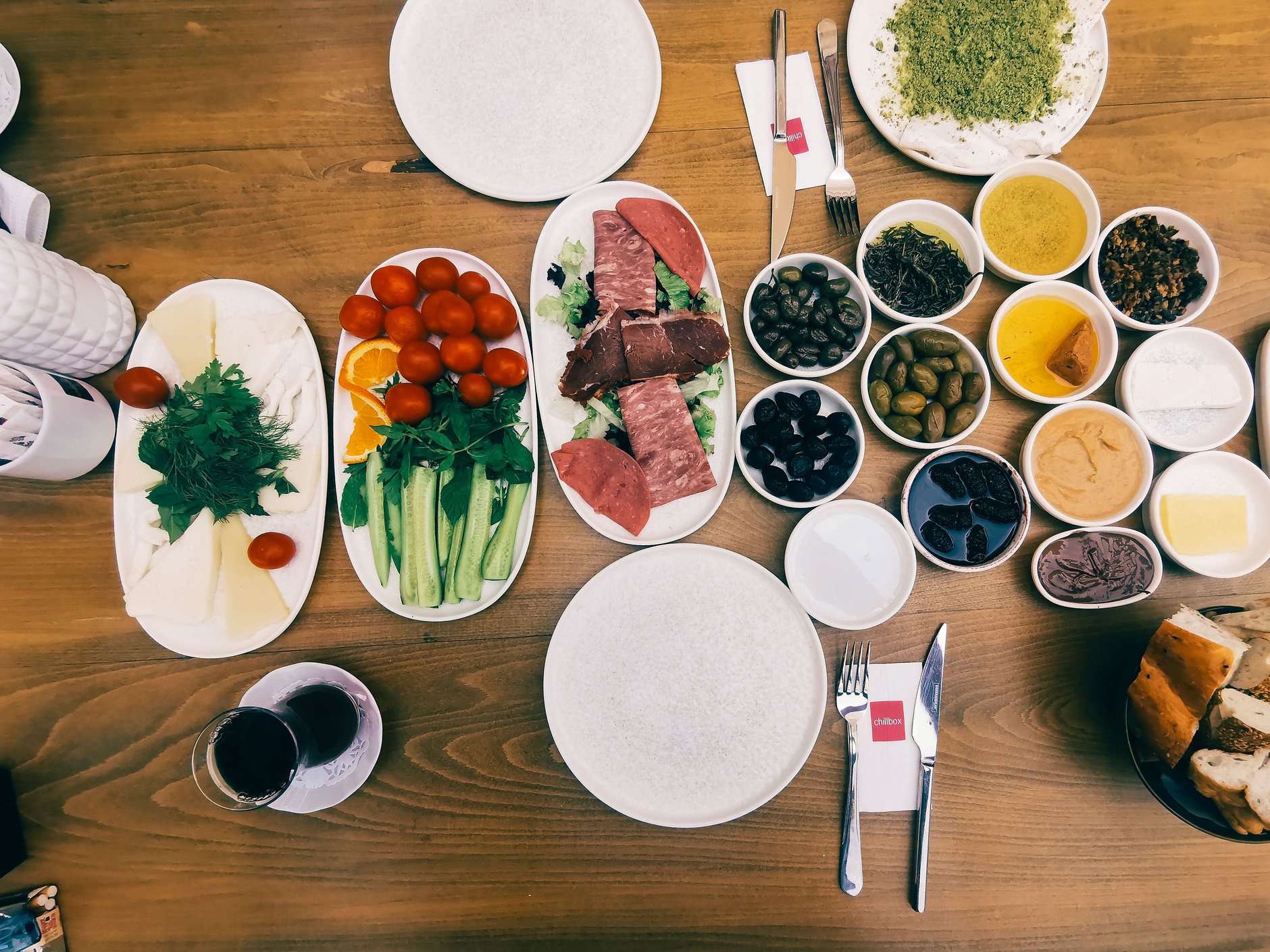
A proper meze begins with fresh sourdough, marinated green cracked olives (*tsakistes*) dressed with crushed coriander and garlic, and cold dips like *talattouri* (strained sheep yogurt with wild mint and grated cucumber), *taramasalata*, and creamy *tahini*. Next arrive hot starters: grilled halloumi cheese made from unpasteurized sheep and goat milk folded with wild mint, sizzling *sheftalia* (spiced minced pork and lamb sausages wrapped in caul fat), and *koupepia* (vine leaves stuffed with minced pork and rice).
The culinary climax centers on slow-cooked meats, most notably *kleftiko*. Legend holds that nineteenth-century mountain bandits (*klephts*) stole goats and baked them in sealed subterranean clay pits to prevent smoke from alerting authorities. Today, large joints of bone-in lamb are seasoned with bay leaves, oregano, and potatoes, sealed inside domed outdoor clay ovens, and roasted for six to eight hours until the meat falls away from the bone at the touch of a fork. The feast concludes with complimentary watermelon and *loukoumades*—crispy fried dough balls drenched in thyme honey and crushed cinnamon.
Avoiding Common Scams, Pitfalls, and Tourist Traps
Cyprus boasts one of the lowest violent crime rates in the European Union, making it exceptionally safe for independent travelers. However, tourist-heavy resort strips and car rental sectors harbor persistent commercial traps that can needlessly inflate your travel expenses.
- The Green Line Rental Car Insurance Invalidation Trap: When renting a car in the Republic of Cyprus (Larnaca or Paphos), standard rental insurance policies are strictly void the moment you drive north of the UN Buffer Zone. While you can purchase third-party liability insurance at northern checkpoints, this covers only damage caused to other vehicles. If your rental car suffers an accident, mechanical breakdown, or theft in the north, you are personally liable for all repair and recovery costs. Always explore Nicosia across the Green Line on foot.
- Coastal Water Sports Damage Extortion Schemes: In Ayia Napa, Protaras, and Coral Bay, disreputable jet ski and watercraft rental operators frequently accuse returning tourists of causing pre-existing hull scratches or impeller damage, demanding three hundred to eight hundred euros in cash while withholding passports. Always inspect watercraft thoroughly, record high-resolution video of the entire hull before launching, and never surrender your passport as a deposit.
- Seafood Restaurant “Price by Weight” Menu Switch: Traditional-looking seaside tavernas near Paphos Harbour and Limassol Marina often list fresh fish with prices quoted per hundred grams (e.g., $9.04/100g) rather than per portion. Waiters enthusiastically recommend whole wild sea bass or red snapper that arrive weighing 1.2 to 1.5 kilograms, resulting in unexpected dinner checks exceeding $135.58 for fish alone. Always clarify the exact total weight and final price before the fish is sent to the kitchen.
- Paphos and Limassol “Holiday Club” Scratch-Card Scams: Well-dressed English-speaking promoters roam beachfront promenades handing out “complimentary promotional scratch cards.” Inevitably, your ticket reveals a “top tier prize,” but collecting it requires traveling to a luxury resort for a mandatory ninety-minute presentation that turns into an aggressive four-hour high-pressure timeshare sales pitch. Politely decline all street lottery promotions.
- Unmetered Airport Taxi Overcharging: While Cyprus enforces regulated taxi fares with mandatory electronic meters, private drivers outside Larnaca (LCA) and Paphos (PFO) arrival terminals frequently claim their meter is broken and quote flat rates of $79.09 to $112.98 for short rides to Limassol or Larnaca town. Insist on the meter being turned on before luggage is loaded, or pre-book through vetted dispatch services like Bolt or official airport shuttle buses.
- Roadside “Artisanal” Olive Oil and Honey Counterfeits: Souvenir shops and informal roadside stalls near popular monasteries often sell plastic bottles labeled “100% Organic Troodos Mountain Extra Virgin Olive Oil” or “Wild Thyme Honey” at inflated prices. Testing reveals many of these products are commercial blended pomace oils and imported corn syrups bottled locally. Purchase authentic agricultural products directly from certified village cooperatives in Lefkara, Omodos, or Agros.
Exercising standard consumer caution around coastal resorts ensures your travel funds support honest family-run tavernas and certified cultural heritage sites rather than opportunist tourist middlemen.
Packing Essentials and Regional Seasonal Advice
Packing for Cyprus requires accounting for sharp climatic differences between the coastal Mediterranean plains and the elevated Troodos mountain peaks. Coastal regions enjoy over three hundred days of sunshine annually, with summer temperatures regularly exceeding 35°C (95°F) between June and September. Breathable linen shirts, lightweight cotton shorts, UV-blocking sunglasses, a wide-brimmed sun hat, and high-SPF mineral sunscreen are mandatory.
In contrast, the Troodos mountains sit over one thousand meters above sea level, where evening temperatures can drop to 12°C–15°C (54°F–59°F) even during peak summer months. If you plan to visit mountain villages, hike the Caledonia Trail, or explore stone churches, pack a lightweight windbreaker, a fleece mid-layer, long trousers, and sturdy walking shoes with good grip for polished cobblestones and loose gravel trails. Modest clothing covering shoulders and knees is strictly enforced when entering active Greek Orthodox monasteries like Kykkos and Machairas.
The optimal seasons to explore Cyprus are spring (April to early June) and autumn (September to late November). Spring brings mild temperatures around 22°C–26°C (72°F–79°F), blooming wild orchids, and lush green hillsides ideal for hiking and archaeological exploration. Autumn offers warm sea temperatures averaging 25°C (77°F), the grape harvest in the Krasochoria wine villages, and thinning crowds after the summer school holidays. Peak summer (July and August) is intensely hot and crowded, while winter (December to February) brings quiet coastal towns, intermittent rain, and occasional snow on Mount Olympus.
Mobile Connectivity & Logistics: Multi-Network 5G Across Cyprus
Reliable high-speed mobile data is vital for navigating Cyprus independently. Whether using live GPS navigation to tackle winding Troodos mountain passes, checking real-time ferry departures at Paphos Harbour, or verifying opening hours for remote Byzantine chapels, constant internet access ensures a smooth and stress-free journey.
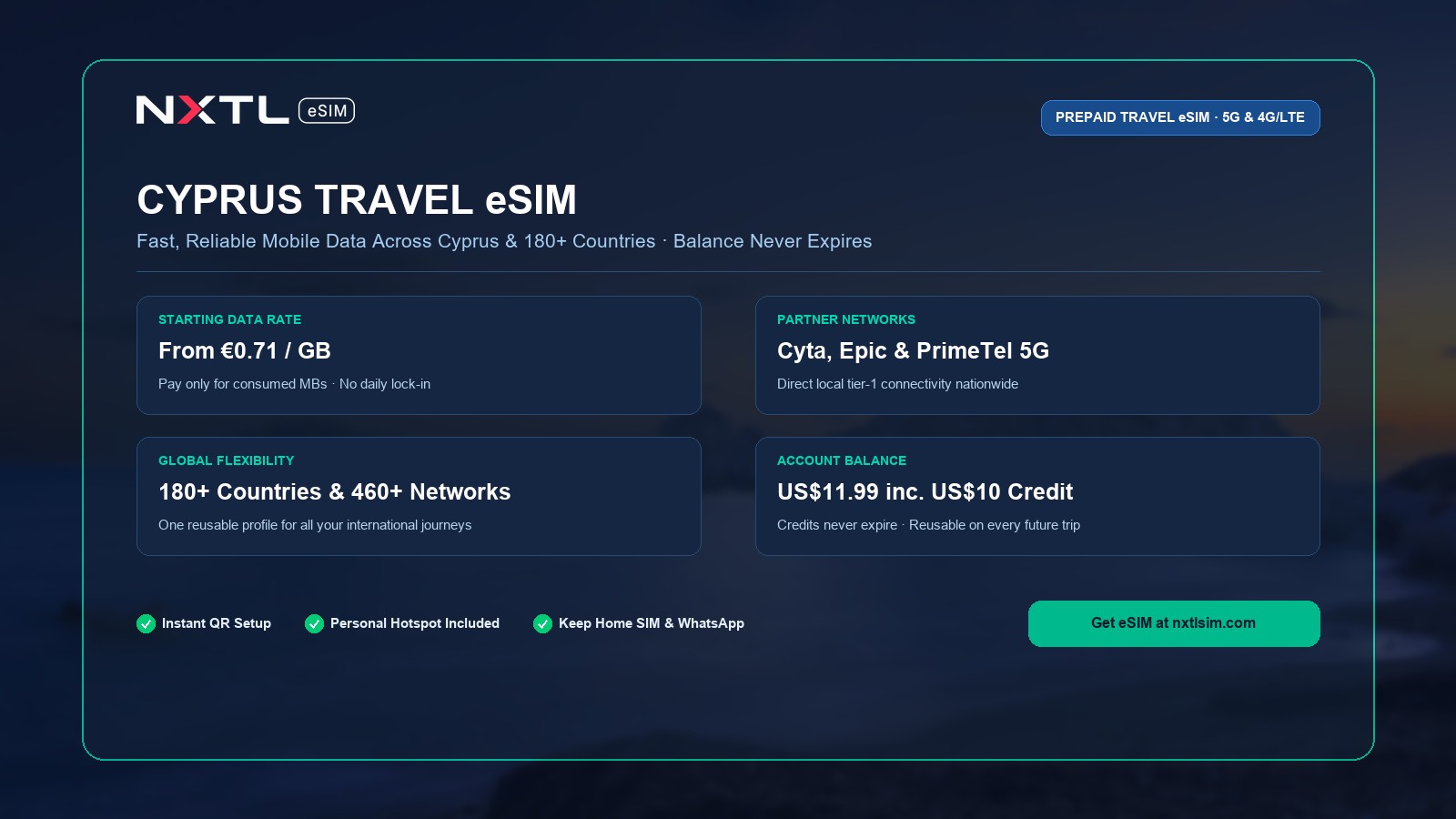
The telecommunications infrastructure in Cyprus is modern and extensive, anchored by three major network operators: Cyta (Cytamobile-Vodafone), Epic Cyprus (formerly MTN), and PrimeTel. While all three providers offer comprehensive 5G coverage throughout urban centers like Nicosia, Limassol, Larnaca, and Paphos, network reception can vary when traversing deep mountain ravines in the Troodos or remote coastal tracks across the Akamas Peninsula. Having a mobile profile capable of switching automatically between these carrier backbones ensures you maintain an uninterrupted connection.
For travelers undertaking this itinerary, the NXTL Cyprus eSIM provides direct multi-carrier access connecting natively to Cyta, Epic, and PrimeTel high-speed 5G networks at a transparent pay-as-you-go rate of $0.80 per gigabyte. Rather than wasting time in airport mobile kiosks filling out paper contracts or buying rigid tourist SIM cards with seven-day expiration dates, your cellular connection activates automatically the moment your flight lands in Larnaca or Paphos.
The service operates under a straightforward balance architecture: the initial profile purchase costs $11.99 and includes $10 of preloaded roaming balance. Because data is billed strictly per megabyte consumed and balances never expire, unused credit remains active for future journeys across NXTL’s global network covering 180+ supported countries and 460+ carrier networks. Full personal hotspot tethering is permitted without restriction, allowing you to share high-speed data with navigation tablets, laptops, and travel companions throughout your road trip.