Bulgaria offers one of Europe’s most layered journeys, where Roman amphitheaters sit beneath modern boulevards, Thracian gold fills national vaults, and fortified medieval monasteries shelter within alpine pine forests. Yet first-time visitors often either confine themselves to a hasty Sofia weekend or attempt an exhausting dash across the Balkan range to the Black Sea. The most rewarding first itinerary anchors itself in western and central Bulgaria, linking the capital of Sofia, the ancient cultural crossroads of Plovdiv, and the mountain sanctuary of the Rila massif into a cohesive, unhurried week.
Planning this route requires an honest understanding of regional infrastructure. While express trains connect Sofia and Plovdiv along the Upper Thracian Plain efficiently, the Rila Mountains demand deliberate transport choices. Renting a vehicle provides flexibility for reaching remote trailheads and glacial cirques, whereas organized daily shuttles eliminate the strain of mountain driving for travelers based in Sofia. By balancing urban antiquity, culinary heritage, and alpine nature, you can experience the full breadth of Bulgarian culture without spending your entire vacation stranded on secondary rural roads.
Strategic Route Architecture: Sofia, Plovdiv & Rila
A rewarding first journey spans seven days between two urban bases and an alpine retreat. Sofia serves as the entry point, showcasing Roman Serdica, Byzantine sanctuaries, and Neo-Byzantine monuments. Plovdiv, situated 145 kilometers southeast, claims status as one of Europe’s oldest continuously inhabited cities, where Bulgarian National Revival timber mansions perch above an immaculately preserved Roman theatre. Between them, the Rila Mountains offer granite ridges, glacial lakes, and the spiritual sanctuary of Rila Monastery.
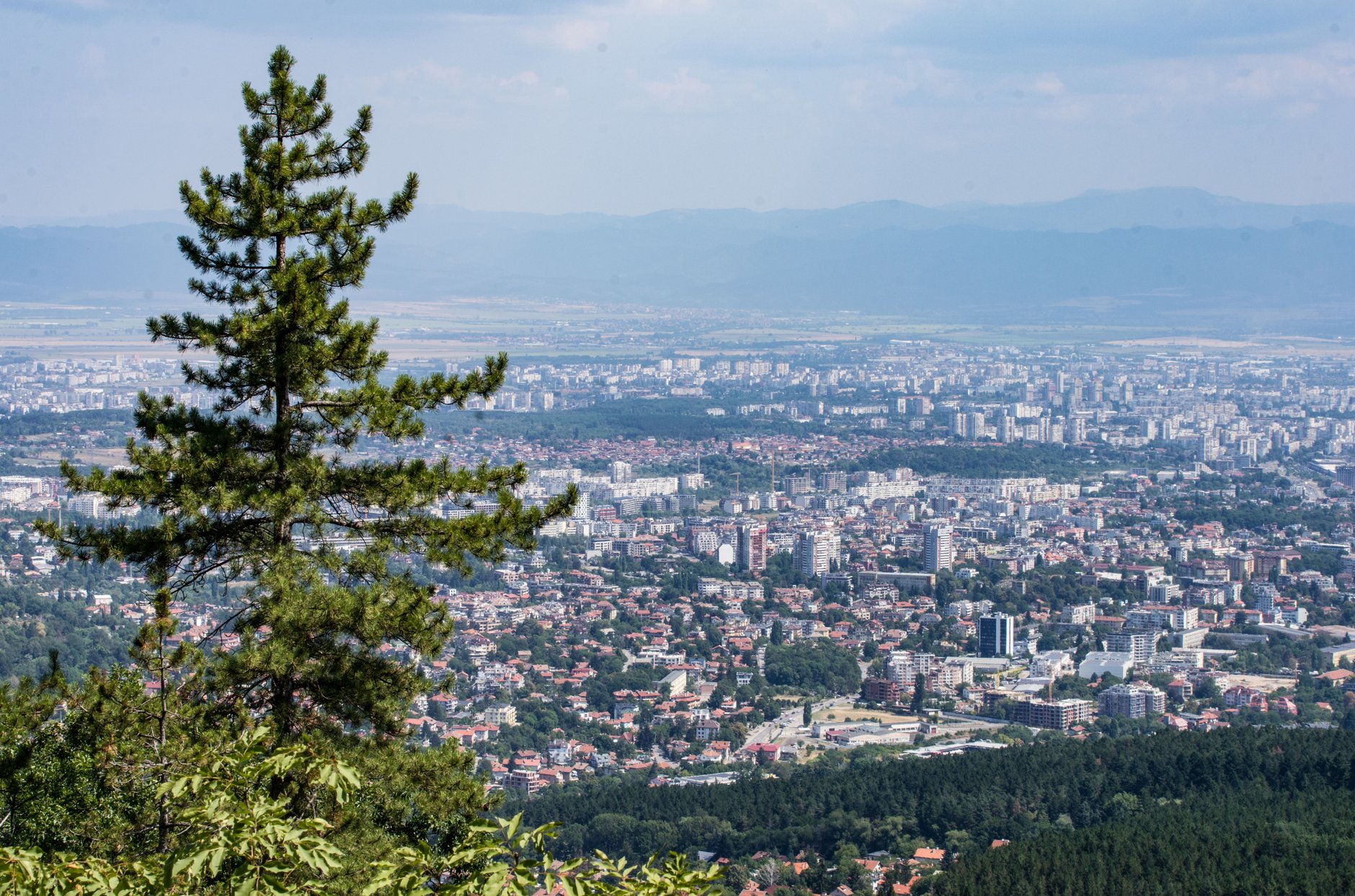
Distributing your nights thoughtfully prevents unnecessary relocation. Spending three nights in Sofia accommodates arrival logistics, central walking explorations, and a dedicated half-day excursion to Mount Vitosha or Boyana Church. Transferring to Plovdiv for two nights allows you to absorb the pedestrian rhythms of the Kapana arts quarter and wander the cobbled lanes of the Old Town after day-tripping tour coaches depart. The remaining nights belong to an overnight stay at Rila Monastery or a wellness stay in the nearby mineral spa town of Sapareva Banya, which provides direct morning access to the Seven Rila Lakes chairlift.
| Day | Base | Key Stops & Cultural Sightseeing | Transit Mode | Transit Time | Advance Bookings Required |
|---|---|---|---|---|---|
| Day 1 | Sofia | Alexander Nevsky Cathedral, Roman Serdica ruins, Saint George Rotunda | Metro Line M4 from airport | 30 minutes | None (free entry to churches) |
| Day 2 | Sofia | Boyana Church UNESCO frescoes, National History Museum, Vitosha Boulevard | Public Bus 64 or taxi | 25 minutes | Boyana Church entry slot |
| Day 3 | Plovdiv | Transfer to Plovdiv, Roman Stadium, Philippopolis Theatre, Old Town | BDZ Express Train or coach | 2 hours | Train seat reservation |
| Day 4 | Plovdiv | Hindliyan House, Ethnographical Museum, Kapana creative district, Nebet Tepe | Foot transit | None (walkable) | Evening dinner reservation |
| Day 5 | Rila Region | Drive to Rila Monastery, Hrelyo Tower, Saint Ivan Rilski forest hermitage | Rental car or shuttle | 2 hours | Monastery guesthouse if staying |
| Day 6 | Sapareva Banya | Panichishte chairlift, Seven Rila Lakes alpine circuit hike, mineral thermal baths | Rental car + chairlift | 45 minutes | Chairlift cash / card ticket |
| Day 7 | Sofia | Central Mineral Baths square, Sofia Synagogue, Banya Bashi Mosque, airport return | Drive / Metro Line M4 | 1.5 hours | Flight departure check-in |
This sequence keeps transit times under two hours on transfer days, preserving ample time for mehana lunches, afternoon museums, and boutique winery detours.
Sofia: Layers of Empire and Orthodox Grandeur
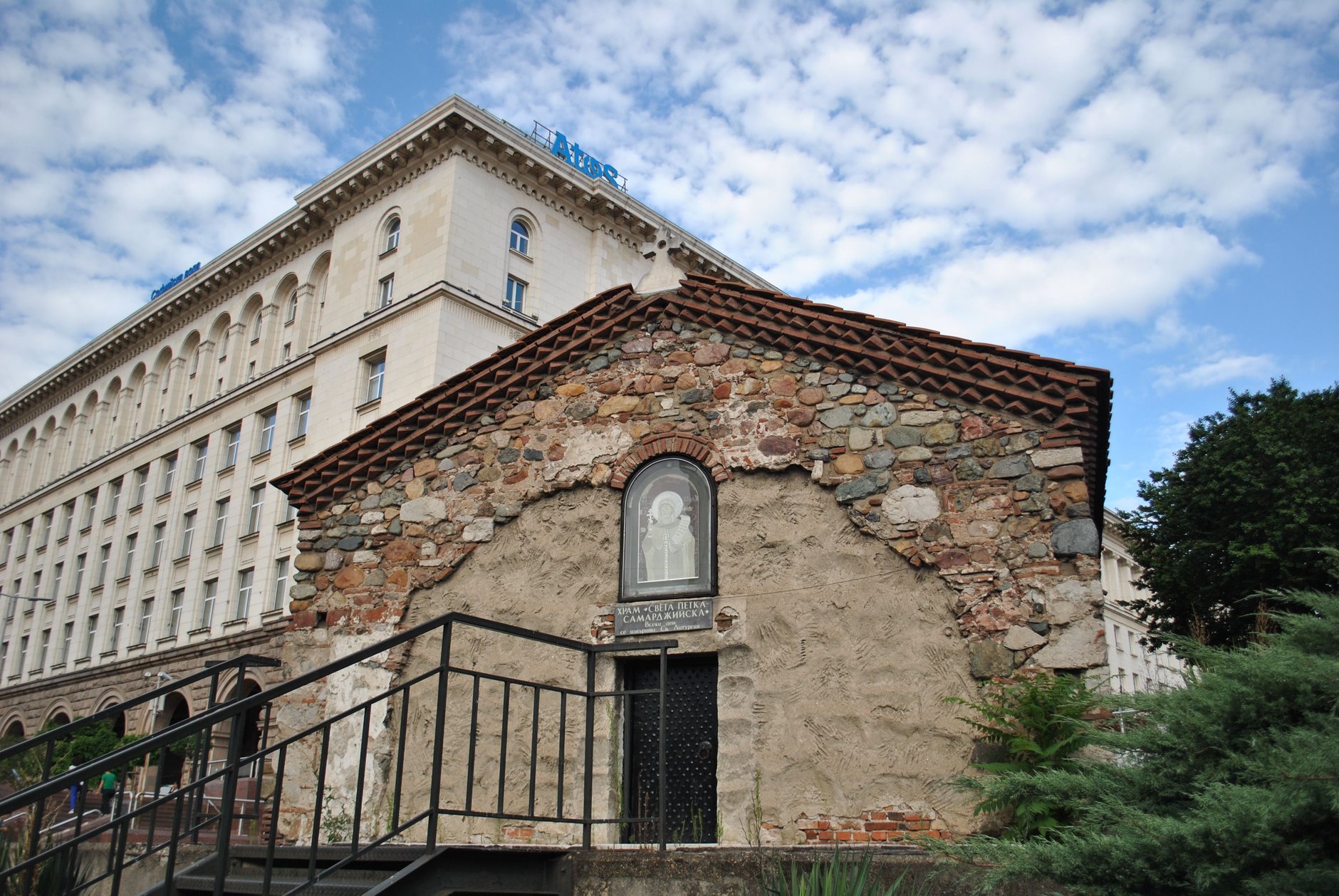
Sofia reveals its history through vertical stratification rather than sweeping monumental vistas. Walking along the pedestrian core above Serdica metro station, glass walkways reveal the brick hypocausts, paved Roman avenues, and basilica foundations of ancient Ulpia Serdica. Constantine the Great famously called the settlement his Rome, and that antiquity remains tangible inside the fourth-century Saint George Rotunda, Sofia’s oldest preserved building, situated within the Presidency courtyard.
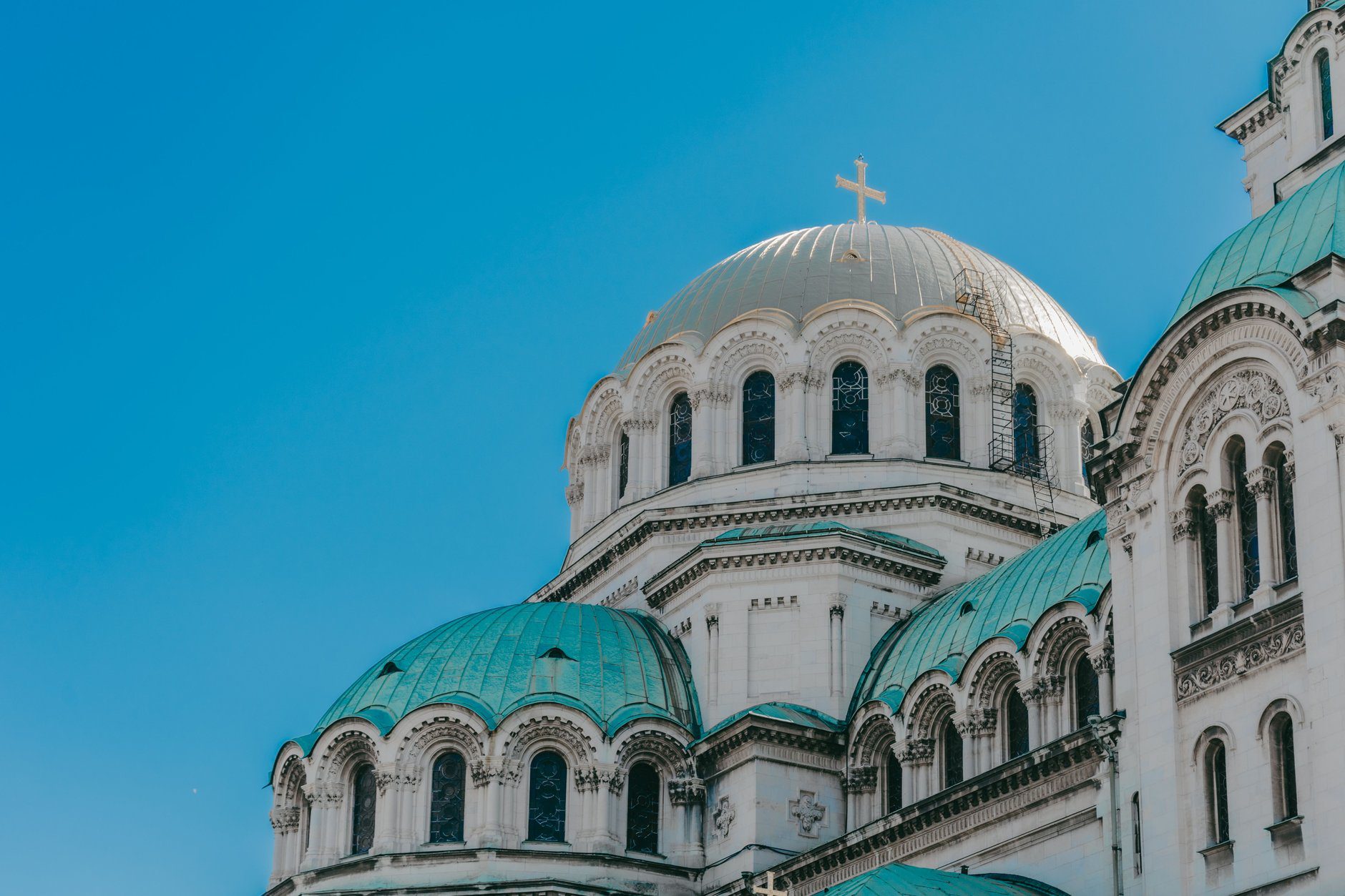
Eastward stands Saint Alexander Nevsky Cathedral, an immense Neo-Byzantine masterpiece honoring soldiers of the 1877–1878 Russo-Turkish War that liberated Bulgaria. The cathedral’s gilded central dome gleams above Italian marble iconostases and expressive interior frescoes. The subterranean crypt houses an exceptional collection of Orthodox iconography spanning the ninth through nineteenth centuries.
Beyond religious monuments, Sofia is a green, walkable capital. Vitosha Boulevard provides a lively promenade with Mount Vitosha dominating the southern horizon. Travelers should not overlook the central Square of Religious Tolerance, where Banya Bashi Mosque, Sofia Synagogue—one of Europe’s largest Sephardic sanctuaries—Catholic Cathedral of Saint Joseph, and Orthodox churches sit within a five-minute radius of one another, testifying to centuries of cultural coexistence.
To experience Sofia’s medieval heritage, travel eight kilometers south to the foot of Mount Vitosha to visit Boyana Church. Inscribed on the UNESCO World Heritage list, this two-story sanctuary holds remarkable frescoes completed in 1259. Portraits of patrons Sebastocrator Kaloyan and Desislava display psychological depth and realistic facial modeling that predated Italian Renaissance masters by decades. Because visits are strictly capped at fifteen minutes per group to preserve delicate pigments, advance booking or early morning arrival is essential.
Plovdiv: Seven Hills, Roman Theatres and National Revival
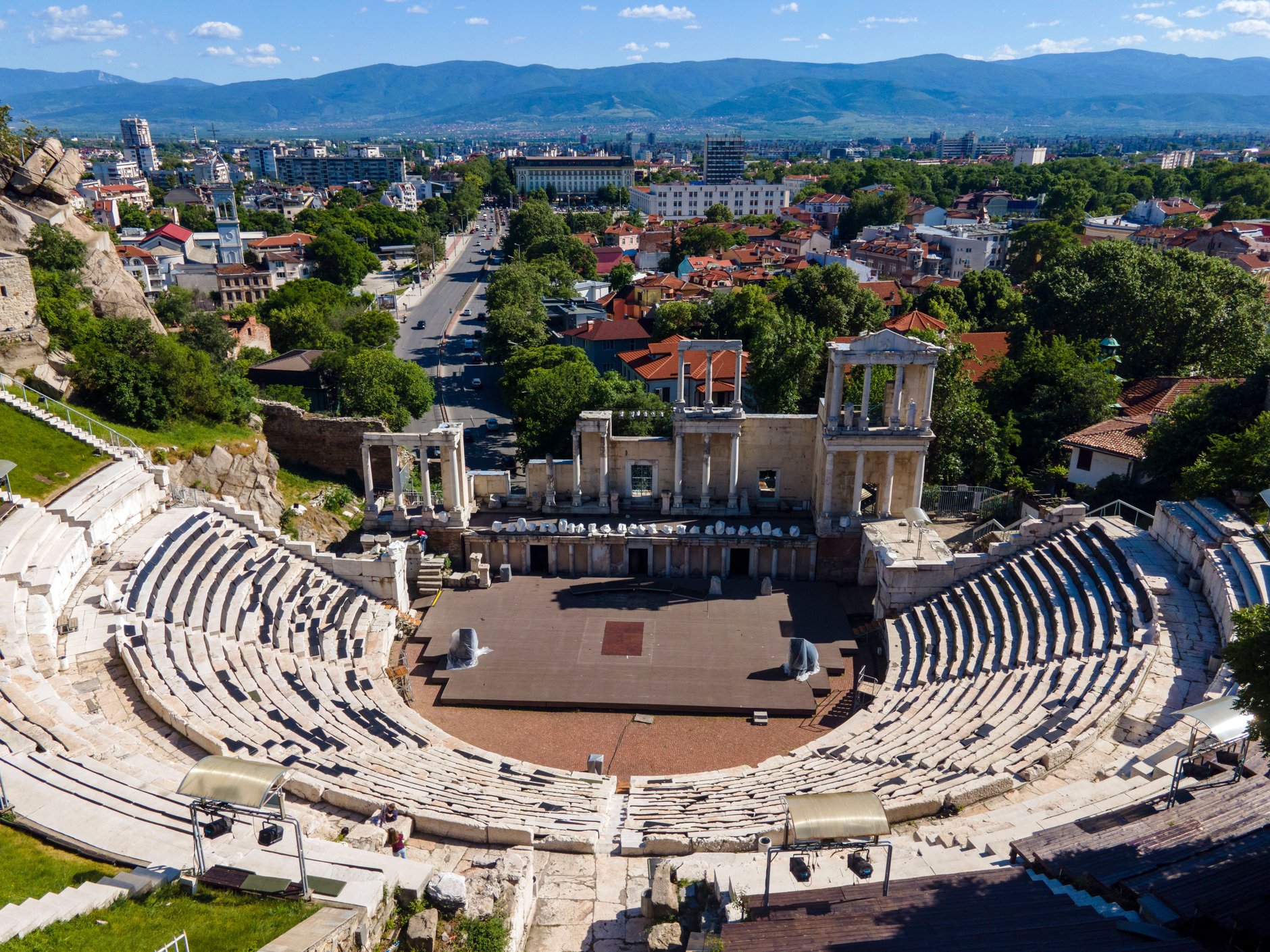
Plovdiv’s recorded roots extend over eight millennia, predating Athens and Rome. Built across seven syenite hills along the Maritsa River, Plovdiv balances staggering archaeological ruins with an energetic cultural scene that flourished as European Capital of Culture in 2019. The centerpiece of ancient Philippopolis is the Roman Theatre, constructed in the first century AD under Trajan and rediscovered after a 1970s landslide.
Perched between Taksim and Dzhambaz hills, the theatre’s marble cavea steps seat three thousand spectators with vistas across the city toward the Rhodope Mountains. Remarkably, the theatre remains an active cultural venue hosting summer opera and classical symphonies under night skies. Downhill at Dzhumaya Square, curved brick arches of the Roman Stadium sit partially exposed beneath the pedestrian avenue, beside the fourteenth-century Dzhumaya Mosque.
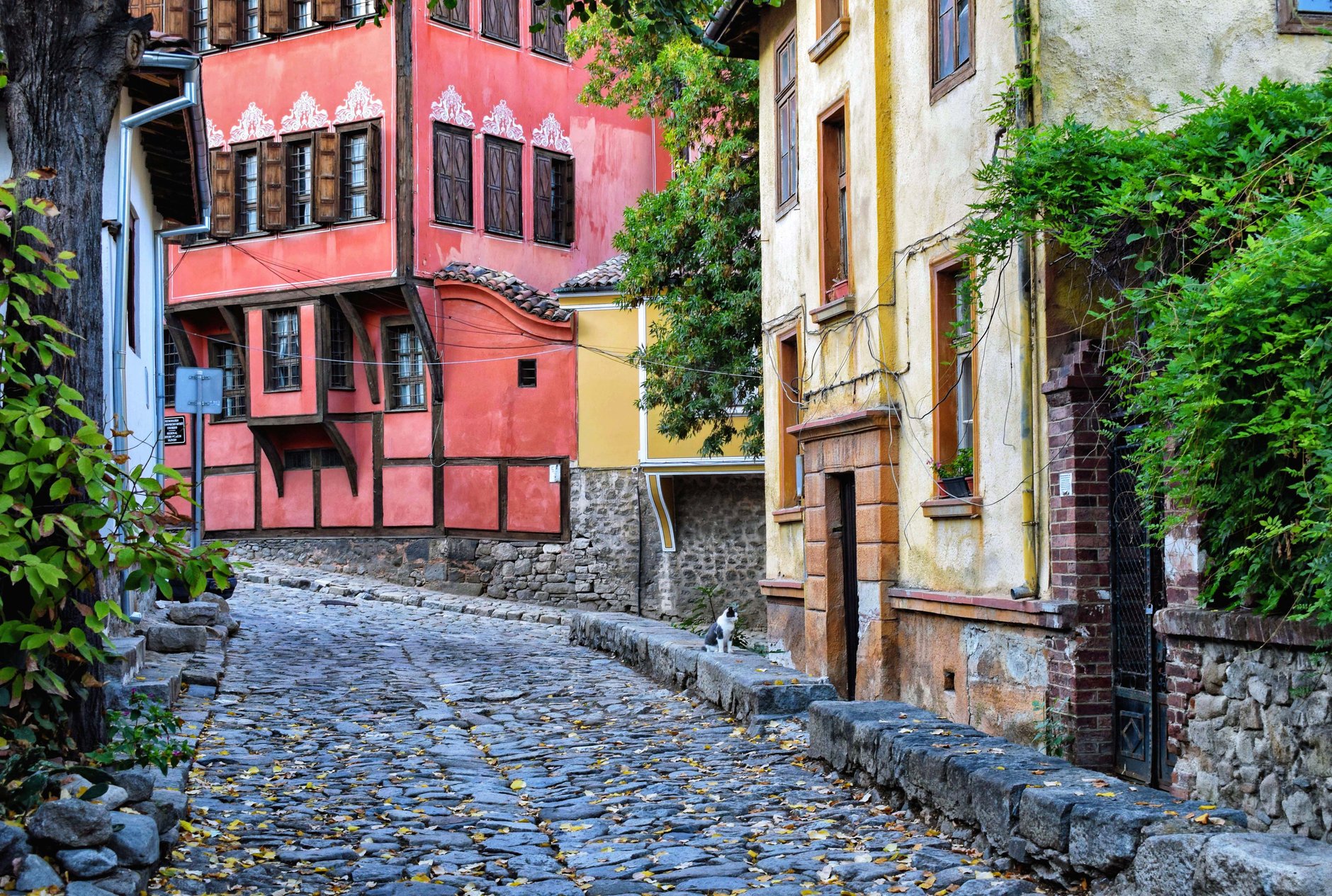
The Old Town of Plovdiv occupies the higher slopes of the Three Hills, designated as an architectural reserve. Cobbled lanes wind past dramatic nineteenth-century National Revival mansions characterized by broad cantilevered upper stories, ornately carved wooden ceilings, and exterior facades painted in deep cobalt blue, ochre, and terracotta. Prominent mansions open to visitors include the Ethnographical Museum, housed in the 1847 merchant palace of Argir Kuyumdzhioglu, and the Hindliyan House, celebrated for its interior wall murals depicting Venice and Alexandria alongside an early indoor running-water fountain.
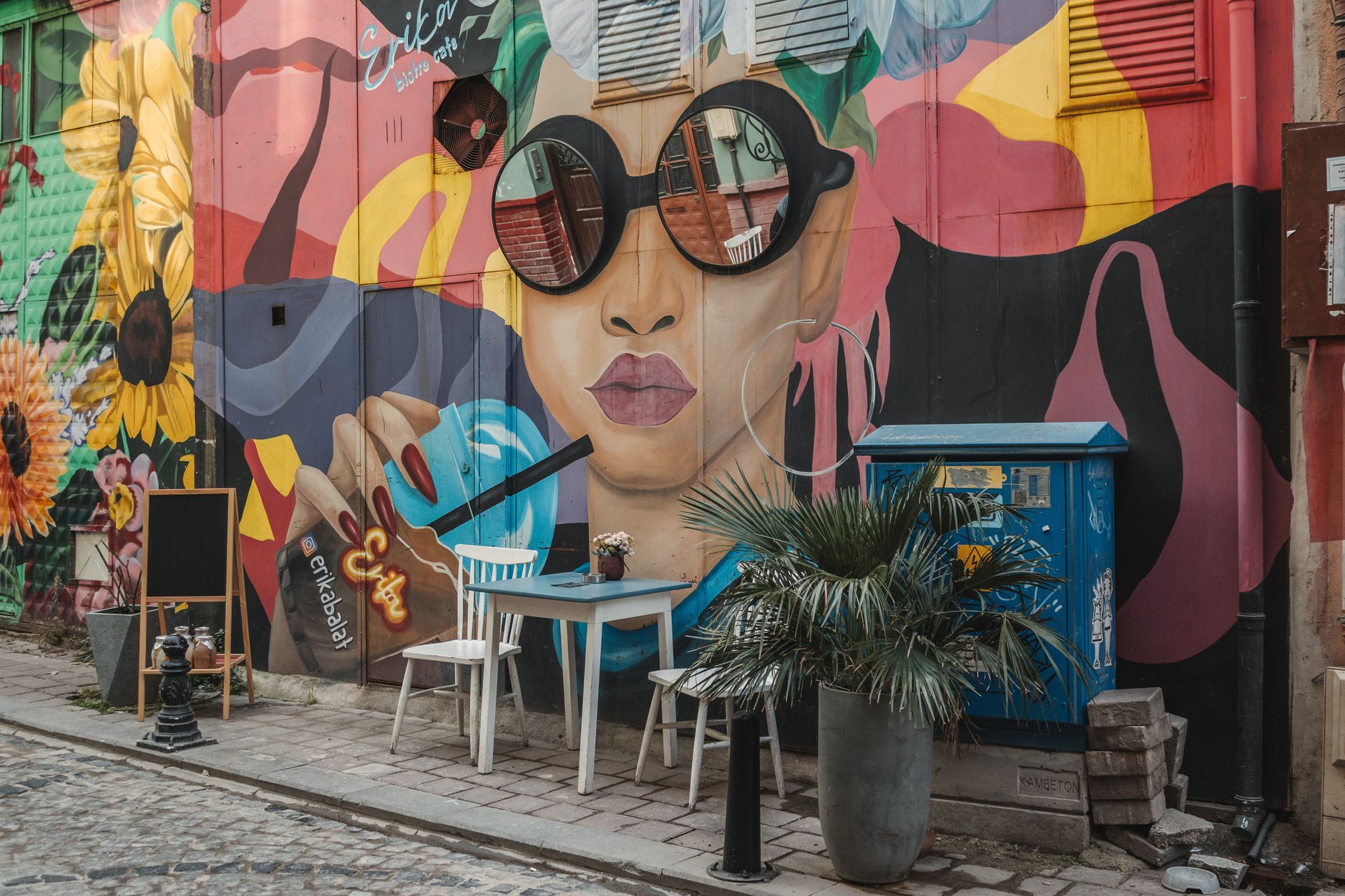
Descending northward from the historic hills brings you into Kapana, meaning “The Trap,” named after its tight labyrinth of medieval craftsmen alleys. Once dedicated to leatherworkers and blacksmiths, Kapana has been revitalized into Bulgaria’s premier creative hub. Vehicle-free stone alleys are shaded by hanging bunting and filled with specialty micro-roasteries, craft beer taprooms pouring local Thracian IPAs, artisan leather workshops, and contemporary galleries. It is the ideal district for evening dinners, pairing regional Bulgarian boutique wines with modern interpretations of classic Balkan meze.
The Rila Sanctuary: Monastic Peace and Alpine Wilderness
No journey through western Bulgaria is complete without climbing into the dense beech and fir forests of the Rila National Park to witness the Rila Monastery (Rilski Manastir). Founded in the tenth century by the hermit monk Saint Ivan of Rila, the monastery served for centuries as the fortress of Bulgarian literary culture, language, and spiritual identity during long periods of foreign domination. Destroyed by fire in 1833, the complex was rebuilt through nationwide donations into a crowning triumph of National Revival architecture.
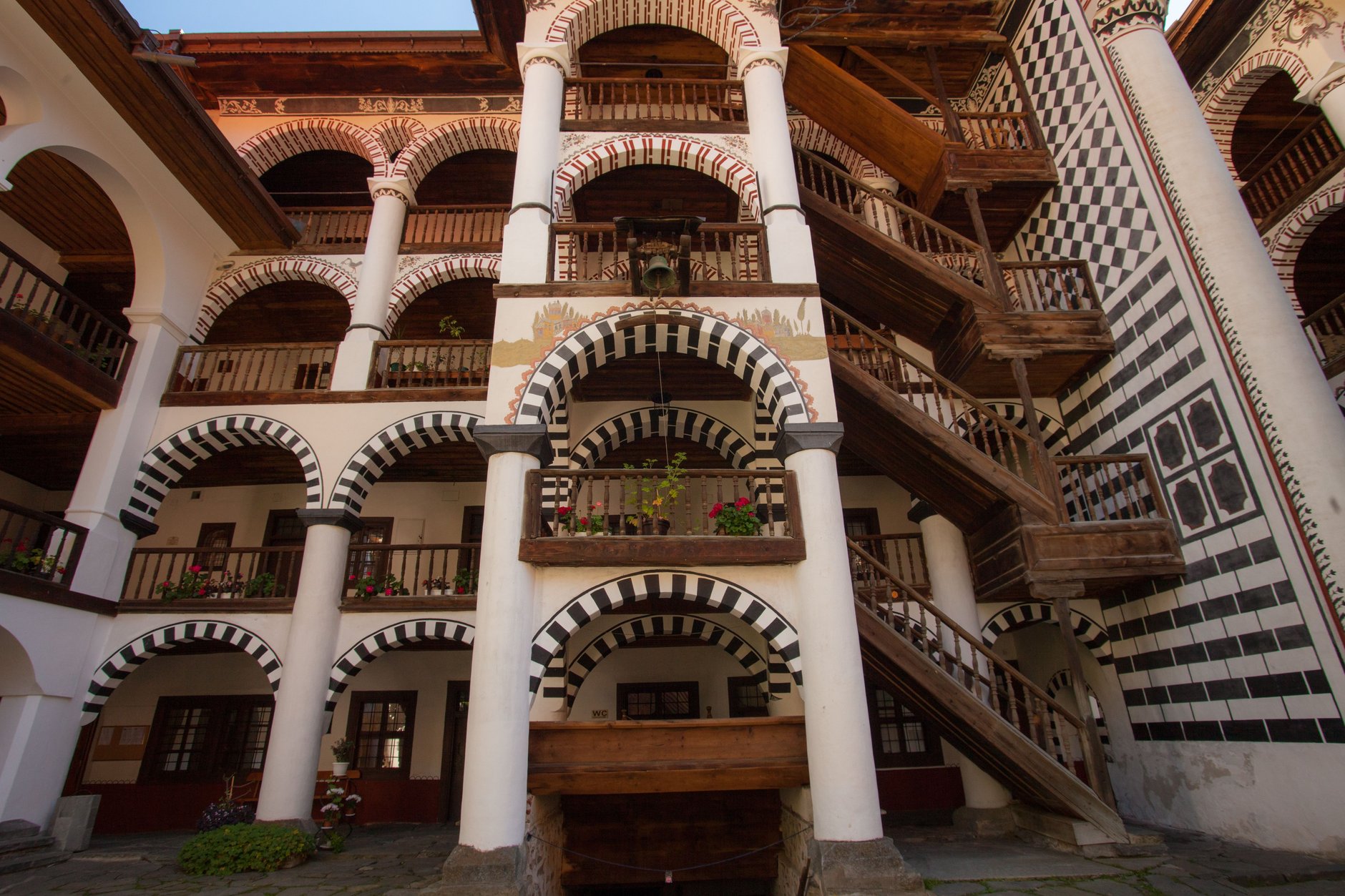
Passing through the iron-studded Dupnitsa Gate into the vast courtyard produces an indelible sensory impression. Tiered wooden galleries with black-and-white striped stone arches rise four stories high against sheer alpine peaks. In the center stands the medieval stone defensive tower erected in 1335 by feudal lord Hrelyo Dragovola, flanked by the Church of the Nativity of the Virgin, whose exterior portico features expressive 19th-century narrative frescoes by masters like Zahari Zograf.
Behind monastery walls, a tranquil forest trail follows the Rilska River for one hour to Saint Ivan’s hermitage cave. Local belief holds that squeezing through the rock cleft above the cave purges personal sins. Beside the path, fresh mountain springs trickle through stone troughs, providing pure drinking water directly from alpine granite aquifers.
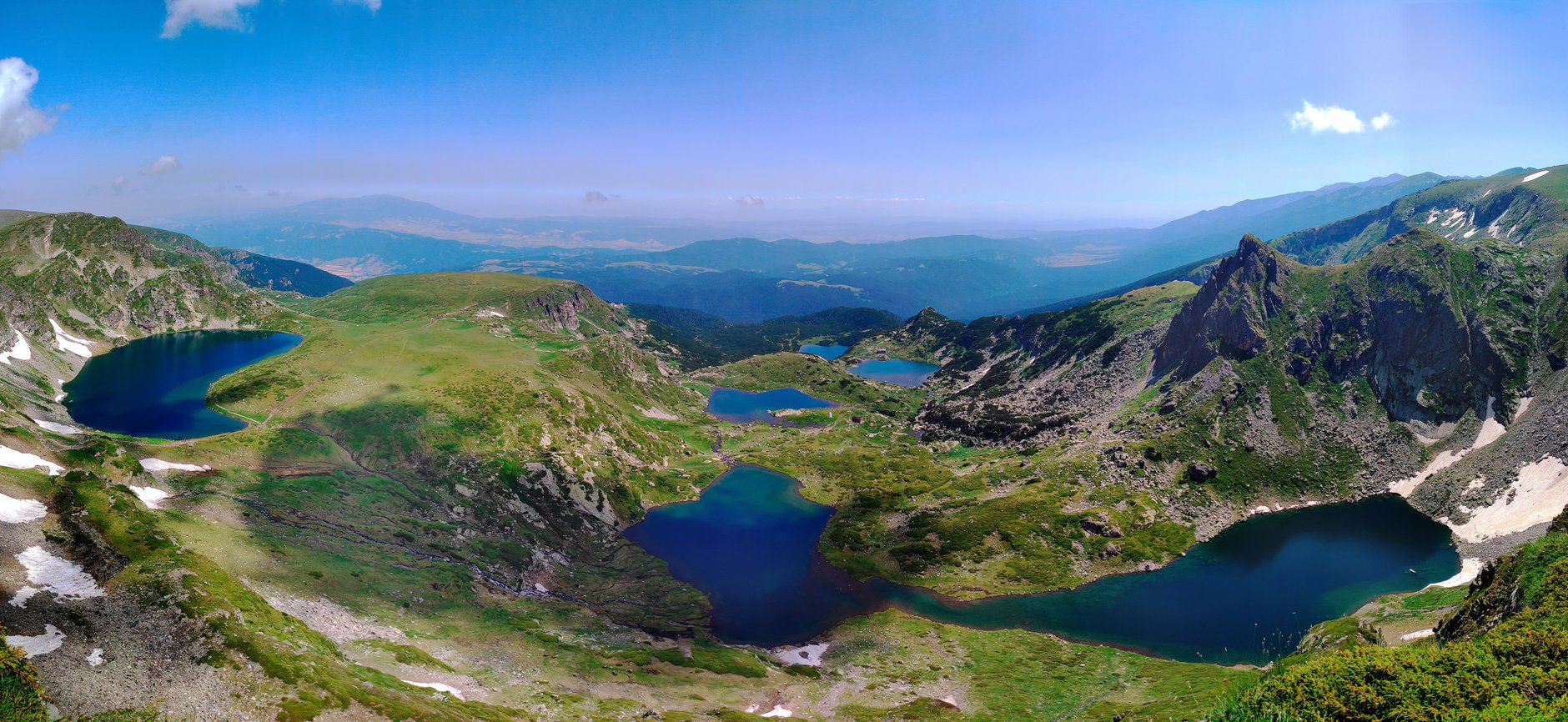
Further north within the national park lies Bulgaria’s premier natural attraction: the Seven Rila Lakes (Sedemte Rilski Ezera). Stepped like giant glacial terraces between 2,100 and 2,500 meters above sea level, each lake bears a descriptive name reflecting its physical contour: Dolnoto (Lower), Ribnoto (Fish), Trilistnika (Trefoil), Bliznaka (Twin—the largest by surface area), Babreka (Kidney), Okoto (Eye—the deepest at 37.5 meters), and Salzata (Tear—the highest at 2,535 meters with crystal alpine clarity).
Reaching the lakes requires traveling to Panichishte resort, where an open two-seater chairlift ascends to the Rilski Ezera hut (2,150m) in twenty-five minutes. From the hut, a loop trail takes four to five hours to circle the primary lakes and ascend to Lake Peak (Ezeren Vrah) for panoramic views of all seven lakes. Sturdy footwear and early morning departures are crucial; afternoon mountain squalls arrive rapidly, and lift queues can stretch past an hour on summer weekends.
Gastronomy, Mehana Traditions & Bulgarian Wine
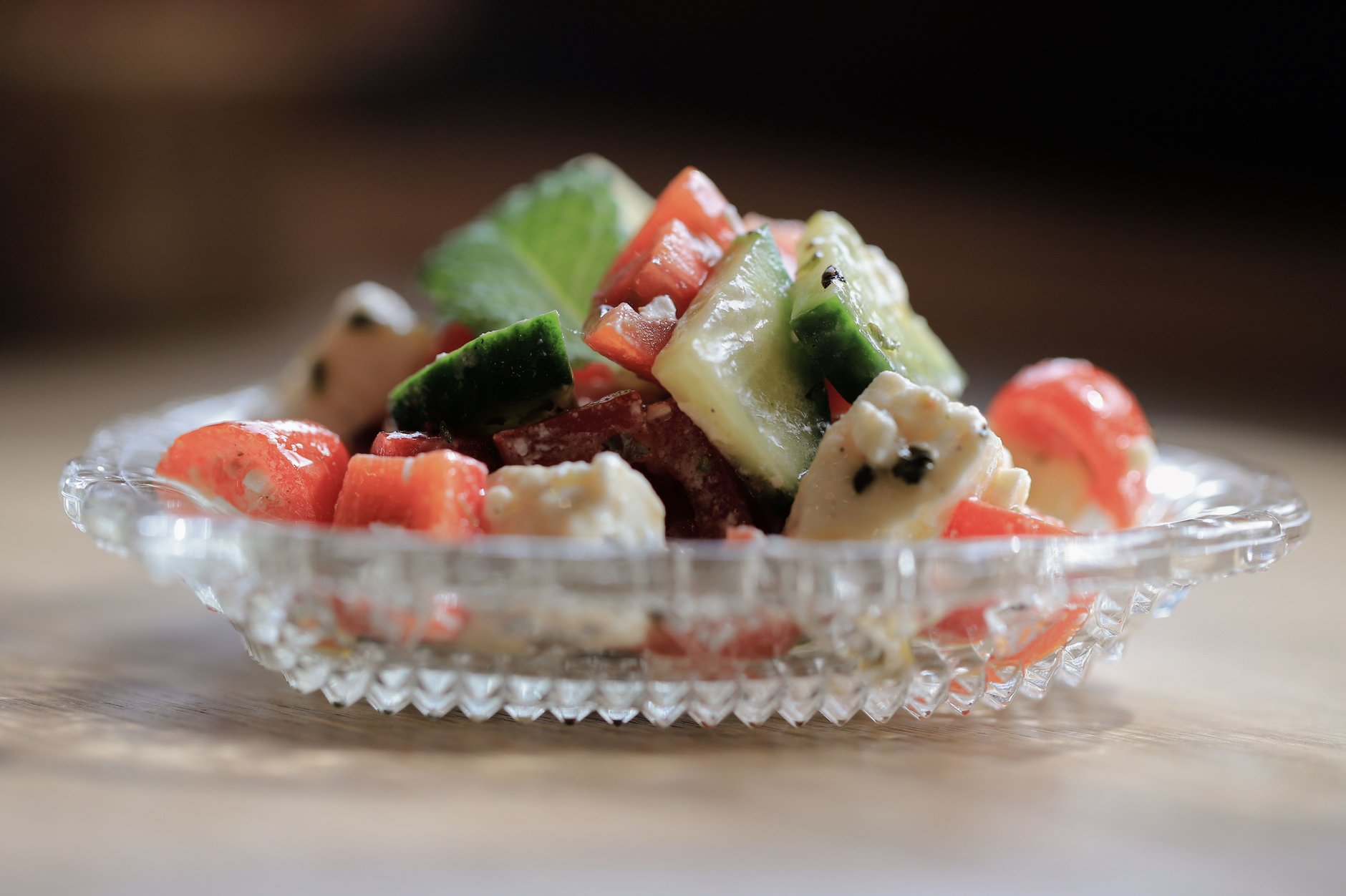
Bulgarian culinary culture reflects agricultural abundance shaped by fertile river valleys and Mediterranean influences. Meals are prolonged social rituals, almost invariably beginning with a cold salad accompanied by an iced glass of rakia, the traditional fruit brandy distilled from grapes or plums. The national salad, Shopska, is an artful combination of finely diced sun-ripened tomatoes, crisp cucumbers, roasted red peppers, and pungent red onions, smothered beneath a generous layer of finely grated white brined sirene sheep’s cheese.
Traditional dining takes place inside mehanas—rustic folk taverns featuring timber rafters, wrought-iron lanterns, and stone hearths. Hearty main dishes rely on slow braising inside covered clay pots called gyuveche. Meat dishes like kavarma combine tender diced pork or veal with leeks, wild mushrooms, and savory herbs. During warm summer months, Bulgarians cool themselves with tarator, a refreshing cold soup prepared from yogurt, chilled water, cucumbers, crushed walnuts, garlic, and fresh dill.
Other essential dishes to sample across your journey include morning banitsa—crispy spiral layers of handmade filo pastry stuffed with eggs and salty sirene cheese, traditionally washed down with slightly sour fermented boza or cold ayran. For casual street meals, look for freshly grilled kebapche (elongated cumin-spiced minced pork sausages) and kyufte (seasoned meatballs), always accompanied by homemade lyutenitsa, a rich and sweet relish made from roasted red peppers, tomatoes, aubergines, and onions.
Bulgaria is also one of the world’s ancient viticultural cradles, where Thracians cultivated vines long before Roman legions crossed the Danube. Wine enthusiasts traveling between Sofia and Plovdiv pass through the heart of the Thracian Valley, an internationally recognized wine region famous for full-bodied red varietals. Look for indigenous grapes such as Mavrud, a deep, tannic red cultivated around Plovdiv and Asenovgrad that yields rich notes of dark berries, tobacco, and chocolate, or Shiroka Melnishka, grown along the southwestern Struma Valley. Modern boutique wineries welcome visitors for cellar tours and paired tastings at accessible price points.
Practical Transport Logistics: Trains, Buses and Mountain Roads
Navigating Bulgaria smoothly requires choosing the right transit mode for each geographic segment. Between major metropolitan centers, public transport operates reliably and affordably. State railway BDZ operates express passenger trains between Sofia Central Station and Plovdiv several times daily, completing the journey in roughly two hours for under ten euros. Alternatively, modern intercity coach operators run hourly services from Sofia Central Bus Station along the smooth A1 Trakiya motorway, offering air-conditioned comfort and luggage storage.
Within Sofia, urban transit is modern and straightforward. Metro Line M4 links Airport Terminal 2 directly to central Serdica station in thirty minutes. Passengers tap any contactless credit card or digital wallet directly at turnstiles for an automated single fare of 1.60 BGN (approximately $0.93), with daily capping applied automatically after three rides.
For exploring the Rila Mountains and rural heritage villages, renting a car is optimal. National highways are smooth, though secondary mountain roads feature potholes and uneven shoulders. Ensure your rental includes an electronic toll vignette (BGTOLL), mandatory on national roads outside city limits and monitored by automated cameras.
Travel Safety & Common Scams to Avoid
Bulgaria is generally a safe and welcoming destination with low rates of violent crime. However, petty opportunism, taxi fraud, and currency traps can quickly complicate an otherwise enjoyable journey. Being aware of established deceptive practices will keep your trip trouble-free.
- Airport Fake Taxi Touts: Unlicensed drivers stand inside the arrival halls of Sofia Airport, aggressively offering rides to “Central Sofia.” They drive vehicles painted yellow to mimic reputable fleets like OK Supertrans, but use rigged meters that charge four to ten times the legal rate. Always use official automated taxi kiosks inside the terminal or book directly via Yellow Taxi or TaxiMe smartphone apps.
- Manipulated Currency Exchange Boards: Exchange kiosks near tourist hot spots—such as Vitosha Boulevard in Sofia or Sunny Beach—display deceptive signboards advertising zero-commission rates with the official European Central Bank rate in bold. Hidden inside is fine print applying a 20% “service commission” or inverted buy/sell columns. Use established bank branches or bank ATMs to exchange money.
- Rila Lakes Unofficial 4WD Shuttles: When long queues form at the Panichishte chairlift on summer mornings, aggressive private 4WD operators solicit hikers, claiming the lift is broken or running hours behind schedule. They charge exorbitant cash fares to drive up deeply eroded forest tracks, which cause severe ecological damage and bypass official safety standards. The lift is rarely broken; wait your turn patiently.
- Spurious Old Town Parking Attendants: In historic Plovdiv, self-appointed “attendants” wearing reflective safety vests flag down rental cars on public cobblestone streets, demanding immediate cash payments of ten to twenty leva for “guaranteed parking protection.” Public street parking in central zones is regulated exclusively via municipal SMS blue-zone signage or paid official parking lots.
- Pedestrian Boulevard Bill Padding: Certain late-night lounges and strip clubs along or adjacent to central pedestrian avenues employ promoters who invite solo travelers for drinks. Once inside, foreign guests are presented with inflated bills listing astronomical charges for champagne, snacks, or hostess company, enforced by intimidating security staff. Frequent only well-reviewed, transparent establishments.
- Railway Station Underpass Luggage Helpers: At Sofia Central Railway Station, self-styled porters approach arriving tourists carrying heavy luggage, grab their suitcases under the pretense of helpfulness, and carry them up the underpass stairs. Upon reaching street level, they aggressively demand twenty to fifty leva in foreign currency. Firmly refuse any unsolicited assistance.
Practicing basic urban vigilance and carrying a small amount of cash in Bulgarian Leva (BGN) for rural bakeries, public restrooms, and remote trail huts will keep your journey secure and enjoyable.
Mobile Connectivity & eSIM Intelligence for Bulgaria
Reliable high-speed mobile data is indispensable when navigating Bulgaria’s mountainous terrain, booking intercity rail seats, and translating Cyrillic signs. While urban centers enjoy public Wi-Fi networks in cafes and hotels, these unsecured connections leave personal banking information vulnerable and disappear the moment you board a regional bus or set out on an alpine trail.

Purchasing local prepaid plastic SIM cards at Sofia Airport or downtown telecom stores introduces unnecessary friction. Bulgarian telecommunications law mandates in-person passport registration, biometric verification, and physical document scanning for all prepaid lines. Queuing at airport kiosks after an international flight consumes valuable travel time, and airport vendors frequently push expensive, pre-packaged tourist bundles with rigid seven-day expiration windows.
A global eSIM provides a vastly superior solution. With NXTL, you connect instantly upon landing at Sofia Airport without visiting a physical store or swapping out your home carrier’s primary SIM card. Operating on a pay-as-you-go balance model, NXTL provides cellular data in Bulgaria starting at an affordable rate of just EUR 0.66 per gigabyte.
Crucially, NXTL operates with multi-carrier failover across all three primary Bulgarian national mobile networks: A1 Bulgaria, Yettel, and Vivacom. While a local single-carrier SIM will drop signal if you descend into an isolated canyon or ascend into high alpine valleys around Rila, NXTL dynamically shifts your connection to the strongest available local tower. Full personal hotspot and tethering functionality is enabled, allowing you to share high-speed 5G data with laptops, tablets, or traveling companions.
Getting started is straightforward. For $11.99, you receive your universal eSIM profile with $10 in preloaded account balance. Because your balance never expires and covers 180+ countries and 460+ carrier networks worldwide, any credit remaining after your Bulgarian adventure remains active and ready for your subsequent European or global journeys.