Fiji embodies the South Pacific dream of palm-fringed lagoons and living coral reefs. Yet first-time visitors often make one of two critical miscalculations: confining themselves entirely to Denarau Island’s resort enclave on Viti Levu—missing the crystalline waters of outer islands—or underestimating boat transfer times between island chains. Crafting a rewarding Fijian journey requires making a clear, calculated decision between mainland culture and outer-island seclusion.
The secret to an unhurried, authentic experience lies in understanding island transport logistics. While high-speed catamarans reach the sheltered Mamanuca Islands in under an hour from Port Denarau, traveling to the northern reaches of the dramatic Yasawa chain demands up to five hours of open-water cruising aboard the Yasawa Flyer. By balancing a multi-night outer-island resort stay with mainland explorations along Viti Levu’s Coral Coast, you experience living coral gardens and traditional village customs without spending half your holiday trapped on ferry transfer decks.
Island Selection & Route Architecture: Viti Levu, Mamanucas & Yasawas
Fiji comprises over 330 islands across the South Pacific. For a first visit of eight to ten days, your focus naturally narrows to three primary regions: Viti Levu, the Mamanuca Islands, and the Yasawa chain. Choosing where to stay depends on how much travel time you are willing to trade for pristine waters and dramatic topography.
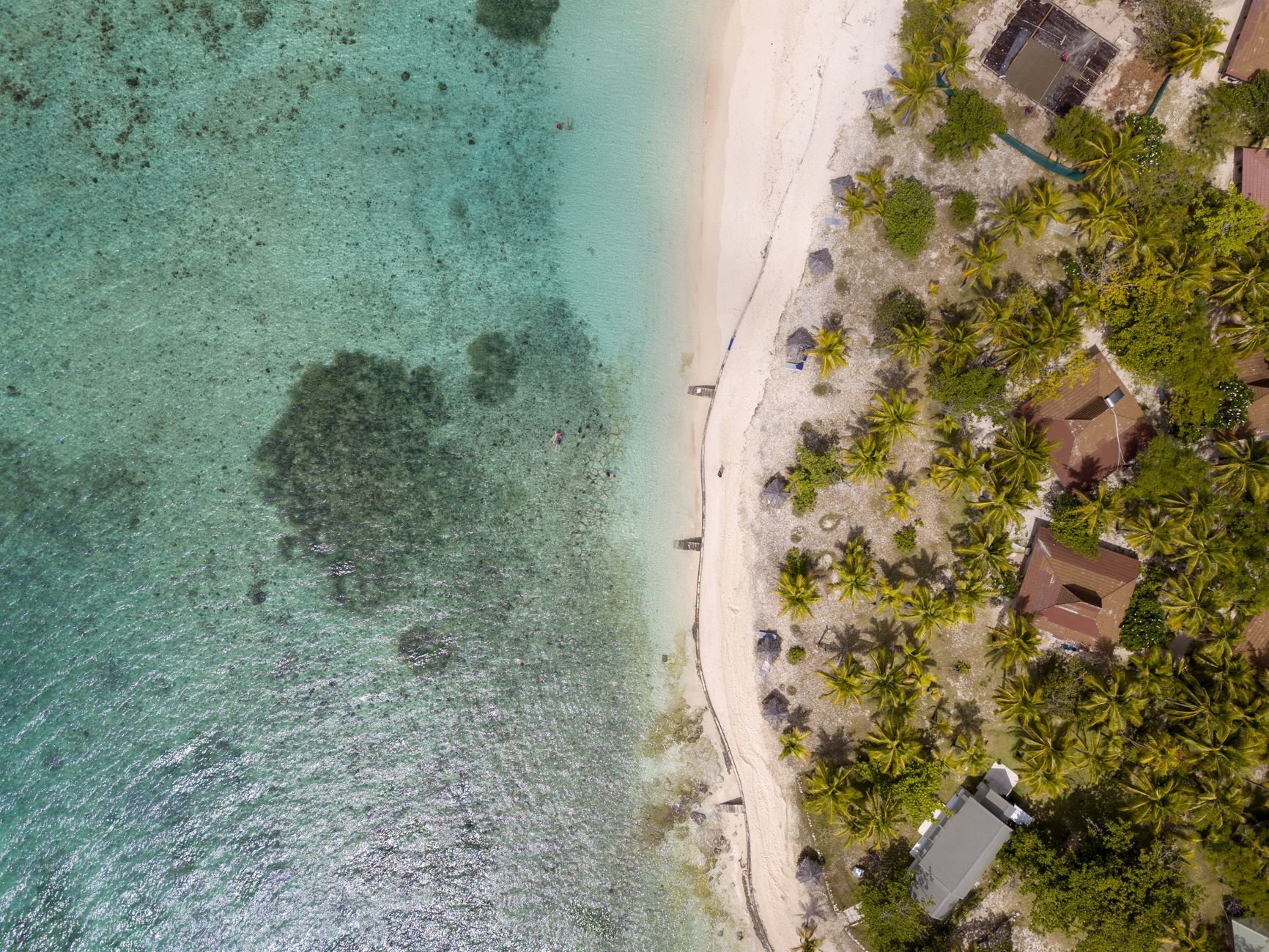
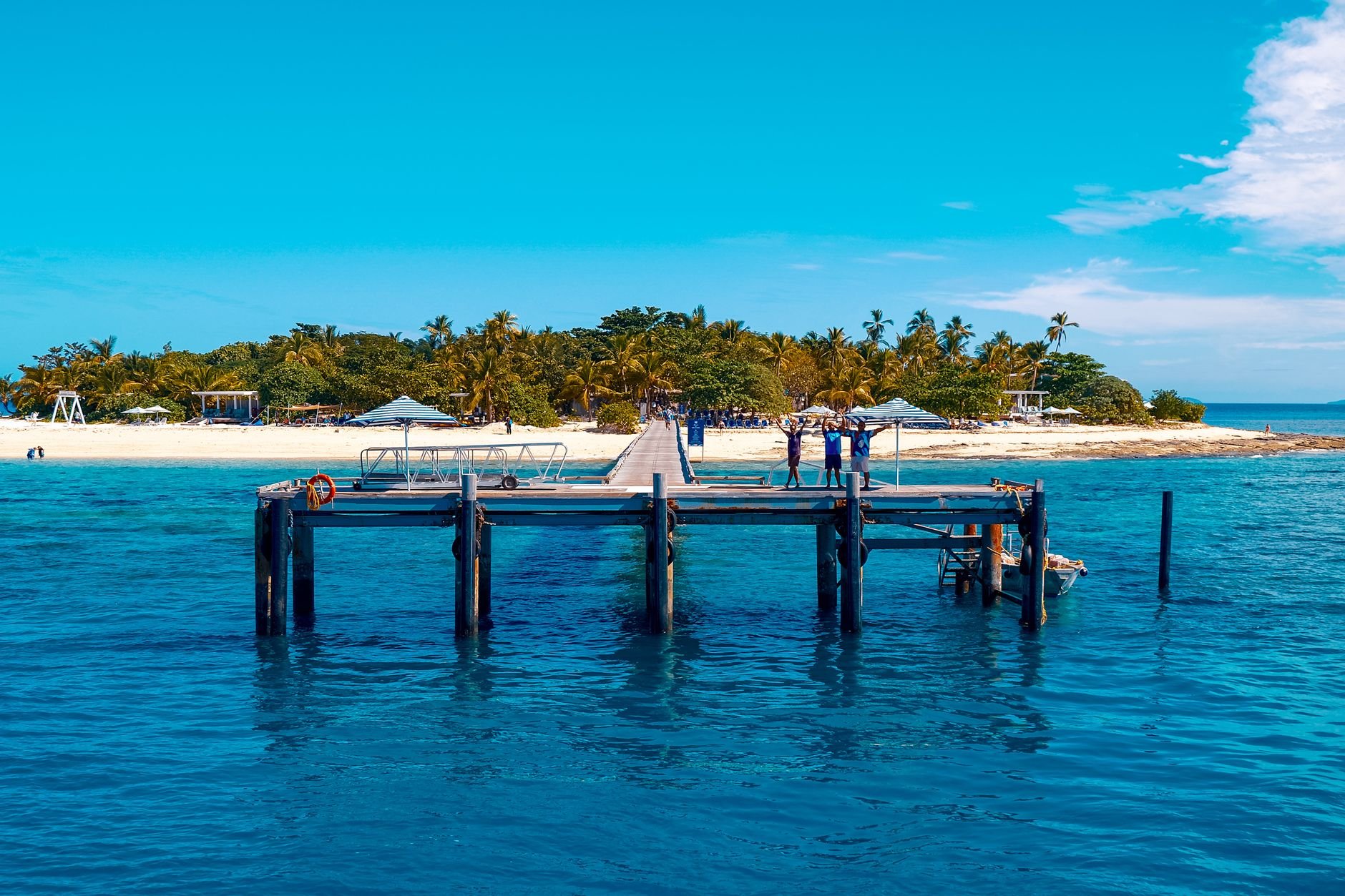
Denarau Island on Viti Levu is often promoted as the standard hub, but its dark volcanic sand beaches fail to deliver the classic South Pacific setting. Denarau works best as a transit stepping stone for arrival night. The Mamanucas, fifteen to thirty miles west of Port Denarau, offer white sand atolls, calm lagoons, and surf breaks like Cloudbreak within a one-hour boat transfer.
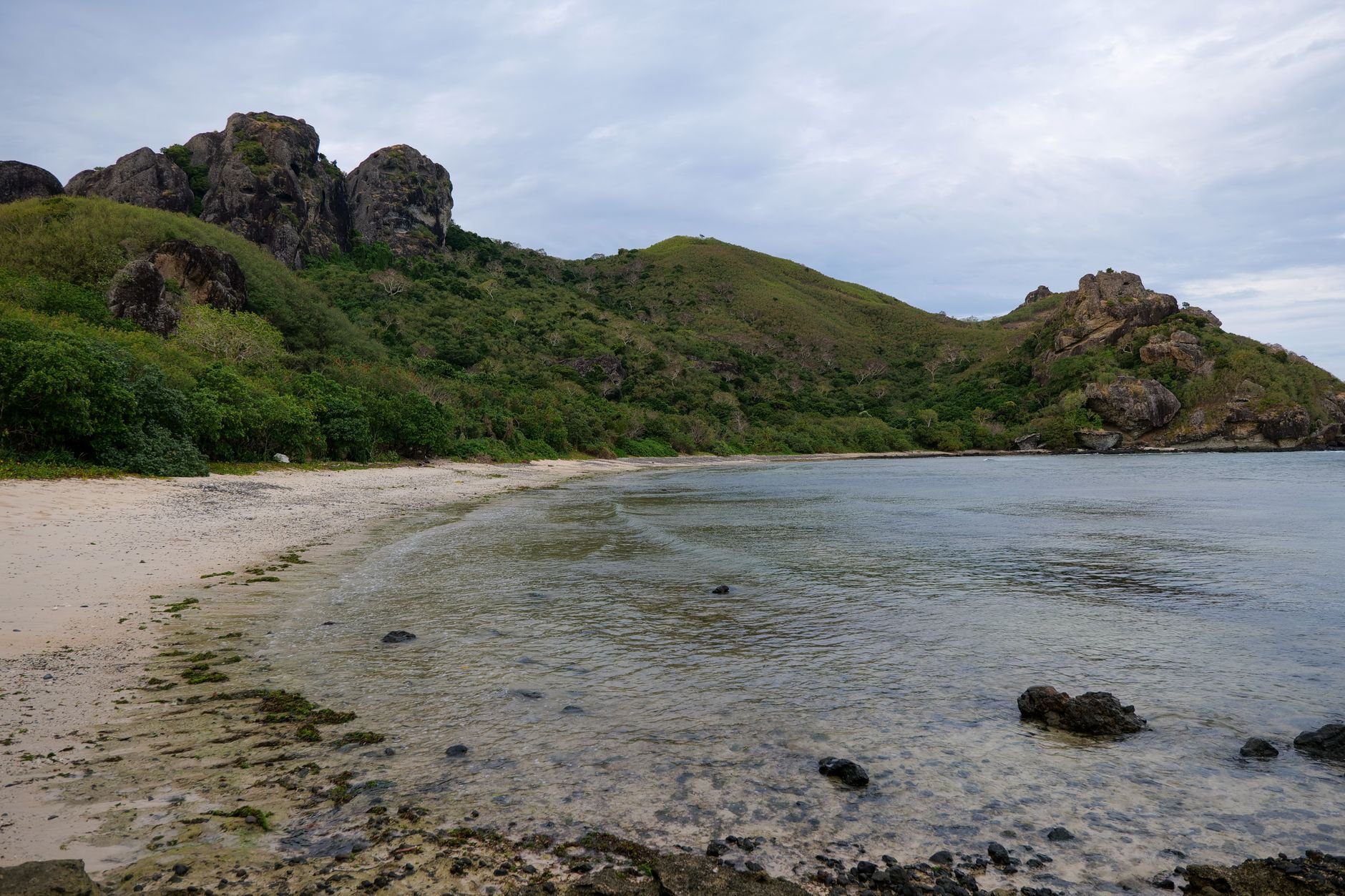
Further northwest stretch the Yasawas, a chain of twenty dramatic volcanic islands featuring towering grassy ridges, limestone sea caves, and secluded bays where manta rays feed from May to October. Because reaching the northern Yasawas takes up to five hours by catamaran, visiting this archipelago demands a minimum commitment of four consecutive nights to justify the travel time. Combining an outer-island stay in the Yasawas or Mamanucas with three nights along Viti Levu’s lush Coral Coast yields the perfect blend of marine immersion and indigenous cultural encounters.
| Day | Base | Key Stops & Cultural Sightseeing | Transit Mode | Transit Time | Advance Bookings Required |
|---|---|---|---|---|---|
| Day 1 | Nadi / Denarau | Arrive NAN airport, transfer to Port Denarau marina, marina dining & sunset orientation | Airport taxi (25 min) | 25 minutes | Port Denarau hotel transfer |
| Day 2 | Yasawa Islands | Board Yasawa Flyer catamaran, cruise through Mamanucas, check-in to island bure | High-speed catamaran | 3.5 hours | South Sea Cruises catamaran pass |
| Day 3 | Yasawa Islands | Fringing coral reef snorkeling, guided reef shark encounter, traditional sunset kava ritual | Island dive boat | 15 minutes | Reef snorkeling gear hire |
| Day 4 | Yasawa Islands | Sawa-i-Lau limestone sea caves excursion, swimming in sacred subterranean chambers | Motorized skiff | 45 minutes | Sawa-i-Lau cave entry permit |
| Day 5 | Yasawa Islands | Local village visit, ceremonial sevusevu kava presentation, weaving workshop, lovo feast | Foot / village walk | None (island base) | Village sevusevu protocol |
| Day 6 | Coral Coast (Viti Levu) | Yasawa Flyer catamaran back to Port Denarau, scenic coastal drive along Queens Road | Ferry + private car | 3.5h boat + 1.5h drive | Private vehicle transfer |
| Day 7 | Coral Coast | Sigatoka Sand Dunes National Park hike, Lapita pottery archaeological sites, coral reef walk | Rental car / taxi | 30 minutes | National park ranger guide |
| Day 8 | Pacific Harbour | Navua River canyon longboat safari, rainforest waterfall swim, traditional lovo lunch | Riverboat / minibus | 45 minutes | Navua safari excursion booking |
| Day 9 | Nadi | Sri Siva Subramaniya Hindu temple, Nadi Handicraft Market, departure from NAN | Highway drive to NAN | 1.5 hours | International flight check-in |
This balanced nine-day itinerary allocates transit efficiently. By grouping your island days together and ending on the mainland, you avoid the anxiety of missing an international flight due to rough seas or delayed ferry schedules on your departure day.
The Mamanuca & Yasawa Chains: Reefs, Caves & Mantas
Leaving the muddy mangroves of Port Denarau aboard a South Sea Cruises catamaran brings an astonishing transformation in water clarity. Within forty minutes, the shallow coastal shelf drops away into deep indigo ocean before shallowing over fringing coral atolls in luminous shades of aquamarine. The Mamanuca group comprises twenty islands including Malolo, Castaway, and uninhabited Monuriki, where the 2000 survival film Cast Away was filmed.
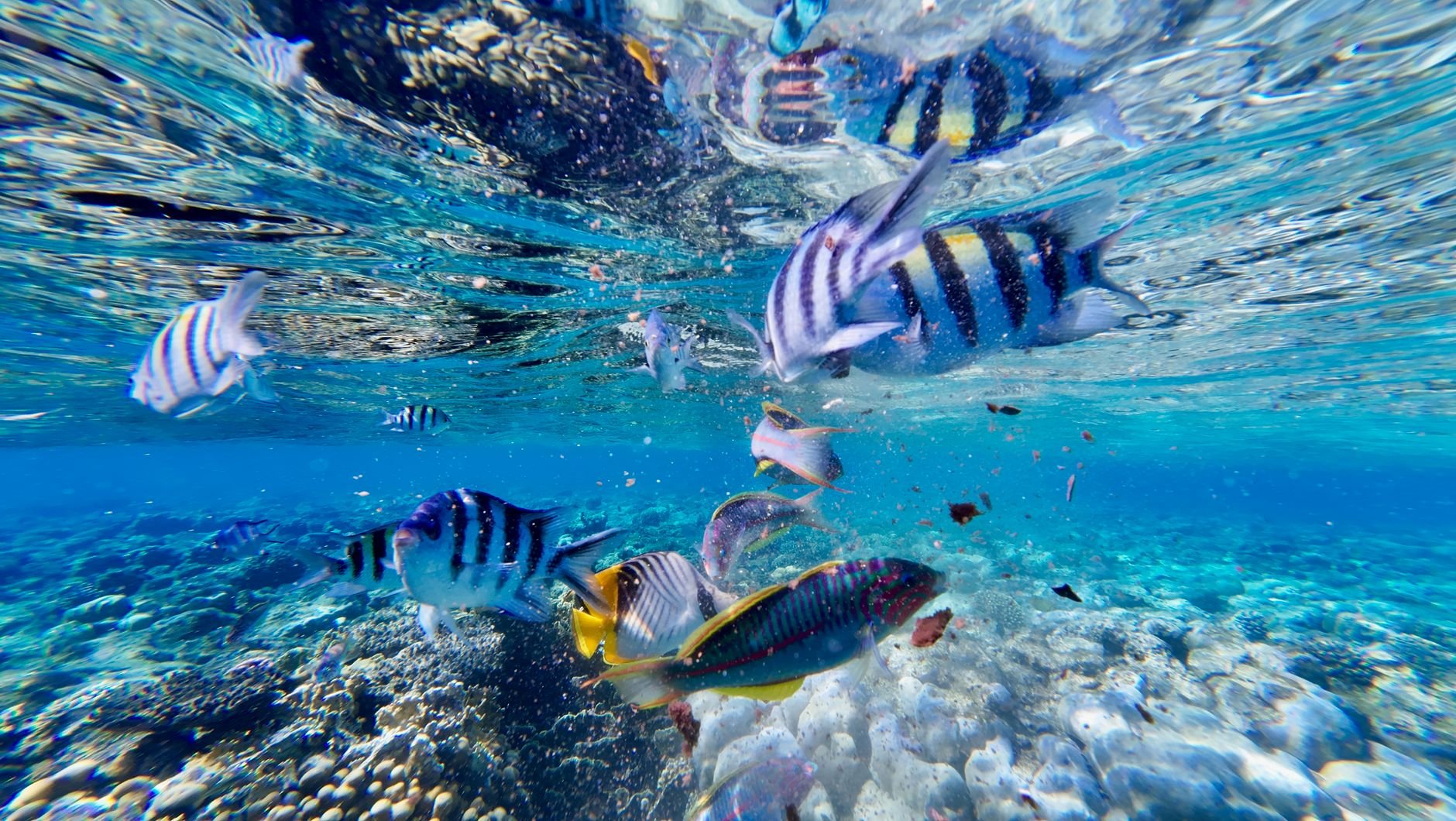
The Mamanucas provide exceptional snorkeling and diving. Protected reserves like Namotu and Malolo Barrier Reef support dense coral gardens teeming with turtles, reef sharks, and damselfish. On the southern barrier reef, legendary breaks like Cloudbreak draw surfers from around the globe.
Cruising north into the Yasawa Islands introduces a much wilder, more dramatic landscape. Formed by ancient volcanic activity, these islands feature jagged green ridges that drop precipitously into sheltered bays lined with golden sand. Life in the Yasawas moves at an unhurried, rhythmic pace governed by the tides and the sun.
At the northern end of the chain lies Sawa-i-Lau Island, famed for its limestone sea caves. The first opens into an immense cavern where sunlight streams onto green seawater. Adventurous swimmers, guided by villagers with waterproof torches, dive beneath an underwater ledge to enter a second, dark cavern echoing with lapping tides.
Between May and October, the narrow channel between Drawaqa and Naviti islands becomes a global gathering point for reef manta rays. Drawn by nutrient-rich plankton blooms funneling through the channel with incoming tides, these gentle oceanic giants—with wingspans reaching up to four meters—glide effortlessly past snorkelers in the calm, shallow water.
Viti Levu Mainland: Sand Dunes, Waterfalls & Heritage
Returning to Viti Levu reveals a diverse landscape of tropical rainforests, sugar cane valleys, and dramatic coastal terrain that most fly-and-flop resort guests never encounter. Traveling along the southern Queens Road brings you to the Coral Coast, an eighty-kilometer scenic coastline where fringing reefs create shallow, protected lagoons ideal for tidal reef-walking.
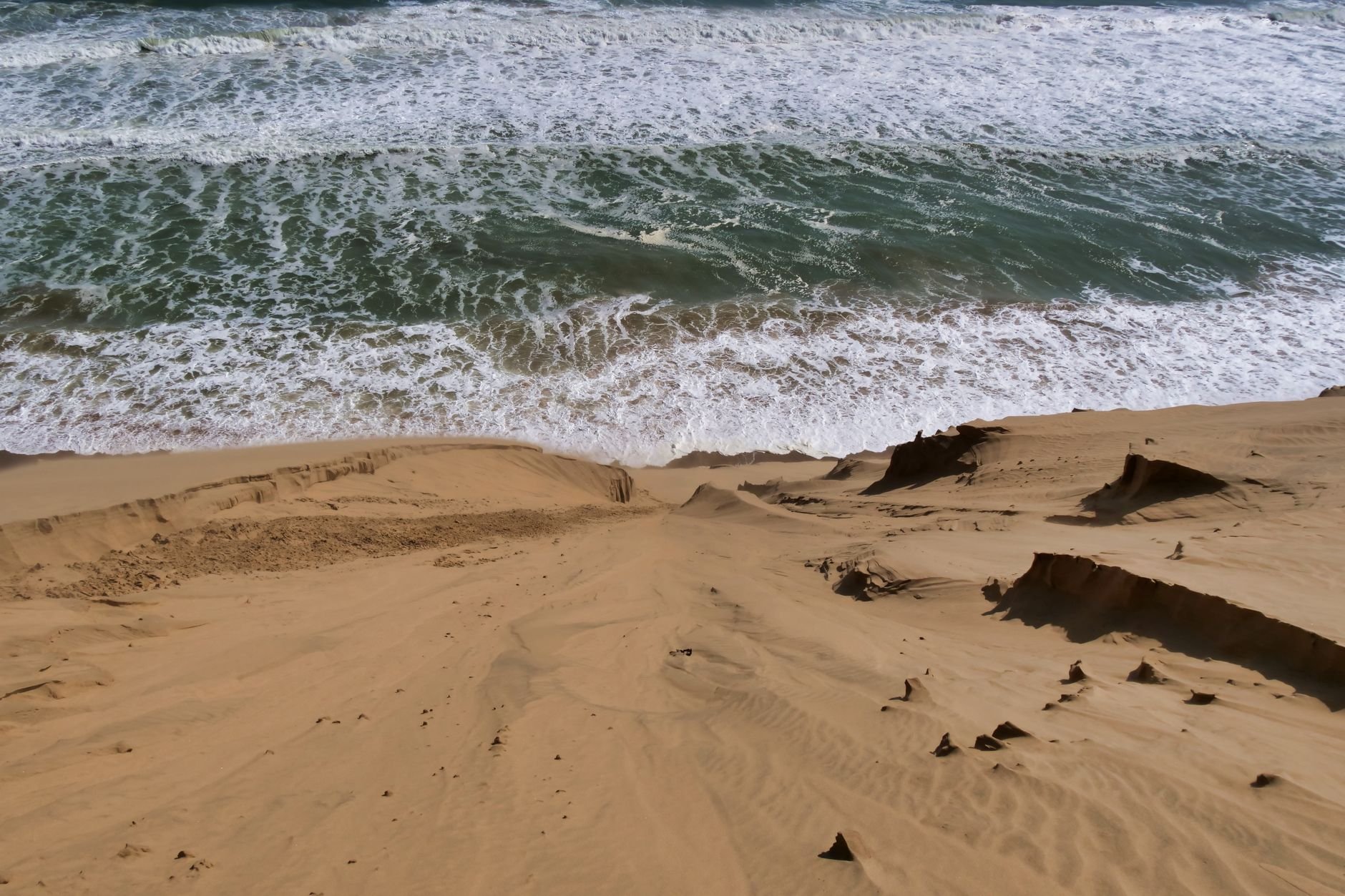
Near the mouth of Sigatoka River lies Sigatoka Sand Dunes National Park, established in 1989 as Fiji’s first national park. These coastal parabolic dunes, rising up to sixty meters high and stretching five kilometers, were formed over millennia by wind and surf. Hiking the ridge trail winds through mahogany forest to crests dropping toward Pacific surf, where sands uncover ancient Lapita pottery shards dating back nearly three thousand years.
Further east near Pacific Harbour—known as Fiji’s adventure capital—the interior mountains offer thrilling river explorations. Board a motorized wooden longboat up the Navua River, carving deep into sheer volcanic gorges cloaked in primary tropical rainforest. Towering canyon walls drip with wild orchids and cascading waterfalls, culminating at the multi-tiered Magic Waterfalls where travelers can swim in deep, cool freshwater mountain pools.
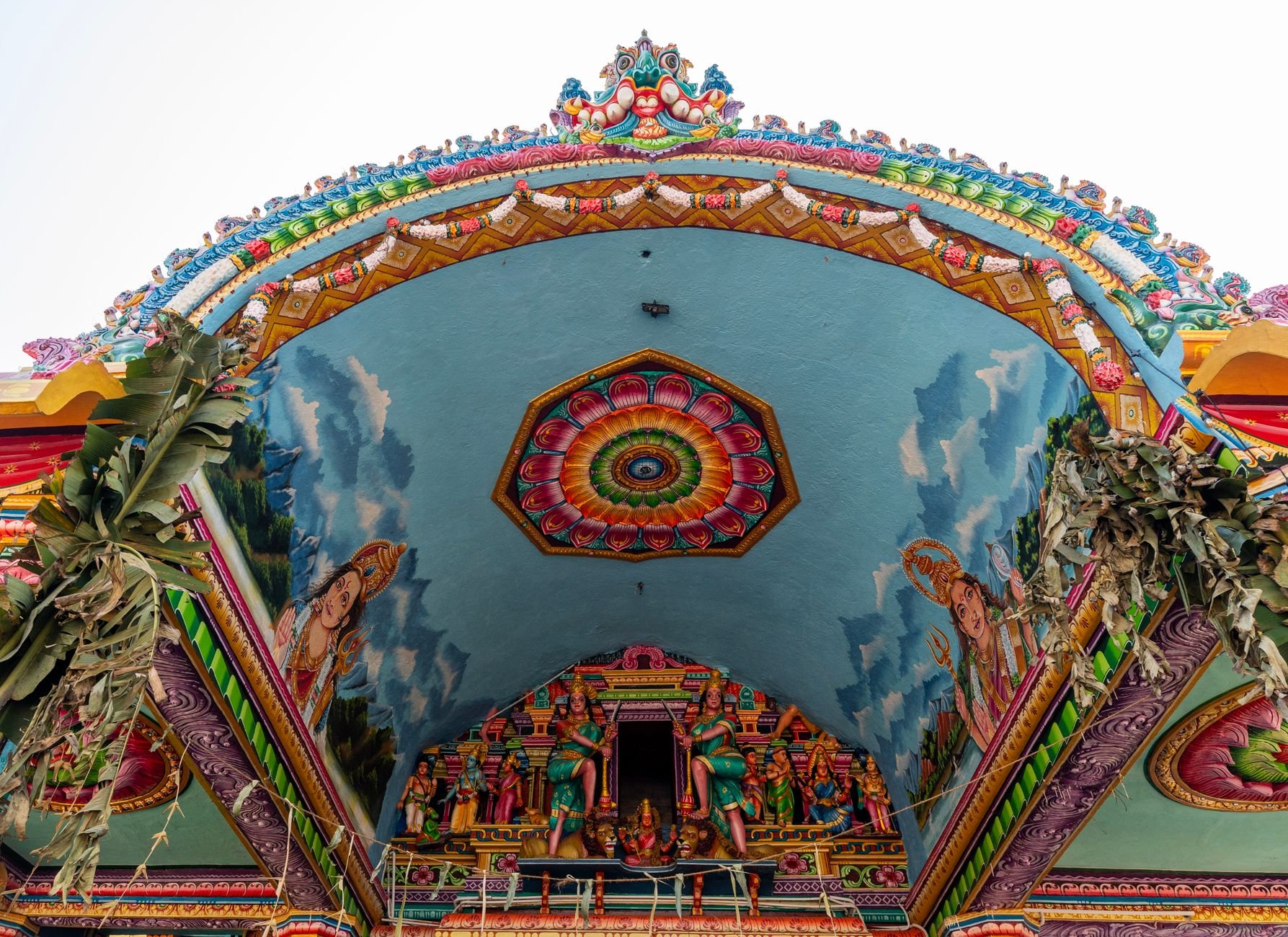
In Nadi, experience Fiji’s rich Indo-Fijian heritage at the Sri Siva Subramaniya Swami Temple, situated at the southern end of the main street. Originally established by South Indian indentured laborers brought to work Fiji’s sugar cane fields in the late nineteenth century, the temple was rebuilt in traditional Dravidian architectural style by master craftsmen from Tamil Nadu. Its towering multi-tiered gopuram entrance gate is covered in intricate sculptures depicting deities, celestial dancers, and sacred animals painted in brilliant hues.
Indigenous Village Protocol & Kava Ceremonies
Traditional Fijian village life is underpinned by profound community cohesion and respect for ancestral hierarchy. While island resorts offer relaxed Western amenities, entering an authentic indigenous village (koro) requires adhering to time-honored customary protocols.
Visitors must dress modestly: both men and women should wear a sulu (a wraparound sarong covering the knees) and keep shoulders covered. Always remove hats, caps, and sunglasses when entering a village, as wearing anything on your head is considered an affront to the village chief. Speaking loudly or wandering unaccompanied into private family compounds is strictly avoided.
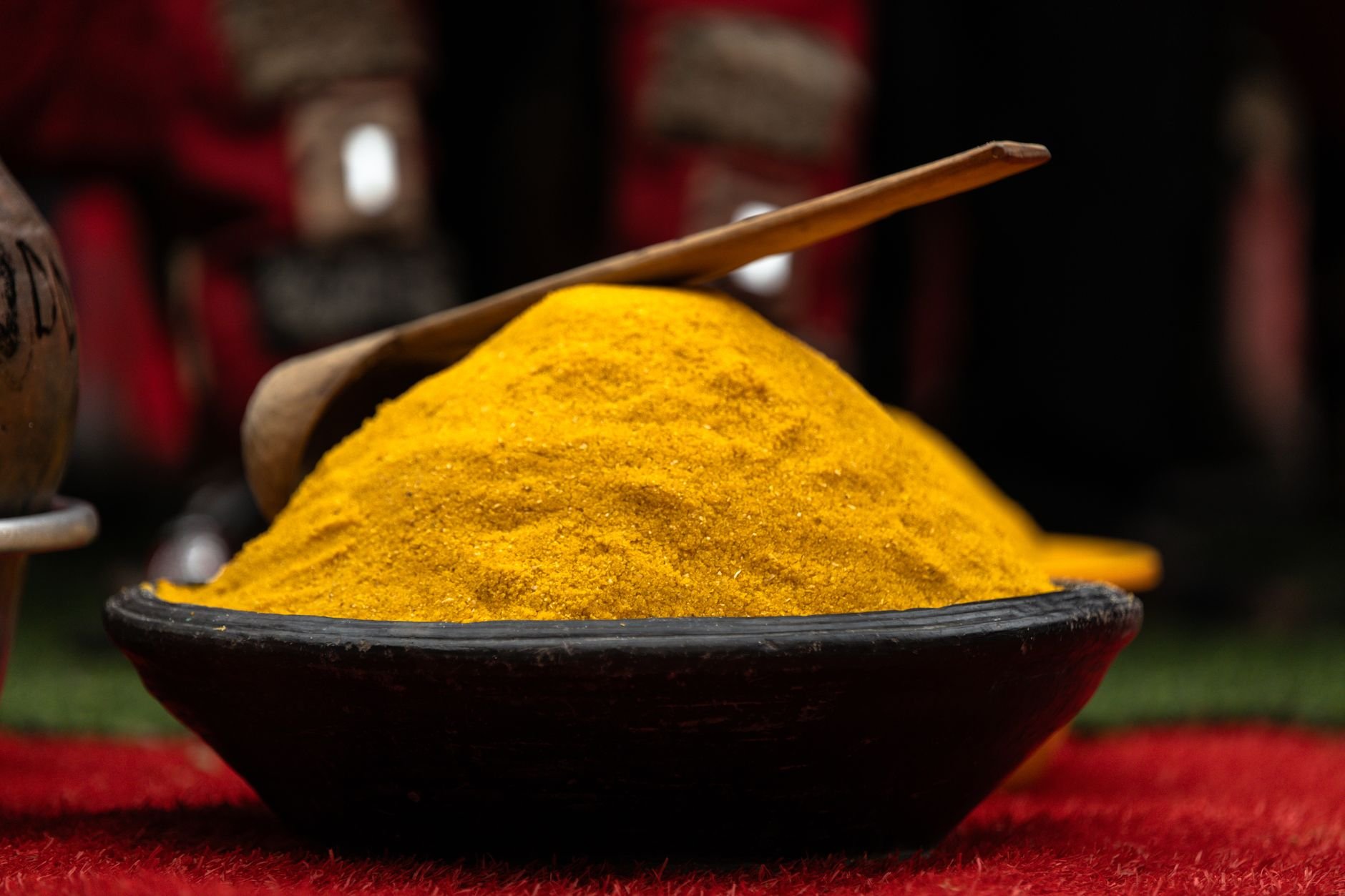
The centerpiece of any village visit is the sevusevu, a customary gift presented to the village headman (Turaga ni Koro) to request permission to visit and enter village lands. The standard gift is a half-kilogram bundle of dried waka (kava root), easily purchased at local municipal markets for fifteen to twenty-five Fijian dollars.
The roots are crushed into powder, placed in a cloth strainer, and mixed with fresh water inside a massive carved wooden bowl called a tanoa. When offered a bowl of kava (bilo, carved from a half coconut shell), etiquette dictates clapping once with cupped hands, saying “Bula!” before drinking the earthy liquid in a single smooth draught, and then clapping three times with cupped hands while saying “Vinaka” (thank you). Kava produces a gentle, calming numbness across the lips and tongue, fostering relaxed storytelling and communal bonding.
Fijian Gastronomy: Kokoda & the Lovo Feast
Fijian cuisine is an extraordinary celebration of fresh ocean catches, creamy coconut milk (lolo), tropical root crops, and fragrant Indian curries introduced over a century ago. The undisputed star of the coastal table is kokoda (pronounced ko-kon-da), Fiji’s take on raw fish ceviche.
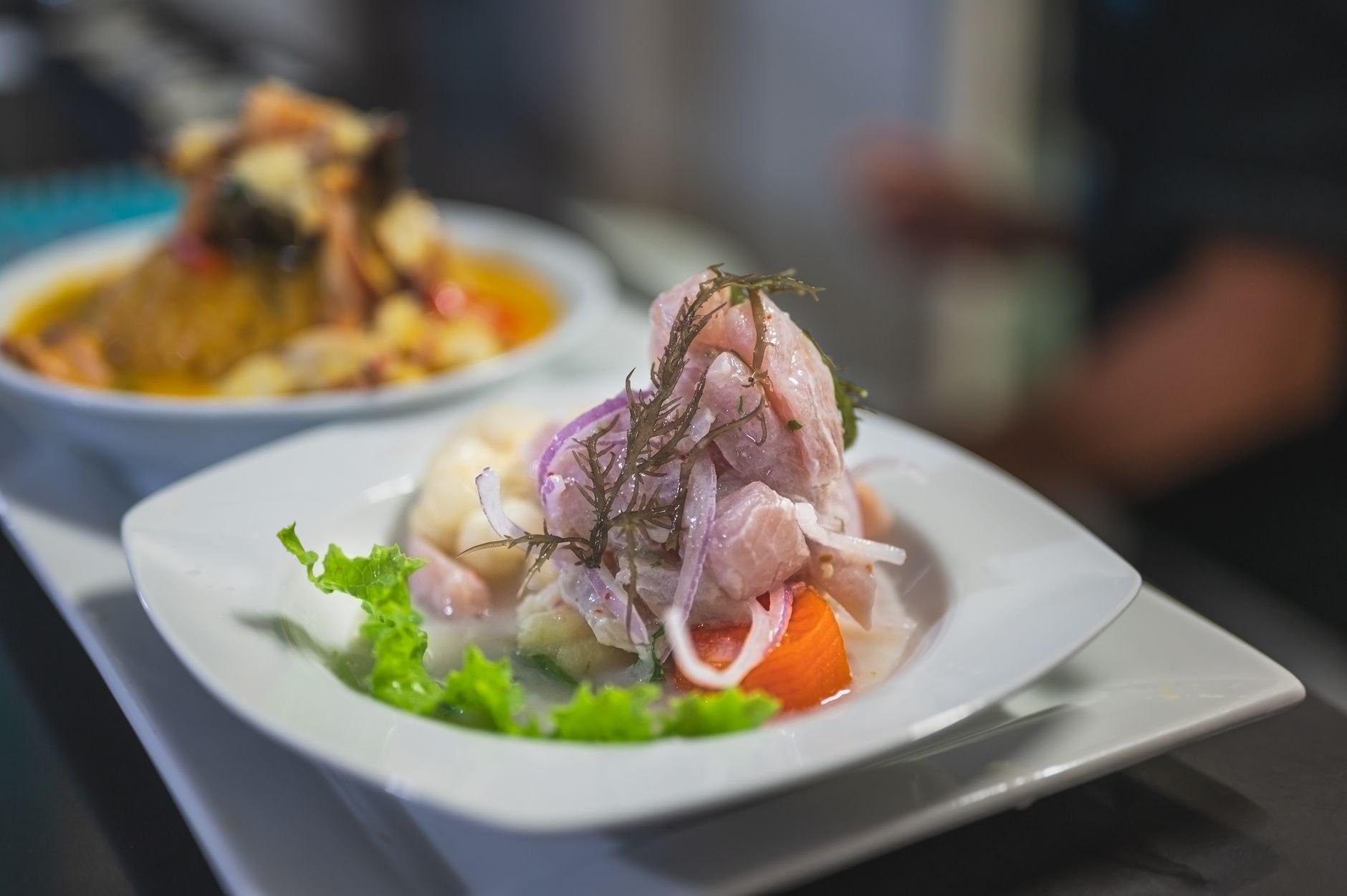
Fresh fillets of firm white reef fish—most commonly walu (Spanish mackerel) or mahi-mahi—are diced into bite-sized cubes and cured in freshly squeezed lemon or lime juice for several hours until the acid firms the flesh. The fish is then drained and bathed in rich, freshly pressed coconut cream, tossed with finely diced bird’s eye chilies, spring onions, crisp cucumbers, and ripe tomatoes, and served chilled inside a carved coconut shell. The balance of citrus acid, velvety sweet cream, and fiery chili heat is refreshing after a morning in the tropical sun.
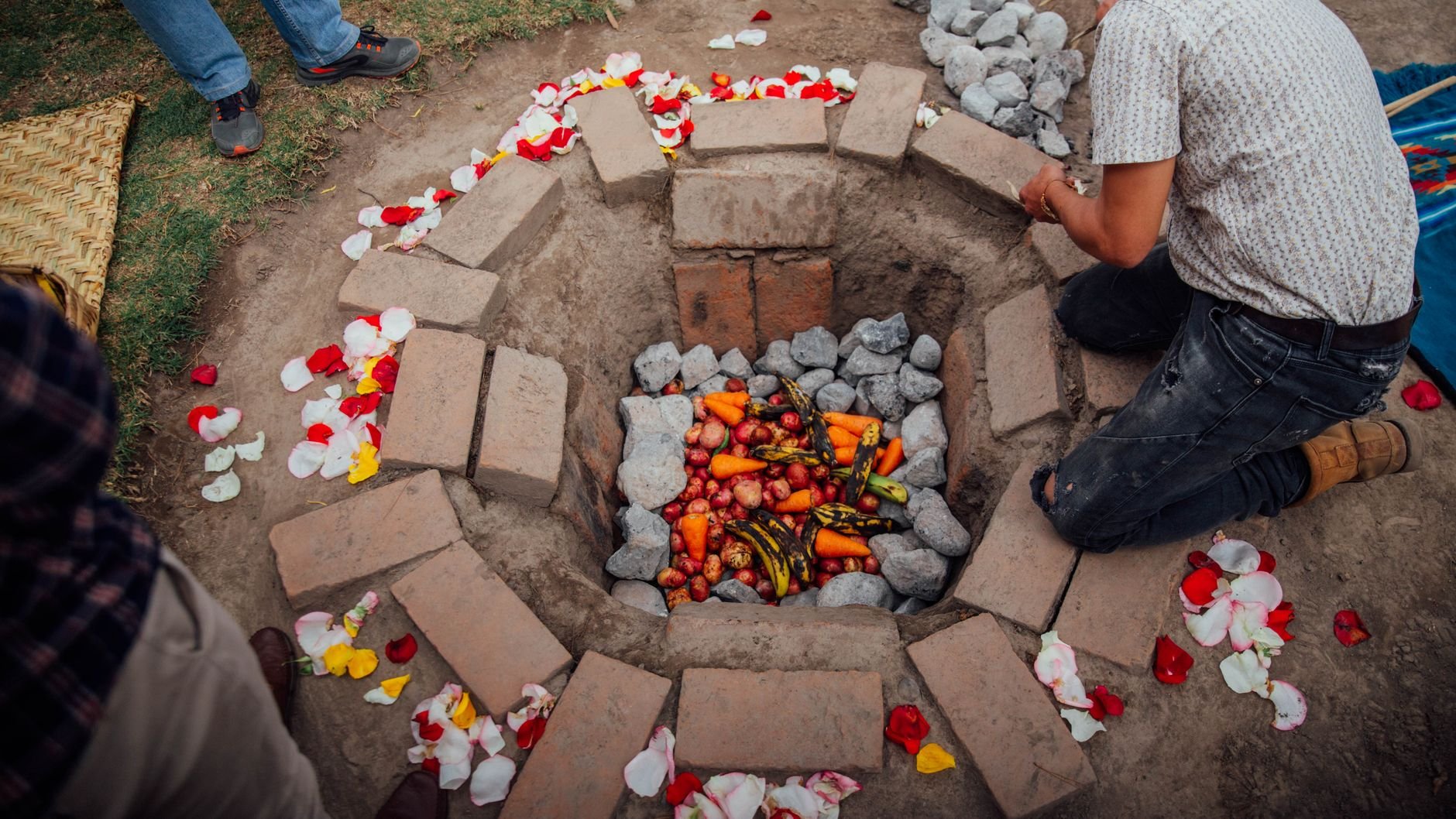
For community celebrations and weekend banquets, villages prepare a lovo, an underground earth oven. A shallow pit is dug in the ground and lined with dense river stones heated by a hardwood fire for two hours. Once the stones glow white-hot, whole chickens, seasoned pork shoulders, fresh fish, and root vegetables like dalo (taro) and cassava are wrapped in banana leaves. Beside them sit parcels of palusami—tender young taro leaves stuffed with rich coconut cream, onions, and tinned beef or corned fish, folded into tight bundles.
The parcels are placed onto the hot stones, covered with damp burlap sacks and coconut fronds, and buried under soil for two to three hours. When the earth is shoveled away, the food emerges infused with delicate woodsmoke flavor, with meats falling off the bone and root crops soft and sweet.
Practical Transport Logistics: Catamarans, Roads & Taxis
Navigating Fiji efficiently requires matching your transit mode to the archipelagic geography. On Viti Levu, the primary transport spine is Queens Road, a two-lane paved highway running along the southern coast between Nadi and the capital of Suva (roughly 190 kilometers, requiring four hours of scenic driving). Rental cars from major international brands are available at Nadi Airport and provide excellent freedom for exploring the Coral Coast, though drivers must exercise caution regarding roaming cows, stray dogs, and deep speed bumps (humps) near villages.
Between Viti Levu and the outer island chains, marine transport centers exclusively on Port Denarau. South Sea Cruises operates modern, air-conditioned catamarans with outdoor viewing decks, serving multiple daily departures to the Mamanucas. For the Yasawa chain, the yellow Yasawa Flyer departs Port Denarau once daily at 08:45, calling at over twenty island resorts along the chain before turning around in the late afternoon. Travelers should purchase the flexible Bula Pass if planning to hop between multiple Yasawa island resorts.
Local taxis on Viti Levu are widely available and relatively affordable. In urban centers like Nadi and Suva, licensed yellow-plated taxis are legally required to use meters; ensure the driver engages the meter before moving. For long-distance transfers between Nadi and Coral Coast resorts, negotiate and agree upon a fixed cash fare in advance.
Travel Safety & Common Scams to Avoid
Fiji enjoys a well-deserved reputation as one of the friendliest destinations in the world, with the warm greeting “Bula!” ringing out from strangers across every town and village. Serious violent crime against tourists is rare. However, petty deception, aggressive street touts, and marine safety shortcuts exist in popular transit zones.
- The “Bula Handshake” Name-Carving Souvenir Scheme: In central Nadi town and along market streets, smiling souvenir hawkers approach tourists with an outstretched hand, asking your first name. While engaging in friendly small talk, they swiftly carve your name onto a wooden war club, turtle, or sword. They then aggressively demand a cash payment, claiming it was custom-made for you. Politely decline to share your name with street touts and buy handicrafts from fixed-price shops.
- Nadi Airport Unmetered Taxi Overcharging: Outside the international arrival terminal, informal drivers intercept arriving passengers, claiming that metered taxis are unavailable and quoting a high cash fare for short transfers to Denarau that legitimately cost far less on the meter. Always use the official airport taxi desk or insist that the yellow-plated taxi turns on its meter.
- Unlicensed Open-Water Island Skiff Transfers: Independent operators at small boat ramps occasionally offer cheap private water taxi transfers to the Mamanucas in small fiberglass runabouts (longboats). These small open boats frequently lack marine VHF radios, emergency flares, life jackets, or GPS, and can easily capsize in open-water swell during sudden squalls. Always travel on licensed commercial catamarans or accredited resort transfer launches.
- Spurious Village Waterfall & Beach Access Tolls: Along the Coral Coast near popular natural attractions like Biausevu Waterfall, self-appointed local youths set up informal bamboo roadblocks, demanding unauthorized cash payments of a cash toll for “beach passage” or “trail maintenance.” Legitimate village entry fees are always paid directly to the village headman during an official sevusevu ceremony.
- Counterfeit Black Pearl Jewelry: In roadside craft stalls and souvenir markets, vendors sell black and peacock-hued pearls claiming they are genuine Fijian cultured saltwater pearls from Savusavu. Many are cheap synthetic plastic beads or imported low-grade freshwater pearls. Authentic Fijian pearls command premium prices and are sold by certified jewelers with authenticity documentation.
- Isolated Resort Captive Pricing Surcharges: Some low-cost outer island backpacker and eco-resorts advertise very cheap bungalow rates online, but mandate compulsory meal packages upon arrival costing a high daily charge, alongside astronomical bottled water prices and high boat transfer surcharges. Carefully inspect all mandatory meal plan fees and transfer costs before confirming remote bookings.
Exercising standard travel vigilance, respecting local village customs, and using established maritime transport will keep your South Pacific adventure smooth, safe, and deeply rewarding.
Mobile Connectivity & eSIM Intelligence for Fiji
Reliable mobile connectivity is essential when coordinating island ferry connections, booking dive excursions, and checking weather updates across open ocean passages. While larger island resorts feature Wi-Fi in central dining pavilions, satellite internet connections in outer island bures can be painfully slow, unreliable during rainstorms, or burdened by steep daily access fees.
Purchasing a local plastic prepaid SIM card upon arrival at Nadi International Airport requires queuing at carrier counters, waiting for in-person passport registration, and navigating complex tourist packages that expire after two weeks. If your trip extends beyond a single island group, single-carrier SIMs frequently leave you without coverage when your boat crosses between carrier coverage zones.
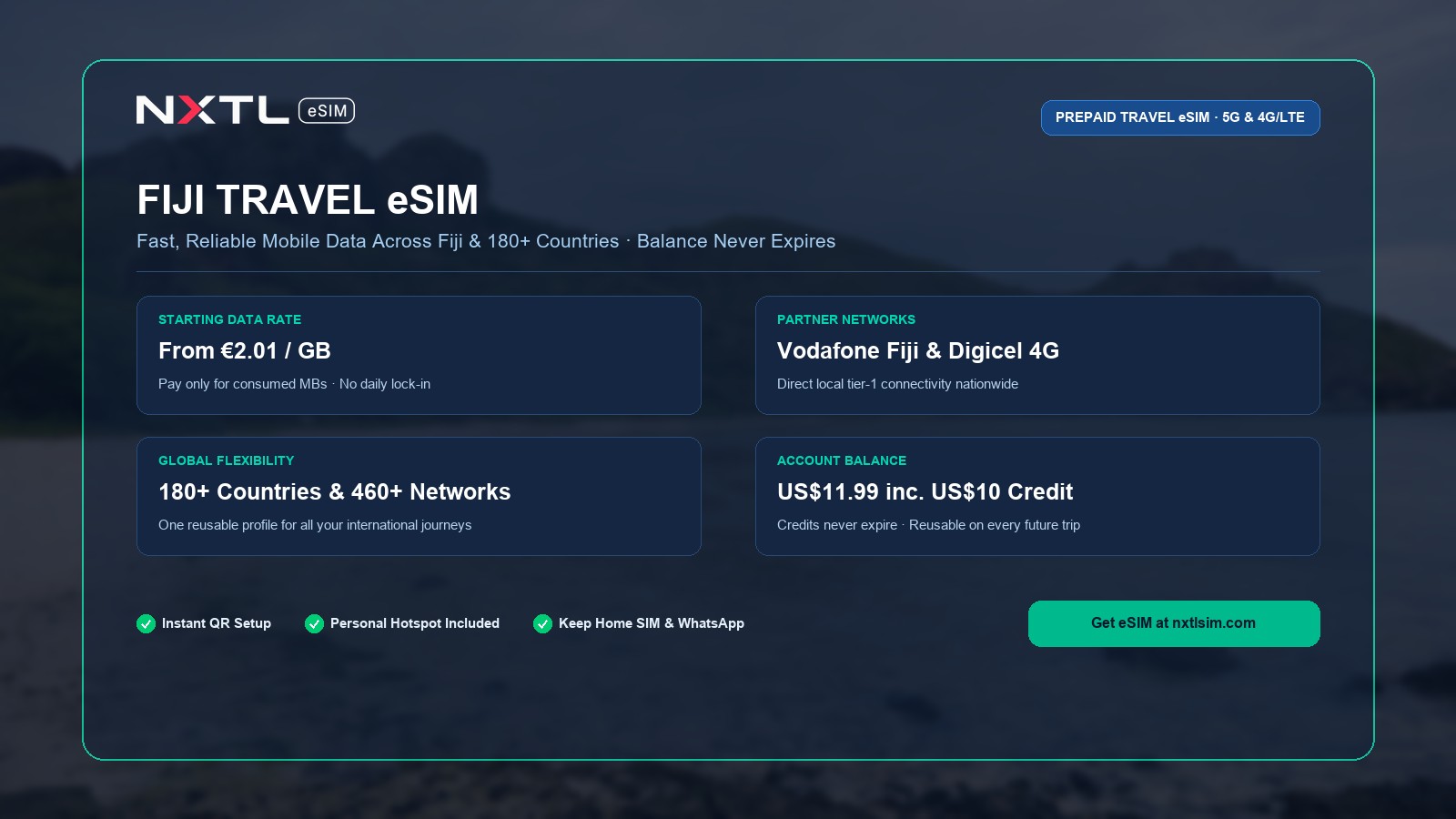
A digital global eSIM offers a vastly superior, instantaneous solution. With NXTL, you connect directly to Fiji’s top cellular networks the moment you land at Nadi Airport, without swapping delicate physical SIM cards or standing in airport queues. Operating on a transparent pay-as-you-go balance model, NXTL delivers cellular data in Fiji starting at an affordable rate of just EUR 2.01 per gigabyte.
Across Fiji’s archipelagic geography, NXTL operates with multi-carrier failover across the country’s two primary nationwide network operators: Vodafone Fiji and Digicel. Vodafone maintains extensive coastal cellular towers covering Viti Levu highways and southern Yasawa peaks, while Digicel provides robust 4G coverage across central Mamanuca atolls. NXTL automatically hooks into whichever carrier tower delivers the strongest signal at your specific anchorage or reef bure. Full personal hotspot and tethering functionality is enabled, allowing you to share high-speed 4G data with laptops, tablets, and companion devices.
Getting started is straightforward. For $11.99, you receive your universal eSIM profile with $10 in preloaded account balance. Because your balance never expires and covers 180+ countries and 460+ carrier networks worldwide, any credit remaining after your Fijian vacation stays active and ready for your ongoing travels across Oceania, Australia, New Zealand, or beyond.