Lithuania rewards travellers who look beyond single-city weekend breaks, offering a compelling progression from Central Europe’s largest baroque Old Town to interwar modernist boulevards and the towering coastal dunes of the Baltic Sea. Yet first-time visitors frequently grapple with transit planning across the country’s three core hubs: the capital of Vilnius, the cultural second city of Kaunas, and the maritime port of Klaipėda with the Curonian Spit. The solution is straightforward: Lithuania’s modern electric railway network connects Vilnius and Kaunas in barely seventy minutes, while scenic express trains deliver travellers across the central plains directly to the coast without driving.
This seven-day route is designed for active independent travellers seeking a balance of architectural heritage, urban culture, lake fortresses, and coastal wilderness. By anchoring your first three nights in pedestrian Vilnius with an afternoon detour to medieval Trakai, spending one night admiring Kaunas’s UNESCO-listed interwar architecture, and settling into Nida on the Curonian Spit for two nights, you experience distinct regional identities without backtracking. Here is how to navigate train schedules, ferry crossings, local cycling trails, and Baltic cuisine across an efficient week.
Trip Planning Blueprint: Bases, Transit Modes, and Timing
Timing your visit properly transforms your experience of Lithuania’s landscape. The country experiences four distinct seasons, with summer and early autumn offering the most pleasant conditions for travelling between cities and the coast. High summer (late June through August) brings long daylight hours stretching past ten at night, warm Baltic sea breezes, and open-air terrace dining along the cobblestones of Vilnius and the harbor of Nida. During July and August, coastal accommodation on the Curonian Spit books out months ahead, making early lodging reservations essential.
Early autumn, spanning September and early October, provides stable conditions, golden birch foliage across national parks, and far quieter coastal footpaths. While sea swimming temperatures drop, hiking the massive sand dunes of Neringa without summer crowds is deeply rewarding. May and early June offer fresh spring greenery and blooming lilacs throughout Vilnius’s courtyards, though coastal winds can remain brisk. Winter (late November through March) turns Lithuania into a quiet snowy landscape, with frozen lakes surrounding Trakai Castle, but requires warm thermal layers.
For independent visitors, seven complete days represents the ideal timeframe. A shorter four-day visit confines you to Vilnius and a hurried day trip, missing the UNESCO modernist architecture of Kaunas and the dunes of the Curonian Spit. Seven days permits three nights in Vilnius, one night in Kaunas, two nights in Nida or Klaipėda, and an easy return transit, matching Lithuania’s compact geography and efficient rail timetables perfectly.
| Day / Stage | Base | Highlights | Transport Mode | Transit Time | Advance Booking Requirement |
|---|---|---|---|---|---|
| Day 1 | Vilnius | Old Town cobblestones, Gediminas Tower, Vilnius Cathedral, Užupis Republic | Walking | Pedestrian base | Gediminas Tower museum entry on arrival |
| Day 2 | Vilnius | St. Anne’s Gothic Church, Bernardine Gardens, MO Museum, Lukiškės Prison 2.0 | Walking & City Trolleybus | 10-15 mins city transit | Lukiškės Prison guided tour reservation |
| Day 3 | Vilnius (Day trip) | Trakai Island Castle, Lake Galvė wooden footbridge, Karaim kibinai tasting | LTG Link Regional Train | 32 mins each way | Train ticket via LTG Link app on morning of travel |
| Day 4 | Kaunas | Express train to Kaunas, UNESCO Interwar Modernism, Laisvės alėja, Ninth Fort | LTG Link Electric Train + Local Bus | 1 hr 10 mins (express rail) | Rail seat reservation during peak morning hours |
| Day 5 | Nida (Curonian Spit) | Express train to Klaipėda, Smiltynė passenger ferry, Neringa bus to Nida, Parnidis Dune | Train + Ferry + Local Bus | 3 hrs 15 mins (train) + 5 mins (ferry) + 50 mins (bus) | Klaipėda train ticket 1-2 weeks ahead in summer |
| Day 6 | Nida (Curonian Spit) | Nida fisherman cottages, Curonian Lagoon cycling path, Hill of Witches in Juodkrantė | Bicycle Rental & Local Bus | Active cycling day | Local bicycle hire at Nida harbor |
| Day 7 | Vilnius departure | Morning Baltic beach stroll, return ferry and express rail back to Vilnius | Bus + Ferry + LTG Link Train | 4 hrs 15 mins total return transit | Return rail ticket Klaipėda to Vilnius |
Days 1–3: Vilnius Old Town, Bohemian Užupis, and Island Fortresses
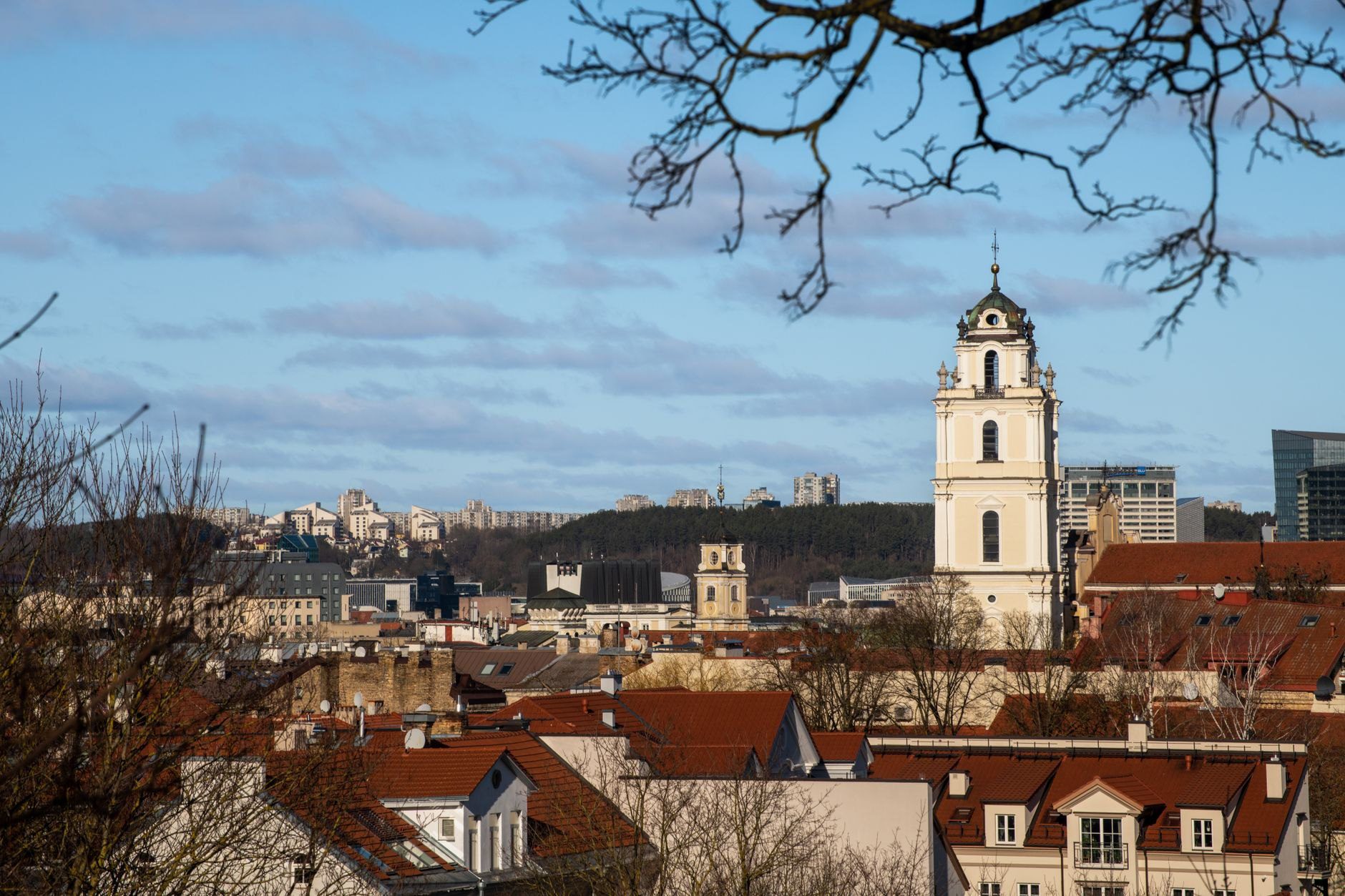
Vilnius captivates visitors with its harmonious blend of Italianate Baroque churches, winding cobblestone lanes, and leafy courtyards. Begin your exploration at Cathedral Square, where neoclassical Vilnius Cathedral and its freestanding bell tower stand on the site of an ancient pagan temple. Ascend the cobbled path up Castle Hill to Gediminas Castle Tower, the surviving red-brick redoubt of the Upper Castle. From the rooftop platform, gaze across the red-tiled roofs of the historic center, the winding Vilnia River, and the forested hills framing the capital.
Wander down through the tangled lanes of the medieval Jewish Quarter (Vilniaus Gaono and Stiklių gatvė), where linen boutiques and amber workshops occupy vaulted sixteenth-century basements. A short walk east brings you to the Church of St. Anne, celebrated for its flamboyant brick Gothic facade. Constructed using thirty-three distinct shapes of red clay bricks, the church displays such architectural elegance that legend claims Napoleon Bonaparte wished he could carry it back to Paris in his palm.
Cross the narrow Vilnia River over the pedestrian bridge padlocked with lovers’ tokens into the self-proclaimed Republic of Užupis. This quirky enclave of artists and sculptors declared tongue-in-cheek independence in 1997, complete with its own constitution, president, and flag. Pause along Paupio gatvė to read the forty-one articles of the Užupis Constitution engraved on mirrored plates, affirming that “Everyone has the right to love and take care of a cat” and “Everyone has the right to die, but this is not an obligation.”
On Day 3, take a thirty-minute morning train from Vilnius Central Station to Trakai, situated twenty-eight kilometers southwest among forest-fringed glacial lakes. A scenic two-kilometer walk along the lake shore brings you to the long wooden bridge leading across Lake Galvė to Trakai Island Castle. Built by Grand Duke Vytautas in the fourteenth century, this red-brick Gothic stronghold resisted Teutonic Knight sieges and served as the administrative heart of the Grand Duchy when the realm stretched from the Baltic to the Black Sea.
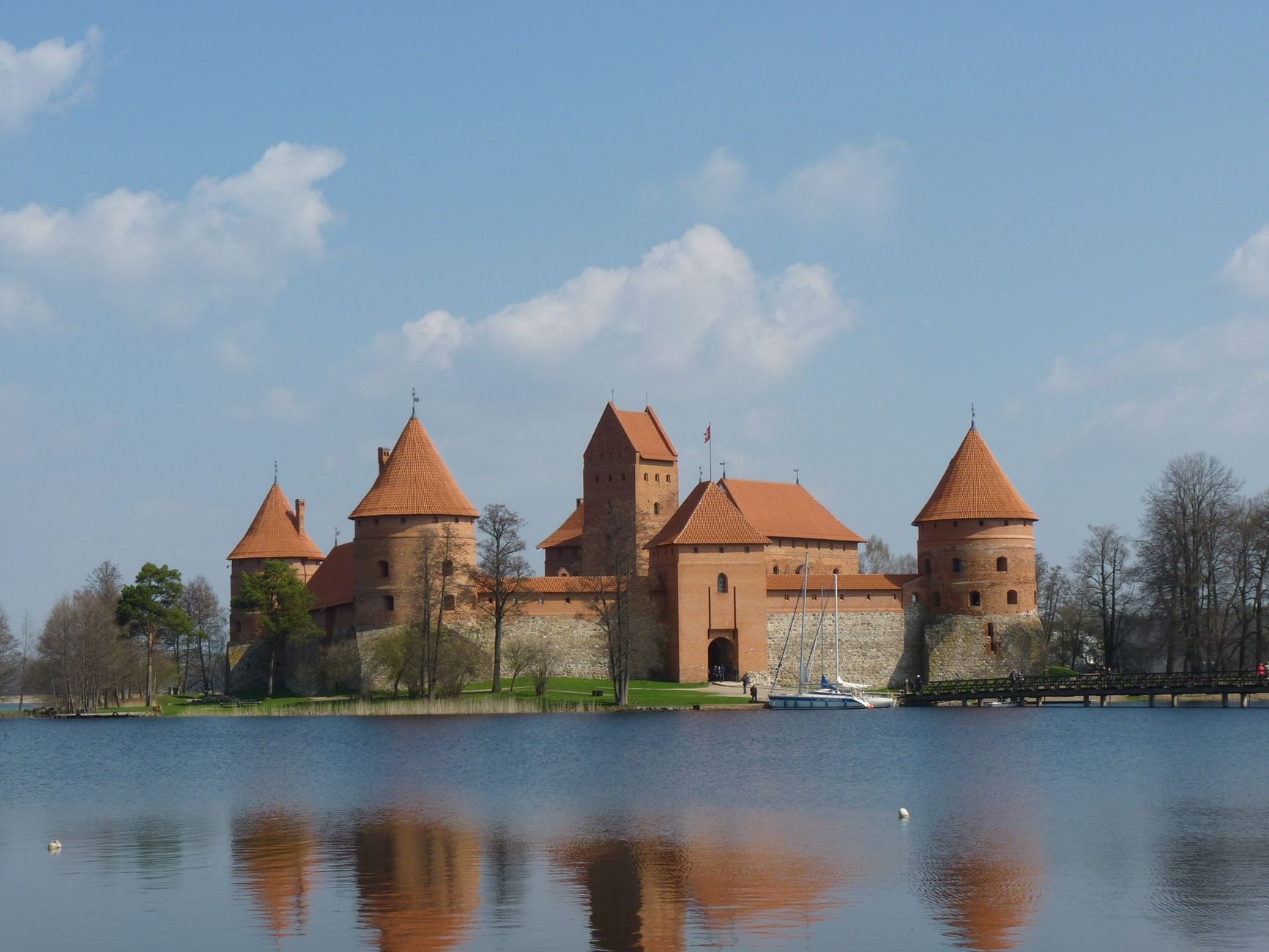
Trakai is also the historic home of the Lithuanian Karaims, a Turkic-speaking Jewish community brought from Crimea by Duke Vytautas in the fourteenth century as trusted castle guards. Before returning to Vilnius, sit down at a lakeside tavern to sample hot, freshly baked kibinai—crescent-shaped yeast pastries stuffed with seasoned hand-chopped mutton or beef and onions, served alongside warm savory broth.
Day 4: Kaunas Interwar Modernism and Historical Memory
On Day 4, board an early LTG Link double-decker electric train from Vilnius to Kaunas. Running every hour, the smooth rail journey takes just one hour and ten minutes across undulating pine woodlands. Kaunas served as the temporary capital of Lithuania between 1919 and 1940 while Vilnius was occupied. During this twenty-year era, the city underwent an extraordinary building boom, producing over six thousand modernist structures characterized by Bauhaus-influenced geometry, curved corner windows, and folk motifs. In 2023, UNESCO inscribed Kaunas’s interwar architecture on the World Heritage list.
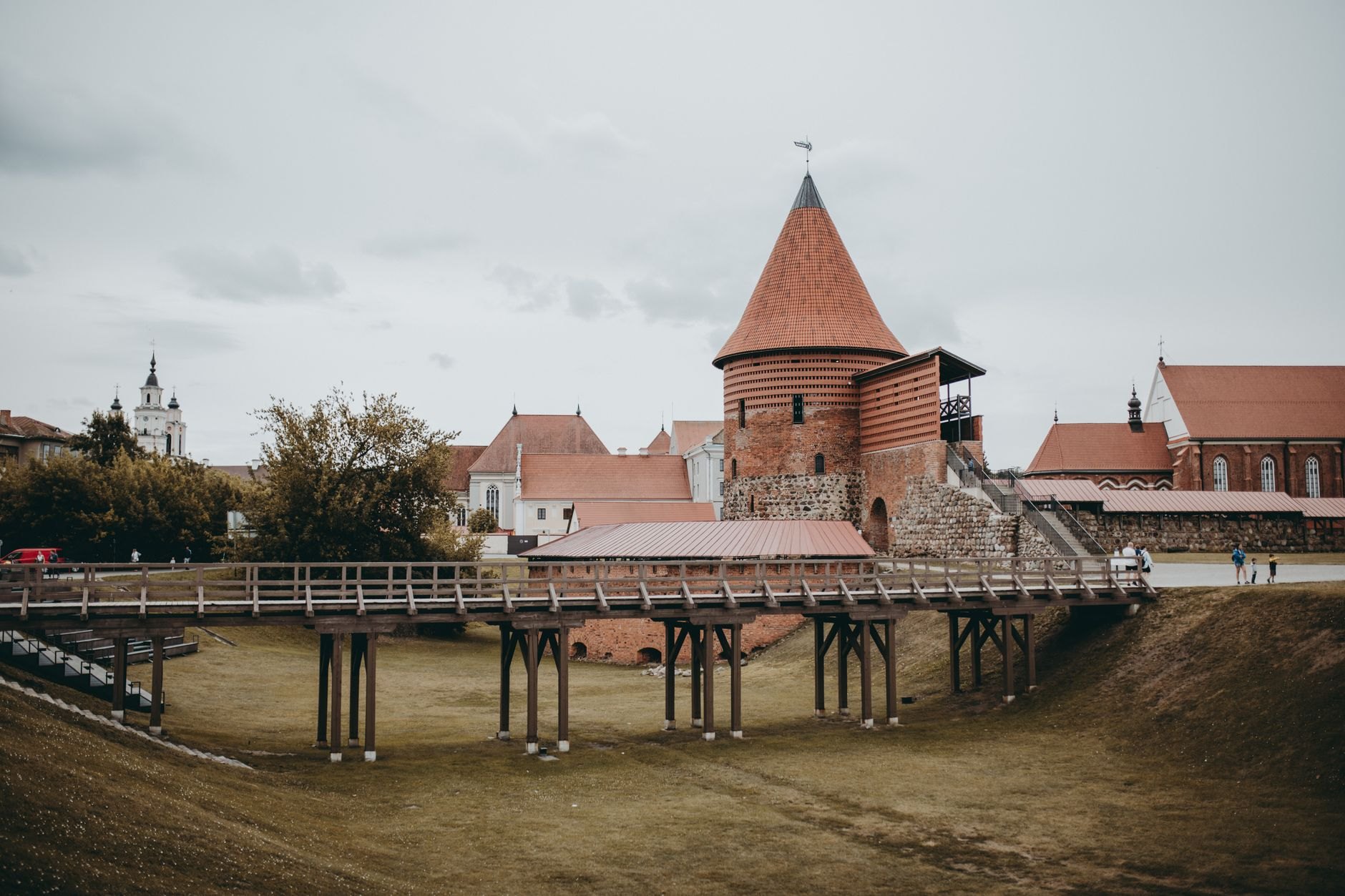
Begin your walking tour along Laisvės alėja (Liberty Avenue), one of Europe’s longest pedestrian avenues, stretching nearly two kilometers shaded by linden trees. Admire the Central Post Office and the interwar Bank of Lithuania palace. Ride the historic 1930s funicular up Žaliakalnis hill to Christ’s Resurrection Basilica, an austere modernist white cathedral whose rooftop terrace offers sweeping panoramas over the Nemunas and Neris valleys.
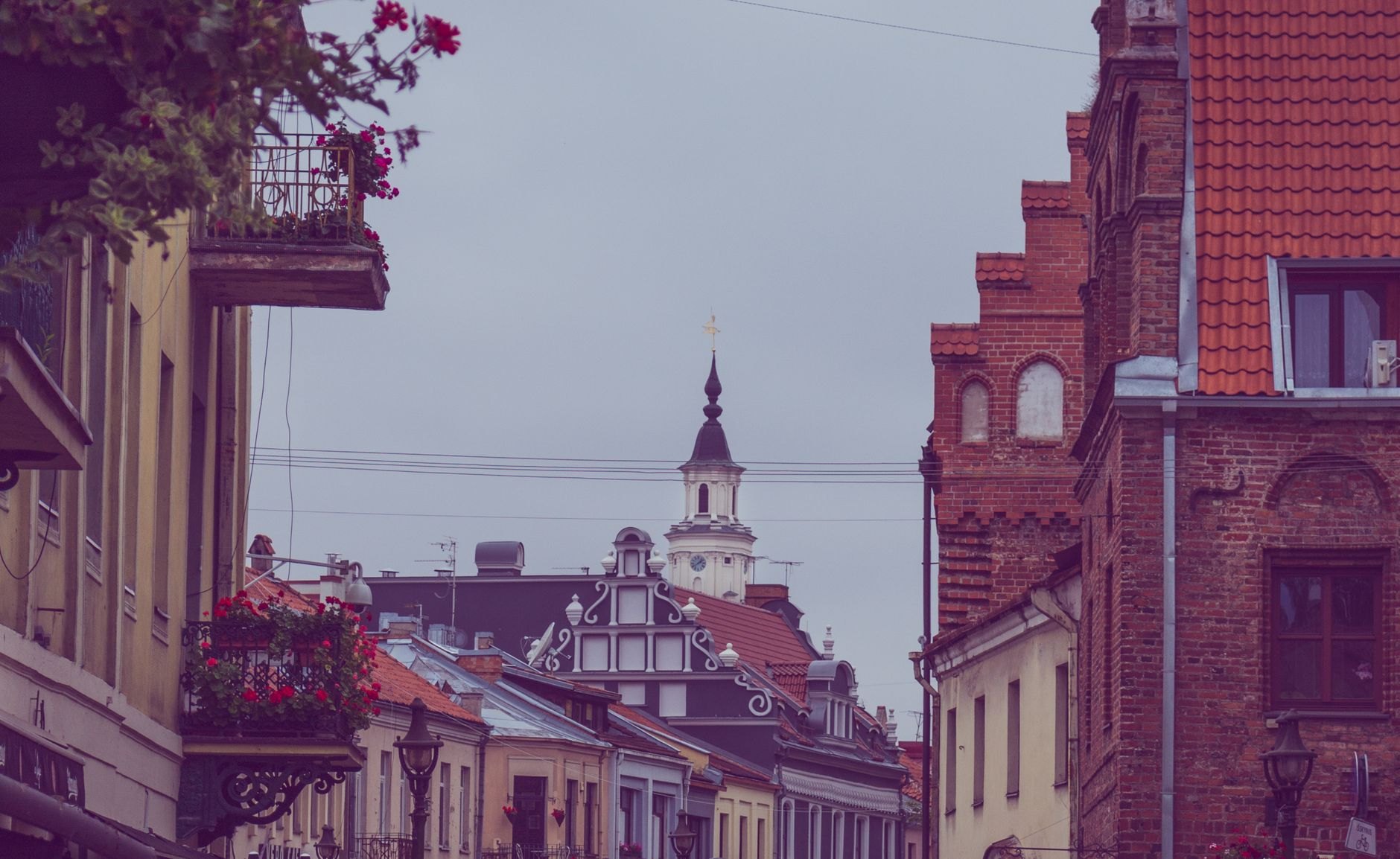
Continue to Kaunas Old Town, where cobblestones open into Rotušės aikštė (Town Hall Square). The white tower of Town Hall, known as the “White Swan,” blends Gothic and Baroque elements above outdoor cafes. In the afternoon, take a short bus ride to the Ninth Fort Memorial. This tsarist defensive fort became a site of mass executions during the Nazi occupation. Today, a colossal, fractured concrete monument anchors the site with solemn dignity.
Transit Logic: Rail Across Lithuania to the Baltic Coast
The journey from central Lithuania to the Baltic coast demonstrates the efficiency of the national railway, LTG Link. Daily express trains link Vilnius and Kaunas to Klaipėda in roughly three to four hours. The modern rolling stock features quiet carriages, complimentary Wi-Fi, power sockets, luggage storage for bicycles, and onboard refreshment service. Taking the train eliminates the monotony of driving along the flat A1 motorway, avoiding speed checks and toll stops.
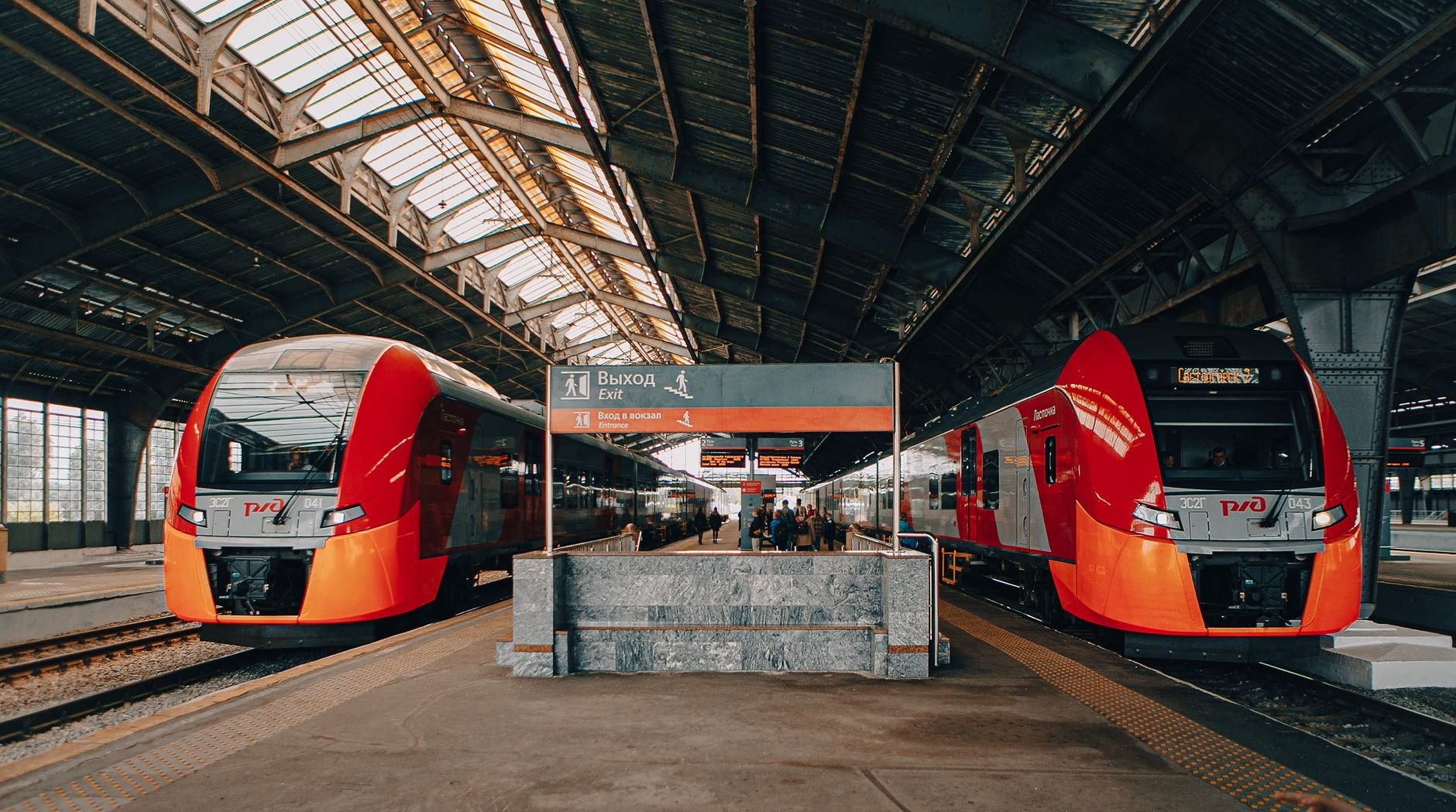
From Klaipėda Railway Station, a quick walk or bus transfer leads to the Old Ferry Terminal (Senoji perkėla). Passenger ferries depart every thirty minutes across the Klaipėda Strait to Smiltynė on the Curonian Spit, taking barely five minutes. At Smiltynė, comfortable regional buses operated by Neringos komunalininkas connect directly with ferries, carrying passengers south along the pine-fringed spine road to Juodkrantė, Pervalka, Preila, and Nida in under an hour.
Days 5–7: Curonian Spit Dunes, Amber Coast, and Seaside Heritage
The Curonian Spit (Kuršių nerija) is a 98-kilometer-long sand spit separating the shallow Curonian Lagoon from the Baltic Sea. Inscribed as a UNESCO World Heritage cultural landscape, it features massive drifting sand dunes, pine woodlands planted over centuries to protect villages, and historic fishing settlements lined with distinctive wooden cottages.
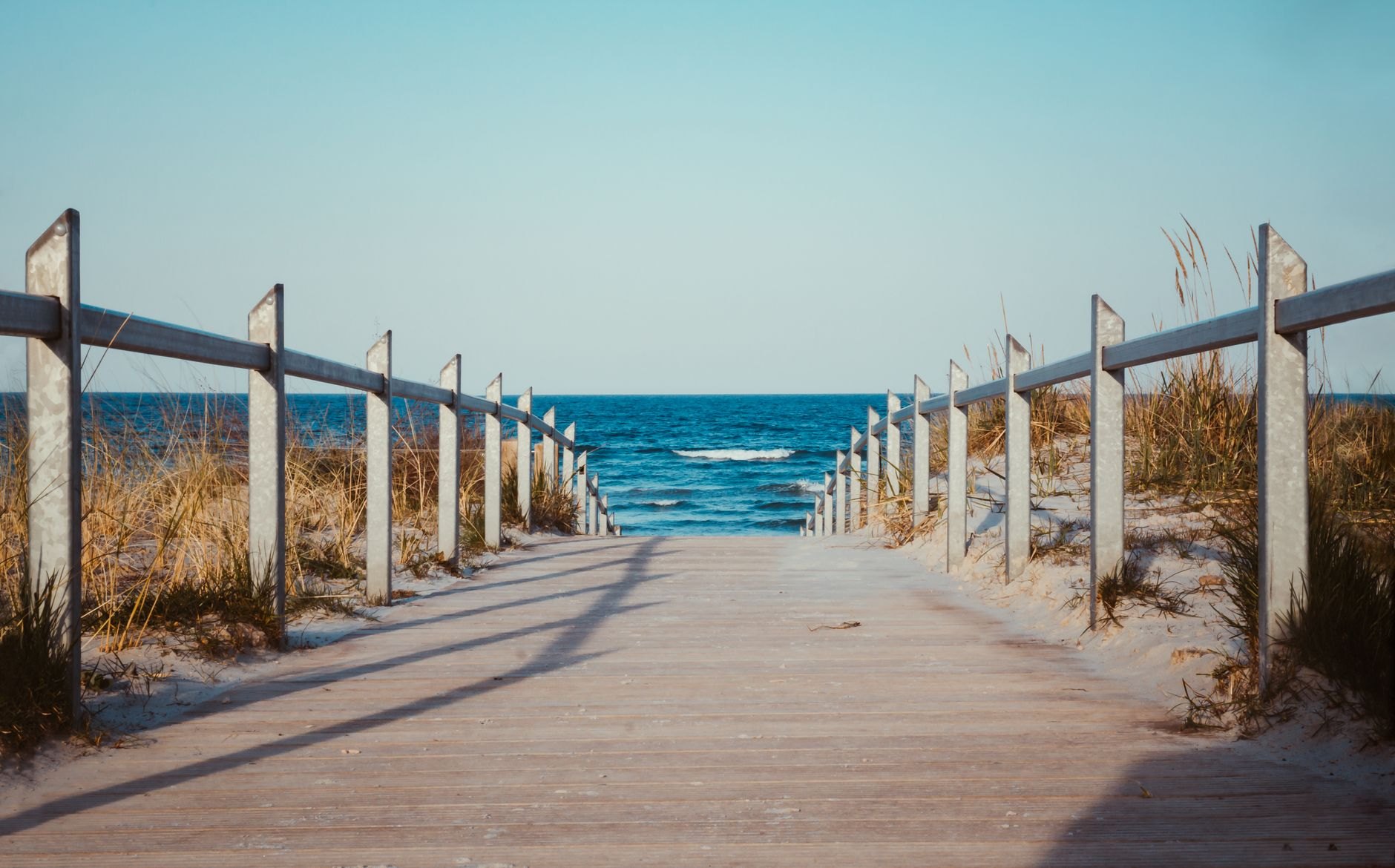
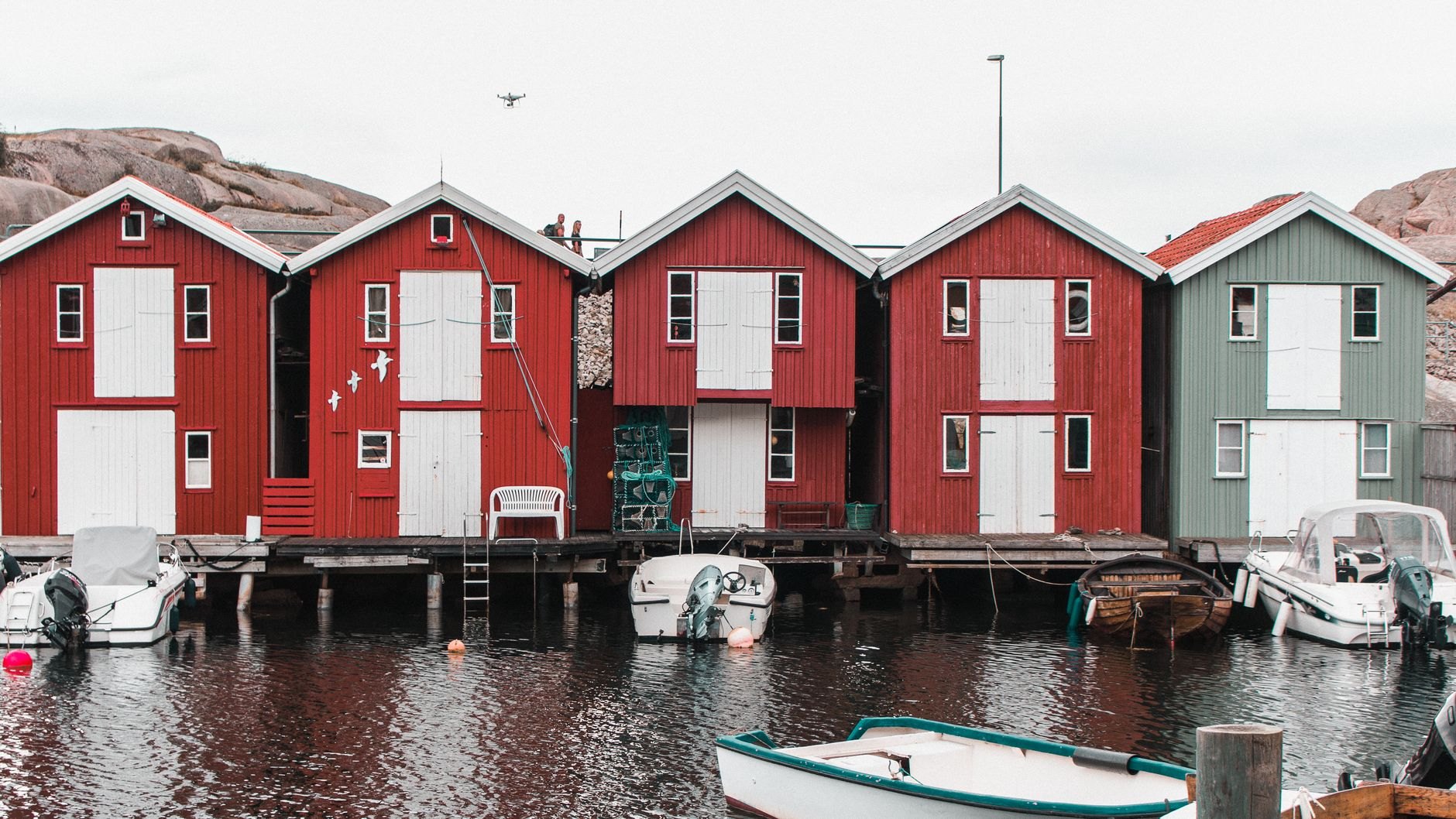
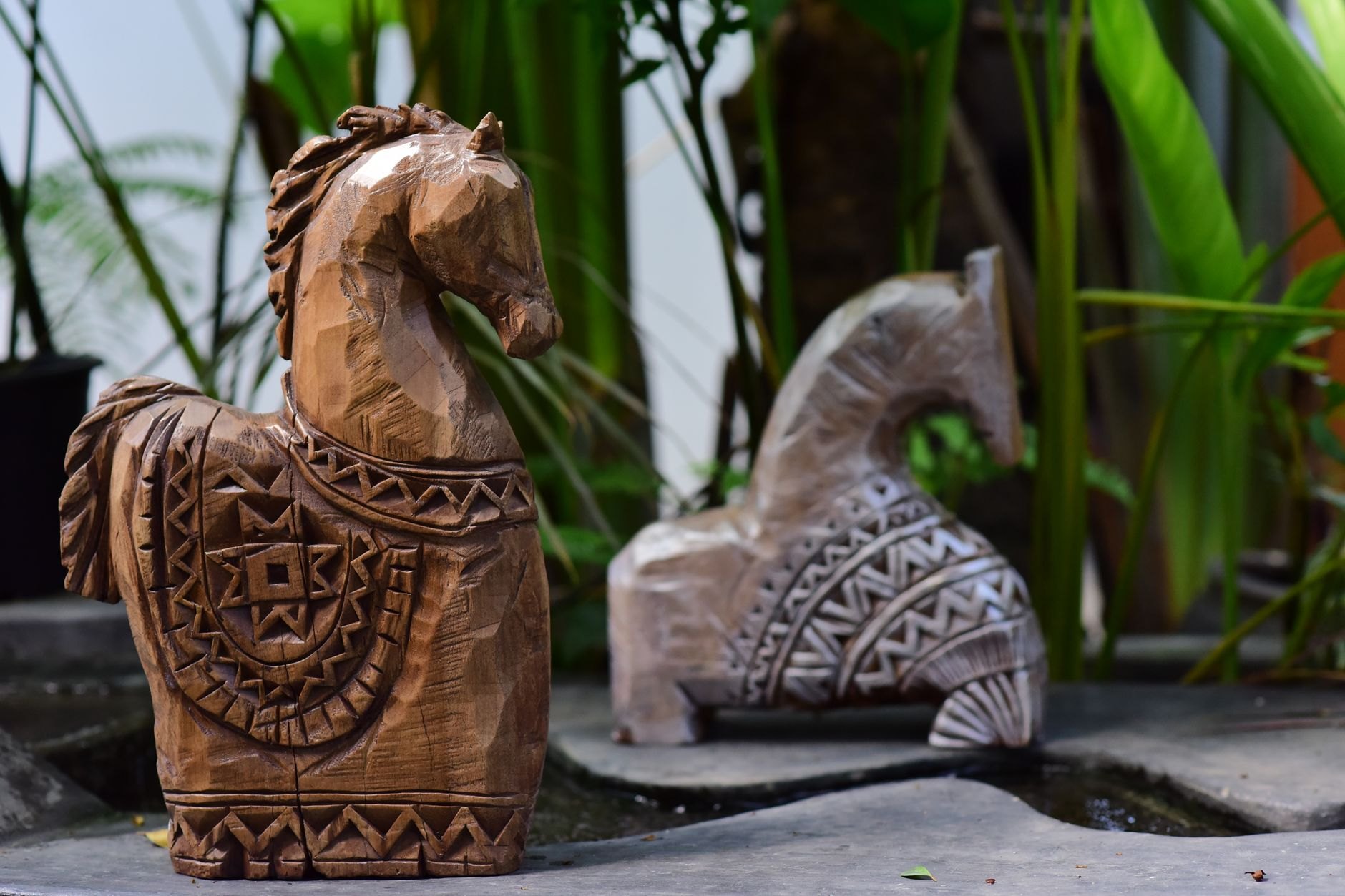
Base yourself in Nida, the spit’s principal settlement. Walk along the lagoon shore to admire traditional wooden fisherman cottages painted in deep iron red, forest green, and Baltic blue. Look closely at the gables to spot Curonian weathercocks (vėtrungės)—intricately carved and painted wooden crests originally mounted on traditional sailing boats (kurėnas) as registry marks, featuring symbols of village identity and faith.
Climb the timber stairs up Parnidis Dune, rising fifty-two meters above the lagoon south of Nida. At the summit stands a granite sundial pillar. The panoramic view from Parnidis Dune is magnificent: to the east lies the shimmering lagoon, to the south stretch the white ridges of the Dead Dunes, and to the west dark pine forests meet the rolling Baltic surf. It is one of the rare places in Europe where you can watch the sunrise over the lagoon and sunset into the sea from the same crest.
Rent a bicycle at Nida harbor to pedal the smooth EuroVelo 10 coastal trail through maritime pine woods. Ride north toward Juodkrantė to explore the Hill of Witches (Raganų kalnas). This open-air trail winds through oak woods, showcasing over eighty hand-carved oak sculptures of Baltic folklore figures, mischievous forest spirits, and Neringa the giantess who legend says created the spit to shelter fishermen from coastal storms.
On Day 7, take an early morning walk along Nida’s Baltic beach. After westerly storms, small fragments of raw Baltic amber (gintaras)—fossilized pine resin forty million years old—wash ashore among seaweed and polished pebbles. Conclude your trip by taking the bus back to Smiltynė, ferry across to Klaipėda, and boarding the afternoon LTG Link express back to Vilnius.
Lithuanian Culinary Traditions: Potatoes, Forest Herbs, and Smoked Fish
Lithuanian cuisine is hearty and connected to agricultural and forest traditions. The potato holds central stage, featured in the national dish: cepelinai (Zeppelin dumplings). These large, oval dumplings are made from grated raw and boiled potatoes, filled with minced pork or curd cheese.
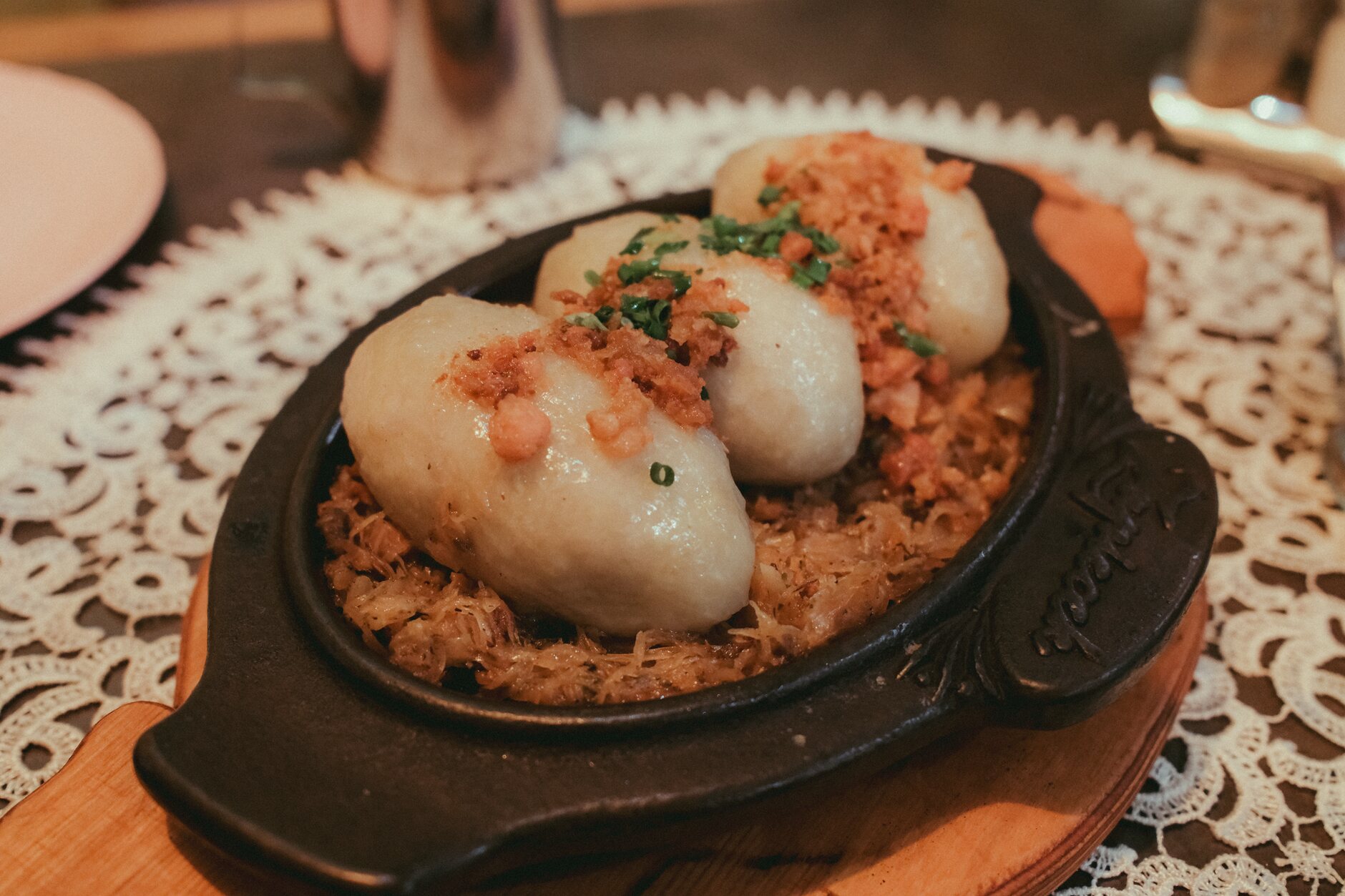
Authentic cepelinai come topped with sour cream and hot spirgučiai—crisp cracklings made from cured smoked pork belly and onions. In summer, locals favor šaltibarščiai, a bright magenta cold beet soup made with kefir, cucumber, and fresh dill, served alongside roasted potatoes. Along the coast, visit smokehouses (rūkykla) in Nida for freshly smoked bream, eel, and flounder. Pair meals with dense, fragrant caraway rye bread (juoda duona) or garlic rye bread with cheese (kepta duona).
Tourist Scams and Travel Traps in Lithuania
Lithuania is among the safest destinations in Europe, with low crime and modern public services. Still, first-time visitors can avoid common travel pitfalls by noting these five practical points:
- Unmetered Station Taxis in Vilnius: Hailing an unmetered taxi outside Vilnius Airport or the central train station often leads to inflated fares up to $45.19 for a simple six-kilometer ride into Old Town. Always book rides using the Bolt app or take airport bus #3G for under $1.13.
- Counterfeit Plastic Amber: Souvenir stands near tourist hotspots sometimes sell imitation amber made from pressed plastic or glass. Real Baltic amber warms quickly in hand, floats in salt water, and smells faintly of pine when rubbed. Buy certified pieces from reputable galleries like the Amber Museum in Vilnius.
- Curonian Spit Vehicle Entry Tolls: Driving a rental car onto the Curonian Spit incurs an environmental fee at Alksnynė that reaches $56.49 per vehicle during peak summer, plus vehicle ferry costs. Travellers save money and avoid parking shortages by crossing as pedestrians and using the clean regional bus network.
- Public Transit Validation Rules: Transport inspectors in Vilnius and Kaunas strictly fine passengers who fail to validate tickets immediately upon boarding. If using mobile apps like Trafi, activate tickets before stepping onto the bus to avoid a $18.08 to $27.12 penalty.
- Tourist Terraces with Service Markups: Outdoor dining terraces on main squares sometimes apply higher menu prices than interior dining rooms. Check prices before ordering, and explore nearby sidestreets like Šv. Stepono where local diners congregate.
Staying Connected Across Lithuania with NXTL Mobile Data
Whether tracking LTG Link train departures on your phone, validating regional bus fares on the Curonian Spit, navigating EuroVelo coastal bike trails, or booking museum tickets in Vilnius, continuous cellular connectivity is essential for independent travel in Lithuania. Searching for physical SIM cards at kiosks wastes valuable travel time and requires ID registration.
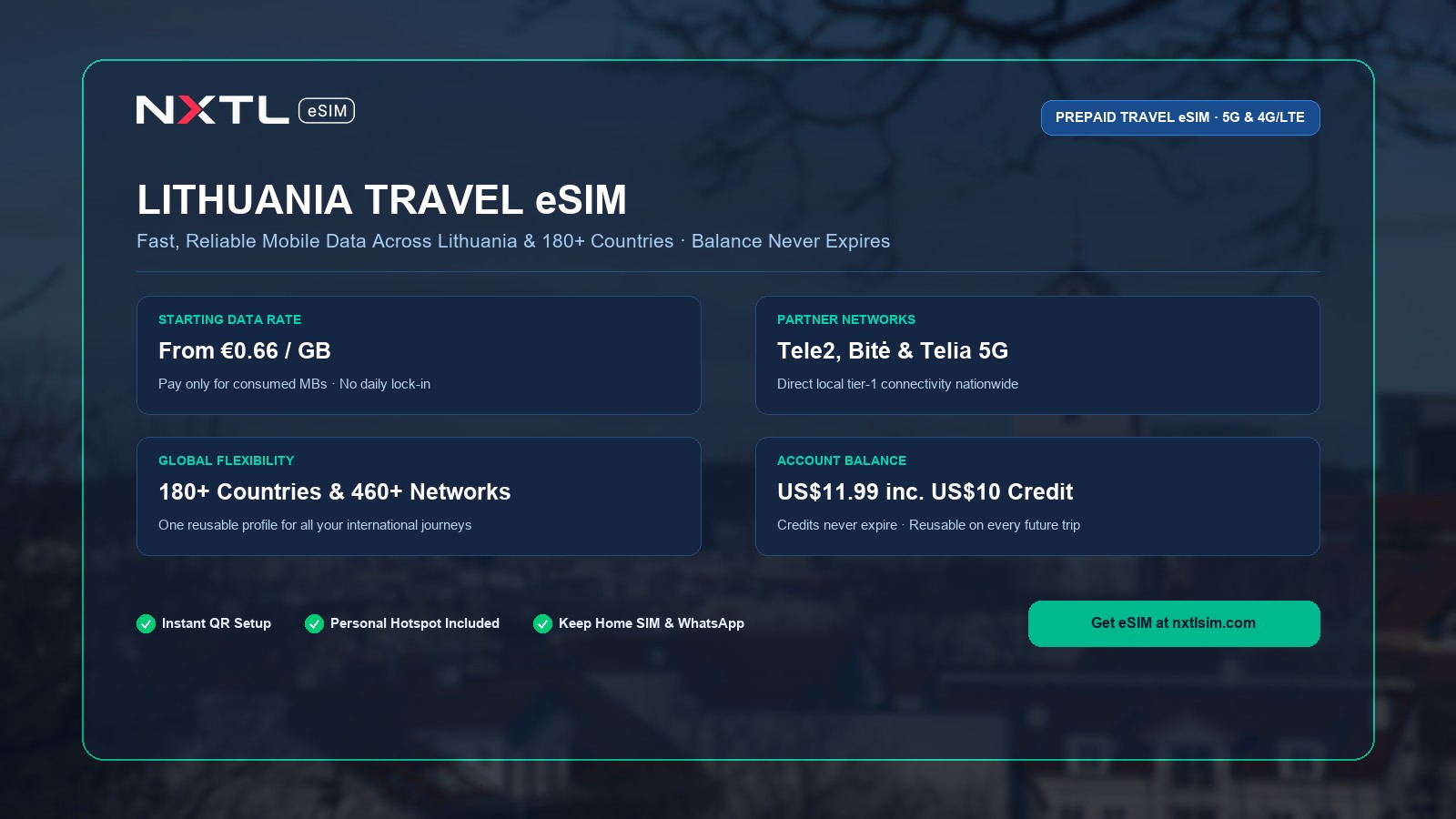
A simpler and more affordable alternative is installing the NXTL Lithuania eSIM before departure. Connecting across top national networks—including Tele2, Bitė, and Telia 5G—NXTL provides prepaid data starting from just $0.75 per gigabyte. You pay strictly for consumed data, avoiding rigid package expiration windows.
Your loaded balance never expires, meaning remaining credit stays active for future travels across 180+ supported countries and 460+ carrier networks worldwide. Setup takes only two minutes via QR scan, leaving your primary SIM active for verification codes and messaging throughout your Baltic trip.