Estonia is one of Northern Europe’s most digitally streamlined and geographically compact nations, yet first-time visitors frequently make the mistake of treating it solely as a weekend stopover in Tallinn. Confining your journey to the capital’s medieval walls misses the rich intellectual culture of university city Tartu, the primordial peat bogs of Lahemaa National Park, and the windswept coastal meadows of Saaremaa island. Navigating between these three contrasting landscapes requires clear transport choices: modern orange Elron passenger trains connect Tallinn and Tartu in two hours flat, while exploring the maritime islands is vastly more rewarding with a rental car crossing via the Baltic ferry network.
This seven-day route is designed for active independent travellers seeking a balanced progression of Hanseatic history, university heritage, contemporary Nordic cuisine, and protected Baltic island nature. By spending two nights in pedestrian Tallinn with a morning excursion into Lahemaa’s ancient peat bogs, taking the express train southeast to Tartu for two nights, and collecting a vehicle to spend two nights exploring the windmills, dolomite cliffs, and medieval fortresses of Saaremaa, you experience the country’s diverse cultural layers without exhausting transit. Here is how to plan your bases, train connections, ferry crossings, and local culinary encounters across an efficient week.
Trip Planning Blueprint: Bases, Transit Modes, and Timing
Timing your Estonian trip properly determines your packing list and daily daylight hours. Located at the 59th parallel north, Estonia experiences dramatic seasonal shifts in daylight and temperature. High summer (late June through August) offers nearly twenty hours of daylight during the enchanting “White Nights” (valged ööd), when twilight lingers until midnight and the morning sun rises before four. Summer unlocks open-air dining along Tallinn’s Town Hall Square, swimming in shallow Baltic bays, and outdoor festival culture in Tartu. However, summer weekends also bring peak visitor volumes to Saaremaa, requiring ferry and accommodation reservations well in advance.
Early autumn, running from September through mid-October, is arguably the most atmospheric season for nature exploration. Lingonberries and cranberries ripen across the peat bogs of Lahemaa, birch and maple canopies turn brilliant gold, and coastal migratory birds gather in tens of thousands along the Matsalu bay flyway. Daytime temperatures remain pleasant for cycling and walking, though evenings require wool sweaters. May and early June bring crisp spring light and blossoming apple orchards, with virtually zero crowds. Winter (December through March) turns Estonia into a serene Nordic winter landscape, featuring frozen sea ice roads between western islands during severe winters and world-class cross-country ski trails, but demands heavy thermal outerwear and ice-gripping footwear.
For independent travellers, seven days represents the ideal duration. A shorter trip forces an artificial choice between Tartu’s cultural museums and Saaremaa’s coastal isolation. Seven days allows two nights in Tallinn, two nights in Tartu, two nights based in Kuressaare on Saaremaa, and a final scenic drive back across Muhu island to Tallinn for departure.
| Day / Stage | Base | Highlights | Transport Mode | Transit Time | Advance Booking Requirement |
|---|---|---|---|---|---|
| Day 1 | Tallinn | Toompea Hill, Alexander Nevsky Cathedral, Town Hall Square, Telliskivi Creative City | Walking | Pedestrian base | Dinner booking in Telliskivi or Noblessner |
| Day 2 | Tallinn | Lahemaa National Park, Viru Bog boardwalk, Kadriorg Palace, Seaplane Harbour | Day Tour / Rental Car | 50 mins to Lahemaa each way | Lahemaa day excursion or car hire |
| Day 3 | Tartu | Elron express rail to Tartu, Town Hall square, University neoclassical columns, Toomemägi hill | Elron Express Train | 2 hrs express rail | Elron 1st or 2nd class seat reservation |
| Day 4 | Tartu | Estonian National Museum (ERM), Supilinn wooden district, riverside sauna culture | City Bus & Walking | 10 mins to ERM | ERM admission ticket on arrival |
| Day 5 | Kuressaare (Saaremaa) | Drive west across Viljandi to Virtsu port, Prairie ferry to Muhu island, Kuressaare Castle | Rental Car + Ferry | 2 hrs drive to port + 27 mins ferry + 50 mins island drive | Praamid.ee car ferry reservation (essential in summer) |
| Day 6 | Kuressaare (Saaremaa) | Kaali meteorite crater, Angla heritage windmills, Panga dolomite sea cliff, Sõrve lighthouse | Rental Car | Local island driving loops | Angla Windmill Heritage Park entry ticket |
| Day 7 | Tallinn departure | Morning island bakery stroll, Muhu island thatched village of Koguva, ferry to mainland and Tallinn | Rental Car + Ferry | 3 hrs total transit to Tallinn Airport | Return ferry crossing reservation |
Days 1–2: Medieval Hanseatic Tallinn and Primordial Peat Bogs
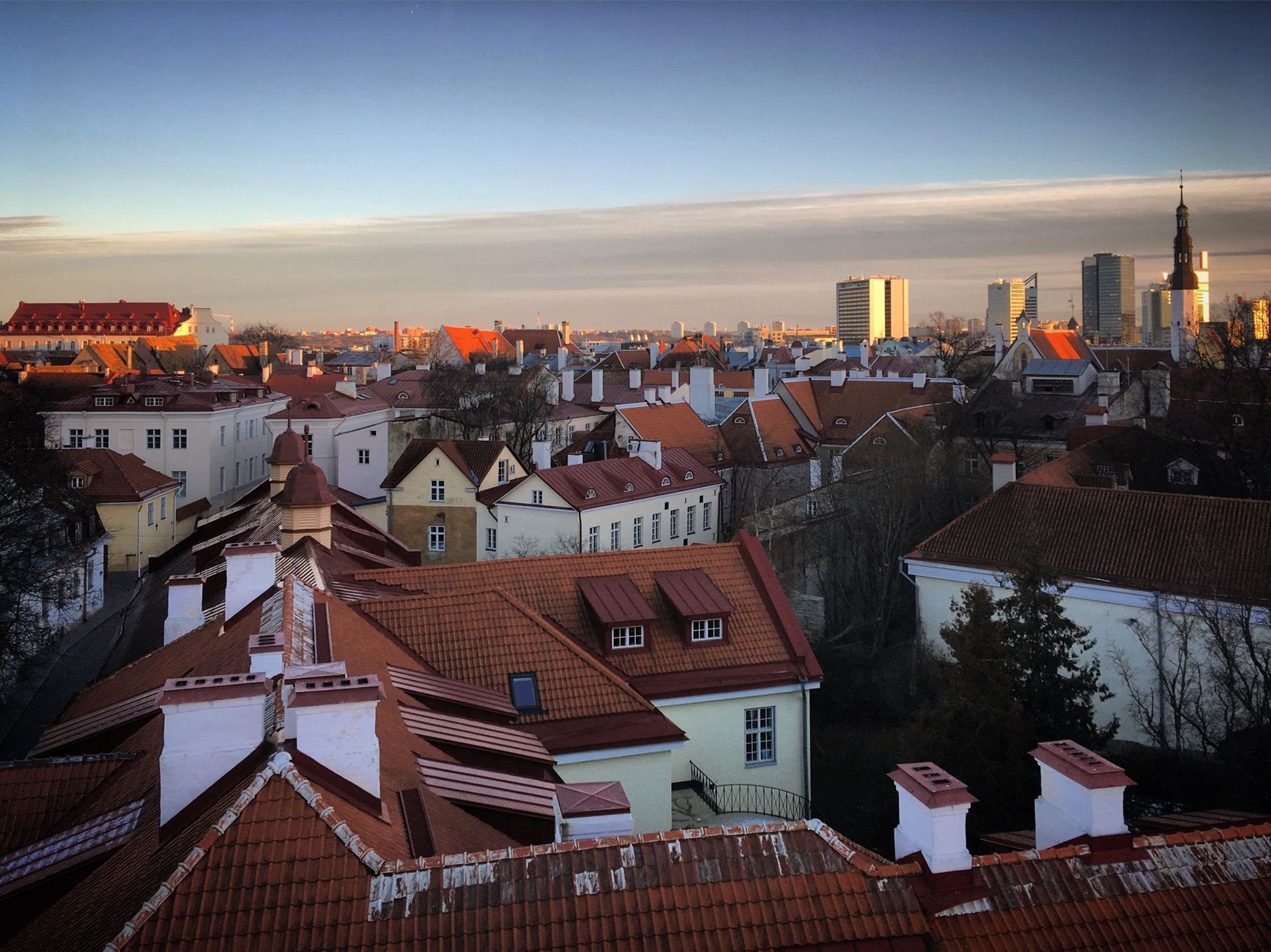
Tallinn is Europe’s most intact surviving Hanseatic trading city, where medieval limestone ramparts, defensive towers, and merchant guildhalls look almost identical to their fifteenth-century appearance. Divided historically between the upper aristocratic citadel on Toompea Hill and the lower merchant town (All-linn), the historic center is compact enough to explore entirely on foot. Begin your morning at the Kohtuotsa and Patkuli viewing platforms on Toompea Hill, looking out over a sea of red-tiled gables, stone ramparts, and the copper spire of St. Olaf’s Church—which stood as the world’s tallest building during the sixteenth century.
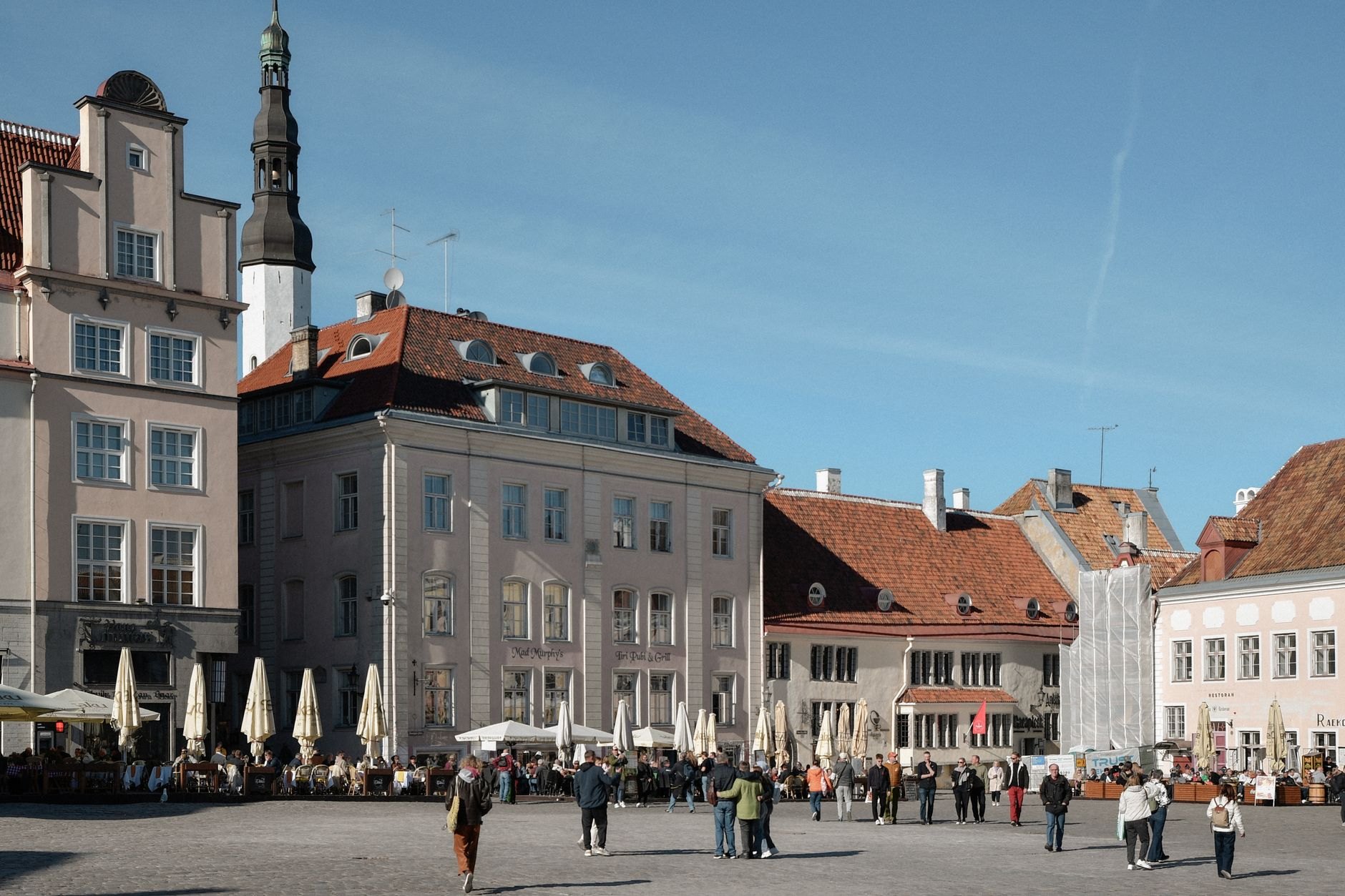
Admire the onion domes of the Russian Orthodox Alexander Nevsky Cathedral before following the cobblestone incline of Pikk Jalg (Long Leg) down into the lower town. At the center lies Raekoja plats (Town Hall Square), dominated by the Gothic Town Hall completed in 1404. On the opposite side of the square stands the Raeapteek (Town Hall Pharmacy), which has operated continuously in the same building since at least 1422, where medieval apothecaries once dispensed herbal remedies, marzipan, and spiced Rhine wine.
In the afternoon, walk through the historic railway viaduct into Telliskivi Loomelinnak (Telliskivi Creative City). This former Soviet electrical electronics factory complex has transformed into a dynamic cultural precinct filled with independent design studios, contemporary art galleries, craft coffee roasteries, and the international photography museum Fotografiska Tallinn. Contrast this industrial reinvention with an evening stroll through Kadriorg Park, home to the Italianate baroque palace built by Peter the Great for Empress Catherine I, surrounded by manicured flowerbeds and oak groves.
On your second morning, head fifty kilometers east along the Narva highway to Lahemaa National Park, Estonia’s oldest national reserve. Your destination is Viru Bog (Viru raba), a pristine raised peatland that began forming over four thousand years ago as post-glacial lakes gradually accumulated dense layers of sphagnum moss. A well-maintained wooden boardwalk trail leads hikers safely across treacherous marshland, winding through stunted bog pines, cotton grass, and dark amber pools of natural acidic water.
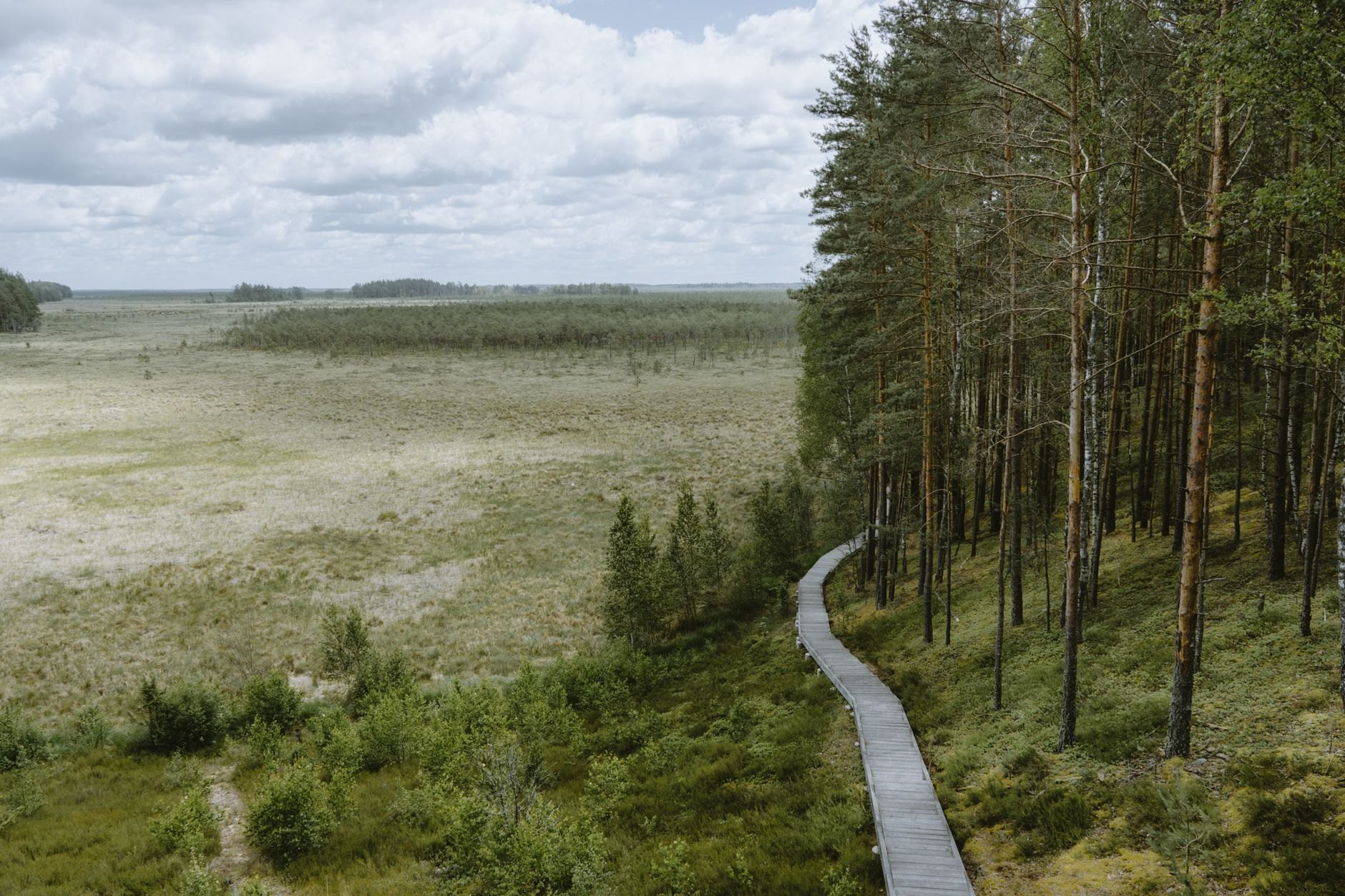
Climb the timber observation tower positioned halfway along the boardwalk for a panoramic view over the undulating bog expanse, where water pools reflect the shifting Nordic clouds like polished mirrors. In late summer and autumn, the wetland is rich with edible lingonberries and cloudberries. After completing the 3.5-kilometer loop, return to Tallinn for an afternoon visit to the Seaplane Harbour (Lennusadam), an architectural marvel of concrete shell domes housing the historic submarine Lembit and centuries of maritime artifacts.
Days 3–4: Tartu’s University Heritage and Modern Museum Architecture
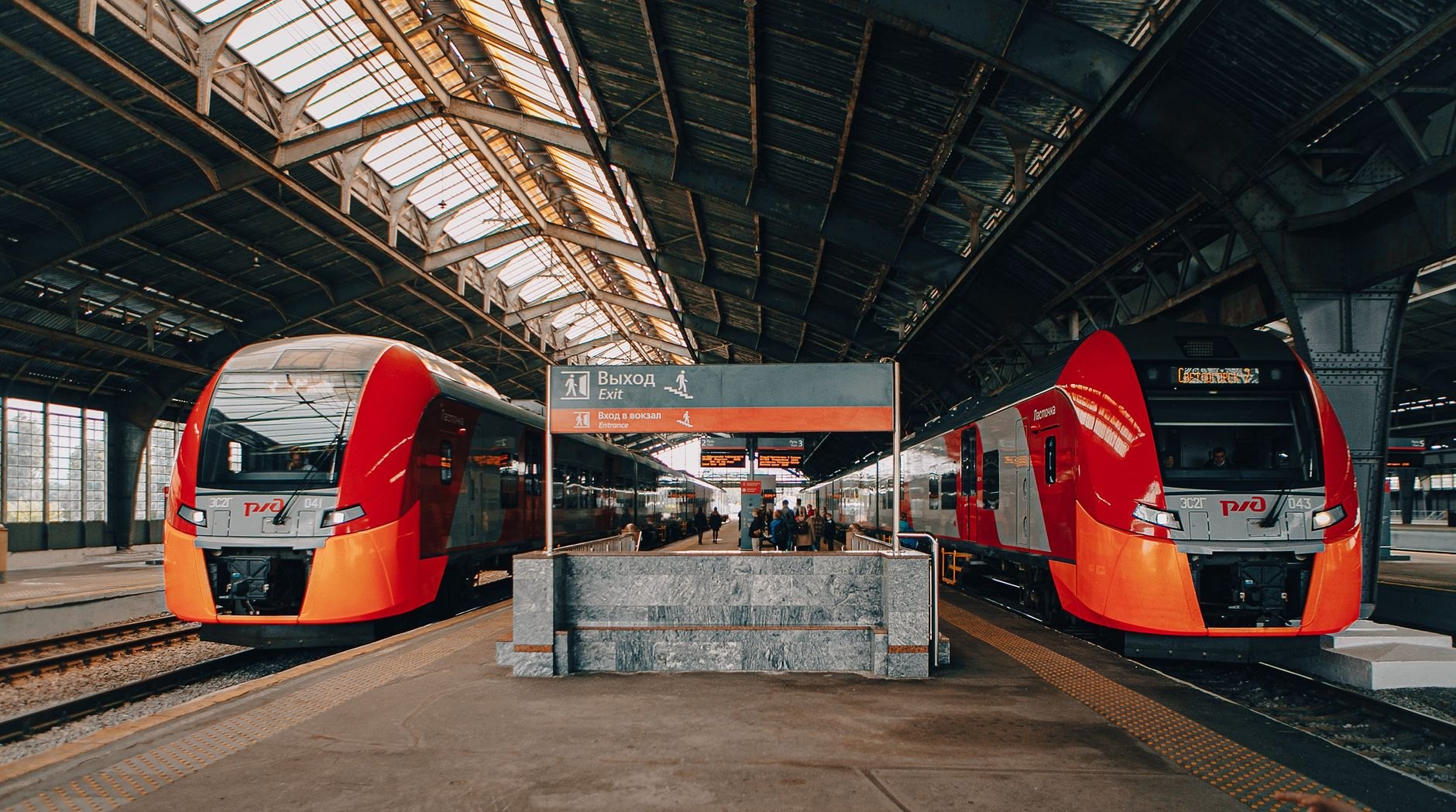
On Day 3, board an orange Elron express train from Tallinn Balti Jaam to Tartu. Estonia’s state passenger railway operates sleek modern train sets equipped with quiet coaches, power sockets, comfortable seating, and onboard Wi-Fi. The journey takes exactly two hours, gliding across flat pine forests, birch groves, and tidy agricultural farmsteads. Arriving in Tartu, you enter a city with a distinctly different atmosphere: while Tallinn is commercial and maritime, Tartu is contemplative, academic, and deeply bohemian.
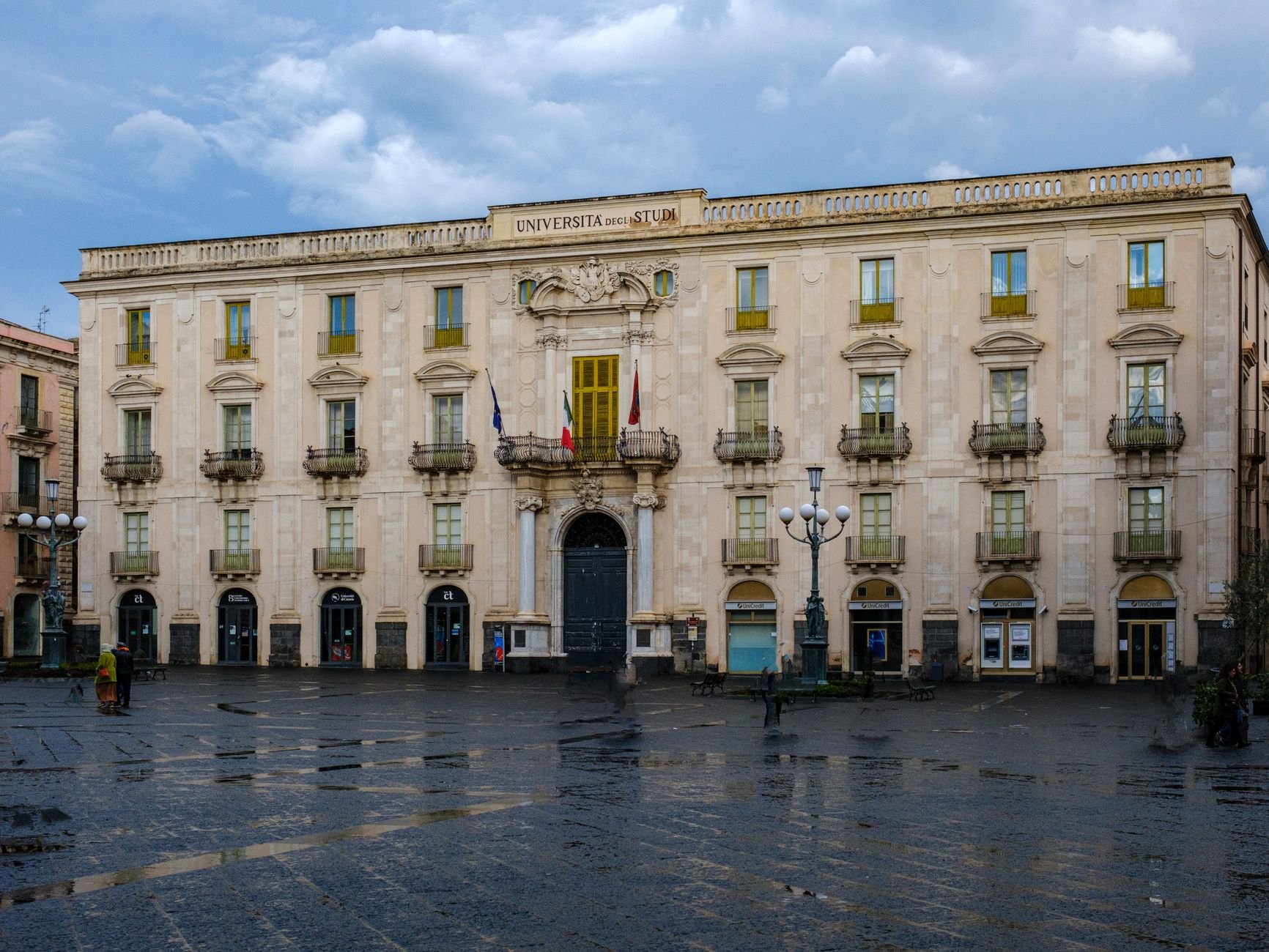
At the center of Tartu’s sloping Town Hall Square stands the iconic “Kissing Students” fountain, framed by neoclassical merchant houses painted in soft ochre and rose. Walk past the University of Tartu main building, celebrated for its six grand Doric columns. Founded in 1632 by King Gustavus Adolphus of Sweden, this university is one of Central and Eastern Europe’s oldest academic institutions, having educated generations of Baltic scholars, philosophers, and scientists.
Climb Toomemägi (Cathedral Hill), where shaded paths wind among monuments to historic intellectuals and the impressive red-brick ruins of the thirteenth-century Tartu Dome Church. Cross the Angel’s Bridge (Inglisild) and Devil’s Bridge (Kuradisild), observing local university traditions, before wandering down into Supilinn (Soup Town). This eccentric nineteenth-century neighborhood features unpainted and pastel wooden clapboard homes named after vegetables—Pea Street, Potato Street, Bean Street—where university students, artists, and poets live amid lush apple gardens and hand-painted picket fences.
Dedicate Day 4 to the Estonian National Museum (Eesti Rahva Muuseum, or ERM), situated on the eastern edge of Tartu. Housed in a monumental 355-meter-long glass and concrete building that physically extends from an abandoned Soviet military runway into the Estonian landscape, the museum represents one of modern Europe’s most significant cultural architectural feats.
The permanent exhibition, “Encounters,” charts the daily lives, language evolution, and resilience of the Estonian people from the Stone Age through the Soviet occupation to the digital modern republic. A second monumental gallery, “Echo of the Urals,” explores the cultural kinship, folk dress, and shamans of indigenous Finno-Ugric peoples scattered across Northern Eurasia. The museum utilizes innovative electronic e-ink labels that automatically switch to your preferred language when you tap your admission card, demonstrating Estonia’s mastery of user-friendly technology.
Days 5–7: Saaremaa Island, Meteorite Craters, and Coastal Castles
On Day 5, collect your rental car in Tartu or take the morning train to collect it in central Estonia, driving west toward Virtsu port. At Virtsu, drive aboard the Praamid.ee hybrid electric car ferry for the smooth twenty-seven-minute crossing to Kuivastu port on Muhu island. Muhu acts as the gateway to Saaremaa, connected to the larger island by a three-kilometer causeway (Väinatamm) crossing the shallow sea strait. Drive straight to Kuressaare, the island’s charming capital, anchored by Kuressaare Episcopal Castle.
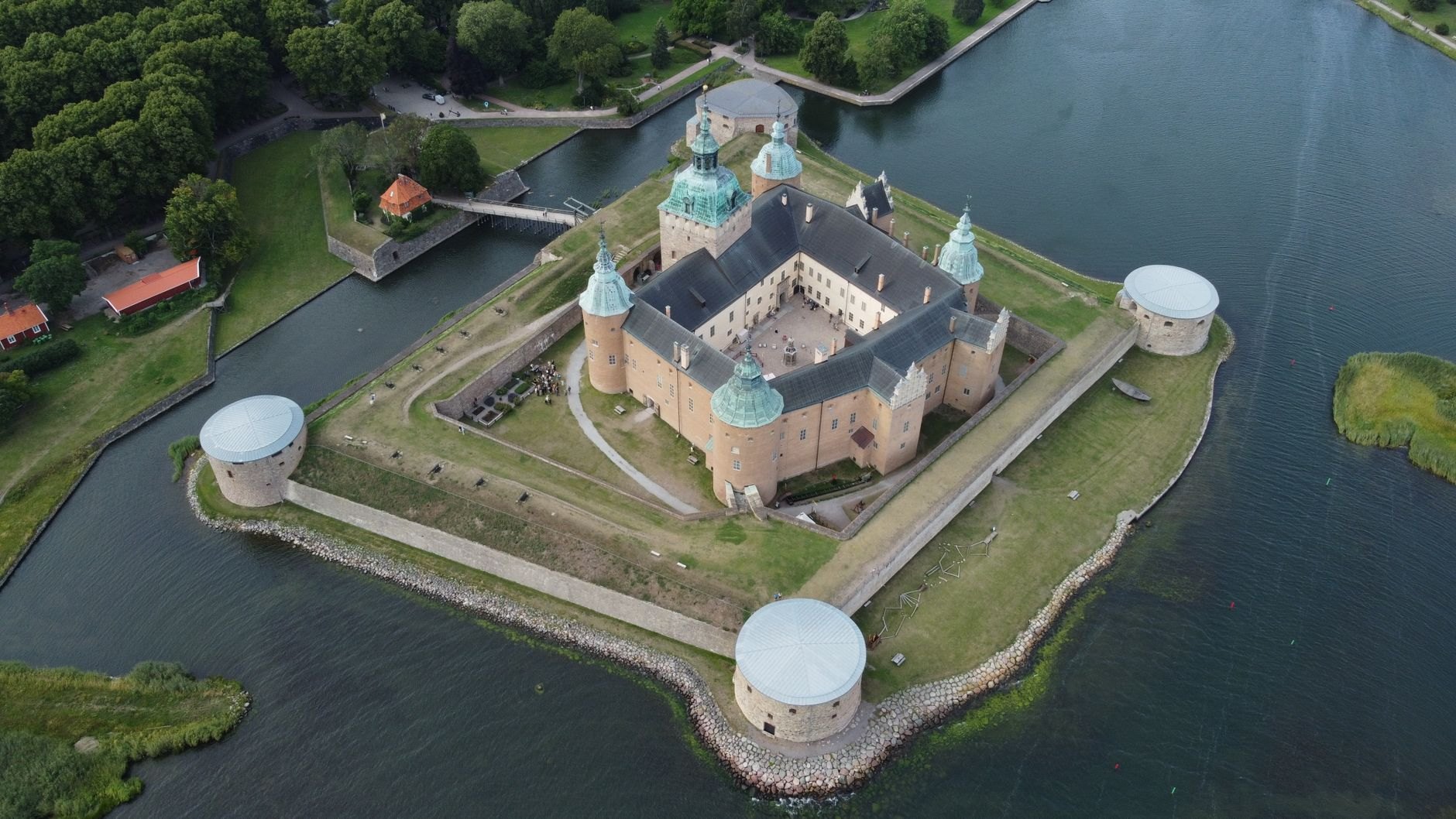
Constructed in the fourteenth century from local light-colored dolomite limestone, Kuressaare Castle is the sole medieval stone fortification in the Baltic states that survived centuries of warfare without major structural destruction. Encircled by water-filled moats, massive earthen ramparts, and stone bastions, the interior contains vaulted bishop’s chambers, refectories, defensive spiral staircases, and a museum detailing the complex history of Saaremaa under Danish, Swedish, tsarist, and Soviet administration.
On Day 6, take a road trip across the rural heart of Saaremaa. Your first stop is the Kaali Meteorite Crater Field, located twenty kilometers northeast of Kuressaare. Approximately 3,500 years ago, a massive iron meteorite broke apart over the Baltic atmosphere, slamming into Saaremaa with an explosion equivalent to a tactical nuclear detonation. The main crater measures 110 meters across and twenty-two meters deep, containing a serene, green-water lake (Kaali järv) surrounded by ancient oak trees, long revered as a sacred pagan sacrificial site.
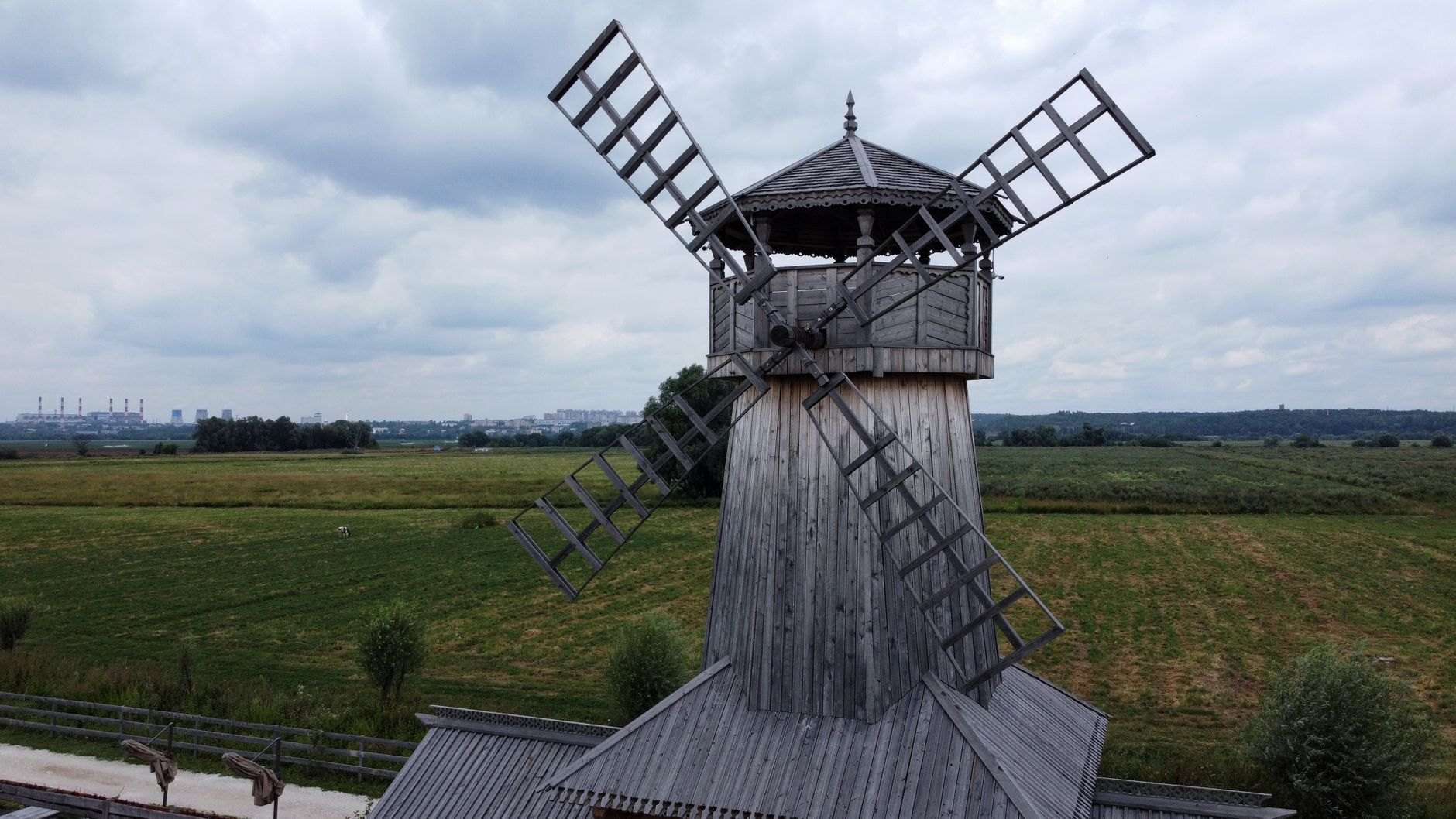
Continue north to Angla Windmill Mount (Angla tuulikumägi), where four traditional wooden trestle windmills and one Dutch-style stone windmill stand against the open Baltic sky. In the nineteenth century, every major Saaremaa farm had its own windmill for grinding rye and barley. Climb inside the timber structures to inspect the wooden gears and millstones, and taste freshly baked dark island rye bread in the heritage cafe. Complete your island loop by driving to the dramatic Panga Cliff on the northern coast, where twenty-one-meter sheer dolomite limestone cliffs drop straight into the churning sea.
On Day 7, begin your return journey across Muhu island. Stop at the historic thatched fishing village of Koguva, where moss-covered drystone walls, wooden barns, and thatched roofs have been preserved since the feudal era. Drive aboard the morning ferry back to the mainland at Virtsu, and follow the highway north across coastal plains to return your rental car in Tallinn for your flight home.
Estonian Culinary Traditions: Dark Rye, Forest Game, and Baltic Catch
Estonian culinary traditions are grounded in northern forest foraging, cold-water fishing, and hearty rye baking. The undisputed soul of the Estonian kitchen is leib—dense, dark sourdough rye bread made without wheat flour. Estonians hold deep reverent affection for rye bread; dropping a slice on the floor traditionally requires picking it up and kissing it as an apology.
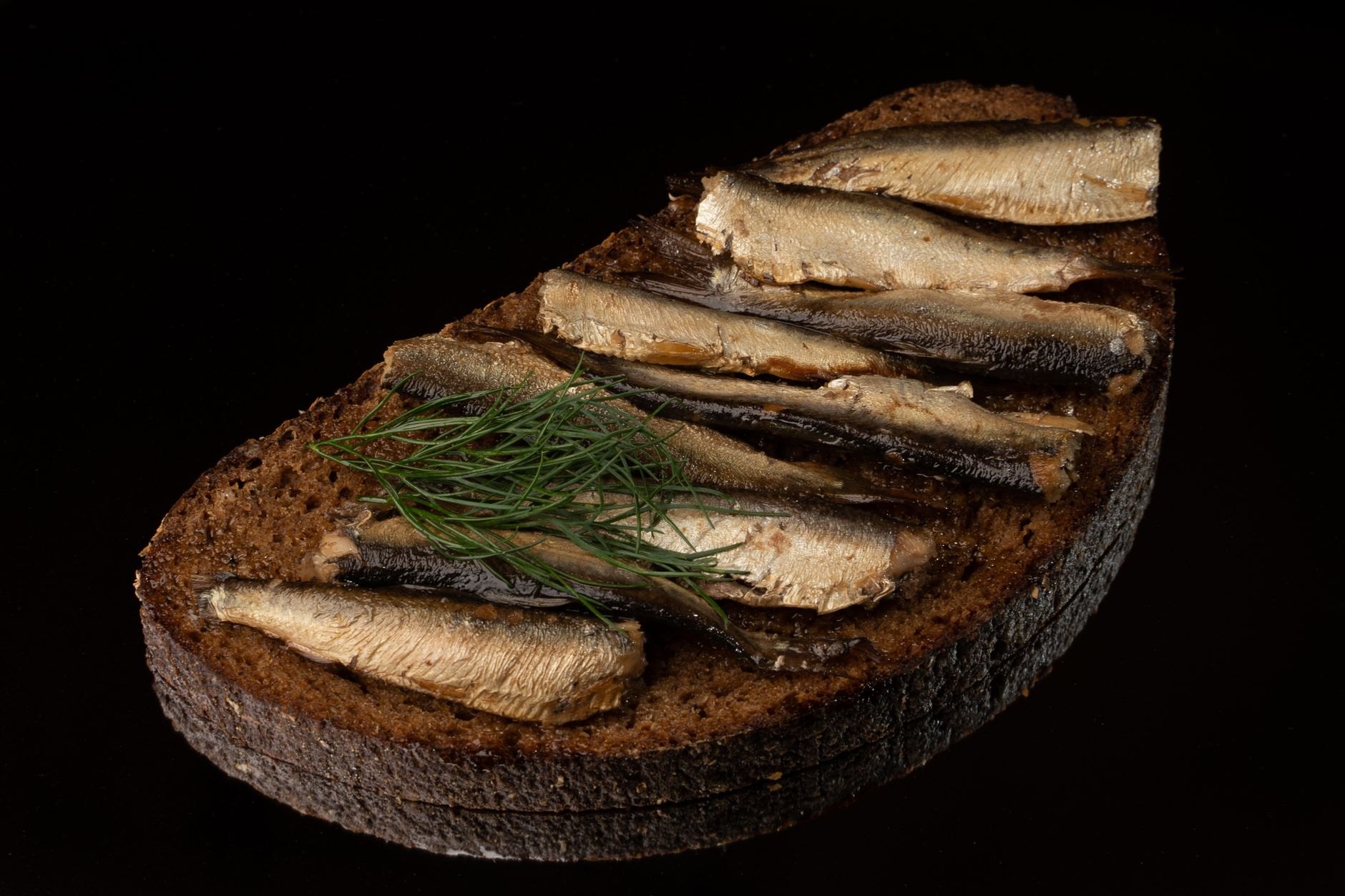
The classic national snack is kiluvõileib: a thick slice of buttered dark rye topped with marinated, spiced Baltic sprats (vürtsikilu), sliced hard-boiled egg, and chopped chives. On Saaremaa, dining shifts to freshly caught smoked fish—flounder (lest), perch, and garfish—smoked over juniper wood in backyard ovens. Another regional island specialty is koduõlu, a cloudy, unpasteurized traditional farmhouse beer brewed with juniper twigs, sweet malt, and baker’s yeast, offering an earthy, herbal flavor found nowhere else in Europe.
For dinner, look for slow-roasted wild game like elk (põder) or wild boar served with chanterelle mushroom cream sauce, roasted root vegetables, and tart lingonberry jam. To finish, try kama, a unique Finno-Ugric staple consisting of finely milled roasted barley, rye, oat, and pea flour mixed into cold kefir or buttermilk and lightly sweetened with forest blueberries.
Tourist Scams and Travel Traps in Estonia
Estonia is exceptionally safe, transparent, and digitally advanced, with virtually non-existent violent crime against visitors. Nevertheless, unaware travellers can encounter common tourist markups and transport pitfalls. Keep these five practical warnings in mind:
- Unregulated Private Taxis in Tallinn: Private street taxis waiting outside Tallinn cruise ports, the central train station, and ferry terminals are legally allowed to set their own tariffs under Estonian deregulation laws. Unscrupulous drivers post inflated rate sheets and charge $33.89 to $56.49 for a two-kilometer transfer. Always use the Bolt smartphone app or board city tram #2 or #4 for $1.69.
- Overpriced Old Town Amber and Russian Souvenirs: Many souvenir shops along Viru and Pikk streets in Tallinn market Russian nesting dolls, Soviet military badges, and amber jewelry imported from outside Estonia. Authentic Estonian craft focuses on hand-knit wool mittens, juniper wood butter knives, and linen. For genuine products, visit the Estonian Handicraft House on Pikk street.
- Ferry Booking Delays on Summer Weekends: Arriving at Virtsu port for the Saaremaa ferry on Friday afternoon without a pre-booked ticket on praamid.ee can result in waiting three to four hours in the standby vehicle queue. Always reserve your car slot online at least two weeks in advance for summer travel.
- Parking Enforcement in Historic Old Town: The entire Old Town of Tallinn is classified as a “Südalinn” or “Vanalinn” premium parking zone with exorbitant rates reaching $6.78 per hour, enforced 24/7 with zero free grace period. Never drive a rental car into Old Town; park in modern underground garages outside the city walls.
- Terrace Menu Markups on Raekoja Plats: Restaurants lining Town Hall Square cater heavily to tour groups, charging up to $11.30 for an ordinary draft beer and serving generic international dishes. For superior Nordic-Baltic cuisine at fair prices, walk five minutes into the Kalamaja neighborhood or Rotermann Quarter.
Staying Connected Across Estonia with NXTL Mobile Data
Estonia is famous globally as a digital society where nearly all public services operate online. From checking live Elron train arrivals and reserving Praamid.ee ferry tickets to accessing trail maps in Lahemaa’s Viru Bog and verifying interactive exhibits at the Estonian National Museum, continuous mobile data connectivity is indispensable throughout your trip. Searching for physical SIM cards at airport kiosks wastes valuable hours and requires passport registration.

A superior, highly economical choice is installing the NXTL Estonia eSIM before departure. Operating on Estonia’s premier tier-1 cellular infrastructures—including Elisa, Tele2, and Telia 5G—NXTL delivers reliable, ultra-fast data starting from just $0.76 per gigabyte. Because NXTL operates on an intuitive prepaid model, you pay only for the exact megabytes you use, eliminating restrictive package expiration deadlines.
Furthermore, your loaded balance never expires. Any remaining credit from your week exploring Tallinn, Tartu, and Saaremaa stays securely in your account, ready for your next trip across 180+ supported countries and 460+ carrier networks worldwide. Activation takes barely two minutes via a simple QR code scan, allowing you to keep your primary physical SIM card active for verification codes while enjoying 5G connectivity across the Baltic.