Azerbaijan presents one of Eurasia’s most striking contrasts: an oil-rich Caspian capital where medieval stone fortresses stand beside futuristic architecture, set against a hinterland of bubbling mud volcanoes, semi-arid steppe, and lush Caucasus mountain valleys. Yet first-time visitors frequently struggle with regional planning, unsure whether to spend their entire week exploring Baku’s urban promenades or attempt a demanding circuit across remote mountain passes. The solution is straightforward: anchor your first three days in Baku while using a private driver for day excursions across the Absheron Peninsula and Gobustan, then travel inland along the southern slopes of the Greater Caucasus to the historic Silk Road trading oasis of Sheki.
This seven-day route is designed for active independent travellers seeking a balanced progression of ancient history, cutting-edge contemporary design, subterranean geological wonders, and authentic Silk Road mountain culture. By spending three nights in pedestrian Baku, one night exploring the pre-Caspian steppe and Gobustan’s petroglyphs, and two nights based in the cool mountain foothills of Sheki before returning via Gabala, you experience Azerbaijan’s geographic diversity without excessive road fatigue. Here is how to structure your transit, museum visits, regional drivers, and traditional Caucasian dining across an efficient week.
Trip Planning Blueprint: Bases, Transit Modes, and Timing
Selecting the right season determines your comfort when moving between Baku’s windy coastal climate and the mountainous interior. Azerbaijan features nine of the world’s eleven climate zones, creating sharp regional differences. Spring (mid-April through early June) offers optimal travelling weather: mountain passes are lush and green, daytime temperatures in Baku hover around twenty-two degrees Celsius, and the severe summer heat of the central steppe has not yet arrived. April also brings blossoming pomegranate orchards across the interior river valleys.
Autumn, running from mid-September through late October, provides equally pleasant travelling conditions. Stable clear skies, grape and hazelnut harvests in the foothills of the Caucasus, and comfortable walking temperatures make exploring the cobblestones of Icherisheher and Sheki deeply enjoyable. In contrast, high summer (July and August) brings blistering heat exceeding thirty-eight degrees Celsius across the central lowlands and Absheron Peninsula, making desert excursions to Gobustan’s mud volcanoes physically taxing. Winter (December through February) brings chilly Caspian winds and snow to the high Caucasus, which transforms regional ski resorts like Shahdag and Tufandag but makes rural driving over mountain passes unpredictable.
For independent travellers, seven full days provides the ideal timeframe. A shorter visit restricts you to Baku day trips, missing the distinct Silk Road heritage and cool mountain air of Sheki. Seven days allows three nights in Baku, two nights in Sheki, one night in Gabala or Lahic, and a final transit night before departure, matching national driving distances and train timetables smoothly.
| Day / Stage | Base | Highlights | Transport Mode | Transit Time | Advance Booking Requirement |
|---|---|---|---|---|---|
| Day 1 | Baku | Icherisheher Old City, Maiden Tower, Shirvanshahs’ Palace, Baku Boulevard | Walking | Pedestrian base | Palace of the Shirvanshahs entry ticket |
| Day 2 | Baku | Heydar Aliyev Center, carpet museum, Flame Towers illumination, Highland Park | Metro (BakuCard) & Bolt App | 15-20 mins city transit | Heydar Aliyev Center exhibition ticket |
| Day 3 | Baku | Gobustan rock petroglyphs, bubbling mud volcanoes, Bibi-Heybat Mosque | Private Driver / Excursion | 1 hr drive south each way | Arranged driver or 4WD taxi for mud volcano tracks |
| Day 4 | Baku to Sheki | Absheron fire temple (Ateshgah), Yanar Dag burning mountain, scenic drive to Sheki | Rental Car or Hired Driver | 4 hrs 30 mins driving (300 km) | Car rental pickup or intercity driver booking |
| Day 5 | Sheki | Sheki Khans’ Palace, stained-glass shebeke workshops, Upper Caravanserai | Walking & Local Taxi | Pedestrian town base | Khans’ Palace entry ticket on arrival |
| Day 6 | Sheki to Kish / Gabala | Ancient Church of Kish (Caucasian Albanian), Nohur Lake, Tufandag cable car | Rental Car or Local Driver | 1 hr 15 mins driving (65 km) | Tufandag mountain cable car ticket on arrival |
| Day 7 | Baku departure | Morning mountain honey shopping, scenic return drive across Shamakhi to Baku | Rental Car or Intercity Train | 3 hrs 45 mins return transit (260 km) | Direct airport drop-off arrangement |
Days 1–2: Imperial Baku, Medieval Icherisheher, and Futuristic Curves
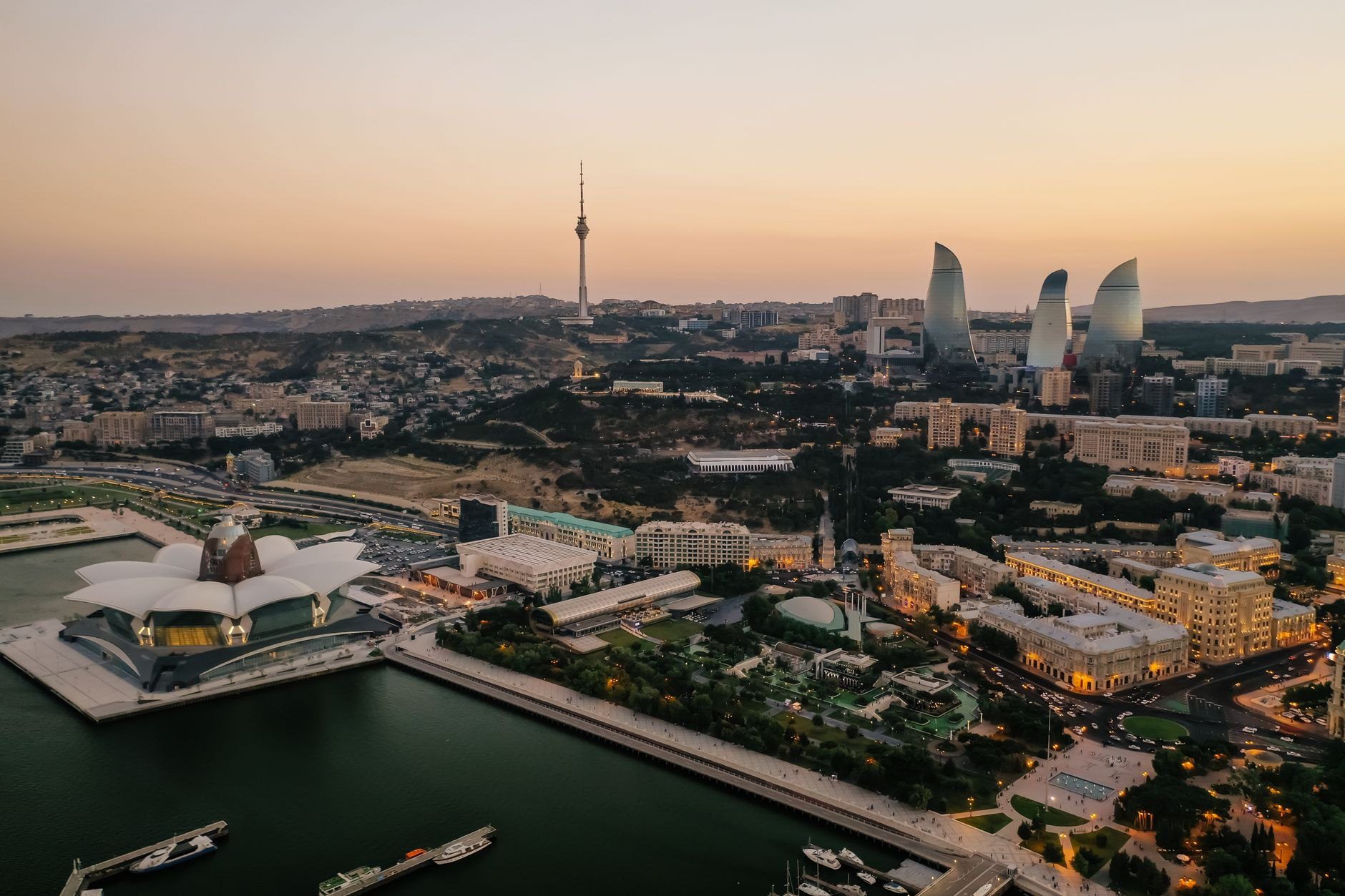
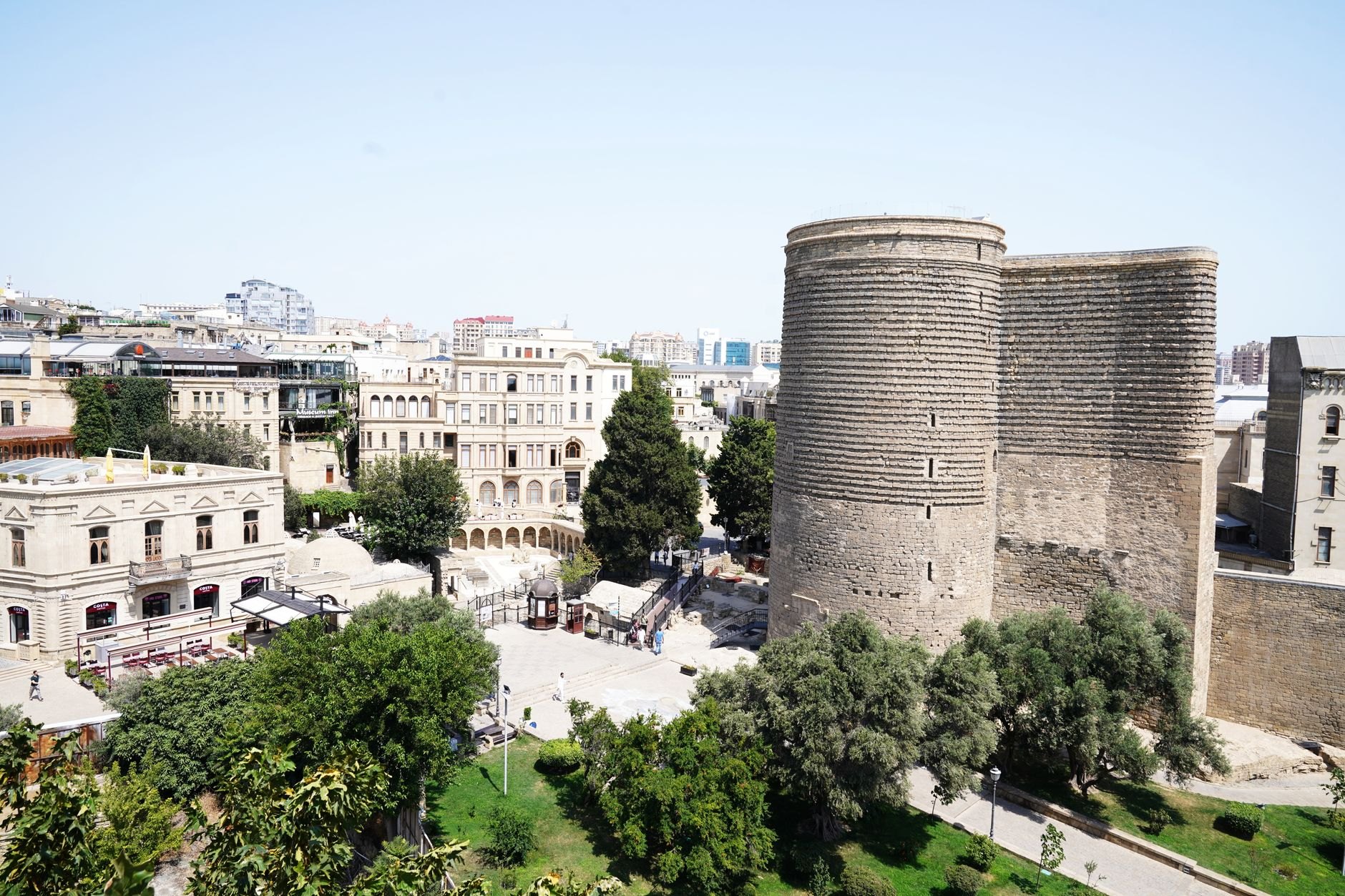
Baku is a city defined by successive eras of sudden oil wealth and architectural ambition. The heart of the capital remains Icherisheher (the Inner City), enclosed within continuous twelfth-century limestone battlements. Enter through the Double Gates into a pedestrian labyrinth of sandstone alleys lined with traditional carpet workshops, carved wooden balconies, and quiet courtyards. At the edge of the historic quarter stands the enigmatic Maiden Tower (Qız Qalası), a cylindrical stone monument rising twenty-nine meters whose original construction date and ceremonial purpose remain debated among historians.
Wander up the sloping stone streets to the Palace of the Shirvanshahs, the fifteenth-century royal sandstone complex built when the rulers of the Shirvan dynasty relocated their capital from Shamakhi to coastal Baku. The complex contains the royal residential quarters, the Divankhana council hall with its refined stone-carved octagonal pavilion, the domed palace mosque, and subterranean royal burial vaults. In the evening, stroll along Baku Boulevard (Milli Park), a seaside promenade skirting the Caspian Sea that stretches over three kilometers shaded by palm trees and manicured gardens.
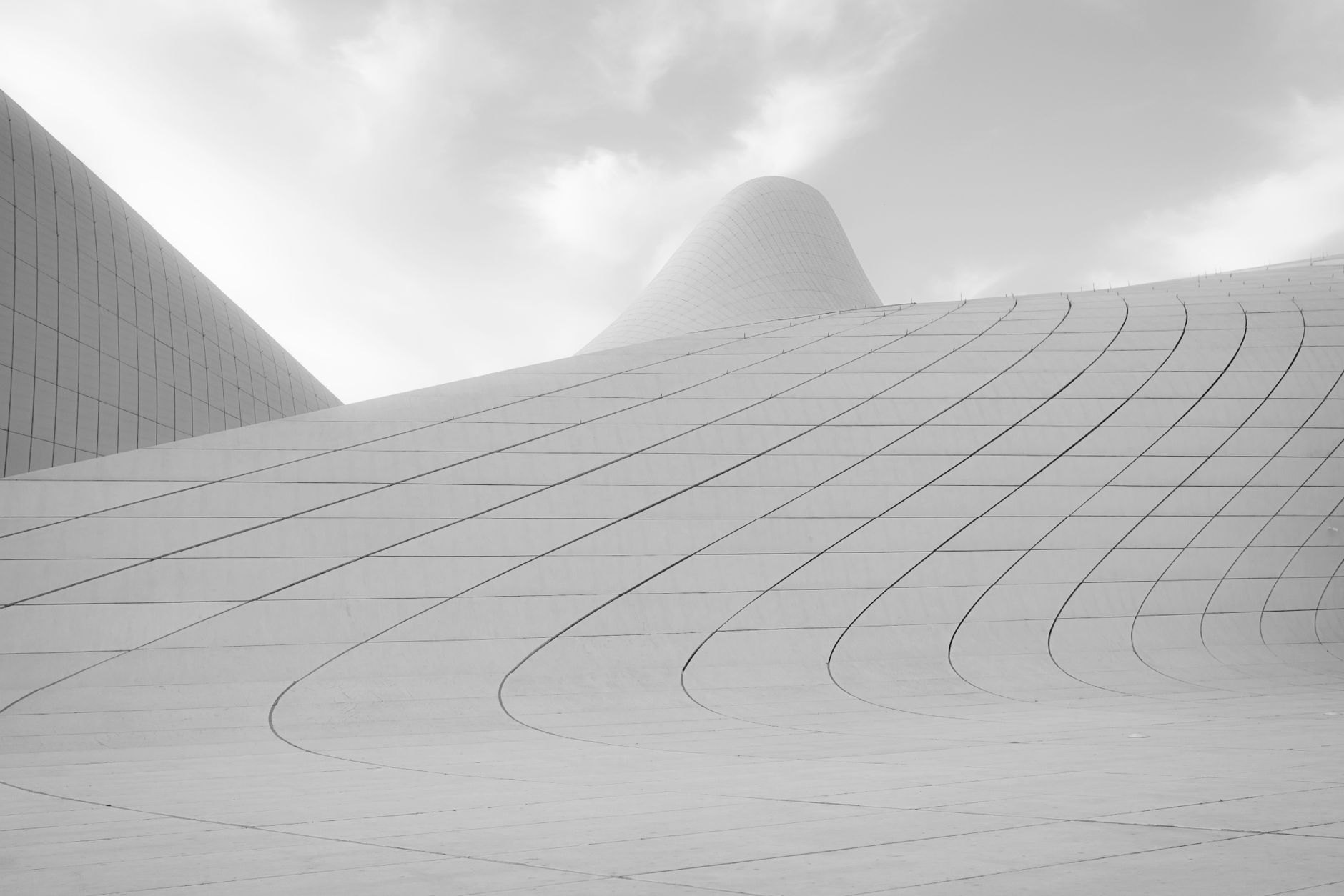
Dedicate your second day to Baku’s astonishing contemporary architecture. Take a short taxi ride to the Heydar Aliyev Center, designed by the visionary Iraqi-British architect Zaha Hadid. The structure represents one of modern world architecture’s greatest achievements: a flowing, undulating white envelope that rises fluidly from the surrounding public plaza with zero sharp angles or right-angle joints, symbolizing the continuous flow and optimism of post-independence Azerbaijan.
In the late afternoon, ride the Baku Funicular or climb the monumental stone stairs to Highland Park (Dağüstü Park). From this elevated terrace, gaze across the entire crescent-shaped bay of Baku, the oil platforms dotting the southern horizon, and the trio of Flame Towers rising overhead. As dusk falls, the curved glass facades of the Flame Towers transform into massive LED display screens, flickering with digital flames and waving national flags, illustrating why Azerbaijan has celebrated natural gas fires since antiquity.
Day 3: Ancient Petroglyphs and Mud Volcanoes of Gobustan
On Day 3, hire a trusted private driver for a day excursion sixty kilometers south of Baku to Gobustan National Historical-Artistic Reserve. The journey traces the arid western shore of the Caspian Sea, passing nodding pumpjacks and offshore drilling rigs before turning inland into a rugged limestone boulder field. Begin at the state-of-the-art interactive visitor museum, which explains the geological formation of the Caspian basin and the prehistoric tribes who sheltered under these limestone overhangs.
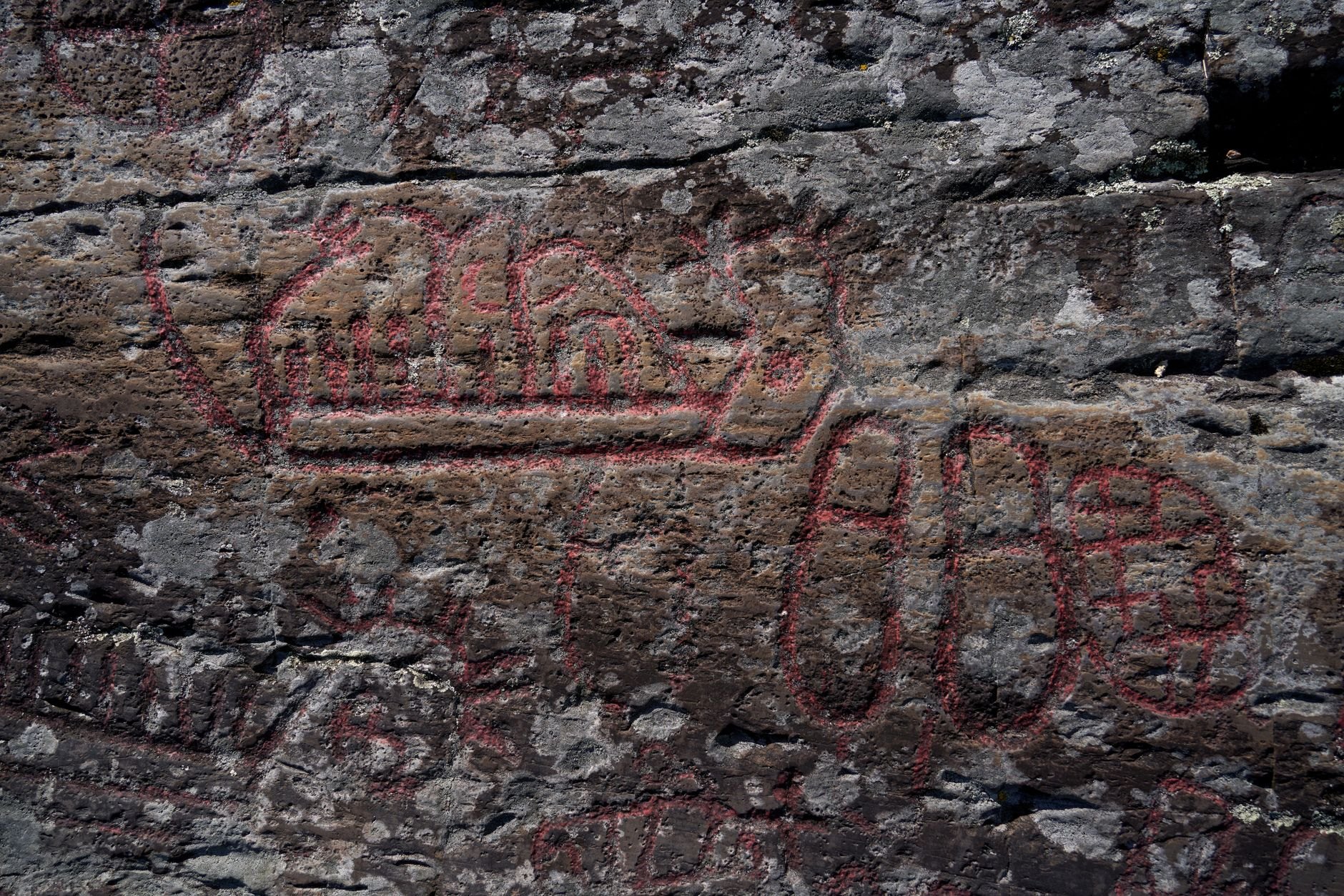
Follow the marked walking trail winding between massive tumbled limestone blocks. The rocks preserve over six thousand individual petroglyphs carved between the Upper Paleolithic era and the Middle Ages. The engravings depict wild aurochs, gazelles, ritual tribal dances (yallı), and reed boats propelled by rowers with the sun mounted on their prows—a design that intrigued Norwegian explorer Thor Heyerdahl, who hypothesized ancient cultural links between the Caspian and Scandinavia. Nearby, look for a stone slab bearing a Latin inscription left by the Roman Legio XII Fulminata during the reign of Emperor Domitian, marking the easternmost military reach of the Roman Empire.
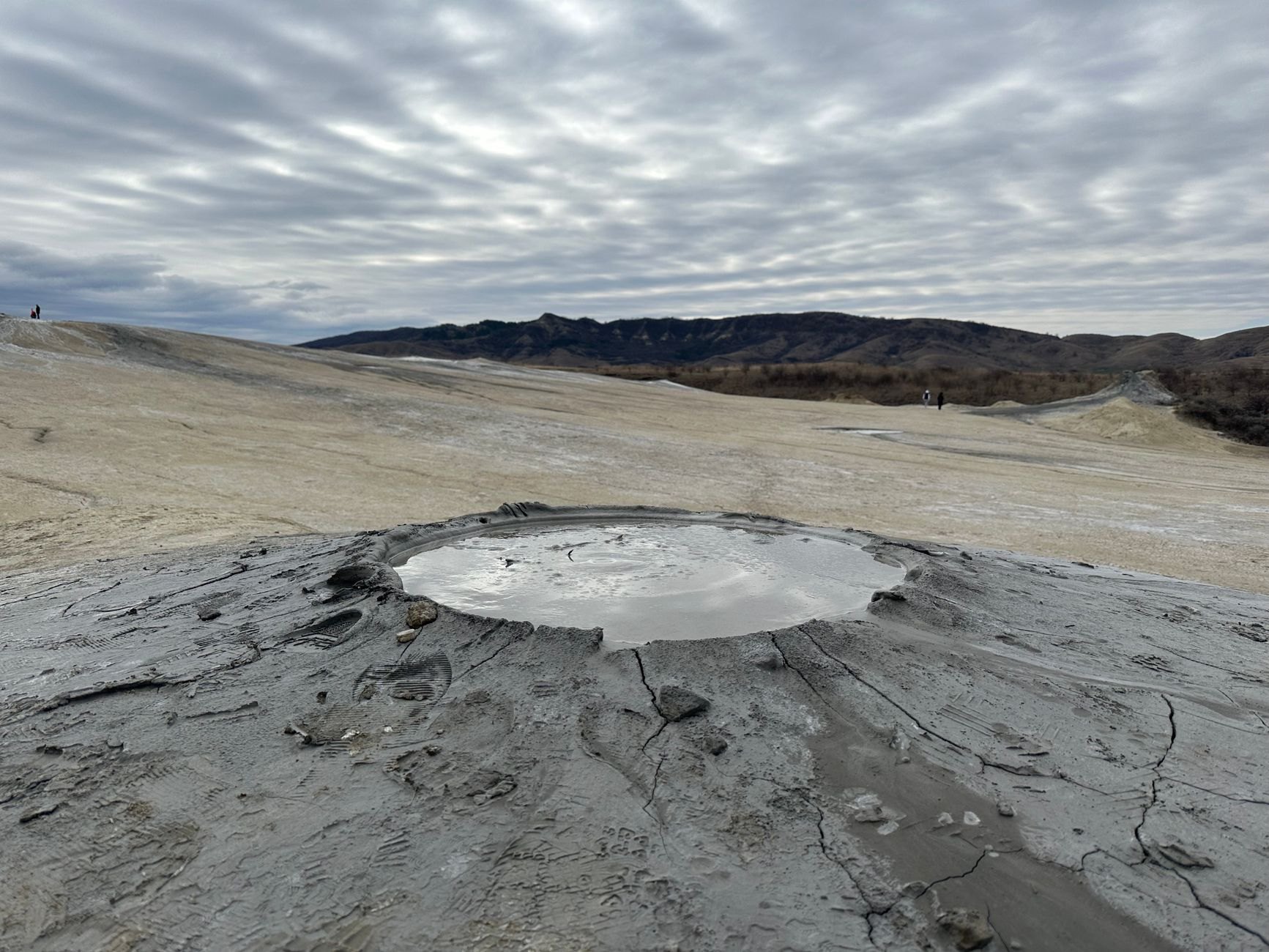
After touring the petroglyphs, switch into an old Soviet Lada 4WD taxi arranged by your driver to navigate the rutted clay tracks leading to the Gobustan mud volcanoes at Dashgil. Azerbaijan contains more than four hundred of the world’s eight hundred known mud volcanoes. Reaching the plateau, you step into a moon-like desert expanse where dozens of conical gray clay mounds bubble, gurgle, and spit cold subterranean mineral mud driven upward by pressurized natural gas pockets. The mud is cool to the touch and mineral-rich, creating a fascinating geological encounter unlike anywhere else on earth.
Days 4–5: Overland to Sheki and Silk Road Heritage
On Day 4, embark on your overland journey inland toward the Greater Caucasus mountain range. You can either hire a private car with driver, rent a vehicle in Baku, or take the modern passenger train service. Driving along the M4 highway across the Shamakhi steppe, the arid coastal scrub gradually gives way to rolling wheat fields, vineyards, and forested foothills. Stop in Shamakhi to view the Juma Mosque, originally founded in 743 AD and rebuilt after devastating earthquakes, before ascending through the oak forests of the Muganly Pass toward the ancient town of Sheki.
Located three hundred kilometers northwest of Baku on the southern slopes of the Greater Caucasus, Sheki was a vital trading crossroads along the historic Silk Road, renowned across the Orient for silk production, sweet confectionery, and artisan crafts. Base yourself in the historic upper quarter, characterized by brick-and-riverstone residences with red-tiled roofs, cobbled lanes, and walnut trees.
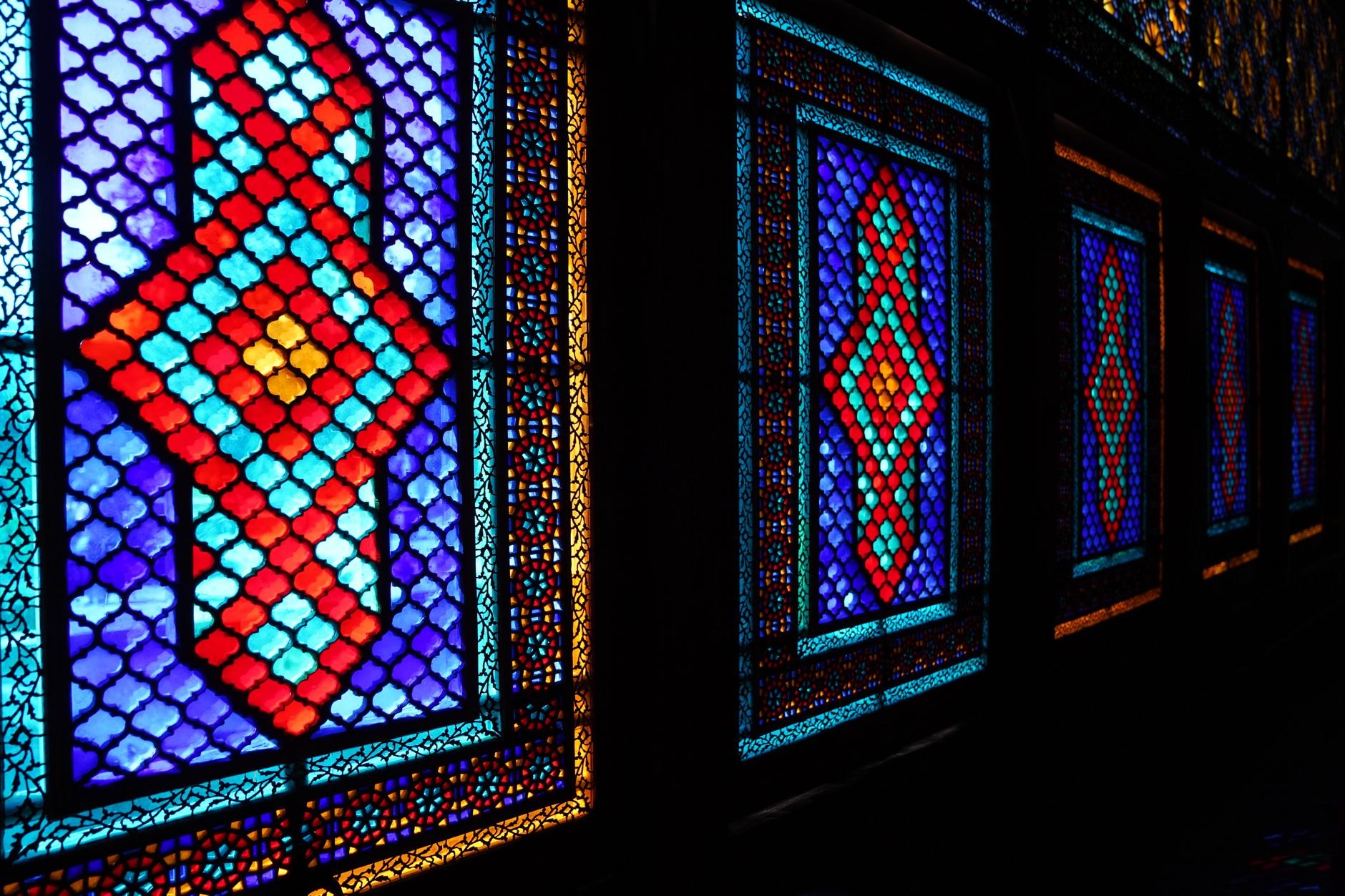
Begin your exploration at the Palace of Shaki Khans (Şəki xan sarayı), constructed in 1762 as the summer residence of the local rulers inside the fortified town fortress. The two-story exterior is lavishly painted with hunting and battle frescoes, but its interior features one of the world’s masterworks of artisan carpentry: the shebeke windows. These intricate geometric wooden lattices are assembled from thousands of tiny carved pieces of walnut wood and Venetian stained glass fitted together entirely through tongue-and-groove joints without a single nail, peg, or droplet of glue. On sunny mornings, sunlight streaming through the windows projects radiant geometric mosaics across the interior chambers.
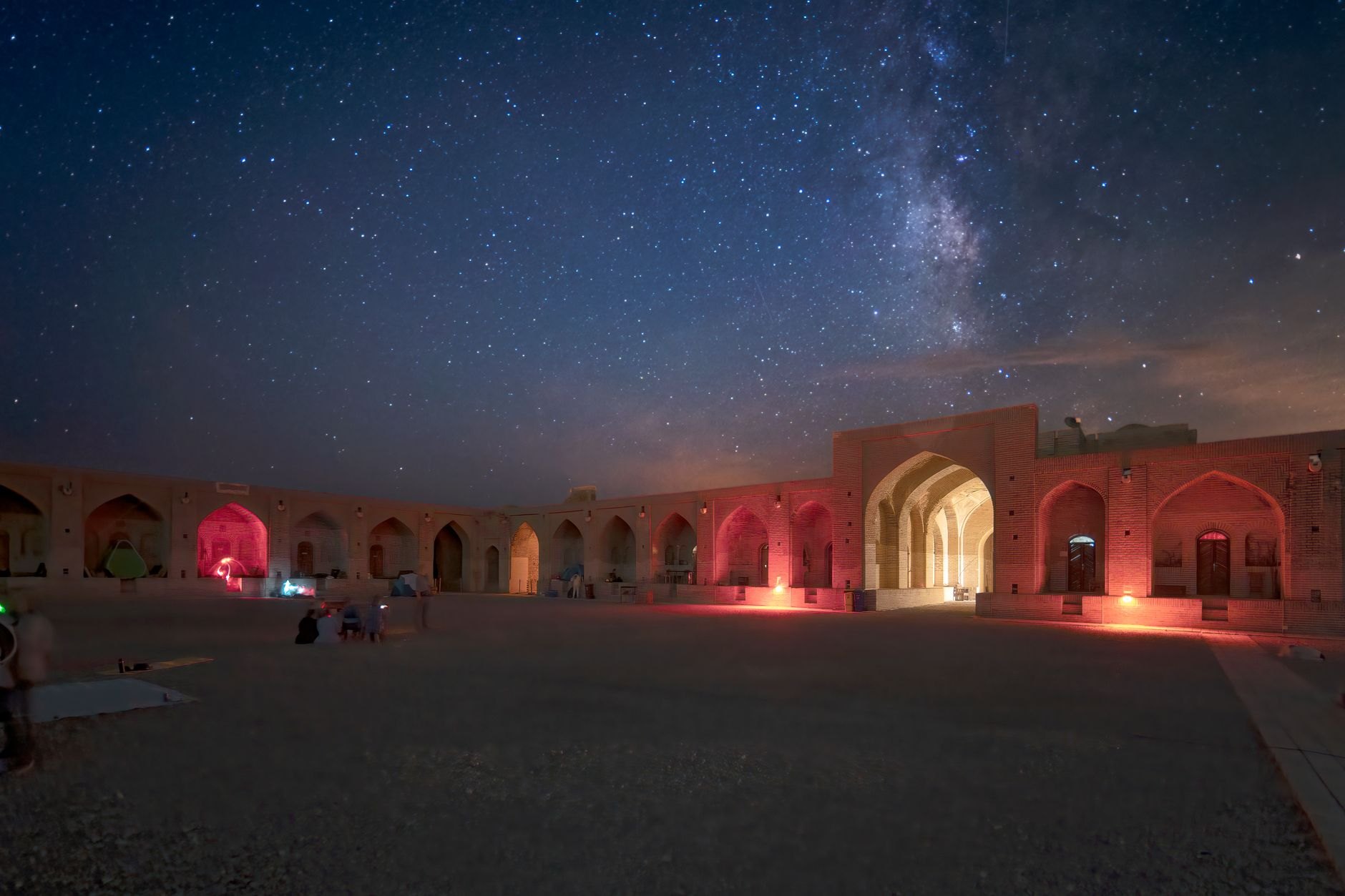
Wander down to the Upper Caravanserai (Yuxarı Karvansaray), an authentic eighteenth-century Silk Road inn constructed from river stone and fired brick. Entering through the fortress-like portal, you find a vast stone courtyard surrounded by two levels of arched loggias and vaulted guest rooms where Persian, Ottoman, and Russian merchants once traded raw silk, spices, and carpets while resting their camel caravans.
Days 6–7: Caucasus Mountain Foothills, Kish Village, and Departure
On Day 6, take a short five-kilometer taxi drive north into the forested Caucasus foothills to the picturesque stone village of Kish. Here, beside a rushing mountain brook, stands the Church of Kish, an ancient round-towered limestone sanctuary dating to the first centuries of our era. The church belonged to the historic Church of Caucasian Albania—an ancient Christian state that flourished across northern Azerbaijan long before the arrival of Islam. Inside, archaeological excavations reveal glass-topped floor crypts displaying the skeletons of ancient residents, whose towering stature of over two meters astonished researchers.
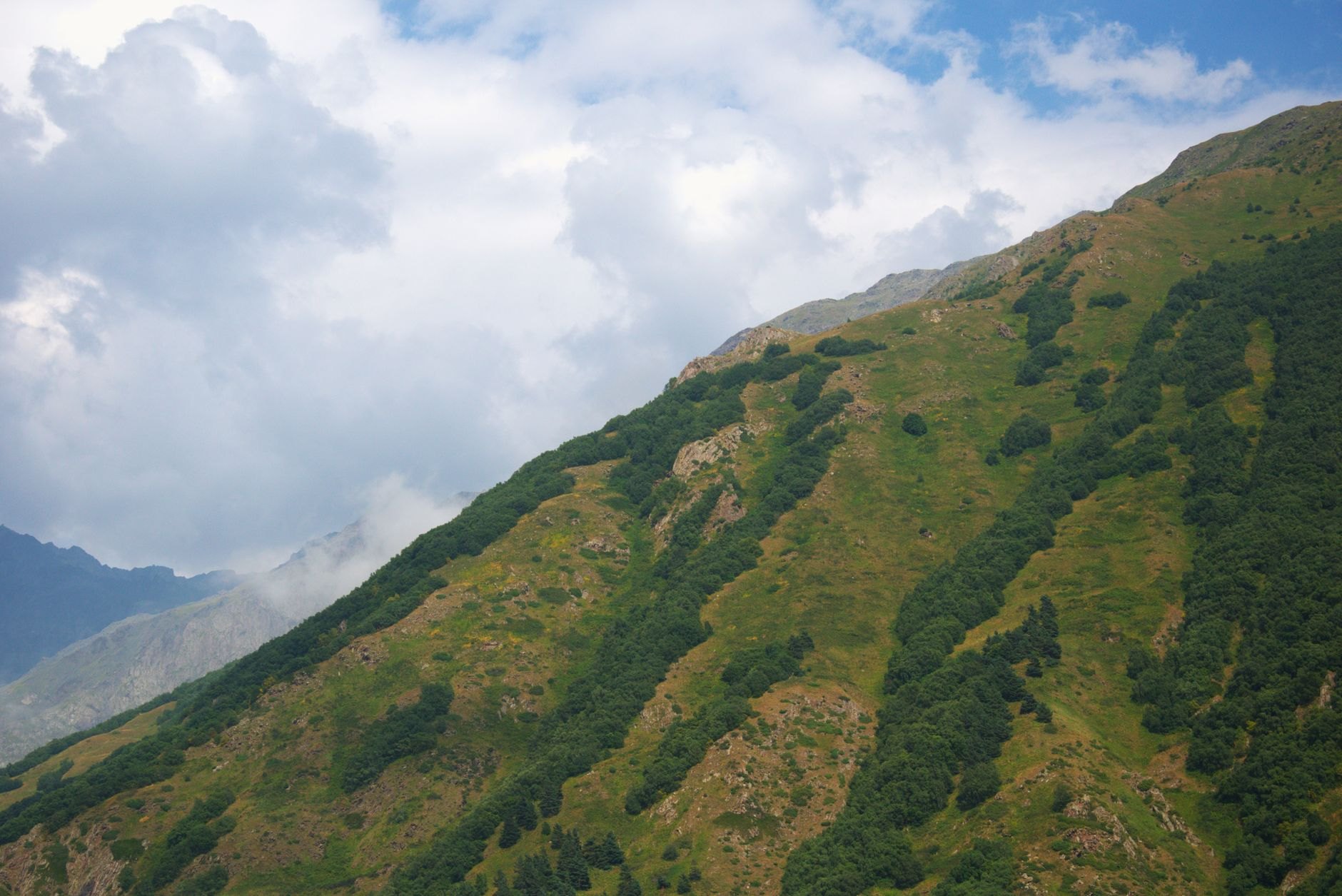
Spend the afternoon driving toward Gabala (Qəbələ), stopping at Lake Nohur, an alpine reservoir framed by forested mountain ridges. If travelling with family or outdoor enthusiasts, ride the Tufandag Mountain Resort cable cars, which ascend four stages into the high alpine meadows of the Greater Caucasus for panoramic views over deep river valleys. On Day 7, begin your return journey along the highway back to Baku, stopping along roadside stalls near Ismayilli to purchase mountain flower honey, freshly pressed hazelnut oil, and handmade sheep-wool socks before heading directly to Heydar Aliyev International Airport.
Azerbaijani Culinary Traditions: Saffron Plov, Piti, and Tea Culture
Azerbaijani cuisine is rich, aromatic, and characterized by fresh herbs, tart fruits, sumac, and delicate slow cooking. The pinnacle of the ceremonial table is plov (pilaf). Unlike Central Asian varieties where rice and meat cook together in a single pot, Azerbaijani plov features long-grain basmati rice steamed separately with fragrant saffron water until every grain is fluffy and tender, lined at the bottom of the pot with a crisp buttery flatbread crust called qazmaq.
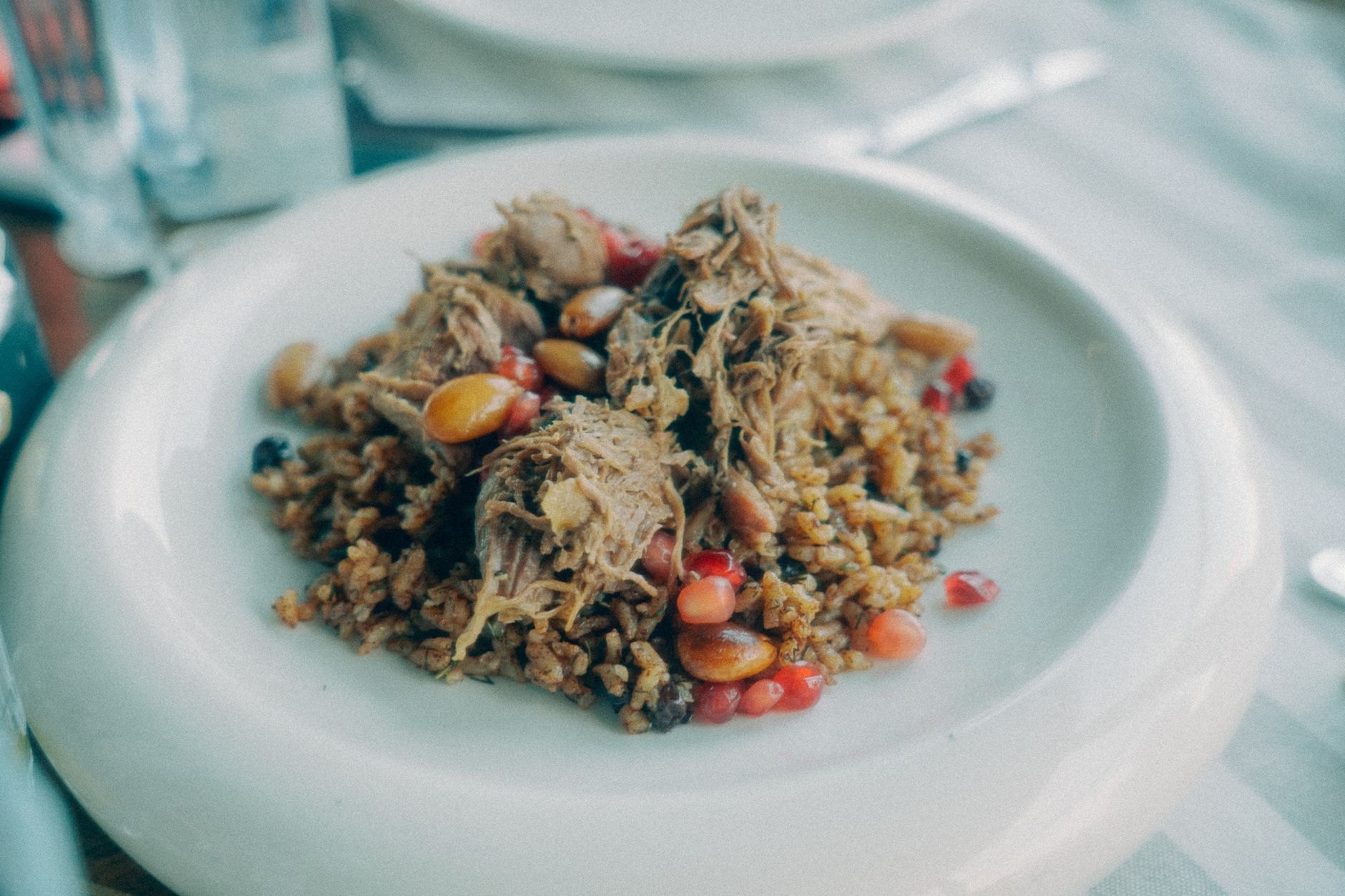
The rice is crowned with shah plov toppings: tender braised lamb cooked with whole golden chestnuts, sweet dried apricots, sour dried plums (albukhara), and dark raisins. In Sheki, the undisputed culinary institution is piti: a rich soup prepared in individual glazed earthenware pots (küpə). Made with mutton, chickpeas, chestnuts, saffron, and sheep-tail fat (quyruq), piti is eaten in two ceremonial stages: first, you tear flatbread into a bowl and pour the rich golden broth over it as a soup, then mash the remaining meat, fat, and chickpeas into a fragrant paste seasoned with tart sumac.
No trip across Azerbaijan is complete without experiencing çay (black tea) culture. Tea is served in traditional pear-shaped glasses called armudu, which keep the bottom hot while cooling the rim. It is accompanied by crystal sugar cubes, lemon slices, and an array of homemade fruit preserves (mürəbbə)—from white cherry and walnut to wild fig. In Sheki, pair your tea with Sheki halva, an intensely sweet confection made from layered rice flour filigree, crushed walnuts, and spiced coriander syrup.
Tourist Scams and Travel Traps in Azerbaijan
Azerbaijan is exceptionally safe, with strong public security and an ancient culture of warm hospitality toward guests. However, foreign travellers can encounter commercial pitfalls and transport scams if they are unprepared. Keep these five practical warnings in mind:
- Unmetered “London Taxis” at Baku Airport: Hailing an official purple or black cab waiting outside Terminal 1 without agreeing on a price often results in demands of 50 to 80 AZN ($31.63 to $50.84) for a ride that should cost 15 to 20 AZN. Always book rides using the Bolt app from the airport or take the Airport Express bus to 28 May Station for just 1.50 AZN using a BakuCard.
- Gobustan Mud Volcano Taxi Gouging: Regular tour drivers cannot navigate the rough dirt tracks up to Dashgil mud volcanoes and transfer passengers to local Soviet Lada taxis at the highway junction. These local drivers routinely demand 40 to 60 AZN per vehicle for a short ten-minute track. Negotiate firmly: the fair standard round-trip price is 20 to 25 AZN per car including waiting time.
- Unpriced Seafood Terraces on the Caspian Coast: Seafood restaurants along the beach strip south of Baku (near Shikhov beach) often present menus without listed weights or prices for fresh sturgeon and Caspian trout. Diners are later presented with surprise bills reaching hundreds of manats. Always insist on seeing price per hundred grams before fish is prepared.
- Failure to Register with the State Migration Service: Any foreign national staying in Azerbaijan for more than fifteen calendar days is legally required to register their temporary address with the State Migration Service. While hotels register guests automatically, travellers staying in Airbnb apartments or private guesthouses must ensure their host registers them online within fifteen days, or face a severe fine of 300 to 400 AZN upon departure at the airport.
- Counterfeit Silk Scarves in Sheki: Souvenir shops near Sheki Khans’ Palace often sell synthetic polyester scarves labeled as local silk. Authentic Sheki kelaghayi—traditional silk headscarves stamped with wax woodblocks in botanical and paisley (buta) patterns—are light enough to pull through a wedding ring and feel distinctly cool to the touch. Purchase authentic certified kelaghayi directly from the Sheki Silk Factory store.
Staying Connected Across Azerbaijan with NXTL Mobile Data
Whether navigating remote steppe crossroads on the road to Sheki, ordering Bolt rides through the streets of modern Baku, verifying prayer and museum hours at Shirvanshahs’ Palace, or translating Cyrillic and Azerbaijani road signs along Caucasus foothill routes, reliable cellular connectivity is essential for an independent journey across Azerbaijan. Purchasing local SIM cards at Baku Airport involves waiting in long lines at terminal kiosks and presenting original passports for physical identity registration.

A faster and far more economical alternative is installing the NXTL Azerbaijan eSIM before your flight. Operating on Azerbaijan’s premier tier-1 cellular infrastructures—including Azercell and Bakcell 4G/5G—NXTL delivers robust, high-speed mobile data rates starting from just $2.08 per gigabyte. Because NXTL operates on an intuitive prepaid consumption model, you pay only for the exact megabytes you use, eliminating restrictive expiration dates and wasted allowances.
Furthermore, your initial account credit never expires. The balance you load for your week exploring Baku and Sheki remains intact, automatically rolling over for effortless reuse across 180+ supported countries and 460+ carrier networks worldwide on future international travels. Activation takes less than two minutes via a simple QR code scan on any eSIM-compatible smartphone, allowing you to preserve your physical home SIM card for incoming verification codes and messaging while enjoying high-speed connectivity from the Caspian shore to the Caucasus peaks.