Uruguay is South America’s most tranquil and socially progressive republic, packing an extraordinary density of cultural pleasures into a manageable Atlantic coastline: neoclassical avenues where locals stroll with thermoses of yerba mate, a seventeenth-century Portuguese colonial outpost on the Rio de la Plata, and sophisticated beach villages framed by windswept dunes. Yet first-time visitors frequently struggle with regional pacing, wondering how to divide seven days between Montevideo, Colonia del Sacramento, and the eastern Atlantic resorts without fighting seasonal crowds or spending half their holiday in transit. The solution lies in understanding the stark seasonal rhythms that govern the Uruguayan coast.
This seven-day route is designed for active independent travellers seeking a balanced progression of architectural exploration, culinary indulgence around wood-fired parrillas, wine estate tastings, and coastal relaxation. By anchoring your first two nights in pedestrian Montevideo, travelling two hours west to UNESCO-listed Colonia del Sacramento for one night, and collecting a rental car to explore the Atlantic beaches, bohemian fishing villages, and olive groves of Punta del Este and José Ignacio for three nights, you experience Uruguay’s distinct regional personalities without backtracking. Here is how to navigate bus links, car rentals, seasonal beach schedules, and world-class Tannat vineyards across an efficient week.
Trip Planning Blueprint: Bases, Transit Modes, and Seasonal Realities
The time of year you visit Uruguay completely redefines your experience of the coast. In the Southern Hemisphere summer—specifically peak season running from Christmas through January and early February—Punta del Este and José Ignacio transform into South America’s premier jet-set playground. Beach clubs thump with electronic music, celebrity yachts anchor off Playa Mansa, restaurant prices surge, and accommodation requires booking six months ahead. If you thrive on energetic beach glamour, warm ocean swimming, and late-night dining that starts after eleven, January is exhilarating.
However, for travellers seeking relaxed beach walks, accessible winery visits, and authentic cultural immersion, the shoulder seasons are vastly superior. From late February through April (late summer and autumn), ocean waters remain warm enough for swimming, weather is stable and sunny, crowds evaporate, and boutique hotels in José Ignacio drop their rates by half. Autumn is also grape harvest season (vendimia) across the Canelones and Maldonado wine regions. October to mid-December (spring) offers pleasant walking weather and blossoming jacaranda trees in Montevideo, though coastal winds can be brisk. Winter (June through August) brings cool maritime temperatures around twelve degrees Celsius: while coastal beach towns shutter completely, Montevideo’s tango salons, historic cafes, and indoor parrillas operate with cozy authenticity.
For independent visitors, seven complete days provides the ideal timeframe. A shorter visit confines you to a rushed day trip across the river from Buenos Aires, missing the wild Atlantic beaches and boutique bodegas of Maldonado. Seven days allows two nights in Montevideo, one night in Colonia, three nights stationed near José Ignacio or La Barra, and a final transit night before departure.
| Day / Stage | Base | Highlights | Transport Mode | Transit Time | Advance Booking Requirement |
|---|---|---|---|---|---|
| Day 1 | Montevideo | Ciudad Vieja, Plaza Independencia, Palacio Salvo, Rambla sunset walk | Walking | Pedestrian base | Palacio Salvo guided tour reservation |
| Day 2 | Montevideo | Mercado del Puerto parrilla lunch, Pocitos Beach, Canelones bodega Tannat tasting | Local Taxi & Winery Transfer | 30 mins to Canelones vineyards | Winery tasting and lunch reservation (Bodega Bouza or Juanicó) |
| Day 3 | Colonia del Sacramento | COT/Turil express bus to Colonia, Calle de los Suspiros, lighthouse, river sunset | Express Intercity Bus | 2 hrs 15 mins (Montevideo to Colonia) | Bus ticket via Tres Cruces terminal app |
| Day 4 | Punta del Este / La Barra | Morning bus back to Montevideo, collect rental car, drive to Punta Ballena and Casapueblo | Bus + Rental Car | 2 hrs bus + 1 hr 45 mins drive | Rental car pickup at Tres Cruces or Carrasco Airport |
| Day 5 | José Ignacio | Playa Brava, Los Dedos sculpture, José Ignacio lighthouse, beachside seafood lunch | Rental Car | 35 mins driving along Route 10 | Lunch reservation at Parador La Huella (essential) |
| Day 6 | José Ignacio / Garzón | Inland day trip to Pueblo Garzón olive oil mills and Bodega Garzón, Laguna Garzón wooden bridge | Rental Car | 45 mins driving inland | Bodega Garzón vineyard tour reservation |
| Day 7 | Montevideo departure | Morning coastal dune walk, scenic return drive along Interbalnearia highway to airport | Rental Car drop-off | 1 hr 30 mins drive to Carrasco Airport | Flight departure check-in |
Days 1–2: Montevideo’s Belle Époque Grandeur, Rambla, and Parrillas
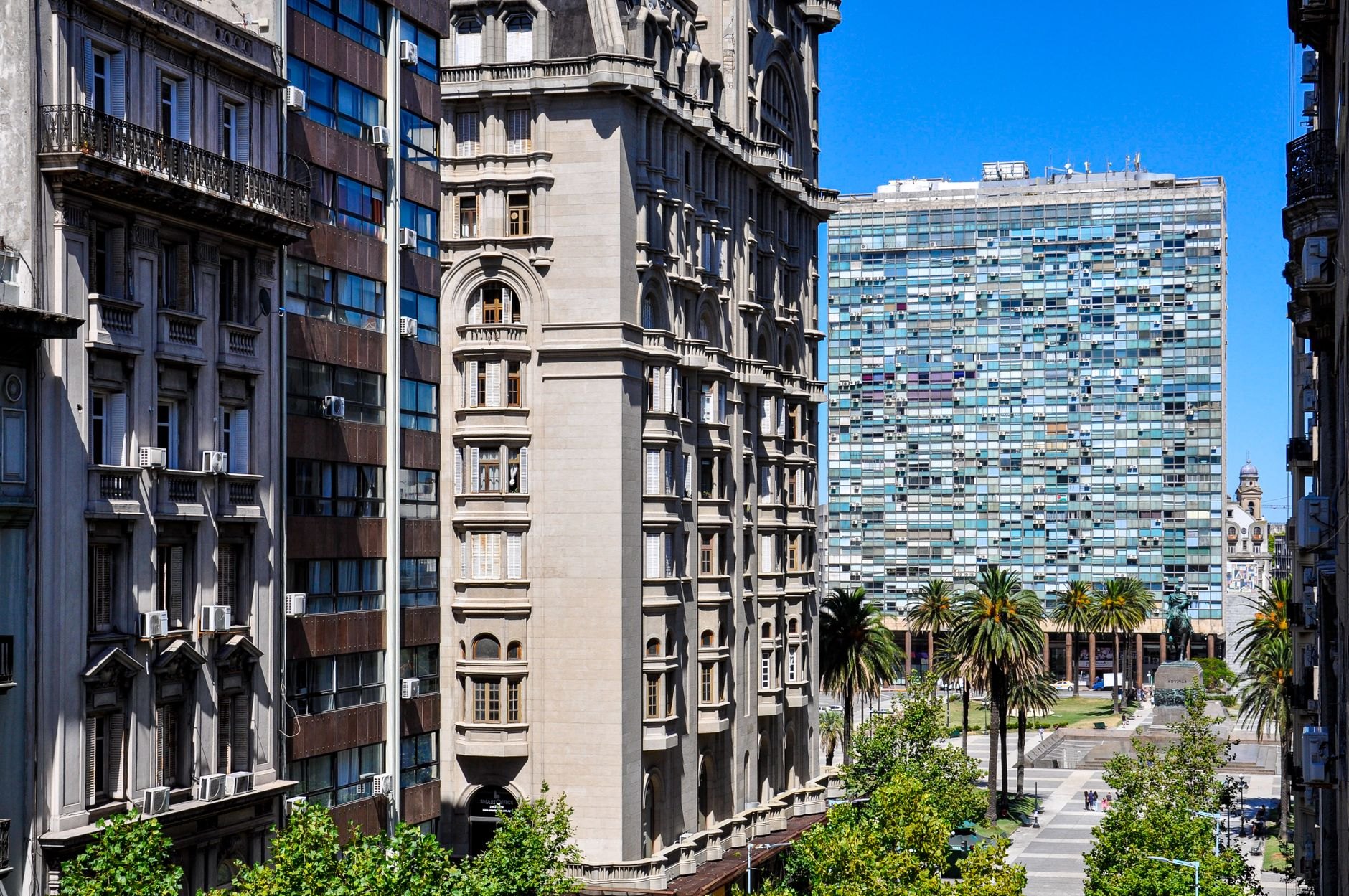
Montevideo is a relaxed coastal capital where life unfolds at an unhurried, civilized pace. The city’s architectural fabric layers nineteenth-century European neoclassicism with ornate Art Deco facades and modern residential towers. Begin your morning at Plaza Independencia, the symbolic pivot between the old and new city. At its center stands the bronze equestrian monument and underground granite mausoleum of General José Gervasio Artigas, the father of Uruguayan independence. Looming over the square is Palacio Salvo, an eclectic hundred-meter tower finished in 1928 that was once the tallest skyscraper in Latin America.
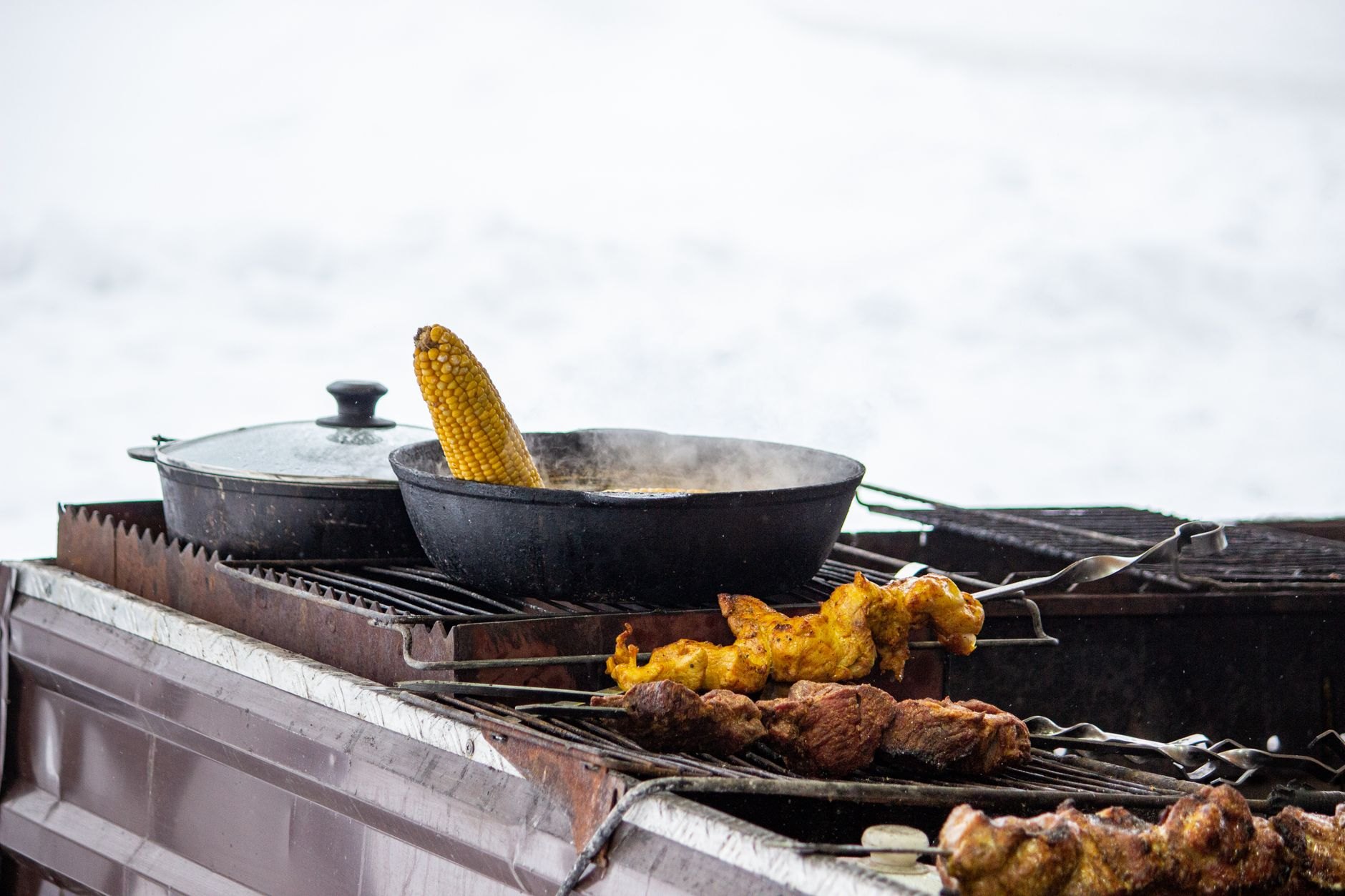
Pass through the stone Gateway of the Citadel (Puerta de la Ciudadela) into the pedestrian spine of Ciudad Vieja along Sarandí street. Stroll past antique bookshops, art galleries, and street musicians playing melancholic tango chords on bandoneons. Make your way to the port edge to enter the Mercado del Puerto, an impressive cast-iron market hall manufactured in Liverpool in 1868. Today, the interior houses a concentrated congregation of traditional parrillas—open-fire barbecues where massive iron grates are piled high with cuts of prime grass-fed beef, sweetbreads (mollejas), and spiced pork sausages roasting over glowing native hardwood coals.
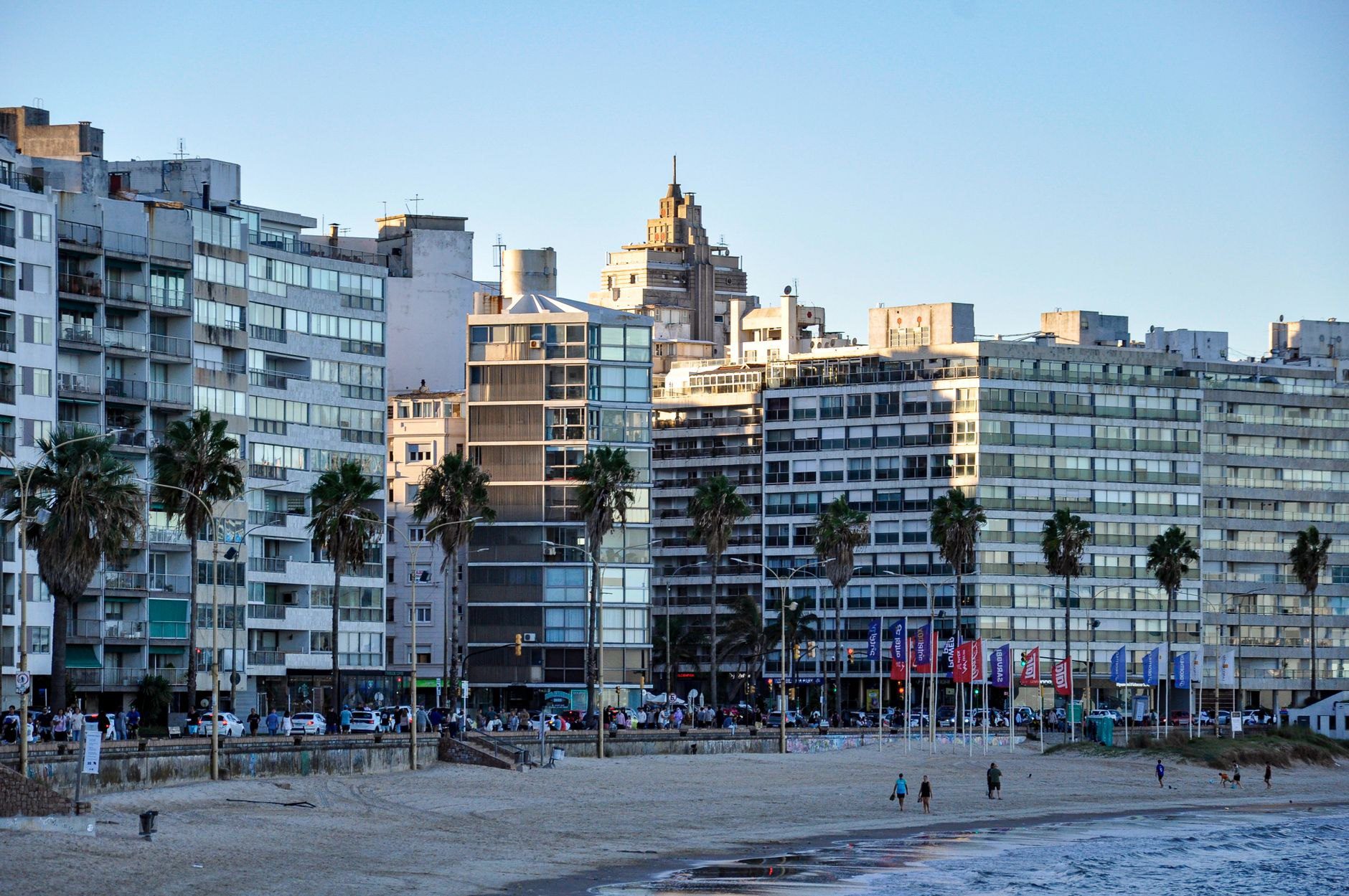
In the late afternoon, join thousands of local residents along the Rambla, the continuous twenty-two-kilometer paved coastal promenade flanking the Rio de la Plata. Walking the Rambla is Uruguay’s quintessential social ritual: nearly everyone cradles a leather-wrapped mate gourd in one hand and tucks a stainless-steel hot water thermos under their arm, chatting with neighbors while watching the sun sink into the wide river horizon off Pocitos Beach.
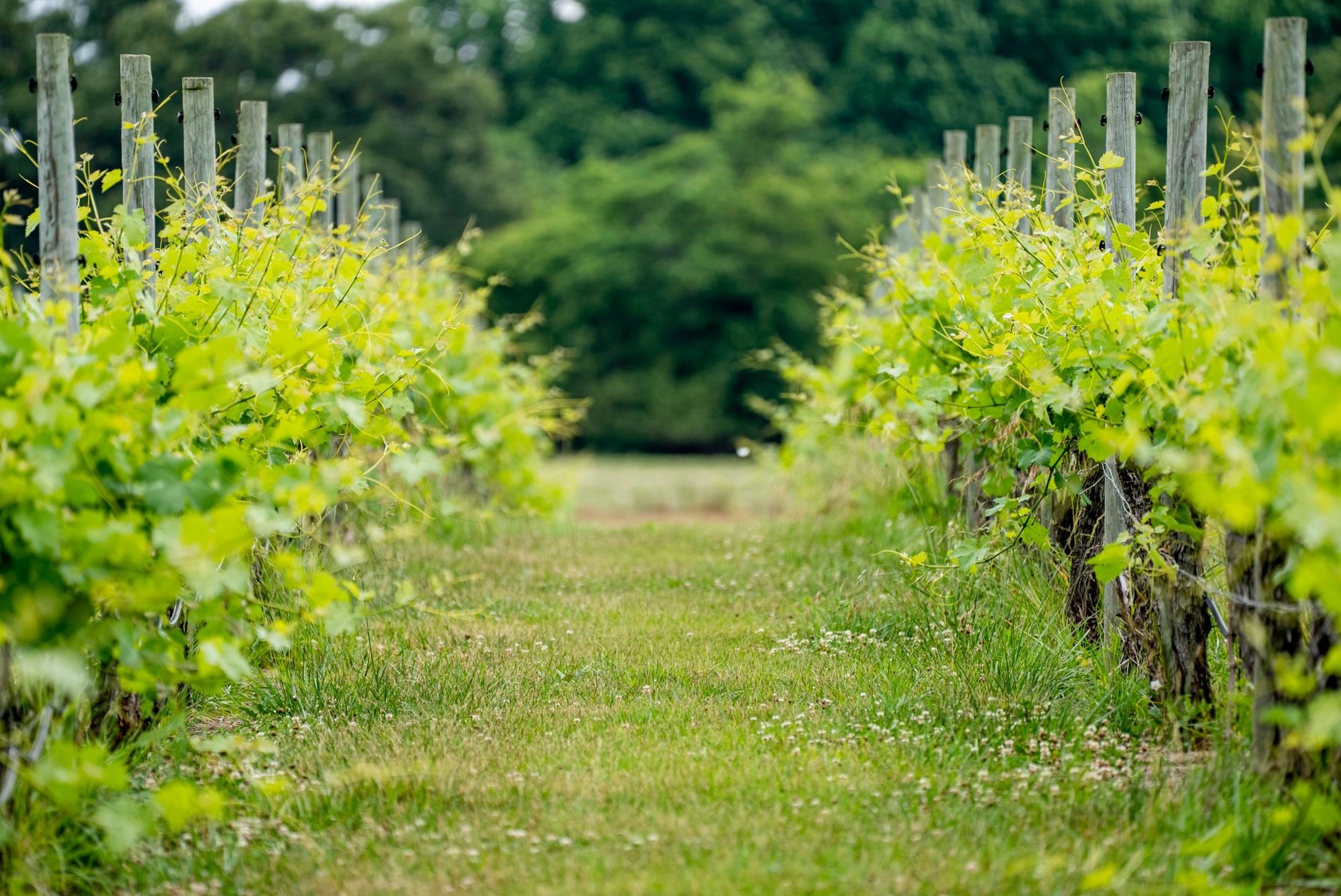
Dedicate your second afternoon to Canelones, Uruguay’s primary wine-growing region situated just thirty minutes north of the city. Uruguay is the world’s leading producer of Tannat, a vigorous red grape originally from southwest France that has found its ideal terroir in the maritime climate and clay soils of the Rio de la Plata basin. Visit a historic family bodega (such as Bouza or Spinoglio) to sample elegant, velvety Tannats paired with local artisanal cheeses and cured meats.
Day 3: Colonial Cobblestones of Colonia del Sacramento
On Day 3, arrive at Montevideo’s modern Tres Cruces bus terminal to board a comfortable COT or Turil express bus to Colonia del Sacramento. The two-hour journey heads west across rural dairy pastures. Founded in 1680 by the Portuguese Governor of Rio de Janeiro, Manuel Lobo, Colonia occupies a strategic peninsula thrusting into the Rio de la Plata directly opposite Buenos Aires. For over a century, the settlement was bitterly contested between the Portuguese and Spanish crowns, changing hands repeatedly through sieges and treaties until its architectural fabric became a unique hybrid of Portuguese irregular stone masonry and Spanish colonial brick grid planning.
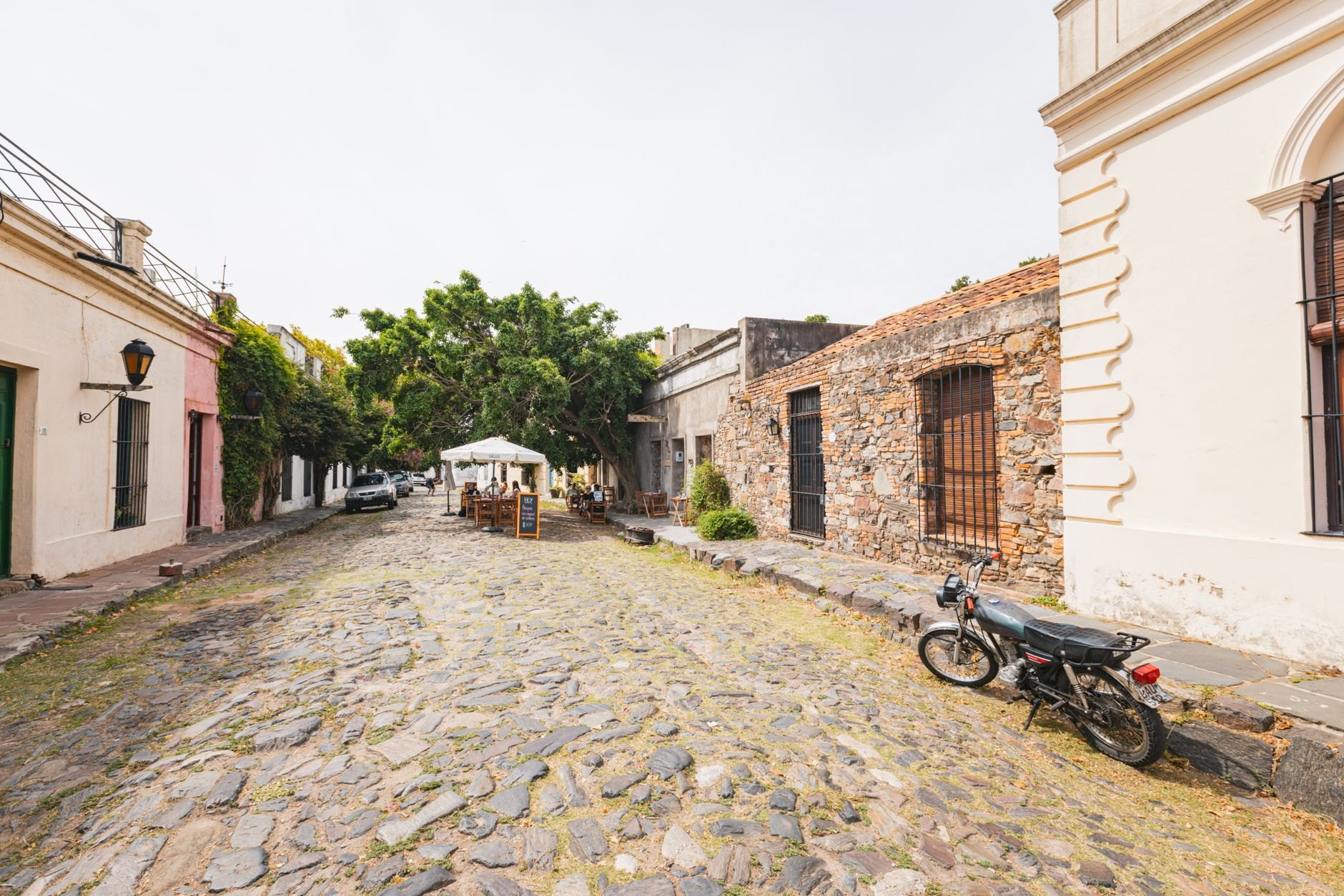
Enter the historic quarter (Barrio Histórico) through the reconstructed timber drawbridge and stone bastion of the Portón de Campo. The pedestrian streets are paved with river stones featuring central drainage gutters, shaded by blooming bougainvillea and ancient sycamore trees. Walk down Calle de los Suspiros (Street of Sighs), a romantic lane flanked by unplastered seventeenth-century stone cottages with tilted tile roofs and iron lanterns that has changed remarkably little since the colonial era.
Climb the circular iron staircase inside the Colonia Lighthouse, erected in 1857 directly upon the ruined stone walls of the Convent of San Francisco Xavier. From the glass lantern gallery, look out across the red-tiled colonial roofs, the tranquil islands offshore, and the wide expanse of the silver river. Spend your evening lingering at an outdoor cafe on Plaza Mayor, sipping a glass of chilled white Torrontés as twilight turns the river golden.
Days 4–7: Atlantic Beaches, Casapueblo, and Bohemian José Ignacio
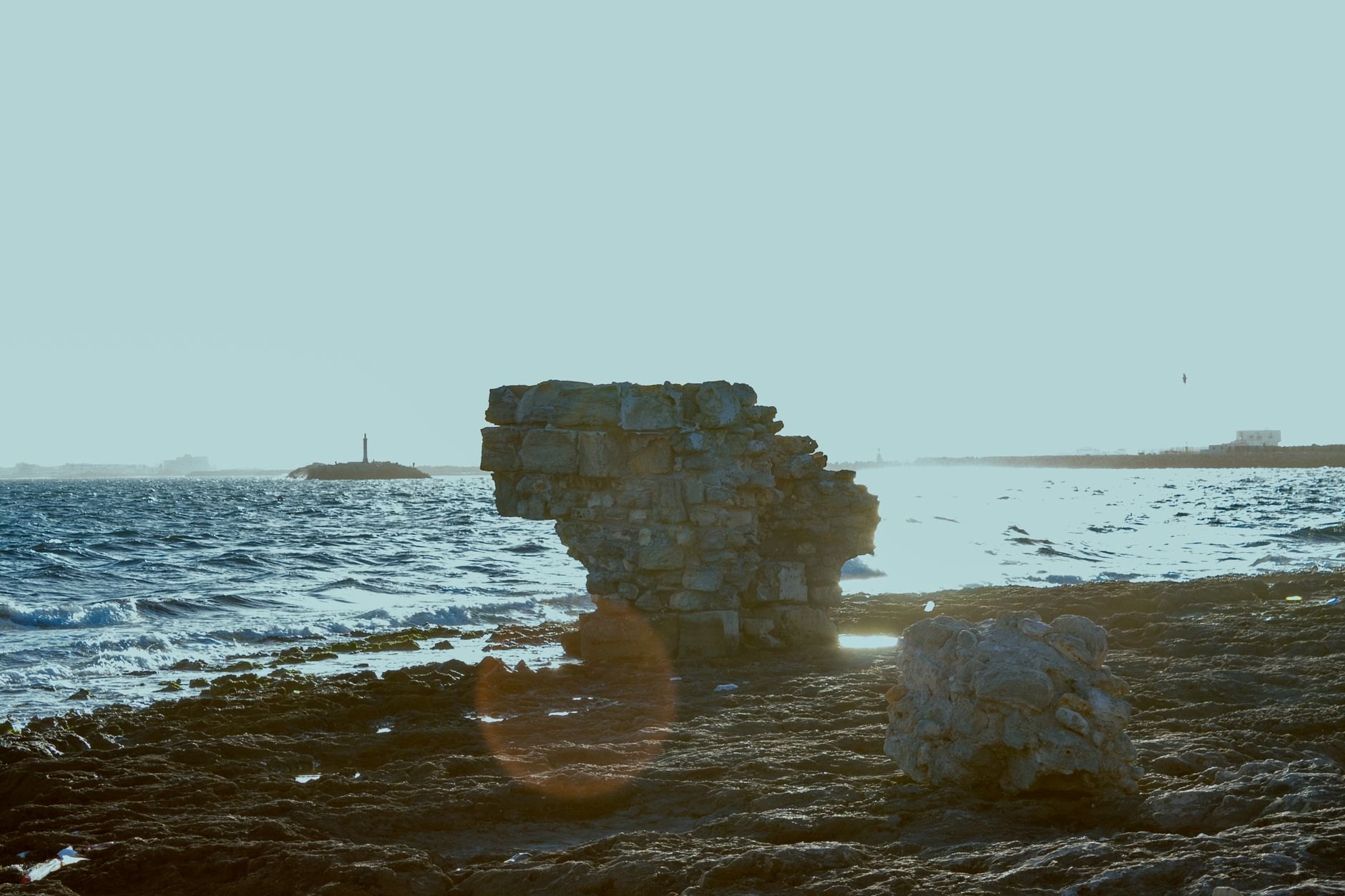
On Day 4, take the morning express bus back to Montevideo, where you collect a rental car at Tres Cruces terminal or Carrasco Airport. Drive eastward along the Ruta Interbalnearia highway toward the department of Maldonado. Your first coastal stop is Punta Ballena, a narrow rocky peninsula that juts into the Atlantic Ocean. Clinging to the sheer cliffs stands Casapueblo, the monumental white sculptural residence, hotel, and workshop created over thirty-six years by the celebrated Uruguayan painter and sculptor Carlos Páez Vilaró.
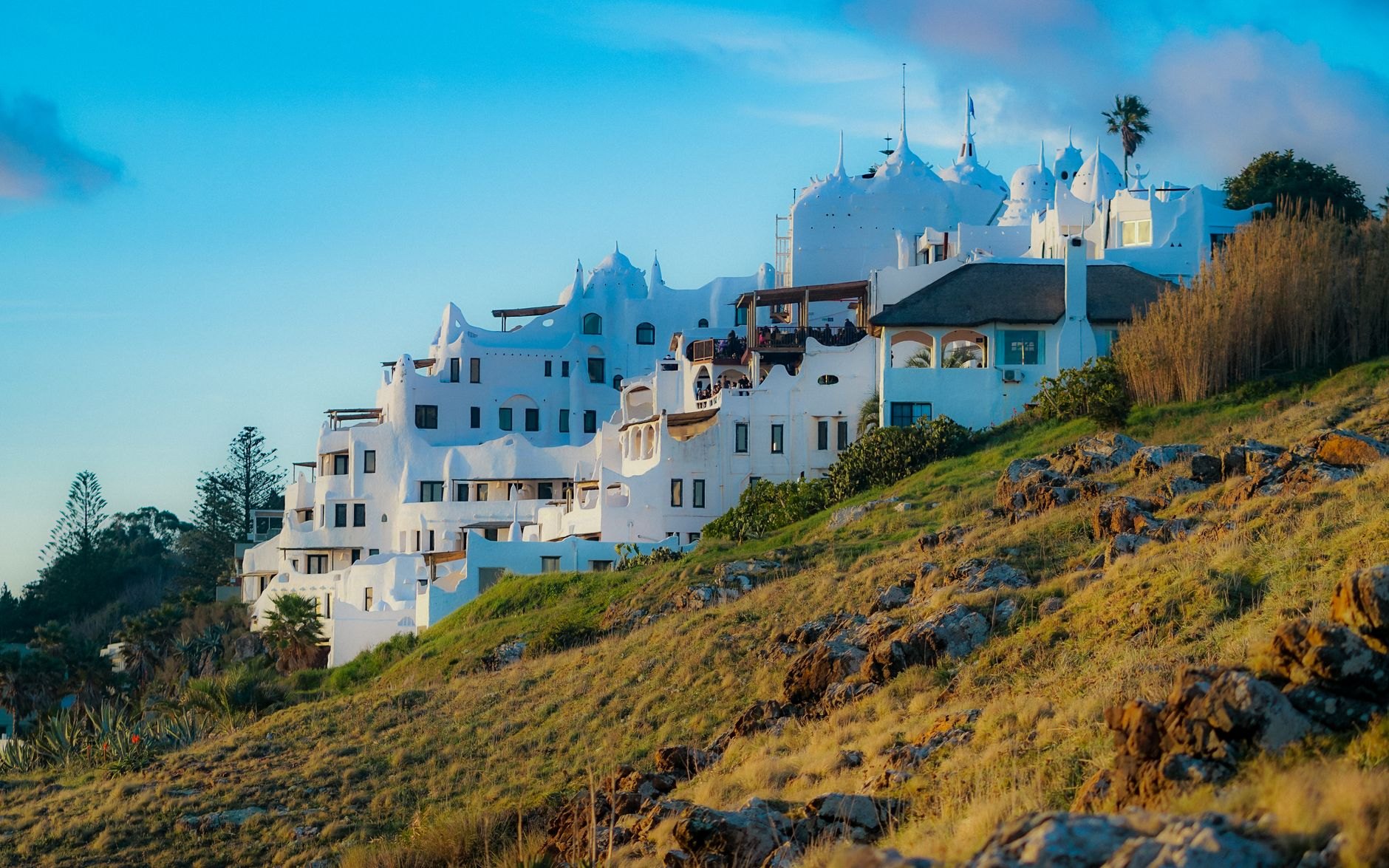
Built entirely by hand without formal blueprints, Casapueblo’s organic whitewashed terraces and adobe-style chambers resemble a Mediterranean village cascading down the cliff. Every evening before dusk, visitors gather on the open terraces for the daily “Ceremonia del Sol” (Sun Ceremony), listening to an audio recording of Páez Vilaró reading an emotional ode to the setting sun as the golden orb slips into the Atlantic surf.
Drive past the high-rise beachfront towers of Punta del Este and cross the undulating Leonel Viera suspension bridge into La Barra, continuing thirty kilometers eastward along coastal Route 10 to José Ignacio. Once a sleepy fishing village, José Ignacio has evolved into one of the world’s most sophisticated and low-key coastal retreats, where unpaved sand roads, chic thatched beach houses, and upscale art galleries coexist with wild Atlantic nature.
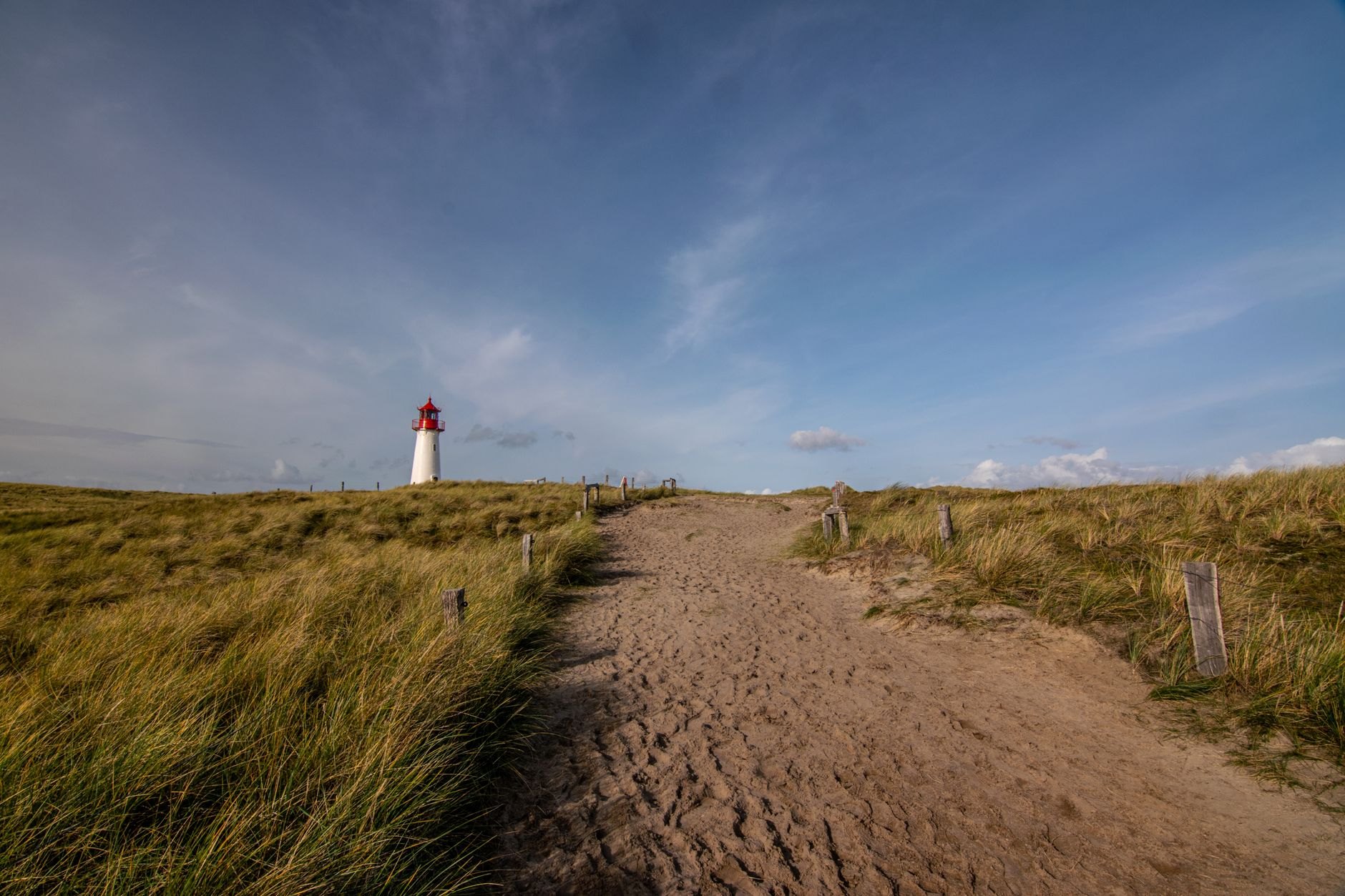
On Day 5, walk to the iconic black-and-white striped José Ignacio Lighthouse on the rocky headland. Savor a long, barefoot lunch at Parador La Huella, the world-renowned beachfront restaurant set among the sand dunes of Playa Brava. Feast on freshly grilled corvina (sea bass), chipirones (baby squid), and sweet dulce de leche volcano cake while Atlantic waves crash nearby. On Day 6, take an inland excursion to the rural village of Pueblo Garzón and the state-of-the-art Bodega Garzón to sample award-winning coastal Tannats and freshly pressed extra virgin olive oils. On Day 7, take a final walk along the ocean dunes before driving back along the highway to Carrasco Airport for departure.
Uruguayan Culinary Traditions: Asado, Chivito, and Dulce de Leche
Uruguayan cuisine is centered on exceptional pasture-raised beef, wood-fire cookery, and deep Italian and Spanish culinary heritages. Uruguay boasts more cattle than people, and its grass-fed beef is renowned globally for tenderness and clean flavor. The heart of national dining is the asado—not merely a barbecue, but a sacred weekend social ritual.
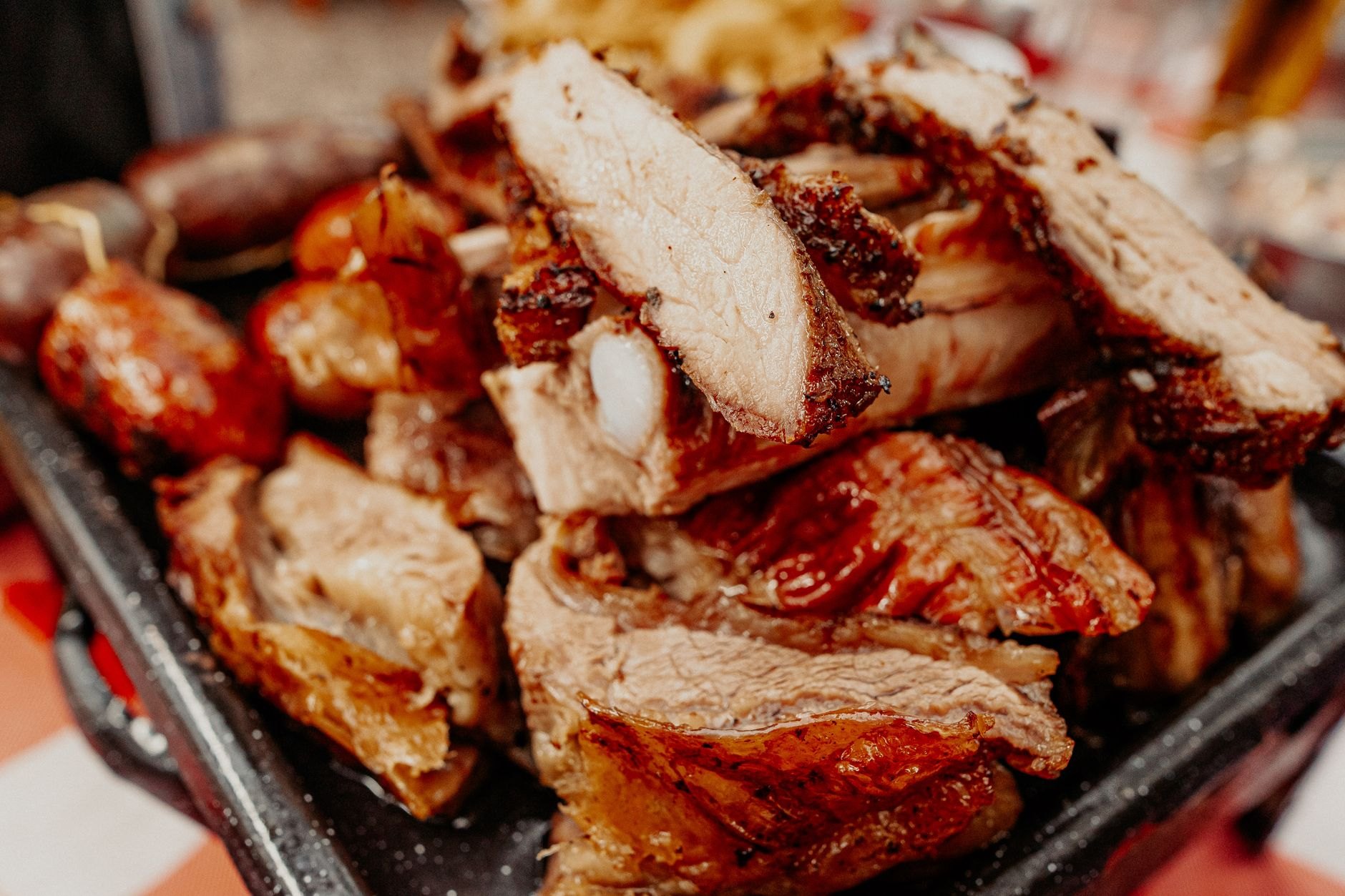
Unlike Argentine asado, which often burns charcoal, Uruguayan asado uses embers burned from native hardwood logs (leña de monte) in a separate iron brazier (brasero) and shovelled under the grill. Prized cuts include asado de tira (flanken-style cross-cut beef ribs), bife de vacío (flank steak), and entraña (skirt steak), seasoned with nothing more than coarse sea salt and served alongside chimichurri and salsa criolla.
For casual dining, the undisputed king of sandwiches is the chivito. Created in Punta del Este in the 1940s, a classic chivito al pan piles a tender grilled beef tenderloin steak onto a soft bun, topped with melted mozzarella, crispy bacon, ham, sliced hard-boiled egg, fresh tomatoes, lettuce, and mayonnaise, served with a mountain of french fries. For dessert, indulge in alfajores—crumbly cornstarch shortbread cookies sandwiched with thick dulce de leche and rolled in toasted coconut flakes.
Tourist Scams and Travel Traps in Uruguay
Uruguay is consistently rated the safest country in South America, with transparent governance and friendly citizens. Nonetheless, foreign visitors can encounter common commercial pitfalls and transport surprises. Keep these five practical precautions in mind:
- Unmetered Private Taxis at Port Terminals: Arriving at the Buquebus ferry port in Montevideo or Colonia, private unmetered cabs often attempt to intercept arriving passengers, charging double or triple the standard tariff for rides to city hotels. Always insist on using the official taxi meter (reloj), or book rides through the Uber smartphone app for guaranteed fixed pricing.
- Peak Summer Rental Car and Toll Gouging: During January, rental car companies in Punta del Este often impose exorbitant minimum hire periods and inflated damage deposits. Furthermore, Uruguay’s national highway tolls (peajes) operate on an automated electronic system (Telepeaje) that does not accept cash. Ensure your rental vehicle is equipped with a functioning Telepeaje tag to avoid heavy administrative agency surcharges.
- Overpriced Beach Club Loungers in Punta del Este: High-season beach paradores along Playa Mansa and Playa Brava frequently charge exorbitant minimum food-and-beverage spends (up to $150 per person) for beachfront sun loungers. Public beaches in Uruguay are entirely free by constitutional law: bring your own folding chair and beach umbrella, exactly as local Uruguayans do.
- Missing VAT Refund (IVA Tax Deduction): The Uruguayan government offers an automatic 9% to 18% VAT (IVA) discount on restaurant bills, car rentals, and hotel stays paid with foreign credit cards. Some small rural establishments may claim their credit card terminals do not process foreign card tax deductions or demand cash. Always pay for dining and vehicle rentals with a foreign credit card to claim this substantial discount.
- Ciudad Vieja Nighttime Walking Precautions: While Montevideo is generally very safe, Ciudad Vieja empties out dramatically on weeknights after business hours. Walking alone through dark, deserted alleys near the port docks late at night can expose you to opportunistic petty muggings. Stick to well-lit main thoroughfares like Peatonal Sarandí or take an Uber after dark.
Staying Connected Across Uruguay with NXTL Mobile Data
Whether navigating highway exits along the Ruta Interbalnearia, reserving your table at Parador La Huella, checking COT bus departure gates at Tres Cruces terminal, or translating wine tasting notes at rural bodegas in Canelones, continuous cellular connectivity is vital for independent travel in Uruguay. Locating physical SIM cards at airport kiosks requires navigating local Spanish menus and presenting physical identity documents for SIM card registration.
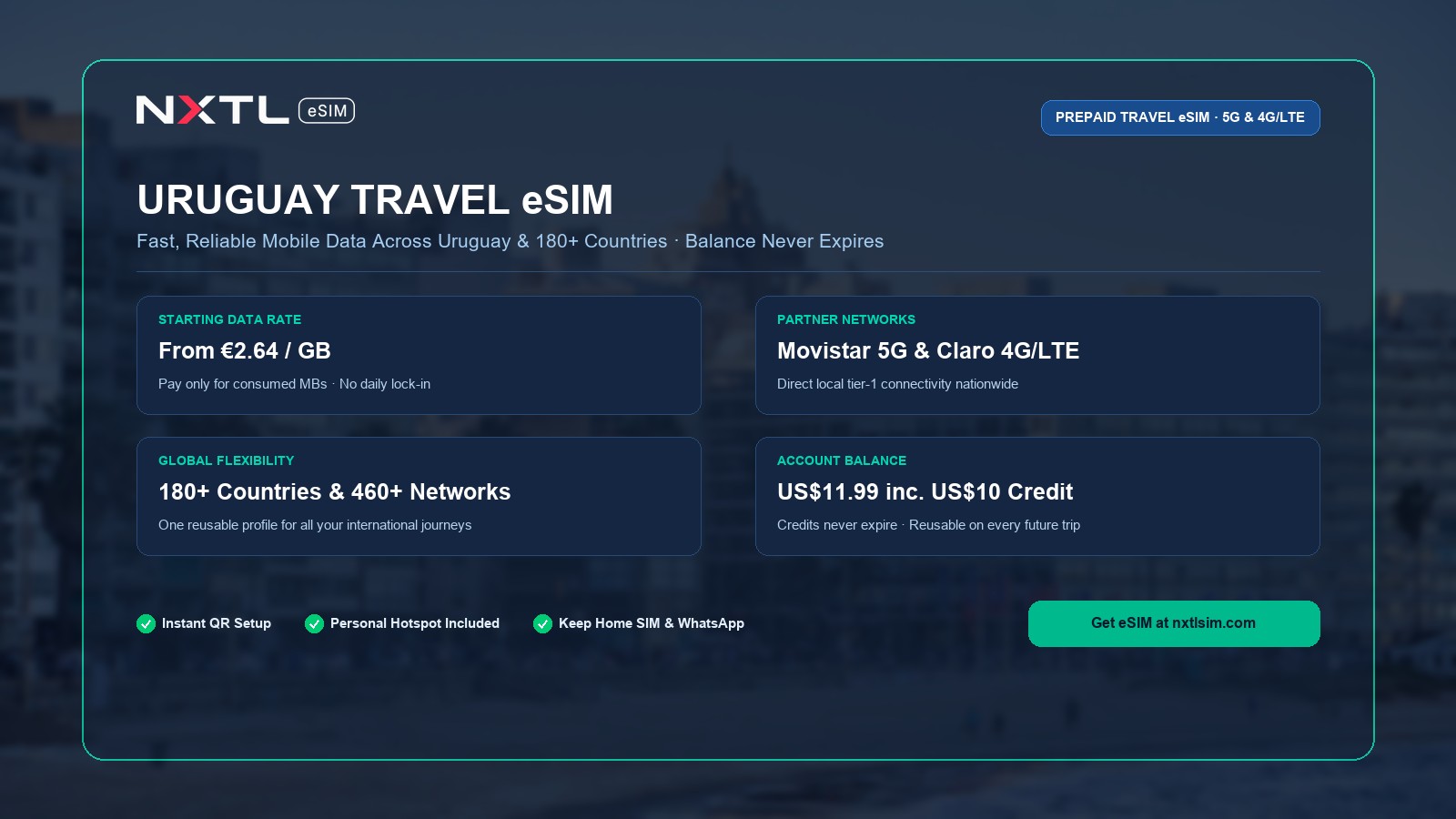
A far simpler, highly reliable alternative is installing the NXTL Uruguay eSIM before your flight lands. Operating across Uruguay’s premier tier-1 cellular infrastructures—including Movistar 5G and Claro 4G/LTE—NXTL delivers robust, high-speed mobile data rates starting from just $2.98 per gigabyte. Because NXTL operates on an intuitive prepaid consumption model, you pay only for the exact megabytes you use, completely eliminating restrictive expiration windows typical of tourist SIM cards.
Furthermore, your initial account balance never expires. Any remaining credit from your week exploring Montevideo, Colonia, and José Ignacio stays securely in your account, ready for effortless reuse across 180+ supported countries and 460+ carrier networks worldwide on your subsequent international journeys. Activation takes less than two minutes via a simple QR code scan on any unlocked eSIM device, leaving your primary SIM active for verification codes and messaging throughout your South American travels.