Rwanda is celebrated globally as one of Africa’s most remarkable success stories: a nation of thousand rolling green hills, spotless capital boulevards, and dense bamboo cloud forests sheltering the planet’s remaining mountain gorillas. Yet first-time travellers frequently confront significant planning hurdles, dominated by the colossal financial decision of the $1,500 gorilla trekking permit. Many wonder whether a week in Rwanda is worthwhile if they choose not to trek gorillas, or how to combine Kigali, the volcanic Virunga range, and the tranquil shores of Lake Kivu without spending half their budget on private safari operators. The answer lies in clear prioritization and realistic transport choices.
This seven-day route is designed for active independent travellers seeking a balanced progression of modern urban renewal, sobering historical memory, primate tracking, and lakeside relaxation. By spending two nights in pedestrian Kigali exploring contemporary arts and coffee culture, travelling two hours northwest along pristine paved highways to Musanze for two nights in the shadow of the Virunga volcanoes, and concluding with two nights along the calm waters of Lake Kivu in Rubavu or Karongi, you experience Rwanda’s diverse landscapes efficiently. Here is how to navigate permit bookings, alternative treks, rental vehicles, and traditional dining across an unforgettable week.
Trip Planning Blueprint: Bases, Transit Modes, and the Gorilla Decision
The single most important decision shaping your itinerary is whether to include mountain gorilla tracking in Volcanoes National Park. Rwanda prices its gorilla permits at $1,500 per person for a single one-hour encounter with a habituated gorilla family. This premium pricing structure directly finances world-class anti-poaching ranger patrols, veterinary medicine, and revenue-sharing programs that disburse ten percent of all park fees directly to surrounding local agricultural communities. If this permit fits comfortably within your budget, it is undeniably one of the most profound wildlife encounters on earth, requiring booking three to six months in advance through the official Irembo government portal or a licensed tour operator.
However, if a $1,500 permit exceeds your budget, Volcanoes National Park and the surrounding Cayo region offer extraordinary, accessible wildlife alternatives. Golden monkey tracking in the bamboo forests costs just $100 per permit, allowing you to spend an hour watching acrobatic, endangered primates leaping through the trees. The historic trek to Dian Fossey’s Karisoke research station and gravesite costs $75, while climbing the steep volcanic slopes of Mount Bisoke (3,711 meters) to its mist-shrouded crater lake costs $75. You can experience the grandeur of the Virungas and interact with local mountain communities at a fraction of the cost.
Weather is another key factor. Rwanda sits just south of the equator, but its high elevation tempers tropical heat into an eternal spring. The optimal travelling months are the dry seasons from June through September (the long dry season) and mid-December through February (the short dry season). During these months, mountain trails are firmer, forest mud is manageable, and gorilla tracking conditions are ideal. The long rainy season (March to May) brings heavy rainfall, turning jungle trails into slick mud chutes, though luxury lodges frequently offer permit discounts for travellers who stay three nights in other national parks.
| Day / Stage | Base | Highlights | Transport Mode | Transit Time | Advance Booking Requirement |
|---|---|---|---|---|---|
| Day 1 | Kigali | Kigali Genocide Memorial, Inema Arts Center, Kimironko Market, Question Coffee | Walking & Licensed Moto | Urban base | Memorial audio guide booking |
| Day 2 | Kigali | Nyamirambo Women’s Center walking tour, Campaign Against Genocide Museum, rooftop dining | Walking & Local Taxi | 15-20 mins city transit | Nyamirambo community walking tour reservation |
| Day 3 | Musanze (Kinigi) | Scenic paved drive across Northern Province hills to Musanze, Musanze Caves exploration | Rental Car or Express Bus | 2 hrs on paved RN4 highway | SUV rental pickup or Volcano Express bus ticket |
| Day 4 | Musanze (Kinigi) | Mountain gorilla tracking in Kinigi OR Golden Monkey bamboo trek, Buhanga Eco-Park | 4WD Transfer + Trekking | 30 mins to park gate + 4 hrs hike | Official RDB Gorilla permit ($1,500) or Golden Monkey permit ($100) |
| Day 5 | Rubavu (Lake Kivu) | Twin Lakes Burera and Ruhondo viewpoint, scenic drive down to Lake Kivu, lakeside beach walk | Rental Car | 1 hr 15 mins driving (60 km) | Lakeside hotel reservation in Rubavu (Gisenyi) |
| Day 6 | Rubavu (Lake Kivu) | Lake Kivu kayak paddle, night fishermen singing departure, local coffee washing station tour | Kayaking & Motorboat | Water-based exploration | Kingfisher Journeys kayak rental booking |
| Day 7 | Kigali departure | Morning artisan souvenir shopping, scenic highway return along RN2 to Kigali Airport | Rental Car | 3 hrs direct highway drive (155 km) | Coordinated airport vehicle return |
Days 1–2: Kigali’s Urban Renewal, Memory, and Creative Culture
Kigali is unlike any other capital on the African continent. Spotless, orderly, and draped across verdant hillsides, the city has eliminated single-use plastic bags since 2008 and observes Umuganda—a nationwide monthly community service day on the last Saturday of every month where citizens unite to clean public spaces, plant trees, and clear infrastructure. Begin your exploration at the Kigali Genocide Memorial in Gisozi. The memorial provides an uncompromising, deeply moving historical account of the 1994 genocide against the Tutsi, during which an estimated one million people were murdered in one hundred days.
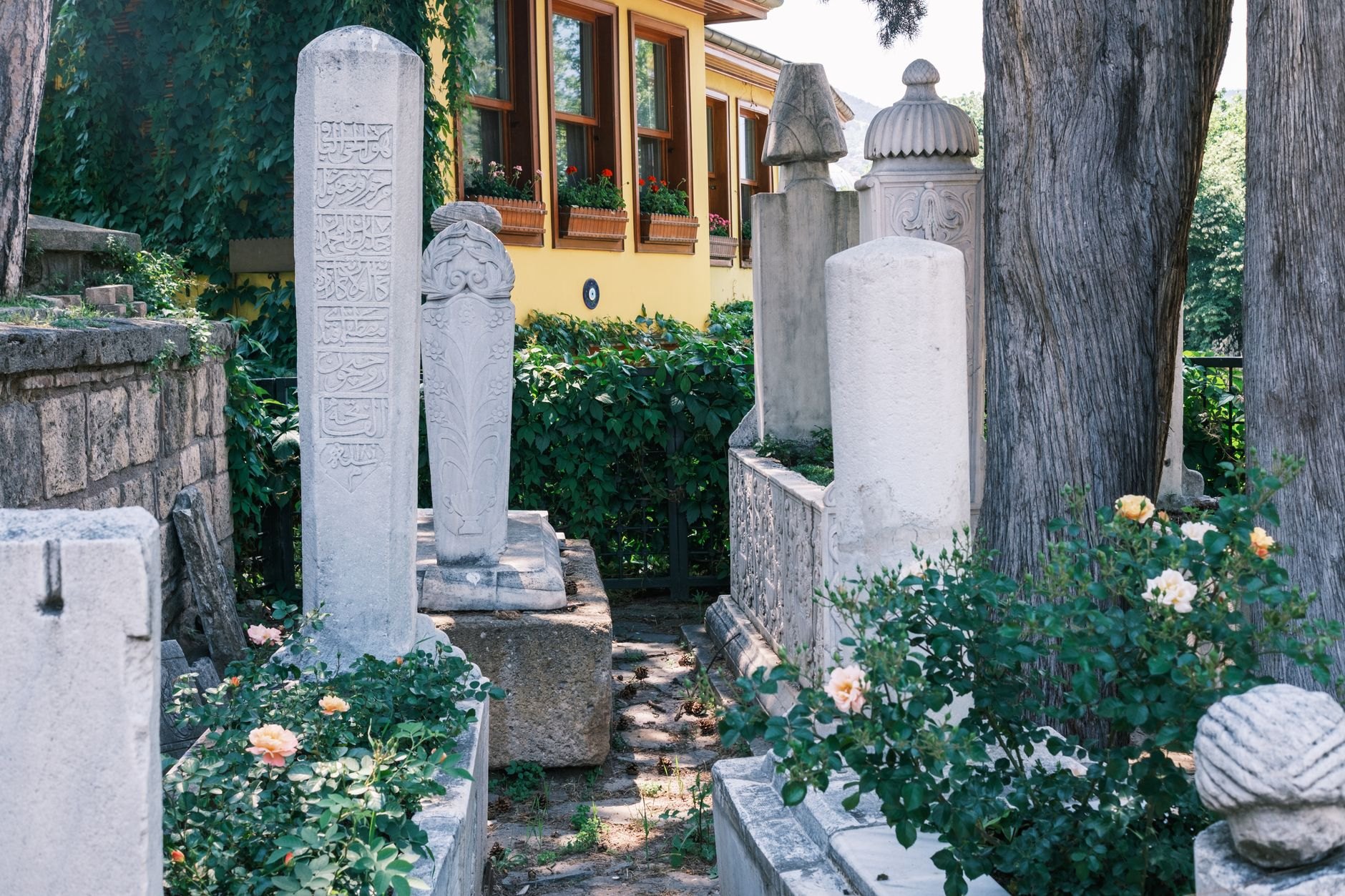
Walking through the terraced rose gardens and burial grounds where over 250,000 victims are interred offers profound insight into Rwanda’s modern identity, grounded in national reconciliation, justice, and civic unity. Afterward, contrast this solemn reflection with Kigali’s contemporary creative energy at the Inema Arts Center in Kacyiru. Founded by two artist brothers, the gallery showcases bold, expressive contemporary East African paintings, sculptures constructed from recycled materials, and live traditional dance performances.
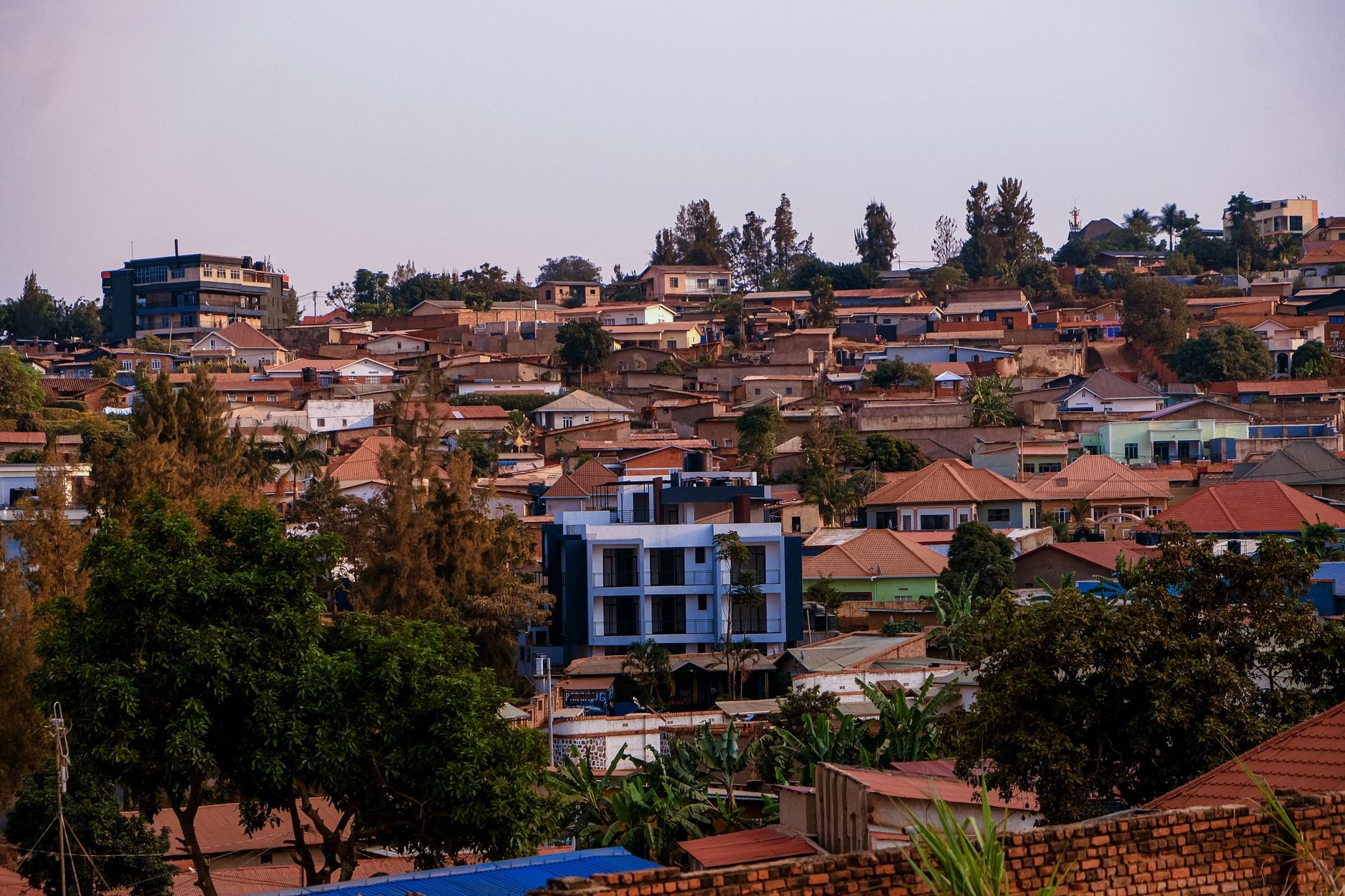
On Day 2, join a guided community walking tour organized by the Nyamirambo Women’s Center. Nyamirambo is Kigali’s oldest and most multicultural neighborhood, a dynamic quarter of narrow alleyways lined with colorful tailors, hair braiding salons, and traditional milk bars (amata). Stroll through Kimironko Market, an expansive covered bazaar where seamstresses stitch custom garments from kitenge wax-print fabrics in under an hour, surrounded by pyramids of sweet maracuja (passion fruit), tree tomatoes, and fresh ginger. Conclude your evening at Question Coffee in Gishushu, tasting single-origin specialty Bourbon Arabica coffee grown by Rwandan women farming cooperatives.
Days 3–4: Musanze and Volcanoes National Park
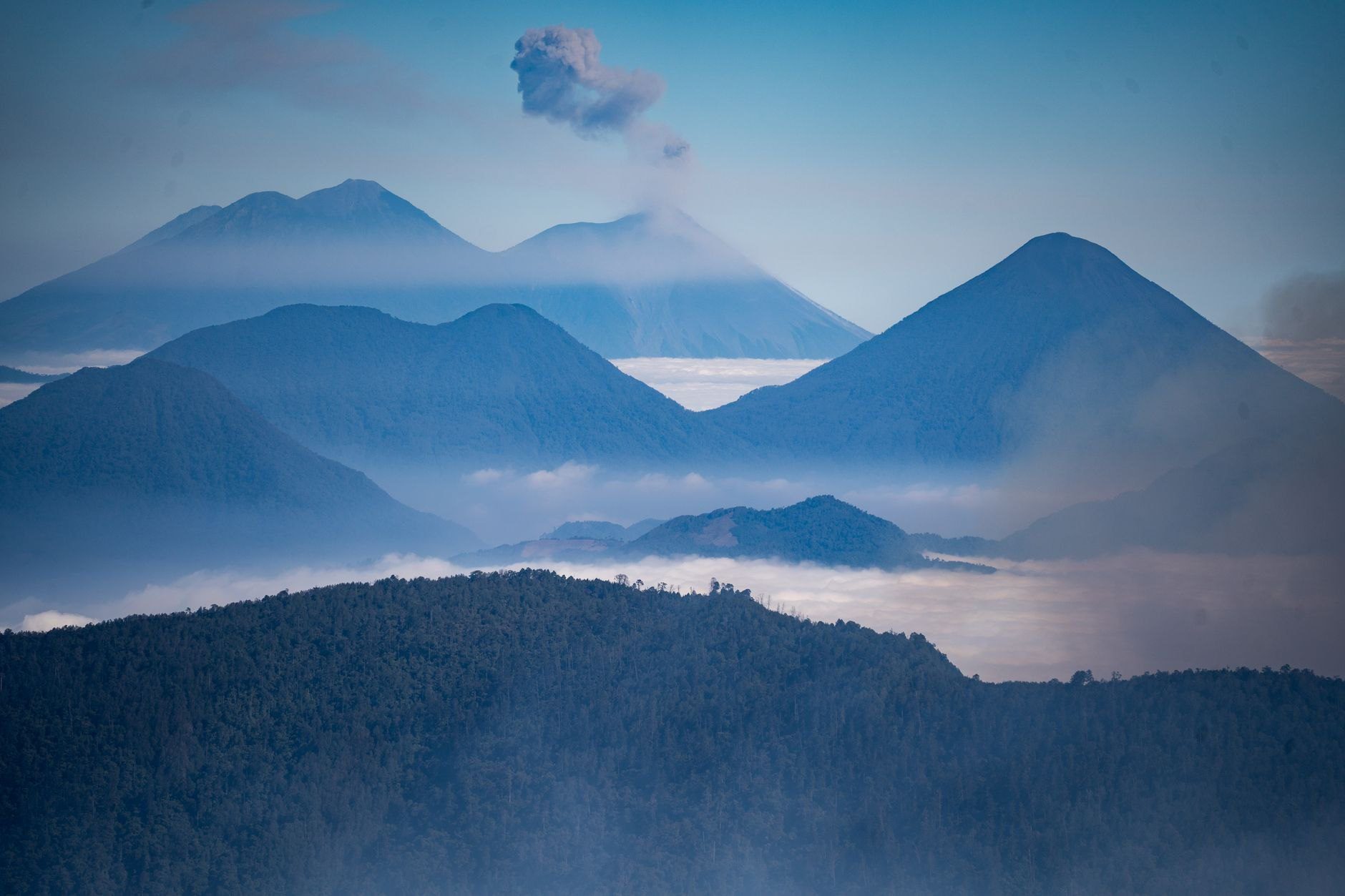
On Day 3, collect your rental SUV in Kigali and drive northwest along the RN4 highway toward Musanze (formerly Ruhengeri). The two-hour drive along smooth, perfectly paved asphalt demonstrates why Rwanda is nicknamed “The Land of a Thousand Hills”: every hillside is sculpted with neat agricultural terraces of sweet potatoes, cabbages, and tea bushes, punctuated by eucalyptus groves and rushing mountain streams. Arriving in Musanze, the towering silhouettes of the Virunga volcanoes loom on the horizon—a chain of eight volcanic peaks straddling the borders of Rwanda, Uganda, and the Democratic Republic of Congo.
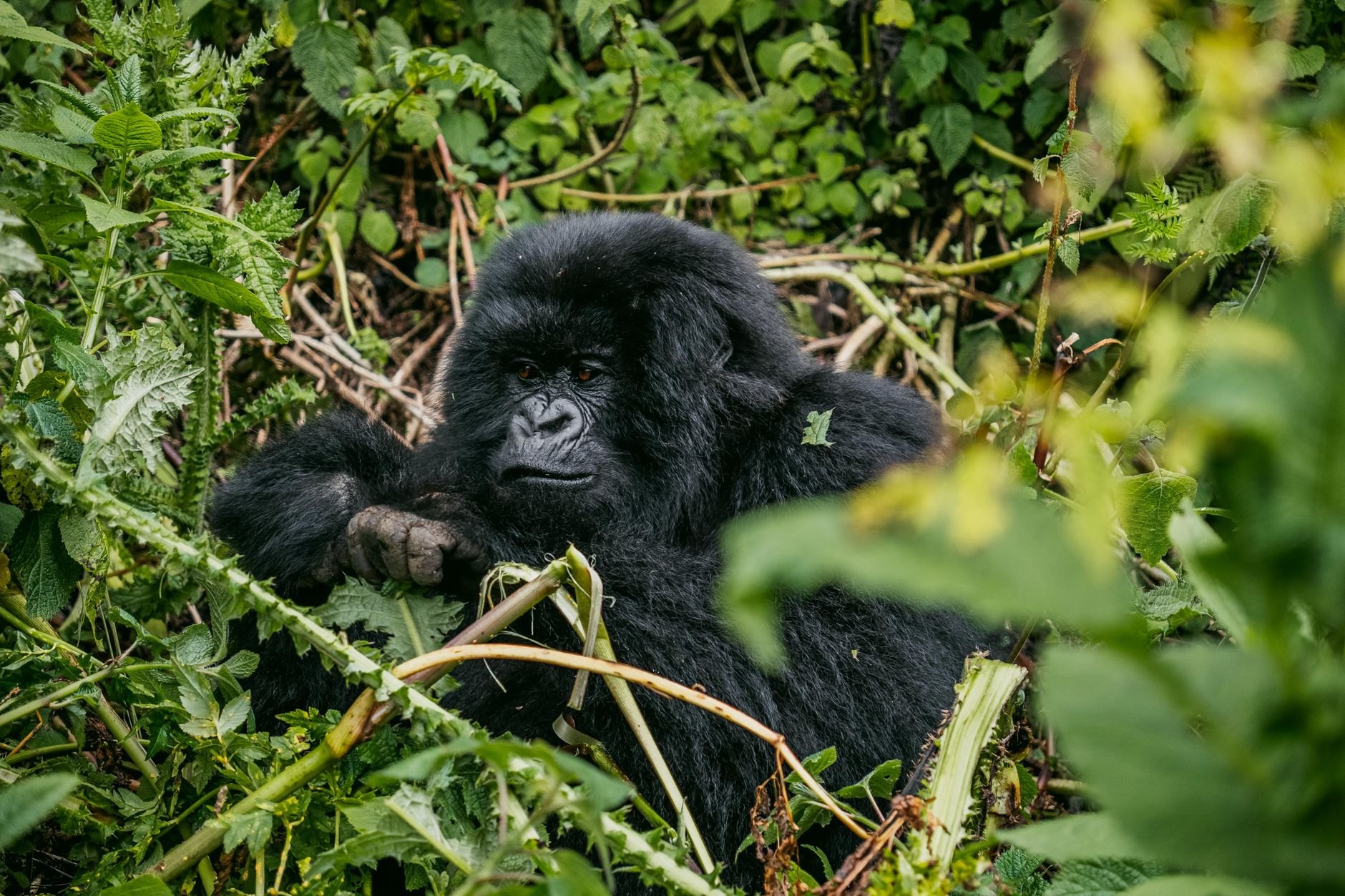
Day 4 begins at 6:30 AM at the Volcanoes National Park headquarters in Kinigi. Over hot Rwandan tea and traditional Intore dance performances, chief park rangers divide visitors into strictly managed groups of eight, assigning each group to one of twelve habituated mountain gorilla families based on physical fitness. Accompanied by experienced trackers and armed rangers, you hike through terraced potato fields before crossing the stone conservation wall into the dense rainforest canopy. You push through stinging nettles, tangled wild celery, and thick bamboo thickets until your trackers raise their hands and signal silence.
Stepping into a forest clearing, you find yourself barely seven meters away from a four-hundred-pound wild silverback gorilla. Watching an immense silverback chew bamboo shoots while playful blackbacks somersault across branches and nursing mothers cradle infants is an encounter of astonishing intimacy. For sixty quiet minutes, you observe our closest living relatives in their pristine mountain home, an experience that leaves nearly every traveller deeply moved.
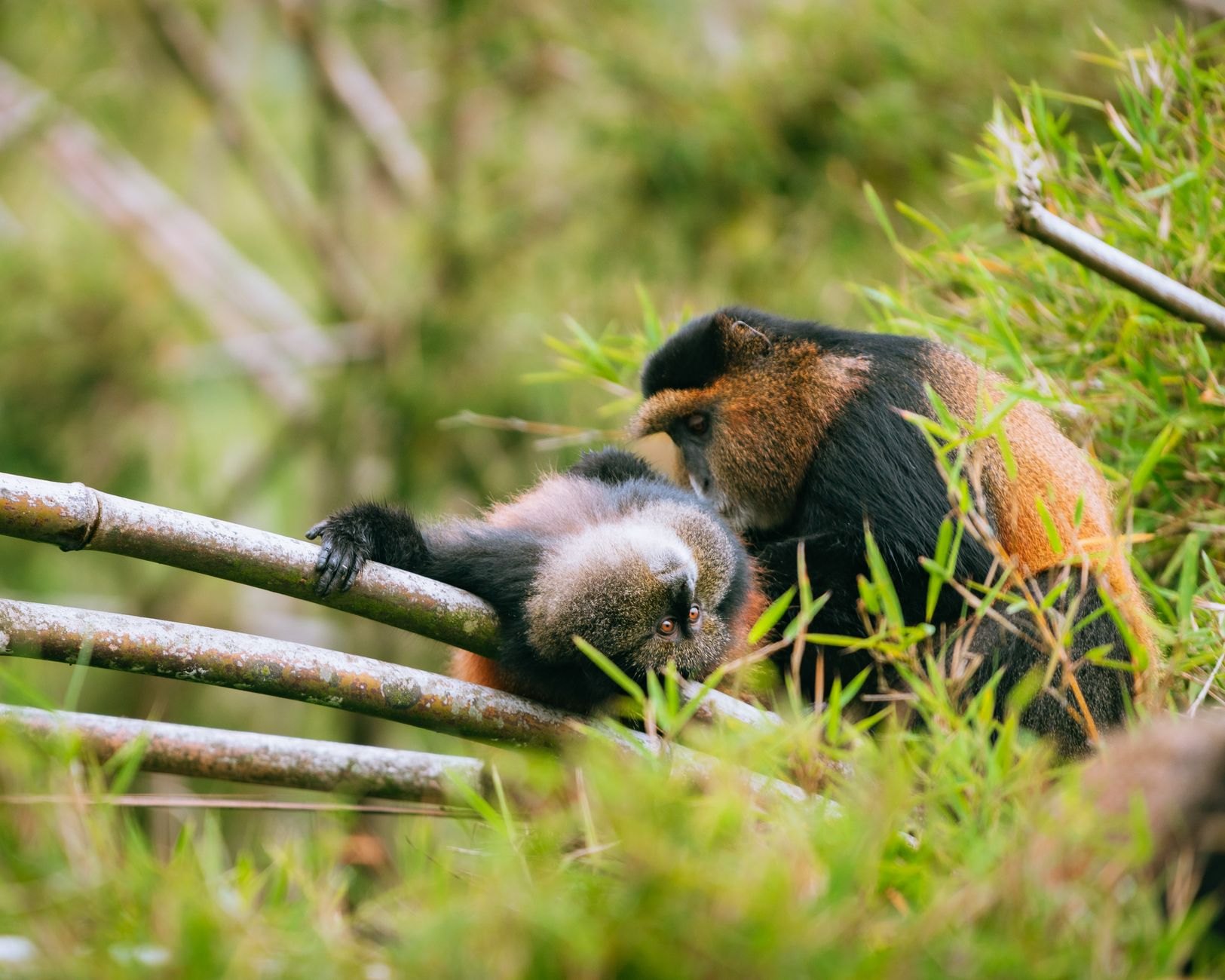
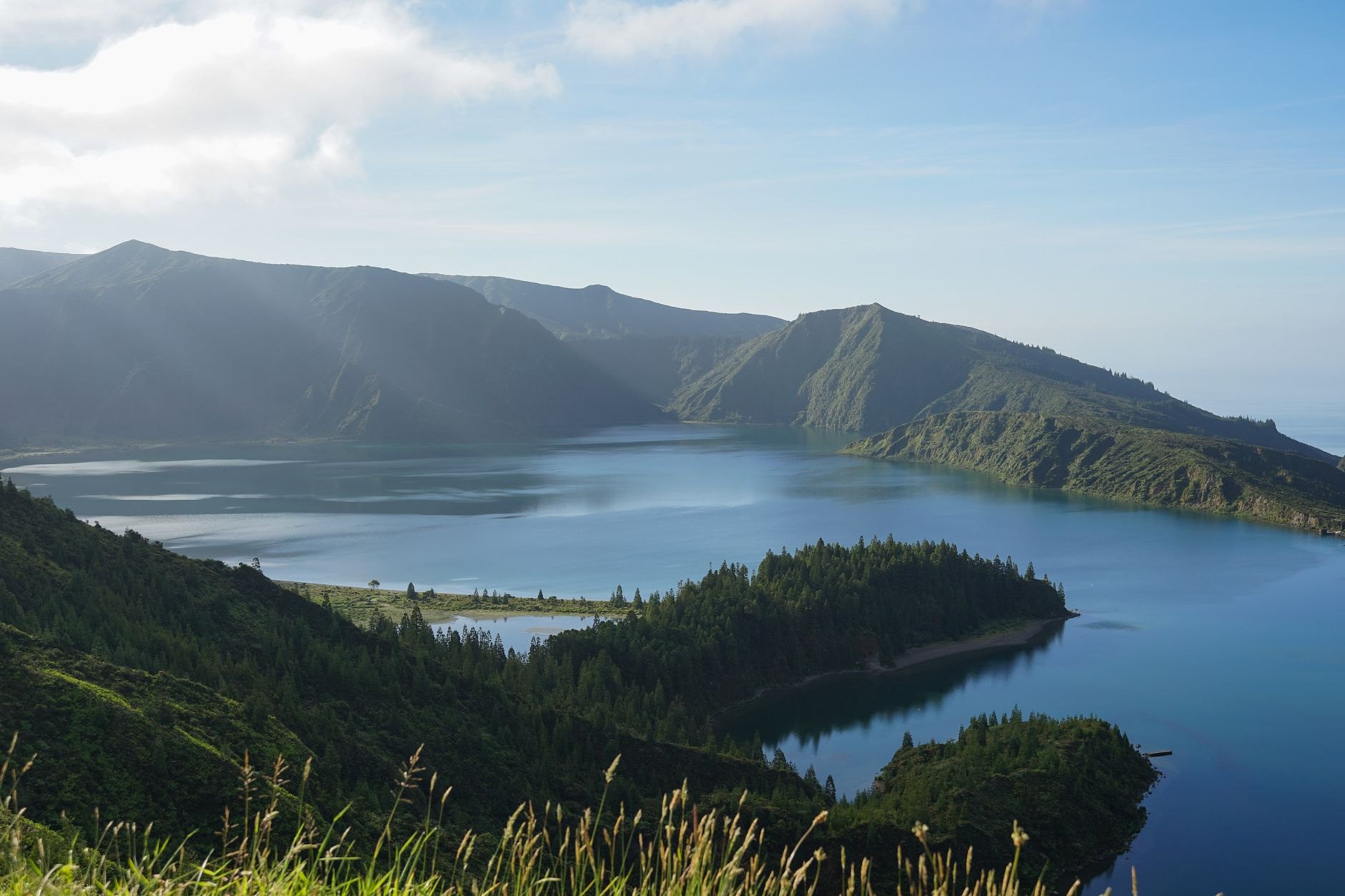
For travellers pursuing alternative adventures, the golden monkey trek offers a thrilling, high-energy alternative. Troops of up to one hundred endangered golden monkeys forage and leap through the upper bamboo canopy along the slopes of Mount Sabyinyo, their bright orange-gold pelts flashing in the morning sun. In the afternoon, drive northeast of Musanze to the scenic viewpoint overlooking Twin Lakes Burera and Ruhondo. These two deep sapphire-blue lakes were formed when volcanic eruptions from Mount Sabyinyo blocked ancient river channels, creating a peaceful aquatic landscape surrounded by terraced cliffs.
Days 5–7: Lake Kivu Shoreline, Coffee Islands, and Return
On Day 5, descend westward from the volcanic highlands to the shores of Lake Kivu at Rubavu (Gisenyi). Lake Kivu is one of Africa’s Great Lakes, a massive freshwater body sitting at 1,460 meters elevation along the Albertine Rift. Unlike many African lakes, Lake Kivu is completely free of bilharzia (schistosomiasis), crocodiles, and hippos, making its calm waters completely safe for swimming, paddleboarding, and kayaking.
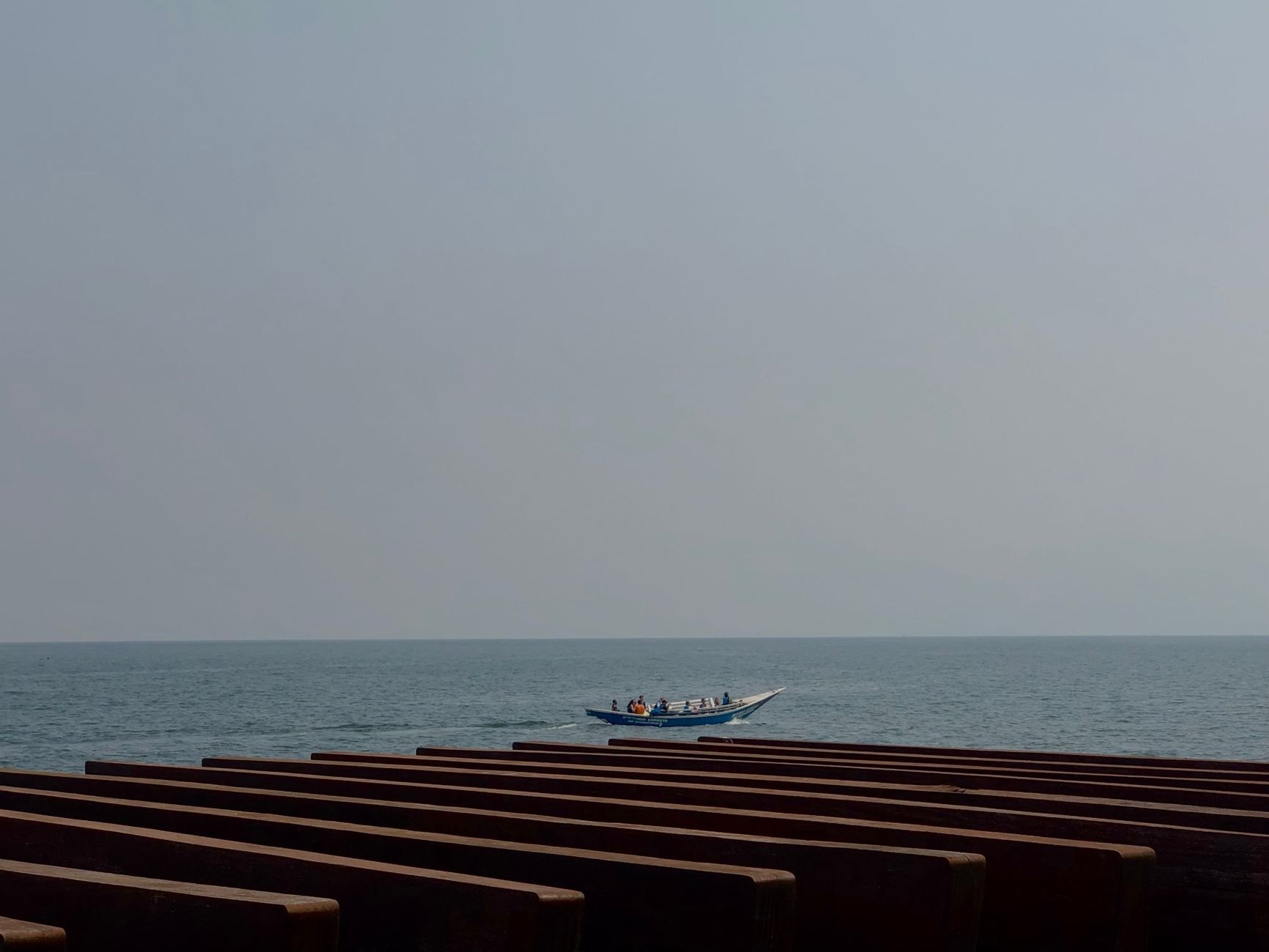
Base yourself in Rubavu, strolling past colonial villas shaded by bougainvillea and palm trees along the waterfront. At dusk, head to the beach to witness one of Lake Kivu’s most evocative traditions: the departure of the night fishermen. Crews of three traditional wooden canoes lashed together with long eucalyptus poles row out into the darkening lake, singing rhythmic polyphonic fishing chants as they prepare to lower kerosene lanterns and deep nets to attract isambaza (small sardine-like fish) under the night stars.
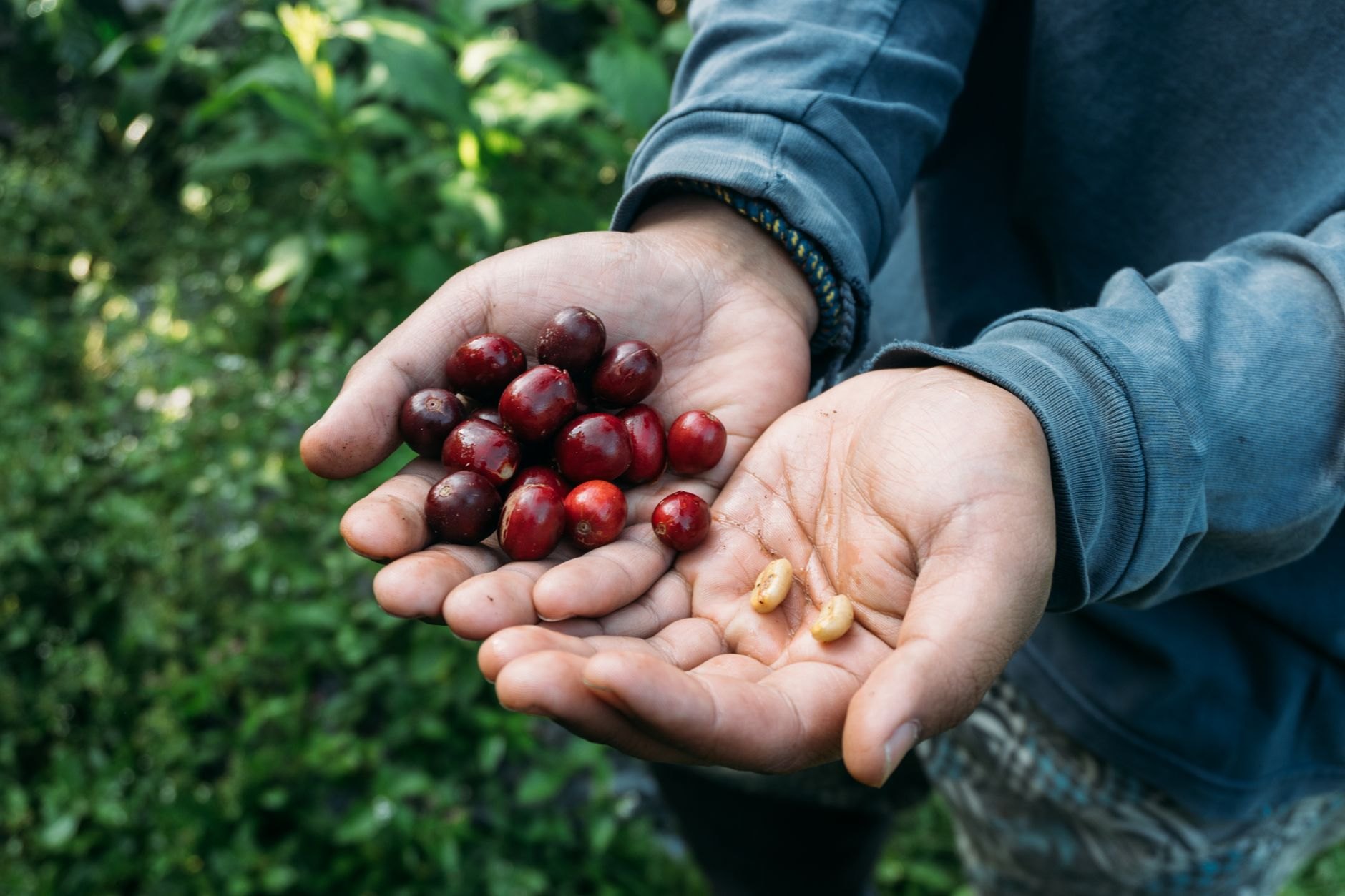
On Day 6, take a wooden motorboat or sea kayak to visit a local coffee washing station along the lake shore. The volcanic soils, high altitude, and equatorial sunshine create ideal conditions for red Bourbon Arabica coffee. Tour the washing channels, fermentation tanks, and raised drying beds, learning how beans are hand-sorted and sun-dried before enjoying a freshly brewed cup overlooking the blue waters. On Day 7, take the scenic three-hour drive along the RN2 highway back across the central plateau to Kigali, catching your international departure flight.
Rwandan Culinary Traditions: Brochettes, Akabenz, and Mountain Staples
Rwandan cuisine is simple, unpretentious, and deeply nourishing, rooted in agricultural staples: plantains, beans, cassava, sweet potatoes, and charcoal-grilled meats. The undisputed national dining institution is the brochette: skewers of tender goat meat, beef, or Lake Kivu fish seasoned with salt, garlic, and sweet paprika, grilled over glowing charcoal braziers at open-air bars across the country.
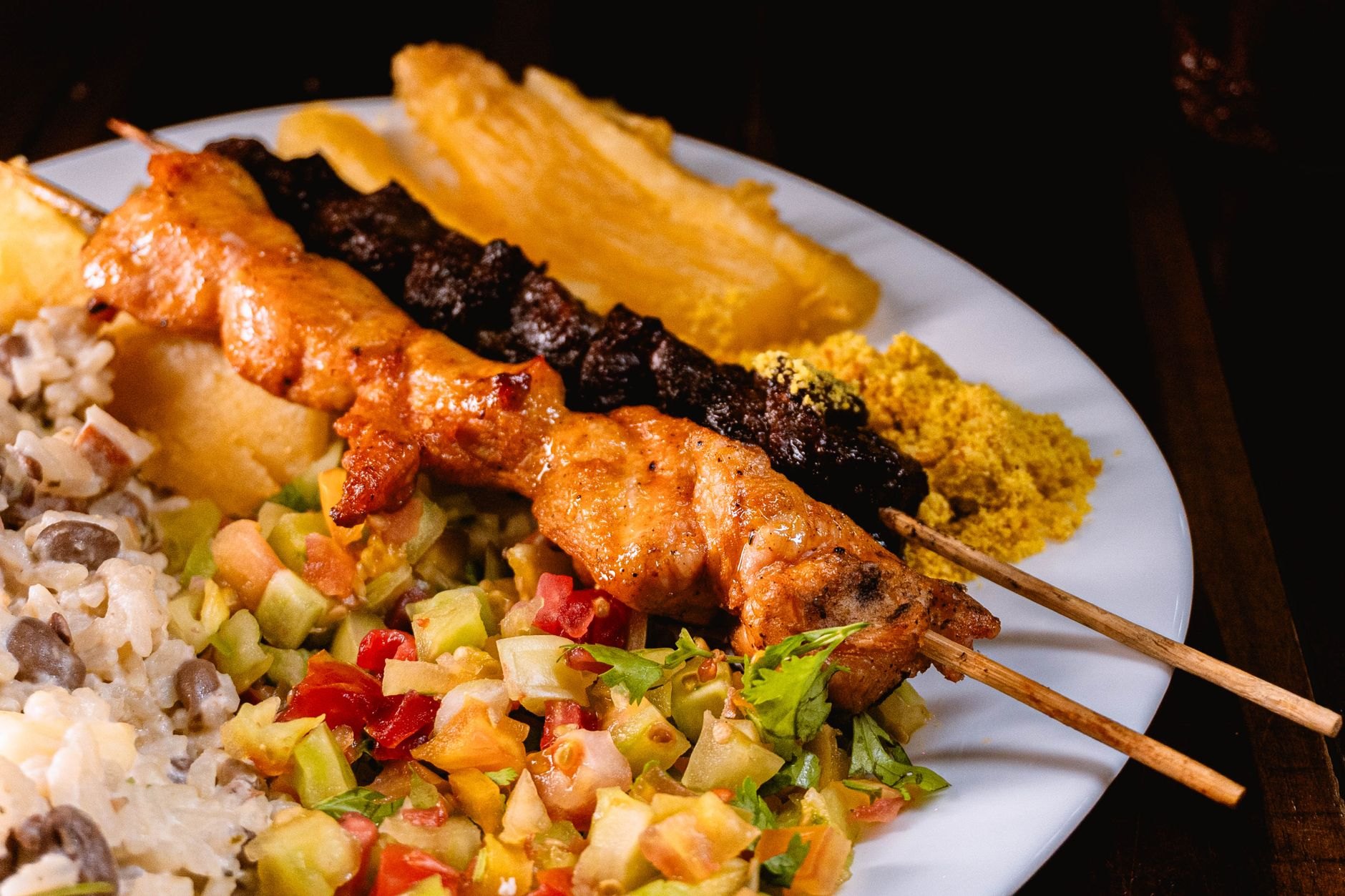
Authentic brochettes are served with roasted or deep-fried plantain rounds (aloko or mizuzu) and a small bowl of fiery akabanga—a potent chili oil made from yellow scotch bonnet peppers dispensed drop-by-drop from an eye-dropper bottle. Another iconic evening specialty is akabenz: succulent roasted pork bites pan-fried with onions and green peppers, named humorously after the Mercedes-Benz logo because both represent the finest luxury in life.
Along the shores of Lake Kivu, feasts feature freshly caught isambaza, dipped in seasoned flour and flash-fried until crisp, eaten whole like whitebait with lemon juice and mayonnaise. Complement your meal with matoke (steamed savory green plantains mashed with red kidney beans) and a glass of cold Virunga Mist or Primus lager brewed with local lake water.
Tourist Scams and Travel Traps in Rwanda
Rwanda is recognized as one of the safest countries in the world, with virtually non-existent violent street crime and an uncompromising zero-tolerance policy toward official corruption. However, foreign travellers can still encounter commercial oversights and regulatory penalties. Keep these five practical precautions in mind:
- Unlicensed Gorilla Permit Scalping: Online scammers and unauthorized street agencies sometimes claim to sell “discounted” gorilla permits. The Rwanda Development Board (RDB) regulates every permit through a centralized electronic identity system tied directly to your passport number. Permits bought from unauthorized intermediaries are frequently fake or invalid, resulting in denied park entry without refund. Only book permits through the official Irembo portal or licensed member agencies of the Rwanda Tours and Travel Association (RTTA).
- Plastic Bag Confiscation at Customs: Rwanda has strictly banned non-biodegradable polyethylene plastic bags since 2008. Customs officers at Kigali International Airport inspect luggage and confiscate all plastic duty-free bags, Ziploc bags, and plastic wrapping. Bring fabric packing cubes or reusable canvas bags to avoid delays and fines.
- Unhelmeted Motorcycle Taxi (Moto) Fines: Motorcycle taxis (motos) are the fastest way to navigate Kigali’s hills. By strict national law, every moto driver carries a clean passenger helmet, and riding without a helmet or refusing to buckle the chin strap is illegal. Traffic police enforce this strictly, issuing immediate fines to both passenger and driver.
- Unmetered Airport Taxi Markups: Authorized airport taxis at Kigali Airport (painted white with an orange stripe) have fixed tariffs into central Kigali (typically 15,000 to 20,000 RWF, approximately $12 to $15). Private unmarked cars outside the terminal often attempt to charge arriving foreigners $40 or more. Always use the official airport dispatch rank or pre-book through the Yego Innova or Move by Volkswagen apps.
- Photography Around Military and Government Buildings: Rwanda enforces strict security around administrative buildings, military installations, and radio communication towers. Taking photos or flying unauthorized drones near government ministries, presidential residences, or border crossings with the DRC will result in questioning and equipment confiscation. Always ask permission before photographing public infrastructure or individual residents.
Staying Connected Across Rwanda with NXTL Mobile Data
From navigating the winding mountain curves of the RN4 highway on Google Maps and verifying RDB park permits in Kinigi to booking motorcycle taxis on the Yego app and staying in touch with your Lake Kivu kayak guides, continuous cellular connectivity is essential throughout your journey in Rwanda. Purchasing local physical SIM cards at airport kiosks requires submitting original passports, undergoing biometric fingerprint scans, and navigating local mobile money registration queues.
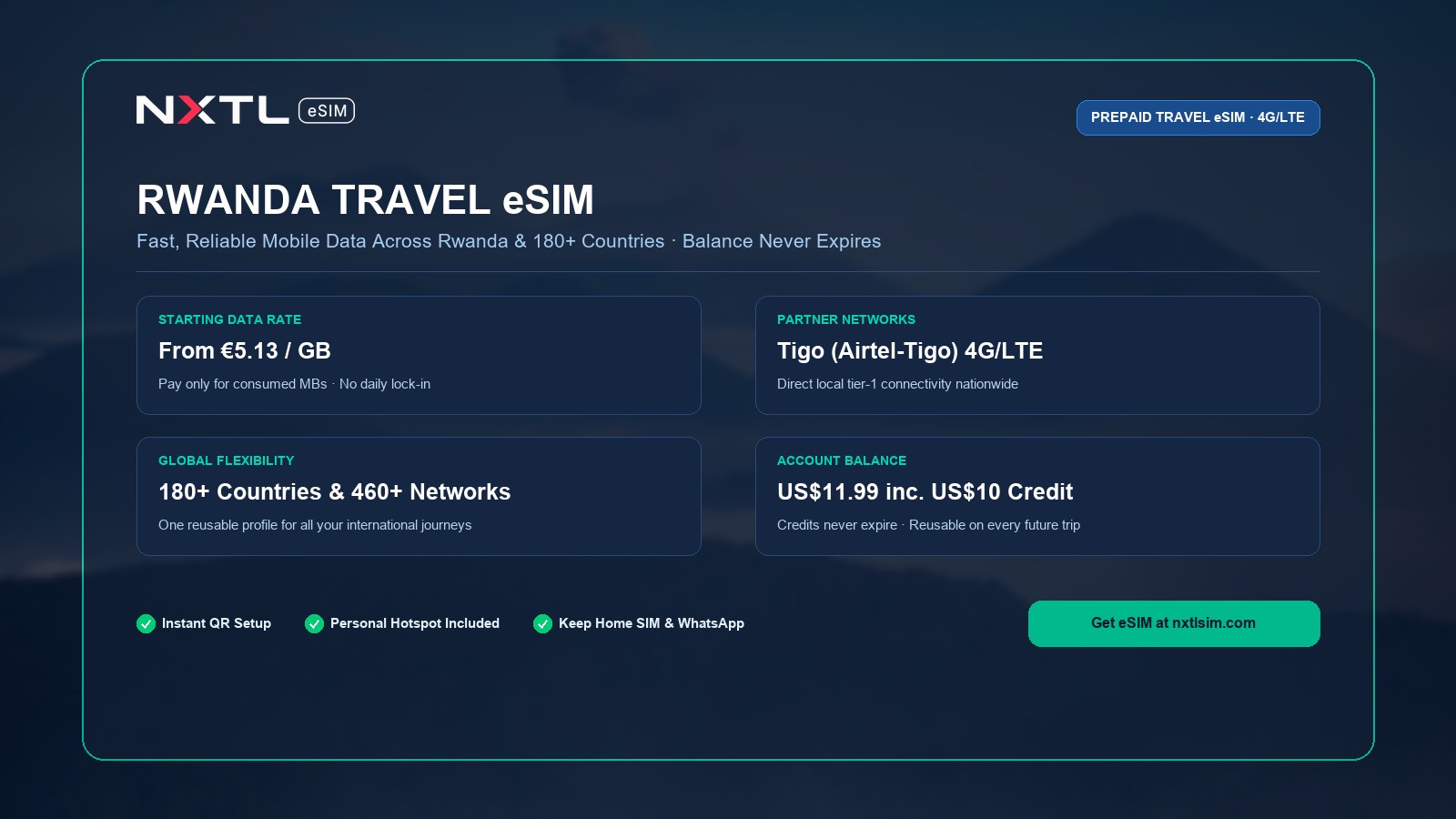
A far simpler, highly reliable alternative is installing the NXTL Rwanda eSIM before your departure. Operating on Rwanda’s premier national cellular infrastructure—including Tigo (Airtel-Tigo) 4G/LTE—NXTL delivers robust, high-speed mobile data rates starting from just $5.80 per gigabyte. Because NXTL operates on an intuitive prepaid consumption model, you pay strictly for the exact megabytes you consume, eliminating wasteful package expiration deadlines typical of tourist travel SIMs.
Furthermore, your initial account balance never expires. Any remaining credit from your week exploring Kigali, the Virungas, and Lake Kivu remains securely in your account, ready for effortless reuse across 180+ supported countries and 460+ carrier networks worldwide on your subsequent international travels. Activation takes less than two minutes via a simple QR code scan on any unlocked eSIM device, leaving your primary SIM active for verification codes and messaging throughout your journey across the Land of a Thousand Hills.