North Macedonia packs an astounding concentration of cultural complexity, dramatic mountain topography, and ancient aquatic ecology into a compact Balkan footprint. Yet travellers organizing a first journey here often grapple with transit planning and regional pacing. Many wonder how to divide a week sensibly between the monumental capital of Skopje and the turquoise waters of Lake Ohrid, or whether they need a rental car when express intercity coaches run multiple times daily. The secret to an exceptional Macedonian journey is understanding the scenic transit corridors between the Vardar River valley and the southwestern lakes, budgeting proper time for lakeside walking, and incorporating dramatic natural gorges along the way.
This seven-day route is designed for curious independent travellers seeking a balanced progression of Ottoman heritage, Byzantine sacred art, dramatic limestone canyons, and serene lakeside living. By spending two nights in Skopje exploring the cobblestone alleys of the Old Bazaar and the emerald waters of Matka Canyon, making a scenic mountain crossing over the Straža Pass to Lake Ohrid for four nights based in the historic lakeside old town, and returning to the capital for your departure, you experience North Macedonia’s greatest cultural and natural treasures without feeling rushed. Here is the complete operational guide to transport connections, monastery visits, traditional taverns, and local customs.
Trip Planning Blueprint: Bases, Transit Logistics, and Seasonal Timing
The core transit question for this route is choosing between public intercity coaches and a rental vehicle. The distance between Skopje and Lake Ohrid is approximately 175 kilometers across the scenic Straža mountain pass. Frequent, comfortable express coaches operated by companies like Galeb Ohrid and Classic Company run between Skopje Intercity Bus Station and Ohrid Bus Station throughout the day. The journey takes roughly three to three and a half hours, costing between ten and twelve euros one way. Coaches feature air conditioning, comfortable reclining seats, and include a mandatory fifteen-minute rest stop at the summit of Straža Pass, where travellers traditionally purchase hot, freshly fried mekici (sourdough dough pastries) dusted with powdered sugar or paired with salty white sheep’s cheese.
Renting a vehicle offers greater spontaneous freedom for travellers who wish to explore the rugged perimeter of Galičica National Park, venture into the remote mountain village of Vevčani to see natural water springs, or stop at the submerged church in Mavrovo National Park along the scenic western road. If you drive, roads are generally paved and in decent condition, though winding mountain passes require attentive driving. Passenger rail is currently not an option for Lake Ohrid, as the historic railway line terminates inland at Kičevo, seventy kilometers north of the lake.
Seasonality plays a decisive role in the lake atmosphere. The premier travelling window spans from May through October. July and August deliver peak summer warmth with lake water temperatures reaching a pleasant 23°C, lively open-air lakeside beach bars, and the prestigious Ohrid Summer Festival hosting international classical concerts inside the ancient Roman amphitheatre and medieval churches. If you prefer uncrowded cobblestone alleys and cooler hiking weather, May, June, and September provide ideal conditions, with sunny skies, crisp mountain air across Galičica, and tranquil monastery courtyards. Winter brings quiet regional charm and skiing in nearby Mavrovo, but lake boat excursions operate on restricted schedules.
| Day / Stage | Base | Highlights | Transport Mode | Transit Time | Advance Booking Requirement |
|---|---|---|---|---|---|
| Day 1 | Skopje | Stone Bridge, Macedonia Square, Old Bazaar (Stara Čaršija), Kale Fortress | Walking | Urban base | Central Skopje hotel reservation |
| Day 2 | Skopje | Matka Canyon boat excursion, Vrelo Cave, Mount Vodno Millennium Cross, Debar Maalo dining | Local Bus #60 or Taxi | 35 mins to canyon | Matka wooden boat tour booking |
| Day 3 | Ohrid | Scenic transfer over Straža Pass, roadside mekici tasting, Ohrid old town arrival | Express Bus or Rental Car | 3.5 hrs driving (175 km) | Express bus ticket or car pickup |
| Day 4 | Ohrid | Church of Saint John at Kaneo, Saint Sophia Cathedral, Samuel’s Fortress, Antique Theatre | Walking | Local historic core | Ohrid heritage entry tickets |
| Day 5 | Ohrid (Ljubaništa) | Monastery of Saint Naum, Black Drim spring rowboat tour, Bay of Bones stilt village | Wooden Boat or Local Minibus | 45 mins boat ride | Lakeside boat excursion booking |
| Day 6 | Ohrid (Galičica) | Galičica National Park mountain viewpoint hike, Trpejca fishing village lunch | Rental Car or Hired Taxi | 40 mins mountain transit | Galičica park entry permit |
| Day 7 | Skopje departure | Ohrid pearl filigree shopping, return transit to Skopje, Alexander the Great Airport | Express Bus or Rental Car | 3.5 hrs return highway drive | Airport departure coordination |
Days 1–2: Skopje’s Historic Layers and Matka Canyon
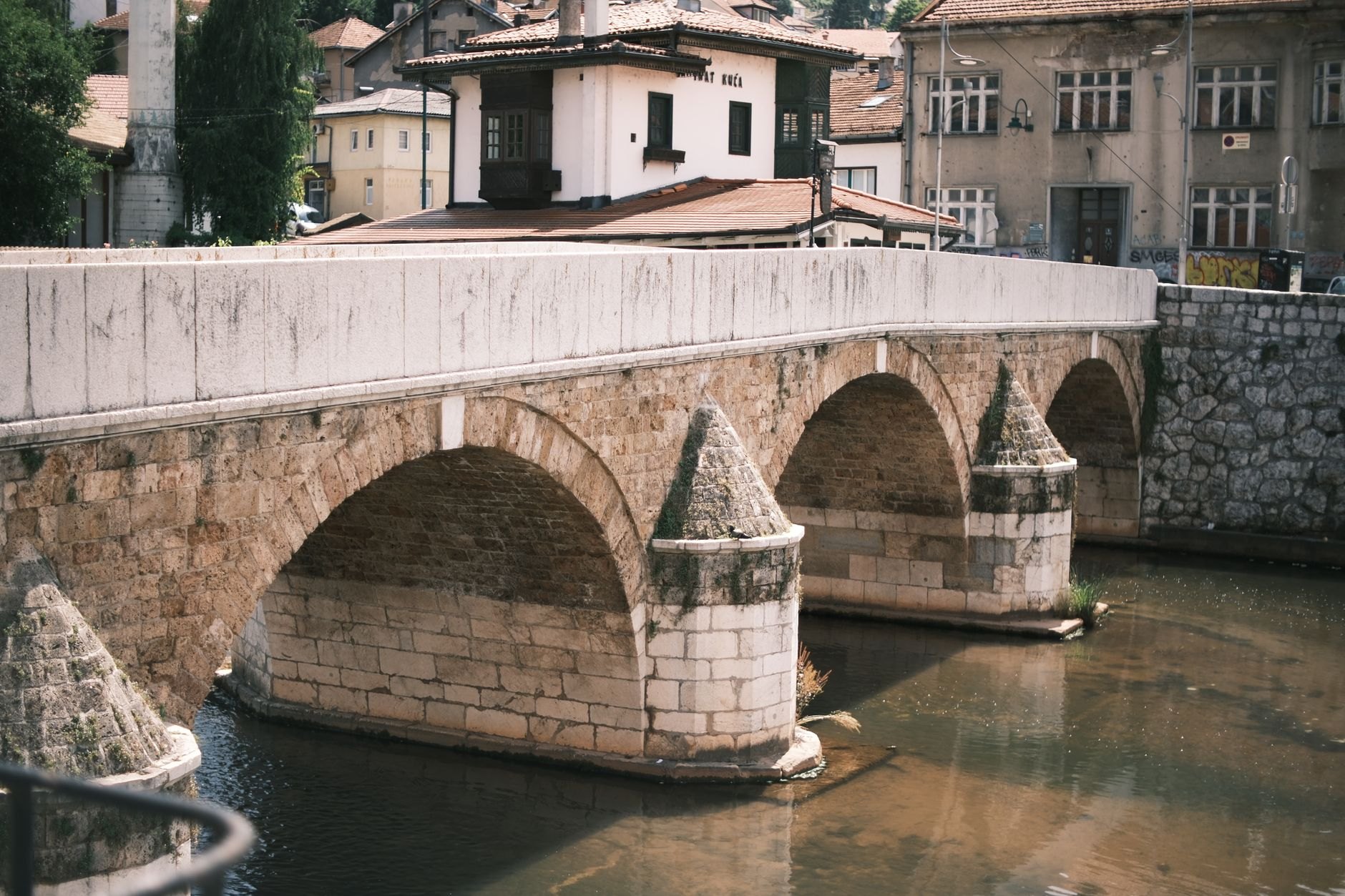
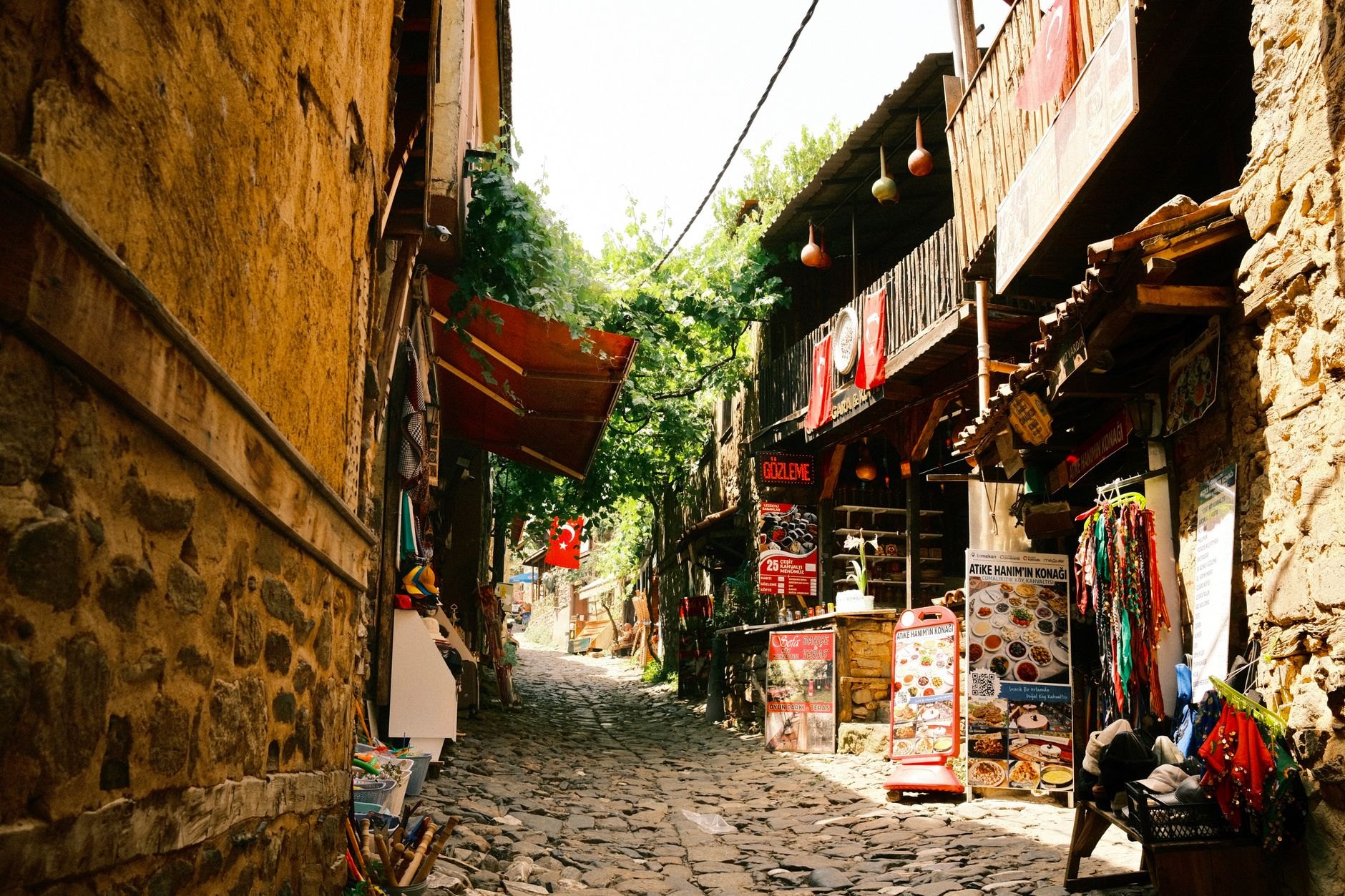
Your journey begins in Skopje, a city that reveals an extraordinary mosaic of classical antiquity, centuries of Ottoman governance, mid-century Yugoslav concrete brutalism, and monumental neoclassical architecture. Start your morning at the historic Stone Bridge, an iconic fifteen-arch Ottoman span crossing the Vardar River that has linked the city’s ethnic and cultural communities since the fifteenth century. Cross northward into Stara Čaršija (the Old Bazaar). As one of the largest and oldest preserved Ottoman commercial quarters in the Balkans, its winding granite-paved alleys are lined with traditional gold filigree jewelers, leather tanners, copper coffeepot craftsmen, and quiet courtyards surrounding historic inns (caravanserais) like Kapan An and Suli An.
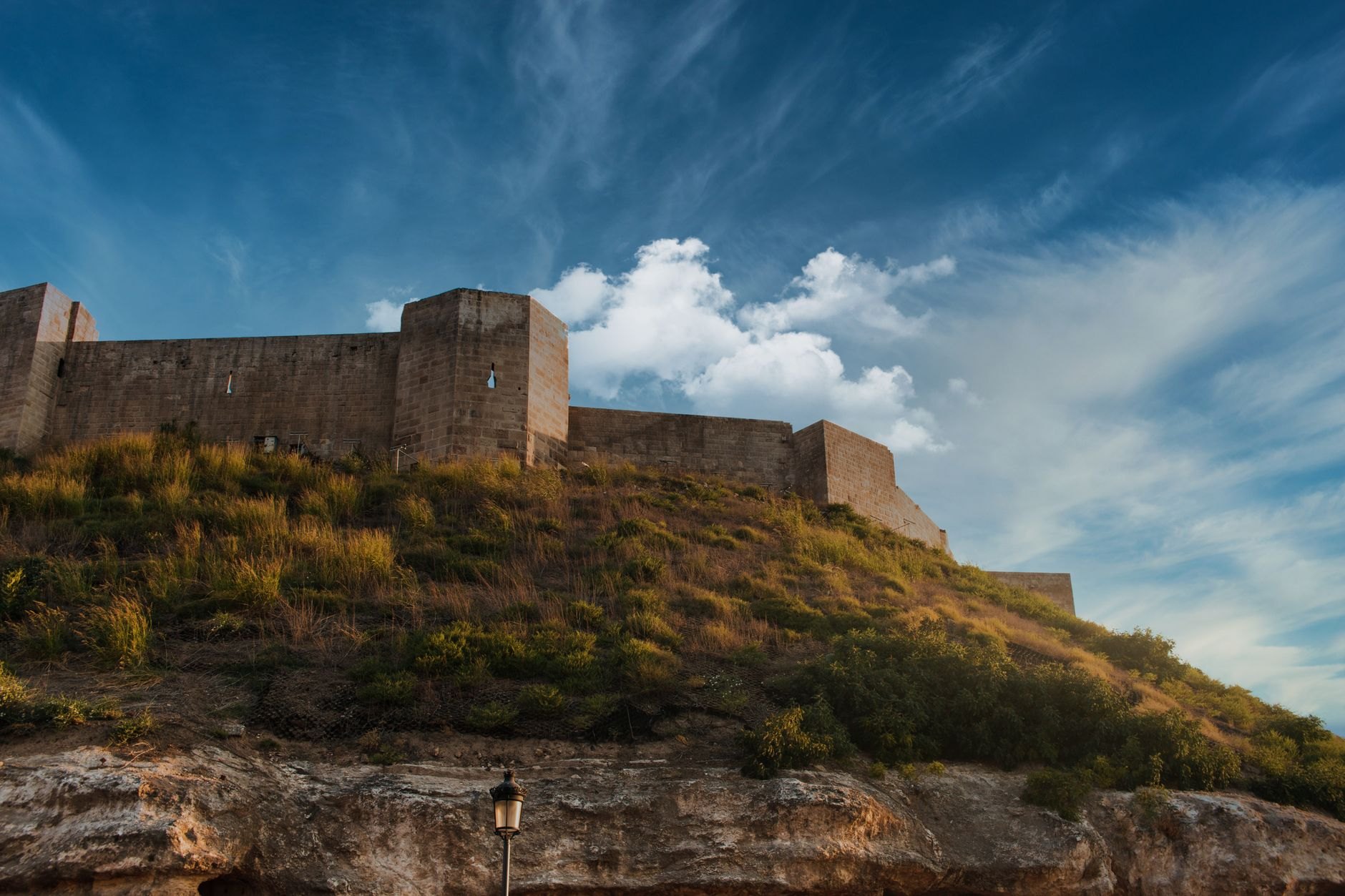
Ascend the cobblestone slope to Kale Fortress, which has stood sentinel over the Vardar valley since the sixth century during the reign of Byzantine Emperor Justinian I. Walk the perimeter stone ramparts for sweeping vistas across the city and the dramatic silhouette of Mount Vodno rising to the south. In the afternoon, sample authentic Turkish tea served in curved tulip glasses with sweet walnut baklava at a street cafe in the bazaar before visiting the Memorial House of Mother Teresa, honoring the Nobel Peace Prize laureate born in Skopje in 1910.
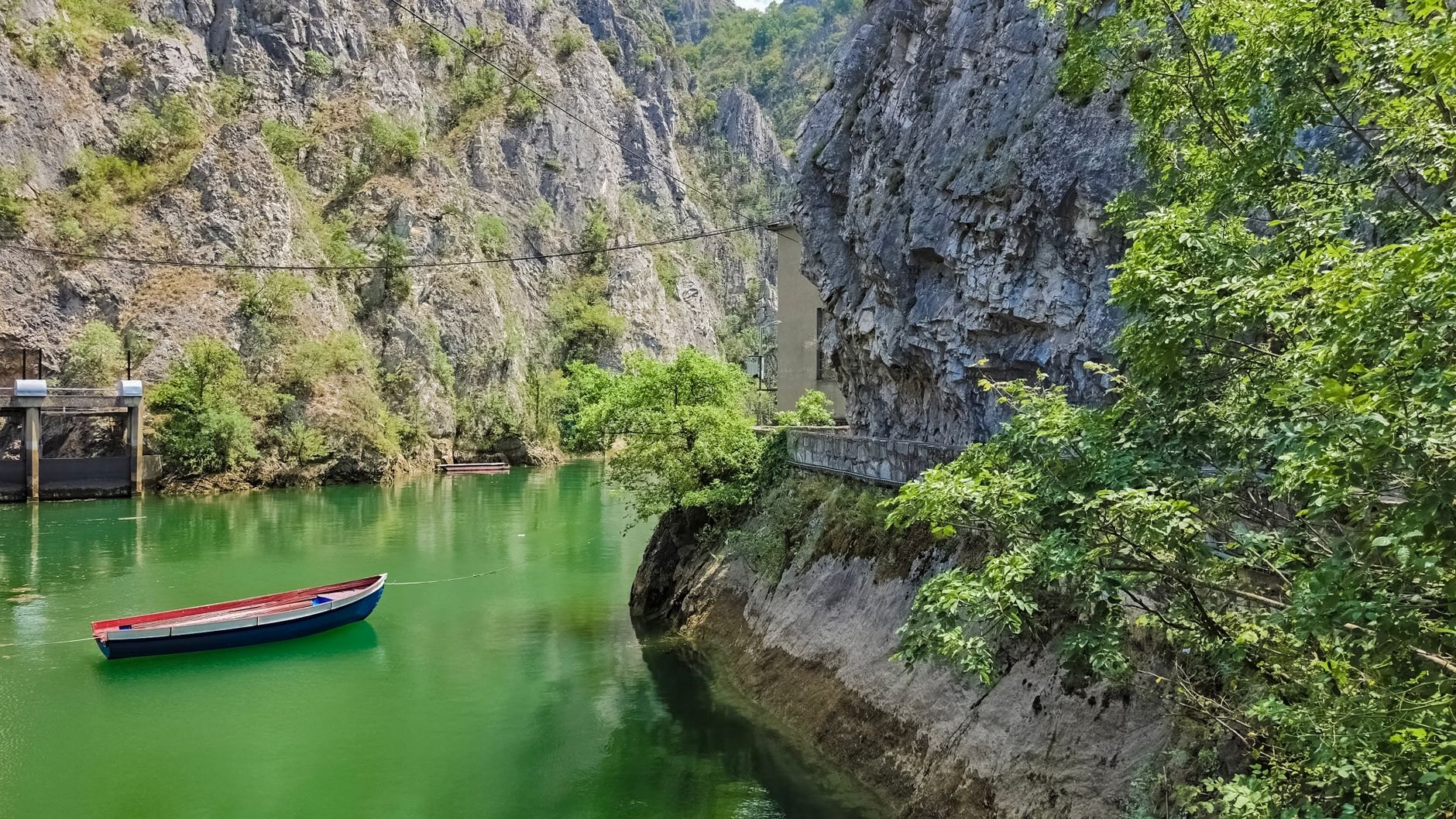
On Day 2, take a thirty-minute taxi or suburban bus #60 southwest to Matka Canyon. Carved by the rushing Treska River through towering vertical limestone cliffs, the canyon represents one of the country’s most spectacular outdoor escapes. Rent a sea kayak or board a traditional wooden boat to cruise along the emerald-green waters into the gorge, arriving at Vrelo Cave. Recognized by spelunkers as one of the deepest underwater freshwater caves on earth, Vrelo features subterranean illuminated pathways through cavernous halls adorned with colossal stalactites and twin underground lakes. Conclude your evening back in Skopje’s bohemian Debar Maalo district, dining in a traditional kafana accompanied by acoustic live Balkan folk musicians.
Days 3–4: The Sacred Heritage of Lake Ohrid
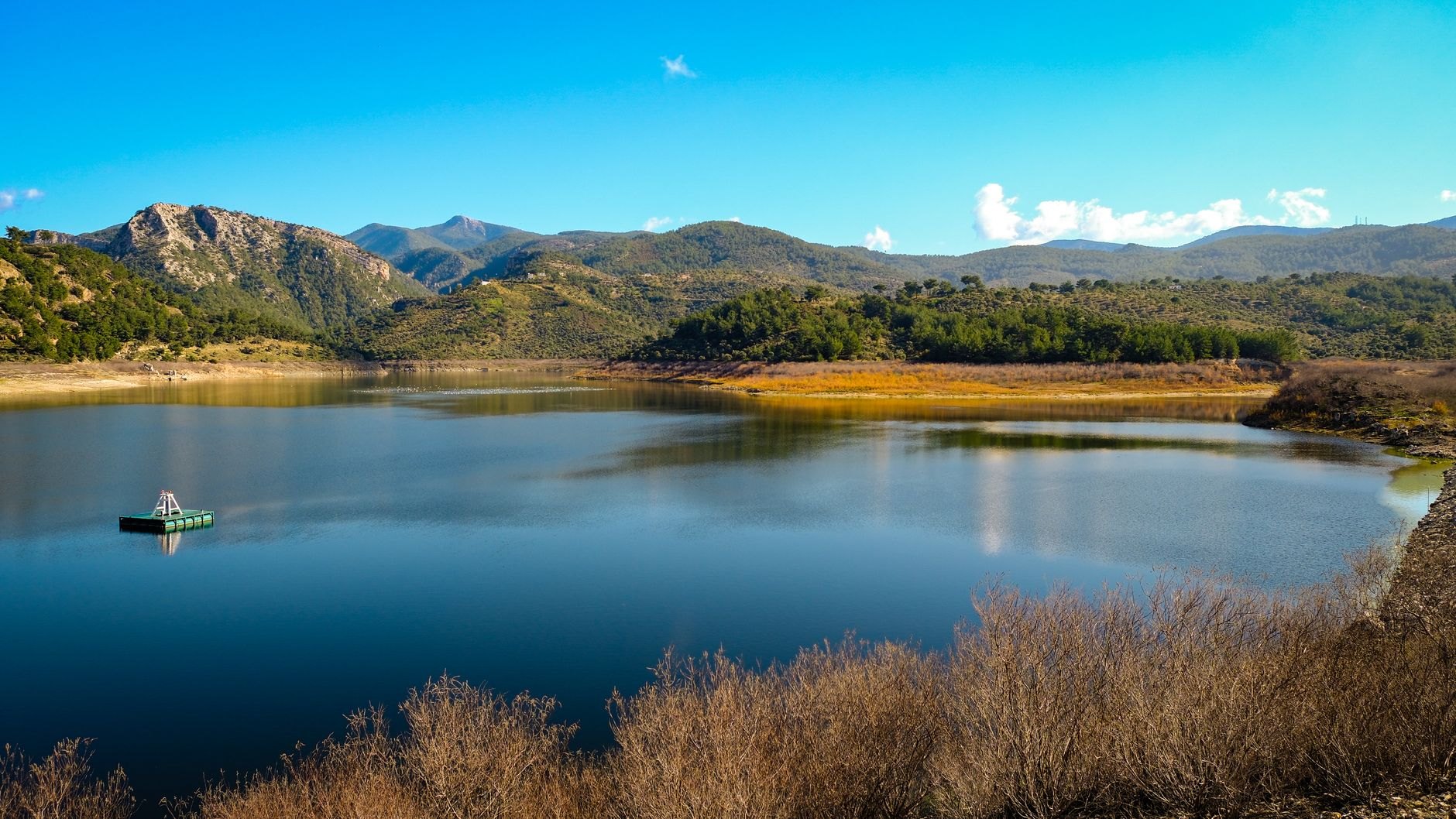
On Day 3, journey southwest toward Lake Ohrid. As your coach crosses the Straža mountain pass, stop at the legendary roadside taverns to feast on hot, golden mekici served straight from the fryer alongside wedges of salty sheep’s cheese. Descending toward the lake basin, you catch your first sight of Lake Ohrid’s shimmering sapphire waters. Formed between four and five million years ago along a tectonic graben, Lake Ohrid is one of the world’s most ancient freshwater bodies, harboring over two hundred endemic species found nowhere else on earth, including the ancient Ohrid trout (Salmo letnica).
Check into a guesthouse in Ohrid’s historic old town, where steep hillside streets are lined with whitewashed nineteenth-century timber townhouses that overhang the narrow lanes. On Day 4, embark on a walking tour of the town’s legendary ecclesiastical monuments. Ohrid was once known across the Orthodox world as the “Jerusalem of the Balkans,” historically boasting 365 churches—one for every day of the year. Begin at the eleventh-century Cathedral of Saint Sophia, admiring its world-renowned Byzantine wall frescoes depicting solemn saints and archangels.
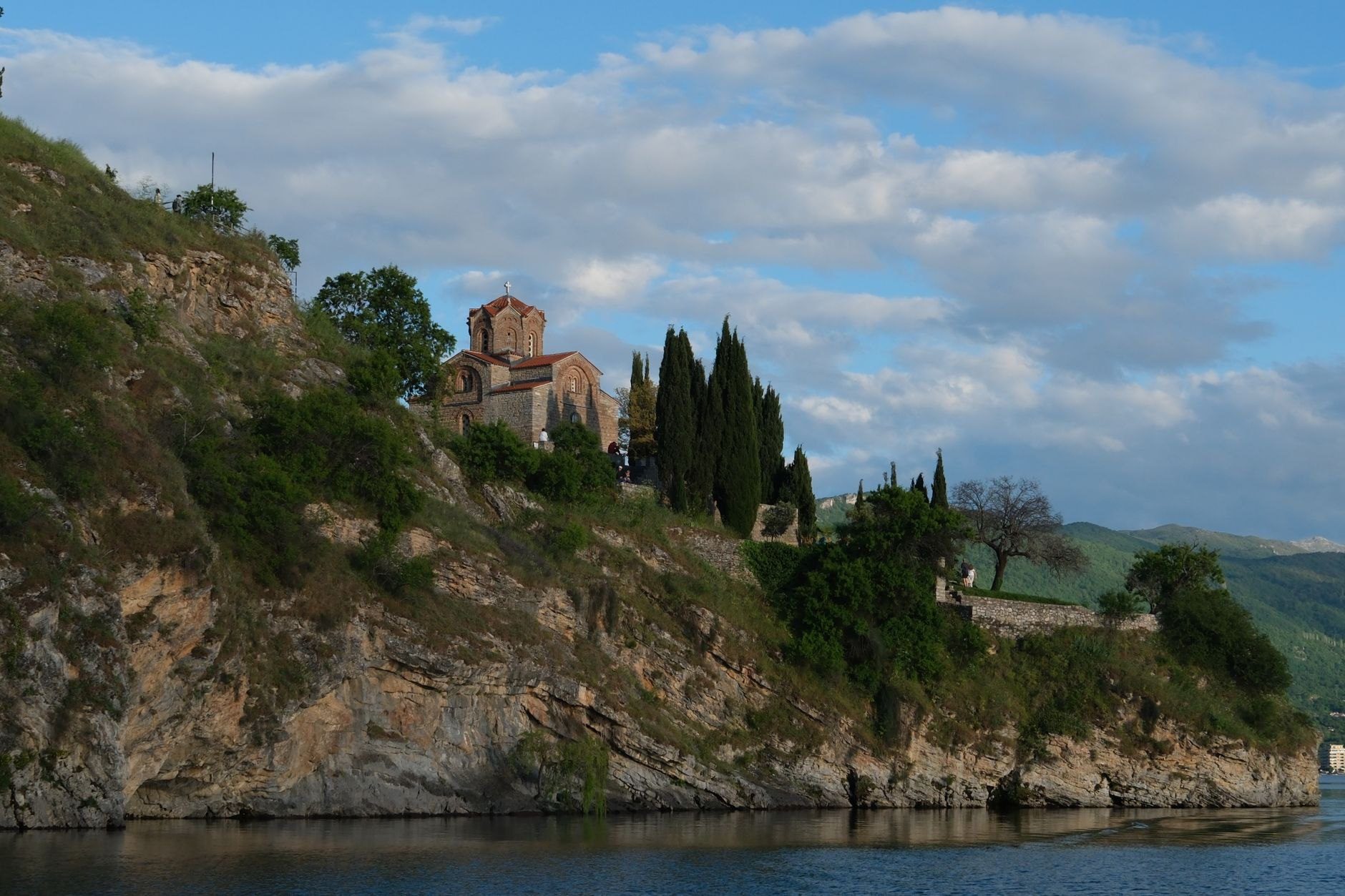
Continue uphill past the Antique Theatre, an ancient Hellenistic open-air auditorium built around 200 BC, to the massive stone battlements of Samuel’s Fortress. Walking the restored ramparts delivers unobstructed 360-degree vistas across the old town, surrounding cherry orchards, and the immense blue expanse of the lake stretching toward Albania. Follow scenic cliffside footpaths through fragrant pine trees down to the iconic Church of Saint John at Kaneo, poised serenely on a jagged rocky promontory overlooking the water.
Days 5–6: Saint Naum, Mountain Crests, and Lakeside Villages
On Day 5, board an excursion boat or take a local minibus thirty kilometers south along the eastern lakeshore to the Monastery of Saint Naum, situated within a stone’s throw of the Albanian border. Founded in 905 AD by Saint Naum of Ohrid, an instrumental disciple of Saints Cyril and Methodius who helped develop the Cyrillic alphabet, the monastery complex is a peaceful sanctuary. Free-roaming peacocks strut proudly across blooming rose gardens, while the historic stone church shelters the tomb of Saint Naum. According to local legend, placing your ear against the stone tomb allows you to hear the saint’s heartbeat echoing from below.
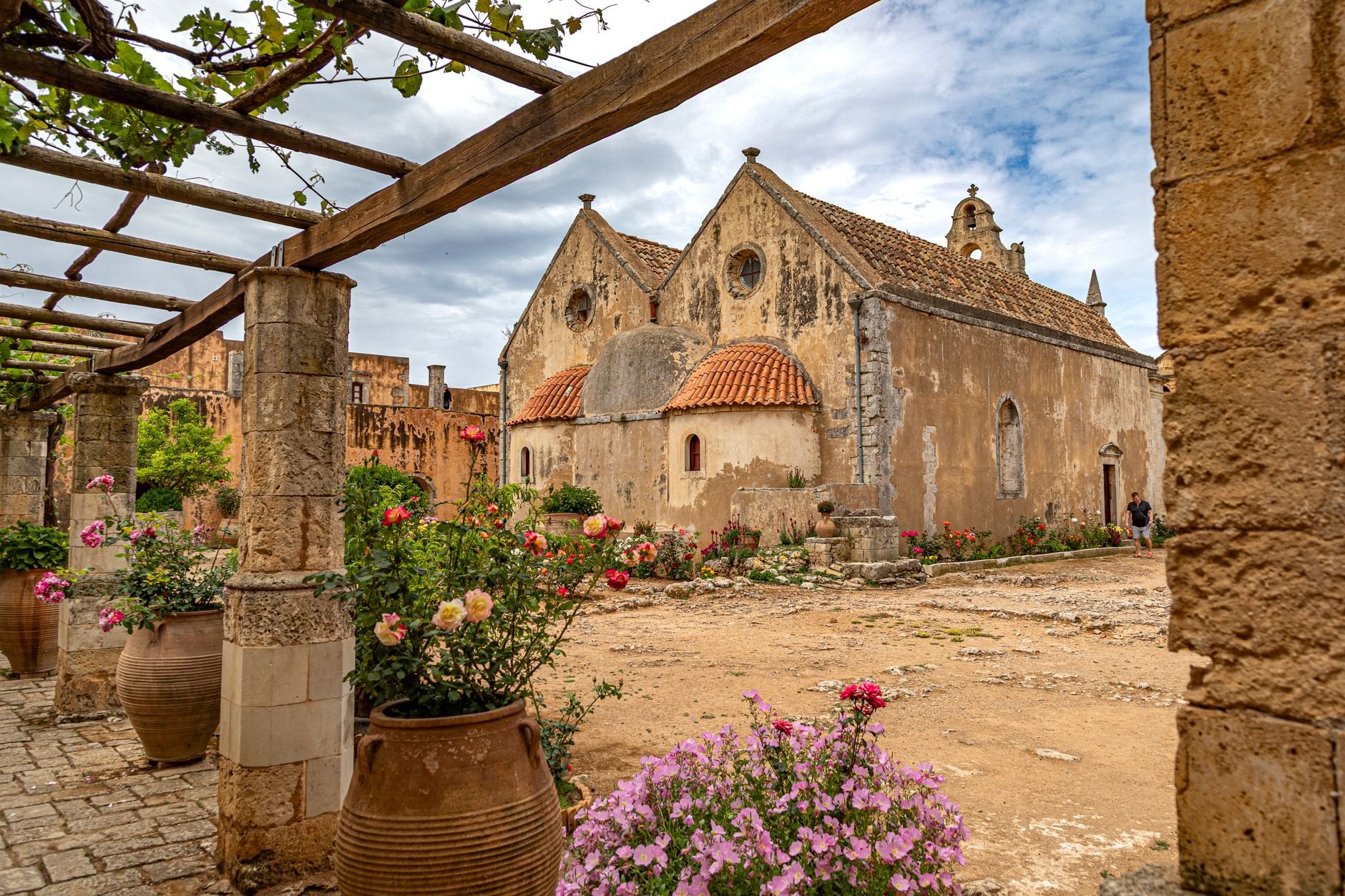
Just outside the monastery walls lie the crystal-clear springs of the Black Drim River. Hire a local boatman to row you silently across the deep freshwater lagoon, where icy, filtered mountain water bubbles up from underground aquifers at a rate of thirty cubic meters per second through beds of bright green aquatic flora. On your journey back north, stop at the Bay of Bones Museum at Gradište. This reconstructed prehistoric settlement consists of wooden stilt houses built over the turquoise water on thousands of timber piles, recreating a Bronze and Iron Age fishing community based on artifacts retrieved by underwater archaeologists.
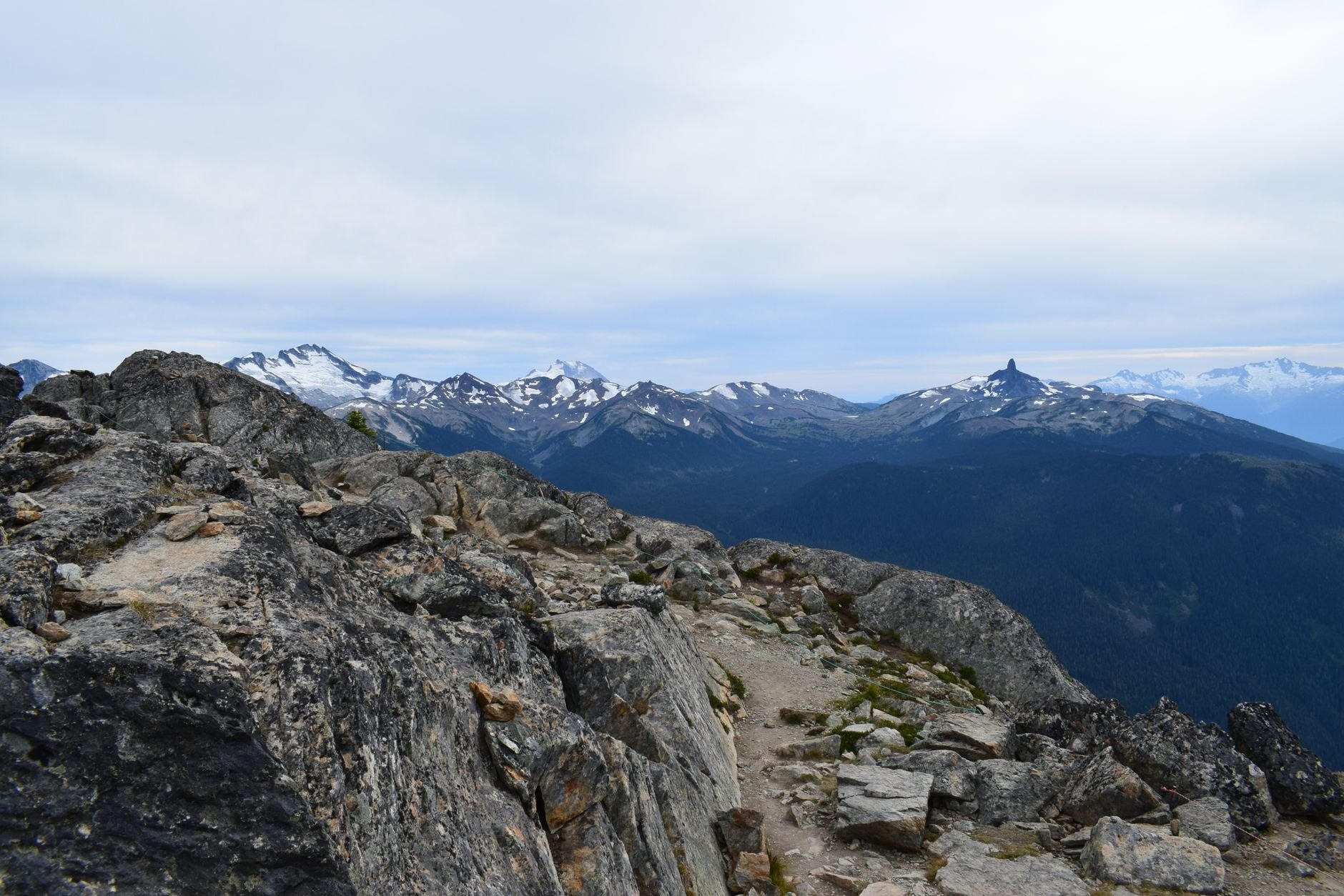
On Day 6, take a hiking excursion into Galičica National Park, the imposing limestone mountain massif that rises steeply between Lake Ohrid and Lake Prespa. A well-marked trail climbs through alpine meadows and beech forests to the panoramic summit ridge. From the crest at two thousand meters, you can simultaneously gaze eastward over Lake Prespa and westward over Lake Ohrid on clear days. Descend to the tranquil fishing village of Trpejca, often called the “Saint-Tropez of Macedonia,” to relax on pebble beaches and enjoy lunch at an open-air fish tavern overlooking the water.
Day 7: Ohrid Artisanship, Macedonian Gastronomy, and Departure
On Day 7, spend your final morning browsing Ohrid’s famous jewelry workshops. The town is globally renowned for Ohrid pearls (Ohridski biser), created through an artisanal secret formula perfected in the 1920s. Unlike ocean oysters, Ohrid pearls are handcrafted from miniature glass beads coated in multiple layers of an organic emulsion made from the silvery scales of the endemic plasica fish, which thrives only in Lake Ohrid. The closely guarded secret technique is possessed exclusively by two multi-generational local families—the Talev and Filev families—whose verified shops provide certificates of origin.
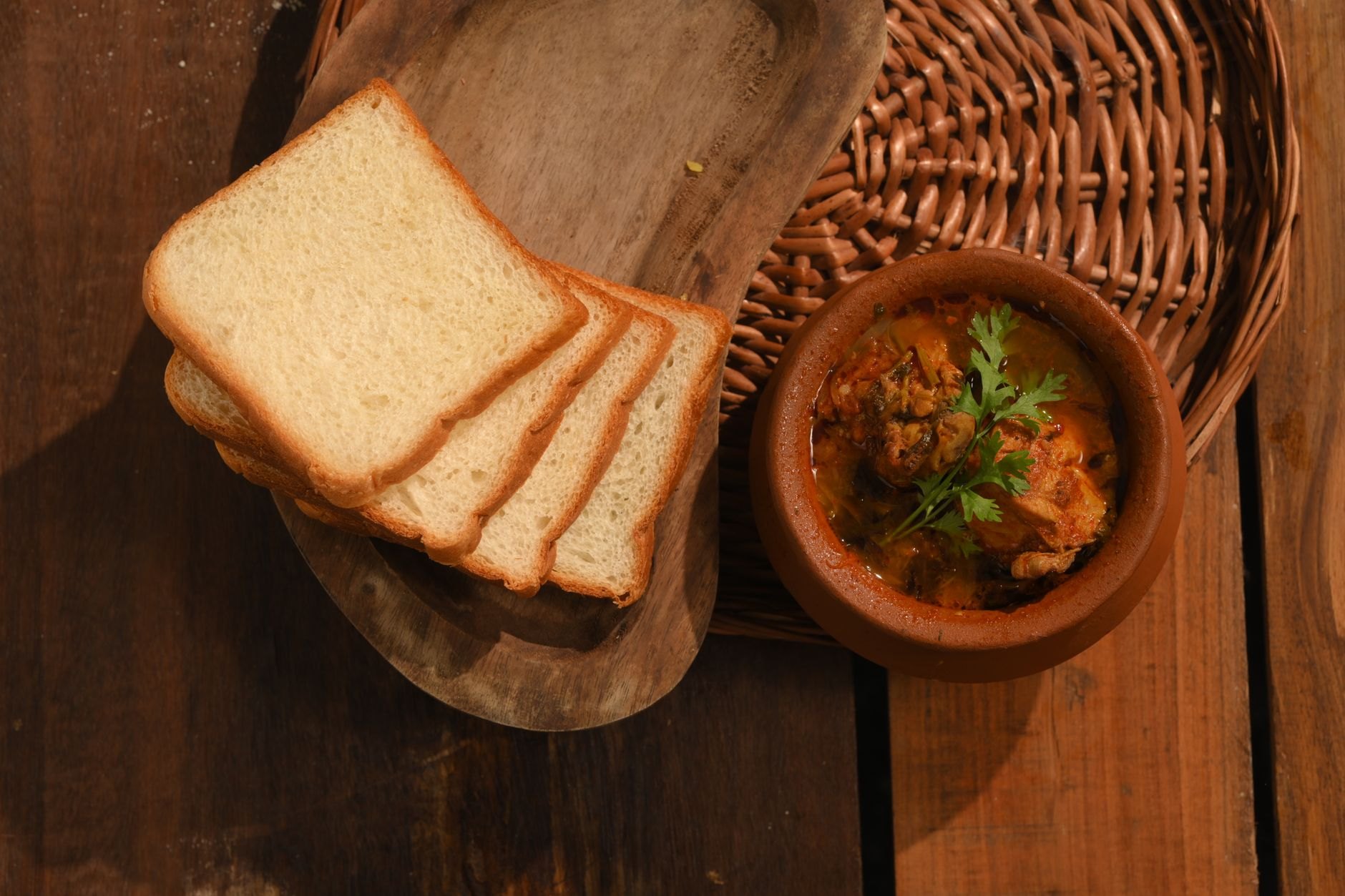
Before concluding your journey, indulge in the deep comfort of Macedonian culinary traditions. The national culinary cornerstone is tavče gravče: creamy white tetovo beans slow-baked with onions, garlic, and dried red paprika in an unglazed earthenware dish until a golden crust forms on top. Pair it with pastrmajlija—an oval baked bread crust topped with diced salted meat and lard—and šopska salata, a crisp salad of diced tomatoes, cucumbers, and onions smothered under a mountain of shredded salty sirenje cheese. Complete your feast with a glass of robust Tikveš Vranec red wine or a sip of grape rakija before taking your return coach or private transfer to Skopje Airport for your flight.
Tourist Scams, Logistics Pitfalls, and Travel Traps in North Macedonia
North Macedonia is renowned throughout Southeastern Europe for generous hospitality and safe travel conditions. Violent crime is rare, and travellers can walk comfortably at night in both Skopje and Ohrid. Nevertheless, several persistent commercial traps and logistics pitfalls can affect your budget if unaddressed:
- Unlicensed Skopje Airport Taxi Markups: Private, unmarked taxis waiting outside the arrivals terminal at Skopje Alexander the Great Airport frequently attempt to charge arriving foreigners forty to fifty euros for transit into the city center. The official airport taxi concessionaire (marked with airport logos and fixed tariff displays) charges a strictly regulated twenty-five euros (approximately 1,500 MKD). Always book at the official airport taxi desk inside the terminal or pre-arrange an authorized airport transfer.
- Counterfeit Ohrid Pearl Street Vendors: Souvenir shops and open street kiosks surrounding the Ohrid waterfront sell cheap glass, plastic, or imported Chinese pearl necklaces labeled as authentic “Ohrid pearls.” Genuine Ohrid pearls are produced solely by the Talev and Filev family workshops using the proprietary plasica fish emulsion, and every authentic purchase is accompanied by a signed and stamped certificate of authenticity. Avoid purchasing uncertified pearls from generic souvenir stalls.
- The “Wild Ohrid Trout” Restaurant Deception: Wild Ohrid trout (Salmo letnica) is strictly protected by environmental law, and commercial fishing of the wild stock is illegal on the Macedonian side of the lake. Taverns displaying “wild lake trout” on menus often serve illegally poached fish or, more commonly, substitute cheap imported farmed rainbow trout while billing tourists exorbitant prices per gram. Reputable lakeside restaurants clearly state whether trout is farmed in approved regional hatcheries.
- Matka Canyon Private Boat Operator Pressure: Aggressive freelance boatmen near the entrance footbridge of Matka Canyon often try to intercept visitors, quoting inflated prices of twenty to thirty euros for quick, abbreviated rowboat rides. Walk past these vendors to the official canyon restaurant and ticket office, where standardized motorized boat excursions to Vrelo Cave depart regularly at fixed, published rates (typically around 500 MKD, or roughly eight euros).
- Unofficial Summer Parking Touts in Ohrid Old Town: During peak July and August weekends, unauthorized men wearing reflective vests sometimes stake out free municipal parking spaces around the Lower Gate and Kaneo footpaths, demanding cash fees from foreign-plated rental cars. Legitimate municipal parking spaces in Ohrid are clearly signposted with automated SMS payment codes or official uniformed parking wardens carrying handheld electronic ticket printers.
Staying Connected Across North Macedonia with NXTL Mobile Data
From navigating the winding mountain curves of the Straža Pass on Google Maps and checking express bus departure timetables to translating Cyrillic monastery inscriptions and calling local guesthouse hosts in Ohrid’s pedestrian old town, dependable cellular connectivity is essential throughout your journey in North Macedonia. While local plastic tourist SIMs are sold at mobile kiosks in central Skopje, purchasing them requires passport registration, paper forms, and manual APN configuration that can consume valuable hours of your first morning.

An effortless and reliable alternative is installing the NXTL North Macedonia eSIM prior to boarding your departure flight. Operating directly on North Macedonia’s premier national cellular networks—including Makedonski Telekom and A1 4G/LTE—NXTL delivers robust, high-speed mobile data rates starting from just $1.37 per gigabyte. Because NXTL operates on an intuitive prepaid consumption architecture, you pay strictly for the exact megabytes you consume, eliminating the restrictive seven-day expiration deadlines typical of local tourist travel SIMs.
Furthermore, your initial account balance never expires. Any unused data balance remaining after your week exploring Skopje’s bazaars and Lake Ohrid’s cliffside monasteries remains securely credited to your account, ready for immediate reuse across 180+ supported countries and 460+ carrier networks worldwide on your subsequent international travels. Activation takes under two minutes via a simple QR code scan on any unlocked eSIM device, leaving your primary SIM active for bank security codes and messaging while you discover the timeless beauty of North Macedonia.