Luxembourg frequently surprises travellers who arrive expecting little more than a quiet banking enclave. Packed into twenty-five hundred square kilometers is a Grand Duchy of remarkable physical and cultural drama: a capital city carved by precipitous sandstone river gorges and fortress ramparts, romantic feudal castles crowning northern Ardennes ridges, mystical moss-cloaked slot canyons in the Mullerthal, and sun-drenched vineyards flanking the Moselle River. Yet first-time visitors frequently confront a practical dilemma: how many days does the country actually deserve, and how should someone structure a trip to experience both urban sophistication and countryside wilderness without wasting time?
While a hurried two-day stopover allows you to glimpse the capital’s historic fortifications and take a quick bus to Vianden Castle, the definitive sweet spot for Luxembourg is a five-day itinerary. Five days allows you to dedicate two days to Luxembourg City’s subterranean casemates and contemporary cultural plateaus, one full day hiking the geological marvels of the Mullerthal Trail, one day exploring the northern castles of Vianden and Bourscheid, and a final day tasting sparkling Crémants along the Moselle River. Best of all, Luxembourg revolutionized European travel in 2020 by making all nationwide public transport—trains, trams, and regional buses—completely free of charge for residents and tourists alike. Here is how to plan an exceptional five-day circuit.
Trip Planning Blueprint: Duration, Free Transit, and Seasonal Timing
The foremost question shaping your planning is deciding between a three-day, four-day, or five-day stay. If your schedule permits only three days, focus exclusively on Luxembourg City (two nights) paired with a single day trip to Vianden Castle or Echternach. Four days allows you to add the sandstone canyons of the Mullerthal Trail. However, five days represents the ideal duration: it provides enough breathing room to explore every distinct geographical region—the central fortress capital, the Éislek (Oesling) northern highlands, the Mullerthal (“Little Switzerland”), and the southern Moselle wine corridor—without rushing. You experience the complete spectrum of what makes this small country distinctive.
Transport logistics could hardly be simpler. In March 2020, Luxembourg became the first nation on earth to introduce nationwide free public transit in second class. You do not need to purchase a ticket, register an account, or tap a validation card: you simply board any train (CFL), tram (Luxtram), or regional bus (RGTR) anywhere within the Grand Duchy. The official Mobiliteit.lu smartphone app provides real-time departures, platform numbers, and reliable multi-modal route planning across the entire network. A rental car is completely unnecessary for major towns, though having a vehicle or e-bike offers slight convenience for accessing remote, isolated Mullerthal hiking trailheads.
Seasonal conditions dictate whether your priorities lean toward outdoor trekking or cultural exploration. The optimal window spans from May through late September. Late spring and summer bring pleasant daytime temperatures (20°C to 25°C), long daylight hours, and lush green forest canopies across the Ardennes. The Mullerthal Trail is at its most enchanting during June and July, when forest streams flow briskly and outdoor terrace cafes hum with activity. Autumn (October) transforms the Moselle wine valley and northern beech forests into a tapestry of brilliant bronze and gold during the grape harvest. Winter delivers festive cheer with the Winterlights festival in Luxembourg City, but colder weather and early dusk restrict rural outdoor pursuits.
| Day / Stage | Base | Highlights | Transport Mode | Transit Time | Advance Booking Requirement |
|---|---|---|---|---|---|
| Day 1 | Luxembourg City | Ville Haute historic core, Chemin de la Corniche, Bock Casemates, Grund valley | Walking & Free Public Tram | Urban base | Bock Casemates timed entry ticket |
| Day 2 | Luxembourg City | Kirchberg modern quarter, Philharmonie, Mudam modern art museum, Clausen dining | Free Luxtram & Pfaffenthal Lift | 10-15 mins transit | Mudam museum admission reservation |
| Day 3 | Mullerthal Region | Historic Echternach abbey town, Mullerthal Trail Route 2, Schiessentümpel waterfall | Free Bus #201 & #211 | 45 mins from capital | Sturdy waterproof hiking footwear |
| Day 4 | Vianden (Ardennes) | Vianden Castle tour, Victor Hugo House, open-air chairlift, Bourscheid Castle viewpoint | Free Train + Bus #181 | 50 mins train/bus transfer | Vianden Castle advance admission |
| Day 5 | Moselle Wine Valley | Schengen European monument, Remich riverside promenade, Crémant cellar tasting | Free Bus #411 or #432 | 40 mins from capital | Wine estate cellar tour reservation |
Days 1–2: Fortress Ramparts, Subterranean Vaults, and Modern Architecture
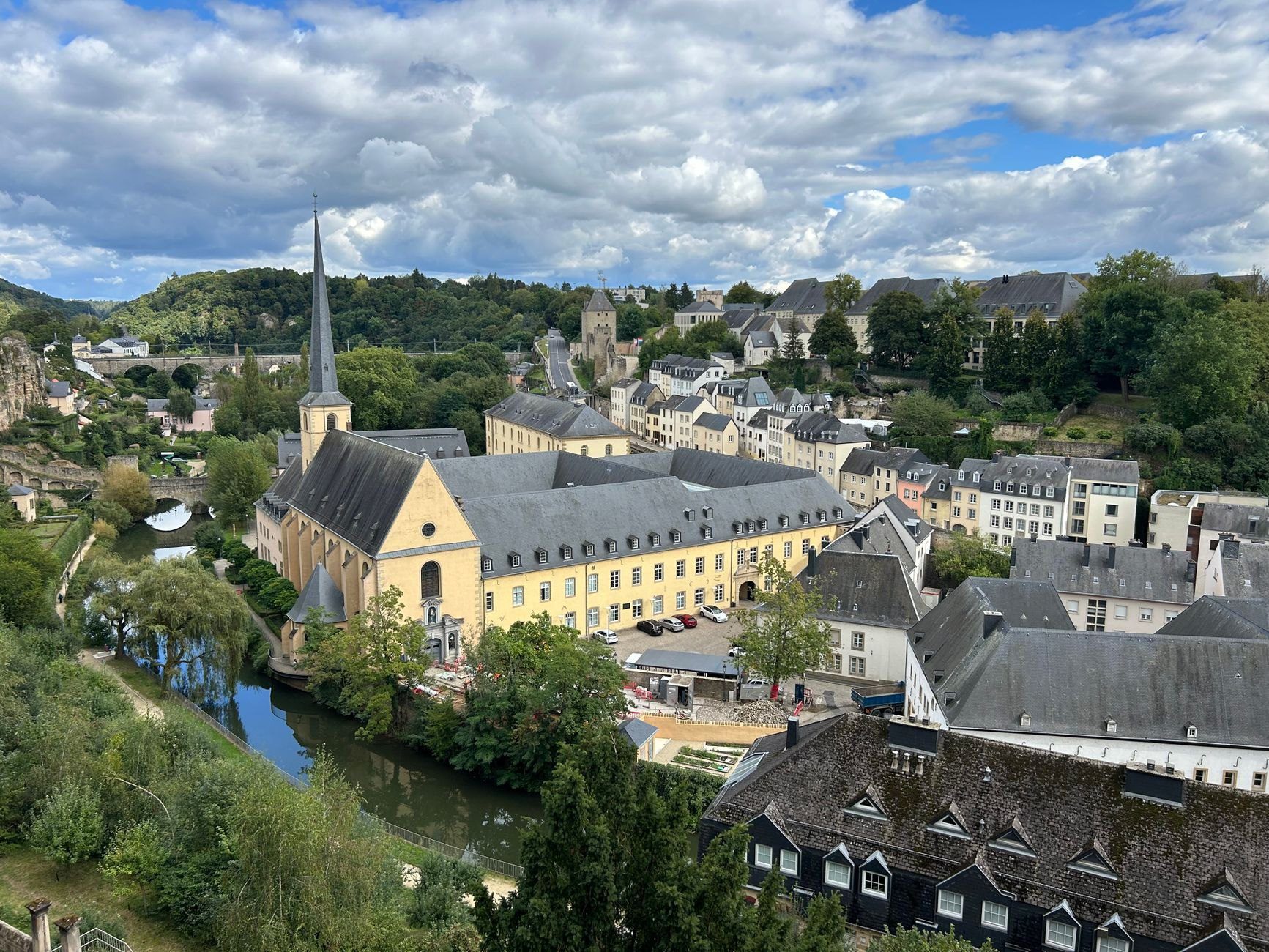
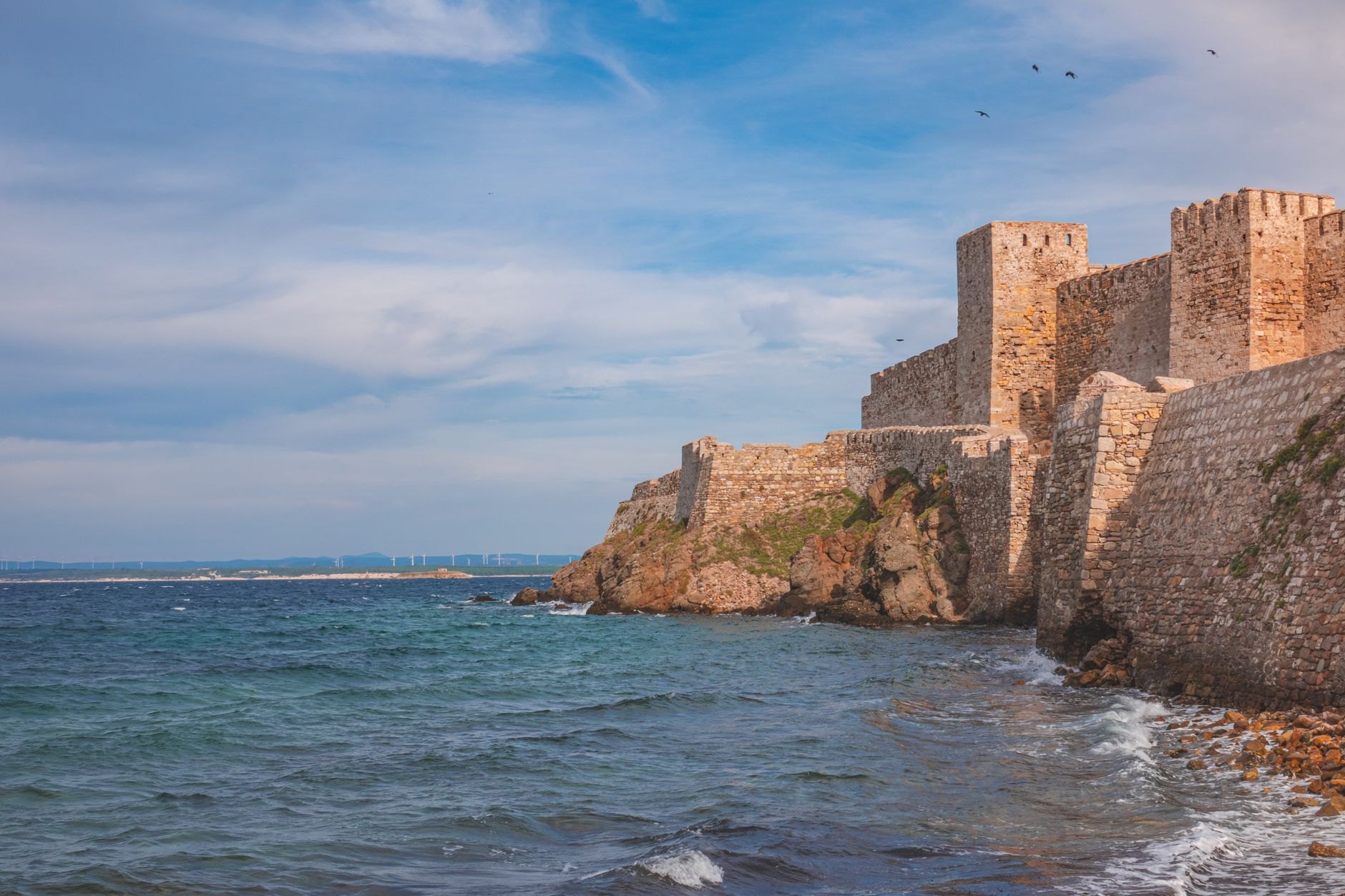
Begin Day 1 in Luxembourg City’s historic upper town (Ville Haute). Positioned on sheer sandstone promontories towering above the confluence of the Alzette and Pétrusse rivers, the city was historically fortified by successive European powers—Spaniards, Austrians, French, and Prussians—earning it the legendary reputation of the “Gibraltar of the North.” Stroll along the Chemin de la Corniche, a scenic stone pedestrian promenade built atop seventeenth-century Spanish and Vauban ramparts that looks directly down into the picturesque Grund quarter below. The pedestrian route offers magnificent sightlines across stone viaducts, slate church steeples, and tranquil riverside gardens.
Continue onto the Bock promontory, the historical cradle of the nation where Count Siegfried built his ancestral castle in 963 AD. Descend into the Bock Casemates, an astonishing subterranean defense network consisting of seventeen kilometers of tunnels carved into the living rock. Originally capable of sheltering thousands of soldiers and horses, along with kitchens, slaughterhouses, and cannon embrasures, the cool stone galleries offer striking framed views through arched cliff gun-ports toward the river below. Informational plaques explain how engineers engineered defensive mine galleries that could be detonated to collapse entire cliff faces during an enemy assault.
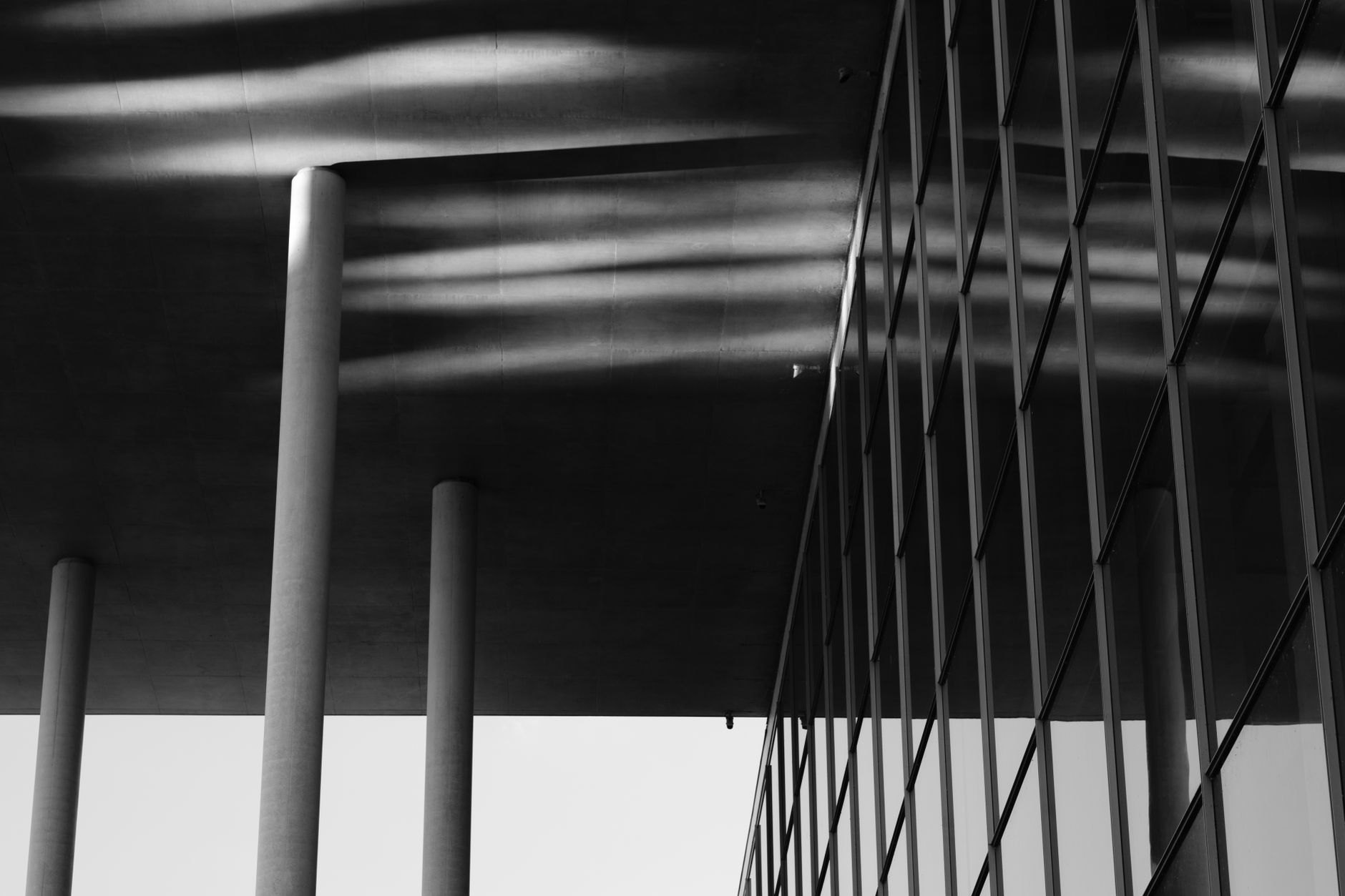
Take the modern glass Pfaffenthal panoramic lift down into the quiet river valley, walking through the cobbled lanes of the Grund past Neumünster Abbey. The abbey courtyards now serve as a dynamic cultural center hosting art exhibitions and open-air concerts. On Day 2, contrast ancient history with futuristic European institutions on the Kirchberg plateau. Board the free Luxtram across the Grand Duchess Charlotte Bridge to explore the Philharmonie Luxembourg, designed by Christian de Portzamparc with eight hundred slender white steel columns, and the adjacent Mudam (Museum of Modern Art Grand-Duc Jean), crafted by Pritzker Prize laureate I.M. Pei atop the historic stone foundations of Fort Thüngen. The contrast between ancient limestone fortifications and gleaming glass pavilions epitomizes Luxembourg’s modern evolution.
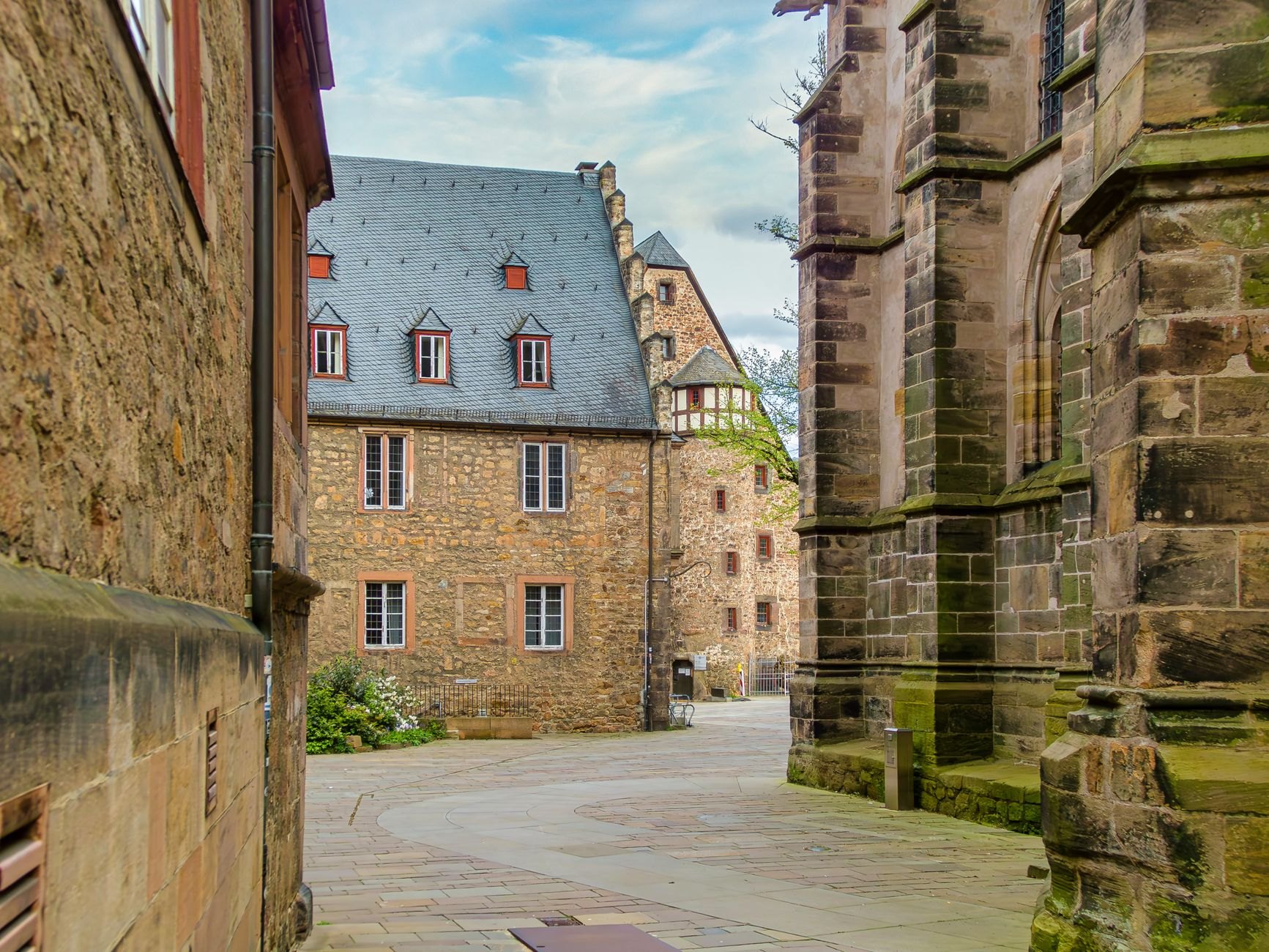
In the late afternoon, descend back into the river gorges via the historic Wenzel Circular Walk, which connects the city’s oldest defensive bastions, towers, and moats across both sides of the Alzette. Conclude your evening dining in the lively Clausen or Grund districts, where converted breweries and stone taverns serve local craft ales alongside French-influenced dishes.
Day 3: The Wild Sandstone Gorges of the Mullerthal
On Day 3, board regional bus #201 from the central station north to Echternach, the gateway to the Mullerthal Region. Often called “Little Switzerland,” this geological wonderland features dense beech woodlands punctuated by towering, bizarrely weathered Luxembourg sandstone formations, narrow slot canyons, and mossy waterfalls. Echternach itself is the oldest town in the country, founded around the Benedictine abbey established in 698 AD by Saint Willibrord. Visit the imposing Romanesque basilica and the charming market square lined with Renaissance facades before lacing up your hiking boots.
Embark on a signature segment of the 112-kilometer Mullerthal Trail (specifically Route 2). The trail leads you through Wolfsschlucht (Wolf’s Chasm), a dramatic limestone gorge where sheer rock walls reach fifty meters in height, with wooden staircases squeezing through narrow natural crevices barely wide enough for a single backpacker. Continuing southwest along the babbling Black Ernz stream, you arrive at Schiessentümpel: a picturesque three-channel cascade flowing beneath an iconic stone bridge built in 1879 from local rock and mortar. The interplay of cool forest air, moss-covered sandstone blocks, and rushing water makes this one of the most memorable nature walks in Western Europe.
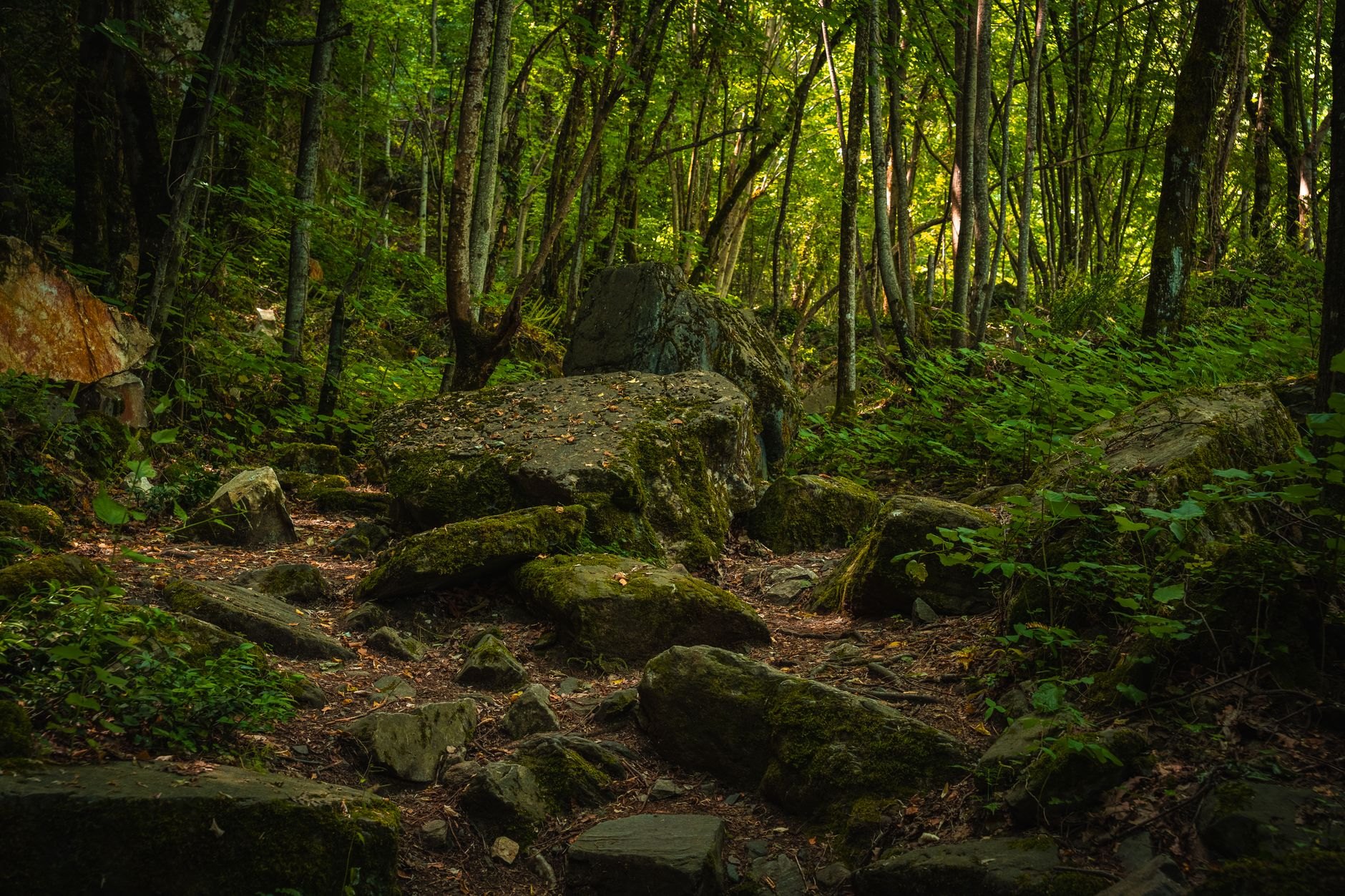
Further along the trail lies Hohllay (Hollow Rock), an expansive open-air sandstone cavern where circular grooves carved into the rock ceiling demonstrate centuries of millstone quarrying dating back to Roman times. The entire Mullerthal ecosystem is carefully maintained with clearly marked wooden signs, footbridges, and regular bus stops at Berdorf and Consdorf, allowing hikers to walk as far as they desire before catching a free regional bus back to Echternach or directly to the capital.
Day 4: Vianden Castle and the Romantic Northern Ardennes
On Day 4, journey into the northern Éislek region to visit Vianden Castle, unquestionably one of Europe’s most majestic fortress complexes. Board a free train north to Ettelbruck, followed by a direct connection on bus #181, which deposits you at the foot of Vianden village in fifty minutes total travel time. As you round the bend along the Our River valley, the fortress suddenly looms above: an imposing Romanesque and Gothic masterpiece constructed between the eleventh and fourteenth centuries on the foundations of a Roman castellum.
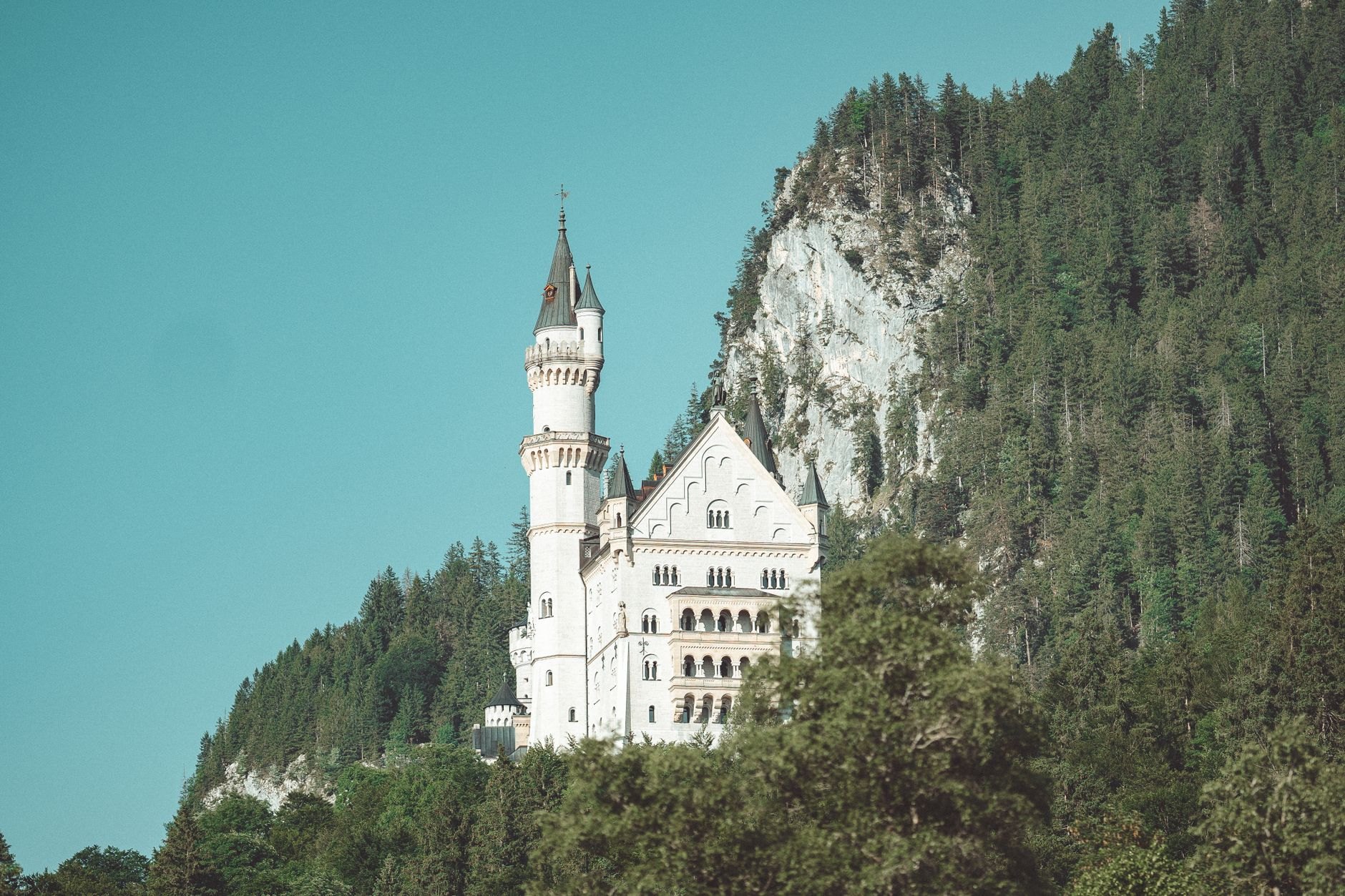
Explore the painstakingly restored interior, including the two-story decagonal chapel, the grand Knights’ Hall with tapestries and suits of armor, and the banqueting halls where the Counts of Vianden once held court. French author Victor Hugo fell in love with Vianden during his political exile in 1871, writing extensively about its medieval grandeur; his former residence by the bridge is now a dedicated literary museum. Take the open-air chairlift (Télésiège) from the riverbank up to a rocky viewpoint 440 meters high for an astonishing vista looking straight down upon the castle spires and winding river.
If you have extra energy in the afternoon, take a short bus hop southwest to Bourscheid Castle. Perched 150 meters above a hairpin loop of the Sûre River, this imposing fortress ruin features round watchtowers and outer curtain walls that evoke the feudal power struggles of the medieval Ardennes, offering a quieter and more rugged historical contrast to Vianden’s polished halls.
Day 5: The Moselle Wine Valley, Schengen, and Local Gastronomy
On Day 5, head southeast toward the gentle, sun-warmed hills of the Moselle River Valley (Miselerland). Running for forty-two kilometers along the German border, this microclimate fosters limestone-rich soils ideal for cool-climate viticulture. Begin in the historic border village of Schengen, famous worldwide as the birthplace of borderless European travel. Visit the European Museum and the monument marking the 1985 signing of the Schengen Agreement, where you can literally stand with one foot in Luxembourg and gaze across the river bridge into Germany and France.
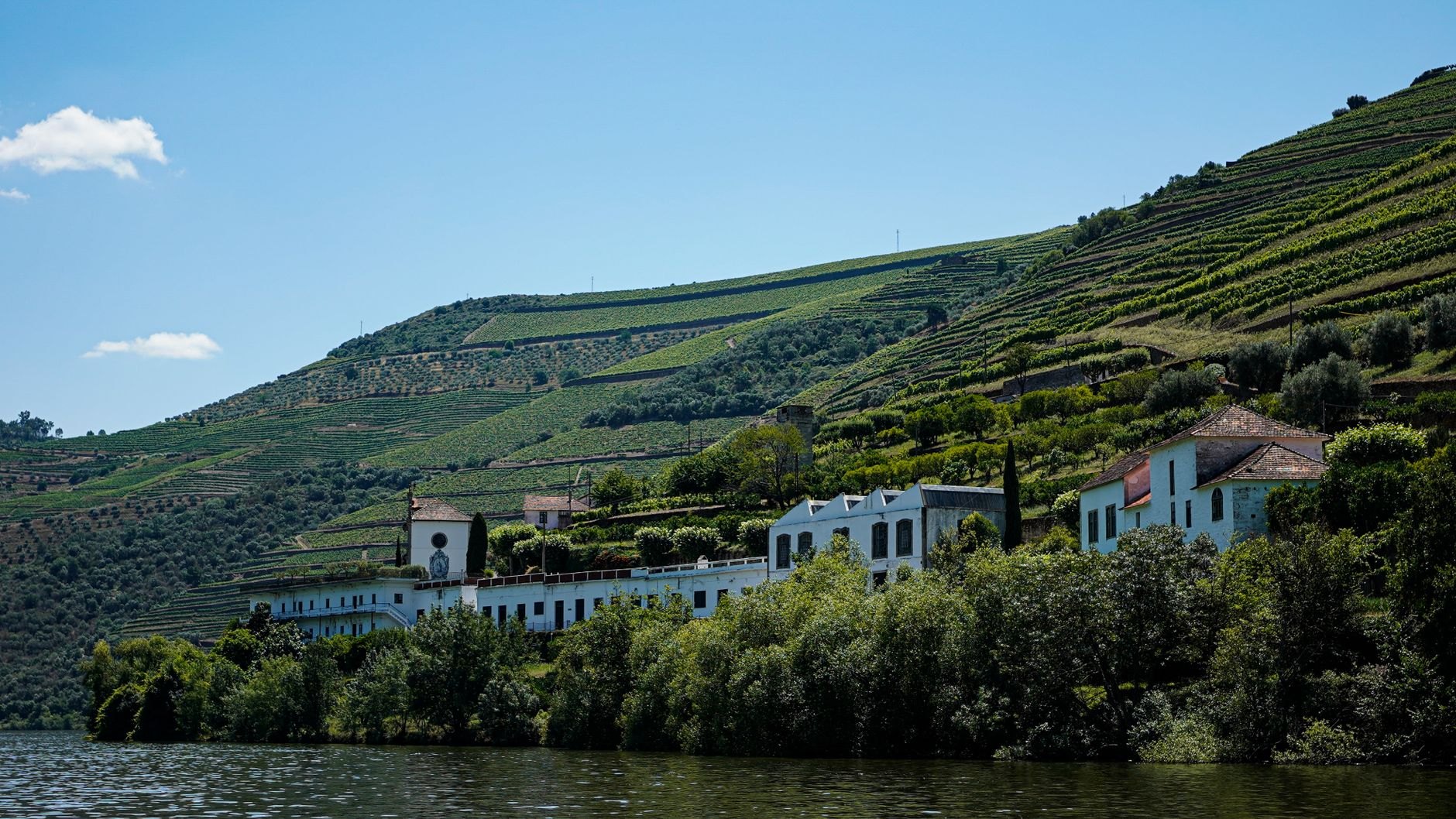
Continue along the river to Remich or Grevenmacher to visit a traditional wine estate (domaine viticole) or underground cooperative cellar like Caves St Martin, carved into solid limestone cliffs. Taste the region’s celebrated Crémant de Luxembourg: artisanal sparkling wine made via the traditional champenoise method, offering crisp mineral freshness and delicate citrus notes at a fraction of Champagne prices. Also sample aromatic local white varieties, including dry Riesling, Pinot Gris, and Auxerrois.

Conclude your afternoon savoring the authentic flavors of Luxembourgish cuisine. The national culinary monument is Judd mat Gaardebounen: generous slices of tender smoked pork collar braised with leeks, carrots, and sweet broad beans in a savory cream sauce, served with boiled potatoes. At market stalls and street fairs, snack on Gromperekichelcher—crispy, golden fried potato pancakes seasoned with parsley, shallots, and nutmeg. In autumn, finish your meal with a warm slice of Quetschentaart (open-faced damson plum tart) accompanied by a glass of local plum eau-de-vie (Mirabelle).
Tourist Scams, Logistics Pitfalls, and Practical Traps in Luxembourg
Luxembourg enjoys one of the lowest crime rates in the world, with virtually non-existent violent street offenses and an exceptionally well-maintained civic infrastructure. Nonetheless, unsuspecting international travellers occasionally face unexpected transit fines and commercial frustrations. Keep these five practical warnings in mind:
- First-Class Train Ticket Fines: While second-class public transport is completely free across the entire country, first-class train carriages (clearly marked with a large numeral ‘1’ on exterior doors and seats) still require a paid first-class ticket. Conductors inspect first-class compartments rigorously, and boarding without a valid first-class upgrade results in an immediate seventy-five-euro administrative fine. Always verify you are sitting in second-class compartments.
- Sunday Commercial and Retail Closures: Luxembourg strictly observes traditional Sunday rest laws. Outside of central tourist souvenir shops and a handful of small bakeries, almost all supermarkets, retail boutiques, and pharmacies close completely by 1:00 PM on Sundays. If you plan self-catering meals or need specific supplies, purchase them on Friday or Saturday.
- Expensive Private Taxi Fares: Traditional metered street taxis in Luxembourg are among the most expensive in Europe, with base drop fees and kilometer rates that routinely push simple ten-minute airport or suburban rides past forty to fifty euros. Given that the modern Luxtram connects Findel Airport and central districts for free in twenty minutes, taking a taxi is almost always an unnecessary financial drain.
- Border Cell Roaming Network Swaps: Due to Luxembourg’s compact geography and proximity to France, Germany, and Belgium, smartphone cellular antennas frequently lock onto neighboring foreign networks when hiking near Schengen or traveling through northern Ardennes valleys. While EU roaming regulations prevent extra charges for European SIMs, international visitors on non-EU carrier profiles may face unexpected international roaming charges.
- Overpriced Tourist Set Menus in Place d’Armes: The bustling outdoor terraces on Place d’Armes in the upper town offer delightful people-watching, but many cafes serve mass-produced, overpriced versions of French and German bistro fare. For authentic Luxembourgish cuisine and better value, walk down to the historic Grund or Clausen districts along the Alzette River, where established family-run taverns prepare traditional specialties with pride.
Staying Connected Across Luxembourg with NXTL Mobile Data
From checking real-time bus connections on the Mobiliteit.lu app and navigating sandstone gorge trails in the Mullerthal on AllTrails to verifying museum hours and sharing vineyard panoramas from the Moselle Valley, continuous mobile data connectivity is essential throughout your five days in Luxembourg. While free municipal Wi-Fi exists in parts of the capital, signal coverage drops completely once you venture into northern forests, river valleys, or subterranean casemate passages.
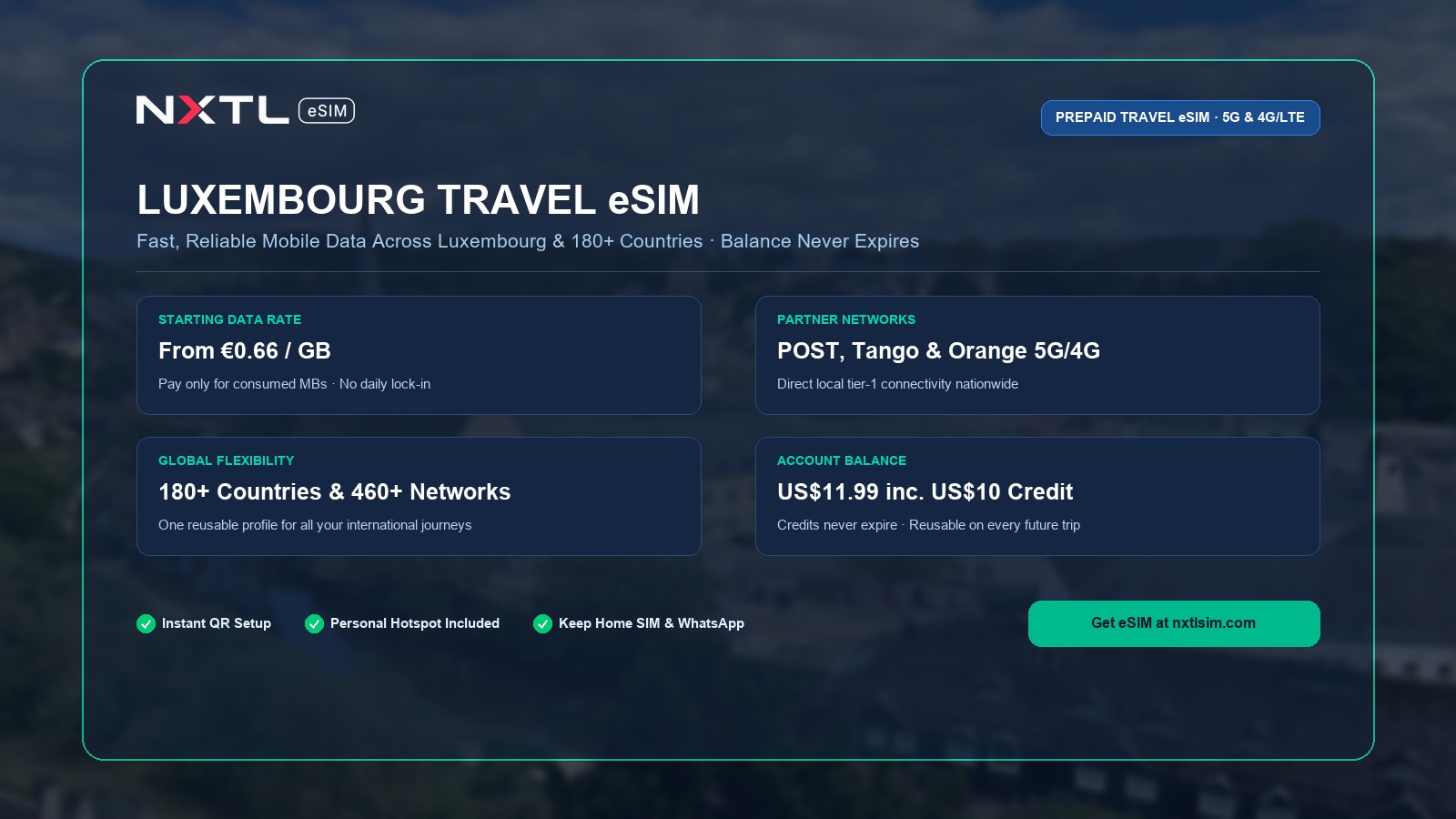
An effortless and economical choice is activating the NXTL Luxembourg eSIM before arrival. Operating directly on Luxembourg’s premier tier-one cellular infrastructure—including POST Luxembourg, Tango, and Orange 5G/4G—NXTL delivers reliable, high-speed mobile data rates starting from just $0.75 per gigabyte. Because NXTL utilizes an intuitive prepaid balance architecture, you pay exclusively for the exact megabytes consumed, avoiding the inflated daily packages and expiration deadlines of standard tourist travel cards.
Crucially for multi-country European itineraries, your account balance never expires. Any unused data balance remaining after your days exploring Luxembourg remains permanently credited to your profile, instantly ready for reuse across 180+ countries and 460+ carrier networks worldwide on your future travels. Activation takes under two minutes via a simple QR code scan on any eSIM-compatible smartphone, allowing you to keep your primary physical SIM card active for banking verification codes and messaging while you explore the Grand Duchy.