Uganda is celebrated worldwide as the “Pearl of Africa”: a lush, equatorial territory where the East African savannah meets the dense, mist-shrouded cloud forests of the Congo Basin. The country shelters more than half of the planet’s remaining wild mountain gorillas, the highest concentration of primates in Africa, and extraordinary wildlife along the Albertine Rift. Yet first-time visitors frequently fall into an exhausting planning trap. Tempted by glossy safari brochures, travellers attempt to connect Murchison Falls in the north, Kidepo Valley in the far northeast, Kibale chimps, Queen Elizabeth savannah, and Bwindi gorillas in an unrealistic eight-day sprint. The result is spending eight to ten hours every day bouncing inside a vehicle across corrugated marram dirt roads.
A successful first journey across Uganda requires strict regional focus. This eight-day itinerary outlines the classic Southwestern Primate and Wildlife Circuit: connecting the relaxed lakeside base of Entebbe with chimpanzee tracking in Kibale National Park, classic savannah game drives and the Kazinga Channel boat safari in Queen Elizabeth National Park, and life-changing mountain gorilla tracking in Bwindi Impenetrable National Park, concluding beside the crater waters of Lake Bunyonyi. By concentrating your travel in the southwest, daily drives remain manageable, leaving full mornings and afternoons for active tracking, birdwatching, and cultural engagement. Here is your definitive operational guide to permits, transport, lodging bases, and safari realities.
Trip Planning Blueprint: Bases, Transport Realities, and Permit Logistics
The foundation of this itinerary rests on two crucial wildlife permits that must be secured months before departure: the chimpanzee tracking permit in Kibale Forest ($250 per person) and the mountain gorilla tracking permit in Bwindi Impenetrable National Park ($800 per person). Both permit systems are managed centrally by the Uganda Wildlife Authority (UWA) and are strictly limited in daily availability to prevent stress to habituated primate groups. While Rwanda charges $1,500 for a gorilla permit, Uganda offers an equally profound encounter at roughly half the price, making it the premier choice for budget-conscious primate enthusiasts. Book permits directly through the official UWA online portal or via a licensed operator affiliated with the Association of Uganda Tour Operators (AUTO).
Ground transport in Uganda requires careful consideration. While paved national highways (like the smooth tarmac between Entebbe, Fort Portal, and Mbarara) are in good condition, access roads leading into national park sectors and highland forest reserves consist of unpaved marram red clay. During rainfall, these tracks turn slick and deeply rutted. Self-driving is strongly discouraged for first-time visitors due to unmarked trail networks, roaming wildlife, and the absence of rural roadside assistance. The standard, reliable choice is hiring a four-wheel-drive safari vehicle (either a customized Toyota Land Cruiser with a pop-up photographic roof or a sturdy Toyota HiAce Super Custom) accompanied by a professional local driver-guide. A licensed safari driver typically costs between seventy and one hundred dollars per day, providing invaluable mechanical expertise, wildlife spotting skills, and smooth navigation through police checkpoints.
Seasonality in Uganda is governed by two dry seasons and two rainy periods. The prime travelling months are the dry windows from June through August and December through February. During these months, forest trails are firmer, mountain gorilla tracking conditions are less physically taxing, and savannah wildlife congregates predictably around waterholes in Queen Elizabeth National Park. The heavy rainy season runs from March through May, turning steep forest slopes into muddy chutes, though luxury lodges frequently offer reduced low-season rates.
| Day / Stage | Base | Highlights | Transport Mode | Transit Time | Advance Booking Requirement |
|---|---|---|---|---|---|
| Day 1 | Entebbe | Lake Victoria shoreline walk, Entebbe Botanical Gardens, fresh tilapia dinner | Walking & Airport Transfer | Urban base | Lakeside hotel reservation |
| Day 2 | Fort Portal (Kibale) | Scenic drive west through lush Mubende tea estates, crater lake rim walk | Private 4WD Safari Vehicle | 5 hrs driving (300 km) | Chauffeur-guide & eco-lodge booking |
| Day 3 | Kibale National Park | Chimpanzee tracking in primary rainforest, Bigodi Wetland Sanctuary swamp walk | 4WD Transfer + Forest Trek | 4 hrs active tracking | Official UWA Chimpanzee permit ($250) |
| Day 4 | Queen Elizabeth NP | Cross equator into Albertine Rift, afternoon Kasenyi savannah wildlife game drive | Private 4WD Safari Vehicle | 2.5 hrs scenic drive (120 km) | Park conservation entry fee |
| Day 5 | Queen Elizabeth NP | Morning savannah predator drive, afternoon Kazinga Channel boat safari | 4WD + Motorized Safari Boat | 2 hrs boat cruise | UWA Kazinga boat cruise reservation |
| Day 6 | Bwindi (Buhoma/Ruhija) | Scenic drive through Ishasha fig trees, ascend Kigezi terraced highlands to Bwindi | Private 4WD Safari Vehicle | 4.5 hrs driving (160 km) | Rainforest lodge reservation in Bwindi |
| Day 7 | Lake Bunyonyi | Mountain gorilla tracking in Bwindi, afternoon transfer to crater lake waters | Forest Trek + 4WD Transfer | 5 hrs hike + 2 hrs drive | Official UWA Gorilla permit ($800) |
| Day 8 | Entebbe departure | Morning canoe paddle, return drive via Mbarara, Equator monument crossing | Private 4WD Safari Vehicle | 7 hrs drive on paved highway | International flight departure check-in |
Days 1–2: Lake Victoria and the Verdant Foot of the Rwenzori Mountains
Your journey begins in Entebbe, occupying a peaceful peninsula jutting into Lake Victoria, the largest tropical lake on earth. Rather than battling the notorious traffic jams of central Kampala thirty-five kilometers to the north, base yourself in Entebbe to acclimatize comfortably. Spend your opening afternoon wandering the century-old Entebbe Botanical Gardens, established in 1898. Stroll beneath colossal mahogany and ficus trees along the lakeshore, spotting black-and-white colobus monkeys leaping through the high canopy and striking tropical birds like the Great Blue Turaco and African pied hornbill.
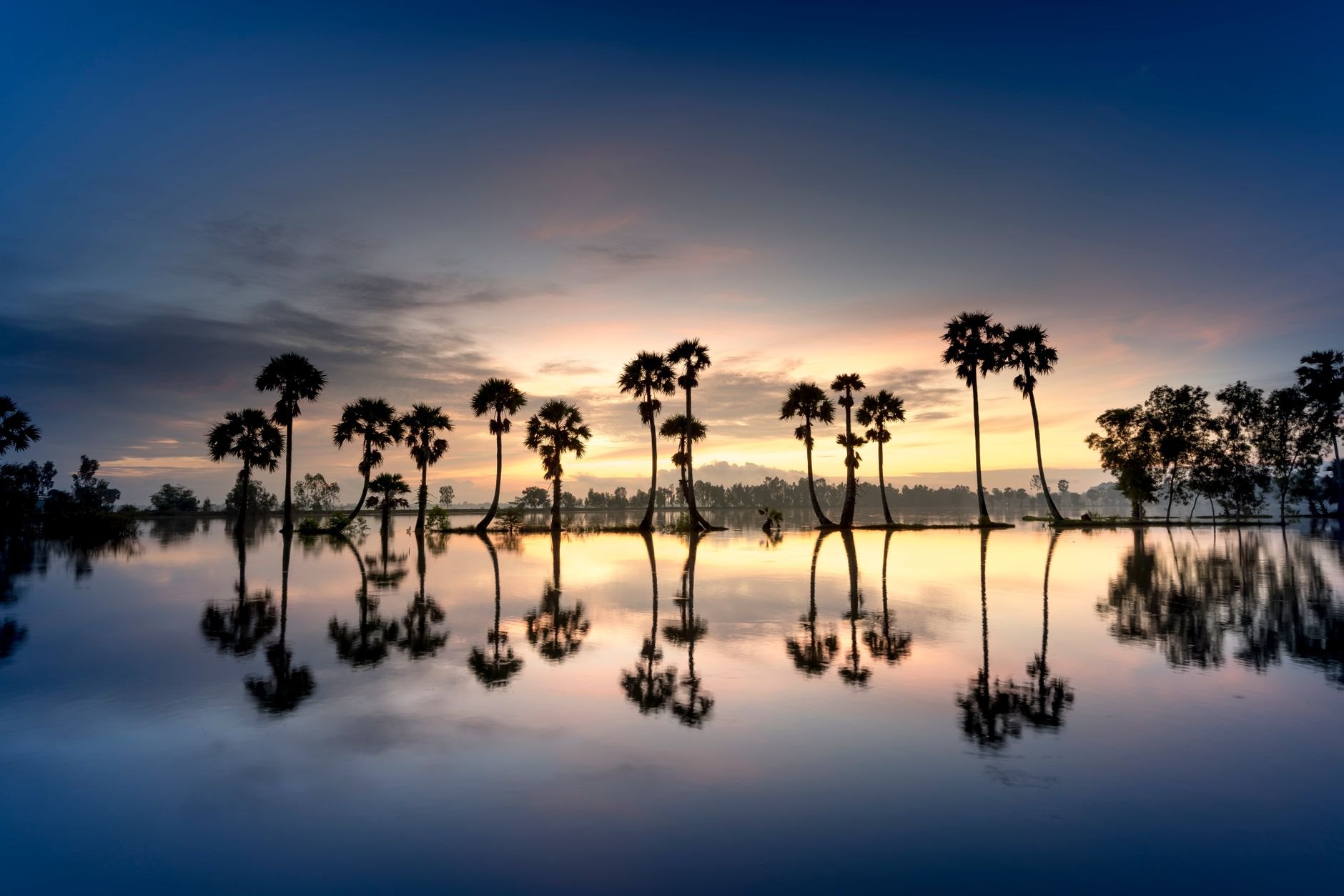
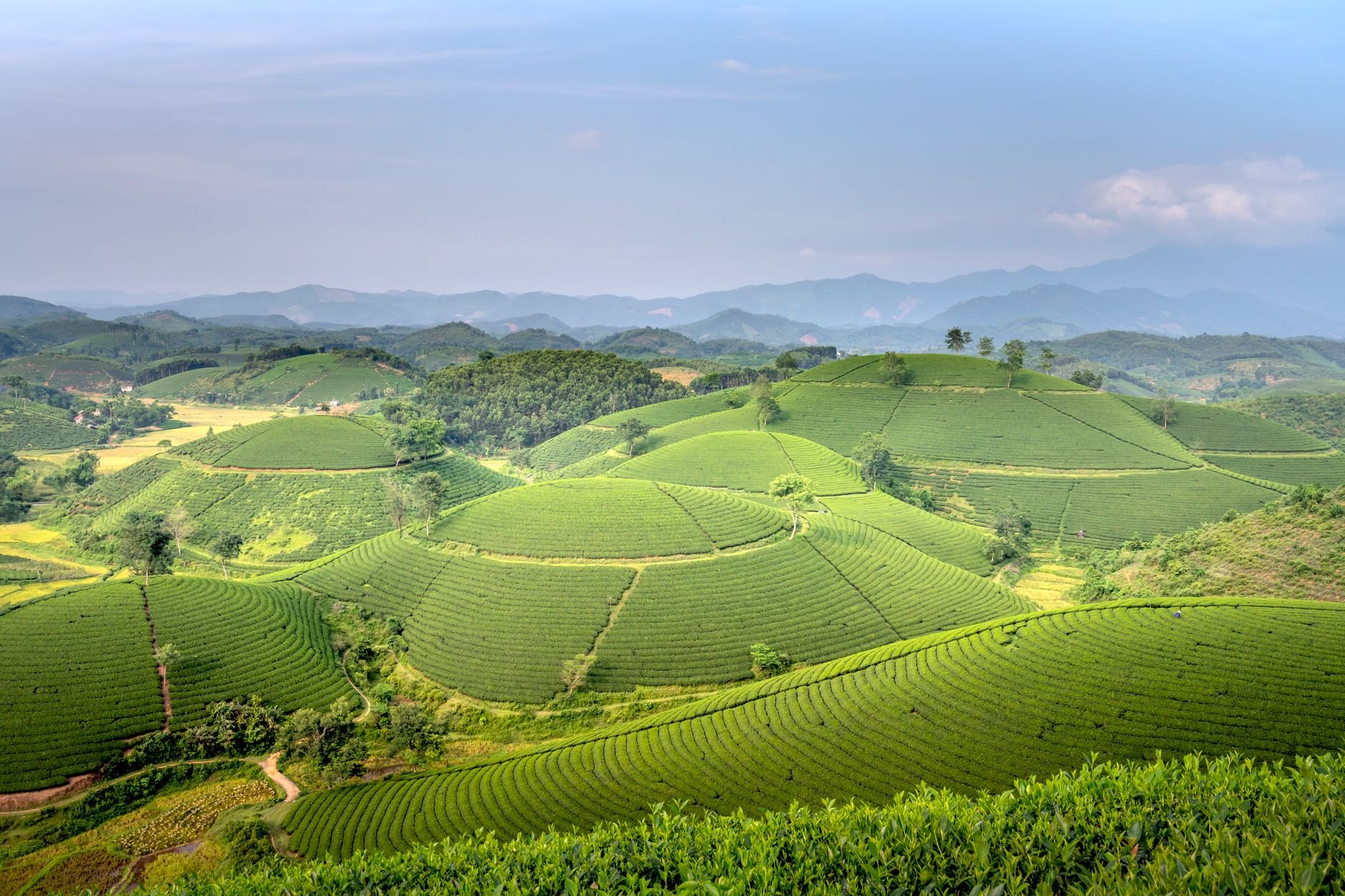
On Day 2, embark early in your private 4WD safari vehicle, driving west along the smooth paved highway through the agricultural heartland of central Uganda. The landscape transitions from flat farmland into rolling emerald-green hills sculpted into immaculate tea plantations as you approach Fort Portal, the cultural seat of the historic Toro Kingdom. The town sits in the dramatic shadow of the Rwenzori Mountains—the legendary “Mountains of the Moon”—whose snow-capped glacial peaks rise to over five thousand meters along the Congolese frontier.
Spend your late afternoon taking a guided walk around the Kasenda crater lakes, a collection of over fifty ancient volcanic explosion craters filled with deep sapphire-blue water and surrounded by smallholder coffee farms, banana groves, and forest patches sheltering red colobus monkeys.
Day 3: Chimpanzee Tracking in Kibale and the Bigodi Wetlands
Day 3 begins at 7:30 AM at the Kanyanchu Visitor Centre in Kibale National Park. Protecting 795 square kilometers of transitional rainforest, Kibale contains thirteen distinct primate species—the greatest density anywhere on the African continent. Following an operational briefing from UWA rangers, you step onto damp forest trails beneath an immense jungle canopy draped in wild figs, climbing lianas, and towering ironwood trees.
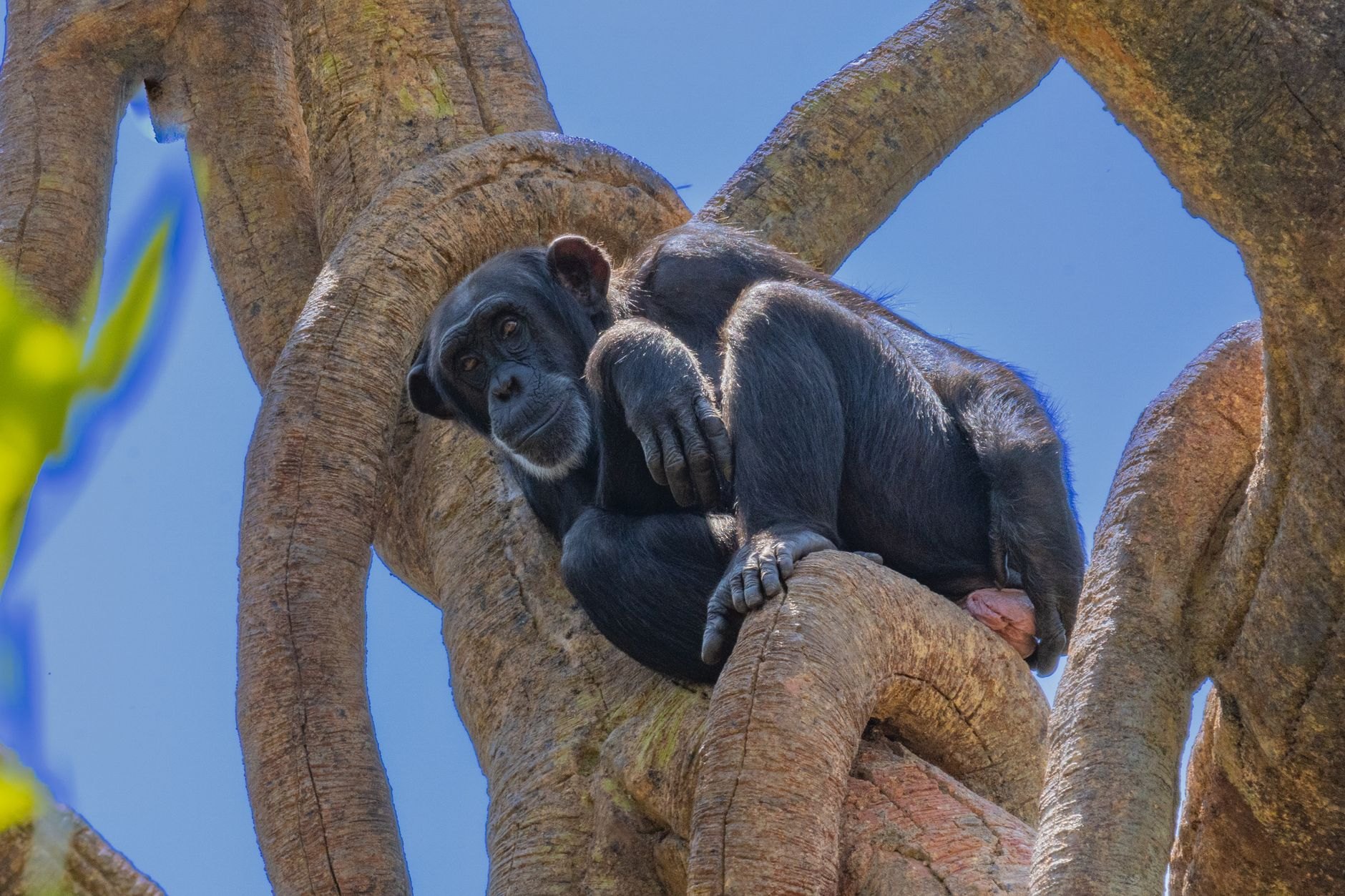
As you hike, your rangers listen intently for distant pant-hoots echoing through the trees. Suddenly, the forest canopy erupts in deafening screams as a habituated community of chimpanzees begins morning territorial displays. Tracking off-trail through tangled understory, you find yourself watching our closest evolutionary relatives up close: adolescent chimps wrestling across horizontal branches, watchful mothers nursing infants, and dominant males drumming their fists thunderously against the buttress roots of giant trees. You spend sixty mesmerizing minutes observing their complex social hierarchy in their native forest home.
In the afternoon, transfer just outside the park boundary to the Bigodi Wetland Sanctuary. Managed directly by the local community through the Kibale Association for Rural and Environmental Development (KAFRED), this rich papyrus swamp features wooden boardwalks winding through dense marshes. Guided by local community naturalists, you can spot up to eight different primate species—including grey-cheeked mangabeys, red-tailed monkeys, and olive baboons—alongside over two hundred bird species, notably the rare and dazzling Great Blue Turaco.
Days 4–5: Savannah Game Drives and the Kazinga Channel Boat Cruise
On Day 4, drive south along the eastern flank of the Rwenzori range, crossing the marked Equator monument into Queen Elizabeth National Park. Spanning the floor of the Albertine Rift Valley between Lake George and Lake Edward, Queen Elizabeth presents a dramatic ecological contrast of open acacia savannah, candelabra euphorbia trees, and natural crater basins. Check into a safari lodge overlooking the sweeping plains and embark on an afternoon game drive through the Kasenyi sector.
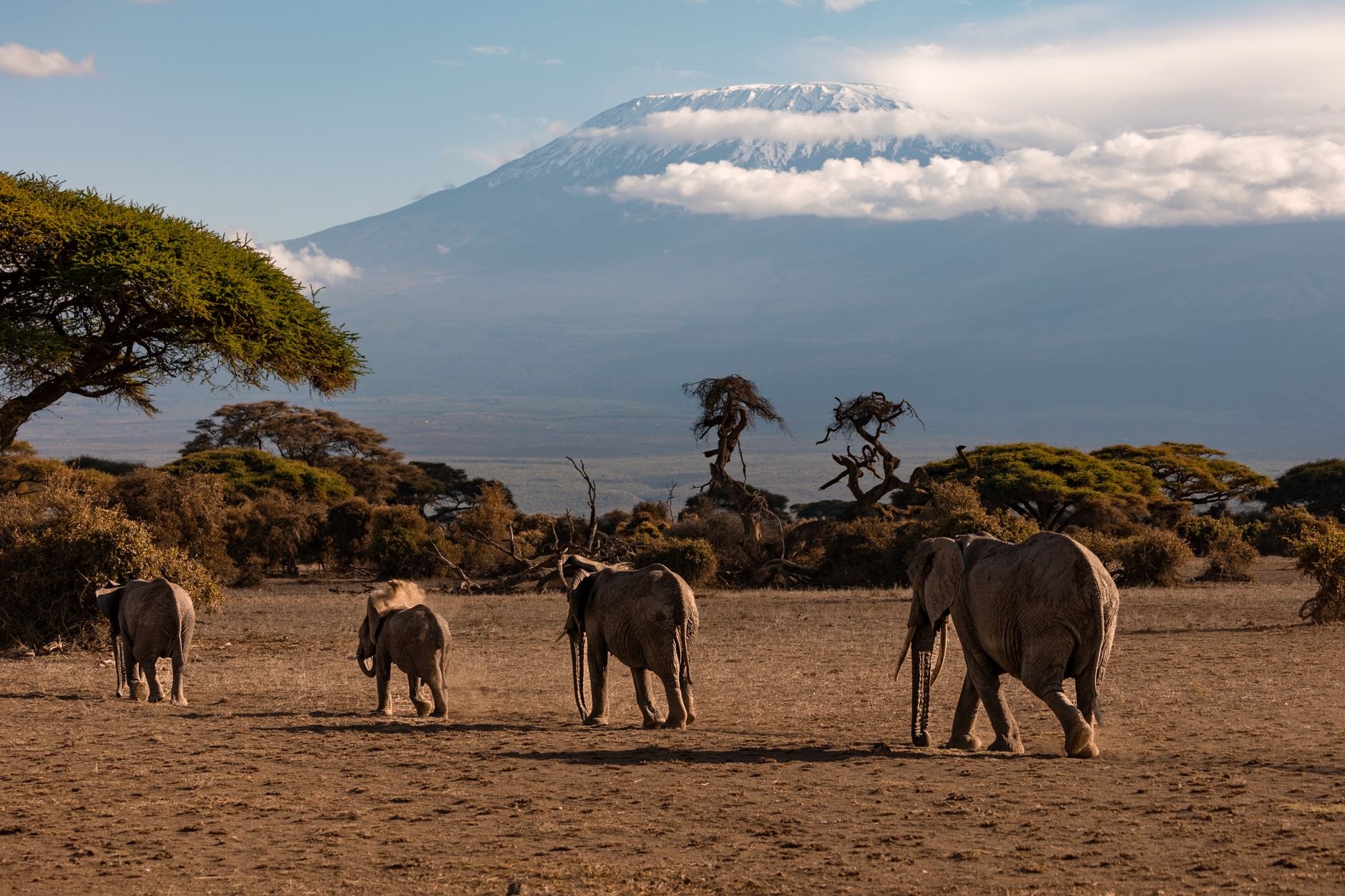
The open grasslands teem with herds of reddish-brown Uganda kob (the national antelope), cape buffaloes dusted in volcanic mud, waterbucks, and warthogs trotting with tails held high. Keep a keen eye on the lower branches of large fig trees and grassy thickets, where prides of lions rest during the heat of the day before hunting at dusk.
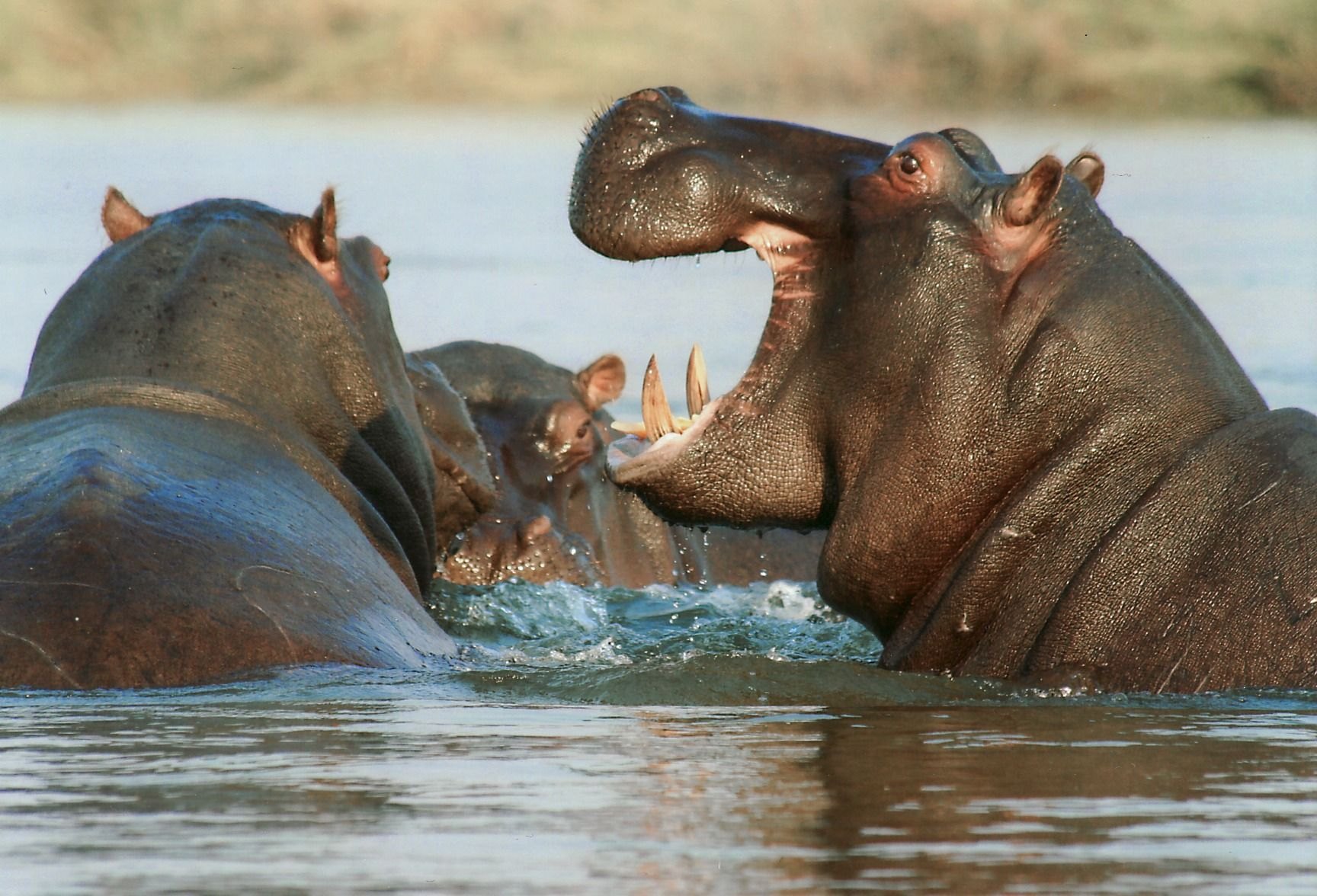
On Day 5, the highlight is an afternoon boat cruise along the Kazinga Channel. This thirty-two-kilometer natural waterway connects Lake George with Lake Edward and supports one of the highest concentrations of hippopotamuses in the world. As your double-decker passenger vessel cruises close to the shoreline, you observe hundreds of hippos grunting in dense pods, massive Nile crocodiles basking with jaws agape on sandbanks, and family herds of elephants wading into the shallows to drink and spray cool water over their backs. The birdlife along the channel banks is staggering: African skimmers carving the water surface, yellow-billed storks, pink-backed pelicans, and pied kingfishers hovering above schools of tilapia.
Days 6–7: Mountain Gorilla Tracking in Bwindi and Lake Bunyonyi
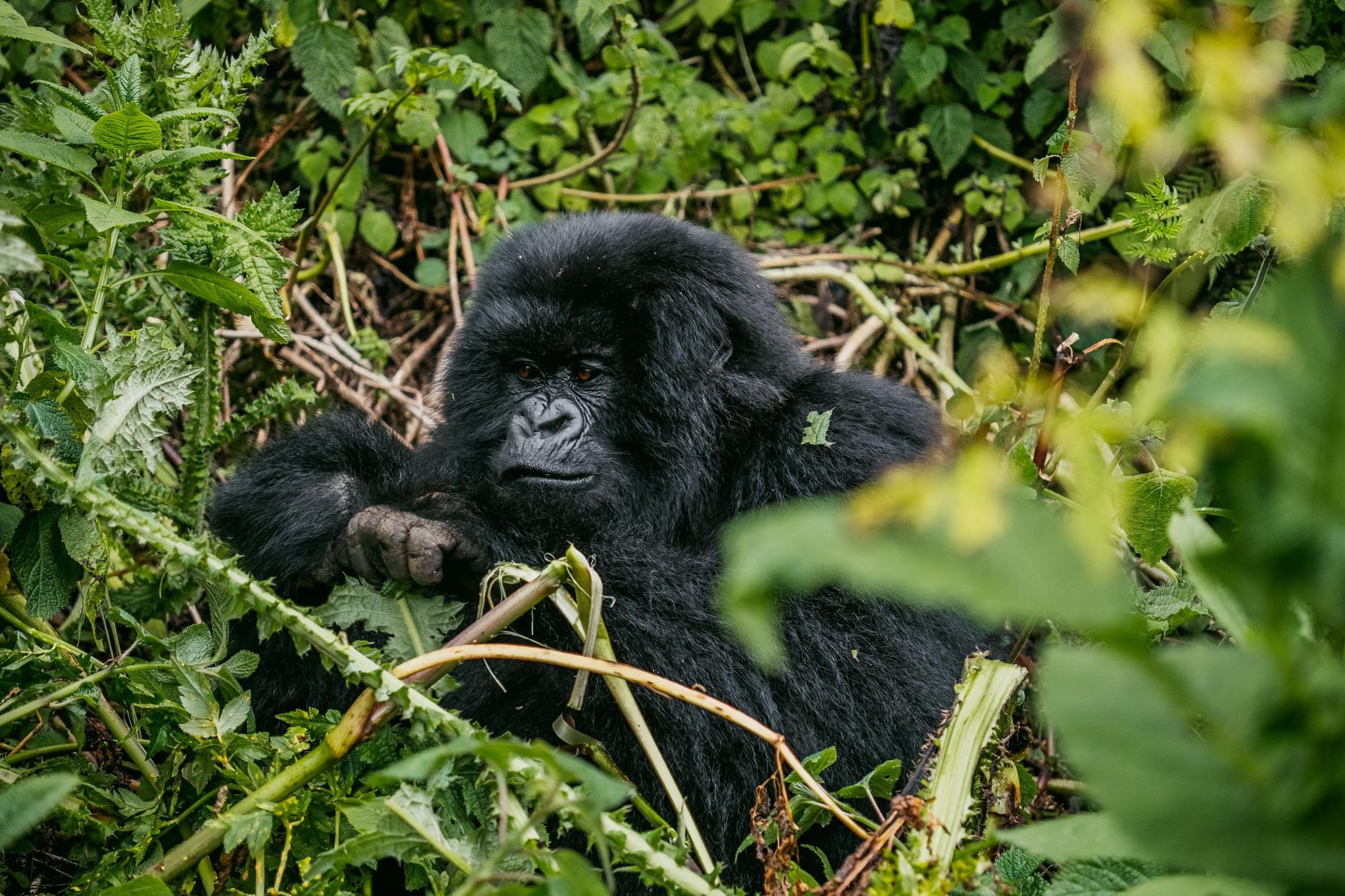
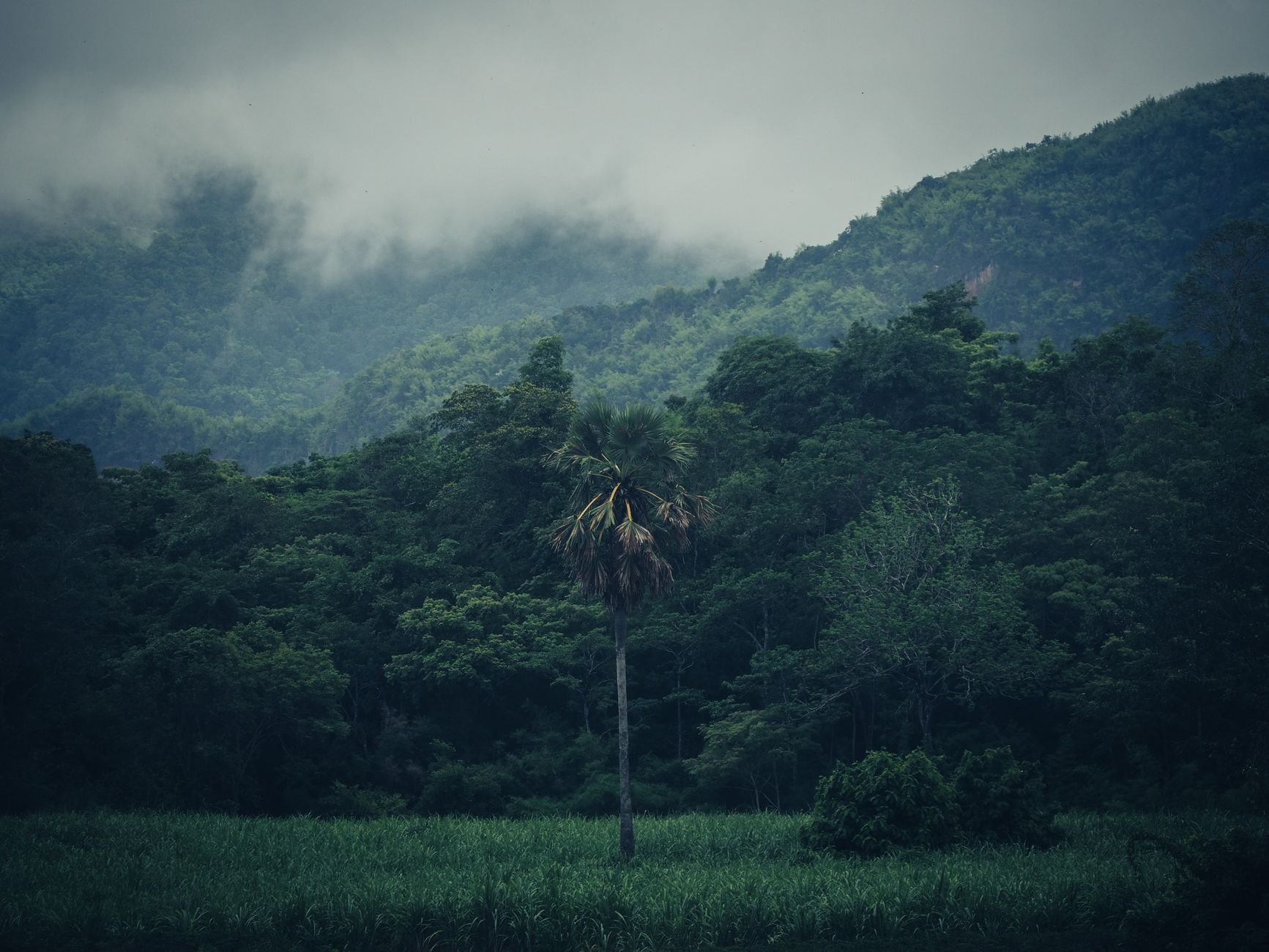
On Day 6, your vehicle climbs south into the Kigezi highlands, often called the “Switzerland of Africa” for its impossibly steep, terraced agricultural hillsides dropping into deep valleys. Ascend through mountain cloud forest to Bwindi Impenetrable National Park, an ancient ecosystem that survived the arid conditions of the last ice age. The park’s 321 square kilometers of rugged ridges shelter approximately 460 mountain gorillas—nearly half of the surviving global population.
Day 7 delivers the undisputed pinnacle of the journey: mountain gorilla tracking. Gather at the UWA sector headquarters (Buhoma or Ruhija) for an essential safety briefing. Visitors are divided into strict groups of eight, each assigned to a specific habituated gorilla family. Accompanied by armed wildlife rangers, trackers, and local porters, you descend into the dense rainforest, pushing through tangled wild celery, giant stinging nettles, and thick bamboo shoots across steep, muddy terrain. Hiring a local porter at the trailhead (approximately $20) is essential: porters carry your daypack, provide a steady hand across slippery ravines, and directly support the local economy.
When your lead tracker gestures for complete silence, you step into a small forest clearing. Barely seven meters away, an immense silverback gorilla weighing nearly two hundred kilograms sits calmly stripping leaves from wild bamboo, his amber eyes observing you with serene intelligence. Nearby, playful juveniles tumble down vines while females groom each other. For sixty quiet minutes, you share space with our gentle wild cousins in their ancient montane sanctuary—an encounter that profoundly moves virtually every traveller. After trekking, transfer two hours southeast to Lake Bunyonyi to relax beside its calm, island-studded freshwater crater basin.
Day 8: Ugandan Gastronomy, Equator Crossing, and Departure
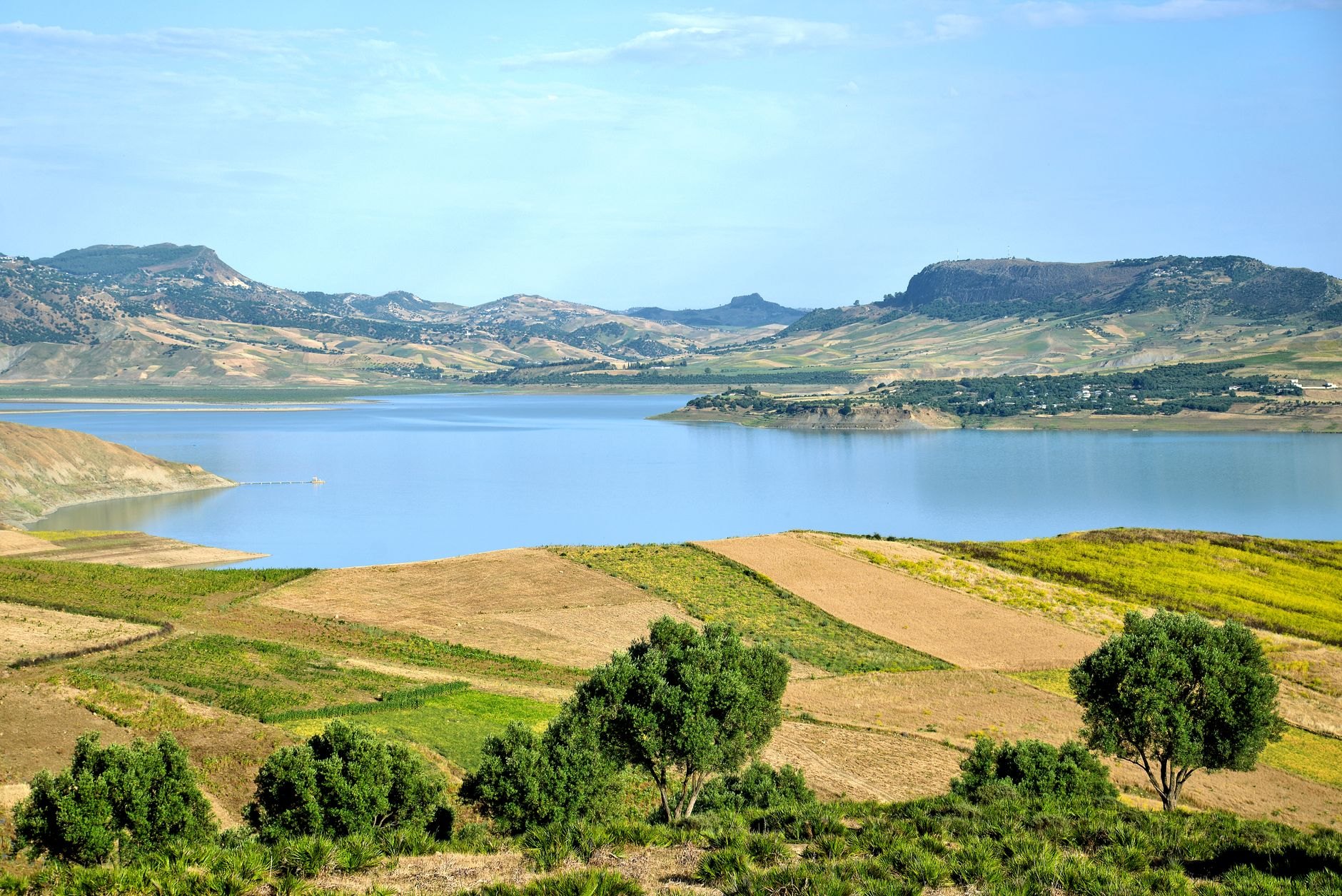
Spend a peaceful morning on Day 8 paddling a traditional wooden dugout canoe across Lake Bunyonyi. Unlike many African freshwater bodies, Lake Bunyonyi is completely free of bilharzia (schistosomiasis), hippos, and crocodiles, making its deep waters refreshing and safe for swimming. Embark on the return overland drive to Entebbe along the smooth paved highway via Mbarara, stopping at the Equator monument in Kayabwe for iconic photographs and centrifugal water demonstrations.
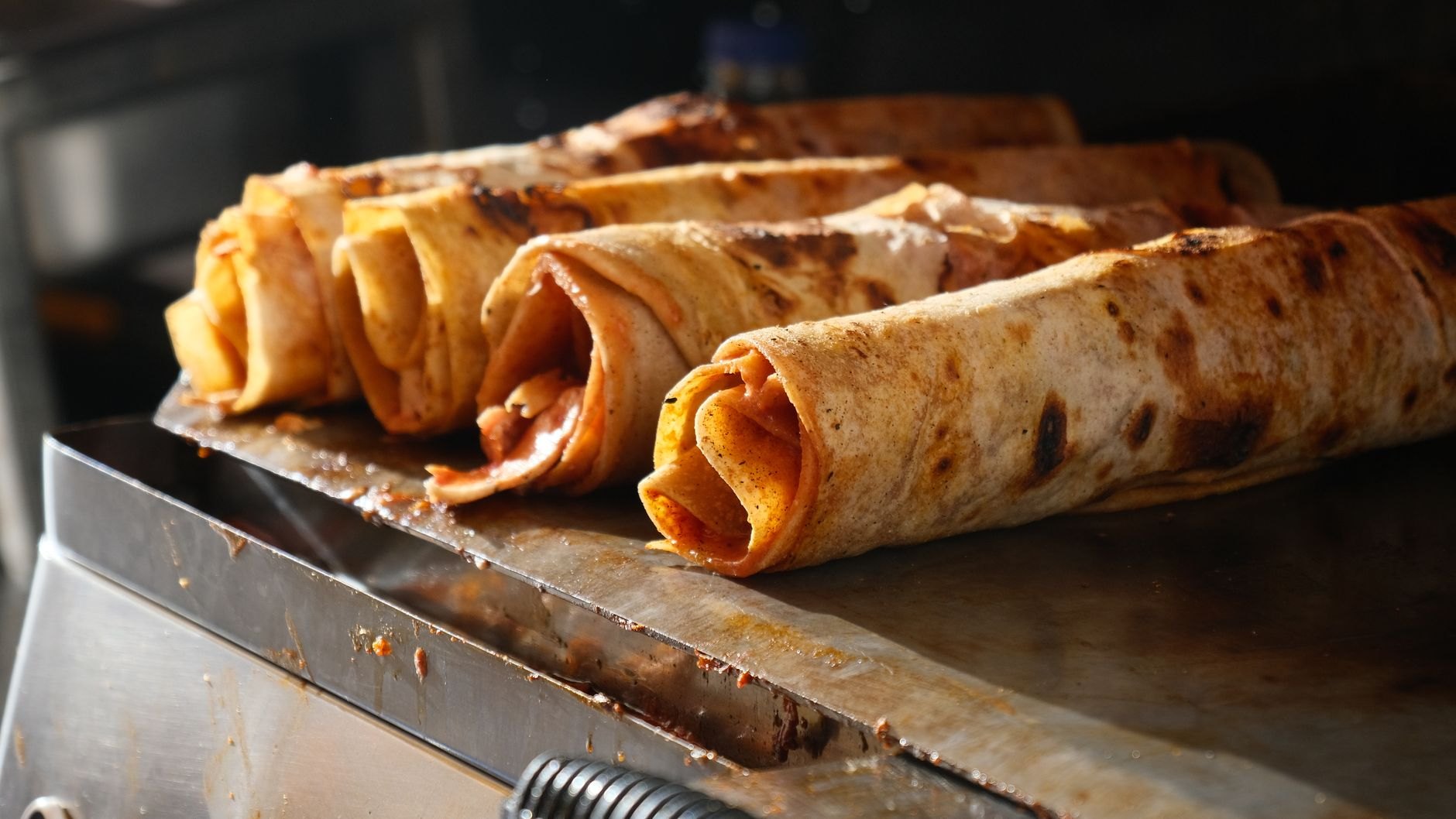
No journey across Uganda is complete without sampling its flavorful culinary staples. Along roadside town centers, stop at a street cart for Uganda’s famous street dish: the Rolex (a clever play on “rolled eggs”). It consists of a hot, flaky chapati flatbread freshly cooked on an open griddle, wrapped tightly around a fluffy two-egg omelette mixed with shredded cabbage, tomatoes, and onions. At traditional restaurants, savor Matooke: savory green cooking bananas steamed for hours inside fresh banana leaves and mashed into a golden mound, smothered in rich peanut (groundnut) sauce or tender beef stew. Wash down your meal with an ice-cold Nile Special lager or freshly blended passion fruit juice before heading to Entebbe International Airport for your international flight.
Tourist Scams, Safari Pitfalls, and Practical Traps in Uganda
Uganda is widely regarded as one of East Africa’s friendliest and most politically stable nations, where violent crimes against international tourists are exceedingly rare. However, navigating safari logistics and commercial hubs involves several common pitfalls that travellers should anticipate:
- Fraudulent Gorilla Permit Resellers: High demand for Bwindi gorilla permits has spawned unauthorized online booking agencies and informal touts claiming to offer “discounted” or “last-minute cancellation” permits. The Uganda Wildlife Authority (UWA) issues permits through an official electronic registration system strictly linked to your passport number. Permits purchased from unaccredited intermediaries are frequently fraudulent, resulting in denied park entry without refund. Only book permits directly via UWA or through licensed member tour operators of the Association of Uganda Tour Operators (AUTO).
- Unregulated Entebbe Airport Taxi Overcharging: Outside the arrivals terminal at Entebbe Airport, unlicensed freelance drivers frequently target tired arrivals, quoting sixty to eighty dollars for short rides into Entebbe town. Legitimate airport taxis have official airport identification stickers and standardized rates (typically $10 to $15 into Entebbe hotels, or $30 to $40 into central Kampala). Always agree on the fare in advance or arrange hotel airport pickups.
- Police Roadblock Shakedowns for Self-Drivers: Solo foreign tourists driving self-rented vehicles are frequently pulled over at highway traffic checkpoints between Kampala, Mbarara, and Kasese. Traffic officers often inspect vehicles rigorously, citing obscure mechanical infractions or alleged minor speeding violations to solicit cash bribes. Hiring a licensed vehicle with an experienced local driver-guide eliminates this issue completely, as professional drivers handle routine checkpoint protocols courteously and swiftly.
- Protected Wildlife Souvenir Scams: Craft markets in Kampala and roadside souvenir stalls occasionally offer jewelry, carved ornaments, or combs fashioned from wild animal bone, reptile skin, or protected native hardwoods. Exporting any item derived from wild fauna is strictly prohibited under Ugandan and international CITES wildlife protection laws. Airport customs officers use x-ray scanners to detect contraband, resulting in confiscation, hefty fines, and potential arrest.
- Mandatory Yellow Fever Certificate Verification: Proof of yellow fever vaccination is a mandatory legal requirement for all arriving international passengers aged one year and older. Border health officials at Entebbe Airport inspect the official yellow World Health Organization vaccination card rigorously before allowing entry. Arriving without valid proof results in a mandatory, costly on-the-spot vaccination at the airport health clinic or denied entry.
Staying Connected Across Uganda with NXTL Mobile Data
From coordinating safari lodge pickups with your driver-guide and verifying UWA permit paperwork to checking road conditions along the Albertine Rift on Google Maps and staying in touch with family while overlooking Lake Bunyonyi, continuous cellular data access is vital throughout your week in Uganda. While physical tourist SIM cards are sold at airport kiosks, purchasing them requires passport photo scans, biometric fingerprint capture, and tedious registration queues that can delay your departure.
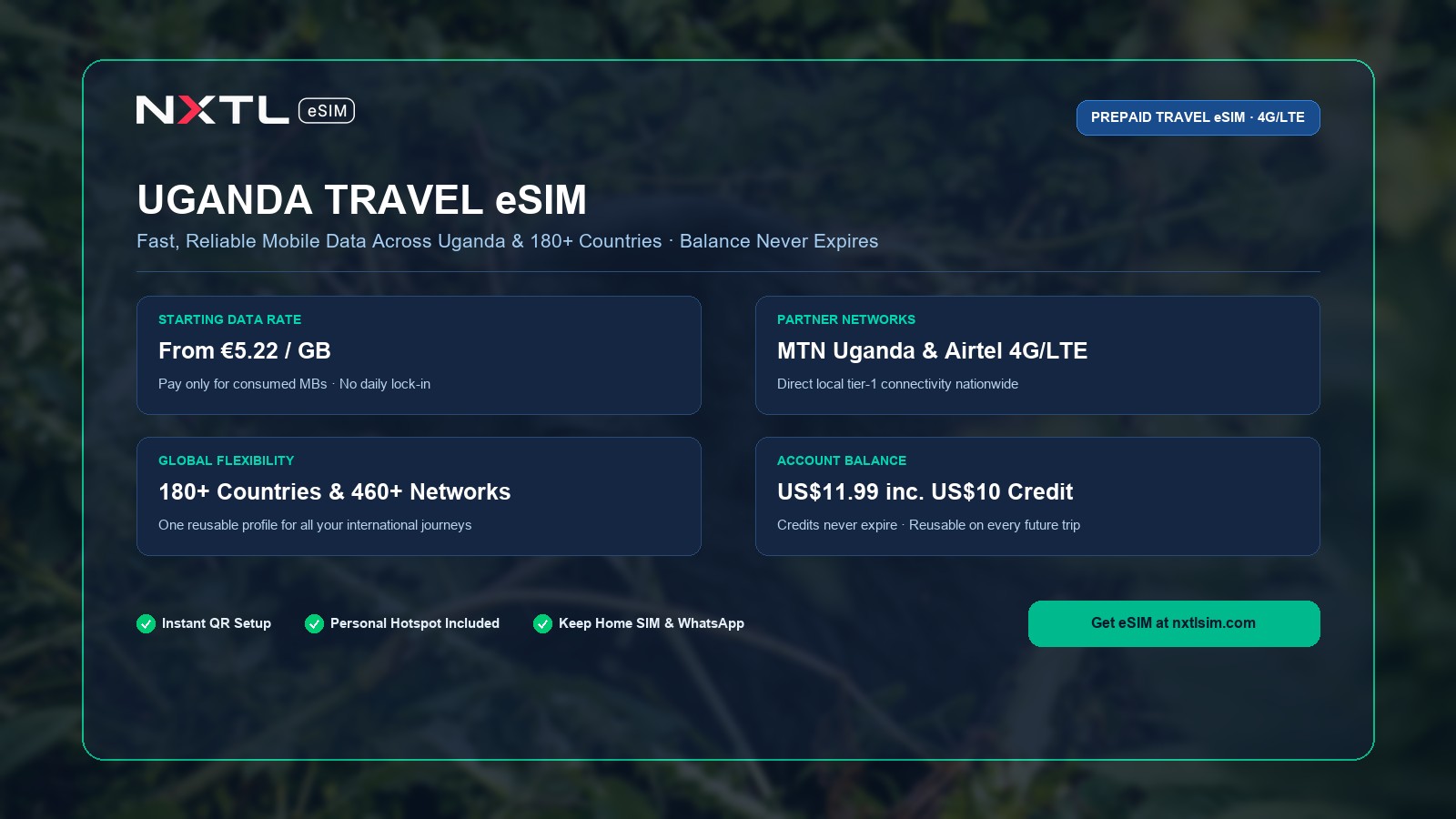
A much simpler, highly reliable alternative is activating the NXTL Uganda eSIM before boarding your flight. Operating directly on Uganda’s premier national cellular networks—including MTN Uganda and Airtel 4G/LTE—NXTL delivers strong coverage across the central highways, the gateway towns of Fort Portal and Kabale, and within major national park headquarters. Starting at an economical rate of just $5.90 per gigabyte, NXTL provides reliable high-speed data on a flexible prepaid consumption model, charging you exclusively for the exact megabytes consumed.
Furthermore, your initial account balance never expires. Whatever unused data balance remains after your eight days tracking chimpanzees and mountain gorillas stays permanently credited to your profile, instantly ready for reuse across more than 180 countries and over 460 tier-one carrier networks worldwide on your subsequent travels. Setup takes under two minutes via a simple QR code scan on any unlocked eSIM-compatible smartphone, allowing you to keep your primary physical SIM card active for banking verification codes and messaging while you experience the wild wonder of Uganda.