Nicaragua is the land of lakes and volcanoes: a Central American nation where colonial terracotta architecture sits framed by active volcanic cones and the vast freshwater expanse of Lake Nicaragua. For independent travellers, it offers the rich cultural heritage and volcanic terrain of Costa Rica or Guatemala at a fraction of the cost and with far fewer tourist crowds. Yet designing a first trip across western Nicaragua presents a crucial logistical decision: how to balance travel times between intellectual León in the north, aristocratic Granada in the center, and the volcanic sanctuary of Isla de Ometepe in the south without losing half your trip to chaotic highway transit.
A successful first journey links these three iconic destinations into a cohesive eight-day loop. Starting directly from Managua’s international airport, this itinerary moves northwest to the revolutionary murals and whitewashed cathedral domes of León, tackles ash-boarding down the black slopes of active Cerro Negro volcano, transitions south to Granada’s neoclassical plazas and glowing night magma at Masaya Volcano, and culminates with three days beneath the twin volcanic peaks of Isla de Ometepe. Here is your complete guide to booking shared tourist shuttles versus local chicken buses, reserving lake ferries, navigating entry requirements, and exploring western Nicaragua safely.
Trip Planning Blueprint: Transport Choices, Ferry Bookings, and Seasons
Transport logistics define your travel experience in Nicaragua. The country offers three primary transit modes: private/shared tourist shuttles, rental cars, and local public buses known as chicken buses (*camionetas* or *buses ordinarios*). For first-time visitors with eight days, shared air-conditioned tourist shuttles (such as those operated by Bigfoot, Iskra, or Gekko) are the most efficient option. They provide direct hotel-to-hotel transfers between León, Granada, and the ferry port of San Jorge, bypassing chaotic metropolitan bus terminals in Managua. Chicken buses are inexpensive and culturally fascinating, but their multi-leg connections and frequent passenger stops double transit times and increase the risk of petty baggage theft.
Connecting the mainland to Isla de Ometepe requires taking an hourly passenger or vehicle ferry from the port of San Jorge near Rivas across Lake Nicaragua to Moyogalpa or San José del Sur. While foot passengers can simply arrive thirty minutes prior to departure and purchase tickets at the port terminal, travellers crossing with a rental car must reserve their vehicle spot several days in advance directly with the ferry operators (such as Rey del Cocibolca or Ferry Ometepe). If you rent a car on the mainland, check whether your rental agency permits vehicles on the island, as rough cobblestone and dirt roads on Ometepe often void insurance coverage on standard sedans.
Seasonality in western Nicaragua divides cleanly into two seasons. The dry season (*verano*) runs from November through April, offering cloudless blue skies, dry hiking trails up volcanoes, and optimal water clarity in Lake Nicaragua and natural springs. The green or rainy season (*invierno*) spans from May through October, characterized by intense afternoon downpours that transform the landscape into lush emerald vegetation. Visiting in November or December catches the best of both worlds: verdant countryside, clear hiking conditions, and moderate temperatures before the intense heat of March and April sets in.
| Day / Stage | Base | Highlights | Transport Mode | Transit Time | Advance Booking Requirement |
|---|---|---|---|---|---|
| Day 1 | León | Arrival at Managua Airport (MGA), direct highway transfer to León, evening colonial plaza stroll | Private Airport Shuttle | 2 hrs highway transfer | Airport shuttle pre-booking |
| Day 2 | León | Cathedral of León rooftop dome walk, Ortiz-Gurdián art foundation, revolutionary murals | Walking & Local Taxi | Historic center base | Cathedral roof entrance ticket ($3) |
| Day 3 | Granada | Morning active volcano ash-boarding at Cerro Negro, afternoon shared shuttle transfer to Granada | 4WD Tour Truck & Shuttle | 1 hr tour drive + 2.5 hrs transit | Cerro Negro tour reservation |
| Day 4 | Granada | Iglesia de la Merced bell tower, Las Isletas boat cruise on Lake Nicaragua, twilight at Masaya Volcano | Boat & Guided Minibus | 45 mins boat / 30 mins drive | Masaya night tour booking |
| Day 5 | Isla de Ometepe | Shuttle to San Jorge port, ferry crossing to Moyogalpa, transfer to Balgüe/Santa Cruz | Shared Shuttle & Lake Ferry | 1.5 hrs drive + 1 hr ferry | San Jorge ferry timing check |
| Day 6 | Isla de Ometepe | Refreshing swim at Ojo de Agua springs, El Ceibo pre-Columbian petroglyphs, chocolate workshop | Rented Scooter or Taxi | 30 mins scenic drive | Scooter rental / driver booking |
| Day 7 | Isla de Ometepe | Guided kayak tour through Río Istián wetland, Charco Verde nature reserve, Punta Jesús María sunset | Kayak & Rented Scooter | 2.5 hrs active paddling | Río Istián kayak guide |
| Day 8 | Managua departure | Morning ferry to San Jorge, express highway transfer to Managua Airport for international departures | Ferry & Private Highway Transfer | 1 hr ferry + 2.5 hrs drive | Outbound flight reconfirmation |
Days 1–3: Revolutionary Heritage and Volcano Boarding in León
Your Nicaraguan journey begins upon landing at Augusto C. Sandino International Airport (MGA) in Managua. Rather than spending your first night in the sprawling capital, arrange a direct private or shared shuttle immediately northwest along the Pan-American Highway to León. Established in 1524 and relocated after a catastrophic volcanic eruption in 1610, León is the intellectual and political cradle of Nicaragua: a university city filled with 300-year-old adobe churches, spirited street cafés, and dramatic political murals commemorating the Sandinista Revolution.
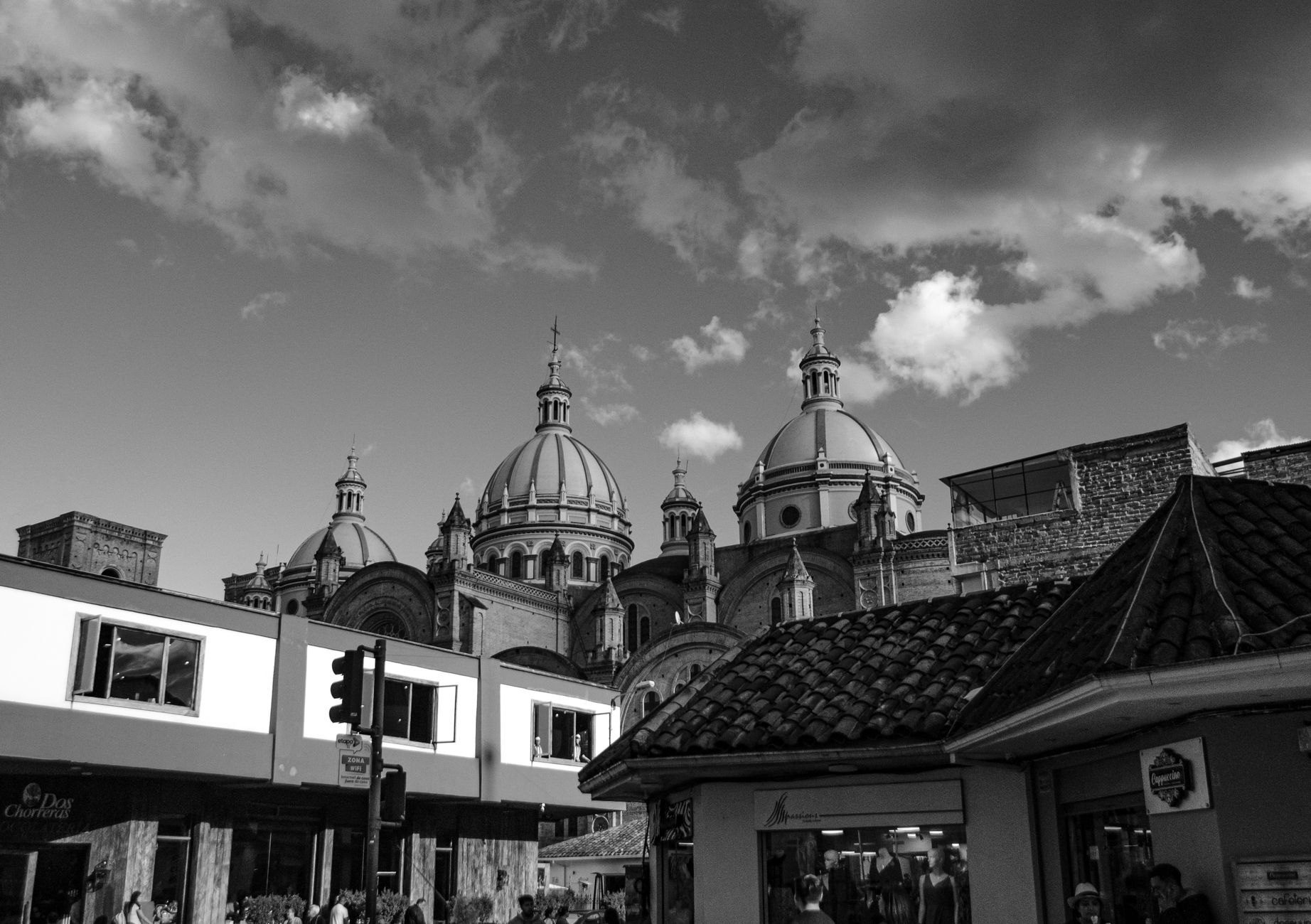
Devote your first full morning to the UNESCO-listed Basilica Cathedral of the Assumption, the largest cathedral in Central America. Pay three dollars at the rear entrance to climb the narrow stairs up to the blindingly white rooftop. Walking barefoot across the undulating domes and terraced balustrades provides sweeping panoramas over the terracotta roofs of the city toward the smoking cone of Momotombo volcano on the horizon. Afterward, visit the Ortiz-Gurdián Foundation Art Center, spread across two restored colonial mansions and housing one of Latin America’s finest private collections of European masters and contemporary Central American art.
On your third morning, prepare for one of Central America’s most thrilling adventure experiences: hiking and ash-boarding down Cerro Negro. Rising 728 meters from the surrounding plains, Cerro Negro is the youngest and most active cinder-cone volcano in Central America, having erupted over twenty times since 1850. Join a reputable guided tour from León that provides specialized protective jumpsuits, safety goggles, and wooden slide boards.
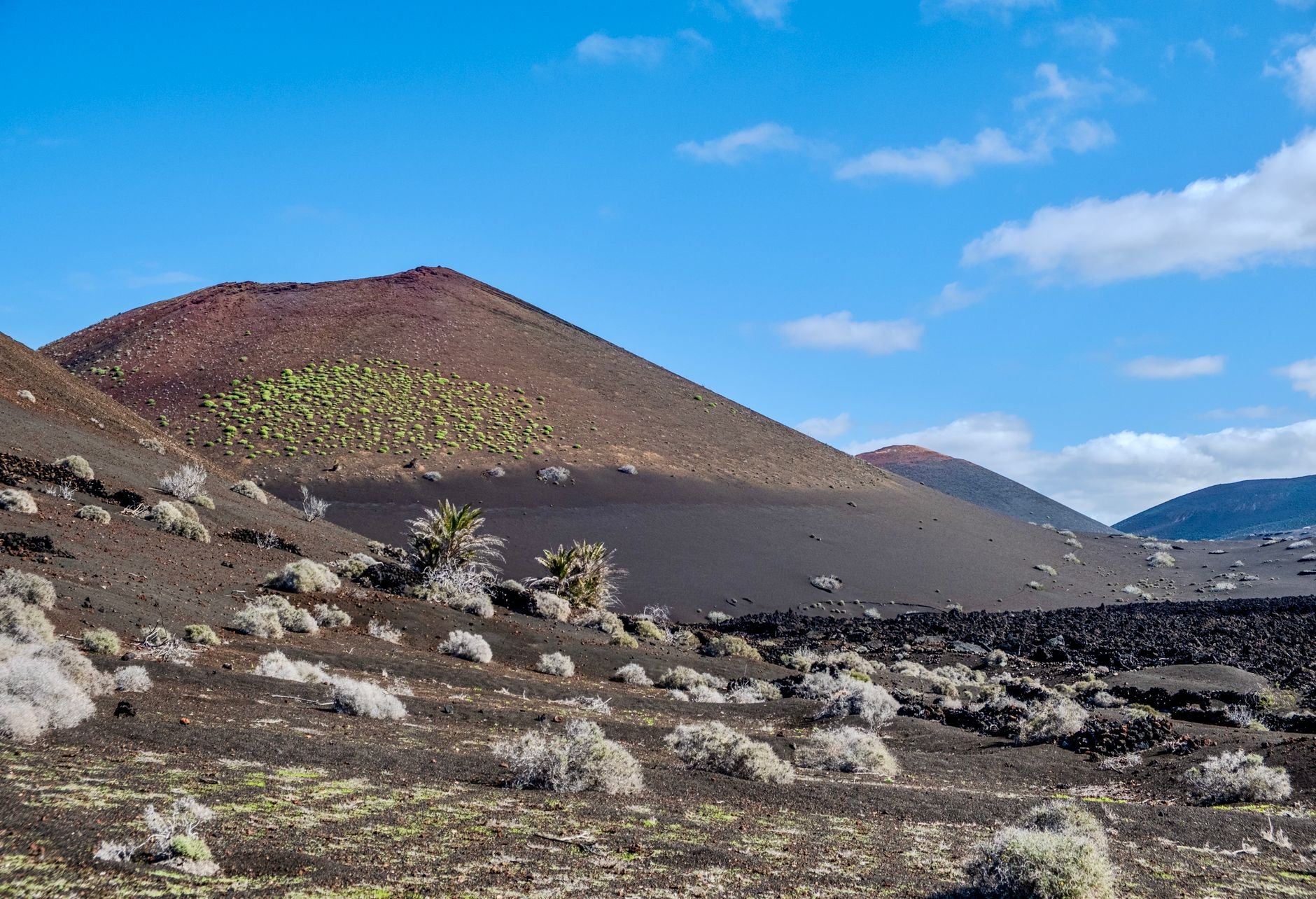
The ascent takes roughly an hour along a rocky crater rim with sulfur steam hissing from fissures in the pitch-black gravel. At the summit crater, strap into your jumpsuit, sit atop your board, and slide down the forty-degree black volcanic ash slope. Reaching speeds between forty and seventy kilometers per hour while kicking up fine volcanic dust is an adrenaline rush that few adventure activities can match. Return to León for a refreshing shower and a hearty lunch before boarding an afternoon shuttle south to Granada.
Days 4–5: Colonial Architecture and Glowing Lava Lakes in Granada
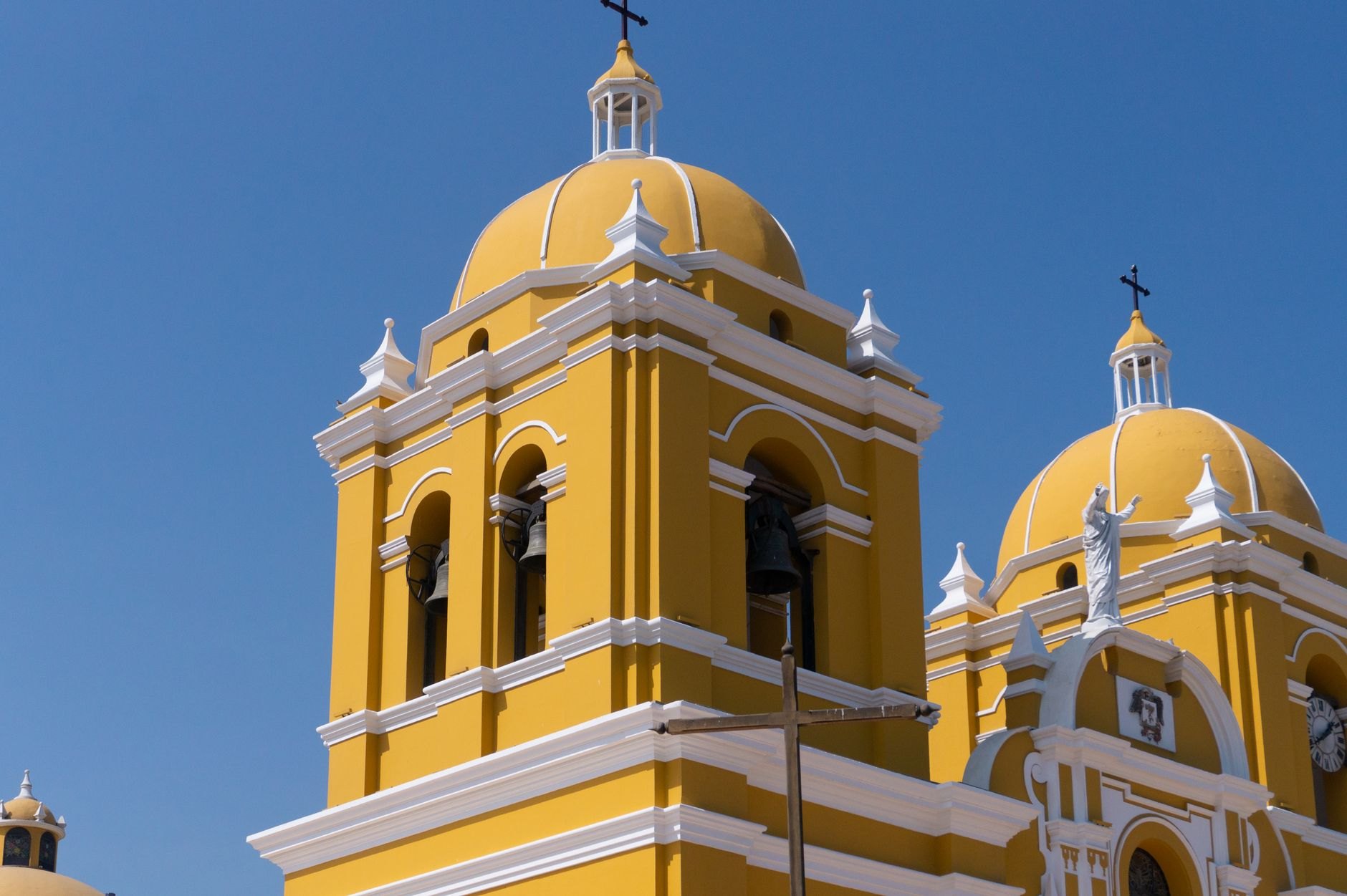
Arriving in Granada feels like stepping into a romantic postcard from the colonial era. Founded on the western shore of Lake Nicaragua in 1524 by Francisco Hernández de Córdoba, Granada is lined with neoclassical arcades, horse-drawn carriages, and pastel-painted courtyards shaded by tropical palms. Climb the spiral wooden staircase of the Iglesia de la Merced bell tower in the late afternoon for the definitive view over Granada: terracotta rooftops stretching east toward the massive yellow cathedral and the blue waters of Lake Nicaragua.
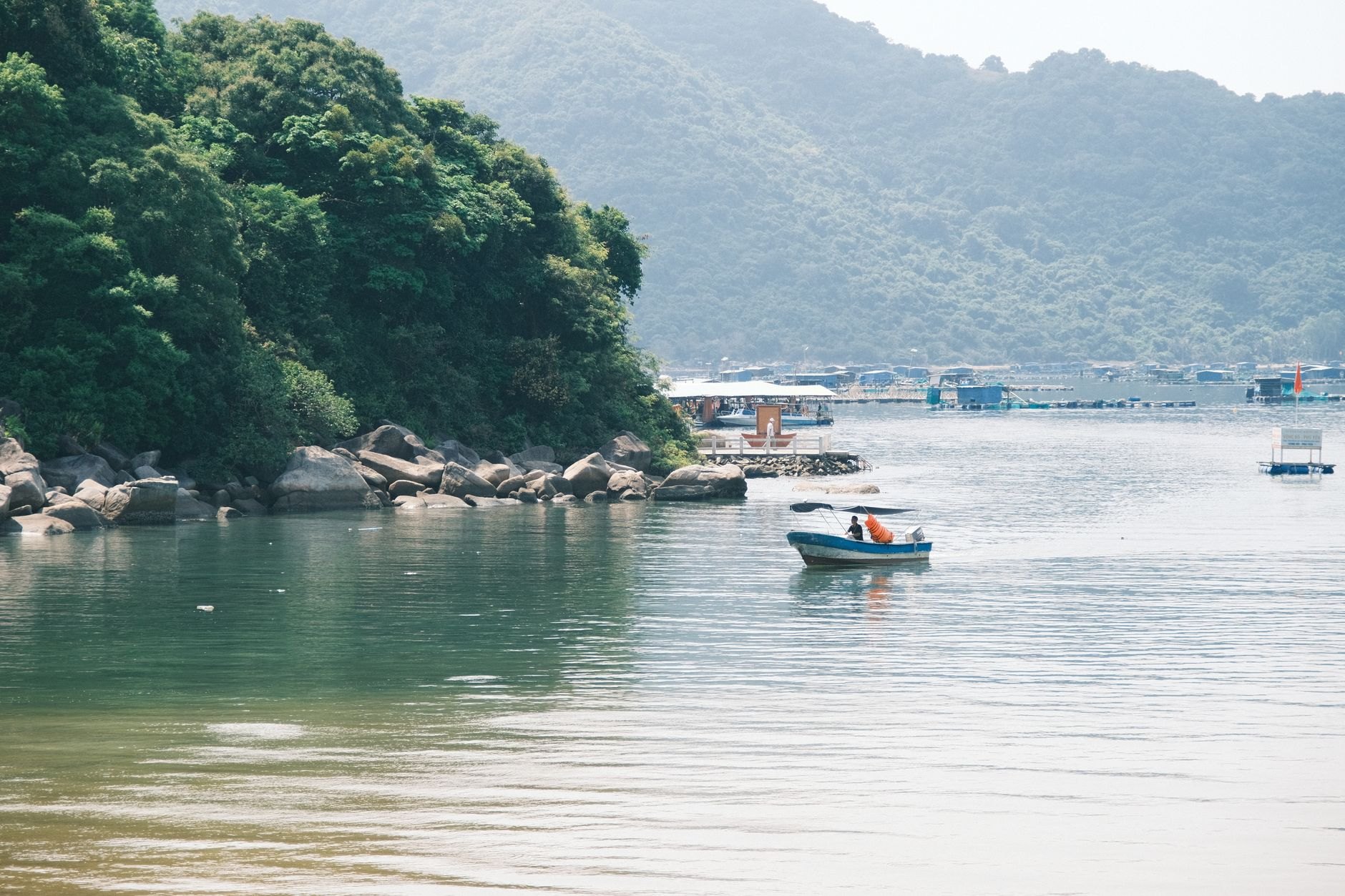
Spend late afternoon heading just outside the city center to Puerto Asese, where you board a shaded motorboat to explore Las Isletas. This archipelago of 365 lush volcanic islets was formed over twenty thousand years ago when an enormous explosion from nearby Volcán Mombacho blew millions of tons of rock into Lake Nicaragua. Navigating the quiet channels between islands reveals hanging spider monkeys, egrets, kingfishers, and luxurious private villas built on individual islets.
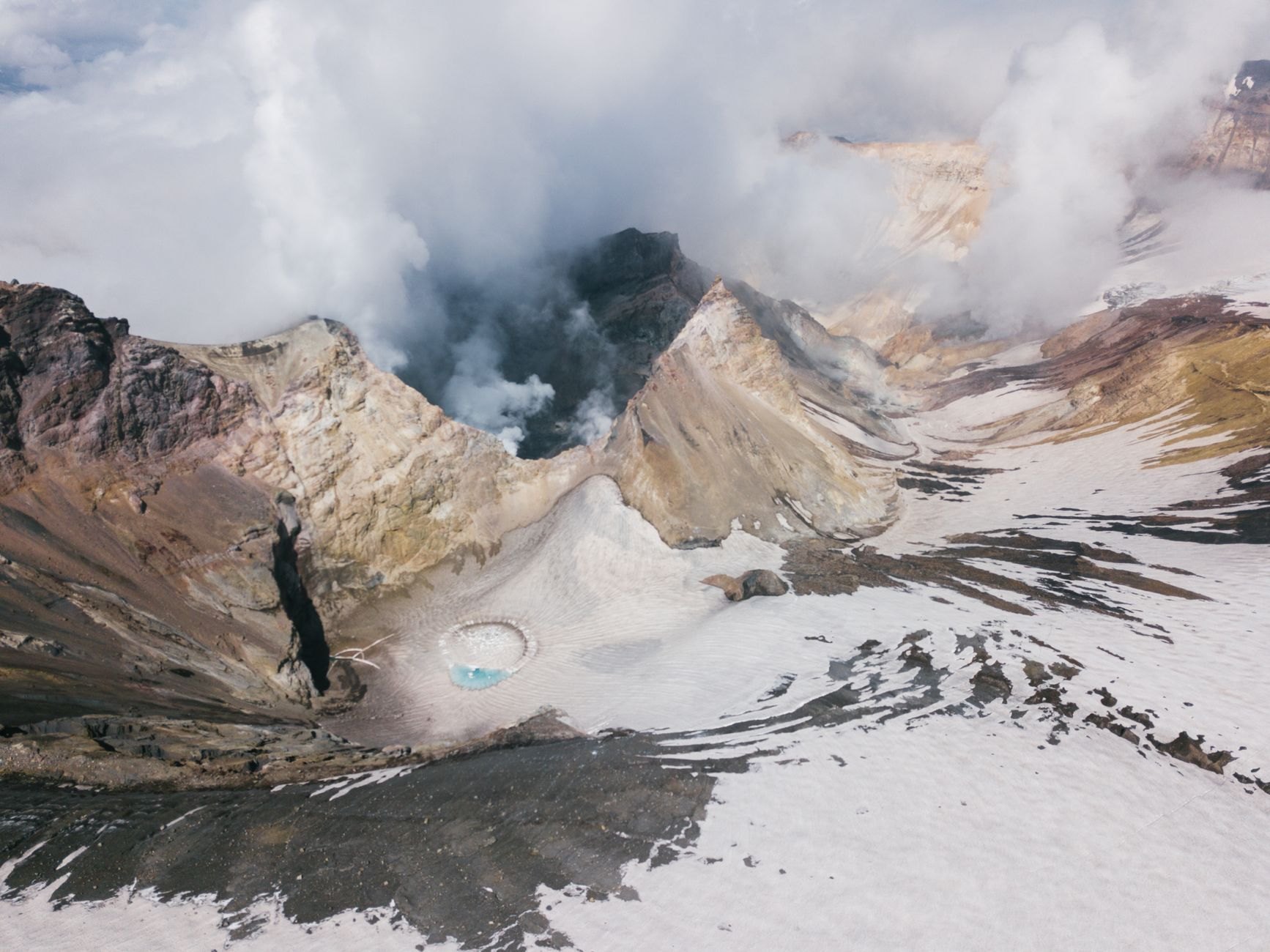
As evening falls, join a twilight tour to Masaya Volcano National Park, located twenty-five minutes west of Granada. Masaya is one of the rare places on earth where visitors can drive directly up to the rim of an actively degassing volcanic crater. After dusk, peer into the cavernous depths of the Santiago crater to observe churning incandescent molten rock glowing deep orange beneath billowing plumes of sulfur dioxide gas. Spanish conquistadors originally called this crater *La Boca del Infierno* (“The Mouth of Hell”) and erected a wooden cross on the crater rim to ward off demons.
After your volcanic night excursion, return to Granada for a relaxed dinner along the pedestrian-only Calle La Calzada, where lively street performers and open-air restaurant tables spill into the warm evening breeze.
Days 5–7: Isla de Ometepe: Nature Beneath the Twin Volcanic Peaks
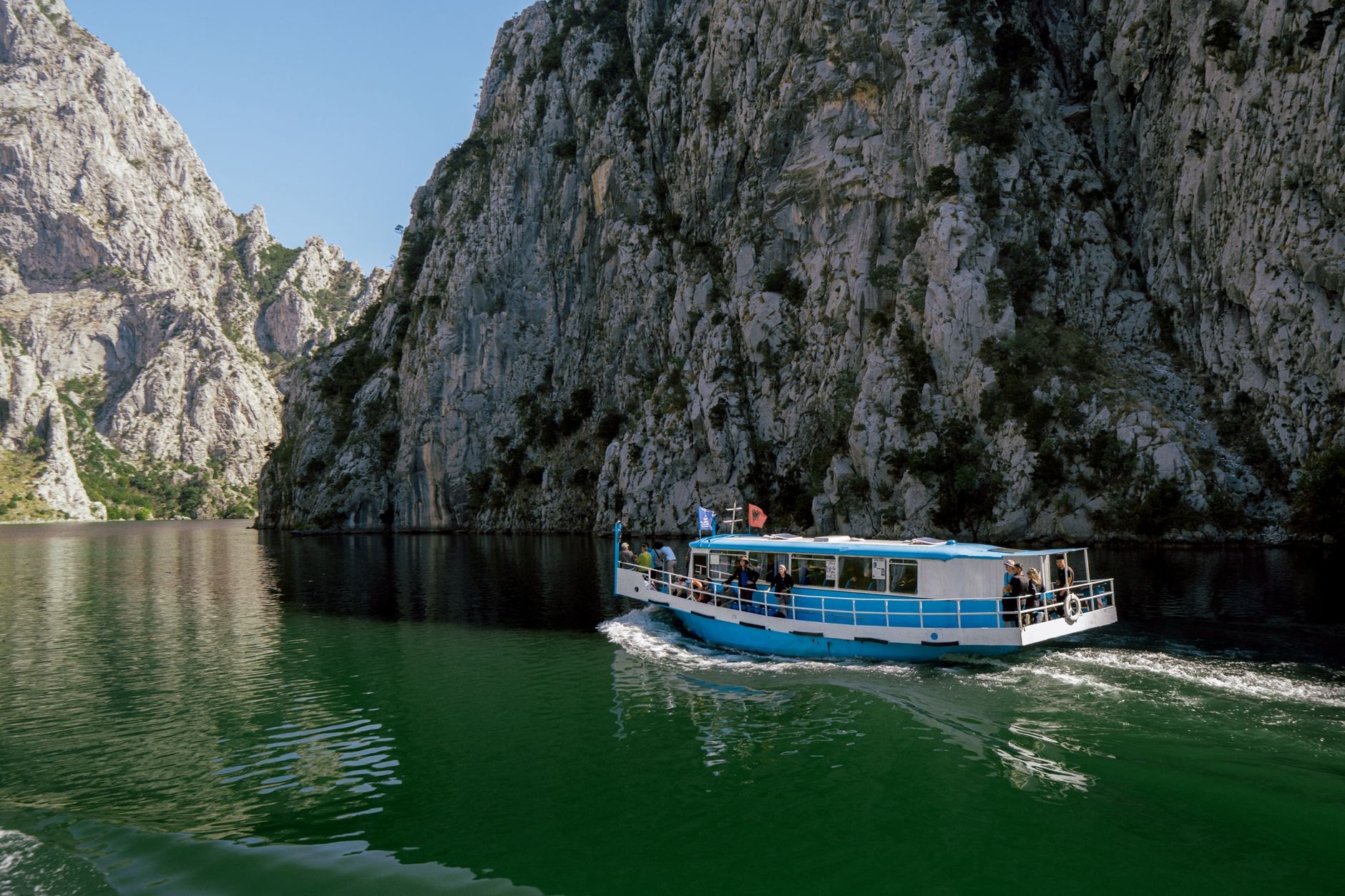
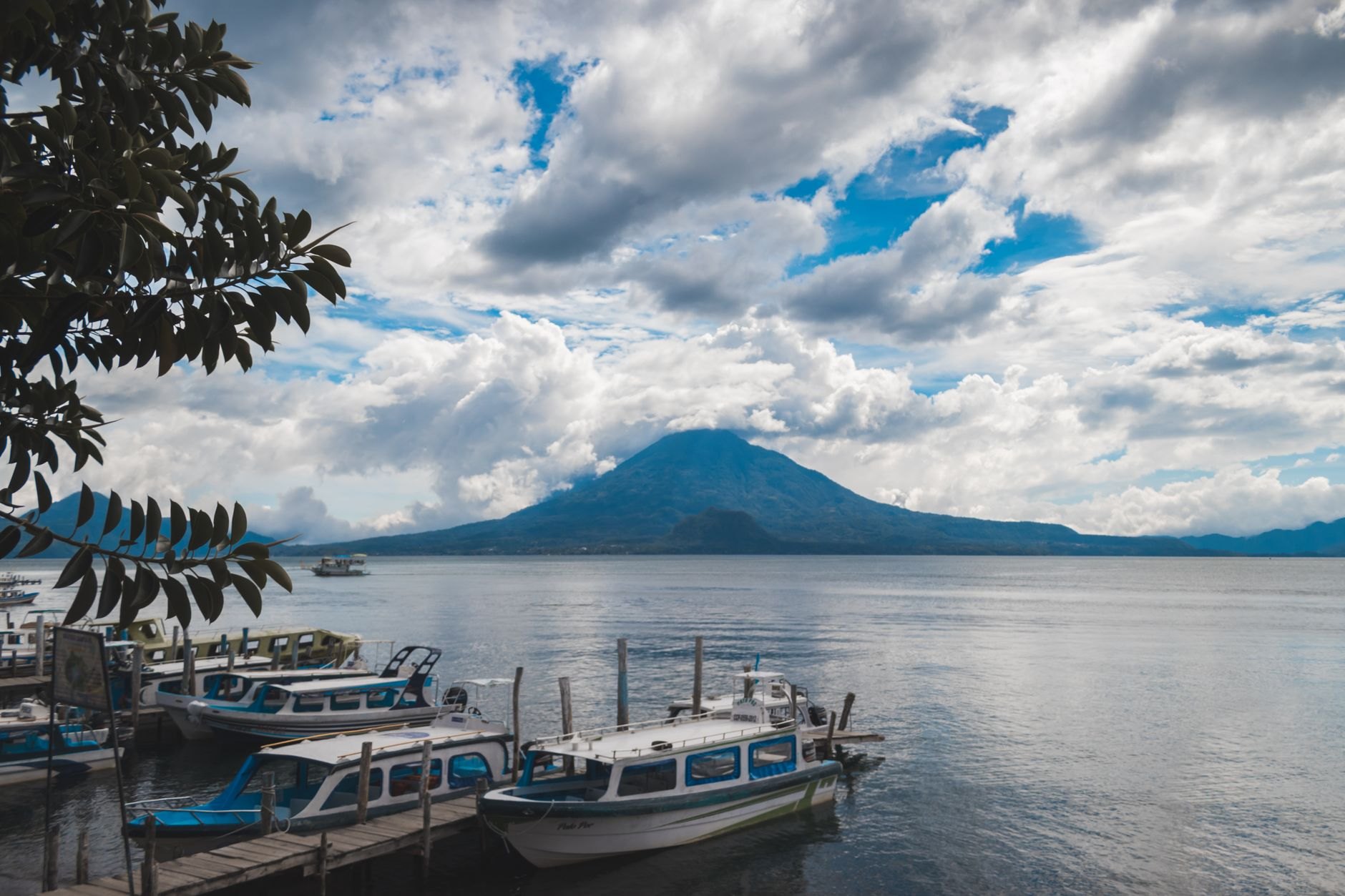
On morning five, take an early shuttle south from Granada along the Pan-American Highway to the small port town of San Jorge, just outside Rivas. Here, board the hourly ferry for the sixty-minute crossing across the rolling waves of Lake Nicaragua to Isla de Ometepe. The approach to Ometepe is unforgettable: two colossal volcanic cones rise straight out of the freshwater lake, connected by a narrow isthmus of fertile green land.
The island consists of two distinct halves: Volcán Concepción, an active, symmetrical stratovolcano rising 1,610 meters into the clouds in the northwest, and Volcán Maderas, an extinct, cloud-forest-draped volcano rising 1,394 meters with a crater lake in the southeast. Disembark at the port of Moyogalpa and transfer to the quieter, more scenic eastern villages of Balgüe or Santa Cruz on the slopes of Maderas.
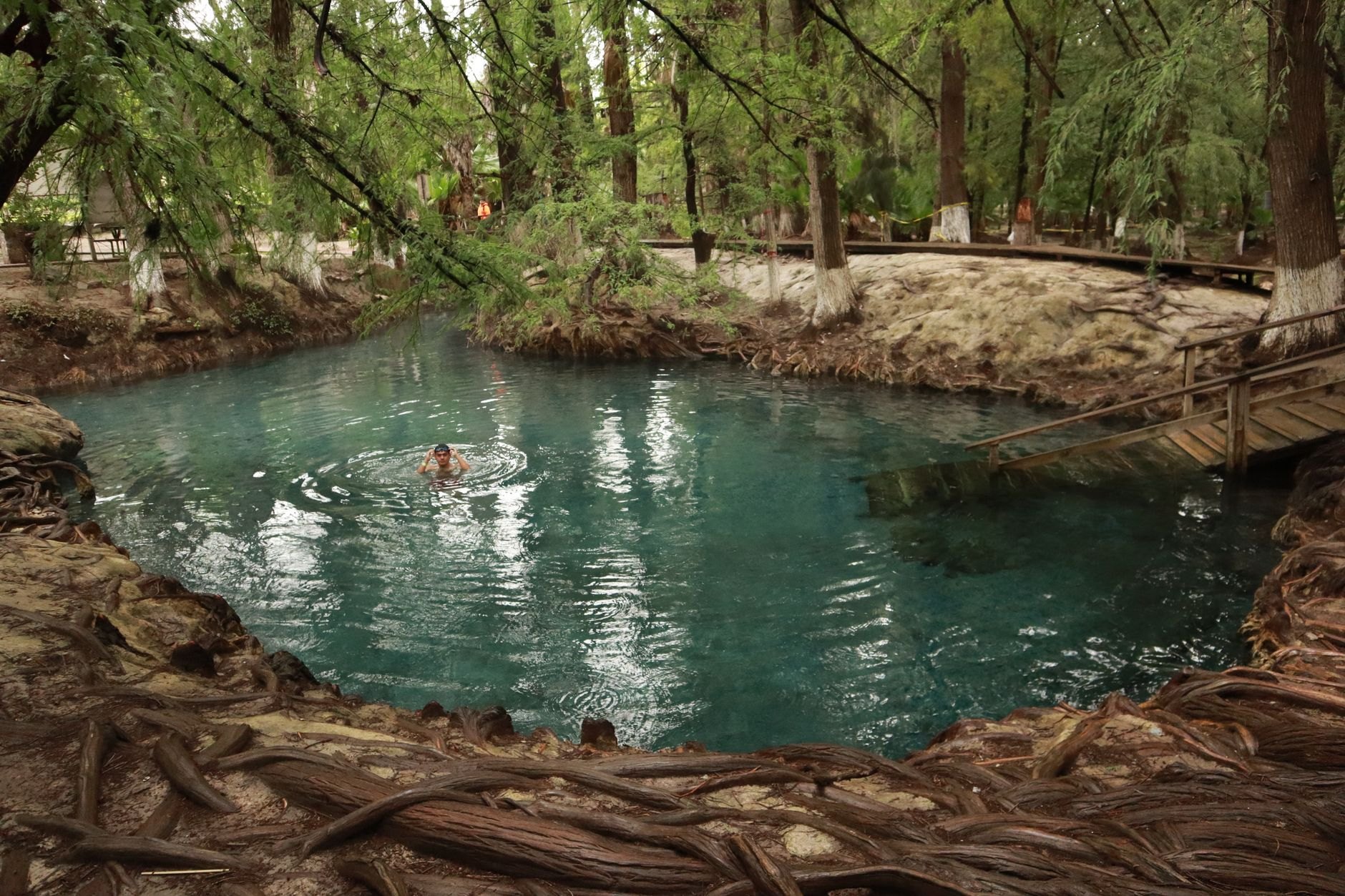
Spend day six exploring Ometepe’s volcanic geology and indigenous archaeology. Rent a scooter or hire a local taxi driver to visit Ojo de Agua, a natural spring pool fed by thermal subterranean waters filtering down from the volcanic slopes of Concepción. Swimming in its clear, mineral-infused waters beneath the shade of towering cedar trees offers perfect relief from the tropical heat. In the afternoon, explore the pre-Columbian stone petroglyphs and ceramic artifacts preserved at Finca El Ceibo, carved by indigenous Chorotega tribes thousands of years ago.
On your seventh day, hire a local guide and rent sit-on-top kayaks at Playa Perú to explore the Río Istián, a serene freshwater wetland snaking through the swamp forest between Concepción and Maderas. Paddling silently through the narrow mangrove-like channels brings you face-to-face with howler monkeys swinging through the canopy, basilisk lizards skimming across the water, and sunbathing caimans. Conclude your island adventure at Punta Jesús María, a narrow spit of black volcanic sand that extends hundreds of meters into Lake Nicaragua, watching the sunset paint both volcanoes in glowing crimson hues.
Nicaraguan Culinary Heritage: Street Food and Staples
Nicaraguan cuisine is wholesome, deeply flavorful, and rooted in indigenous corn, beans, and tropical plantains. The bedrock of every traditional meal is gallo pinto, a hearty mixture of small red silk beans (*frijoles rojos*) and white rice sautéed together with finely diced onions and sweet peppers until the rice absorbs the dark bean broth.

For breakfast, gallo pinto is served alongside fried eggs, sweet fried plantains (*maduros*), fresh salty farmer’s cheese (*cuajada*), and warm handmade corn tortillas. While travelling between Managua and León, stop in the roadside village of Nagarote to sample *quesillo*, a warm rolled corn tortilla filled with soft pickled cheese, pickled onions, and a generous ladle of fresh sour cream (*crema ácida*). In Granada’s central park, order *vigorón*, a classic street food consisting of boiled yucca root topped with crunchy pork rinds (*chicharrón*) and a spicy shredded cabbage salad with pickled mamey.
Route Adaptations: Express vs. Extended Itineraries
While eight days strikes the perfect balance across western Nicaragua, the itinerary can be adapted to your schedule:
The 5-Day Express Route: If time is limited, skip León and Cerro Negro. Focus exclusively on Granada (two nights) and Isla de Ometepe (two nights). This eliminates northern transit and allows an easy loop using San Jorge ferry connections.
The 11-Day Extended Pacific Route: With eleven days, add three nights in the Pacific coastal town of San Juan del Sur. Located forty minutes southwest of Rivas, this surf hub offers world-class Pacific beach breaks at Playa Maderas, sea turtle nesting at La Flor Wildlife Refuge, and fresh seafood restaurants.
Essential Logistics: Entry Fees, Currency, and Safety
Navigating Nicaragua requires attention to specific border regulations and practical logistics:
Tourist Entry Card and Border Requirements: Upon arriving at Augusto C. Sandino International Airport, international visitors must pay a mandatory tourist entry card fee of ten US dollars in cash, plus a three-dollar municipal processing tax. Ensure you have exact, crisp US dollar bills ready. Nicaragua strictly prohibits the importation of photographic drones, satellite communicators, and professional night-vision equipment without prior military authorization; carrying a drone will result in confiscation at customs.
Currency and Payments: The official currency is the Nicaraguan Córdoba (NIO), though US dollars are widely accepted for tours, hotels, and ferry tickets. Local market vendors, street stalls, and rural taxis operate strictly in Córdoba. Credit cards are accepted in established hotels and restaurants in León and Granada, but cash is essential on Isla de Ometepe where ATMs frequently run out of bills during weekends.
Rental Cars and Road Conditions: The primary highways connecting Managua, León, Granada, and Rivas are well-paved and clearly signed. However, driving requires vigilance due to frequent radar speed traps, slow-moving oxcarts, and unlit bicycles at night. Road surfaces on Isla de Ometepe consist of bumpy cobblestone and dirt tracks; if renting a scooter, exercise extreme caution on loose gravel curves.
Mobile Connectivity and Digital Logistics in Nicaragua
Maintaining reliable mobile data across Nicaragua is essential for navigating unfamiliar highway turnoffs, checking lake ferry schedules, coordinating shared shuttles, and booking volcano excursions. While colonial hotels in León and Granada offer dependable Wi-Fi, coverage on moving shuttles and across rural corners of Isla de Ometepe relies entirely on local cellular networks.
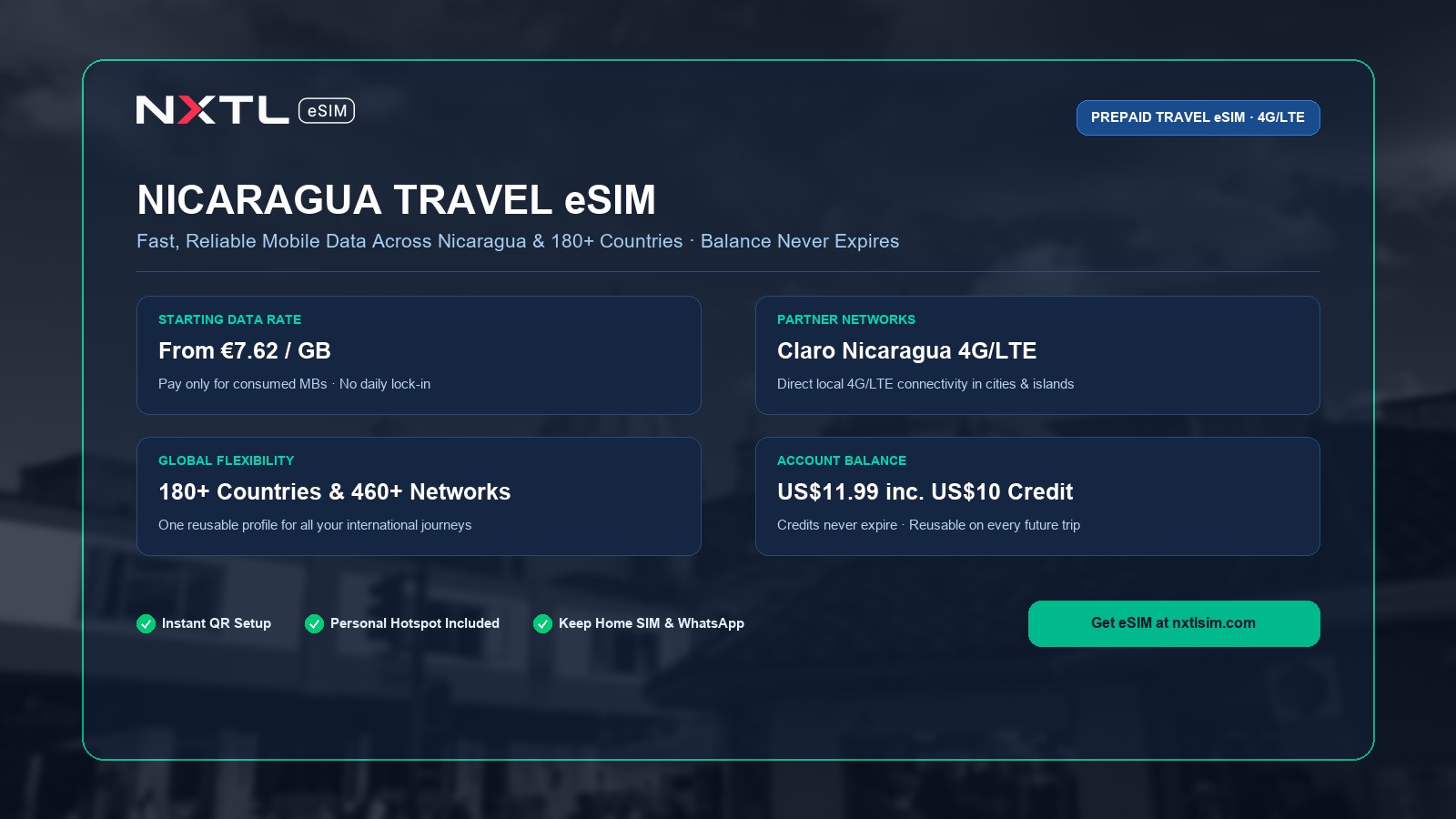
Avoid the hassle of locating telecom kiosks and registering local physical SIM cards with your passport by setting up an eSIM before you depart. The NXTL Nicaragua eSIM delivers high-speed 4G/LTE mobile connectivity powered directly by Claro Nicaragua, the country’s largest and most reliable mobile network. Starting from $8.61 per gigabyte, NXTL operates on a flexible pay-as-you-go model where you only pay for the exact data you consume. Your account balance never expires, allowing you to use remaining credits across more than 180 countries on future travels.
Travel Scams and Safety Pitfalls to Avoid
Nicaragua remains one of the safest countries in Central America for international tourists, with warm hospitality and low violent crime rates. However, opportunistic scams occur around transport hubs and border towns:
- Unlicensed Managua Airport Taxi Hustlers: Upon exiting the customs hall at Managua Airport, aggressive touts will attempt to grab your luggage and steer you toward unlicensed private cars, quoting triple the standard rate. Walk directly to the official airport taxi kiosk inside the terminal or pre-book a private transfer through your accommodation in León.
- Rogue Volcano Boarding Guides in León: Unauthorized individuals outside León hostels offer cheap, discounted Cerro Negro boarding tours using homemade plywood boards and substandard protective gear without first-aid support. Only book with established, licensed adventure operators who provide certified helmets, safety suits, and park entry permits.
- San Jorge Ferry Ticket Scalpers: As your shuttle arrives at the port of San Jorge in Rivas, touts in fake uniforms will flag down vehicles, claiming the official ferry is full and selling overpriced “express tickets” for private pangas. Ignore them and purchase your ticket directly at the official municipal ticket window inside the port terminal.
- Fake Parking Attendants at Masaya and Ometepe: At popular attractions like Masaya Volcano or Ojo de Agua, rogue individuals wearing fluorescent vests will demand cash “parking fees” for roadside spaces. Official parking is included in your national park entrance ticket or collected at official gated barrier booths.
- Street Currency Exchange Scalpers in Rivas: Around the Rivas highway junction and San Jorge port, aggressive money changers (*cambistas*) wave wads of Córdoba notes offering enticing exchange rates for US dollars. Many employ folded-bill counting tricks or pass counterfeit 500-córdoba notes. Always use official bank ATMs or licensed exchange offices.
With sensible route planning, reliable transport connections, and respect for local conditions, this eight-day journey through León, Granada, and Ometepe will showcase the very best of Central America’s most captivating volcanic destination.