The Maldives is frequently stereotyped as an exclusive playground reserved solely for honeymooners with five-figure resort budgets, confined to isolated private island compounds where every meal, transfer, and excursion carries luxury markups. While luxury private island resorts remain spectacular, a major legislative change in 2009 legalized independent tourism on inhabited local islands. Today, travellers can experience the true cultural warmth, wild marine ecosystems, and turquoise lagoons of the Maldivian archipelago independently, affordably, and authentically.
The true travel challenge in the Maldives is geography and logistics. Spanning twenty-six natural atolls across ninety thousand square kilometers of the Indian Ocean, island hopping requires careful scheduling. Seaplanes cost upwards of five hundred dollars per person each way with strict luggage restrictions, while public ferry networks run infrequently. The secret to an extraordinary seven-day Maldivian trip without resort isolation is anchoring your stay in South Ari Atoll (specifically the long jungle island of Dhigurah) and pairing it with Vaavu Atoll (Fulidhoo) or South Malé. Here, resident whale sharks, manta rays, and nurse sharks gather along open ocean channels accessible directly by local speedboats. This editorial guide provides the exact operational framework for speedboats, guesthouses, green taxes, marine conservation ethics, and island life.
Trip Planning Blueprint: Speedboat Schedules, Monsoons, and Taxes
Navigating the Maldives independently requires understanding three critical operational realities before booking your international flights:
Speedboats Versus Seaplanes: Scheduled public speedboats are the workhorses of local island travel. Departing daily from Malé Jetty 1 or directly from the Velana International Airport (MLE) marina, modern enclosed twin-engine passenger speedboats connect the capital to South Ari Atoll (two to two-and-a-half hours) and Vaavu Atoll (seventy to ninety minutes) for thirty-five to sixty US dollars per seat. Private speedboats cost five hundred to eight hundred dollars for the same route. Seaplanes operate strictly during daylight hours (flying between 6:00 AM and 4:30 PM), requiring travellers landing in Malé after 3:30 PM to stay overnight in Hulhumalé. For this seven-day itinerary, scheduled public speedboats offer the optimal blend of speed and sensible expenditure.
Monsoons and Ocean Currents: The Maldives experiences two distinct meteorological seasons governed by the Indian Ocean monsoons. The *Iruvai* (northeast monsoon), running from December through April, brings calm seas, sunny skies, low humidity, and maximum underwater visibility, making it the peak travel season. The *Hulhangu* (southwest monsoon), extending from May through November, brings periodic tropical rain squalls, rougher ocean swells, and reduced visibility. However, South Ari Atoll remains an exceptional year-round destination because its resident population of juvenile whale sharks and reef mantas patrol the outer reefs in every month of the year.
Taxes and Surcharges: Maldivian tourism pricing is subject to mandatory government levies. Local island guesthouses charge a Green Tax of three US dollars per person per night (compared to six dollars at luxury private resorts). Additionally, all tourism services, excursions, and meals incur a sixteen percent Tourism Goods and Services Tax (TGST) and typically a ten percent service charge. When booking guesthouses on platforms like Agoda or Booking.com, always verify whether quoted rates include TGST and Green Tax to avoid surprises at check-out.
| Day / Stage | Base | Highlights | Transport Mode | Transit Time | Advance Booking Requirement |
|---|---|---|---|---|---|
| Day 1 | Malé / Hulhumalé | Arrival at Velana Airport (MLE), Malé fish market harbor, Old Friday Mosque, transfer south | Airport Ferry & Speedboat | 2 hrs scenic speedboat ride | Speedboat seat reservation |
| Day 2 | Dhigurah (South Ari) | Exploring Dhigurah jungle village, northern bikini beach, sunset walk to southern sandbank | Bicycle / Foot Exploration | Local island walking | Bicycle rental via guesthouse |
| Day 3 | Dhigurah (South Ari) | Full-day marine excursion in South Ari Marine Protected Area (SAMPA): whale shark swimming | Dedicated Dive Boat | 4 hrs ocean cruising | SAMPA registered dive operator |
| Day 4 | Dhigurah (South Ari) | Manta ray cleaning station snorkeling, outer reef coral drift, local Maldivian cooking dinner | Dive Dhoni / Snorkel Boat | 3 hrs reef exploration | Guided marine excursion pass |
| Day 5 | Fulidhoo (Vaavu Atoll) | Morning speedboat transfer to Fulidhoo, observing shallow stingrays, local village walk | Inter-Atoll Speedboat | 1 hr 15 mins transfer | Inter-atoll transit boat booking |
| Day 6 | Fulidhoo / Resort Day | Night snorkeling with nurse sharks at Alimathaa Jetty or optional luxury resort day pass | Charter Boat / Transfer | 45 mins boat trip | Alimathaa excursion / Day pass |
| Day 7 | Malé departure | Morning public speedboat return to Velana Airport, souvenir spice shopping, outbound flight | Scheduled Speedboat | 1 hr 15 mins airport transit | Outbound flight check-in |
Day 1: Arrival in Malé, Capital Heritage, and Speedboat Departure South
Your journey begins at Velana International Airport, situated on the island of Hulhulé adjacent to Malé. After clearing immigration and collecting your bags, bypass the private resort representatives holding wooden placards and walk three minutes across the covered concourse to the domestic speedboat jetty. If your scheduled transfer departs in the early afternoon, take the ten-minute public airport ferry across the harbor to Malé city for a fascinating introductory glimpse into urban island life.
Malé is one of the most densely populated capital cities on the planet, cramming over two hundred thousand residents onto an island measuring barely eight square kilometers. Walk down Boduthakurufaanu Magu to the bustling Malé Fish Market, where artisanal fishermen unload glistening yellowfin tuna, skipjack, and wahoo straight from handcrafted wooden *dhoni* vessels onto tiled cutting tables. Nearby, visit the Hukuru Miskiy (Old Friday Mosque), constructed in 1658 from interlocking coral stone blocks intricately carved with Arabic script and geometric motifs, without a single dab of mortar.
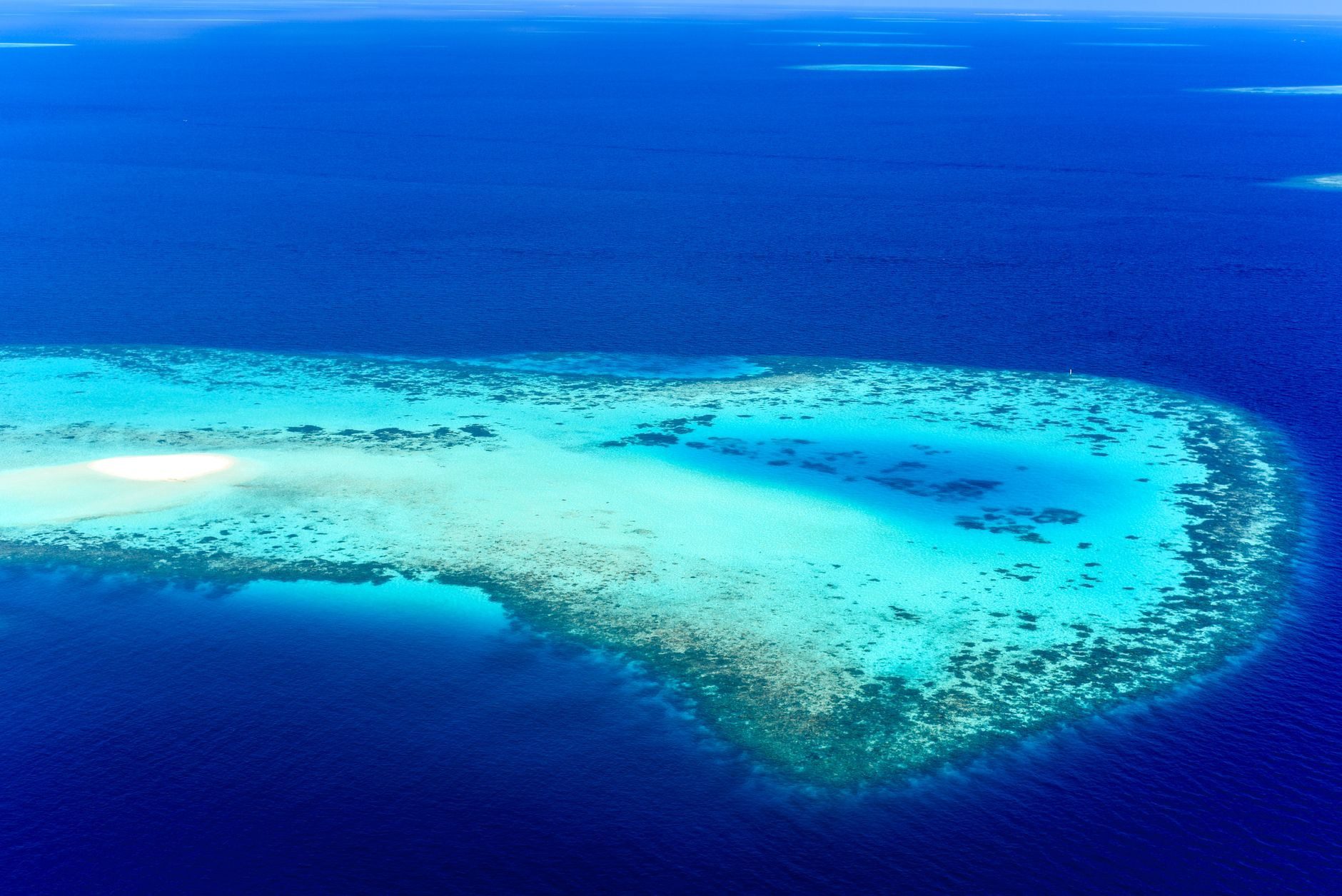
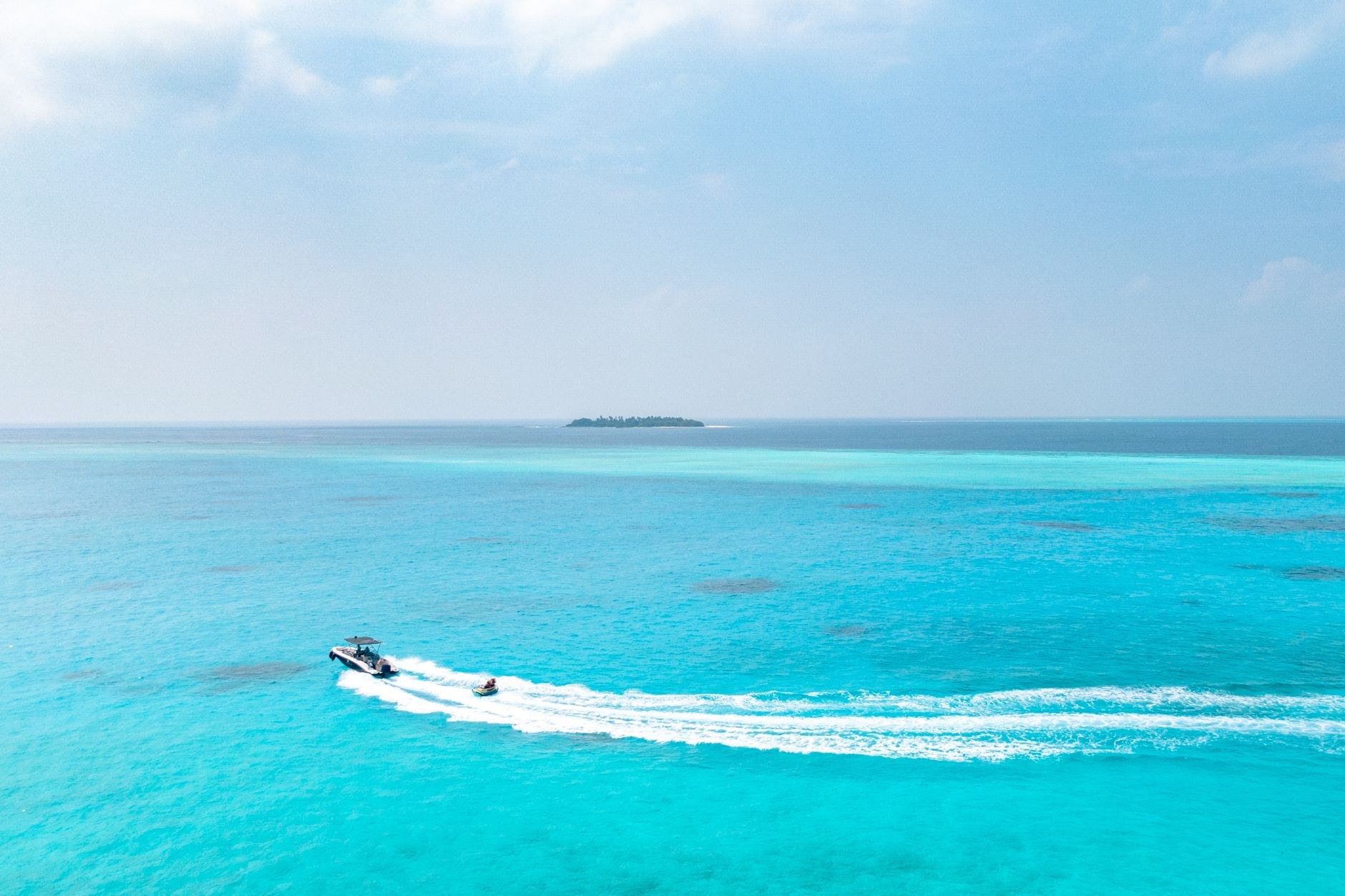
Return to the jetty by 3:00 PM to board your scheduled express speedboat south toward South Ari Atoll (Alif Dhaal). As the twin outboards power through open water channels, high-rise Malé dissolves into deep turquoise waters dotted with ring-shaped coral reefs, sand spits, and coconut-crowned atoll islets. Arriving in Dhigurah by late afternoon, your guesthouse hosts greet you at the village harbor with fresh chilled coconuts and golf-buggy luggage transfers.
Days 2–4: Dhigurah and the Giants of South Ari Marine Protected Area
Dhigurah (literally “Long Island” in Dhivehi) is unique among inhabited Maldivian islands. Stretching nearly four kilometers in length but measuring barely three hundred meters across at its widest point, the island consists of a sleepy fishing village at its northern tip and a lush interior of dense coastal jungle, coconut palms, and banyan trees tapering southward into a long white sandbank.
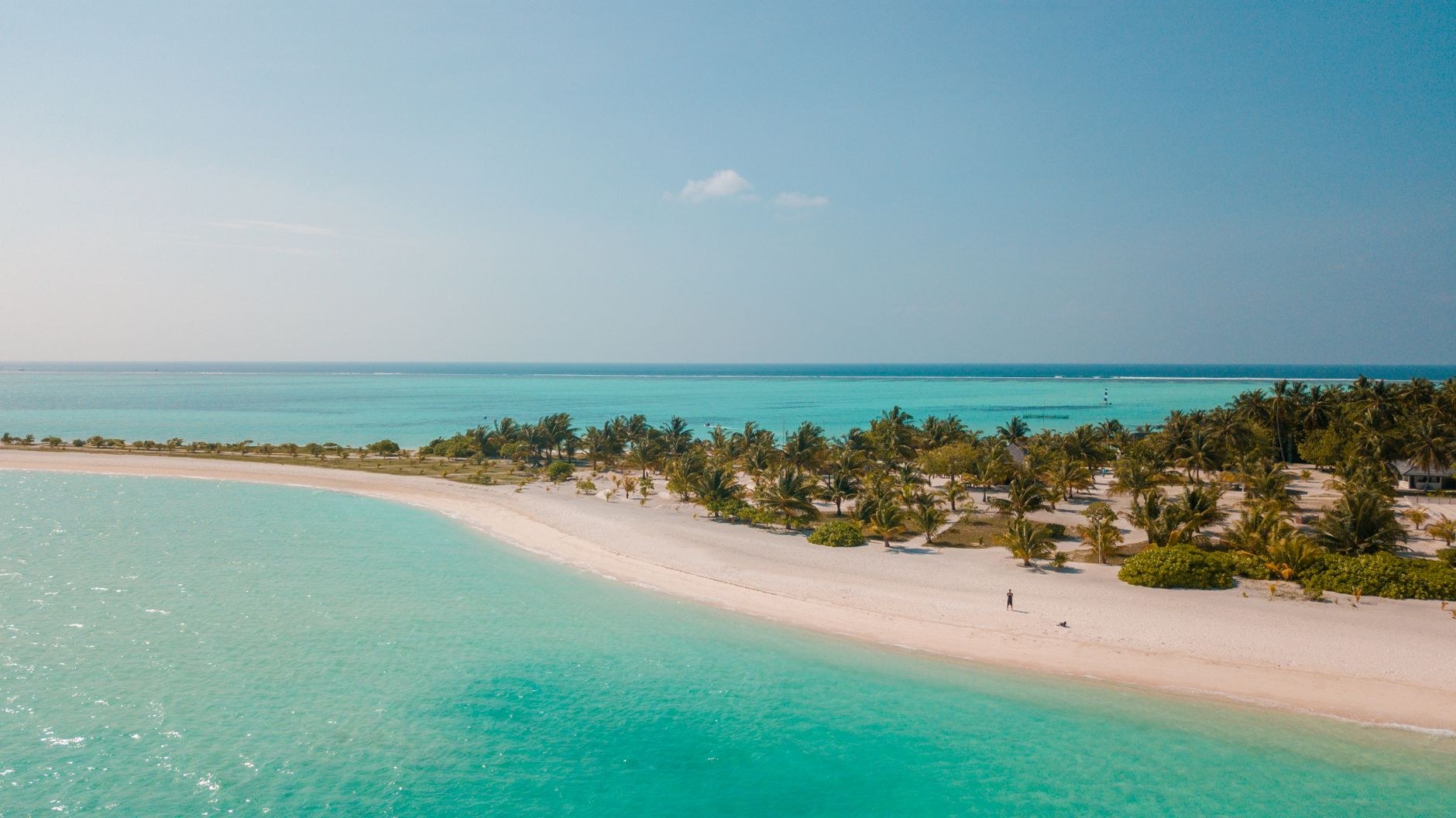
Begin your second day by renting a single-speed cruiser bicycle to explore the sandy lanes of the island. Follow the packed sand trail running through the jungle canopy south toward the famous Dhigurah sandbank. Walking out along this narrow spit of pure powdery coral sand, with turquoise lagoons lapping on both flanks and the Indian Ocean stretching toward the horizon, feels remarkably untouched. Spend your afternoon swimming along the protected western lagoon beach, which is designated as a bikini beach where foreign travellers can sunbathe in swimwear.
Day three is dedicated to the ultimate marine encounter: searching for whale sharks in the South Ari Marine Protected Area (SAMPA). This marine reserve spans the outer reef edge along the southern fringe of Ari Atoll, where deep ocean upwellings carry nutrient-rich plankton against the steep coral wall. Join an ethical local dive boat early in the morning. As spotters scan the cobalt water from the roof deck, a sudden shadow appears near the surface: a magnificent juvenile whale shark, seven meters long, gliding peacefully through the sunlit depths.
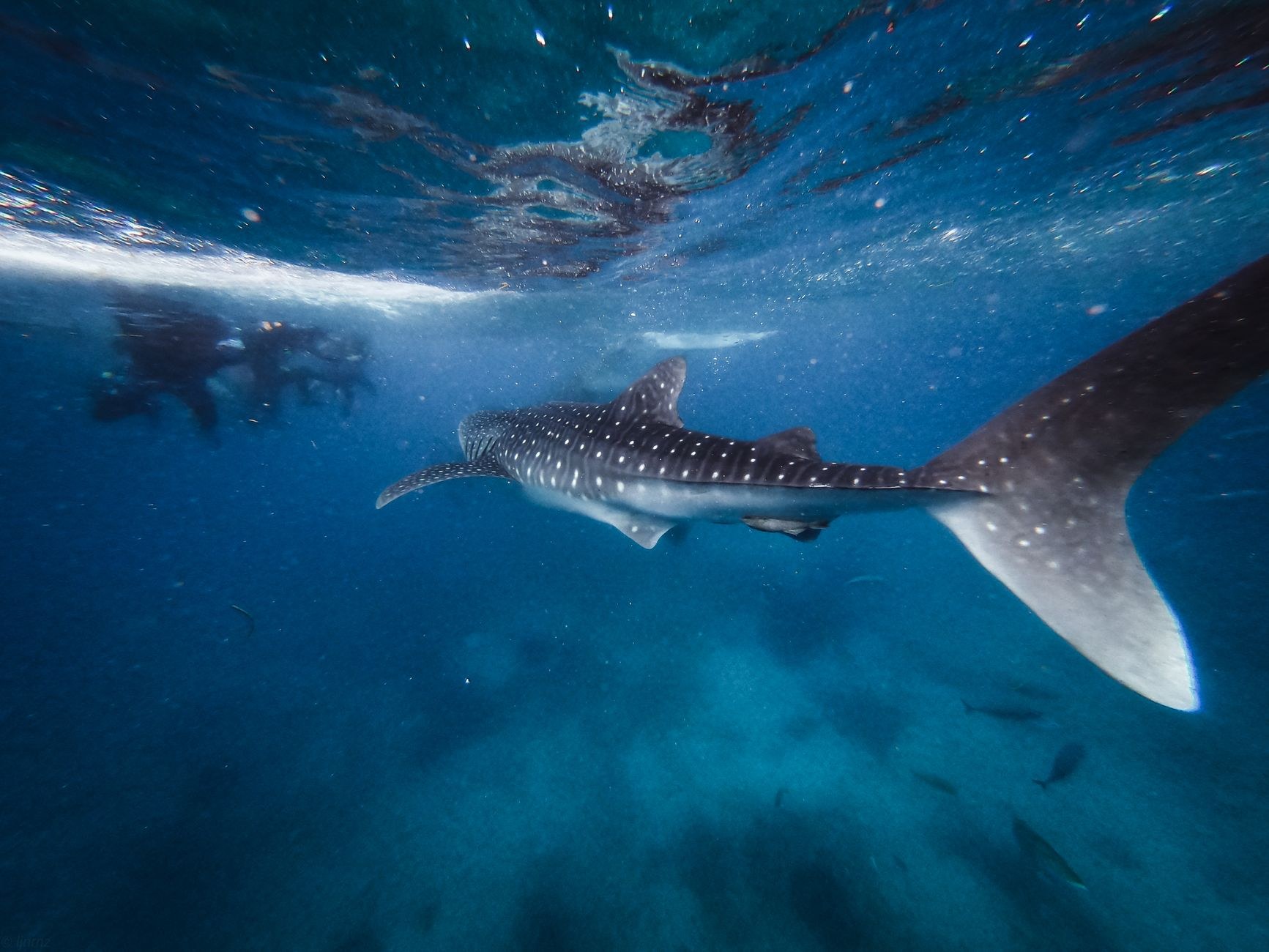
Slip quietly into the water with your mask and fins. Following strict SAMPA guidelines (maintaining a three-meter clearance from the body and four meters from the powerful tail fin), swimming alongside this gentle spotted giant as its gill slits pulse rhythmically is a transformative wildlife experience. The outer reef here is also frequented by green sea turtles, hawksbills, and blacktip reef sharks.
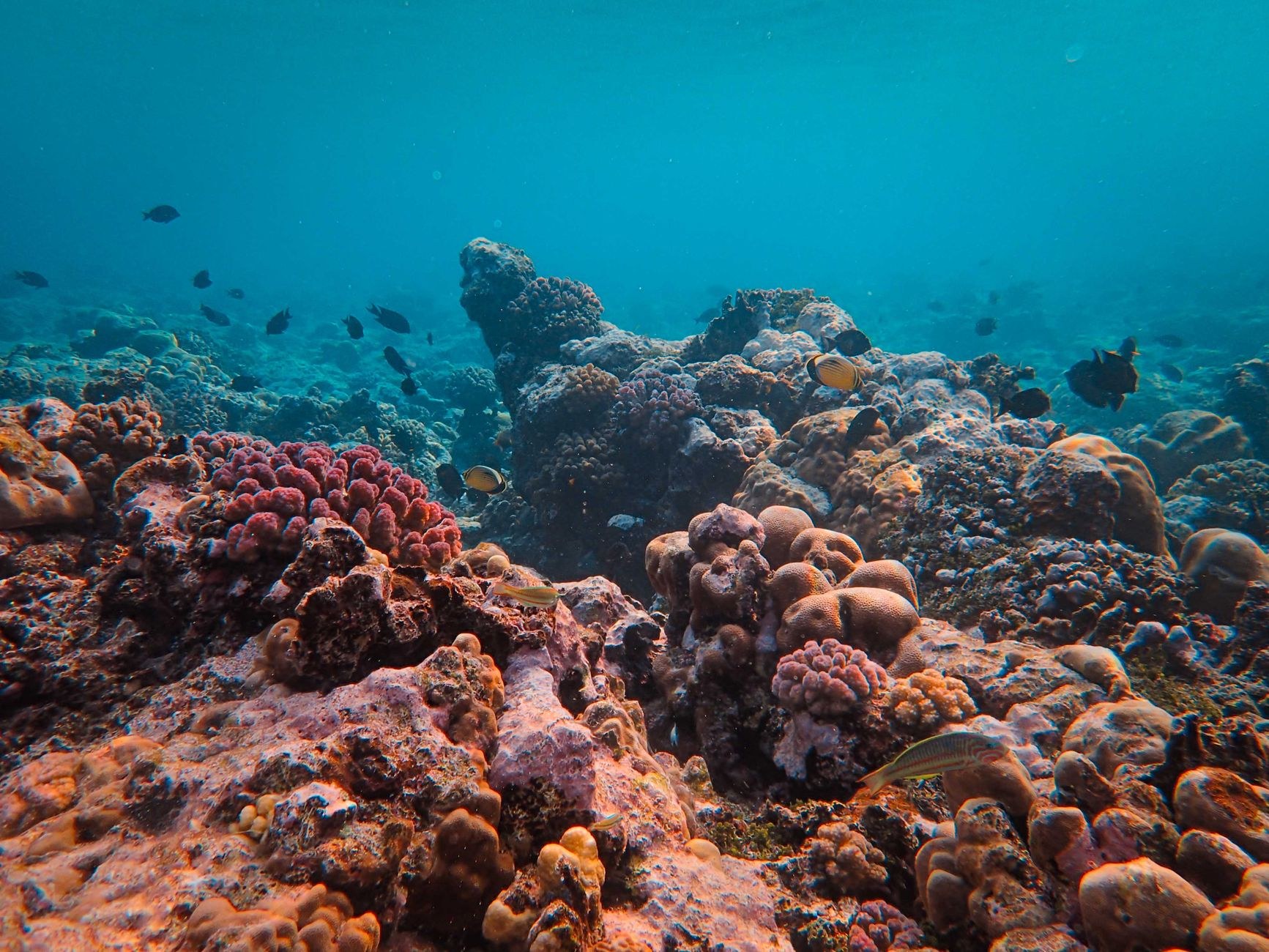
On day four, venture to a nearby reef plateau known as a manta ray cleaning station. At depths of twelve to fifteen meters, large coral outcrops serve as underwater service stations where tiny cleaner wrasses pick parasites from visiting oceanic manta rays. Float on the surface and watch these acrobatic giants, with wingspans exceeding three meters, perform graceful underwater somersaults directly beneath you.
In the late afternoon, return to Dhigurah village for a relaxed culinary evening. Savor an authentic dinner of grilled reef fish caught that morning by local fishermen, tossed in ginger, garlic, and fiery Scotch bonnet chili, served with fragrant coconut rice.
Days 5–6: Vaavu Atoll, Nurse Sharks, and Inhabited Island Culture
On morning five, board an inter-atoll speedboat or arrange a combined transfer across to Vaavu Atoll, arriving at Fulidhoo island. While Dhigurah is celebrated for its immense length and whale sharks, tiny Fulidhoo represents the quintessence of Maldivian island tranquility. Home to fewer than four hundred permanent residents, the island has no motorized vehicles; wide sandy streets are swept clean each dawn by village elders using brooms made from dried palm fronds.
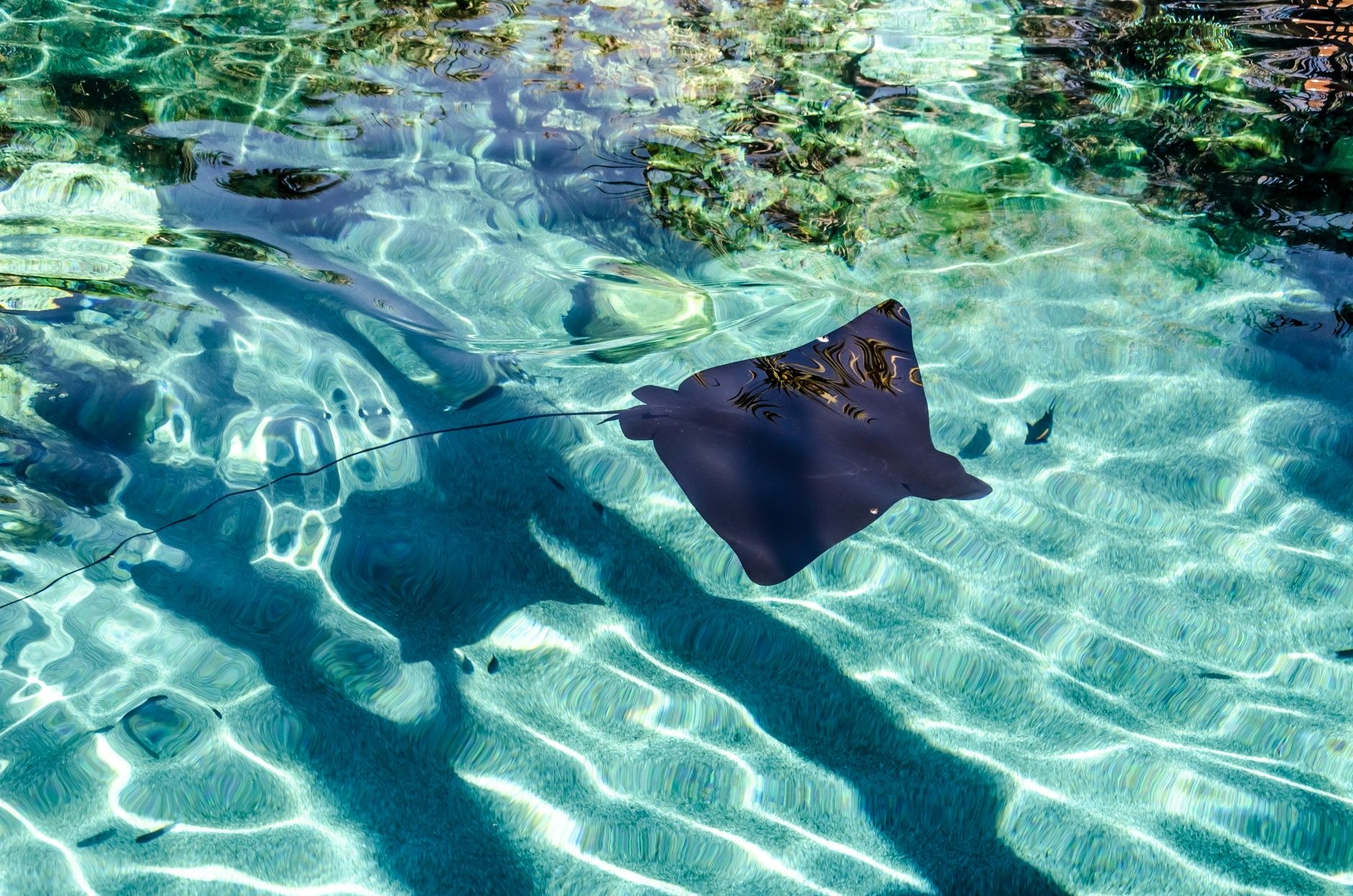
Fulidhoo is famous for its resident marine life right in the main lagoon. Standing on the village beach near the boat jetty in knee-deep water, large southern stingrays and blacktip reef sharks routinely glide right past your ankles, accustomed to fish scraps cleaned by incoming fishermen. Wade into the crystal-clear water to watch these graceful rays ripple effortlessly across the sandy bottom.
On evening six, join a specialized night snorkeling expedition to the nearby resort jetty of Alimathaa. After dusk, dozens of docile nurse sharks—some measuring two-and-a-half meters—and giant trevallies gather in the illumination of the underwater dock floodlights. Slipping into the dark water amidst dozens of slow-moving nurse sharks brushing gently past in the warm current is an unforgettable rush of adrenaline, completely safe when accompanied by experienced local guides.
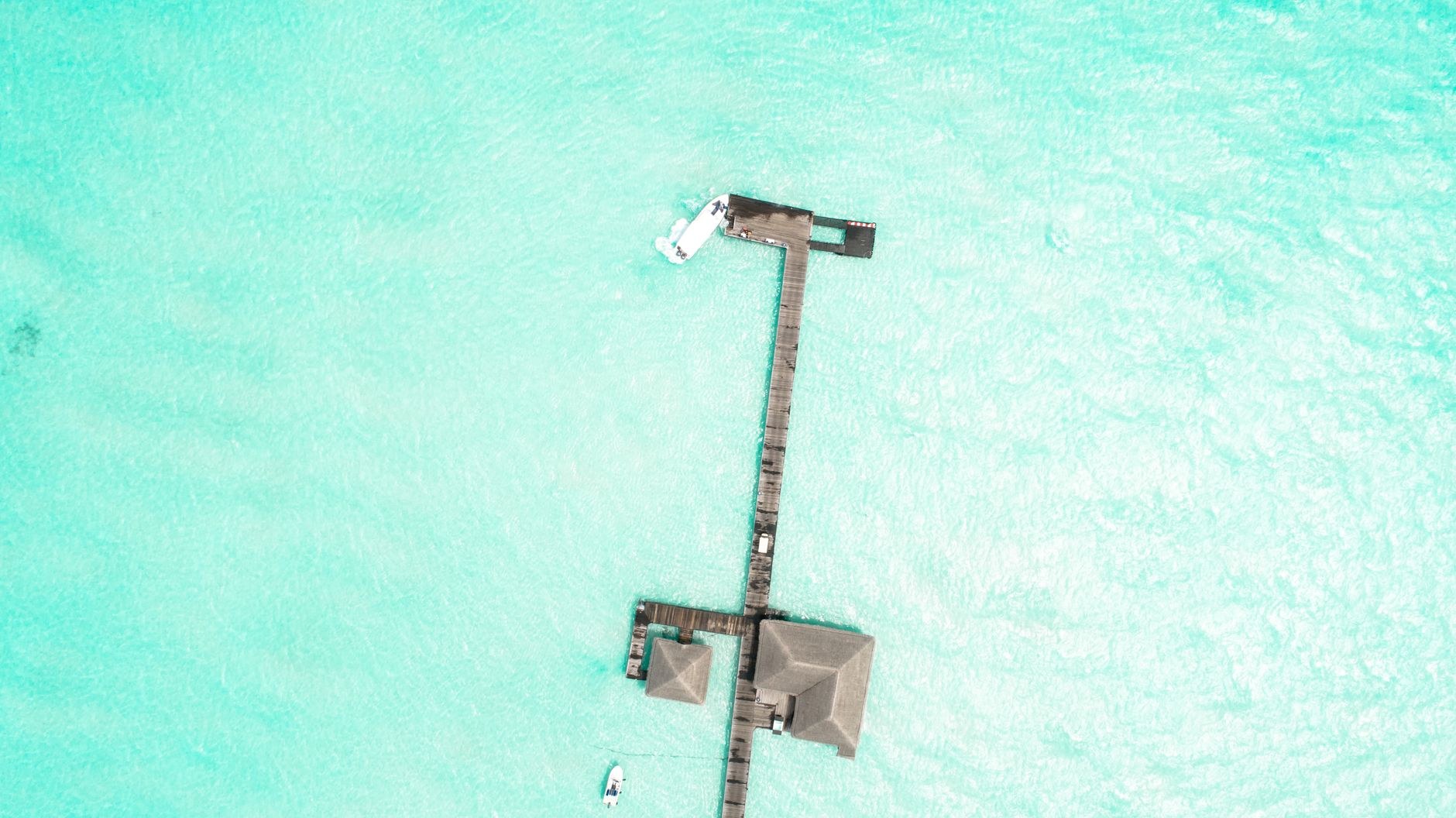
Alternatively, for travellers seeking a taste of resort luxury without spending thousands on overnight accommodations, arrange a Resort Day Pass through your Fulidhoo or Dhigurah guesthouse. For one hundred to one hundred and fifty dollars, nearby private island resorts provide round-trip speedboat transfers, full access to infinity pools, overwater bars, international lunch buffets, and private beaches for the day, allowing you to return to your budget-friendly local guesthouse at sunset.
Culinary Culture: Mas Huni, Skipjack Tuna, and Roshi
Dining on inhabited Maldivian islands provides a profound culinary education that resort buffet guests completely miss. Maldivian gastronomy (known as Dhivehi cuisine) is built around three foundational pillars: fresh tuna, coconuts, and starches.
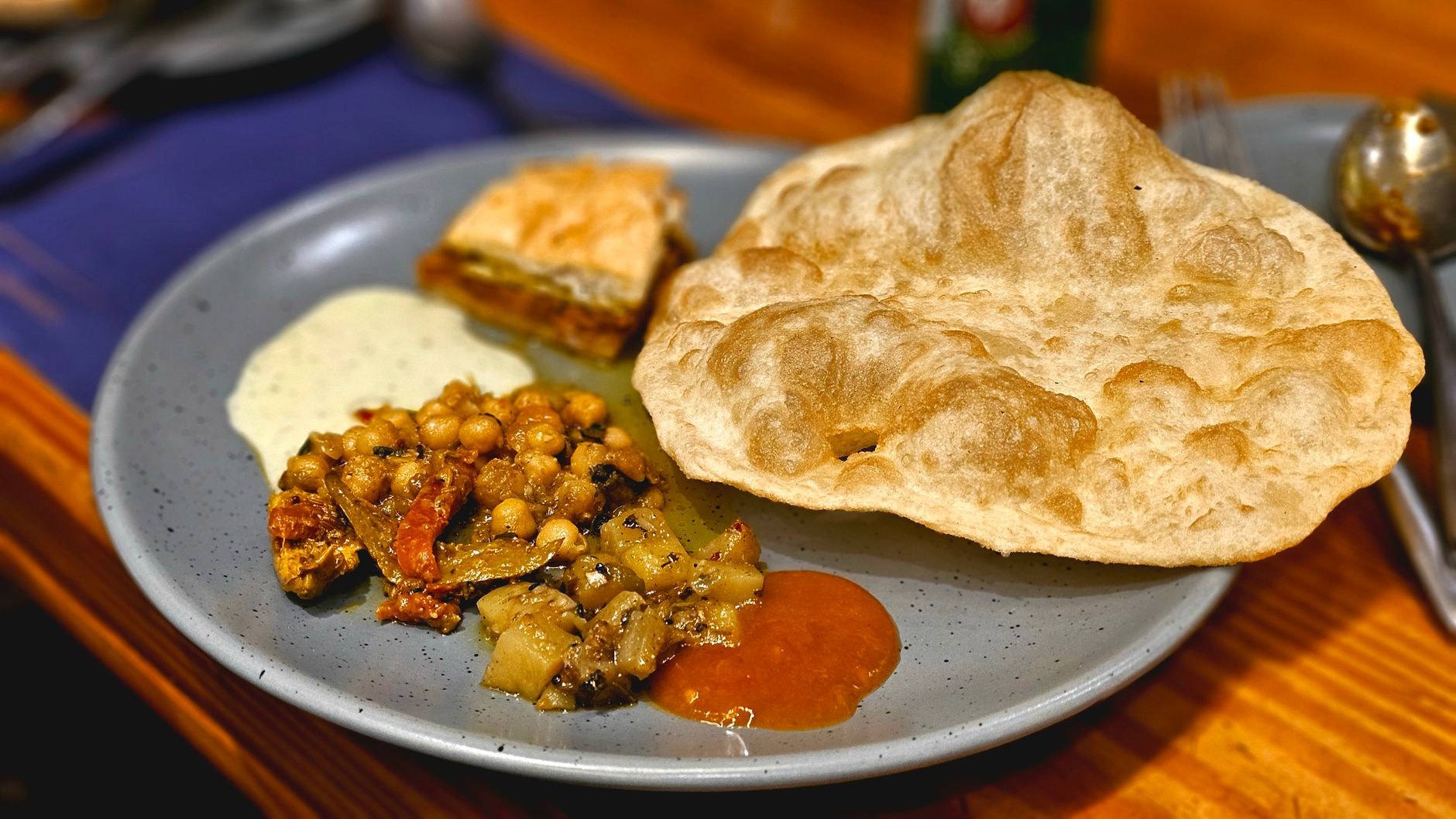
Every morning begins with *mas huni*, the national breakfast staple. Chefs shred cured or fresh smoked skipjack tuna (*valhomas*) and mix it finely with freshly grated coconut meat, minced red onions, lime juice, and finely chopped *githeyo mirus* (Maldivian scotch bonnet peppers). Scooped up with piping-hot, paper-thin unleavened flatbreads called *roshi* and washed down with hot black tea sweetened with condensed milk, it is intensely savory and refreshing.
At local cafés (called *hotaa*), afternoon tea centers on *hedhikaa*—savory short eats. Sample *bajiya* (flaky pastry triangles stuffed with spiced tuna and onions), *gulha* (deep-fried smoked tuna and coconut dough balls), and *kulhi boakibaa* (spicy baked tuna and ground rice cakes). For dinner, order *garudhiya*, a clear, aromatic broth made by simmering fresh skipjack tuna in salted water, served with steamed white rice, lime wedges, sliced raw chilies, and fried onions.
Local Island Etiquette and Cultural Respect
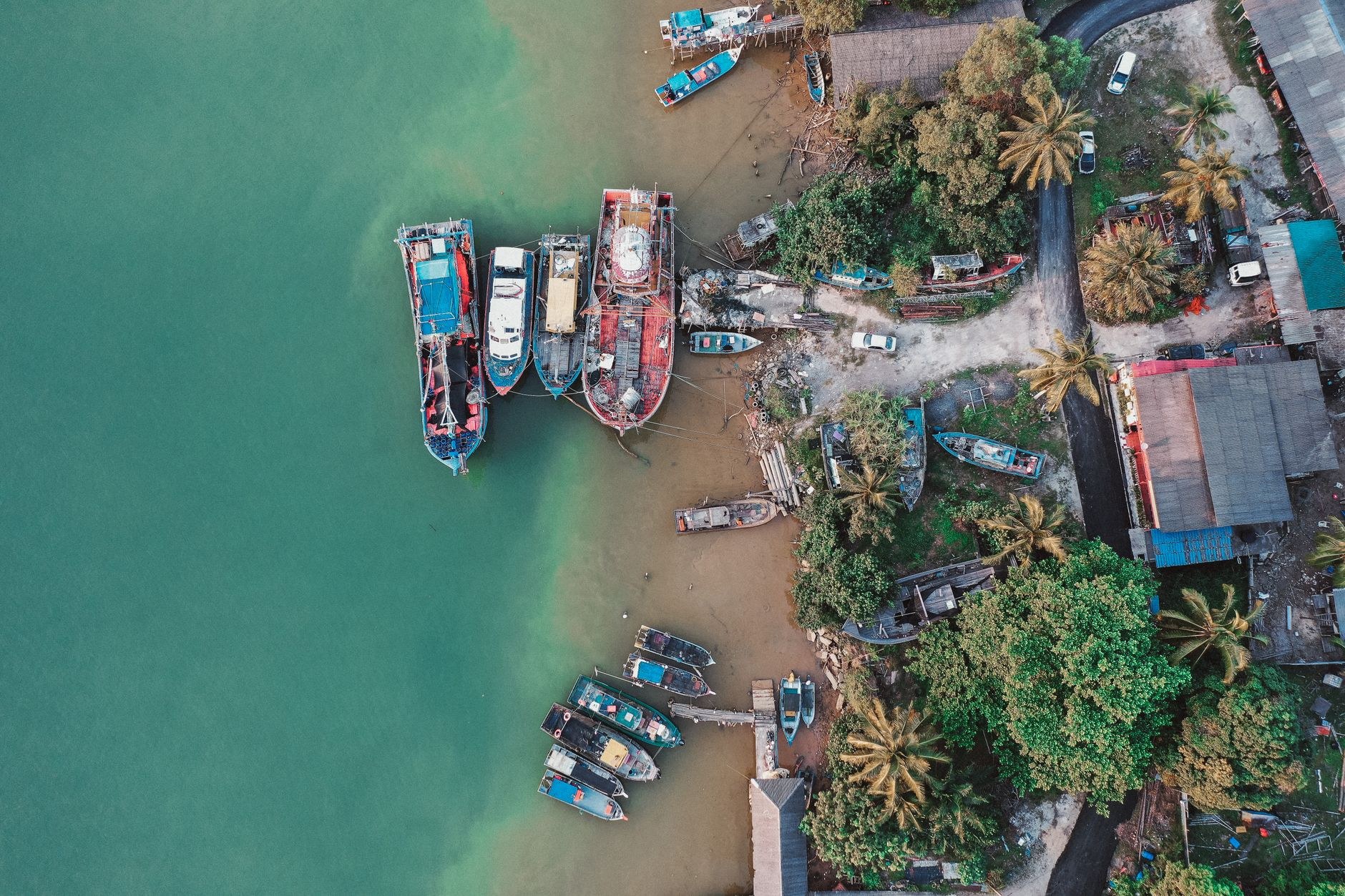
Staying on inhabited Maldivian islands requires understanding that you are sharing space with traditional Islamic communities. Observance of local customs ensures mutual respect and positive cultural exchange:
Modest Dress Codes: When walking through the residential streets of Dhigurah or Fulidhoo, foreign visitors are expected to dress modestly. Shoulders and knees should be covered for both men and women (lightweight linen shirts, loose trousers, or modest maxi dresses are ideal). Bathing suits, bikinis, and speedos are strictly restricted to designated “Bikini Beaches,” which every tourist-friendly local island maintains with privacy fences.
Alcohol Regulations: In accordance with Maldivian national law, the importation, sale, and consumption of alcohol is strictly illegal on inhabited local islands. No guesthouse, grocery store, or village café sells beer, wine, or spirits. For visitors wanting an alcoholic drink, local operators run evening transfer tenders out to floating bar boats (safari yachts) anchored in international waters outside island reef perimeters, where alcohol is legally served under specialized offshore licenses.
Prayer Times and Friday Closures: Daily life follows the Islamic call to prayer (*adhan*). Village shops and small cafés close briefly five times a day for fifteen to twenty minutes during prayer times. On Fridays, the holy day of the week, public offices, banks, and grocery shops remain closed until after midday prayers (around 2:00 PM), and scheduled public speedboats run on reduced Friday timetables.
Mobile Connectivity and Digital Logistics in the Atolls
While remote coral atolls surrounded by open ocean might seem disconnected from modern infrastructure, the Maldives boasts surprisingly robust telecommunications. High-speed 5G and 4G LTE signals blanket almost all inhabited islands, resort lagoons, and primary speedboat channels across the central atolls. Dependable cellular data is essential for tracking marine weather apps (such as Windy), monitoring tidal charts for sandbank visits, confirming speedboat pickup manifests, and translating Dhivehi phrases.
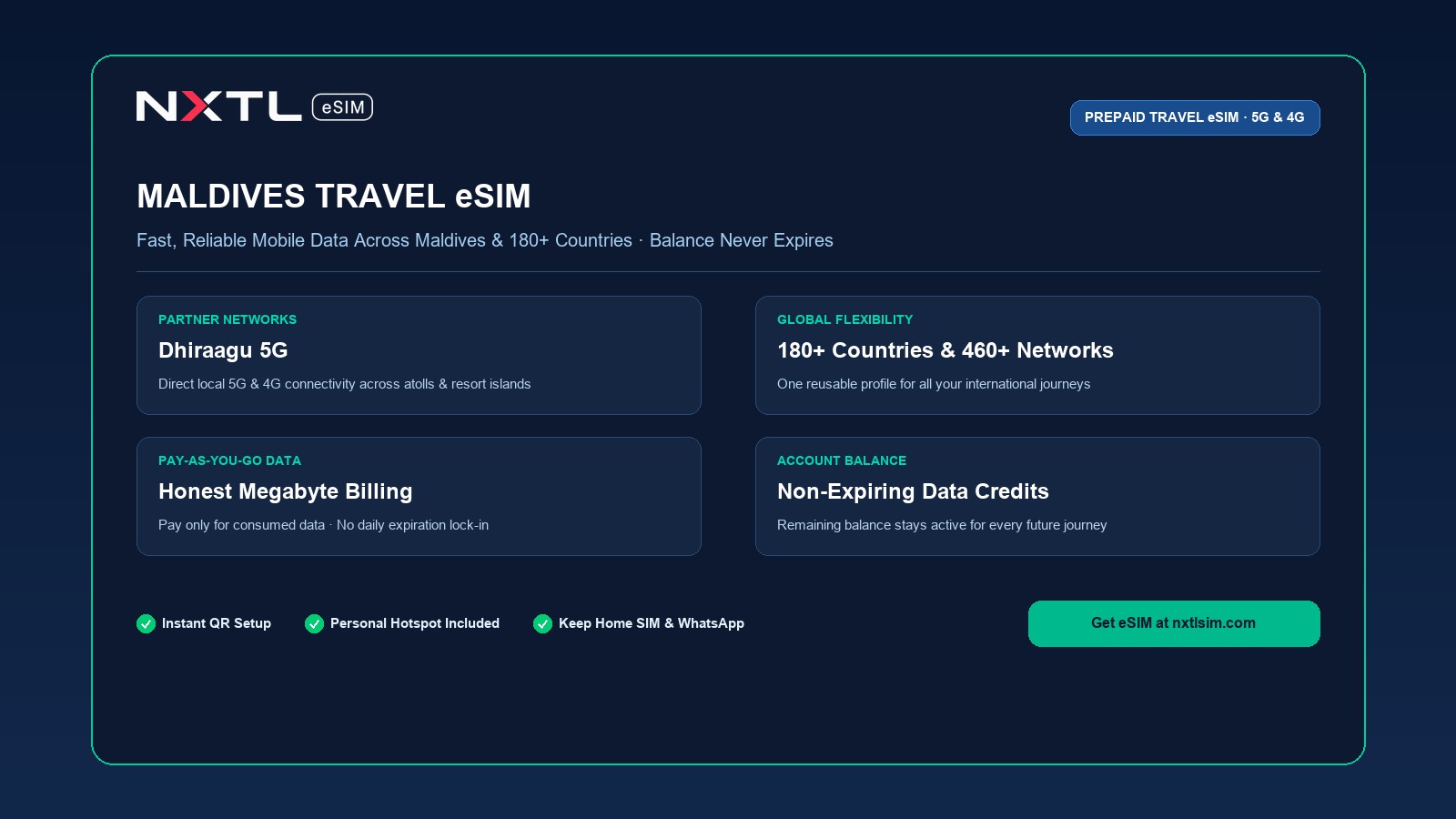
Instead of queuing at airport mobile counters upon arrival or purchasing overpriced tourist SIM packages with short seven-day validity windows, install an eSIM before boarding your flight. The NXTL Maldives eSIM connects directly to Dhiraagu, the country’s leading national carrier operating the widest 5G and 4G coverage across outer atolls. Starting at $9.66 per gigabyte, NXTL features a flexible pay-as-you-go model with no daily data caps. Your balance never expires, meaning remaining data credits remain stored in your digital account for future travels across 180+ countries.
Travel Scams and Atoll Logistics Pitfalls to Avoid
The Maldives is one of the safest travel destinations on earth, with violent crime virtually nonexistent on outer islands. However, visitors navigating local island logistics face several common logistical traps:
- Unscheduled Speedboat Stranding: Independent speedboat operators occasionally cancel scheduled runs with minimal notice if weather deteriorates or passenger numbers fall below minimum thresholds. Always coordinate your transfers directly through your guesthouse management, who maintain direct WhatsApp contact with boat captains and can rebook alternate charters.
- Airport Porter Gratuity Pressure: Upon exiting Velana Airport customs, freelance luggage porters in official-looking shirts may grab your rolling suitcases, wheel them fifty meters to the speedboat dock, and aggressively demand twenty to thirty US dollars in tips. Politely decline assistance and push your own luggage along the flat, paved terminal concourse.
- Credit Card Processing Surcharges: Guesthouses, dive shops, and local restaurants on outer islands frequently add an unexpected three to five percent merchant surcharge on all credit card transactions to cover remote satellite terminal fees. Avoid these surcharges by carrying clean, uncreased US Dollar bills (printed after 2013) or local Maldivian Rufiyaa (MVR).
- Unmarked Reef Boundary Violations: Swimming in swimwear outside designated Bikini Beach markers can lead to awkward confrontations with local village elders and potential police fines. Always ask your guesthouse host for a map showing precise village boundaries and designated swimming areas.
- Unregistered Marine Wildlife Charters: Unlicensed boat owners near public harbors occasionally offer discount excursions to swim with whale sharks, ignoring SAMPA wildlife codes by chasing animals with outboard engines or allowing tourists to touch their fins. Only book excursions through licensed PADI or SSI dive centers committed to ethical marine conservation standards.
By stepping beyond the confines of private resort compounds, embracing the hospitality of local island guesthouses, and navigating the atolls with prepared logistics and dependable digital connectivity, your Maldivian journey will deliver the ultimate Indian Ocean adventure at a sensible cost.