Wedged quietly between Romania and Ukraine in Eastern Europe, the Republic of Moldova is one of the continent’s least-visited sovereign states. Yet for travellers who appreciate unhurried authenticity, ancient viticultural traditions, and fascinating geopolitical curiosities, Moldova is an extraordinary revelation. Underneath its rolling agricultural hills lie the largest subterranean wine cellars on earth—vast limestone cities housing millions of vintage bottles along underground street networks. Above ground, tranquil Orthodox cave monasteries cling to chalk cliffs, rural villages preserve traditional painted wooden architecture, and a breakaway Soviet time-capsule sits along the Dniester River.
Because Moldova is compact—spanning roughly 350 kilometers from north to south and 150 kilometers across—you can easily base yourself in the leafy capital of Chișinău for your entire journey. From this central hub, world-class underground wine complexes, medieval cliff monasteries, and regional heritage sites sit within thirty- to seventy-minute drives. This five-day itinerary provides a structured travel plan: touring the subterranean boulevards of Cricova and Mileștii Mici, walking the dramatic limestone ridge of Orheiul Vechi, visiting the baroque forest sanctuary of Curchi, navigating a day trip into Transnistria, and savoring homemade *plăcinte* and *mămăligă*. Here is your practical operational blueprint for exploring Moldova with clarity.
Trip Planning Blueprint: Basecamp, Wine Tours, and Transnistria Logistics
Planning a rewarding trip through Moldova requires understanding three key operational realities:
Anchoring in Chișinău: Chișinău (Kishinev) is Europe’s greenest capital, laid out on a grid system of broad, tree-canopied boulevards lined with neoclassical architecture, mid-century Soviet administrative monuments, and expansive public parks. Basing yourself in a central hotel or guesthouse near Bulevardul Ștefan cel Mare și Sfânt allows you to explore the capital on foot while taking relaxed half-day or full-day excursions into the countryside via rental car, private driver, or local *marshrutka* minibuses departing from the Central Bus Station (Autogara Centrală).
Mandatory Advance Wine Cellar Bookings: The world-famous subterranean wine cities of Cricova and Mileștii Mici are working industrial production facilities, not walk-in museum exhibits. Entry is granted strictly via pre-booked guided tours conducted in electric tourist trains (at Cricova) or private vehicles accompanied by an official guide (at Mileștii Mici). Tasting packages range from basic cellar tours to multi-course banquets paired with premium reserve vintages. During peak harvest season (September and October) and National Wine Day (the first weekend of October), tour slots fill weeks in advance; reserve your tickets through their official websites before leaving home.
Transnistria Day Trip Regulations: The self-proclaimed Pridnestrovian Moldavian Republic (Transnistria) is an internationally unrecognised breakaway territory along Moldova’s eastern border with Ukraine. Foreign visitors can easily visit on a day trip via frequent shared minibuses running from Chișinău to Tiraspol (seventy minutes). You must pass through an internal checkpoint where Transnistrian border officers inspect your physical passport and issue a paper migration registration slip. Keep this paper slip inside your passport at all times; losing it results in administrative fines and exit delays. Transnistria operates its own currency (the Transnistrian Ruble), which cannot be exchanged or used anywhere outside the breakaway territory.
| Day / Stage | Base | Highlights | Transport Mode | Transit Time | Advance Booking Requirement |
|---|---|---|---|---|---|
| Day 1 | Chișinău | Arrival at Chișinău Airport (RMO), Nativity Cathedral park, Triumphal Arch, Valea Morilor lake | Trolleybus 30 / Yandex Go | 25 mins airport transit | Yandex Go ride app setup |
| Day 2 | Cricova / Mileștii Mici | Underground electric train tour of Cricova cellars, afternoon visit to Mileștii Mici vaults | Private Driver / Taxi | 30 mins transfer each way | Winery tour & tasting slots |
| Day 3 | Orheiul Vechi / Butuceni | Cave monastery overlooking Răut river, traditional blue cottage lanes, Curchi Monastery | Rental Car / Marshrutka | 50 mins scenic rural drive | Guesthouse lunch reservation |
| Day 4 | Tiraspol (Transnistria) | Day trip to Tiraspol: Soviet Supreme Council, Lenin statue, Bender Fortress on Dniester | Shared Marshrutka / Tour | 1 hr 15 mins coach transit | Passport & migration check |
| Day 5 | Chișinău departure | Piata Centrala market, souvenir ceramic crafts shopping, Moldovan wine cellar purchase, airport | Local Trolleybus / Taxi | 25 mins airport transfer | Outbound flight check-in |
Day 1: Chișinău: Leafy Avenues, Neoclassical Arches, and Cascade Staircases
Your journey begins at Chișinău International Airport (RMO). Modern municipal trolleybus line 30 links the airport terminal directly to downtown Chișinău every twenty minutes for a fare of just six Moldovan Lei (roughly thirty-five Euro cents). Check into your central hotel and begin your walking exploration along Bulevardul Ștefan cel Mare și Sfânt, named after Moldova’s 15th-century national hero, Prince Stephen the Great.
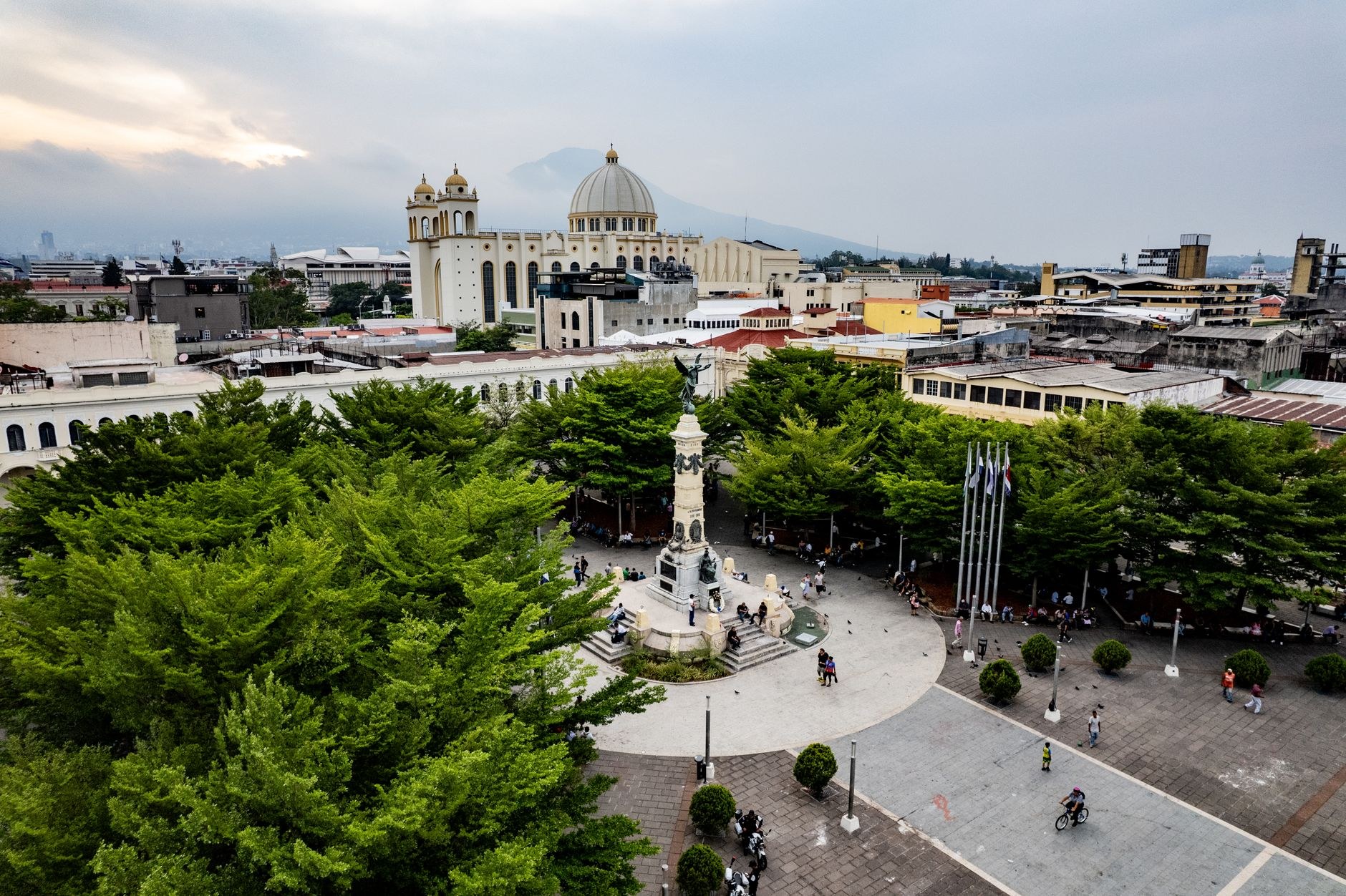
In the heart of the central park stands the Cathedral of Christ’s Nativity, an elegant neoclassical masterpiece designed in 1836 by architect Abram Melnikov. Featuring crisp Doric porticos, a graceful central dome, and an independent four-tiered bell tower, the cathedral stands opposite the Triumphal Arch (Porțile Sfinte), built in 1840 to commemorate the victory of the Russian Empire over Ottoman forces in the Russo-Turkish War.
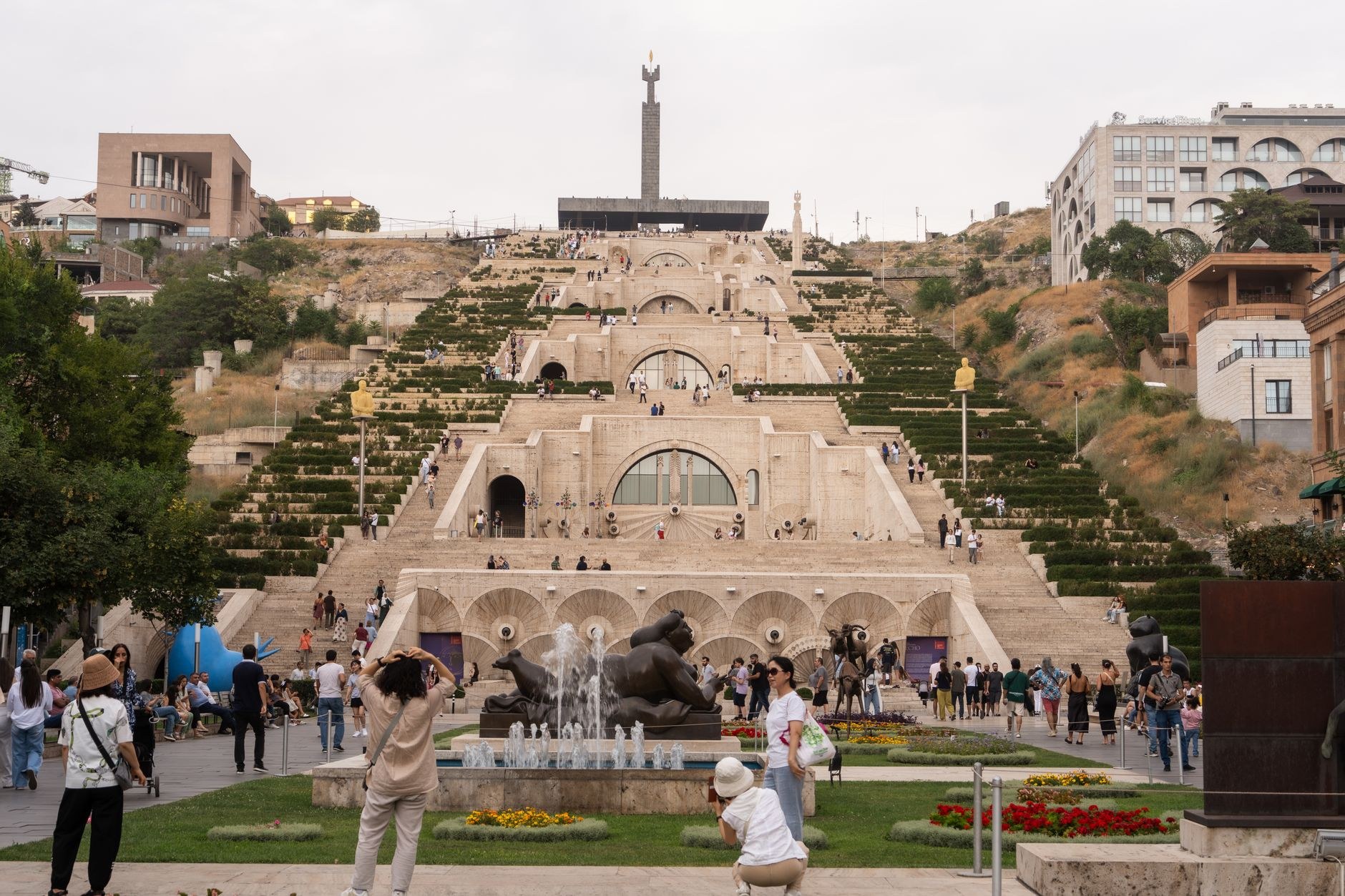
Spend your afternoon walking through Central Park, greeting locals playing chess under oak trees beside the bronze bust of Alexander Pushkin, who lived in exile in Chișinău between 1820 and 1823. Continue southwest to Valea Morilor Park, a serene lake basin surrounded by dense woods. Descend the grand white granite cascade staircase, modeled after Peterhof Palace with flowing fountains and polished balustrades, to walk the three-kilometer paved promenade encircling the water as the sunset reflects across the peaceful surface.
Day 2: The Subterranean Empires of Cricova and Mileștii Mici
Day two is dedicated to Moldova’s defining marvel: its subterranean wine cities. Centuries of mining dense Sarmatian limestone to construct Chișinău’s stone buildings left an immense network of hollowed underground galleries. Because these limestone chambers maintain a constant natural year-round temperature of twelve to fourteen degrees Celsius and eighty-five to ninety percent humidity, they provide perfect microclimatic conditions for maturing fine wines.
Drive fifteen kilometers north of the capital to Cricova. Spanning over 120 kilometers of subterranean tunnels, Cricova is a full-fledged underground metropolis. Board an open-air electric tourist train to navigate through dimly lit limestone avenues named after grape varieties: Cabernet Street, Fetească Neagră Boulevard, and Pinot Noir Lane.
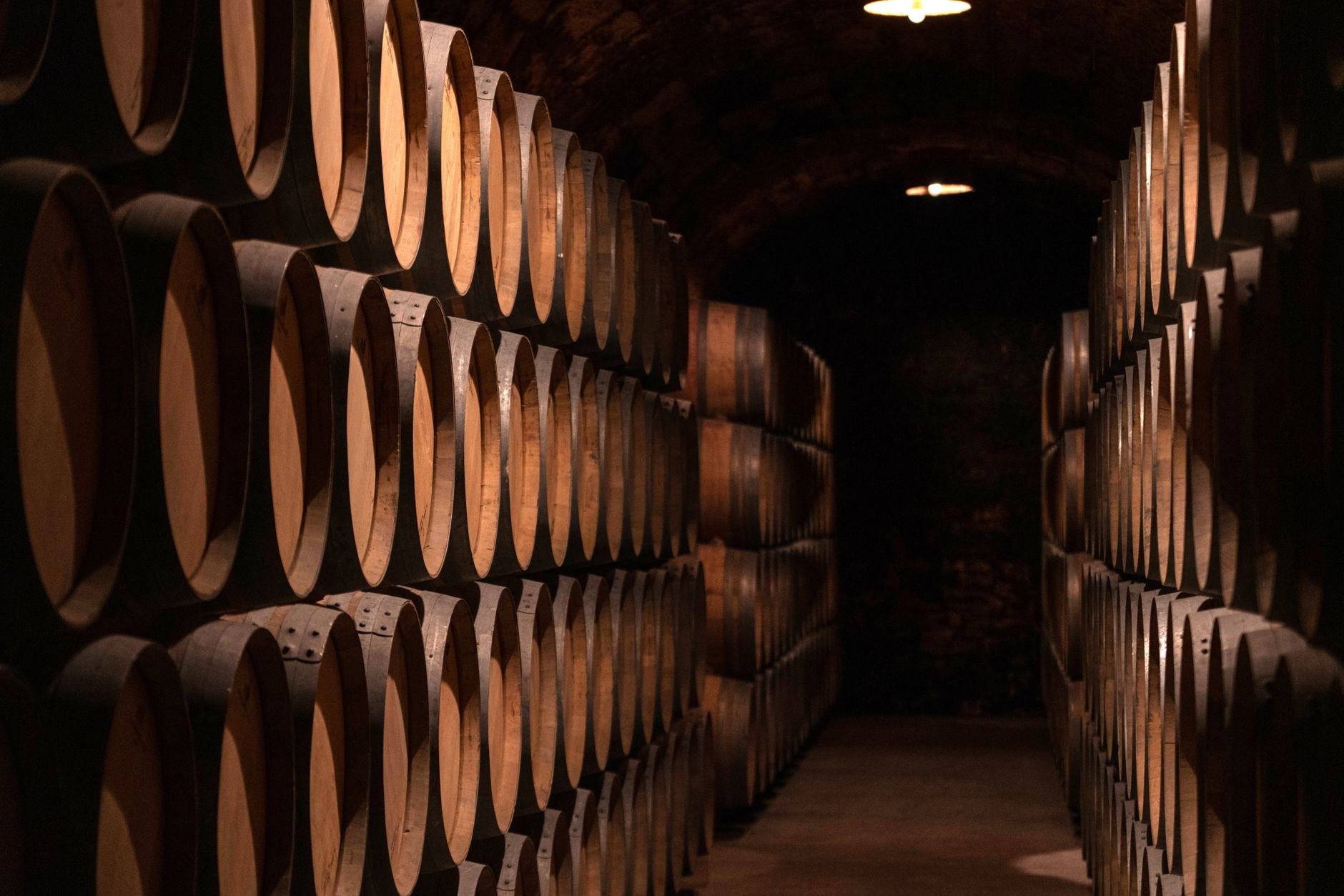
Cricova is world-famous for its traditional method sparkling wines (*méthode champenoise*), where thousands of bottles sit neck-down in wooden riddling racks, manually turned by master cellar workers. The tour visits Cricova’s legendary State Wine Collection, containing rare historical vintages including Hermann Göring’s private wine collection seized after World War II, and magnificent underground marble tasting halls where cosmonaut Yuri Gagarin famously got lost during a celebratory banquet in 1966.
In the afternoon, travel twelve kilometers south of Chișinău to Mileștii Mici. Measuring over two hundred kilometers in total tunnel length (with fifty-five kilometers in active viticultural use), Mileștii Mici holds the official Guinness World Record for the largest wine collection on earth, preserving more than two million bottles in its “Golden Collection.”
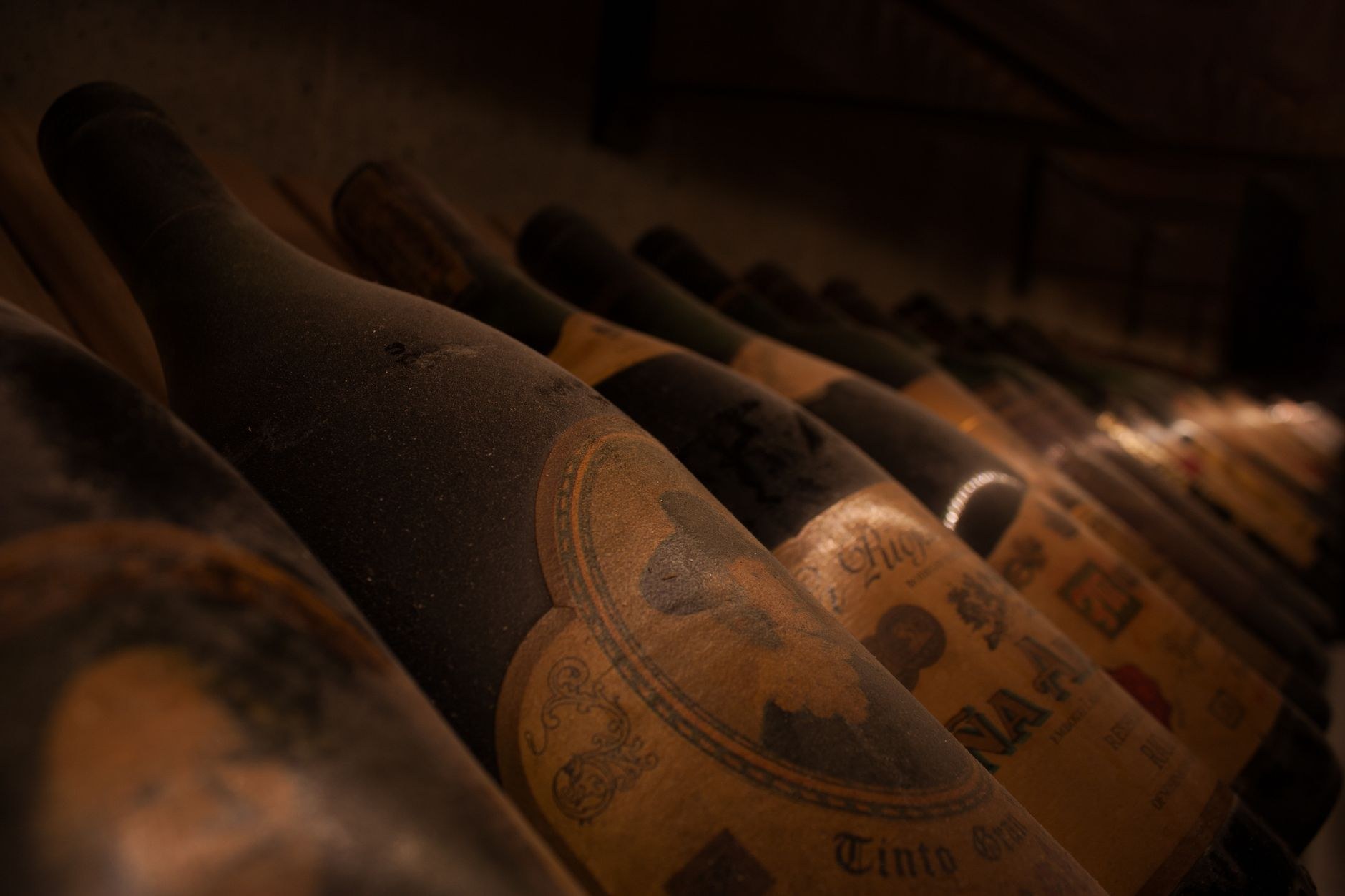
Tours at Mileștii Mici are conducted in passenger cars or minivans following an official guide through dark limestone corridors flanked by two-meter-tall oak barrels. Arriving at the Golden Collection, limestone niches stretch into the gloom, stacked with cobweb-draped bottles of vintage Cabernet, Traminer, and Negru de Purcari aging gracefully in undisturbed subterranean silence.
Day 3: Orheiul Vechi Cliff Monastery and Butuceni Rural Culture
On morning three, journey fifty kilometers northeast to Orheiul Vechi (Old Orhei), Moldova’s primary historical and cultural reserve. Here, the meandering Răut River has carved a dramatic, horseshoe-shaped limestone canyon through the undulating steppe, exposing sheer vertical rock faces.
Crowning the narrow limestone ridge stands the picturesque church of the Ascension of Saint Mary, with its golden cupola glinting against open skies. Beneath the church, step through a discreet stone doorway to descend a dark staircase carved directly into the bedrock, entering the Cave Monastery of Peștera. Excavated by Orthodox Christian monks in the 13th century seeking refuge from invading Mongol-Tatar forces, this candlelit limestone sanctuary consists of a small chapel with stone icons and twelve hermit sleeping cells cut into the living cliff.
Step through a doorway at the rear of the cave chapel directly onto an open cliff balcony suspended fifty meters above the winding river valley. Here, an elderly resident monk continues to live a life of prayer, blessing visiting travellers who light beeswax tapers before the ancient icons.
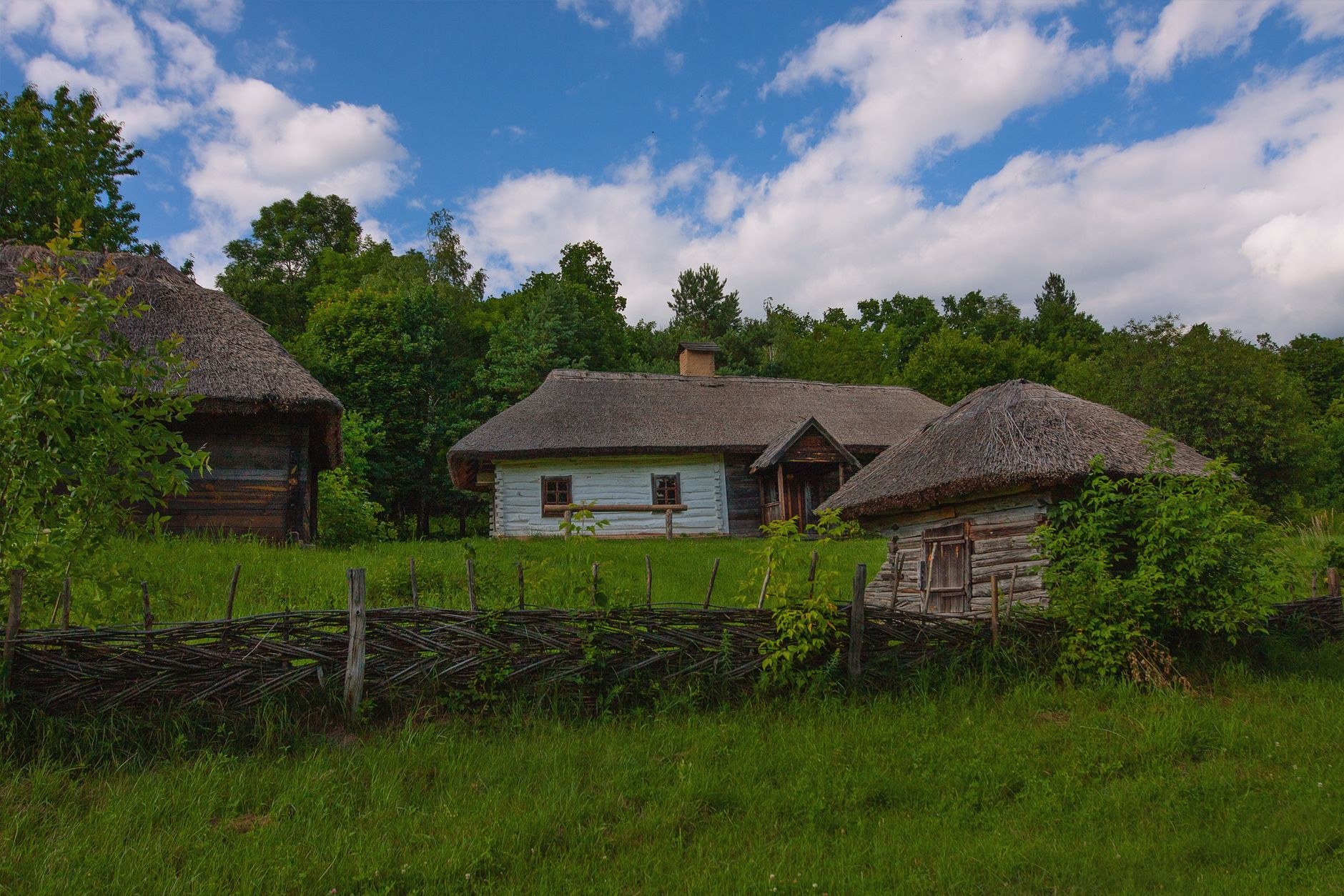
Walk down the ridge into the charming riverside village of Butuceni. The village is an open-air architectural museum: traditional Moldovan single-story stone cottages painted in sky-blue and white lime plaster, enclosed by woven wicker fences and topped with decorative tin or tiled roofs. Many cottages have been converted into eco-guesthouses where local families serve home-cooked rural lunches on shaded wooden verandas.
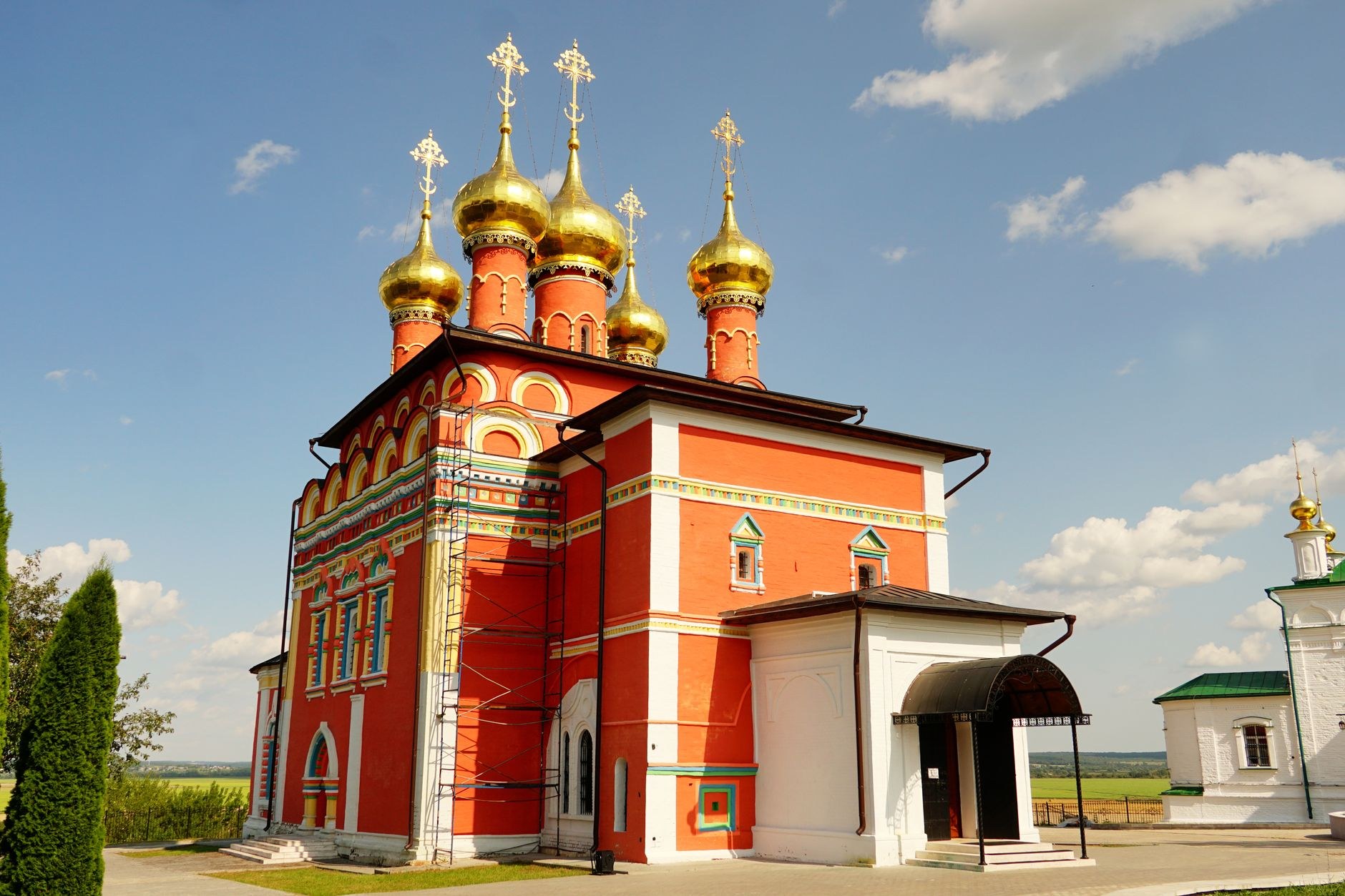
On your return drive toward Chișinău, detour into the dense oak and beech forests of the Codru nature reserve to visit Curchi Monastery. Founded in 1773, Curchi is one of the grandest monastic ensembles in Bessarabia, centered around the monumental Cathedral of the Nativity of the Virgin Mary, an Italian-baroque sanctuary with crimson facades and soaring gilded domes surrounded by rose gardens.
Day 4: Tiraspol and the Breakaway Enclave of Transnistria
Day four offers one of Europe’s most surreal political journeys: a day trip into Transnistria (the Pridnestrovian Moldavian Republic), a de facto independent breakaway strip along the Ukrainian frontier that split from Moldova in a brief 1992 conflict following the Soviet Union’s dissolution.
Board an early morning *marshrutka* from Chișinău’s Central Bus Station to Tiraspol. At the administrative border checkpoint near Bender, present your passport to Transnistrian immigration officials. State that you are visiting for tourism for the day; you will receive a printed paper migration slip stamped with your approved exit time (typically ten hours). Guard this paper carefully.
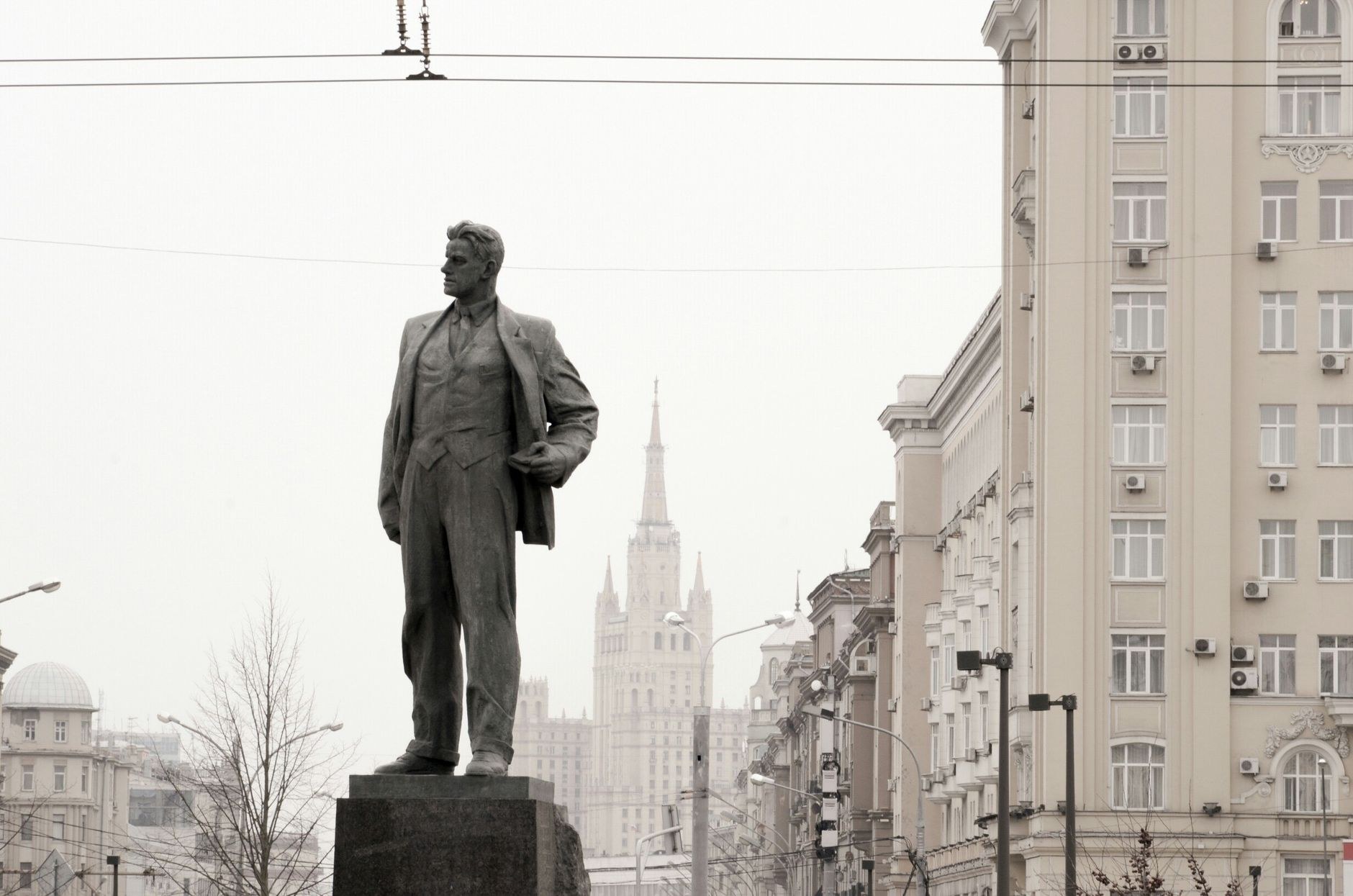
Arriving in Tiraspol feels like stepping through a temporal portal into the late Soviet era. Along the wide expanse of 25th of October Street, hammer-and-sickle crests adorn public buildings, street billboards display socialist labor slogans, and a monumental red-granite statue of Vladimir Lenin towers outside the Brutalist Supreme Soviet parliament building. Visit the nearby memorial complex commemorating fallen soldiers, complete with an eternal flame and a decommissioned Soviet T-34 tank mounted on a pedestal.
Exchange ten or twenty Euros into Transnistrian Rubles at an official exchange booth to pay for lunch. Stop at a local café for a meal of *pelmeni* (dumplings) or *borscht*, accompanied by a glass of Kvint brandy (*divin*), distilled in Tiraspol since 1897 and celebrated across Eastern Europe. Before leaving, visit the 16th-century Ottoman fortress of Bender overlooking the Dniester River, where King Charles XII of Sweden took refuge after his defeat at the Battle of Poltava in 1709, before catching an afternoon minibus back to Chișinău.
Gastronomic Heritage: Mămăligă, Plăcinte, and Farmstead Feasts
Moldovan gastronomy is an intensely comforting, earth-to-table cuisine rooted in fertile black-soil farming (*chernozem*), influenced by centuries of Romanian, Ottoman, and Slavic culinary exchange.
The culinary cornerstone is *mămăligă*, a dense, golden cornmeal porridge cooked in a heavy cast-iron cauldron (*ceaun*). Turned upside down onto a wooden board, it is sliced with a taut sewing thread rather than a knife. It is served with *friptură* (tender braised pork or rabbit simmered with garlic and sweet peppers), salty crumbled sheep’s milk cheese (*brânză*), and thick sour cream (*smântână*).
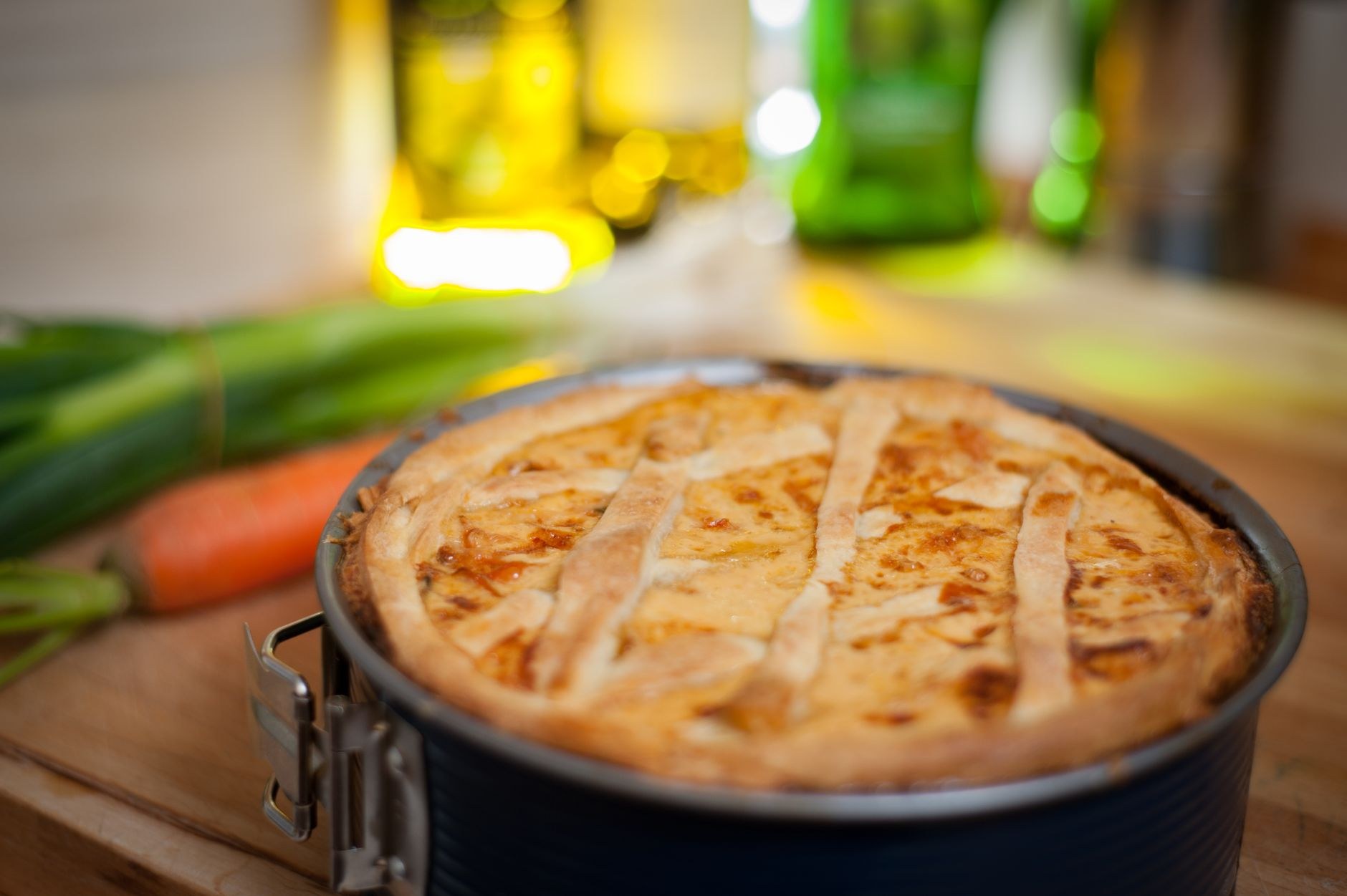
Equally ubiquitous are *plăcinte*—flaky, pan-fried or oven-baked thin pastries rolled around generous savory or sweet fillings. Sample classic varieties: *plăcintă cu brânză de vaci și mărar* (stuffed with fresh cottage cheese and fragrant green dill), *plăcintă cu varză* (stewed sauerkraut), or *plăcintă cu vișine* (tart sour cherries). Begin meals with *zeamă*, a light, restorative chicken soup made with homemade egg noodles, carrots, and tender chicken, soured naturally with fermented wheat bran broth (*borș*) and seasoned with fresh lovage.
Mobile Connectivity and Digital Logistics in Moldova
Maintaining dependable mobile data while travelling through Moldova is critical for ordering affordable rides via Yandex Go, translating Romanian and Russian signs with camera optical apps, and navigating rural roads around Orheiul Vechi. Moldova possesses surprisingly sophisticated digital telecommunications, with extensive 5G and 4G LTE coverage across Chișinău and primary regional highways operated by Orange, Moldcell, and Moldtelecom.

Rather than searching for physical SIM kiosks at the airport or registering with local identity paperwork, install an eSIM before boarding your flight. The NXTL Moldova eSIM connects directly to tier-1 domestic networks—Orange, Moldcell, and Moldtelecom—providing ultra-fast 5G and 4G data. At an exceptionally economical rate of just $0.72 per gigabyte, NXTL utilizes a flexible pay-as-you-go model with no daily data caps. Your balance never expires, meaning remaining data credits remain stored in your digital account for future travels across 180+ countries.
Travel Scams and Regional Logistics Pitfalls to Avoid
Moldova is one of Eastern Europe’s most peaceful and welcoming nations, with very low rates of violent crime. However, foreign visitors should stay alert to several logistical traps and administrative pitfalls:
- Transnistria Migration Card Loss: Upon entering Transnistria, border officials hand you a small white slip of paper containing your entry timestamp and registration details. Losing this paper slip causes severe administrative delays at the exit checkpoint, including questioning and unofficial cash “fines” of twenty to fifty Euros. Keep the slip tucked securely inside your passport until safely back in government-controlled territory.
- Unregulated Chișinău Airport Taxi Scams: Unlicensed taxi drivers waiting outside the arrivals terminal at Chișinău International Airport frequently quote twenty to thirty Euros for the short twenty-minute ride into downtown. An official metered fare or ride booked through the Yandex Go app costs between 120 and 180 Moldovan Lei (roughly $6.78–$10.17). Either use the app or take municipal Trolleybus 30.
- Stranded Transnistrian Rubles: Transnistrian Rubles (PRB) are not recognized by international banks and cannot be exchanged anywhere outside Transnistria—not even in Chișinău. Convert only small sums of cash (ten to twenty Euros) at exchange booths in Tiraspol, and spend or re-exchange all remaining Rubles before crossing back over the internal checkpoint.
- Wine Cellar Walk-Up Lockouts: Showing up at Cricova or Mileștii Mici without an advance reservation almost always results in disappointment. Both complexes require scheduled group entries and security escorts; independent walk-ins are routinely turned away at the gate. Always book your cellar tour online at least three to five days ahead.
- Rural Pothole Hazards & Unmarked Railway Crossings: While primary arterial roads like the M2 to Orhei have been smoothly paved with European funds, secondary rural tracks leading to village guesthouses frequently feature deep potholes and unlit railway crossings lacking barrier gates. If renting a car, avoid driving on unlit secondary rural roads after dark.
By establishing your base in Chișinău, planning winery reservations in advance, and maintaining reliable digital connectivity, your journey through Moldova will reveal an unforgettable Eastern European world of warmth, underground marvels, and rich viticultural history.