Promoted across tourism brochures as having 365 distinct beaches—one for every day of the calendar year—the twin-island nation of Antigua and Barbuda presents first-time visitors with a classic Caribbean logistical challenge. Beyond the resort gates along Dickenson Bay lies an island of intricate nautical geography, marked by sheltered Georgian naval dockyards, volcanic ridges, and a low-lying coral atoll thirty miles across open ocean that operates on an independent rhythm.
To experience the real depth of this archipelago, independent travellers must look beyond the beach count. Spending an entire week isolated on a single northern strand deprives you of the stone fortifications at English Harbour, the cool agricultural canopy of Fig Tree Drive, Atlantic blowholes at Devil’s Bridge, and the wilderness of Barbuda’s Codrington Lagoon. Here is your definitive operational seven-day route, balancing naval history, quiet southwest coves, culinary traditions, and a properly organized sister-island expedition.
Trip Planning Blueprint: Island Geography, Driving, and Seasonal Timing
Structuring a successful trip across Antigua and Barbuda requires understanding three core logistical components:
Left-Hand Driving and Road Realities: Antigua drives on the left-hand side of the road, a legacy of British administration. While primary coastal arteries connecting St. John’s, V.C. Bird International Airport (ANU), and English Harbour are paved, rural roads feature deep potholes, unpainted speed humps known as sleeping policemen, and roaming stray livestock. Renting a compact SUV with higher ground clearance offers a clear advantage over low-slung economy cars, especially on unpaved beach access tracks. Foreign drivers must obtain a temporary local driving permit (twenty US dollars or fifty Eastern Caribbean dollars), which car rental agencies issue upon inspecting your domestic license.
Currency and Local Pricing Dynamics: The official currency is the Eastern Caribbean Dollar (XCD), pegged to the US Dollar at a fixed rate of 2.70 XCD per 1 USD. US Dollar banknotes are accepted almost everywhere across both islands, but change is usually returned in Eastern Caribbean Dollars. Major hotels, dive shops, and established restaurants readily accept credit cards. However, cash is required for public minibuses, roadside fruit stalls, small beach shacks, and local boatmen on Barbuda.
Climatic Seasons and Sailing Calendar: High season runs from mid-December through April, characterized by steady trade winds, minimal rain, and daytime temperatures around twenty-eight degrees Celsius. This window coincides with premier nautical fixtures, notably Antigua Sailing Week in late April and the Classic Yacht Regatta. The shoulder months of May and June offer lower lodging rates and quiet shores, while July brings the national Carnival. The Atlantic hurricane season extends from August through October, when tropical moisture increases and several rural operations reduce schedules.
| Day / Stage | Base | Highlights | Transport Mode | Transit Time | Advance Booking Requirement |
|---|---|---|---|---|---|
| Day 1 | St. John’s / North Coast | V.C. Bird Airport arrival, Redcliffe Quay historical architecture, Dickenson Bay sunset | Rental SUV / Taxi | 20 mins airport transfer | Rental vehicle reservation & local driving permit |
| Day 2 | English Harbour | Nelson’s Dockyard UNESCO site, Clarence House, Fort Berkeley coastal battery walk | Rental SUV / Minibus #17 | 35 mins from St. John’s | National Parks Authority multi-site pass |
| Day 3 | English Harbour / Falmouth | Shirley Heights panoramic ridge, Pigeon Point swimming, Galleon Beach snorkeling | Rental SUV / Footpaths | 15 mins local hops | Shirley Heights Thursday or Sunday barbecue entry |
| Day 4 | Jolly Harbour / Southwest | Fig Tree Drive rainforest drive, Wallings Nature Reserve, Ffryes & Valley Church beaches | Rental SUV | 40 mins winding route | Wallings trail guide for interior ridge hikes |
| Day 5 | Barbuda Excursion | Barbuda Express ferry or SVG Air flight, Codrington Lagoon Frigate Bird Sanctuary, Low Bay | Ferry / Inter-island Flight & Boat | 90 mins ferry / 20 mins flight | Ferry/flight tickets & local lagoon boat captain |
| Day 6 | East Coast / Willikies | Devil’s Bridge Atlantic blowholes, Betty’s Hope sugar plantation, Half Moon Bay | Rental SUV | 50 mins cross-island | Site admission at Betty’s Hope historical museum |
| Day 7 | South Coast / Departure | Carlisle Bay morning swim, roadside black pineapple tasting, airport return transfer | Rental SUV / Taxi | 30 mins to ANU Airport | Flight check-in 3 hours before departure |
Day 1: Arrival, St. John’s Heritage Quays, and North Coast Shallows
Your journey begins at V.C. Bird International Airport on the northeastern corner of Antigua. After collecting your rental vehicle and temporary driving permit at arrivals, drive twenty minutes west into St. John’s. Base yourself along the northwest coast near Dickenson Bay or Runaway Bay, offering easy access to the capital and the western coastal highway.
Spend your first afternoon exploring the historic harbor quarter of St. John’s. Bypass the duty-free chain shops of Heritage Quay and focus on Redcliffe Quay, a collection of restored 18th-century brick and stone warehouses that once served as trading depots for sugar and rum. Shaded by mature sea grape trees, these courtyards now house independent artisan boutiques and open-air cafes.
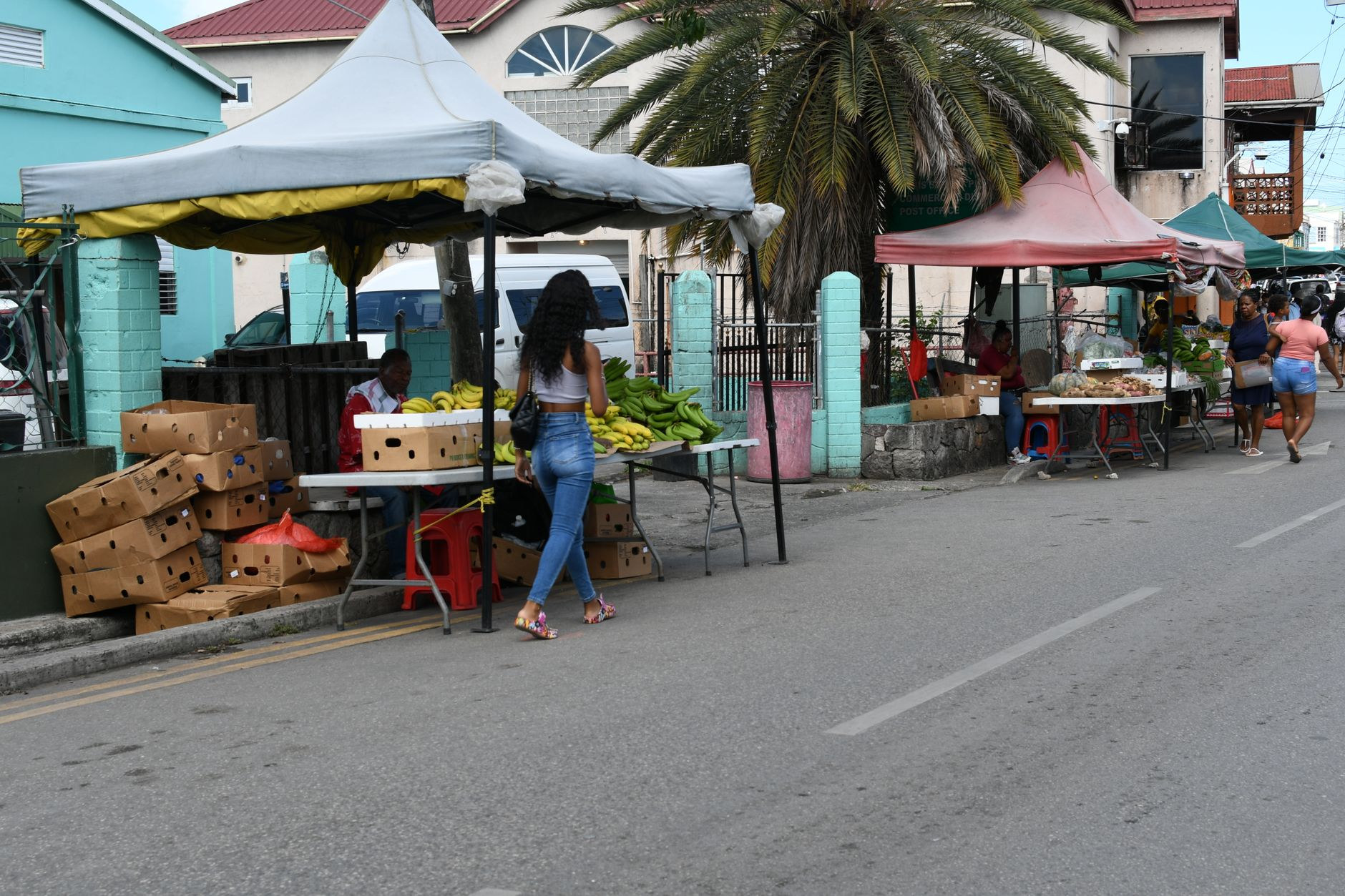
Walk two blocks south to the Public Market Complex along Valley Road. Saturday mornings are exceptionally lively here, as smallholders from Christian Valley and Urlings bring soursop, breadfruit, callaloo greens, and the sweet Antigua Black pineapple. Conclude your day at Dickenson Bay, watching the sun dip into the Caribbean Sea from a beachside deck with a cold Wadadli lager.
Day 2: Nelson’s Dockyard and Maritime History in English Harbour
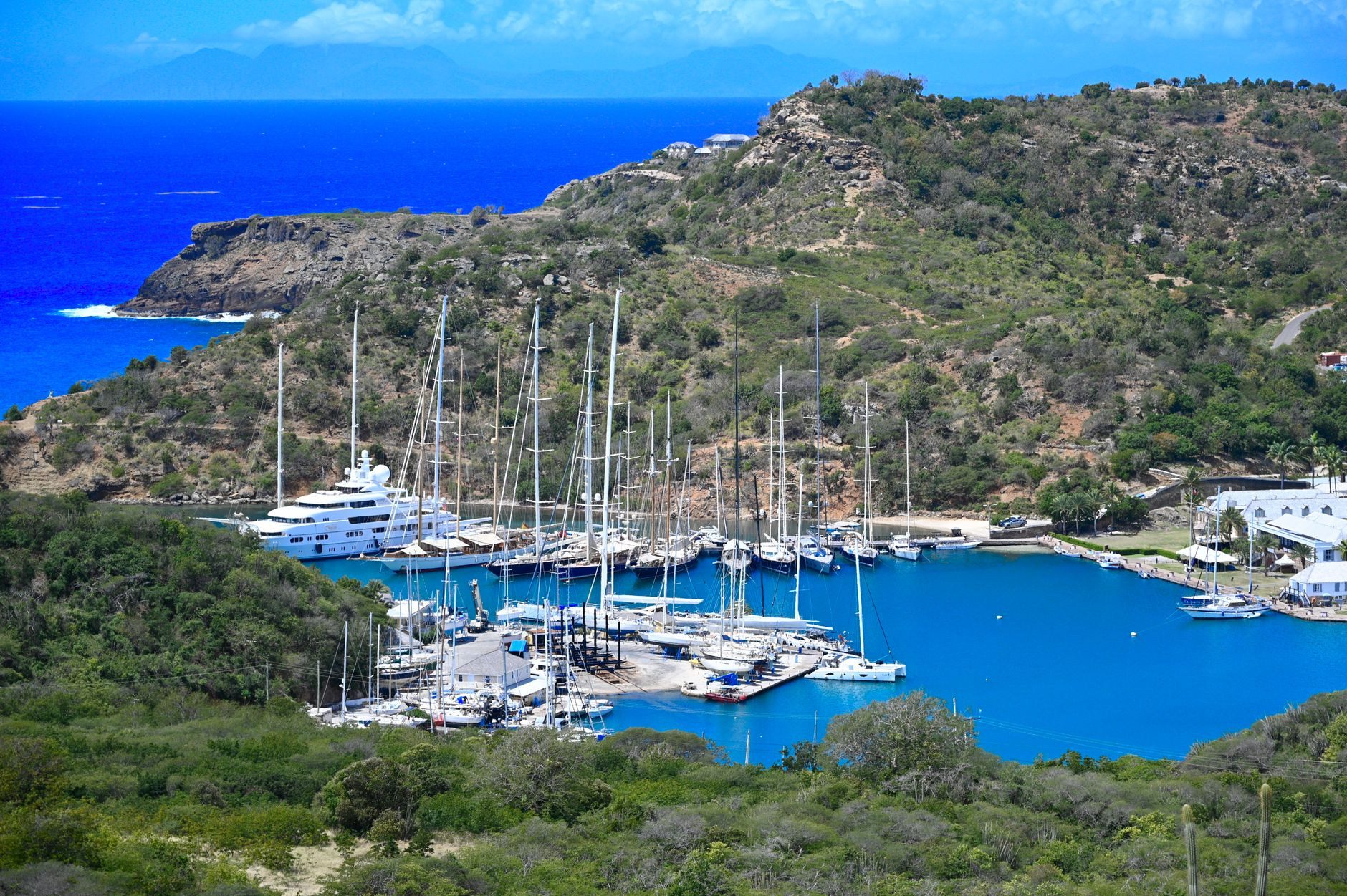
On morning two, head south across the central plain along All Saints Road toward English Harbour, traversing thirty-five minutes of undulating countryside. This historic naval anchorage serves as the cultural heart of Antigua, representing one of the finest natural harbors in the Caribbean.
Begin at Nelson’s Dockyard National Park, inscribed as a UNESCO World Heritage site in 2016. In the 18th and 19th centuries, the British Royal Navy utilized this sheltered, hurricane-proof basin as its primary Caribbean base, repairing and careening warships away from Atlantic gales. Today, it remains the world’s only continuously operating Georgian dockyard.
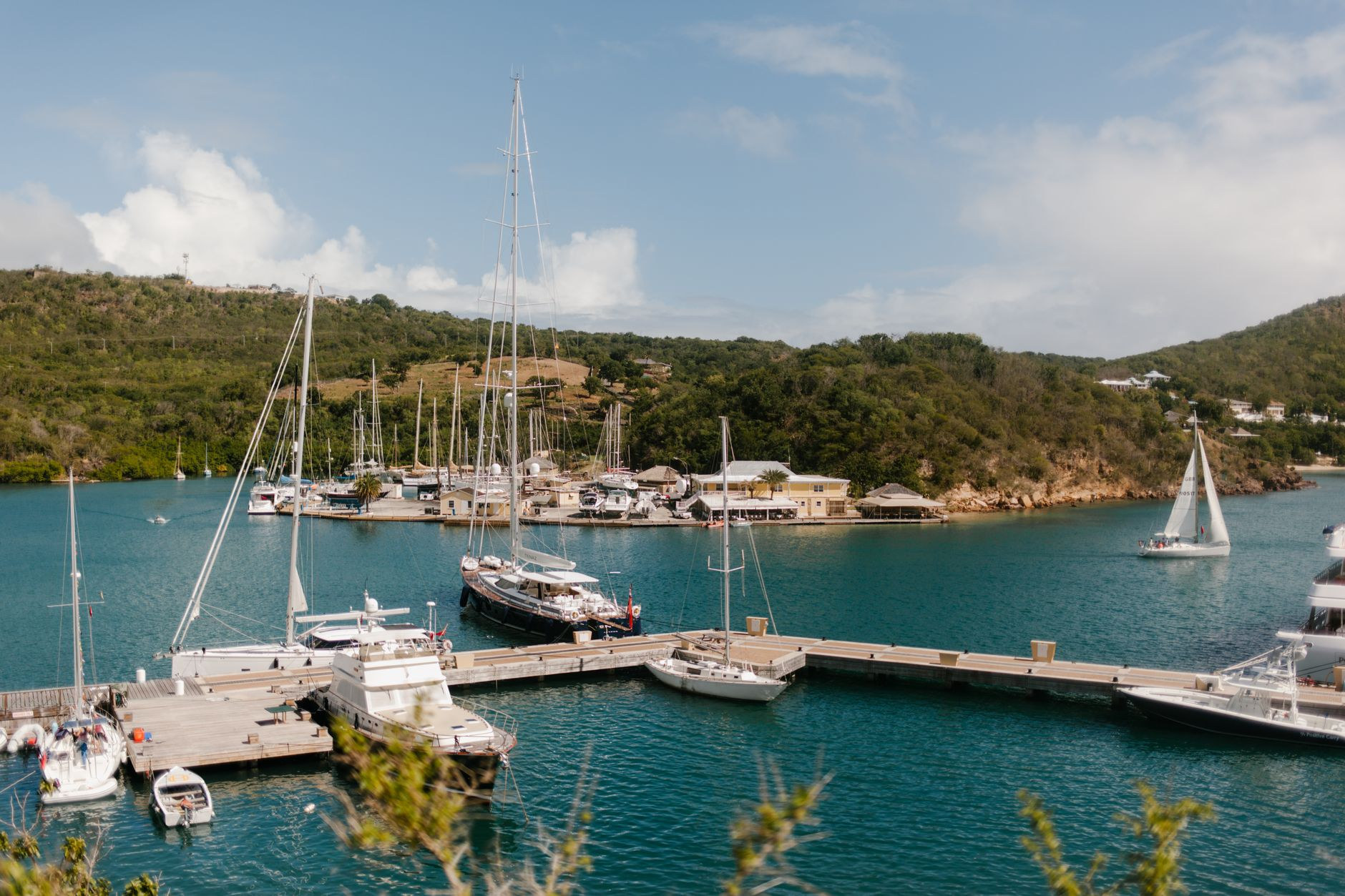
Stroll through the stone naval storehouses, copper-sheathed timber lofts, and capstan houses that now host boutique inns, marine workshops, and the Dockyard Museum. The museum inside the former Naval Officer’s House provides crucial historical perspective on the thousands of enslaved African shipwrights, carpenters, and caulkers whose forced labor constructed and maintained the entire naval complex.
After touring the dockyard, follow the stone footpath leading toward Fort Berkeley, a coastal defensive battery established in 1704 at the harbor entrance. The twenty-minute walk crosses arid scrubland, providing panoramic vistas of cruising catamarans entering the channel beneath defensive stone bastions.
Day 3: Shirley Heights Panoramas and Galleon Beach Reefs
Day three explores the rugged headlands framing Falmouth and English Harbours. In the morning, hike the Lookout Trail from Galleon Beach up to Shirley Heights, ascending one hundred and fifty meters through dry coastal forest studded with columnar cacti and wild frangipani.
Shirley Heights is a complex of ruined military barracks, batteries, and gun platforms built between 1781 and 1815. From the summit terrace, you are rewarded with Antigua’s most famous panoramic view: looking down upon the deep blue inlets of English Harbour and Falmouth Harbour, where sailing yachts ride quietly at anchor against green hills.
While the Sunday evening barbecue at Shirley Heights is famous for its steel pan orchestra, it becomes crowded with tour groups. For a more relaxed experience, attend the Thursday sunset gathering, which features live reggae rhythms, local rum drinks, and far smaller gatherings.
In the afternoon, descend to Galleon Beach on Freeman’s Bay. Galleon Beach offers rewarding snorkeling along its southern reef, where you can routinely encounter green sea turtles feeding on seagrass beds and spotted eagle rays gliding over sand channels. Experienced kayakers can also venture along the outer headland to view the Pillars of Hercules—natural limestone rock formations carved into fluted columns by relentless wave action.
Day 4: Fig Tree Drive Rainforest and Southwest Powder-Sand Coves
Depart your southern base on day four to traverse the agricultural highlands of the Shekerley Mountains via Fig Tree Drive. Despite its name, *fig* is the traditional Antiguan term for bananas, and the winding road cuts through a dense rainforest corridor lined with massive bamboo clumps, breadfruit trees, mango groves, and wild heliconias.
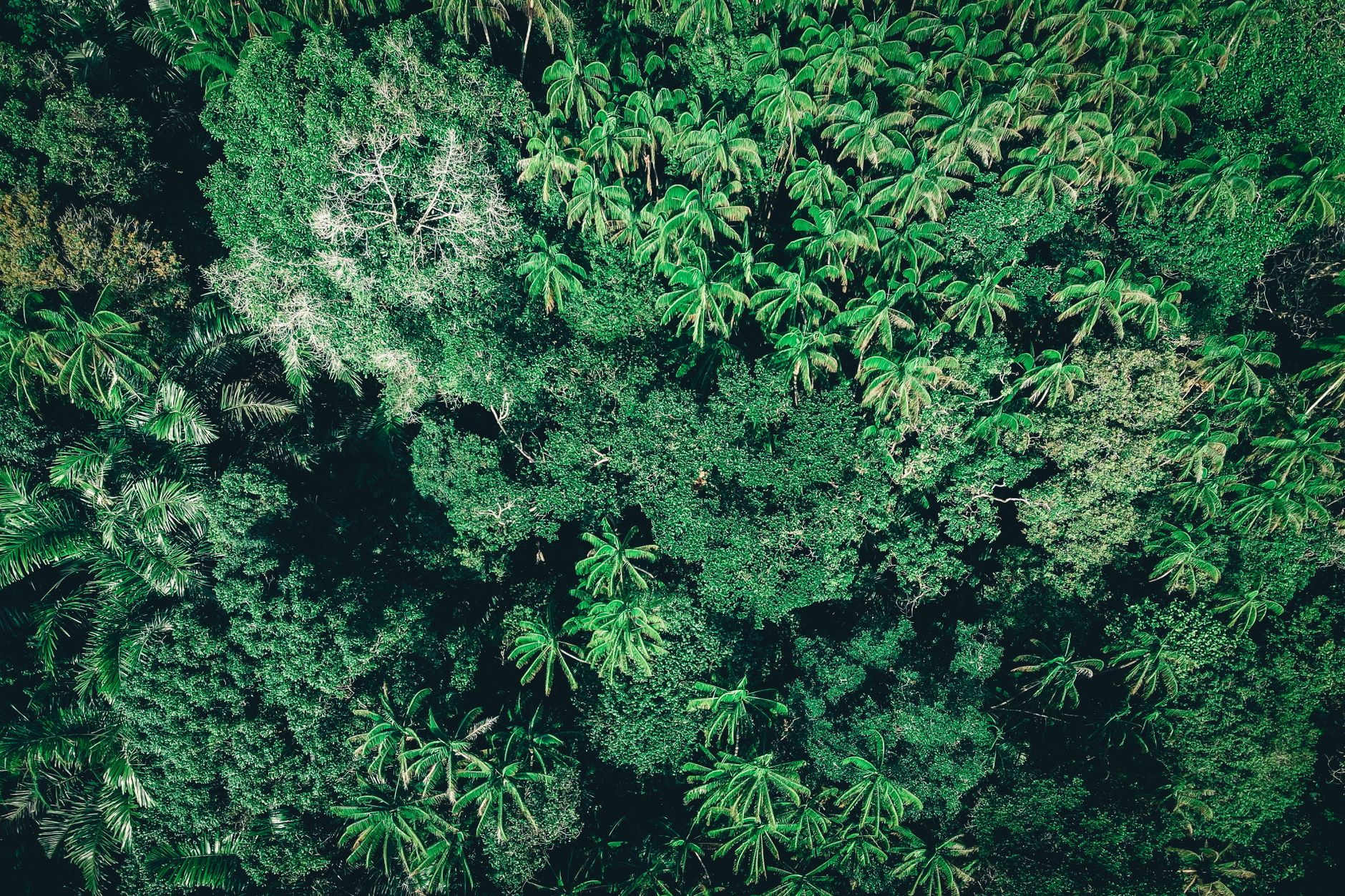
Pause at Wallings Nature Reserve, a premier community-managed conservation forest centered on a Victorian stone reservoir constructed in 1890. Take a guided walking tour along the Signal Hill trail, where certified local forest rangers identify native silk cotton trees, medicinal plants, and rare bird species such as the Antiguan racer snake habitat and West Indian whistling duck.
Descend from the mountain canopy toward the southwest coastline, where the Caribbean Sea meets broad stretches of powder-fine white sand. This coast shelters some of the finest beaches in the Lesser Antilles: Valley Church Beach, Ffryes Beach, and Darkwood Beach.
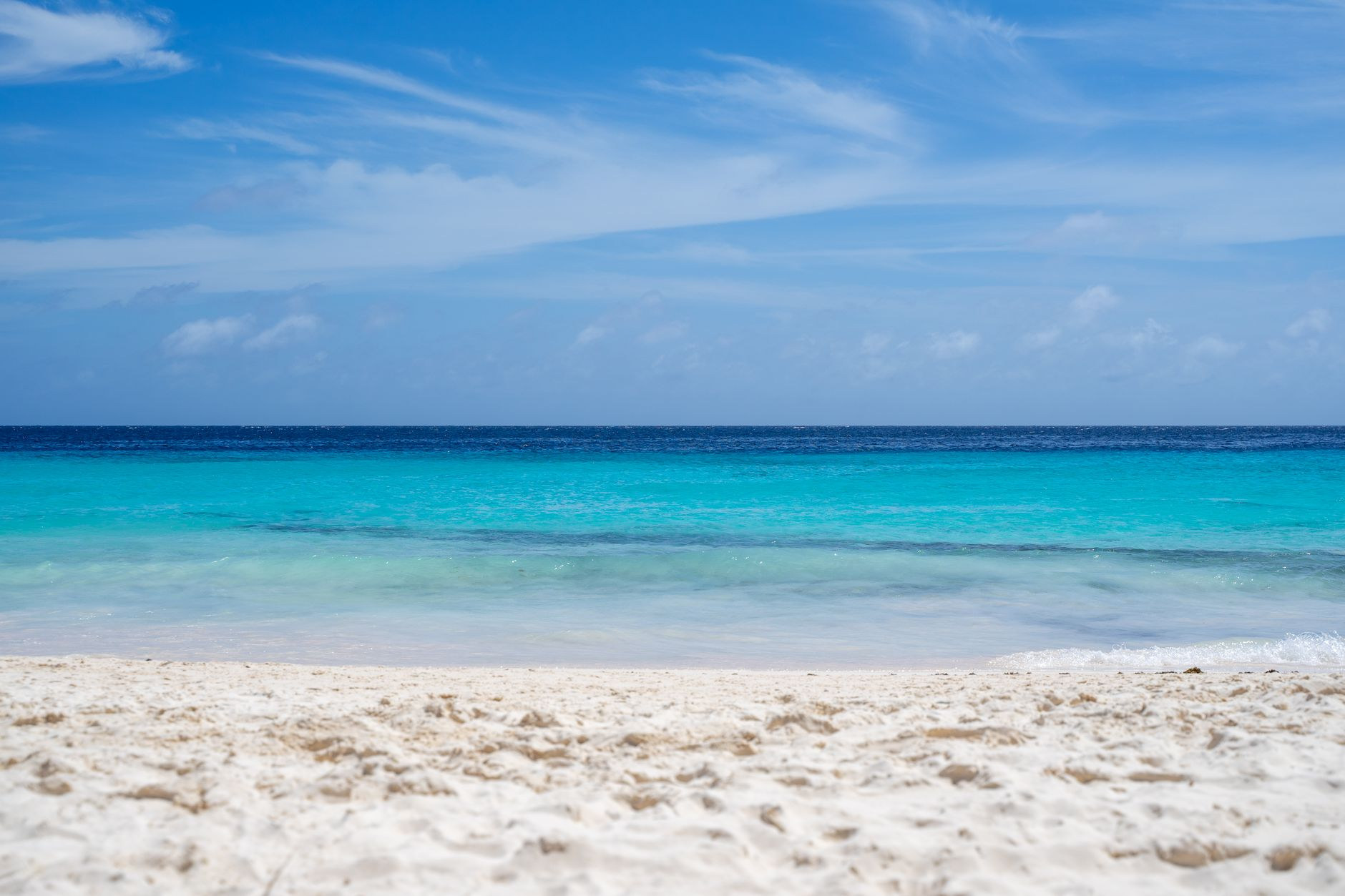
Unlike busier northern resort strips, these southwest beaches maintain a laid-back local rhythm. Set up under the shade of coastal tamarind trees at Ffryes Beach, float in calm water, and sample fresh conch fritters served with homemade pepper sauce from modest beachfront wooden shacks.
Day 5: Barbuda Sister Island Expedition: Frigate Birds and Pink Sands
Day five requires careful advance planning and an early departure. Barbuda, situated thirty miles north of Antigua, is a low-lying coral limestone atoll of sixty-two square miles, populated by fewer than two thousand residents. It remains one of the least developed and most tranquil islands in the Caribbean basin.
Ferry Versus Flight Logistics: Independent travellers have two distinct transit methods. The Barbuda Express catamaran departs St. John’s harbor (Perry Bay) six mornings a week, completing the open-ocean crossing to Barbuda’s River Wharf in approximately ninety minutes. Crossings can be rough across Atlantic swells; motion sickness medication is advisable. Alternatively, fifteen-minute scheduled flights operate between V.C. Bird Airport (ANU) and Barbuda’s new Burton-Nibbs International Airport via carriers like SVG Air. Taking an early flight or ferry and returning late afternoon makes a rewarding day trip, though staying overnight in Codrington guesthouses provides deeper wilderness solitude.
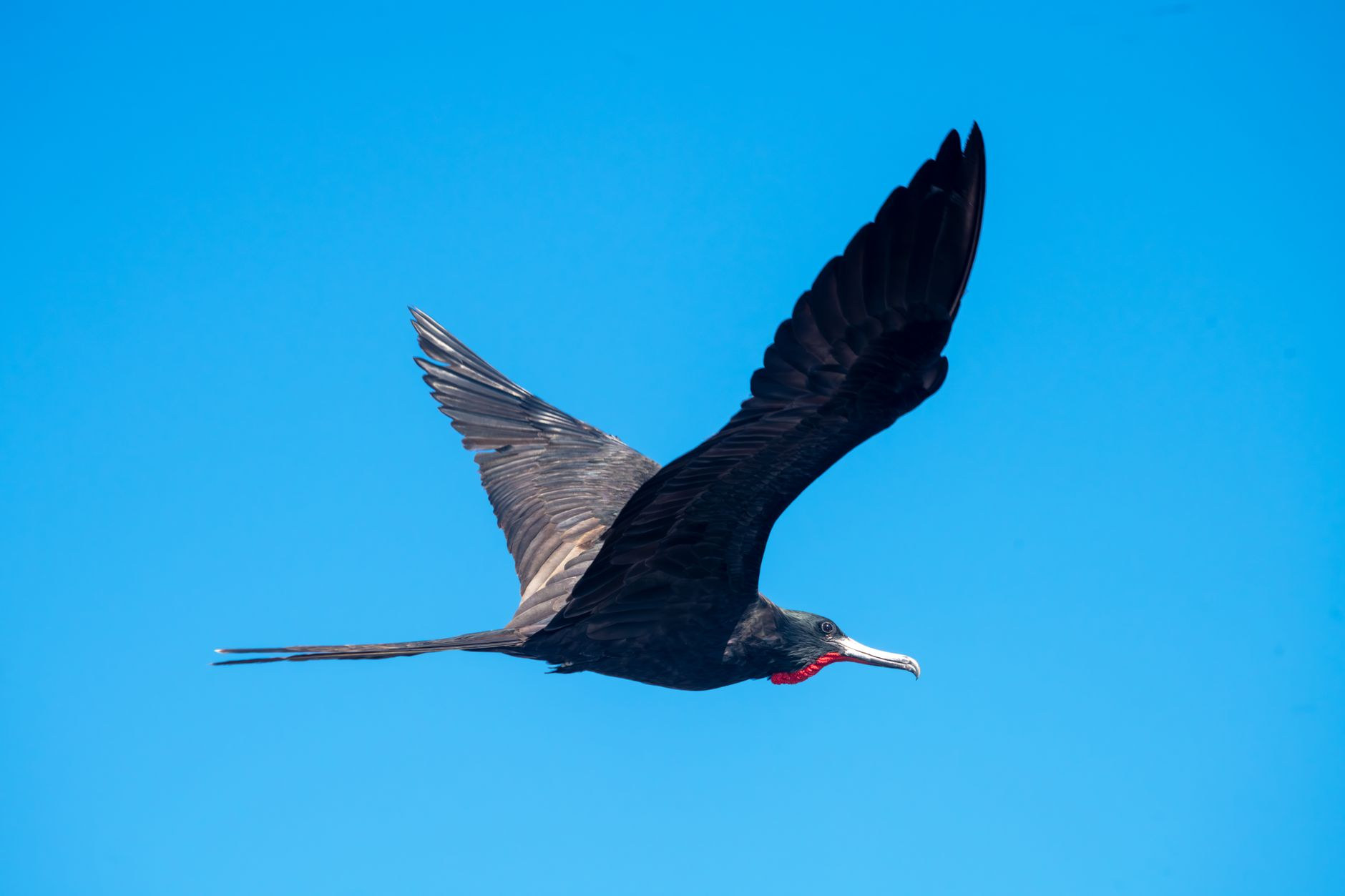
Upon arriving in Barbuda, meet your pre-booked local driver and head directly to the Codrington Lagoon wharf. Here, board an open skiff piloted by a certified national park boatman to enter the Frigate Bird Sanctuary. Tucked within the mangrove wetlands of the northern lagoon, this sanctuary hosts over five thousand breeding pairs of Magnificent Frigatebirds (*Fregata magnificens*).
As your skiff cuts through glassy lagoon shallows, you enter a swirling cloud of seabirds. Male frigatebirds, perched in the mangrove branches just meters away, inflate their scarlet throat sacs to football-sized spheres to attract circling females—an extraordinary wildlife display found in few places worldwide.
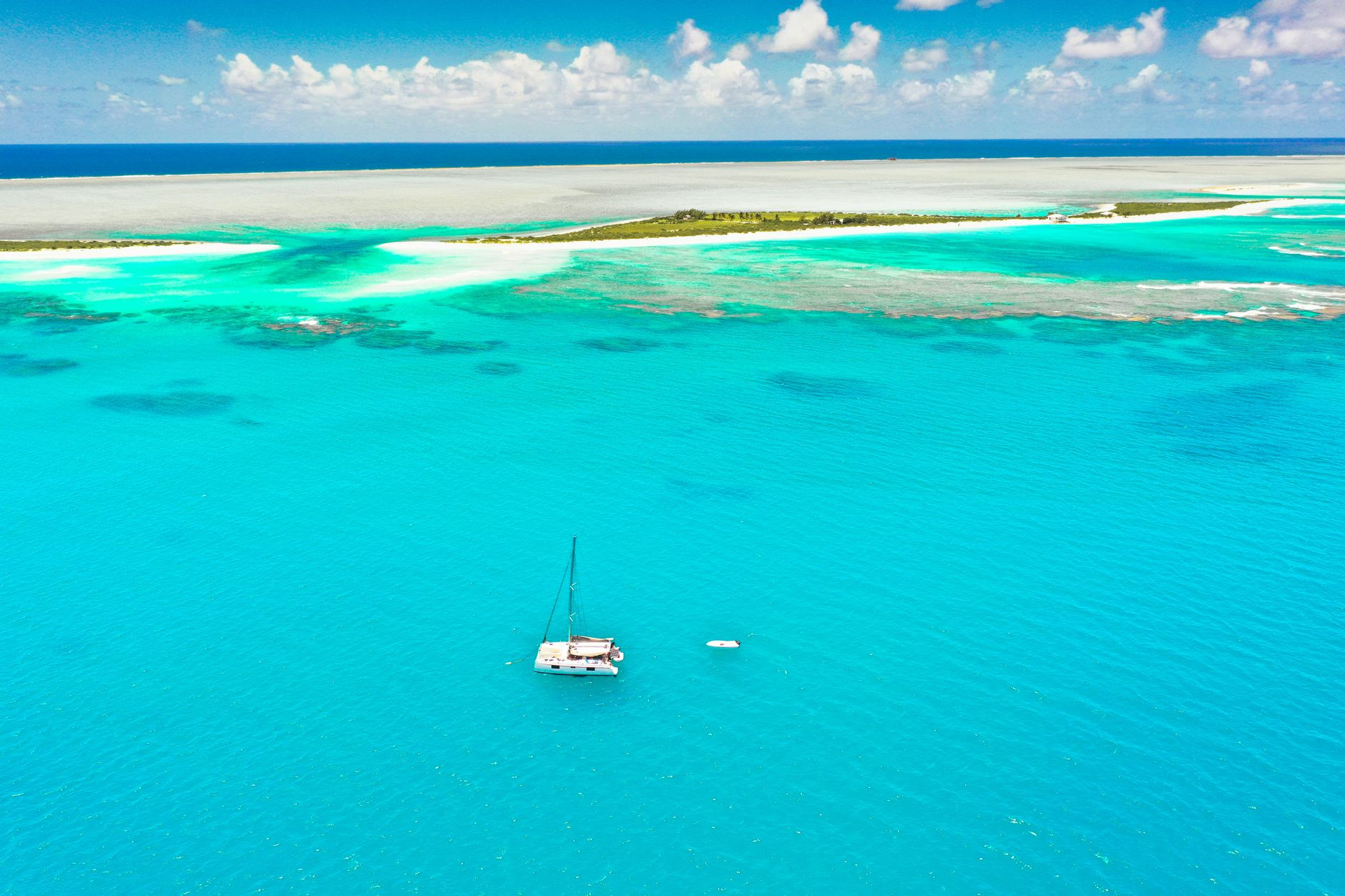
After touring the rookery, cross over to the barrier beach of Low Bay (Princess Diana Beach). Stretching for miles along Barbuda’s western shore, this wilderness features pink-hued sand created by microscopic red *foraminifera* shells washed ashore by gentle tides. With zero commercial high-rises or jet skis, walking along this shoreline offers an incomparable experience of raw Caribbean nature.
Day 6: Atlantic Breakers at Devil’s Bridge and Rural Sugar Heritage
Returning to Antigua on day six, steer your vehicle toward the wild, windswept Atlantic coast around the rural parish of St. Philip. Here, the landscape contrasts sharply with the sheltered Caribbean bays of the west, shaped by thousands of miles of uninterrupted ocean swells rolling in from the open sea.
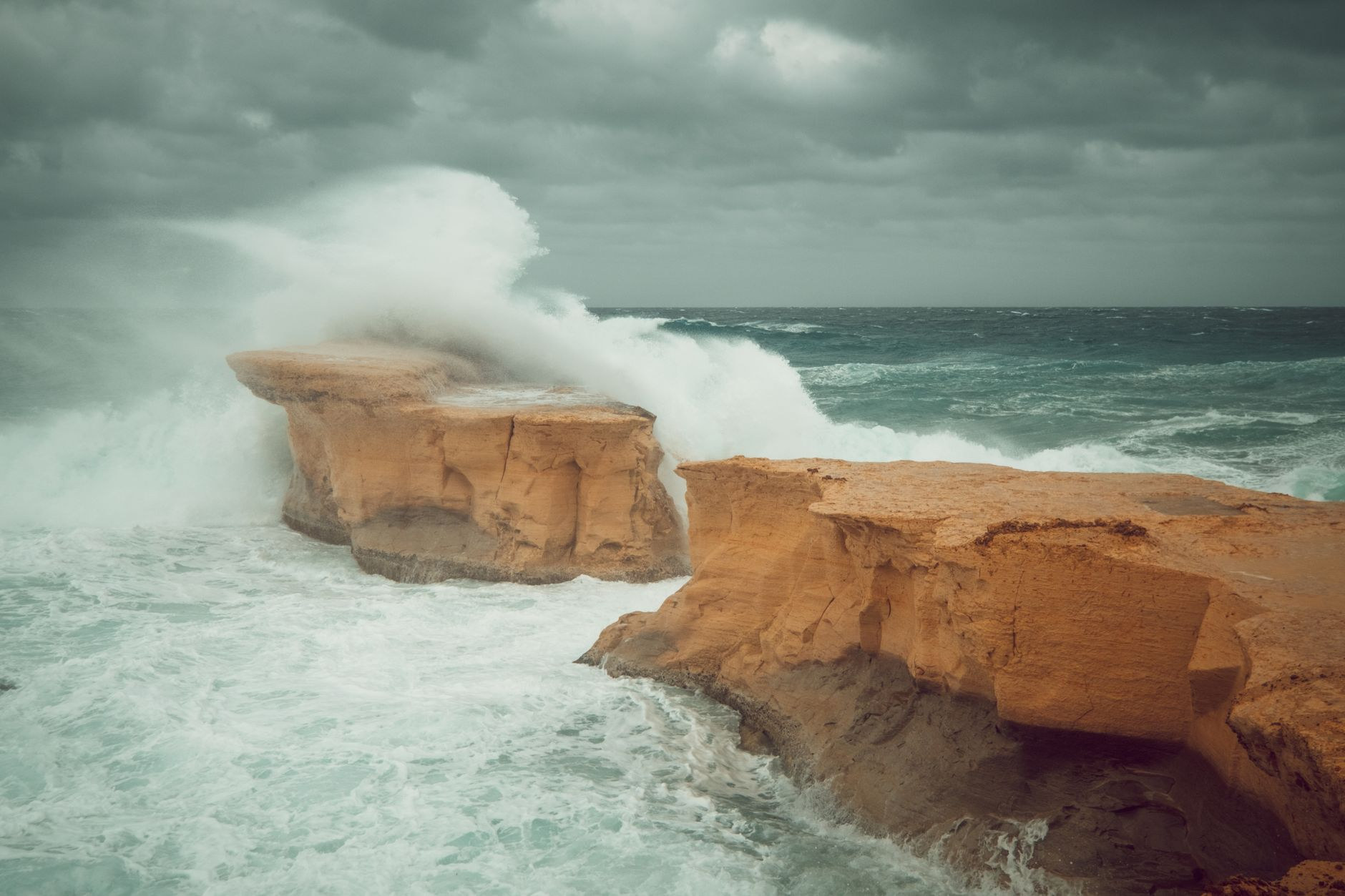
Your first destination is Devil’s Bridge National Park, situated on the remote eastern tip near Willikies. Over millennia, the relentless power of Atlantic surf has carved deep caves and a massive natural limestone arch through the reef shelf. Powerful swells crash into subterranean caverns, forcing geysers of sea foam through vertical blowholes in the rock. The site carries historical gravity: according to oral traditions, enslaved Africans escaped the brutality of estate labor by leaping into the raging surf, giving the precipice its solemn name.
From Devil’s Bridge, drive inland to Betty’s Hope, Antigua’s first major commercial sugarcane plantation, established in 1674 by Sir Christopher Codrington. The site features two restored stone windmill towers, boiling house ruins, and an interpretive visitor museum that candidly examines the human cost of plantation slavery that formed Antigua’s modern society.
Spend your late afternoon at Half Moon Bay, a sweeping crescent beach protected by an offshore reef. The southern end offers gentle shallows for floating, while the northern end attracts bodyboarders riding rolling Atlantic surf breaks.
Day 7: Rendezvous Bay Wilderness Trek and Coastal Gastronomy
On your final morning, embark on one of Antigua’s most rewarding backcountry coastal walks to Rendezvous Bay. Located on the undeveloped southern coast between Carlisle Bay and Falmouth, Rendezvous Bay remains inaccessible by paved road, shielding its pristine golden sand and turquoise shallows from commercial development.
Park near Carlisle Bay and follow the marked coastal trail winding up and over the scrub-covered ridge. The forty-five-minute trek rewards hikers with sweeping views of the coastline before descending onto an empty beach lined with coconut palms. Enjoy a quiet final swim in the azure waters, taking in the serenity of an untouched shoreline.
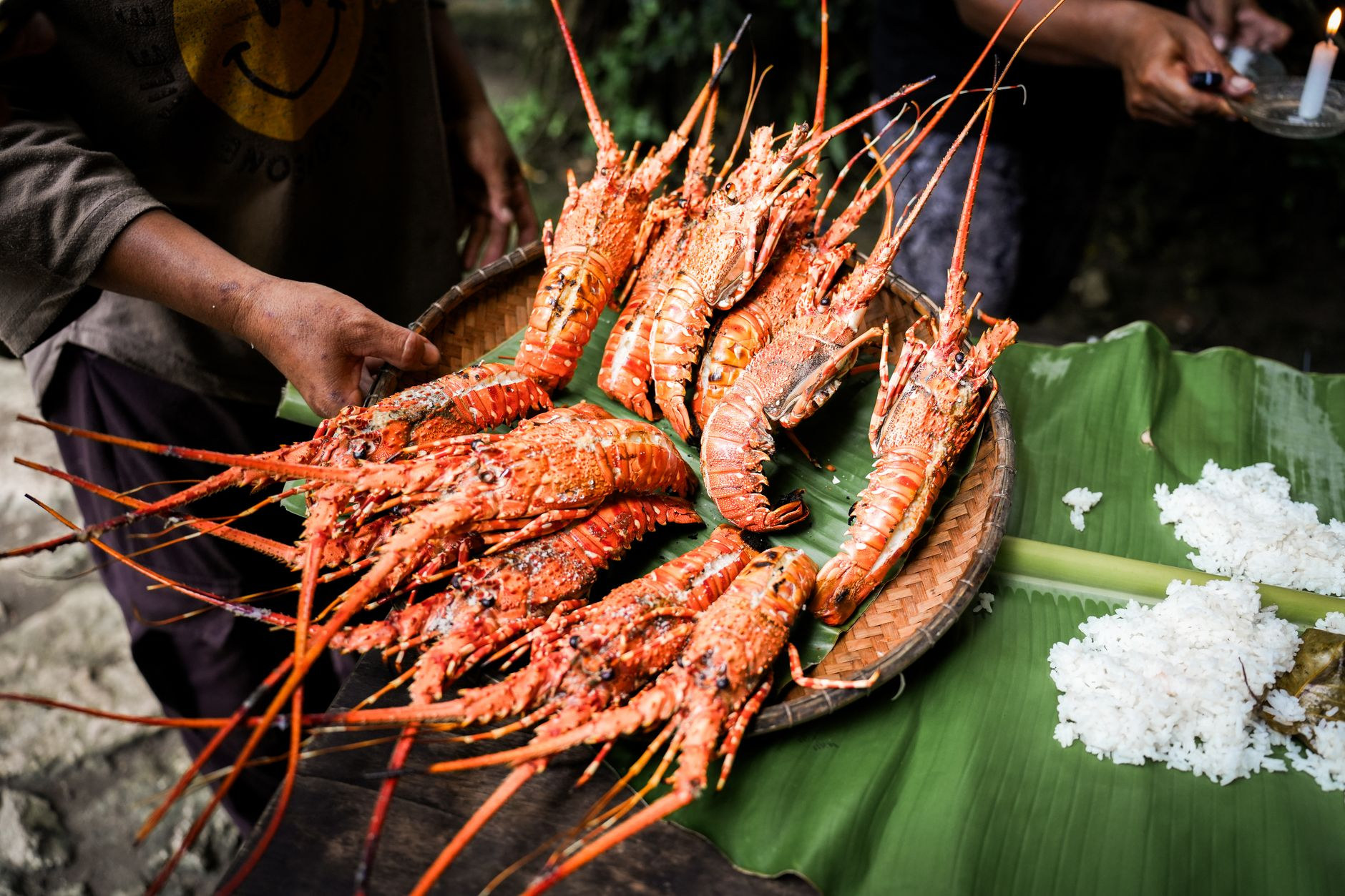
Before heading to the airport for your afternoon flight, treat yourself to a leisurely farewell seafood lunch. Stop at a rustic coastal eatery to savor freshly caught Caribbean spiny lobster, seasoned with lime, garlic, thyme, and local pepper sauce, grilled over aromatic hardwood coals. Accompany your lobster with traditional *fungie* (a cornmeal and okra dumpling) and stewed *callaloo*, finishing your journey with authentic island flavors.
Mobile Connectivity and Digital Navigation in Antigua and Barbuda
Reliable mobile internet access is essential when navigating Antigua’s rural crossroads, checking marine forecasts for Barbuda crossings, coordinating taxi pickups at remote trailheads, and contacting guesthouses. Mobile networks across both islands are anchored by Flow (Cable & Wireless), which delivers dependable 4G LTE coverage throughout St. John’s, Jolly Harbour, English Harbour, and along major coastal transit corridors.
Instead of searching for physical SIM vendors upon arrival at V.C. Bird Airport or undergoing manual paper registration, install an eSIM prior to departure. The NXTL Antigua and Barbuda eSIM connects directly to Flow (Cable & Wireless) 4G LTE from the moment your plane touches down. Operating on a flexible pay-as-you-go rate of $7.41 per gigabyte, NXTL has no fixed validity limits or expiring data bundles. Any unused balance remains active in your digital account indefinitely, allowing you to use your remaining data credits across more than 180 countries on future voyages.
Travel Scams and Regional Logistics Pitfalls to Avoid
Antigua and Barbuda are among the safest, most welcoming travel destinations in the Caribbean. Nevertheless, independent travellers should stay alert to several persistent logistical traps:
- Shirley Heights Return Taxi Gouging: Taxis dropping passengers at the popular Shirley Heights Sunday sunset barbecue frequently charge reasonable flat rates (fifteen to twenty US dollars) on the way up, but drivers at the summit charge extortionate cash fares (sixty to eighty US dollars) to return down the hill when crowds disperse at night. Pre-arrange a confirmed round-trip pickup with your inbound taxi driver or book a verified group transfer.
- Barbuda Lagoon Boat Arrival Trap: Arriving at Barbuda’s River Wharf on the Barbuda Express ferry without a pre-booked local driver or boat captain can leave you stranded or forced to pay double the standard rate to informal drivers waiting at the dock. Coordinate your lagoon boat captain and island transport directly with certified Barbuda tourism operators at least forty-eight hours before your crossing.
- Devil’s Bridge Wave Hazard: Tourists frequently attempt to walk across the narrow limestone natural arch at Devil’s Bridge for photographs. Rogue Atlantic swells unexpectedly wash over the slick, algae-covered bridge and have swept multiple visitors out to sea, where intense currents make rescue impossible. Admire the blowholes from the designated safety barriers and never walk onto the arch.
- Airport Luggage Porter Grabs: Immediately outside the customs exit at V.C. Bird International Airport, informal porters occasionally grab luggage trolleys from arriving passengers, push them twenty yards to the taxi line, and aggressively demand ten to twenty US dollar tips. Firmly state that you will handle your own bags if you do not want this service.
- Dickenson Bay Watercraft Scams: Unlicensed jet ski and watercraft operators operating along Dickenson Bay sometimes offer discounted cash rentals without valid commercial liability insurance or working life vests. Upon return, disreputable operators may accuse renters of damaging the hull or propeller and demand steep cash penalties. Only rent from licensed water-sports concessions affiliated with established beachfront centers.
By renting a suitable vehicle, respecting the distinct character of each coastline, organizing your Barbuda crossing in advance, and staying connected with reliable mobile data, your seven-day itinerary across Antigua and Barbuda will provide an authentic, unforgettable Caribbean adventure.