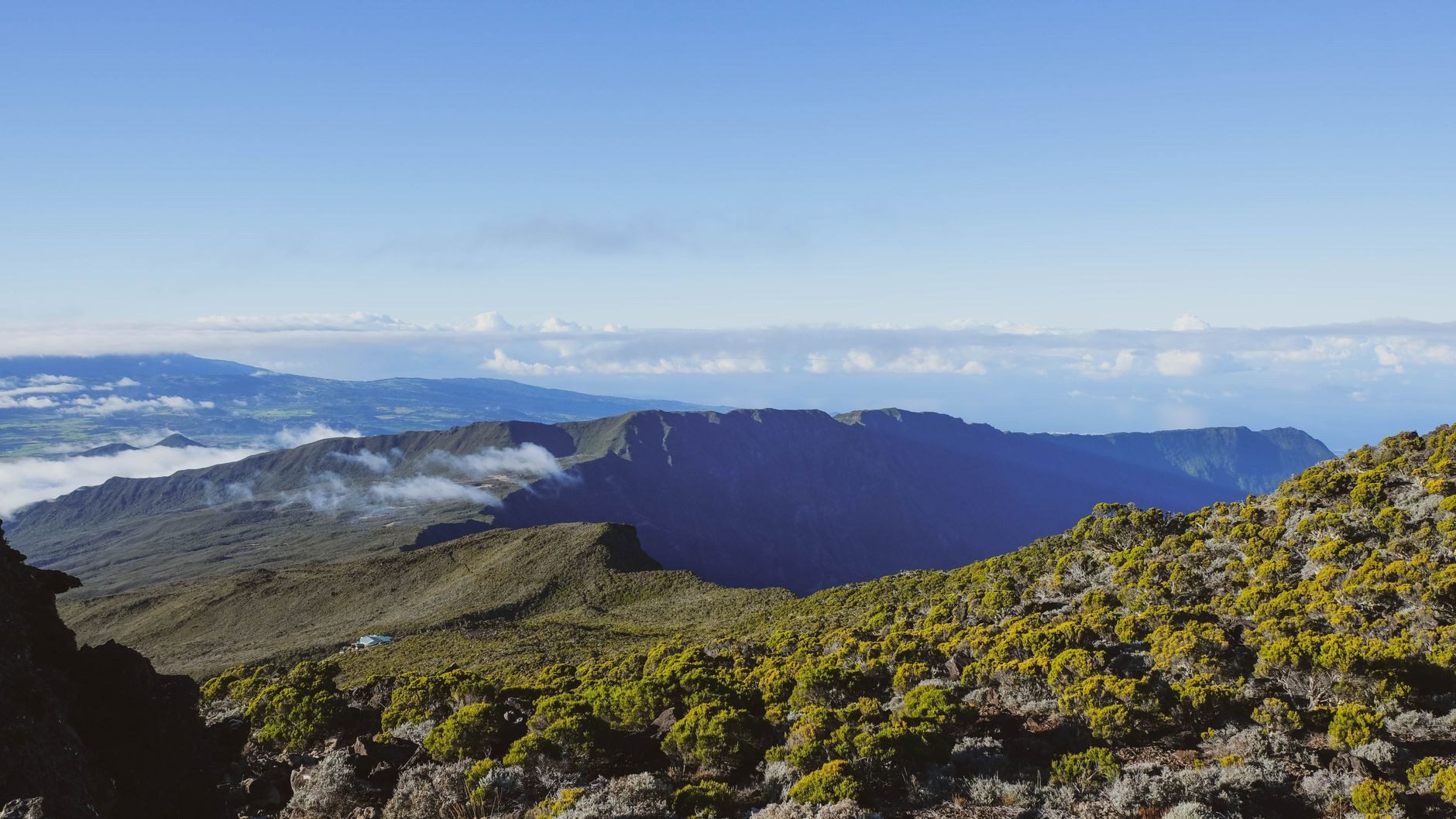
Rising precipitously out of the southwestern Indian Ocean eight hundred kilometers east of Madagascar, the French overseas department of Réunion is often mistakenly compared to its gentle, resort-heavy neighbor Mauritius. In reality, Réunion is one of the most rugged, vertically dramatic volcanic islands on Earth. Dominated by the soaring three-thousand-meter roof of Piton des Neiges and the hyper-active basaltic shield of Piton de la Fournaise, the island is carved into three monumental natural amphitheatres known as *cirques*, accessible only through daring mountain roads or multi-day hiking footpaths.
To experience Réunion properly, independent travellers cannot simply book a single resort and drive casually around the coastline. Success hinges on mastering the island’s strict microclimates, organizing an intelligent two-base road trip, and understanding the logistics of mountain driving and trail regulations. Here is your definitive eight-day operational itinerary, guiding you across sheer mountain rims, through volcanic cloud forests, across alien lava deserts, and along wild basalt coastlines.
Trip Planning Blueprint: Microclimates, Mountain Roads, and Two-Base Strategy
Organizing an efficient road trip and hiking expedition across Réunion requires managing four critical operational elements:
The Strict Daily Microclimate Rule: Réunion’s weather is governed by a predictable daily mountain cycle. Early mornings are typically crystal-clear and crisp across the high peaks. Between 10:00 AM and 11:30 AM, moisture carried by maritime trade winds condenses against the high volcanic walls, causing dense cloud banks (*les nuages montent*) to envelop the peaks and calderas. By early afternoon, panoramic viewpoints are often completely clouded over, with intermittent rains common in the highlands. Therefore, all major viewpoints (such as Piton Maïdo and Pas de Bellecombe) and alpine hikes must begin at dawn (between 6:00 AM and 7:00 AM) to ensure clear vistas.
The Two-Base Lodging Strategy: Because Réunion’s interior mountain roads are steep, winding, and mentally taxing to drive, moving hotels every night creates exhausting friction. A far more practical approach splits your stay between two strategic bases: an initial base along the sheltered West Coast (around Saint-Gilles-les-Bains or Saint-Leu), offering easy access to the Maïdo viewpoint, Cirque de Cilaos, and protected coral swimming lagoons; followed by a southern base (around Saint-Pierre or Plaine des Cafres), providing an ideal springboard for early-morning ascents of Piton de la Fournaise and exploring the rugged lava fields of the Sud Sauvage.
Car Rental and Mountain Driving Realities: A rental car is completely indispensable on Réunion. While coastal highways like the multi-lane Route des Tamarins (RN1) are engineered to immaculate French motorway standards, interior mountain routes—most notoriously the RN5 into Cilaos (*La Route aux 400 Virages*)—are narrow, cliff-hugging corridors featuring over four hundred sharp switchbacks and single-lane unlit rock tunnels where ascending traffic has priority. Renting a vehicle with a responsive engine and manual or capable automatic transmission is essential for climbing sustained ten-to-fifteen percent mountain grades.
| Day / Stage | Base | Highlights | Transport Mode | Transit Time | Advance Booking Requirement |
|---|---|---|---|---|---|
| Day 1 | Saint-Gilles-les-Bains | Roland Garros Airport arrival, Route des Tamarins coastal drive, Ermitage lagoon sunset | Rental Car | 45 mins highway transfer | Airport rental car collection |
| Day 2 | Saint-Gilles-les-Bains | Dawn panorama from Piton Maïdo, Grand Bord cliff ridge hike into Cirque de Mafate | Rental Car & Hiking | 1 hr dawn mountain drive | Early morning 6:00 AM departure |
| Day 3 | Saint-Gilles-les-Bains | RN5 Route aux 400 Virages, mountain town of Cilaos, La Roche Merveilleuse lookout | Rental Car | 1.5 hrs winding ascent | Experienced alpine driving |
| Day 4 | Saint-Pierre / Plaine des Cafres | Cirque de Salazie, historic Creole village of Hell-Bourg, Voile de la Mariée cascade | Rental Car | 1 hr 45 mins cross-island | Maison Folio museum entry |
| Day 5 | Saint-Pierre / Plaine des Cafres | Route du Volcan, lunar Plaine des Sables, Pas de Bellecombe, Formica Léo crater hike | Rental Car & Hiking | 1 hr 15 mins mountain drive | OVPF volcanic alert verification |
| Day 6 | Saint-Pierre | Le Sud Sauvage: Grand Brûlé lava fields, Cap Méchant basalt cliffs, Langevin waterfalls | Rental Car | 2 hrs scenic loop | Lava tube guided tour (if booked) |
| Day 7 | Saint-Pierre / West Coast | Saint-Pierre seafront market, Saga du Rhum artisanal distillery, Saint-Leu sunset | Rental Car | 30 mins coastal drive | Distillery tour reservation |
| Day 8 | Saint-Denis Departure | Saint-Denis colonial Rue de Paris walk, coastal viaduct drive, RUN Airport departure | Rental Car | 1 hr highway to RUN | Flight check-in 2.5 hours prior |
Day 1: Arrival, Coastal Viaducts, and the Sheltered West Coast
Your expedition commences at Roland Garros Airport (RUN) in Sainte-Marie, just east of the administrative capital Saint-Denis. Collect your rental car from the terminal concession, configure your navigation app, and head west onto the RN1 coastal corridor. Drive along the newly constructed coastal viaduct (*Nouvelle Route du Littoral*) and the multi-lane Route des Tamarins, admiring how French civil engineering has carved tunnels and bridges through steep coastal cliffs.
Arrive in forty-five minutes at your initial western base in Saint-Gilles-les-Bains or neighboring Saint-Leu. Settle into your hotel or seaside apartment and spend the late afternoon strolling along Plage de l’Ermitage. Unlike the wild, unprotected ocean shores of the east, this western stretch is sheltered by an offshore coral barrier reef, creating a tranquil turquoise lagoon where swimming and snorkeling are safe from open-ocean currents. Watch the golden sunset illuminate the Indian Ocean while dining at a beachside *paillote* on fresh grilled fish seasoned with Creole spices.
Day 2: Dawn at Piton Maïdo and Peering into Roadless Cirque de Mafate
Set your alarm for 5:15 AM on day two. Conquering Piton Maïdo requires an early dawn departure while mountain air remains clear and untroubled by rising trade wind moisture. Wind your vehicle up thirty kilometers of paved mountain switchbacks through geranium fields and tamarind forests, climbing to an elevation of 2,200 meters.
Step onto the observation platform at the edge of the abyss. Spread out a vertical kilometer directly beneath your feet lies the Cirque de Mafate—a colossal, raw amphitheater of jagged volcanic needles, emerald ridges, and isolated plateaus (*ilets*). Mafate is the only cirque on Réunion completely devoid of roads; its several hundred inhabitants live in off-grid mountain hamlets accessible solely on foot or by helicopter delivery.
From the viewpoint, lace up sturdy trail shoes and hike the Grand Bord trail northward along the caldera rim. The path traverses alpine scrubland, delivering jaw-dropping views down into the ravines of Roche Plate and La Nouvelle. By 10:30 AM, observe the dramatic meteorological phenomenon: white clouds begin bubbling up from the floor of the cirque, gradually filling the massive basin like steam in a cauldron. Return to your vehicle before noon and spend a relaxing afternoon at the lagoon in Saint-Gilles.
Day 3: The 400 Curves of RN5 into the Mountain Basin of Cilaos
Day three explores the most dramatic engineering highway on the island. Drive south along the coast to Saint-Louis, where the RN5 turns inland toward the Cirque de Cilaos. Known locally as *La Route aux 400 Virages*, this narrow mountain road climbs through deep, shadowed gorges, crossing narrow single-lane stone bridges and boring through unlit rock tunnels.
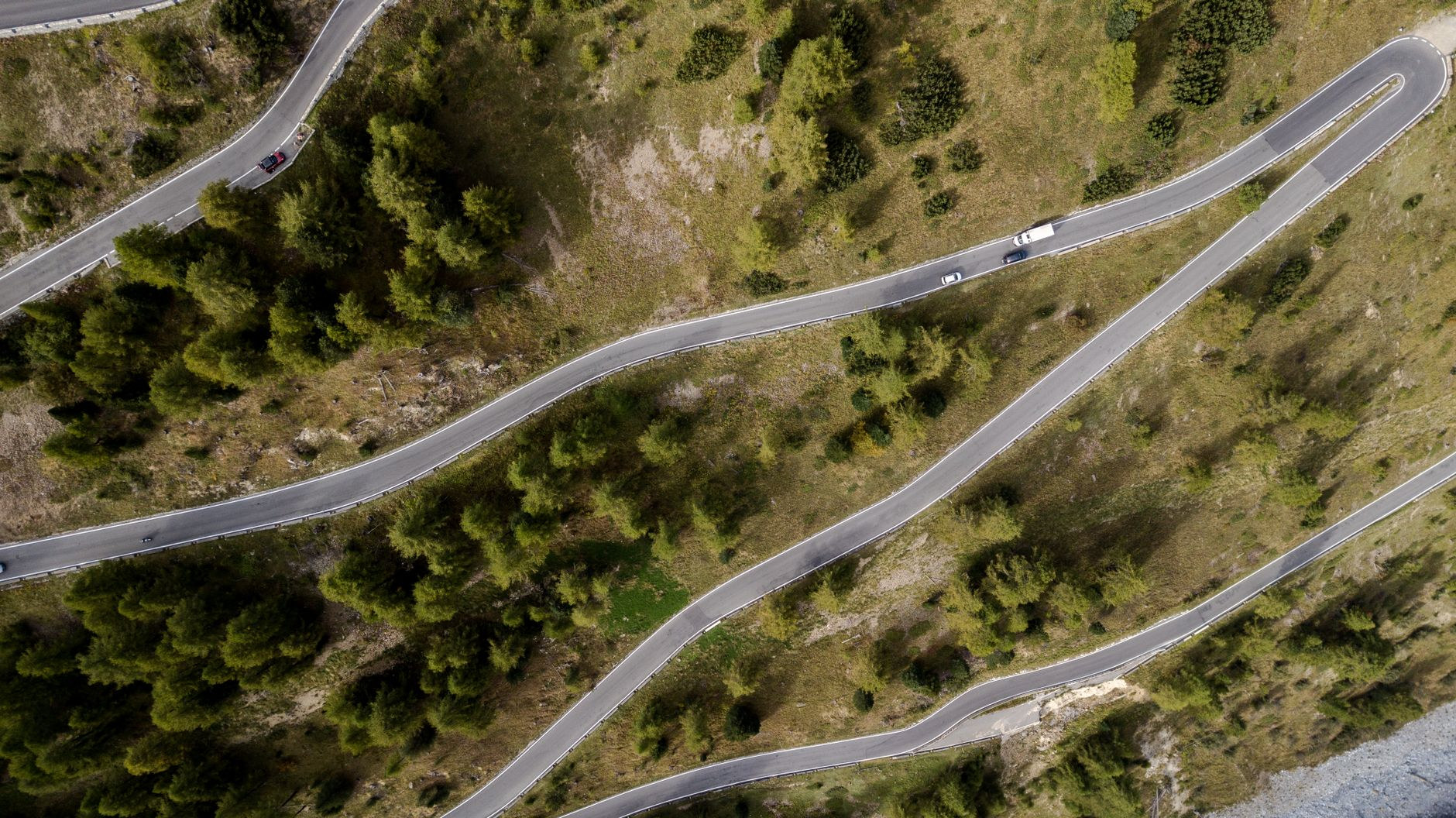
Drive with focused concentration, sounding your horn gently before blind curves and yielding right-of-way to ascending buses and postal vans. After ninety minutes of exhilarating mountain driving, the canyon opens out into the high sunny basin of Cilaos, situated at 1,200 meters elevation beneath the soaring ramparts of Piton des Neiges.
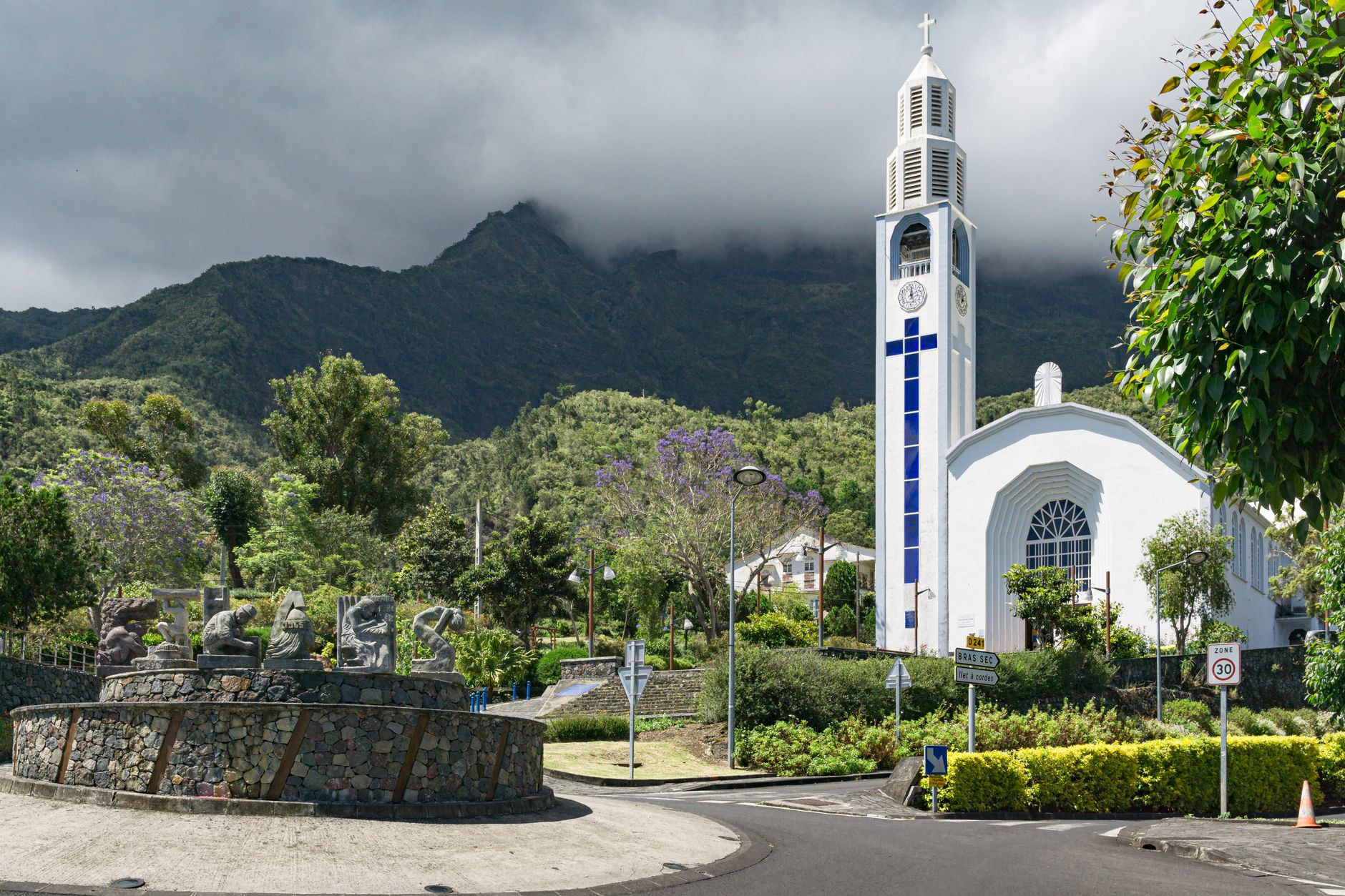
Cilaos is a renowned mountain resort famous for thermal mineral springs, artisanal wine, delicate hand embroidery (*Jours de Cilaos*), and tiny, highly prized brown lentils grown on steep volcanic terraces. Explore the town center, dominated by the white spire of the Church of Notre-Dame-des-Neiges. In the afternoon, take the short forest walk up to La Roche Merveilleuse for a commanding panorama over the entire amphitheater, before descending back to the coast before dark.
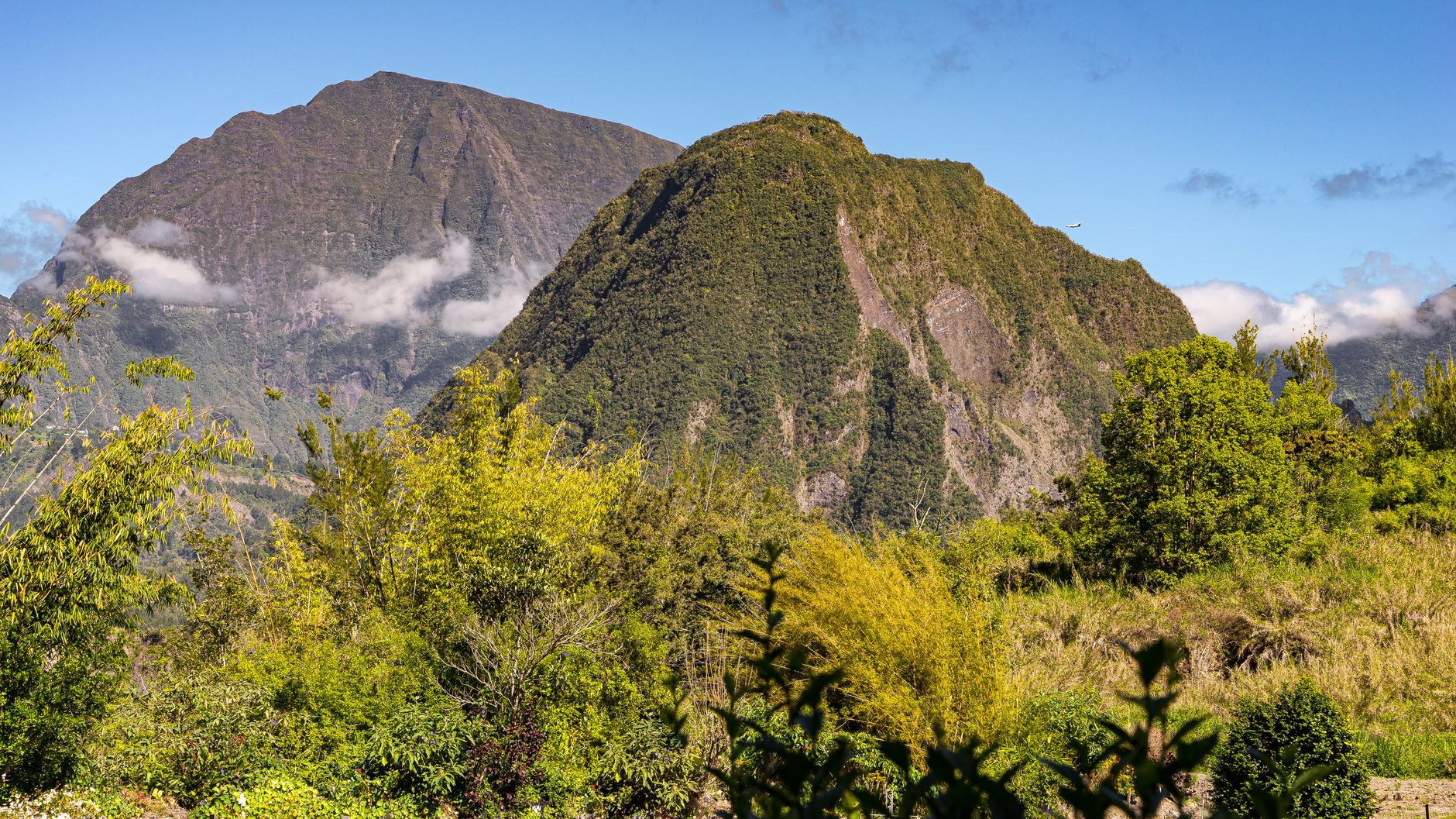
Day 4: Cirque de Salazie and the Creole Architecture of Hell-Bourg
Pack your luggage on day four to relocate to your southern base in Saint-Pierre. Along the way, take a morning detour into the verdant, moisture-rich Cirque de Salazie on the windward eastern slopes of the island. Unlike arid Cilaos, Salazie is an emerald rainforest kingdom fed by abundant rainfall.
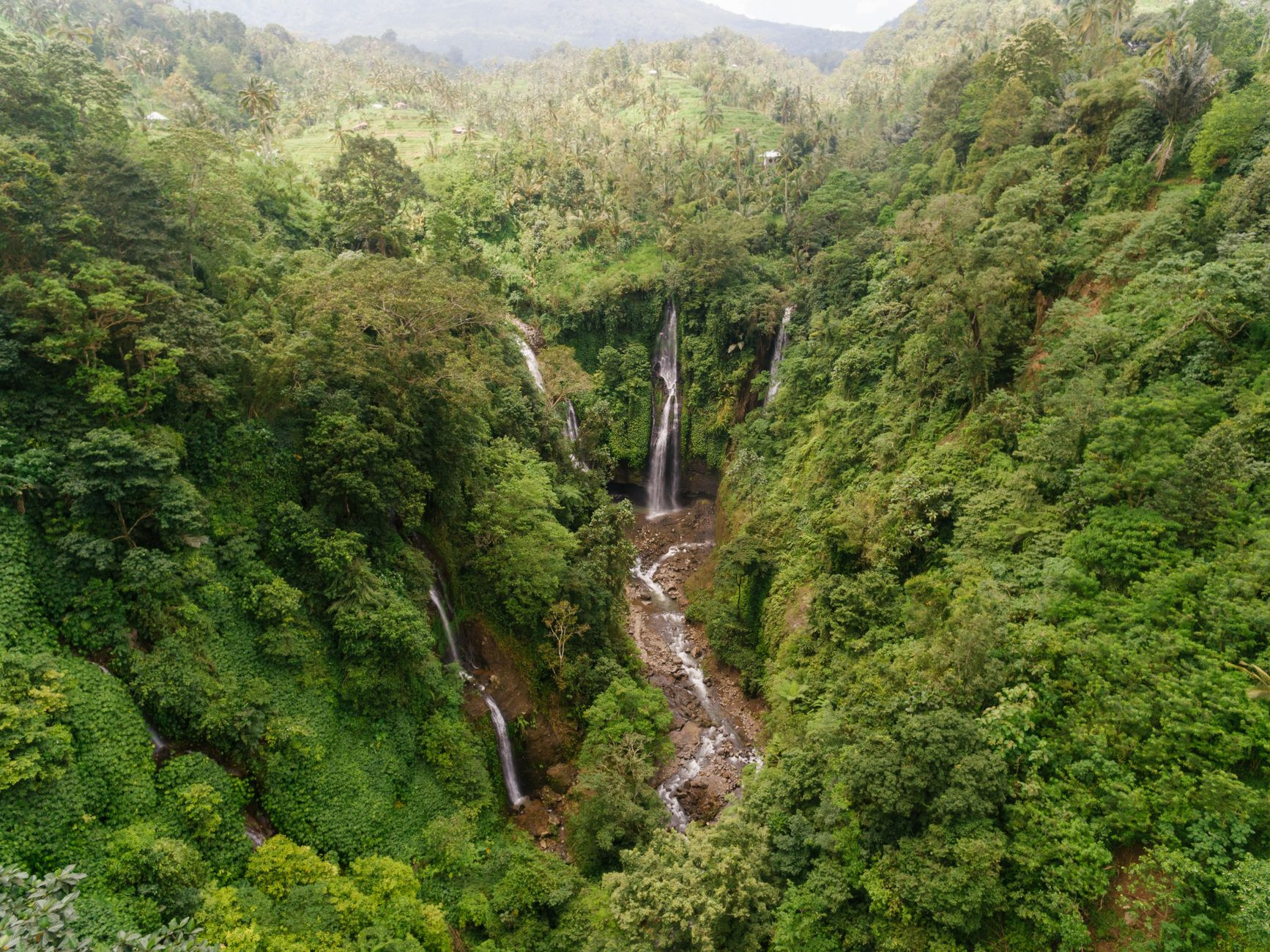
As you drive up the gorge from Saint-André, hundreds of waterfalls tumble down vertical cliff walls draped in chouchou (chayote) vines and bamboo groves. Pause along the roadside to admire the famous *Voile de la Mariée* (Bridal Veil), a delicate curtain of multiple cascades plunging over sheer volcanic rock.
Continue to the end of the road to reach Hell-Bourg, the only settlement in an overseas French territory classified among *Les Plus Beaux Villages de France*. Built during the 19th-century thermal spa boom, Hell-Bourg is an architectural showcase of traditional Creole mountain villas (*cases créoles*), adorned with intricate wooden fretwork (*lambrequins*), veranda gardens, and colorful tropical blossoms. Tour the Maison Folio, an authentic 19th-century estate with an enchanting tropical garden planted with vanilla orchids, allspice, and medicinal herbs. In the afternoon, complete the scenic drive south to check into your lodging in Saint-Pierre.
Day 5: The Lunar Plains and Caldera of Piton de la Fournaise
Day five is dedicated to one of the planet’s great geological spectacles: Piton de la Fournaise, an active basaltic shield volcano that erupts on average once every nine months. Depart your southern base before 6:30 AM, winding up through the pastoral alpine pastures of Plaine des Cafres along the Route du Volcan.
At the Col de Bellecombe pass, you suddenly cross into the *Plaine des Sables*—an astonishing high-altitude desert of crimson, ochre, and charcoal volcanic pumice. The landscape looks entirely extraterrestrial, resembling the surface of Mars or the Moon, devoid of all vegetation. The unpaved volcanic gravel road leads to the rim of Pas de Bellecombe at 2,311 meters elevation.
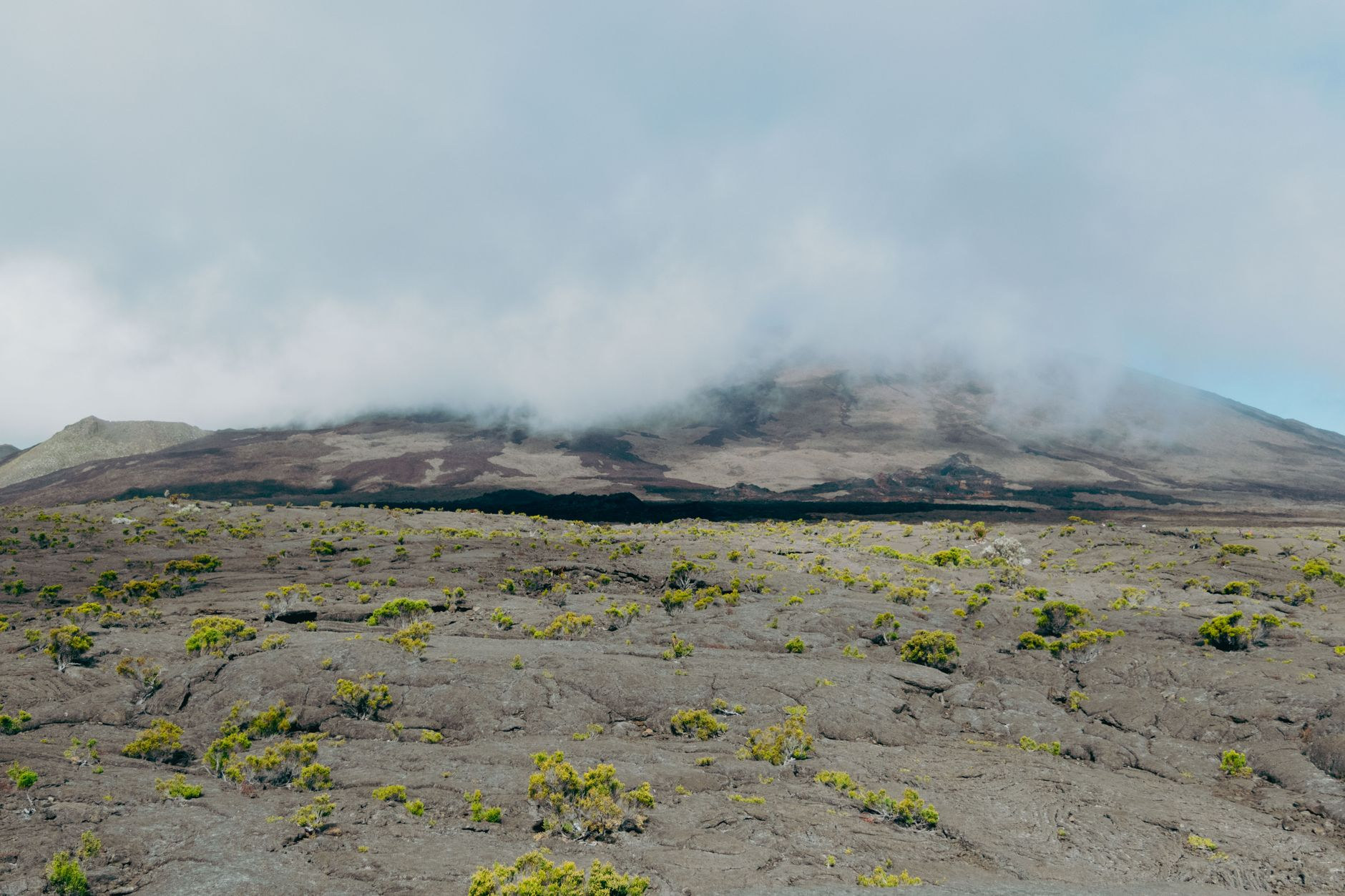
Look out across the *Enclos Fouqué*, a colossal horseshoe-shaped caldera thirteen kilometers wide. When volcanic alert status allows, pass through the gate and descend the five hundred steps cut into the caldera wall to reach the crater floor.
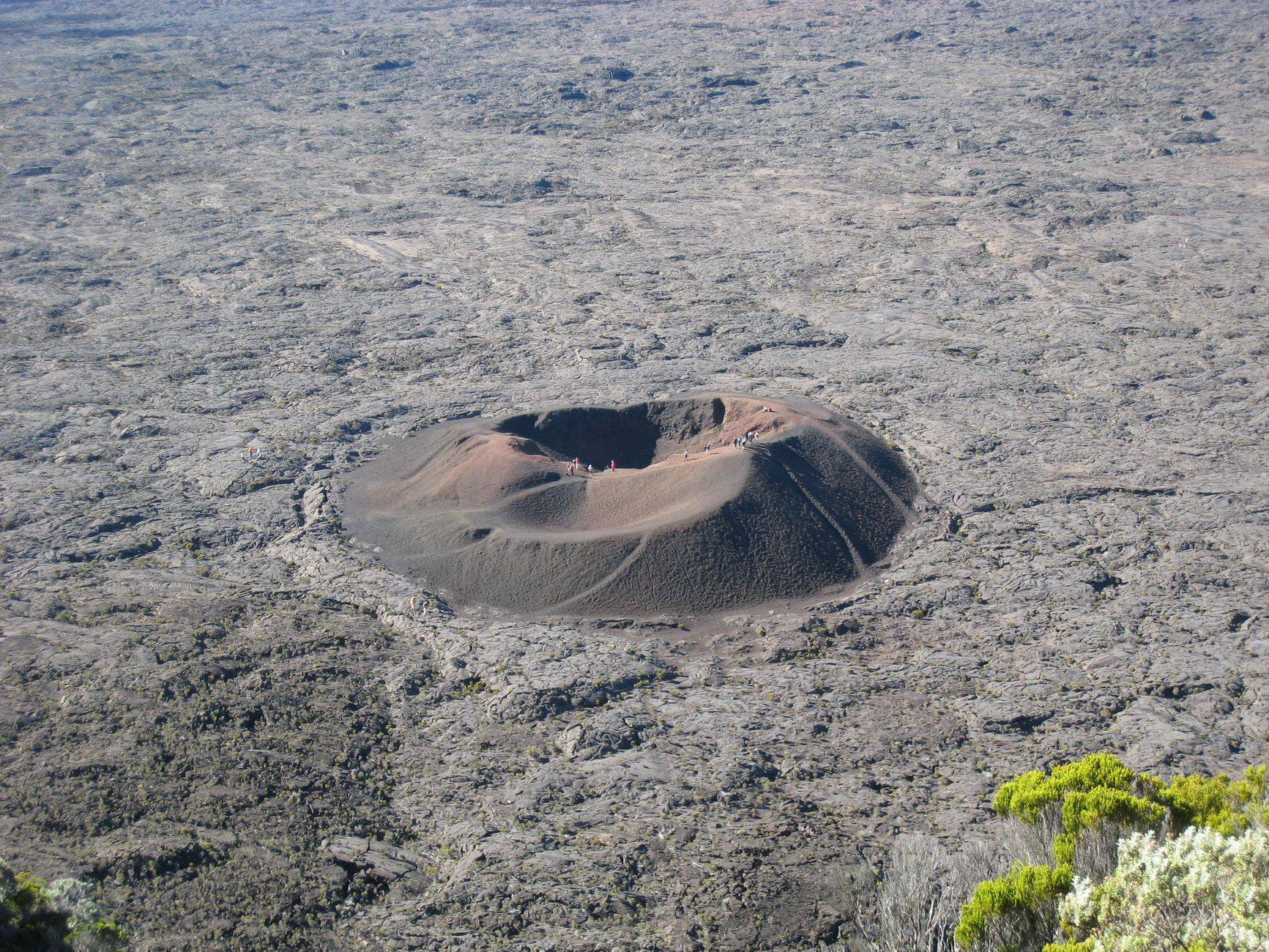
Walk across undulating ropey lava (*pahoehoe*) to ascend Formica Léo, a perfectly formed reddish-brown cinder cone that erupted in 1753. Experienced hikers with sturdy mountain boots and ample water can continue the challenging five-hour round-trip trek to the rim of the active Dolomieu Crater, peering into a smoking, three-hundred-meter-deep volcanic chasm.
Day 6: Le Sud Sauvage and Solidified Lava Flows of Grand Brûlé
Explore the wild southeastern flank of Réunion on day six. Known as *Le Sud Sauvage* (The Wild South), this rugged coastal strip is where the slopes of the active volcano slope directly down to meet the turbulent Indian Ocean.
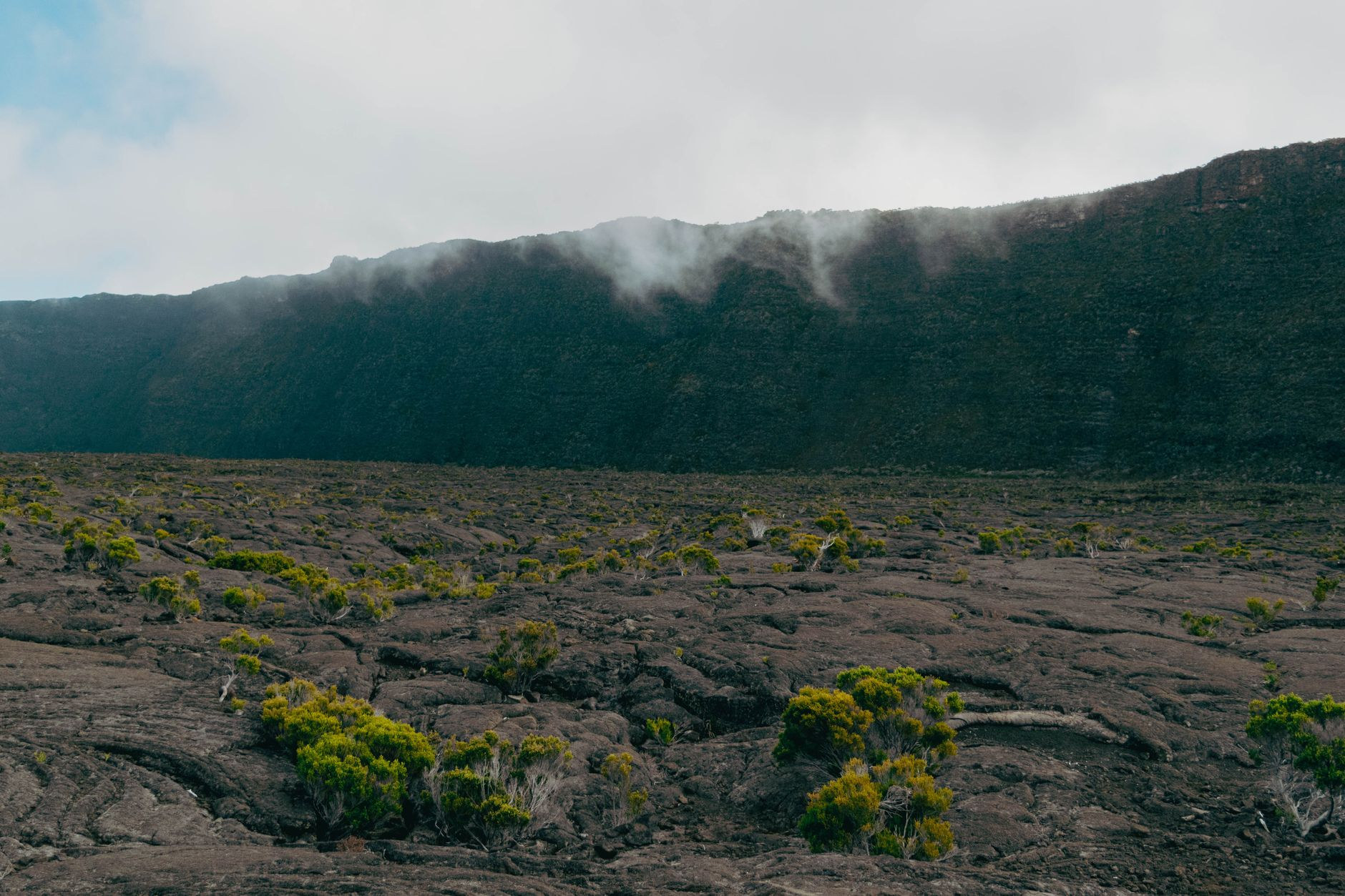
Drive along the RN2 through the *Grand Brûlé*, an uninhabited coastal zone where dozens of historic lava flows have crossed the national highway to plunge hissing into the sea. Roadside signs mark the exact year of each eruption (2007, 2004, 2002, 1986). Walk across the twisted, glistening black basalt fields, observing how delicate lichen and pioneer ferns are already colonizing the cooled stone.
Stop at Cap Méchant, where violent ocean breakers crash against sheer vertical cliffs of jet-black volcanic basalt, throwing plumes of white spray against jagged sea arches. Conclude your afternoon by driving up the Langevin River valley to marvel at the Cascade Grand Galet, where dozens of crystalline freshwater springs pour through a lush fern-draped cliff face into a deep emerald swimming basin.
Day 7: Creole Markets, Sugar Cane Heritage, and Saint-Pierre
Spend day seven soaking in the relaxed cultural atmosphere of Saint-Pierre, the lively coastal capital of the south. Start your morning at the bustling seafront market, one of the finest in the Indian Ocean. Wander among stalls brimming with exotic tropical fruits (Victoria pineapples, passion fruit, lychees), woven *vacoa* palm baskets, jars of fiery *piment cabri* chili paste, and bundles of fragrant Bourbon vanilla pods from nearby Saint-Philippe.
In the afternoon, tour the *Saga du Rhum*, a celebrated historical rum distillery museum established within the island’s oldest working distillery, Isautier (founded in 1845). Learn how sugar cane cultivation transformed the island’s economy and culture, and enjoy a guided tasting of traditional agricultural rums (*rhum agricole*) and spiced rums infused with island vanilla and citrus.
Day 8: Saint-Denis Colonial Heritage and Departure
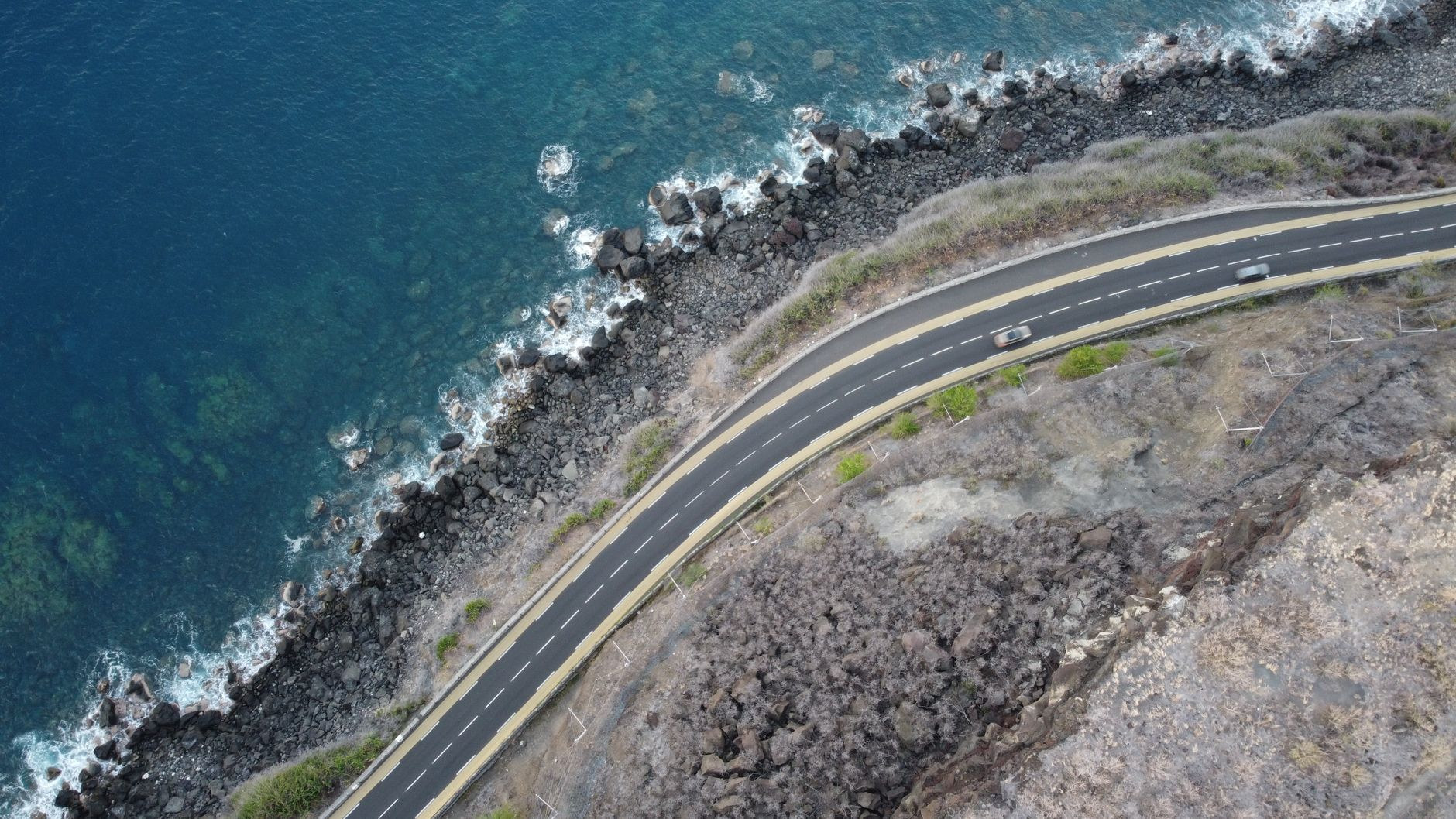
On your concluding morning, make the pleasant coastal drive north along the modern Route des Tamarins viaduct corridor toward Saint-Denis. Spend your final hours strolling down the historic Rue de Paris in downtown Saint-Denis, admiring neoclassical colonial mansions, the Jardin de l’État botanical garden, and the Grand Mosque (the oldest mosque on French territory, built in 1905).
Savor a farewell lunch of traditional *rougail saucisse* (smoked Creole sausage simmered with tomatoes, onions, garlic, and combava lime, served with rice and lentils) before driving the short distance to Roland Garros Airport for your departure flight.
Mobile Connectivity and Digital Navigation in Réunion
Having reliable mobile data while travelling across Réunion is vital for navigating complex mountain forks on Google Maps, monitoring real-time volcanic activity alerts from OVPF, checking mountain weather webcams before dawn departures, and contacting guesthouses. Telecommunications infrastructure across Réunion is exceptionally modern, operated under French regulatory standards by Orange Réunion, which delivers comprehensive 5G and 4G LTE coverage across all coastal highways and major mountain settlements.
Rather than dealing with physical SIM card kiosks at the airport, activate an eSIM before you board your flight. The NXTL Réunion eSIM connects directly to Orange Réunion 5G and LTE networks from the moment you land at RUN Airport. Operating at an economical pay-as-you-go rate of just $0.99 per gigabyte, NXTL has no expiring daily bundles or complex contracts. Your balance never expires, meaning remaining data credits remain securely available for future travels across more than 180 countries.
Travel Scams and Regional Logistics Pitfalls to Avoid
Réunion is a secure, well-managed French territory with minimal crime. However, independent travellers must navigate several specific environmental and logistical traps:
- The Midday Mountain Cloud-Out: Arriving at famous high-altitude observation decks (Piton Maïdo, Pas de Bellecombe) after 10:30 AM usually results in seeing nothing but dense gray fog. The mountain cloud build-up occurs like clockwork. Always start your mountain driving before 7:00 AM to enjoy clear views before the cloud barrier forms.
- Unprotected Ocean Swimming Hazards: Swimming in the open ocean along unprotected stretches of the east or west coasts carries severe risks from powerful rip currents and bull sharks. Only swim within the designated, reef-protected lagoons (Plage de l’Ermitage, La Saline) or at beaches protected by certified shark-net barriers and active lifeguards (Boucan Canot, Roches Noires).
- Volcanic Caldera Trail Closures: Attempting to hike into the Enclos Fouqué caldera during volcanic alert phases without checking official advisories can result in steep fines and severe danger. The *Préfecture de La Réunion* strictly closes caldera access during seismic crises or eruptions. Always verify the current status via the *Observatoire Volcanologique* website before driving up the volcano.
- Single-Lane Tunnel Right-of-Way Violations: The mountain highway RN5 into Cilaos features several narrow, single-lane unlit tunnels. Ascending traffic has legal priority unless signs indicate otherwise. Never enter a single-lane tunnel without checking for oncoming headlights, and be prepared to reverse into passing bays if required.
- Unprepared Day Treks into Cirque de Mafate: Hiking into the roadless Cirque de Mafate from Col des Bœufs or Maïdo without sufficient water, sturdy footwear, or confirmed reservations at mountain refuge huts (*gîtes*) is dangerous. Mafate has no road rescue; cell service is intermittent, and all supplies must be carried on your back.
By respecting the morning mountain weather rhythm, embracing the engineering marvels of the interior cirques, and maintaining dependable digital navigation, your journey across Réunion will deliver one of the most astonishing nature adventures anywhere in the world.