With over two hundred and twenty million citizens, more than two hundred and fifty distinct ethnic groups, and an explosive cultural footprint that dominates global music, cinema, and contemporary art, the Federal Republic of Nigeria is an intellectual and creative heavyweight. Yet for independent global travellers, planning a first journey to Africa’s largest economy can feel daunting. Many visitors make the critical mistake of attempting an ambitious nationwide checklist, racing between distant geographic zones and running directly into severe regional security advisories, exhausting road journeys, or flight disruptions.
The secret to a rewarding and logistically sound first trip is geographic focus. By concentrating entirely on Southwestern Nigeria—specifically the cultural corridor linking metropolitan Lagos, the historic granite fortress city of Abeokuta, and the sacred spiritual heartland of Osogbo—travellers can immerse themselves in deep Yoruba traditions, world-class art collections, and Afrobeat heritage while utilizing modern infrastructure like the standard-gauge railway. Here is your definitive seven-day operational itinerary, balancing megacity logistics, UNESCO sacred groves, artisanal textile guilds, and reliable travel security.
Trip Planning Blueprint: Security Realities, Rail Transit, and Entry Paperwork
Executing a successful and safe first trip through Southwestern Nigeria requires disciplined operational planning:
Official Travel Guidance and Security Boundaries: Foreign government travel advisories (including the UK Foreign Office and US State Department) strictly advise against travel to northern border states (such as Borno and Yobe) and remote riverine zones of the Niger Delta due to persistent terrorism and banditry risks. In contrast, Southwestern Nigeria—particularly Lagos State, Ogun State (Abeokuta), and Osun State (Osogbo)—is an established cultural and economic corridor with functional infrastructure. However, safety depends on strict travel rules: conduct all inter-city overland movements between 8:30 AM and 4:00 PM in broad daylight, avoid unverified night travel entirely, and rely on app-based private transport or scheduled passenger rail rather than informal commercial bush taxis.
The Strategic Lagos-Ibadan Standard Gauge Railway: The modern standard-gauge railway (SGR) operated by the Nigerian Railway Corporation (NRC) represents a transformative upgrade for travel in the southwest. Departing from the modern Mobolaji Johnson Station in Ebute Metta (Lagos), fast, air-conditioned passenger trains connect Lagos to Abeokuta in just fifty minutes and Ibadan in under two hours. The rail corridor eliminates the notorious multi-hour traffic congestion (*go-slow*) of the Lagos-Ibadan expressway, offering a secure, comfortable, and punctual transit alternative.
Entry Visas and Mandatory Health Clearance: Most international passport holders require an advance visa to enter Nigeria. Travelers can apply for a tourist eVisa or biometric visa via the official Nigeria Immigration Service portal (`immigration.gov.ng`). Ensure your passport has at least six months validity and two blank pages. Furthermore, a Yellow Fever vaccination certificate (*Carte Jaune*) is strictly mandatory upon arrival at Murtala Muhammed International Airport (LOS); health authorities inspect physical or digital vaccination cards before clearing immigration.
| Day / Stage | Base | Highlights | Transport Mode | Transit Time | Advance Booking Requirement |
|---|---|---|---|---|---|
| Day 1 | Lagos (Victoria Island) | Arrival at LOS Airport, Victoria Island waterfront, evening dinner in Ikoyi | Official Airport Taxi / Uber | 45 mins transfer | Pre-booked hotel airport transfer |
| Day 2 | Lagos (Lekki Peninsula) | Lekki Conservation Centre canopy walk, Nike Art Gallery, Terra Kulture dinner | Uber / Private Driver | 30 mins corridor transit | Nike Art Gallery private tour booking |
| Day 3 | Lagos Island & Afrobeat | Freedom Park colonial heritage, National Museum, evening at New Afrika Shrine | Uber / Private Driver | 45 mins city transit | Shrine music calendar verification |
| Day 4 | Abeokuta (Ogun State) | Lagos-Ibadan railway to Abeokuta, Olumo Rock granite citadel, Itoku Adire market | NRC Standard Gauge Train | 50 mins rail journey | NRC train ticket reservation |
| Day 5 | Osogbo (Osun State) | Morning transit to Osogbo, Osun-Osogbo Sacred Grove UNESCO site, Susanne Wenger House | Hired Private 4WD | 2 hrs morning drive | Certified National Museum grove guide |
| Day 6 | Return to Lagos | Morning Yoruba woodcarving studios, scenic highway return to Lagos, sunset at Tarkwa Bay | Private 4WD & Water Taxi | 3 hrs road transit + 15 mins boat | Lagos boat charter to Tarkwa Bay |
| Day 7 | Lagos / Departure | Lekki Arts and Crafts Market, farewell jollof feast, Murtala Muhammed Airport departure | Uber / Private Driver | 1 hr to LOS Airport | Flight check-in 3.5 hours prior |
Day 1: Arrival, Victoria Island Waterfront, and Lagos Energy
Your journey begins at Murtala Muhammed International Airport (LOS) in Ikeja. After passing through Yellow Fever health screening, passport control, and customs, exit into the arrivals greeting concourse. To ensure complete peace of mind, arrange a pre-booked transfer through your hotel or use an app-based rideshare (Uber or Bolt) from the dedicated terminal pickup zone, bypassing informal airport touts.
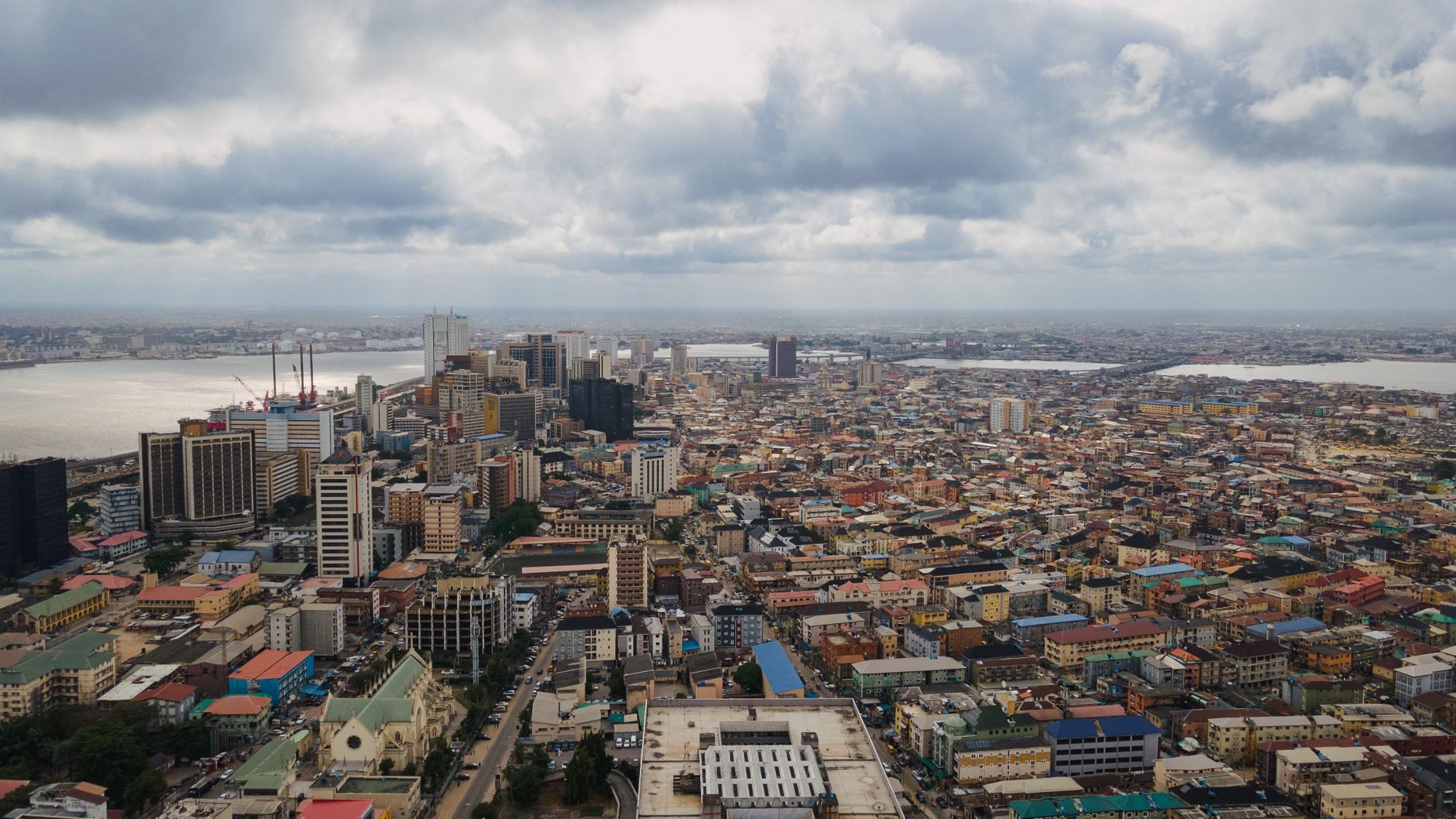
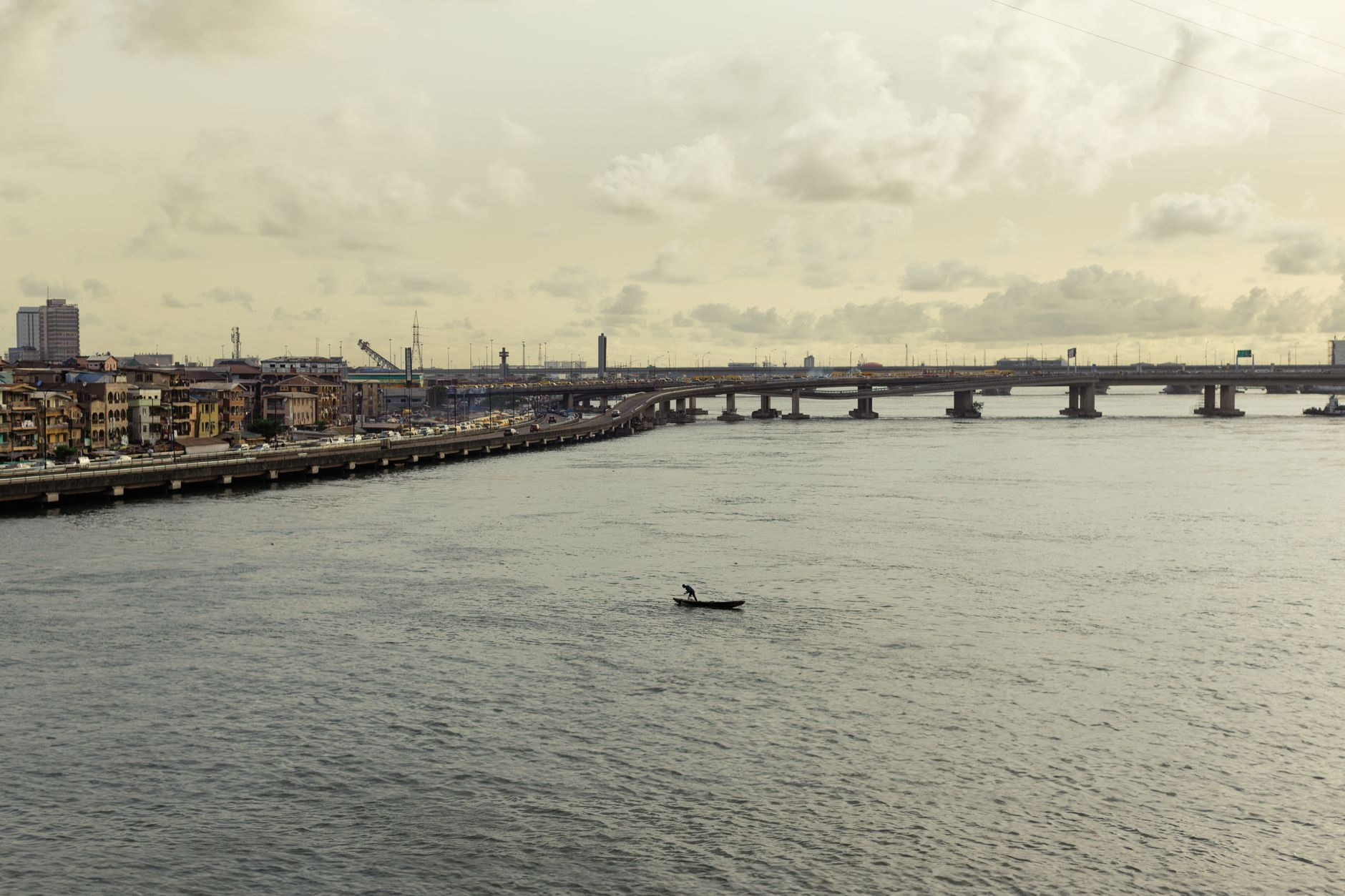
Drive south across the lagoon via the Third Mainland Bridge toward your base in Victoria Island or Ikoyi, the upscale commercial and diplomatic heart of Lagos. Settle into your hotel and spend the late afternoon admiring the waterfront along Five Cowries Creek, where commuter catamarans and private motor yachts navigate coastal waterways beneath gleaming corporate high-rises.
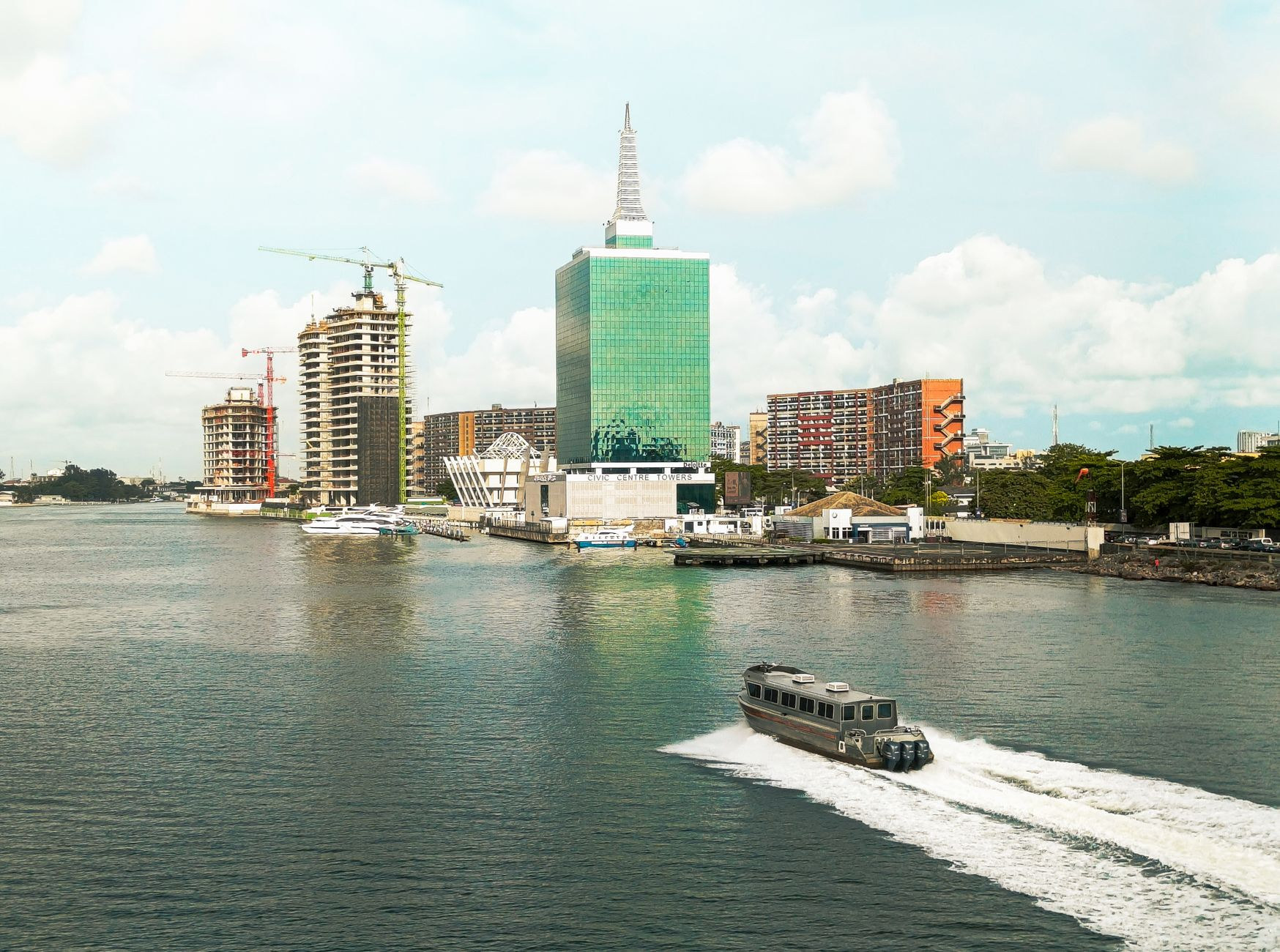
Enjoy your first evening dinner at an upscale contemporary restaurant in Victoria Island, tasting authentic pepper soup prepared with fresh catfish, scent leaves, and aromatic native spices, easing yourself into the electric rhythm of Africa’s most populous metropolis.
Day 2: Lekki Conservation Centre and the Nike Art Gallery
On your second morning, head east onto the Lekki Peninsula. Your first stop is the Lekki Conservation Centre, a seventy-eight-hectare protected wetland reserve established in 1990 by the Nigerian Conservation Foundation to preserve the rapidly disappearing coastal swamp forests of the Lekki Peninsula.
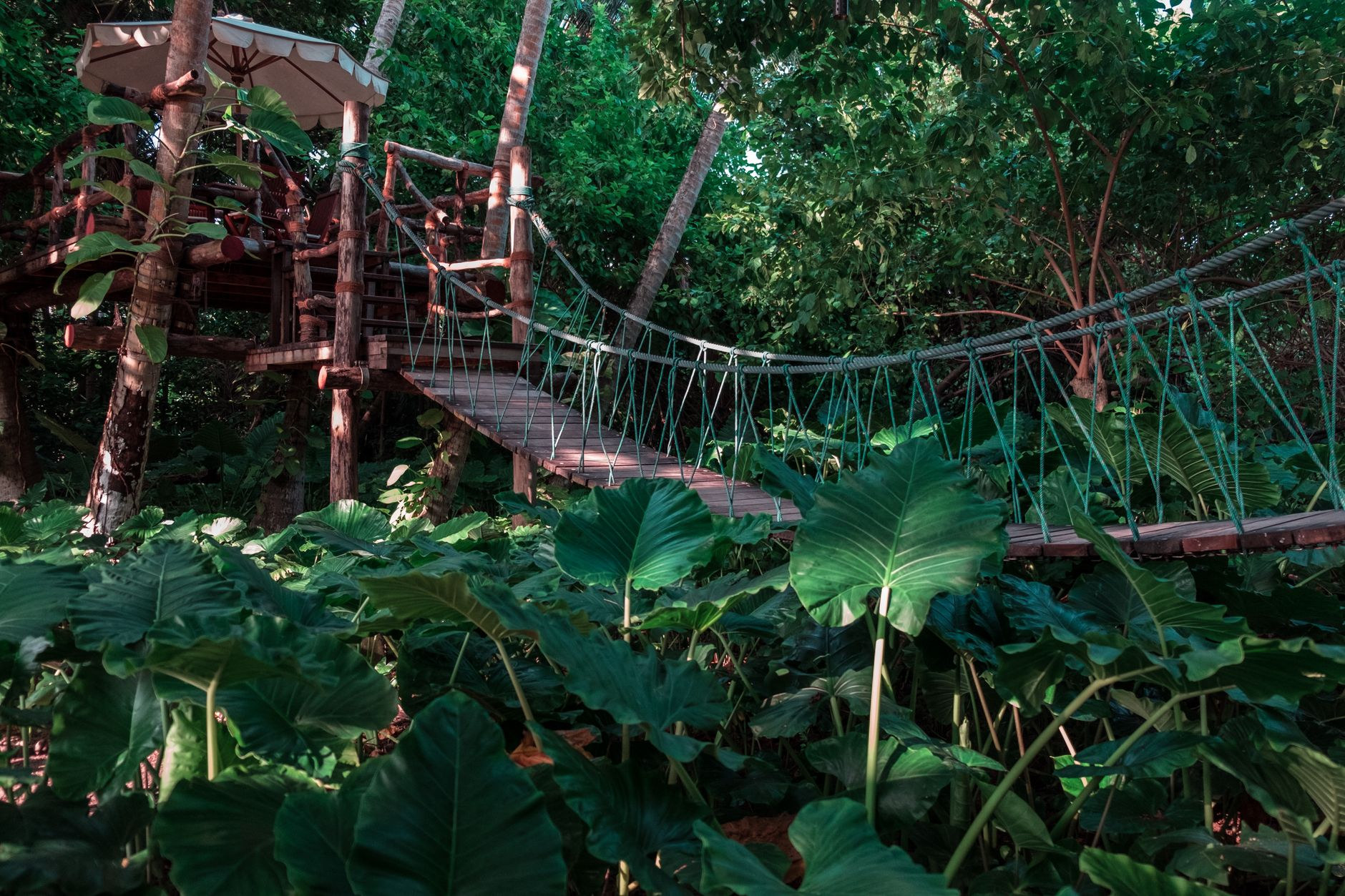
Lace up comfortable walking shoes and step onto the famous canopy walkway. Suspended above towering mahogany trees, oil palms, and swamp mangroves, this 401-meter-long suspended rope-and-timber walkway is the longest canopy trail on the African continent. From the canopy platforms, spot Mona monkeys leaping through the branches, giant land tortoises grazing in forest clearings, and colorful hornbills soaring above the tree canopy.
In the afternoon, drive fifteen minutes west to the Nike Art Gallery, situated in a monumental five-story building along the Lekki Expressway. Founded by legendary textile artist and Yoruba cultural icon Chief Nike Davies-Okundaye, this extraordinary institution is the largest privately owned art gallery in West Africa, displaying over twenty-five thousand paintings, bronze castings, carved wooden doors, and textiles created by master Nigerian artists.

Chief Nike herself frequently greets visitors in stunning indigo attire, narrating the spiritual symbolism woven into traditional Yoruba beadwork and Oshogbo school oil paintings. Conclude your evening at Terra Kulture in Victoria Island, an acclaimed cultural complex featuring art exhibitions, a bookshop, and a theater stage accompanied by traditional culinary specialties.
Day 3: Lagos Island Heritage and the Spirit of Afrobeat
Cross the historic Carter Bridge on day three to explore the layered colonial and pre-colonial architecture of Lagos Island. Begin at Freedom Park on Broad Street, a contemporary arts and heritage park built on the grounds of the former Her Majesty’s Colonial Prison, constructed in 1882.
The preserved brick prison yards and gallows have been transformed into performance open-air amphitheaters, art galleries, and reflection gardens honoring Nigerian anti-colonial freedom fighters, including Herbert Macaulay and Obafemi Awolowo. Walk through nearby Brazilian Quarter (*Popo Aguda*), where Afro-Brazilian returnees emancipated from slavery in Bahia built distinctive Portuguese colonial townhouses featuring stone balustrades and baroque floral carvings.
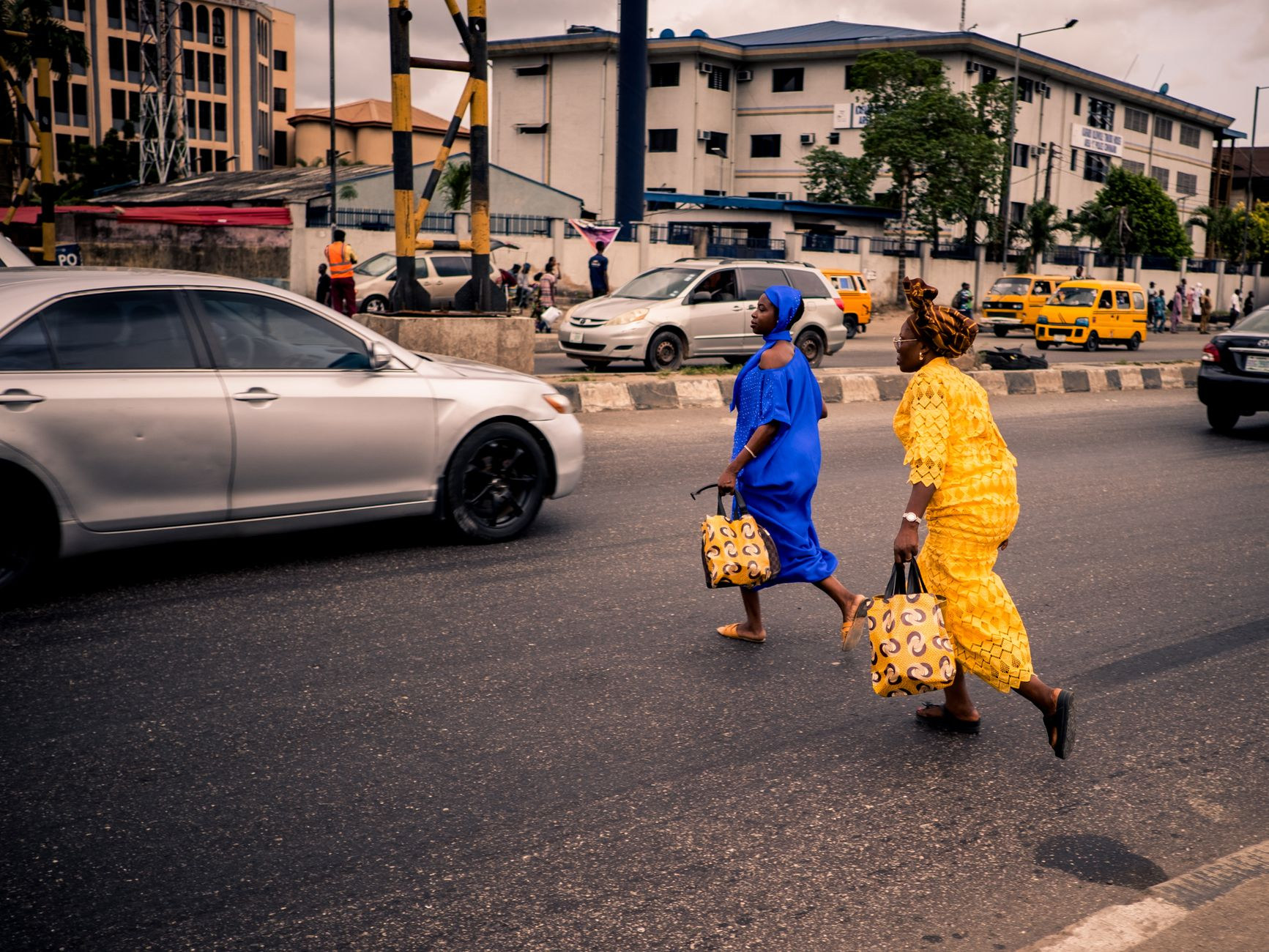
In the evening, embark on a musical pilgrimage north to Ikeja to visit the New Afrika Shrine. Established by Femi Kuti and Yeni Kuti to honor the legacy of their revolutionary father, Fela Anikulapo Kuti, the Shrine is the global home of Afrobeat music. If your visit falls on a Thursday rehearsal night or Sunday evening performance, experience hours of electrifying live brass, polyrhythmic jazz drums, and socially conscious political lyrics surrounded by thousands of passionate Lagosian music lovers.
Day 4: By Modern Rail to Abeokuta: Olumo Rock and Indigo Adire
Depart Lagos on morning four from the modern Mobolaji Johnson Railway Station in Ebute Metta. Board the morning Standard Gauge Railway passenger train to Abeokuta, the historic capital of Ogun State. As the comfortable, air-conditioned train glides silently through suburban industrial zones into open green palm savannah, enjoy the peaceful countryside journey that bypasses the stressful bottlenecks of the expressway in just fifty minutes.
Arriving in Abeokuta, meet your pre-arranged local guide and head directly to Olumo Rock, a massive outcrop of smooth volcanic granite rising 137 meters above the surrounding plain. In the early 19th century, during the turbulent Yoruba inter-tribal wars, the Egba people took refuge beneath the caves of this natural fortress, naming their city *Abeokuta* (“Under the Rock”).
Climb the stone staircases cut into the rock face, passing sacred shrines tended by traditional priestesses where libations have been offered for centuries. From the summit, enjoy a panoramic view over the historic city: rusty corrugated iron rooftops stretching toward the brown loops of the Ogun River and the green forest horizon.

In the afternoon, descend to the historic Itoku Market, the historic center of *Adire* textile production. Watch skilled women artisans applying intricate resist patterns using cassava starch (*Adire Eleko*) or tied raffia cords (*Adire Oniko*) before dipping the white cotton fabrics into deep earthenware vats of fermented natural indigo dye. Purchase genuine hand-dyed textiles directly from the master dyers before checking into your Abeokuta hotel.
Day 5: The Sacred River and Sculptures of Osun-Osogbo Grove
On morning five, travel northeast through Oyo State toward Osogbo, the cultural and spiritual capital of Osun State. Your destination is the Osun-Osogbo Sacred Grove, inscribed on the UNESCO World Heritage list in 2005 as one of the last remaining remnants of primary tropical rainforest that once covered Southern Nigeria.
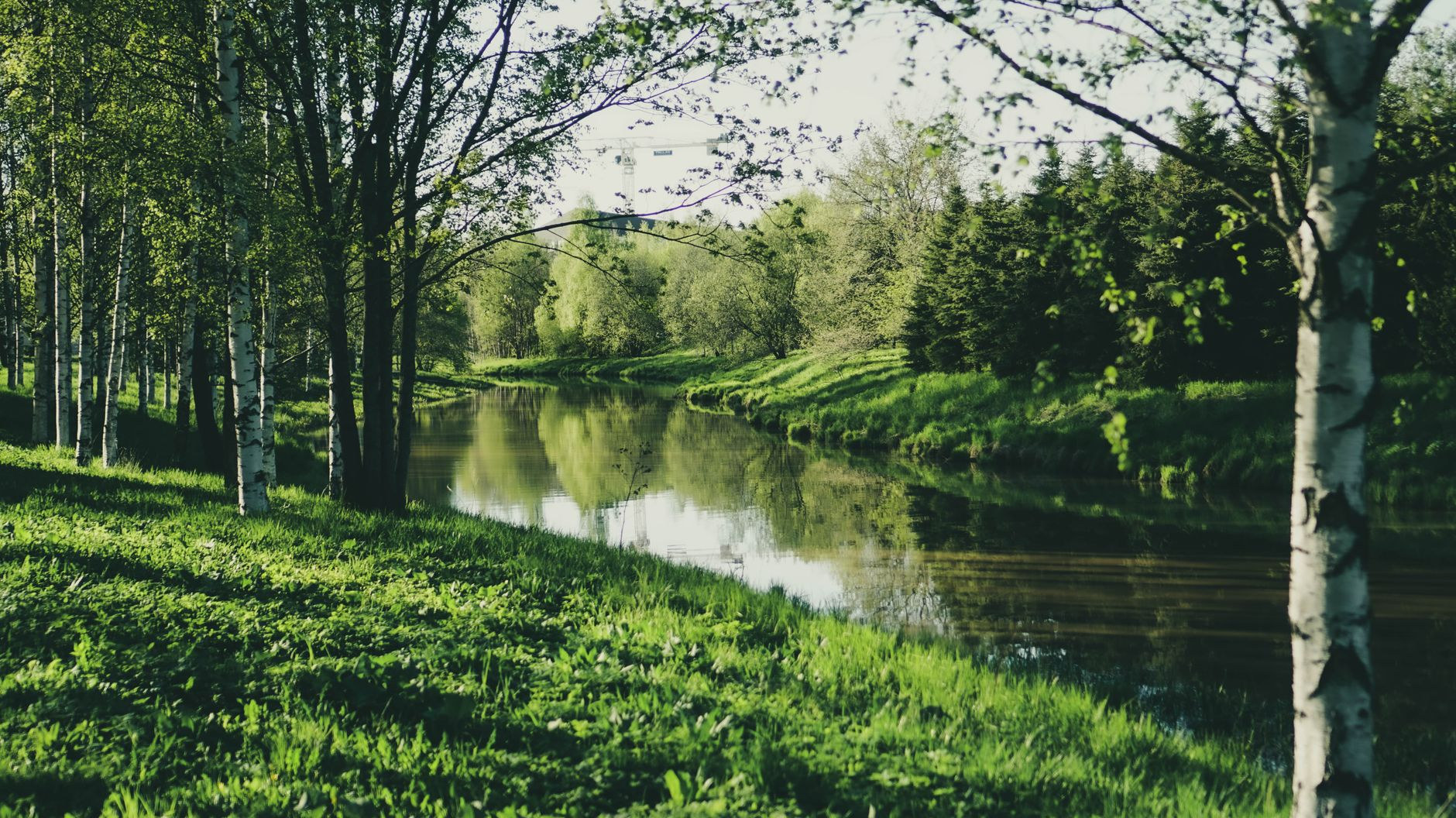
Regarded as the dwelling place of the Yoruba fertility goddess Osun, the seventy-five-hectare forest sanctuary lines the peaceful banks of the sacred Osun River. Accompanied by a certified National Museum custodian, walk along shaded footpaths beneath towering iroko and mahogany trees. The forest is populated by dozens of monumental cement and stone shrines, arches, and colossal statues of Yoruba deities (*Orishas*), created beginning in the 1950s by the Austrian artist Susanne Wenger (Adunni Olorisha) and the New Sacred Art movement.
Stand on the suspension bridge over the brown, slow-moving river, observing devotees offering prayer gourds to the sacred water. The grove radiates an overwhelming spiritual peace, untouched by the urban development outside its boundaries. In the afternoon, visit the Susanne Wenger House in downtown Osogbo, an intricate multi-story wooden Brazilian-style villa filled with modernist wooden sculptures and sacred ceremonial artifacts, before resting at a peaceful guesthouse.
Day 6: Yoruba Artisans, Highway Return, and Atlantic Breezes
On morning six, spend a quiet hour visiting the woodcarvers’ cooperative in Osogbo, observing master craftsmen shaping ceremonial Yoruba drums (*talking drums* or *gangan*), beaded crowns, and commemorative twin statuettes (*ere ibeji*). Depart by 9:00 AM in your private vehicle for the return drive southward toward Lagos, completing the journey in broad daylight.
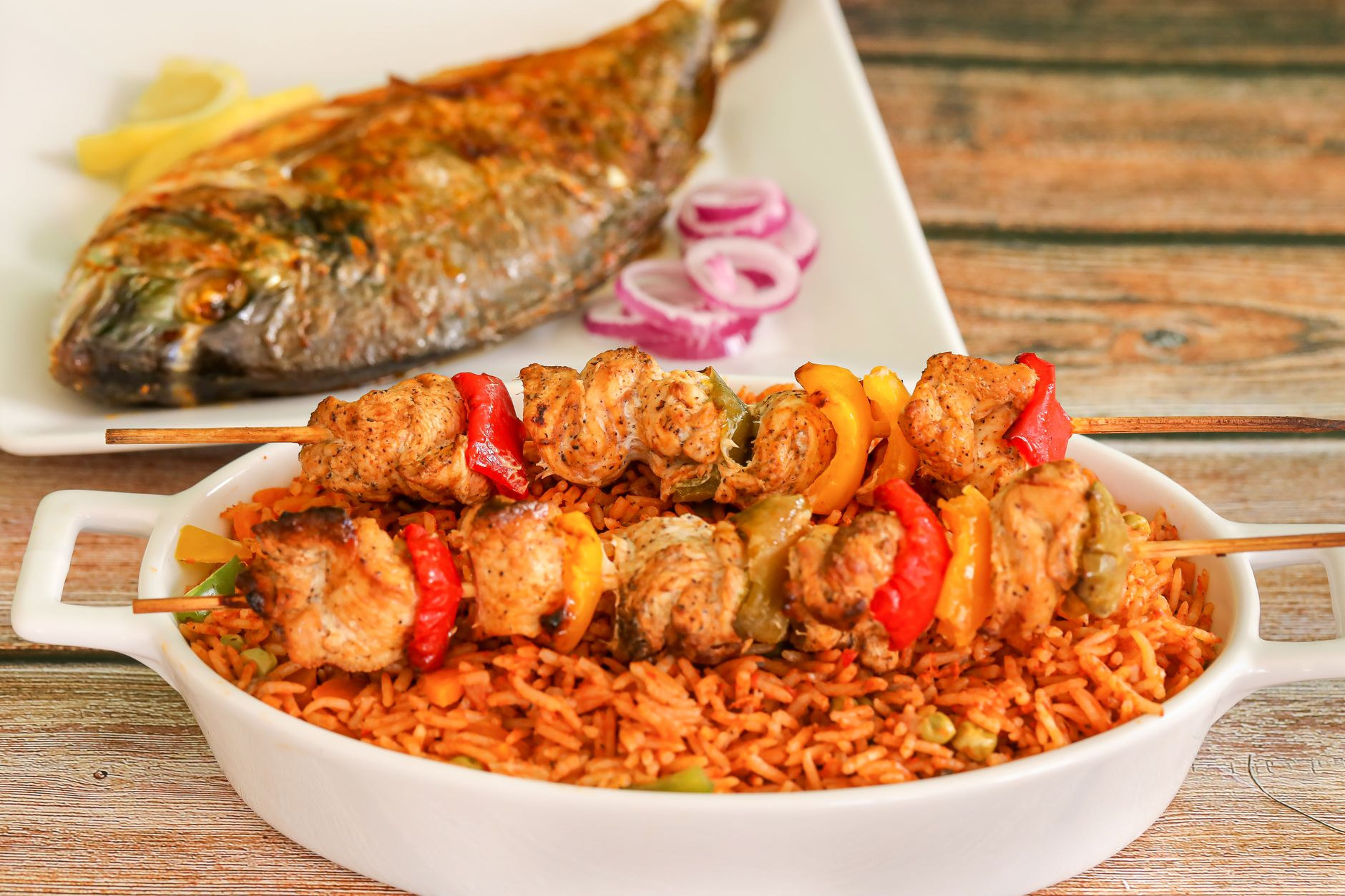
Arriving back in Lagos by early afternoon, reward yourself with an authentic Nigerian culinary feast. Stop at a celebrated local restaurant to enjoy genuine *Party Jollof Rice*—long-grain parboiled rice simmered slowly in a rich reduction of blended plum tomatoes, red bell peppers (*tatashe*), Scotch bonnet peppers (*ata rodo*), and aromatic onions, cooked over open wood smoke to achieve its signature smoky depth. Accompany your rice with fried sweet plantains (*dodo*) and tender peppered beef.
In the late afternoon, take a ten-minute boat transfer from the marina in Victoria Island across the harbor mouth to Tarkwa Bay, an artificial sheltered beach island. Walk along the Atlantic seawall, watching cargo vessels steam into the port while local surfers ride beach breaks in the tropical twilight.
Day 7: Lekki Market Treasures and Airport Departure
Spend your final morning visiting the Lekki Arts and Crafts Market (Jakande Market). Stroll through narrow open-air lanes lined with hundreds of artisan stalls offering leather goods from Kano, cast bronze sculptures from Benin City, antique brass trade beads, and hand-woven *Aso Oke* prestige cloths. Practice friendly bargaining with northern merchants, acquiring authentic cultural mementos directly from craft cooperatives.
After a farewell lunch of *pounded yam* with rich *egusi* melon seed soup at an authentic local eatery, allow generous travel time to navigate the Lagos transit network, taking an air-conditioned private transfer across Third Mainland Bridge to Murtala Muhammed International Airport for your international departure flight.
Mobile Connectivity and Digital Logistics in Nigeria
Maintaining uninterrupted, high-speed mobile internet access while travelling through Nigeria is an absolute operational requirement. Real-time data is essential for booking Uber and Bolt rideshares safely, verifying train timetables on the NRC portal, navigating Lagos traffic corridors, and managing mobile communications. Telecommunications across Southwestern Nigeria are anchored by Glo (Globacom) and Airtel Nigeria, which provide robust 4G LTE and expanding 5G coverage throughout Lagos, Abeokuta, and Osogbo.
Rather than dealing with physical SIM card registration bureaucracy, mandatory biometric fingerprinting, and National Identification Number (NIN) registration queues at street kiosks, activate an eSIM before departure. The NXTL Nigeria eSIM connects directly to Glo LTE and Airtel 5G/LTE networks the moment your flight lands in Lagos. Operating on a flexible pay-as-you-go rate of $4.45 per gigabyte, NXTL has no expiring daily packages. Your unused balance never expires, meaning remaining data credits remain stored in your digital account for future journeys across more than 180 countries.
Travel Scams and Regional Logistics Pitfalls to Avoid
Nigeria offers profound hospitality and unmatched cultural depth, but first-time visitors must navigate several common logistical hazards:
- Lagos Airport Baggage “Dash” Solicitations: At Murtala Muhammed International Airport, informal porters or uniformed baggage handlers may attempt to escort your trolley a few meters to demand cash tips (*dash*) or claim your personal electronics require customs clearance. Politely but firmly decline assistance, keep your baggage claim tags in hand, and proceed directly to your pre-arranged hotel driver or app rideshare zone.
- Informal Danfo and Keke Robbery Traps (*One-Chance*): Never hail informal yellow commercial minibuses (*danfos*) or shared tricycles (*kekes*) from the roadside. Criminal syndicates occasionally operate deceptive vehicles to rob passengers of phones and cash. Rely strictly on verified ride-hailing services (Uber or Bolt) or vetted private drivers arranged through your hotel.
- Unofficial Olumo Rock Guide Extortion: At the entrance of Olumo Rock in Abeokuta, unauthorized individuals often approach tourists demanding steep personal guide fees above the official gate fee. Purchase your receipted entry ticket directly at the official government counter inside the visitor pavilion, where certified site guides are provided at standard rates.
- Night Overland Highway Travel: Avoid inter-city highway driving between Lagos, Abeokuta, and Osogbo after 4:00 PM. Poor road lighting, heavy commercial freight trucks, and sporadic rural checkpoint delays make night driving hazardous. Conduct all overland travel during morning daylight hours or utilize the scheduled SGR train.
- Synthetic “Adire” Factory Copies: In general urban markets, vendors frequently sell cheap machine-printed synthetic textiles imported from overseas as genuine handmade Yoruba *Adire*. Real Adire is dyed on pure cotton with natural indigo, emitting an organic plant aroma and displaying subtle imperfections in the resist pattern. Purchase your textiles directly from master artisans at Itoku Market in Abeokuta or certified gallery shops.
By focusing your route on the cultural heartland of the southwest, travelling safely by passenger rail, and maintaining reliable digital connectivity, your journey through Nigeria will reveal an extraordinary, welcoming, and culturally transcendent African powerhouse.