Perched along the western Pearl River Delta sixty kilometers west of Hong Kong, Macao is globally famous as a premier gaming destination. Yet for independent cultural travellers, treating Macao merely as an oversized playground of baccarat floors misses its true soul. For over four centuries, this compact territory served as Portugal’s primary trading outpost in eastern Asia, forging an extraordinary fusion of Cantonese traditions and Iberian maritime culture.
To truly experience Macao, one must look beyond casino resorts and explore its UNESCO-listed historic quarters on foot. By dedicating three days to the territory, travellers can trace its chronological evolution: beginning with sixteenth-century churches and Chinese seafaring temples on the Macao Peninsula, crossing south to the pastel villas and culinary pedestrian lanes of Taipa Village, and finishing among the quiet coastal mangrove shores and bakeries of Coloane. Here is your definitive three-day operational itinerary, balancing transit logistics, heritage architecture, UNESCO gastronomy, and reliable mobile connectivity.
Trip Planning Blueprint: Arrival Gateways, Local Transit, and Border Dynamics
Navigating Macao smoothly requires understanding its multi-modal arrival corridors and unique territorial status:
Arrival Routes from Hong Kong and the Mainland: Most international visitors enter Macao from Hong Kong. Two primary transit options exist: high-speed hydrofoil ferries (TurboJET from Sheung Wan, or Cotai Water Jet from Tsim Sha Tsui), which cross the Pearl River in fifty-five minutes directly into either the Outer Harbour Ferry Terminal or Taipa Ferry Terminal. Alternatively, the fifty-five-kilometer Hong Kong-Zhuhai-Macao Bridge (HZMB) offers round-the-clock shuttle buses (*Golden Buses*), crossing the delta in forty minutes to Macao’s eastern port.
Navigating with Free Shuttles, Public Buses, and Light Rapid Transit: Transport within Macao is convenient and cost-effective. Integrated mega-resorts operate fleets of complimentary, air-conditioned shuttle buses connecting ferry terminals, border gates, and the airport directly to major destinations on Cotai and the downtown peninsula. For local street exploration, public buses (TCM and Transmac) charge a flat fare of 6 MOP, payable via contactless credit cards or a Macau Pass card. On Taipa and Cotai, the elevated Macao Light Rapid Transit (LRT) connects the Taipa Ferry Terminal, airport, and resort corridor.
Currency Dynamics and Border Separation: The legal currency is the Macanese Pataca (MOP), pegged to the Hong Kong Dollar (HKD) at roughly 1:1. Hong Kong Dollars are accepted everywhere, though merchants generally return change in Patacas. While Macao is part of China, it maintains strict immigration and customs autonomy under the “One Country, Two Systems” framework. Passing through the northern Portas do Cerco (Border Gate) into mainland Zhuhai constitutes an international border crossing requiring separate Chinese visa clearance.
| Day / Stage | Base | Highlights | Transport Mode | Transit Time | Advance Booking Requirement |
|---|---|---|---|---|---|
| Day 1 | Macao Peninsula (Centro) | Arrival via TurboJET ferry, A-Ma Temple, Barra Square, Senado Square, Ruins of St. Paul’s, Monte Fort sunset | TurboJET Ferry & Walking | 55 mins ferry + on foot | Hong Kong-Macao ferry ticket reservation |
| Day 2 | Taipa Village & Cotai | Taipa Houses Museum, Our Lady of Carmel Church, Rua do Cunha street food, evening Cotai Strip architectural walk | Free Resort Shuttle / Bus | 15 mins island transit | Traditional Macanese restaurant reservation |
| Day 3 | Coloane Coastal Village | St. Francis Xavier Chapel, original Lord Stow’s bakery for egg tarts, Hac Sá black sand beach, departure | Public Bus 26A & Taxi | 25 mins scenic bus | Return ferry or HZMB bus ticket |
Day 1: The Macao Peninsula — Four Centuries of Maritime Faith and Granite Fortresses
Your journey begins upon disembarking at the Outer Harbour Ferry Terminal on the Macao Peninsula. Clear the automated immigration gates, board a complimentary downtown casino shuttle or hail an official black-and-cream taxi, and check into your accommodation in the central peninsula. Day 1 is dedicated to the UNESCO World Heritage Historic Centre of Macao, an interconnected collection of over twenty historic monuments celebrating four centuries of Sino-Portuguese cultural coexistence.
Begin your walking exploration at the southern tip of the peninsula at A-Ma Temple, founded in 1488 during the Ming Dynasty. Dedicated to Mazu, the Taoist goddess of seafarers and fishermen, this temple predated the arrival of Portuguese merchants in the 1550s; when early Portuguese navigators landed on the rocky shoreline and asked the locals the name of the place, they replied “A-Ma-Gau” (Bay of A-Ma), which the Portuguese transcribed as Macao. Wander through its multi-tiered granite shrines, prayer halls, and stone pavilions shaded by ancient banyan trees, inhaling the dense fragrance of giant coiled incense spirals hanging from wooden eaves.
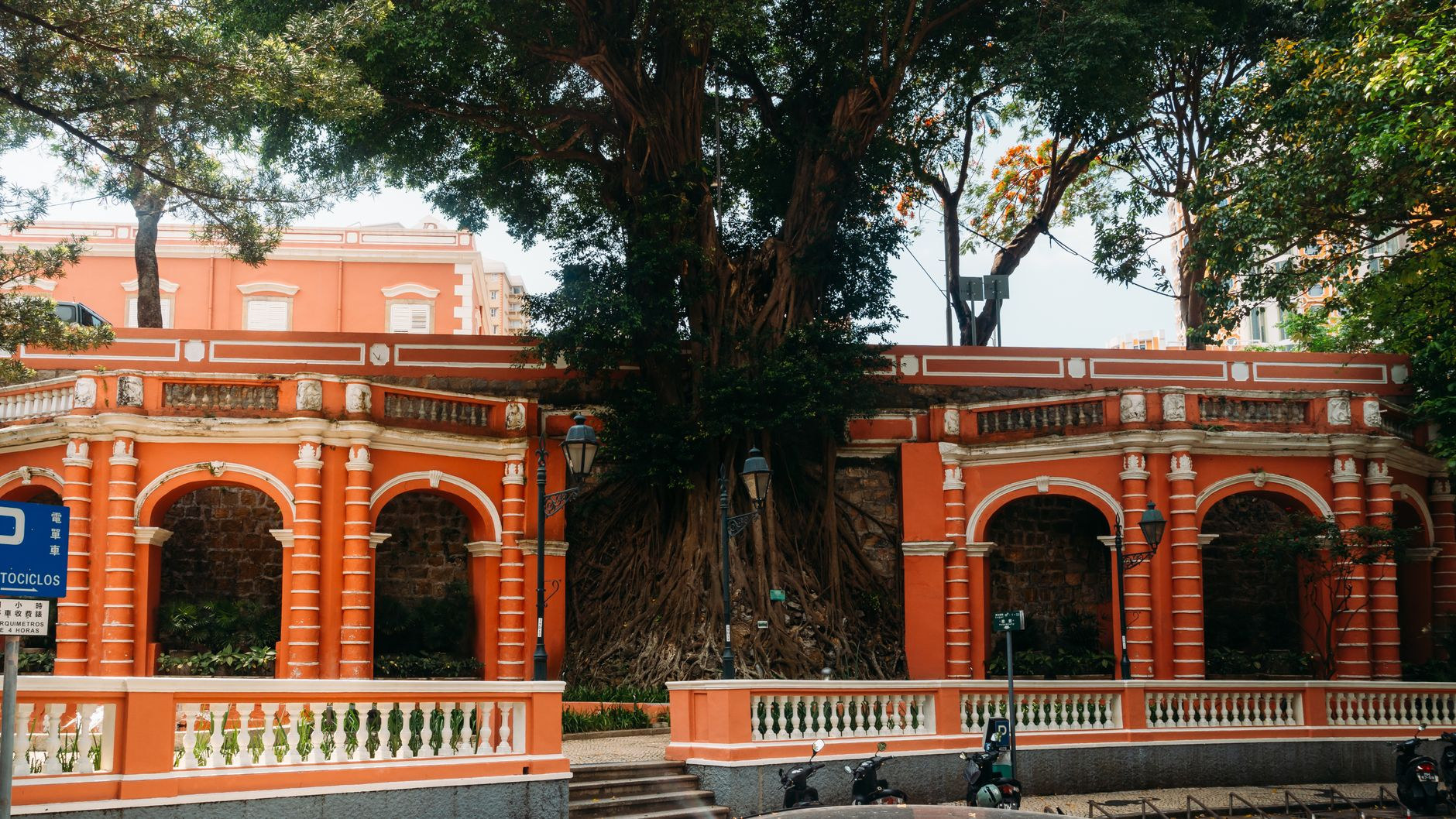
Walk north along the cobblestone heritage corridor through Lilau Square, one of the earliest Portuguese residential quarters, and ascend to St. Lawrence’s Church, where wives of Portuguese merchant sailors gathered on the stone terrace to pray for their husbands’ safe return across typhoon-prone seas. Continue into St. Augustine’s Square, bordered by the neoclassical Dom Pedro V Theatre—the first Western-style theater built in China—and the historic Sir Robert Ho Tung Library.
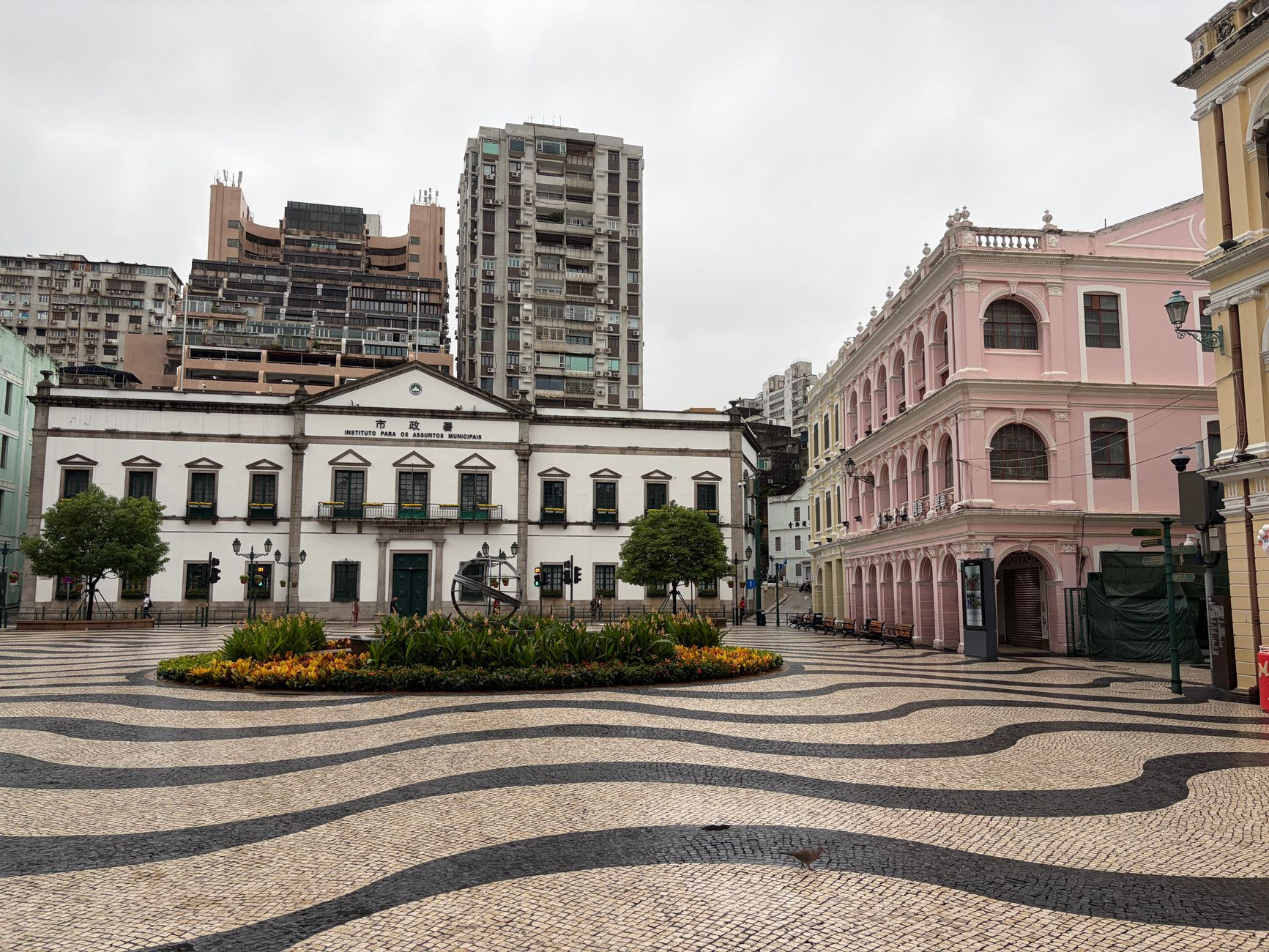
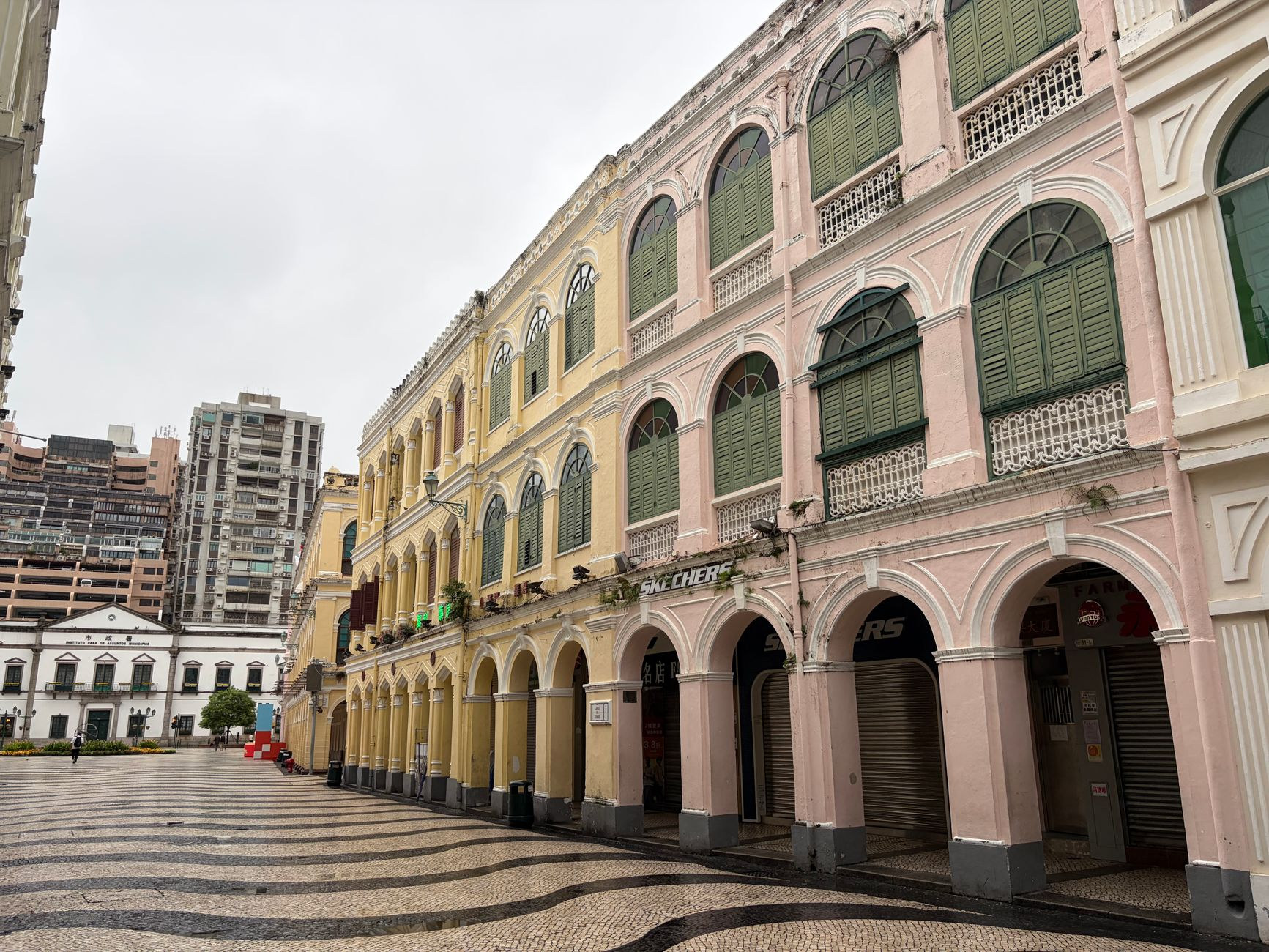
Descend into the civic epicenter of Macao: Senado Square (*Largo do Senado*). Paved in the early 1990s by master stonemasons from Portugal, the plaza features black and white Portuguese stone mosaics (*calçada portuguesa*) laid in flowing wave patterns. Surrounding the square stand elegant pastel-toned neoclassical buildings, including the Municipal Affairs Bureau (*Leal Senado*) and the Holy House of Mercy (*Santa Casa da Misericórdia*), the oldest European charitable institution in Asia.
Stroll past the brilliant yellow baroque facade of St. Dominic’s Church, founded by Dominican friars in 1587, and follow the pedestrian lanes past bakeries offering warm almond cookies and bakkwa (sweet roasted meat jerky) to arrive at the base of the monumental stone stairway leading to the Ruins of Saint Paul’s (*Ruínas de São Paulo*).
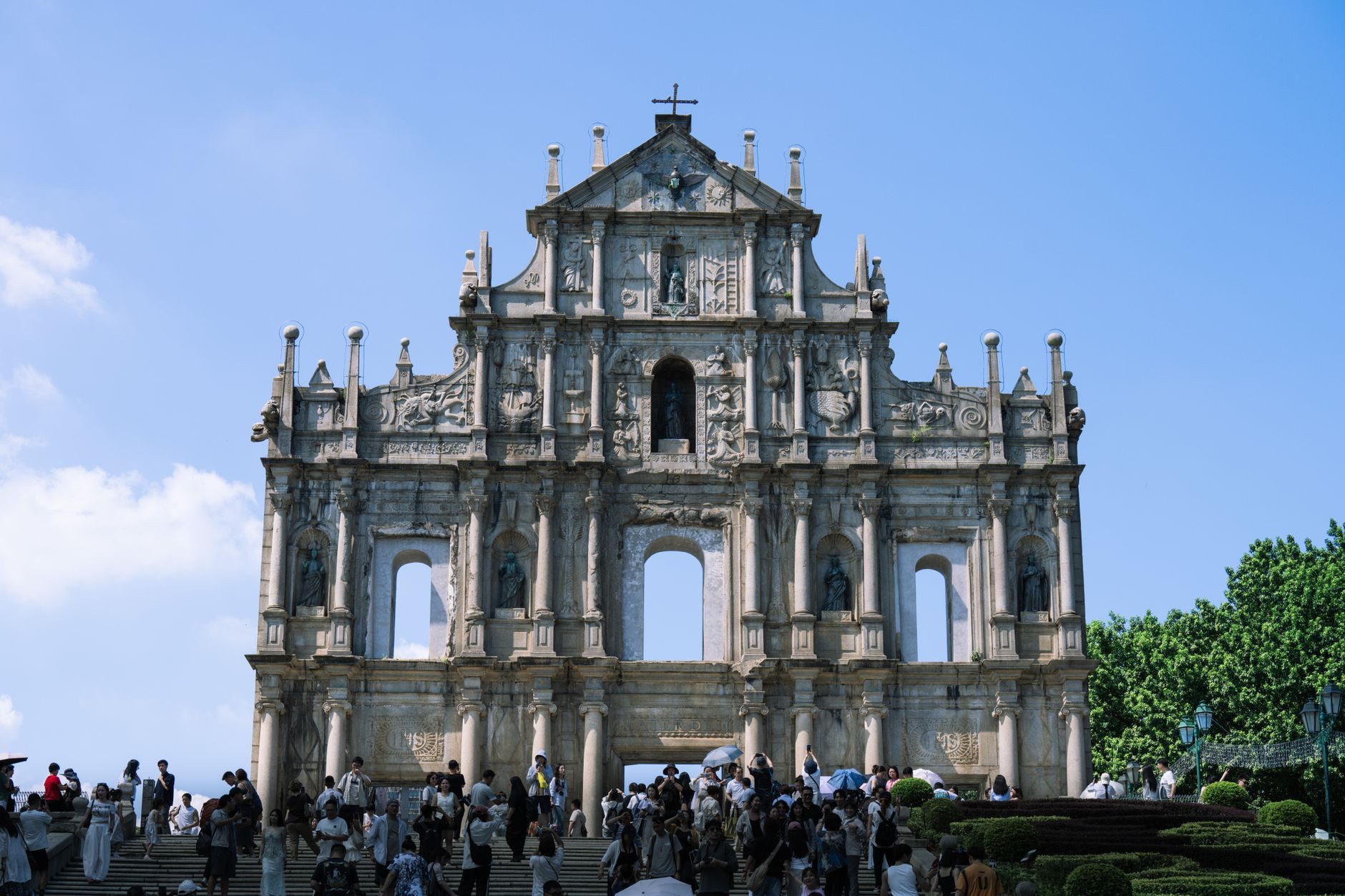
Originally constructed between 1602 and 1640 by Japanese Christian exiles and local stonemasons under Jesuit direction, the Church of Saint Paul was the largest Catholic cathedral in East Asia until a catastrophic fire destroyed the wooden complex in 1835, leaving only its towering four-tiered granite facade standing. Gaze up at the intricate stone carvings, which feature an extraordinary theological synthesis: the Virgin Mary trampling a seven-headed dragon, maritime caravels, Portuguese emblems, and Chinese characters praising divine grace.
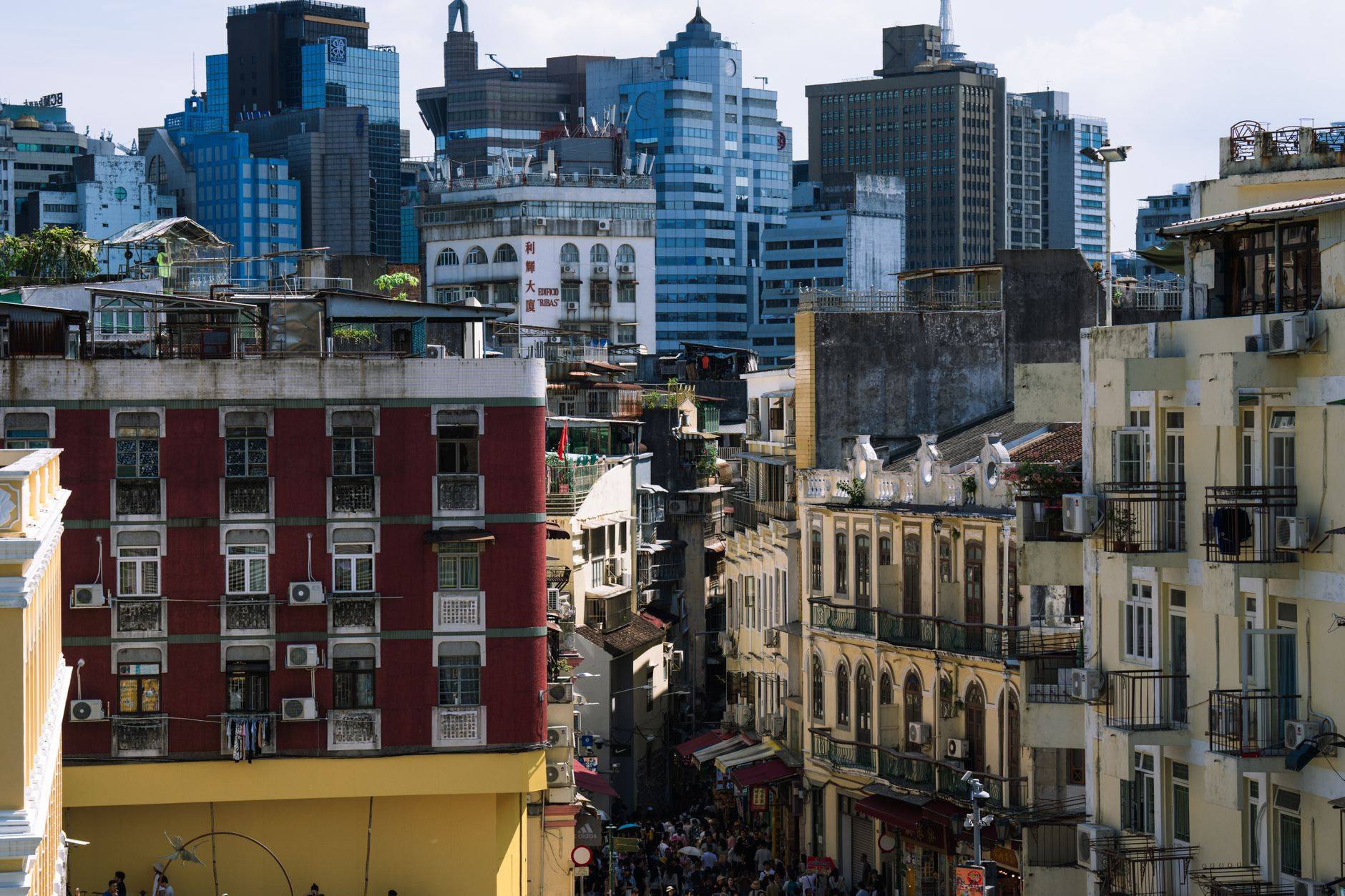
Ascend the forested stone path behind the facade to Monte Fort (*Fortaleza do Monte*), a massive seventeenth-century hilltop citadel equipped with bronze cannons. From the fortress ramparts, take in panoramic sunset views overlooking the dense colonial tiled roofs of the old quarter, framed dramatically against the soaring gold lotus tower of the Grand Lisboa and the Pearl River Delta beyond.
Day 2: Taipa Village and Cotai — Colonial Mansions, Culinary Alleys, and Contemporary Spectacle
On Day 2, cross the Governor Nobre de Carvalho Bridge south to Taipa Island. While the southern reclaimed plain of Cotai is dominated by colossal casino resorts, the northern historic core of Taipa Village has preserved an intimate, small-town atmosphere characterized by narrow pedestrian alleys, pastel-painted houses, and traditional family bakeries.
Begin along the tranquil shores of the Avenida da Praia at the Taipa Houses Museum. Built in 1921, this row of five elegant mint-green colonial mansions originally housed senior Portuguese civil servants and Macanese families. Carefully restored, the homes now showcase period furniture, vintage photographs, and traditional clothing illustrating early twentieth-century domestic life, facing a restored freshwater wetland pond shaded by lotus flowers and weeping willows.
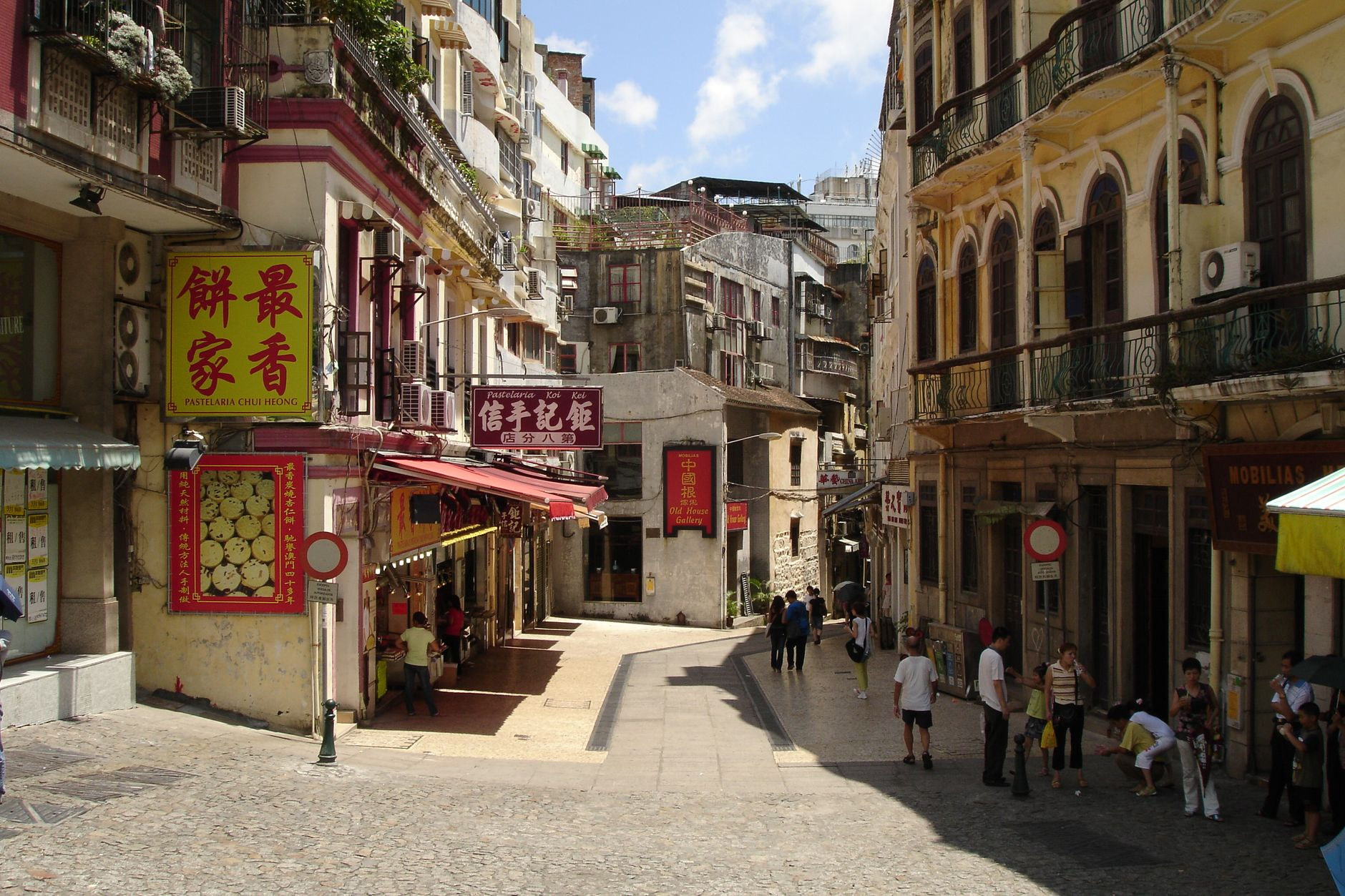
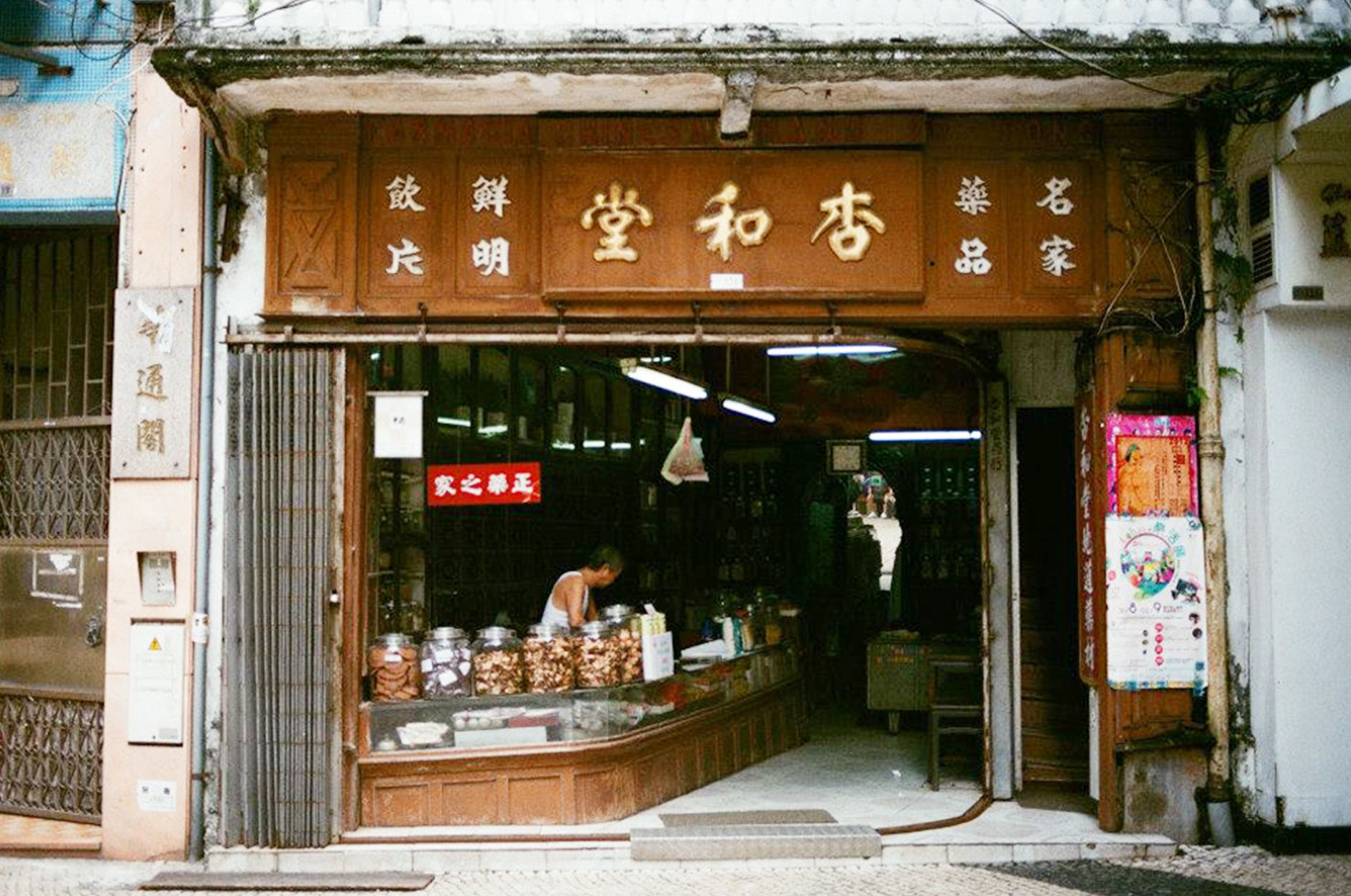
Ascend the stone steps past the yellow Our Lady of Carmel Church to enter Rua do Cunha, the beating culinary heart of Taipa. This bustling pedestrian alley is packed with food stalls and heritage confectioneries. Sample a freshly griddled Macanese pork chop bun (*chu pa bao*)—a succulent, bone-in marinated pork chop sandwiched inside a crusty toasted Portuguese roll—followed by flaky almond cookies baked fresh over charcoal at Pastelaria Fong Kei, a family bakery operating since 1902.
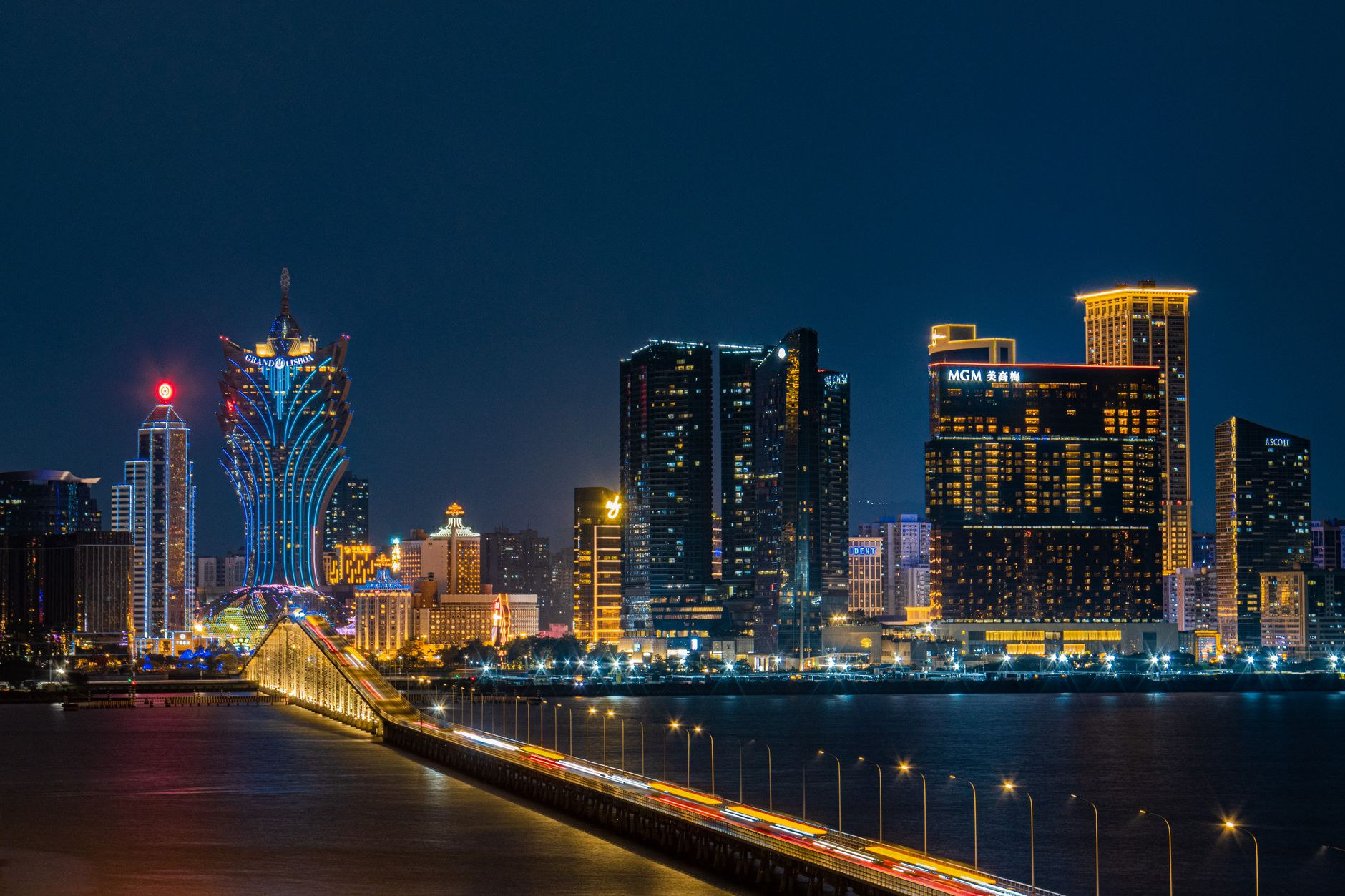
As evening falls, walk ten minutes south into the dazzling wonderland of the Cotai Strip. Constructed entirely on reclaimed land between Taipa and Coloane, Cotai features architectural recreations of Venice, Paris, and London alongside sleek contemporary towers. Stroll along the wide boulevards to observe the glowing light displays and fountains that transform this former maritime channel into a nocturnal spectacle.
Day 3: Coloane Island — Fishing Village Charms, Custard Tarts, and Coastal Trails
Dedicate your final day to Coloane, the southernmost and greenest district of Macao. Escape the urban hustle by boarding Bus 26A from Taipa to Coloane Village. Until recent decades, Coloane was a sleepy fishing settlement and pirate haven; today, it retains an unhurried, pastoral lifestyle with shaded coastal promenades and narrow residential lanes named after Portuguese sea captains.
Walk along the waterfront promenade to the Chapel of Saint Francis Xavier, built in 1928 in the baroque style with a cheerful cream and white facade. The chapel faces a charming tiled square paved in Portuguese cobblestones, lined with outdoor Cantonese seafood restaurants serving steamed garoupa, stir-fried clams with black bean sauce, and garlic prawns.
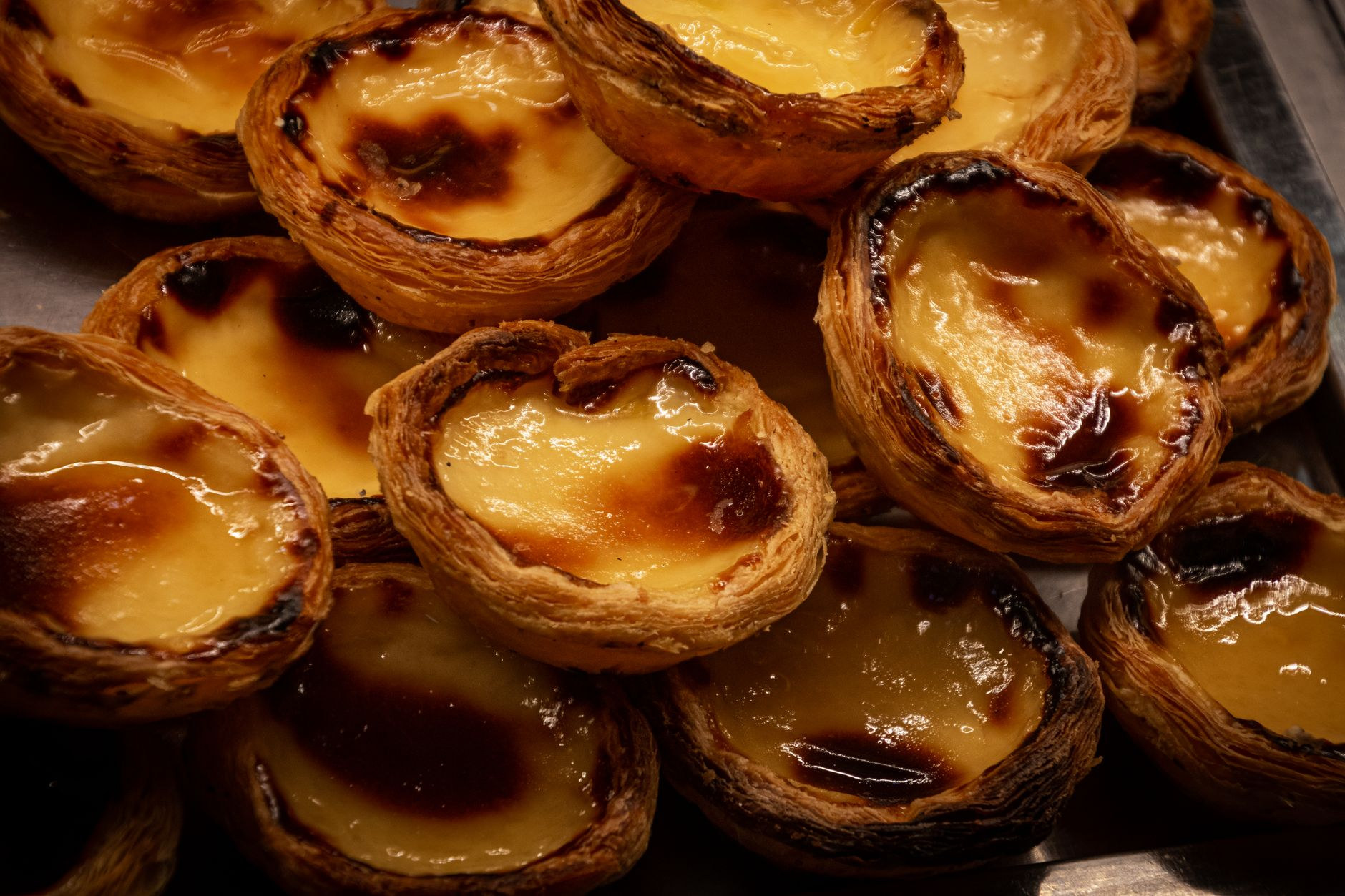
Just around the corner stands the legendary birthplace of Macao’s signature sweet treat: the original Lord Stow’s Bakery. Founded in 1989 by British pharmacist-turned-baker Andrew Stow, this modest shop introduced the world to Macao’s unique interpretation of the Portuguese *pastel de nata*. By combining traditional English egg custard with flaky Portuguese puff pastry and caramelizing the top until blistered dark golden-brown, Stow created a global culinary icon. Purchase a box fresh from the oven, sit on a wooden bench overlooking the water, and savor the warm, creamy custard and buttery, shattering crust.
Conclude your afternoon with a coastal walk along Hac Sá Beach (Black Sand Beach), named for its distinctive dark volcanic mineral sands, or the forested hiking trails of Coloane Peak. From here, take a taxi or bus back to the Taipa Ferry Terminal or the HZMB bridge port for your evening departure to Hong Kong or the international airport.
Macanese Gastronomy: The World’s First True Fusion Cuisine
Recognized by UNESCO as a Creative City of Gastronomy, Macao is home to one of the planet’s oldest and most sophisticated fusion food cultures: authentic Macanese cuisine (*Cozinha Macaense*). Emerging in the sixteenth and seventeenth centuries, this unique culinary tradition was forged by Portuguese sea merchants who married local Chinese, Malay, Indian, and African women, blending Iberian culinary staples with exotic spices gathered along trade routes via Goa, Malacca, and Mozambique.
A quintessential Macanese masterpiece is African Chicken (*Galinha à Africana*). Chicken is marinated in garlic, shallots, and chili, grilled over charcoal, and then smothered in a rich, velvety sauce crafted from coconut milk, crushed peanuts, paprika, ginger, and piri-piri chilies. The dish represents a culinary map of the Portuguese spice route: African piri-piri, Indian spices, Southeast Asian coconut, and European roasting techniques.
Another beloved comfort dish is *Minchi*, considered Macao’s unofficial national dish. Finely minced beef and pork are stir-fried with diced shallots, garlic, dark and light soy sauces, and molasses, tossed with miniature cubes of deep-fried potatoes and crowned with a sunny-side-up fried egg. Paired with steamed white rice, it remains a cherished staple of family households across the territory. Don’t miss *Bacalhau*, traditional salted cod prepared in dozens of ways, particularly crispy *pastéis de bacalhau* (codfish croquettes) served with Portuguese Vinho Verde.
Mobile Connectivity: Navigating Dual Networks and eSIM Setup
Reliable mobile connectivity is essential in Macao for navigating labyrinthine historic lanes, checking bus arrival times via the DSAT mobile app, booking ferry departures, and using translation tools. However, international travellers frequently encounter two costly connectivity pitfalls in the Pearl River Delta.
First, standard Hong Kong prepaid SIM cards rarely include Macao data automatically, or charge punitive roaming fees the moment you cross the water. Second, because the northern border with mainland Zhuhai is only a few meters away in densely populated districts, foreign smartphones often latch inadvertently onto mainland Chinese cellular towers, triggering mainland roaming fees or running into mainland internet firewalls.
The modern, worry-free solution is activating a digital NXTL Macao Travel eSIM before departure. NXTL connects directly to Macao’s premier local network operators—including CTM (Companhia de Telecomunicações de Macau) and Hutchison Macau (3 Macau)—delivering high-speed 5G and 4G LTE coverage across the entire territory. At transparent pay-as-you-go rates of just $1.21/GB, your data balance never expires, eliminating the waste of rigid 3-day or 7-day packages. Unused credit stays available for later trips across more than 180 countries. Scan your QR code before boarding your ferry or bridge bus, and enjoy immediate high-speed connectivity the moment you step ashore.
Five Local Scams, Traps, and Practical Pitfalls to Avoid
- Overpriced Dried Meat and Snack Weight Deceptions: Along the crowded pedestrian approaches to the Ruins of Saint Paul’s, aggressive jerky vendors offer free samples of sweet pork and beef jerky (*bakkwa*). However, price signs display costs per quarter-catty (about 150 grams) rather than full catties or kilograms. Unwary tourists purchasing a few slices often find themselves charged 300 to 500 MOP at the cash register. Prevention: Confirm the total price by exact weight before allowing vendors to vacuum-pack or slice meat. Purchase souvenirs from long-established, transparent confectioneries such as Koi Kei or Pastelaria Fong Kei.
- Unregulated Border Currency Exchange Schemes: Near the Portas do Cerco border gate and the Outer Harbour Ferry Terminal, informal money changers approach travellers offering to swap Hong Kong Dollars or Chinese Yuan for Patacas at tempting rates. These street touts frequently slip counterfeit 500-MOP notes into the stack or use folded-bill counting tricks. Prevention: Use official bank ATMs or licensed *casas de cambio* inside ferry terminals and major hotels. Remember that Hong Kong Dollars are accepted at a 1:1 parity virtually everywhere in Macao.
- Illegal Taxi Surcharges and Rigged Meters outside Casinos: While most Macao taxi drivers are honest, rogue drivers outside major Cotai resorts and nightlife venues occasionally refuse to use the meter (*by meter*) late at night or during rainstorms, demanding flat extortionate fares of 200 to 400 MOP for short hops. Prevention: Insist on the meter being engaged before the vehicle moves (*Ta-biu* in Cantonese). If the driver refuses, exit immediately. Alternatively, utilize Macao’s complimentary casino shuttle buses or take public buses for 6 MOP.
- Unauthorized Ferry Ticket Scalpers at Ferry Terminals: Inside and around the Outer Harbour and Taipa Ferry Terminals, touts wearing semi-official lanyards target arriving and departing passengers, claiming that upcoming scheduled sailings to Hong Kong are completely sold out and offering “VIP tickets” at double the face value. Prevention: Purchase ferry tickets exclusively at authorized official ticket counters inside the terminal hall, or book digital e-tickets in advance via TurboJET or Cotai Water Jet mobile applications.
- Inadvertent Mainland China Roaming near the Border Gate: When walking near Portas do Cerco, Ilha Verde, or the northern waterfront, strong cellular signals from Zhuhai cell towers in mainland China can overpower local Macao networks. If your phone connects to China Mobile or China Unicom, data access to Western social media and search tools may be blocked, or foreign roaming charges may apply. Prevention: In your smartphone settings, switch cellular network selection from “Automatic” to “Manual” and lock your connection to CTM or 3 Macau during your stay.
Practical Etiquette and Packing Checklist
Observing local etiquette will ensure an effortless and respectful stay in Macao:
Dress Codes and Temple Respect: Macao combines cosmopolitan modern luxury with conservative cultural traditions. While casual attire is universal during daytime sightseeing, modest dress is expected when visiting active Taoist and Buddhist sanctuaries like A-Ma Temple or Kun Iam Temple: avoid revealing beachwear and remove hats inside prayer halls. In contrast, upscale resort dining rooms and casino gaming floors enforce smart-casual dress codes, requiring closed-toe shoes and collared shirts for men.
Subtropical Weather and Summer Typhoons: Macao experiences a humid subtropical maritime climate. Summers (May to September) are hot, humid, and rainy, with temperatures hovering around 32°C (90°F) and occasional tropical typhoons. Pack lightweight, breathable clothing, an umbrella, and comfortable walking shoes with excellent traction for navigating slick Portuguese cobblestones (*calçada*). Autumn (October to December) offers the most pleasant conditions, with clear skies and mild temperatures.
Language and Cultural Graces: Cantonese is the primary daily language of the local population, though English and Mandarin are widely spoken in hotels, restaurants, and shopping centers. Portuguese remains an official language displayed on all public street signs and government documents. Greet locals politely with a gentle nod; patience and soft-spoken courtesy are deeply appreciated throughout this historic territory.