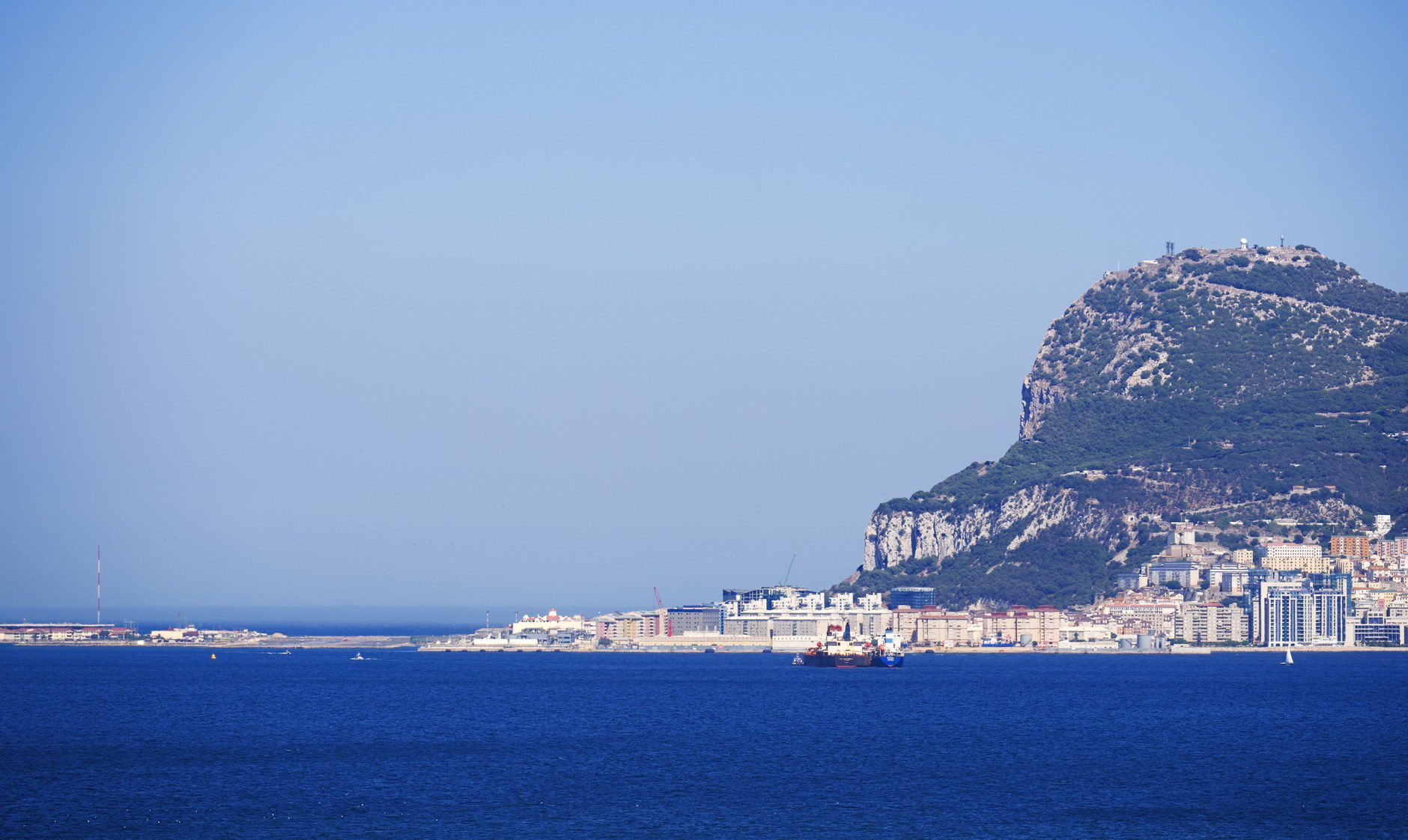
Guarding the western entrance to the Mediterranean Sea where Europe approaches within fourteen kilometers of the African coast, the monolithic Jurassic limestone promontory of Gibraltar is one of the most strategically contested outposts in global history. Occupying just under seven square kilometers beneath the sheer 426-meter ridge of the Rock, this self-governing British Overseas Territory packs military bastions, sub-surface siege tunnels, endemic botanical gardens, and the only wild monkey population in Europe into a compact maritime peninsula. Yet many travellers visit Gibraltar merely as a hurried two-hour coach stopover from the Costa del Sol, snapping a quick photograph of a Barbary macaque before departing.
Treating Gibraltar as a brief cruise-ship stroll or stretching it artificially into a padded week-long itinerary both miss the true value of the territory. The ideal way to experience Gibraltar is as an intensive, deeply researched two- to three-day stopover or standalone regional base. Across three focused days, independent travellers can conquer the steep heights of the Upper Rock via historic fortifications and cliff-edge staircases, explore vast underground cavern complexes, observe marine wildlife across the Bay of Gibraltar, and appreciate the unique bilingual Anglo-Genoese-Andalusian culture of Main Street. Here is your definitive three-day operational guide to exploring the Rock of Gibraltar.
Trip Planning Blueprint: Border Crossings, Rock Transit, and Local Regulations
Planning an efficient three-day visit to Gibraltar requires mastering four crucial logistical rules:
The Frontier Crossing Strategy: Unless you are flying directly into Gibraltar International Airport (GIB) from the United Kingdom, you will enter overland from the Spanish border town of La Línea de la Concepción. Driving a rental car across the frontier is one of the most frustrating mistakes visitors make. Vehicle queues at the border control checkpoint can back up for one to two hours during morning and evening rush hours, and parking inside Gibraltar is severely restricted and expensive. Instead, park your vehicle in one of the secure underground parking garages in La Línea (such as Parking APK2 Plaza de la Constitución) and walk through the pedestrian border terminal in five to ten minutes. Once through passport control, you can walk or catch a local red double-decker bus into the city center.
The Active Airport Runway Walk: One of Gibraltar’s most famous engineering curiosities is Winston Churchill Avenue, the main arterial road connecting the Spanish frontier with the city, which crosses directly across the operational airport runway. Whenever commercial flights take off or land, barriers drop and pedestrian traffic halts. While vehicular traffic now uses the subterranean Kingsway Tunnel bypassing the tarmac, pedestrians and cyclists can still walk directly across the active runway apron when barriers are open, providing a memorable arrival experience with the sheer north face of the Rock towering immediately ahead.
Upper Rock Transport Choices: The Upper Rock Nature Reserve covers more than forty percent of Gibraltar’s total land area and contains nearly all its primary historic attractions. You have three ways to explore it: the Gibraltar Cable Car (taking six minutes from the southern end of Main Street to the Top of the Rock), official taxi association guided minibus tours, or walking on foot via the challenging Mediterranean Steps. The Cable Car is fast and scenic but can face lengthy queues when cruise ships dock and closes during high Levanter easterly winds. Walking or combining a one-way Cable Car ascent with a downhill walking route provides the most rewarding and unhurried experience.
Currency and Duty-Free Realities: The official currency is the Gibraltar Pound (GIP), which trades at a fixed one-to-one parity with the British Pound Sterling (GBP). UK banknotes and coins circulate freely and are accepted everywhere. However, banknotes issued by the Government of Gibraltar are not legal tender in the United Kingdom. When receiving paper change in shops, ask politely for Bank of England banknotes if you plan to travel onward to Britain. Contactless credit and debit cards are accepted universally across the territory. Gibraltar sits outside the EU Customs Union, making tobacco, spirits, and luxury cosmetics tax-free on Main Street, but strict import limits are enforced by Spanish customs when you exit.
| Day / Stage | Base | Highlights | Transport Mode | Transit Time | Advance Booking Requirement |
|---|---|---|---|---|---|
| Day 1 | Gibraltar Town / Ocean Village | Frontier pedestrian crossing, runway walk, Main Street heritage, Grand Casemates Square | Foot & red urban bus | 15 mins frontier walk | Valid passport for border control |
| Day 2 | Upper Rock Nature Reserve | Mediterranean Steps hike, O’Hara’s Battery, Skywalk, Saint Michael’s Cave, Apes’ Den | Foot / Cable Car | Full-day walking circuit | Nature Reserve admission pass |
| Day 3 | Europa Point & Coastal Coast | Great Siege Tunnels, Moorish Castle, Europa Point Lighthouse, dolphin boat safari | Urban bus & tour boat | 20 mins bus transit | Bay dolphin safari reservation |
Day 1: Frontier Arrival, Runway Crossing, and Colonial Heritage
Arrive in La Línea de la Concepción early in the morning, park your vehicle, and proceed through the pedestrian frontier terminal. After clearing Spanish Policia Nacional and Gibraltar Borders and Coastguard checks, step out onto the frontier plaza. Walk directly across the tarmac of Gibraltar International Airport’s runway along the designated pedestrian corridor, watching aircraft parked at the terminal against the looming north face of the Rock.
Pass through Landport Gate, the narrow arched entrance through the outer defensive ramparts, into Grand Casemates Square. Originally a Moorish military parade ground and later a fortified British military barracks, Casemates Square is now flanked by lively outdoor cafes and traditional pubs. Grab a morning coffee or a traditional English breakfast while admiring the thick 18th-century stone curtain walls and artillery bastions that protected the garrison from combined Franco-Spanish siege forces during decades of naval blockade.
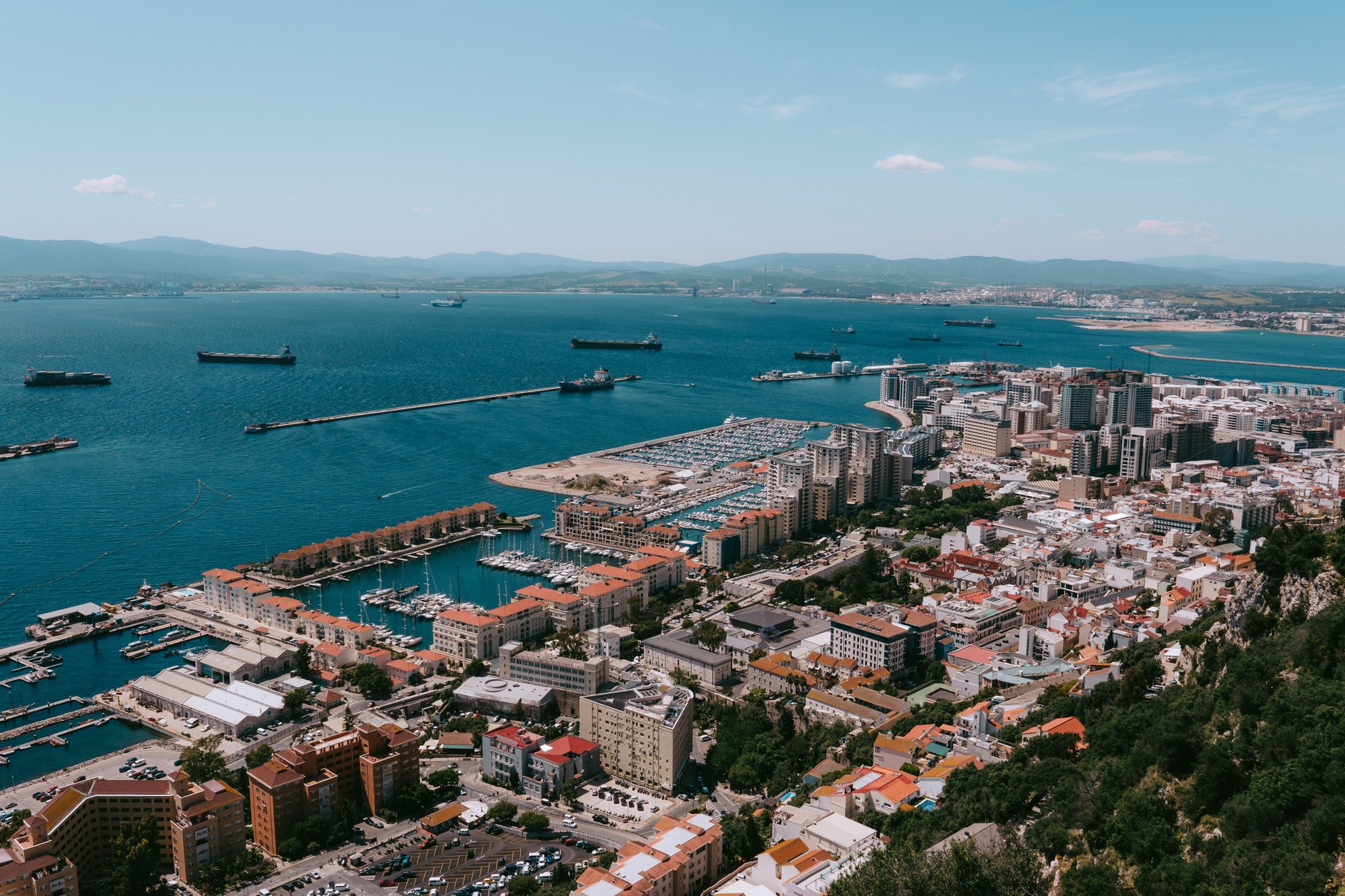
From Casemates Square, wander south along the pedestrian thoroughfare of Main Street and into the parallel commercial alleyways of Irish Town, named after the 18th-century merchants and naval provisions dealers who established warehouses here. British colonial garrison architecture blends with traditional Genoese wooden shutters, Portuguese wrought-iron balconies, and Andalusian tile work. Stop to inspect the Cathedral of Saint Mary the Crowned, built over an ancient mosque site in 1462, and the King’s Chapel, burial ground for British colonial governors. Continue to the Convent, a 16th-century Franciscan friary that has served as the official residence of the Governor of Gibraltar since 1728, guarded by sentries in ceremonial scarlet uniforms.
Conclude your afternoon at the Gibraltar National Museum on Bomb House Lane. The museum showcases the territory’s extraordinary natural and human history, featuring Neanderthal skull remains discovered in Forbes’ Quarry and exceptionally preserved 14th-century Moorish baths in the basement. Dine along the waterfront quays of Ocean Village or Queensway Quay Marina, sampling local *calentita* (a baked chickpea-flour bread reflecting Genoese heritage) and fresh Mediterranean seafood.
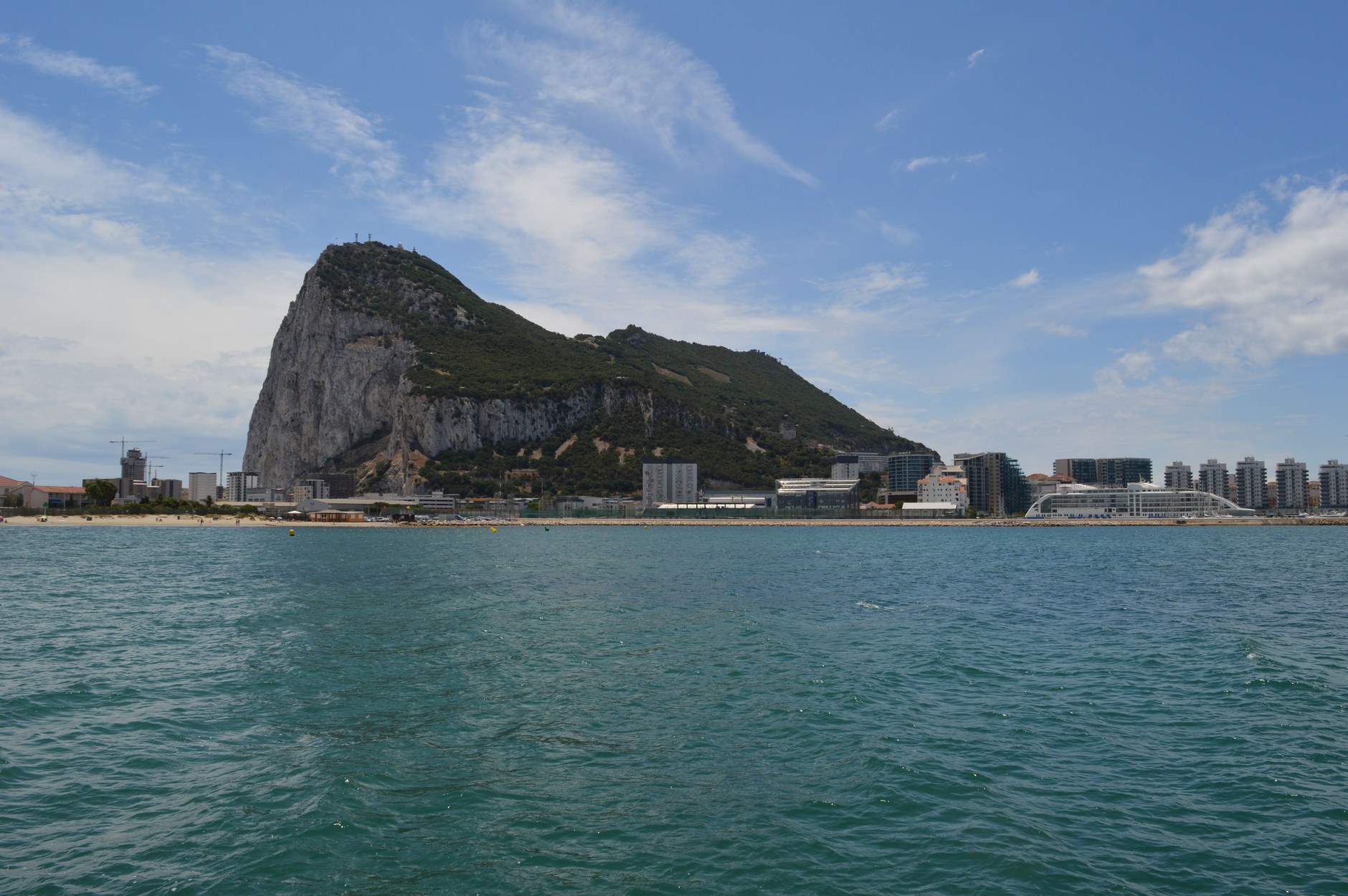
Spend your first evening watching the sun dip behind the Spanish hills of Algeciras across the bay, as harbor lights illuminate the mast rigging of transatlantic sailing yachts moored along the quayside.
Day 2: Conquering the Upper Rock and the Barbary Macaques
Dedicate your second day to exploring the heights of the Upper Rock Nature Reserve. While the Cable Car at Alameda Gardens offers a rapid six-minute ride to the summit, energetic walkers should experience the Mediterranean Steps (*Escalinata de los Judíos*). Constructed by the British military in the 18th century to access cliff-face batteries, this steep stone staircase scales the sheer eastern precipice of the Rock over 1.8 kilometers of switchbacks.
As you ascend the Mediterranean Steps, gaze out across the Mediterranean Sea toward the Rif mountains of northern Morocco. The path passes endemic rock flora such as the Gibraltar candytuft and nesting colonies of peregrine falcons. The staircase terminates at O’Hara’s Battery, perched at the southern summit of the Rock at 421 meters. Here, inspect the massive 9.2-inch naval coastal defense rifle installed in 1901, designed to fire shells across the Strait of Gibraltar.
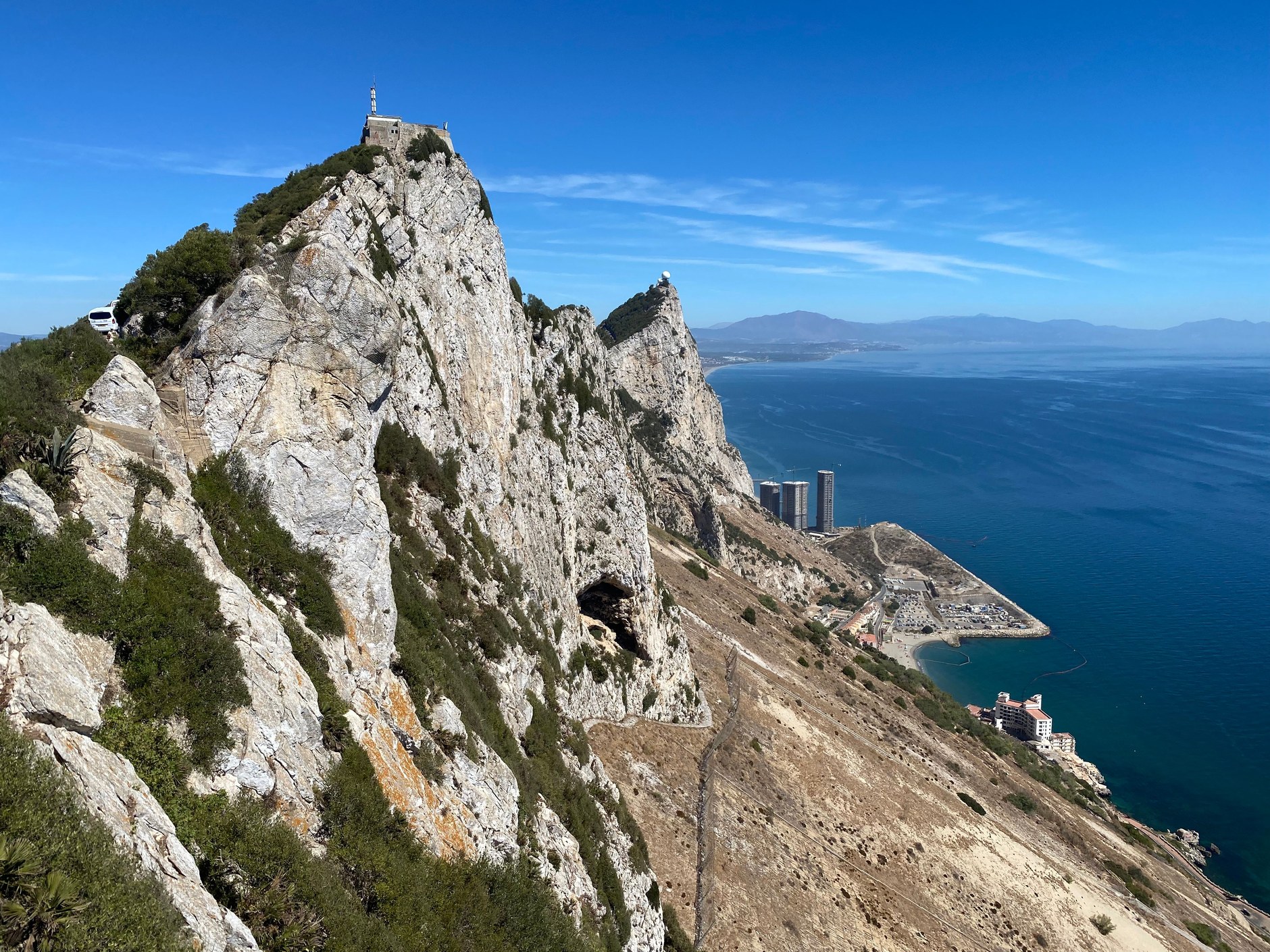
Follow the ridge path north to the Gibraltar Skywalk, a glass-floored viewing platform suspended over a 340-meter vertical drop, engineered to withstand high wind velocities and heavy visitor footfall. Nearby, you will encounter Gibraltar’s most famous residents: the Barbary macaques (*Macaca sylvanus*). Numbering around three hundred individuals distributed across five distinct social troops, these tailless primates are the only free-ranging monkeys in Europe. Legend holds that as long as the macaques remain on the Rock, Gibraltar will remain under British rule.
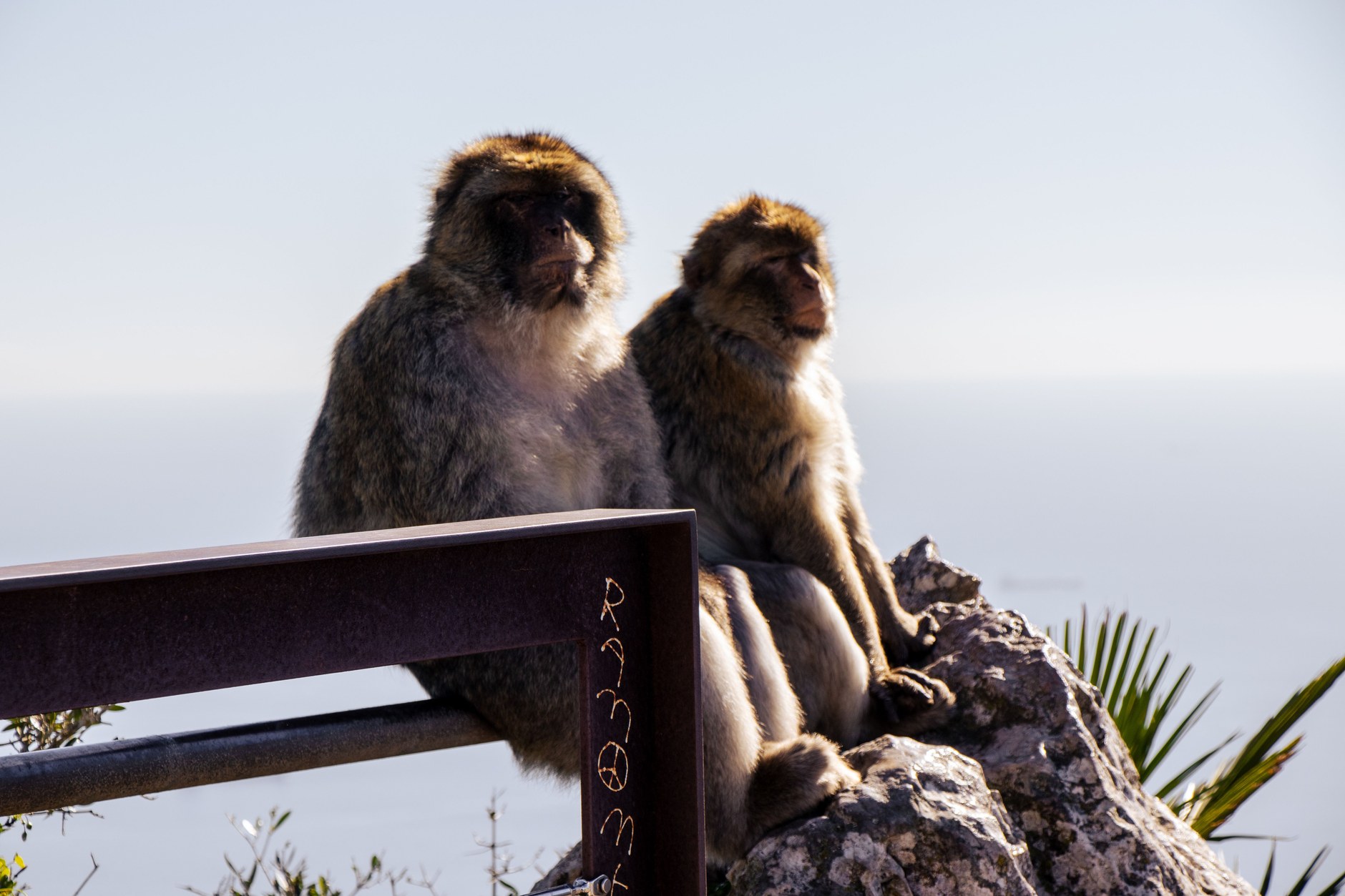
Observing the macaques requires strict behavioral discipline. Feeding or touching the monkeys is illegal under the Animals and Birds Act and carries on-the-spot fines of up to $5.29. Never carry plastic carrier bags, open food, or sweet drinks, as macaques associate plastic rustling with food and will leap aggressively onto backpacks. Maintain a respectful distance of at least two meters, keep hands out of pockets, and observe their social grooming rituals quietly.
Walk downhill to Saint Michael’s Cave, a cavernous natural limestone chamber located three hundred meters above sea level. Used as a military hospital during the Second World War, the Cathedral Cave features colossal stalactites and stalagmites illuminated by an artistic projection and sound installation titled *The Awakening*. The natural acoustic resonance of the chamber makes it a celebrated venue for musical performances and classical recitals.
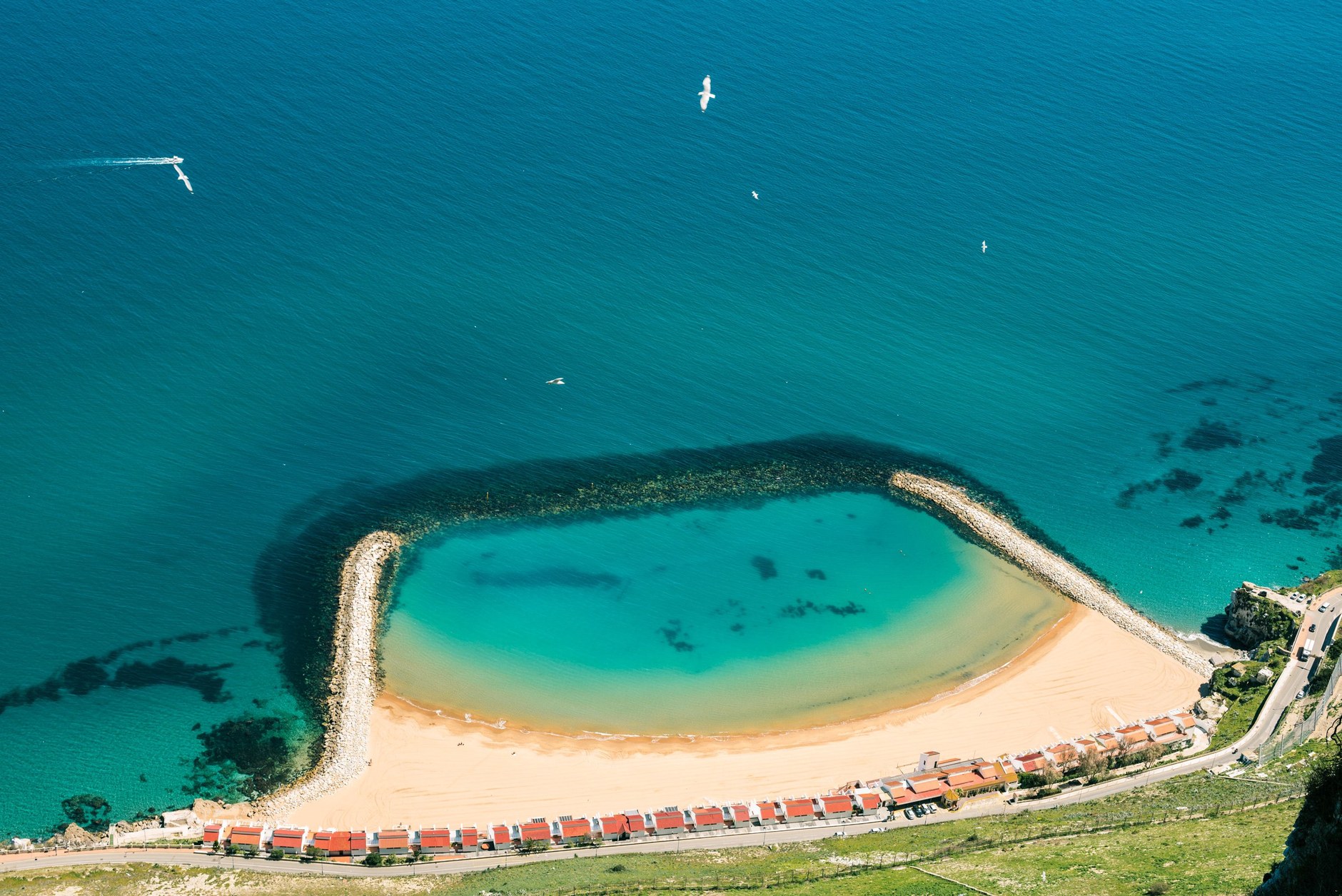
Descend via the Queen’s Road past the Apes’ Den, Prince Philip’s Arch, and the historic Charles V Wall, built in 1540 by Holy Roman Emperor Charles V to defend against raids by Ottoman corsair Barbarossa. Take in sweeping afternoon sea views over Sandy Bay and Catalan Bay on the eastern coast before returning to town.
Day 3: Siege Tunnels, Europa Point, and Dolphin Watching
Begin your final morning visiting the Great Siege Tunnels, situated high in the northern cliff face of the Rock. Hand-excavated out of solid limestone by the Soldier Artificer Corps during the Great Siege of 1779–1783, this ingenious subterranean labyrinth allowed British defenders to deploy heavy cannons through rock-hewn apertures (*embrasures*) to shell enemy siege batteries on the northern isthmus. Continue through the World War II Tunnels, a thirty-four-mile underground city carved between 1940 and 1943 that housed sixteen thousand troops, bakeries, power stations, and hospitals.
Walk downhill past the Tower of Homage, the surviving 14th-century keep of the Moorish Castle, bearing artillery scars from centuries of naval warfare. From Casemates Square, catch city bus Route 2 heading south toward Europa Point, the southernmost tip of the territory.
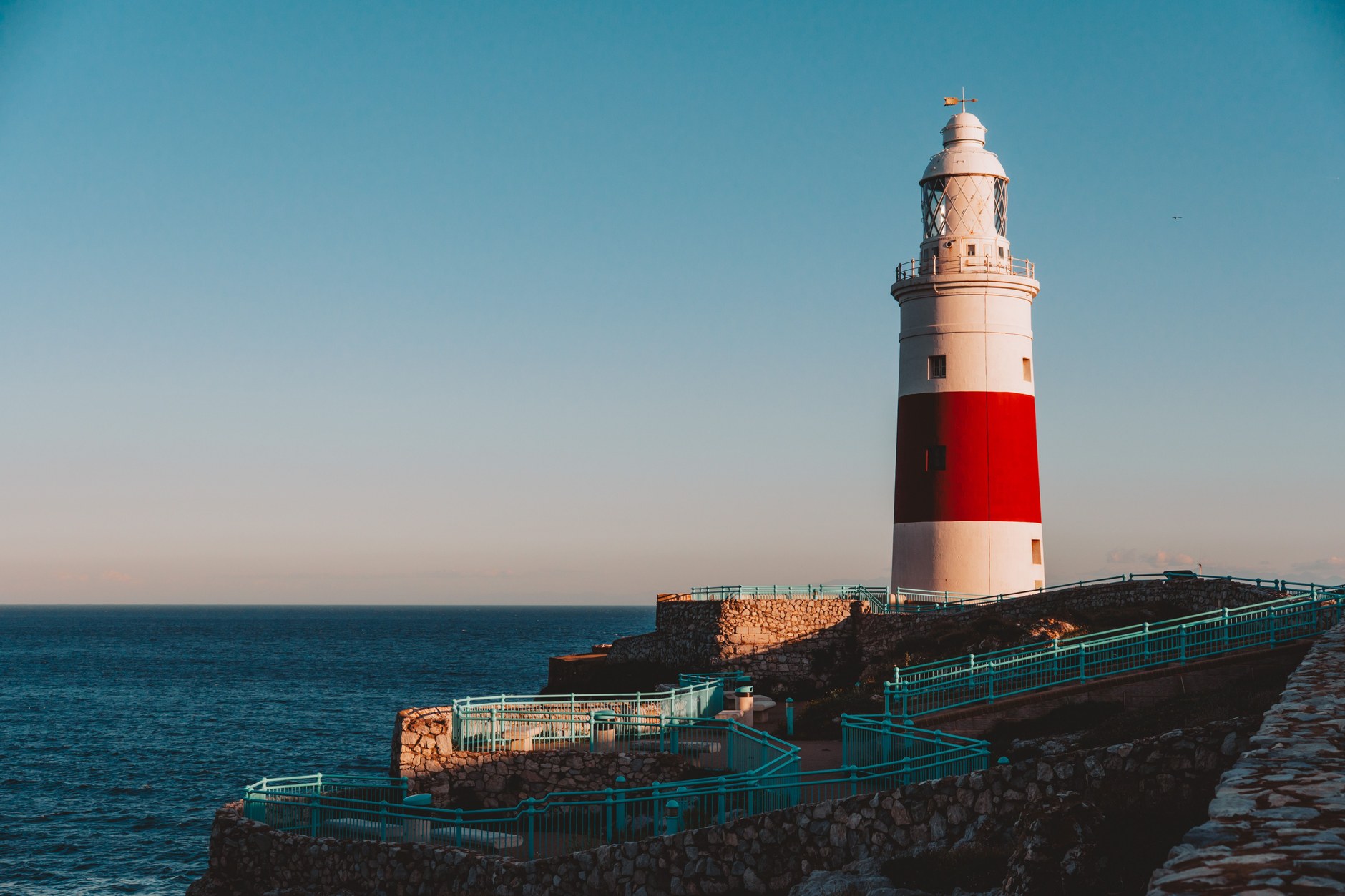
Europa Point stands at the maritime threshold between the Atlantic Ocean and the Mediterranean Sea. Inspect the red-and-white Trinity Lighthouse, operating since 1841 as the only lighthouse outside the British Isles managed directly by Trinity House. Adjacent stands the Ibrahim-al-Ibrahim Mosque, gifted by King Fahd of Saudi Arabia in 1997 to serve the territory’s Muslim community. On clear days, the jagged peaks of Jebel Musa in Morocco and the Spanish enclave of Ceuta rise prominently across the Strait. Just along the eastern cliff base lies Gorham’s Cave Complex, a UNESCO World Heritage site recognized as the final refuge of Neanderthals in Europe around thirty thousand years ago.
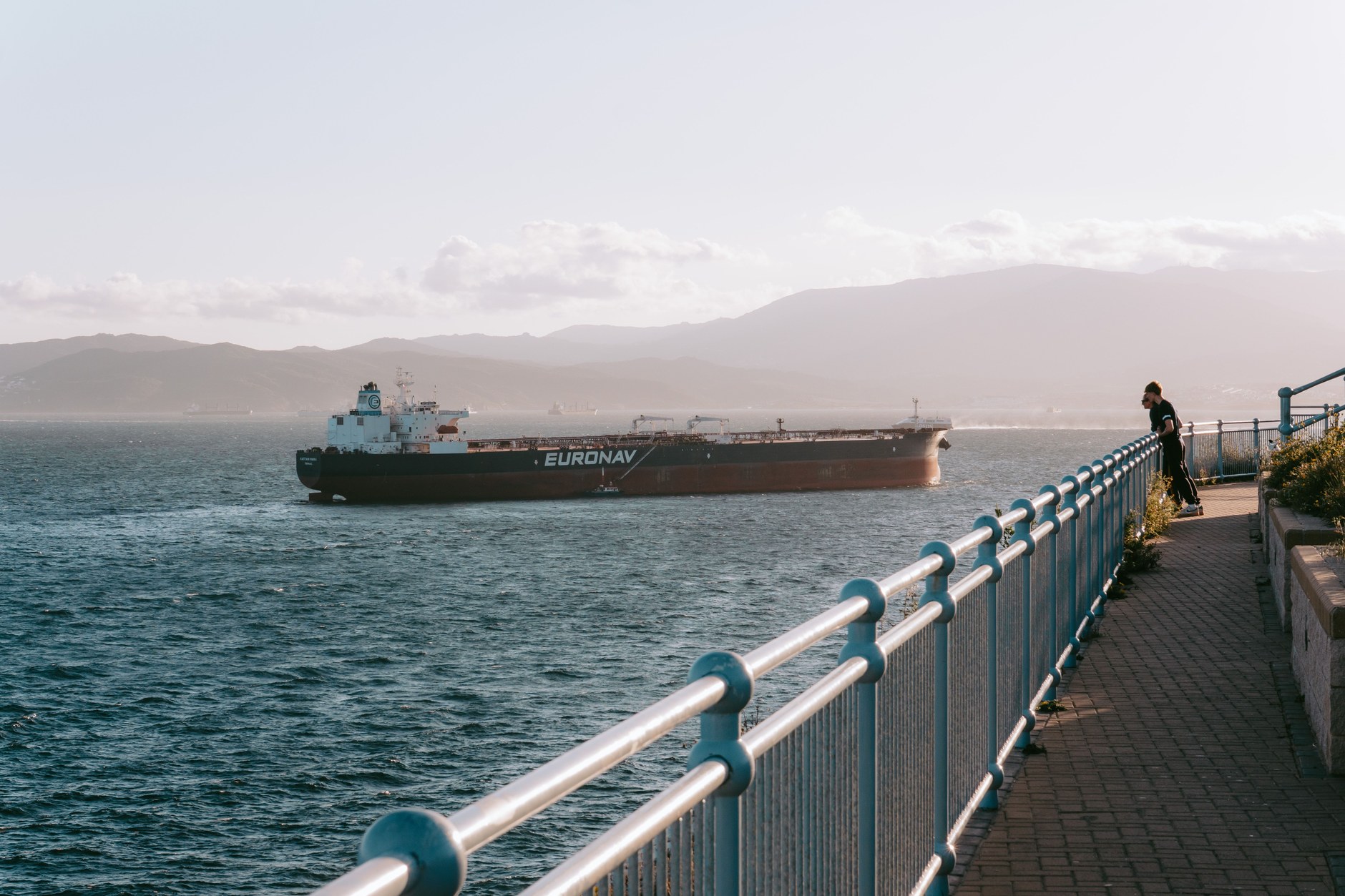
In the afternoon, head to Marina Bay to board a ninety-minute dolphin-watching catamaran cruise. The nutrient-rich convergence of Mediterranean and Atlantic currents supports permanent resident pods of short-beaked common dolphins, striped dolphins, and bottlenose dolphins. Watching wild dolphins leap in the boat’s bow wave against the dramatic backdrop of the Rock provides an unforgettable maritime finale.
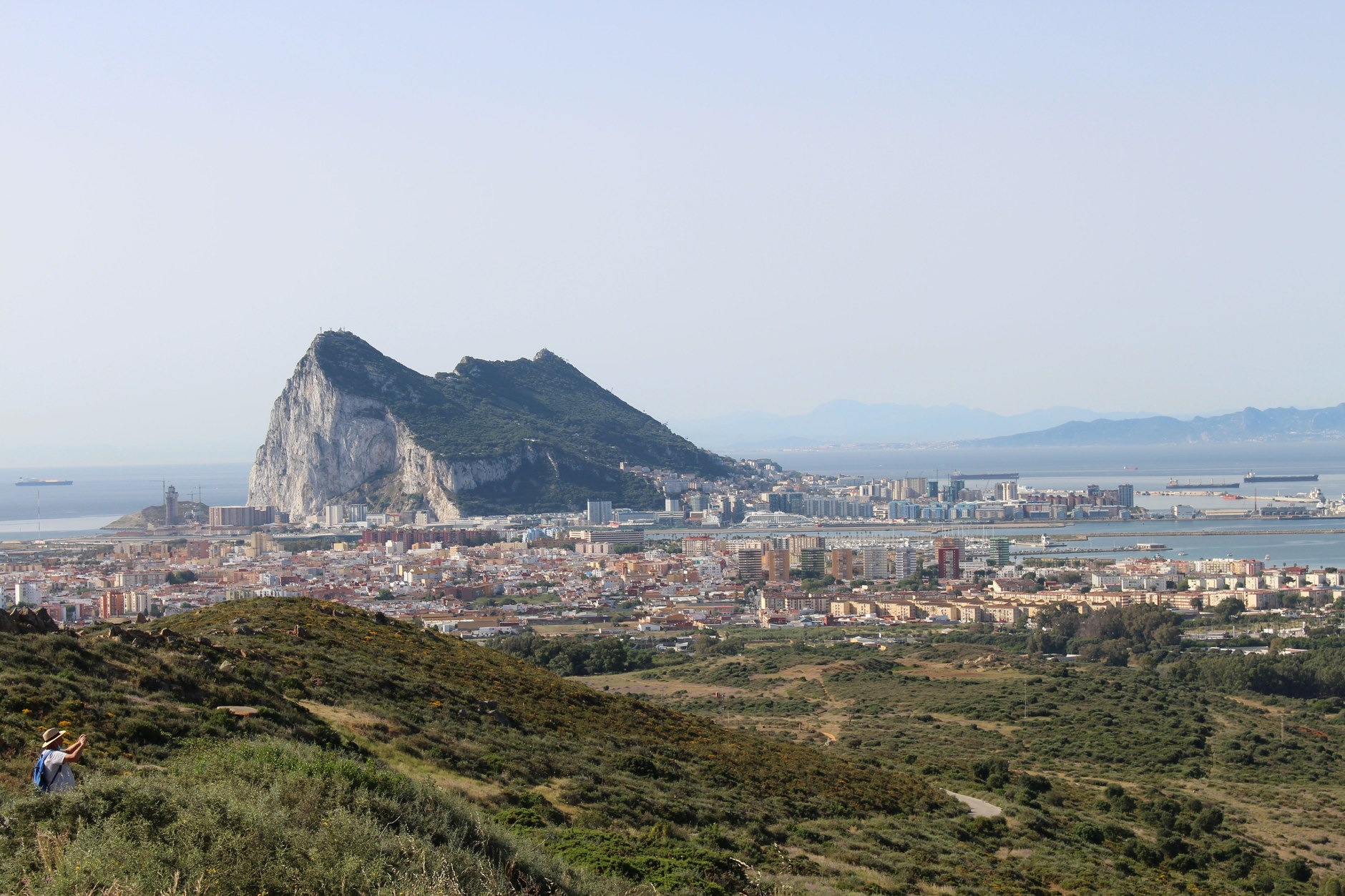
Spend your final evening strolling through Catalan Bay, a picturesque historic fishing hamlet established by 18th-century Genoese fishermen along the eastern shore, admiring pastel-painted waterfront cottages before collecting your luggage and crossing back into Spain.
Mobile Connectivity and Digital Navigation in Gibraltar
Having reliable mobile data in Gibraltar is essential for consulting real-time frontier border queue webcams, tracking city bus schedules on the Gibraltar Bus Tracker app, checking Cable Car wind status alerts, and navigating steep Upper Rock walking footpaths on GPS maps. Because Gibraltar is a non-EU British territory, standard EU roaming regulations do not automatically apply to all European mobile plans, and connecting to Spanish cell towers from high clifftops can trigger unexpected border roaming charges.
Setting up a dedicated eSIM before you arrive ensures smooth connectivity across the territory. The NXTL Gibraltar eSIM links directly to Gibtelecom’s advanced 5G and LTE infrastructure the moment you cross the frontier. Operating on a transparent pay-as-you-go rate of just $3.21 per gigabyte, NXTL eliminates expensive roaming penalties and complex contracts. Crucially, your purchased data balance never expires, meaning remaining data stays ready for your subsequent journeys across more than 180 countries worldwide.
Travel Scams and Regional Logistics Pitfalls to Avoid
Gibraltar is an exceptionally safe destination with strict policing and low crime. However, independent visitors regularly stumble into several specific logistical and commercial traps:
- The Spanish Border Vehicle Gridlock Trap: Driving a rental car across the frontier from Spain frequently results in hours of sitting in exhaust fumes in multi-lane vehicle queues, especially during morning commuter peaks and weekend evenings. Furthermore, rental car contracts in Spain often exclude or charge exorbitant surcharges for crossing into Gibraltar. Always park in La Línea and walk across the pedestrian border in minutes.
- Barbary Macaque Feeding Fines and Bag Snatching: Carrying plastic grocery bags, food wrappers, or eating food in front of the monkeys in the Upper Rock Nature Reserve is a major mistake. Macaques associate bags with food and will jump onto shoulders or aggressively bite to snatch items. Feeding monkeys is strictly illegal under local law, carrying fines up to $5.29. Keep food concealed inside zipped backpacks.
- Spanish Customs Duty-Free Tobacco and Alcohol Confiscation: Gibraltar’s low-tax status makes tobacco and spirits inexpensive on Main Street. However, the Spanish Guardia Civil conducts rigorous customs inspections at the pedestrian and vehicle exits. Exceeding personal duty-free allowances (strictly 200 cigarettes / one carton, one liter of spirits over 22% ABV) results in instant product confiscation and heavy cash fines.
- Cable Car Levanter Wind Closures: When strong easterly Levanter winds blow across the Strait, thick moisture clouds envelop the summit and the Cable Car system is halted for passenger safety. Travellers who rely solely on the Cable Car find themselves stranded or missing prepaid tickets. Always verify the morning wind forecast and have an alternate plan to walk the Mediterranean Steps or book an official minibus tour.
- Gibraltar Pound Currency Rejection in the UK: The Government of Gibraltar issues its own banknotes and coins, pegged 1:1 with Sterling. While legal tender in Gibraltar, these notes are not accepted in shops or banks in the United Kingdom without cumbersome conversion fees. Always examine your change in shops and restaurants and request Bank of England banknotes if you plan to travel onward to the UK.
By respecting frontier logistics, walking the historic heights of the Upper Rock, and maintaining dependable digital navigation, your three days in Gibraltar will reveal a captivating British Mediterranean outpost rich in military history, natural wonders, and cultural resilience.