Stretching across twelve hundred kilometers of the Caribbean Sea south of Florida, the island of Cuba presents one of the most culturally intense and logistically intricate travel environments in the Western Hemisphere. The country offers a living tapestry of 16th-century Spanish colonial squares, pastel neoclassical mansions, revolutionary murals, and the rhythmic traditions of Afro-Cuban son and rumba. Yet independent travel in Cuba has changed dramatically in recent years. The dual-currency system was dismantled, fuel supplies face recurring shortages, and electrical grid instability has made flexible planning mandatory for anyone venturing beyond all-inclusive beach compounds.
The primary tactical mistake travellers make is treating Cuba like a conventional sun destination where rental cars can be booked at the airport and digital apps handle payments automatically. In reality, United States banking sanctions render US-issued credit and debit cards completely useless, fuel queues can halt rural transit, and booking state-run hotel chains isolates you from authentic cultural interactions. The most rewarding route across the island is the classic western triangle linking Havana, the karst limestone tobacco valleys of Viñales, and the colonial cobblestones of Trinidad. By lodging in private family-run guesthouses (*casas particulares*), travelling via shared door-to-door taxis (*taxis colectivos*), and carrying sufficient cash reserves, travellers experience an unforgettable journey. Here is your definitive eight-day operational itinerary across western Cuba.
Trip Planning Blueprint: Currency Shifts, Transport Networks, and Casa Logistics
Successfully navigating Cuba’s unique economic and logistical landscape requires mastering four fundamental operational realities:
The Currency and Cash Landscape: The convertible peso (CUC) was permanently abolished in 2021, leaving the Cuban Peso (CUP) as the sole national legal tender. However, the economy operates on two parallel exchange rates: the official bank rate (around 120 CUP per USD/EUR) and the informal street rate (*el toque*), which often exceeds 300 CUP per foreign dollar. Because US-linked credit and debit cards do not function anywhere on the island and ATMs frequently run out of banknotes during electrical outages, you must carry your entire budget in physical cash (clean, untorn euros or US dollars). Pay for major expenses like private drivers, casa lodging, and boutique restaurant dinners (*paladares*) directly in foreign cash, changing modest sums into CUP for street food, state museums, and tips.
Transport: Colectivos Versus Viazul Buses: While the state-run Viazul coach network connects major tourist hubs, tickets must be booked days in advance online in foreign currency, routes are inflexible, and schedules can be cancelled during diesel shortages. For independent travellers, the most efficient transit mode is the shared tourist taxi (*taxi colectivo*), typically a classic American sedan or modern minivan. Your *casa particular* host can arrange a colectivo the evening before departure; drivers pick you up at your doorstep and deliver you directly to your next accommodation.
Lodging in Casas Particulares: Rather than staying in overpriced state-run hotels suffering from maintenance backlogs, book private homestays licensed by the state, marked by a blue upside-down anchor symbol (*arrendador divisa*). Casas particulares offer comfortable air-conditioned rooms, generous home-cooked breakfasts with tropical fruits and mountain coffee, and invaluable logistical assistance from hosts who secure trustworthy drivers and guides.
Power and Fuel Realities: The Cuban electrical grid experiences regular rolling blackouts (*apagones*), especially in provincial towns like Viñales and Trinidad. Pack a reliable high-capacity power bank, a headlamp or compact LED flashlight, and insect repellent. When planning long driving legs, confirm with your driver that they have secured sufficient fuel reserves ahead of time, as queues at state service stations can stretch for hours.
| Day / Stage | Base | Highlights | Transport Mode | Transit Time | Advance Booking Requirement |
|---|---|---|---|---|---|
| Day 1 | Havana | José Martí arrival, colonial plaza walking circuit, Malecón sunset, private paladar dinner | Airport taxi & walking | 35 mins airport transfer | Licensed airport taxi arrangement |
| Day 2 | Havana | Classic convertible tour, Revolution Square, Callejón de Hamel, Fábrica de Arte Cubano | Vintage taxi & walking | Full-day city circuit | Fábrica de Arte entry queue planning |
| Day 3 | Havana | Morro Castle ferry, Fortaleza de San Carlos, historic rum museum, live son at Obispo | Harbor ferry & walking | 10 mins ferry crossing | Fortress evening cannon ceremony |
| Day 4 | Viñales | Morning colectivo to Viñales, limestone mogote valley, traditional tobacco curing barn | Shared colectivo taxi | 2.5 hrs highway drive | Casa host colectivo reservation |
| Day 5 | Viñales | Dawn horseback trail through Valle del Silencio, Cueva del Indio subterranean river | Horseback & walking | 4 hrs riding trail | Local licensed trail guide |
| Day 6 | Trinidad | Cross-island drive to Trinidad, Plaza Mayor cobblestones, Casa de la Trova salsa evening | Shared colectivo taxi | 5.5 hrs cross-island drive | Inter-provincial colectivo transfer |
| Day 7 | Trinidad | El Nicho waterfall hike, colonial bell tower climb, seafood dinner at Playa Ancón | Private taxi & hiking | 1 hr mountain drive | Topes de Collantes park fee |
| Day 8 | Havana / Departure | French neoclassical Cienfuegos stopover, return transit to HAV airport, flight departure | Private driver / colectivo | 4 hrs return transit | Departure flight buffer (3.5 hrs) |
Day 1: Colonial Havana and the Historic Malecón
Touching down at José Martí International Airport (HAV), proceed to the licensed taxi ranks outside the terminal. Settle into your casa particular in Habana Vieja (Old Havana), the UNESCO World Heritage colonial heart of the capital founded in 1519. Narrow cobblestone streets are framed by towering 18th-century stone archways, open courtyards, and wrought-iron balconies trailing bougainvillea.
Begin your walking tour through the four primary historical squares of Old Havana: Plaza de Armas, bordered by the baroque Palacio de los Capitanes Generales; Plaza de la Catedral, dominated by the asymmetrical twin towers of Saint Christopher’s Cathedral; Plaza de San Francisco de Asís by the harbor; and Plaza Vieja, flanked by restored colonial mansions and artisanal cafes. These public plazas remain authentic neighborhood spaces where schoolchildren play and street musicians tune classical guitars.
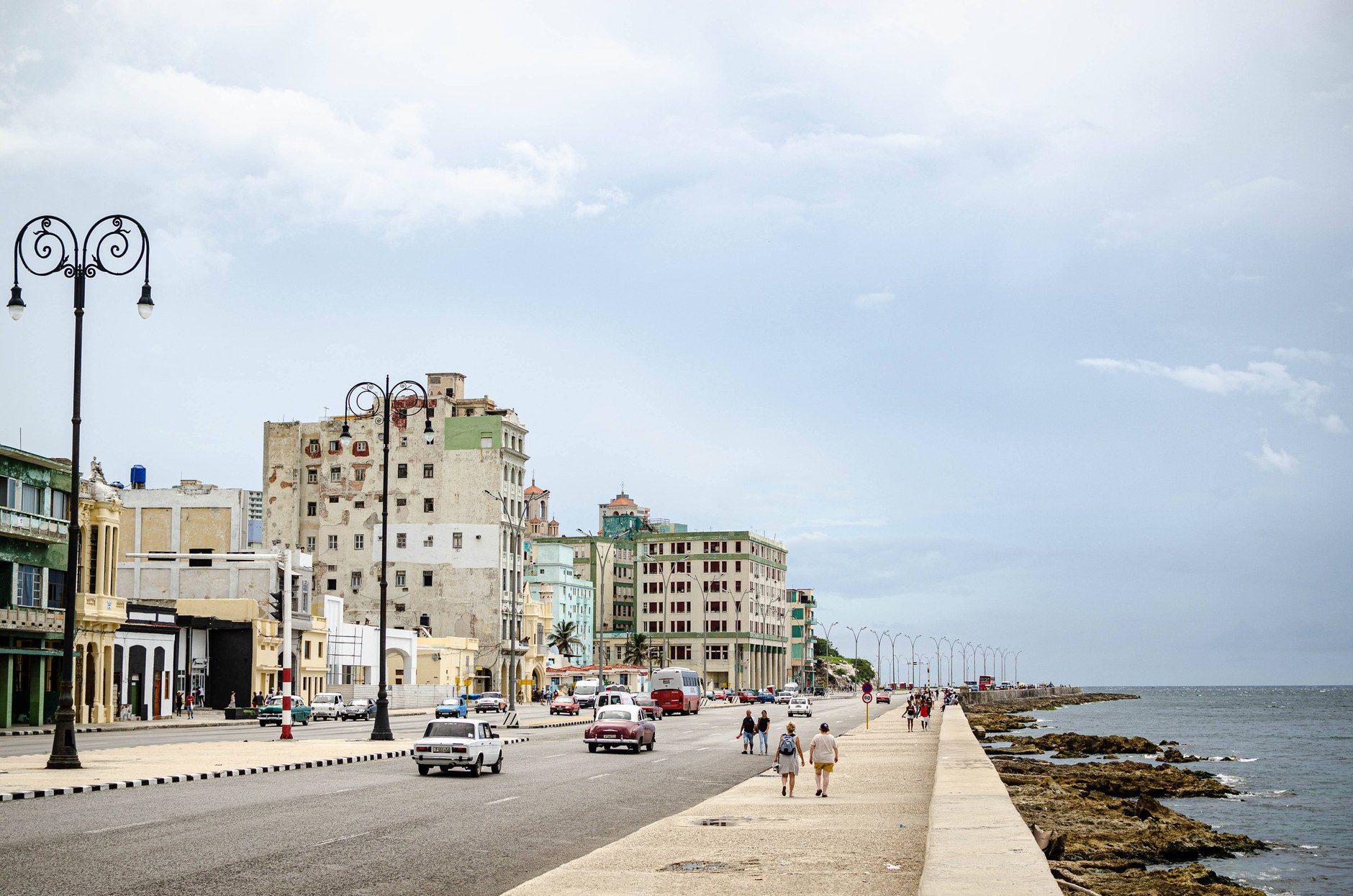
In the late afternoon, walk north to the Malecón, Havana’s famous five-mile seawall boulevard. Locals gather on the broad concrete ledge to socialize, share rum, and fish into the crashing breakers as vintage American sedans rumble past. Conclude your evening at an authentic private *paladar* such as La Guarida or San Cristóbal, savoring traditional *ropa vieja* served with black beans and sweet plantains.
Day 2: Mid-Century Vedado and Contemporary Art
Hire an open-top vintage American convertible (*almendrón*) for an open-air cruise through the residential district of Vedado. Drive down sweeping avenues past neoclassical mansions, through the green canopy of the Almendares Forest, and into Plaza de la Revolución, dominated by the towering José Martí Memorial and steel portraits of Che Guevara and Camilo Cienfuegos.
Stop at Callejón de Hamel in Centro Habana, a pedestrian alley transformed into an open-air community art gallery and shrine to Afro-Cuban culture. Painted murals, kinetic scrap-metal sculptures, and Santería shrines line the passageway. On Sunday afternoons, the alley pulses to the polyrhythmic drumming of traditional rumba performers.
Spend your evening at the Fábrica de Arte Cubano (FAC) in western Vedado. Housed within a repurposed olive oil factory, this multidisciplinary cultural center represents the cutting edge of contemporary Cuban creativity. Visitors wander through interconnected industrial galleries displaying photography, sculpture, live jazz, and indie fashion runways, accompanied by craft cocktails and animated social conversation.
Day 3: Fortress Heritage and Harbor Traditions
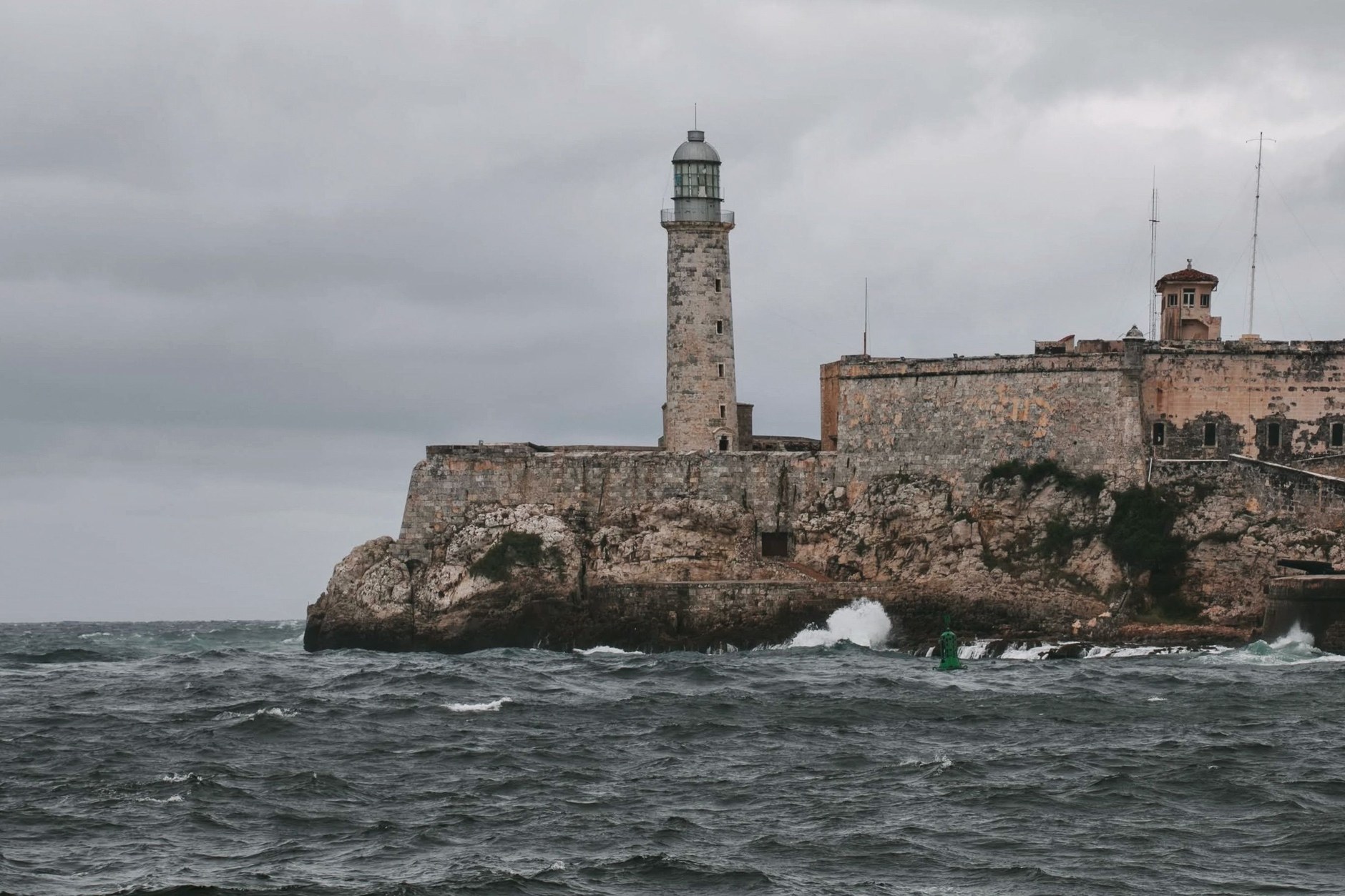
Cross Havana Harbor by boarding the local passenger ferry from Muelle de Luz to Casablanca, or take a short taxi through the harbor tunnel. Visit the imposing Castillo de los Tres Reyes del Morro, erected between 1589 and 1630 to protect the entrance to Havana Bay from Caribbean corsairs. Explore its dry moats, stone gun batteries, and lighthouse offering panoramas across the capital skyline.
Adjacent stands Fortaleza de San Carlos de la Cabaña, the largest colonial stone fortress built by Spain in the Americas. In the evening, witness the ceremonial *El Cañonazo*, an eight-hundred-year-old military tradition where soldiers dressed in 18th-century regalia fire an antique brass cannon precisely at 9:00 PM—a signal that once marked the nightly closing of the city gates.
Return to Old Havana for a farewell stroll down the pedestrian thoroughfare of Calle Obispo, stopping at historic bars to listen to live son quartets before packing for your rural journey west.
Day 4: West to Viñales Valley and Tobacco Traditions
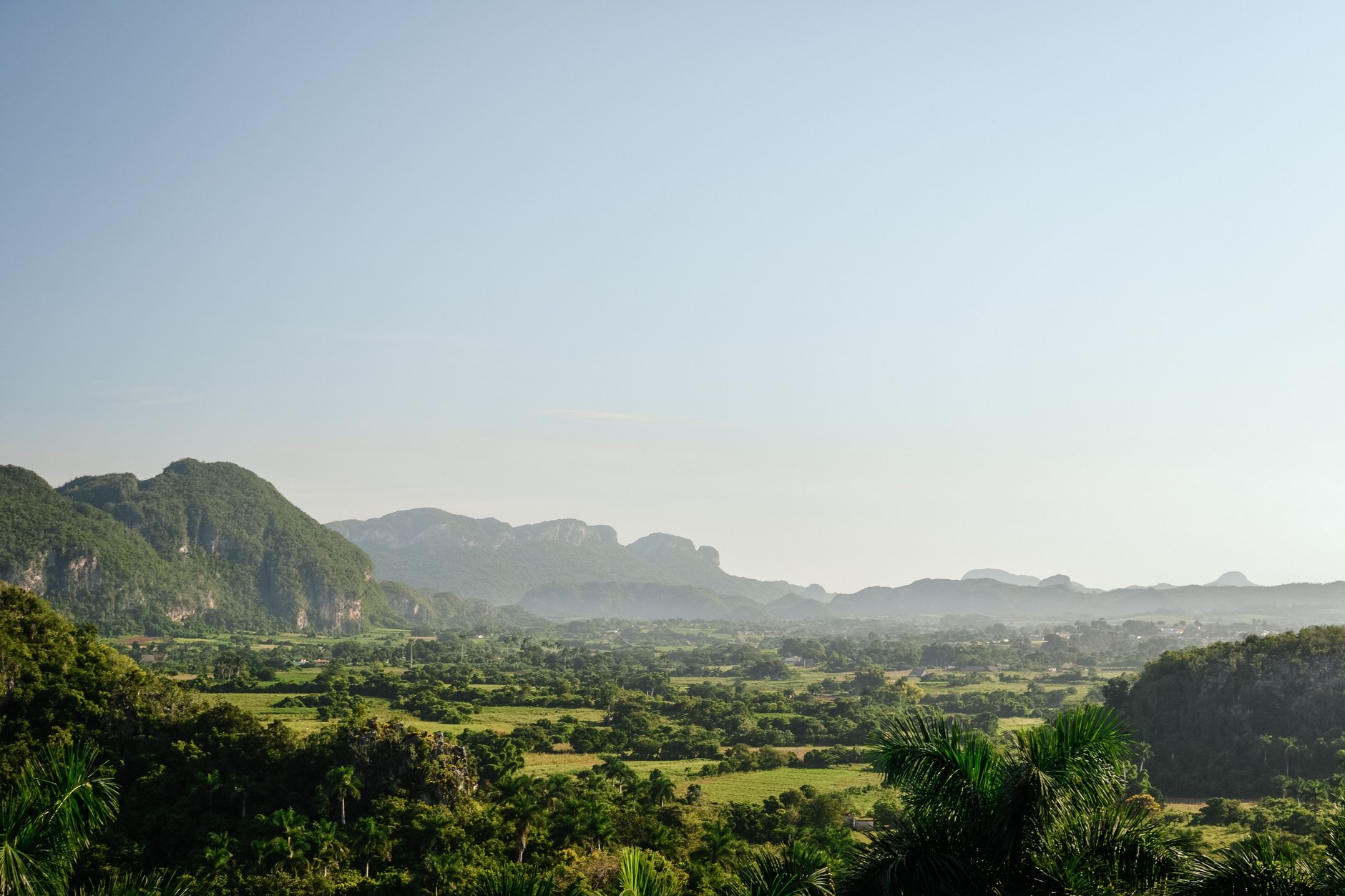
Your pre-arranged colectivo arrives at your Havana casa particular after breakfast for the two-and-a-half-hour drive west along the Autopista Nacional into Pinar del Río province. Near the town of Viñales, the landscape transforms into an extraordinary geological depression: the Viñales Valley, punctuated by karst limestone pillars known as *mogotes*, rising abruptly like green monolithic islands above rich red agricultural loam.
Check into your rustic casa particular in the village of Viñales, where wide front porches are lined with wooden rocking chairs overlooking vegetable gardens and towering cliffs. In the afternoon, take a guided walking tour of an authentic family tobacco farm (*vega de tabaco*). Pinar del Río produces the finest cigar tobacco in the world, cultivated using traditional ox-drawn wooden plows to protect fragile soil structures.
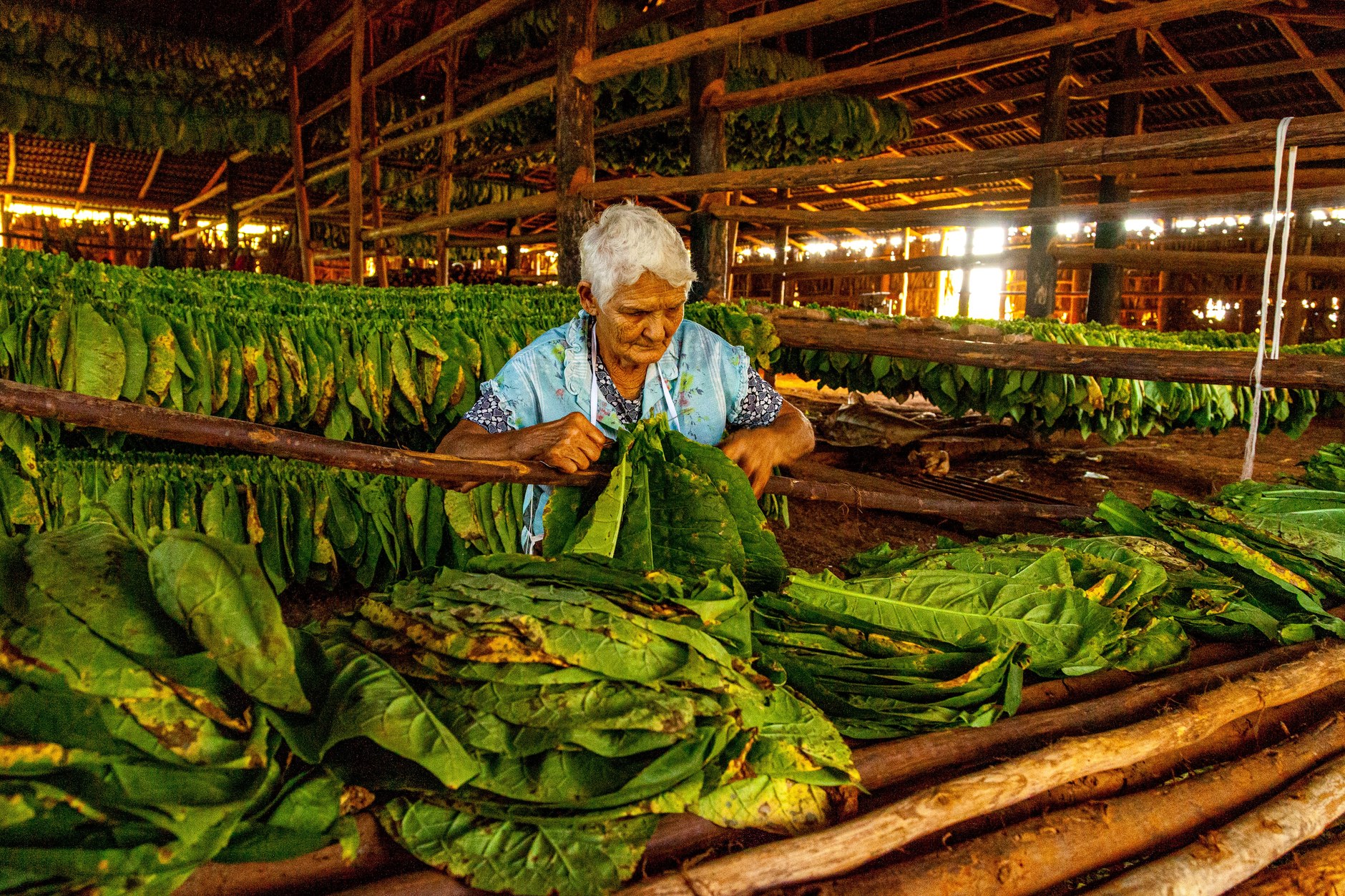
Step inside a traditional palm-thatch curing barn (*casa de tabaco*), where harvested green tobacco leaves hang from wooden poles, slowly drying in fragrant shade. Your local host demonstrates hand-rolling a pure cigar, explaining how ninety percent of every harvest is requisitioned by the state for export brands like Cohiba and Montecristo, while farmers retain ten percent for domestic use and local sales.
Day 5: Horseback Trails through Valle del Silencio
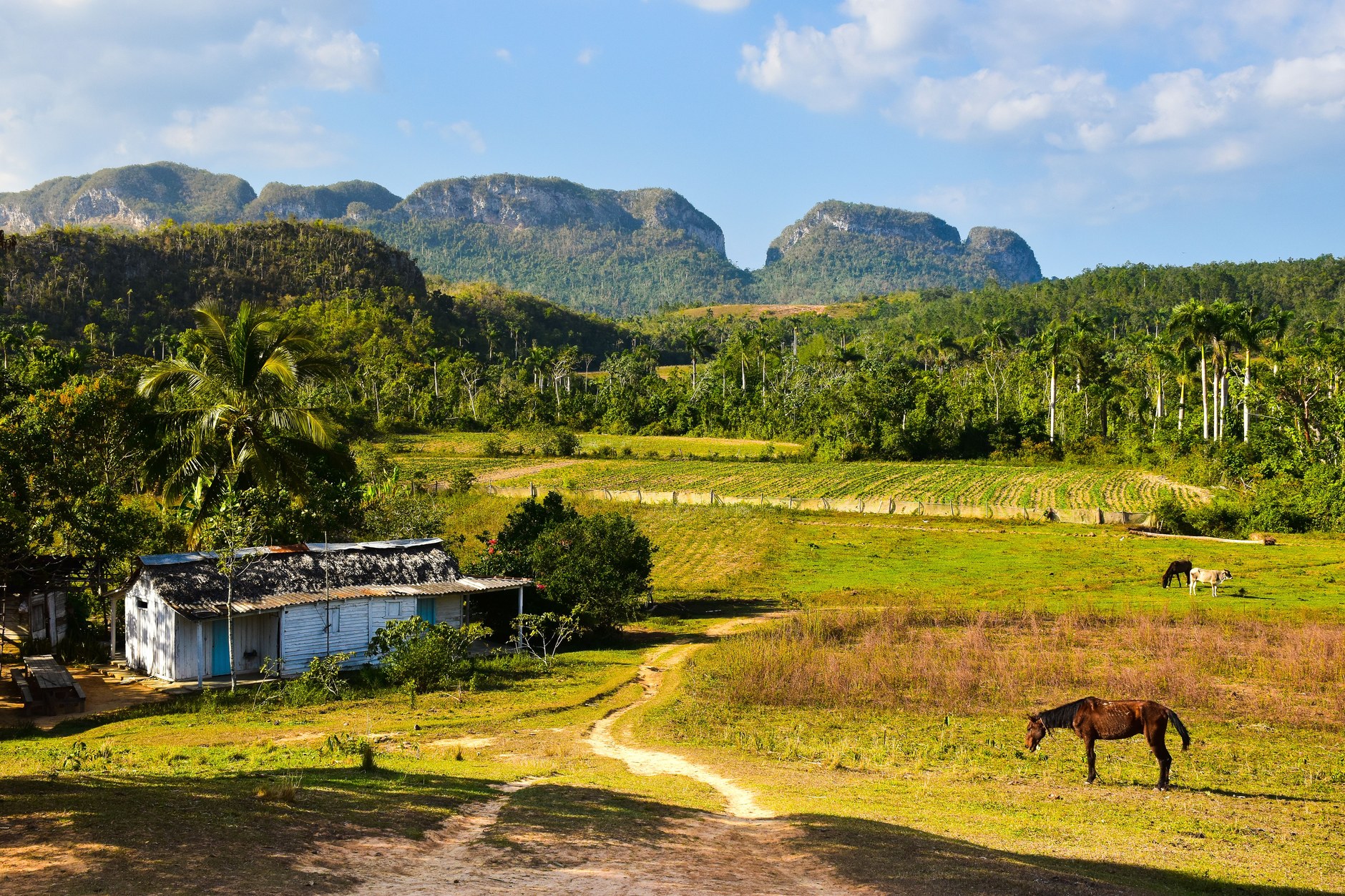
Set out early on horseback with a certified local guide into the peaceful reaches of Valle del Silencio. Riding sure-footed Criollo horses along red dirt paths, you wind between vertical limestone cliffs, mango groves, and secluded farmsteads where farmers harvest organic Arabica coffee and sugarcane. Stop at a rustic homestead to taste freshly squeezed sugarcane juice (*guarapo*) and mountain honey.
In the afternoon, visit Cueva del Indio, an ancient limestone cavern system five kilometers north of town. Walk through lighted subterranean caverns before boarding a small motorized wooden skiff that glides along the underground river flowing through the mountain, emerging into bright sunlight framed by jungle vines. Enjoy sunset drinks on the terrace of Balcón del Valle as darkness settles over the mogotes.
Day 6: Cross-Island Journey to Colonial Trinidad
Day six requires an early 7:00 AM departure for your longest transit: a five-and-a-half-hour cross-island colectivo journey southeast across central Cuba to the colonial town of Trinidad in Sancti Spíritus province. Crossing through agricultural plains of Matanzas and Santa Clara, you skirt the southern slopes of the Sierra del Escambray before arriving in Trinidad, founded in 1514.
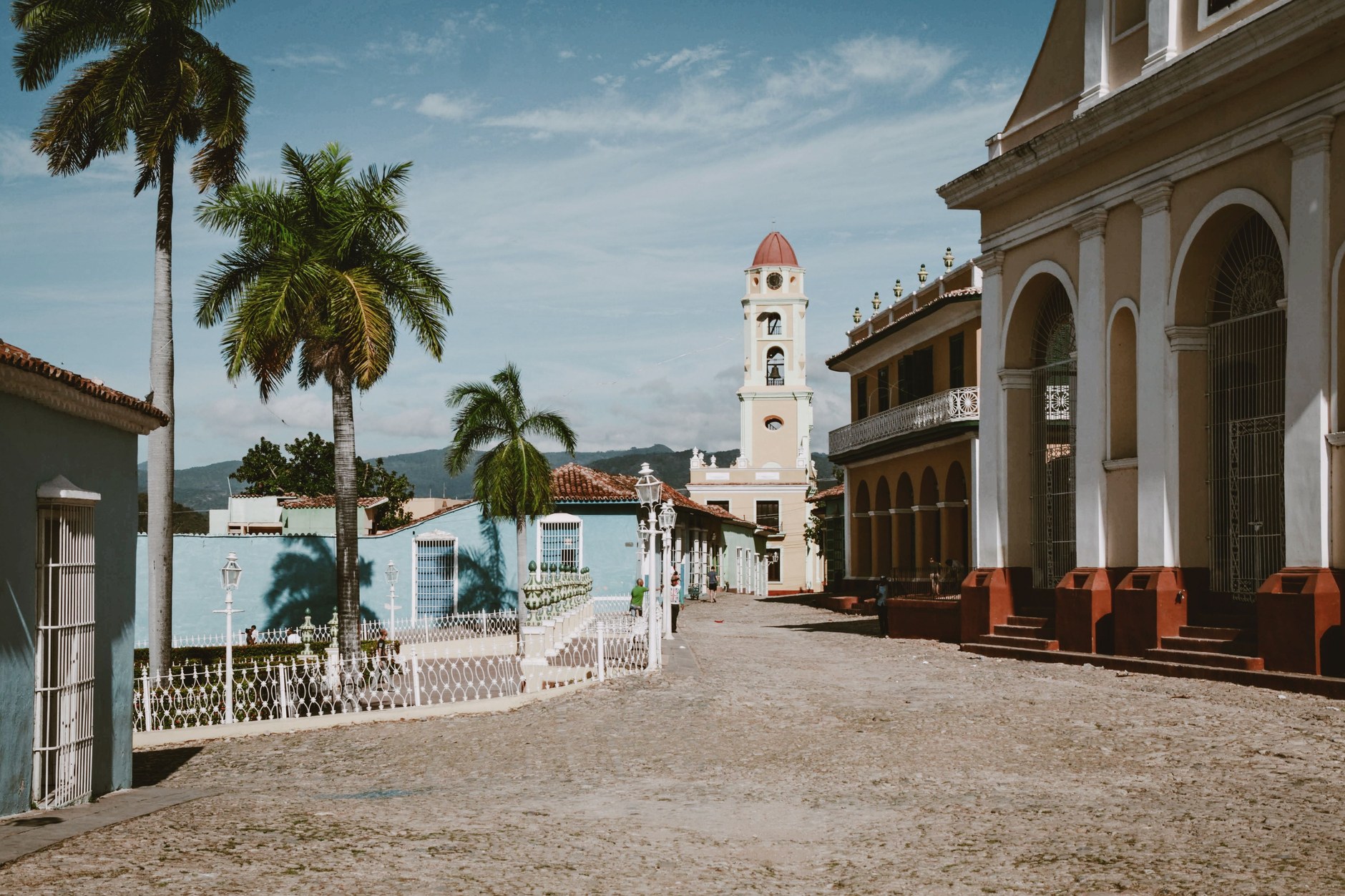
Check into your colonial casa particular, featuring lofty timber ceilings, clay floor tiles, and courtyards. Trinidad’s historic district is paved with riverbed cobblestones laid by enslaved laborers in the 19th century, designed with concave center gutters to drain tropical downpours. Wander the car-free streets around Plaza Mayor, admiring the pastel facades of sugar baron mansions adorned with wooden lattice screens and iron grilles.
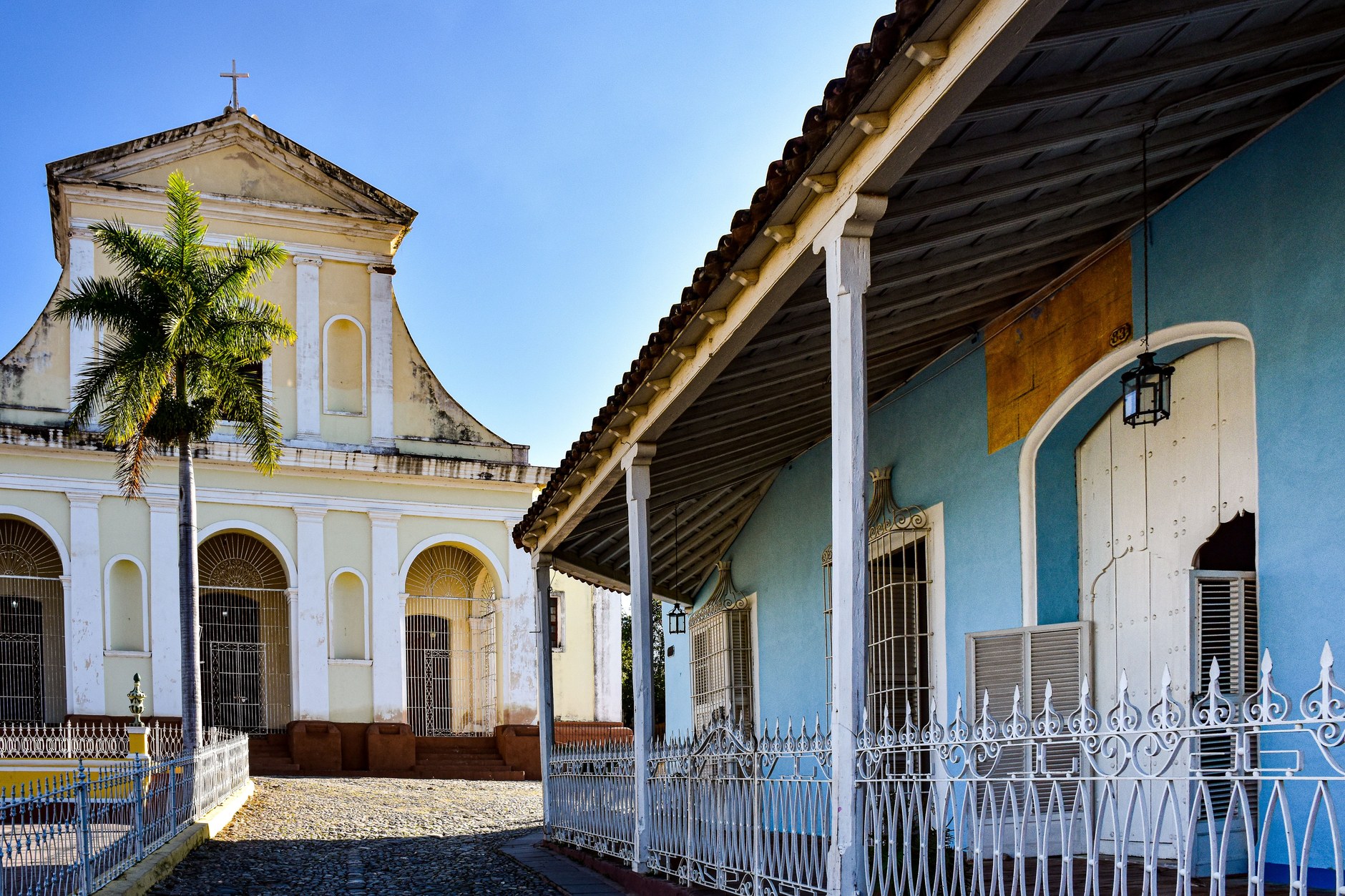
In the evening, climb the broad stone steps of the open-air Casa de la Música beside the church, sipping a traditional *canchánchara* cocktail (rum, lime, and honey) while watching locals and travellers dance salsa beneath the stars. Continue to Casa de la Trova for acoustic performances by veteran troubadours.
Day 7: Sierra del Escambray Waterfalls and Playa Ancón
Hire a private local driver in a vintage jeep for a morning excursion into the heights of Topes de Collantes nature reserve in the Sierra del Escambray mountains. Ascend steep switchbacks to El Nicho waterfalls, where mountain rivers flow through dense pine and tree-fern cloud forests, cascading into emerald swimming holes. Plunge into the cool freshwater pools for a refreshing swim.
Return to Trinidad in the afternoon to visit the Museo Nacional de la Lucha Contra Bandidos, housed within the former Saint Francis convent. Climb the yellow bell tower for the iconic view over the terracotta tile roofs of Trinidad, the green mountain ridges of the Escambray, and the blue Caribbean Sea. Spend your late afternoon driving twelve kilometers south to the white sands of Playa Ancón, swimming in calm shallows before a seafood dinner of freshly grilled spiny lobster at an oceanfront paladar.
Day 8: French Neoclassical Cienfuegos and Departure
On your concluding morning, begin your return journey toward Havana, stopping for two hours in Cienfuegos. Founded in 1819 by French immigrants from Bordeaux and Louisiana, Cienfuegos displays an elegant grid of broad boulevards, neoclassical porticoes, and grand public plazas that contrast sharply with Trinidad’s intimate Spanish colonial scale.
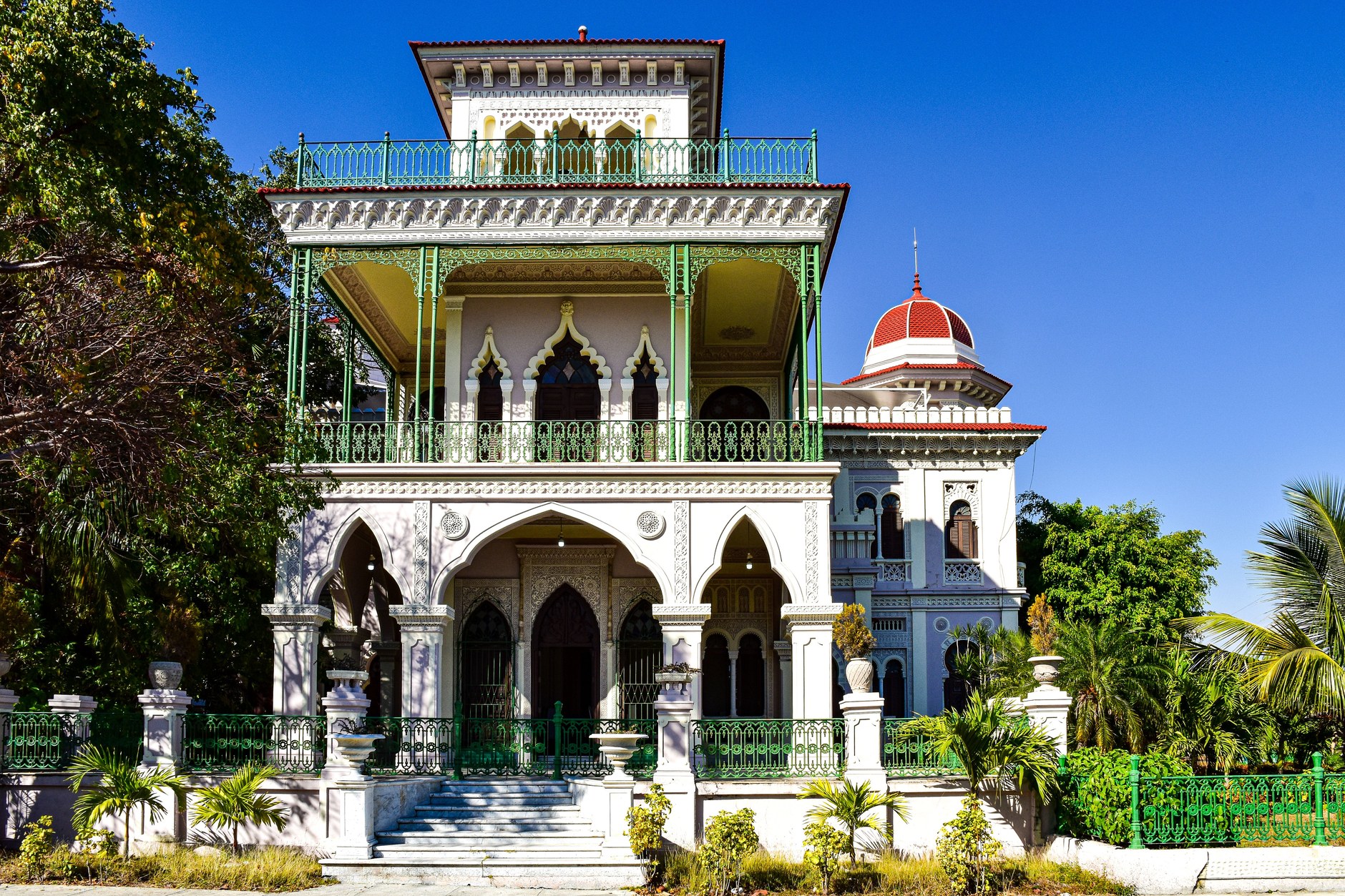
Stroll past Teatro Tomás Terry on Parque José Martí, before driving down the southern peninsula of Punta Gorda. Admire Palacio de Valle, an early 20th-century architectural masterpiece blending Moorish arches, Gothic turrets, and Venetian tile mosaics overlooking the waters of Jagua Bay. From Cienfuegos, join the Autopista Nacional for the three-hour drive directly to José Martí International Airport in Havana, allowing at least three and a half hours for international check-in.
Mobile Connectivity and Digital Navigation in Cuba
Maintaining reliable mobile data in Cuba is essential for coordinating colectivo pickups with casa particular hosts, navigating offline GPS routes along poorly marked provincial highways, and monitoring daily currency valuation changes on financial tracking platforms. While public squares offer ETECSA Wi-Fi hotspots, purchasing and scratching paper NAUTA cards in crowded queues is cumbersome and provides slow, intermittent connection speeds.
Installing an eSIM prior to boarding your flight provides instant digital access upon arrival. The NXTL Cuba eSIM connects directly to Cubacel’s 4G and LTE network the moment you touch down at HAV airport. Operating on transparent pay-as-you-go data at $21.47 per gigabyte, NXTL gives you mobile data without requiring local registration paperwork. Your purchased balance never expires, preserving unused data credits for your future journeys across more than 180 countries worldwide. Crucially, ensure you install a trusted virtual private network (VPN) on your device prior to arrival in Cuba, as many international banking, social media, and app store services restrict access from Cuban IP addresses.
Travel Scams and Regional Logistics Pitfalls to Avoid
Violent crime is exceedingly rare in Cuba, making it one of the safest travel environments in Latin America. However, economic hardships have fostered sophisticated tourist hustles (*jineterismo*) and logistical hurdles that require careful navigation:
- The “Today Only” Cigar Festival Scam: Strangers approach tourists near Old Havana squares claiming that today is a special holiday or that the national cigar factory is having an exclusive cooperative worker sale at half price. Victims are led to private rooms and sold counterfeit cigars packed in fake wooden boxes, made with cheap scrap tobacco or dried banana leaves. Only purchase authentic Habanos cigars from official state stores (*La Casa del Habano*).
- Street Money Exchange Traps and Counterfeits: Street hustlers offering tempting informal exchange rates for foreign cash frequently cheat tourists using sleight-of-hand counting tricks, mixing in counterfeit banknotes, or passing off worthless phased-out CUC bills instead of CUP. Only exchange currency through trusted casa particular hosts or reputable paladar owners with established local community ties.
- Relying on US Bank Cards or Dry ATMs: US-issued credit and debit cards do not work anywhere in Cuba due to federal sanctions, and ATMs routinely suffer from cash depletion or power outages. Arriving in Cuba without enough physical foreign cash (EUR or USD) to fund your entire stay can leave you completely stranded without access to emergency funds.
- Unofficial Colectivo Driver Transfers: Unlicensed taxi drivers touting rides around transport hubs sometimes agree to long inter-city journeys, only to dump passengers at dusty highway intersections to be handed over to secondary beat-up vehicles demanding additional cash. Always arrange colectivos directly through your casa particular host, who books vetted drivers with reputational accountability.
- Blackout-Related Food Spoilage in Low-Turnover Diners: Frequent provincial power blackouts (*apagones*) strain commercial refrigeration. Eating sensitive seafood or dairy products at quiet, low-traffic state cafeterias or unverified roadside stalls carries heightened risks of food poisoning. Stick to highly reviewed, high-turnover private *paladares* equipped with private diesel generators and fresh daily market deliveries.
By understanding Cuba’s unique economic mechanics, embracing the warmth and resourcefulness of casa particular hospitality, and maintaining reliable digital connectivity, your voyage across Havana, Viñales, and Trinidad will stand among the most culturally profound travel experiences of your life.