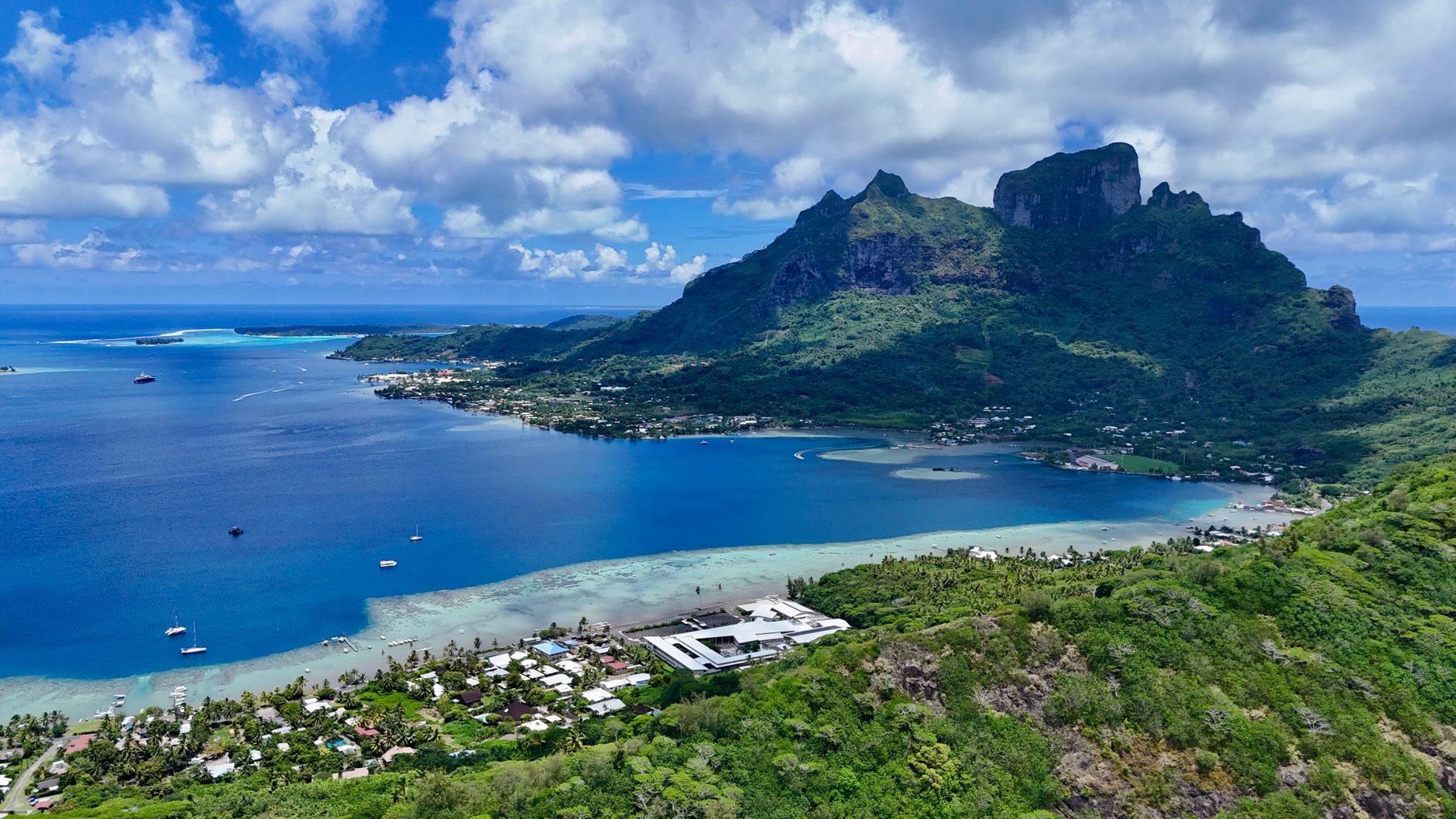
Stretching across four million square kilometers of the South Pacific, the 118 islands and atolls of French Polynesia form one of the world’s most dramatic maritime landscapes. Jagged volcanic spires drop into turquoise lagoons ringed by barrier reefs. Yet because glossy marketing emphasizes secluded overwater bungalows, many travellers arrive expecting simple transit, only to face strict flight rules, high transfer costs, and tight baggage limits.
The primary planning mistake is treating these far-flung archipelagos like an all-inclusive resort enclave. Domestic aviation is run by Air Tahiti’s turboprop fleet on fixed multi-island pass routes requiring sequential booking without backtracking. Domestic flights enforce a strict 5-kilogram cabin baggage limit, and most commercial life halts on Sundays. A well-constructed itinerary balances Tahiti’s valleys, Moorea’s peaks and shallows, Bora Bora’s barrier reef, and an optional Tuamotu atoll detour. Here is an authentic ten-day operational guide for navigating French Polynesia with confidence.
Trip Planning Blueprint: Passes, Ferries, and Island Pacing
Successfully coordinating an island-hopping route across French Polynesia requires mastering five fundamental operational principles:
Society Islands Versus Tuamotu Atolls: The Society Islands (Tahiti, Moorea, Huahine, Raiatea, Bora Bora) are high volcanic islands with lush peaks and encircling barrier reefs. The Tuamotus (such as Rangiroa and Fakarava) are flat coral atolls enclosing massive lagoons with world-class diving passes. Ten days allows you to explore two or three Society Islands comfortably, or two Society Islands paired with one Tuamotu atoll.
The Air Tahiti Multi-Island Pass: For visiting three or more islands, an Air Tahiti multi-island pass (such as the Discovery or Bora Bora-Tuamotu pass) is far cheaper than point-to-point tickets. Pass rules require starting and ending in Tahiti, traveling in a continuous circular loop without backtracking, and locking in dates early. Book passes three to six months ahead, particularly from May to October.
Ferry Connections Over Flights: Never fly between Tahiti and Moorea. Fast passenger catamarans—the Aremiti and Terevau—cross the twelve-nautical-mile Sea of Moons in thirty to forty-five minutes. Departing frequently from downtown Papeete, tickets cost roughly fifteen euros each way with no strict luggage weight limits.
Accommodation Strategy: Luxury Resorts Versus Pensions: Spending ten nights in luxury overwater bungalows quickly drains travel funds and isolates you from local culture. A better strategy combines family-run guesthouses (*pensions de famille*) on Moorea or Tahiti with a two-night resort stay on Bora Bora. Pensions offer clean bungalows, communal dinners with fresh fish, and hosts who connect you with trusted boat captains.
Currency and Sunday Closures: The local currency is the CFP Franc (XPF), pegged to the euro at roughly 119.33 XPF per euro. Major hotels, car rental desks, and dive shops accept international credit cards, but physical cash is essential for food trucks (*roulottes*), roadside fruit stands, boat transfers, and pearl artisan stalls. Furthermore, Sunday is sacred across Polynesia: grocery stores, municipal markets, and independent restaurants close by mid-morning. Plan your weekend provisions on Saturday afternoon.
| Day / Stage | Base | Highlights | Transport Mode | Transit Time | Advance Booking Requirement |
|---|---|---|---|---|---|
| Day 1 | Tahiti (Papeete) | Faa’a arrival, waterfront walk, Place Vaiete roulottes dinner | Airport taxi & walking | 20 mins airport transfer | Licensed airport taxi arrangement |
| Day 2 | Tahiti (Punaauia) | Marché de Papeete, Teahupo’o coast, black sand surf breaks | Rental car | Full-day island loop (115 km) | Rental car pickup at airport or port |
| Day 3 | Moorea (Maharepa) | Catamaran ferry to Moorea, Cook’s Bay check-in, beach sunset | Fast catamaran ferry | 40 mins ferry crossing | Aremiti or Terevau passenger ticket |
| Day 4 | Moorea (Maharepa) | Belvedere Lookout, Opunohu pineapple valley, Marae stone temples | Rental scooter or car | 35 mins driving each way | Scooter or compact car booking |
| Day 5 | Moorea (Haapiti) | Tipaniers beach, stingray and reef shark snorkeling, Tiki village | Outrigger boat & kayak | 3 hrs lagoon excursion | Lagoon snorkel boat reservation |
| Day 6 | Bora Bora (Vaitape) | Flight to Bora Bora, airport boat shuttle across lagoon, motu check-in | Air Tahiti turboprop | 50 mins flight + 20 mins boat | Air Tahiti pass segment & boat transfer |
| Day 7 | Bora Bora (Motu) | Coral garden drift snorkel, eagle rays, Mount Otemanu viewpoint | Motorized outrigger pirogue | 5 hrs lagoon circuit | Guided barrier reef lagoon cruise |
| Day 8 | Bora Bora (Matira) | Matira Beach white sands, coastal cycling, seaside seafood lunch | Bicycle or electric cart | Full-day local exploration | Bicycle rental at Vaitape or Matira |
| Day 9 | Rangiroa or Tahiti | Flight to Rangiroa for Tiputa Pass drift or return flight to Tahiti | Air Tahiti turboprop | 1 hr 10 mins flight | Air Tahiti inter-island pass booking |
| Day 10 | Tahiti (Faa’a) | Farewell poisson cru lunch, artisanal pearl shopping, departure | Taxi or rental car | 30 mins airport return | Luggage storage & airport transfer |
Day 1: Arrival in Tahiti and the Food Trucks of Place Vaiete
International flights land at Tahiti-Faa’a Airport (PPT) near Papeete in the late evening, where arriving passengers receive fragrant tiare gardenia leis. Settle into a base in Papeete or Punaauia rather than rushing to catch a late inter-island flight. This overnight buffer guards against flight delays and luggage misrouting before your island pass begins.
Spend your afternoon strolling Papeete’s waterfront promenade and the Territorial Assembly gardens. At sunset, head to Place Vaiete by the harbor. By six o’clock, the square fills with Polynesian food trucks (*roulottes*). Sit at folding tables with local residents and order generous plates of *poisson cru au lait de coco* (raw tuna cured in lime and coconut milk), steak frites, and Chinese-Tahitian chow mein.
Day 2: Circling Tahiti Nui and the Surf of Teahupo’o
Pick up a compact rental car for a self-drive loop around Tahiti Nui and Tahiti Iti. Start early at Marché de Papeete, a two-story market hall filled with woven pandanus hats, fragrant monoi oil, and cured vanilla beans. Pick up fresh coconut water and warm coconut bread (*faraoa ‘ipo*) for breakfast.
Drive east to Point Venus, where Captain Cook observed the transit of Venus in 1769, featuring a historic stone lighthouse on a black sand beach. Continue along the east coast beneath steep volcanic cliffs, stopping at Arahoho Blowhole to watch ocean swells blast through a lava tube onto the rock shelf.
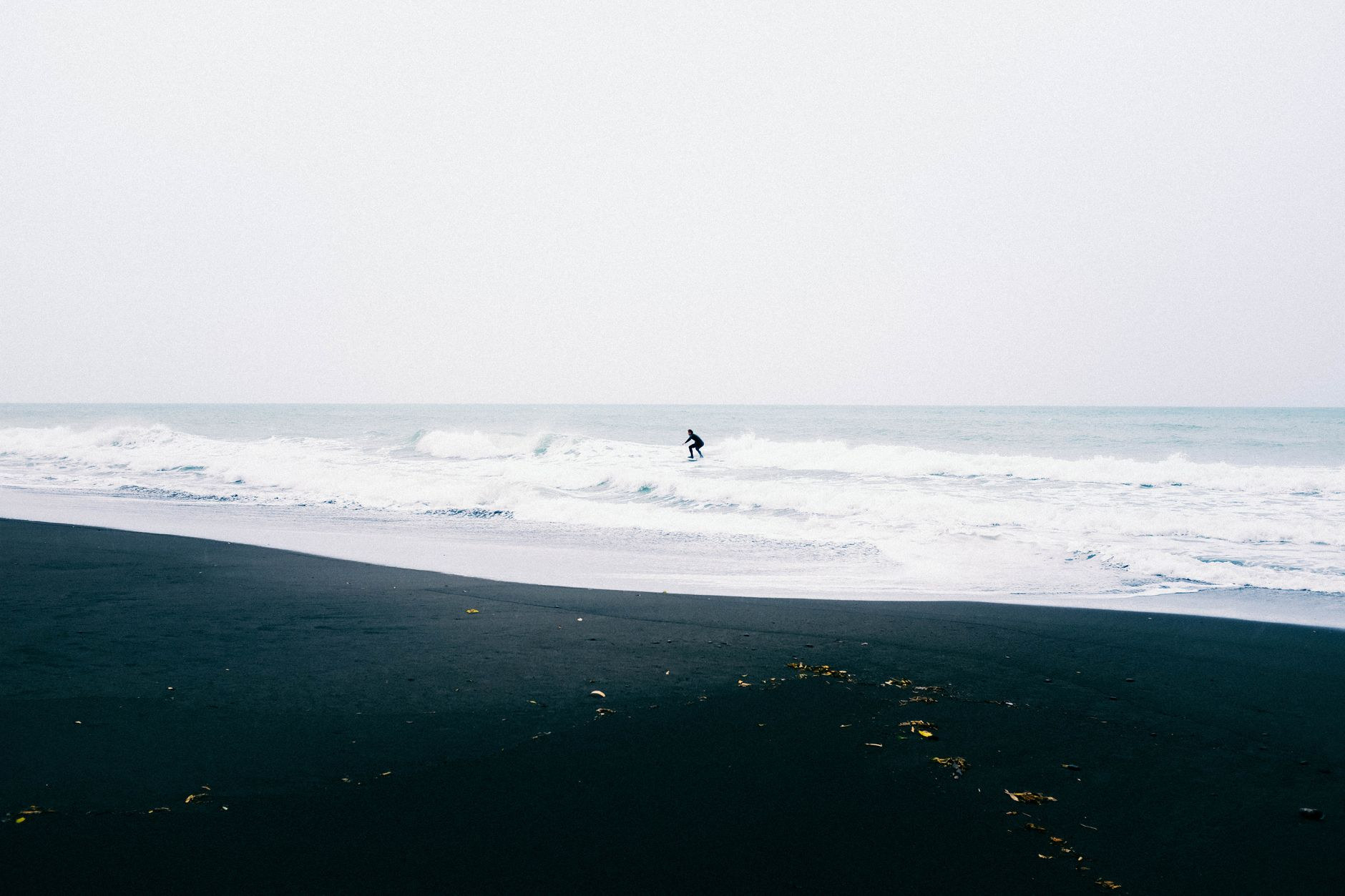
Cross the Taravao isthmus onto Tahiti Iti and continue south to Teahupo’o, home to the formidable reef break that hosted the 2024 Olympic surfing events. Walk to the shoreline footbridge lookout, or hire a boatman at the marina for a twenty-minute ride to the reef edge to watch surfers tackle heavy barrels over shallow coral.
Day 3: Crossing to Moorea and the Fjord of Cook’s Bay
Head to the Papeete ferry terminal and board the morning Aremiti or Terevau catamaran for a forty-minute crossing to Moorea’s Vaiare harbor. From the upper deck, watch Papeete fade behind you as Moorea’s emerald volcanic spires rise steeply from the Pacific.
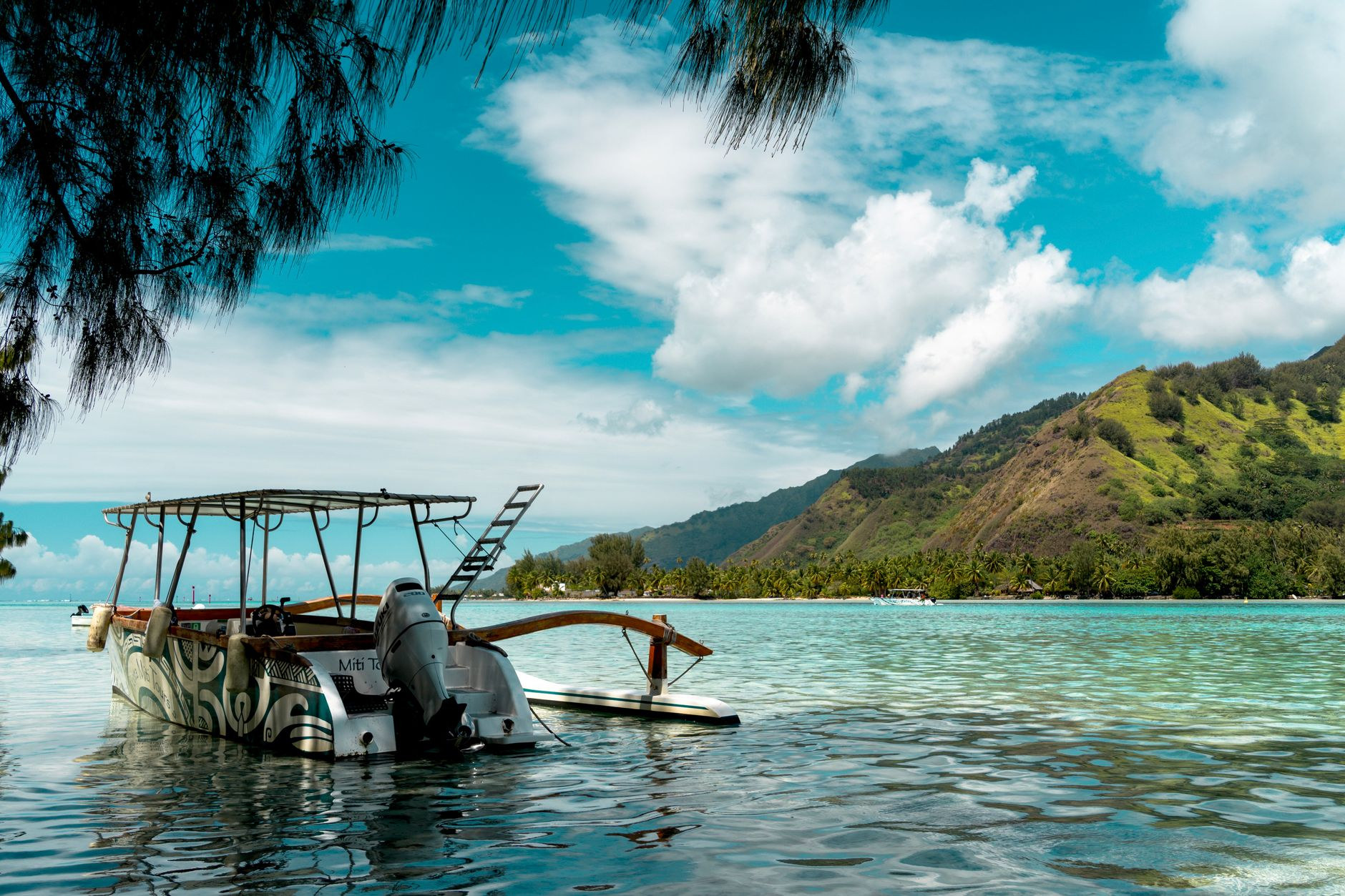
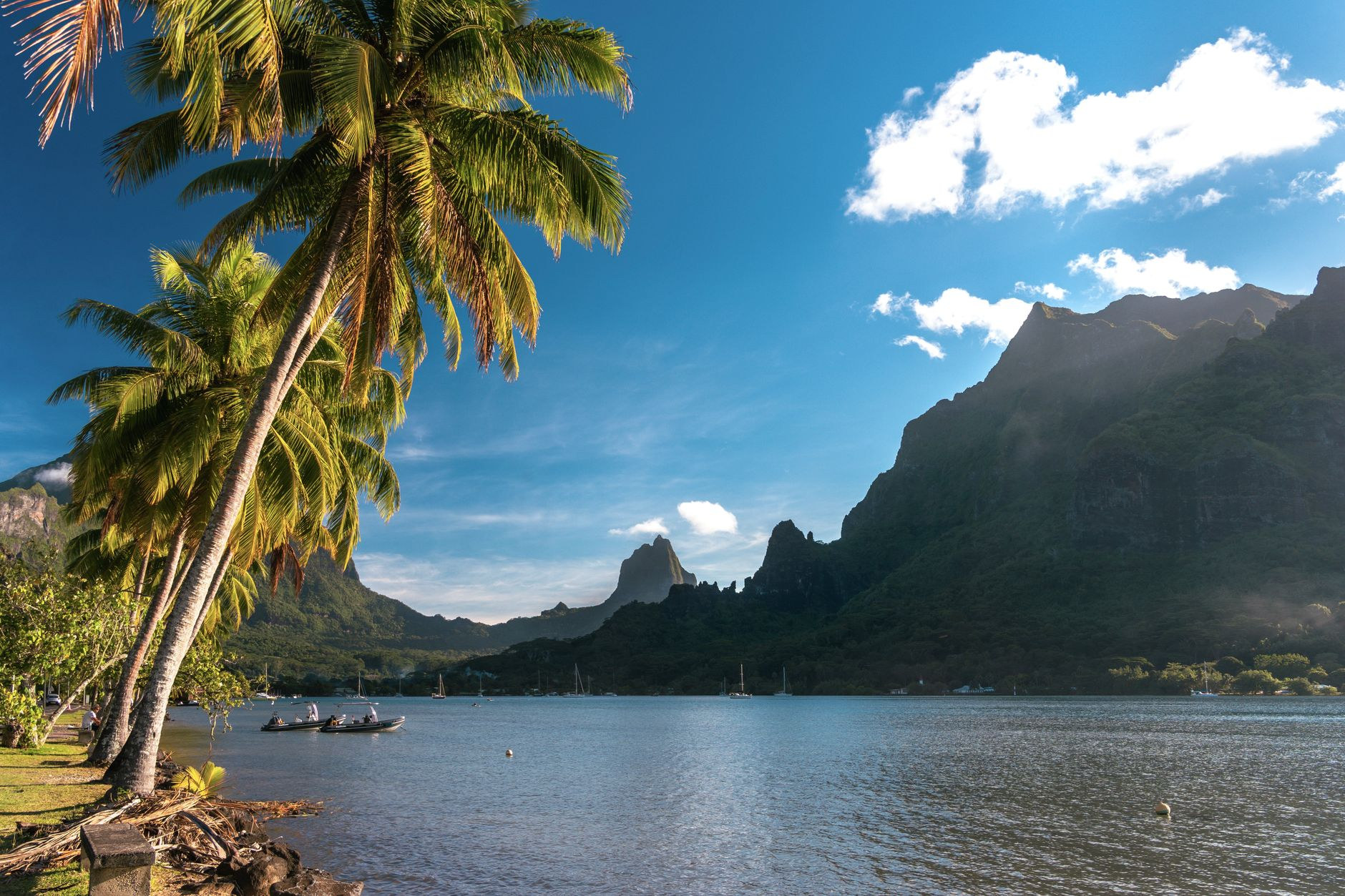
Pick up a rental car or scooter at the ferry dock and drive clockwise toward Cook’s Bay or Opunohu Bay. These two deep bays carve into an ancient caldera, forming protected anchorages where cruising yachts sit beneath green basalt walls. In the late afternoon, swim in the calm shallows at Temae Beach, a white sand spit backed by coconut palms.
Day 4: Belvedere Lookout and Opunohu’s Agricultural Valleys
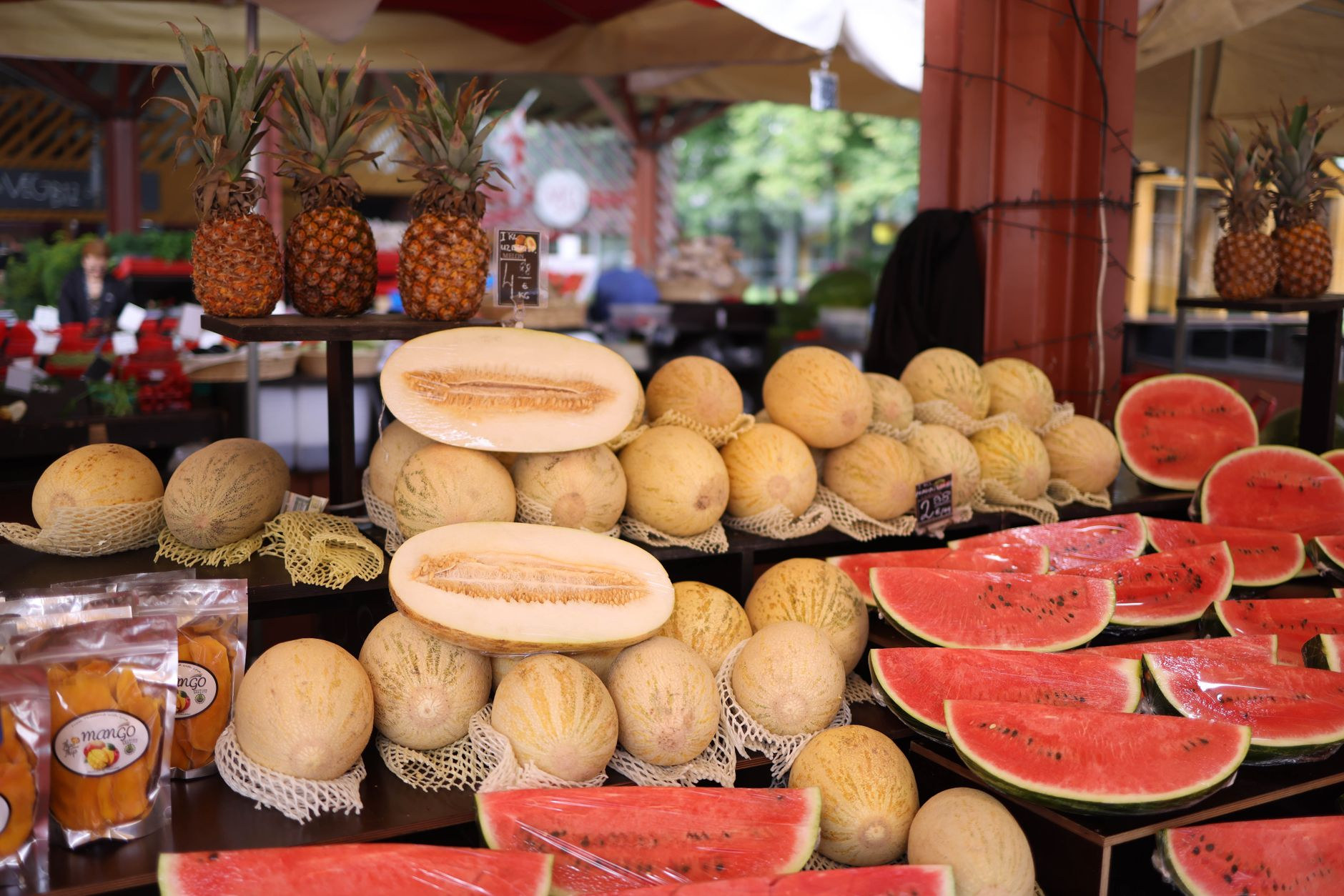
Head inland from Opunohu Bay up the winding road past the Opunohu Agricultural College. Stop to taste tropical fruit jams, soursop sorbet, and fresh juice pressed from Queen Tahiti pineapples grown throughout the valley.
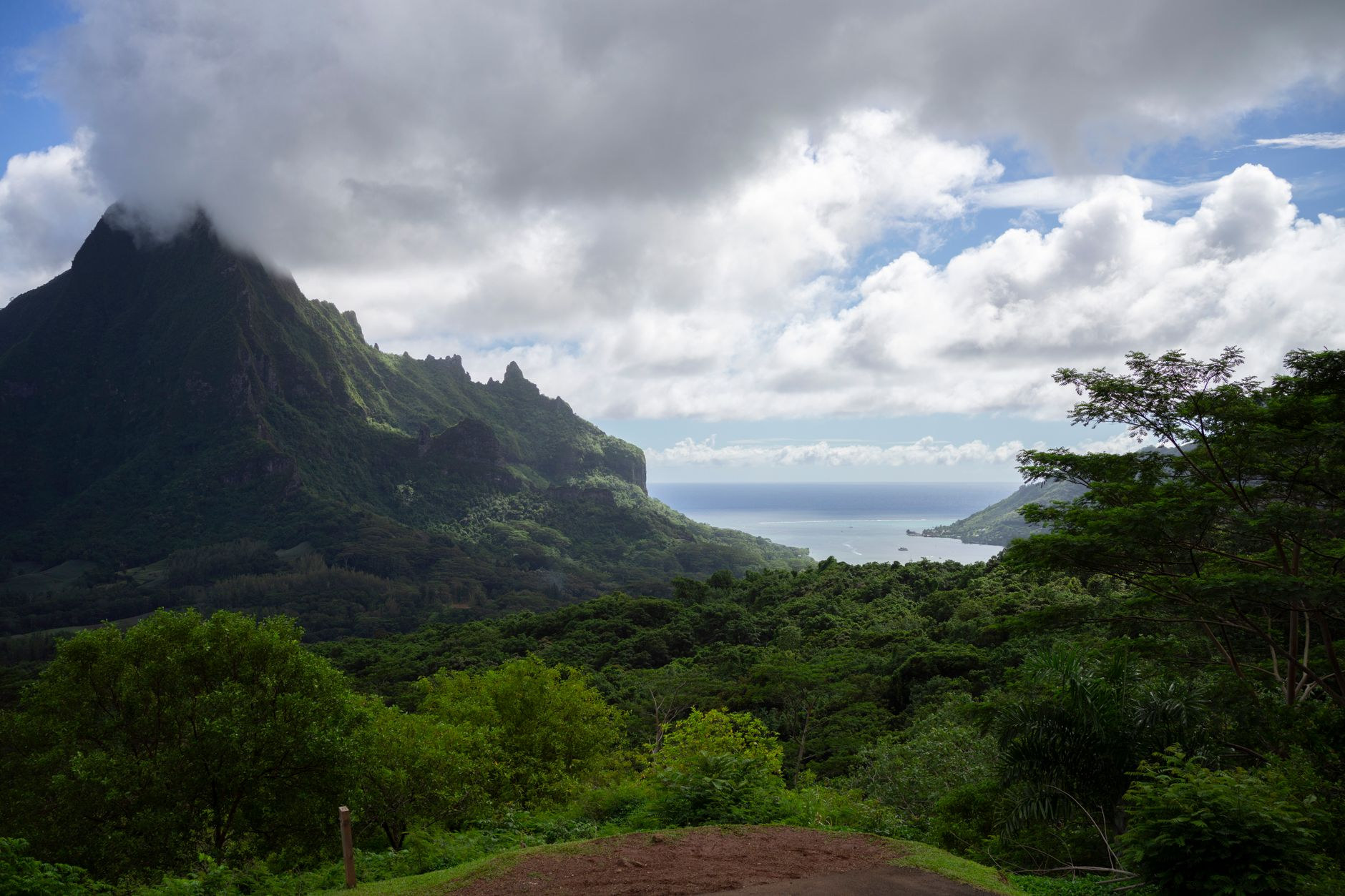
Continue past ancient ceremonial stone platforms (*marae*), including Marae Titiroa, built centuries before European contact. The road ends at the Belvedere Lookout, offering a panoramic view of Mount Rotui splitting Cook’s Bay and Opunohu Bay. In the afternoon, hike Three Coconuts Pass (*Col des Trois Cocotiers*) for views of the southern barrier reef.
Day 5: Moorea Lagoon and Coral Garden Snorkeling
Spend day five exploring Moorea’s lagoon from Les Tipaniers beach. Rent a kayak or take a small boat out to the shallow sandbars between Motu Fareone and Motu Tiahura. In these waist-deep waters, stingrays glide smoothly over white sand alongside inquisitive blacktip reef sharks.
Float quietly with mask and snorkel to observe the marine life without touching or crowding the animals. Drift through the channel between the motus to see staghorn coral, parrotfish, and green sea turtles. In the evening, dine at a seaside café in Maharepa on mahi-mahi in vanilla sauce with a chilled Hinano beer.
Day 6: Domestic Flight to the Barrier Reef of Bora Bora
Return your rental car at Moorea’s airport (MOZ) for the morning flight to Bora Bora (BOB). Request a window seat on the left side of the ATR turboprop to enjoy aerial views of Huahine, Raiatea, and Taha’a before descending across Bora Bora’s turquoise lagoon.
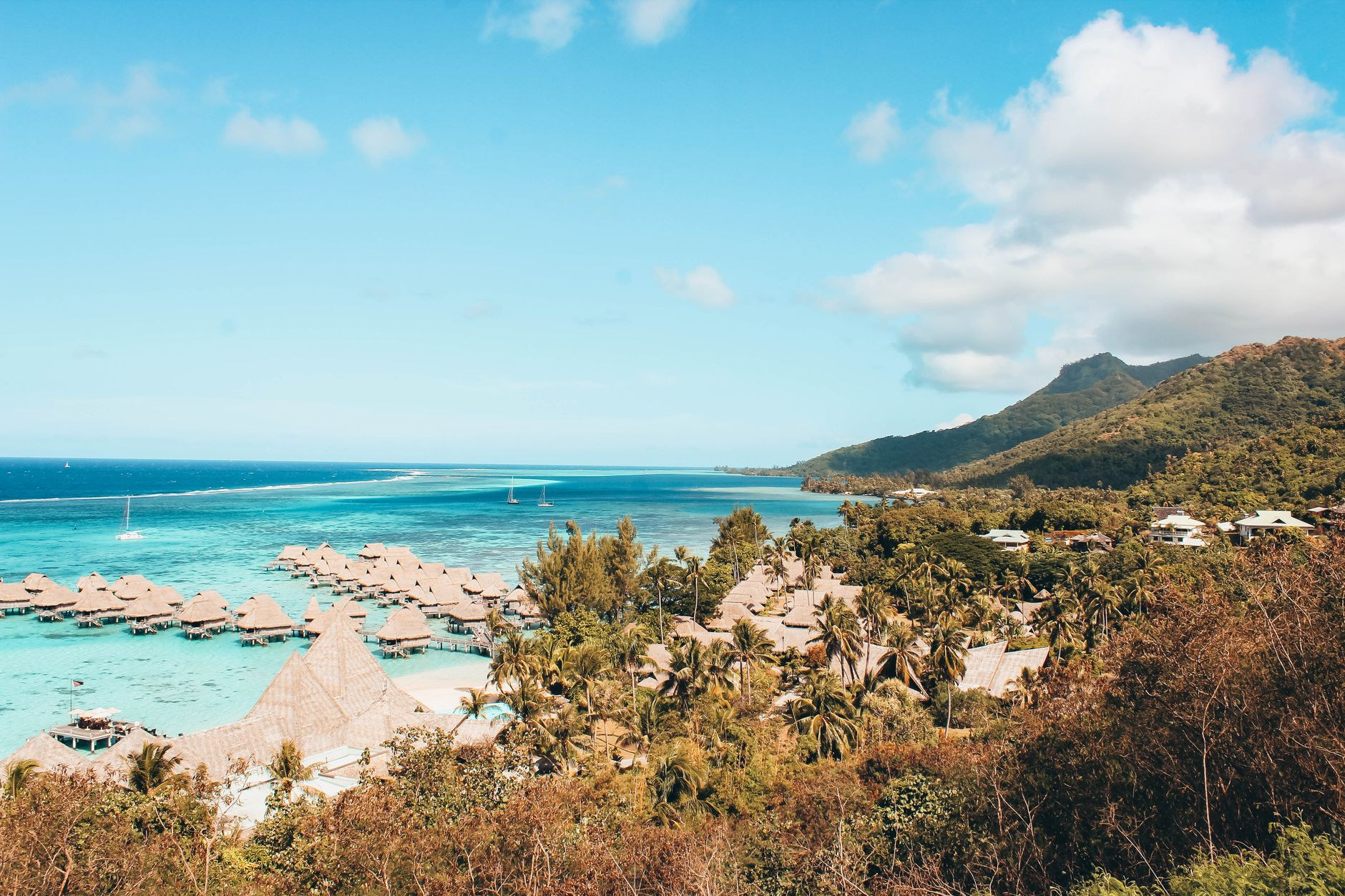
Bora Bora’s airport occupies Motu Mute on the northern barrier reef. If you are not booked on an expensive resort boat shuttle, board the free Air Tahiti passenger ferry to Vaitape on the main island. From Vaitape, local taxis and shuttles connect to hotels along Matira Beach or motu boat docks.
Day 7: The Master Lagoon Circuit and Manta Ray Encounters
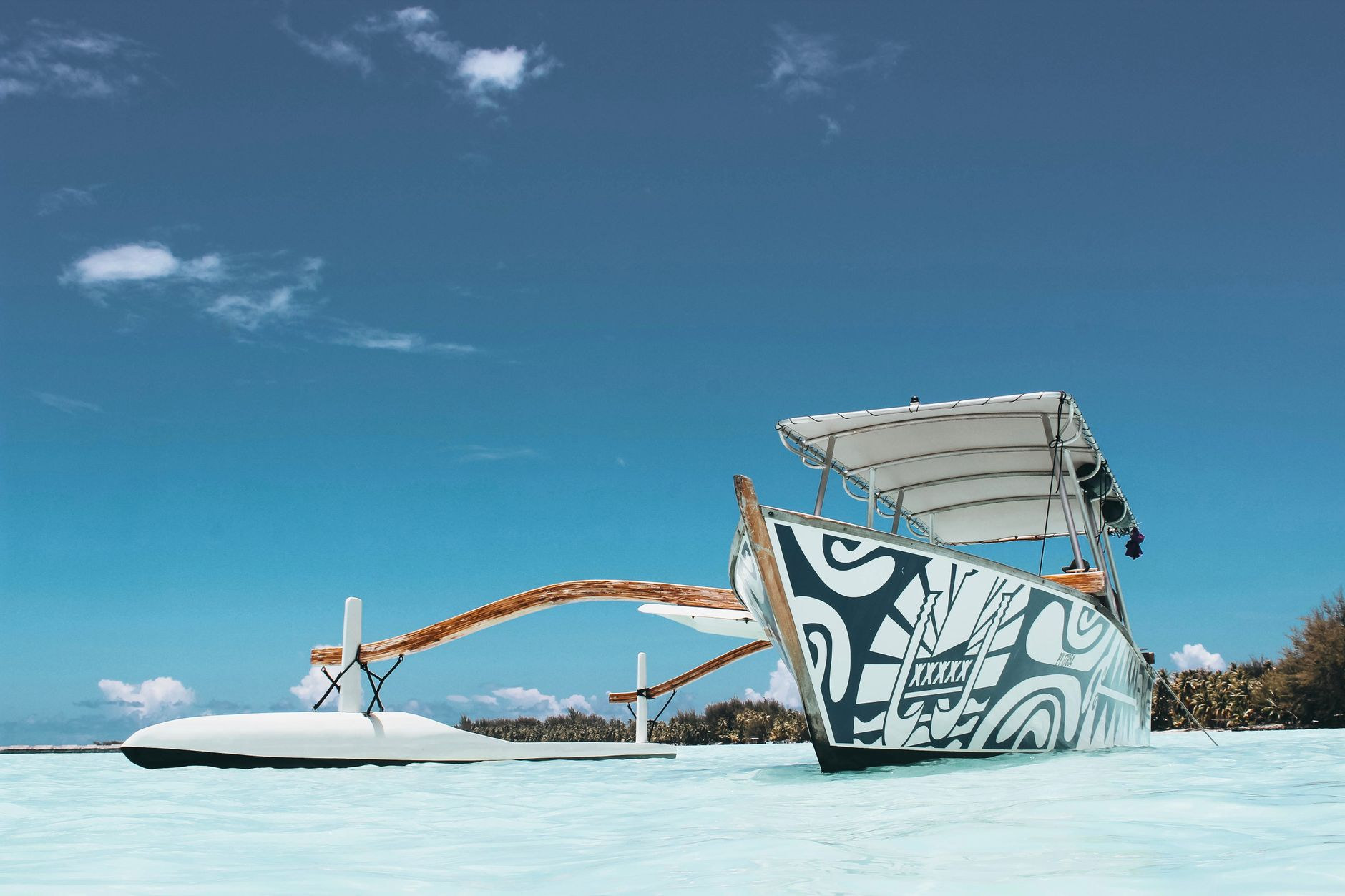
Join a guided lagoon excursion on a motorized outrigger pirogue with a local captain. Gliding through barrier reef channels, you will watch water shades shift from pale jade to deep cobalt.
Stop first at Anau, a lagoon cleaning station where reef manta rays congregate each morning. Snorkeling at the surface, watch these three-meter rays glide through the water while small cleaner wrasse service their gills. Continue to the outer reef to snorkel with blacktip reef sharks before enjoying a picnic on a sandy motu featuring fresh fish salad and grilled chicken.
Day 8: Matira Beach and the Circumference of Bora Bora
Rent a beach bicycle or electric buggy to circle Bora Bora’s flat, thirty-two-kilometer perimeter road. With light vehicle traffic, cycling allows you to appreciate Mount Otemanu and Mount Pahia from every coastal angle.
Spend the midday hours at Matira Beach (*Plage Matira*), a fine public beach where white sand shelves gently into clear, current-free water. Browse pearl cooperatives in Vaitape to examine certified Tahitian pearls (*Pinctada margaritifera*), and enjoy grilled yellowfin tuna at a beachfront café at sunset.
Day 9: Tuamotu Detour to Rangiroa or Island Slower Pace
Day nine presents two options. Keen divers can fly east to Rangiroa in the Tuamotus using their Air Tahiti pass. Rangiroa is the world’s second-largest coral atoll, enclosing a lagoon large enough to hold the entire island of Tahiti.
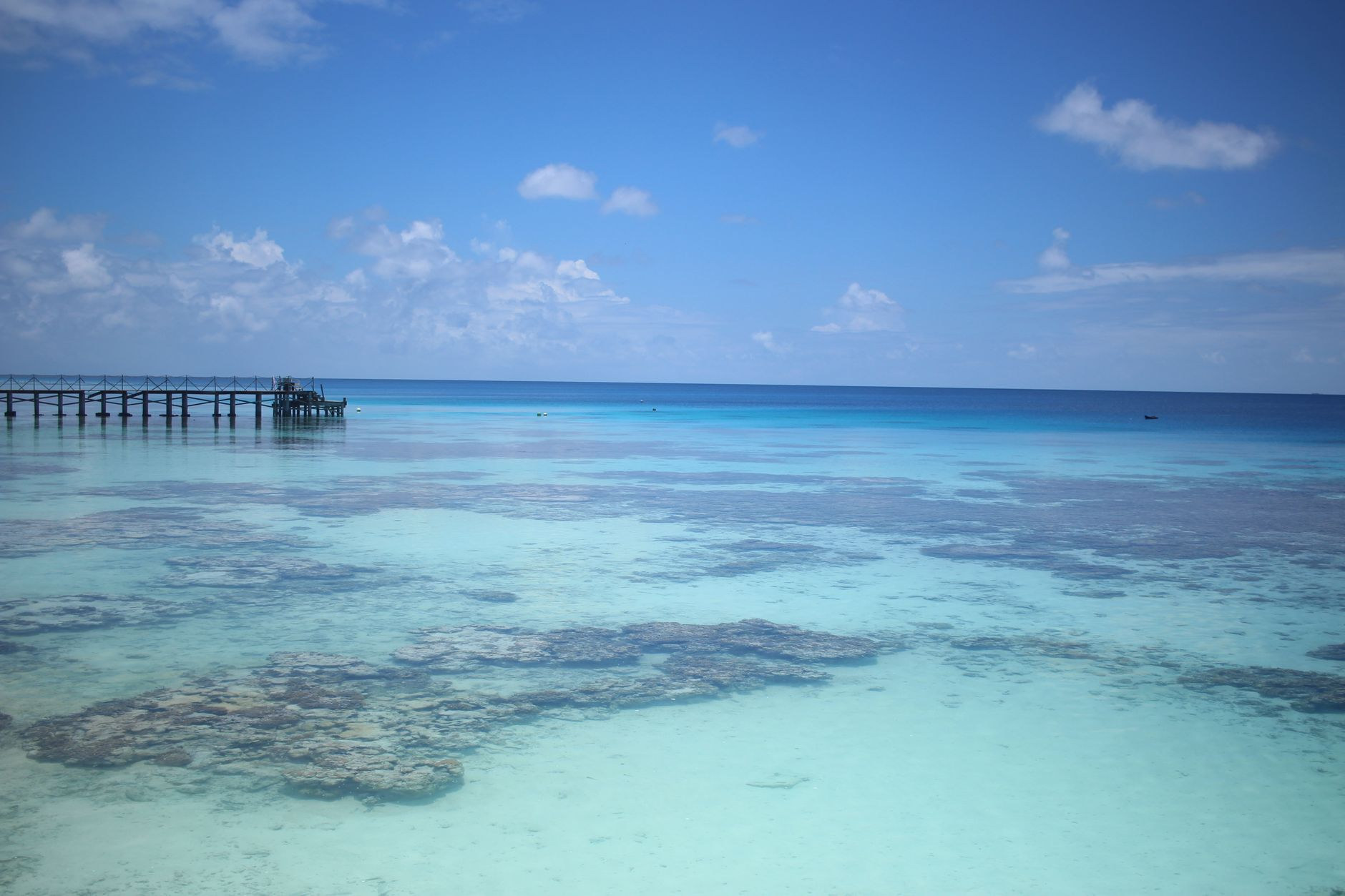
At Rangiroa’s Tiputa Pass, tidal currents rush through a narrow cut where bottlenose dolphins surf standing waves alongside grey reef sharks and eagle rays. Alternatively, travellers wanting less transit can remain in the Society Islands, taking a side trip to Huahine or exploring Tahiti’s lush Papenoo Valley waterfalls.
Day 10: Papeete Pearl Boutiques, Farewell Dinner, and Departure
Fly back to Tahiti-Faa’a Airport in the morning. If your international flight leaves late at night, deposit luggage at the airport storage desk and take a short taxi into downtown Papeete for the afternoon.
Visit the Robert Wan Pearl Museum on the waterfront to review pearl grading standards before shopping at certified cooperatives. Pick up vanilla-infused monoi oil and handcrafted wooden carvings. Conclude with a relaxed dinner overlooking the Papeete marina, enjoying fresh poisson cru before heading to the airport for your flight home.
Mobile Connectivity and Digital Navigation Across the Archipelagos
Maintaining fast and reliable mobile data while exploring French Polynesia is essential for managing domestic flight schedules on the Air Tahiti portal, checking real-time ferry departures between Papeete and Moorea, tracking marine swell charts on maritime apps, and communicating with family-run pension hosts who coordinate boat transfers across remote lagoons. Relying exclusively on hotel Wi-Fi is impractical, as many pensions have limited signal coverage that does not reach outlying garden bungalows or secluded beach areas.
The most convenient mobile solution for independent travellers is an international travel eSIM configured before departure. The NXTL French Polynesia eSIM connects directly to Vini S A S, the primary national telecommunications operator with the most extensive 5G, 4G, and LTE network coverage across the Society Islands and outer atolls. Operating on straightforward pay-as-you-go data at $21.66 per gigabyte, NXTL provides instant connectivity the moment your flight touches down at Faa’a, eliminating the need to locate airport kiosks or navigate French-language SIM registration paperwork. Your purchased data balance never expires, meaning any remaining credit remains ready for your future travels across more than 180 supported destinations worldwide.
Travel Pitfalls and Polynesian Regional Realities to Avoid
French Polynesia is exceptionally safe, with violent crime virtually non-existent outside rare petty incidents in central Papeete. However, the archipelago’s vast geography, French colonial administration, and isolated island economy create distinct logistical pitfalls that can disrupt unprepared visitors:
- Uncertified Pearl Boutiques and Dyed Imposters: Black pearls are the islands’ signature souvenir, but informal stalls sometimes sell cheap dyed freshwater pearls or unclassified rejects at premium prices. Genuine Tahitian cultured pearls from the black-lipped oyster (*Pinctada margaritifera*) come with official certificates specifying luster, surface purity, and nacre thickness. Buy only from accredited jewelers or direct farm cooperatives in Huahine, Raiatea, or the Tuamotus.
- Unlicensed Private Boat Charter Markups: Informal boatmen at public docks in Moorea and Bora Bora often solicit tourists with cheap private tours, only to cut excursions short or demand surprise fuel surcharges once underway. Book exclusively through licensed nautical operators (*prestataires nautiques*) registered with Tahiti Tourisme, ensuring proper maritime safety equipment and commercial passenger insurance.
- Air Tahiti Strict Cabin Baggage Enforcement: Air Tahiti strictly enforces a 5-kilogram (11-pound) cabin baggage limit on ATR turboprops. Gate staff regularly weigh carry-ons and camera packs before boarding. Overweight bags must be checked into the hold with steep excess fees or risked being offloaded onto later cargo flights. Travel with a light daypack and leave bulk luggage with your Tahiti hotel or airport storage.
- Exorbitant Luxury Resort Taxi and Boat Transfers: Luxury resorts on Bora Bora’s outer motus often charge $90.38 to $169.47 per person for a short private boat shuttle from the airport pier. Independent travellers can ride the free Air Tahiti passenger ferry to Vaitape on the main island and arrange municipal taxis or independent water taxis, saving substantial sums.
- The Sunday Commercial Lockout: Sunday is devoted to church and family across the islands. Supermarkets, rental desks, bakeries, and local restaurants shut down by 10:00 AM, and public buses stop running. Travellers who do not buy drinking water, fruit, and snacks on Saturday afternoon often find themselves with no food options other than expensive resort dining.
By respecting Polynesian cultural customs, booking your inter-island flight passes and ferry catamarans with plenty of advance notice, and maintaining reliable digital connectivity, your voyage across Tahiti, Moorea, and Bora Bora will deliver an extraordinary, authentic South Pacific journey.