Positioned along the Gulf of Guinea in West Africa, Côte d’Ivoire presents one of the continent’s most compelling economic powerhouses and cultural landscapes. Anchored by the glittering, modernist skyline of Abidjan—often called the Manhattan of West Africa—the country transitions from tranquil coastal lagoons and colonial beach towns to the vast inland savannah where the world’s largest Christian church rises unexpectedly from the red earth. Ivory Coast combines sophisticated urban dining and contemporary African art with deep-rooted traditions of the Baoulé, Bété, and lagoon peoples.
Yet independent travel in Ivory Coast requires thoughtful navigation. The primary logistical mistake first-time visitors make is attempting an overstretched circuit trying to reach the chimpanzee reserves of Taï National Park in the far southwest or the sacred peaks of Man during a short one-week trip. Rural roads in the western interior demand heavy four-wheel-drive vehicles and days of arduous overland transit. For a focused seven-day journey, the classic triangle linking Abidjan, the historic colonial capital of Grand-Bassam, and the monumental political capital of Yamoussoukro delivers an accessible, deeply rewarding route along modern highways. Here is your definitive operational field guide to navigating Côte d’Ivoire with confidence.
Trip Planning Blueprint: Highways, Taxis, and Cash Protocols
Navigating Côte d’Ivoire efficiently requires mastering four fundamental logistical realities:
The Transport Spectrum: Compteurs, Yango, and Gbakas: Abidjan’s transport network is diverse. The most practical choice for visitors is the orange meter taxi (*taxi compteur*). By law, drivers must use their meters, though many attempt to negotiate inflated flat rates with foreign visitors. Alternatively, digital ride-hailing apps like Yango operate widely across Abidjan, offering fixed pricing and cashless card billing. In contrast, avoid using the shared green communal taxis (*wôrô-wôrô*) or white minibuses (*gbakas*) when carrying luggage; these vehicles are crowded, stop erratically, and require intimate familiarity with local neighborhood routes.
The Autoroute du Nord to Yamoussoukro: Unlike many West African interior corridors that feature broken pavement and extensive delays, the highway connecting Abidjan to Yamoussoukro is the modern Autoroute du Nord (A1). This four-lane toll motorway covers the two hundred and thirty kilometers in roughly two and a half hours of smooth driving. Hiring a private car with a professional driver for the inland journey costs approximately fifty to seventy thousand CFA francs (seventy-five to one hundred and ten euros) per day plus toll fees, providing flexibility for spontaneous stops in rural artisan villages.
Language and French Fluency Realities: French is the official language and primary lingua franca across Côte d’Ivoire, spoken with a distinctive local cadence and colorful slang known as *nouchi*. English is rarely spoken outside international luxury hotel desks. Basic French conversational skills—greeting people politely with “bonjour” before asking any question, understanding numbers for negotiations, and deciphering restaurant menus—are essential for smooth independent travel.
Cash Economy and CFA Franc Mechanics: Ivory Coast uses the West African CFA Franc (XOF), pegged to the euro at a fixed rate of approximately 655.957 XOF per euro. While contactless card payments work at major shopping centers in Abidjan’s Cocody and Marcory districts, physical cash is indispensable for beach restaurants, roadside fruit stalls, toll booths, and artisan craft markets. ATMs (*guichets automatiques*) accepting Visa and Mastercard are plentiful in Abidjan and Yamoussoukro. Always carry small five-hundred, one-thousand, and two-thousand CFA notes, as taxi drivers routinely struggle to make change for larger bills.
| Day / Stage | Base | Highlights | Transport Mode | Transit Time | Advance Booking Requirement |
|---|---|---|---|---|---|
| Day 1 | Abidjan (Cocody) | Félix-Houphouët-Boigny arrival, Plateau skyline walk, St. Paul’s Cathedral | Airport taxi & walking | 30 mins airport transfer | Hotel airport transfer booking |
| Day 2 | Abidjan (Plateau) | Banco National Park rainforest, Treichville market, evening garba tasting | Orange meter taxi or Yango | Full-day city transit | Banco forest guide arrangement |
| Day 3 | Grand-Bassam | Coastal drive east, UNESCO colonial quarter, Musée National du Costume | Private car or taxi | 45 mins coastal drive | Boutique beach lodge reservation |
| Day 4 | Grand-Bassam | Azuretti Beach surf, artisanal ceramic workshops, fresh grilled seafood | Walking & local taxi | Full-day coastal relaxation | Artisan studio visit arrangement |
| Day 5 | Yamoussoukro | Autoroute du Nord drive, Basilica of Our Lady of Peace, Sacred Crocodile Lake | Private car with driver | 2.5 hrs highway drive | Basilica guided interior tour |
| Day 6 | Yamoussoukro | Félix Houphouët-Boigny Foundation, Bomizambo Baoulé weaving village | Private car with driver | 1 hr round-trip village excursion | Village weaving workshop visit |
| Day 7 | Abidjan (Departure) | Return drive to Abidjan, CAVA artisan market shopping, evening departure | Private car & airport taxi | 2.5 hrs return + 30 mins airport | Airport check-in buffer (3 hrs) |
Day 1: Arrival in Abidjan and the Plateau Skyline
Most international flights arrive at Félix-Houphouët-Boigny International Airport (ABJ) in southern Abidjan. After clearing border control and presenting your mandatory yellow fever vaccination certificate, arrange a licensed airport taxi or use the Yango app to reach your accommodation in the upscale residential district of Cocody or the commercial core of Le Plateau. Avoid informal drivers soliciting arriving passengers inside the baggage claim hall.
Abidjan is constructed around the expansive Ébrié Lagoon, giving the city a dramatic maritime geography connected by modern cable-stayed and suspension bridges. Spend your first afternoon exploring the central Plateau district, West Africa’s primary financial capital. Stroll along broad boulevards lined with modernist concrete high-rises dating from Côte d’Ivoire’s post-independence economic miracle in the 1970s.
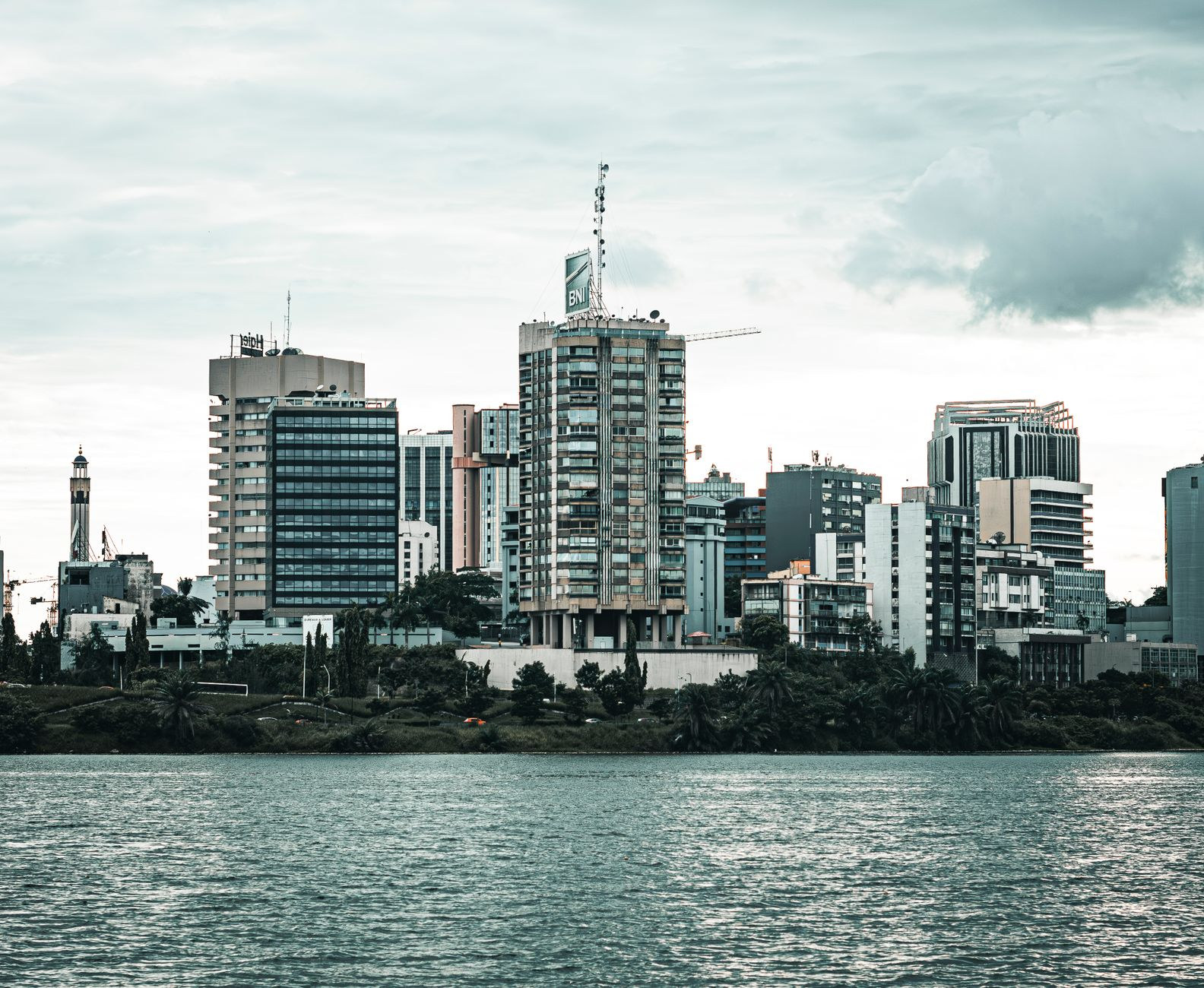
Visit St. Paul’s Cathedral (*Cathédrale Saint-Paul*), designed by Italian architect Aldo Spirito. Its soaring seventy-meter concrete tower resembles a stylized blue figure of Saint Paul pulling a cross across the sky. Inside, admire the massive stained-glass windows depicting biblical scenes woven with African historical figures. In the evening, dine at an open-air restaurant in Cocody overlooking the lagoon, sampling tender grilled chicken (*poulet braisé*) seasoned with crushed chili and garlic, served with fresh cassava couscous (*attiéké*).
Day 2: Primary Rainforest and the Street Food of Treichville
Begin your morning in Banco National Park (*Parc National du Banco*), an astonishing ecological sanctuary preserving three thousand hectares of ancient primary rainforest directly in the geographic center of metropolitan Abidjan. Hire a park eco-guide at the main entrance to walk shaded footpaths beneath towering mahogany, framiré, and silk-cotton trees. Listen for the calls of hornbills, observe troops of colobus monkeys leaping through the dense canopy, and visit the park’s central arboretum.
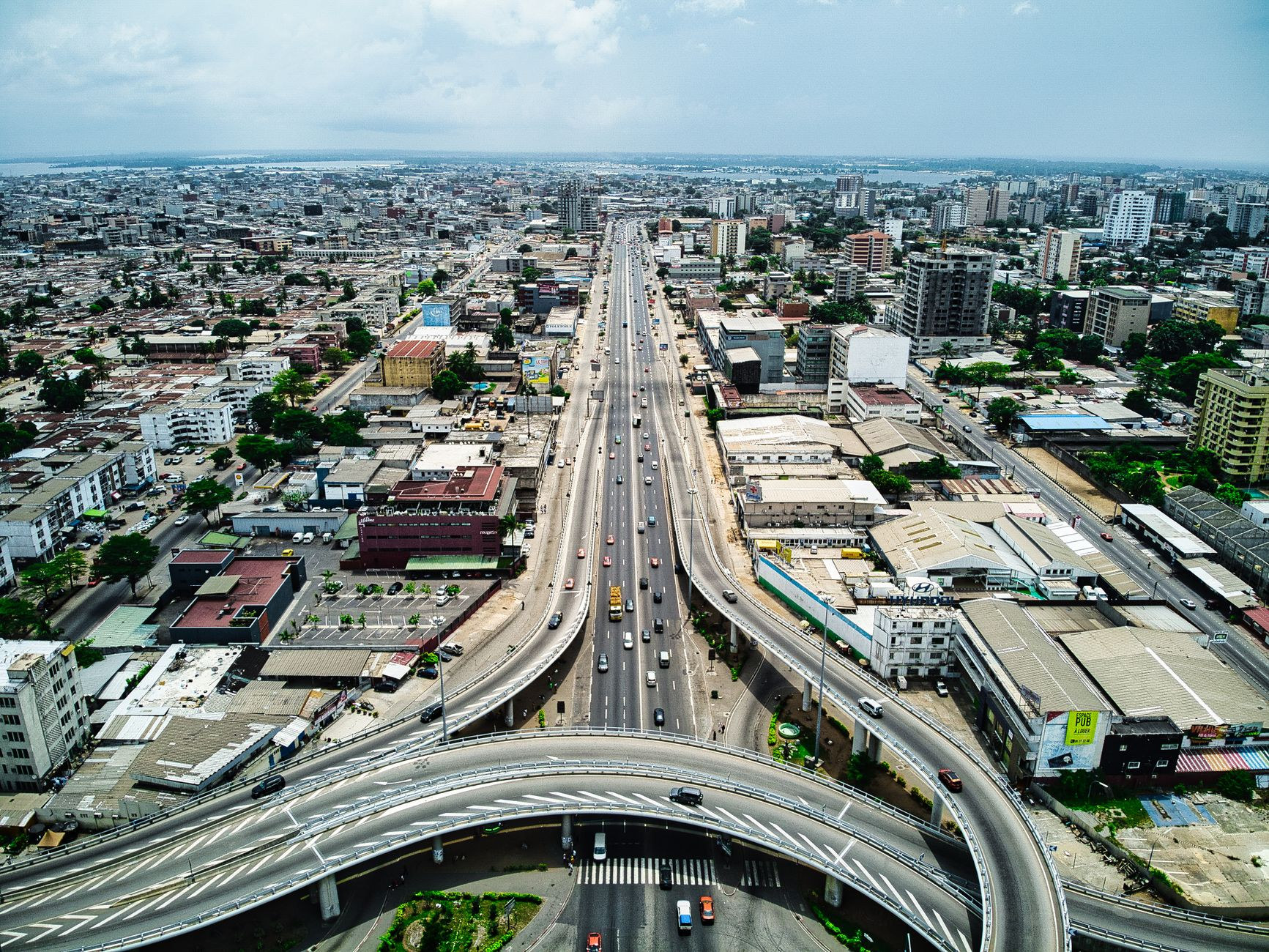
In the afternoon, cross the Félix Houphouët-Boigny bridge south into Treichville, the lively cultural heart of popular Abidjan. Wander through the Marché de Treichville, exploring narrow alleys crowded with stalls selling colorful wax print textiles, hand-carved wooden masks, and fragrant spices. For lunch, stop at a neighborhood eatery (*maquis*) to taste Côte d’Ivoire’s iconic street food: *garba*. This beloved national dish consists of crispy deep-fried salted tuna steak accompanied by fermented cassava semolina, fresh diced red onions, and raw bird’s eye chilies.
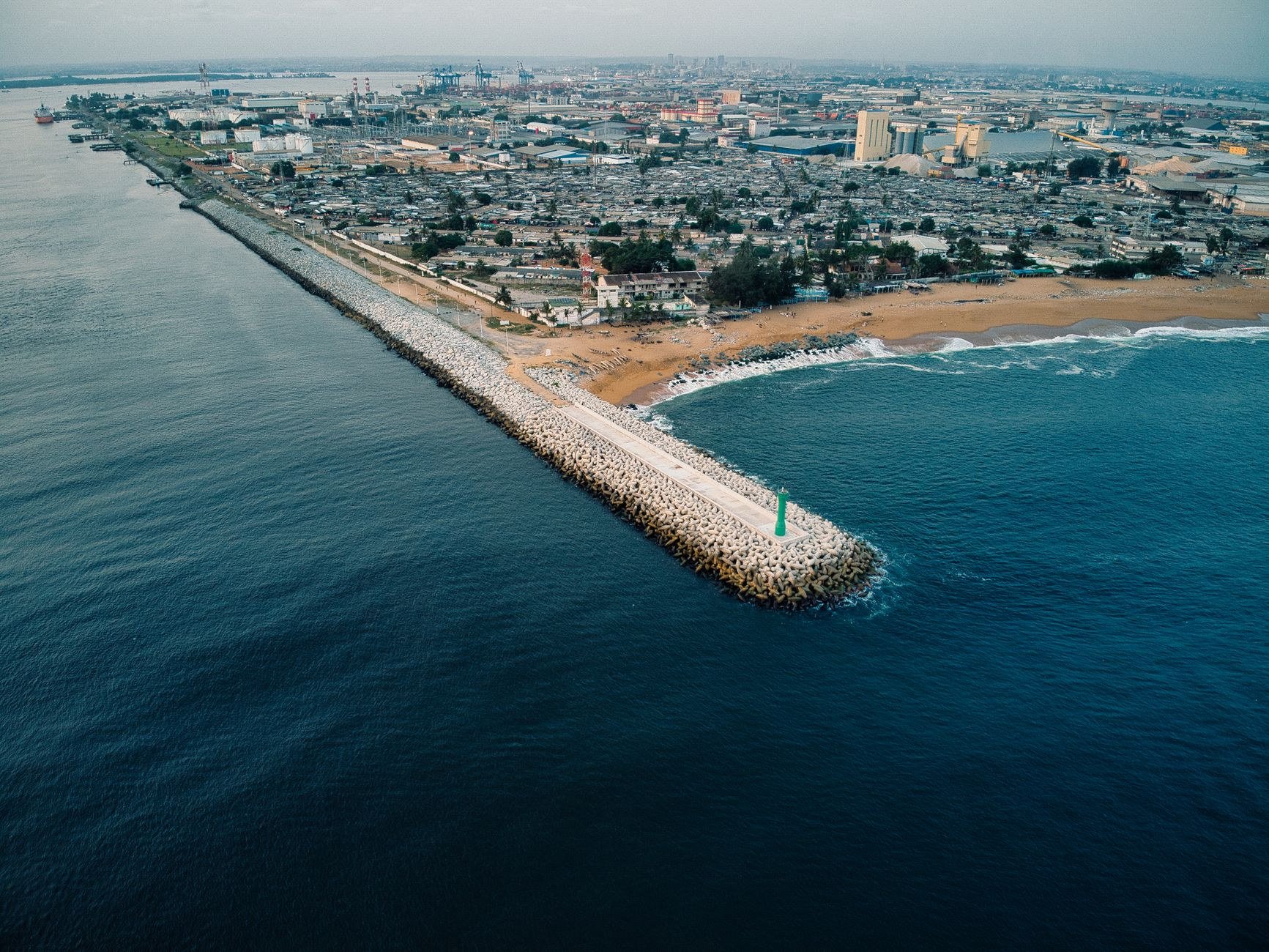
Conclude your day in the upscale Marcory Zone 4 district, renowned for its diverse dining scene, jazz clubs, and open-air cocktail terraces where local residents gather after dark to enjoy live acoustic music and cold Flag beer.
Day 3: Coastal Journey to Historic Grand-Bassam
On morning three, leave Abidjan for a smooth forty-five-minute drive east along the coastal expressway to Grand-Bassam. Situated on a slender sand spit between the Ébrié Lagoon and the pounding surf of the Atlantic Ocean, Grand-Bassam was the historic first colonial capital of French Côte d’Ivoire from 1893 to 1896, today recognized as a UNESCO World Heritage site.
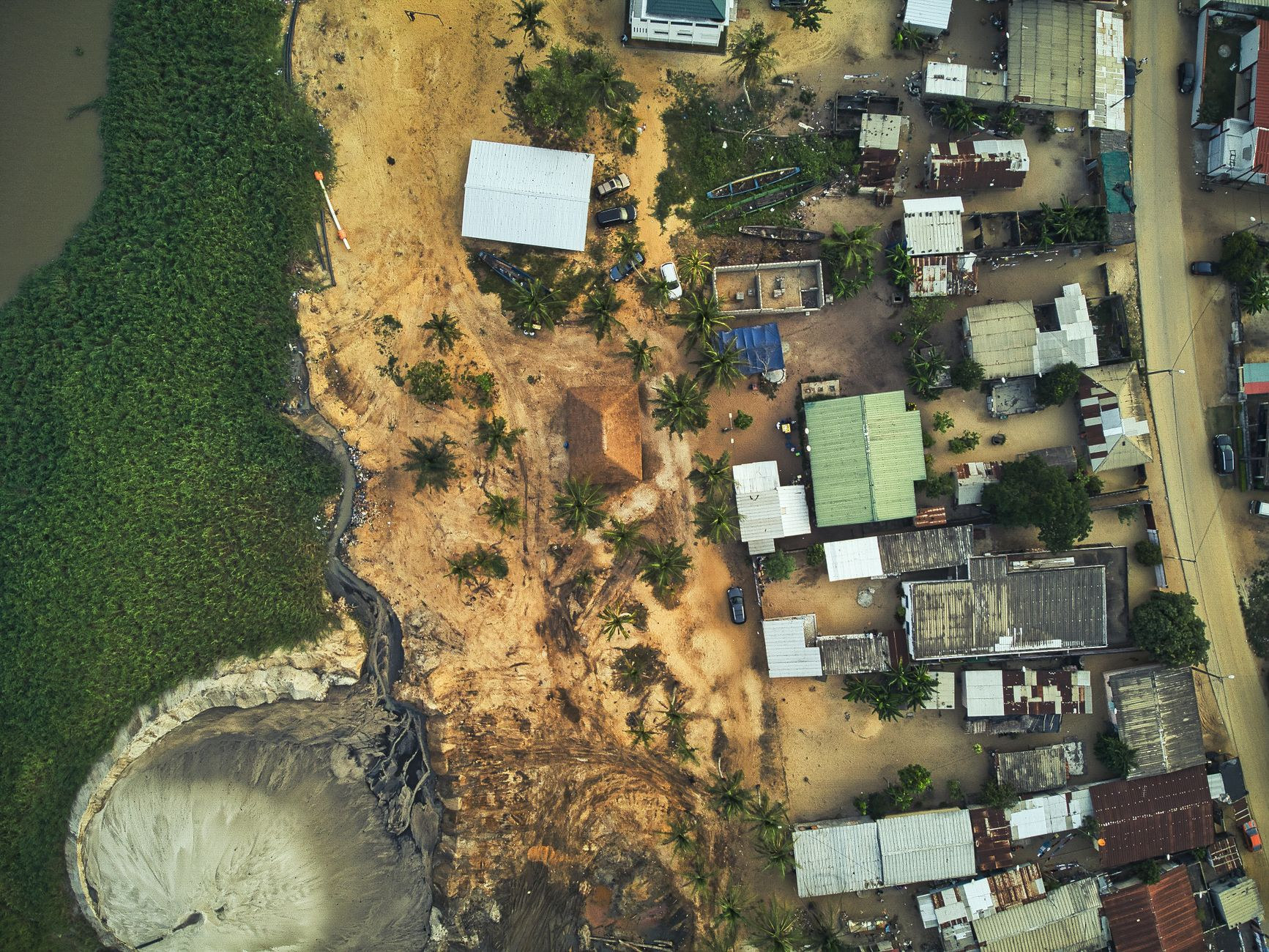
Cross the historic Pont de la Victoire bridge into the old French colonial quarter (*Ancien Bassam*). Here, broad sandy streets are lined with crumbling nineteenth-century merchant mansions, shaded verandas, and administrative buildings slowly being reclaimed by tropical vegetation. Visit the Musée National du Costume, housed in the former governor’s residence, which displays an outstanding collection of traditional ceremonial dress, gold jewelry, and royal regalia from Côte d’Ivoire’s sixty distinct ethnic groups.
Check into a charming beachfront boutique lodge set beneath tall coconut palms. Spend the afternoon browsing independent craft studios where local painters, sculptors, and bronze casters produce high-quality contemporary works, before enjoying sunset drinks on the beach.
Day 4: Atlantic Beaches and Artisanal Heritage
Dedicate your fourth day to the relaxed coastal rhythm of Grand-Bassam. Take an early morning stroll along the beach toward Azuretti, a traditional coastal fishing hamlet where local fishermen launch heavy dugout canoes through powerful ocean breakers to haul in daily catches of red snapper and sea bass.
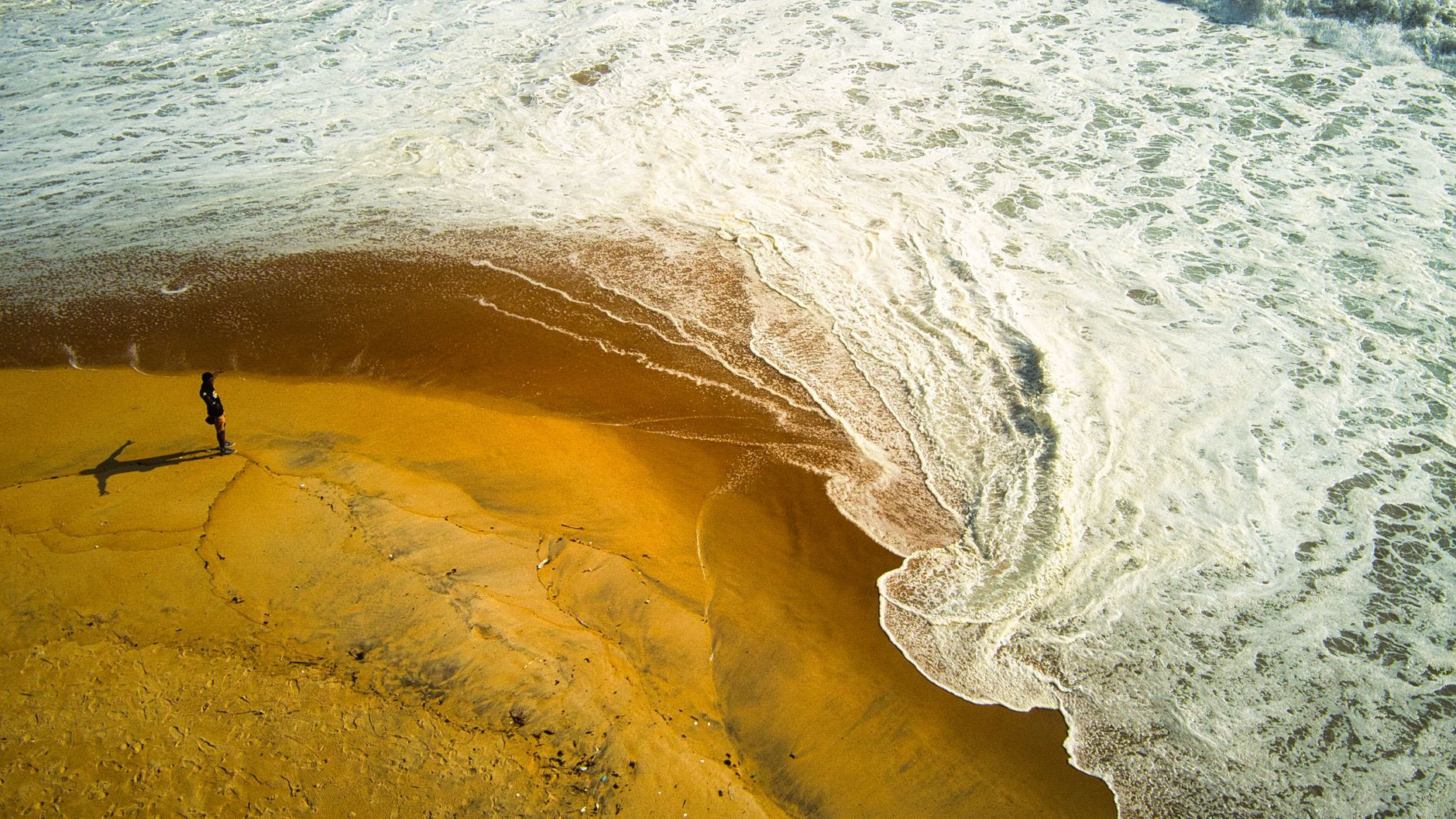
Visit the ceramic and pottery cooperatives along the lagoon road, where local women shape terracotta water jars, cooking pots, and decorative vessels using ancient pit-firing techniques. In the afternoon, arrange a scenic wooden boat excursion across the placid waters of the lagoon, exploring quiet mangrove channels and observing water birds including kingfishers and white egrets.
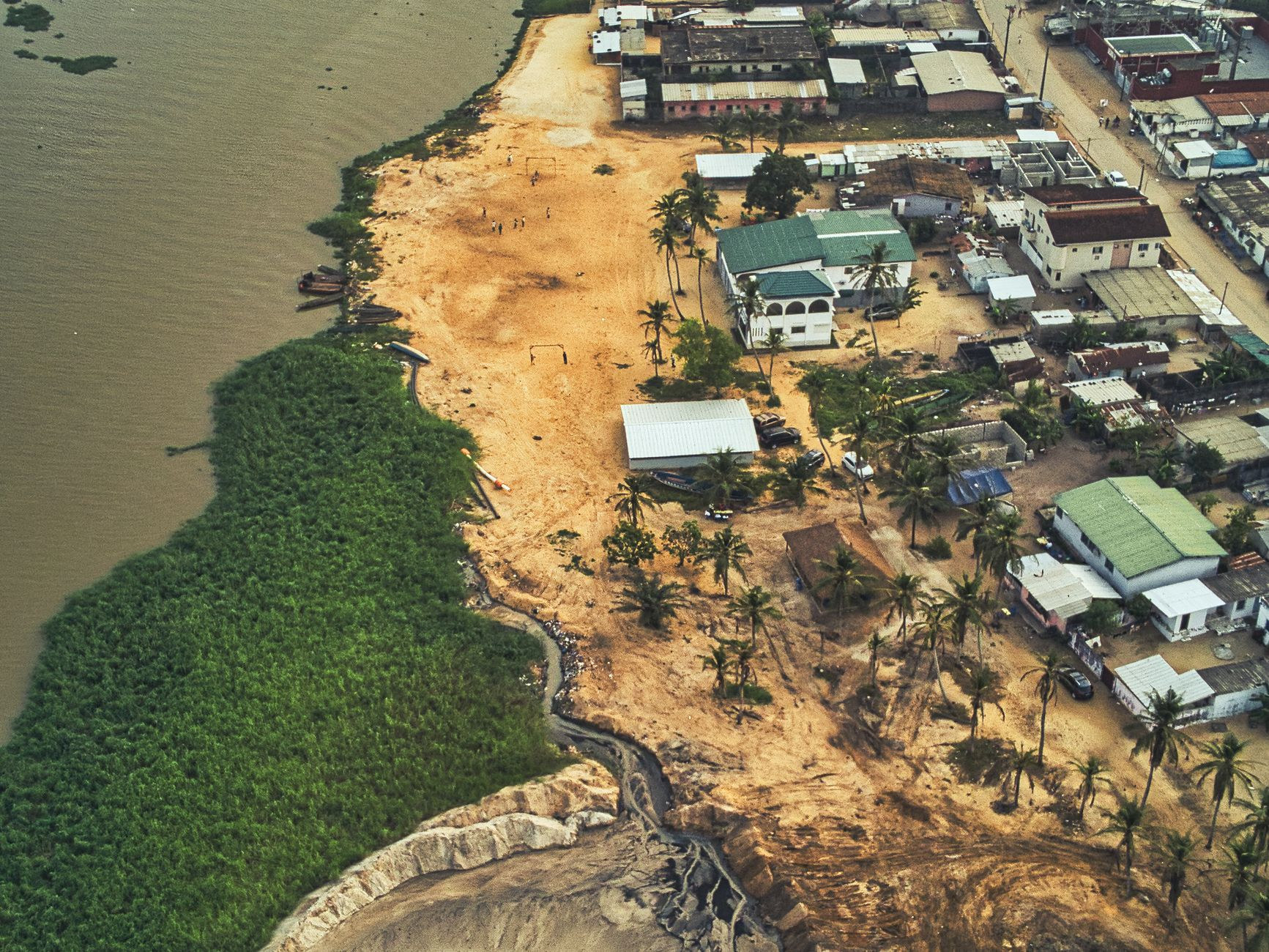
In the evening, dine at an oceanfront terrace on freshly caught lobster grilled over coconut husks, finished with garlic herb butter and sweet roasted plantains, accompanied by the hypnotic sound of ocean waves crashing onto the shore.
Day 5: Highway North to Yamoussoukro and the Great Basilica
Depart early on day five, meeting your private driver for the two-and-a-half-hour northward journey along the Autoroute du Nord to Yamoussoukro. The birthplace of Côte d’Ivoire’s founding president, Félix Houphouët-Boigny, Yamoussoukro was proclaimed the nation’s political capital in 1983. As you approach the city, six-lane avenues cut through rolling savannah hills, leading toward monumental public buildings constructed on a scale unprecedented in West Africa.
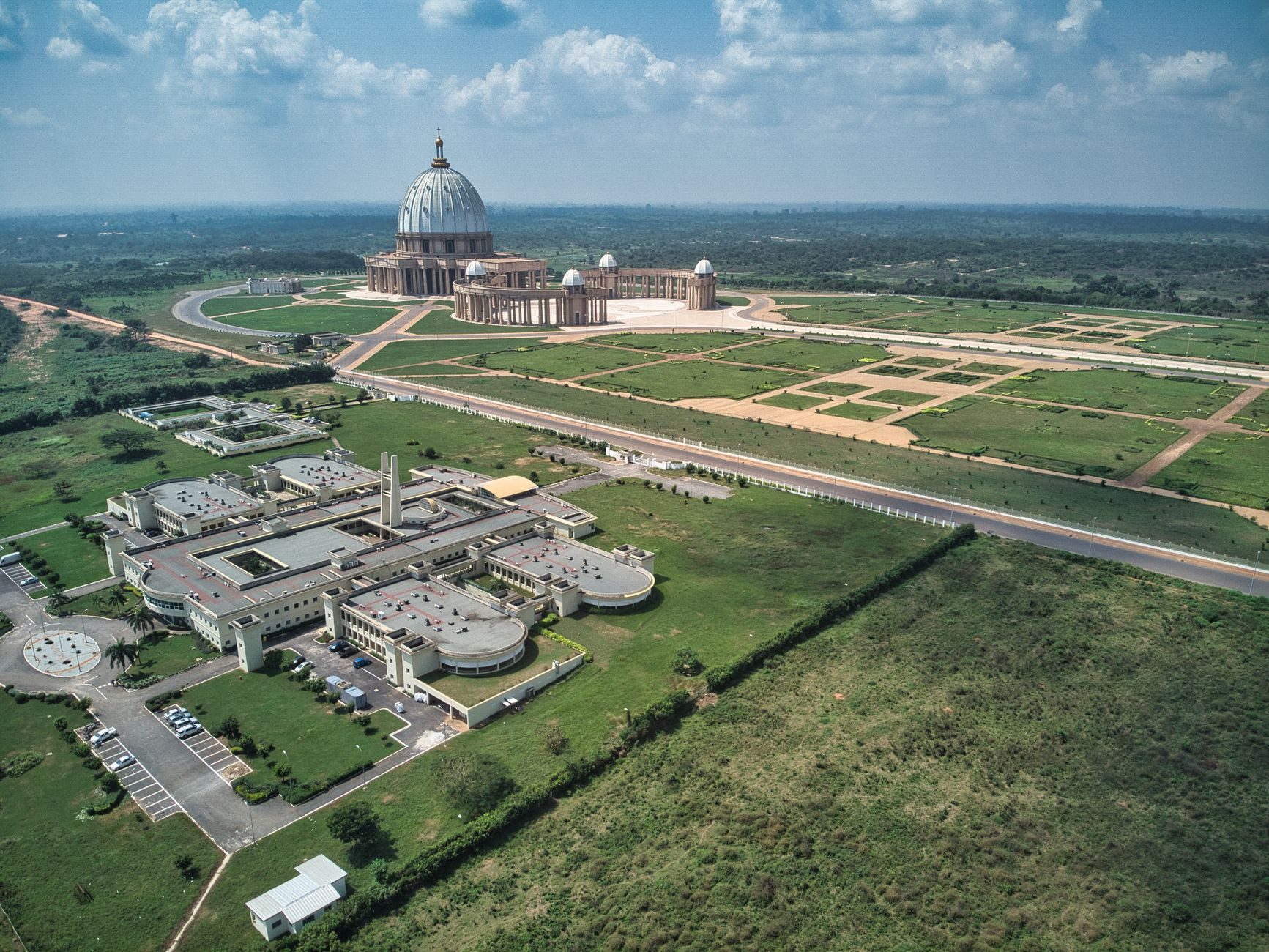
Your primary destination is the Basilica of Our Lady of Peace (*Basilique Notre-Dame de la Paix*), officially recognized by Guinness World Records as the largest Christian church on earth, surpassing even Saint Peter’s Basilica in Rome. Completed in 1989, the colossal dome rises one hundred and fifty-eight meters into the tropical sky, anchored by two giant circular colonnades modeled on Bernini’s Vatican plaza.
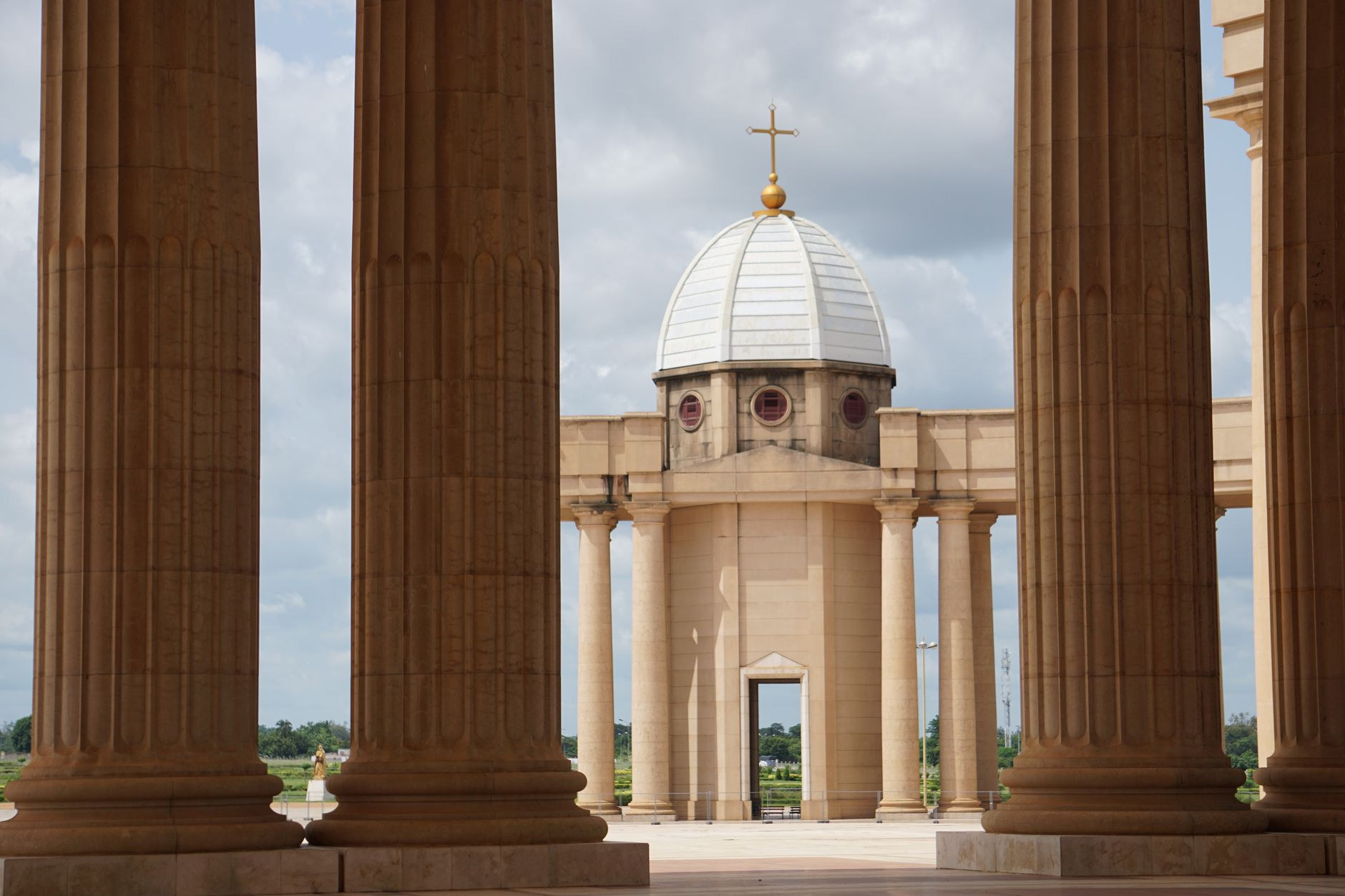
Join an official guided tour across the sprawling Italian marble esplanade and enter the air-conditioned nave, which accommodates seven thousand seated worshippers. Gaze up at the seven thousand square meters of hand-crafted French stained glass casting rich kaleidoscopic colors across the polished granite floors. In the late afternoon, drive past the Presidential Palace to observe the famous Sacred Crocodile Lake (*Lac aux Caïmans*), where hundreds of giant Nile crocodiles inhabit the palace moat waters.
Day 6: Baoulé Weavers and the Foundation for Peace
Begin day six with a short twenty-minute excursion northwest of Yamoussoukro to the village of Bomizambo, renowned across West Africa for its traditional Baoulé textile weaving. In this tranquil community, master weavers operate wooden handlooms suspended beneath shade trees, creating intricate geometric cloth known as *pagne Baoulé*.
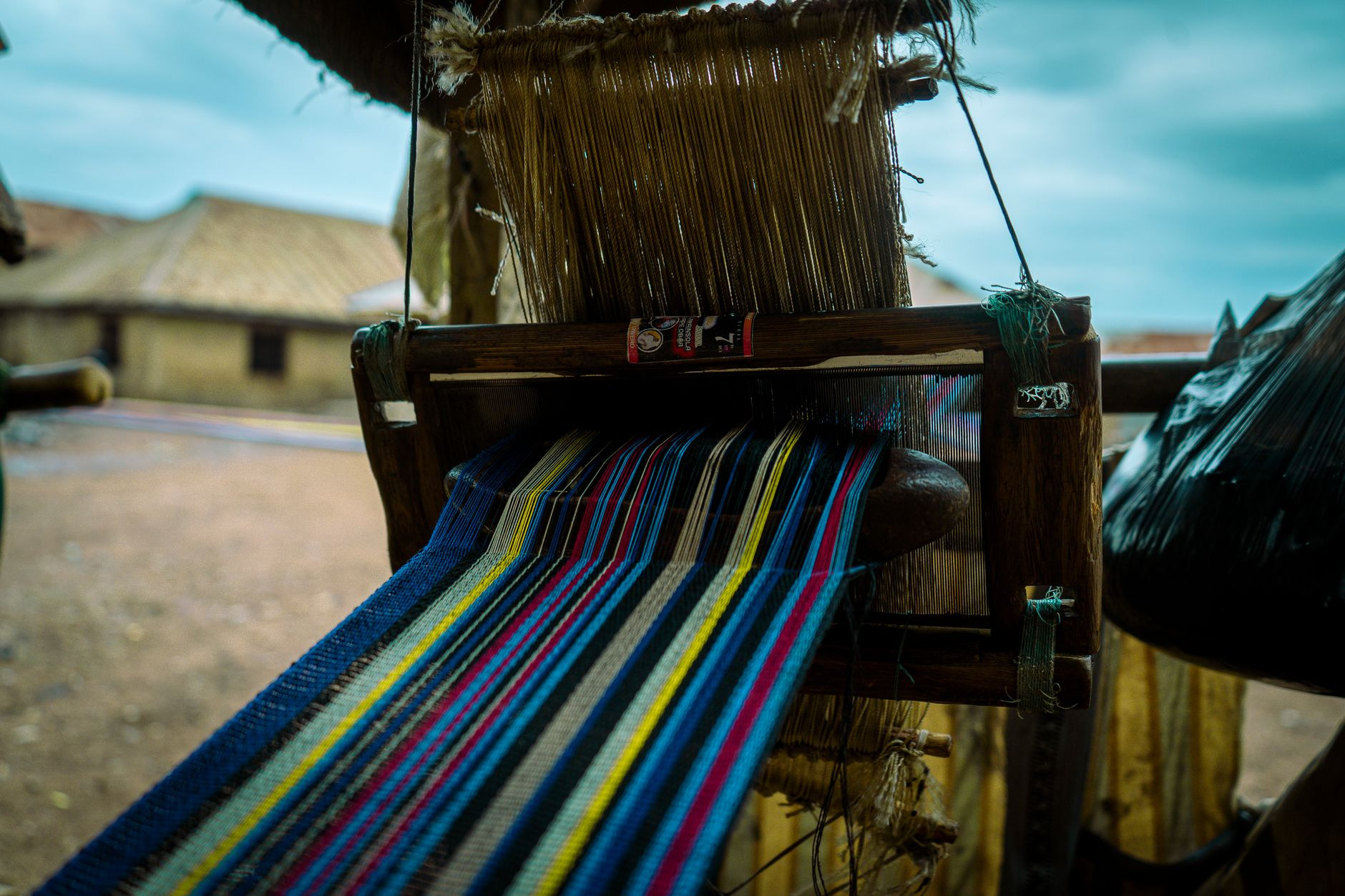
Watch artisans carefully thread fine cotton yarns dyed with natural indigo and tree bark extracts, weaving narrow fabric strips that are subsequently hand-stitched into majestic ceremonial wrappers. Purchase authentic lengths of woven textile directly from the weavers at fair cooperative prices, supporting local rural craft livelihoods.
Return to Yamoussoukro to visit the Félix Houphouët-Boigny Foundation for Peace, a monumental international research center featuring an imposing glass-and-marble auditorium, grand reception halls, and historical exhibits documenting West Africa’s modern diplomatic history. Enjoy dinner in the city center, tasting local specialties such as *kédjénou*—a slow-simmered chicken and vegetable stew cooked with thyme and habanero peppers inside a sealed clay pot.
Day 7: Return to Abidjan, CAVA Artisan Market, and Departure
Depart Yamoussoukro after breakfast for the return highway drive southward to Abidjan. Arriving back in the economic capital by early afternoon, make a final cultural stop at CAVA (*Centre Artisanal de la Ville d’Abidjan*), located in the Treichville district. This organized open-air craft center brings together skilled artisans from across Côte d’Ivoire and neighboring nations.
CAVA offers an ideal environment for purchasing high-quality souvenirs: carved Senufo bird statues, Baoulé face masks, hand-woven Dan textiles, and organic raw cocoa butter. Fixed bargaining is customary, but prices remain transparent and merchants are welcoming. Head to Félix-Houphouët-Boigny Airport at least three hours before your international flight home, completing a captivating journey through modern skylines, UNESCO colonial heritage, and monumental architecture across Côte d’Ivoire.
Mobile Connectivity and Digital Navigation in Côte d’Ivoire
Maintaining fast and reliable mobile data while travelling across Côte d’Ivoire is essential for utilizing the Yango ride-hailing app in Abidjan, checking real-time highway traffic updates along the Autoroute du Nord, translating conversational French with local artisans, and coordinating airport transfers with hotel drivers. Relying exclusively on hotel Wi-Fi is impractical, as regional guesthouses in Grand-Bassam and Yamoussoukro frequently experience connection dropouts and low bandwidth that does not reach beachfront terraces or garden bungalows.
The most convenient and dependable mobile solution for international travellers is setting up an eSIM prior to departure. The NXTL Ivory Coast eSIM connects directly to Orange Côte d’Ivoire, the nation’s premier telecommunications network offering fast 4G and LTE data across Abidjan, Grand-Bassam, and Yamoussoukro. Operating on straightforward pay-as-you-go data at $5.64 per gigabyte, NXTL provides instant connectivity the moment your aircraft touches down at ABJ airport, eliminating tedious airport registration queues and French-language paperwork. Your purchased data balance never expires, ensuring any remaining credit remains preserved for your future travels across more than 180 supported countries worldwide.
Travel Pitfalls and Ivorian Regional Realities to Avoid
Côte d’Ivoire is a hospitable and welcoming destination that has enjoyed remarkable political stability and economic resurgence. Violent crime against tourists is rare. However, navigating bustling transport hubs, unfamiliar currency, and urban markets requires practical caution:
- Orange Meter Taxi (“Compteur”) Rigging and Airport Surcharges: At Félix-Houphouët-Boigny Airport and outside major tourist hotels in Abidjan, taxi drivers frequently refuse to turn on the meter, claiming it is broken or quoting flat rates three times the legal fare. Insist firmly that the driver engage the meter (*”Mettez le compteur, s’il vous plaît”*), or use ride-hailing apps like Yango that lock in transparent, tracked pricing before you enter the vehicle.
- Dangerous Crocodile Feeding Touts in Yamoussoukro: Around the moat of the Presidential Palace in Yamoussoukro, informal street hustlers frequently approach tourists offering to feed the giant Nile crocodiles by tossing live chickens onto the banks to bait the reptiles into striking. This unregulated activity is dangerous, unpredictable, and strictly prohibited by local municipal authorities. Observe the crocodiles safely from the elevated bridge parapets without paying informal touts.
- Street Money Changers and Mutilated Banknotes: In busy commercial centers like Treichville and Adjamé, unauthorized street changers offer informal currency conversions. These operators frequently short-change customers or pass off torn, heavily taped, or worn banknotes that local shopkeepers and taxi drivers will reject. Always exchange foreign currency at registered commercial banks or official exchange offices in Le Plateau or Cocody.
- Fake Antique Tribal Masks and Artificial Patinas: Street souvenir hawkers in Grand-Bassam and around tourist markets often claim that carved Baoulé, Dan, or Senufo masks are genuine nineteenth-century ritual artifacts, accompanied by fabricated certificates of antiquity. Exporting genuine cultural antiquities from Côte d’Ivoire is strictly illegal. These items are contemporary reproductions artificially aged with shoe polish and smoke. Appreciate them as decorative crafts and pay standard artisan prices.
- Navigating Crowded Gbakas and Wôrô-Wôrôs with Luggage: Shared green taxis (*wôrô-wôrô*) and white minibuses (*gbakas*) are designed for local daily commuting without large bags. Boarding these vehicles with bulky suitcases exposes travellers to conductor luggage surcharges and heightened pickpocketing risks during crowded boardings. Stick to private meter taxis, Yango rides, or a hired car with driver for all point-to-point transit.
By respecting local customs, maintaining reliable digital connectivity, and traveling along Côte d’Ivoire’s modern highway infrastructure, your voyage through Abidjan, Grand-Bassam, and Yamoussoukro will deliver an extraordinary, culturally rich West African journey.