South Sudan, recognized as the world’s youngest sovereign nation following its independence in July 2011, occupies a vast territory across the fertile basin of the White Nile in East-Central Africa. The country possesses extraordinary cultural traditions and ecological scale. Along the floodplains and wooded savannas, indigenous pastoralist communities—including the Mundari and Dinka—maintain pastoral traditions centered on sacred long-horned cattle, while national parks such as Bandingilo and Boma host the newly documented Great Nile Migration of millions of migratory antelopes.
However, prospective travelers must approach South Sudan with uncompromising realism and strict operational preparation. Following decades of civil struggle and ongoing localized conflict, the nation faces severe security and infrastructural challenges. Diplomatic services across Western nations—including the British Foreign, Commonwealth & Development Office and the United States Department of State—advise unequivocally against all travel to South Sudan. Advisories cite chronic risks of armed violence, intercommunal conflict, carjackings, high levels of violent crime, and an almost complete absence of emergency medical or consular support outside the capital.
For humanitarian logisticians, diplomatic personnel, energy engineers, visiting diaspora families, and experienced expeditioners operating with accredited security coordinators, navigating South Sudan demands rigorous compliance with state regulations. Every stage of travel—from online electronic visas and mandatory municipal registration to photography clearances, cash management, and high-cost satellite telecommunications—requires disciplined planning. This guide delivers verified operational intelligence for navigating Juba and the accessible White Nile corridor safely.
Before confirming flight bookings into Juba, travelers must understand that entry and domestic movement in South Sudan are subject to strict administrative oversight. Operating outside legal frameworks will result in immediate detention or expulsion.
Bureaucratic Protocols: E-Visas, Alien Registration & Photography Permits
Entering and operating legally in South Sudan requires clearing multiple bureaucratic hurdles well before arrival, followed by immediate administrative steps on the ground.
Travelers must obtain an official Electronic Visa (e-Visa) prior to departure via the government portal (`evisa.gov.ss`). Applicants submit passport scans, flight bookings, an official letter of invitation from a registered host organization or licensed local tour operator, and consular processing fees. Upon approval, travelers receive an electronic visa authorization letter that must be printed and presented at Juba International Airport (JUB) to receive an entry stamp. Ensure your passport has at least six months of remaining validity and at least two blank visa pages.
The most critical post-arrival regulation is Mandatory Alien Registration. Under South Sudanese immigration statutes, all foreign nationals staying in the country must register within seventy-two hours of arrival at the Directorate of Nationality, Passports and Immigration (DNPI) headquarters in Juba. While major international hotels assist guests with registration submissions, personal appearance or passport surrender is mandatory. The registration officer stamps your passport with an official entry registration seal upon payment of the registration fee. Failing to register results in heavy financial penalties, aggressive questioning, and denied departure at JUB airport.
Photography is governed by strict national security regulations. Casual photography or smartphone video recording in public spaces is strictly illegal without an official Photography Permit issued by the Ministry of Information, Communication Technology and Postal Services. Securing this permit requires submitting passport copies, passport photos, and an official fee through a local sponsor. Even with an official permit, photographing military compounds, police checkpoints, government ministries, airports, or the strategic Juba Bridge over the White Nile is treated as espionage and will lead to immediate arrest and camera confiscation.
Health protocols are enforced strictly upon landing. Presentation of a valid International Certificate of Vaccination (Yellow Card) showing yellow fever immunization is legally mandatory for all arriving passengers. Furthermore, malaria transmission is severe year-round; travelers must maintain an uninterrupted course of prescribed antimalarials and sleep under insecticide-treated bed nets.
Geographic Scope: Monitored Capital Hub vs. Rural Regional Zones
Understanding geographical security zones is essential when planning movement in South Sudan. The country cannot be traversed casually, and conditions vary dramatically between the capital and outlying states.
The primary monitored operational zone is the national capital, Juba, located in Central Equatoria along the White Nile. Juba serves as the headquarters for United Nations agencies (UNMISS), international non-governmental organizations, diplomatic missions, and commercial enterprises. The city features a network of secure business hotels, international dining venues, and private residential compounds equipped with perimeter security and standby generators. While street crime, nighttime robberies, and vehicle smash-and-grabs occur, daytime movement within central districts like Kololo and Hai Malakal is manageable with private chauffeured vehicles.
Conversely, regional provinces—including Jonglei, Unity, Upper Nile, and Western Bahr el Ghazal—suffer from chronic localized violence, armed cattle raiding, intercommunal conflict, and impassable dirt roads during the rainy season (May through October). Travel into these interior zones by road is dangerous and should never be attempted independently.
For authorized excursions outside Juba—such as visiting the Mundari cattle camps around Terekeka seventy-five kilometers north along the river—travelers must secure written travel clearance from the National Security Service (NSS) and local county commissioners, accompanied by experienced local guides and dedicated security personnel.
Cultural Anchors: Juba, the White Nile & Mundari Cattle Camps
Despite modern challenges, South Sudan offers cultural encounters of extraordinary depth for authorized visitors traveling with responsible local operators.
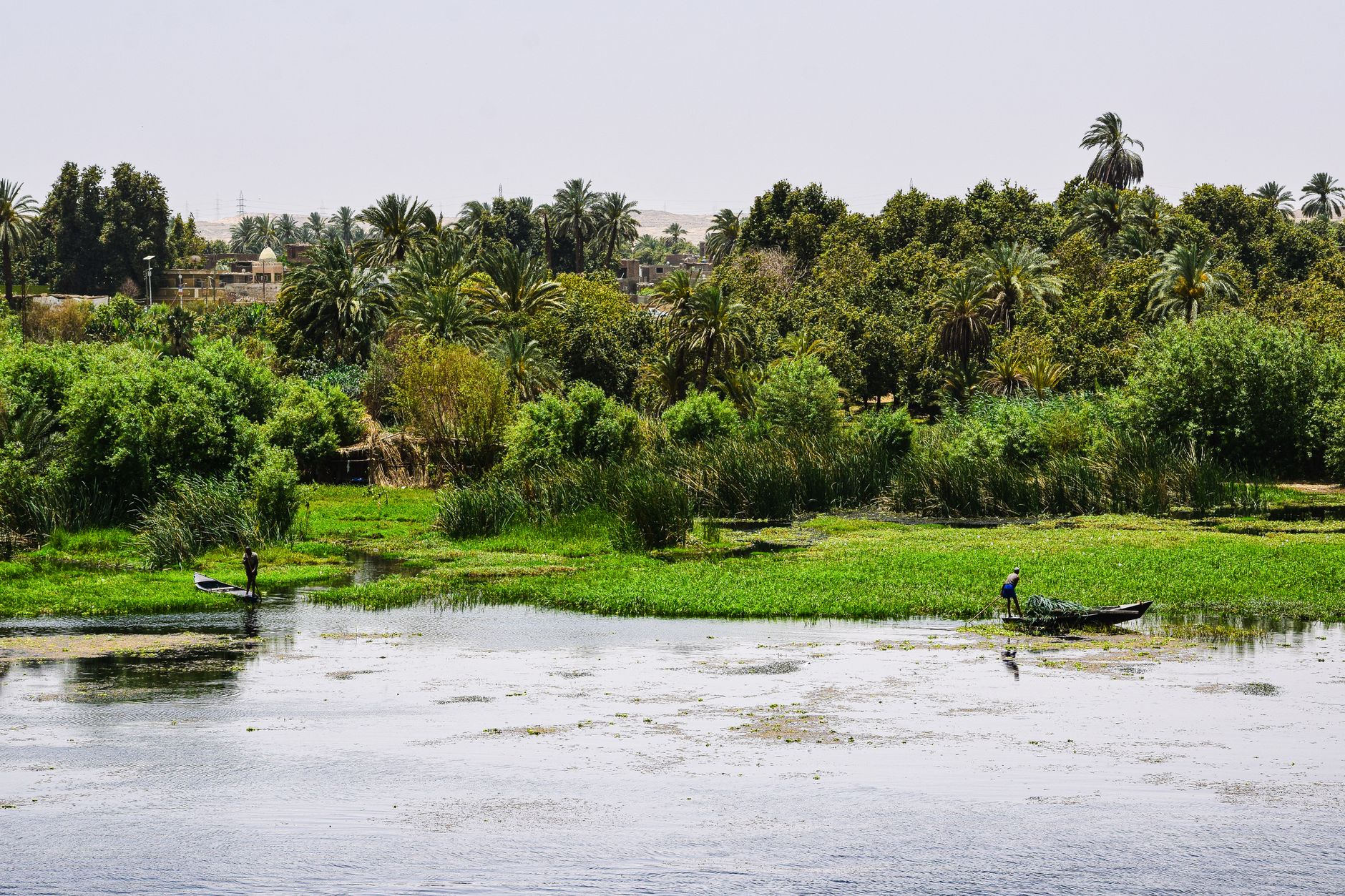
Within Juba, daily life centers on the magnificent expanse of the White Nile (Bahr al-Jabal). The riverfront hosts relaxed open-air restaurants and terraces, such as the Da Vinci Restaurant and Afex Camp, where visitors can watch local fishermen paddle traditional wooden dugouts through floating islands of papyrus and water hyacinth. In central Juba, the sprawling Konyo Konyo Market offers sensory immersion into the city’s commercial pulse, filled with stalls selling patterned cotton fabrics, Nile perch, spices, and handcrafted beadwork. On the city’s western edge, the granite dome of Jebel Kujur rises dramatically above the savanna, offering expansive views over the capital.
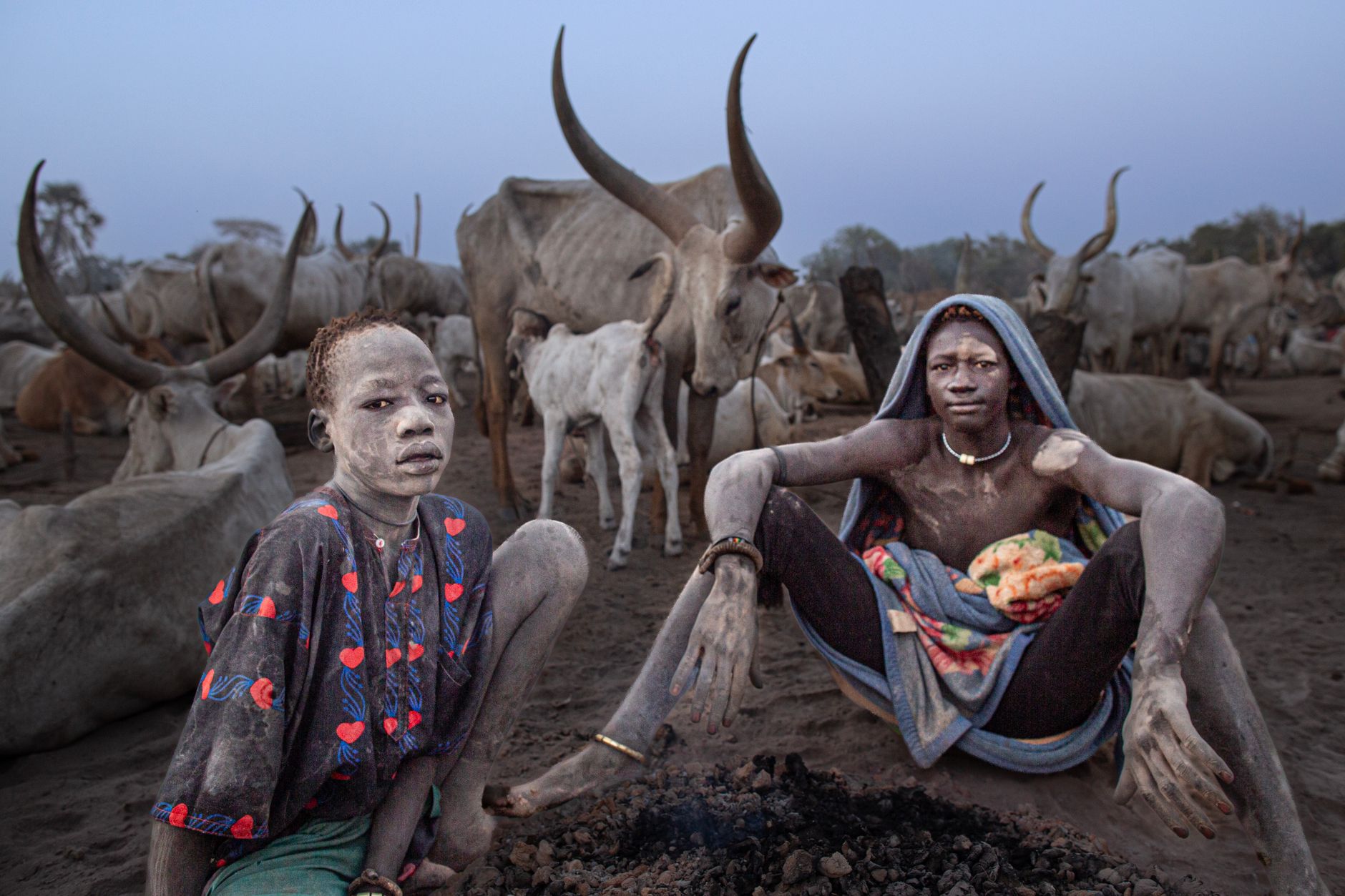
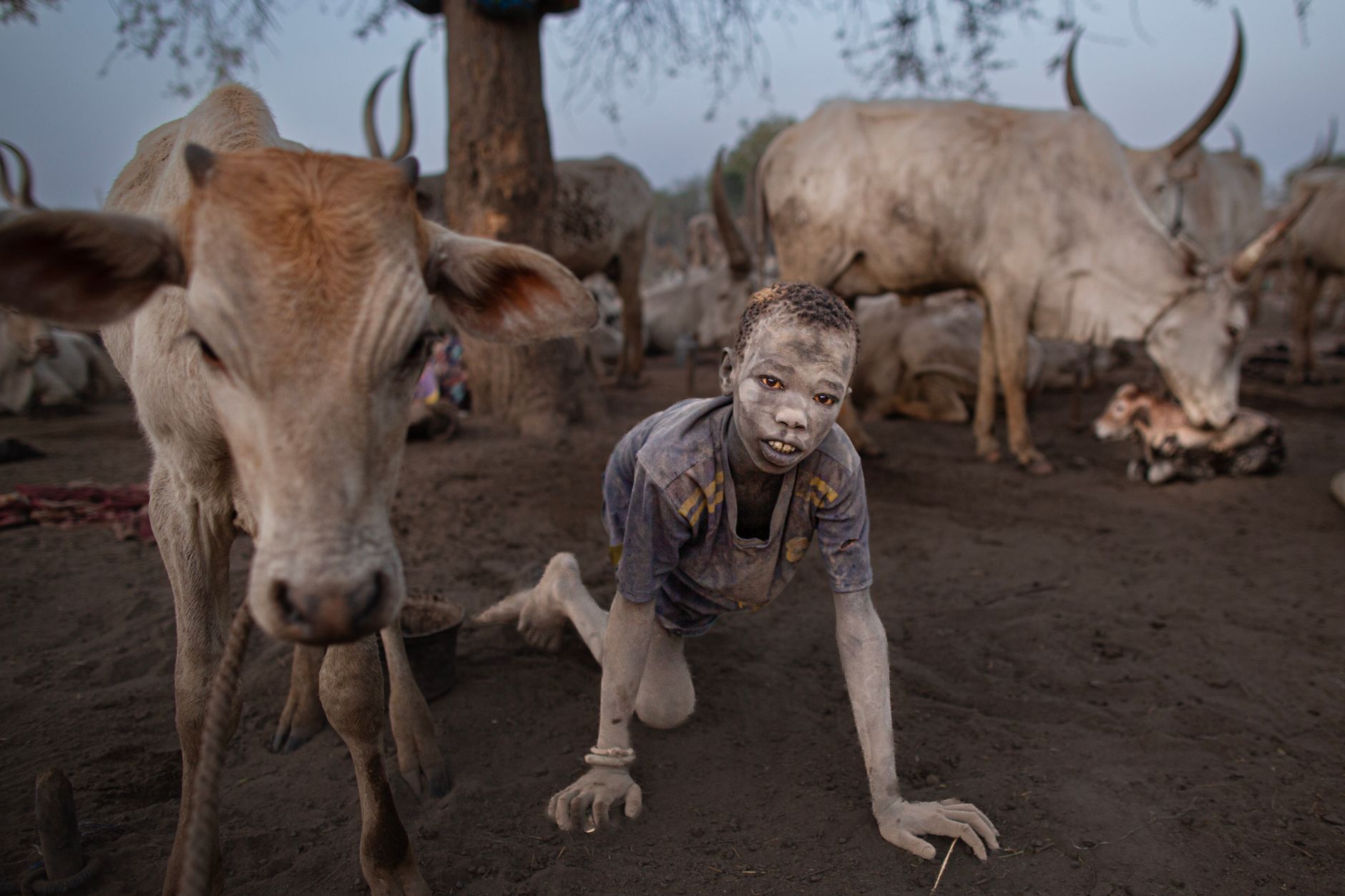
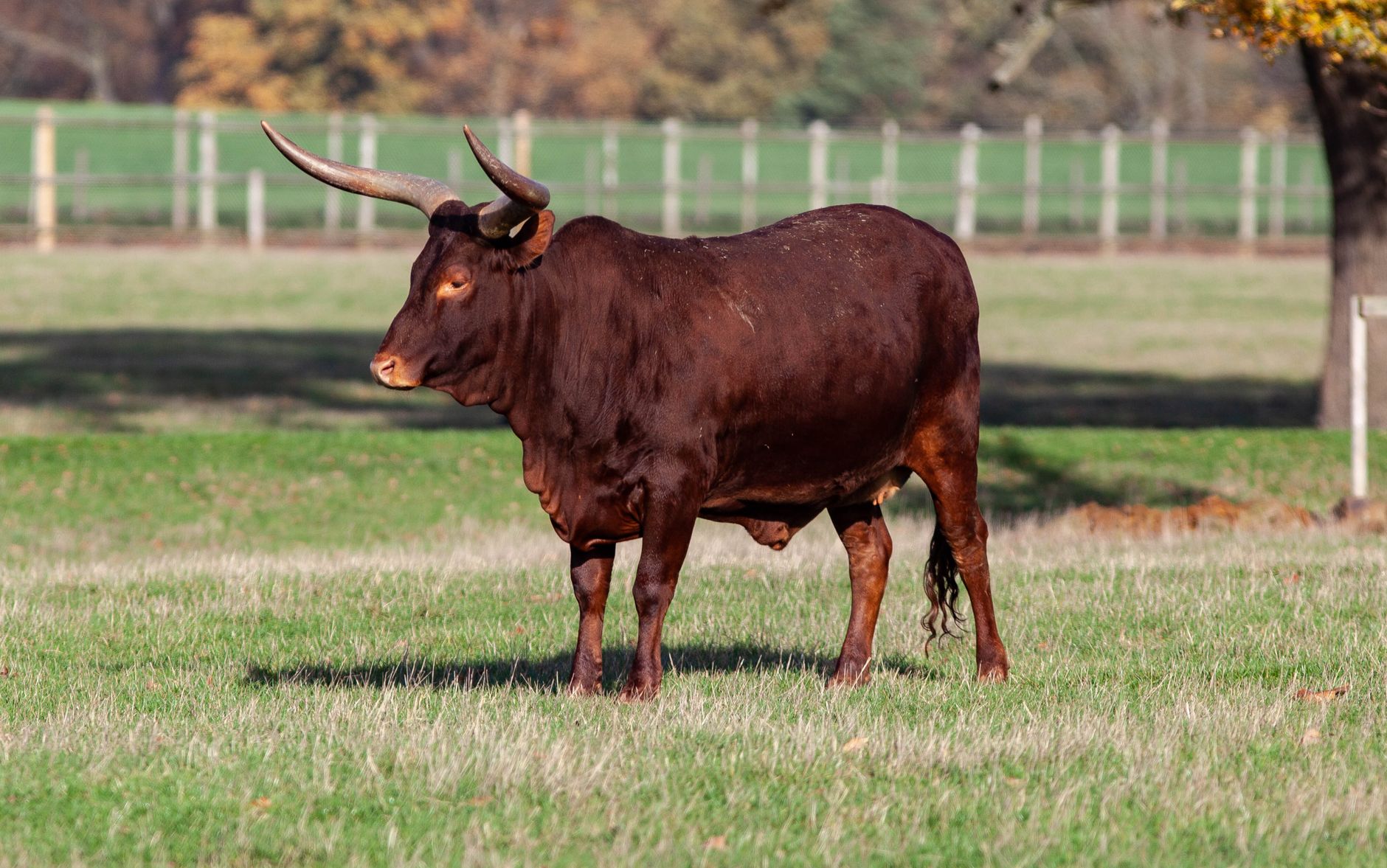
The defining cultural journey outside Juba leads north into the territory of the Mundari people around Terekeka. The Mundari are traditional agro-pastoralists whose spiritual, social, and economic life revolves around their revered Ankole-Watusi cattle. Known as the “cattle of kings,” these magnificent animals possess sweeping horns spanning more than two meters.
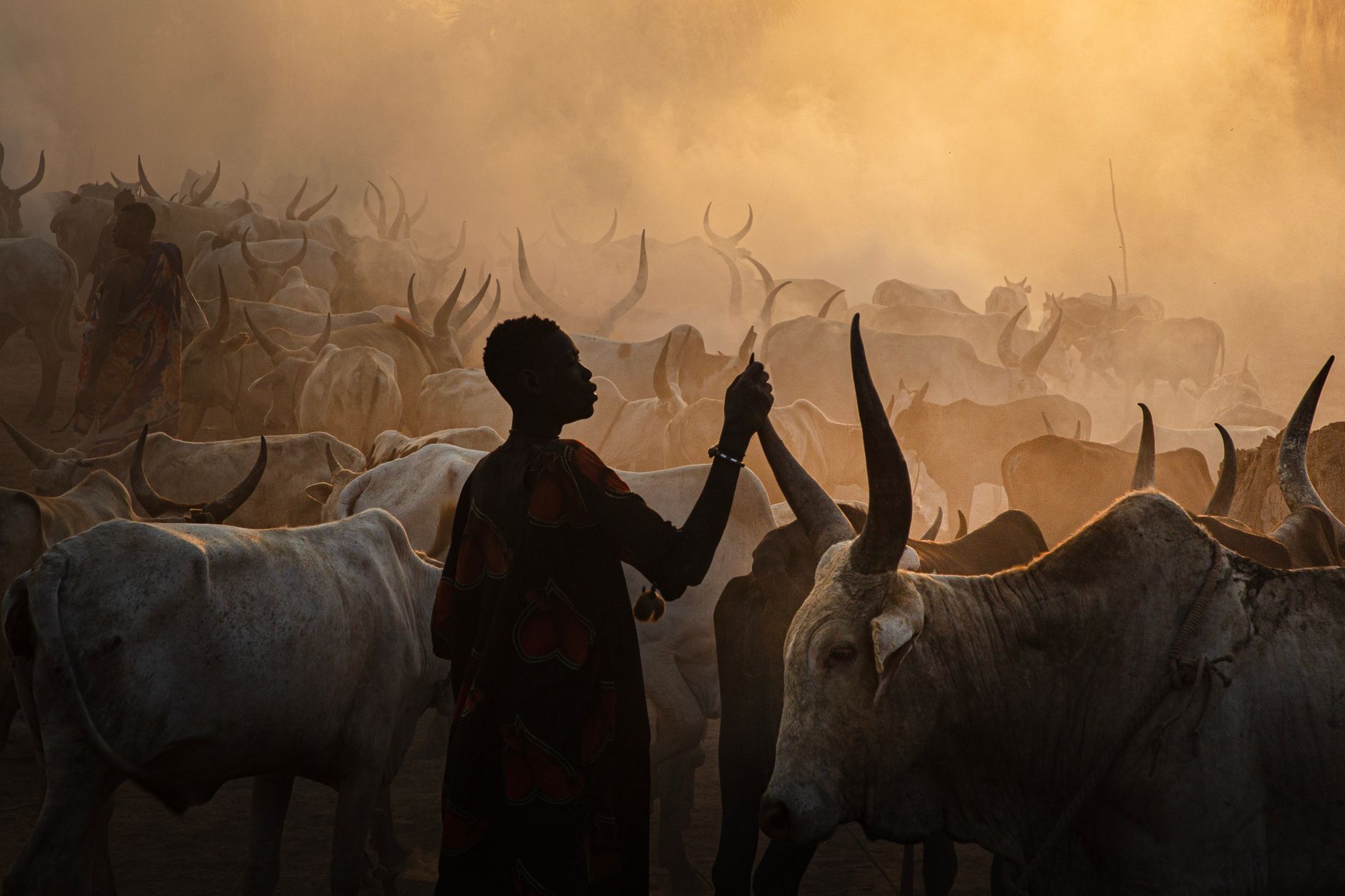
At sunrise and dusk, the cattle camps transform into an ethereal landscape. Herders burn mounds of dried cow dung, producing a dense aromatic haze that shields thousands of cattle from malarial mosquitoes. The Mundari rub fine peach-colored ash over their own skin and their cattle as a natural antiseptic, insect repellent, and sunscreen. Visiting a cattle camp requires deep cultural sensitivity, formal introductions to the camp elders, and strict adherence to local community guidelines.
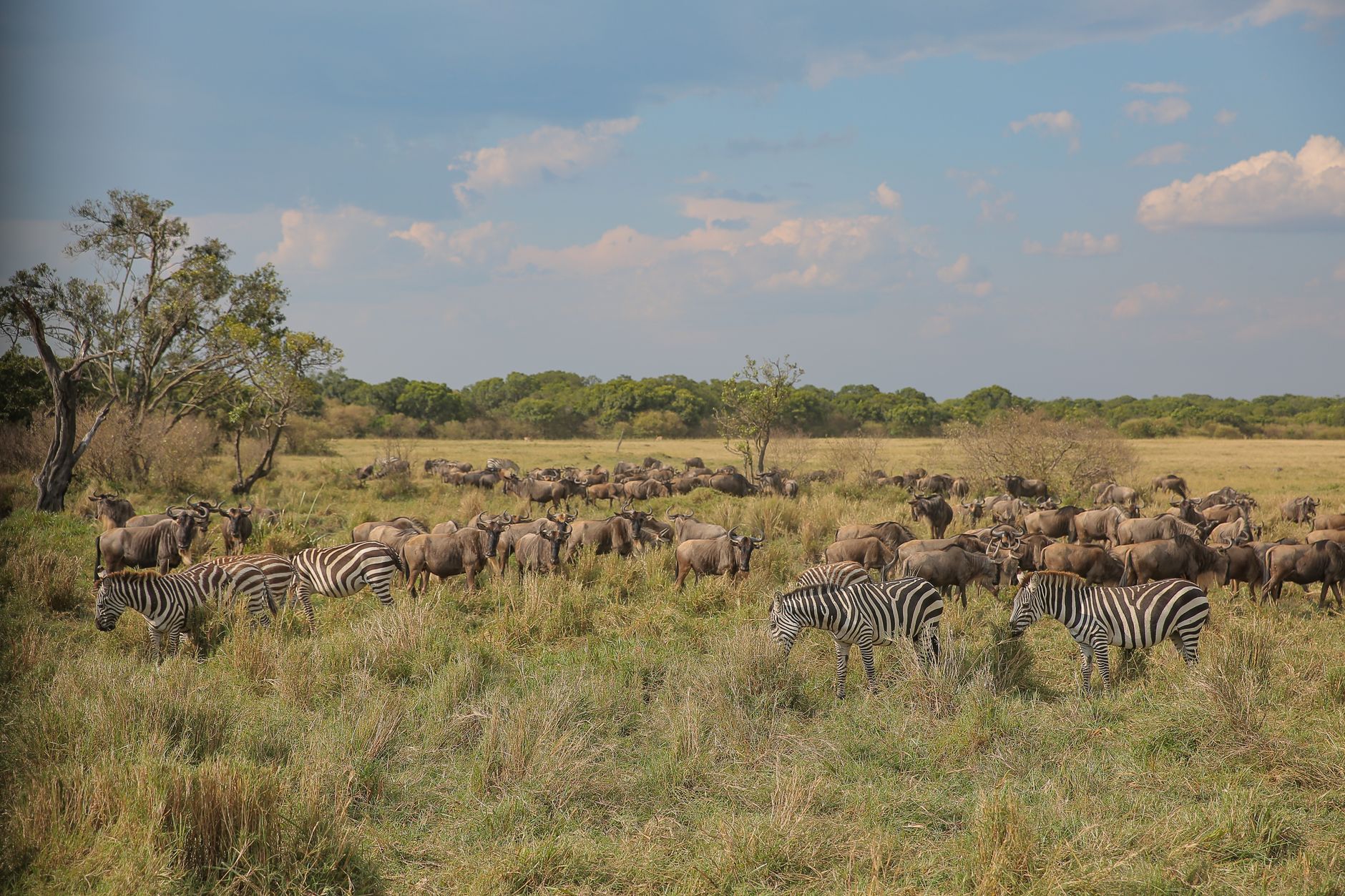
To the east of Juba lie Bandingilo and Boma National Parks. Recent comprehensive aerial surveys confirmed that these vast savannahs host the largest land mammal migration on Earth, with an estimated six million white-eared kob, tiang, and Mongalla gazelle traversing the plains annually. While safari infrastructure remains nascent, specialized conservation expeditions are beginning to unlock this ecological frontier.
Structured Six-Day Operational Itinerary: Juba & Central Equatoria
This structured six-day schedule balances urban orientation, administrative compliance, and monitored cultural field visits within the Central Equatoria corridor.
| Operational Stage | Overnight Base | Cultural & Natural Focus | Primary Transport Mode | Realistic Transit Time | Permits & Security Protocol |
|---|---|---|---|---|---|
| Day 1: Capital Arrival & Registration | Juba (Kololo / Hai Malakal) | JUB airport arrival, immigration clearance, hotel check-in, initial briefing | Private chauffeured 4×4 | 20–30 min airport transfer | Submit passport for 72-hour DNPI registration immediately |
| Day 2: Nile River & Urban Orientation | Juba Central | White Nile riverfront, Konyo Konyo artisan quarter, Jebel Kujur viewpoint | Chauffeured 4×4 | 15–20 min urban hops | Carry Ministry Photography Permit; avoid filming bridges or police |
| Days 3–4: Pastoralist Heritage | Terekeka Field Camp | Mundari cattle camp immersion, Ankole-Watusi herding, evening ash dung fires | Convoy of high-clearance 4x4s | 3–4 hours from Juba (75 km) | NSS travel permits required; accompanied by accredited security escort |
| Day 5: Riverine Ecology & Return | Juba Base | Return transit along White Nile corridor, river terrace dining, craft sourcing | Chauffeured 4×4 convoy | 3.5 hours road transit | Daylight transit only; conclude road movement before 16:00 |
| Day 6: Debriefing & Departure | Juba Airport Corridor | Verify DNPI registration exit stamp, export clearance, departure from JUB | Private chauffeured transfer | 30 min airport transfer | Arrive at JUB 3.5 hours prior; verify checked luggage regulations |
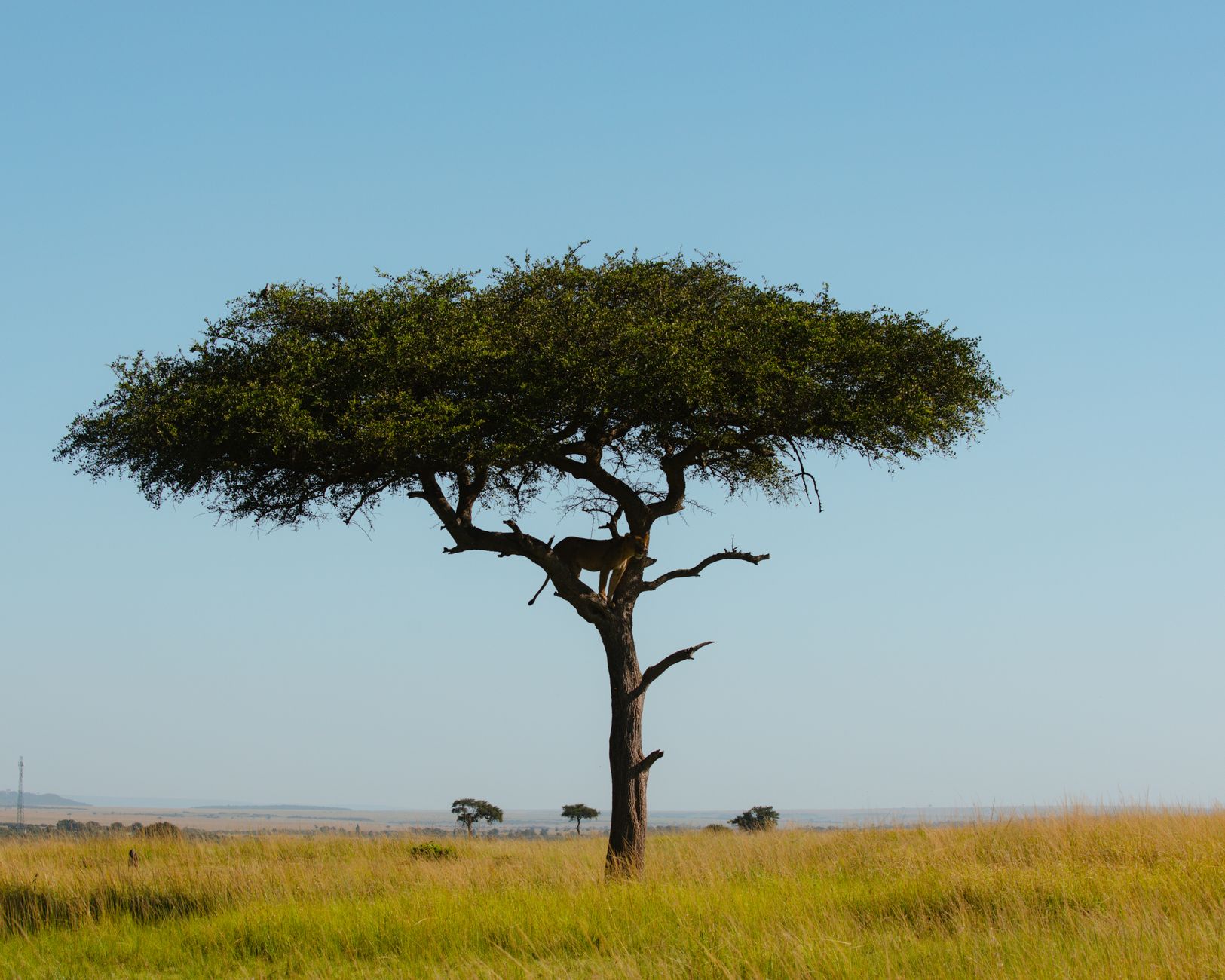
Every overland transit outside Juba requires heavy-duty four-wheel-drive vehicles equipped with dual spare tires, high-lift jacks, and emergency recovery equipment. Paved roads end abruptly outside the capital.
Financial Logistics: Total Cash Reliance & Currency Volatility
Navigating the economy in South Sudan requires complete reliance on physical cash. The country’s commercial banking infrastructure is disconnected from international retail networks.
The official legal tender is the South Sudanese Pound (currency code SSP). Due to chronic inflation and foreign exchange imbalances, the market exchange rate of the SSP fluctuates rapidly. International credit and debit cards (Visa, Mastercard, American Express) are completely inoperable across ordinary commercial shops, restaurants, markets, and transport operators. Automated teller machines (ATMs) connected to foreign networks do not exist in the country. Only a handful of top-tier international hotels in Juba (such as the Radisson Blu and Pyramid Continental) accept international credit cards for lodging charges, often with substantial processing surcharges.
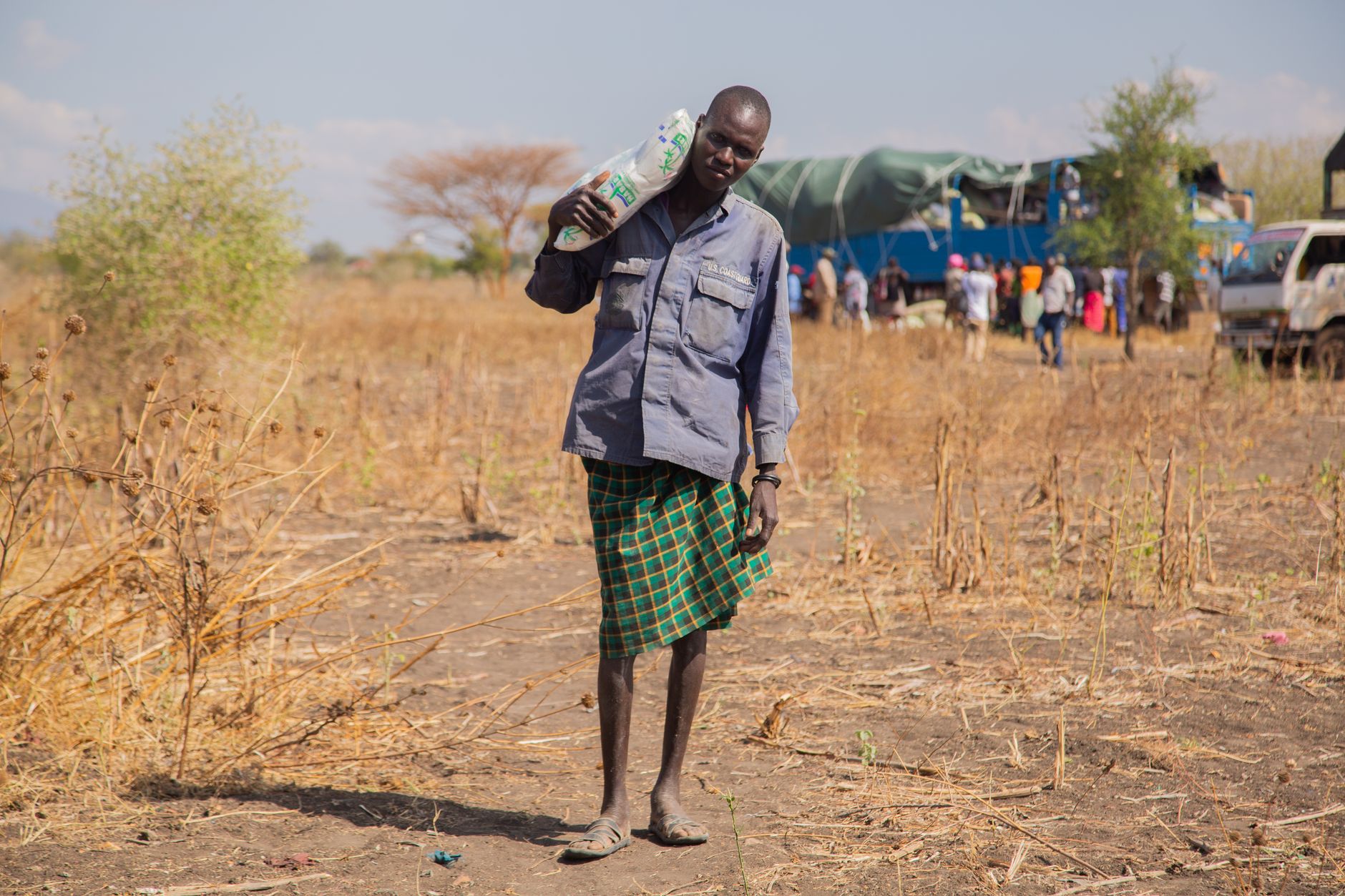
Travelers must carry sufficient physical cash in US Dollars (USD) to fund their entire itinerary, including domestic permits, private drivers, accommodations, and contingency reserves. US Dollar banknotes must be in unblemished, pristine condition: perfectly clean, without tears, folds, stamps, or ink marks. Furthermore, exchange bureaus and vendors strictly require modern series banknotes printed after 2013 (“blue” hundred-dollar bills). Older banknotes will be rejected outright. Cash can be converted into South Sudanese Pounds through commercial bank counters or licensed foreign exchange bureaus (*Forex*) in central Juba.
Cultural Customs, Social Protocols & Pastoral Etiquette
South Sudan is a cultural mosaic of more than sixty distinct ethnic groups, each maintaining intricate social codes, kinship structures, and rich oral traditions. Navigating interpersonal interactions requires deep dignity and respect.
In South Sudanese culture, greetings are formal and unhurried. When meeting someone, offer a firm handshake with your right hand, make respectful eye contact, and inquire about their health and family. Displaying impatience, raising your voice, or displaying anger in public is considered a grave loss of dignity and self-control. Respect for community elders and traditional leaders is paramount; always seek elder permission before entering a village or cattle camp.
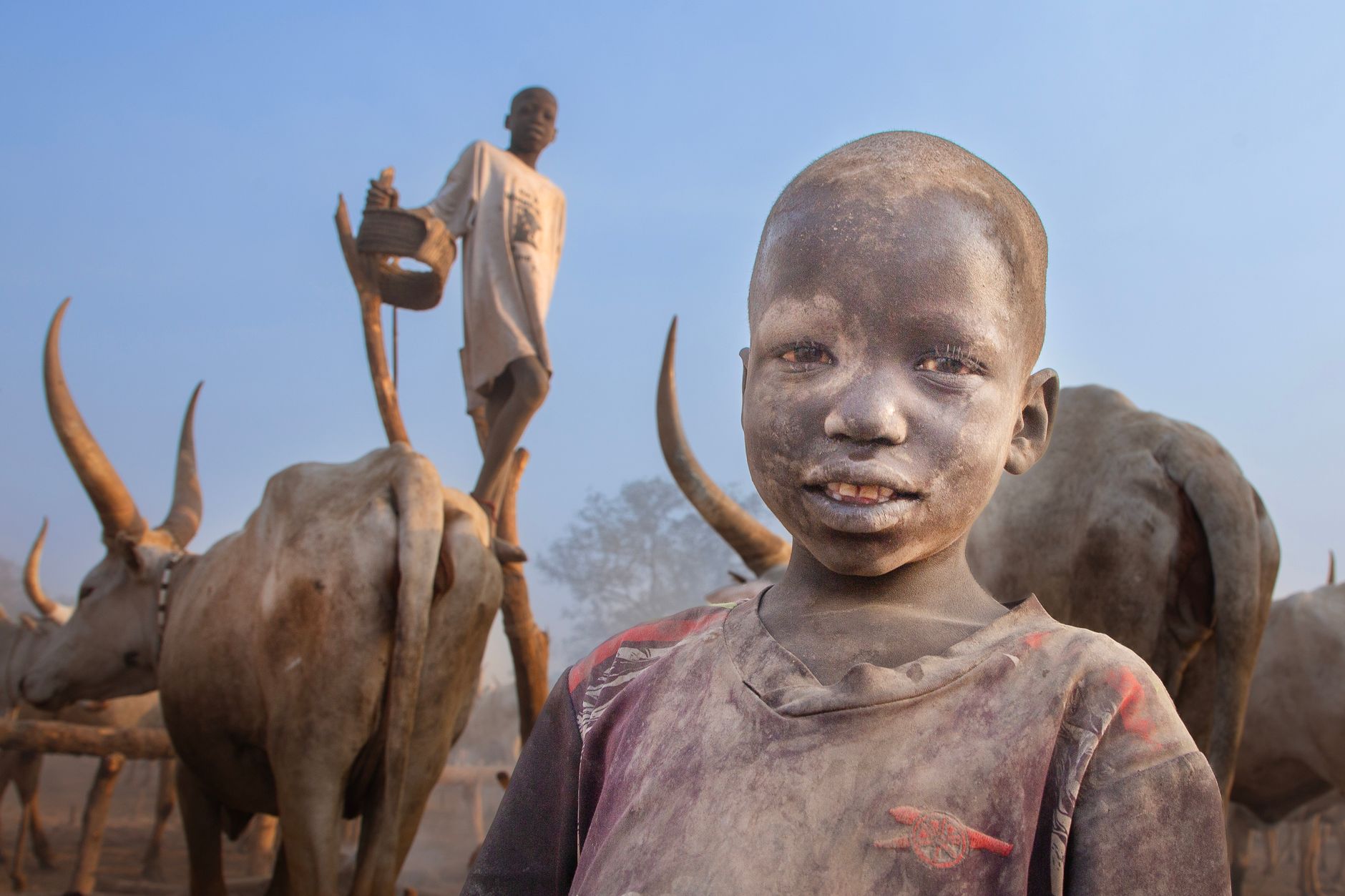
Within pastoral communities like the Mundari, cattle represent sacred ancestral heritage, family dowries, and social standing rather than mere commercial livestock. Never touch a bull’s horns or attempt to mount an animal without an explicit invitation from the owner. Always dress modestly in public spaces, covering shoulders and knees. Public displays of affection are strictly frowned upon.
Disciplined communication planning is just as critical as physical preparation, particularly given the unique economic realities of telecommunications in South Sudan.
Field Connectivity: High-Cost Mobile Data Math & MTN LTE Discipline
Maintaining cellular connectivity is an essential operational requirement for safety coordination, route tracking, and logistical communication in South Sudan. However, telecommunications in the country operate under extraordinary economic constraints.
The national cellular network is dominated by MTN South Sudan, alongside Zain South Sudan and Digitel. MTN operates the country’s most reliable 4G/LTE cellular grid, delivering solid coverage across Juba, the airport corridor, and primary roads in Central Equatoria. Outside major population centers, coverage rapidly transitions to 3G or drops off entirely.
Purchasing a physical SIM card locally is a tedious bureaucratic process requiring in-person visits to MTN service centers, original passport documentation, biometric fingerprint recording, and lengthy manual network provisioning.
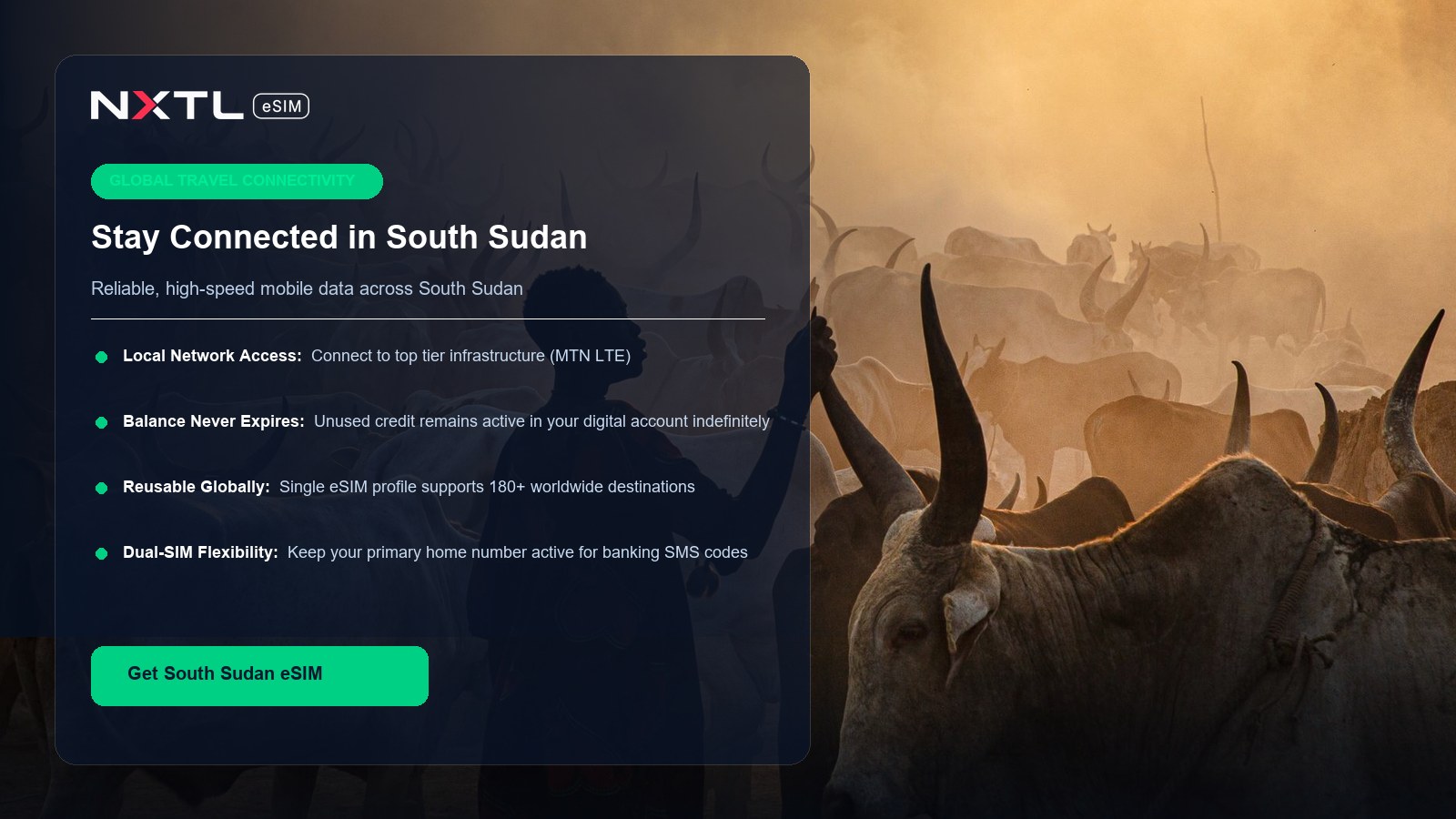
Connecting with an MTN LTE eSIM for South Sudan through NXTL at $151.85 per gigabyte provides immediate digital cellular connectivity the moment your flight lands in Juba. Unused credit stays available for later trips across more than 180 countries. Because the cost of mobile data reflects the high infrastructure expense of remote satellite backhauls, diesel generator fueling, and government excise taxes in a post-conflict territory, travelers must manage cellular data with mathematical discipline.
At $151.85 per gigabyte, mobile data costs approximately $0.15 per megabyte. To avoid unexpected data consumption, implement these mandatory operational measures before landing:
First, enable “Low Data Mode” across your cellular settings and disable background app refresh entirely. Second, turn off automatic cloud photo backups (iCloud Photos, Google Photos) and automatic operating system or application updates over cellular data. A single unmonitored background phone update of one gigabyte would consume over $151.39. Third, pre-download complete offline regional maps on Google Maps or Maps.me, download offline translation files, and cache all hotel vouchers and flight itineraries while connected to hotel Wi-Fi in Juba. Fourth, reserve cellular mobile data strictly for critical operational text messaging (WhatsApp text, flight updates, emergency location coordinates). A standard text message of twenty kilobytes costs less than a third of a cent, making text communication completely practical when managed with care.
WhatsApp is the universal operational communication tool across all administrative, diplomatic, and commercial sectors in Juba. From hotel management and private chauffeur coordination to embassy security updates, virtually all daily communications are handled via WhatsApp messaging.
Five Critical Pitfalls and Security Realities to Navigate in South Sudan
Conducting travel within South Sudan requires strict adherence to security protocols and legal regulations. Avoid these five major pitfalls:
- Failing to Complete Mandatory Alien Registration Within 72 Hours: Neglecting to register your passport at the Directorate of Nationality, Passports and Immigration (DNPI) in Juba within three days of arrival is a serious immigration violation. You will face heavy fines, intense interrogation, and potential exit denial at Juba airport.
- Taking Photographs Without an Official Ministry Photography Permit: Using a camera or smartphone in public without an accredited photography permit from the Ministry of Information is treated as espionage. Security personnel will confiscate equipment and detain individuals who photograph infrastructure, military personnel, or bridges.
- Leaving Background Mobile Data and Automatic Updates Enabled on Cellular: On high-cost cellular tariffs ($151.85/GB), leaving background cloud syncing, app updates, or video auto-play active will cause extreme data consumption within minutes. Always enforce Low Data Mode and restrict data use to text messaging.
- Venturing Outside Juba Without National Security Service Travel Clearances: Attempting to travel overland to rural states or cattle camps without formal travel authorization from the National Security Service (NSS) and local commissioners will result in detention at military checkpoints.
- Relying on International Credit Cards or Poor-Quality US Dollar Banknotes: Western credit cards do not function outside elite hotels, and foreign ATMs do not exist. Furthermore, exchange bureaus strictly reject older series, torn, or marked US Dollar bills. Carry only unblemished, post-2013 blue hundred-dollar bills.
By securing verified entry visas, completing immigration registration, traveling strictly with accredited security escorts, observing strict data discipline, and respecting traditional cultural authorities, authorized visitors can safely navigate South Sudan and witness its extraordinary human resilience and living pastoral heritage.