Occupying the eastern half of the colossal island of New Guinea along the southwestern rim of the Pacific Ring of Fire, Papua New Guinea is one of the most culturally complex and ecologically pristine frontiers on earth. More than eight hundred distinct indigenous languages are spoken across its rugged geography, where mist-shrouded mountain valleys remained entirely isolated from the outside world until the 1930s. From the elaborate feather headdresses and sacred body paint of Highlands sing-sing ceremonies to the smoking volcanic caldera of Rabaul and the translucent coral reefs of the Bismarck Archipelago, Papua New Guinea offers an expedition into living ancestral traditions.
Yet travelling through Papua New Guinea requires unflinching logistical realism. The primary planning mistake visitors make is attempting to travel independently on a backpacker budget, expecting buses and simple guesthouses. The national road network does not connect the capital of Port Moresby to any other major province, violent opportunistic crime (*raskolism*) requires strict compound security in urban centers, and mountain weather frequently grounds domestic flights. To experience this extraordinary nation safely, travellers must rely on pre-arranged lodge transport, accredited clan guides, and reliable domestic aviation. For a focused nine-day expedition, combining the cultural heartland of the Western Highlands with the volcanic coastlines of East New Britain delivers an unforgettable, high-safety circuit. Here is your definitive operational field guide to Papua New Guinea.
Expedition Planning Blueprint: Flight Logistics, Clan Protocol, and Security
Navigating Papua New Guinea safely and effectively requires mastering four essential operational realities:
The Guided Expedition Reality Versus Independent Travel: Independent budget travel is neither practical nor safe in Papua New Guinea. No passenger railways or inter-provincial highway networks link Port Moresby to other regions. Walking unguided through settlements or along rural Highlands roads carries serious security risks from opportunistic gangs (*raskols*). The established travel model relies on reputable eco-lodges or tour operators who provide secure compound lodging, private four-wheel-drive transport, and clan-approved guides.
Domestic Aviation Realities and Buffer Days: Domestic flights with Air Niugini and PNG Air are the sole lifeline between Port Moresby and provincial hubs like Mount Hagen and Rabaul. However, mountain fog and sudden storms cause frequent delays. Never book an international departure on the same day as a domestic flight from the Highlands; always schedule a buffer night in Port Moresby, and pack essential medications in your cabin baggage.
Currency and Cash Mechanics in Kina: Papua New Guinea uses the Kina (PGK), subdivided into one hundred toea. International credit cards are accepted at major business hotels in Port Moresby and premier wilderness lodges. Everywhere else—including artisan craft markets, village sing-sing photo fees, river canoe crossings, and roadside fruit stalls—cash is mandatory. ATMs operated by Bank South Pacific (BSP) and Kina Bank exist at Jacksons Airport and in Mount Hagen, but cash depletion occurs. Carry a sufficient reserve of physical Kina notes in denominations of ten, twenty, and fifty Kina.
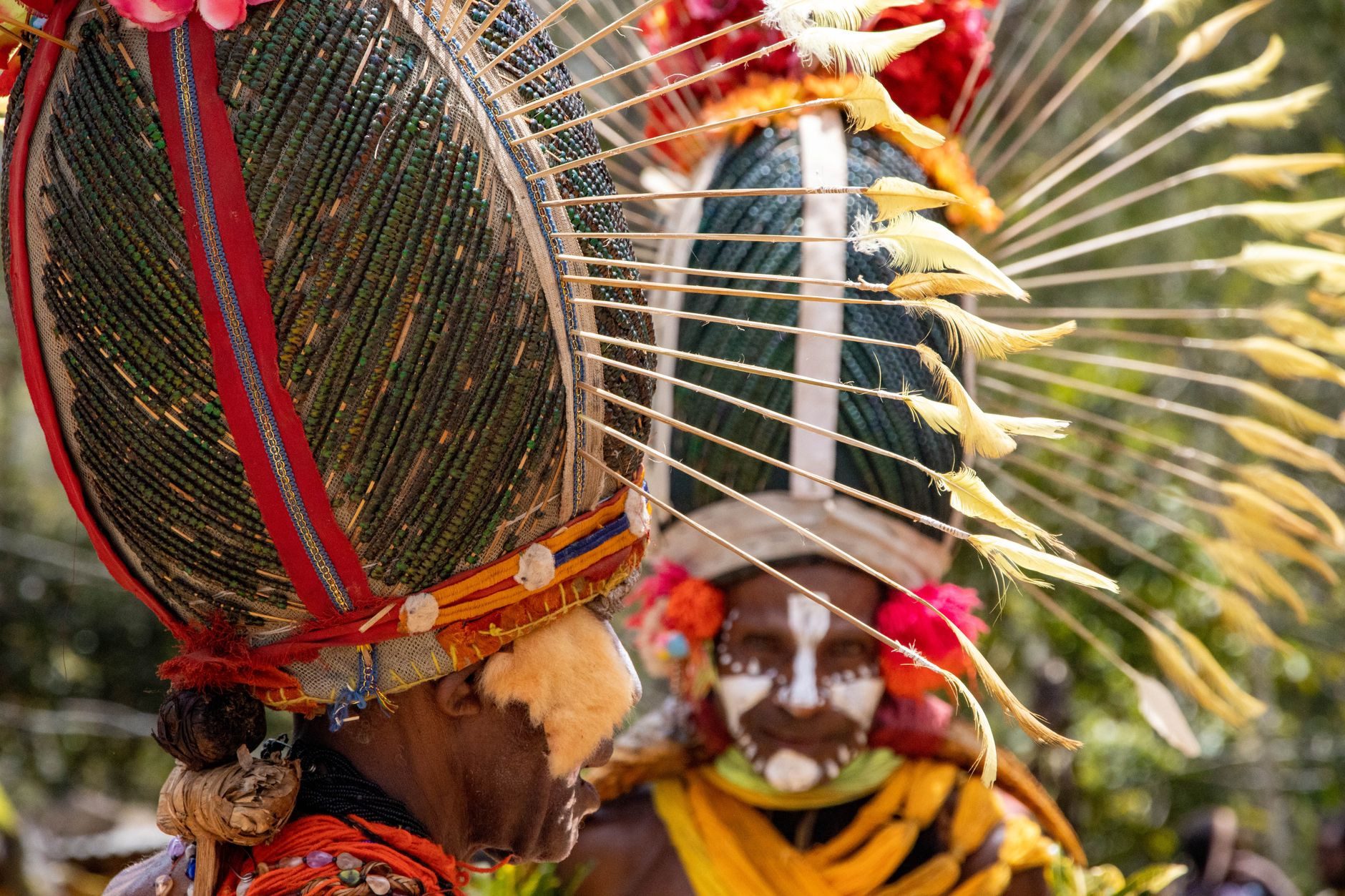
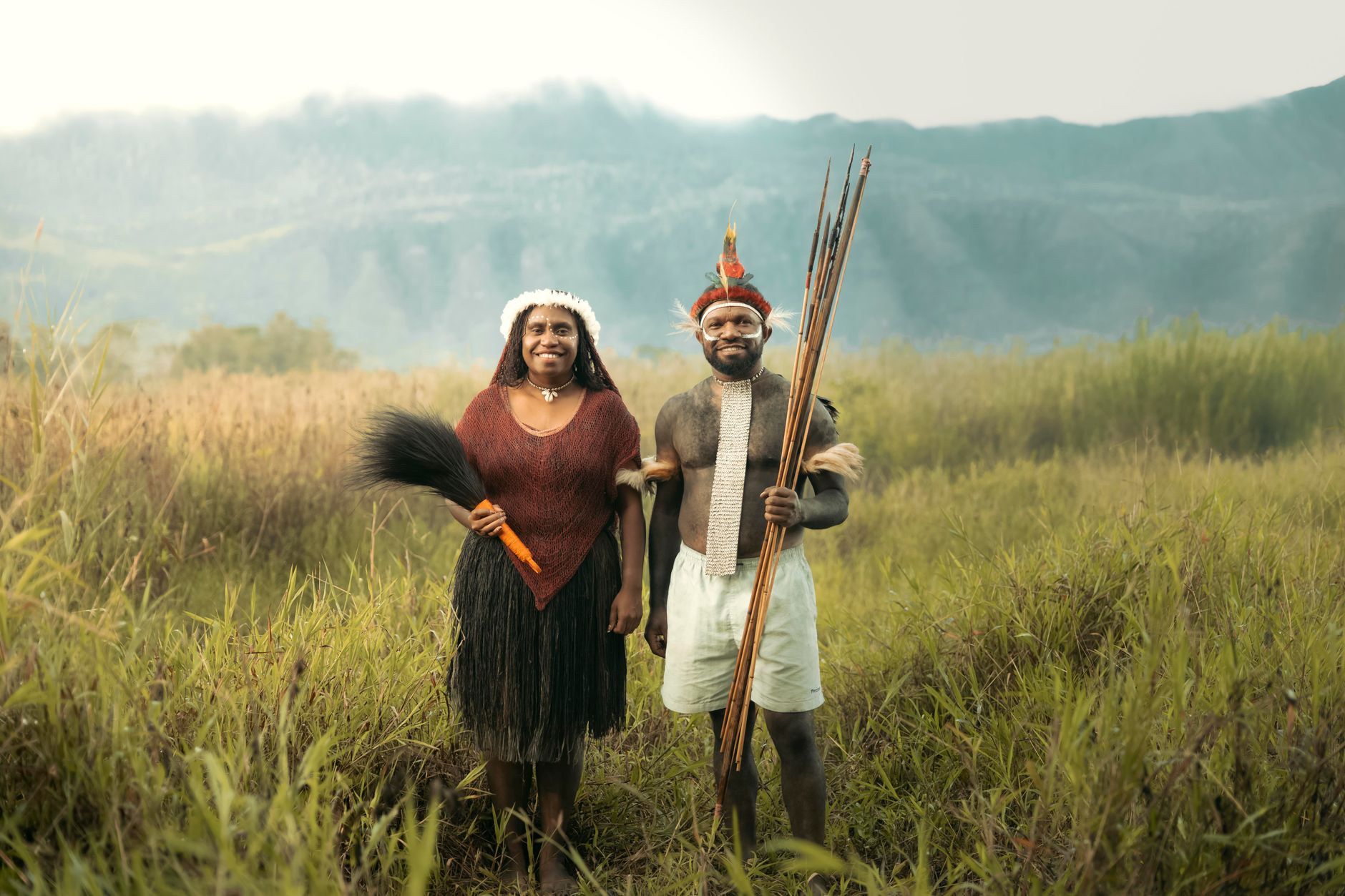
Highlands Clan Protocols and Sing-Sing Etiquette: Traditional society centers on clan lineages within the *wantok* system. When visiting villages in the Wahgi Valley or East New Britain, your guide must introduce you to the village headman before exploring. Ceremonial attire (*bilas*)—featuring human hair wigs, bird of paradise feathers, and cowrie shells—is sacred clan regalia. Always ask permission before photographing residents, and never handle headdresses without an explicit invitation.
| Day / Stage | Base | Highlights | Transport Mode | Transit Time | Advance Booking Requirement |
|---|---|---|---|---|---|
| Day 1 | Port Moresby | Jacksons arrival, secure lodge transfer, National Museum & Art Gallery | Secure private van | 25 mins airport transfer | Lodge transfer & visa-on-arrival check |
| Day 2 | Mount Hagen | Morning flight to Highlands, Wahgi Valley scenic drive, Melpa village welcome | Air Niugini & 4×4 | 1 hr flight + 45 mins drive | Domestic flight & wilderness lodge |
| Day 3 | Mount Hagen | Huli Wigmen ceremonial preparation, sacred sing-sing performance, clan culture | Private 4×4 with driver | Full-day village immersion | Clan elder sing-sing arrangement |
| Day 4 | Mount Hagen | Kumul cloud forest birding, Bird of Paradise spotting, Arabica coffee estate | Private 4×4 with driver | 40 mins drive each way | Specialist local birding guide |
| Day 5 | Rabaul (Kokopo) | Highlands flight via Port Moresby to New Britain, Blanche Bay coastline | Two domestic flights | 1 hr + 1.5 hrs flight transit | Air Niugini island flight tickets |
| Day 6 | Kokopo | Mount Tavurvur volcanic caldera walk, hot sulphur springs, WWII barge tunnels | Private 4×4 minibus | 35 mins drive each way | Volcanology center permit & guide |
| Day 7 | Kokopo | Duke of York islands boat excursion, spinner dolphins, coral reef snorkeling | Motorized banana boat | 45 mins boat crossing | Licensed marine boat & safety gear |
| Day 8 | Port Moresby | Kokopo market, Baining fire dance cultural center, return flight to capital | Air Niugini turboprop | 1.5 hrs domestic flight | Domestic return ticket buffer |
| Day 9 | Port Moresby | Nature Park flora & tree kangaroos, bilum string bag shopping, departure | Secure private van | 30 mins airport return | International flight check-in (3 hrs) |
Day 1: Arrival in Port Moresby and National Heritage
International flights land at Jacksons Airport (POM) in Port Moresby. After clearing immigration and receiving your biometric visa, meet your pre-arranged hotel driver outside the arrivals hall. Never leave the airport precinct on foot or accept rides from informal drivers outside the gates.
Transfer to a secure hotel in the Waigani government district or along Ela Beach. In the afternoon, visit the National Museum and Art Gallery in Waigani, housing artifacts from all twenty-two provinces: carved spirit houses (*haus tambaran*), Sepik River masks, Malagan carvings, and mother-of-pearl *kundu* drums.
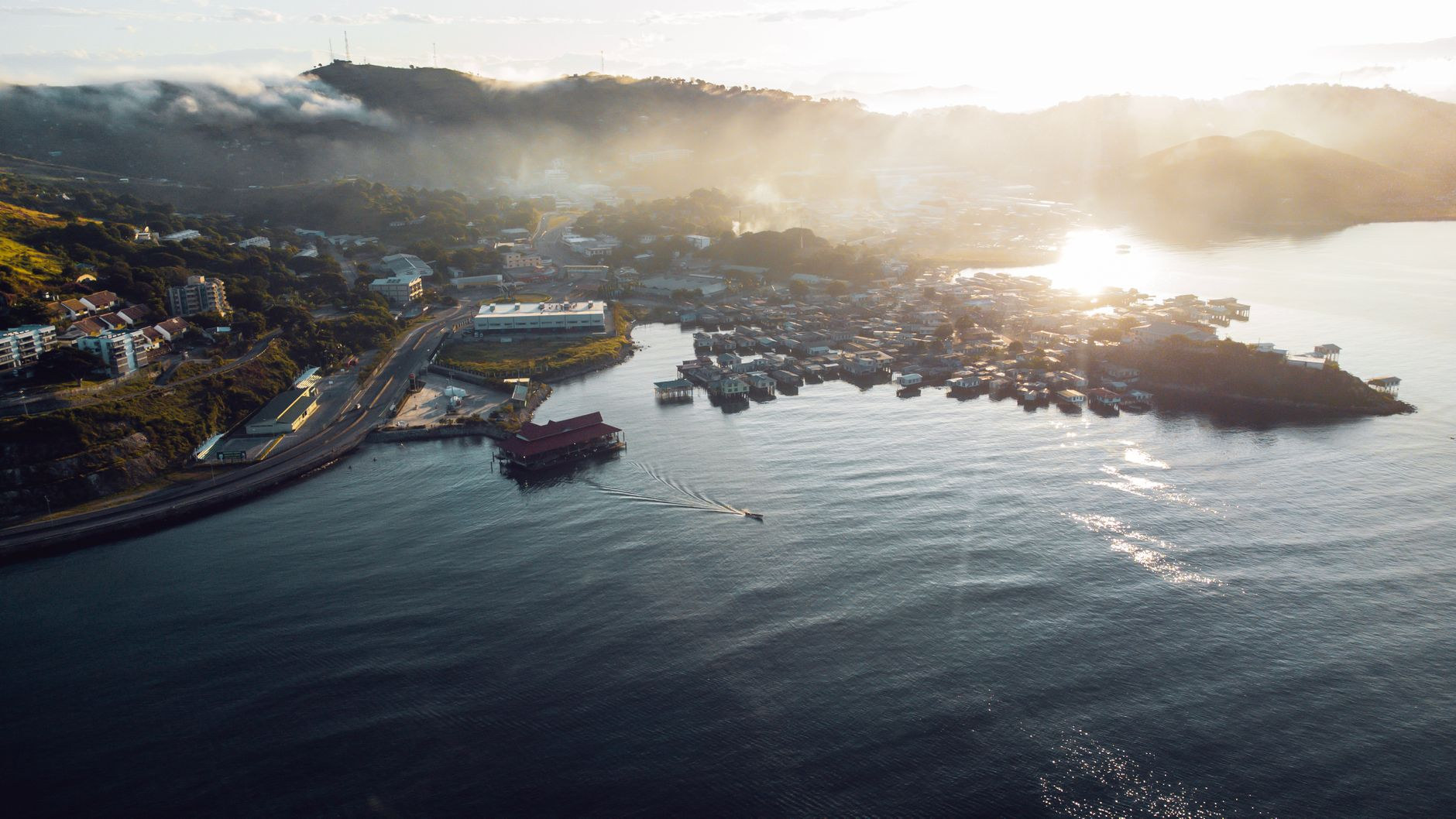
In the evening, dine at your hotel’s terrace restaurant overlooking Fairfax Harbour, enjoying fresh grilled barramundi and local tropical fruit while reviewing security guidelines and flight schedules with your expedition coordinator.
Day 2: Flight to the Highlands and the Wahgi Valley
Fly from Port Moresby across the Owen Stanley Range to Mount Hagen Airport (HGU) in the Western Highlands at seventeen hundred meters elevation. Stepping off the plane, coastal heat gives way to crisp, spring-like mountain air.
Meet your guide and driver for the transfer into the Wahgi Valley beneath volcanic peaks like Mount Giluwe. Check into your eco-lodge among tree ferns, then visit a nearby Melpa village. The Melpa are renowned for ceremonial *moka* exchanges, where prestige is gained by gifting pigs and kina shells.
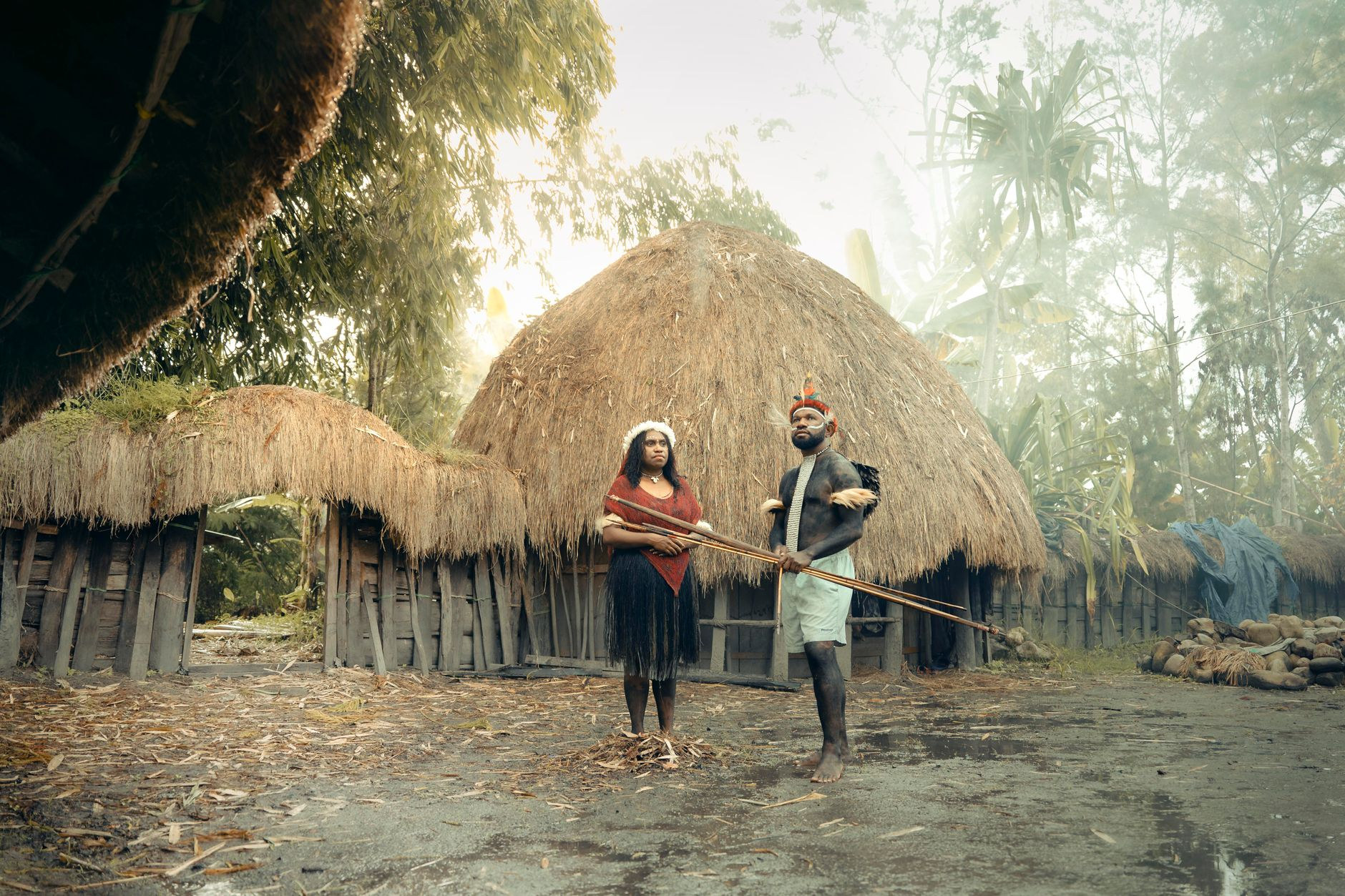
Walk between traditional thatched roundhouses constructed from split bamboo and thick kunai grass. Meet the village elders, who explain the clan social structure and demonstrate traditional food preservation techniques, before returning to your lodge for dinner cooked in a traditional earth oven (*mumu*).
Day 3: Huli Wigmen and Sacred Highlands Sing-Sings
Dedicate your third day to experiencing one of the world’s most spectacular living cultural traditions: the Highlands sing-sing. Travel with your guide to a ceremonial meeting ground where members of the famous Huli clan (originating from the neighboring Hela province) gather to prepare their ceremonial regalia (*bilas*).
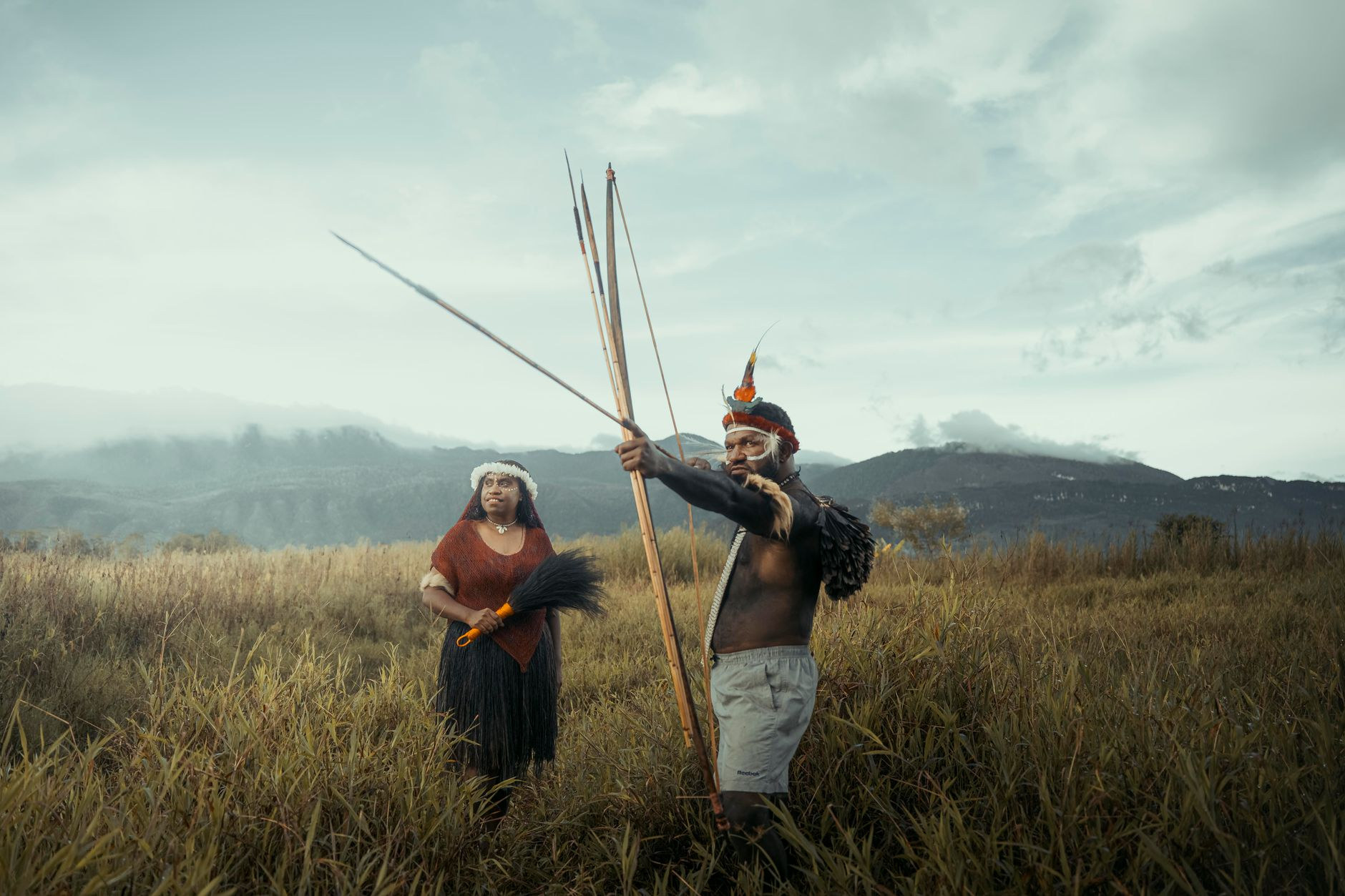
Observe the elaborate ritual preparation. Initiates spend months growing their hair, which is shorn and woven into mushroom-shaped ceremonial wigs decorated with bird of paradise and parrot feathers. Warriors paint their faces with yellow ambua clay, line their eyes with charcoal, and wear woven reed aprons.
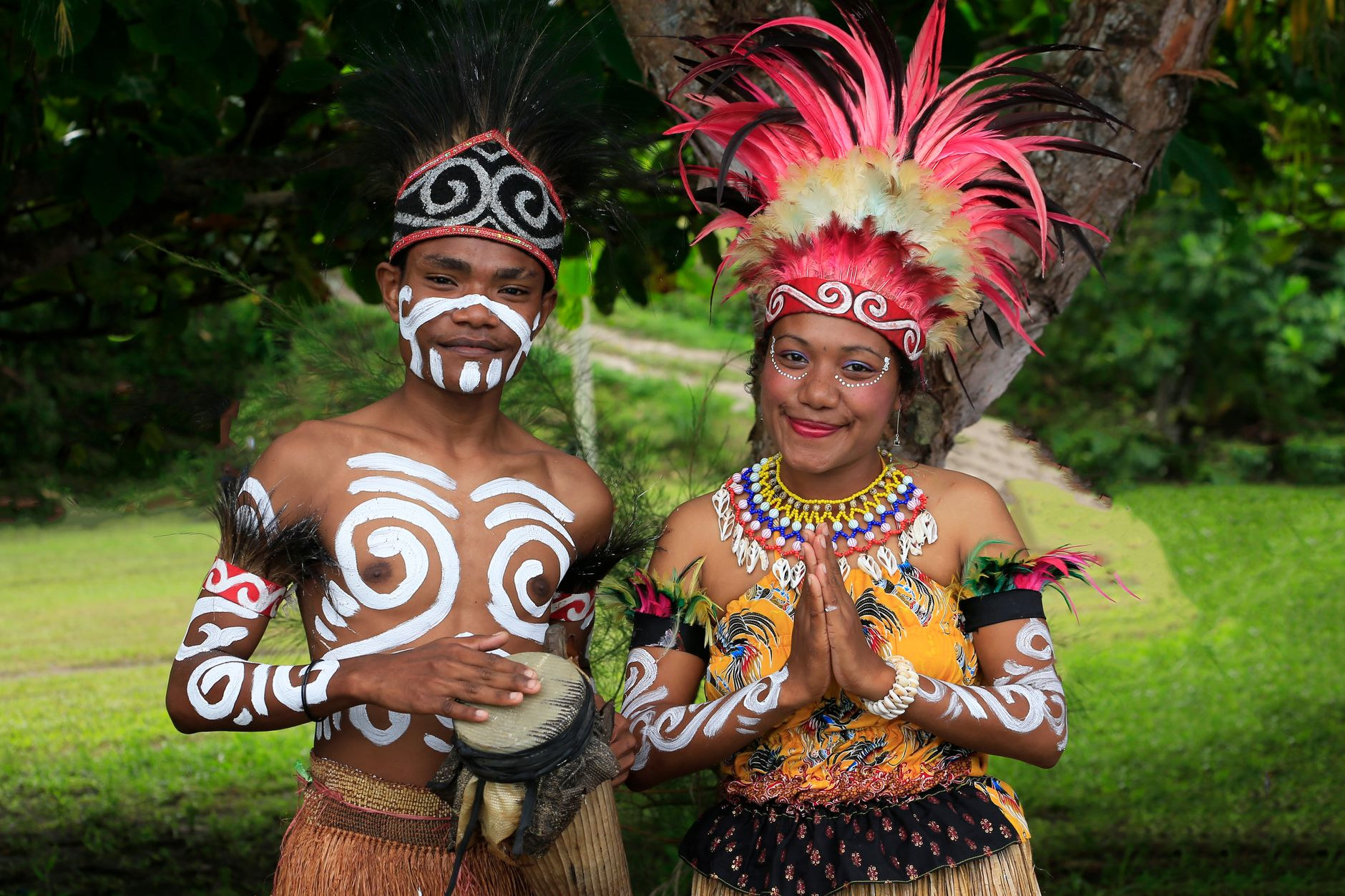
As the drumming begins on hourglass-shaped *kundu* drums, the warriors form rhythmic lines, chanting ancient clan war songs and stamping their feet to mimic the mating dance of the bird of paradise. Witnessing this authentic ceremony in a natural mountain amphitheater is an electrifying encounter with living ancestral memory.
Day 4: Cloud Forests and Birds of Paradise
Set out before dawn into the high montane cloud forests of Kumul Pass, situated at nearly twenty-eight hundred meters elevation. This mist-draped alpine ecosystem is carpeted in thick mosses, wild rhododendrons, and ancient Antarctic beech trees, representing one of the premier birdwatching habitats on the planet.
Accompanied by an indigenous birding guide who recognizes subtle calls and canopy movements, watch for the extraordinary courtship displays of endemic birds of paradise. Spot the Ribbon-tailed Astrapia trailing its meter-long white tail feathers through the canopy, the King of Saxony Bird of Paradise with its bizarre head plumes, and the brilliant scarlet Raggiana Bird of Paradise, the national emblem of Papua New Guinea.
In the afternoon, descend through the valley to tour a certified organic Arabica coffee estate. Introduced in the 1930s, coffee is the economic lifeblood of the Highlands, grown in rich volcanic soils without chemical fertilizers. Learn about wet processing and sun-drying, tasting freshly roasted single-origin Wahgi coffee before returning to your lodge.
Day 5: Flight to East New Britain and the Rabaul Caldera
Depart Mount Hagen on a morning flight back to Port Moresby, connecting onward across the Solomon Sea to Tokua Airport near Kokopo in East New Britain province. East New Britain presents a striking environmental contrast to the Highlands: jagged volcanic peaks give way to swaying coconut plantations, calm turquoise bays, and the distinct culture of the Tolai and Baining peoples.
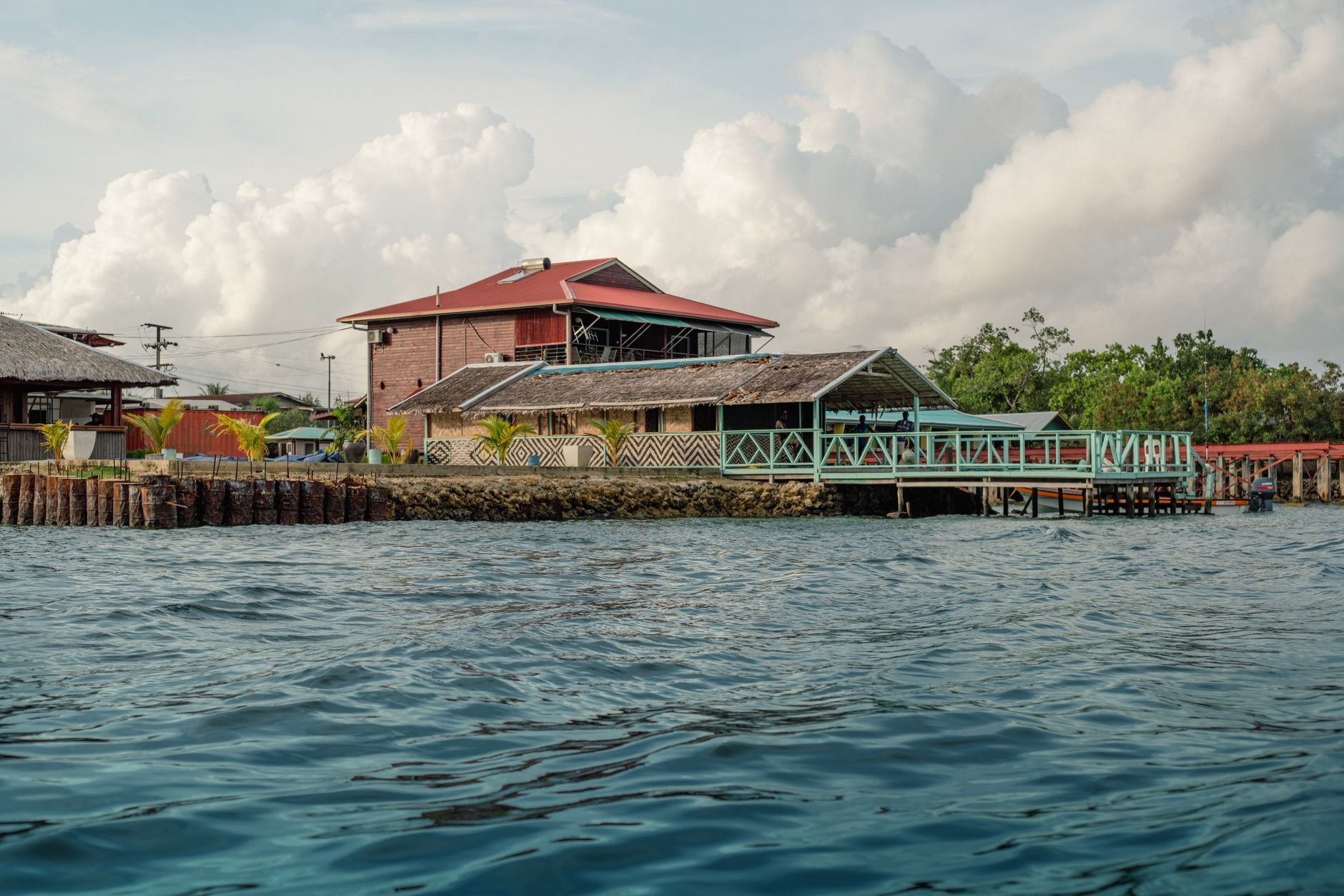
Transfer to a beachfront resort in Kokopo overlooking Simpson Harbour and the distant peaks of the Rabaul caldera. Spend your late afternoon swimming in warm tropical waters and relaxing on the beach, falling asleep to the gentle sound of waves lapping against the volcanic sand.
Day 6: Mount Tavurvur Volcano and World War II Relics
Spend day six exploring the dramatic historical and geological landscape of Rabaul. In September 1994, twin volcanic eruptions of Mount Tavurvur and Mount Vulcan buried the colonial town of Rabaul beneath meters of heavy pumice ash, forcing the provincial capital to relocate to nearby Kokopo. Drive past the ghost town of Old Rabaul, where rooftops and lampposts protrude from barren volcanic ash fields.
Hike across black ash plains to the base of active Mount Tavurvur, where steam vents hiss and hot springs enter the sea. Climb the ridge for a panoramic vista over Blanche Bay. In the afternoon, explore World War II tunnels carved into the hills when Japanese forces fortified Rabaul with supply barges.
Day 7: Duke of York Islands and Pristine Barrier Reefs
Board a covered motorized banana boat at Kokopo harbor for a forty-five-minute crossing across the Bismarck Sea to the Duke of York Islands, an idyllic archipelago of low-lying coral atolls and tropical islands situated between New Britain and New Ireland.
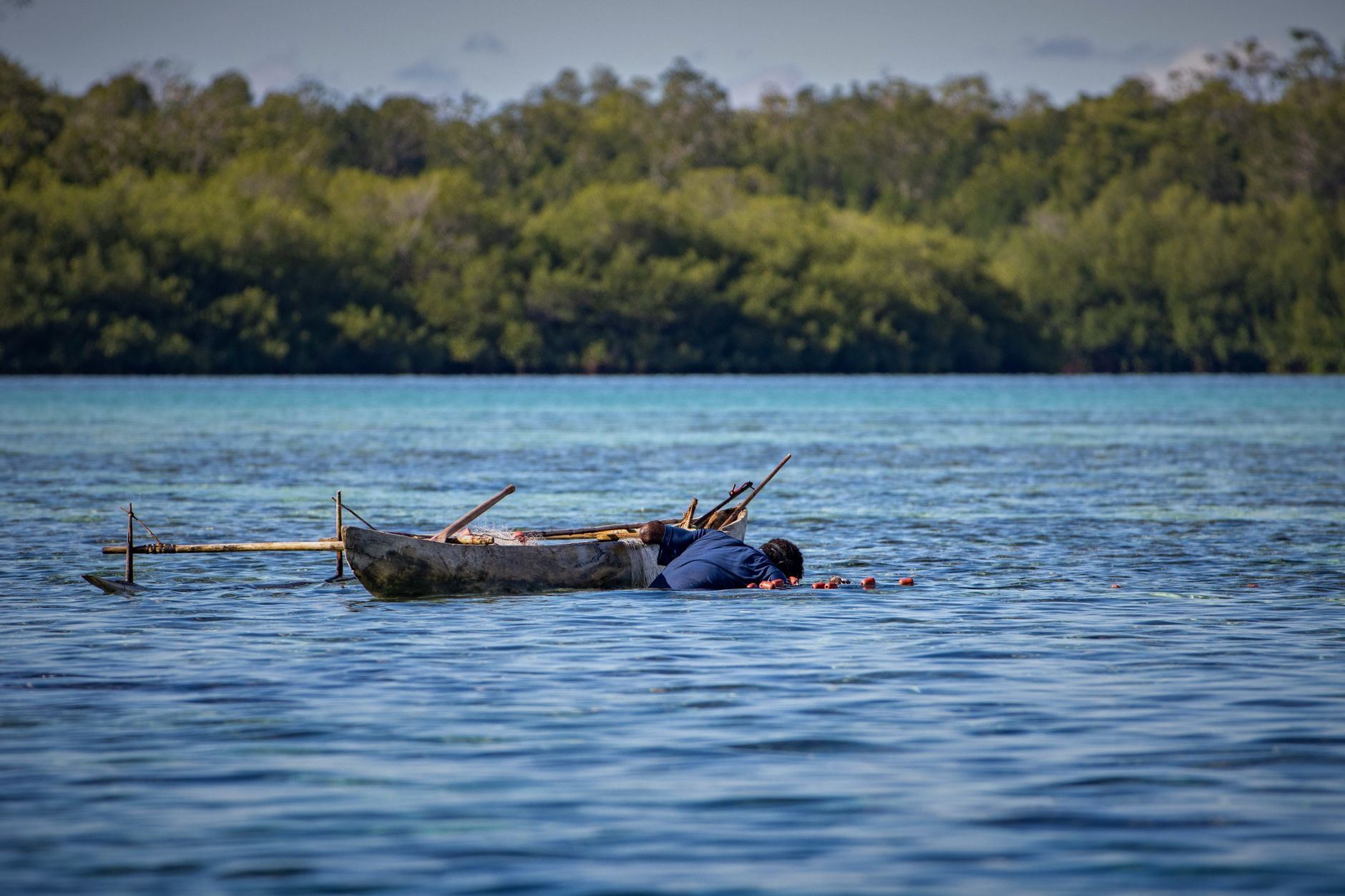
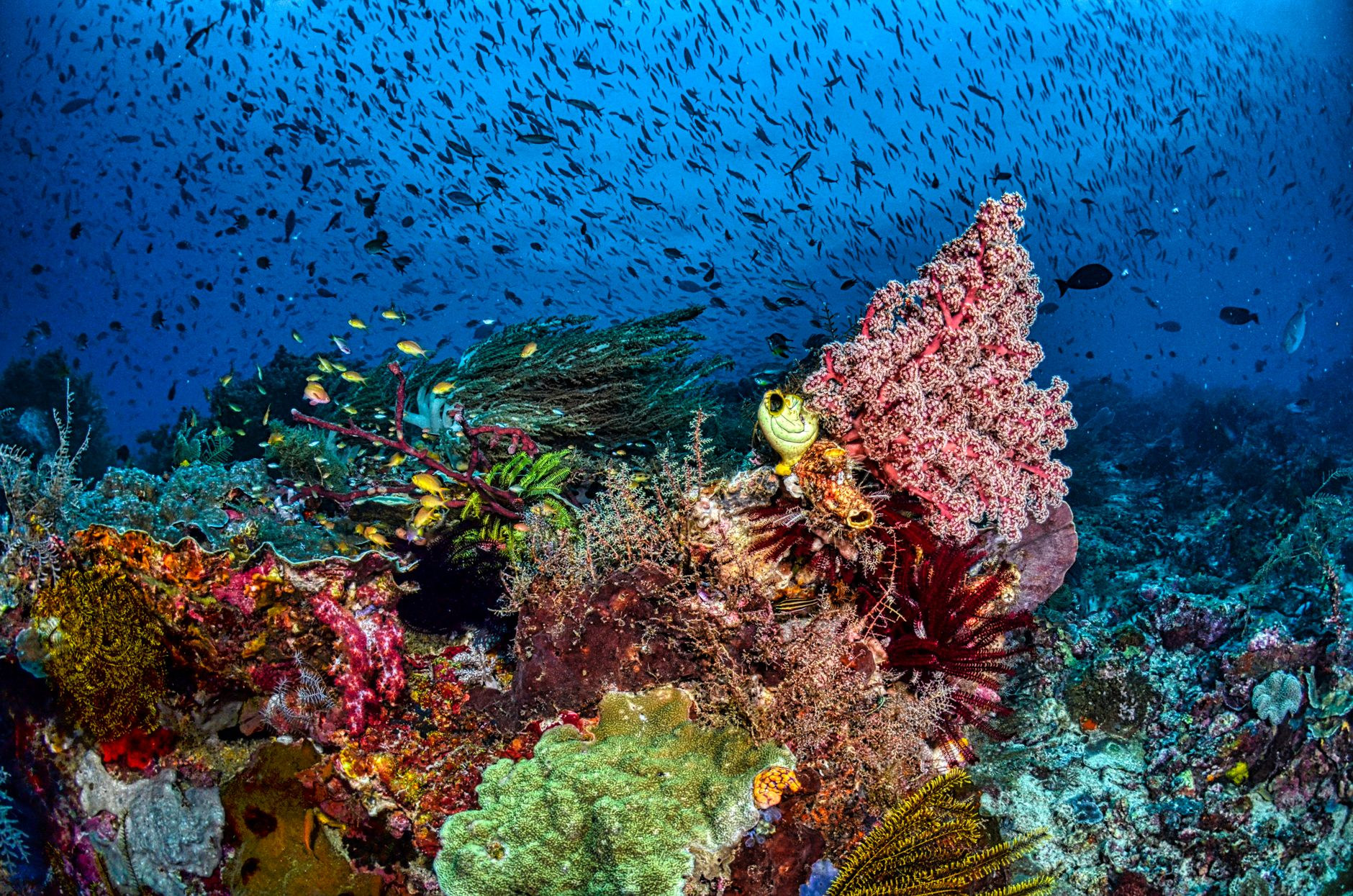
En route, pods of spinner dolphins frequently leap and spin through the boat’s bow wave in the open channel. Anchor in the sheltered, crystal-clear lagoons of Mioko Island, where white sandbars slope into transparent turquoise shallows. Put on your snorkel and mask to explore extraordinary coral gardens featuring towering staghorn formations, giant sea fans, and colorful schools of clownfish, butterflyfish, and green sea turtles.
Enjoy a fresh seafood lunch prepared by local islanders on a secluded motu, featuring grilled fish, sweet yams, and coconut water, before returning across the strait to Kokopo in the calm afternoon waters.
Day 8: Kokopo Market and Return to Port Moresby
Visit Kokopo Market in the morning, one of the cleanest produce markets in the South Pacific. Stroll past stalls of bananas, pineapples, and betel nut (*buai*). Observe Tolai shell money (*tabu*)—cowrie shells strung on cane—which remains legally recognized alongside the Kina for ceremonial transactions.
In the early afternoon, transfer to Tokua Airport for your scheduled domestic flight back to Port Moresby. Check into your secure hotel for your final evening in Papua New Guinea. Maintaining this buffer night in the capital protects against any unexpected domestic flight delays, ensuring you are positioned smoothly for your international connection the following day.
Day 9: Port Moresby Nature Park and Departure
Spend your final morning visiting the Port Moresby Nature Park, a certified wildlife sanctuary that preserves thirty acres of native flora and rare fauna. Walk along shaded timber boardwalks through lush rainforest canopies, observing rare tree kangaroos, Victoria crowned pigeons (the world’s largest pigeon), cassowaries, and walk-through aviaries filled with colorful parrots and birds of paradise.
Stop at the park’s craft cooperative to purchase authentic woven *bilum* string bags. Hand-crafted by women from natural plant fibers and colorful wool, bilums are the ubiquitous national symbol of Papua New Guinea, carrying everything from produce to newborn infants. Return to your hotel to pack your luggage, ensuring all cultural export permits for wooden carvings are organized, before your afternoon transfer to Jacksons Airport for your international flight home.
Mobile Connectivity and Digital Navigation in Papua New Guinea
Maintaining reliable mobile data while travelling through Papua New Guinea is essential for monitoring volatile domestic flight schedules on the Air Niugini portal, tracking GPS coordinates along remote Highlands roads, communicating with private lodge drivers, and accessing banking apps to verify currency transactions. Hotel Wi-Fi outside Port Moresby is notoriously slow, expensive, and subject to frequent satellite dropouts caused by tropical storm systems.

The most convenient and dependable mobile solution for independent expedition travellers is setting up an international travel eSIM prior to departure. The NXTL Papua New Guinea eSIM connects directly to Digitec and Digicel, the country’s leading mobile operators providing fast 4G and LTE coverage across Port Moresby, Mount Hagen, and Kokopo. Operating on transparent pay-as-you-go data at $8.01 per gigabyte, NXTL activates automatically upon touchdown at Jacksons International Airport, eliminating tedious local SIM registration queues and biometric passport scanning requirements. Your purchased data balance never expires, ensuring any remaining credit stays safely stored in your account for your future travels across more than 180 supported countries worldwide.
Travel Pitfalls and Regional Logistics to Avoid in Papua New Guinea
Papua New Guinea is a deeply rewarding destination for adventurous travellers, but its unique socio-economic realities require careful preparation and strict security discipline:
- Solo Walking and Opportunistic Crime in Urban Centers: In major urban areas like Port Moresby, Lae, and Mount Hagen, violent street muggings by opportunistic criminal groups (*raskols*) are a serious reality. Never walk on foot outside secure hotel compounds after dark, and avoid wandering unguided through informal settlements or crowded bus terminals. Always travel in pre-arranged private lodge vehicles with verified drivers.
- Unauthorized Village Sing-Sing Demands and Fee Disputes: When attending cultural sing-sing performances in the Highlands, informal village gatekeepers sometimes approach tourists demanding additional cash payments for “photography rights” or “entry permissions” on top of pre-paid lodge packages. Never hand cash directly to unverified individuals. Ensure all cultural fees are coordinated through your recognized headman or accredited expedition tour leader.
- Failing to Build a Port Moresby Buffer Night for Domestic Flights: Mountain weather in the Highlands frequently causes sudden fog and cloud cover that halts ATR turboprop flights for hours or days. Travellers who book their international flight on the same day as a domestic connection from Mount Hagen or Goroka frequently miss their onward flights. Always schedule at least one full buffer night in Port Moresby before flying home.
- Unregulated Banana Boat Crossings Without Safety Equipment: When traveling across open water in the Bismarck Archipelago between Kokopo and the Duke of York Islands, informal boatmen frequently offer cheap rides in fiberglass open banana boats. Many of these informal vessels lack life jackets, backup outboard motors, marine radios, or GPS beacons. Only travel with licensed marine operators whose boats carry proper maritime safety equipment and emergency communication gear.
- Buying Uncertified Antique Cultural Artifacts Subject to Export Bans: Authentic historical artifacts, including antique spirit masks, sacred ancestral skull hooks, and ancient stone axe heads, are protected national cultural property under Papua New Guinea law. Attempting to export them without official clearance from the National Museum and Art Gallery will result in confiscation at airport customs and heavy fines. Purchase contemporary certified crafts from recognized cooperatives and retain official receipts.
By respecting local clan traditions, booking reliable guided logistics, maintaining flexible flight schedules, and securing reliable digital connectivity, your expedition through Papua New Guinea will stand among the most profound and authentic cultural journeys on earth.