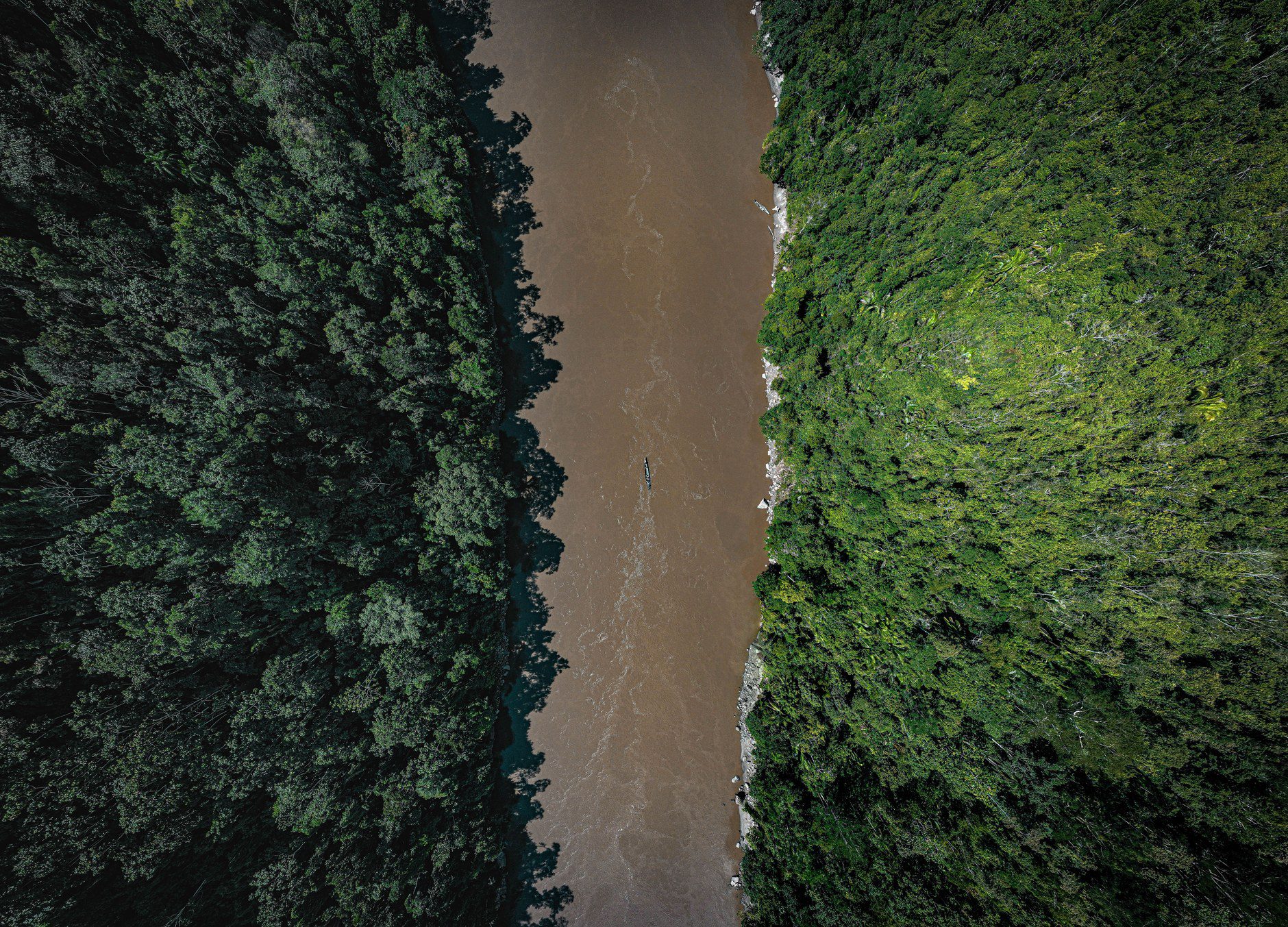
Guyana occupies an extraordinary ecological position on South America’s northern shoulder. Bound by Venezuela, Brazil, Suriname, and the Atlantic Ocean, it is the continent’s sole English-speaking nation, shaped by British colonial history, Caribbean ties, and deep Indigenous Amerindian heritage. Beyond the coastal strip where ninety percent of the population resides, Guyana transitions into one of Earth’s least disturbed frontiers: vast primary rainforest, roaring sandstone waterfalls, and open savannahs belonging to the ancient Guiana Shield.
Traveling through Guyana is an authentic expedition rather than a resort vacation. Destinations require twin-engine bush flights landing on clay airstrips, motorized wooden canoes navigating blackwater rivers, and 4WD trucks traversing savannah tracks. From the thunder of Kaieteur Falls plunging sheer into a prehistoric gorge to tracking giant river otters and jaguars across the Rupununi wetlands, the country rewards travelers who prioritize raw ecological encounters.
Who This Trip Suits and How Long to Stay
Guyana suits seasoned eco-travelers, serious birders, wildlife naturalists, and adventurous travelers drawn to remote wilderness. If your travel goals include spotting Guianan cock-of-the-rock leks in primary jungle, spotlighting black caimans by flashlight from a wooden canoe, and learning traditional tracking from Macushi community elders, this destination is exceptional. Visitors need patience for tropical heat, basic interior accommodations, and bush-plane schedules.
Conversely, Guyana is poorly suited to casual beach tourists or budget backpackers. Atlantic waters are heavily silted brown by the Amazon and Orinoco River plumes, leaving no white swimming beaches. Furthermore, traveling into the interior requires chartered bush flights, licensed wilderness guides, and specialized eco-lodge bookings; independent backpacking without advance logistics is virtually impossible. A well-constructed journey requires eight to ten days to take in Georgetown, Kaieteur Falls, the Iwokrama reserve, and the North Rupununi savannahs.
Before confirming international flights, understand that domestic air transport governs all interior travel. Flights into Kaieteur National Park and interior savannah airstrips operate on strict weight limits and minimum passenger thresholds, requiring travelers to plan their schedules with deliberate buffers for weather delays and flight coordination.
Strategic Route Blueprint: Coast, Jungle, and Savannah
A successful Guyanese itinerary follows a deliberate geographic progression south from the Atlantic coast into the interior basin. The trip begins in Georgetown, the historic coastal capital, where travelers adjust to the tropical climate, explore distinctive wooden colonial architecture, and complete logistical briefings. From Georgetown, travelers fly southwest to experience the raw grandeur of Kaieteur Falls before continuing into the central interior.
The core of the expedition links two contrasting biomes: the dense primary rainforest of the Iwokrama International Centre for Rain Forest Conservation and the open grasslands and oxbow lakes of the North Rupununi savannah. This combination exposes travelers to distinct ecosystems: canopy-dwelling bird species and nocturnal rainforest mammals in Iwokrama, followed by giant anteaters, giant river otters, and black caimans in the open wetlands around Karanambu and Surama. The route concludes with a scheduled flight from an interior airstrip back to Georgetown for departure.
Day-by-Day Guyana Itinerary: Coast to Rupununi
This eight-day expedition connects Georgetown’s colonial history, the awe-inspiring drop of Kaieteur Falls, the rainforest canopy of Iwokrama, and the wildlife-rich savannahs of the Rupununi.
| Day / Stage | Base | Highlights | Transport Mode | Transit Time | Advance Booking Requirement |
|---|---|---|---|---|---|
| Day 1 | Georgetown | Arrive Cheddi Jagan (GEO), transfer to city, St. George’s Cathedral, Bourda Market | Private Taxi | 1 hr transfer | Airport transfer arranged via hotel |
| Day 2 | Georgetown | Morning bush flight to Kaieteur Falls, guided rim walk, tank bromeliads, return Ogle | Charter Aircraft | 1 hr flight each way | Kaieteur charter booked 4 weeks ahead |
| Day 3 | Iwokrama | Fly Ogle to Fair View airstrip, boat transfer to Iwokrama River Lodge, nocturnal river tour | Light Plane / Boat | 1 hr flight + 20 mins boat | Lodge package booked 2 months ahead |
| Day 4 | Iwokrama | Dawn hike up Turtle Mountain, afternoon canopy walkway suspended 30m, night walk | Boat / Forest Trail | 4 hrs hiking / canopy | Local rainforest guide included with lodge |
| Day 5 | Karanambu | Overland 4WD transfer across the corridor into North Rupununi, arrive Karanambu Lodge | 4WD Vehicle | 2 hrs 30 mins drive | 4WD transfer scheduled with lodge |
| Day 6 | Karanambu | Dawn savannah drive tracking giant anteaters, afternoon boat drift for giant river otters | Open 4WD / Boat | Full day excursions | Guided savannah tracker arranged on site |
| Day 7 | Georgetown | Morning Victoria amazonica lily pool drift, fly Annai or Lethem airstrip to Ogle | Boat / Light Plane | 1 hr 15 mins flight | Domestic scheduled flight ticket reserved |
| Day 8 | Departure | Walter Roth Museum of Anthropology, national botanical gardens, transfer to GEO airport | Private Taxi | 1 hr transfer | Check-in 3 hrs prior to international flight |
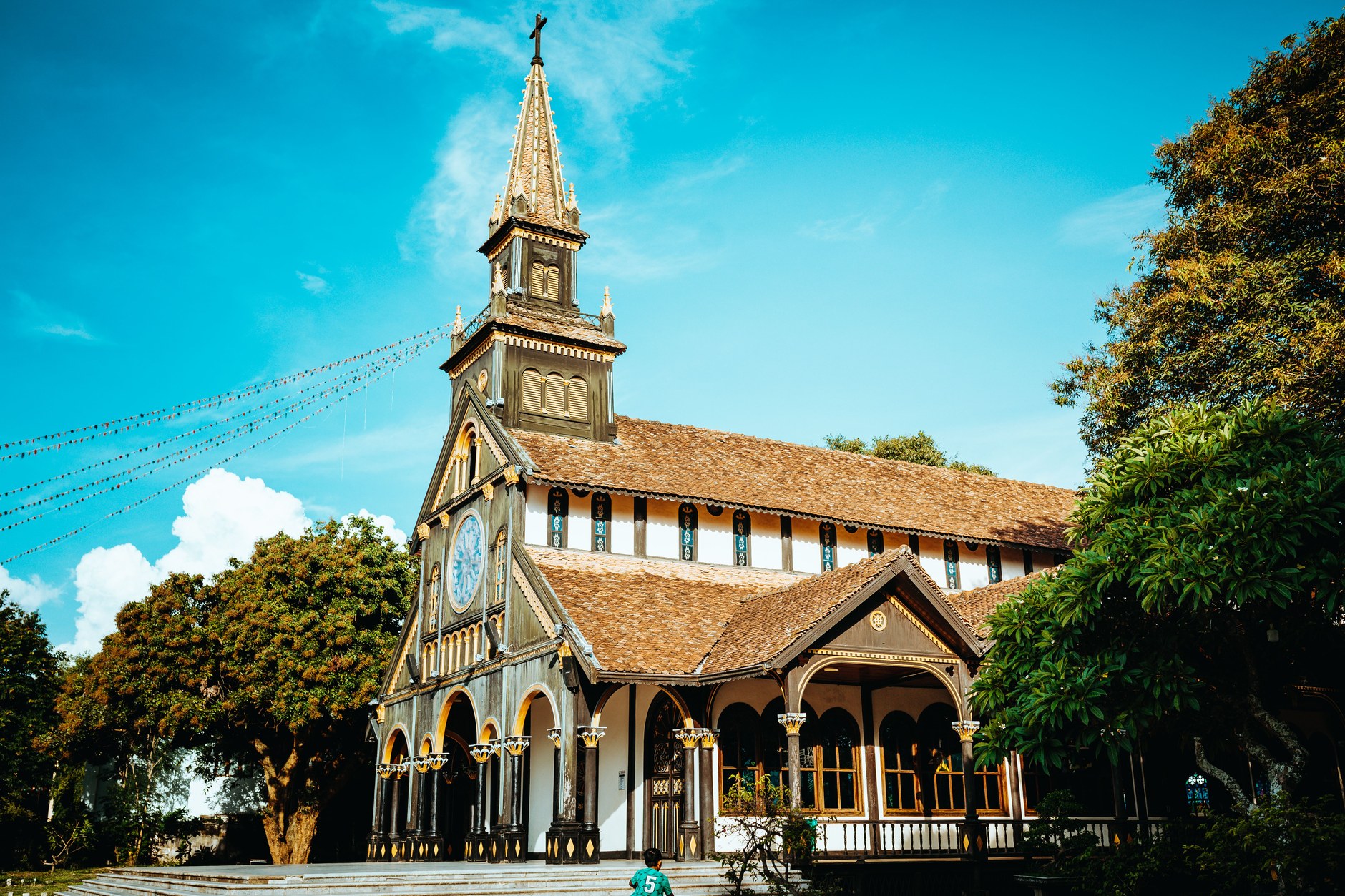
Urban exploration in Georgetown warrants caution and respect. The city is rich in history, featuring wide tree-lined avenues designed by Dutch engineers and grand Victorian timber structures built by British colonizers. However, street robbery remains an active concern, particularly around market squares and the seawall after dark. Travelers should rely on hotel-recommended taxi services rather than hailing informal cars off the street.
Kaieteur Falls: Aerial Logistics and Rim Walks
Plunging over the sandstone Pakaraima Plateau, Kaieteur Falls drops 741 feet (226 meters) in a direct vertical plunge—nearly five times the height of Niagara Falls. Combined with lower cascades, the total descent reaches 822 feet into an ancient gorge carved from Precambrian bedrock.
With no road access, reaching the falls requires a twin-engine charter flight (typically a Cessna Caravan or Islander) from Eugene F. Correia Airport (OGL) in Ogle. The one-hour flight crosses coastal plains before reaching the dense canopy of the Pakaraima range.
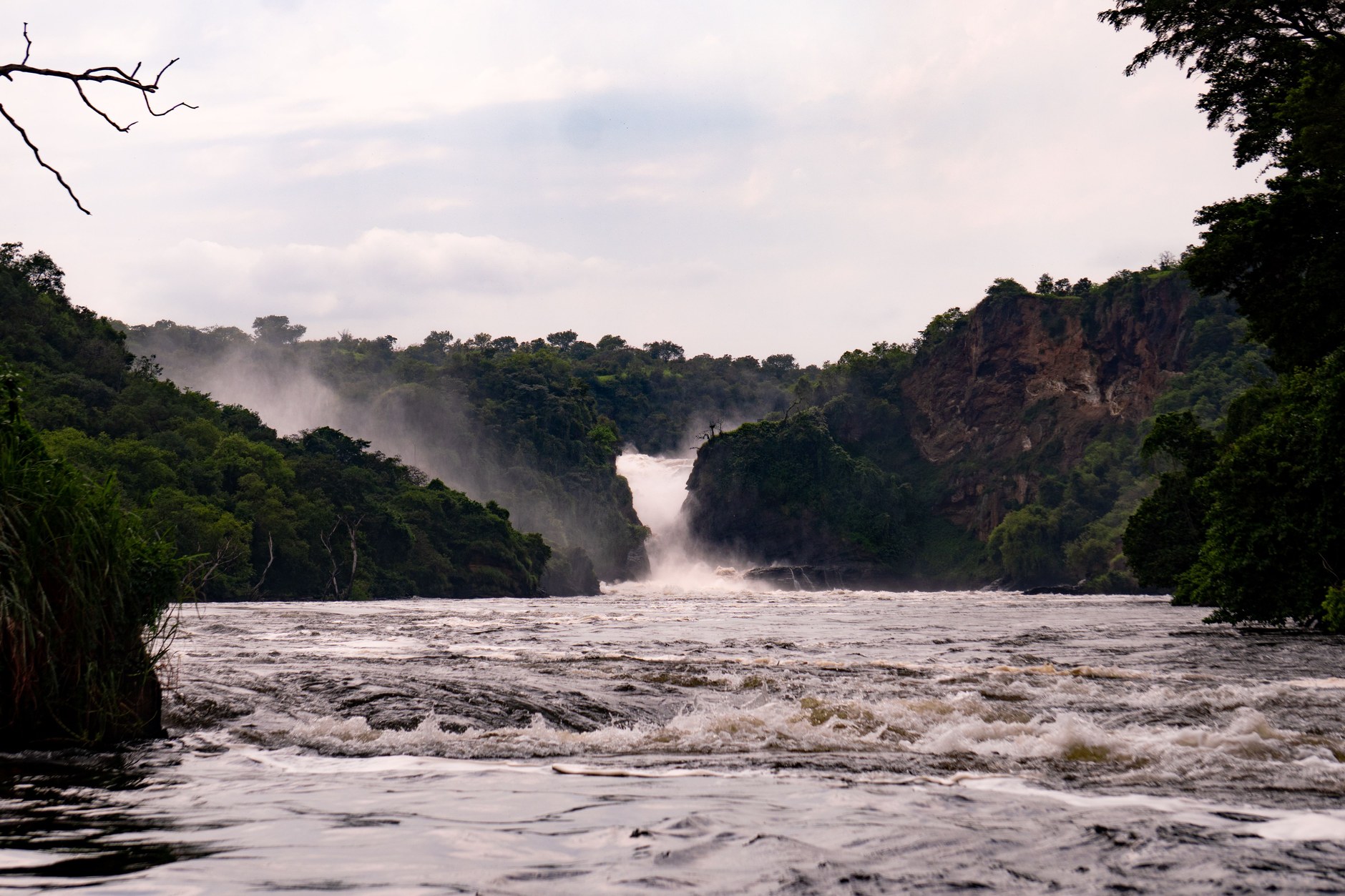
Upon landing at the Kaieteur airstrip, national park guides lead small groups along shaded rainforest trails to three distinct vantage points: Boy Scout’s View, Rainbow View, and Johnson’s View. Visitors stand directly on the rocky sandstone rim without barriers, feeling the vibration of water crashing into the gorge below. The mist creates an isolated micro-climate where giant tank bromeliads (Brocchinia micrantha) shelter tiny endemic golden rocket frogs (Anomaloglossus beebei), which spend their life cycle inside the water-filled plant leaves.
Iwokrama Forest and the Suspended Canopy Walkway
Spanning nearly one million acres, the Iwokrama International Centre for Rain Forest Conservation balances ecological research with sustainable forestry and community-run tourism in partnership with local Macushi people.
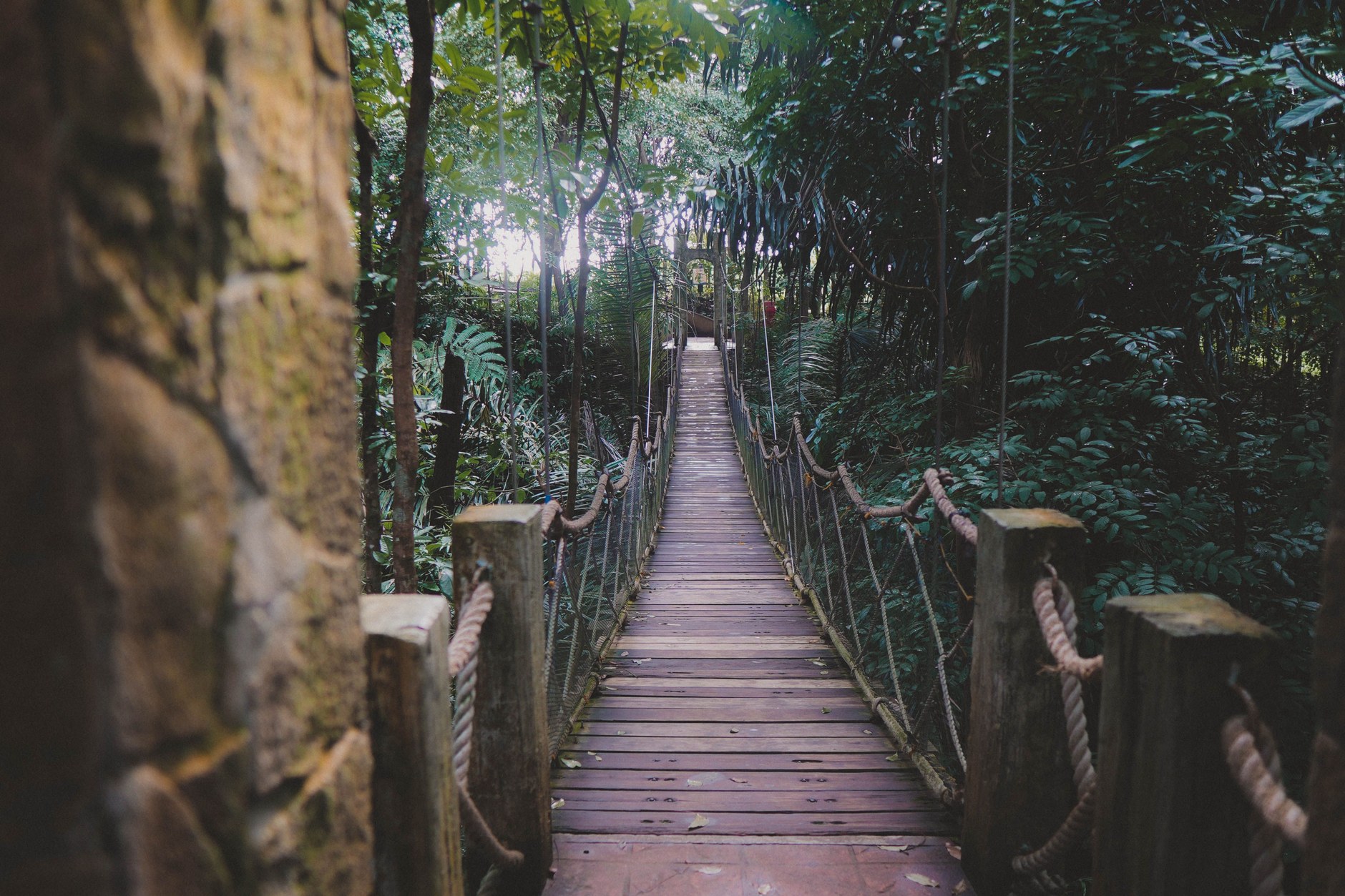
The centerpiece for canopy wildlife is the Canopy Walkway at Atta Rainforest Lodge. Suspended 30 meters above the jungle floor, four steel bridges connect observation platforms anchored in emergent trees. Dawn vigils put birders at eye level with red howler monkeys, black spider monkeys, channel-billed toucans, and screaming pihas rarely seen from the forest floor.
For ground-level exploration, base yourself at Iwokrama River Lodge on the banks of the Essequibo River. A dawn hike up nearby Turtle Mountain rewards climbers with panoramic vistas over an unbroken sea of green rainforest canopy punctuated by morning mist. At night, motorized boat patrols along the river sweep powerful beams across overhanging branches, illuminating tree boas, fishing bats, and the gleaming amber eyes of black caimans resting along muddy banks.
The Rupununi Savannahs: Karanambu, Wildlife, and Indigenous Heritage
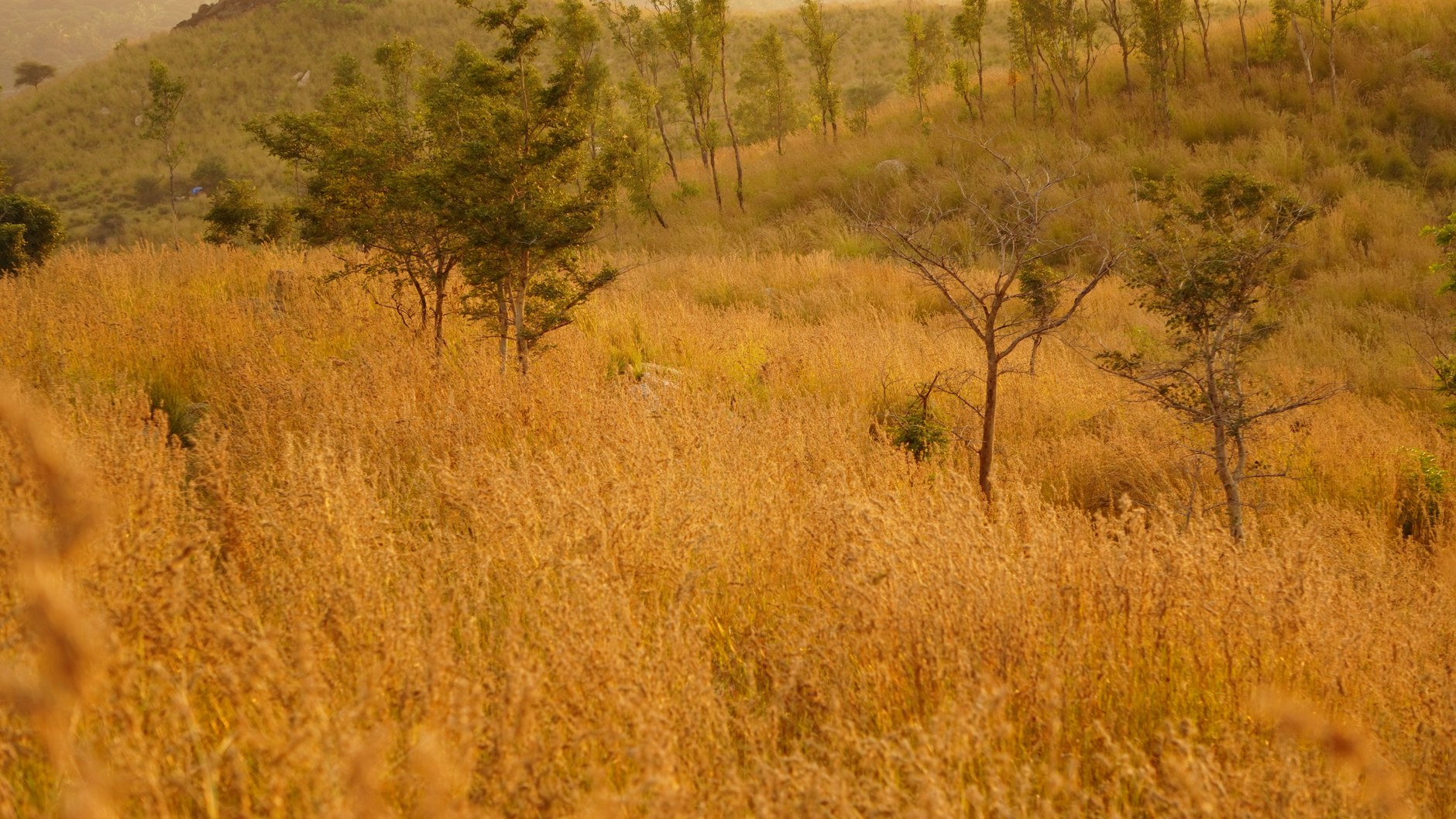
South of Iwokrama, rainforest gives way to the open North Rupununi savannah. Framed by the Kanuku and Pakaraima mountains, this basin shifts dynamically between seasonal wetlands during the rains and concentrated oxbow waterholes in dry months.
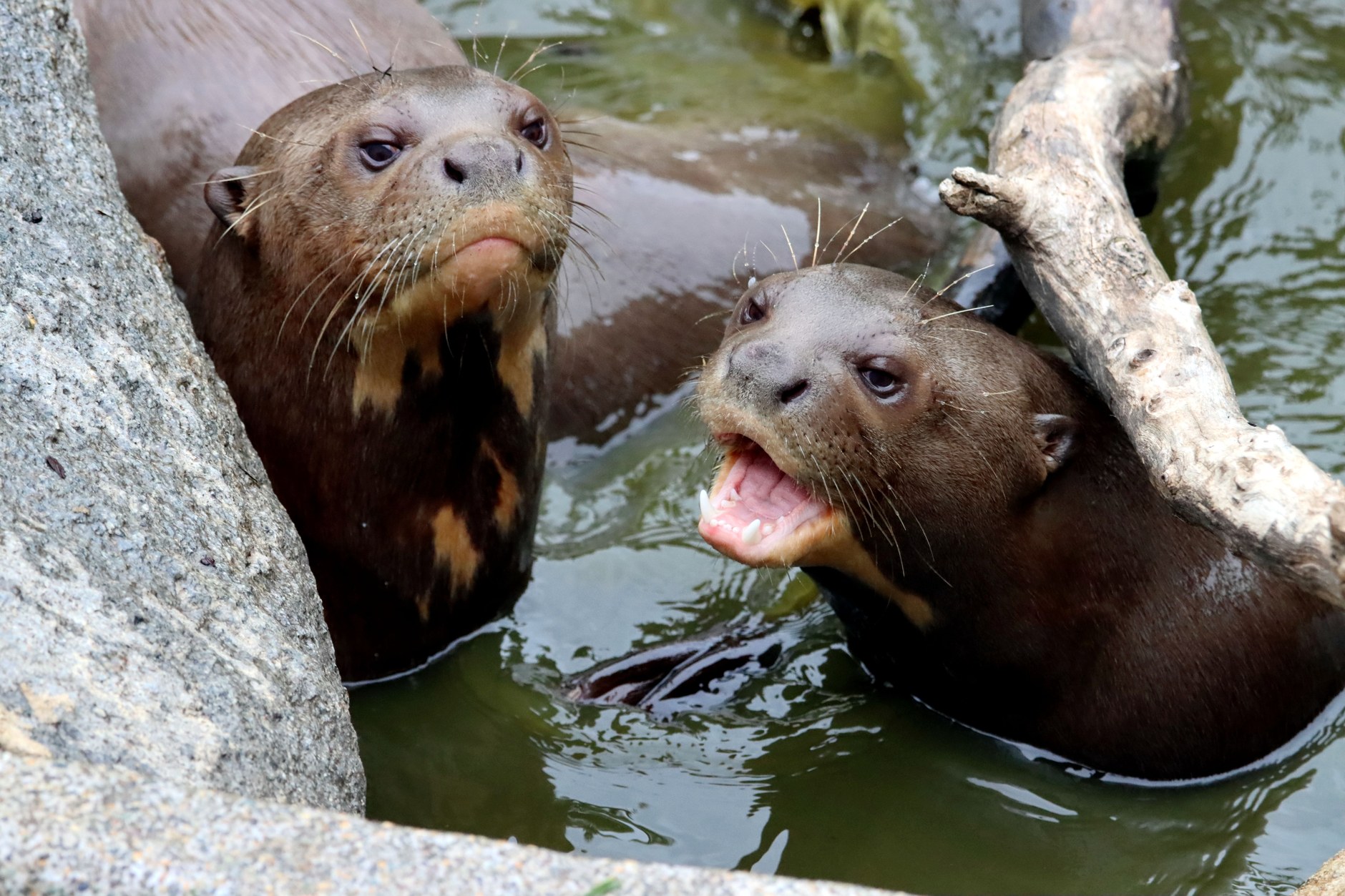
Karanambu Lodge is the historical hub of Rupununi conservation. Established as a cattle station in the 1920s, it achieved fame through the late Diane McTurk’s work rehabilitating orphaned giant river otters. Today, guests take wooden riverboats at dawn and dusk along the Rupununi River to watch wild otter families hunting and grooming along sandbanks.
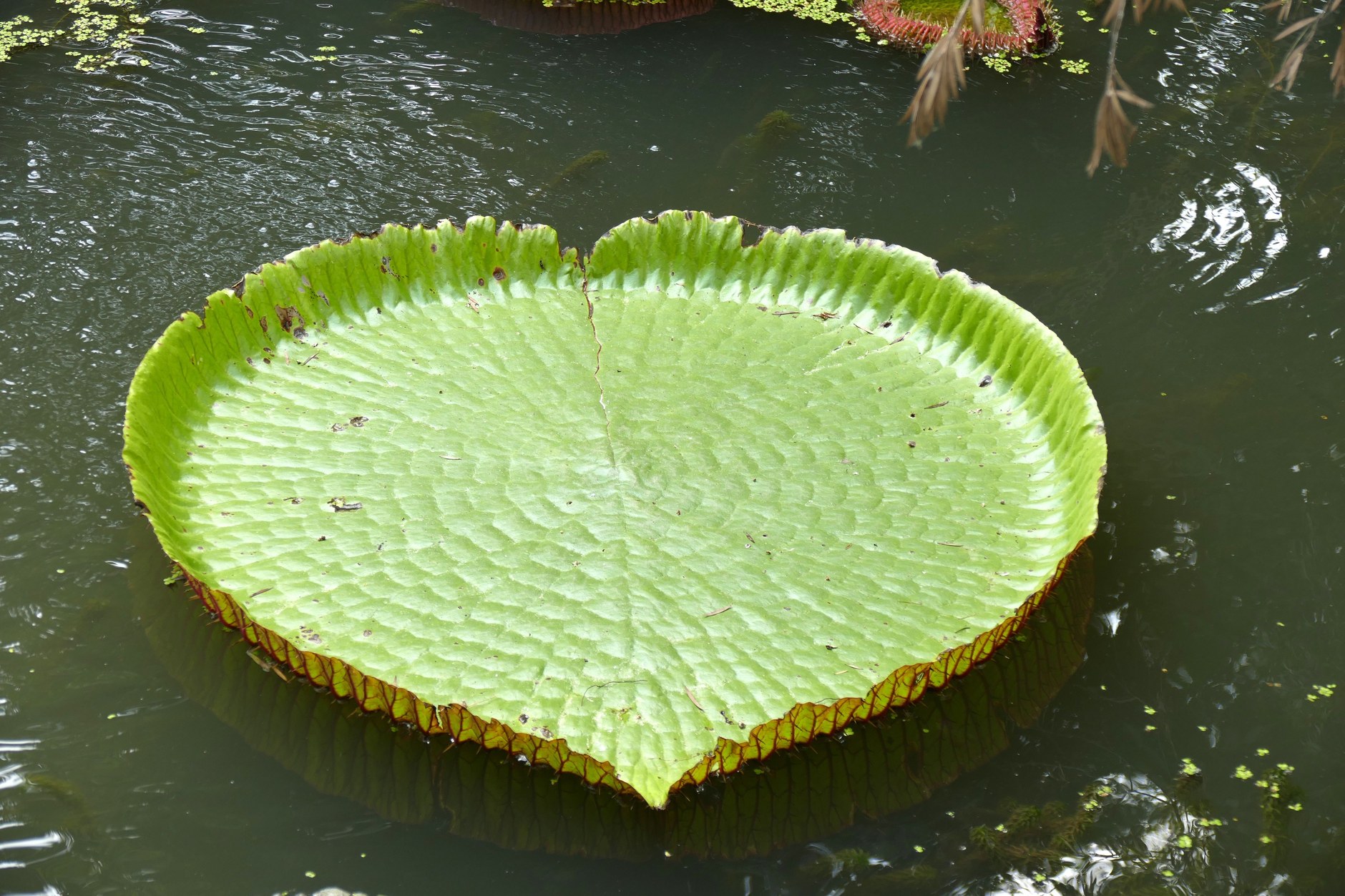
Another iconic highlight of Karanambu is drifting across serene lagoons at twilight to watch giant Victoria amazonica water lilies—Guyana’s national flower. The massive leaves reach six to eight feet across, capable of supporting substantial weight. As dusk falls, white blossoms open, emitting a strong fragrance to attract pollinating beetles before turning pink on their second evening.
On the surrounding grasslands, dawn game drives in open 4WD vehicles offer prime opportunities to spot giant anteaters. Skilled Macushi trackers scan the terrain, identifying these solitary mammals as they tear open termite mounds with powerful claws. Visiting Amerindian villages such as Surama or Annai offers genuine insights into traditional medicinal plant knowledge, cassava processing, and community-led conservation.
Transport Realities: Bush Flights, Red Dirt Corridors, and 4WD
Understanding domestic transit hubs avoids costly errors. Cheddi Jagan International Airport (GEO), 40 kilometers south of Georgetown, handles international flights. Eugene F. Correia International Airport (OGL) in suburban Ogle handles domestic charters to Kaieteur, Iwokrama, and the Rupununi.
Local operators like Trans Guyana Airways enforce strict baggage rules. Passengers and bags are weighed together at check-in, with standard luggage capped at 20 pounds (9 kg) including carry-on items. Gear must be packed in soft duffels that fit under-fuselage cargo pods; rigid rolling suitcases are turned away.
The unpaved Linden-Lethem Road links the coast to the Brazilian border across 450 kilometers of red laterite clay. Transit takes 12 to 18 hours during dry conditions, requiring an Essequibo River ferry crossing at Kurupukari. During May-to-August rains, knee-deep mud ruts strand vehicles for days. Book scheduled flights to interior airstrips whenever possible.
Connectivity, Mobile Networks, and Interior Data Access
Maintaining reliable mobile data in Guyana is essential during your time on the coast and in regional transition hubs like Lethem. While in Georgetown, you need fast mobile connectivity to request licensed hotel taxis, coordinate tour pickup windows, confirm charter flight status at Ogle, and research local restaurants along Main Street.
Guyana’s domestic cellular telecommunications market is served primarily by local networks such as U Mobile and Digicel. High-speed 4G/LTE connectivity is dependable throughout Greater Georgetown, along the coastal highway corridor, and around larger border towns like Lethem. However, once your flight leaves the coast and heads into the interior rainforest or savannah, cellular towers disappear entirely. Interior wilderness lodges rely on satellite Wi-Fi networks (increasingly Starlink or legacy VSAT), which are often restricted to communal dining areas or subject to hourly usage fees.
Rather than hunting for physical SIM registration kiosks upon landing at Cheddi Jagan Airport—which involves presenting original passports, filling out paper forms, and waiting for manual network activation—travelers can configure an international eSIM prior to arrival. With a specialized profile like NXTL’s Guyana eSIM, your smartphone automatically registers on local high-speed LTE networks as soon as your aircraft touches down in Georgetown.
NXTL operates on a transparent pay-as-you-go data model where your balance never expires. Whatever unused data balance remains in your account after leaving Guyana stays active for future travel across more than 180 countries worldwide. Furthermore, keeping an eSIM in your digital profile keeps your primary home SIM card active in your phone’s secondary slot, ensuring you continue receiving essential bank authentication SMS codes and stay accessible on messaging apps without paying astronomical home-carrier roaming fees.
Budget Realities, Cash Guyanese Dollars, and Lodge Costs
Guyana is among South America’s pricier destinations due to aviation fuel costs and remote off-grid lodge logistics. Safe interior exploration relies on all-inclusive lodge bookings covering bush flights, meals, boat fuel, and Indigenous guides.
The Guyanese Dollar (GYD) trades at approximately 210 GYD to 1 US Dollar. While city hotels accept credit cards, the interior operates strictly on cash. Georgetown ATMs dispense GYD, but machines do not exist in the rainforest. Carry crisp US dollar banknotes printed after 2013 alongside GYD for tips and craft purchases.
Plan around these typical costs:
- Accommodations: Georgetown city hotels cost $120 to $220 USD nightly. Interior lodges (Iwokrama, Atta, Karanambu) range from $280 to $450 USD per person per night, including meals, river boats, and guided tracking.
- Kaieteur Day Charters: Day flights from Ogle Airport cost $260 to $340 USD per passenger with park fees and guided rim walking.
- Dining & Incidentals: Casual curry or pepperpot lunches cost 1,500 to 3,000 GYD ($7 to $15 USD). Fine-dining hotel dinners run 8,000 to 16,000 GYD ($40 to $75 USD).
- City Transit: Cheddi Jagan Airport transfers cost a fixed 8,000 to 10,000 GYD ($40 to $50 USD). Short city taxi hops run 500 to 800 GYD ($2.50 to $4.00 USD).
Five Pitfalls and Scams to Avoid in Guyana
Guyana offers remarkable hospitality and warmth, but remote logistics and urban safety require deliberate awareness. Watch for these five common pitfalls during your journey:
- Domestic Bush Flight Weight Penalties and Baggage Bump: Domestic airlines at Ogle Airport enforce rigid 20-pound (9 kg) luggage limits for interior airstrips. Arriving with heavy hard-shell suitcases will result in hefty excess baggage fees or your bags being left behind in Georgetown until a later flight with spare cargo capacity becomes available. Travel exclusively with soft duffels.
- Georgetown Street Crime After Dark: Petty street theft, muggings, and opportunistic robberies occur in central Georgetown, particularly around Stabroek Market, Tiger Bay, Bourda Market at night, and unlit stretches of the Atlantic seawall. Avoid walking after sundown; always have your hotel or restaurant dispatch a trusted, licensed radio taxi to pick you up directly at the door.
- Disastrous Wet Season Overland Road Journeys: Attempting to save money by taking an overland minibus from Georgetown to Lethem during the May-to-August rainy season is a notorious traveler mistake. Heavy deluges turn the red clay road into knee-deep mud bogs, turning a 14-hour drive into a miserable multi-day ordeal of being winched out of trenches. Always fly to the interior during the rains.
- Unlicensed Kaieteur Charter Brokers: Rogue tour brokers in Georgetown occasionally sell low-cost “guaranteed” seats on Kaieteur Falls charters that fail to materialize because the broker does not actually charter an aircraft until they find a full manifest of twelve paying passengers. Book only through established, licensed operators like Wilderness Explorers or directly with registered airlines like Trans Guyana Airways.
- Neglecting Health Protocols for Yellow Fever and Malaria: Guyana sits within the endemic transmission zone for yellow fever and malaria. Health officials strictly demand presentation of an International Certificate of Vaccination against yellow fever at immigration if arriving from or departing to regional endemic countries. Furthermore, interior travel requires carrying and taking prescribed malaria prophylaxis (such as Malarone or Doxycycline) and applying DEET repellent.
Adhering to these practical precautions keeps your attention centered on the raw majesty of the natural environment, ensuring your expedition unfolds smoothly and securely.
Seasonal Timing, Weather Cycles, and Packing Essentials
Guyana features a warm, humid tropical climate with temperatures consistently averaging 80 to 88 degrees Fahrenheit (27 to 31 Celsius) year-round. Rainfall patterns are governed by seasonal weather cycles, dividing the year into two wet periods and two dry windows.
The primary rainy season occurs from May through mid-August, bringing intense tropical deluges that swell interior river systems, submerge savannah grasslands, and make overland tracks impassable. However, this period is when Kaieteur Falls reaches its absolute peak water volume and thunderous intensity. A shorter rainy season occurs from mid-November through January. The best overall travel windows for wildlife tracking and savannah game drives are from mid-August through November and from February through April, when dry ground concentrates fauna around waterholes and roads remain firm.
Packing for the Guyanese interior requires practical field gear tailored to humidity and sun exposure. Bring lightweight, breathable long-sleeved shirts and quick-drying nylon trekking trousers in muted earth tones (khaki, olive, tan); avoid dark navy blue and black clothing, which attract biting insects such as kaboura flies. Pack a durable rain jacket, broken-in trail shoes that can tolerate mud, and a heavy-duty waterproof dry bag to protect camera bodies, smartphones, and optical gear during open boat journeys.
Equip yourself with a high-powered headlamp for nocturnal caiman walks, quality binoculars (8×42 or 10×42) for canopy birding, high-potency insect repellent containing DEET or picaridin, and broad-spectrum sunscreen. By combining thoughtful preparation, respect for wilderness protocols, and reliable mobile connectivity, you will experience an unforgettable expedition into South America’s most pristine and untamed frontier.