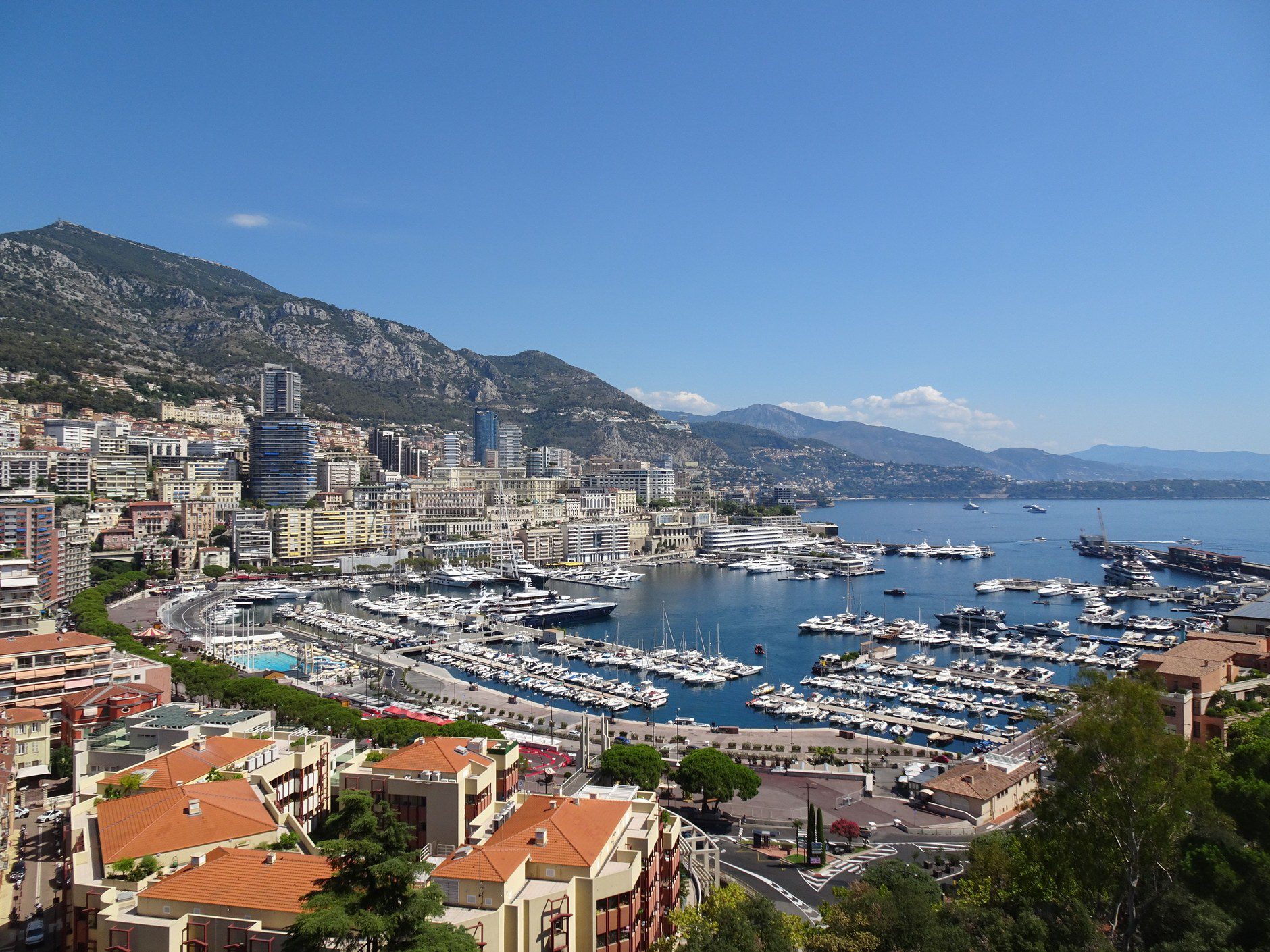
The Principality of Monaco occupies just over two square kilometers of steep limestone headlands along the French Riviera, making it the second-smallest independent state in the world. Bordered on three sides by France and on the fourth by the Mediterranean Sea, this constitutional monarchy commands a global reputation for luxury, aristocratic heritage, and superyachts. Behind Monte Carlo’s gilded façades lies a densely layered enclave operating under its own legal system and urban geography.
Exploring Monaco does not require an extended stay or an aristocratic budget. Measuring three kilometers long by one kilometer wide, the territory is an honest one- or two-day visit. Whether staying locally or commuting by regional train from Nice or Menton, travelers can explore its architecture, maritime institutions, and vertical public transit without inflated expenses.
Who This Trip Suits and How Long to Stay
Monaco suits architecture lovers, maritime historians, motorsport fans, and Riviera travelers intrigued by how engineering transformed sheer cliffs into a sovereign enclave. Walking Le Rocher’s medieval alleys, watching the Palace guard change, tracing the Grand Prix circuit on foot, and exploring the Oceanographic Museum provide cultural depth beyond casino floors.
Conversely, Monaco is ill-suited to budget backpackers or hikers seeking untouched nature. Hostels do not exist, hotels command luxury rates, and strict policing maintains an orderly urban environment. A focused one- or two-day visit is the optimal duration, as longer stays quickly become repetitive outside major sporting events.
A key logistical choice is whether to sleep within the principality or commute from nearby French towns. While staying inside Monaco offers evening atmosphere after day-trippers depart, boutique hotels in Nice or Menton cost a fraction of Monegasque room rates and connect via a twenty-minute coastal train ride.
Strategic Route Blueprint: Conquering the Vertical City
To navigate Monaco efficiently, travelers must grasp its dramatic topography. The principality rises steeply from the Mediterranean waters of Port Hercule to sheer limestone crags hundreds of meters overhead. Rather than struggling up steep staircases, visitors utilize Monaco’s extensive public transit: 79 public elevators, 35 escalators, and eight moving walkways integrated into cliffs, completely free to the public.
A sensible two-day itinerary divides the principality by its distinct topographical and administrative districts. Day One centers on the historical rock of Monaco-Ville (Le Rocher), exploring the Prince’s Palace, the cathedral, and the cliff-hanging Oceanographic Museum before descending to the superyacht basin of Port Hercule. Day Two covers modern Monte Carlo, the historic gaming rooms of Place du Casino, the legendary Formula 1 curves, and the seaside promenades of Larvotto and the Japanese Garden.
Day-by-Day Monaco Itinerary: The Sovereign Enclave
This two-day walking and transit route connects Monaco’s historic royal quarter, maritime research institutions, Formula 1 heritage, and coastal promenades.
| Day / Stage | Base | Highlights | Transport Mode | Transit Time | Advance Booking Requirement |
|---|---|---|---|---|---|
| Day 1 – Morning | Monaco-Ville | Arrive Gare de Monaco, elevator to Le Rocher, Prince’s Palace, 11:55 Guard Change | Train / Public Lift | 20 mins train from Nice | Palace state room tickets booked online |
| Day 1 – Afternoon | Monaco-Ville | Saint Nicholas Cathedral, Saint-Martin Gardens, Musée Océanographique cliff exhibits | On Foot | 5 mins walk | Museum admission timed entry |
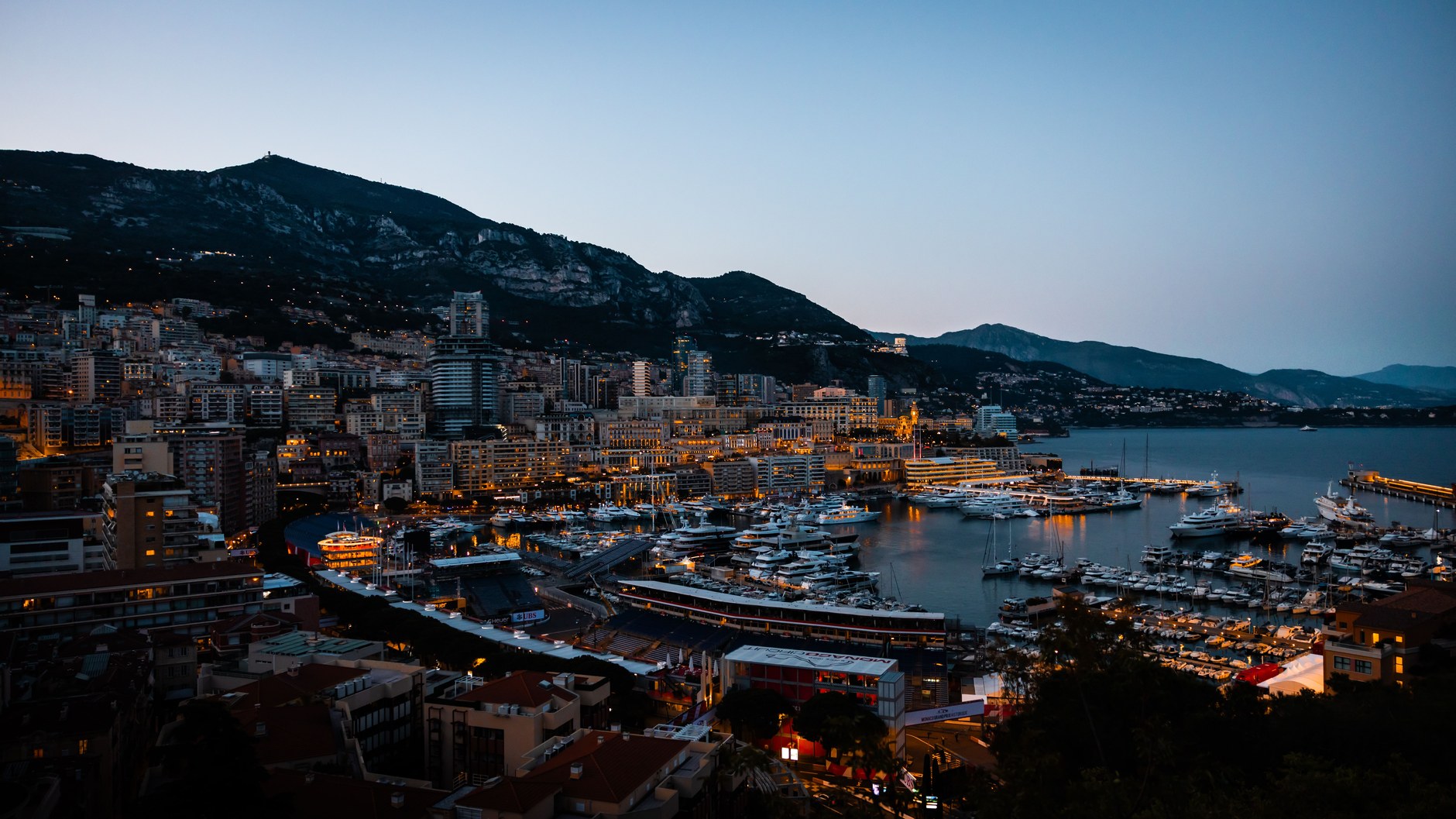
| Day 1 – Evening | Port Hercule | Descend Rampe Major to Port Hercule, yacht marina walk, dinner at La Condamine | Public Lift / Foot | 10 mins walk down | Harbor-side table reserved 2 weeks ahead |
| Day 2 – Morning | Monte Carlo | Place du Casino, Hôtel de Paris lobby, Café de Paris, walk Grand Prix hairpin | Public Lift / Foot | 15 mins walk | Casino morning architectural tour ticket |
| Day 2 – Afternoon | Larvotto | Princess Grace Japanese Garden, Larvotto promenade stroll, Mediterranean swim | On Foot / Bus | 10 mins walk | Free public access to gardens & beach |
| Day 2 – Evening | Fontvieille | Princess Grace Rose Garden, Fontvieille marina views, evening departure or dinner | Public Bus Line 6 | 12 mins bus | Return train to Nice or hotel reservation |
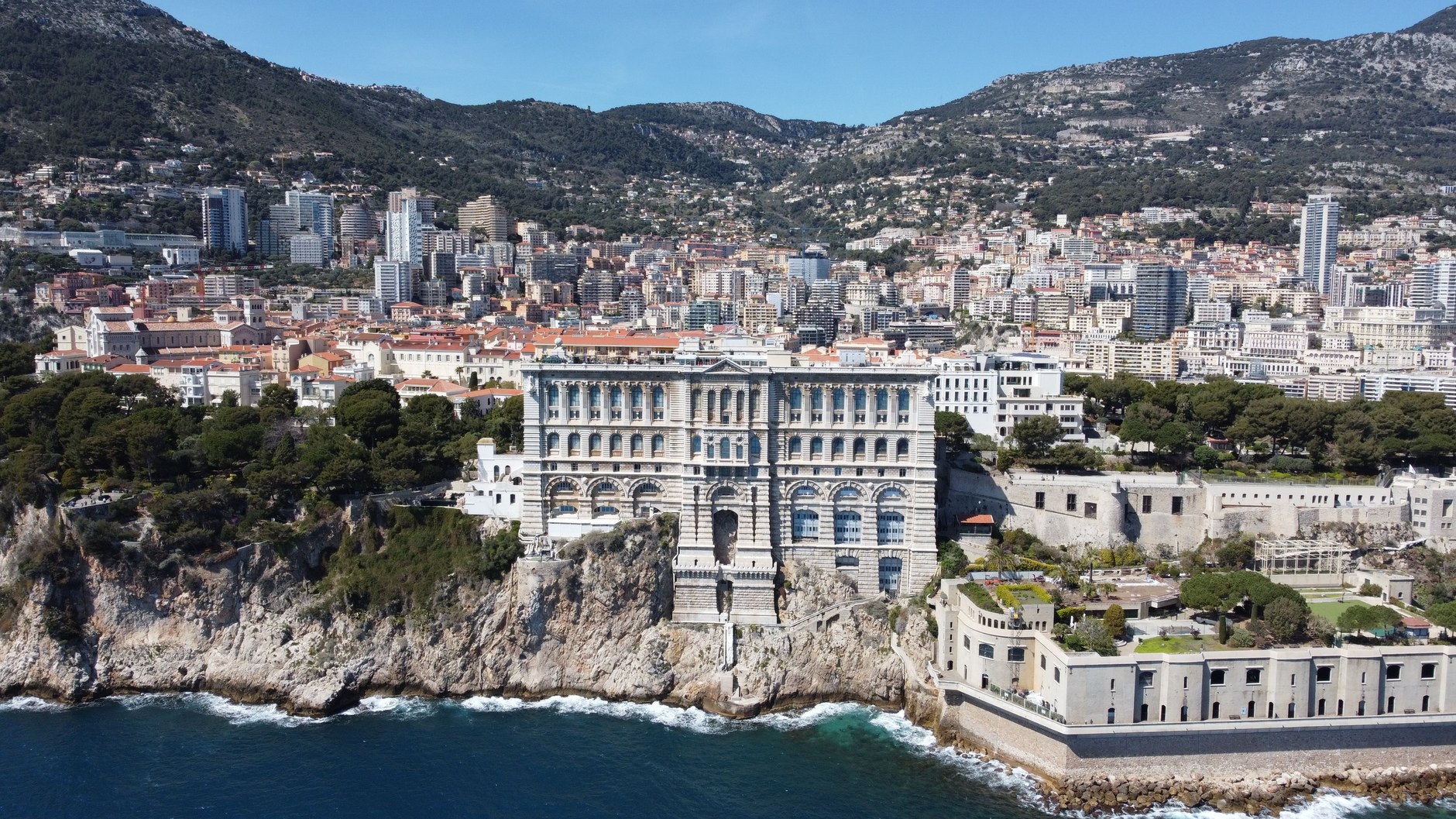
Arrival by rail provides an impressive introduction to Monegasque engineering. The Gare de Monaco-Monte-Carlo is carved entirely inside the mountain bedrock. Taking the Sainte-Dévote exit brings you straight to the port, while the Pont Sainte-Dévote lift carries you upward toward Monte Carlo.
Monaco-Ville: The Rock, Princely Heritage, and Ocean Science
Perched atop a 60-meter-high limestone promontory extending into the sea, Monaco-Ville—known simply as Le Rocher (The Rock)—is the ancient beating heart of the principality. Established by the Genoese in 1215 and captured by François Grimaldi in 1297, this fortress hill remains the sovereign seat of Prince Albert II and the Grimaldi royal dynasty.
Begin your morning on the expansive Place du Palais. At 11:55 AM sharp each day, the Compagnie des Carabiniers du Prince executes the traditional Changing of the Guard ceremony in dress uniforms with drum and trumpet fanfares. During seasonal openings from April through October, visitors can tour the Palace State Apartments, admiring restored 16th-century Italian Renaissance frescoes, marble gallery hallways, and the ornate Throne Room.
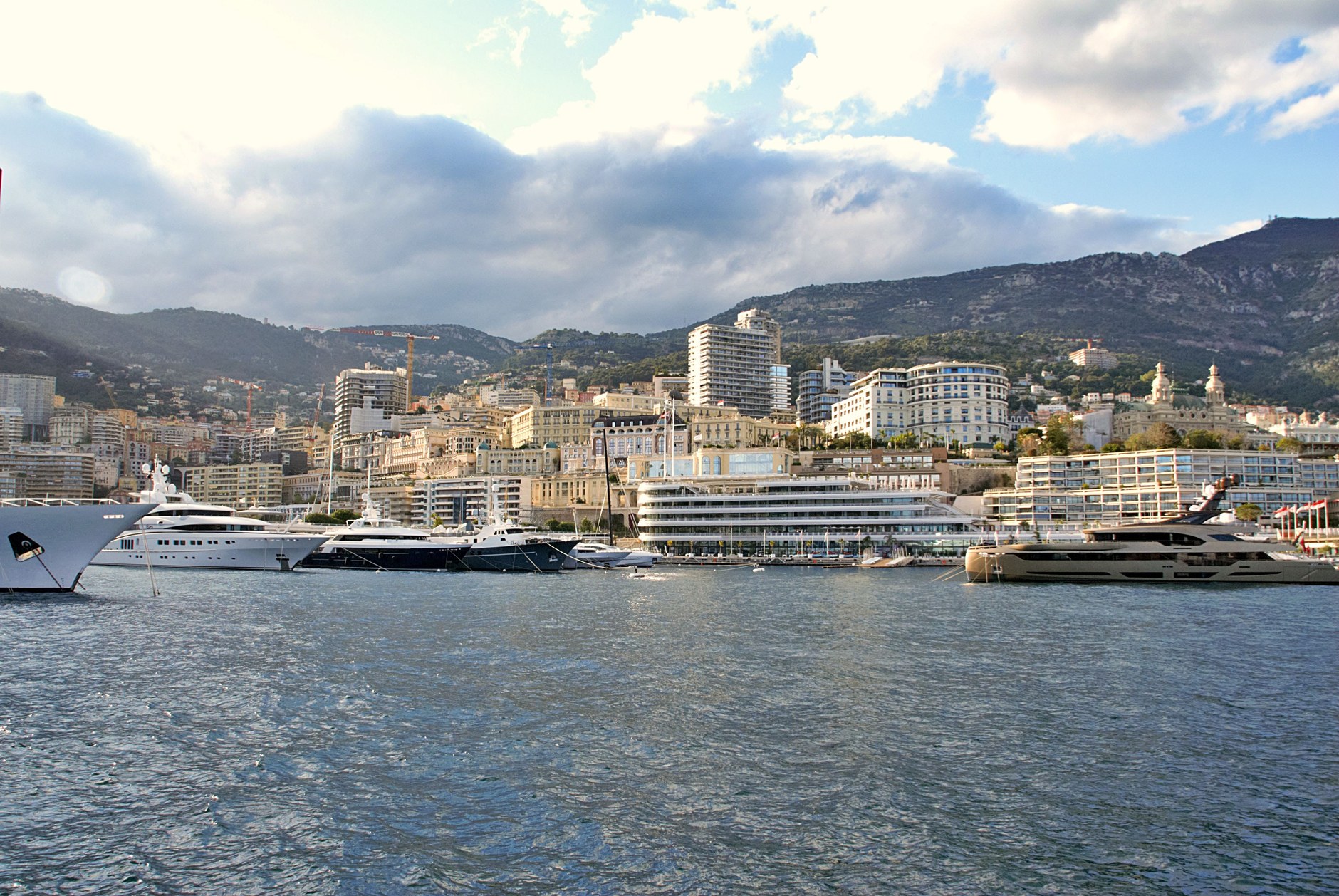
A short walk through shaded cobblestone alleys leads to Saint Nicholas Cathedral (Cathédrale de Monaco), a Romanesque-Byzantine limestone edifice built in 1875. Inside lie the marble tombs of Monaco’s rulers, including Prince Rainier III and Princess Grace Kelly. Across the tranquil Saint-Martin Gardens stands the Musée Océanographique, founded in 1910 by Prince Albert I. Clinging directly to the sheer sea cliff, this monumental palace of marine science features vast Mediterranean aquariums fed directly with filtered seawater and the historical exhibits of Jacques Cousteau.
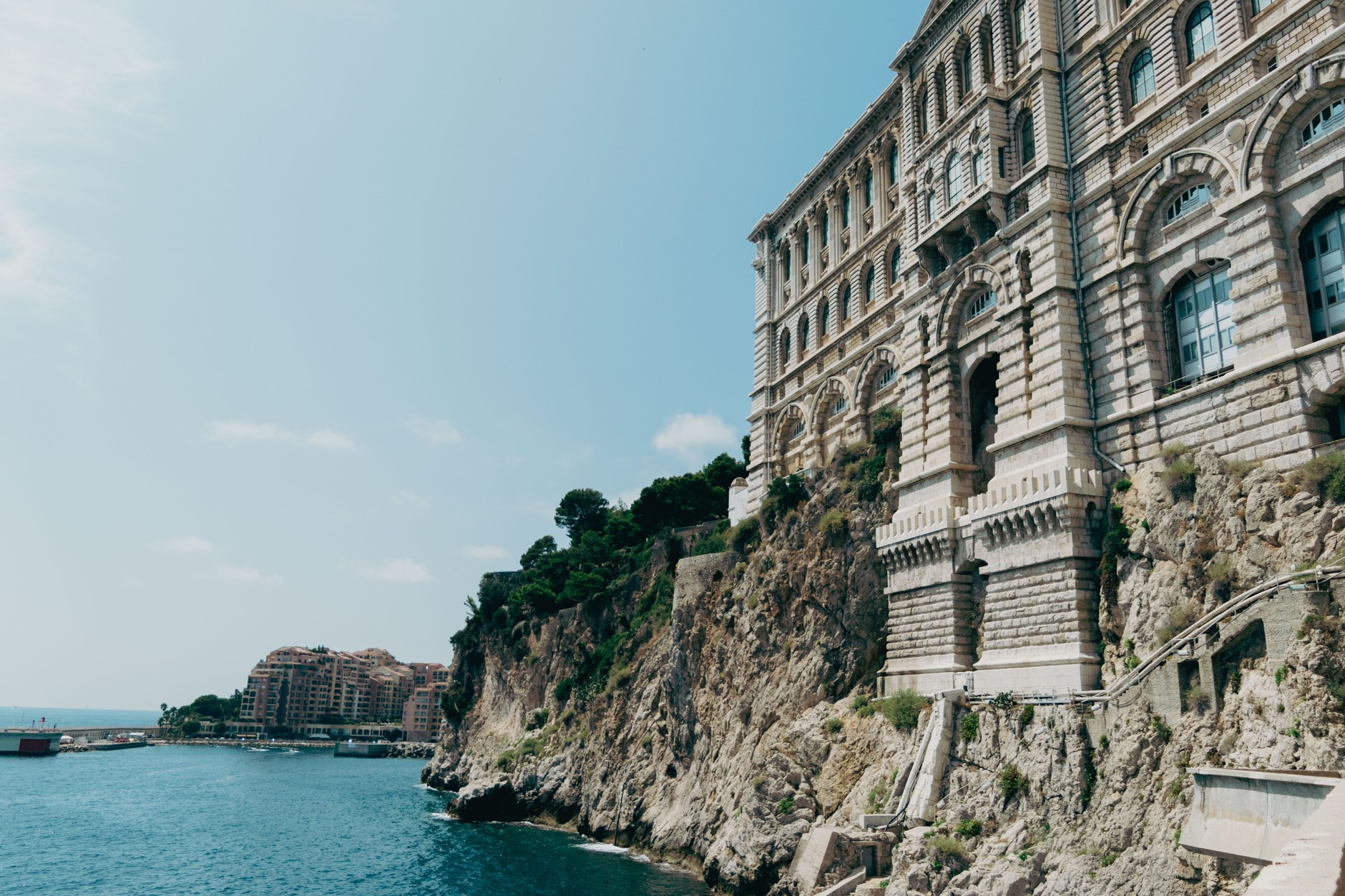
From the oceanfront gardens of Le Rocher, descend via the historic red-brick stairs of the Rampe Major down toward the harbor basin of Port Hercule, where the city transitions from royal history to Mediterranean maritime commerce.
Monte Carlo: Belle Époque Splendor and the Grand Prix Circuit
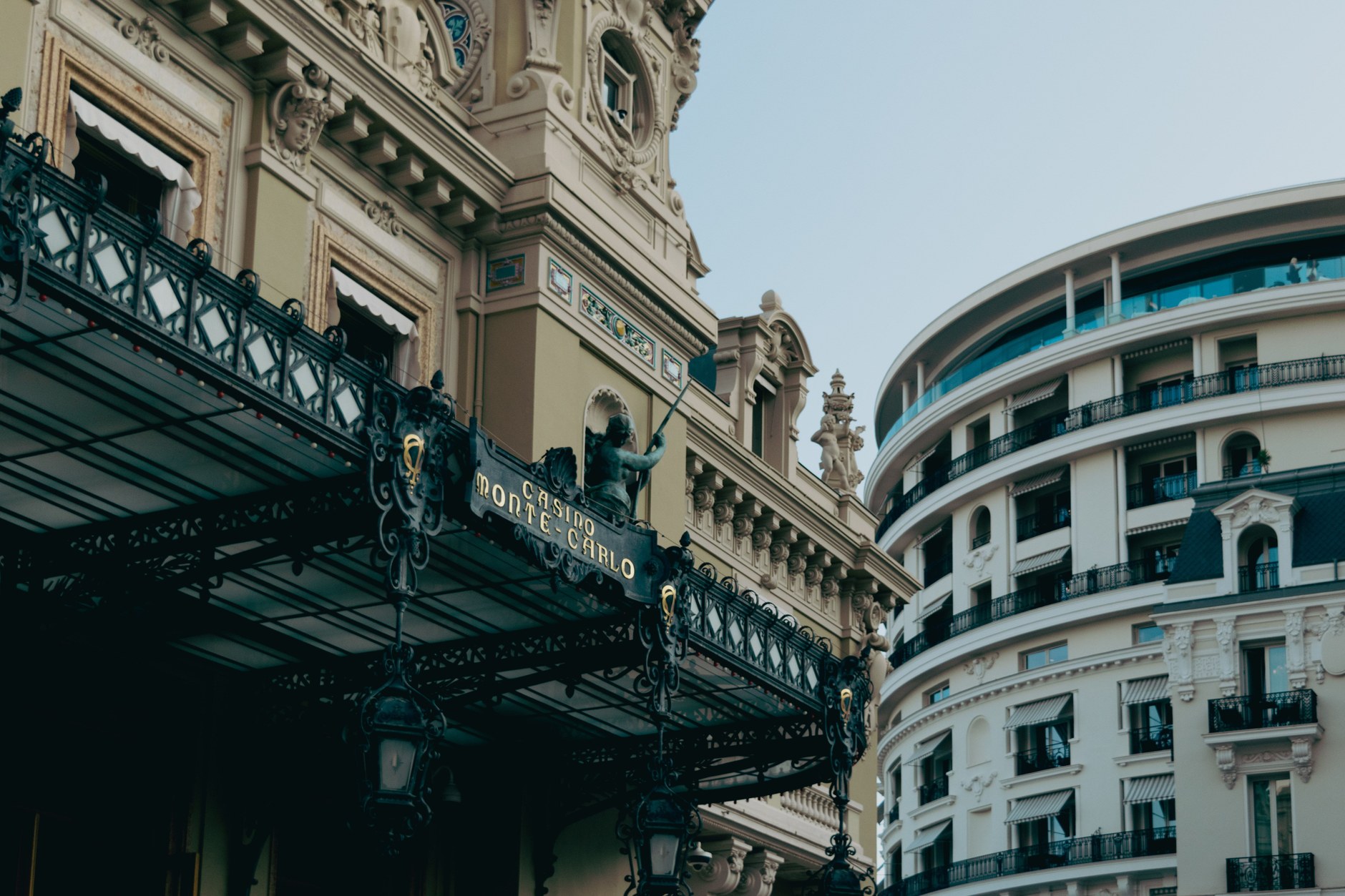
Across the harbor lies Monte Carlo, created in the 1850s by Prince Charles III around resort gaming. The quarter centers on Place du Casino, framed by the Casino de Monte-Carlo, Hôtel de Paris, and Café de Paris.
Designed by Paris Opera architect Charles Garnier, the casino features ornate Belle Époque gilded stucco, stained glass, and onyx chandeliers. Morning tours between 10:00 AM and 1:00 PM allow visitors to view gaming salons and the Salle Garnier opera house without gambling. Gaming begins at 2:00 PM, requiring valid passports and smart attire prohibiting athletic wear or shorts.
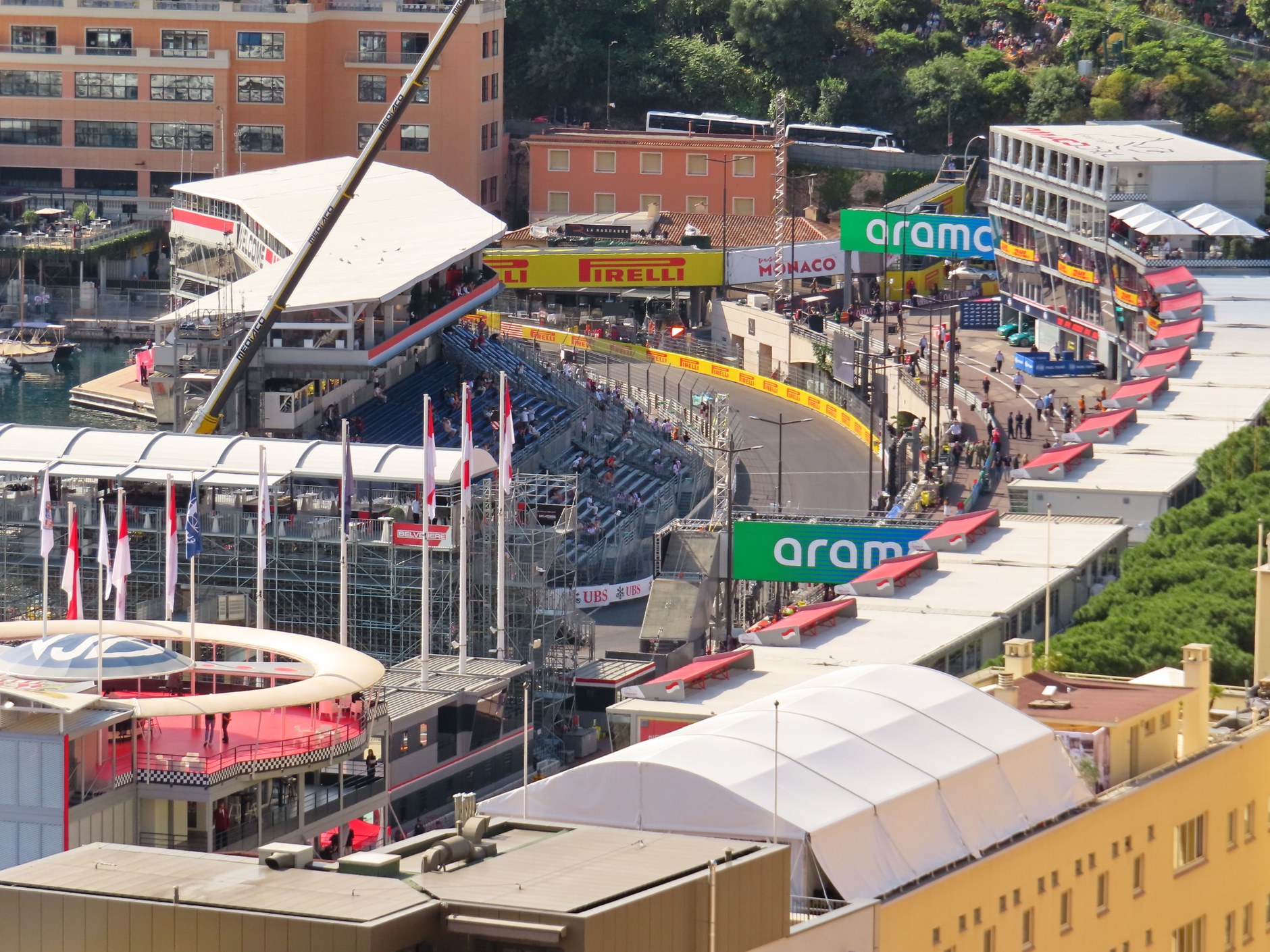
Walking the 3.3-kilometer Monaco Formula 1 street circuit is completely free. Starting along Port Hercule, follow the climb past Sainte-Dévote chapel to Massenet, circle Casino Square, descend Mirabeau into the tight Fairmont Hairpin, pass through the seafront tunnel, and trace the harbor chicane to the Rascasse corner where race cars pass centimeters from barriers.
Larvotto Beach and the Japanese Garden
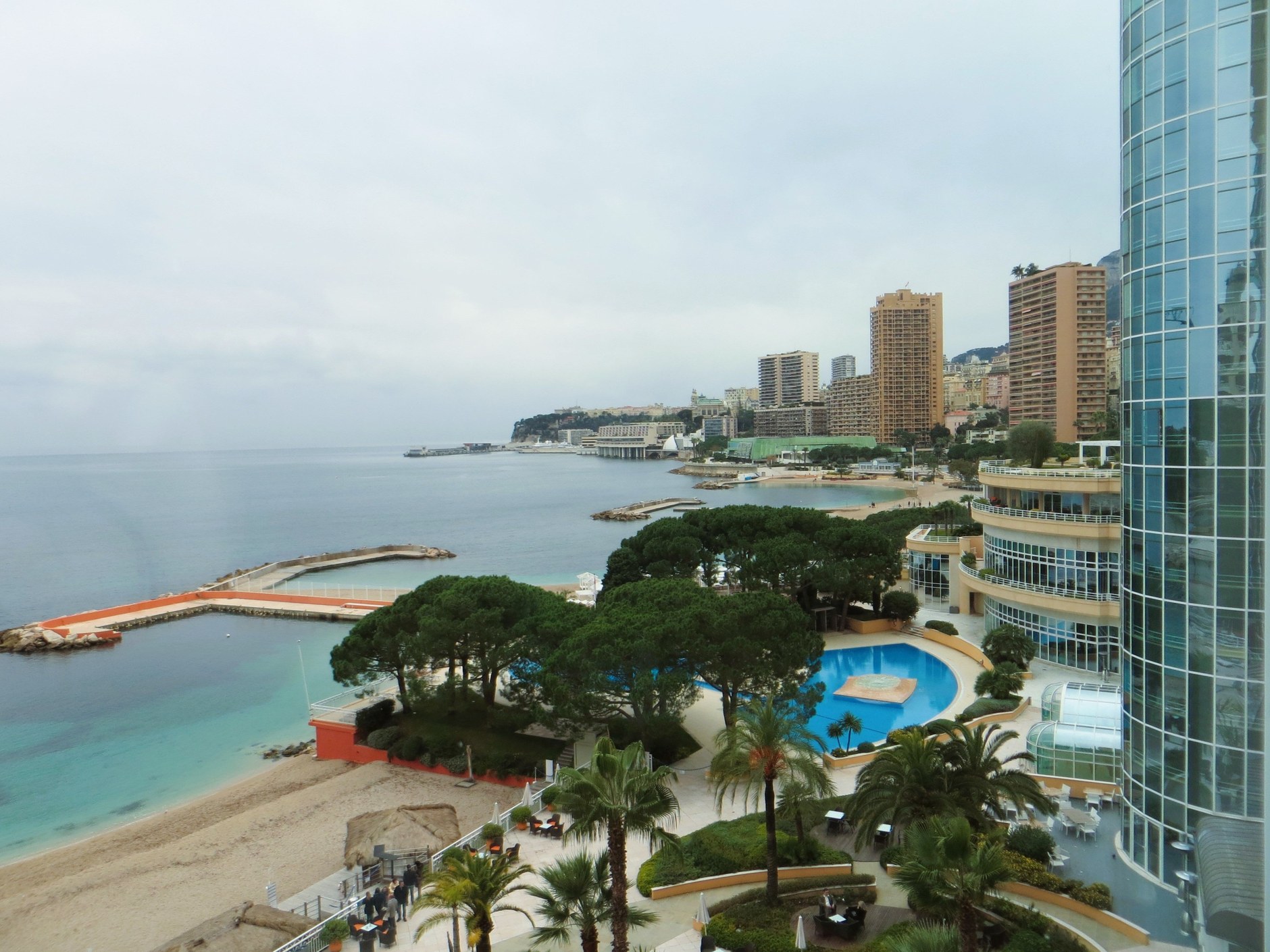
Continuing eastward along Avenue Princesse Grace leads to Larvotto, Monaco’s primary seaside recreational district. Redesigned by architect Renzo Piano, the Larvotto waterfront features an expansive pedestrian promenade shaded by Mediterranean pine trees, contemporary beach pavilions, and a clean public pebble beach protected by offshore acoustic nets.
Just behind the beach promenade sits the Princess Grace Japanese Garden (Jardin Japonais), created in 1992 under the direction of landscape architect Yasuo Beppu in strict accordance with Zen principles. This 7,000-square-meter oasis incorporates waterfalls, bamboo groves, stone lanterns, wooden arched bridges, and koi ponds framed against modern towers, providing a peaceful retreat from surrounding boulevards.
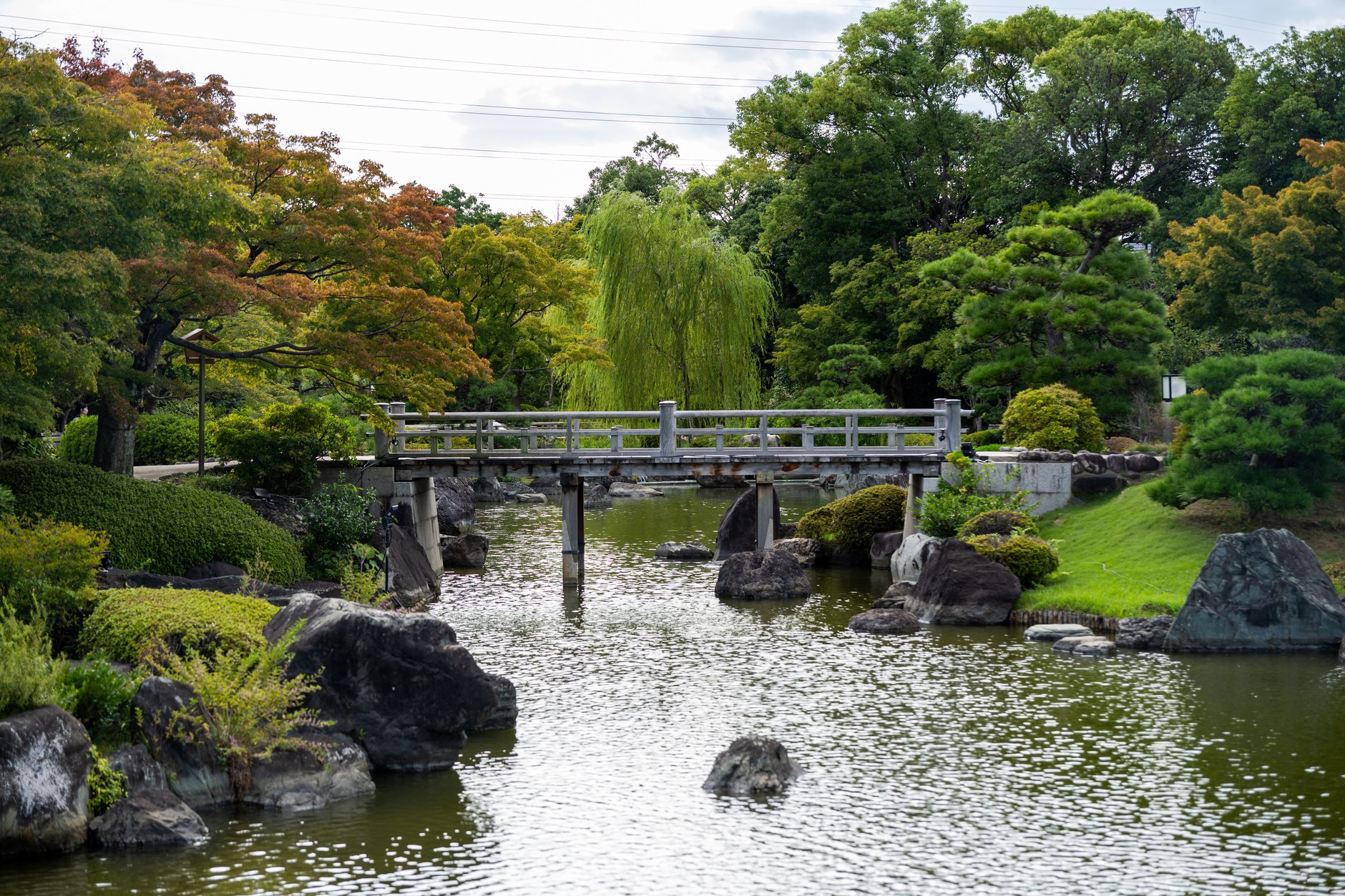
The gentle seaward stroll along Larvotto offers refreshing sea air and casual outdoor cafes where travelers can pause for an espresso or gelato without incurring high fine-dining charges.
Arrival Logistics: Train, Helicopter, and Urban Mobility
Arriving in Monaco is straightforward once you know which transport links to prioritize. Most travelers arrive via Nice Côte d’Azur Airport (NCE), located 30 kilometers to the west. From Nice airport, you have three distinct transfer options depending on your budget and travel style.
The smartest arrival is by regional train (TER). Direct tram lines connect Nice airport terminals to Nice-Saint-Augustin station, where frequent double-decker TER trains depart every fifteen to twenty minutes along the coast to Monaco-Monte-Carlo station. The ride takes twenty minutes, costs approximately $4.97 each way, and offers sensational views of Villefranche-sur-Mer and Mediterranean cliffs. Taxis from Nice airport to Monaco operate on fixed flat rates of $107.33 to $135.58, but traffic congestion along the Moyenne Corniche can drag travel times to an hour or more during peak hours.
For luxury travelers, scheduled helicopter transfers operated by Monacair or Heli Air Monaco connect Nice airport directly to the Fontvieille heliport in seven minutes. Flights operate every fifteen minutes throughout the day, providing an exhilarating aerial approach over the Cap d’Ail coastline for roughly $180.77 to $248.56 per passenger, including shuttle transfer to your hotel.
The Non-EU Connectivity Trap: Mobile Data in Monaco
A critical detail that catches visitors off guard is that Monaco is not an EU or EEA member. Standard EU “Roam Like at Home” rules do not apply to networks here.
European and international mobile carriers place Monaco into expensive roaming tiers. Crossing into Monaco with standard cellular data connects your phone to Monaco Telecom, incurring punitive fees between $11.30 and $16.95 per megabyte. Using maps or email for an afternoon can generate unexpected roaming charges of hundreds of euros.
To prevent roaming shock, install an international eSIM prior to arrival. With NXTL’s Monaco eSIM, your device connects directly to Monaco Telecom’s high-speed 5G and LTE networks. NXTL uses a transparent pay-as-you-go balance that never expires.
Any remaining data balance stays active in your account for future journeys across more than 180 countries. Equipping an eSIM also leaves your physical SIM active in your phone’s secondary slot, allowing you to receive vital bank verification SMS messages and stay reachable on messaging applications without paying exorbitant roaming fees to your home carrier.
Budget Realities, Where to Stay, and Daily Spending
Monaco’s spending environment requires realistic planning. While public parks, gardens, and walking the Grand Prix circuit cost nothing, dining and lodging inside the principality carry significant premiums compared to neighboring French towns.
Monaco lodging concentrates in the luxury tier. Historic landmarks like the Hôtel de Paris and Hôtel Hermitage charge $508.41 to $1.36 nightly, tripling during Grand Prix week. Mid-range properties rarely fall below $248.56 to $395.43. Basing in Nice or Menton and day-tripping by train is far more economical. Quality four-star boutique hotels in Nice Old Town or Menton run $124.28 to $203.36, paired with affordable dining. The 20-minute TER train allows you to experience Monaco comfortably while managing travel costs.
Anticipate these realistic expenditure benchmarks across the principality:
- Dining: A quick espresso standing at a bar in La Condamine market costs $2.82 to $3.95, whereas sitting on the terrace of Café de Paris on Place du Casino costs $13.56 to $18.08. A casual lunch of pasta or niçoise salad runs $24.86 to $39.54 per person. A formal dinner at a fine-dining restaurant starts at $101.68 to $203.36 per person, reaching $338.94+ at multi-Michelin-starred venues like Louis XV by Alain Ducasse.
- Sightseeing Admissions: The Prince’s Palace State Apartments cost $11.30 per adult. The Musée Océanographique costs $21.47 to $23.73 per adult. The morning Casino de Monte-Carlo audio-guided architectural tour costs $21.47 (which includes a voucher for drinks or gaming).
- Local Transit: Single-ride tickets on the Compagnie des Autobus de Monaco (CAM) cost $2.26 onboard or $1.69 via smartphone app. A 24-hour bus pass costs $6.21. All public elevators and escalators are completely free.
Five Pitfalls and Scams to Avoid in Monaco
While Monaco is one of the safest jurisdictions in the world with virtually zero violent street crime, visitors frequently fall victim to logistical errors, dress code rejections, and commercial misunderstandings. Watch for these five common pitfalls:
- The Devastating Non-EU Data Roaming Bill Trap: Because Monaco is not part of the EU or EEA, standard European free data roaming does not apply. Crossing into Monaco with active cellular data on an unadapted European carrier SIM can incur astronomical charges up to $16.95 per megabyte. Turn off data roaming or equip a local eSIM before entering the principality.
- Casino Dress Code and Identity Turnaways: Attempting to enter the Casino de Monte-Carlo in casual athletic shorts, torn jeans, sandals, or running shoes will result in immediate rejection by door security. In the private gaming rooms after 7:00 PM, a jacket is recommended for men. Furthermore, original physical passports or EU national ID cards are legally mandatory for entry; digital phone scans are rejected.
- Formula 1 Grand Prix and Yacht Show Gridlock: During the Monaco Grand Prix in late May and the Monaco Yacht Show in late September, the principality transforms into a secure, ticketed construction zone. Public streets and waterfront promenades are walled off by grandstands and security barriers, hotels enforce multi-night minimums at astronomical rates, and casual sightseeing is impossible. Avoid these dates unless you hold verified event tickets.
- Exhausting Uphill Climbs and Overlooked Public Lifts: Many first-time visitors attempt to hike uphill from Port Hercule to Monte Carlo or Le Rocher along curving vehicle roads, arriving soaked in sweat. Always consult the free official Monaco urban transport map to locate public elevators and escalators that whisk you through cliff tunnels directly between elevations in seconds.
- Overpriced Waterfront Dining Surcharges: Terrace tables directly overlooking the superyachts in Port Hercule often feature high service surcharges, compulsory mineral water fees, and minimum spend requirements during evening hours. Always inspect menu pricing and terrace policy cards before sitting down to avoid unexpected table totals.
Observing these straightforward tips ensures your exploration of Monaco remains sophisticated, stress-free, and delightfully memorable.
Seasonal Timing, Weather Conditions, and Packing Essentials
Monaco enjoys a classic Mediterranean climate with mild, sunny winters and warm, dry summers. Temperatures in July and August average 80 to 86 degrees Fahrenheit (27 to 30 Celsius), tempered by sea breezes, while winter temperatures hover around 50 to 58 degrees (10 to 14 Celsius).
The most pleasant months for a walking visit are April through early June and September through October. During these shoulder seasons, skies are clear, temperatures are comfortable for walking cliffside paths, and summer crowds have thinned. Winter is quiet and atmospheric, though palace state apartments and some outdoor beach establishments close for annual maintenance.
Packing for Monaco requires smart-casual Riviera attire. While casual daytime wear is fine for streets and gardens, sloppy sportswear, beach flip-flops, and sleeveless shirts will bar entry to the casino, upscale restaurants, and the Prince’s Palace. Pack tailored linen shirts, lightweight trousers or knee-length dresses, comfortable leather walking shoes for cobblestones, stylish sunglasses, and a tailored blazer or evening jacket for dinner.
Do not forget a European Type C/E plug adapter, a compact umbrella during autumn months, and a reliable digital eSIM to keep your data flowing reliably. By approaching Monaco as an authentic, compact cultural and architectural destination, you will experience the undeniable magnetism of the Riviera’s most legendary sovereign rock.