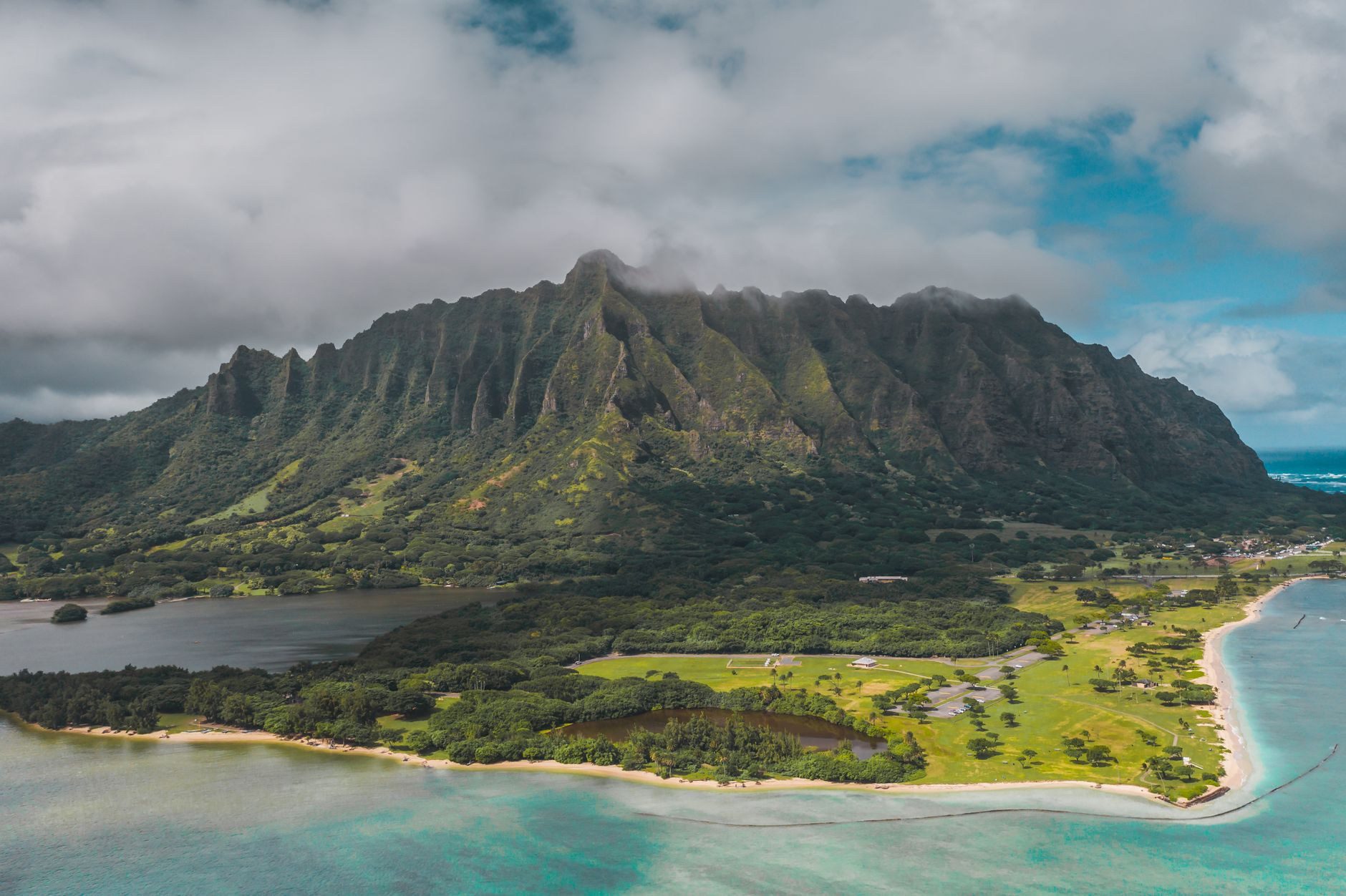
Dominica defies standard Caribbean travel expectations. Known as the “Nature Island,” this rugged volcanic territory between Guadeloupe and Martinique has rejected cruise mega-resorts in favor of mountain wilderness, 365 rivers, steaming craters, and primary rainforest. Travelers arriving here expecting gentle beach loungers will find themselves unprepared; those who arrive with sturdy hiking boots, dry bags, and an appetite for mountain exploration will encounter one of the wildest islands on the planet.
Planning a trip to Dominica requires realistic logistics and respect for vertical terrain. The island’s spine is formed by volcanic peaks culminating in Morne Diablotin at 4,747 feet. Mountain roads are narrow ribbons etched into steep ravines with sheer drops and blind switchbacks. Weather can change from coastal sunshine to mountain downpours within fifteen minutes. Organizing your journey around two distinct bases—the Roseau Valley in the south and Portsmouth in the north—allows you to tackle premier hikes and marine reserves without spending entire days negotiating exhausting switchbacks.
Who This Trip Suits and How Long to Stay
Dominica suits active hikers, adventurous snorkelers, botanical enthusiasts, and independent road-trippers who prioritize raw natural landscapes over resort pampering. It is an exceptional destination for travelers who want to trek through steaming geothermal valleys, swim through volcanic canyons to waterfalls, and snorkel above submerged volcanic vents where champagne-like bubbles rise from the seafloor. The island is safe, welcoming, and home to the Kalinago, the last remaining indigenous territory in the Eastern Caribbean.
Conversely, Dominica is unsuitable for travelers seeking all-inclusive beach relaxation or nightlife. The island’s beaches are largely volcanic black sand or rocky shingles exposed to Atlantic swells. Public transit consists of informal minibuses that run erratically on weekends and cease entirely after dark. A minimum of seven to eight days is required to experience both southern geothermal highlands and northern marine parks, while ten days allows you to tackle demanding sections of the Waitukubuli National Trail without rushing.
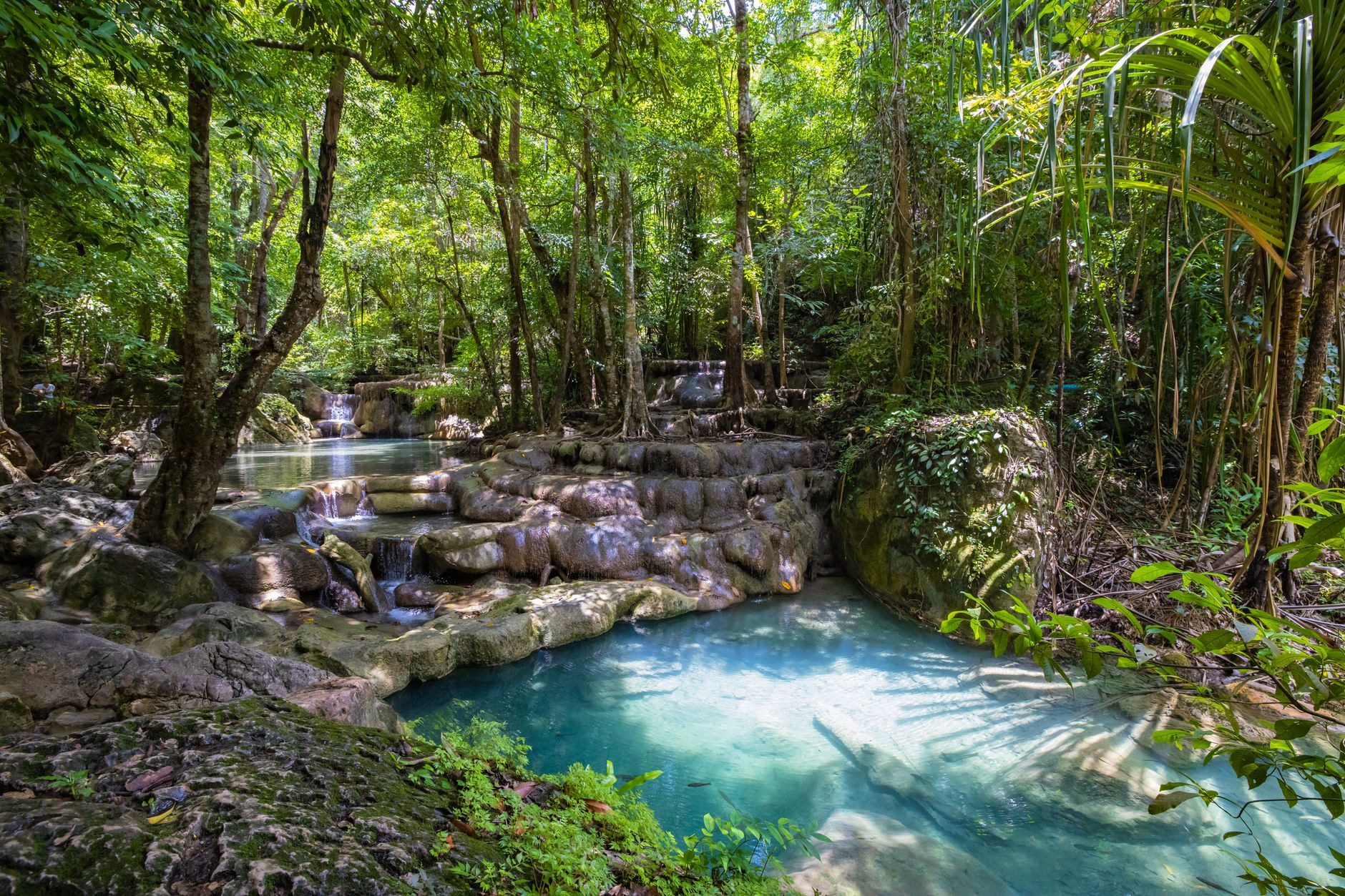
If you have four or five days, base yourself exclusively in the Roseau Valley or Soufrière to focus on Morne Trois Pitons National Park and Scotts Head. Trying to cross the island on a short trip leads to vehicle fatigue. With ten to twelve days, you can comfortably add a multi-day trek on the Waitukubuli Trail and explore the wild Atlantic coastline.
Two-Base Strategy: Roseau Valley vs. Portsmouth
The smartest logistical approach to Dominica is dividing your stay between two contrasting bases: four nights in the south (around Roseau Valley or Soufrière) followed by three nights in the north near Portsmouth. This eliminates hours of daily driving across the central mountain divide and lets you experience both island cultures.
In the south, staying in the Roseau Valley (around Wotten Waven or Laudat) places you within minutes of major trailheads for Titou Gorge, Trafalgar Falls, and the Boiling Lake, with natural open-air thermal sulphur spas right at your doorstep. Moving north to Portsmouth positions you near the calm waters of Prince Rupert Bay, Cabrits National Park, the historic Indian River, and the rainforests of Morne Diablotin.
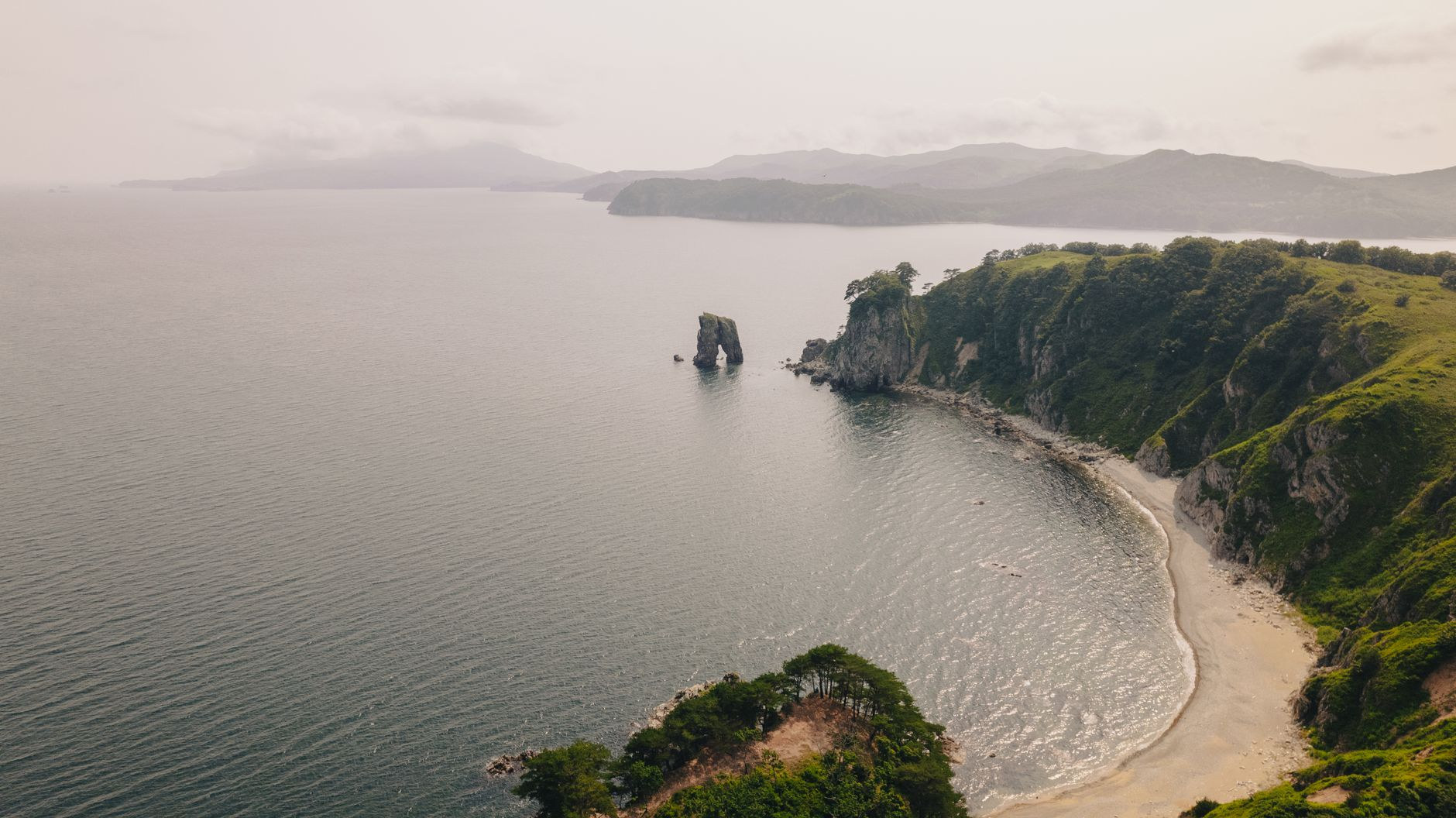
Between these regions, the coastal drive takes roughly an hour and fifteen minutes under favorable conditions. Transitioning between bases midway through your trip ensures that every morning starts close to your planned trailheads, giving you maximum energy for the physical demands of the island.
Day-by-Day Dominica Itinerary
This seven-day route balances strenuous mountain trekking, geothermal river canyons, marine snorkeling, and northern coastal heritage across Dominica’s premier wilderness regions.
| Day / Stage | Base | Highlights | Transport Mode | Transit Time | Advance Booking Requirement |
|---|---|---|---|---|---|
| Day 1 | Roseau Valley (Wotten Waven) | Arrive Douglas-Charles (DOM), scenic interior drive, evening thermal sulphur bath soak | Rental 4WD SUV | 1 hr 20 mins | Rental SUV reserved 1 month ahead |
| Day 2 | Roseau Valley (Wotten Waven) | Trafalgar twin falls walk, swim Titou Gorge canyon, explore Roseau market | Rental 4WD SUV | 35 mins driving | Site pass purchased at Forestry office |
| Day 3 | Roseau Valley (Wotten Waven) | The Boiling Lake expedition: Valley of Desolation, fumaroles, volcanic crater trek | Guided Hike / Foot | 6–7 hrs hiking | Certified guide booked 2 weeks ahead |
| Day 4 | Roseau Valley (Soufrière) | Hike Scotts Head ridge, snorkel Champagne Reef geothermal vents, waterfront dinner | Rental 4WD SUV | 45 mins total driving | Snorkel gear rental on site |
| Day 5 | Portsmouth | Drive to Portsmouth, guided rowboat tour up Indian River, explore Cabrits Fort Shirley | Rental 4WD SUV / Rowboat | 1 hr 15 mins drive | Licensed boatman at Indian River bridge |
| Day 6 | Portsmouth | Syndicate Nature Trail parrot hike, Batibou Beach wild Atlantic swim, beachside grill | Rental 4WD SUV | 50 mins total driving | Batibou Beach access fee on arrival |
| Day 7 | Departure | Kalinago Territory cultural visit at Barana Autê, transfer to DOM airport, depart | Rental 4WD SUV | 1 hr 10 mins to airport | Check-in 2.5 hrs prior to flight |
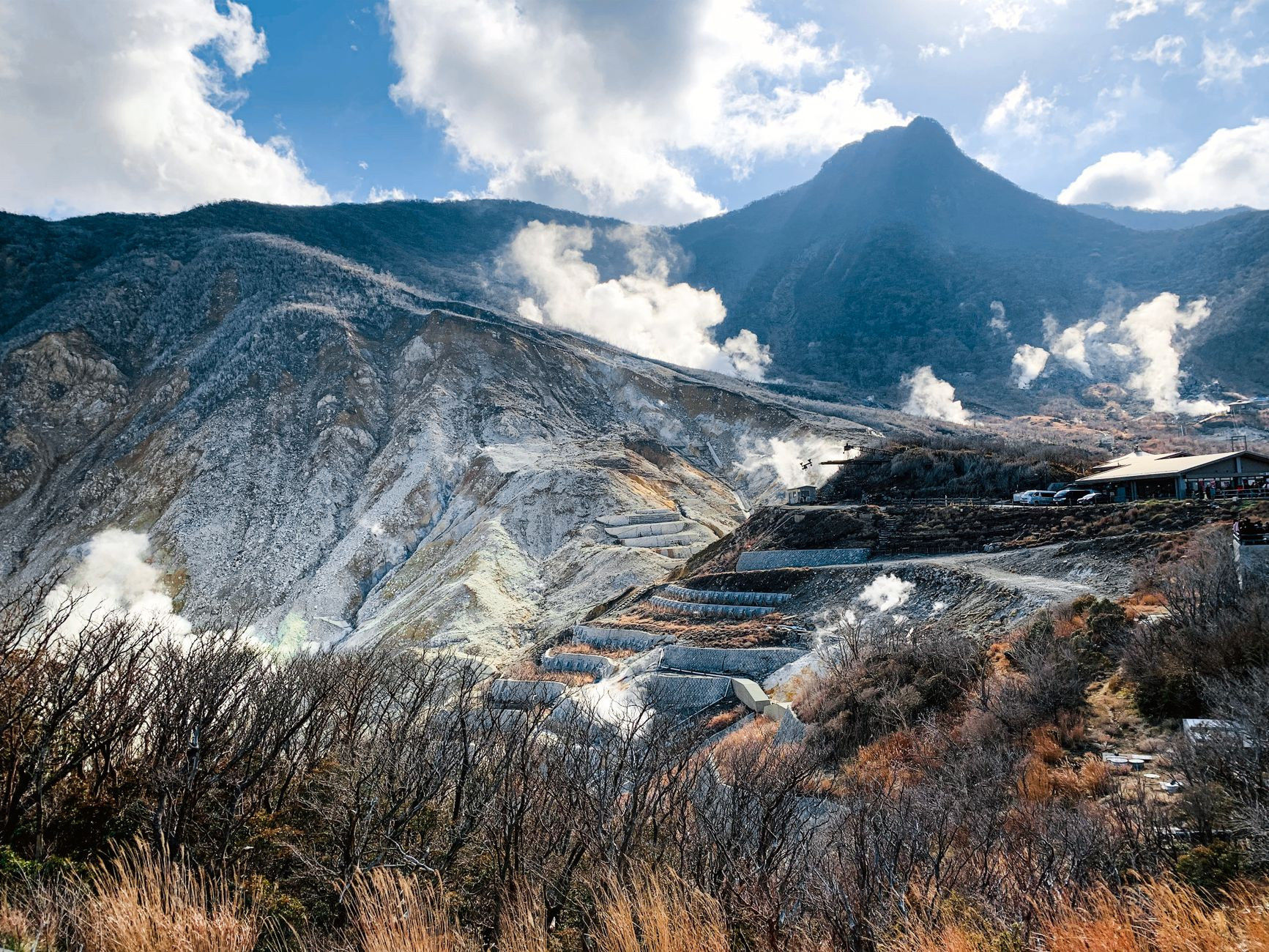
Preparation is critical for the Boiling Lake hike, widely regarded as one of the most demanding day treks in the Caribbean. Starting from Titou Gorge, the trail ascends steep volcanic ridges before descending into the Valley of Desolation, where sulphur fumaroles vent steam and boiling streams hiss across gray volcanic stone. The trail culminates at the edge of a flooded fumarole 200 feet across, churning with grayish-blue boiling water. Never attempt this trek without a certified local guide, as sudden cloud cover, flash flooding, and scalding mineral runoff present real dangers.
Morne Trois Pitons and the Geothermal Highlands
Morne Trois Pitons National Park, a UNESCO World Heritage site, encompasses the heart of southern Dominica. Begin your morning at Trafalgar Falls, where two cascades tumble through the canopy: “Father Fall” drops 125 feet of hot mineral water, while “Mother Fall” pours 75 feet of cool river water into boulder pools.
A short drive up the mountain brings you to Titou Gorge, a deep volcanic cleft carved through sheer rock walls. Swimmers don life vests and paddle into the narrow canyon against a gentle current, following the twisting water passage between towering rock walls until reaching an enclosed waterfall. The water is bracing and refreshing, framed by overhanging rainforest vines.
After hiking, unwind in Wotten Waven. Fed by subterranean volcanic reservoirs, local families channel hot mineral water into open-air stone pools. Soaking in these warm, sulphur-rich waters beneath the rainforest canopy is the quintessential Dominican ritual for easing trail-worn muscles.
Marine Wonders: Champagne Reef and Scotts Head
Dominica’s underwater topography is just as vertical as its mountains. Along the southern coast, the Soufrière Scotts Head Marine Reserve protects a submerged volcanic crater that plunges thousands of feet into the ocean just yards from shore, creating dramatic drop-offs that attract resident pods of sperm whales.
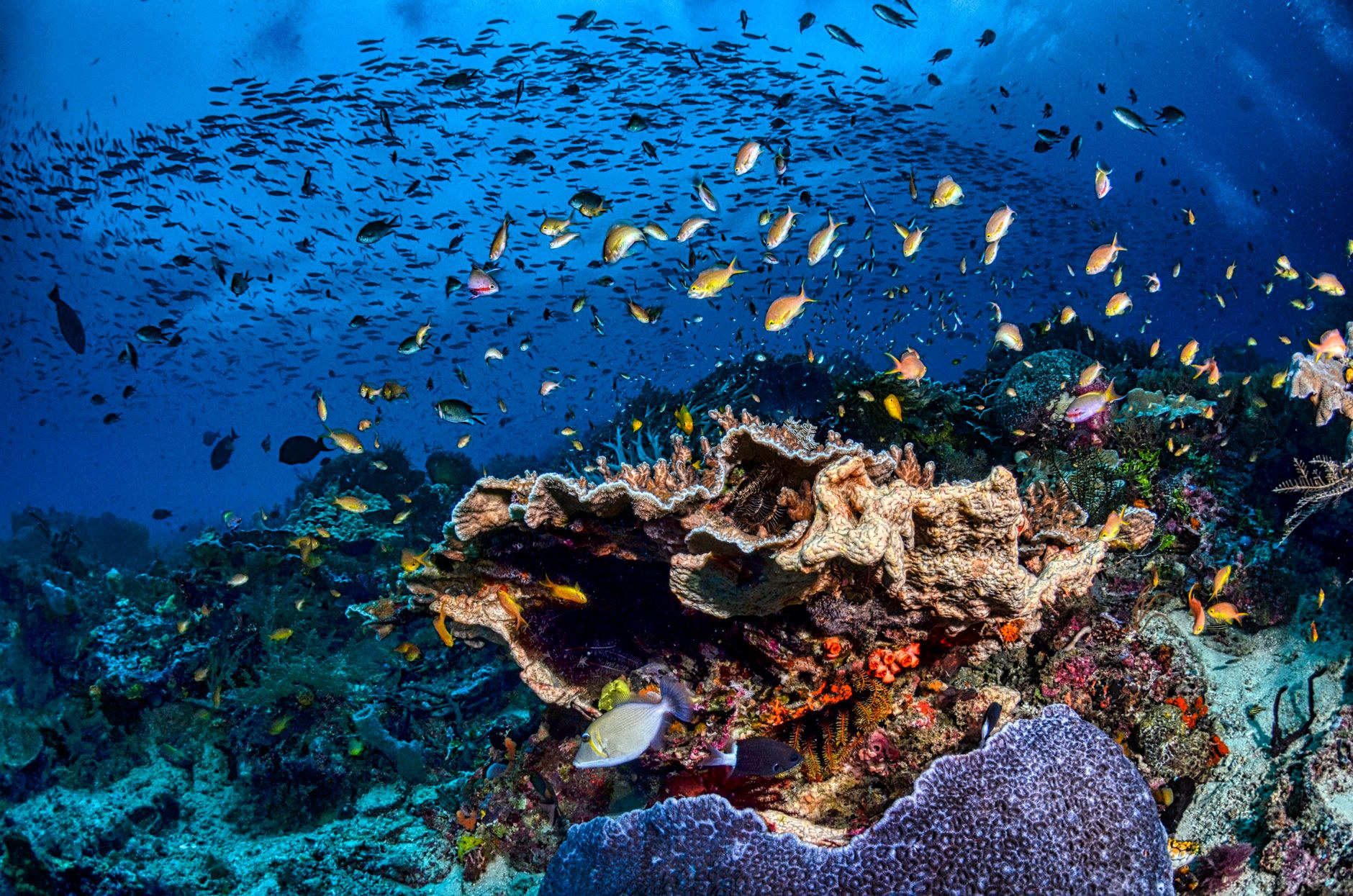
At Champagne Reef, volcanic activity manifests directly on the ocean floor. Snorkelers swimming out over the stony shelf enter a unique marine environment: thousands of warm gas bubbles effervesce from subterranean vents, rising to the surface like a glass of champagne. The warm geothermal water attracts abundant marine life, including hawksbill turtles, flying gurnards, and spiny lobsters among colorful coral heads.
Continue south to the narrow isthmus of Scotts Head. Climbing the grassy ridge provides a panoramic view of Atlantic swells on your left and tranquil Caribbean waters on your right. Below, local fishermen haul wooden boats onto the pebble beach, while the deep marine drop-off offers world-class scuba diving along coral pinnacles.
Portsmouth, Indian River, and Morne Diablotin
Heading north to Portsmouth reveals a gentler coastal landscape. Dominating Prince Rupert Bay is Cabrits National Park, a volcanic peninsula protecting Fort Shirley, an 18th-century British military fortress. Restored from the jungle, the fort features stone barracks, cannons overlooking the bay, and trails leading to secluded Douglas Bay.
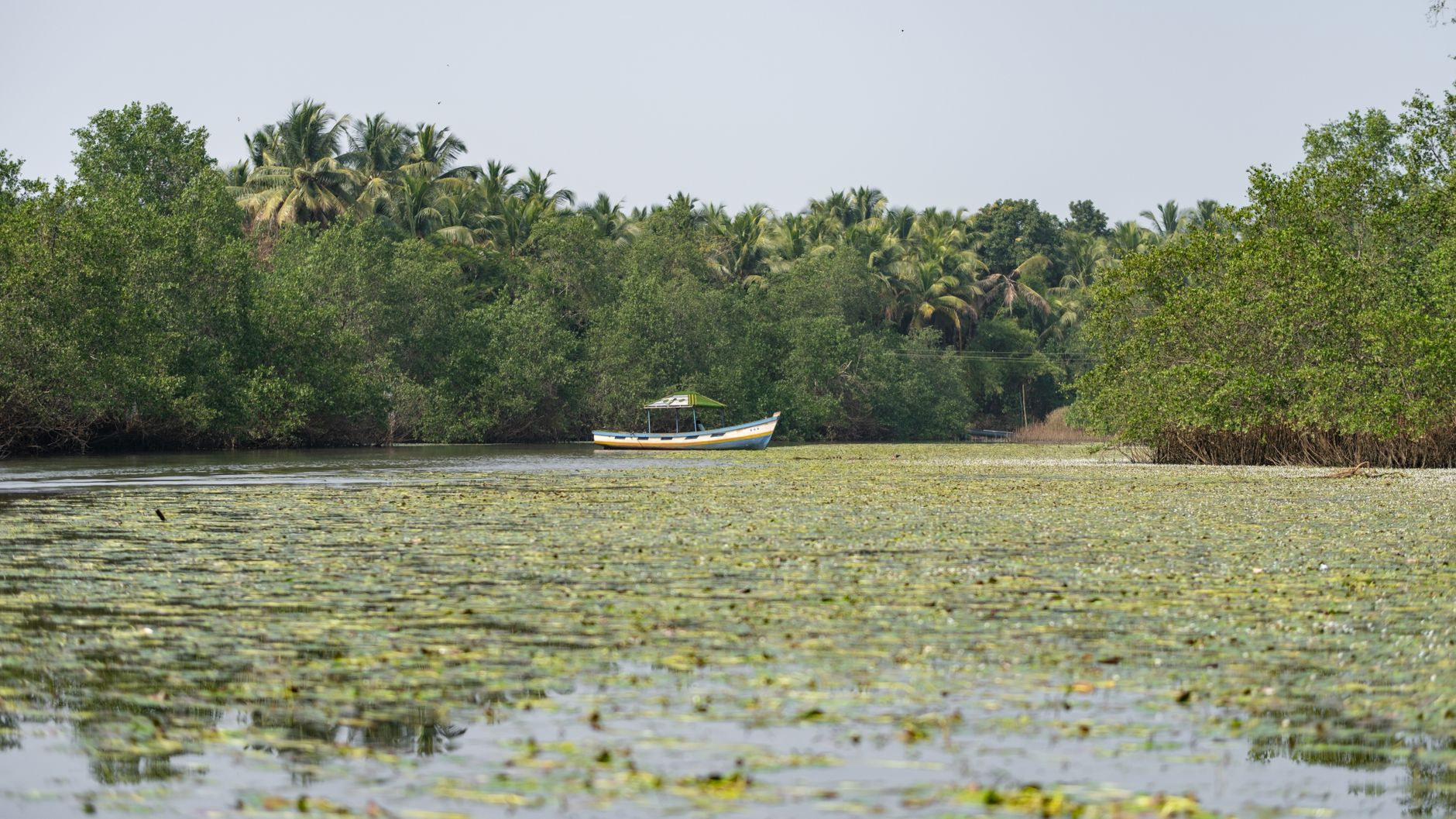
At the edge of Portsmouth lies the Indian River. To protect this fragile wetland ecosystem, motorboats are banned. Licensed local boatmen row traditional wooden boats upstream beneath giant buttressed swamp bloodwood trees whose root systems twist through brackish water. The quiet glide past blooming lilies and hanging vines reveals herons, kingfishers, and land crabs scurrying among roots, concluding at a rustic wooden bush bar serving spiced rum punch.
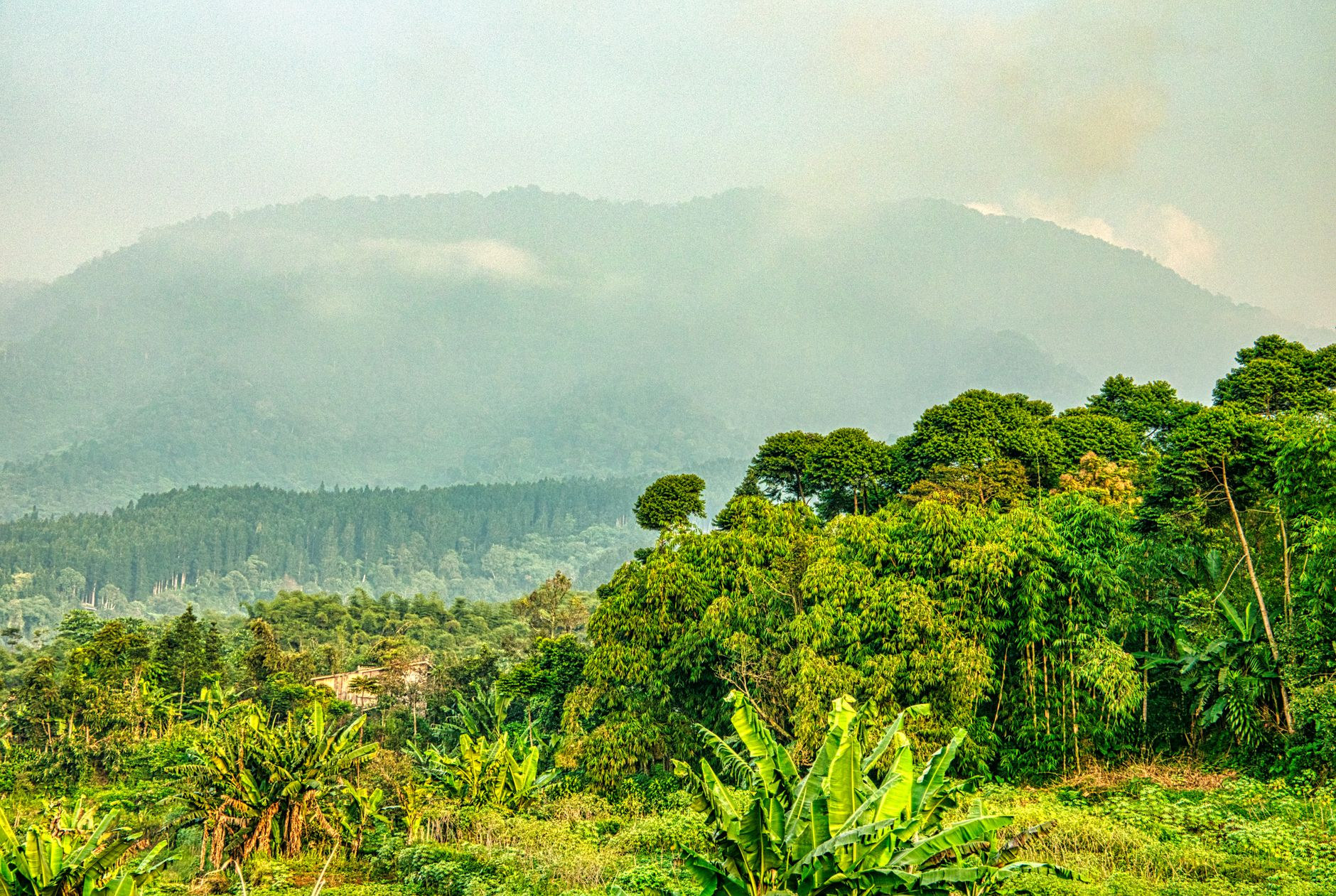
Further inland, ascending the slopes of Morne Diablotin brings you to the Syndicate Nature Trail. This loop trail winds through ancient primary rainforest dominated by towering gommier trees. The forest is home to Dominica’s national bird, the endangered Imperial Parrot (Sisserou), along with the Red-necked Parrot (Jaco). Early morning birders can frequently spot these rare birds gliding across the canopy.
Kalinago Territory and the Wild Atlantic Shore
On Dominica’s eastern Atlantic coast lies the Kalinago Territory, a 3,700-acre communal reserve granted to the indigenous Kalinago people in 1903. This is the only communal territory of indigenous people remaining anywhere in the Caribbean.
Visit Kalinago Barana Autê, a traditional cultural village overlooking crashing Atlantic surf. Kalinago guides demonstrate the construction of traditional dugout canoes carved from single gommier logs, weave waterproof baskets from larouman reeds, and explain medicinal plant uses preserved through oral traditions. Purchasing baskets directly from local artisans provides vital economic support to the community.
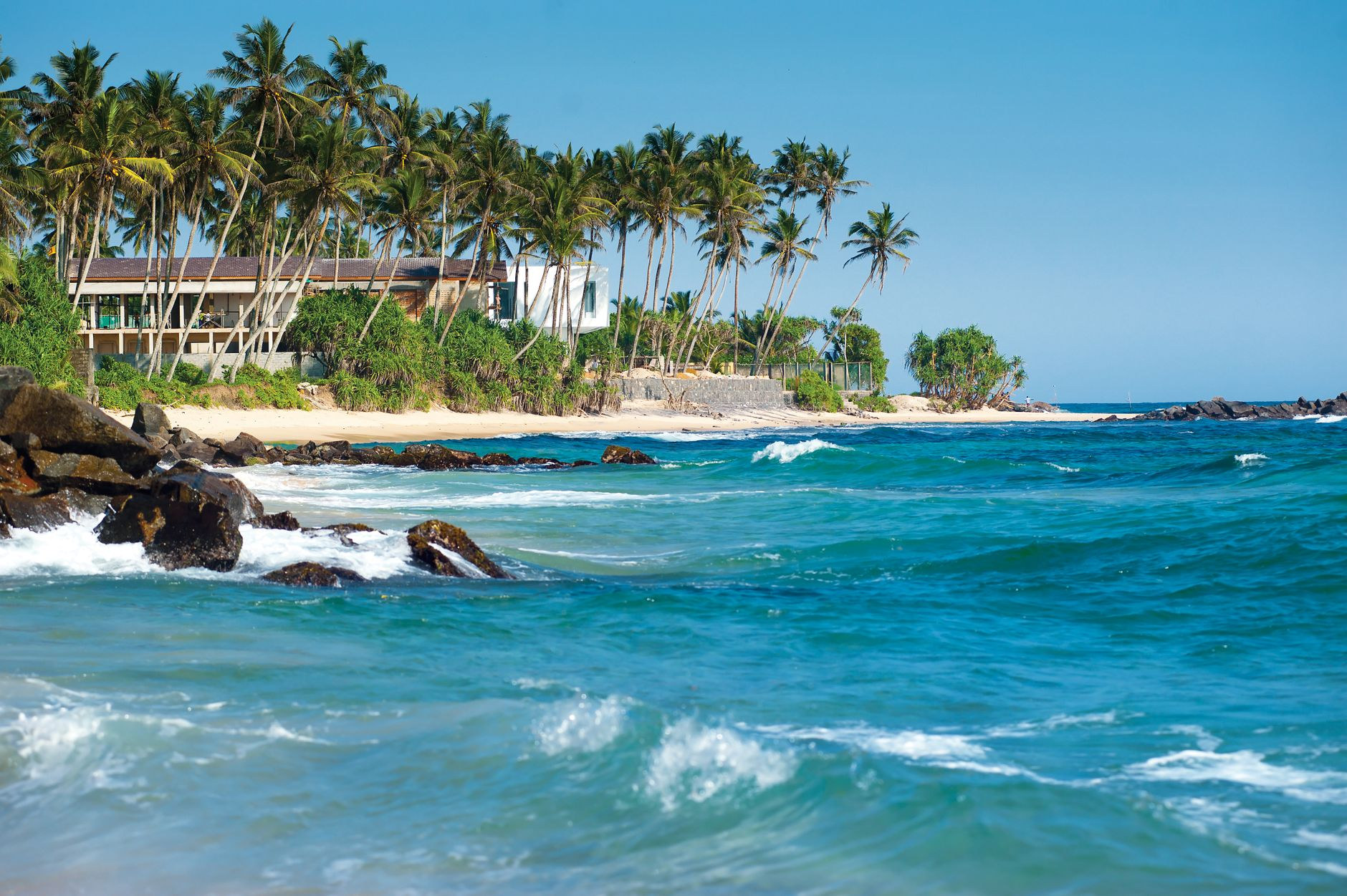
Complete your northern tour at Batibou Beach on the northeast coast. Reached by a rugged dirt track, this broad crescent of golden sand is flanked by coconut palms and rocky headlands. While Atlantic surf requires caution, the protected cove offers safe swimming areas and an open-air wooden bar serving fresh coconut water and grilled fish.
Driving Mountain Roads and Transport Realities
Driving in Dominica is on the left, following British tradition. Roads are narrow, steep, and riddled with blind hairpin turns, dramatic elevation changes, and deep roadside storm gutters built to handle torrential runoff.
Renting a high-clearance four-wheel-drive SUV is essential. Standard passenger sedans lack the ground clearance and low-gear power required to climb slick mountain grades and navigate potholes. The golden rule of Dominican driving is the courtesy horn: tap your horn lightly when approaching blind switchbacks to alert oncoming minibus drivers. Yield to ascending traffic on narrow mountain passes, and avoid driving long mountain roads after dark when fog, sudden rain, and unlit roads reduce visibility.
Public transport consists of privately owned minibuses that operate along main coastal roads. While inexpensive (3 to 10 XCD per ride), they follow no set schedules, do not run to remote trailheads like Boiling Lake or Syndicate, and stop running by dusk. For independent travelers, a rental SUV is mandatory for reaching hiking trails on time.
Mobile Data and Connectivity in the Rainforest
Reliable mobile connectivity is a genuine safety asset when exploring Dominica. While deep river canyons and remote hiking trails have natural coverage shadows, cell towers on mountain ridges provide broad LTE coverage across the island. Having mobile data is vital for navigating offline maps, calling your guide, checking weather updates, and coordinating with eco-lodges.
Dominica’s mobile infrastructure is anchored by C&W (Flow), providing solid LTE service along coastal corridors and main mountain highways. However, buying a local physical SIM upon arrival at Douglas-Charles Airport can be frustrating due to long lines, limited SIM stock, and registration delays.
A practical alternative is installing an eSIM prior to departure. With an international eSIM from NXTL’s Dominica eSIM, your phone connects to local high-speed LTE networks the moment you step off the plane. NXTL operates on a transparent pay-as-you-go model where your data balance never expires. Any unused credit remains available in your account for future travels across more than 180 supported international destinations.
An eSIM also keeps your domestic SIM active in your secondary slot, so you can continue receiving bank security SMS messages and stay connected on WhatsApp without paying expensive carrier roaming rates.
Budget Realities, Currency Math, and Daily Costs
Dominica uses the Eastern Caribbean Dollar (XCD), pegged to the US Dollar at a fixed rate of 1 USD = 2.70 XCD (roughly 1 XCD = 0.37 USD). US cash is widely accepted, though change is always given in Eastern Caribbean Dollars. While major eco-resorts accept credit cards, cash is absolutely required for trail guides, roadside produce stalls, village rum shops, and small beach bars.
Plan for these realistic price ranges:
- Accommodations: Rustic jungle eco-cottages and guesthouses cost 85 to 150 USD per night. Quality eco-resorts with private plunge pools range from 200 to 400 USD per night.
- Food & Drink: Hearty local lunches at village snackettes cost 15 to 25 XCD (6 to 10 USD). Sit-down dinners at coastal fish restaurants run 50 to 90 XCD (18 to 33 USD). Fresh fruit from roadside vendors costs just a few dollars.
- Guided Hikes & Activities: A licensed guide for the 6-hour Boiling Lake hike costs 120 to 180 XCD (45 to 65 USD) per person, or roughly 100 to 120 USD for a private guide. Forestry Division site passes cost 13.50 XCD (5 USD) for a day pass or 32 XCD (12 USD) for a week pass. An Indian River guided rowboat tour costs 50 XCD (20 USD) per person. 4WD SUV rentals average 65 to 85 USD per day.
Purchasing a Forestry Division weekly site pass on your first day grants entry to Trafalgar Falls, Titou Gorge, Cabrits National Park, and Syndicate, providing substantial savings over single-entry tickets.
Five Pitfalls and Scams to Avoid in Dominica
Dominica is one of the safest islands in the Caribbean, with hospitable residents and low crime. However, natural hazards and logistical mistakes can quickly compromise your journey. Watch for these five common pitfalls:
- Attempting the Boiling Lake Hike Unguided: Every year, tourists get lost in the Valley of Desolation, suffer burns from stepping into boiling mud pots, or become trapped by flash-flooded rivers. The trail crosses unmarked ridge switchbacks and dense cloud forest where paths are easily lost. Always hire a certified Forestry Division guide for this demanding trek.
- Confusing Dominica with the Dominican Republic: This common traveler blunder results in missed flights and incorrect visas. Dominica (DOM) is an English-speaking Eastern Caribbean island known for rainforests, while the Dominican Republic is a large Spanish-speaking nation in the Greater Antilles. Always verify your three-letter airport code before booking.
- Renting a Low-Clearance 2WD Sedan: Standard rental sedans struggle on Dominica’s severe mountain grades and risk heavy undercarriage damage on rocky tracks leading to trailheads. Always insist on a high-clearance 4WD SUV with functional low gears.
- Underestimating Douglas-Charles Airport Transit Times: Douglas-Charles Airport (DOM) sits in the remote northeast corner of the island. Driving across the central mountain divide to Roseau or Soufrière takes 75 to 90 minutes along narrow switchbacks. Heavy rains can cause mudslides that slow traffic. Allow at least three hours before departure flight time.
- Unofficial Waterfall “Guides” and Parking Shakedowns: At popular waterfall pull-offs like Trafalgar, unauthorized individuals sometimes attempt to direct parking and demand mandatory “guide fees” to walk down paved footpaths. Politely decline and pay your entrance fee exclusively at the official Forestry Division ticket booth.
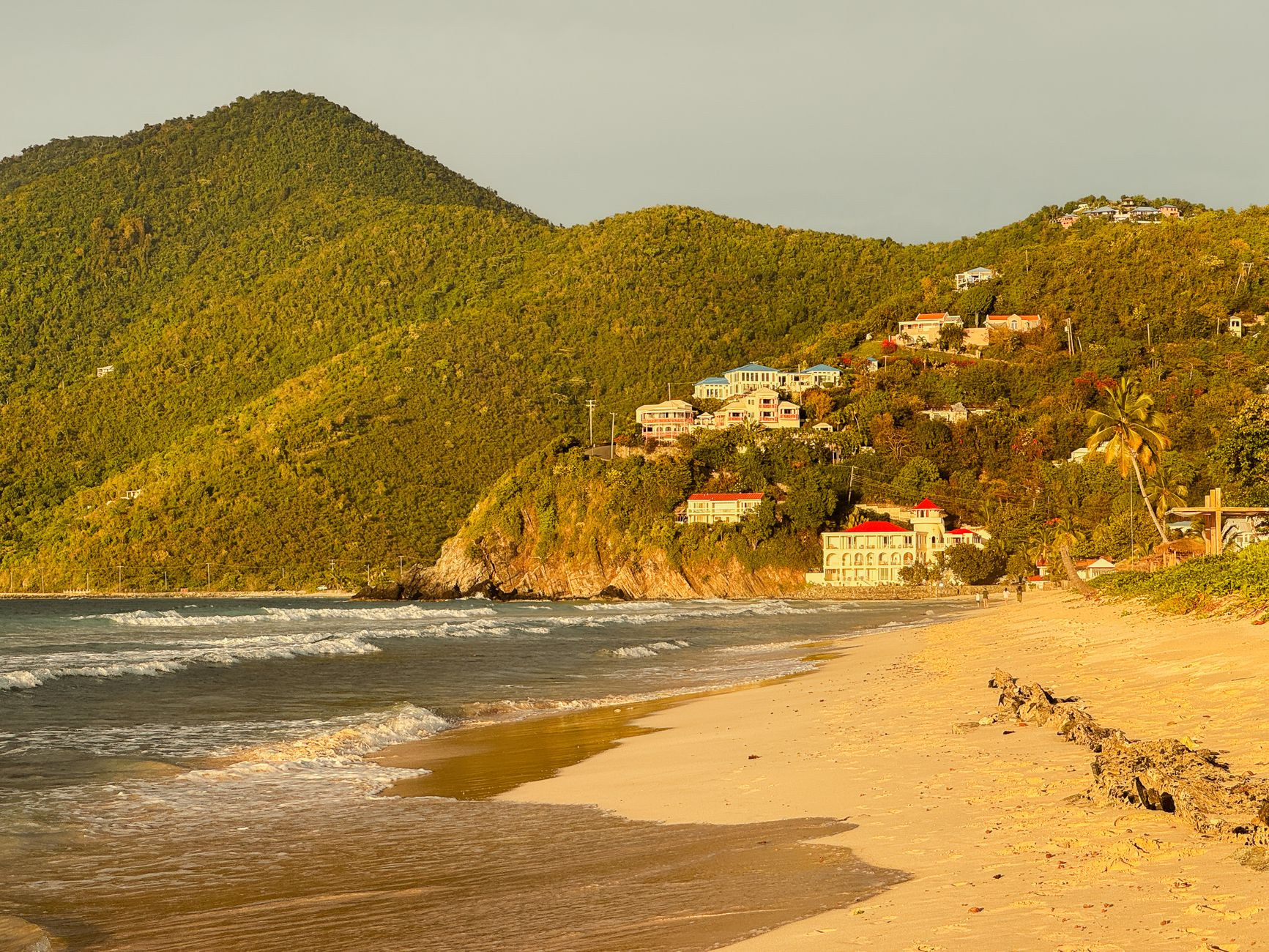
Approaching Dominica with preparation and local awareness ensures your time in the rainforest is rewarding, safe, and deeply memorable.
Best Seasons, Weather Conditions, and Packing Essentials
Dominica’s tropical climate features warm temperatures year-round, averaging 78 to 86 degrees Fahrenheit (25 to 30 Celsius), accompanied by high humidity. Rainfall is the defining element of the landscape: coastal areas receive roughly 70 inches annually, while the interior mountainous rainforest can receive over 300 inches.
The dry season extends from February through May, offering the most stable weather for hiking the Boiling Lake and high trails. However, brief afternoon showers still occur frequently in the mountains. The wet season spans from June through November, coinciding with Atlantic hurricane season. While trails can become muddy, waterfalls run at peak volume and the rainforest is exceptionally lush. If traveling in late summer or autumn, comprehensive travel insurance covering storm disruptions is strongly recommended.
Packing for Dominica requires specialized hiking and water gear. Bring sturdy trail shoes or lightweight hiking boots that drain water quickly. Pack synthetic hiking shirts, UPF 50+ rash guards, and quick-dry shorts. A breathable rain jacket and a heavy-duty waterproof dry bag (20 to 30 liters) are essential for keeping cameras, phones, and clothing dry during canyon swims at Titou Gorge and sudden mountain squalls. Finally, bring reef-safe mineral sunscreen, insect repellent, and a headlamp for early morning hikes.
By respecting the island’s terrain, engaging licensed local guides, and securing reliable mobile connectivity before departure, you will experience the true magic of Dominica: an untamed Caribbean wilderness where nature still reigns supreme.